Expert Guidance
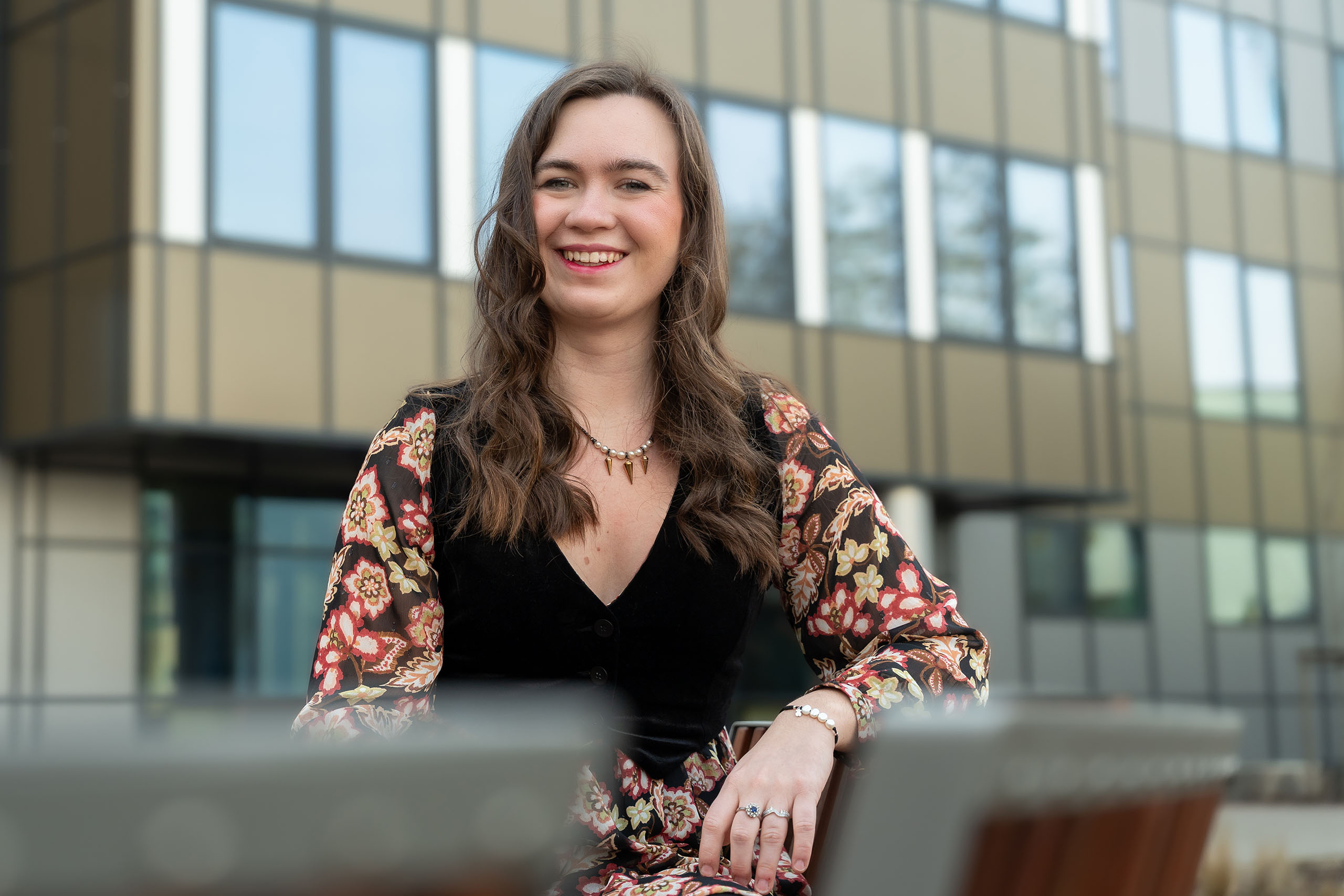
It used to be said that “the eyes are the window to the soul”, but modern medicine proves that they also show what is happening inside our body. Thanks to modern non-invasive technologies, it is possible to visualize how the retinal arteries change under the influence of physical exertion, investigate the phenomenon of myogenic self-regulation and relate it to other organs and systems in the human body, especially to the cardiovascular system – wrote Maria Żmijewska, a medical student at the Faculty of Medicine of the Medical University of Warsaw.
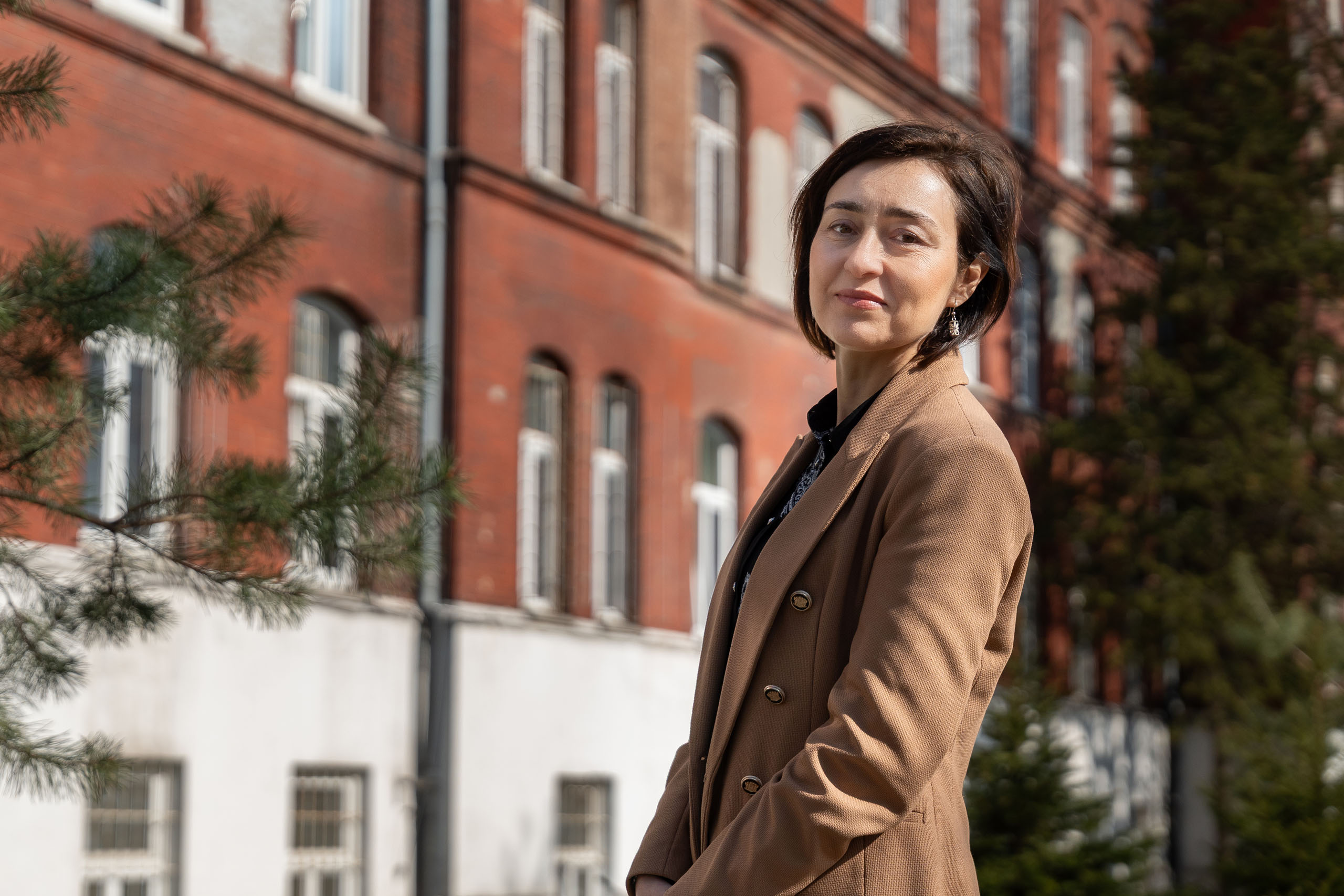
Statistically, insomnia is the third most common problem – after infections and gastrointestinal issues – that prompts patients to visit their primary care physician. It disrupts daily functioning, weakens the immune system, negatively affects memory, and even increases the risk of cardiovascular diseases. In a conversation with Dr. hab. Dorota Wołyńczyk-Gmaj from the Chair and Department of Psychiatry at the Medical University of Warsaw (WUM), we explain why sleep is crucial for health, which warning signs should concern us, and which treatment methods are most effective.
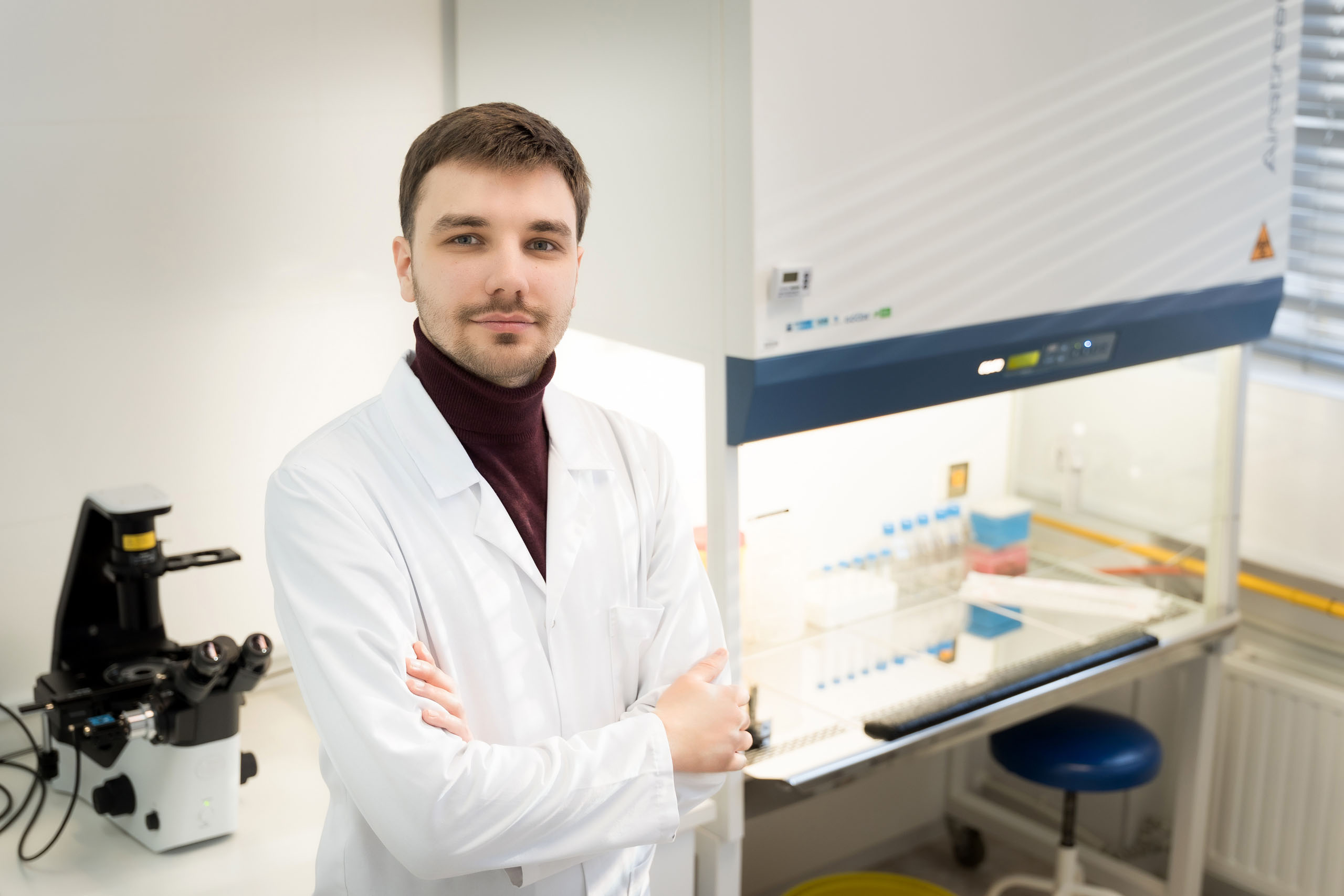
Global public health decision-makers emphasize that the epidemiological situation related to the increasing incidence of Clostridioides difficile infections requires continuous attention and action. This is particularly important because currently used treatments for patients with C. difficile infection are not always effective. Hopefully, the results of my research can help develop new therapeutic strategies in the future to support treatment and prevent recurrent infections caused by this pathogen, writes Piotr Lalowski, MSc Eng, a PhD student from the Chair and Department of Medical Microbiology at the Medical University of Warsaw.
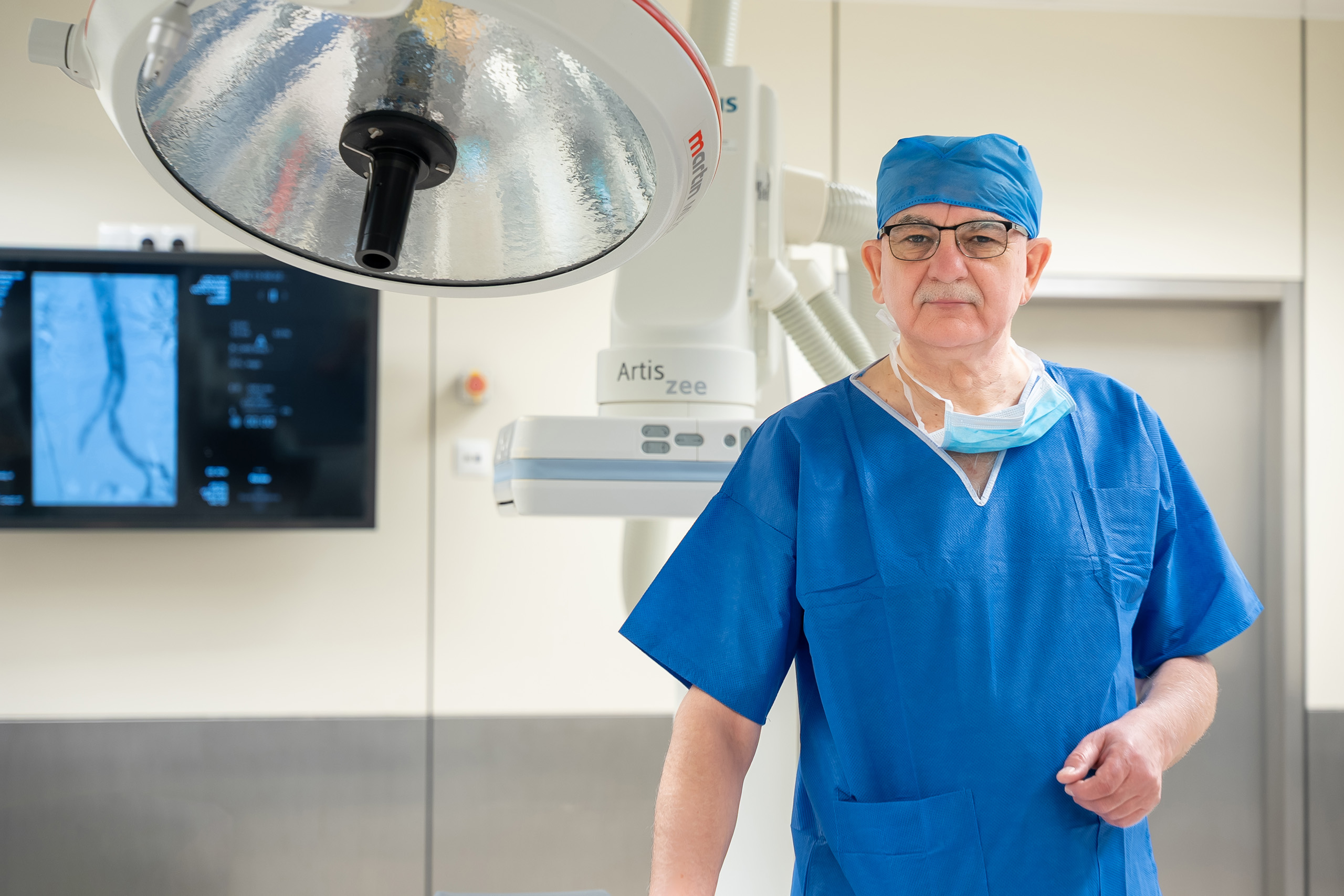
The first kidney transplant was a great challenge. Since then, over 31,000 such surgeries have been performed in Poland with 10% of them being performed in our Department of General, Vascular, Endocrine and Transplant Surgery. We interviewed the Head of the Department – Prof. Zbigniew Gałązka and talked about the first kidney transplant, procedures performed at present and the quality of the life of patients after transplantation.
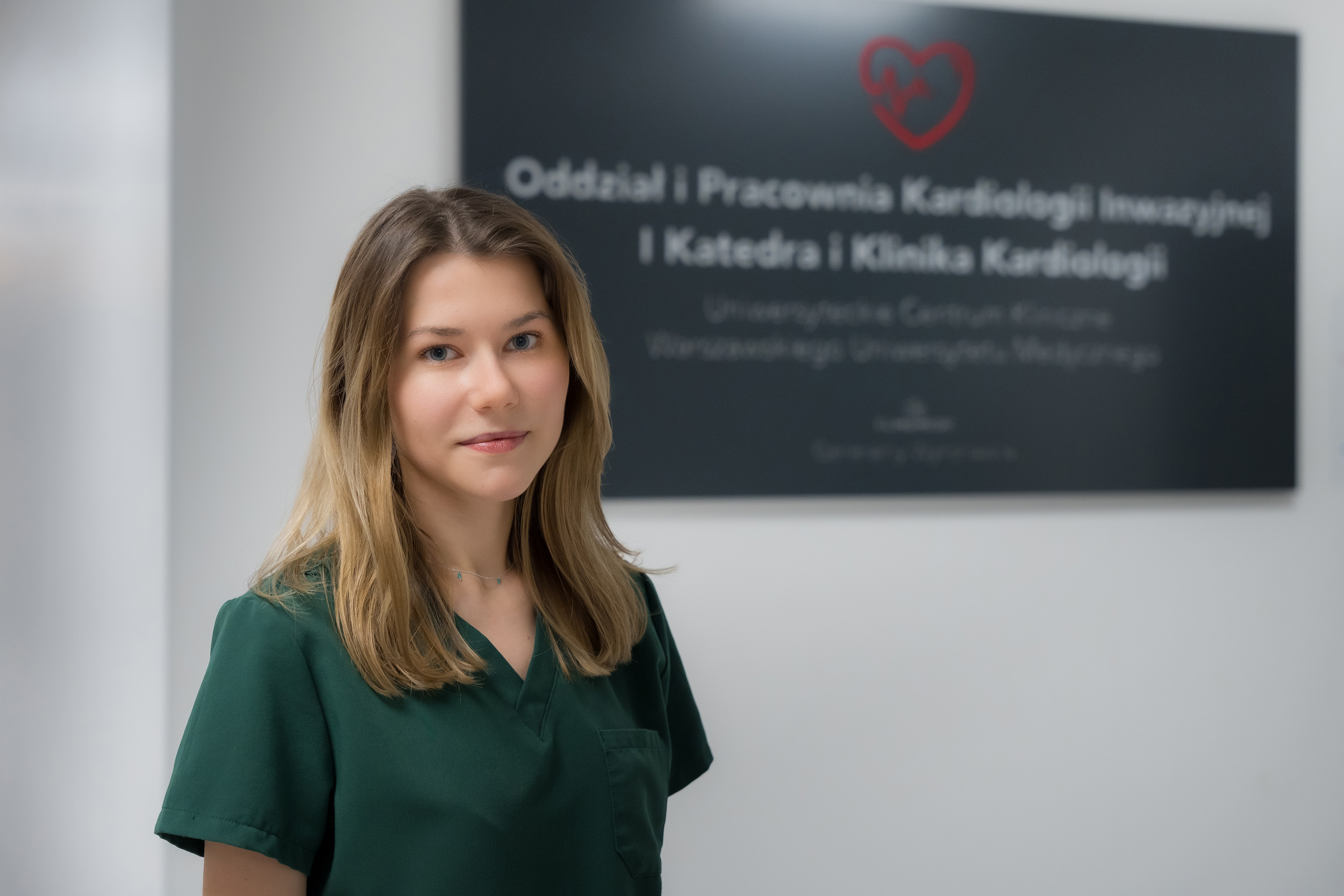
Chest pain is one of the most common reasons patients go to the hospital. For the patient, it is fear and uncertainty, for the doctor – the need for a quick decision: "Are we dealing with myocardial infarction, which is a life-threatening condition, or with another – often much less dangerous – cause of the manifestations. The problem is that, at the beginning, the symptoms may be very similar. And in case of myocardial infarction, time works against us. "That is why we are looking for a new warning signal in our project" – says Ewelina Błażejowska, a PhD student at the 1st Department of Cardiology, UCC WUM.
The procedures are difficult, associated with the risk of serious complications. However, they offer a chance of life to children in whom other modalities have already proved ineffective. What do hematopoietic stem cell transplantations involve? What are the differences? How long do you have to wait for a donor? Does bone marrow donation hurt? - these questions are answered by Professor Iwona Malinowska who supervises the Transplantation Unit of the Department of Pediatric Oncology and Hematology, Clinical Transplantology and Pediatrics, University Clinical Center, Medical University of Warsaw.
Breastfeeding involves so much more than just nutrition. It provides essential support for the development of any child, but is especially important for premature and ill infants. We sat down with Professor Aleksandra Wesołowska, head of the University Laboratory for Research in Human Milk and Lactation, WUM Department of Medical Biology, to discuss the unique properties of human milk, as well as what human milk banks are and how to use them.

Inflammation is pointed out as both a potential consequence and a cause of neurodegenerative processes. Yet the role of inflammatory factors in the pathophysiology of Parkinson’s disease and atypical Parkinsonian disorders has not been explored yet. My study will allow for comparing the levels of inflammation parameters in the course of Parkinson’s disease and progressive supranuclear palsy, as well as identifying differences between those subtypes, writes Piotr Alster, PhD Hab., from the WUM Department of Neurology at the Faculty of Health Sciences.

The period of studying is primarily a time of new challenges and major changes, to which one must adapt. This can be difficult. What can a student do to cope better? How should they strengthen their well-being to avoid emotional crises and academic burnout? What role do lecturers and the university itself play? Dr. hab. Dorota Włodarczyk, head of the Study of Health Psychology at the Medical University of Warsaw (WUM), which is celebrating its 60th anniversary this year, answers these and many other questions.
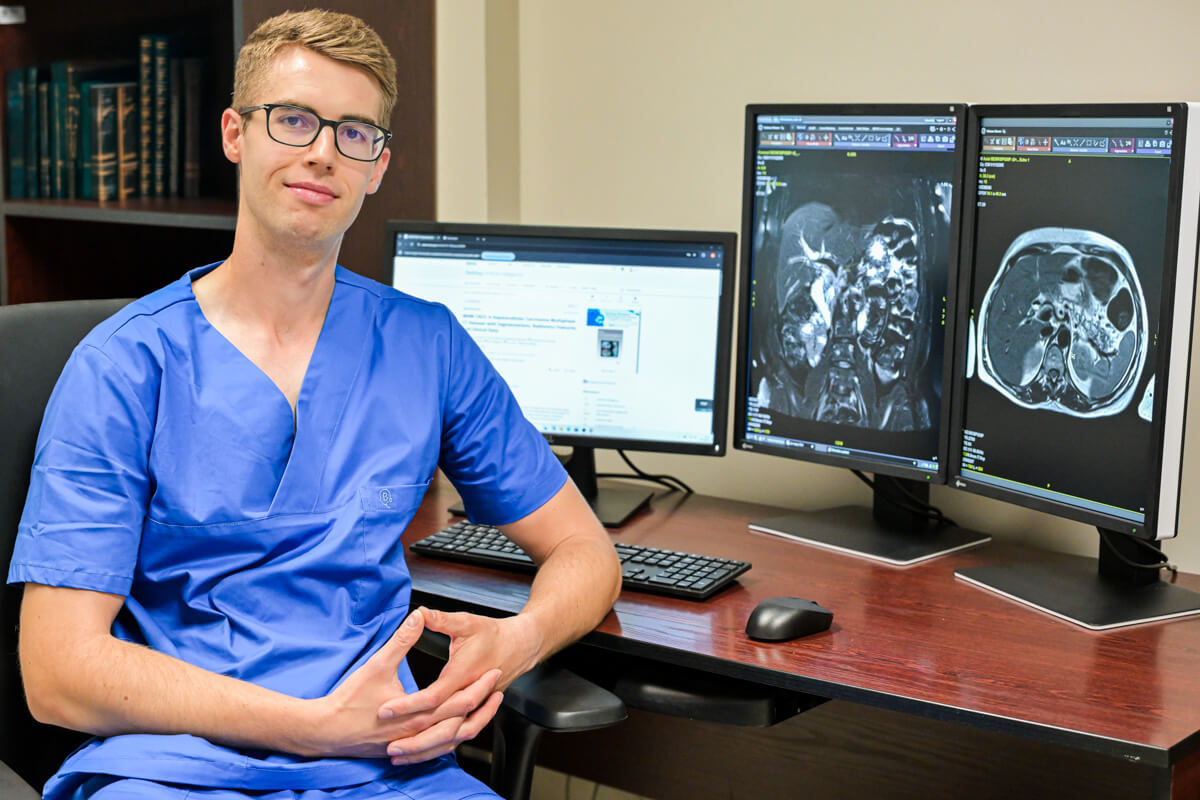
The artificial intelligence revolution is unfolding before our eyes, with AI taking many areas of life by storm – and medicine and radiology are no exception. Here at the Medical University of Warsaw, we are launching a project where we will apply AI to predicting the course of oncological diseases. Our focus will be on hepatocellular carcinoma, which remains one of the biggest challenges in oncology. But the models we are about to build will also be applicable to other abdominal neoplasms. All this to support treatment planning and make it more personalized, writes Krzysztof Bartnik, MD, PhD, of 2nd Department of Clinical Radiology, WUM.