Expert Guidance
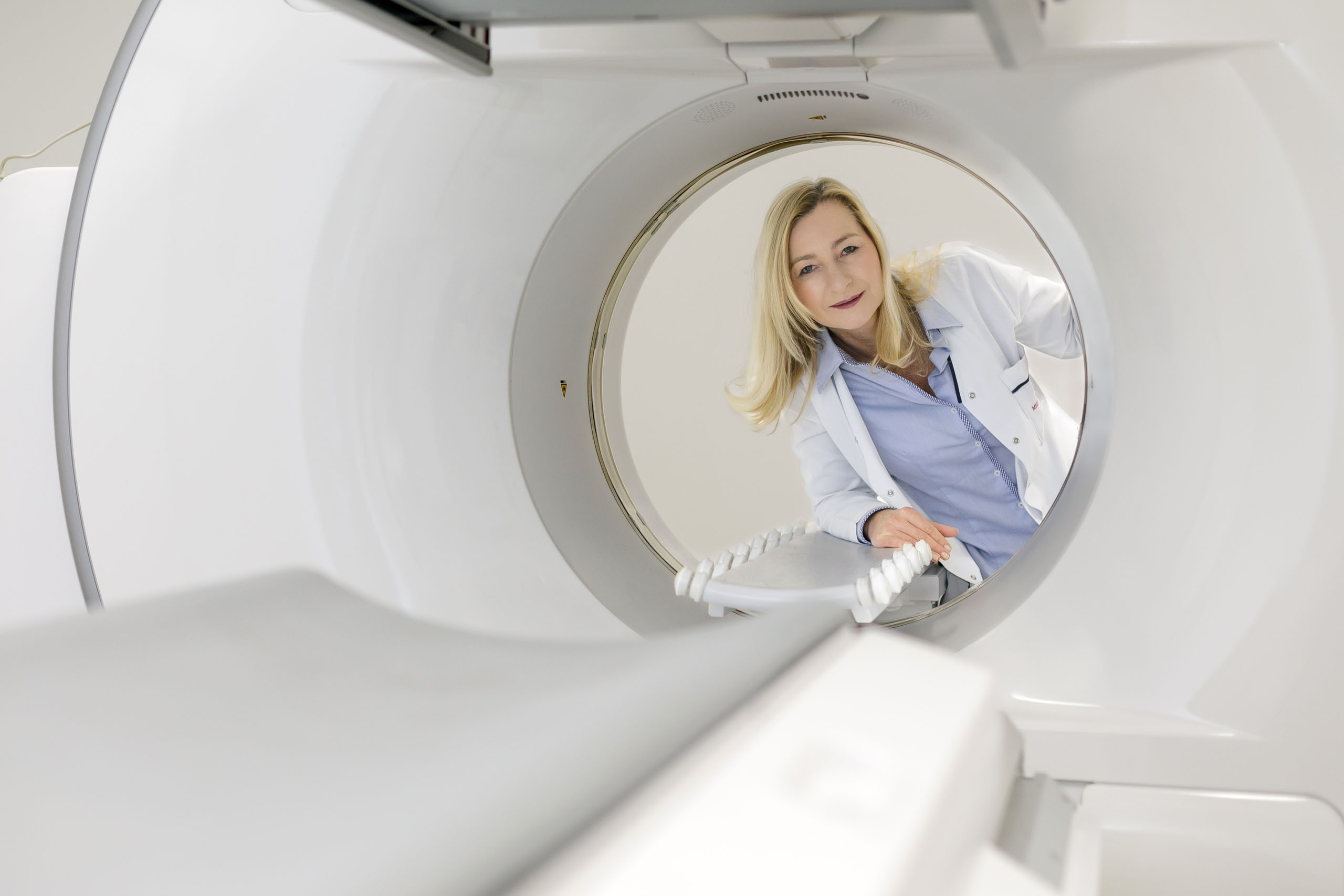
"Today, we use nuclear medicine methods to treat thyroid cancer, prostate cancer and neuroendocrine tumors. However, ongoing research gives us the hope that it will be soon possible to overcome many other cancers this way – says Prof. Jolanta Kunikowska from the Department of Nuclear Medicine at UCK WUM. – I know that many patients are afraid of radiation, which is probably because of the Chernobyl disaster. But the explosion at the power plant was an accident; the level of radiation was uncontrolled. In nuclear medicine, we control the dose with precision. We prepare radiopharmaceuticals "tailor-made" for a specific patient. And it is always the smallest possible dose, enabling diagnostics or effective therapy.
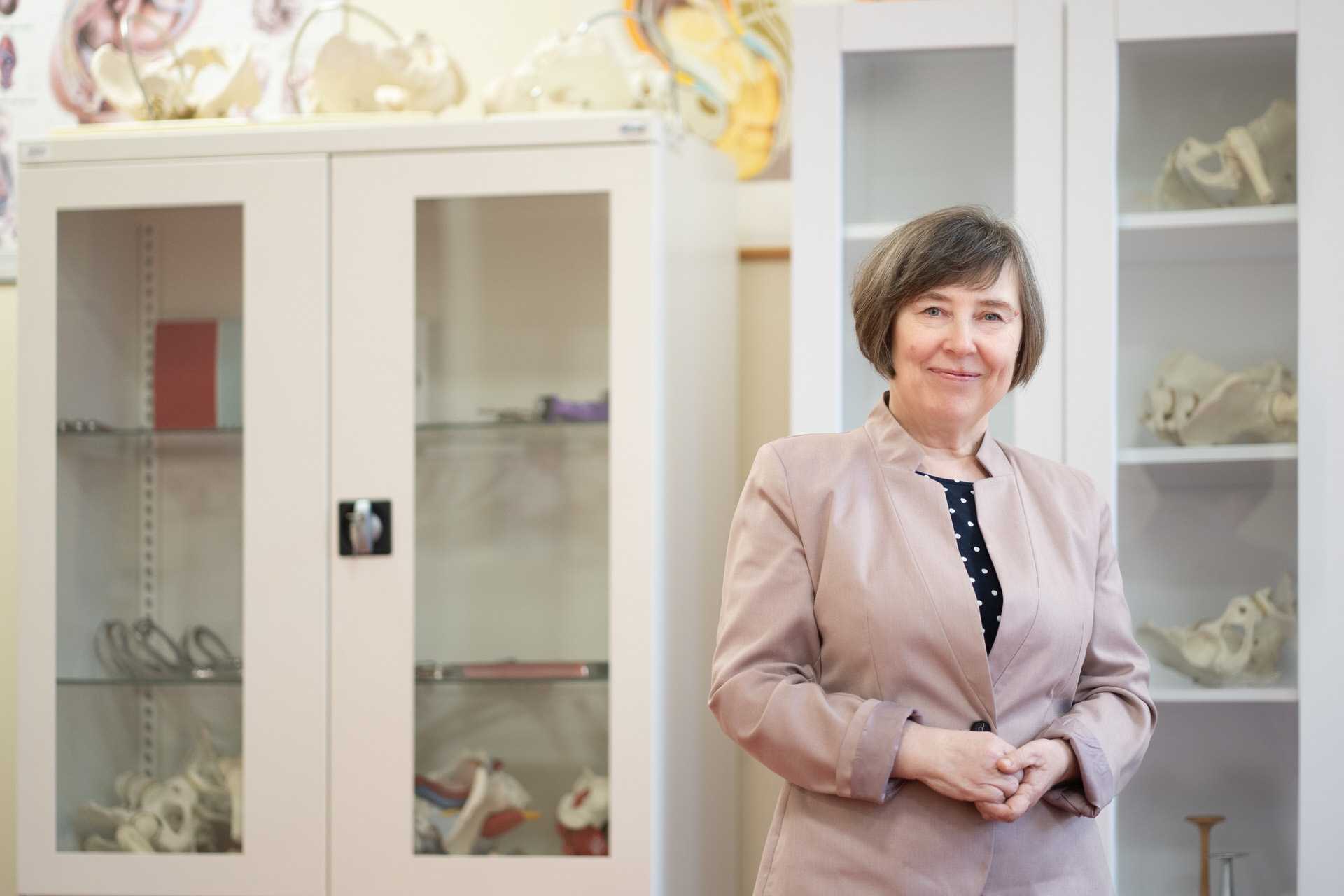
In Poland, midwives can provide independent care for a woman in healthy pregnancy and during regular childbirth and confinement, prescribe some medications and perform ultrasound examinations. - The law gives us the opportunity to act independently, but the health care system does not yet see, respect and use it - says Grażyna Bączek, PhD, Head of the Gynaecology - Obstetrics Didactics Department at MUW, Director for Nurses and Midwifes at St. Sophia’s Specialist Hospital in Warsaw.
For several months you can see five-color nutrition labels on selected food products sold in Poland and other EU countries. This is the Nutri-Score tagging system developed in France in 2017. “Although this type of label is intended to promote good eating habits by indicating which products are characterized by high nutritional value, this objective is not met in practice,” says Assoc. Prof. Mariusz Panczyk, PhD from the Faculty of Health Sciences, one of the authors of the report on Nutri-Score food labeling.
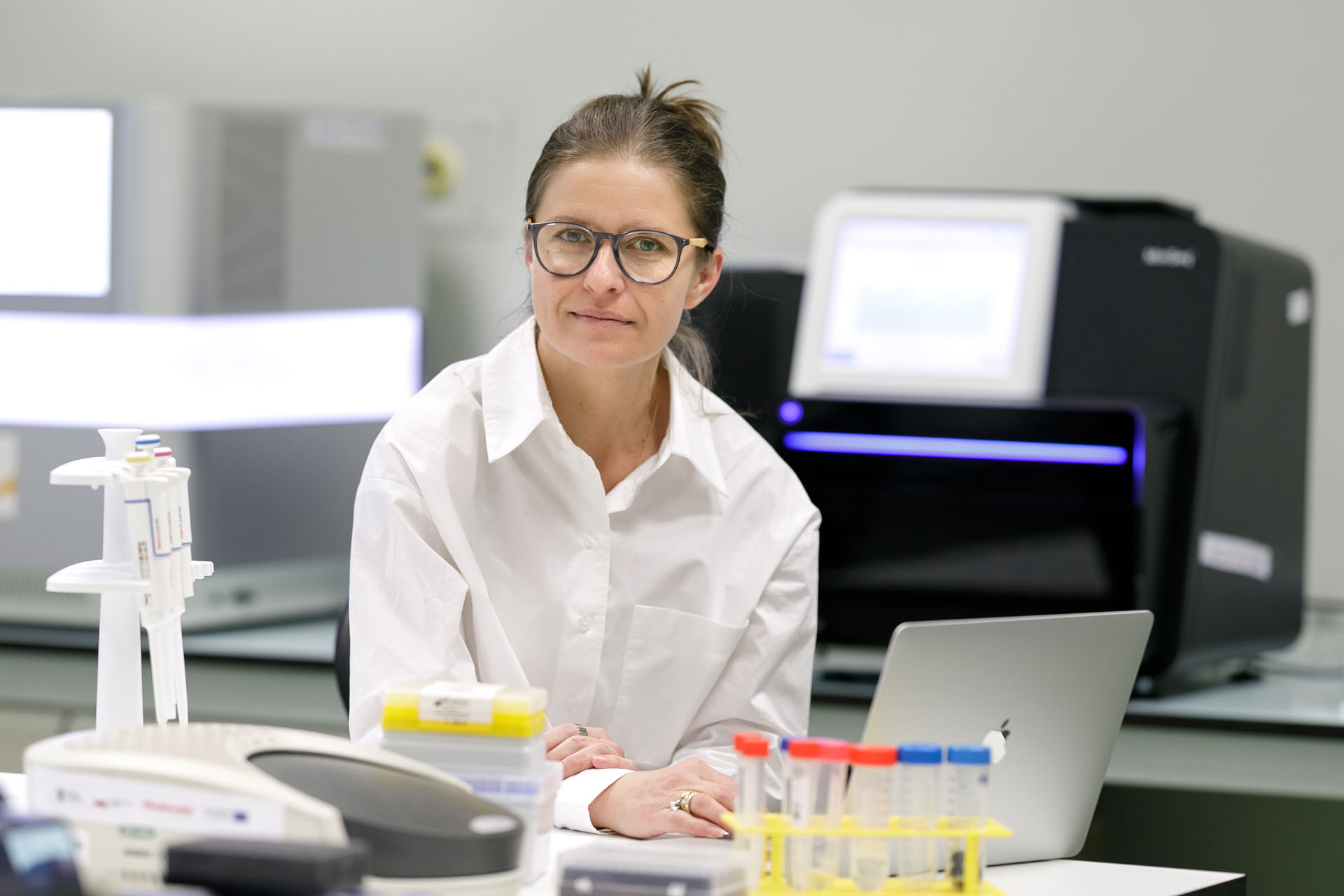
“Our ambition is to create at MUW an international reference model of a cell therapy center for the needs of regenerative medicine, based on our own intellectual property and submitted international patents,” says Prof. Magdalena Kucia, Head of the Laboratory of Regenerative Medicine of the Medical University of Warsaw. This goal can be achieved, not only owing to our knowledge and experience but also thanks to highly specialized medical equipment purchased for the laboratory as part of the “Center for Preclinical Research and Technology – CePT II” project.
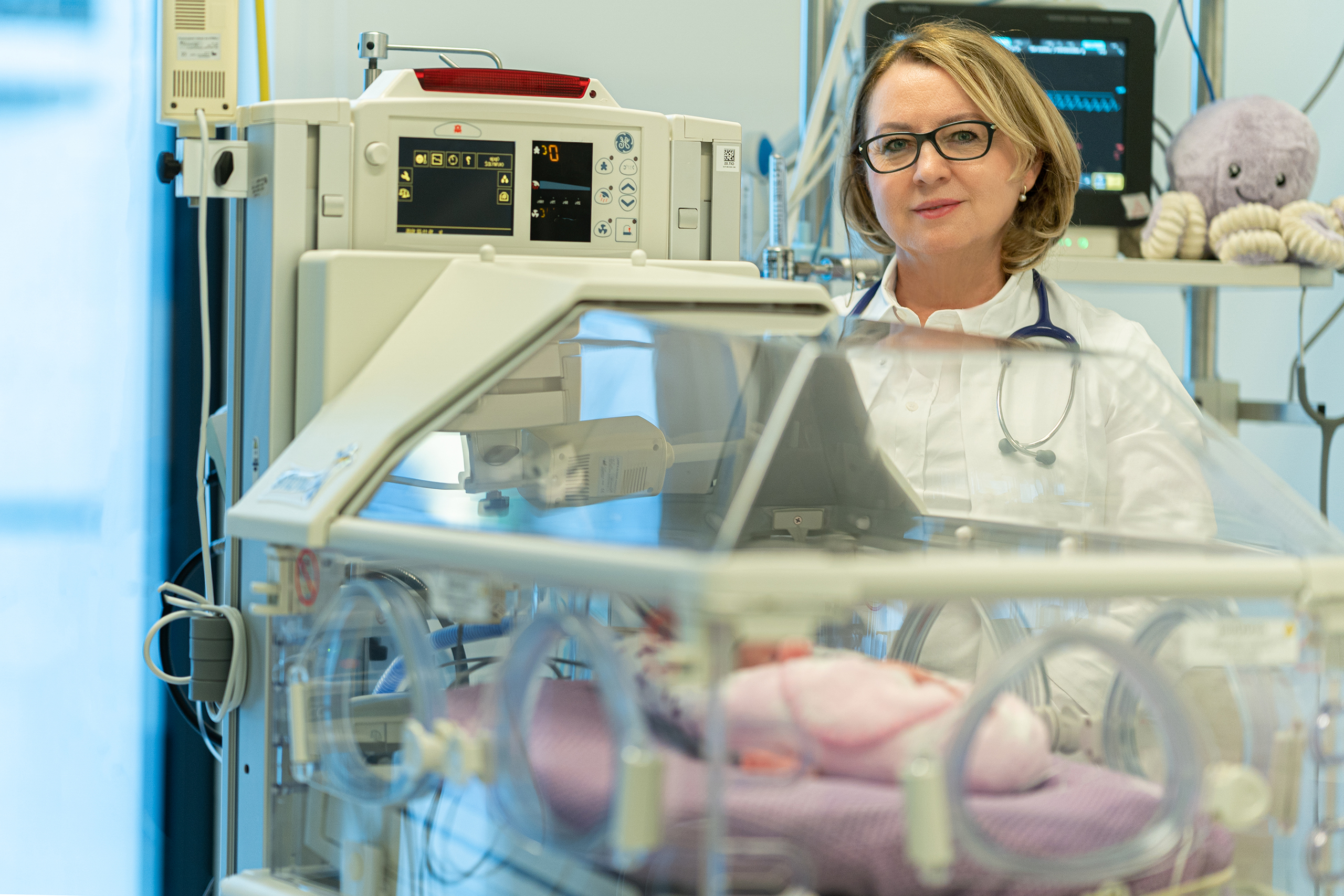
-A dozen or so years ago, the treatment of new-borns born prematurely with a body weight of less than 1,500 grams was a serious challenge for the neonatologist, but today we do not find it particularly difficult. Currently, more and more premature, extremely premature infants born with a body weight of less than 1,000 grams can be saved," says Prof. Bożena Kociszewska-Najman, Manager of the Neonatology and Rare Diseases Clinic at the University Clinical Centre of the WUM.
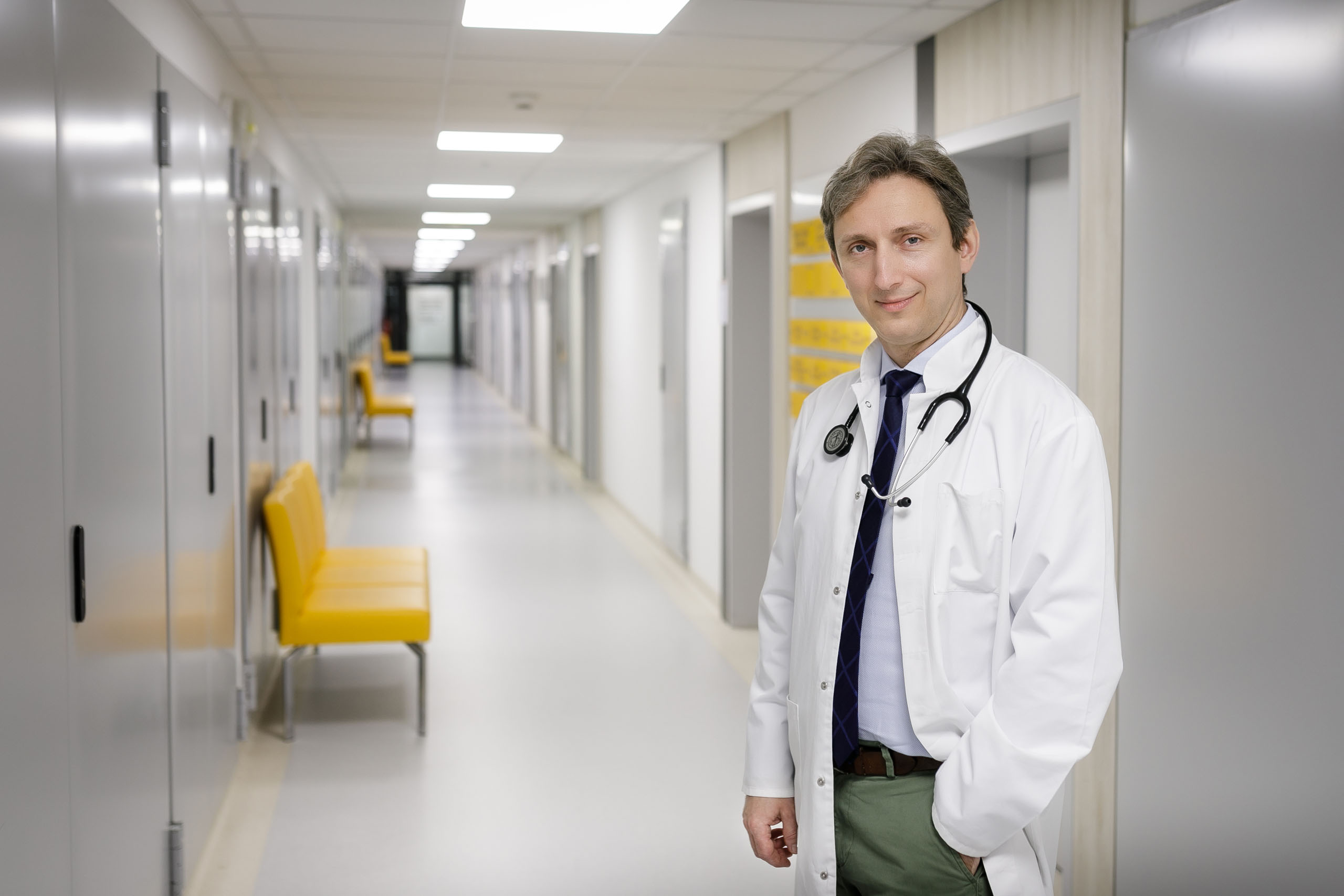
– For the first time at MUW, we carried out an innovative therapy using genetically modified CAR-T lymphocytes. Its strategy is based on making an anti-cancer drug from the patient’s own immune cells through genetic modification. This type of therapy increases the chances of curing our patient with DLBCL lymphoma increased from five up to over 40 per cent," says Prof. Grzegorz Basak, Head of the Department of Haematology, Transplantology and Internal Medicine.
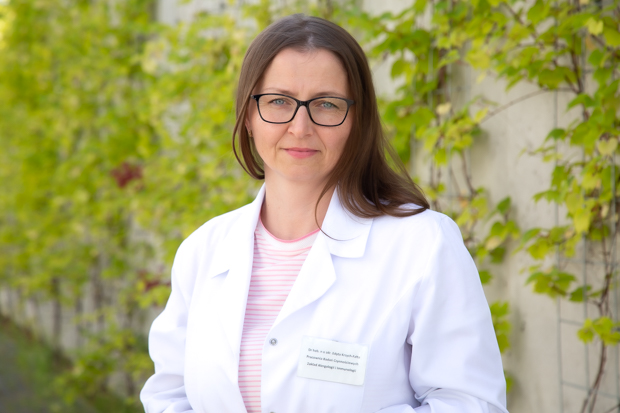
Indisputably, the intranasal allergen challenge test is the golden standard for the differential diagnosis of rhinitis. It can be stated with complete confidence that, at the current stage of research, it will also be an excellent alternative to the double-blind placebo-controlled food trial in the future, says the environmental health specialist Assoc. Prof. Edyta Krzych-Fałta, PhD in Health Sciences, head of the Department of Basic Nursing of the Medical University of Warsaw.

At the beginning of the academic year, we give the floor to Arkadiusz Kołodziej, a sixth-year medical student at the MUW, a trainee in the prestigious Fulbright program and co-creator of the hospital on the moon project.
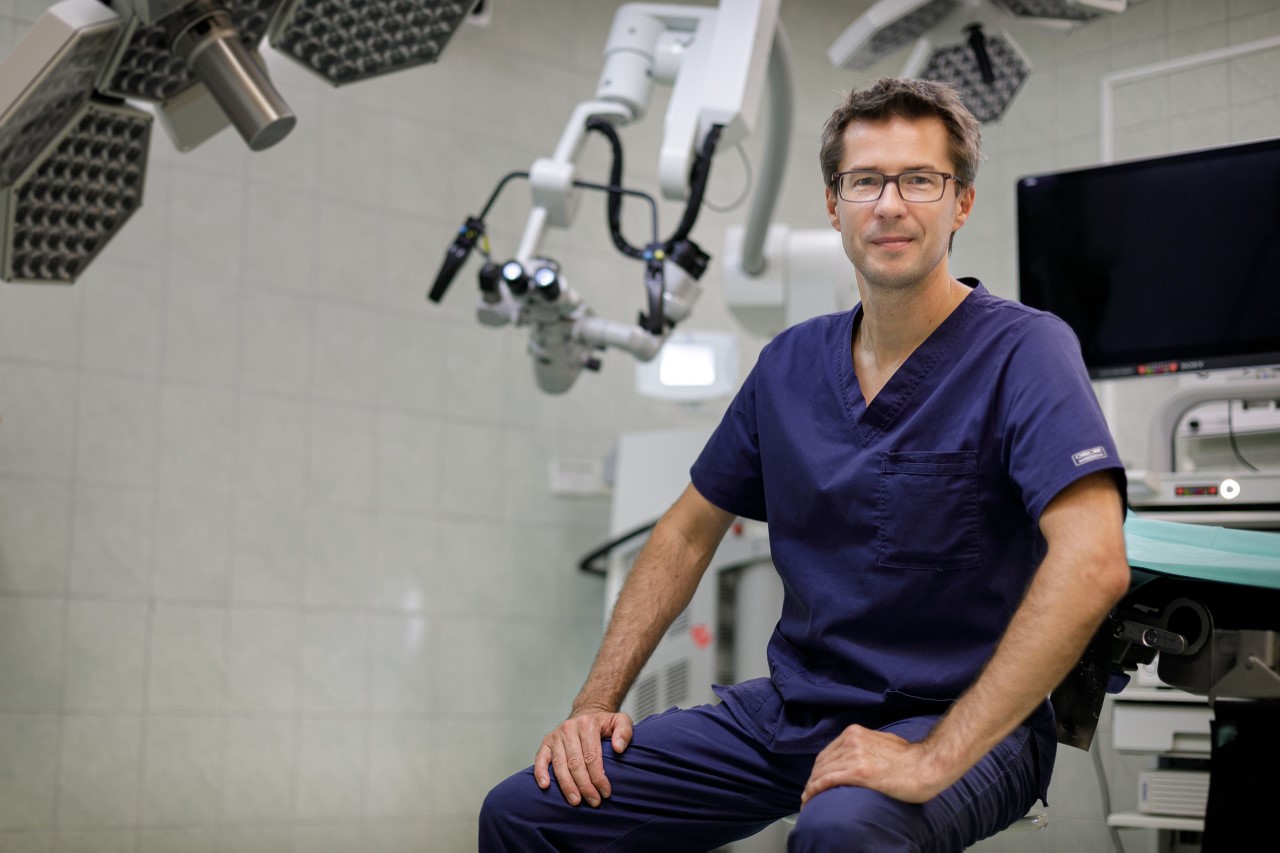
Despite the fact it is a nuisance, snoring itself is typically not hazardous. The situation changes however in case of the occurrence of sleep apnoeas. – In cases of persons experiencing 30 apnoeic episodes each hour, mornings may feel as if someone has been trying to suffocate them the entire night. It is a fight for life that is very taxing for the human body. says Dr Wojciech Kukwa, PhD from the Department of Otolaryngology at the Medical University of Warsaw.
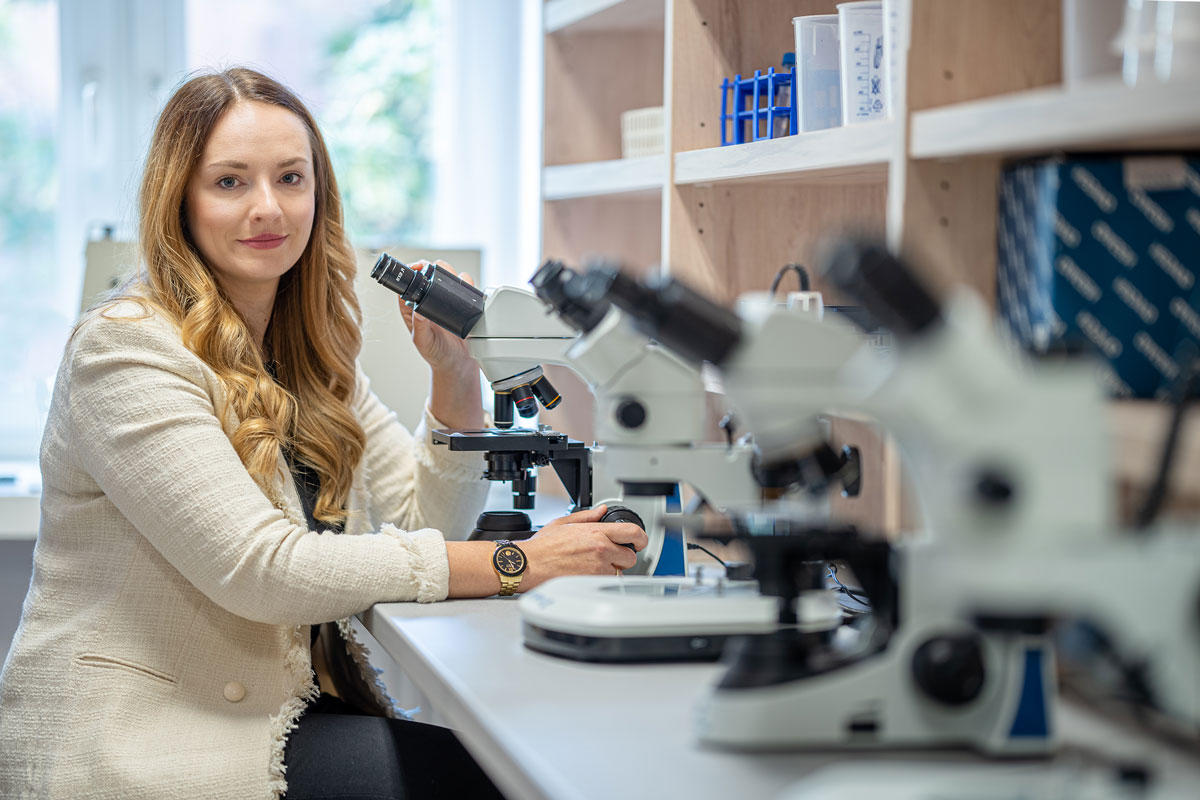
Despite the facts that parasites continue to have a severe impact on human and animal health, our knowledge regarding their biology and the complexity of the molecular interactions between the host and parasite still remains very limited to this day. Due to that reason, the research focusing on the molecules which take part in the in the parasite-host interaction is of crucial importaance, both cognitivally as well as practically, writes Anna Sulima-Celińska, PhD from the Department of General Biology and Parasitology at the MUW.