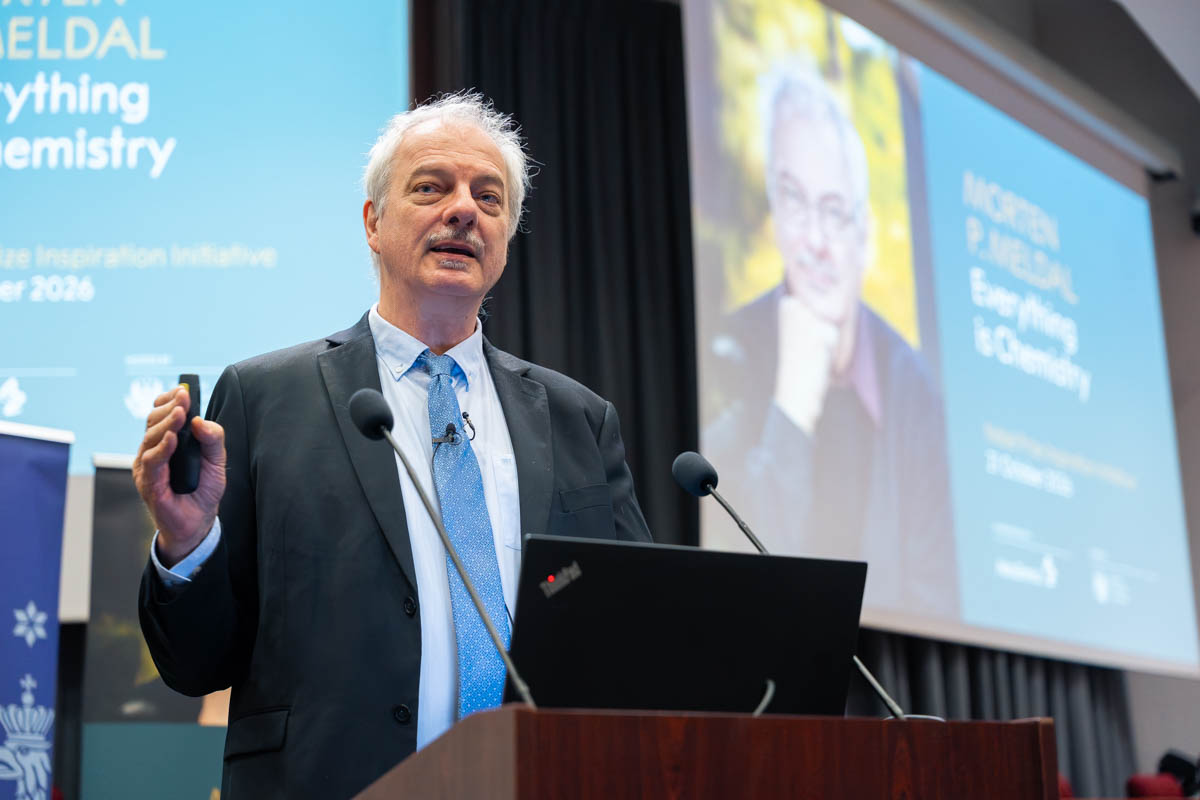
Nobel for “click” chemistry
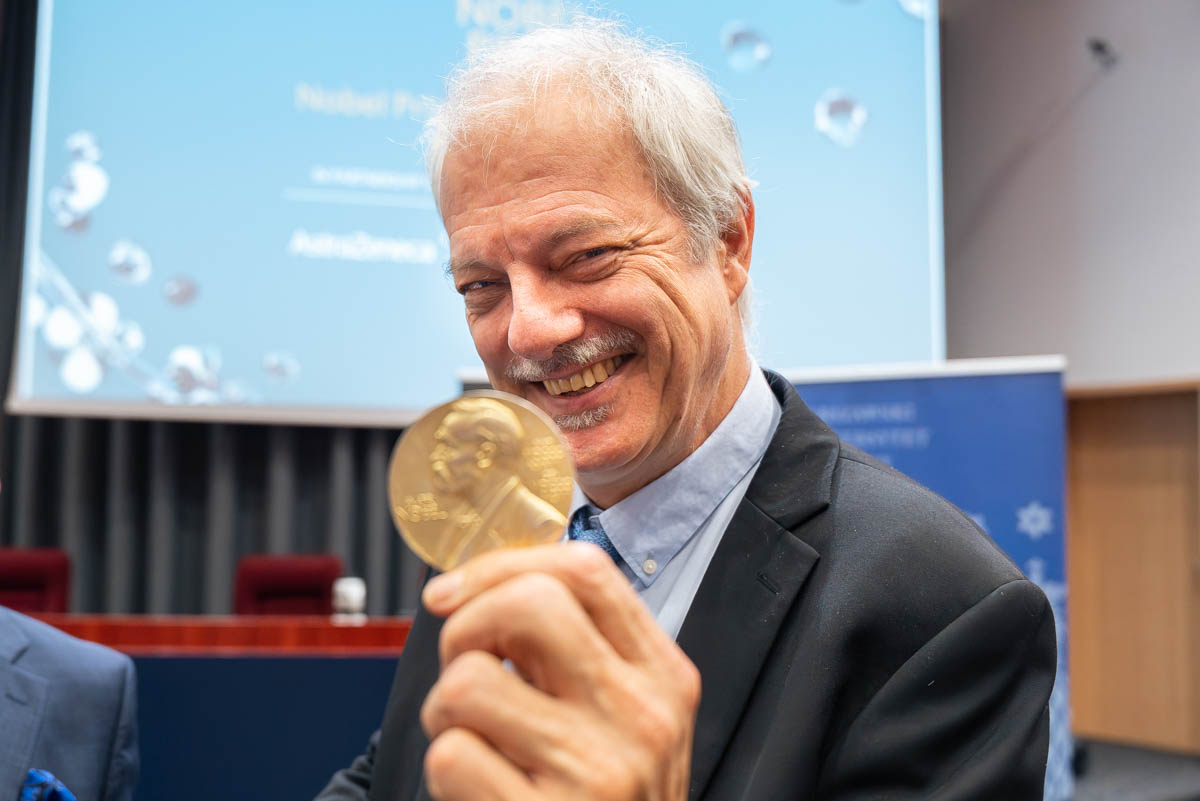
Professor Meldal received the most important distinction in the world of science together with Carolyn R. Bertozzi and K. Barry Sharpless for the development of click chemistry and bioorthogonal chemistry. Click chemistry allows the conduction of chemical reactions, during which particles connect with each other like blocks, in a simple and quick way.
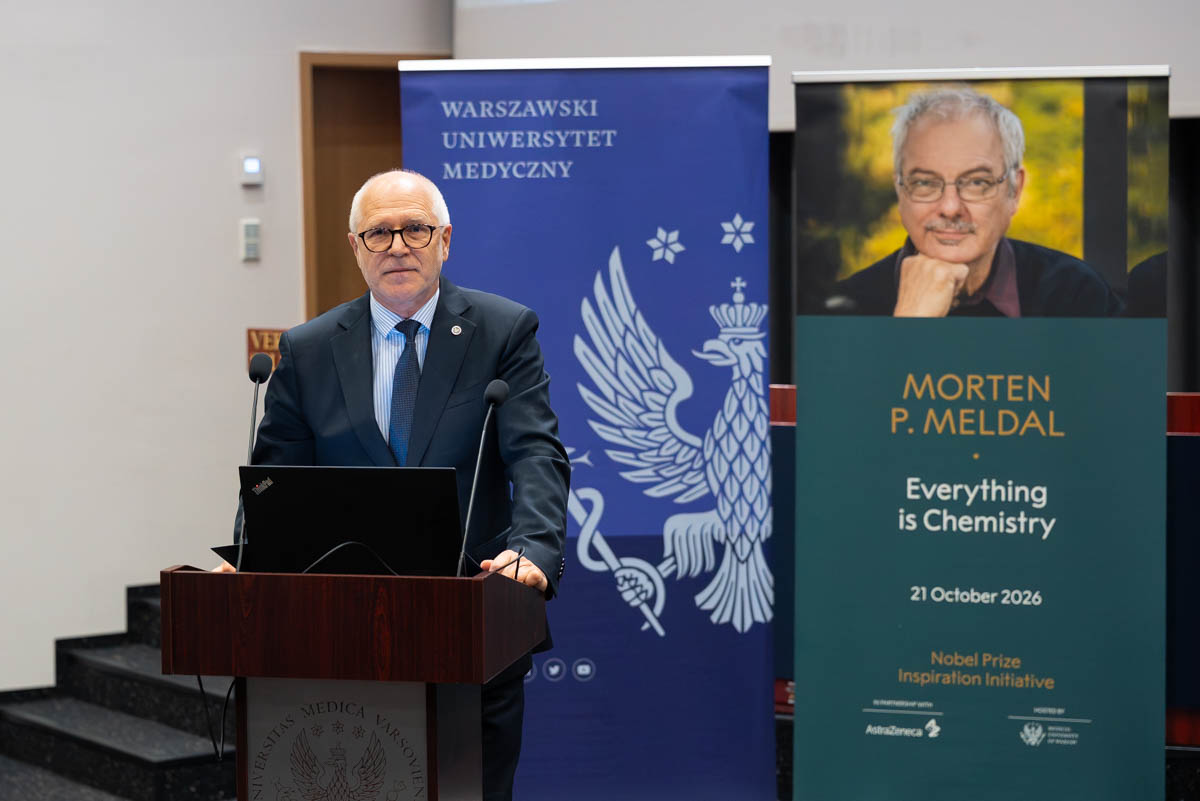
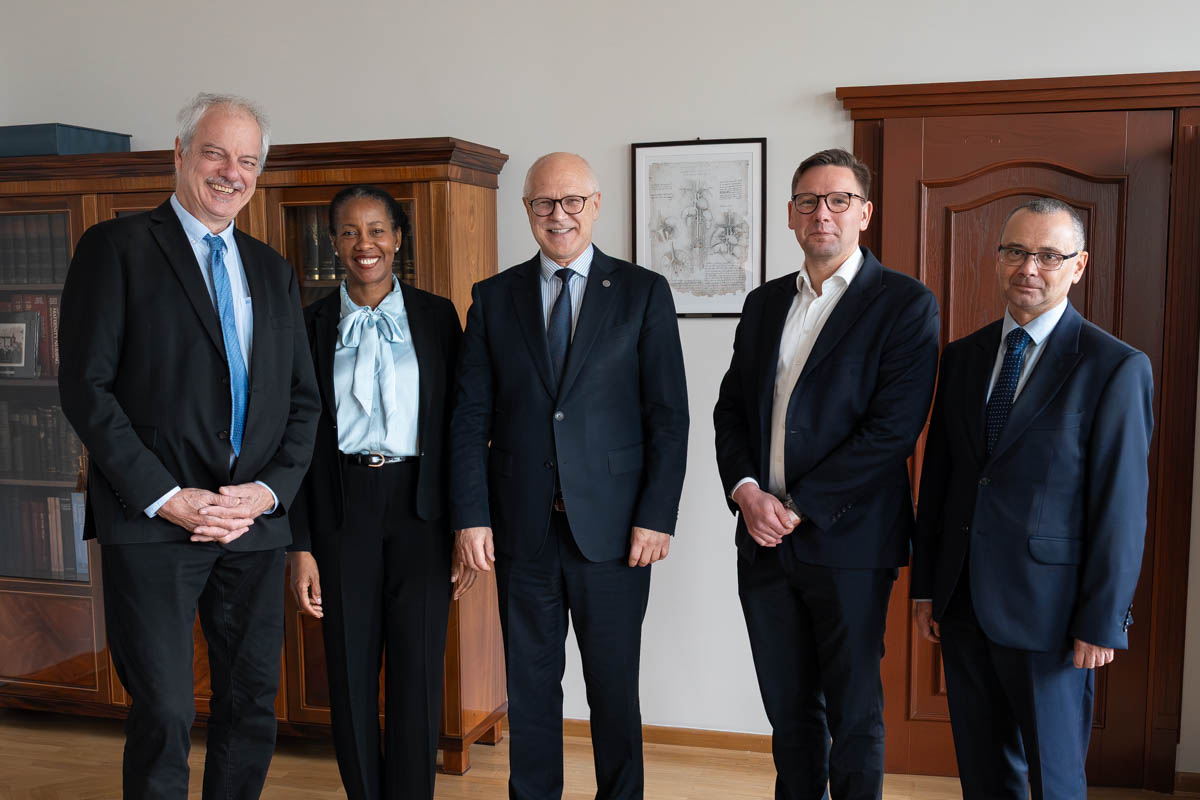
“When the Royal Swedish Academy of Sciences awarded you the Nobel Prize, the world had the opportunity to become acquainted with the concept of extraordinary elegance and simplicity. For us – representatives of medical and pharmaceutical sciences – this discovery is of utmost importance,” said the Rector of WUM, Prof. Rafał Krenke, when greeting our guest.
Thanks to this pioneering research, scientists can now look deep into biological processes, design more precise cancer therapies, deliver drugs directly to affected cells, and develop new drugs faster than ever before.
Great discoveries are born out of passion
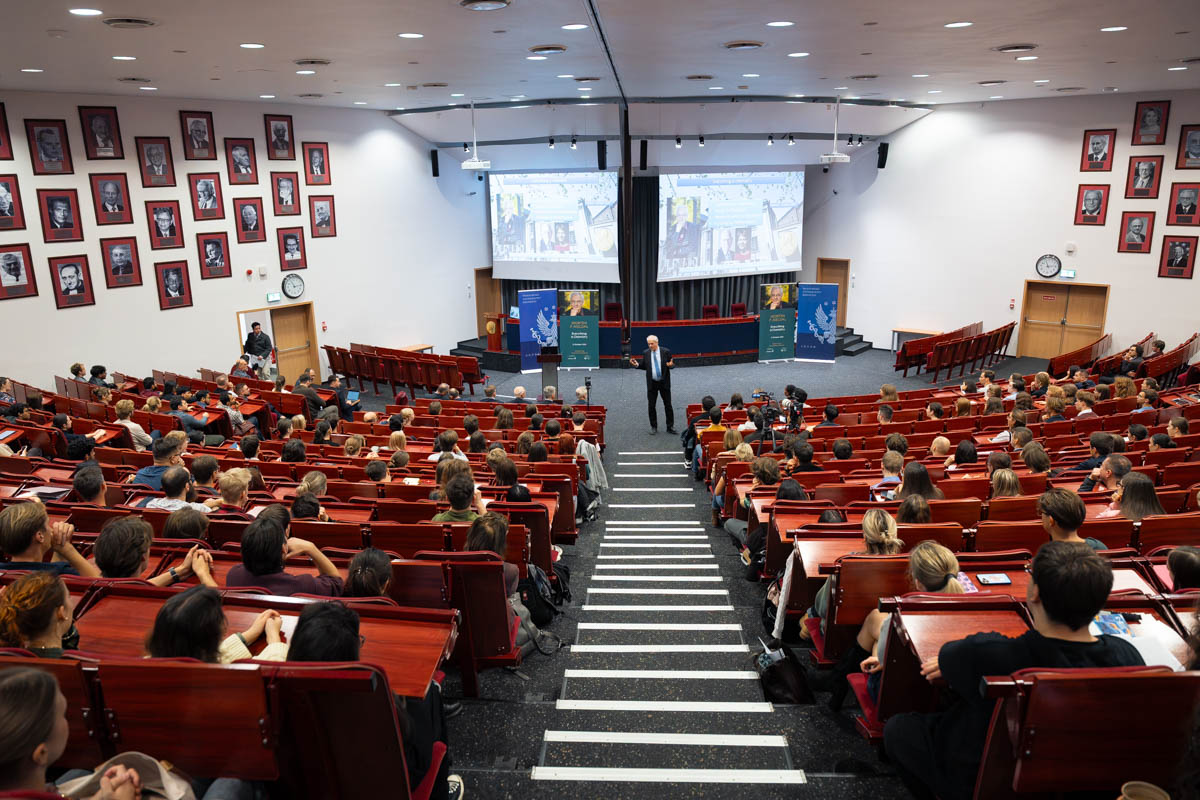
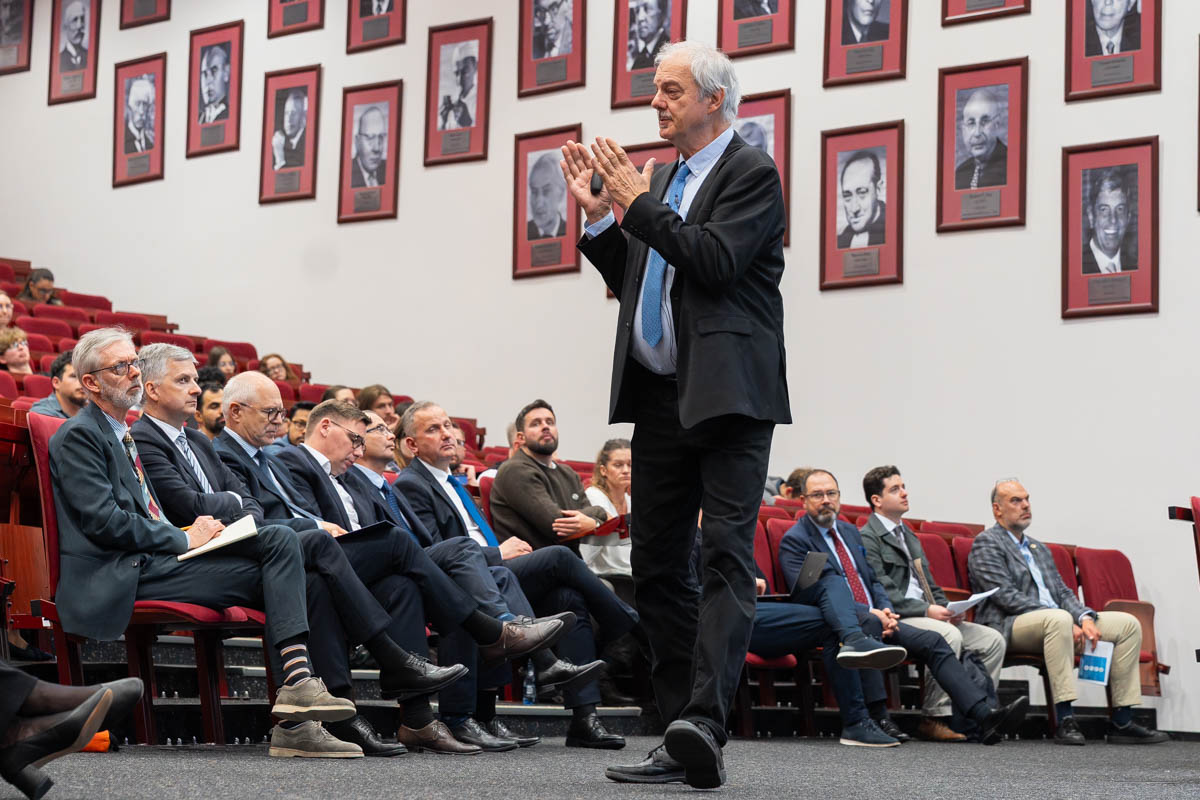
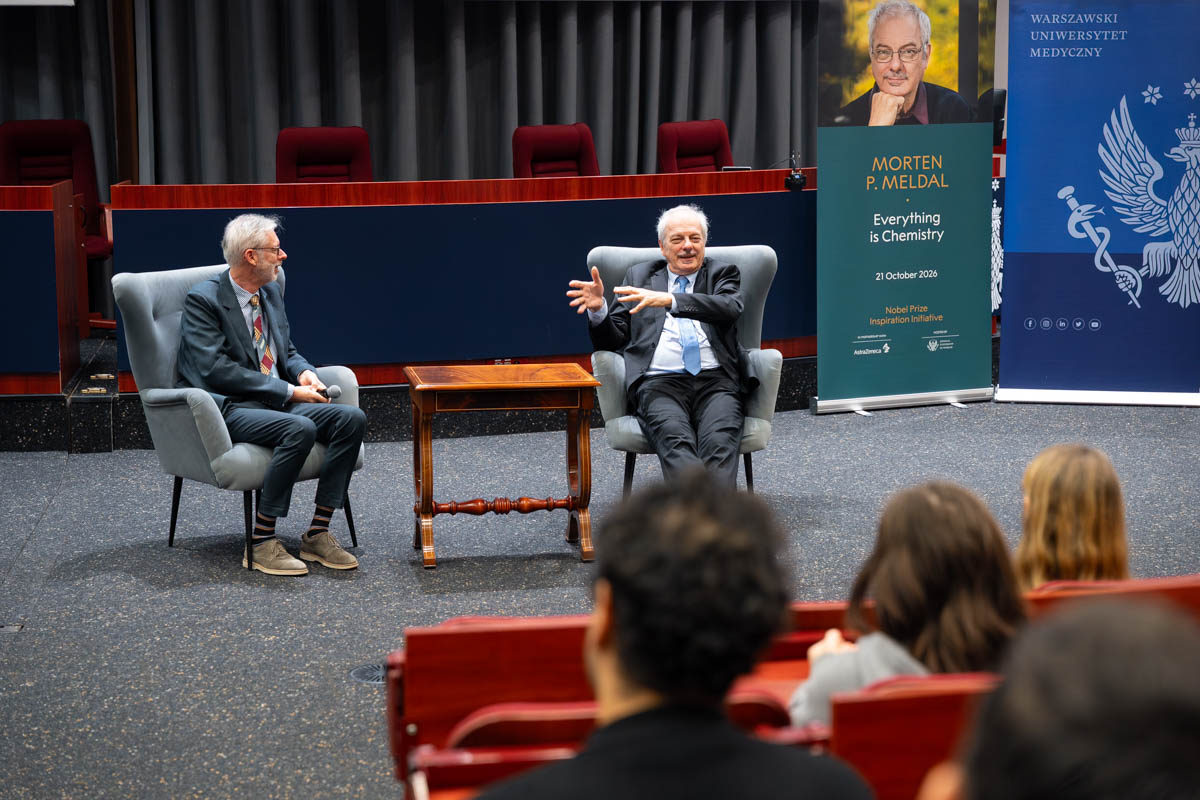
The lecture was attended by numerous students, doctoral students and high school students from schools covered by the WUM Patronage Program.
“Your presence today is an important reminder that great science is born of curiosity, perseverance and courage to challenge established views,” said Professor Krenke.
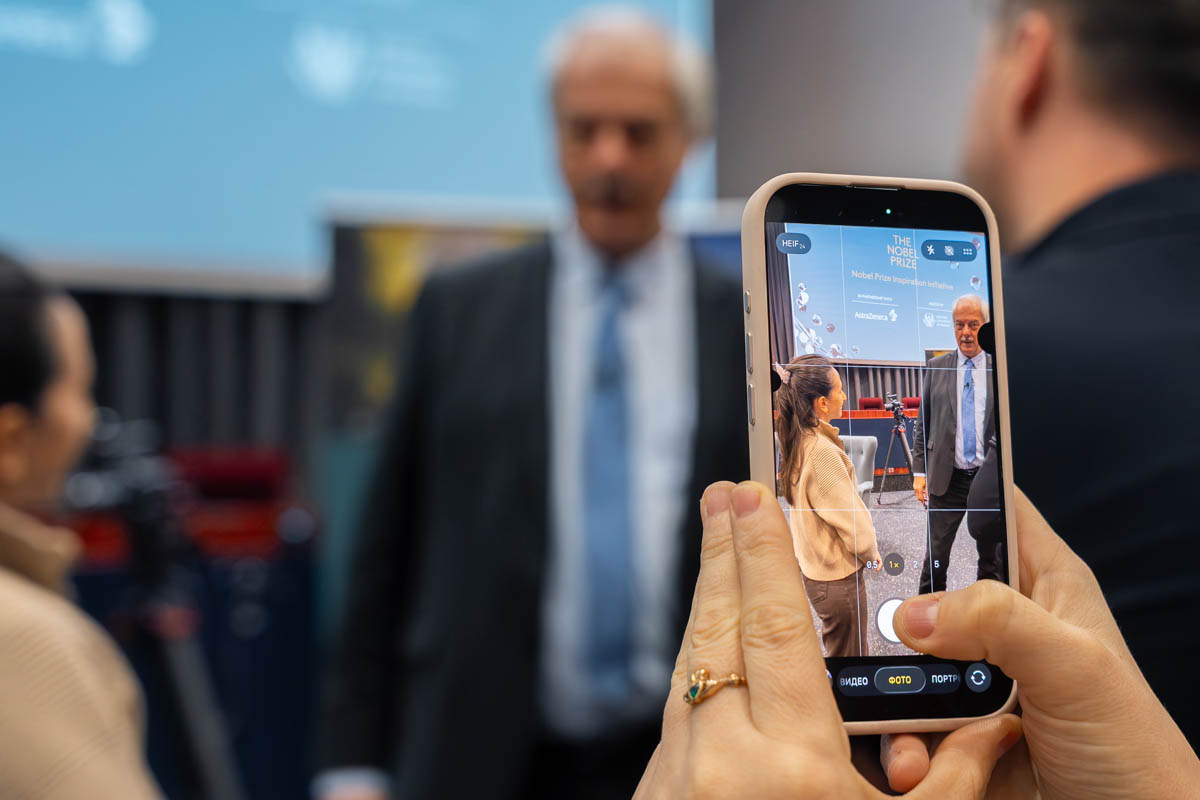
The main organizers of the visit of Prof. Meldal in Warsaw were: Nobel Prize Outreach and AstraZeneca as part of the Nobel Prize Inspiration Initiative (NPII). Its aim is to inspire the academic community through meetings with world-class scientists.
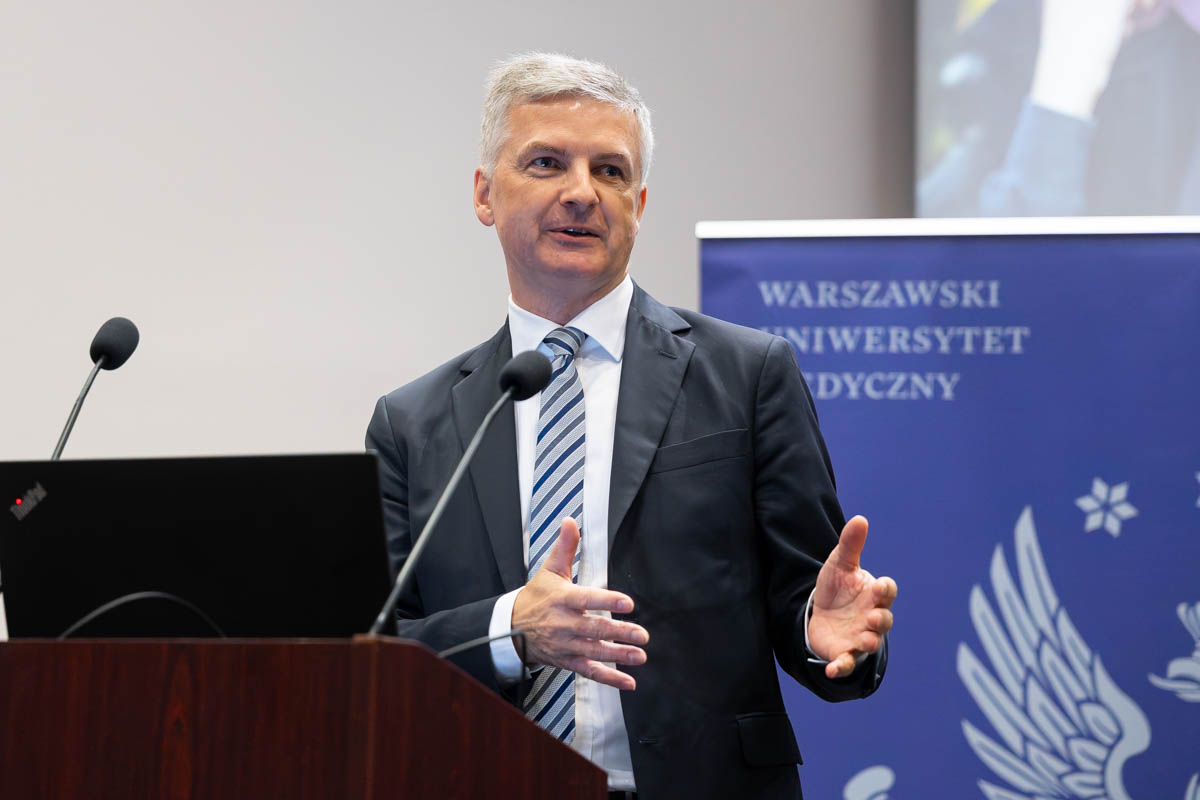
“I encourage you not only to listen to how the Nobel Prizes are won and what chemistry ‘involves’, but also to pay close attention to the professor's way of thinking. Notice how he asked the most important questions in his life. I hope that there are future professors, future deans, and maybe even future Nobel Prize winners among you,” said Adam Smith, Chief Scientific Officer of the Nobel Prize Outreach.
Everything is chemistry
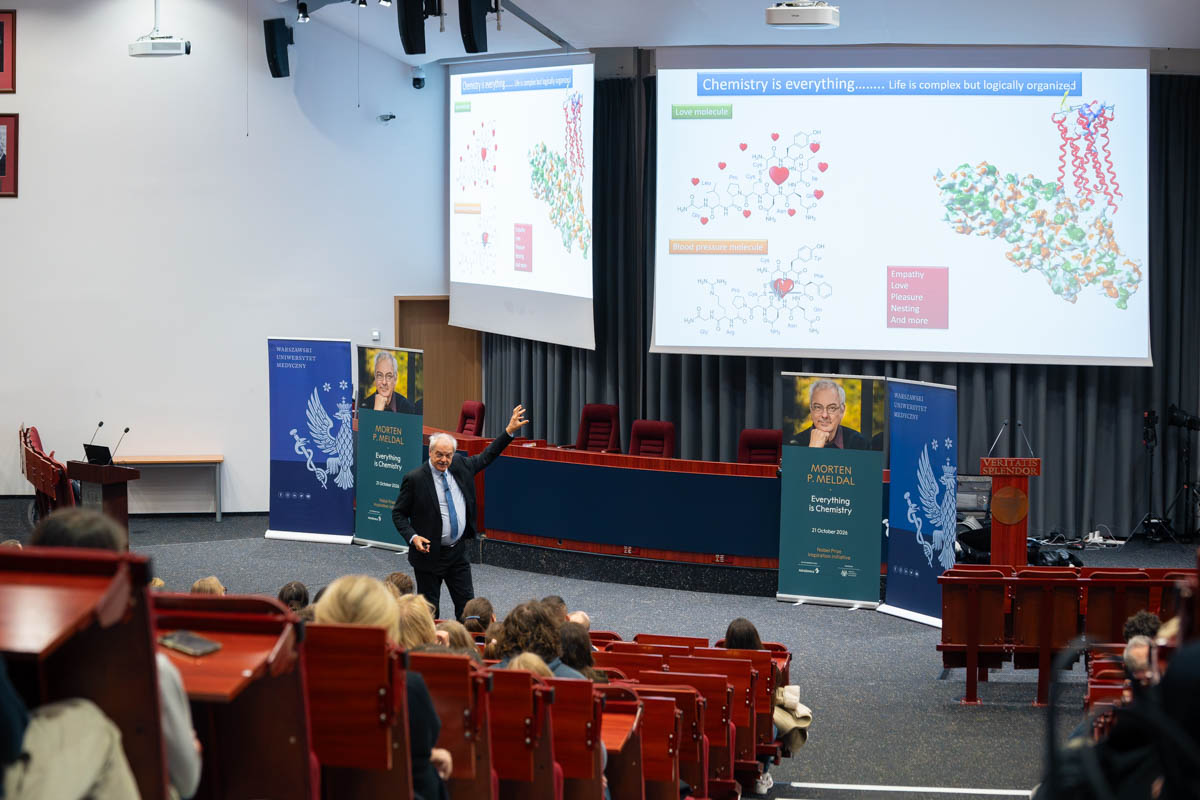
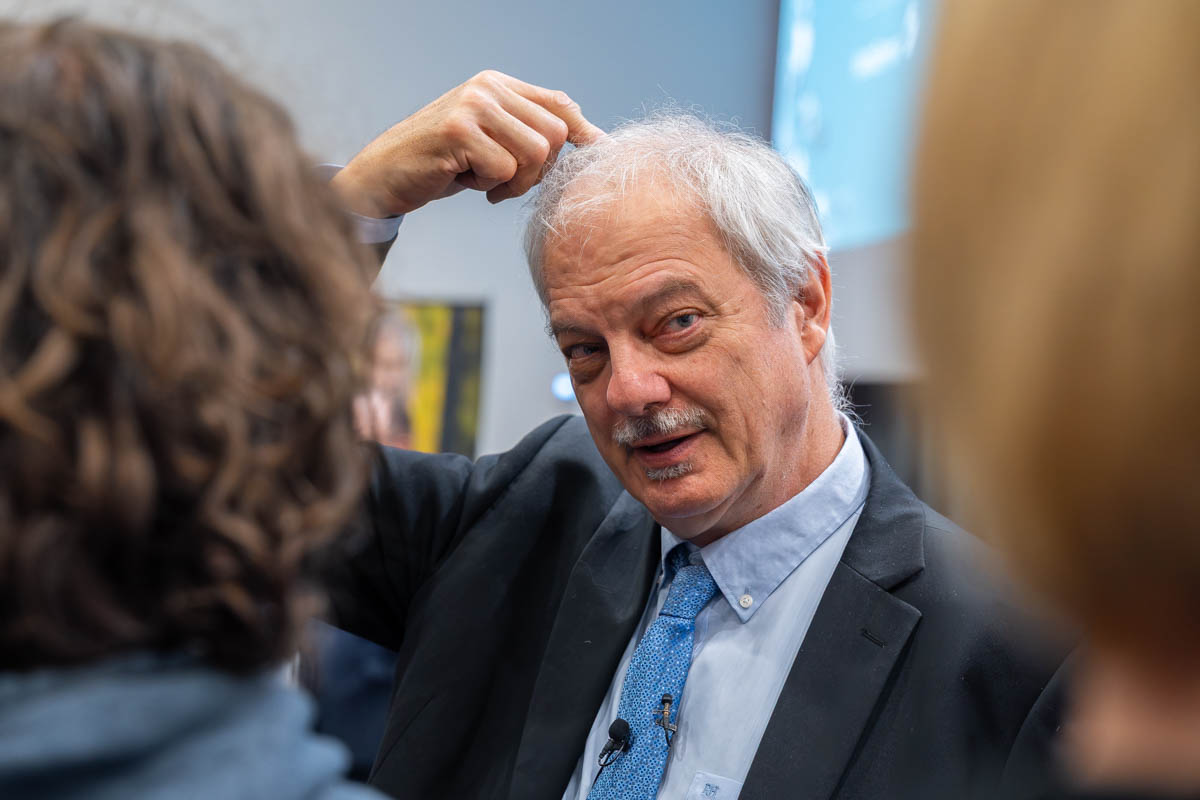
“When you receive the Nobel Prize, your intelligence increases by 25% from day to day, because suddenly you have to come up with a lot of good answers for all those who ask about things you have no idea about,” the Nobel laureate joked at the beginning. “I don't know everything about everything, but I know one thing: everything is chemistry.”
The professor reminded the audience that everything around us consists of molecules that constantly interact with each other, and life is based on the ability of atoms to form bonds and increasingly complex structures. These processes make a huge biodiversity observed in nature emerge from simple molecules.
Donald T-Rex and the evolutionary success of man
In order to better illustrate the impact of chemistry on the functioning of living organisms, Professor Meldal displayed... a tyrannosaurus named Donald.
“Donald has a very small brain in his huge head. The brain is controlled by aggressive molecules: adrenaline and noradrenaline. Adrenaline is released as Donald chases his prey, and noradrenaline is released as he rests after a meal. Afterwards, he feels satisfied thanks to dopamine, which gives him the feeling that he should repeat it someday, because it's really ‘cool’. There is also a serotonin molecule responsible for cognitive functions. But these are simple molecules that control early brain development.”
Next, the professor referred to the human species, whose evolutionary success is associated with such traits as the ability to create complex social relationships, cooperation, empathy, and care. In these processes, a significant role is played by the complex molecule oxytocin and, according to Prof. Morten P. Meldal, the mechanism of molecular recognition. To put it very simply, it enables molecules to “recognize” one another, after which they can bind together, triggering a specific biological reaction. In the case of oxytocin, it includes reactions related to bonding, trust and care for offspring. And that is exactly how the professor wanted to show the audience that huge processes originate from molecular processes.
“Molecular recognition is one of the most important things in biology. It precedes virtually every event that occurs in the body every day,” he explained.
Accidental discovery of enormous significance
Prof. Meldal also told the story of the discovery of click chemistry, for which he received the Nobel Prize. As he emphasized, the breakthrough reaction was not born from the implementation of the original research plan, but from a careful analysis of the unexpected result of an experiment. The professor wanted to use alkynes in the synthesis of difficult peptides and create new chemical structures. Together with his doctoral student, Christian Tornøe, he repeatedly tried to carry out the planned reaction, but the experiment failed. After a series of unsuccessful attempts, the doctoral student was so frustrated that he told the professor that he wanted to go to the pharmaceutical industry “where things work properly”. However, instead of considering the experiment a failure, they analyzed the results together. They discovered an extremely selective and efficient reaction between an alkyne and azide catalyzed by copper (I), known today as CuAAC (Copper-Catalyzed Azide-Alkyne Cycloaddition), one of the most important reactions of click chemistry.
Science requires the courage to step out of your comfort zone
Professor Meldal repeatedly emphasized, addressing students and young scientists, that in science, knowledge alone is not enough. The greatest discoveries are often born from unexpected observations, so it is worth staying open-minded, having the courage to question established patterns and go beyond your comfort zone.
“To be able to combine different types of acquired knowledge, show creativity and see things you do not expect – it's a very important skill. It is very difficult to accept that we do not know everything, but it is absolutely necessary,” emphasized our guest.
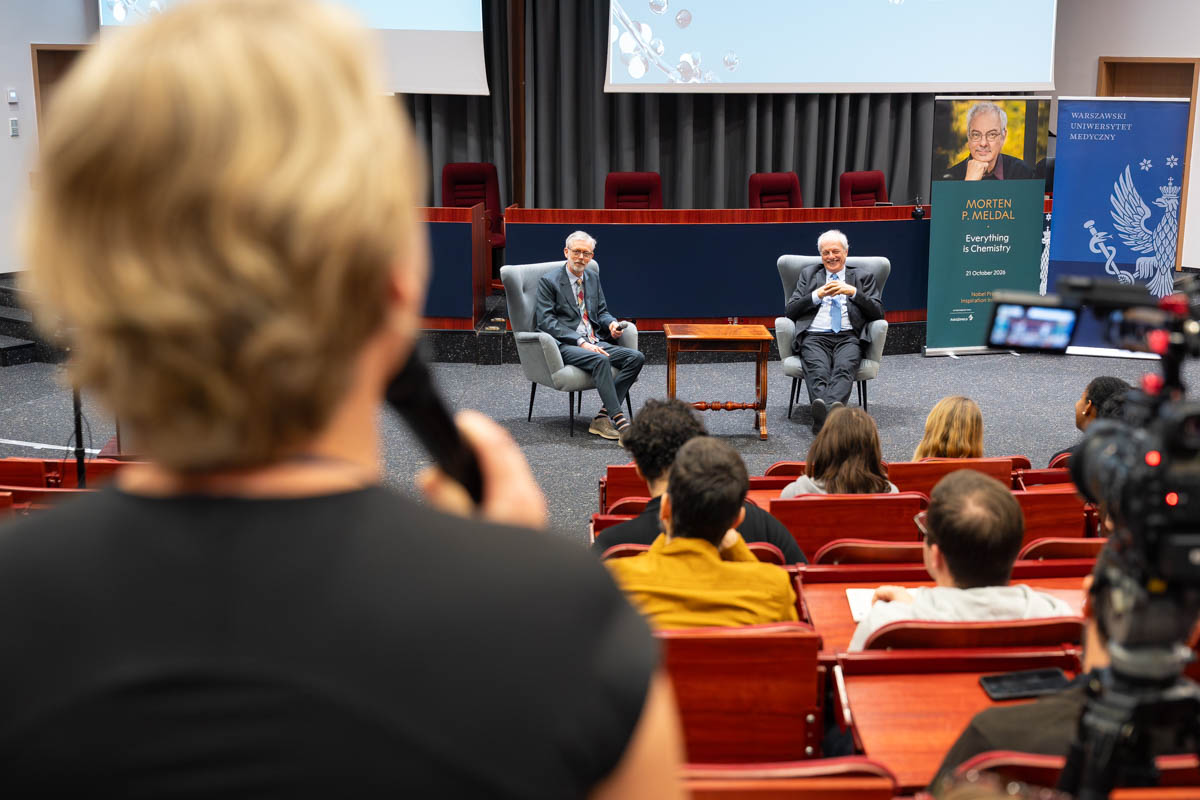
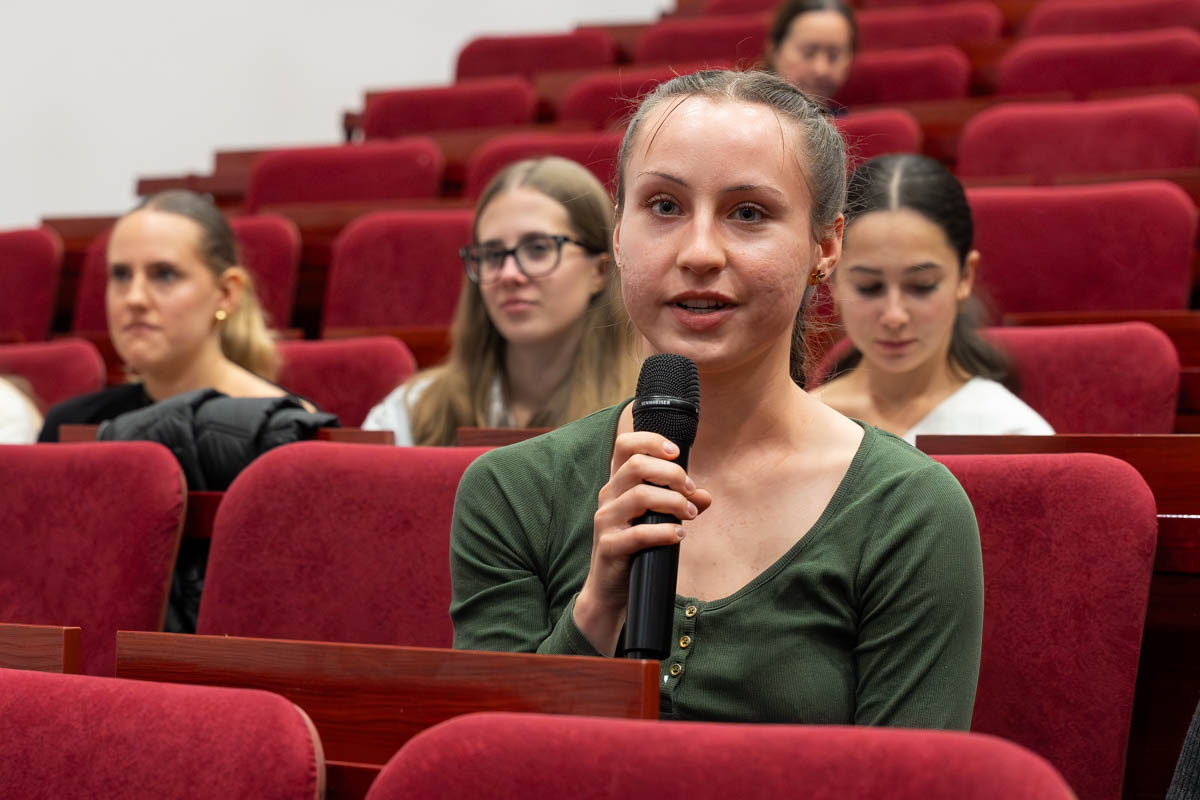
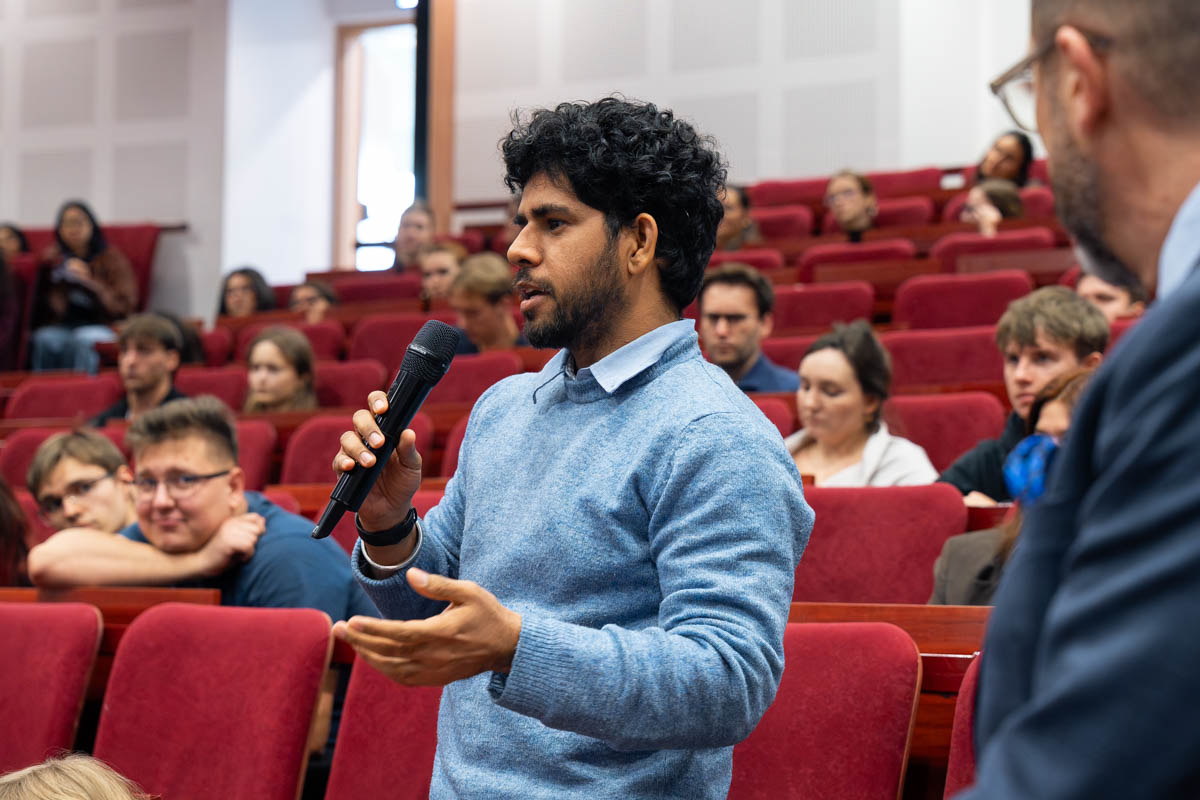
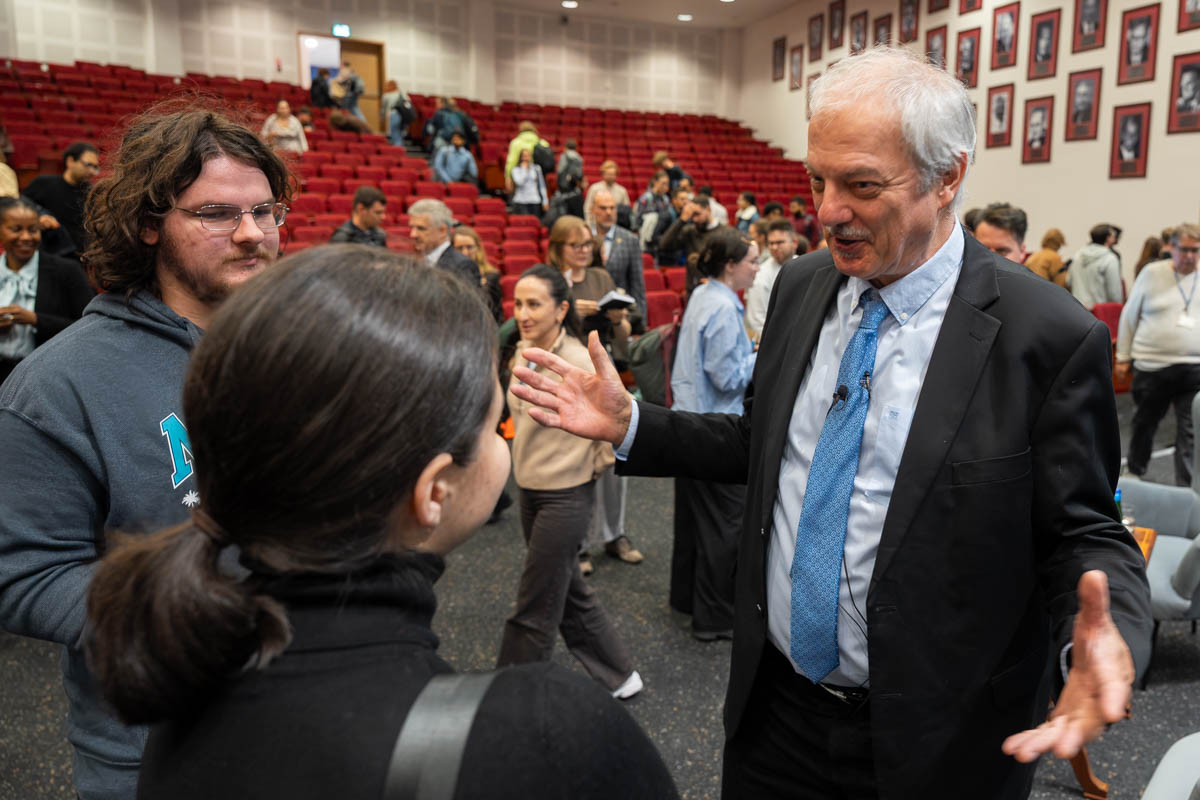
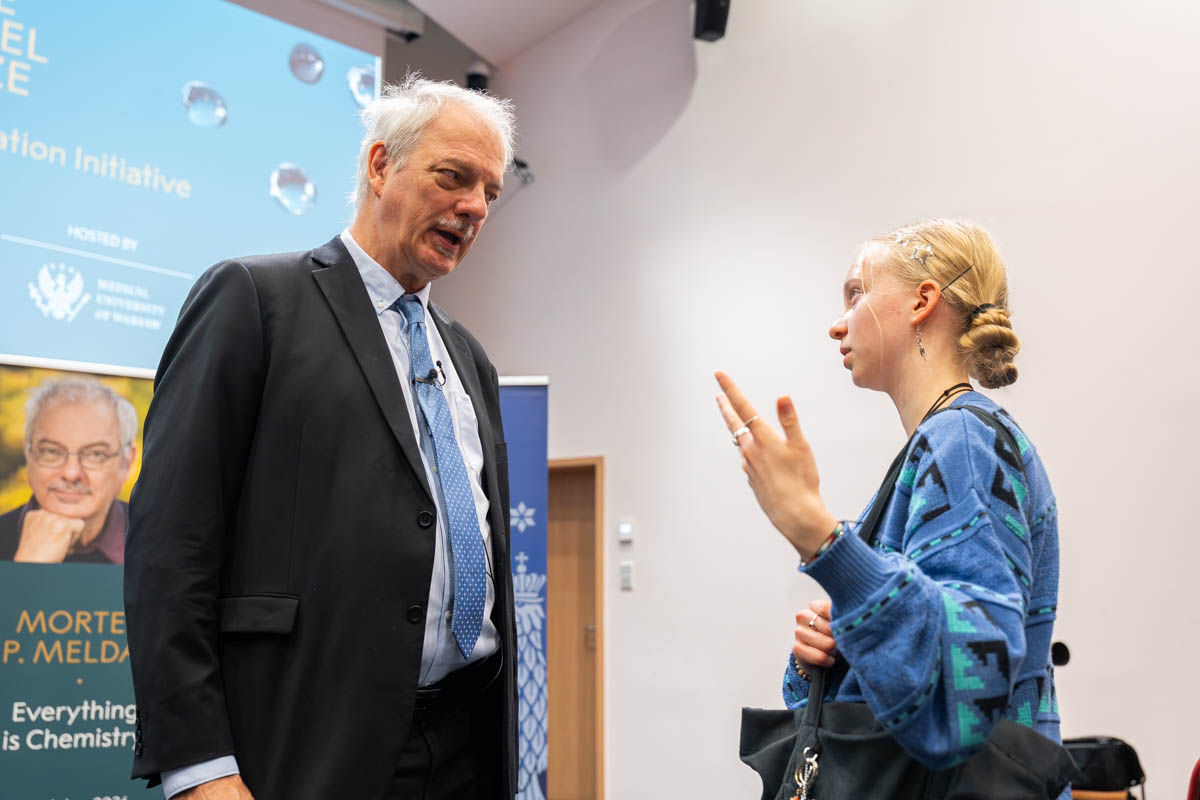
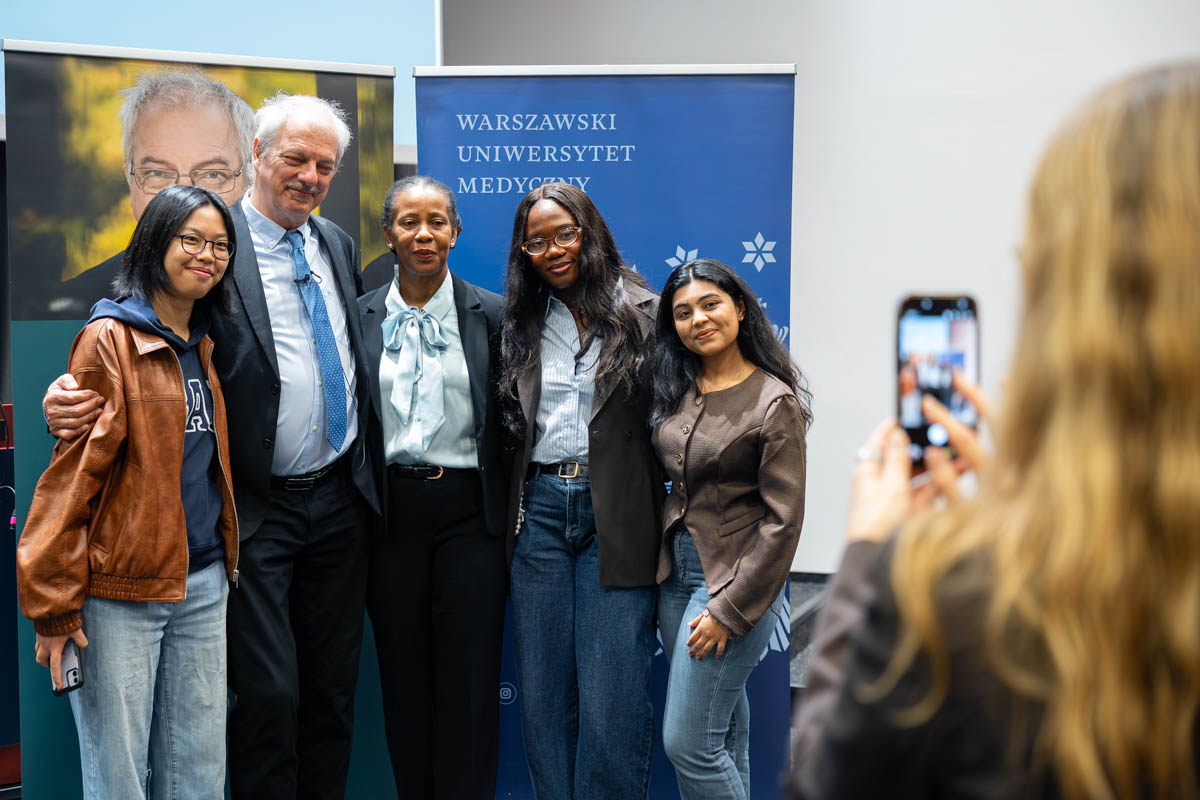
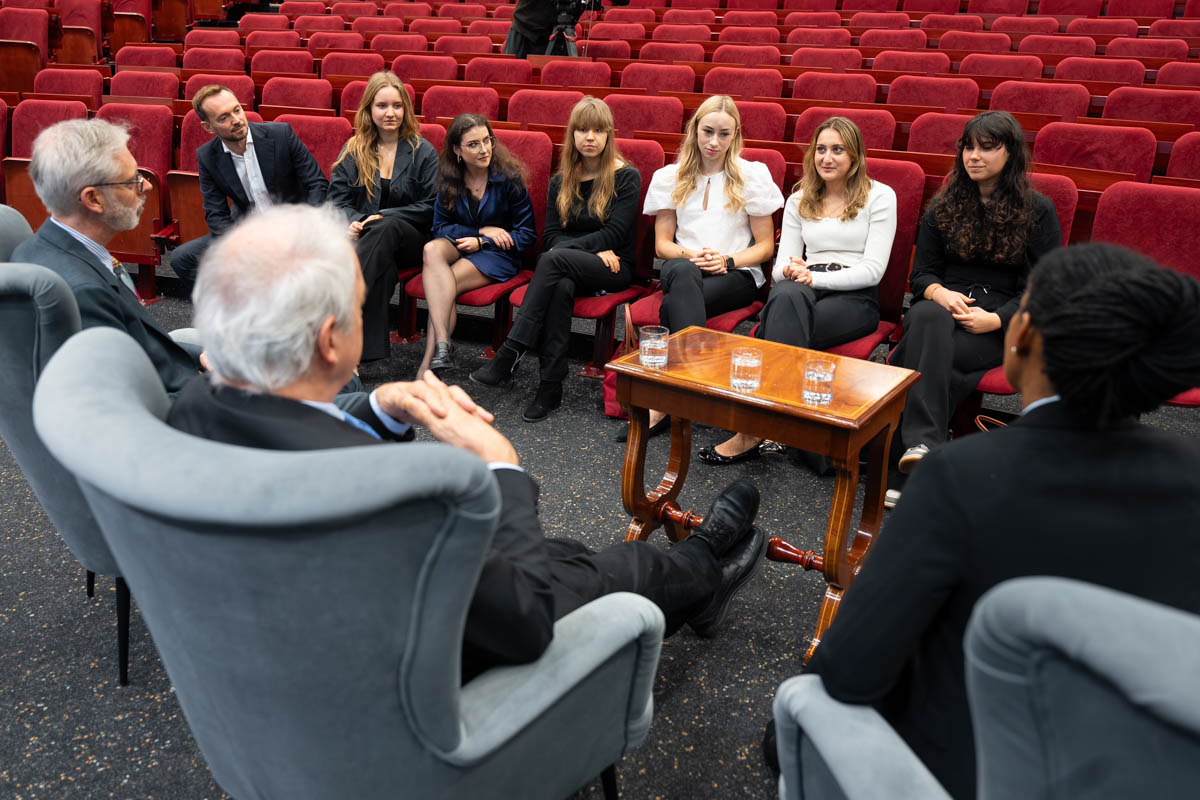
The lecture ended with a series of questions from the participants. The professor also met with representatives of the Student Government and the Doctoral Students Government as well as representatives of the Faculty of Pharmacy.
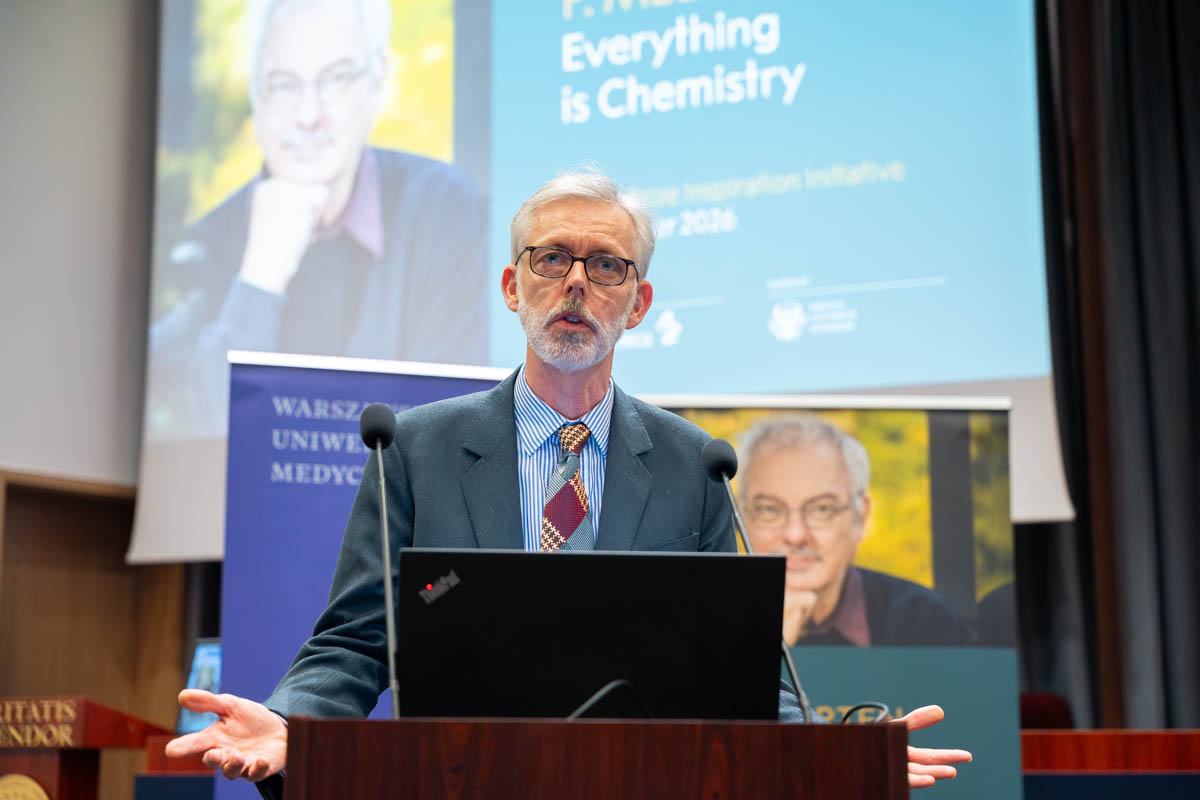
The professor had been visiting our university since the morning. Prior to the event he had a meeting with the Rector, Prof. Rafał Krenke, the Vice Rector for International Relations, Promotion and Development, Prof. Michał Grąt, and the Dean of the Faculty of Pharmacy, Prof. Piotr Luliński.
In 2025, thanks to the Nobel Prize Outreach, WUM was visited by Prof. Craig Cameron Mello, winner of the 2006 Nobel Prize in Medicine or Physiology for his discovery of the mechanism of RNA interference.The visit of Professor Craig Cameron Mello
In March 2026, we were visited by Prof. Victor Ambros, who received the Nobel Prize in Medicine or Physiology in 2024 for the discovery of microRNA – a new class of RNA molecules that do not encode proteins, but play a key role in the post-transcriptional regulation of gene expression. The meeting was organized by AGO Alliance Poland. The visit of Professor Victor Ambros