Professor Ambros is an ambassador of the foundation and is actively involved in research on the molecular mechanisms of this disease, developing research models based on mutations observed in patients.
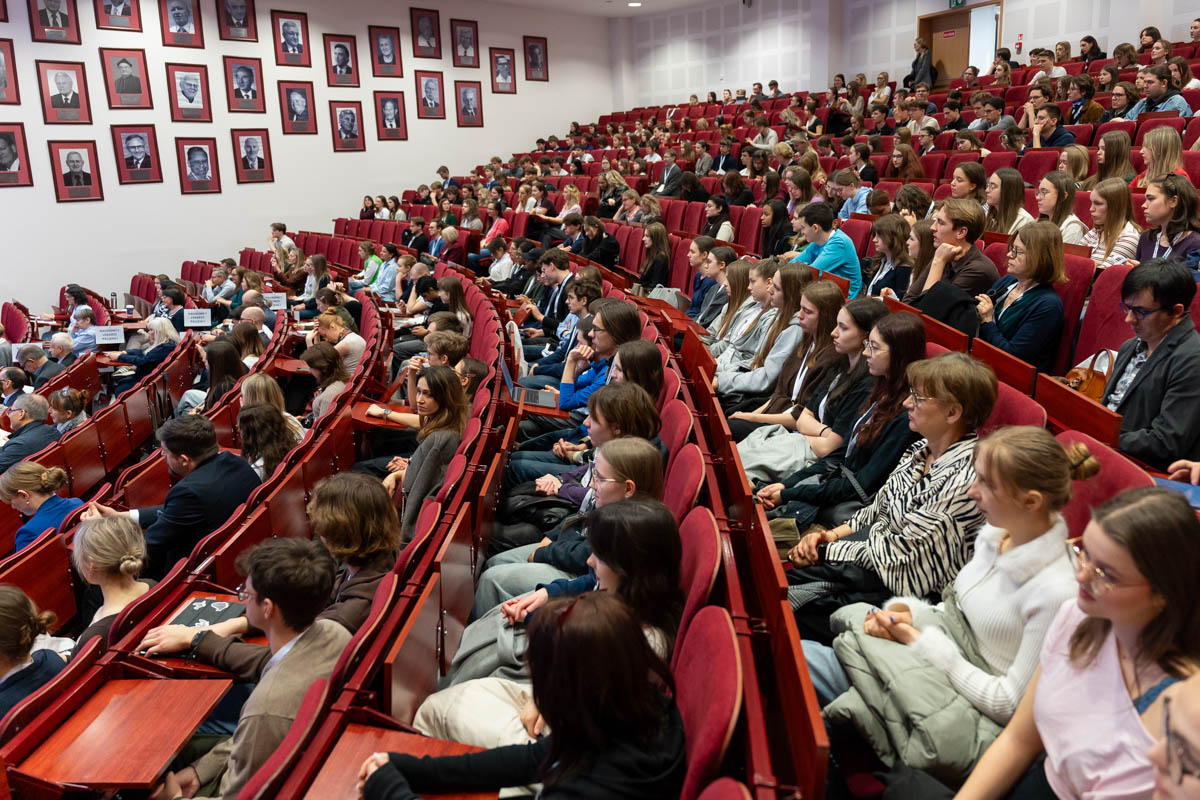
In 2024, together with Prof. Gary Ruvkun, Prof. Ambros received the Nobel Prize in Physiology or Medicine. The lecture was attended by conference participants, students and employees of the MUW and high school students covered by our Patronage Program. Prof. Ambros emphasized that he was a basic scientist. He also added that he had Polish roots and was actively developing cooperation with the Polish scientific community.
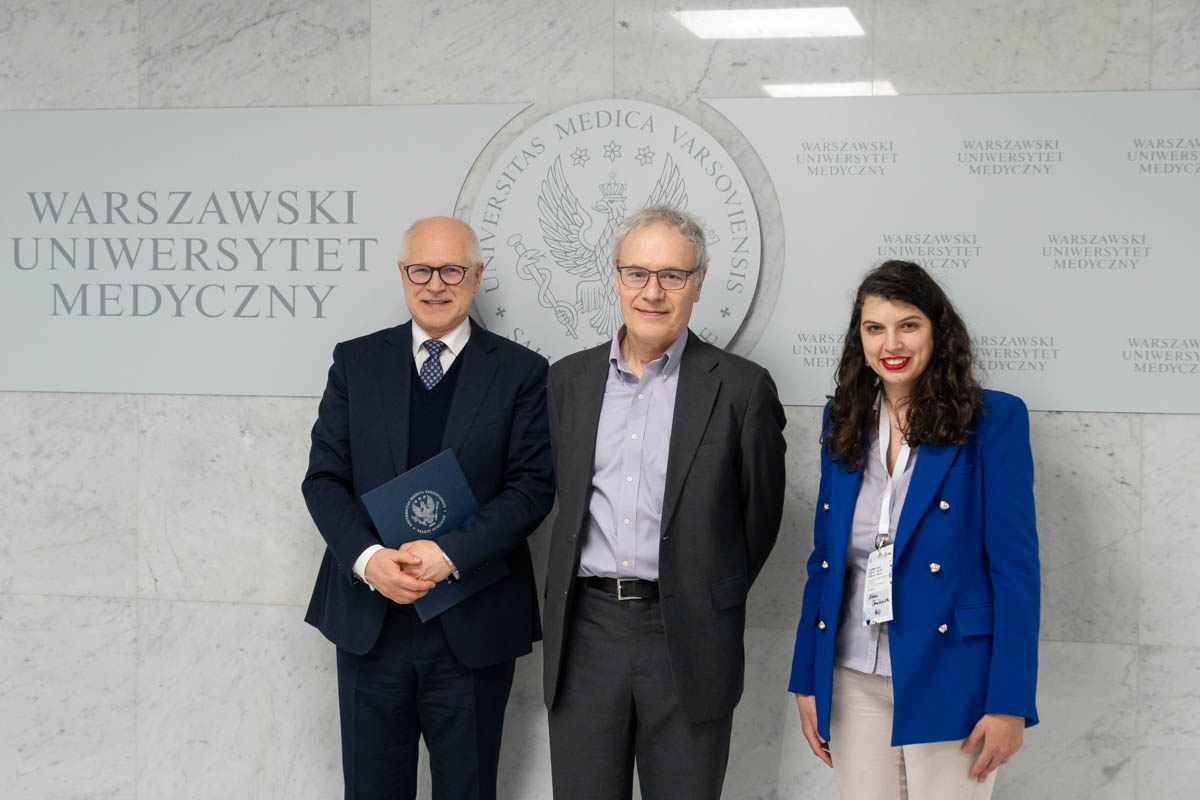
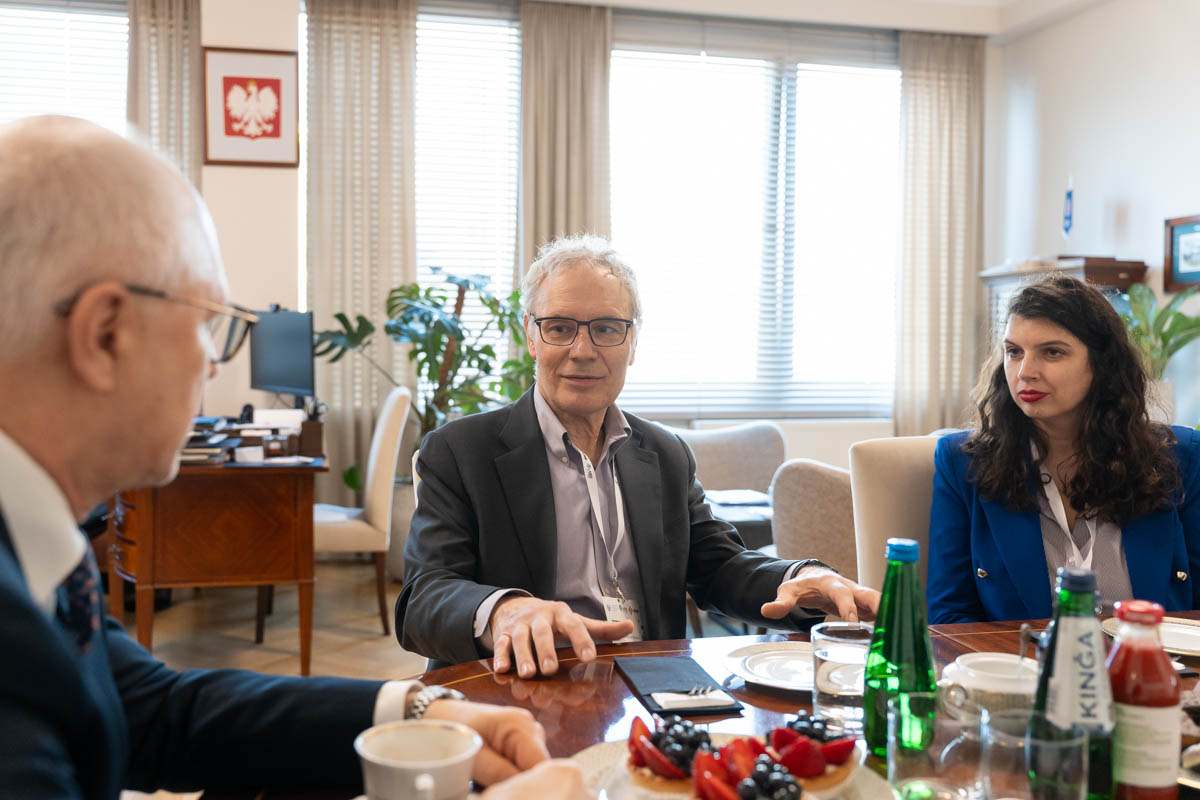
The professor had been visiting our university since the morning. Prior to the event he had had a private meeting with the Rector, Prof. Rafał Krenke.
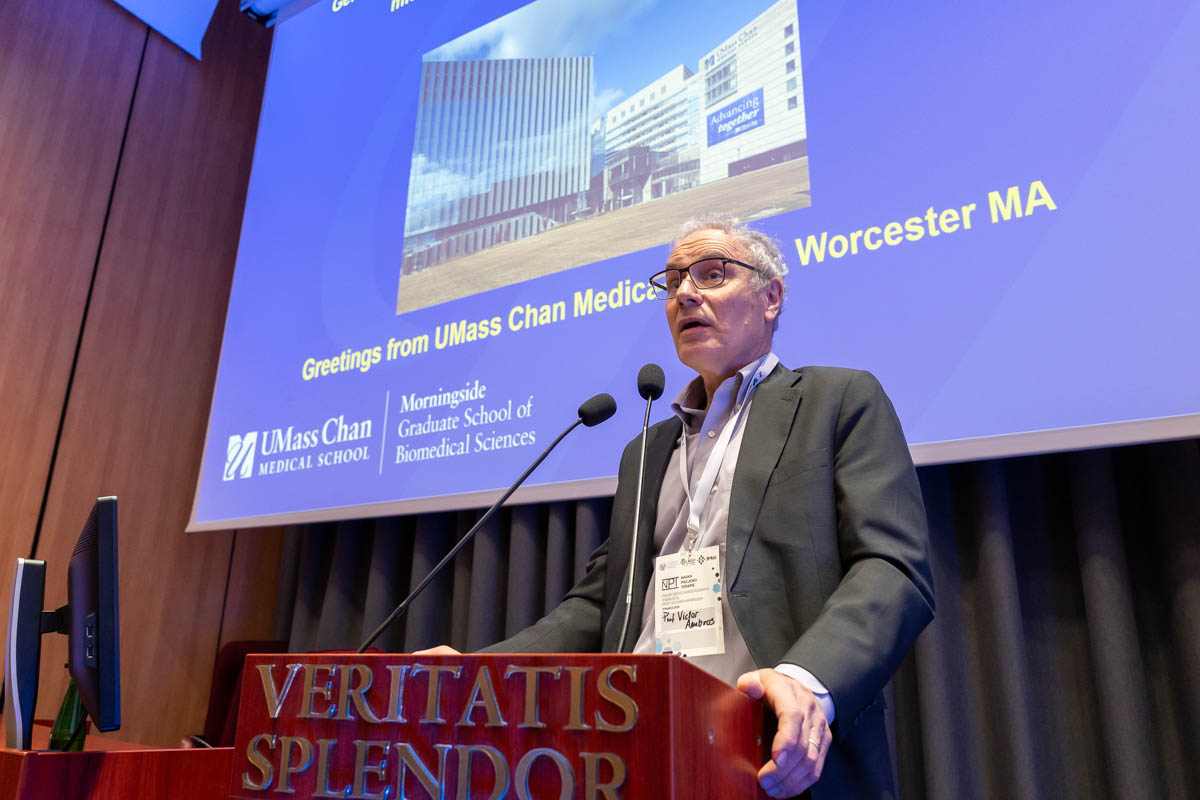
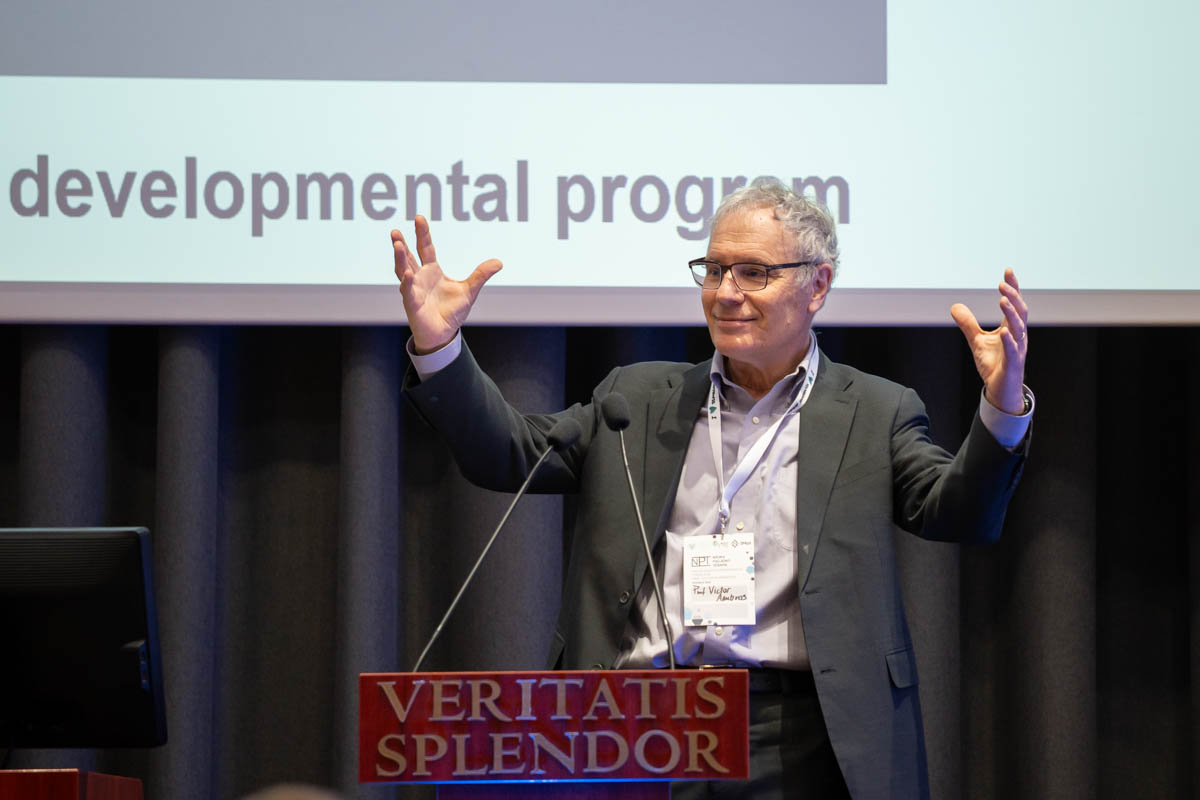
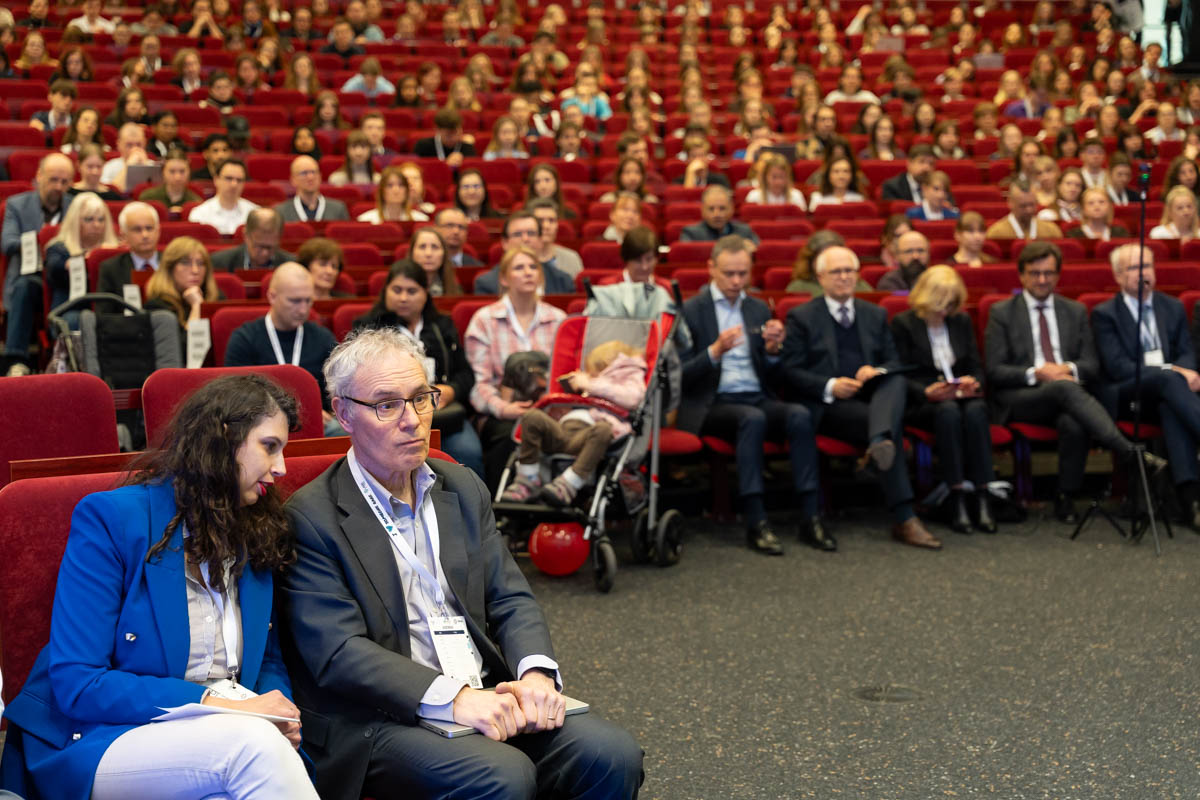
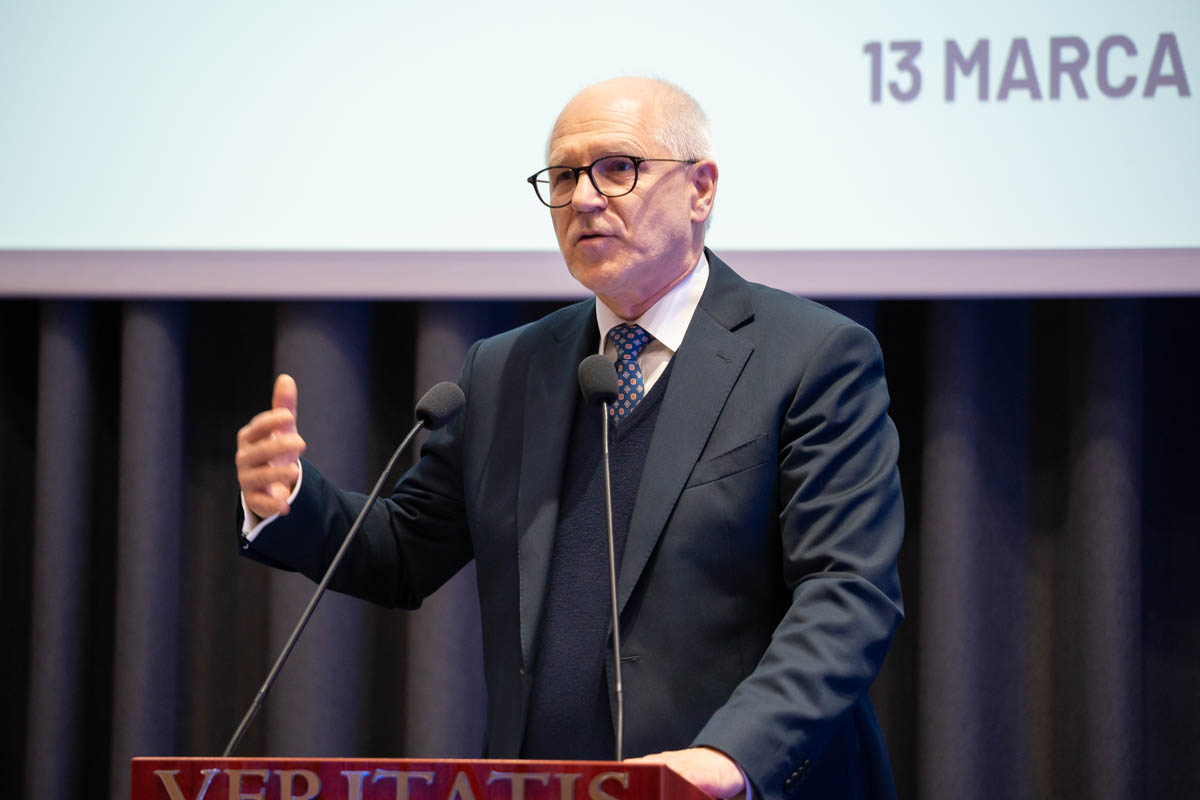
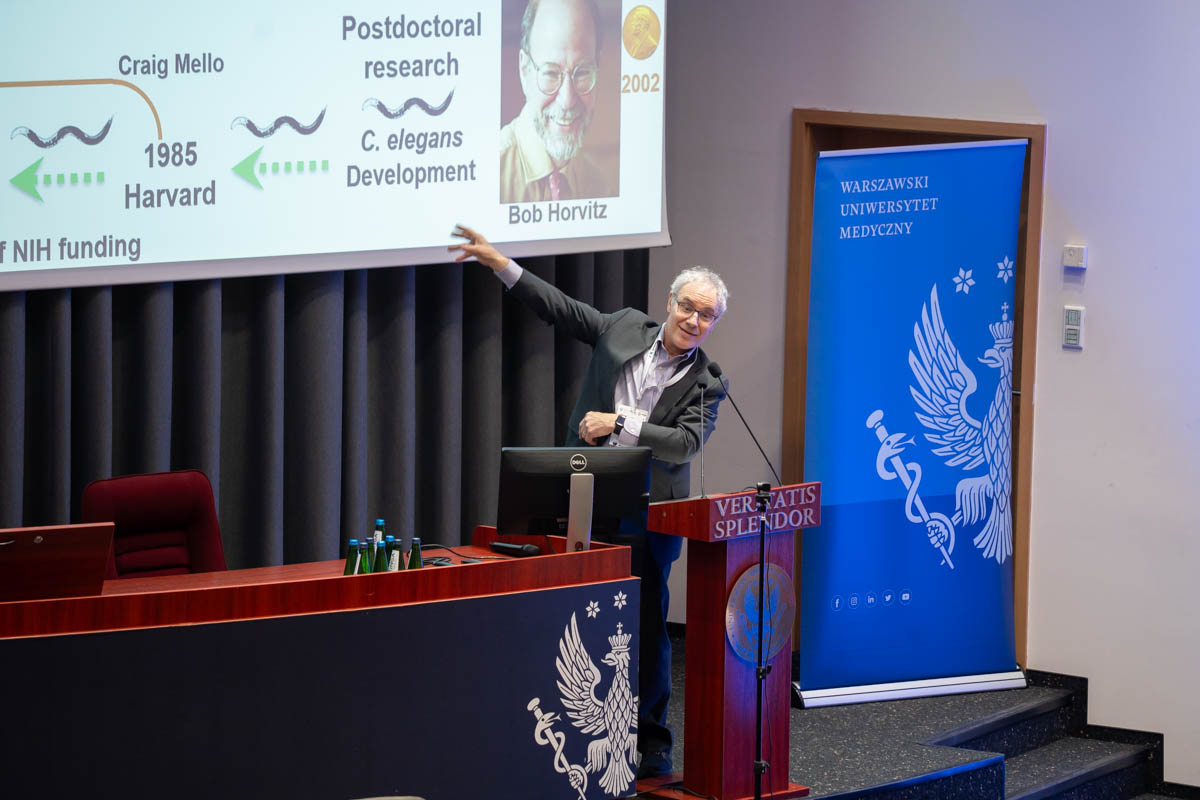
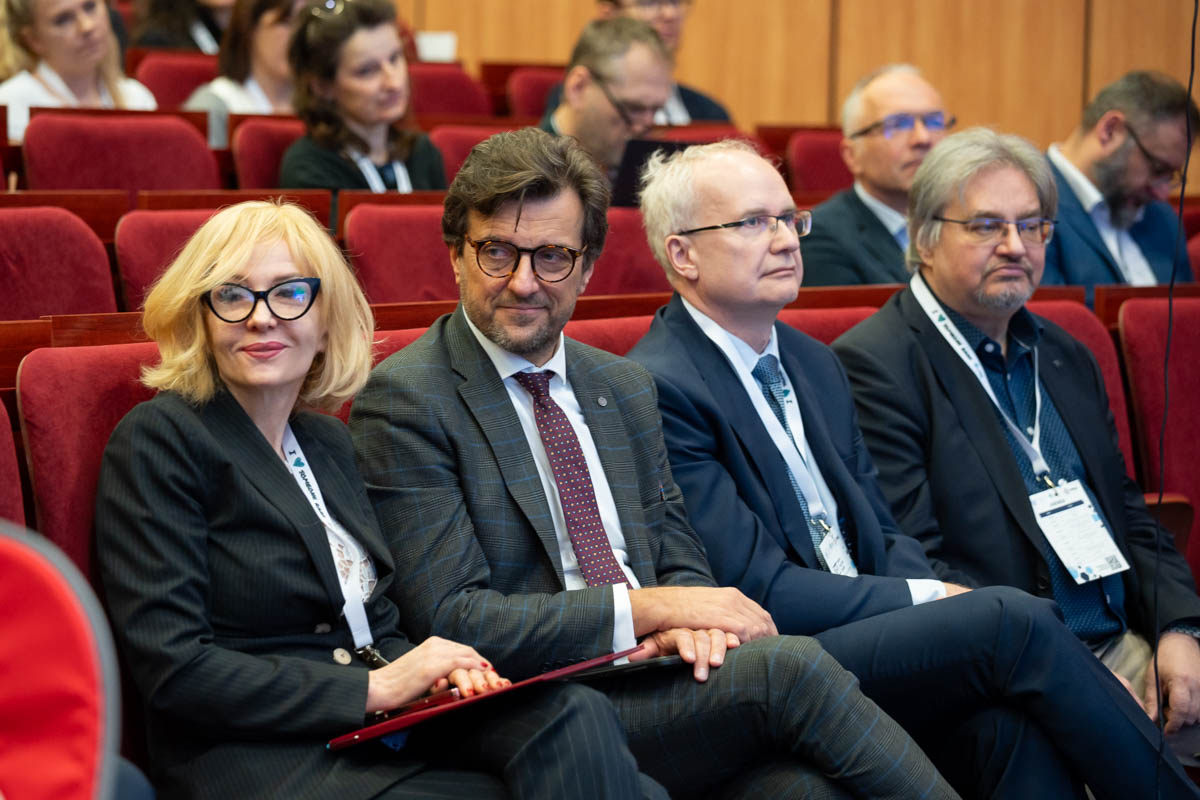
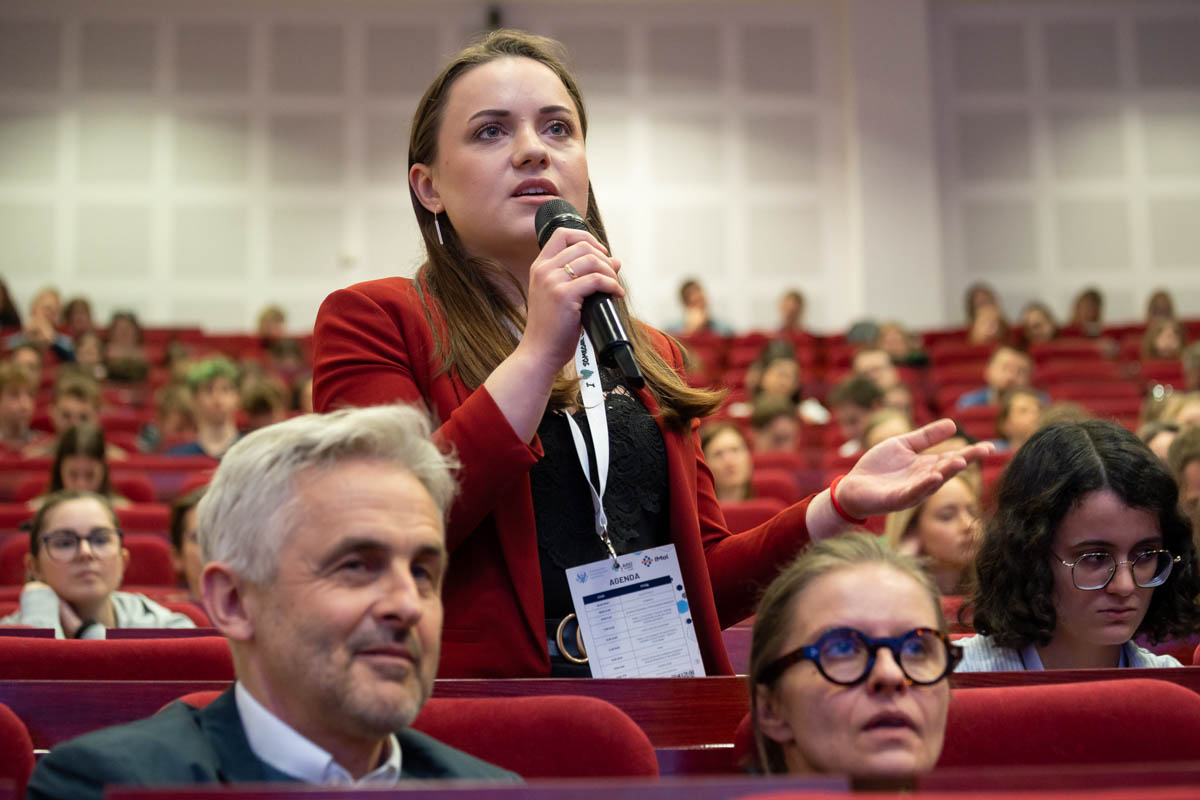
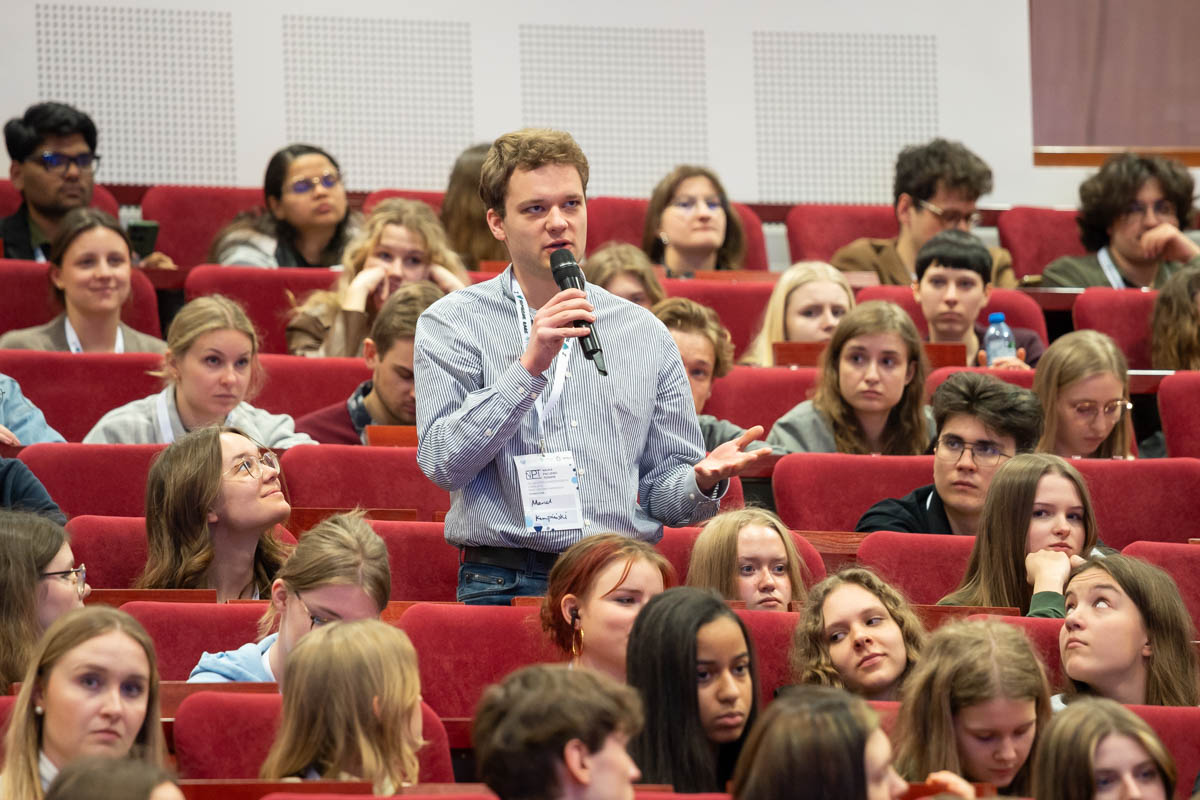
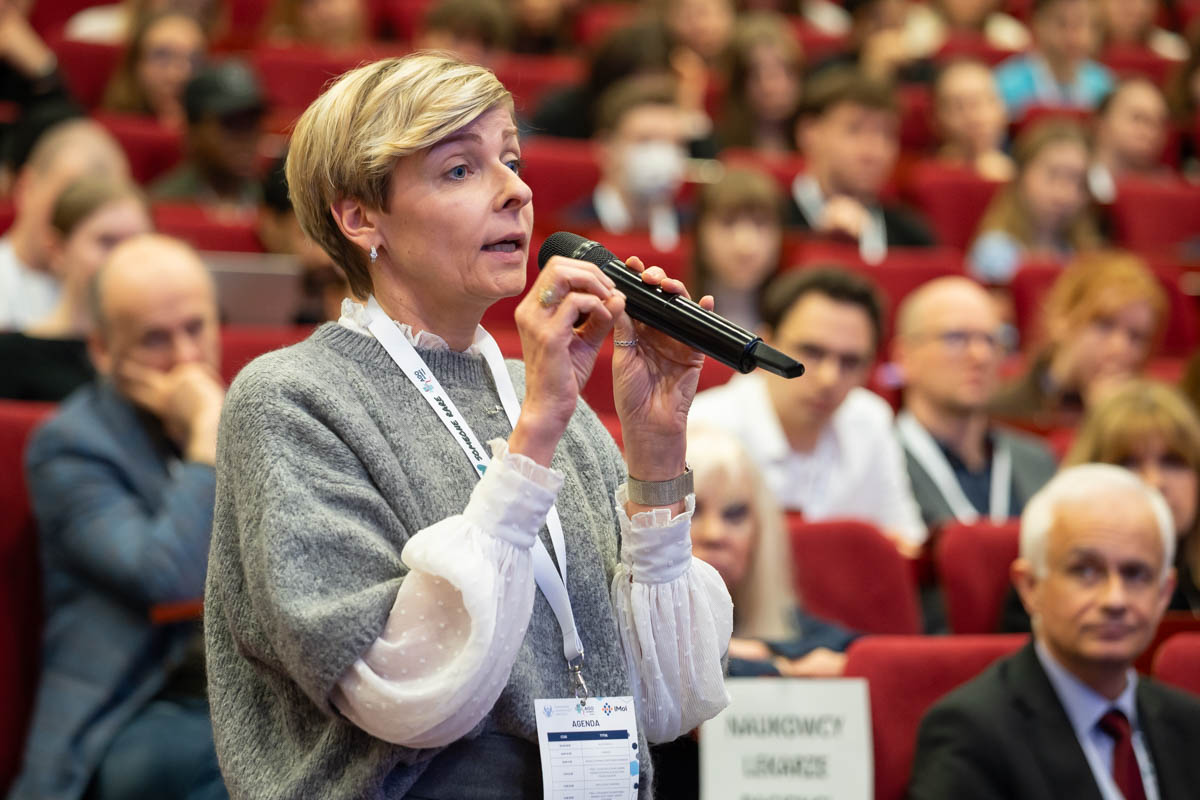
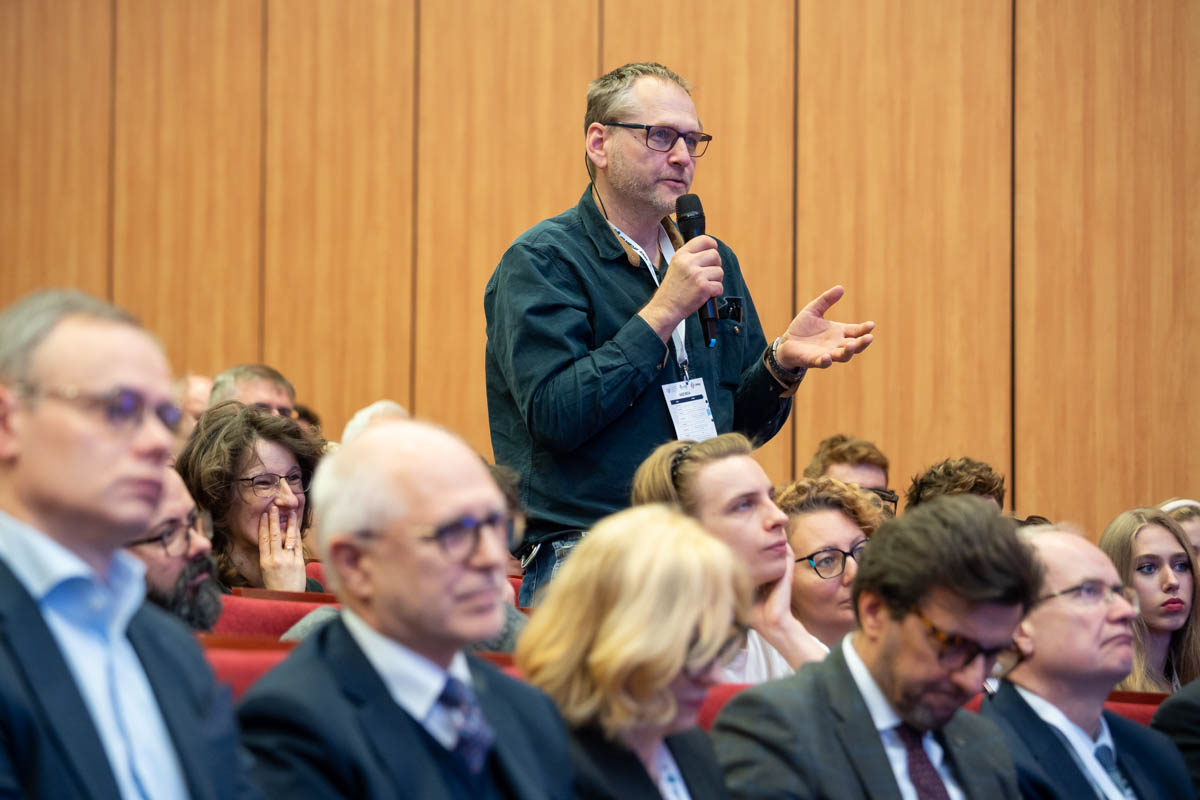
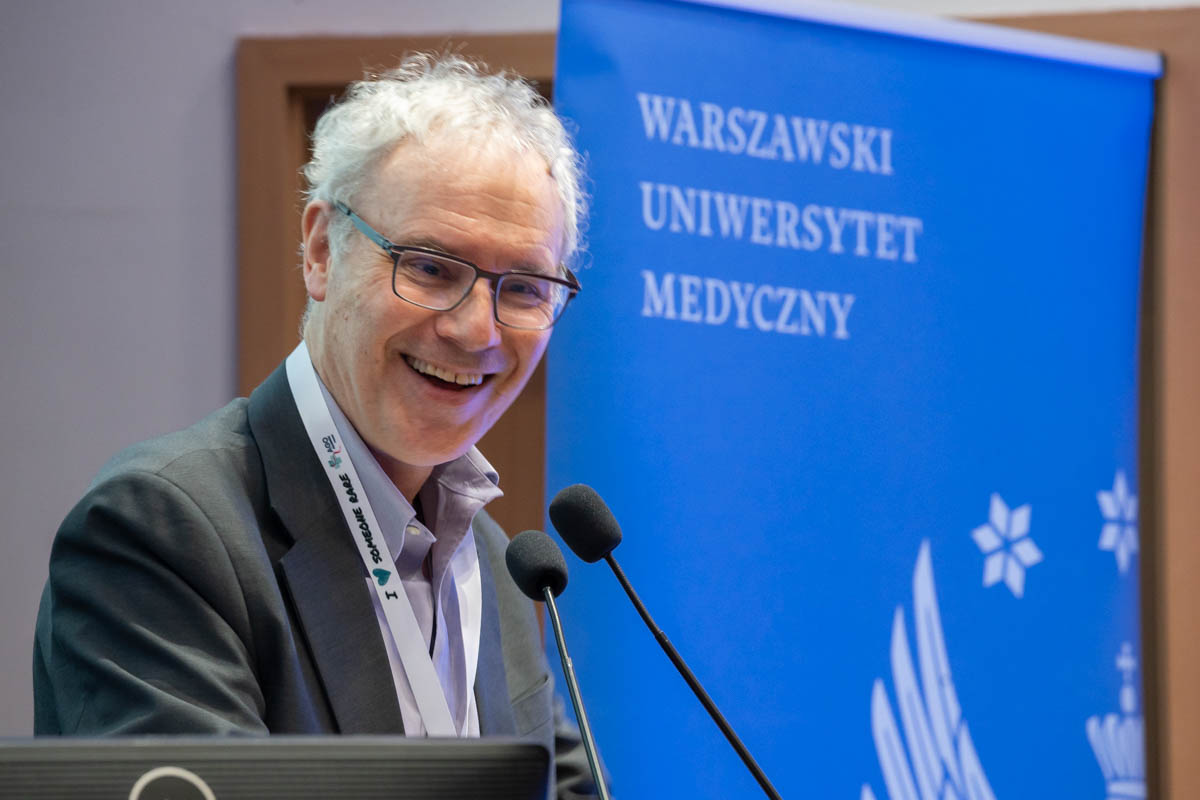
During the lecture in the hall of the WUM Didactic Center, Prof. Ambros presented the history of the discovery of microRNA, and one of his main messages was the importance of basic science – conducted without a direct clinical purpose – for the sake of medical breakthroughs that may follow. Faculty members of our university, dean's and rector's offices listened with interest to his specialized lecture. After the lecture, both WUM lecturers and students had a number of questions for the Nobel laureate, who answered them with obvious pleasure.
New therapies for patients – a challenge for scientists and healthcare systems
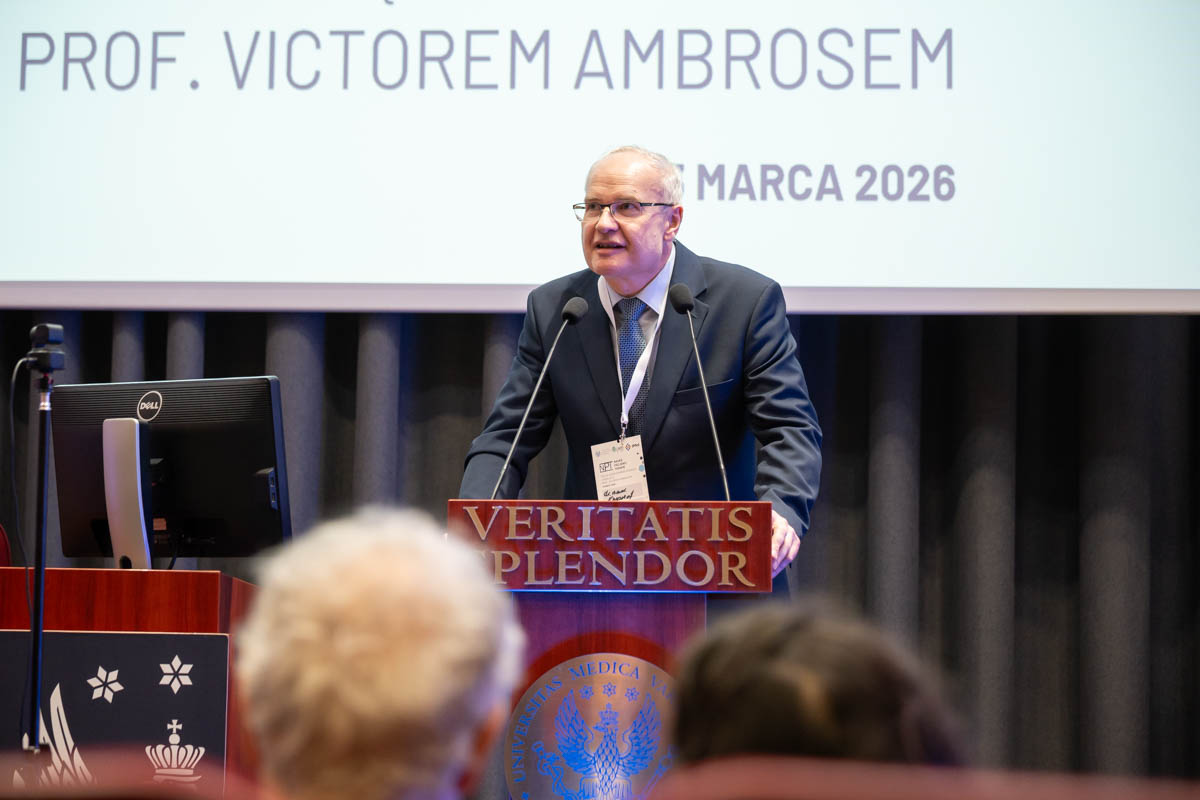
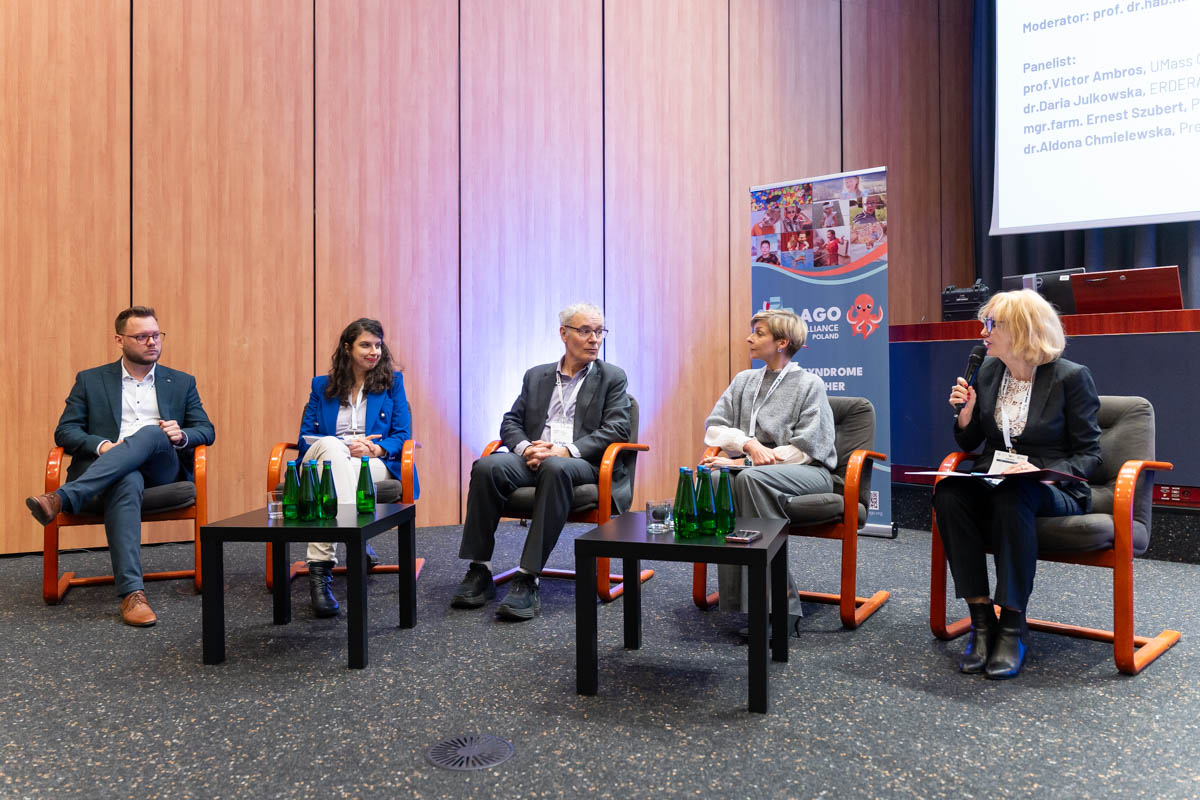
When opening the conference on rare diseases, the Rector of the WUM emphasized the importance of cooperation between scientists, patients and the healthcare system in this area. He pointed out the significance of their cooperation for achieving therapeutic effects and restoring patients' health. He also welcomed Prof. Victor Ambros, noting that there can be no advances in medicine without scientific progress.
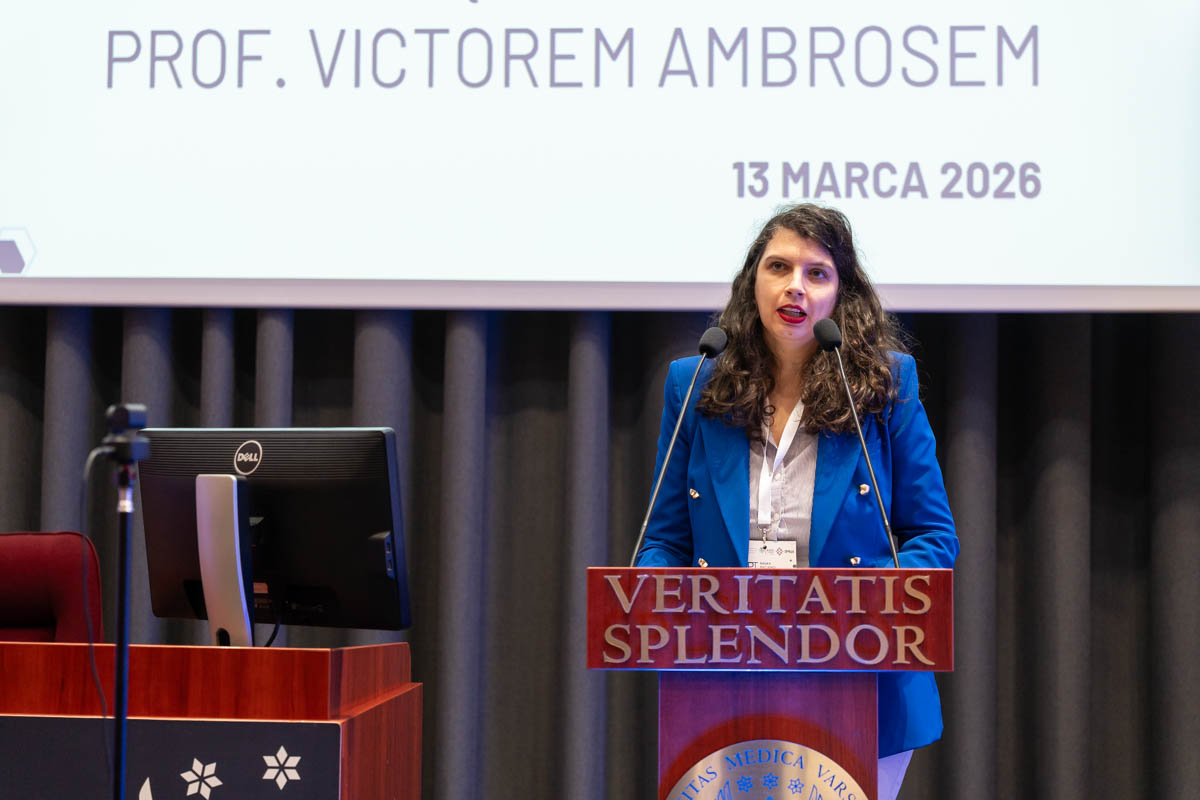
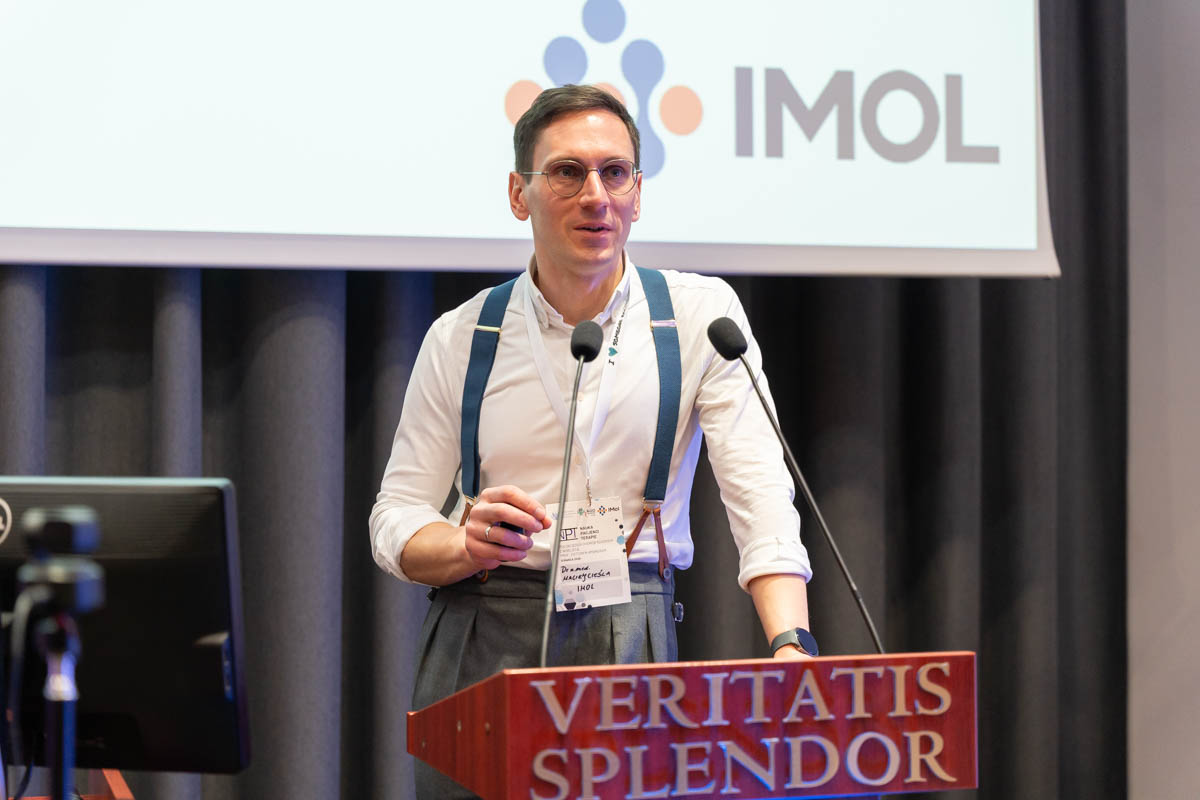
AGO Alliance Poland founder, Dr Aldona Chmielewska, emphasized that Professor Ambros's research helped us to better understand the mechanisms of the disease and indicated possible directions for the development of RNA-based therapies. Dr. Maciej Cieśla from the Institute of Molecular Mechanisms and Machines of the Polish Academy of Sciences (IMoL PAN) also gave a presentation. Prof. Victor Ambros is the chairman of the Scientific Council of the IMoL PAN.
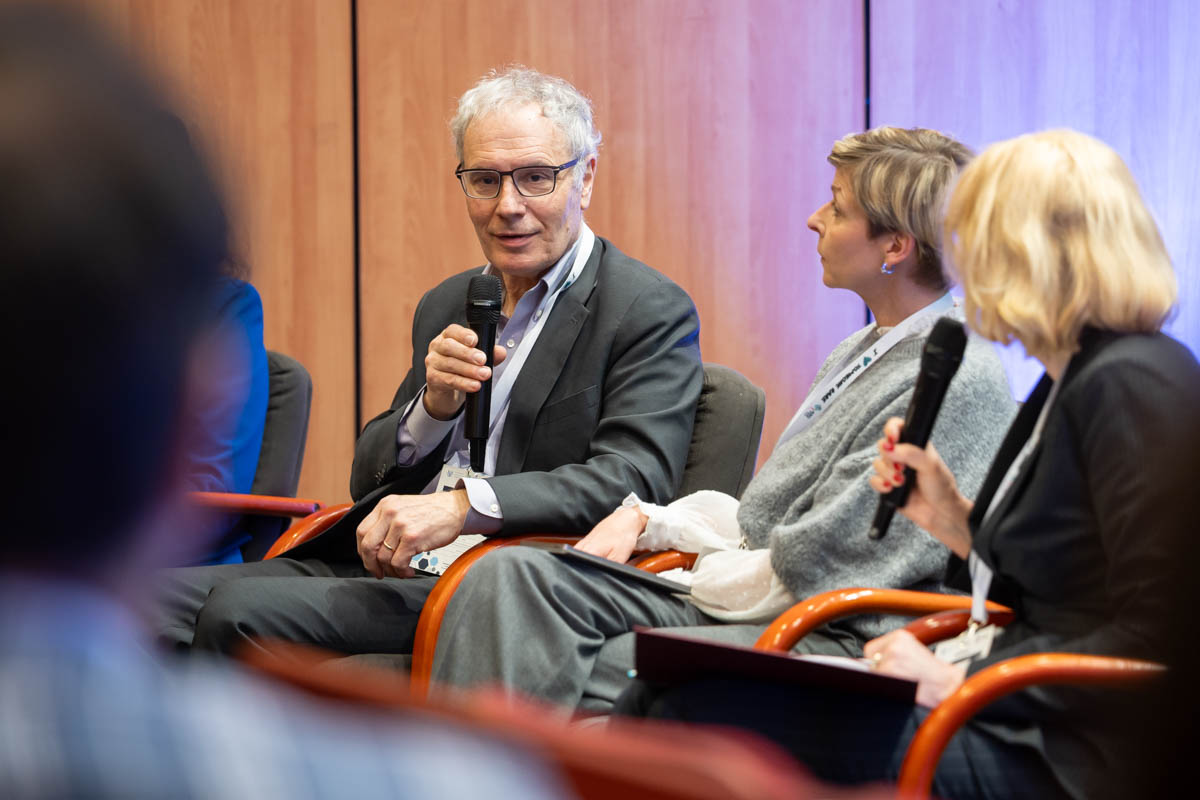
Participants of the discussion panels talked about the availability of innovative therapies. They also focused on the key question: why so many rare disease therapies do not reach patients – and how to change it? One of the discussions, in which the Nobel laureate also participated, was moderated by Prof. Urszula Demkow, the Head of the Laboratory Diagnostics and Clinical Immunology of the Developmental Age WUM.
A long way to a scientific breakthrough
The Nobel Prize was awarded to Prof. Ambros for the discovery of microRNA – a new class of RNA molecules that do not encode proteins, but play a key role in the post-transcriptional regulation of gene expression. The discovery was made in 1993 during research on the nematode Caenorhabditis elegans, and its significance fundamentally changed the understanding of the control mechanisms of processes occurring in cells.
Prof. Ambros showed that microRNA acted as a precise mechanism for “fine-tuning” gene expression, deciding which mRNA molecules would be converted into proteins. It is now known that microRNA plays an important role in the development of numerous human diseases, including tumors, neurological disorders, and metabolic diseases.
Biography and Polish roots
Professor Victor Ambros was born in 1953 in Hanover, New Hampshire, USA. He is a researcher at the UMass Chan Medical School in Worcester (Massachusetts). Professor Craig C. Mello, a Nobel Prize winner and a guest of the Medical University of Warsaw last year, also works at this university center.
The Polish roots of the Nobel Prize winner trace back to the Vilnius region. His father, Longin Ambros, was born in 1923 in Dordziszki (former areas of Poland). As a teenager, he was deported to the Third Reich, where he was forced to work in a factory, and after the end of World War II, he emigrated to the United States. Although he did not teach his son Polish (English was spoken at home), his father's history and experiences were permanently inscribed in the family heritage. Prof. Ambros grew up on a farm in Vermont, away from the Polish diaspora.
Outstanding scientific achievements
In addition to the Nobel Prize, Professor Victor Ambros is a laureate of the world's most prestigious scientific awards, including:
- The Lasker Award (2008),
- The Wolf Prize in Medicine (2014),
- The Breakthrough Prize in Life Sciences (2015).
His scientific achievements and commitment to the development of research and international cooperation make him one of the key figures of modern molecular biology. At the same time, he is a scholar whose work is increasingly tied to Poland.
Ties to Poland and plans for the future
Prof. Victor Ambros received the Honoris Causa degree of the Silesian University of Technology in 2025.
In March 2026, he submitted an application for the restoration of Polish citizenship – which, as he admitted during one of his conversations with journalists – is a tribute to his father, aunt and his ancestors. During his current visit to Poland, he also discussed this issue with Donald Tusk, the Prime Minister.