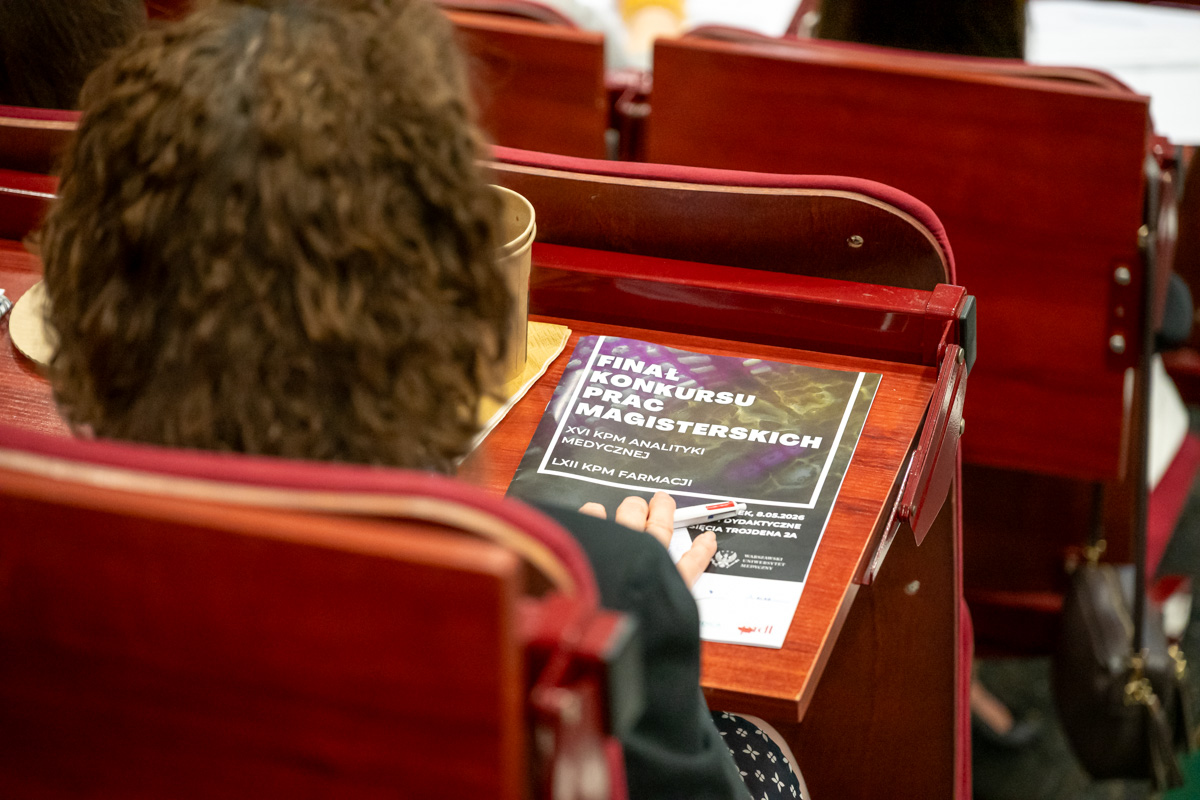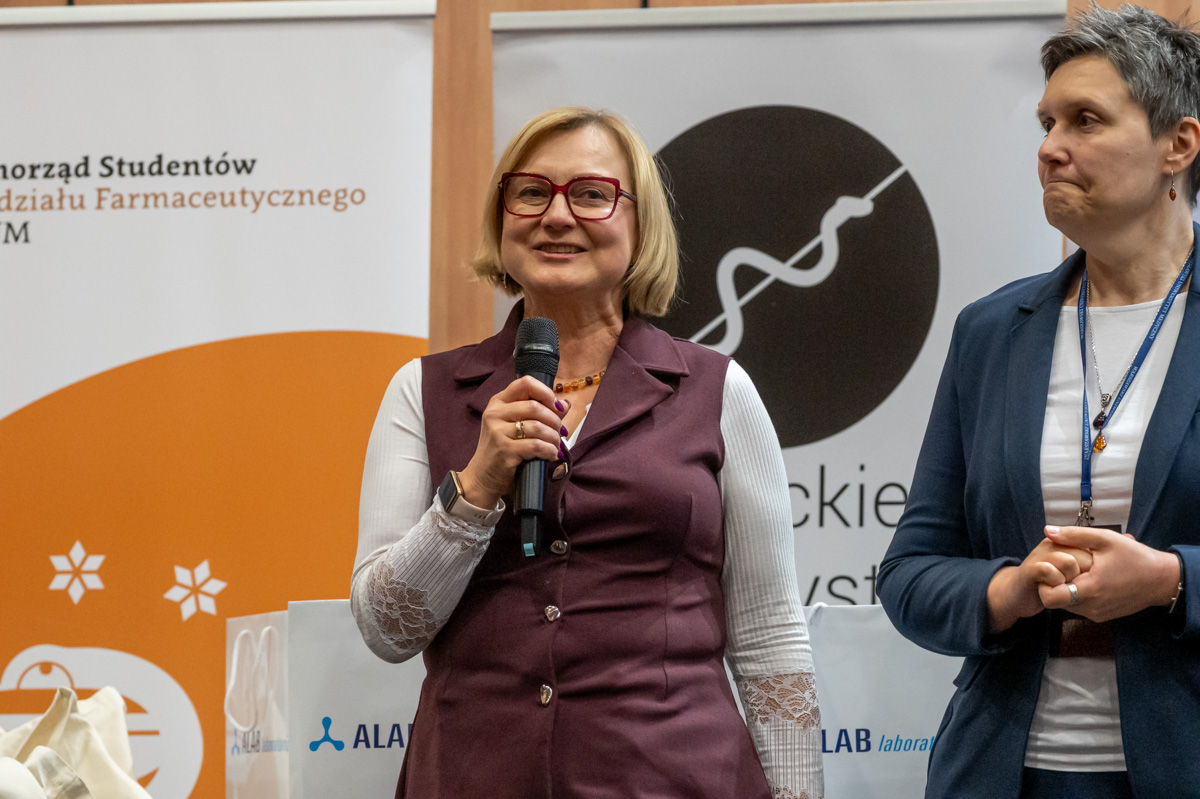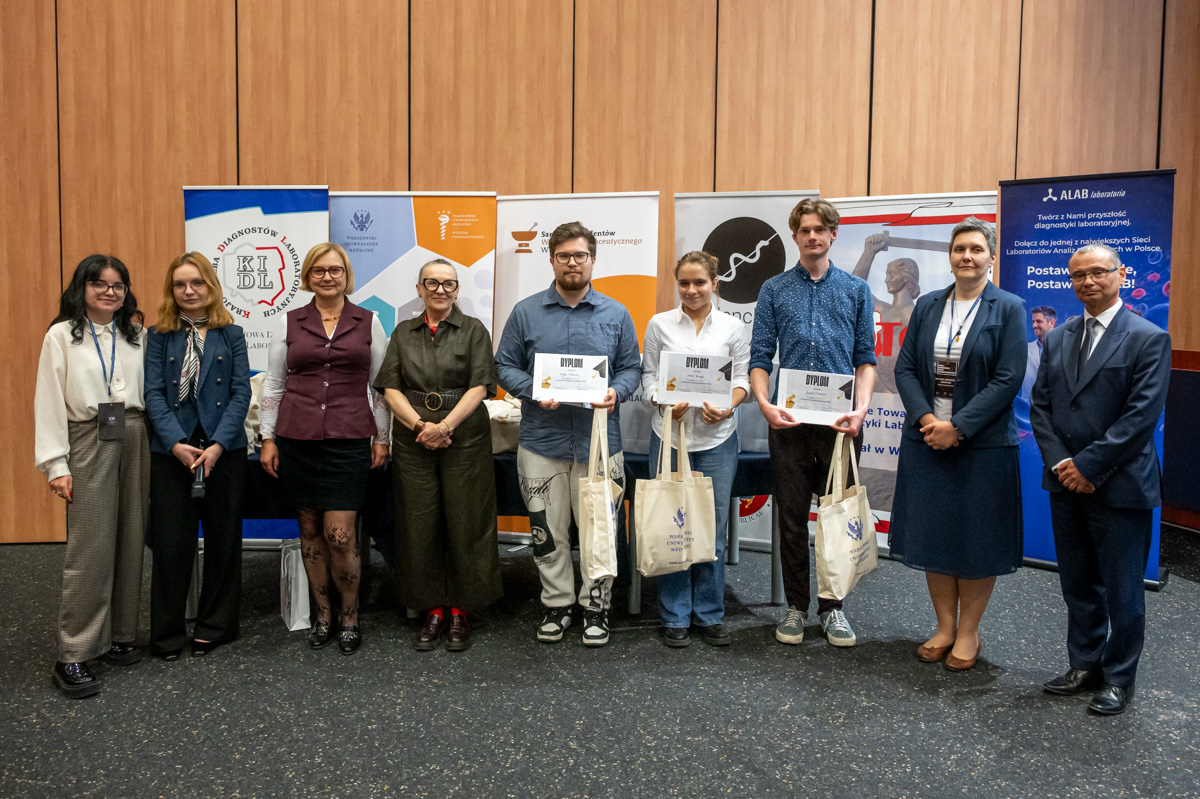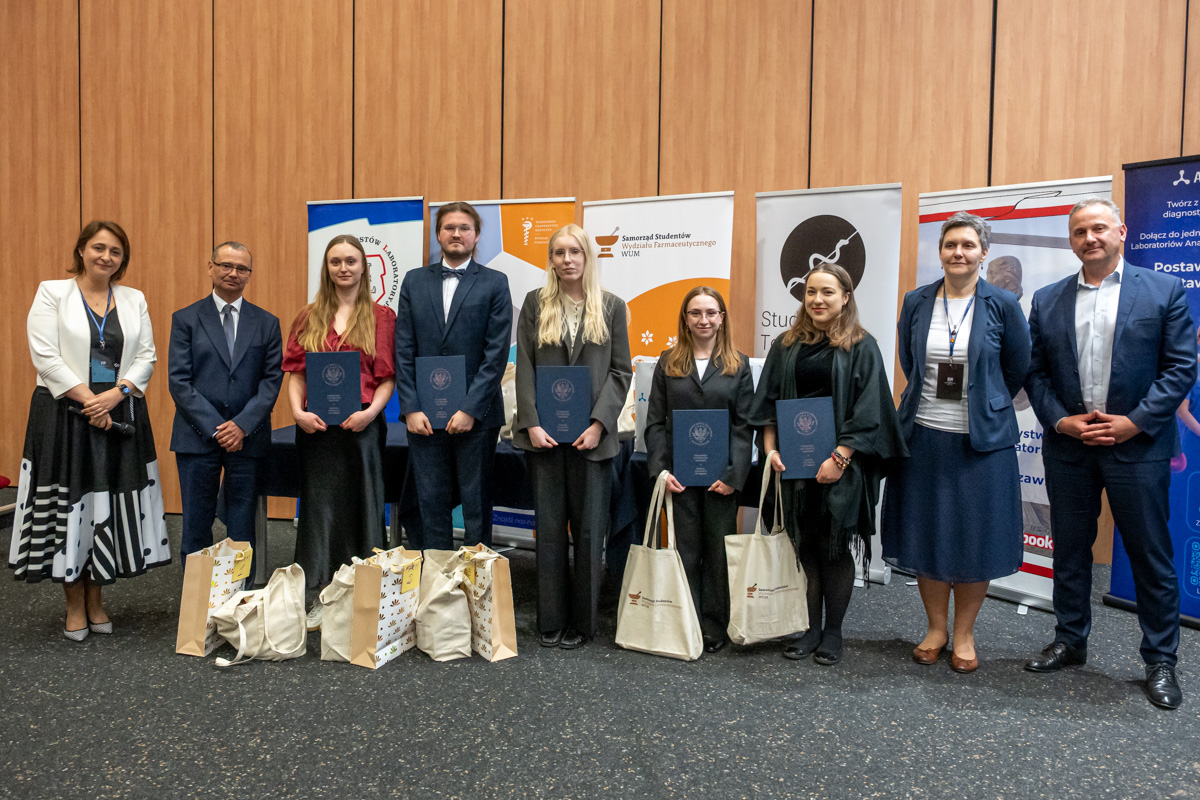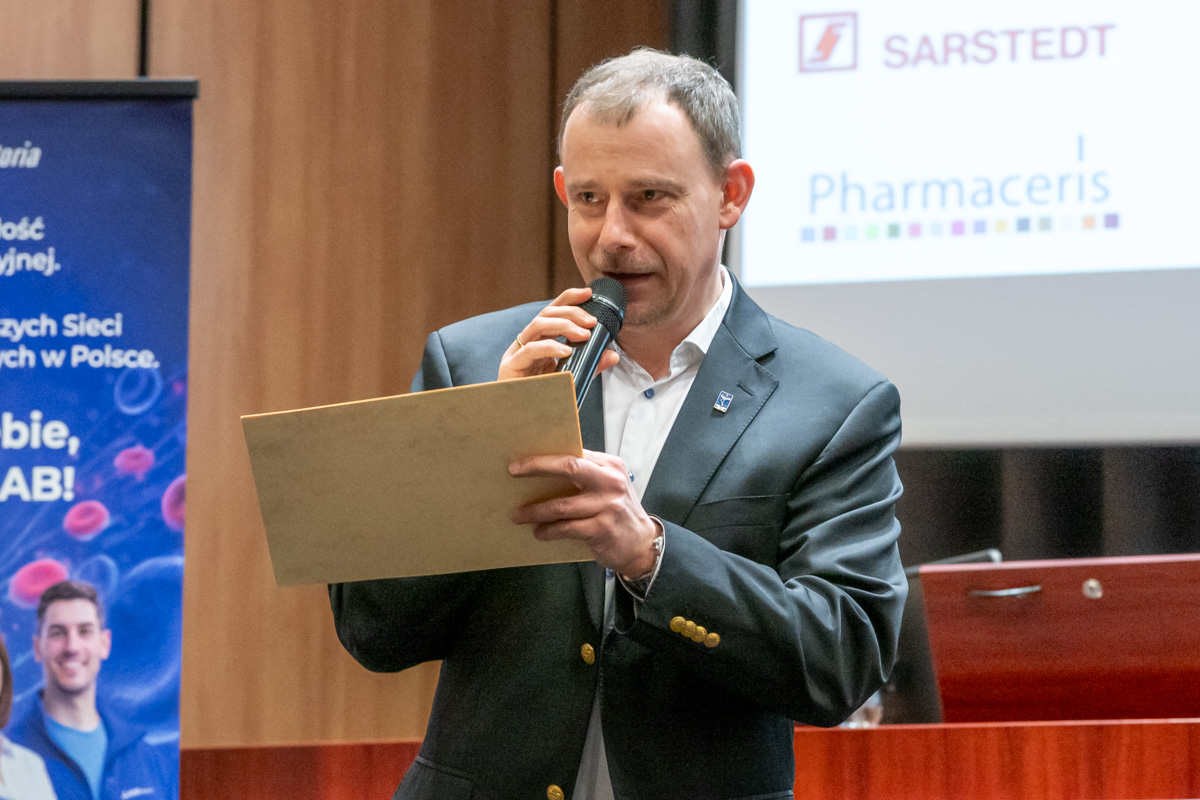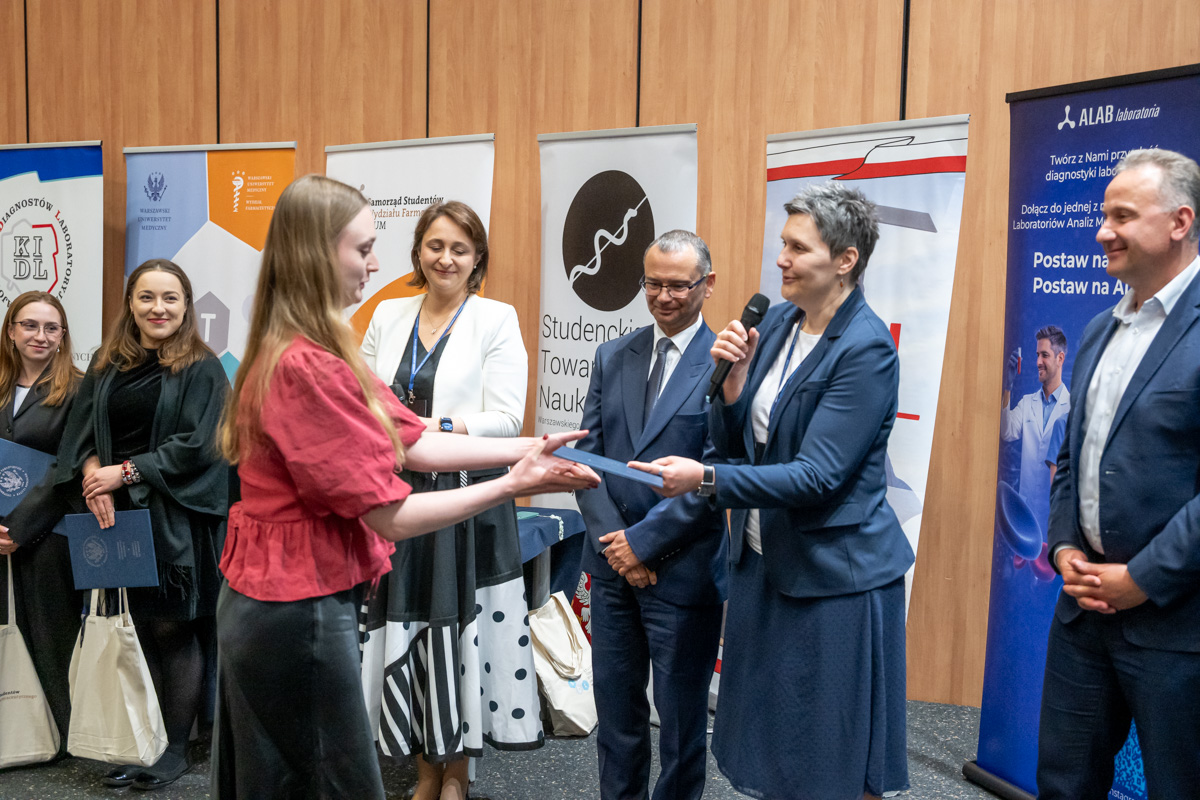
The Master’s Thesis Competition is a long-standing tradition of the Faculty of Pharmacy, whose purpose remains unchanged: to promote the faculty’s most talented graduates. Why is recognizing the best master’s theses and their authors so important? Because it is a vital element connecting research and education, two inseparable components that shape the profile of a graduate.
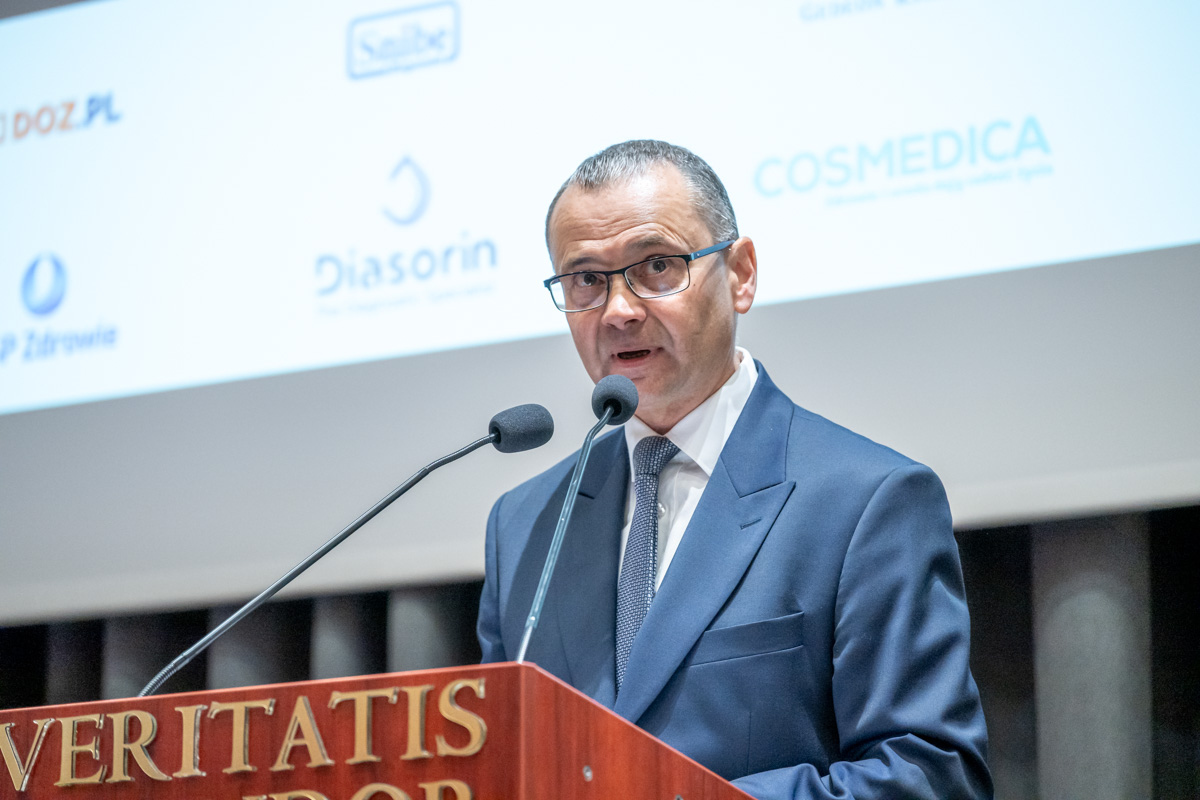
“I am pleased we are here together, because this year is exceptional for our entire faculty community. This year we are celebrating our 100th anniversary, and throughout these hundred years our faculty has educated, and continues to educate, successive generations of diagnosticians and pharmacists equipped not only with essential knowledge, but also with the practical skills necessary to perform this demanding and responsible medical profession with integrity,” said Dean Prof. Piotr Luliński.
Birch witch’s broom and an attack on the bacterial SOS system
A total of 11 master’s theses submitted in medical analytics and 12 in pharmacy were entered into the competition for the 2024/2025 academic year. Five pharmacy graduates and nine medical analytics graduates advanced to the final presentations. The theses addressed a wide range of topics, including antibacterial therapies, pharmaceutical care, genomics, microbiota, nanotechnology, and toxicology. All were of a very high standard and received strong recognition. Some of them may contribute to meaningful advances in medicine in the future.
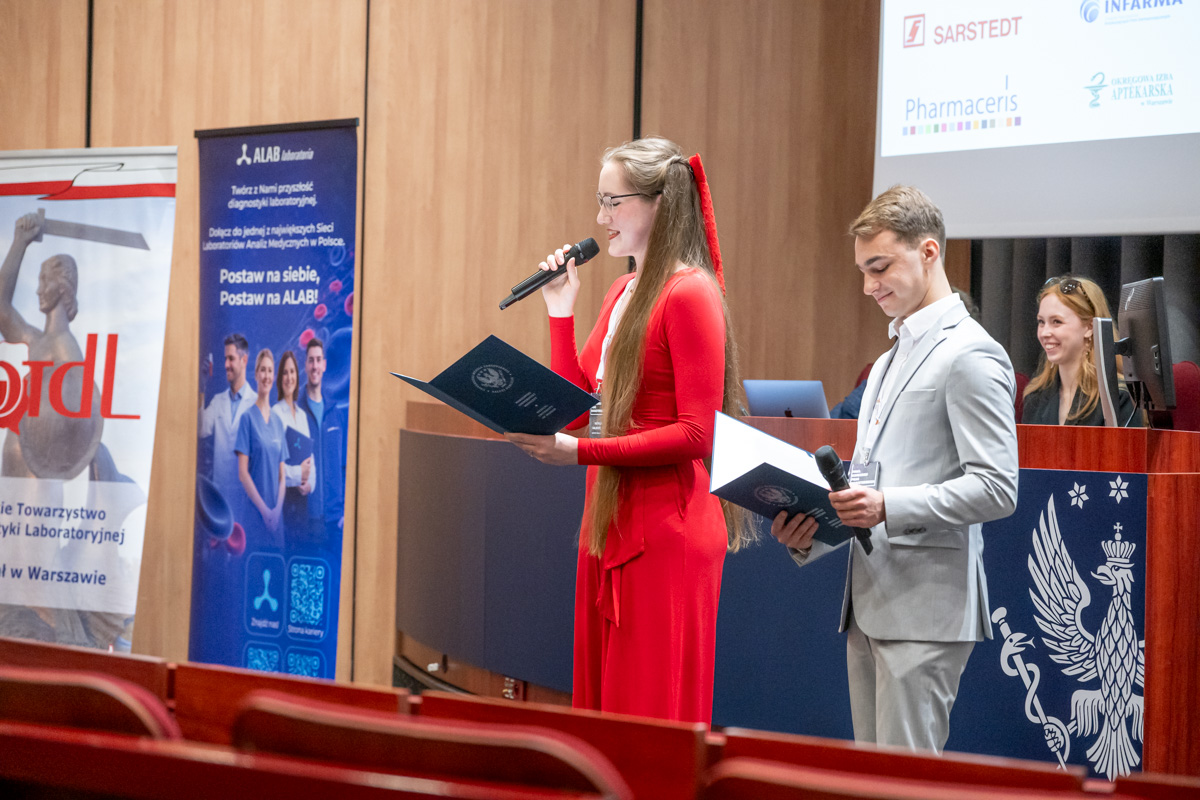
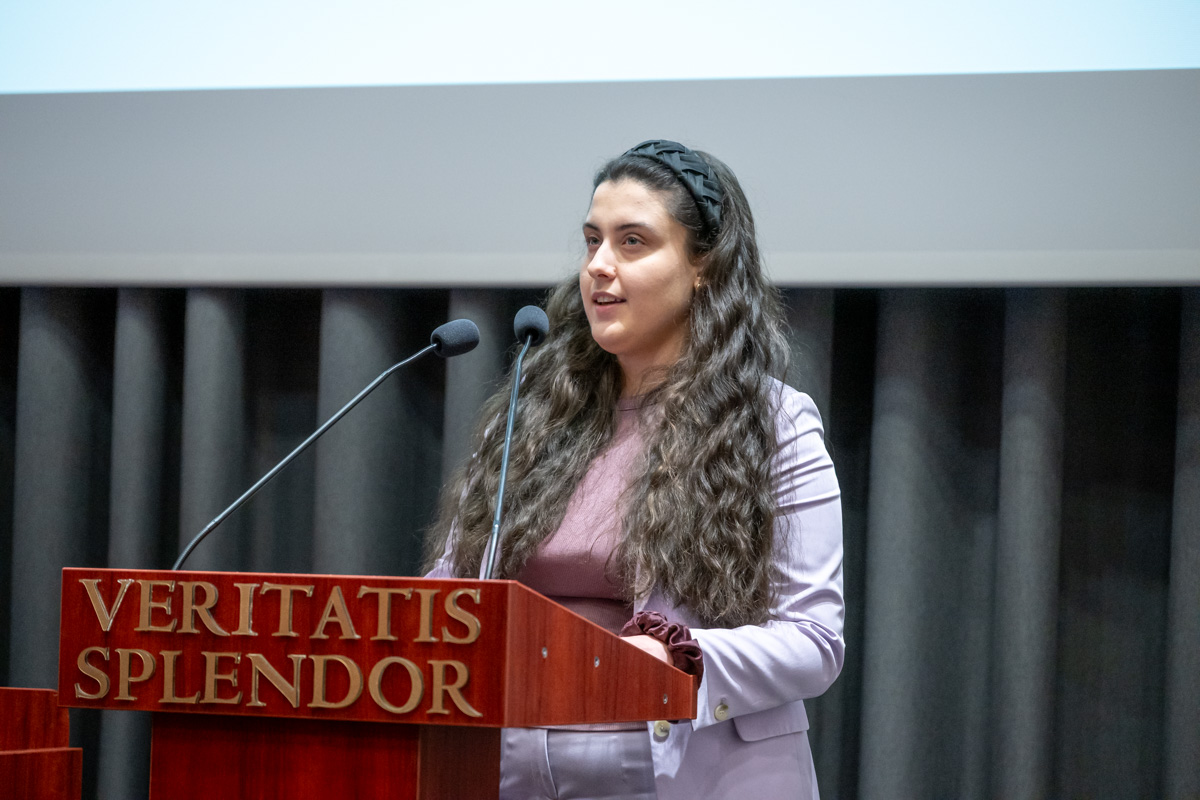
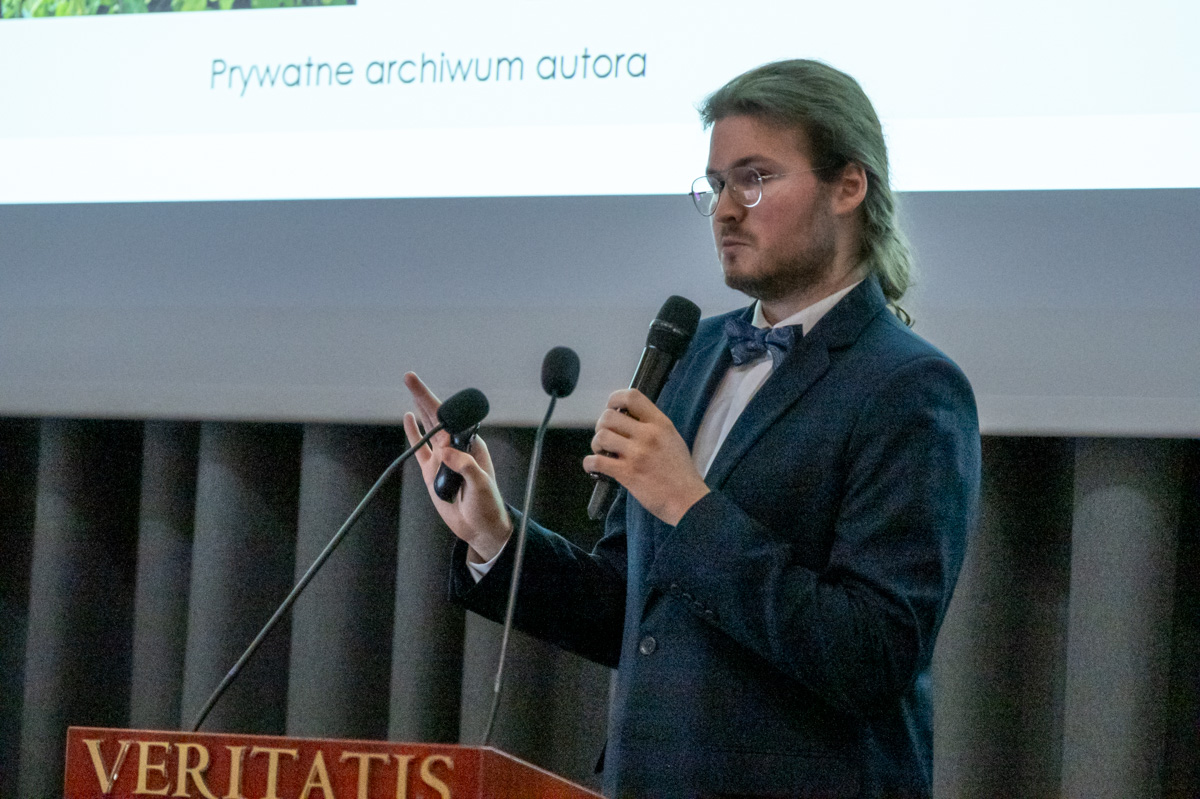
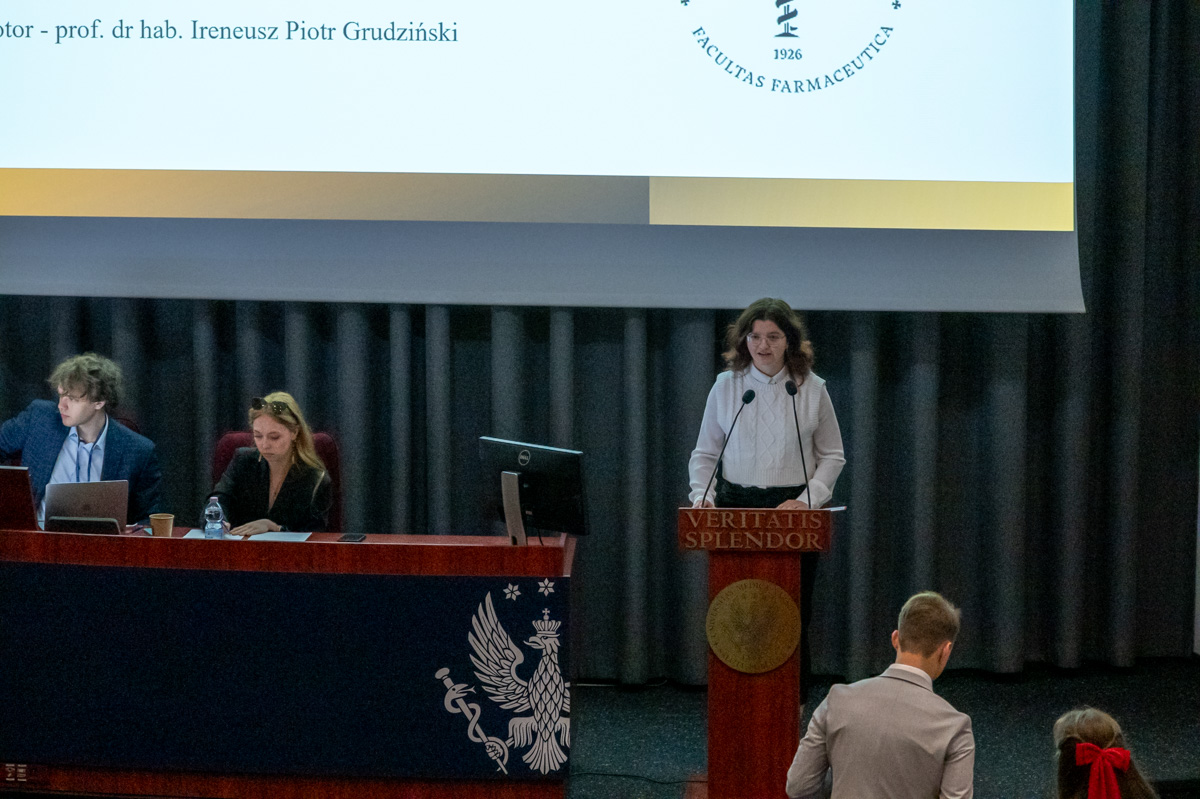
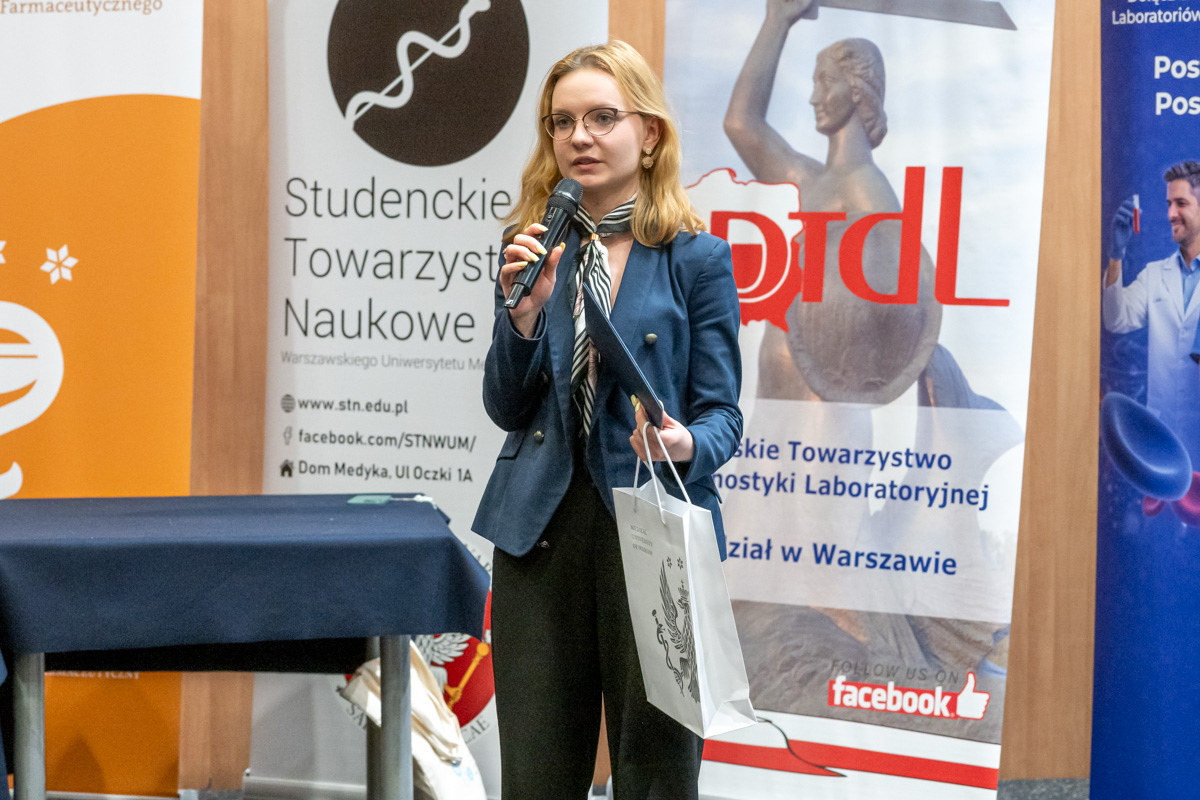
At the beginning of the presentations, nerves were evident. This was understandable, as presenting before an audience is a major challenge, even though each graduate knew their subject thoroughly. Izabela Pacek opened the session with her thesis, “Searching for the causes of miscarriage using exome sequencing.” She was followed by Adrian Strus with “Birch witch’s broom (Betula L.): Phytochemical analysis and assessment of its traditional and potential modern applications in the treatment of skin diseases.” Then came the remaining finalists. All presentations were evaluated by a jury of scientists according to criteria including originality of topic and aim, degree of difficulty, research methodology, and the scientific value of the results.
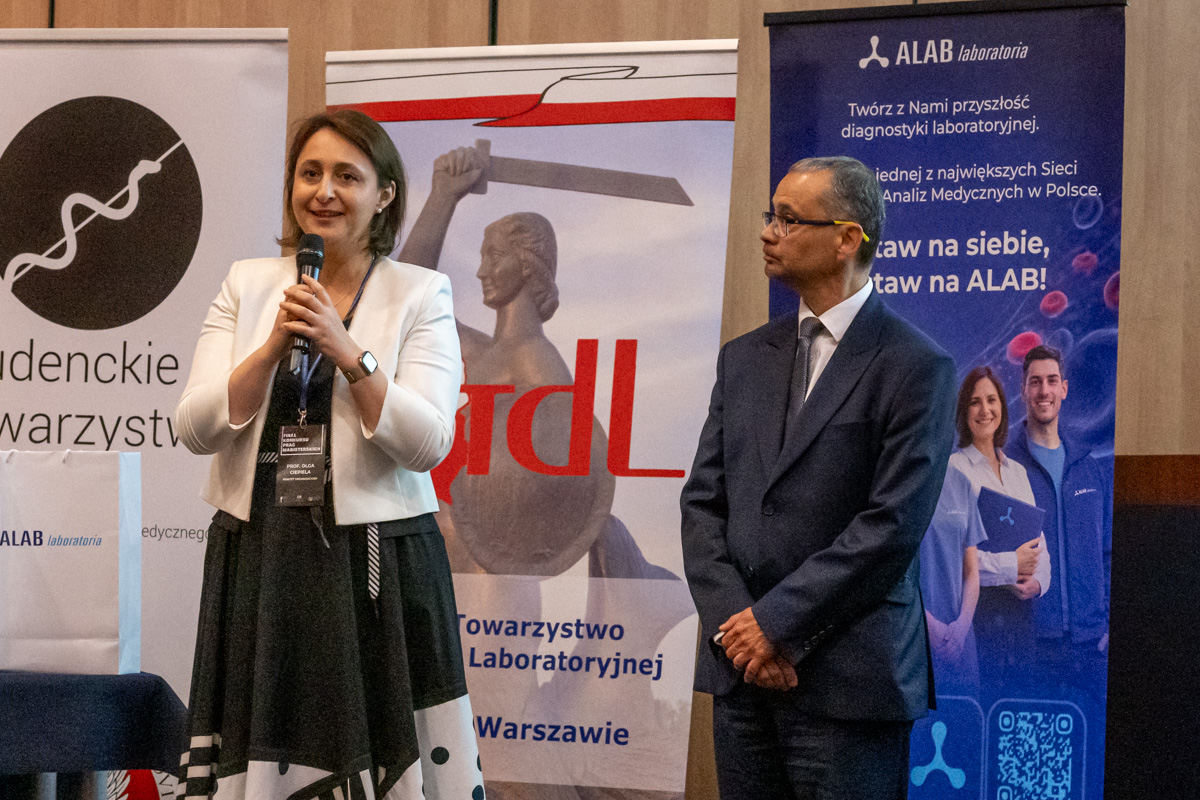
“We are proud of you, first because you became interested in science, and second because you are able to present the results of your own research in a way that engages your audience,” emphasized Prof. Olga Ciepiela, Vice Dean of the faculty.
The best of the best
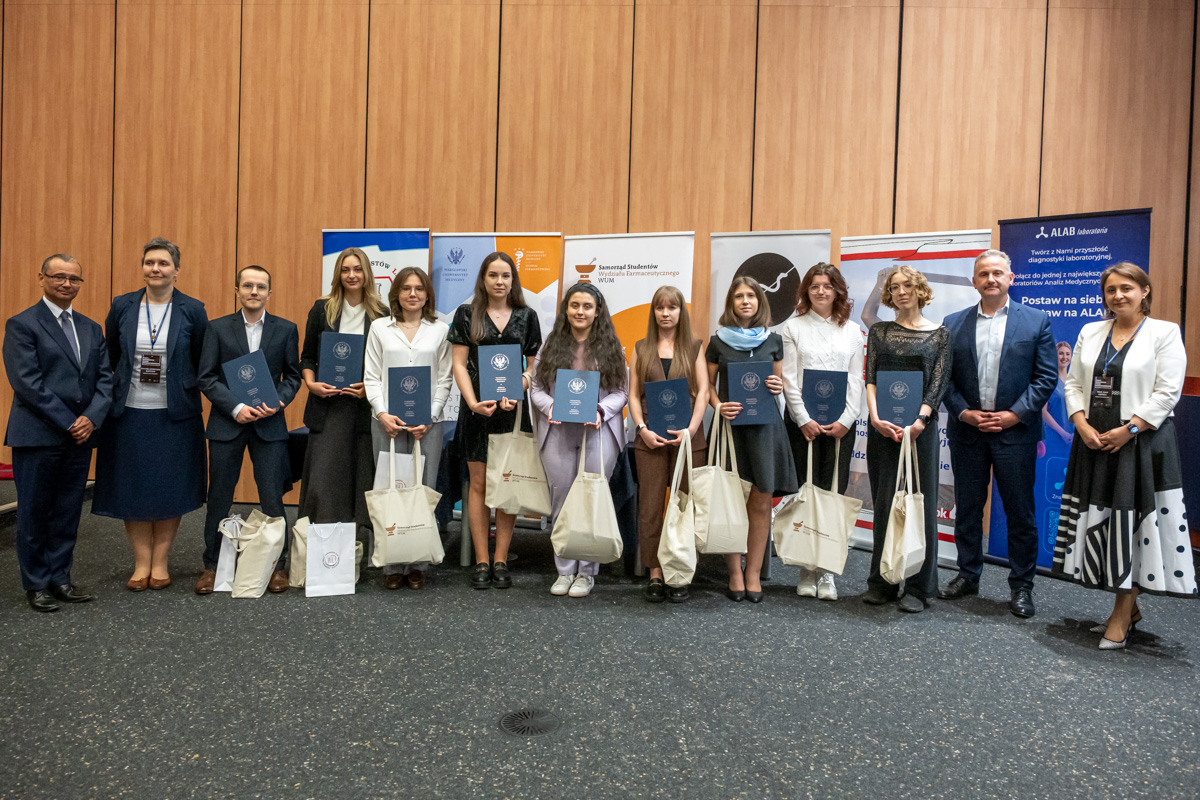
In the pharmacy program, the winners were: Aleksandra Malarczyk, who took first place for the work titled “Assessment of the impact of gut microbiota on an aqueous extract of lemon balm leaves”; the aforementioned Adrian Strus, who took second place; and Justyna Baranowska, who took third place for the work titled “Use of molecular modeling in the study of gabapentin.”
The audience award went to Michalina Skóra for the work titled “Application of the Mannich reaction in the synthesis of new precursors of compounds with potential biological activity.”
In the medical analytics program, the podium was taken by: Jakub Kalinowski, who won first place and also received the audience award for the work titled “Phenotypic and genomic analysis of the resistome and the study of heterogeneous resistance in multidrug-resistant clinical isolates of Enterobacter spp.”; Dominika Tekień, who took second place for the work titled “Epigenetic mechanisms in the development of uterine fibroids: the role of m⁶A RNA modifications and genes encoding enzymes determining its level”; and Małgorzata Sitek, who took third place for the work titled “Transcriptome of hematopoietic stem cells in purinergic signaling using next-generation sequencing.”
Additionally, Agata Nokieć received an award from the District Pharmaceutical Chamber for a practical work titled “A model of post-discharge pharmaceutical care for patients after acute coronary syndrome.”
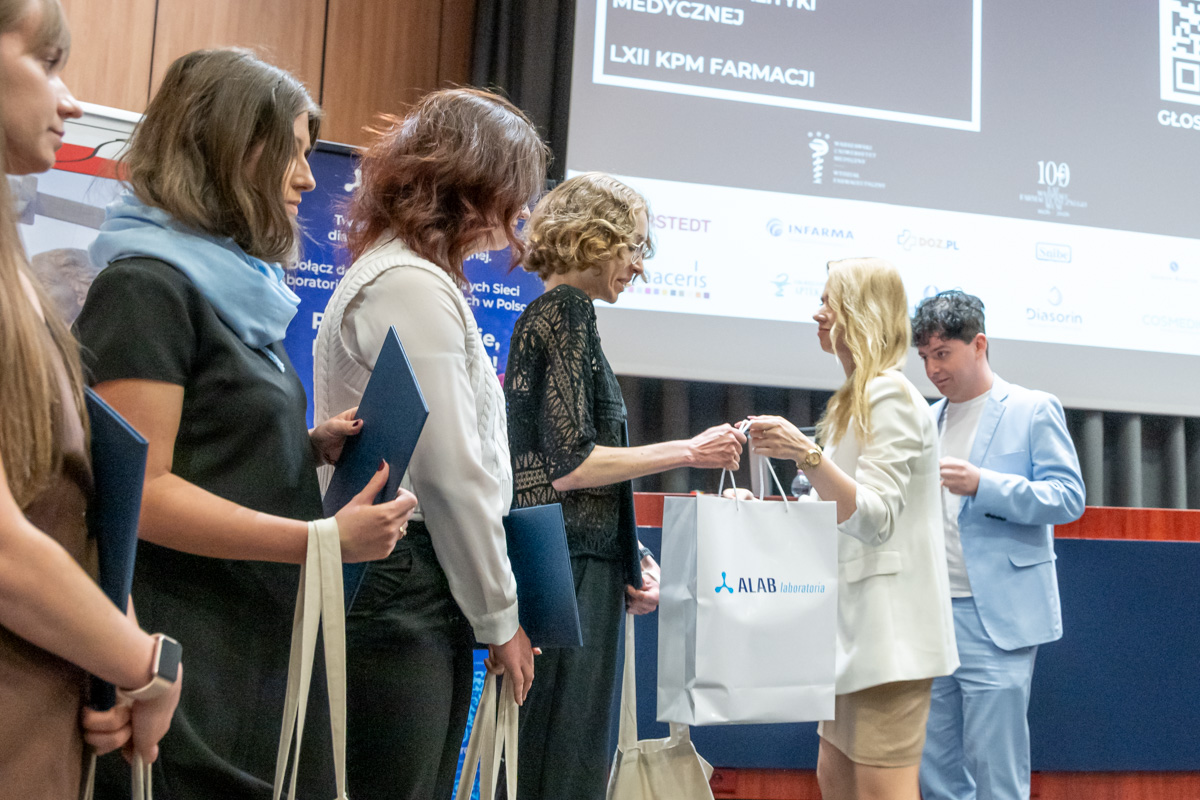
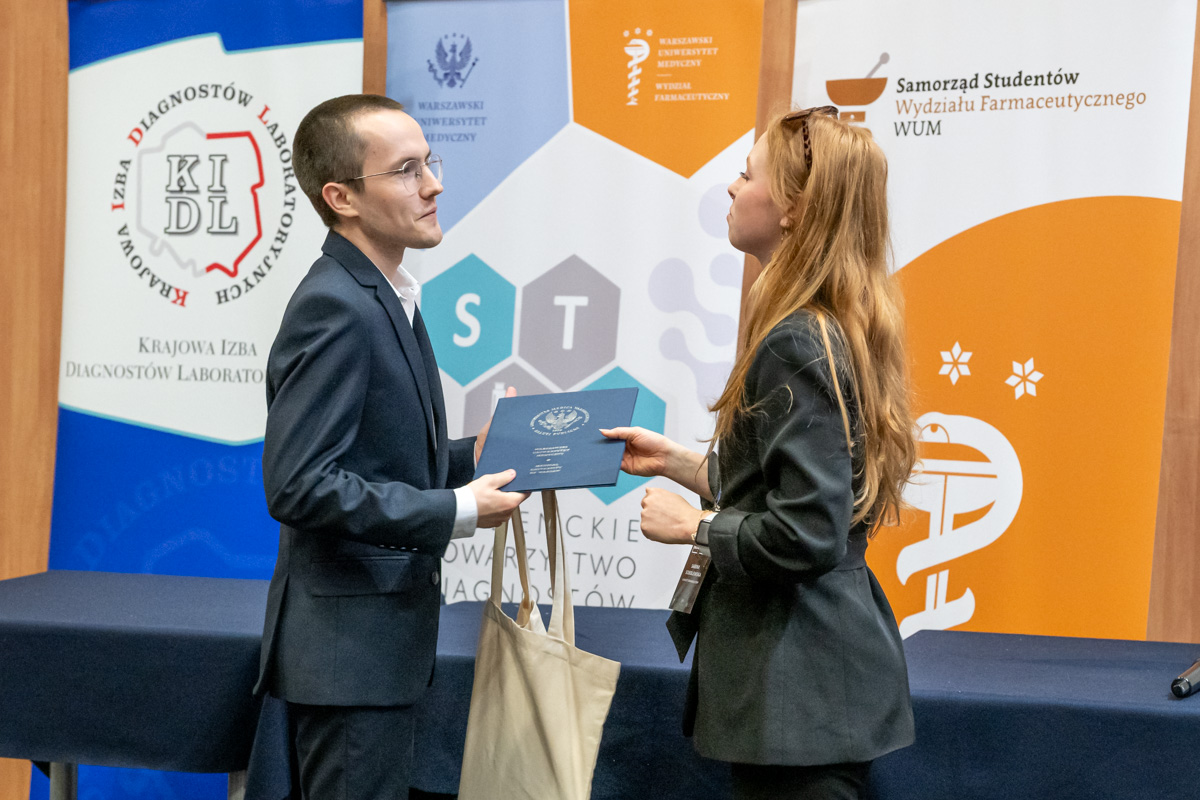
The winners and laureates received their awards from the dean, Prof. Piotr Luliński, and the vice deans of the faculty: Prof. Olga Ciepiela and Dr. hab. Agnieszka Bazylko.
Experts in pharmacy compounding
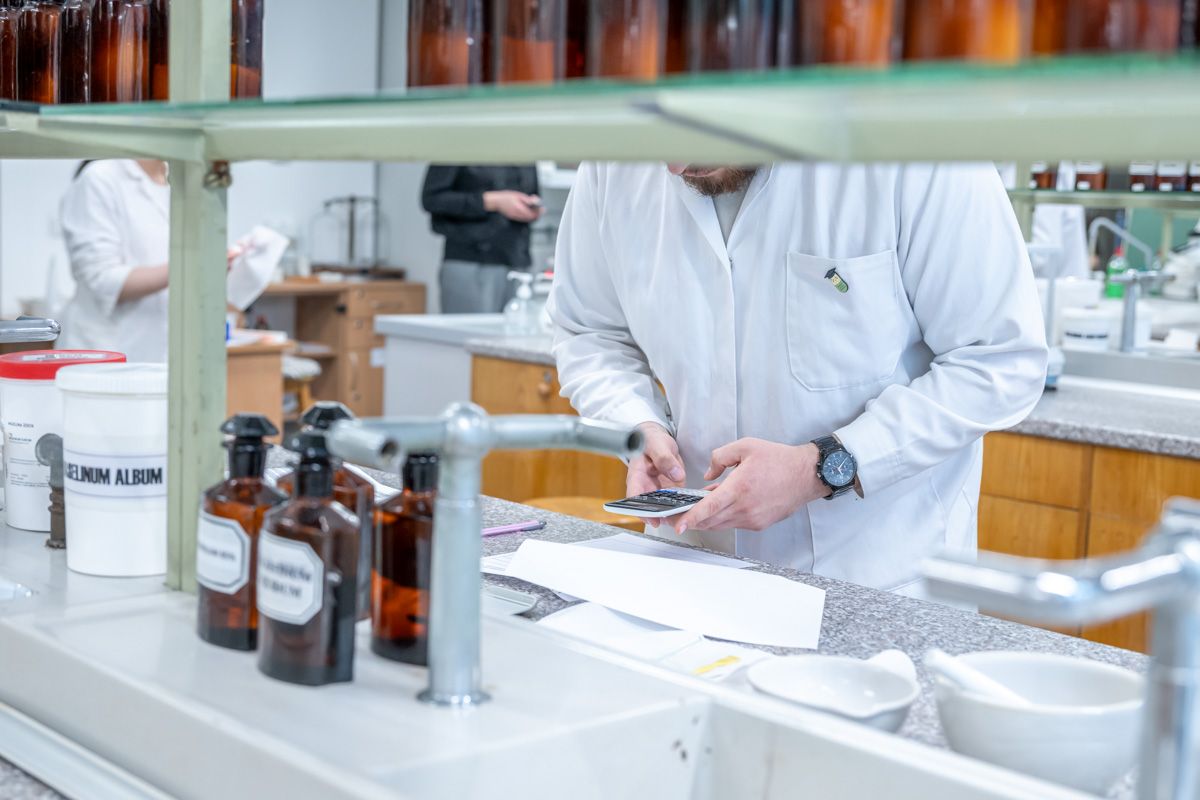
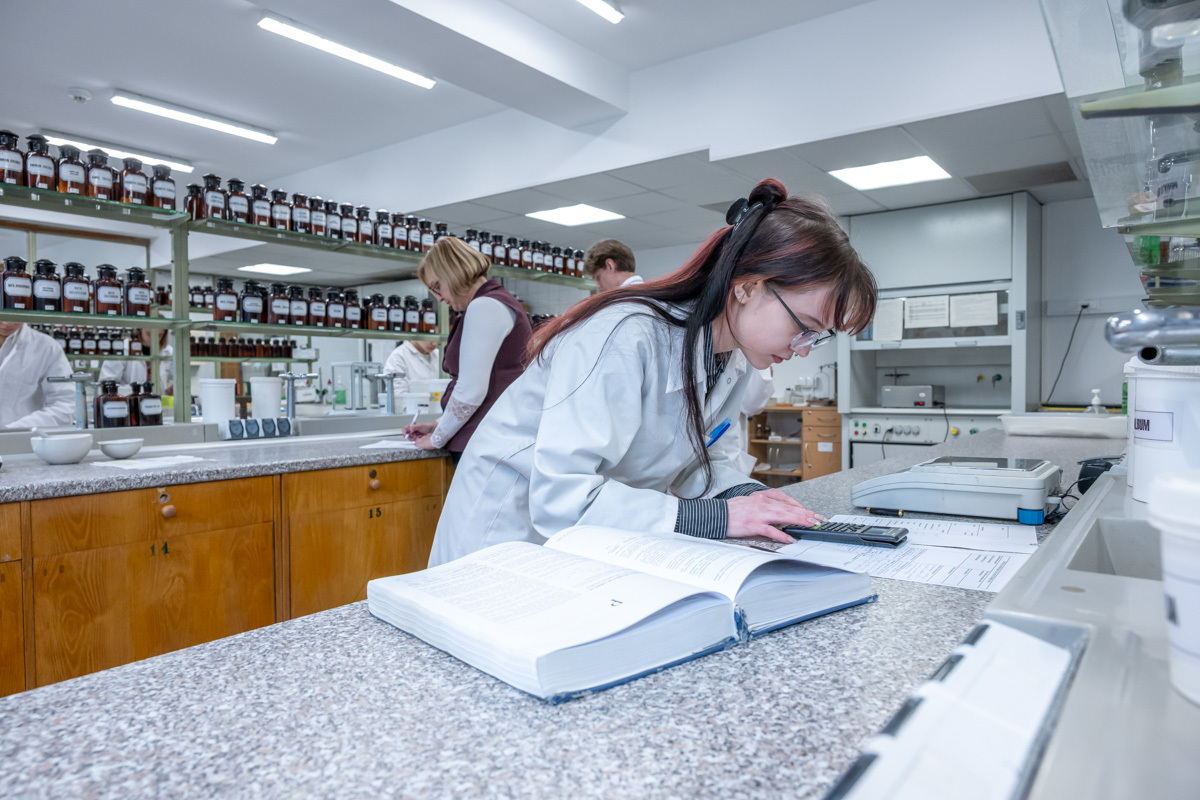
These were not the only people who received congratulations during the ceremonial closing of the Master’s Thesis Competition. The winners of the first edition of the Pharmacy Compounding Competition were also honored. They were: Kajetan Biernacki (first place), Maria Kulczyk (second place), and Błażej Bielawski (third place).
The competition was organized as part of the 100th anniversary of the faculty. It was open to third-, fourth-, and fifth-year pharmacy students. First, participants had to complete a test assessing their knowledge of pharmacy compounding and the basics of practical pharmacy. The next task was to independently prepare a compounded medicinal product in accordance with applicable rules and requirements.
The event was organized by the Student Council of the Faculty of Pharmacy at WUM in cooperation with the academic supervisors of the competition.
How stem cells traveled on a plane
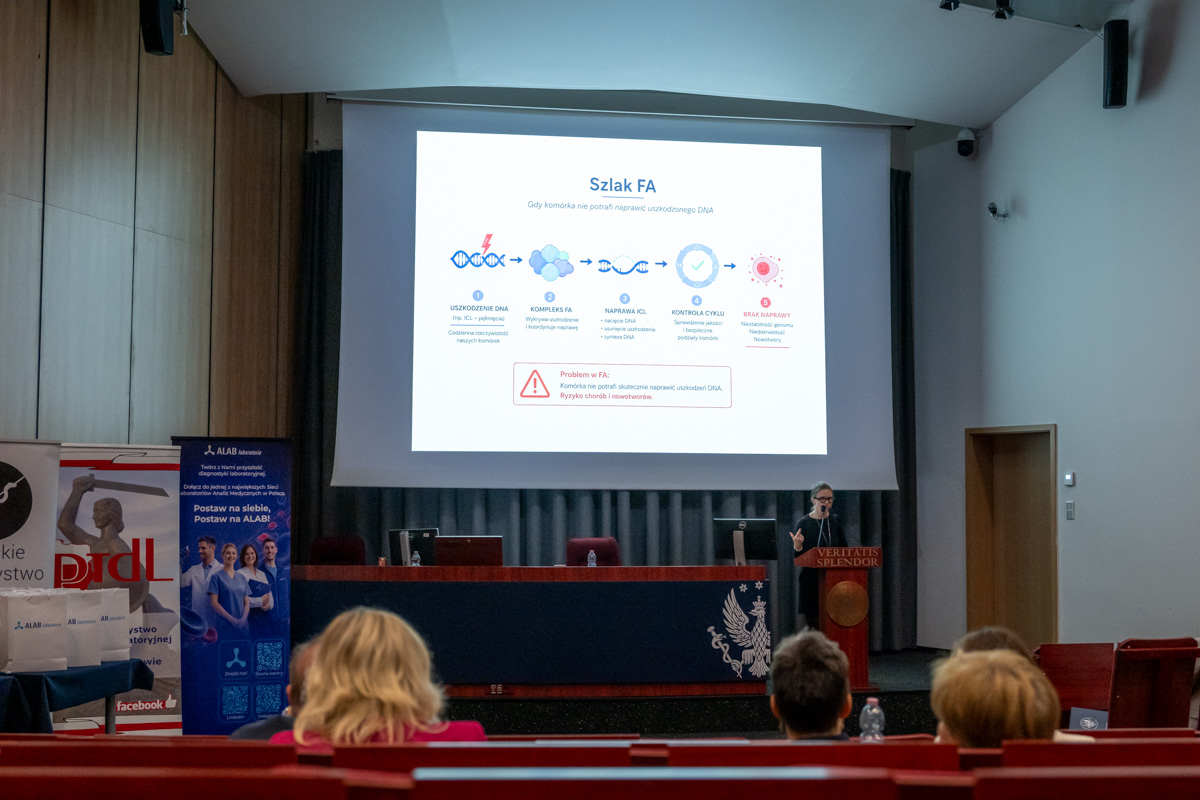
It was the late 1980s. The cells traveled from the United States to France aboard a United Airlines flight. A several-year-old boy named Matthew, who suffered from bone marrow failure, was waiting for them, as the stem cells collected from umbilical cord blood were meant to save his life. His story, presented by Prof. Magdalena Kucia, head of the Department of Laboratory Medicine, is not only about the first successful human umbilical cord blood transplant performed by Prof. Eliane Gluckman. It is also a story about how science makes sense when it has a real impact on a patient’s life.
“Prof. Eliane Gluckman decided to challenge established paradigms for preparing a patient for transplantation and chose to proceed with the transplant even though she knew that failure could set the field back decades,” the speaker explained. Emphasizing how important determination and courage are in science when pushing boundaries, she added: “It is important that in your future careers you always remember that, out of the hypotheses we propose, what truly matters is what remains for the patient.”