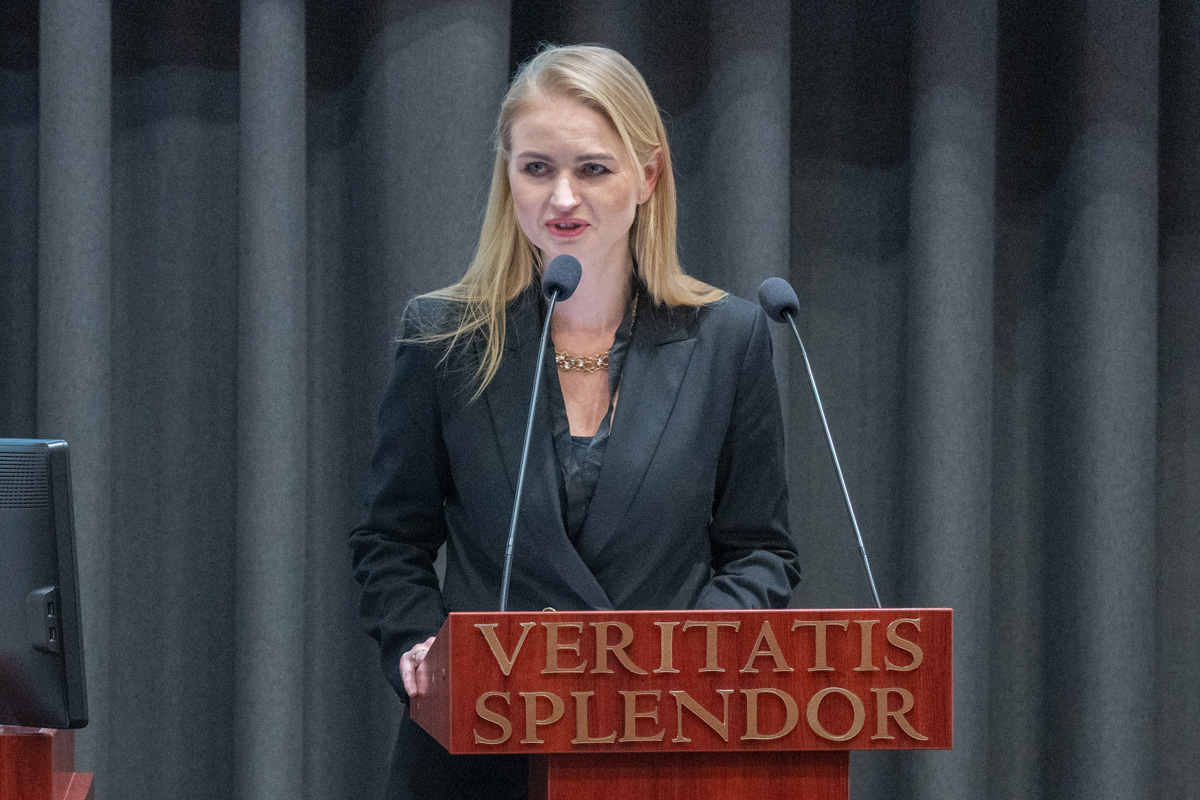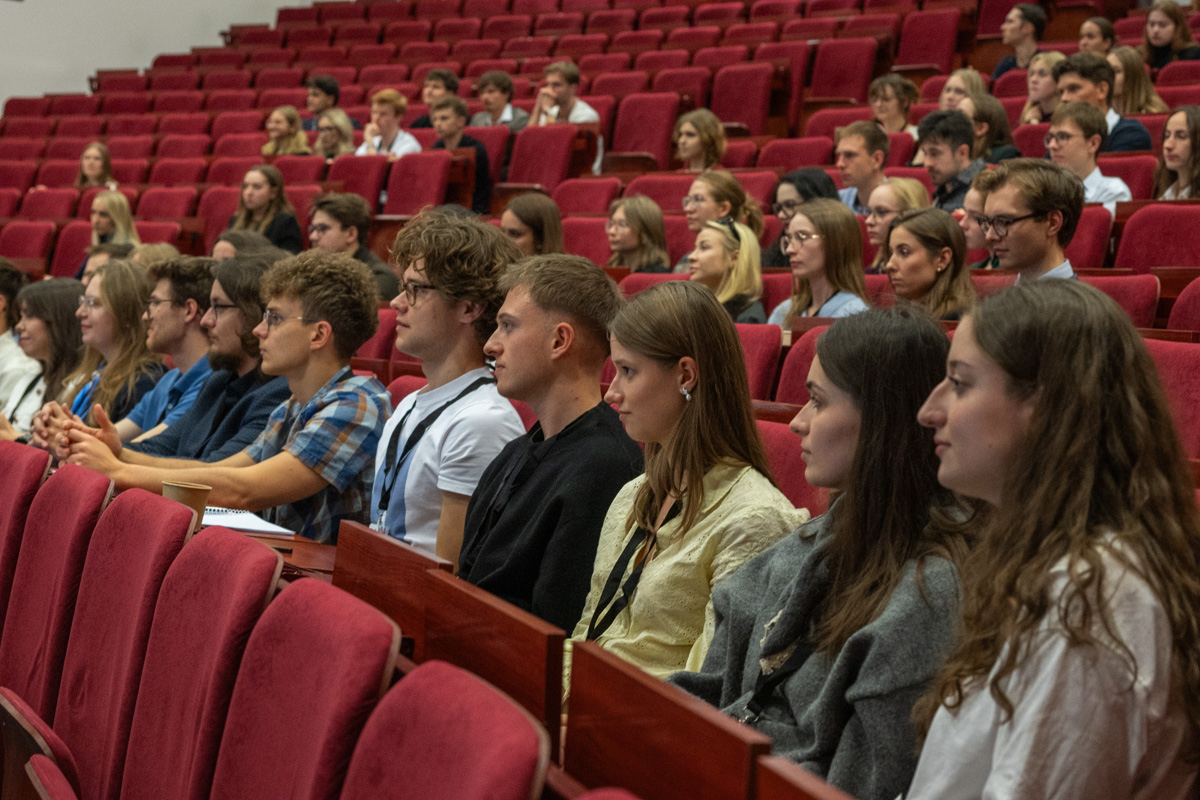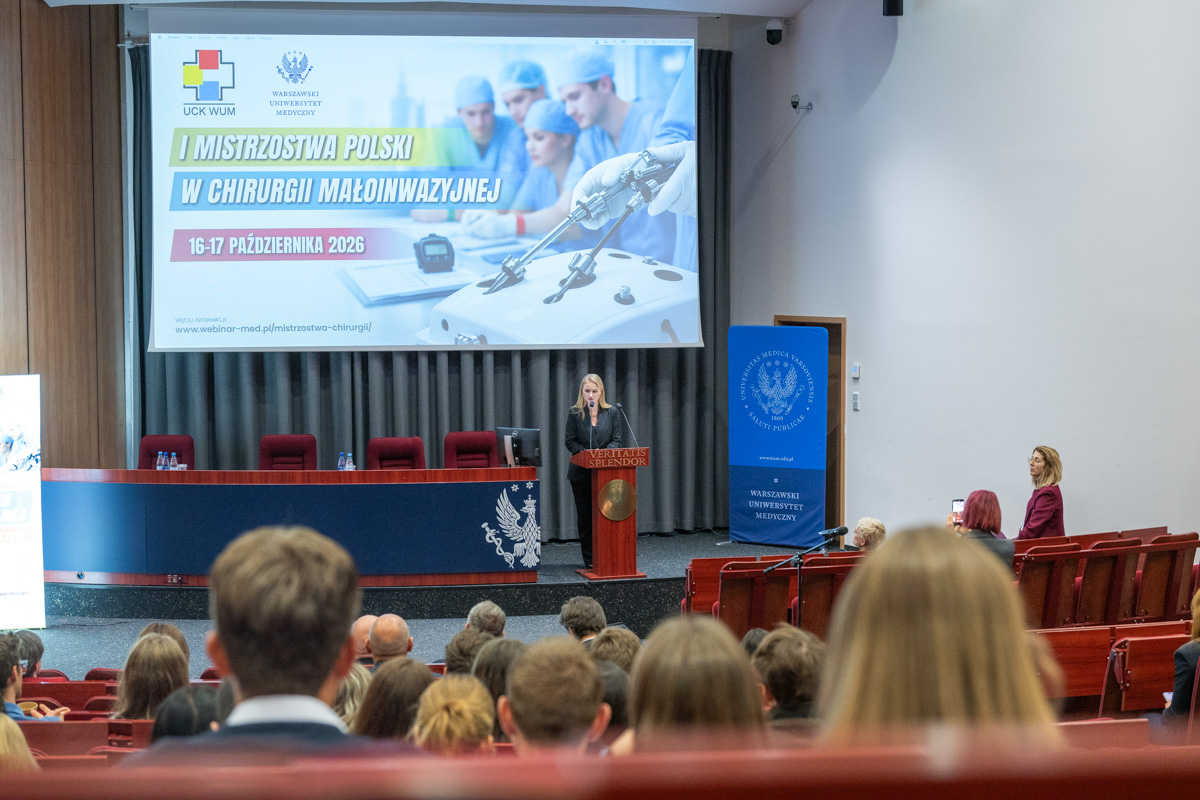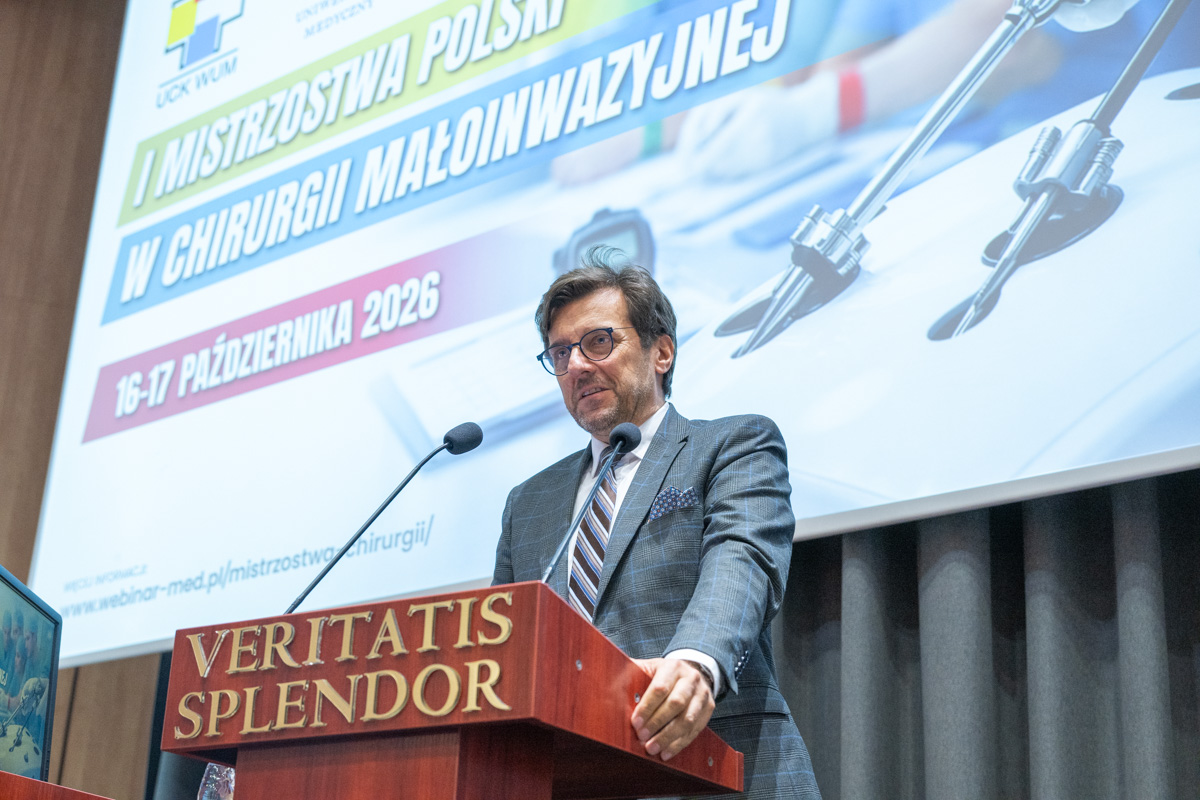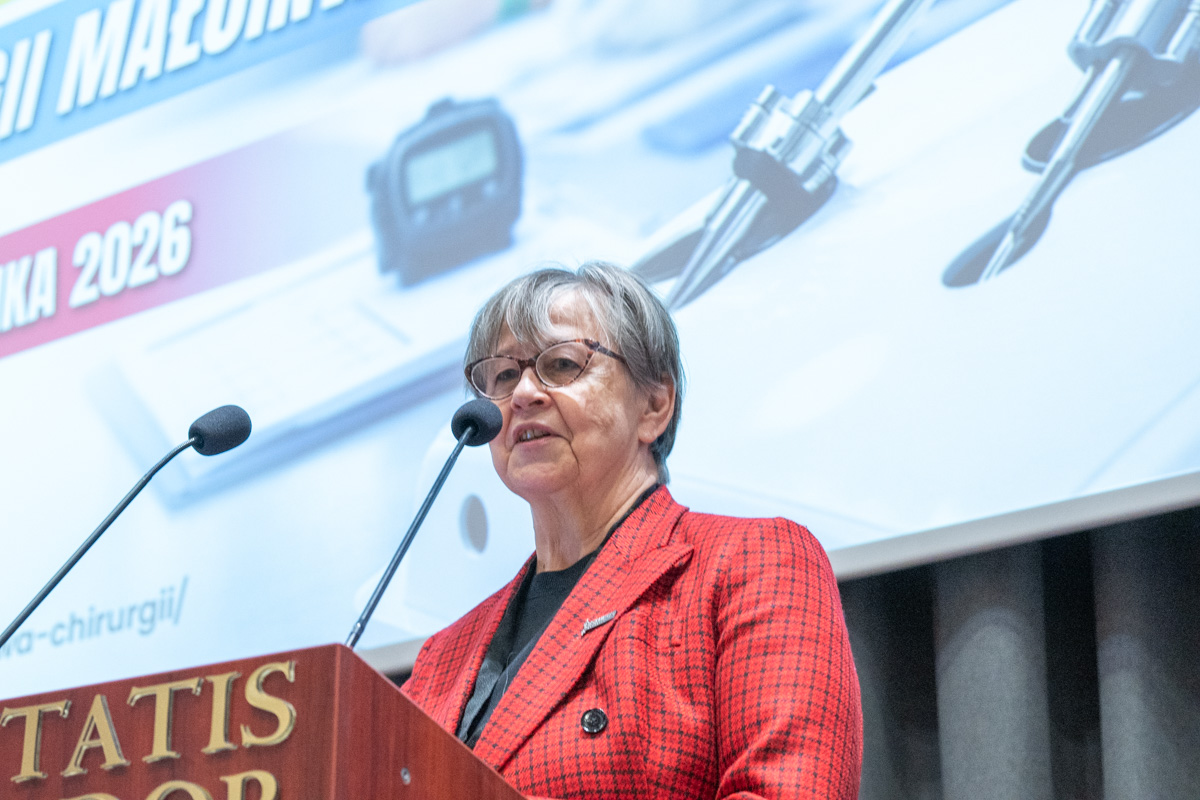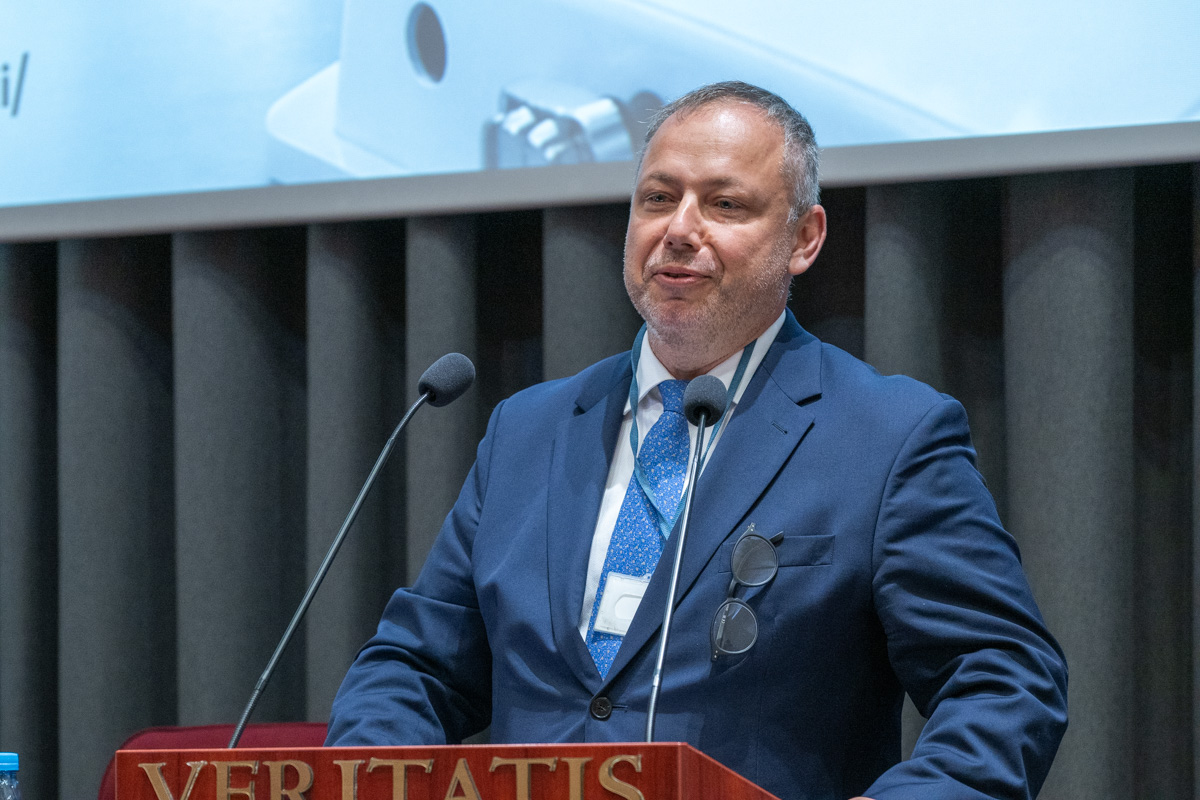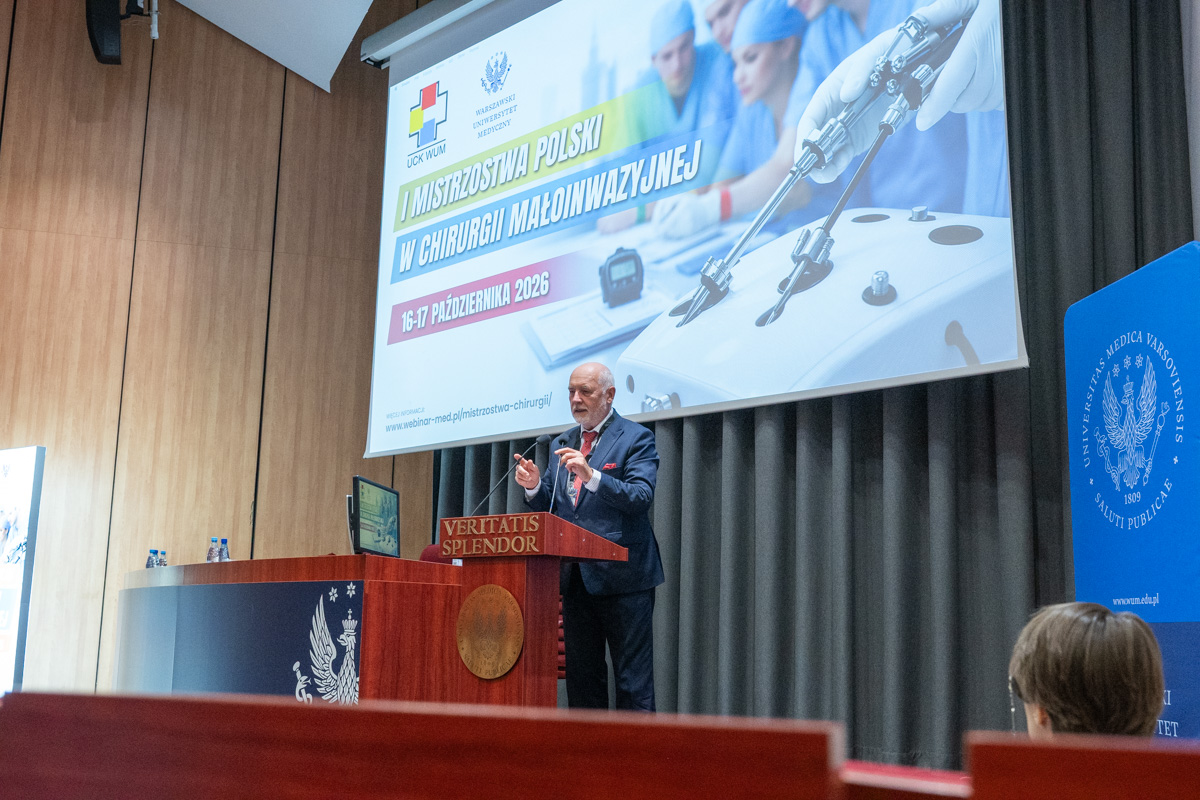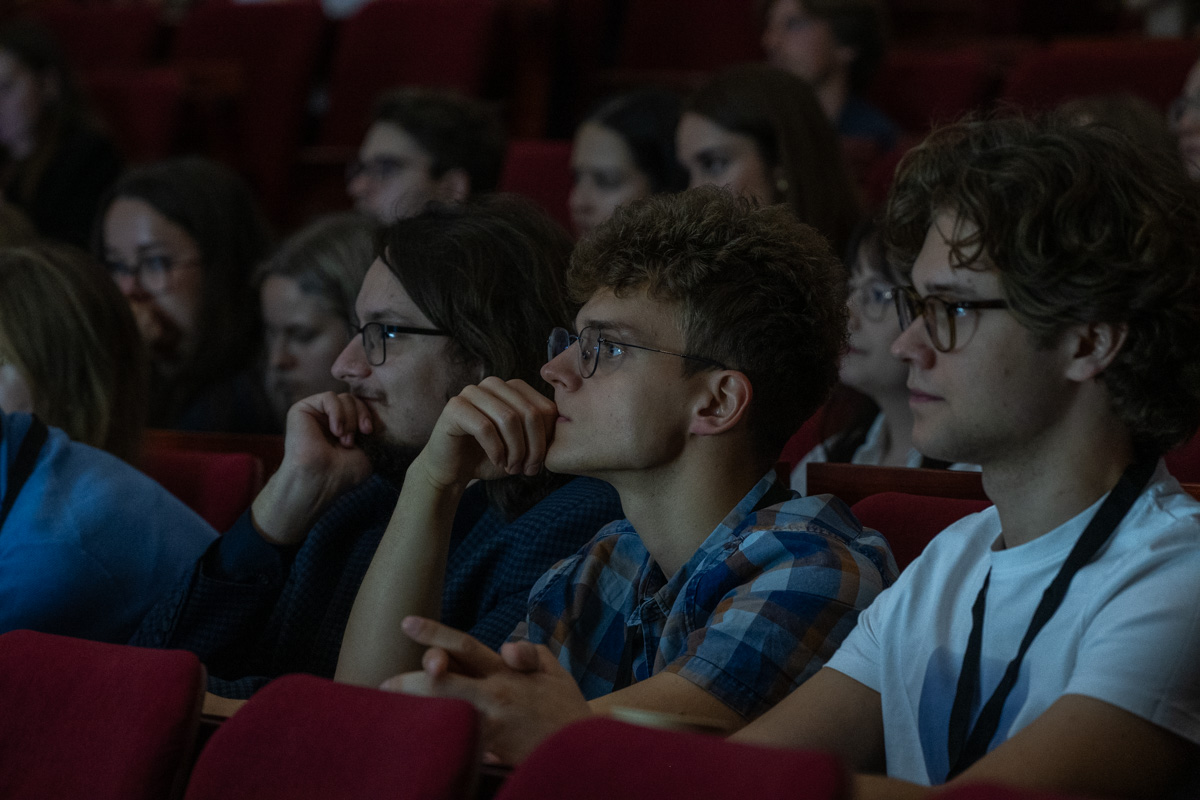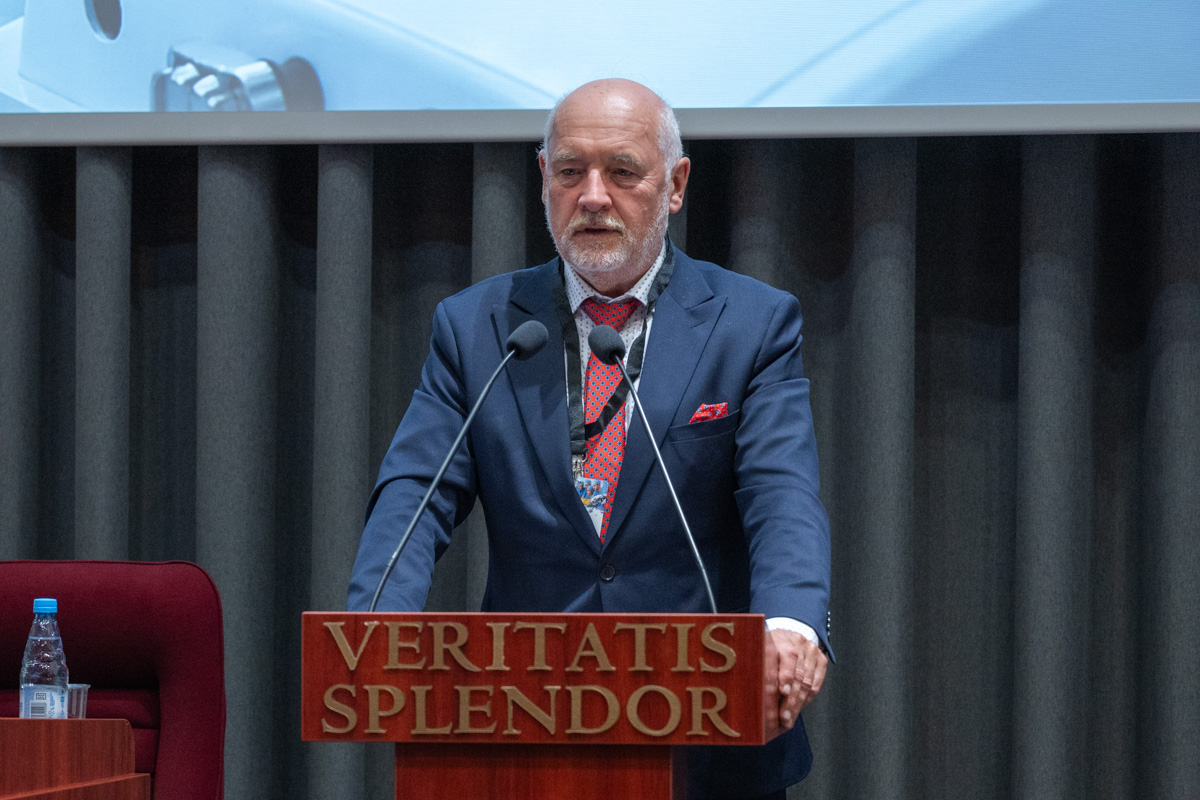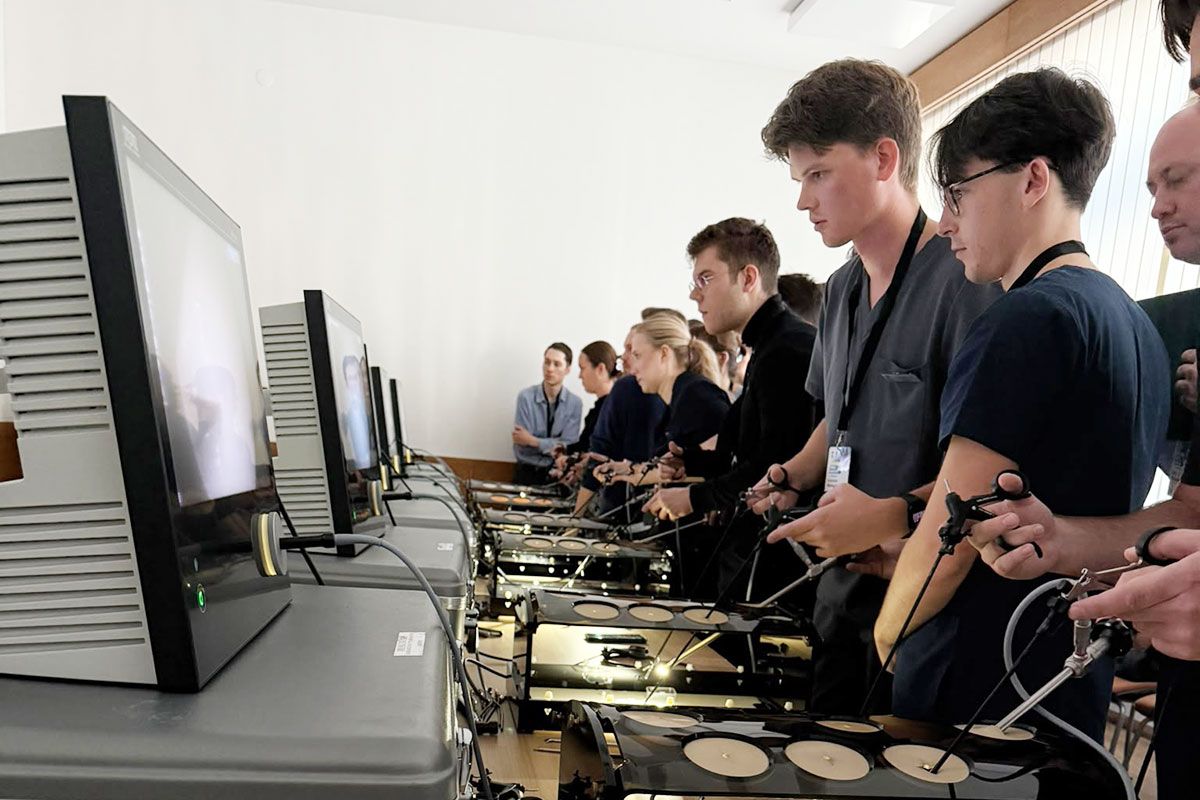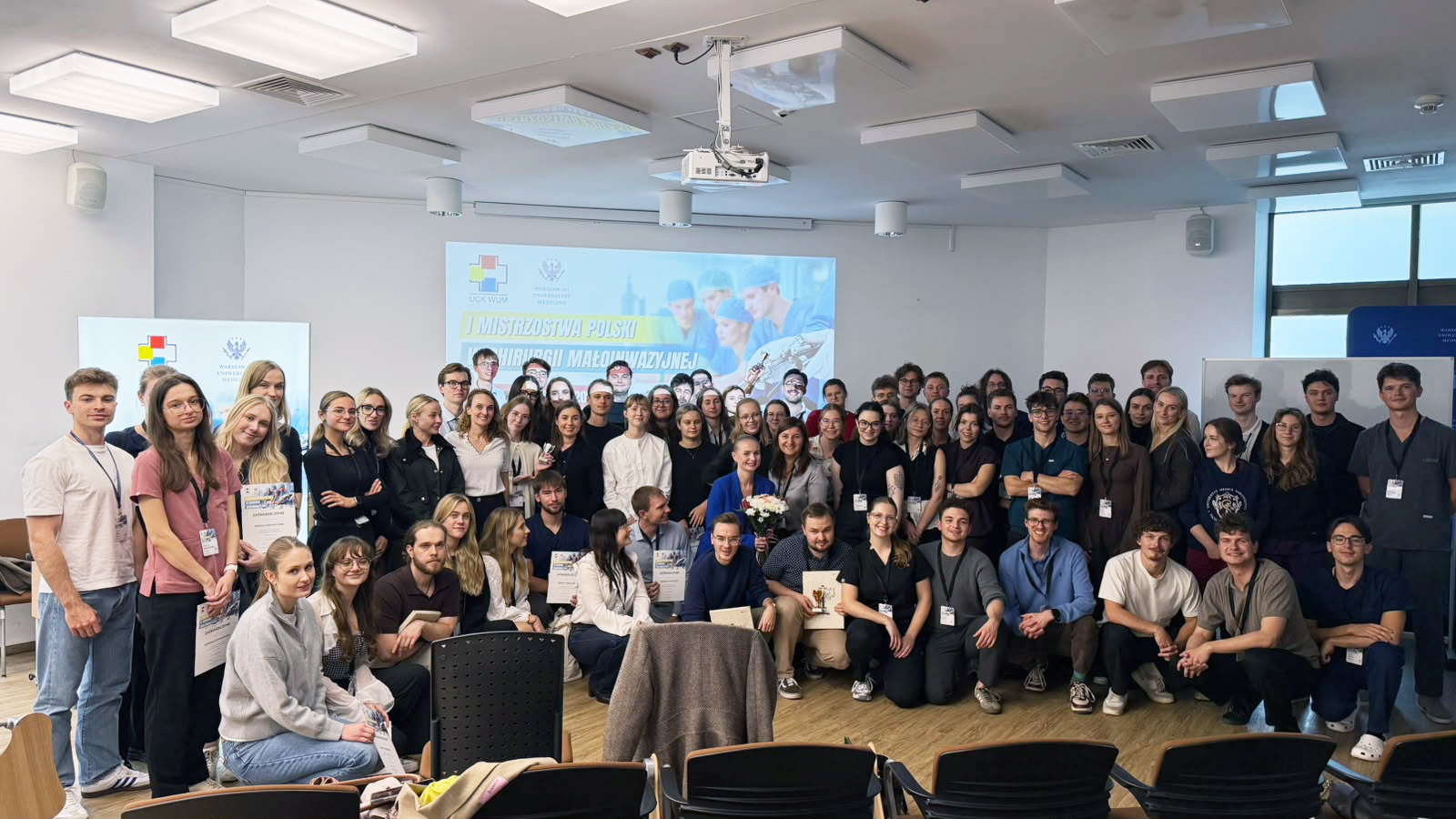
The First Polish Minimally Invasive Surgery Championship was held on October 16 and 17 on the WUM campus. As emphasized by Dr. hab. Patrycja Sosnowska-Sienkiewicz, head of the Department of Pediatric Surgery at UCC WUM and chair of the organizing committee, the idea for the championship stemmed from the belief that surgical education cannot be limited to acquiring theoretical knowledge.
“Surgery is above all about precision, patience, composure, and continually honing one’s skills. These qualities are particularly important in minimally invasive surgery. We work in a small space, use long instruments, and every movement requires coordination and control.”
That is why it is worth giving students opportunities to develop their manual skills while they are still in medical school.
Essential knowledge
Practical skills are essential in surgery, but knowledge remains their foundation. Before the participants got hands-on, they had the opportunity to attend engaging lectures on minimally invasive surgery delivered by experienced experts.
The opening lecture, “Current trends in minimally invasive surgery,” was given by Prof. Tomasz Koszutski. Prof. Przemysław Wolak discussed the fundamentals of ergonomics and safety in laparoscopic surgery; Dr. Michał Puliński covered suturing and knot-tying techniques in minimally invasive surgery; Prof. Piotr Czauderna spoke about simulation in surgical training; and Prof. Adam Hermanowicz addressed potential errors and complications in minimally invasive surgery. The scientific program also featured Prof. Beata Jurkiewicz, national consultant in pediatric surgery; Dr. Joanna Samotyjek, regional consultant in pediatric surgery; and Dr. Jakub Noskiewicz.
Five challenges and plenty of excitement
Participants competed in teams of four. The team-based format was no coincidence: in a surgeon’s work, precision and manual dexterity go hand in hand with the ability to collaborate effectively with the entire medical team.
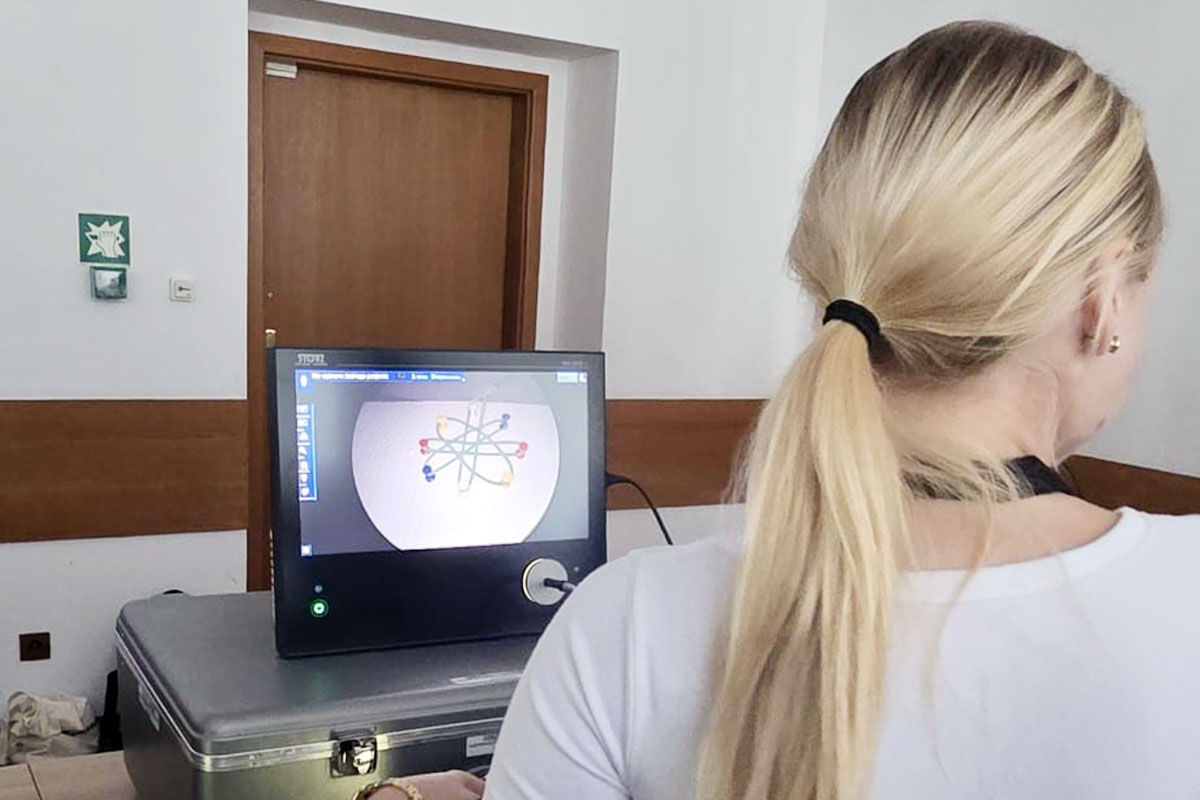
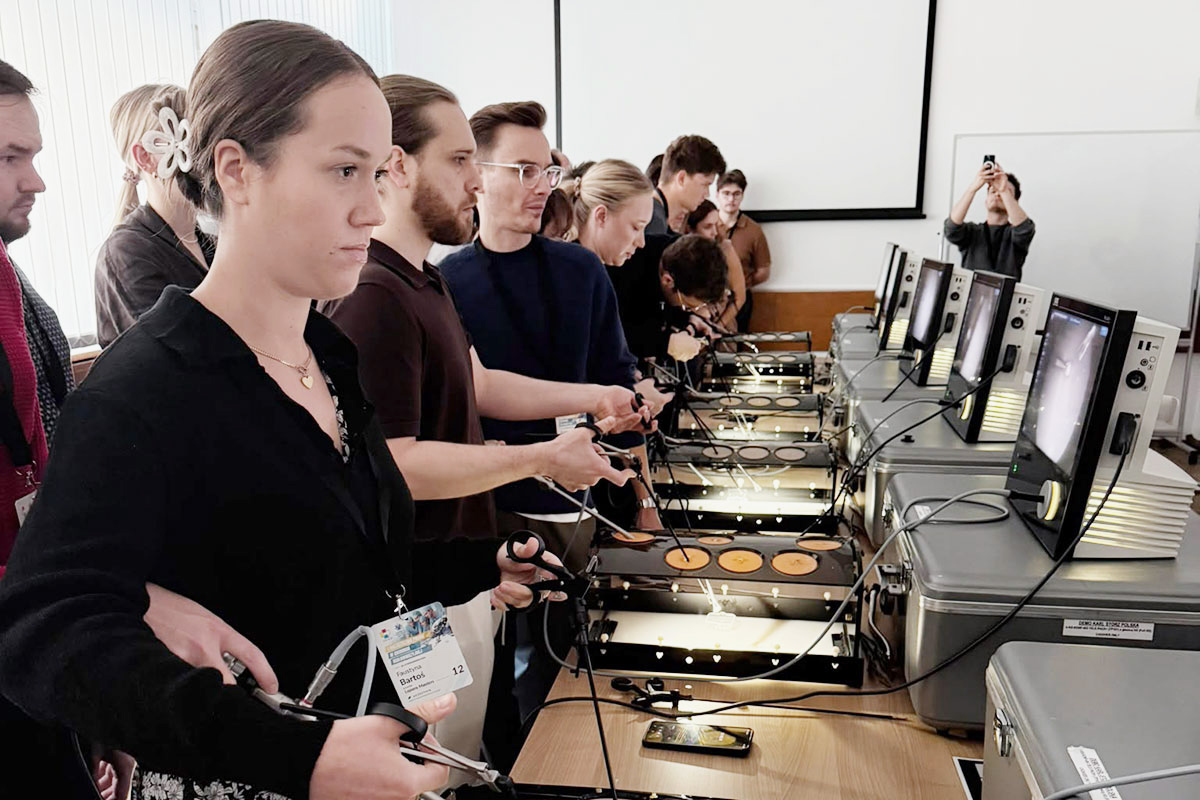
The teams aimed to achieve the best possible scores across five challenges. Each faithfully reflected key aspects of laparoscopic surgery: hand-eye coordination, instrument manipulation in a confined space, precision, safe dissection, and cooperation between surgeons. The challenges tested not only precision but also composure and teamwork.
What exactly did the participants have to do?
• Transfer ten balls between containers using surgical instruments.
• Place and remove rubber bands attached to pins inserted into a Styrofoam surface.
• Cut out a marked section of a rubber glove without damaging the underlying layer.
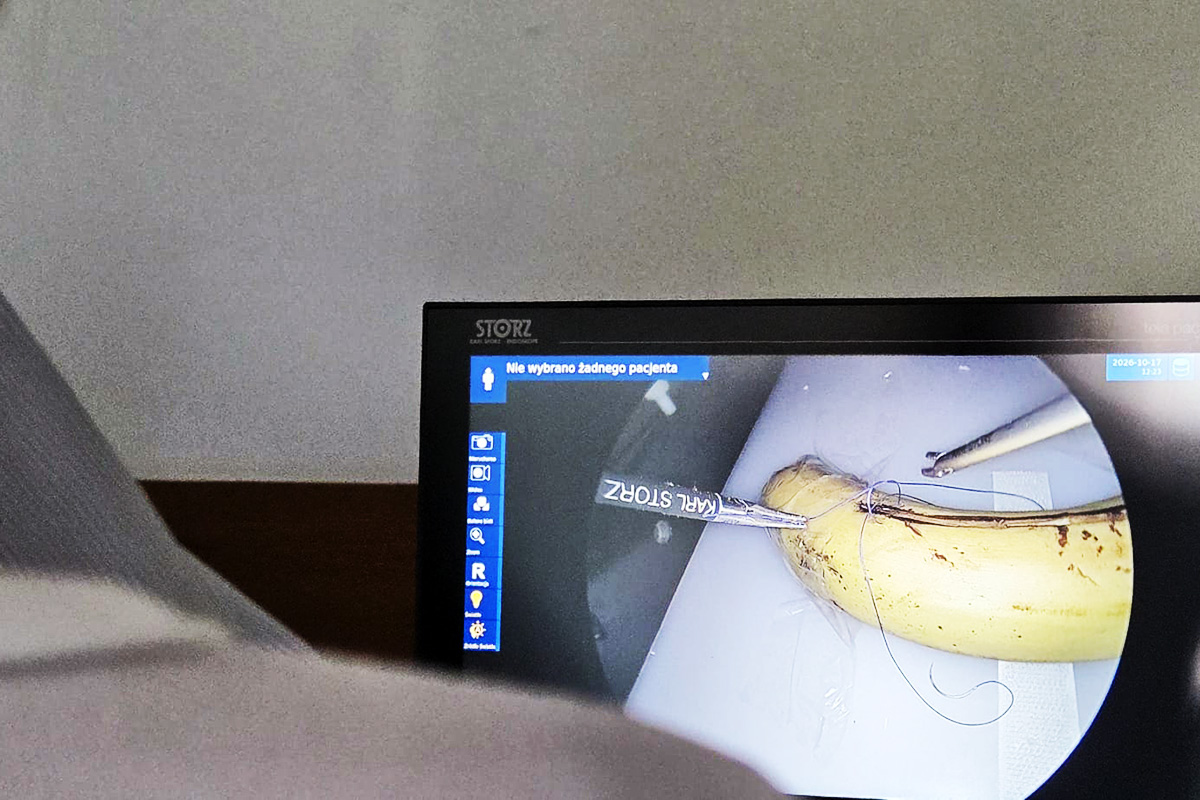
• Perform four sutures using the sliding-knot technique.
• Complete a team-based surgical simulation, carrying out successive stages of a procedure, from trocar placement to dissection and removal of a model duct.
Scores were based on completion time, accuracy, and technical errors.
The competition was marked by intense emotions, complete concentration, and teams cheering one another on. Importantly, the participants demonstrated an impressive ability to switch from individual tasks to effective teamwork.
The winners of the first championship
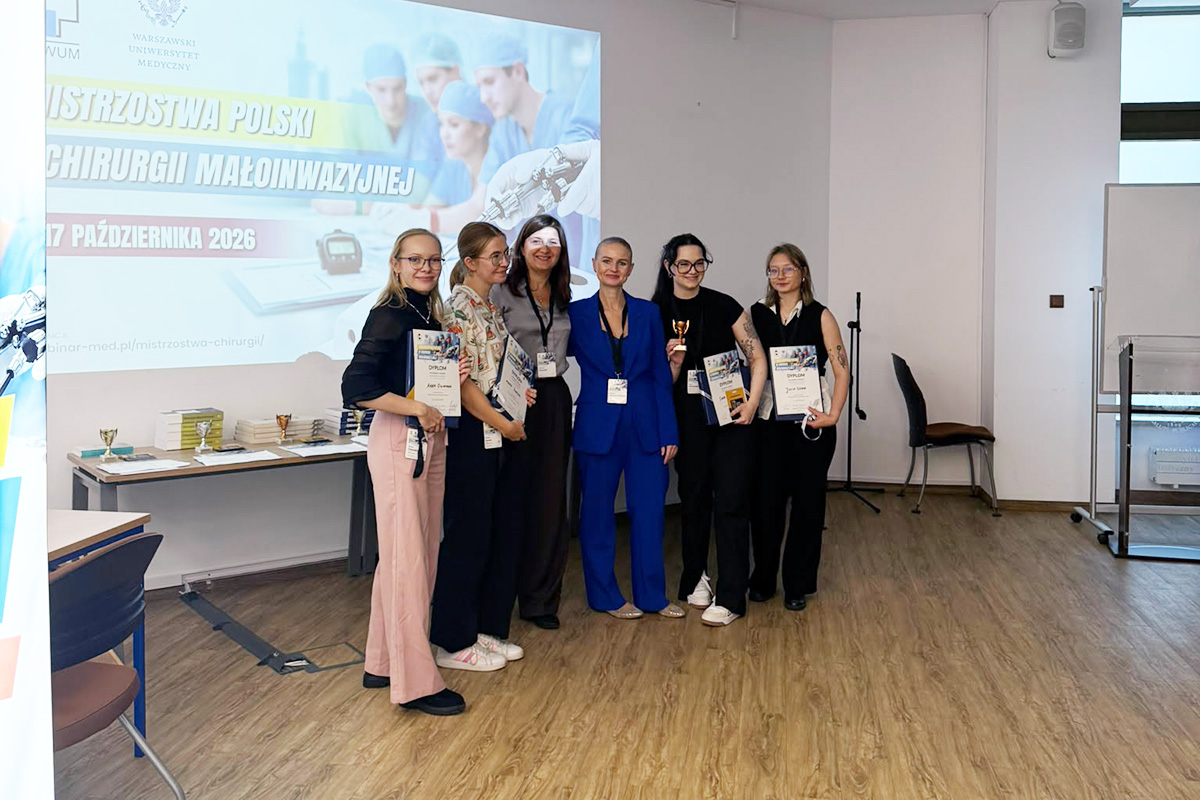
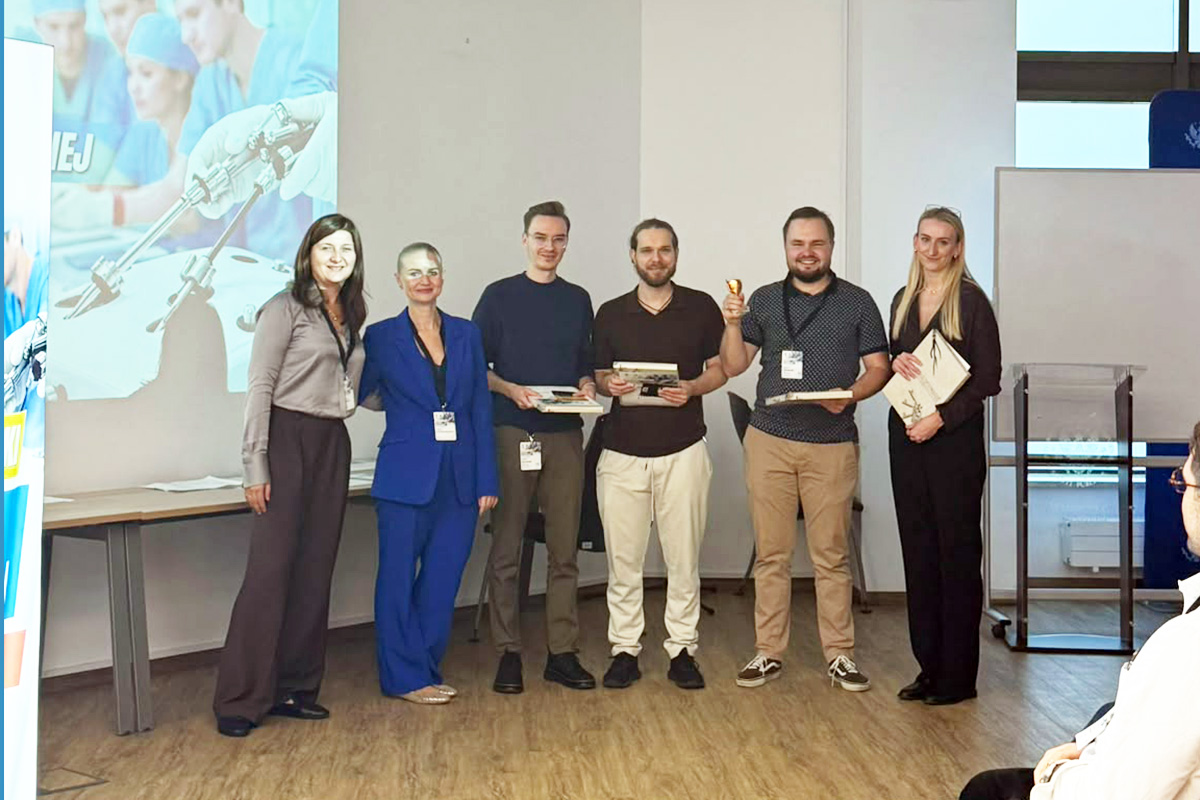
In the physician category, first place went to “Tylko nie urwij” from University Teaching Hospital No. 4 in Lublin. The team consisted of Konrad Kuczapski, Katarzyna Saran, Magda Grotowska, and Anna Kozłowska.
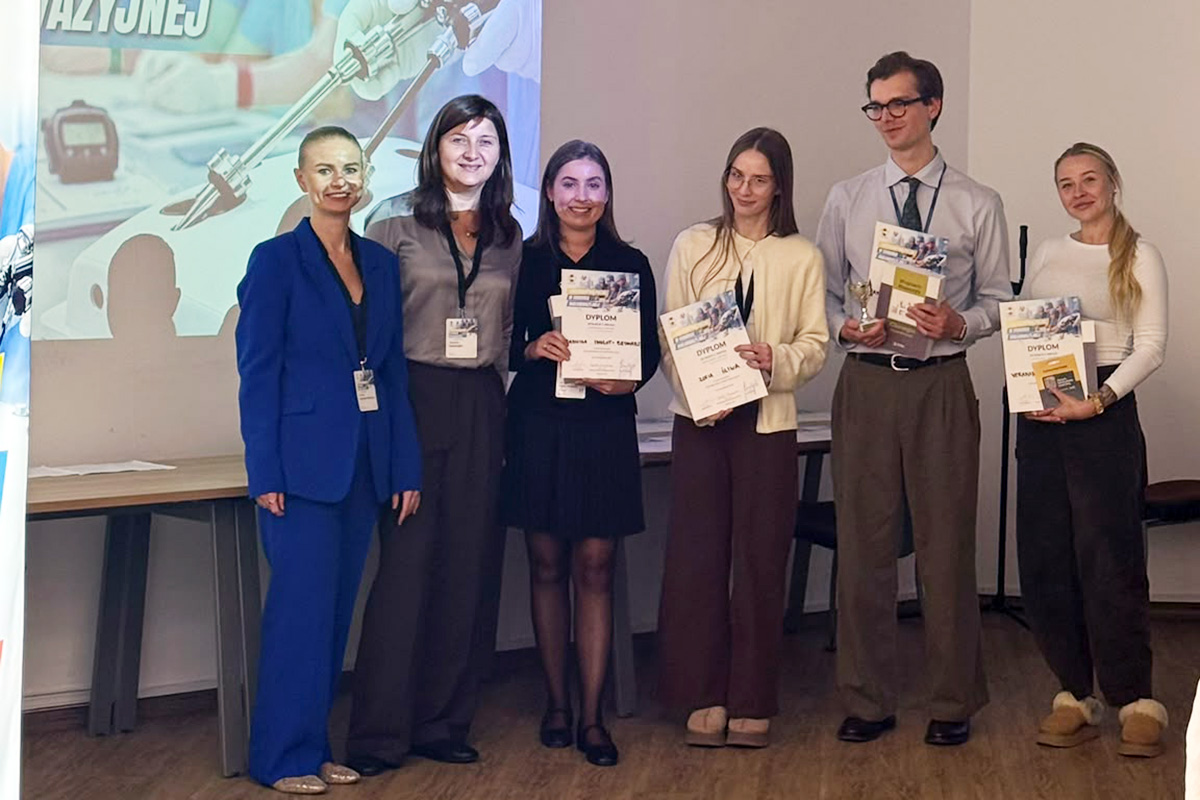
Second place was awarded to “WUMiaki,” representing WUM and KOPERNIK Sp. z o.o. The team members were Jakub Modrzewski, Jadwiga Inglot-Bednarz, Zofia Śliwa, and Veranika Valkovich.
Third place went to “Rzeszowiaki,” representing KSW Rzeszów and CM Łańcut. The team consisted of Szymon Ossowski, Jakub Żelazo, Adam Borowski, and Aleksandra Szymczyk.
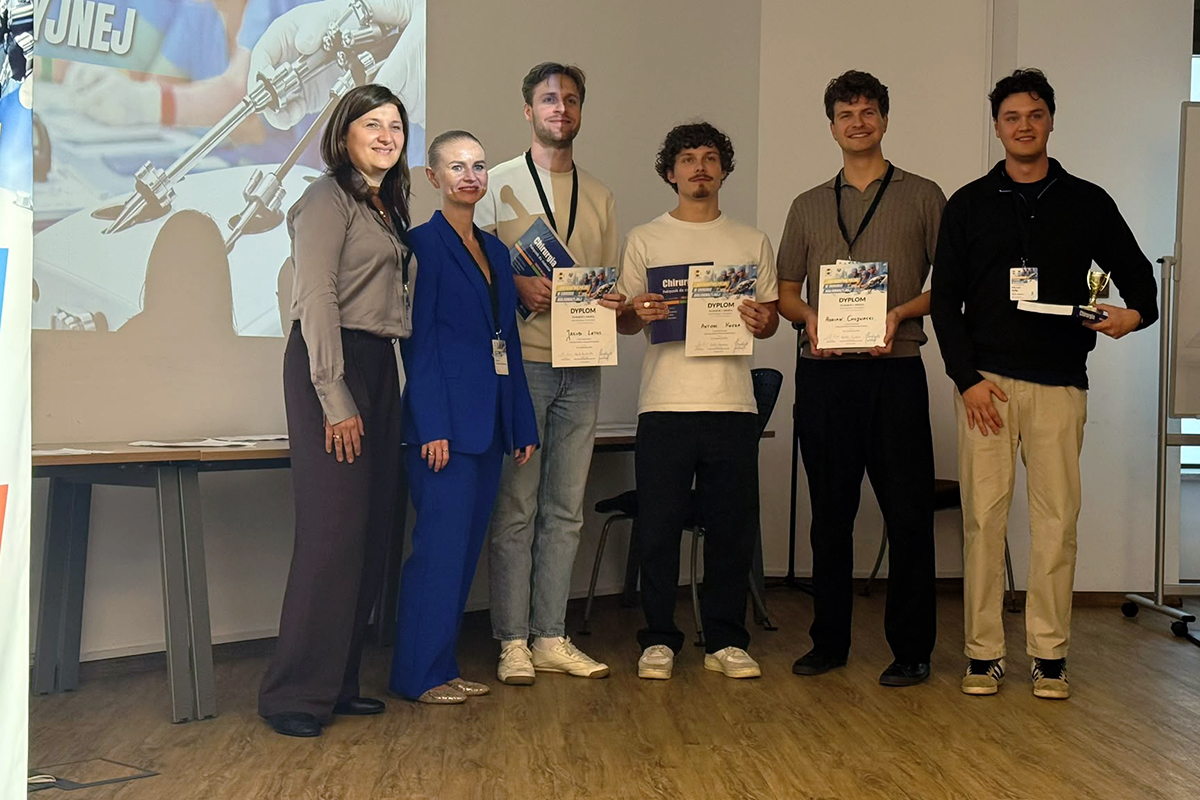
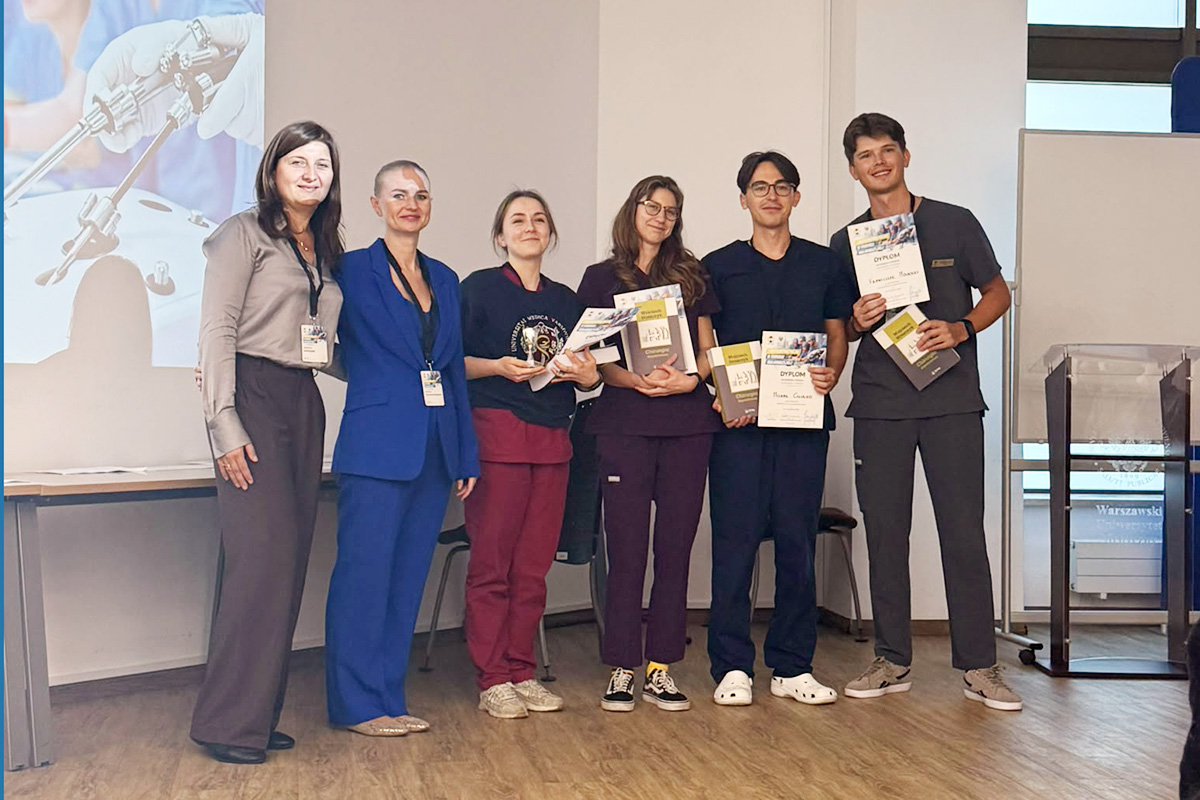
In the student category, the winners were “Pasza’s Warriors” from the Student Scientific Club of Minimally Invasive Surgery at the Department of Experimental Surgery of the Medical University of Łódź. The team members were Michał Kulig, Adrian Chojnacki, Antoni Knera, and Jakub Latos.
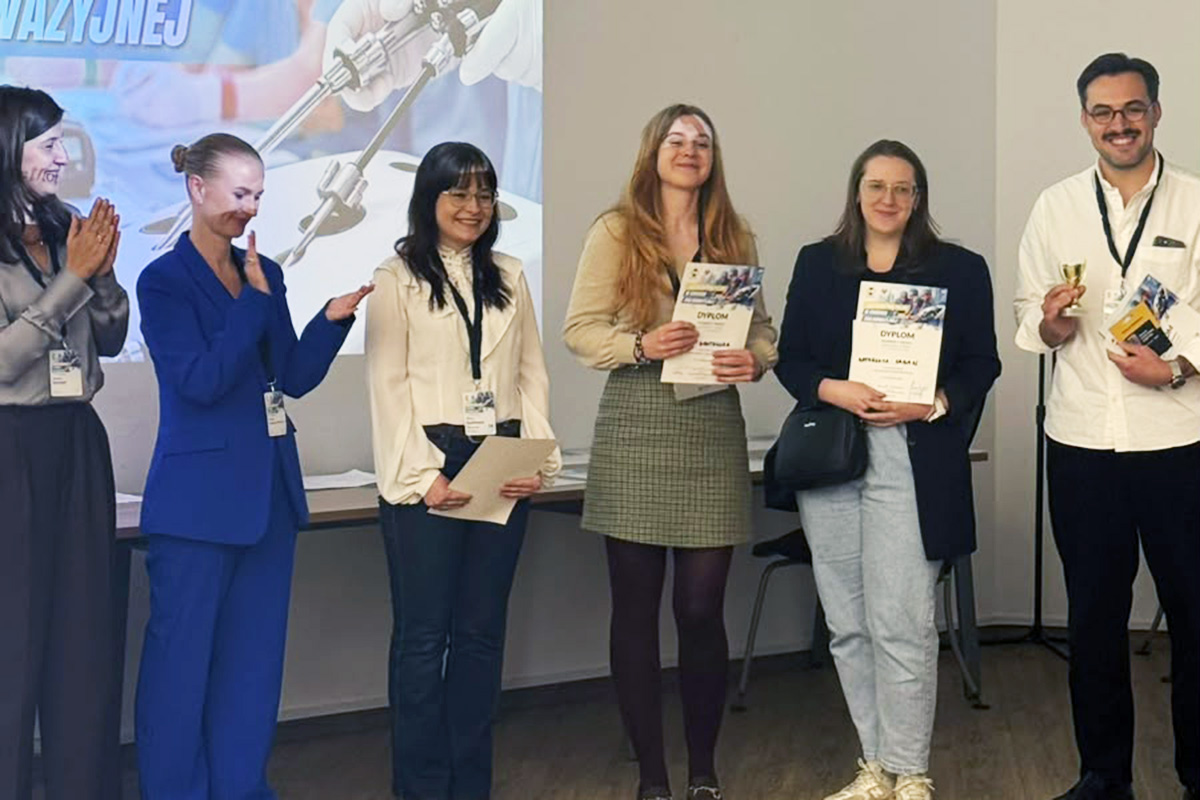
Second place went to the “WUM” team from the Student Scientific Club at the Chair and Department of General, Transplant, and Liver Surgery at WUM. The team consisted of Milena Witkowska, Maria Chodurska, Michał Cilulko, and Franciszek Mochocki.
Third place was awarded to “Scope Squad” from the WUM Student Scientific Club of Developmental-Age and Minimally Invasive Surgery. The team members were Julia Szopa, Anna Oziembło, Marta Świeżak, and Sara Winiewska.
More than a competition: A catalyst for learning and growth
The first edition of the championship left participants with more than the excitement of competition. Above all, it inspired them to continue learning, refine their surgical skills, and take on new challenges.
Participants emphasized that the prospect of competing had motivated them to practice regularly and improve their skills. Although the challenges were demanding, they also provided considerable satisfaction. Many participants had already expressed their intention to take part in the next edition.
“These comments confirm that surgical education does not have to be limited to lectures and traditional classes. Well-designed simulation, a clearly defined goal, and friendly competition can effectively motivate learners to improve their manual dexterity and foster interest in surgical specialties,” emphasizes Dr. hab. Patrycja Sosnowska-Sienkiewicz.
The event was held under the honorary patronage of the Mayor of Warsaw, the Mazovian Voivode, the Marshal of the Mazovian Voivodeship, the Warsaw Regional Medical Chamber, the Polish Society of Pediatric Surgeons, and the Polish Society of Surgeons.
Prof. Paweł Włodarski, Dean of the Faculty of Medicine at WUM, and Dr. Michał Buczyński, medical director of the Children's Clinical Hospital at UCC WUM, attended the opening ceremony.