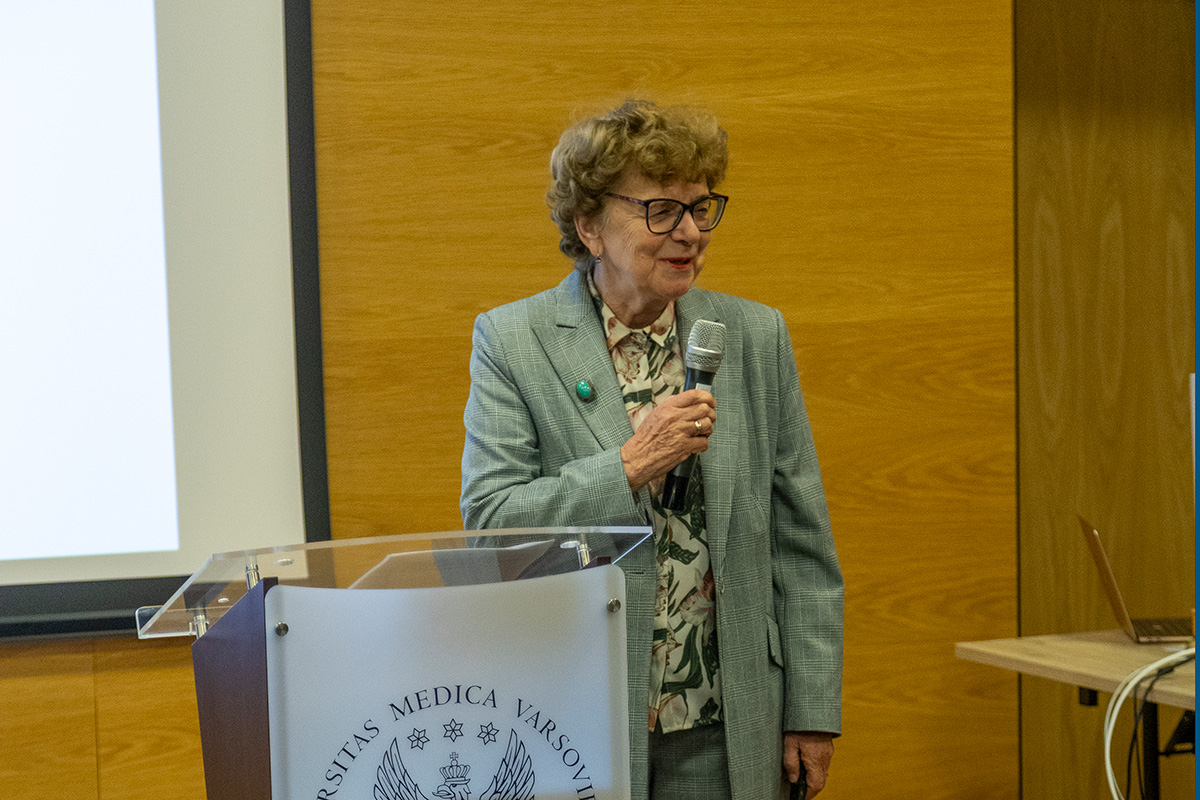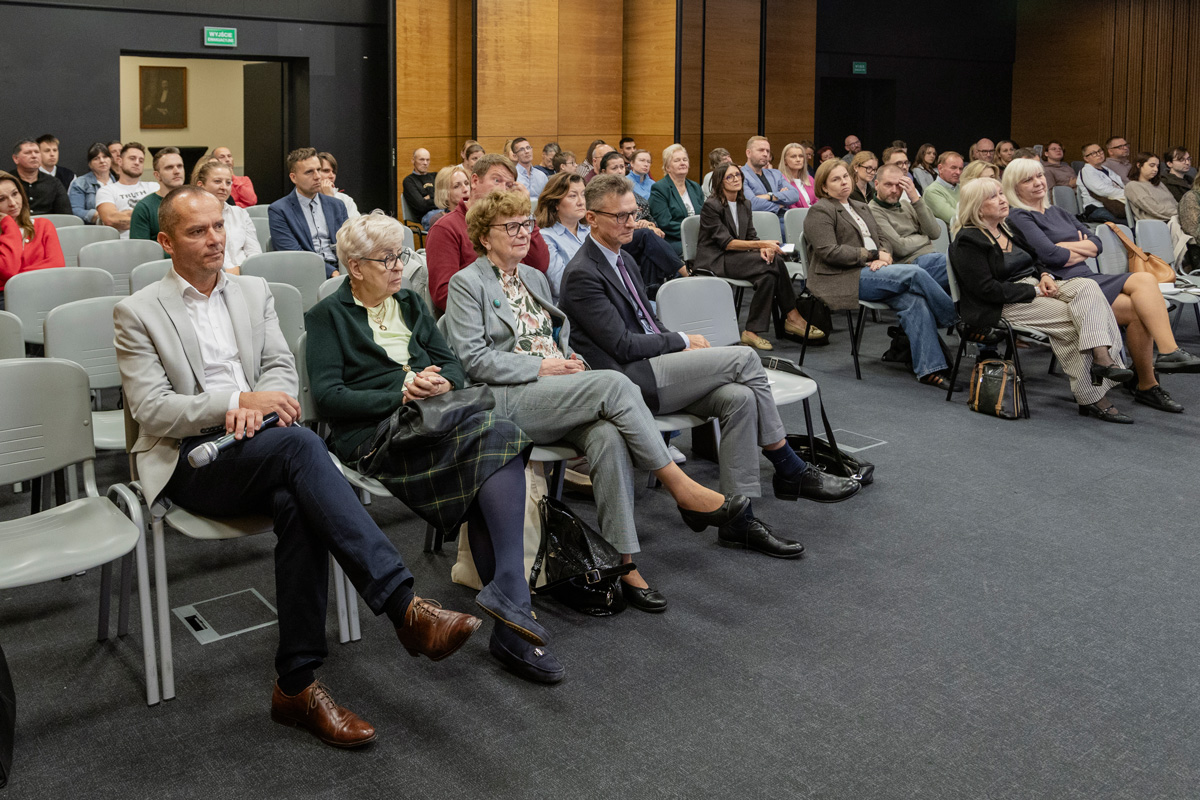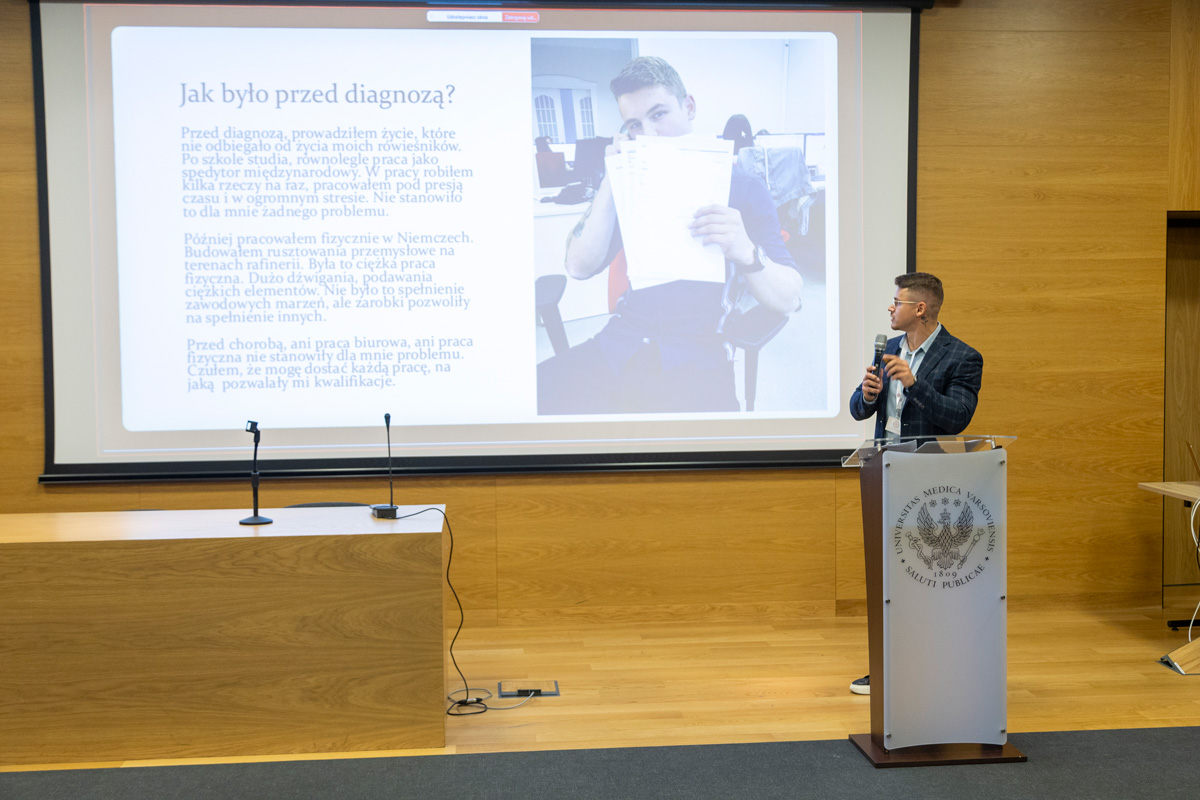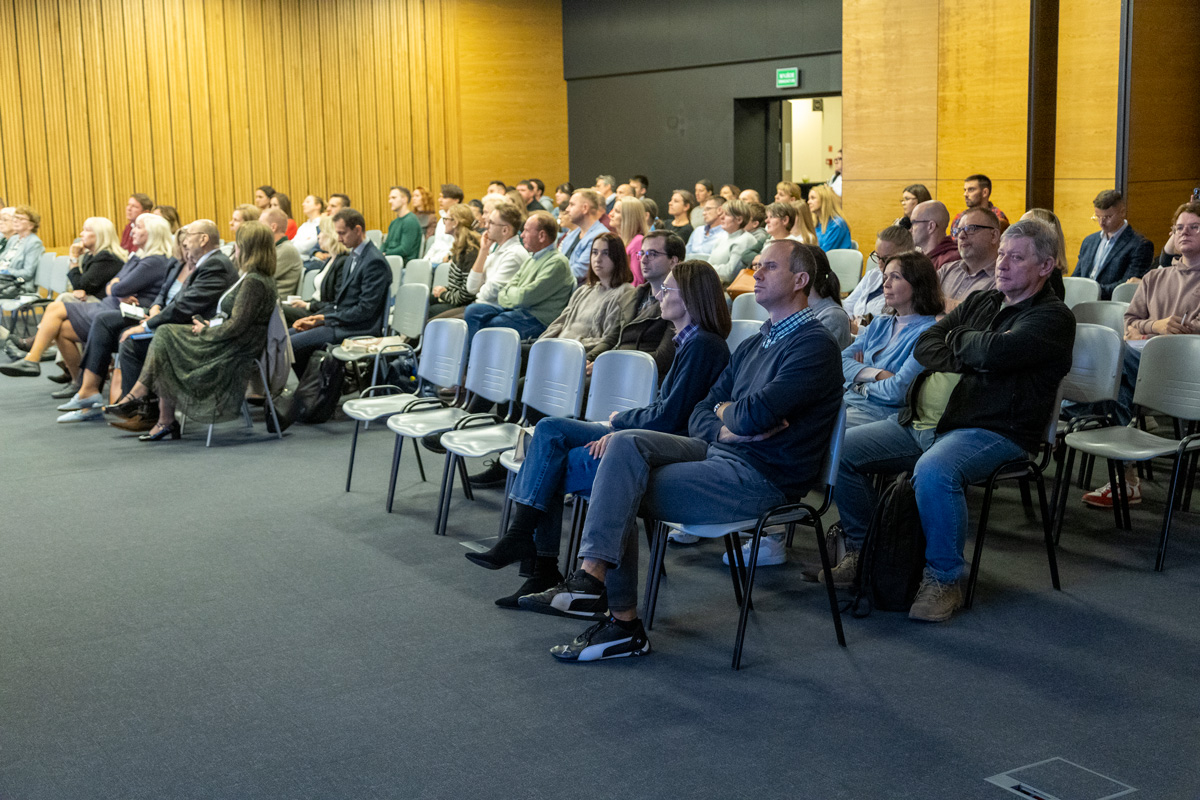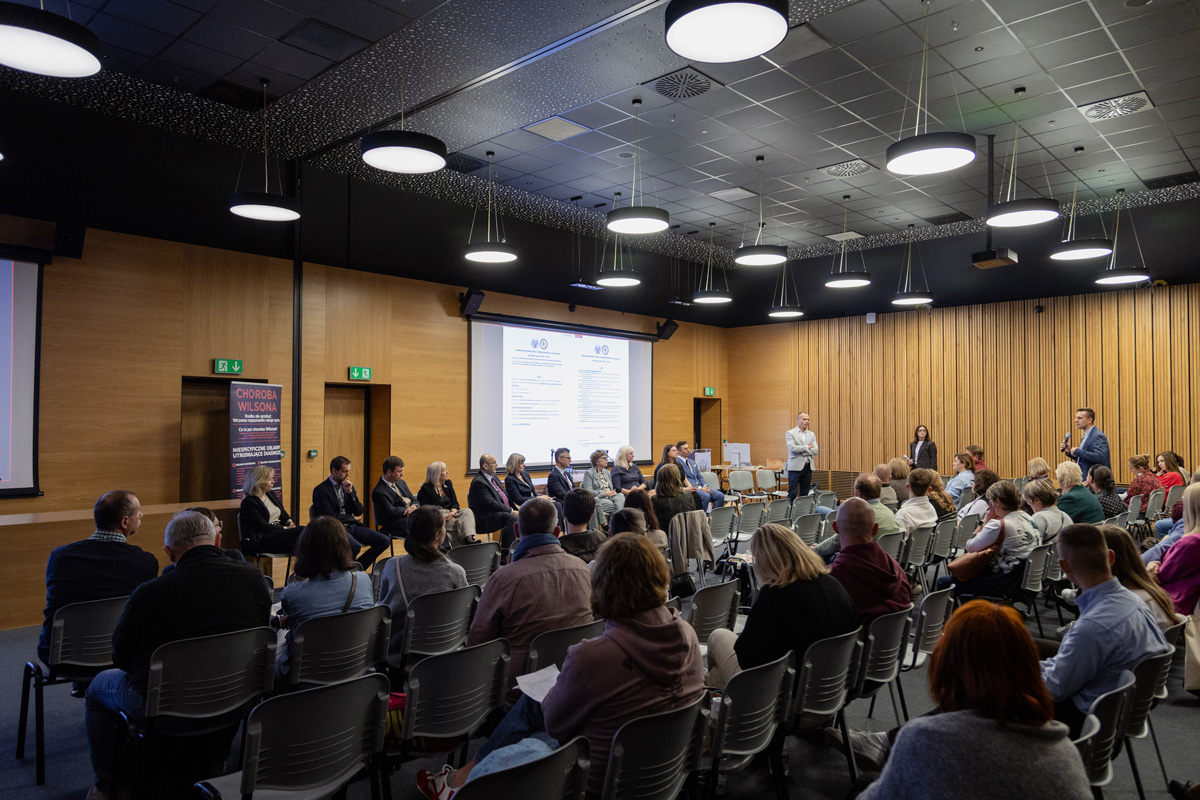
The event, which took place in a lecture hall at the Children’s Clinical Hospital, UCK WUM, and online (via a live stream) on October 10, gathered over 100 patients with Wilson disease and their guardians.
In order to ensure the program of the meeting would meet the needs of people with Wilson disease, they had been invited to be meeting co-organizers and had selected the key discussion topics themselves. The main part of the meeting was prepared by Prof. Anna Członkowska—a neurologist and a world-class authority on Wilson disease—and a team from the Department of Gastroenterology and Internal Medicine, UCK WUM, led by Prof. Adam Przybyłkowski.
What is Wilson disease?
It is a rare genetic condition involving abnormalities in copper metabolism. The body of a healthy person uses the amount of copper it needs, and any excessive amounts are successfully excreted. In patients with Wilson disease, the process of copper transport and excretion is disrupted, which leads to copper accumulation, primarily in the liver and the brain, with subsequent gradual deterioration of these organs.
According to Wilson Association Poland, approximately 40% and 35% of those affected show hepatic and neurological symptoms, respectively. There may also be psychiatric, nephrological, hematological, and/or rheumatological symptoms.
What were the issues discussed during the meeting
The first part of the meeting focused on the point of view of people with Wilson disease. The road to diagnosis as well as the everyday lives and professional challenges of people with Wilson disease were addressed. Patients who shared their stories were Filip Milinkiewicz and Mirela Mikołajczyk.
During another, treatment-focused, part of the meeting, Associate Professor Agnieszka Piechal, PhD from the Department of Experimental and Clinical Pharmacology, WUM, presented the prospects for the development of medical and gene therapies in Wilson disease.
Prof. Piotr Socha from the Department of Gastroenterology, Hepatology, Eating Disorders, and Pediatrics at the Children’s Memorial Health Institute, discussed the possibility of introducing screening tests in newborns.
Prof. Adam Przybyłkowski presented a comprehensive paradigm of health care, diagnostics, and therapeutic options offered to patients at the Department of Gastroenterology and Internal Medicine, UCK WUM, and showed the results of epidemiological studies on Wilson disease in Poland.
Here is the website where you can find these study results
Stanisław Maćkowiak, the president of the Federation of Polish Patients and National Forum for Rare Disease Therapy – ORPHAN, talked about the Forum’s role and emphasized the need for integrating the activity of patients’ organizations and for reaching an understanding with decision-makers.
The question-and-answer session, which was an important part of this event, saw the meeting participants (both in-person and online) directing questions to specialists in gastroenterology, neurology, and psychology.
Additionally, there was an integration session, which offered an ideal ground for exchanging experiences between patients (and their guardians) and physicians, which facilitated mutual understanding and support.
The event marked the launching of a new website addressed to people with Wilson disease, which provides all necessary information on the condition.
The website is available
Specialized help
The Department of Gastroenterology and Internal Medicine, UCK WUM, specializes in the treatment of Wilson disease. The specialist physicians who work there oversee the management of over 400 patients with the condition.
The Department has highly qualified specialists and high-quality diagnostic equipment and technology.
“The incentive to organize this meeting stemmed from a need to support patients with Wilson disease and their guardians and to create a space for an open discussion. This event is a continuation of the tradition introduced by Prof. Anna Członkowska at the Institute of Psychiatry and Neurology, where the first and subsequent meetings have taken place. Such events help raise awareness of the disease, increase the motivation for treatment and offer an opportunity to break barriers,” emphasized Prof. Adam Przybyłkowski.