A model partnership between the city and the university
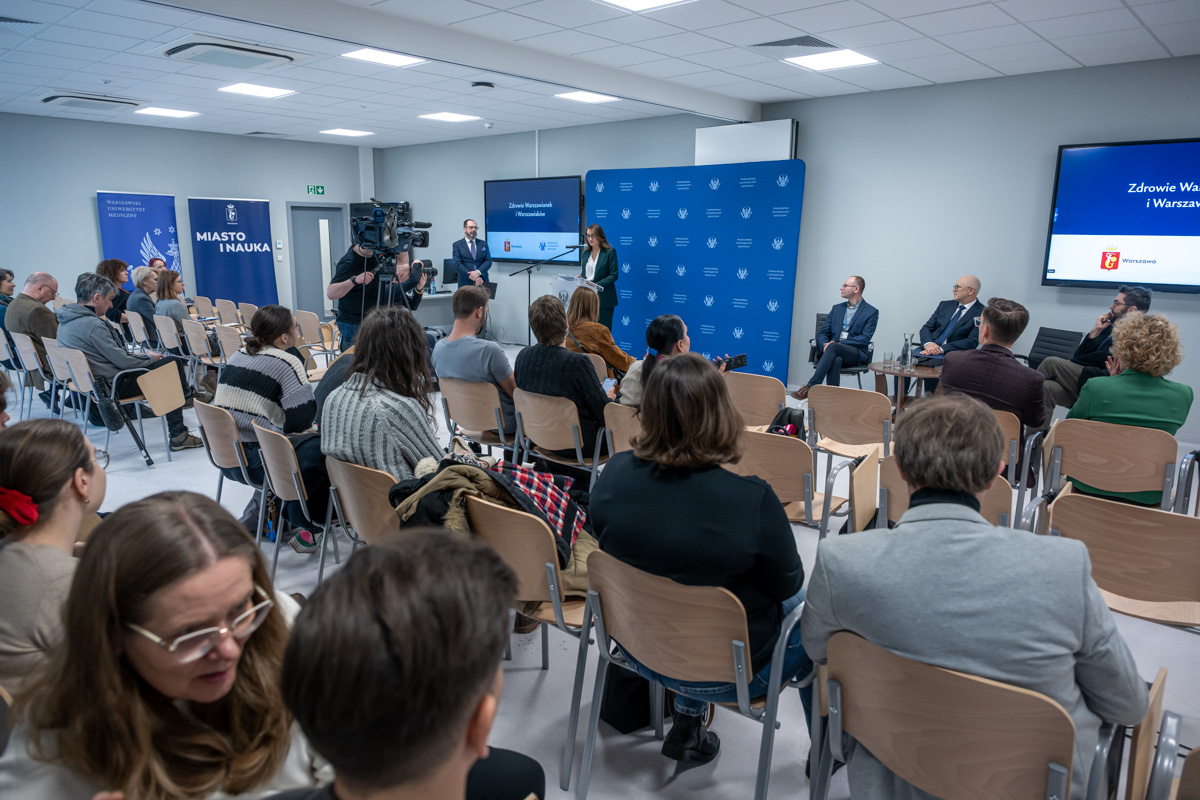
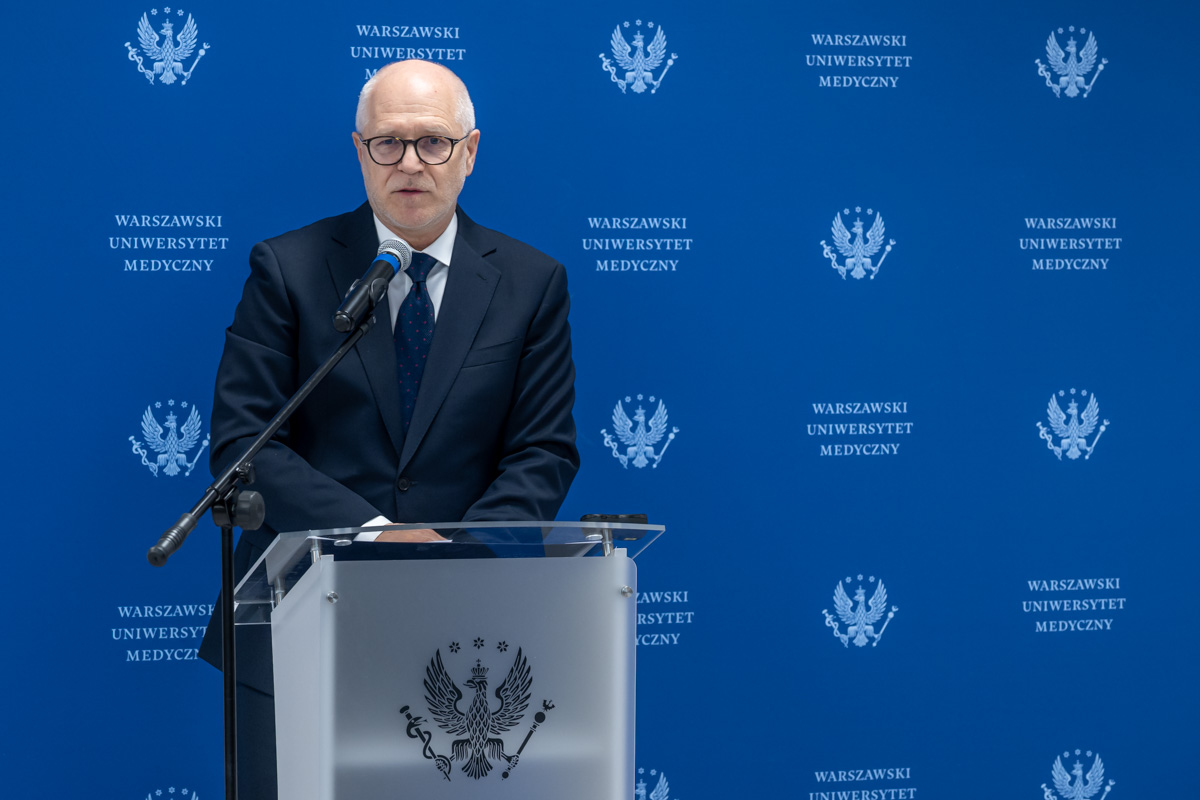
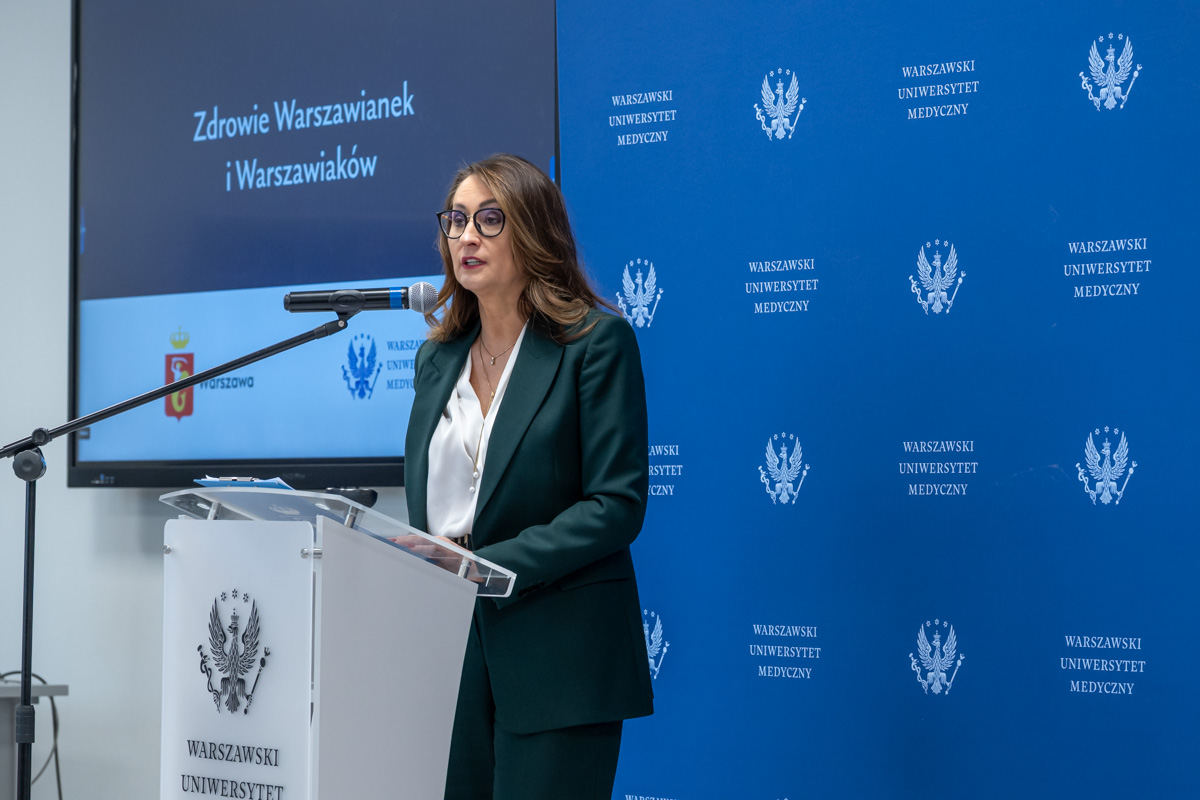
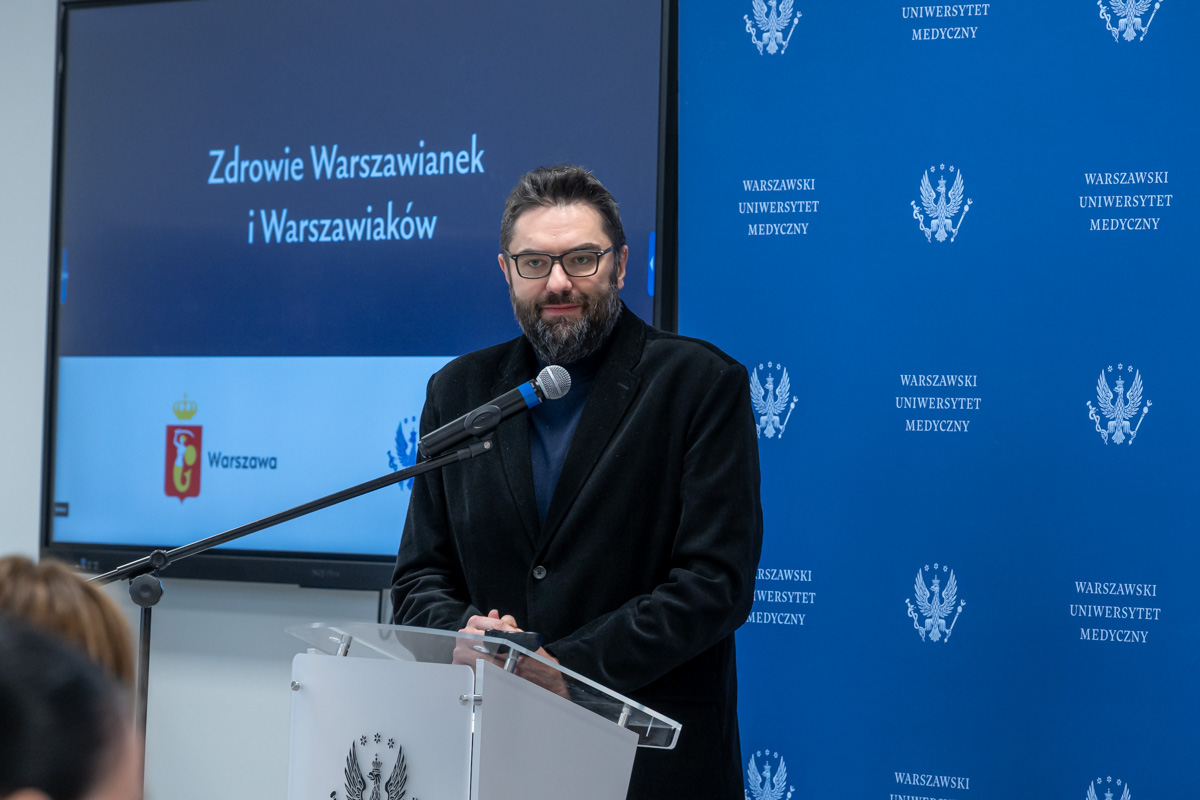
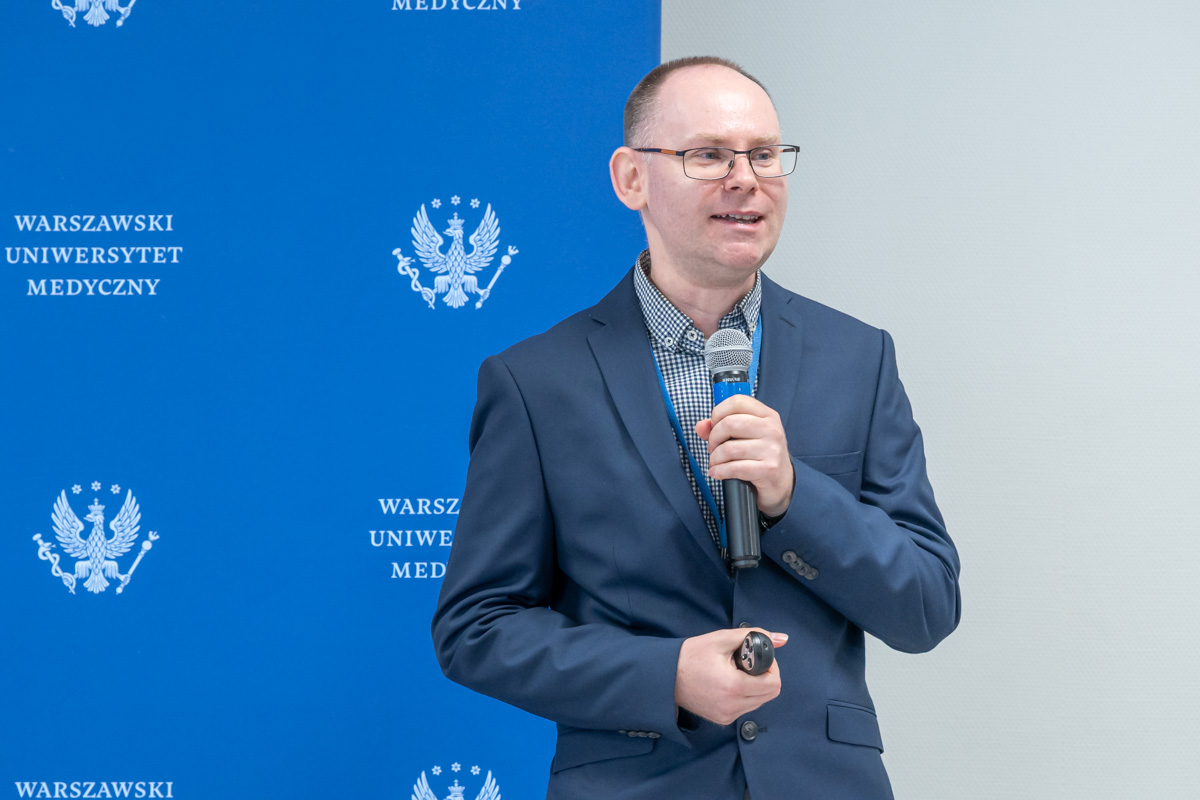
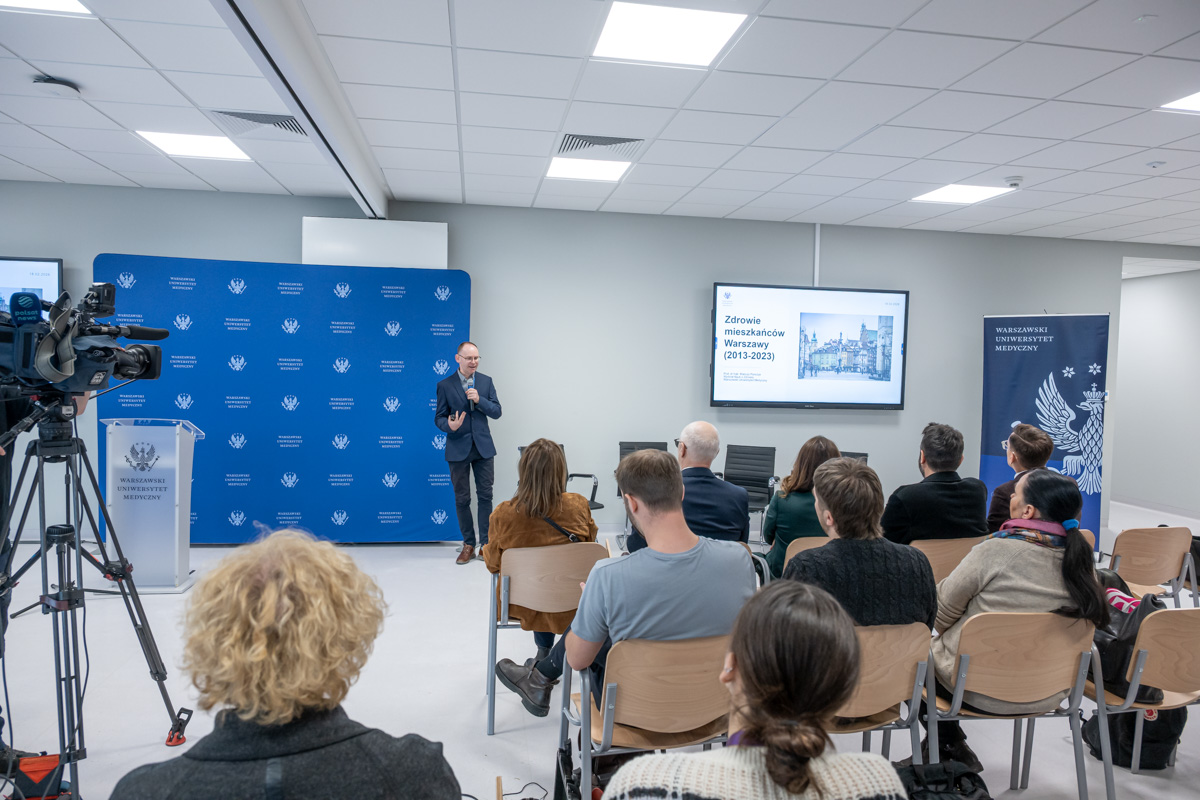
The premiere of the report “The health of Warsaw residents – the health status of the capital’s inhabitants in 2013–2023” took place during a special press conference attended by Prof. Rafał Krenke, Rector of WUM, Renata Kaznowska, Deputy Mayor of Warsaw, Jarosław Jóźwiak, Chair of the Health Committee of the Warsaw City Council, and the report’s scientific editor, Prof. Mariusz Panczyk from the Department of Education and Research in Health Sciences at WUM.
“Studying the health status of Warsaw residents and cooperating with the city authorities perfectly fits our mission. We provide solid scientific data that can serve as the basis for rational and effective administrative decisions. We always offer our support, including scientific knowledge, research, and clinical expertise. Together we work for the development of Warsaw,” emphasized Rector Prof. Rafał Krenke.
“Thank you very much for the opportunity to work together on this report. It is extremely important and valuable to us because it provides a comprehensive diagnosis of the health of Warsaw residents. It will serve as a guide for our further actions,” said Deputy Mayor Renata Kaznowska.
Report findings: trends and signals for the city
The report was prepared on the basis of an analysis of data on the incidence of selected groups of diseases and specific health events, based on the number of medical services provided to Warsaw residents. The data come from the National Health Fund (NFZ) and include visits in primary care, outpatient specialist care, and hospital treatment at healthcare facilities operating in Warsaw, regardless of their ownership or organizational form.
Why is this document important for the city? The report’s scientific editor, Prof. Mariusz Panczyk from the Department of Education and Research in Health Sciences at WUM, explained:
“The report fits into the concept of a data-driven city. Such a city uses its resources, including financial resources, rationally and responsibly by allocating funds where the needs are greatest.”
The report covers seven key areas of health that represent the greatest challenges for the city: cancer, cardiovascular diseases, metabolic diseases, mental disorders, respiratory diseases, prenatal care, and postpartum care. These are the areas in which the authorities should undertake action, both in prevention and in diagnostics and treatment.
As Professor Panczyk emphasized, individual numbers are not the most important element of the report. What matters most is what happens over consecutive years, as this shows the dynamics of disease incidence. He also pointed out the sharp decline in diagnoses in 2020 and 2021, reminding that during this period the coronavirus pandemic made access to medical services difficult or even impossible for many patients.
The most common conditions and changes in incidence
The data concerning cervical cancer are encouraging, as the incidence among women in Warsaw has decreased. The number of lung cancer cases is also declining. An interesting trend is the equalization of incidence between women and men: in the past, men predominated, while the current data show that the distribution is now roughly equal. Unfortunately, colorectal cancer remains a major problem. The most concerning trend, however, is the increasing incidence of breast cancer and prostate cancer.
Cardiovascular diseases show relative stability. Heart attacks and strokes, which for years were the leading cause of death, are now being overtaken by oncological diseases.
“Here we can see the significant contribution and effective work of emergency intervention centers,” emphasized Prof. Mariusz Panczyk.
The increase in arterial hypertension is worrying, though not surprising. The burden of cardiovascular diseases is increasingly concentrated in the population aged 65 and older, particularly among male residents of Warsaw.
The most significant upward trend has been recorded in obesity, both among adults and adolescents. An increase has also been observed in diabetes, which is closely associated with obesity.
"The burden on the healthcare system in the case of patients with diabetes is very high because it requires interdisciplinary teams and comprehensive treatment,” said Professor Panczyk.
He added that for both cardiovascular and metabolic diseases, lifestyle changes are crucial, especially increased physical activity and healthier dietary habits.
Mental health is another key challenge, as the problem has been growing for years and affects all groups: children, adolescents, young adults, adults, and seniors. The authors of the report highlighted a particularly strong increase in two phenomena among residents of the capital: anxiety disorders and the growing need for depression treatment. They also pointed to limited access to psychiatric care.