Expert Guidance
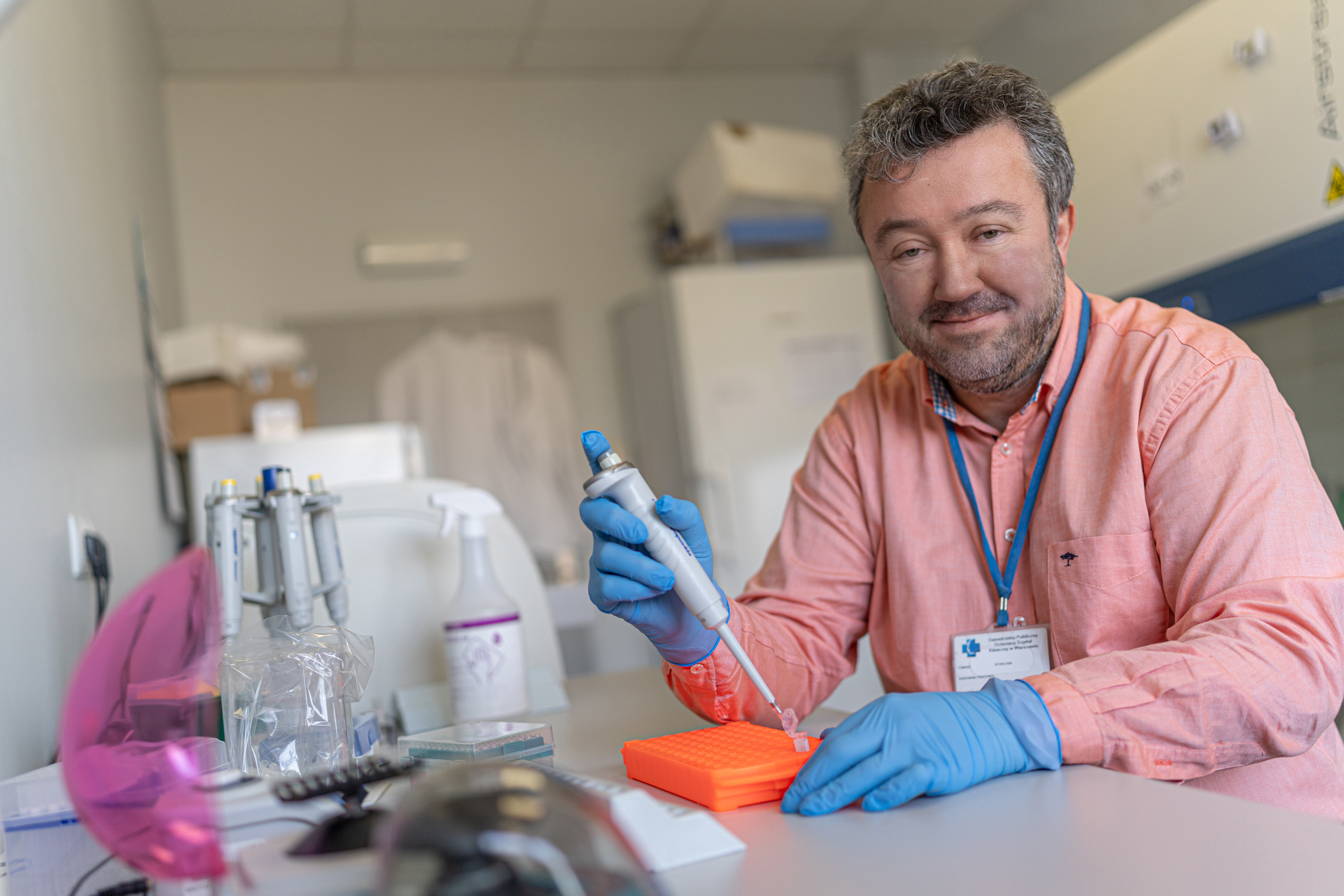
Modern technologies give an opportunity to determine the molecular profile of cancer, which was impossible a decade ago. They make it possible to study hundreds or thousands of genes simultaneously in order to find “weaknesses” in cancer cells. For years, the WMU has been a pioneer in large-scale research using the next-generation sequencing (NGS) technology not only in oncology but also in rare diseases or those where it is impossible to make a diagnosis without genetic testing.
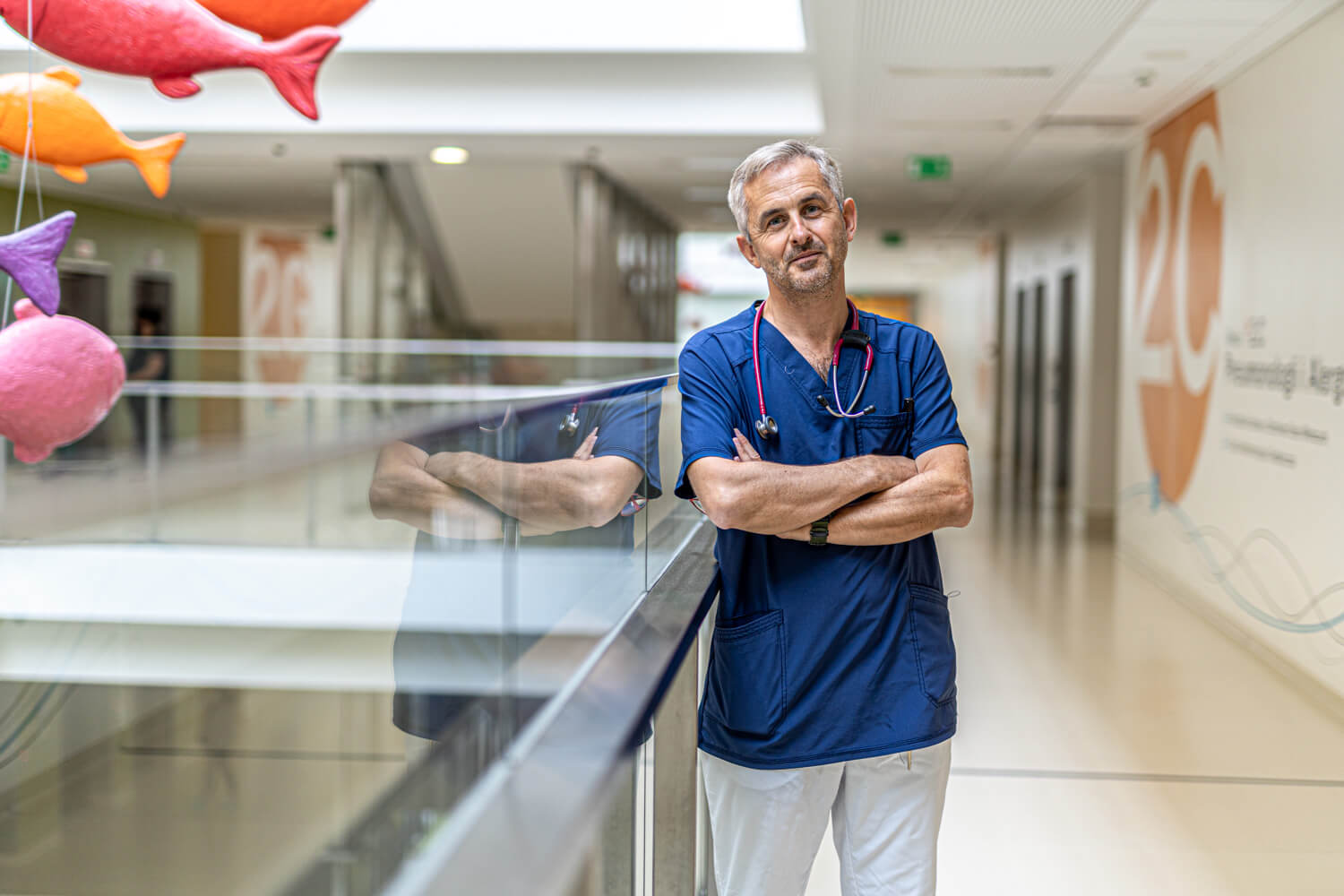
Those who don't vaccinate put their patients at risk of death. I don't know why Covid passports can be checked at airports and in cafes but not in hospitals or during classes with students - says Wojciech Feleszko, PhD hab., from the Department of Pediatric Pulmonology and Allergology at UCC MUW.
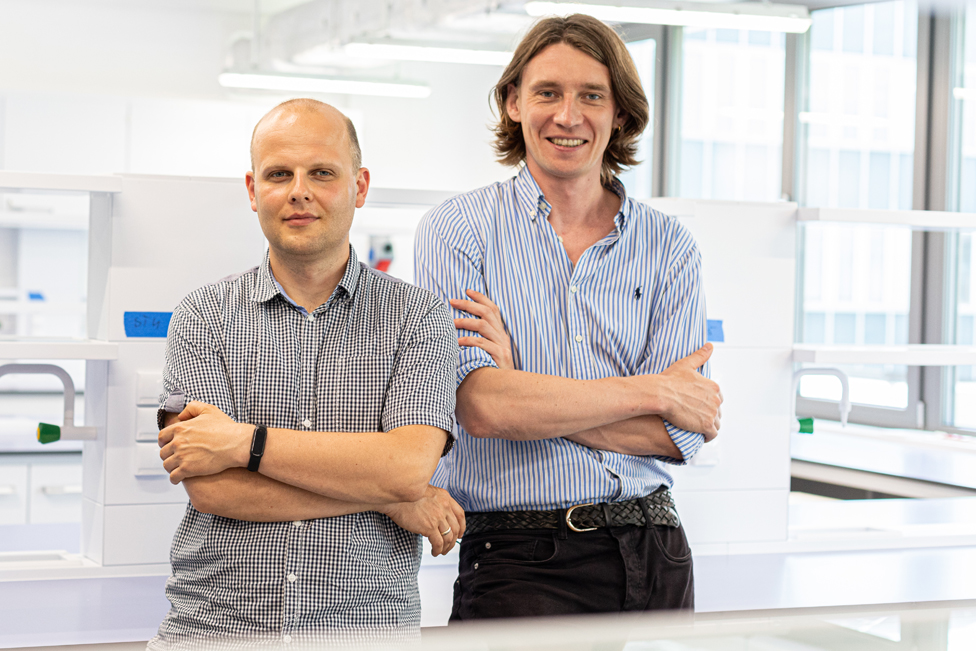
In April 2021, on the initiative of Jakub Piwowarski, MD, PhD, and Prof. Sebastian Granica, young scientists with over 10 years of experience in studying human intestinal microbiota, the environmental laboratory - Microbiota Lab - was established at the Medical University of Warsaw. One direction of research conducted by Microbiota Lab scientists concerns the interaction of xenobiotics (mostly natural compounds) with the human skin microbiota.
For over a year now, we have been living in times that we did not expect coming and were not prepared for them at all. Things were supposed to get better, we were counting on the veracity of the theory of the "end of history" [copyright by Fukuyama], and progress was inevitable and in principle always bore "blessed" fruit. Medicine might no longer be drastically prolonging our lives, but it had certainly sought to make us die as healthy as possible.