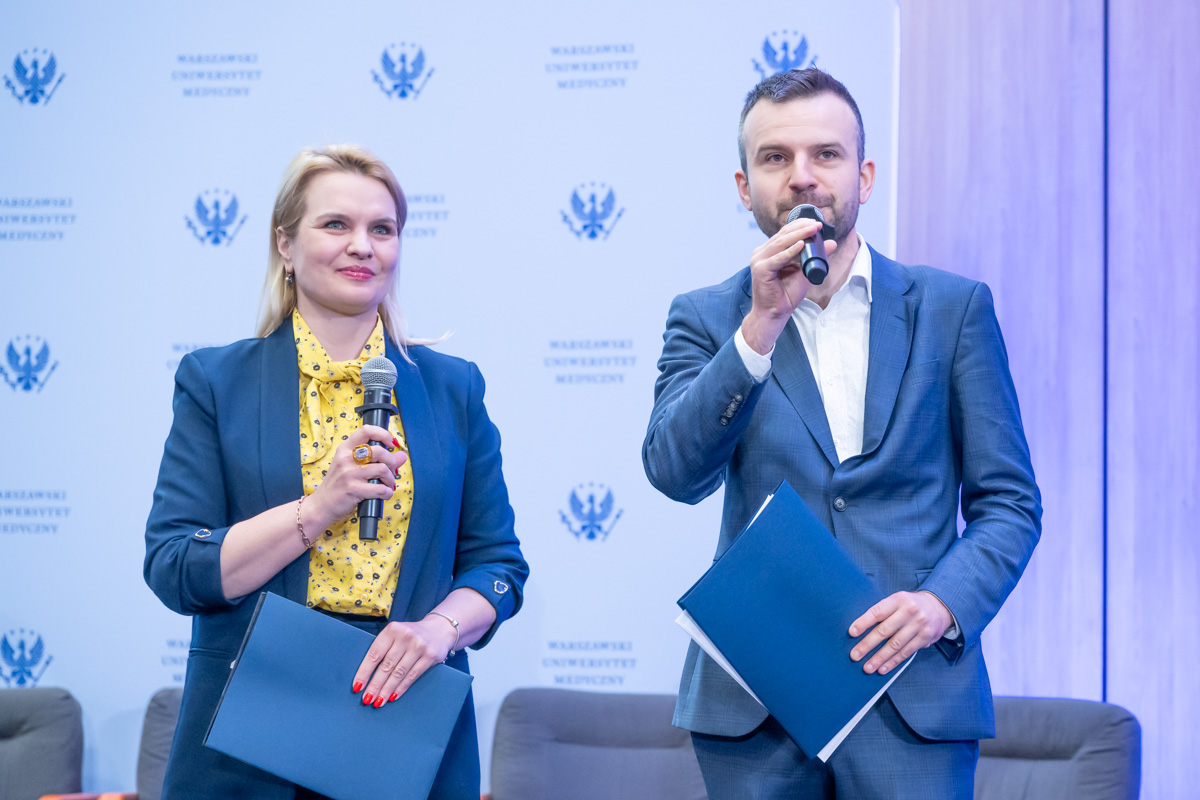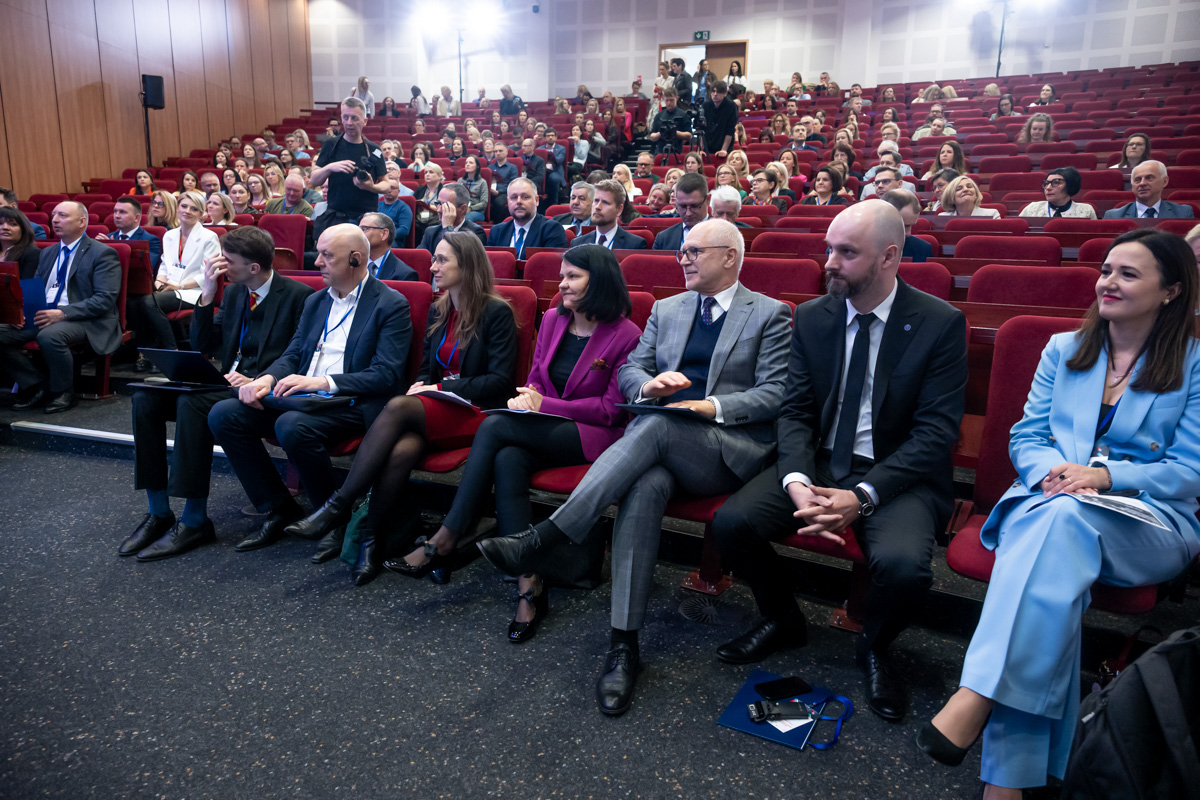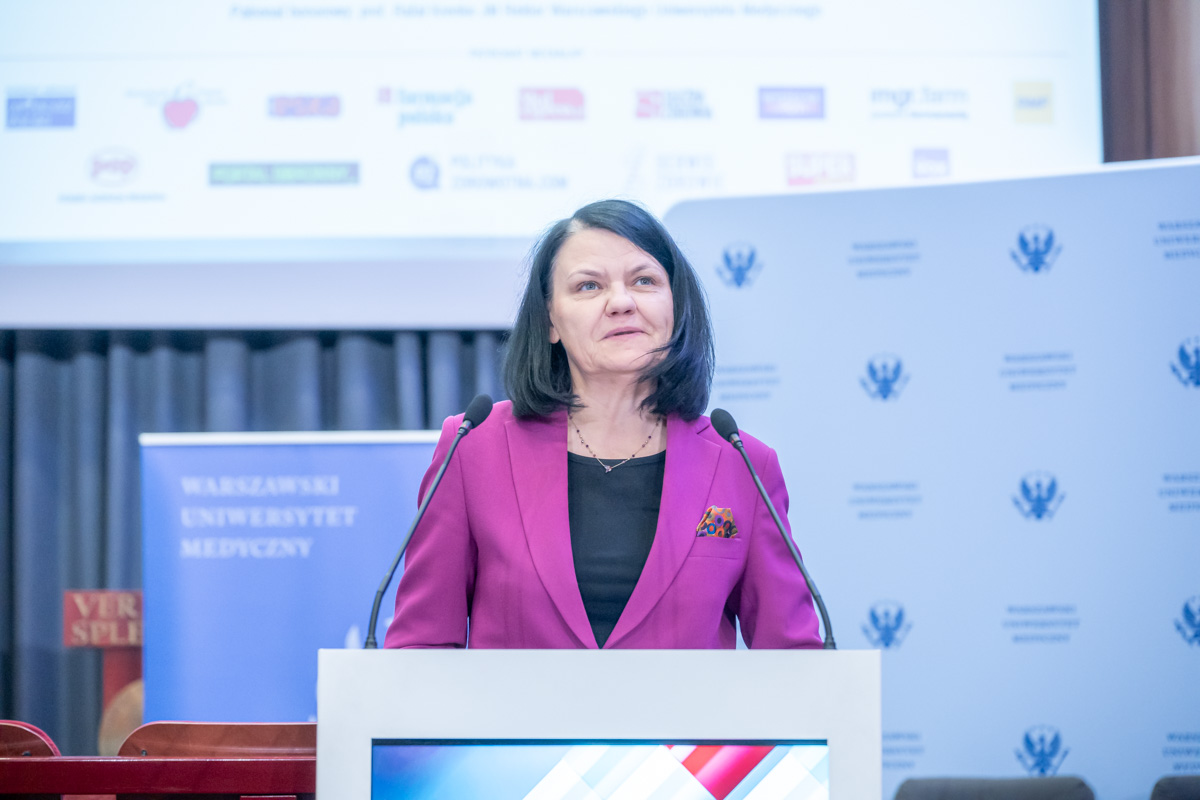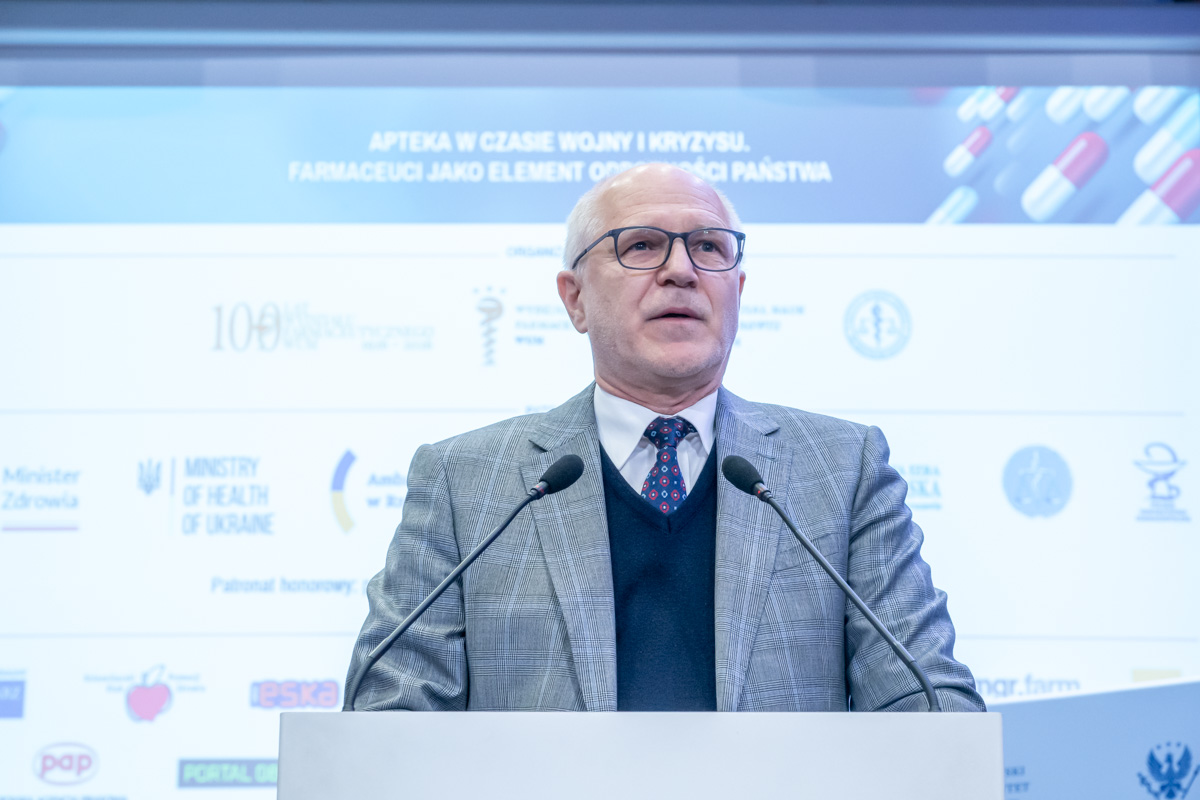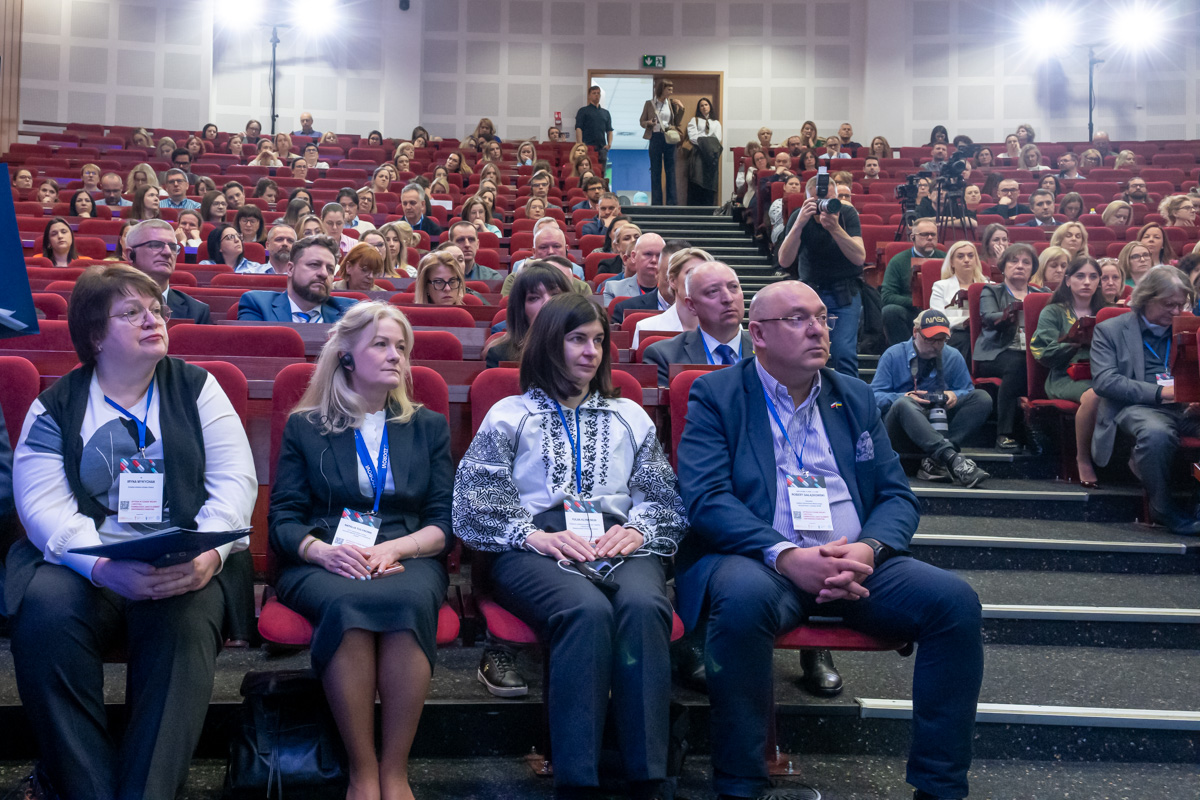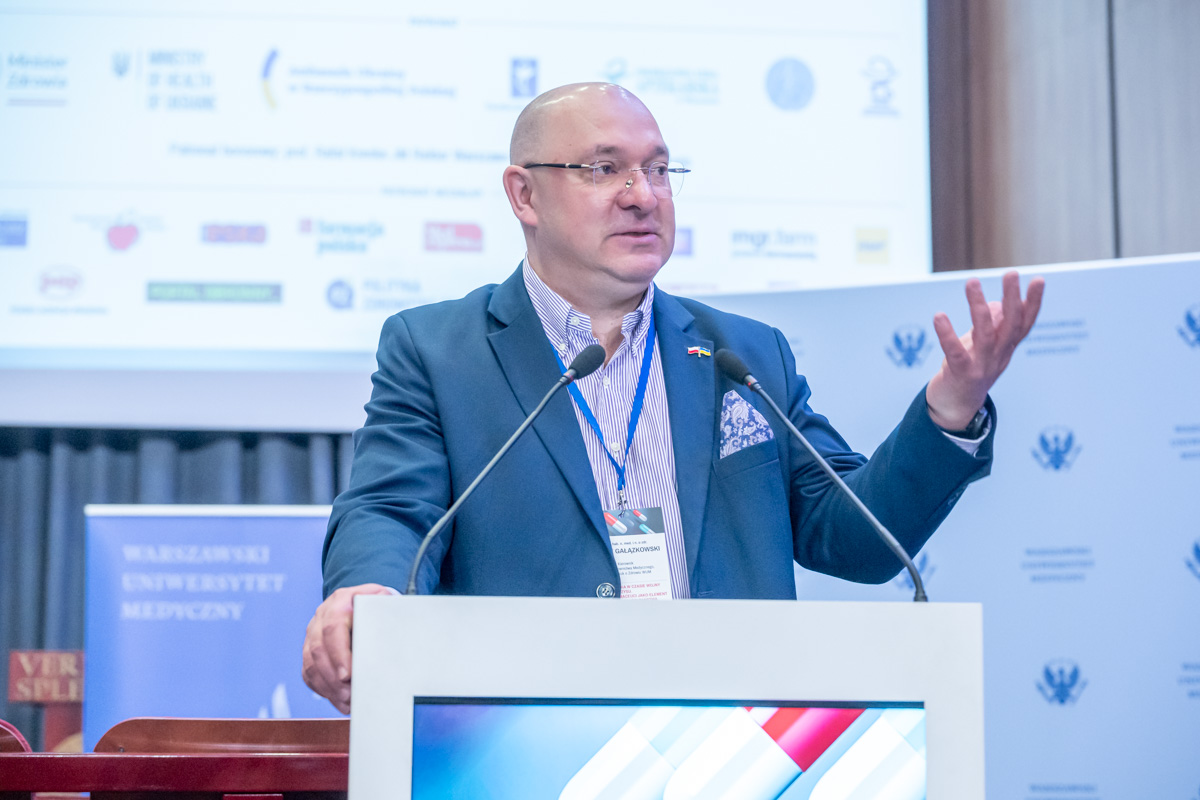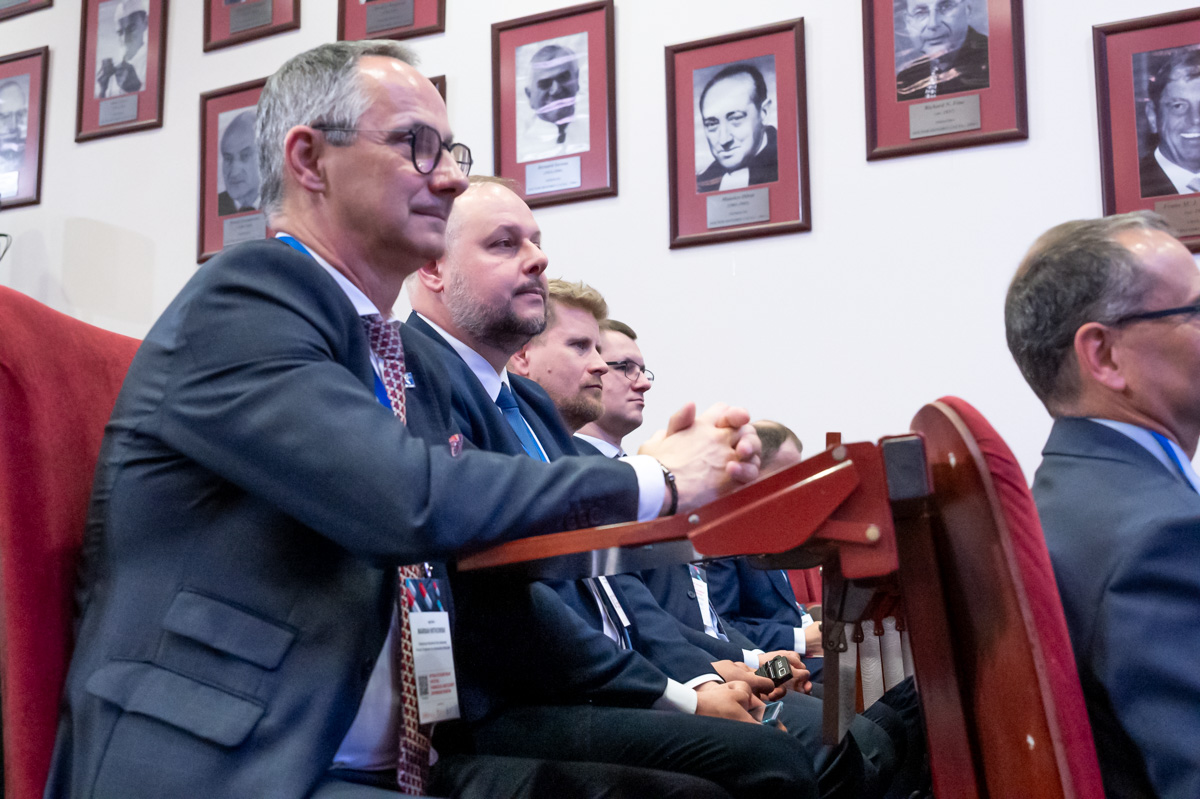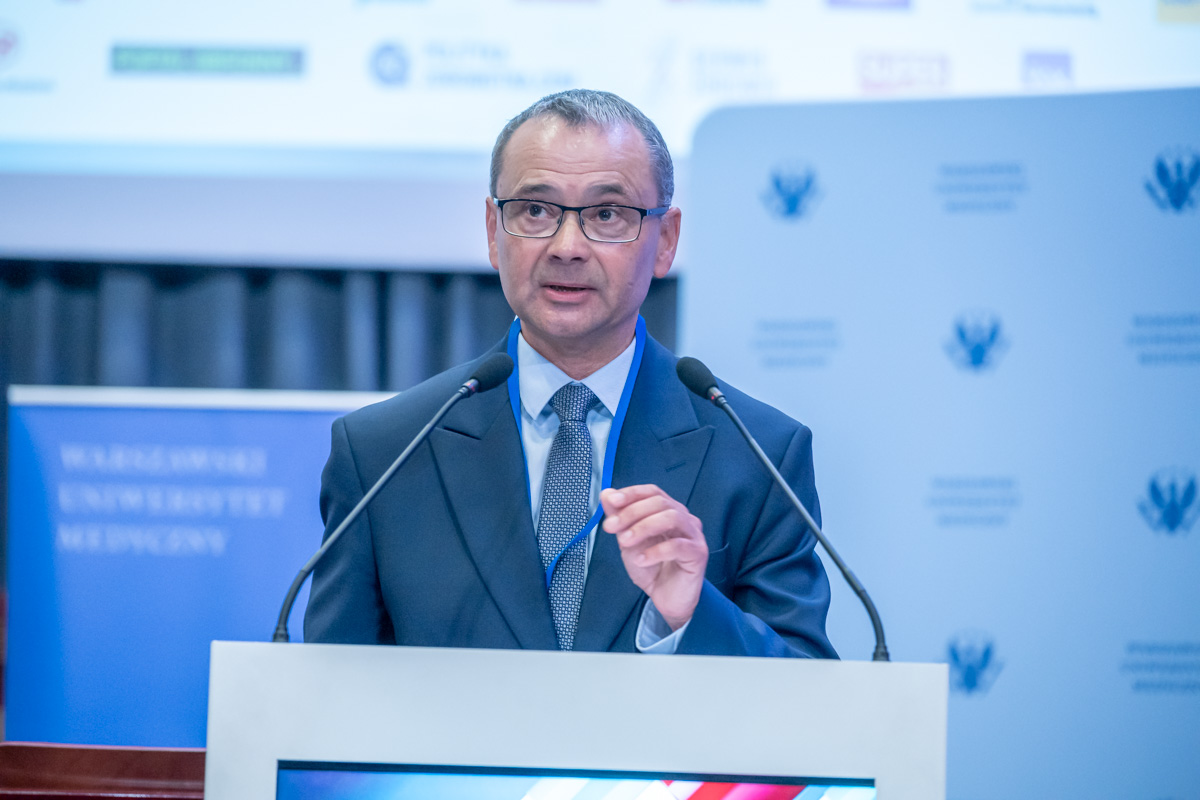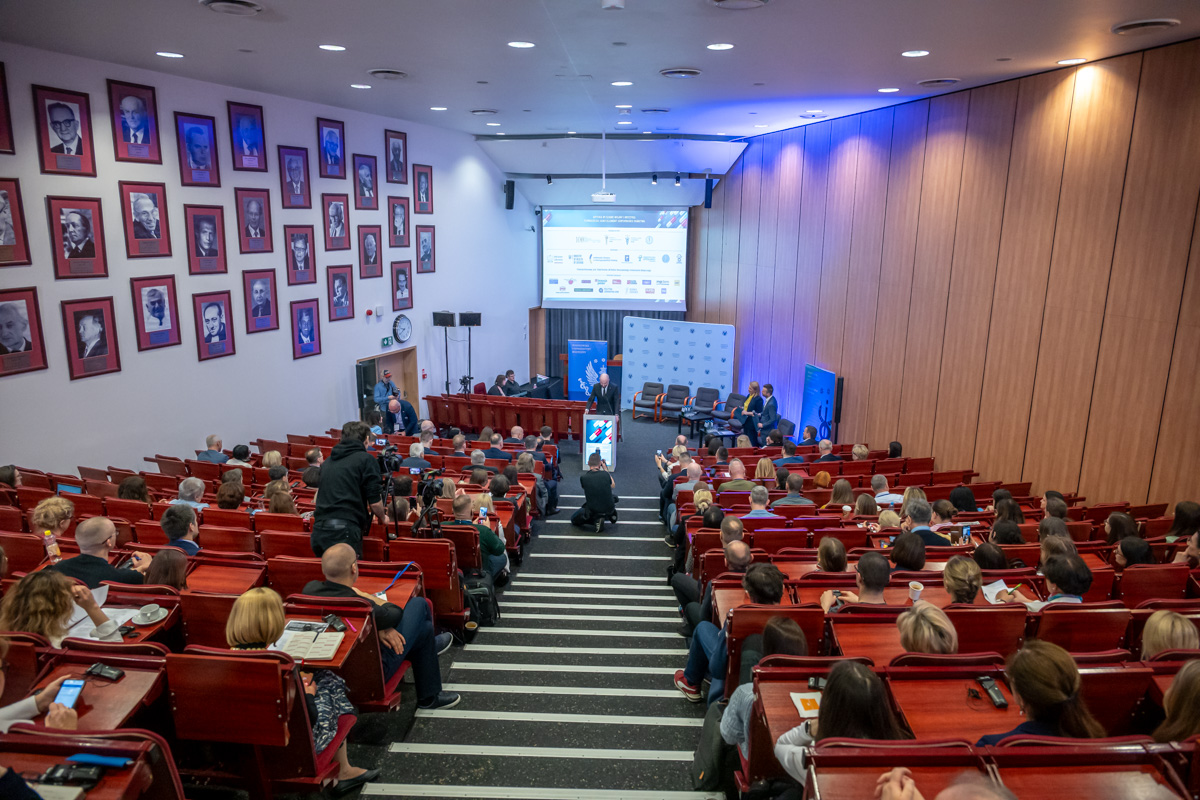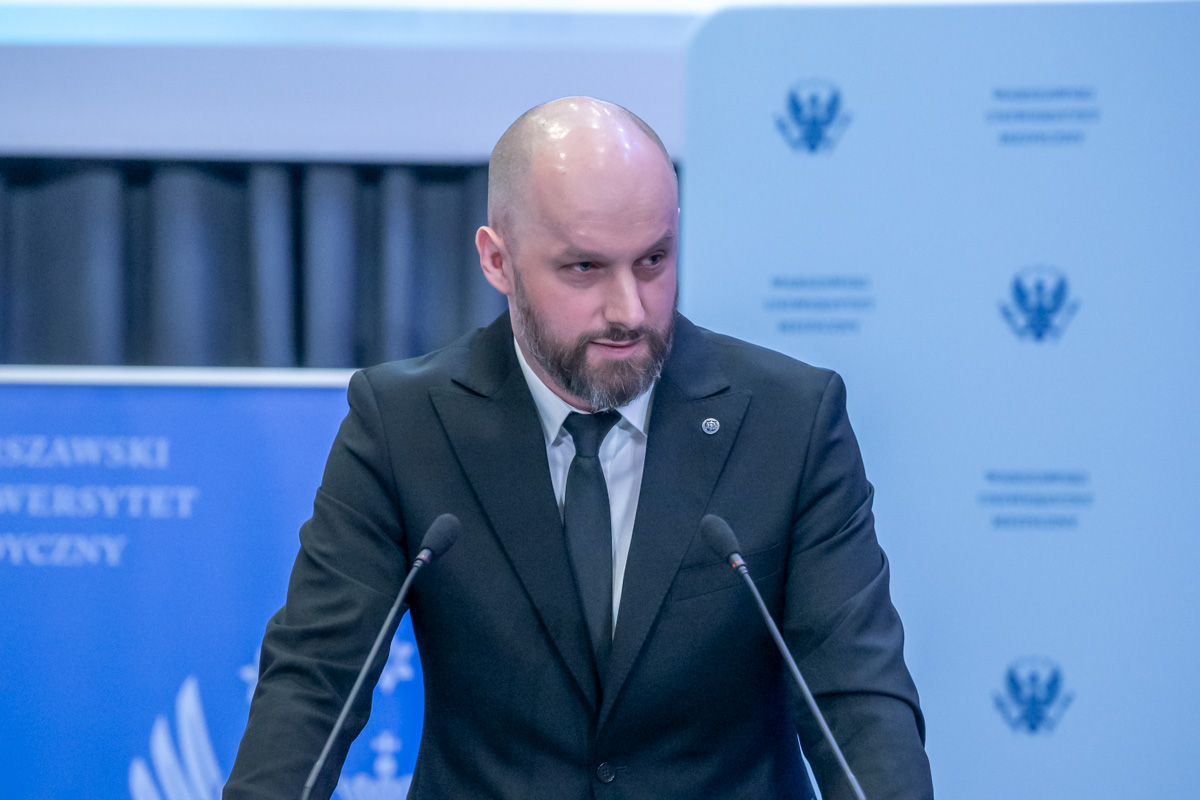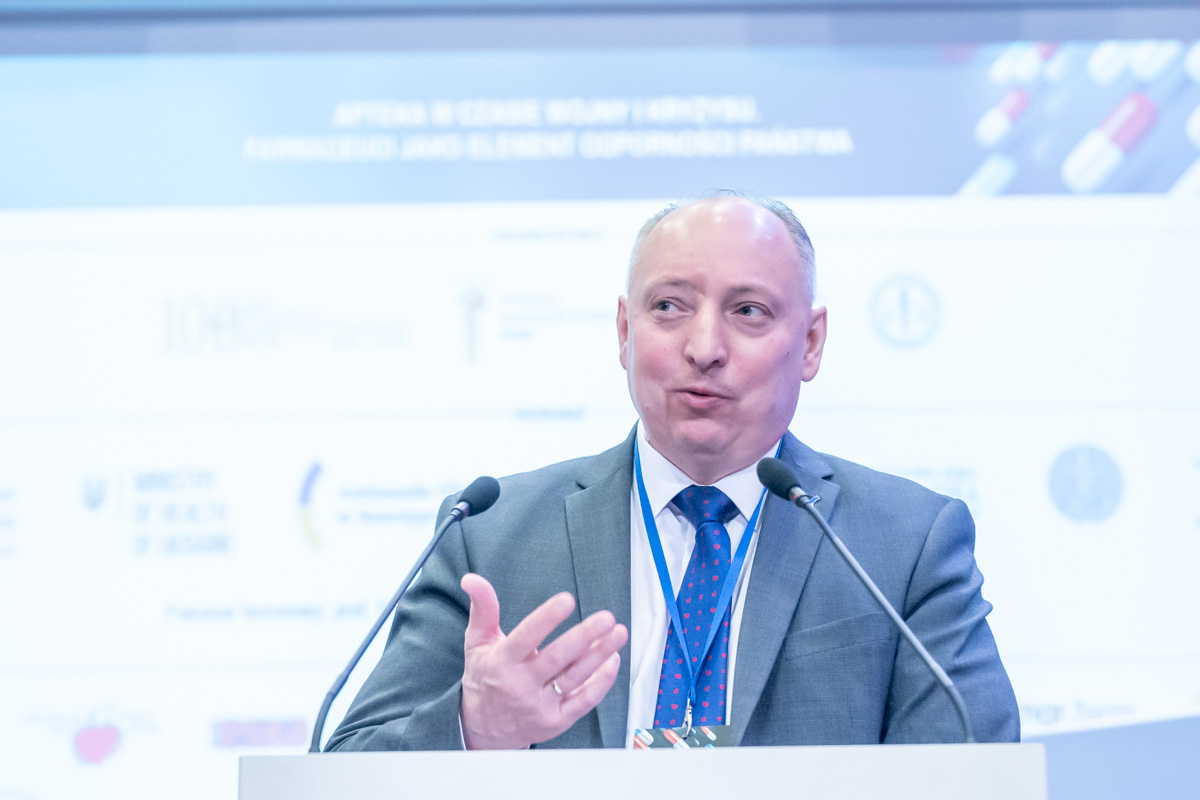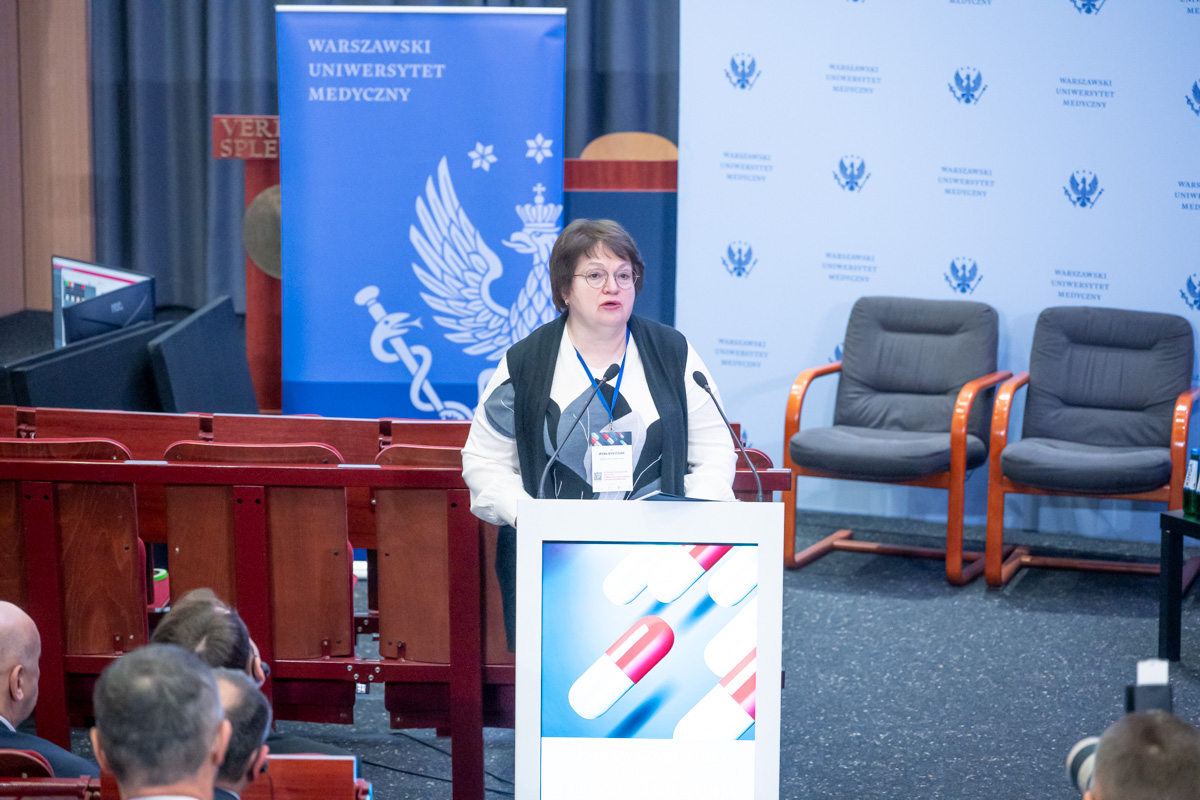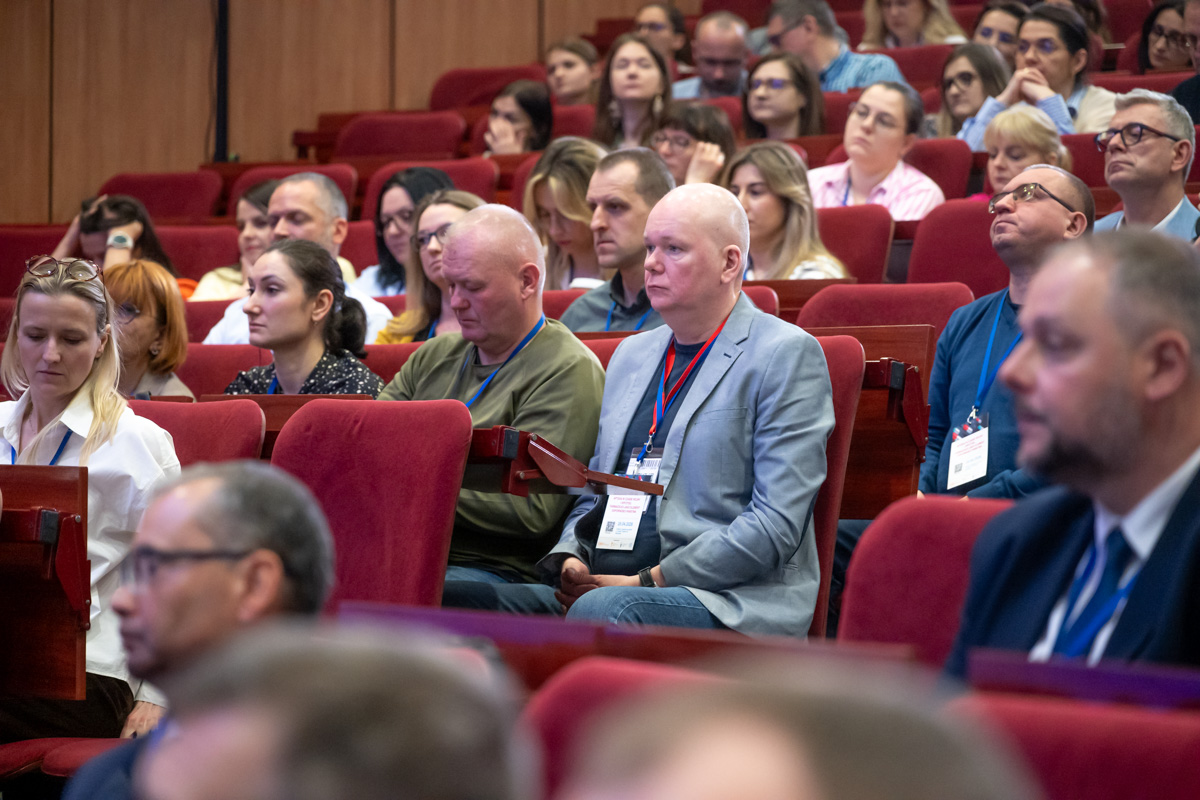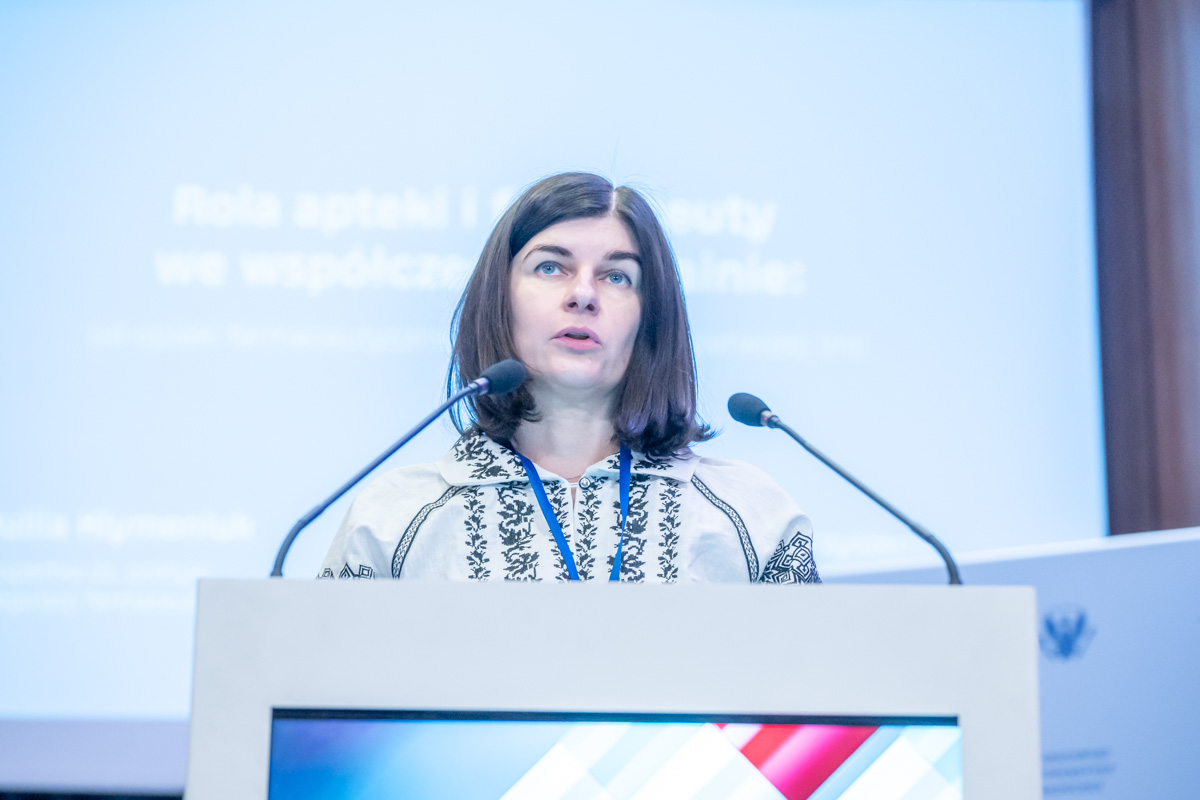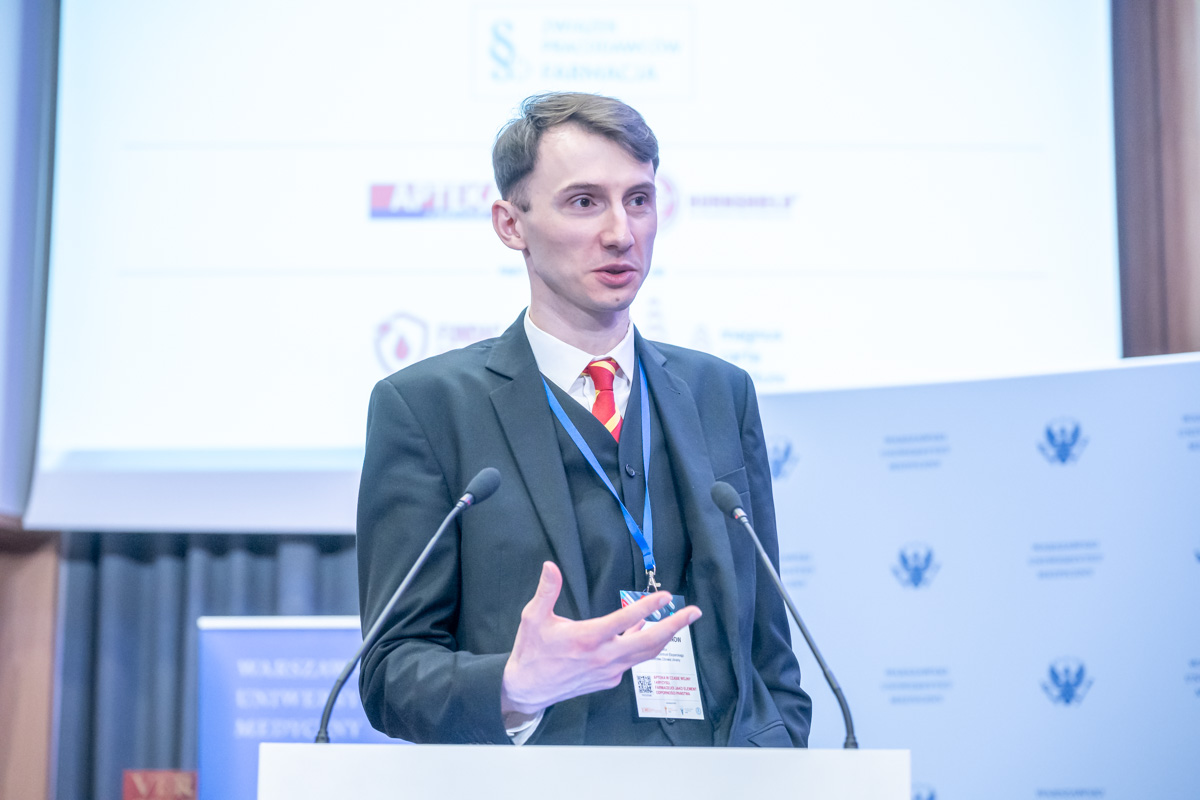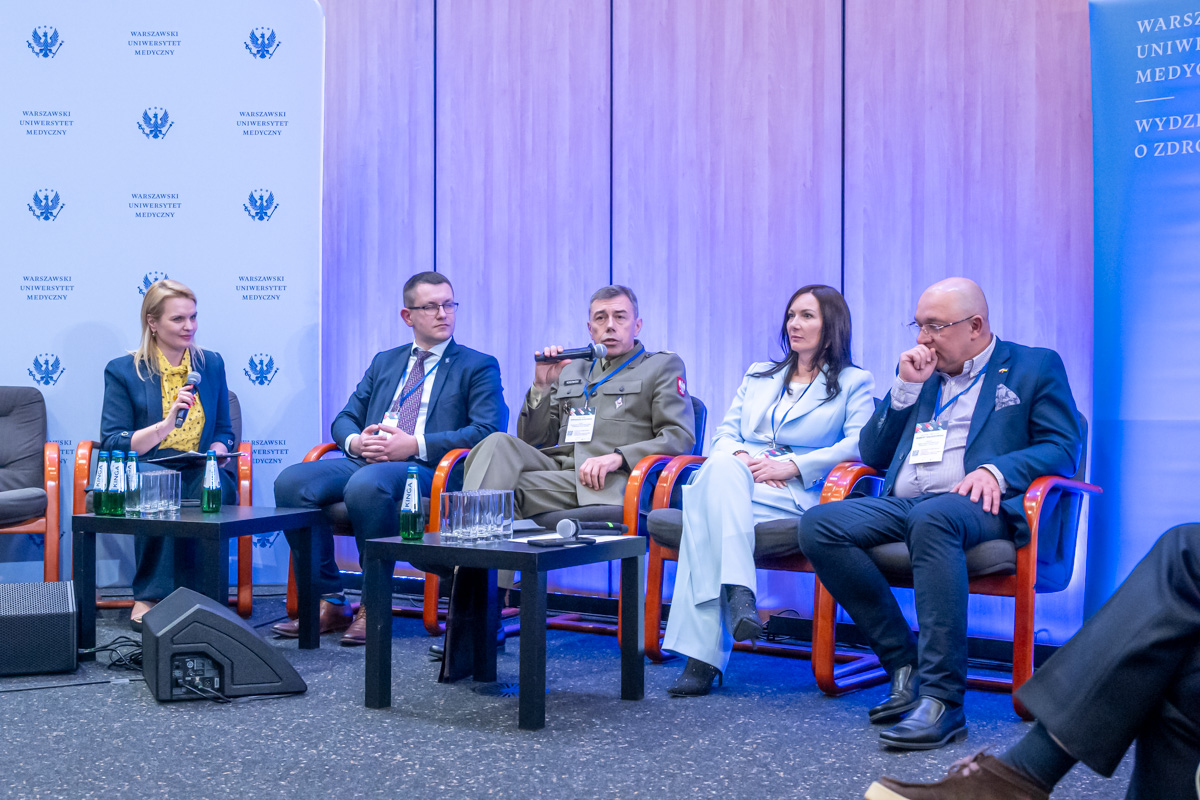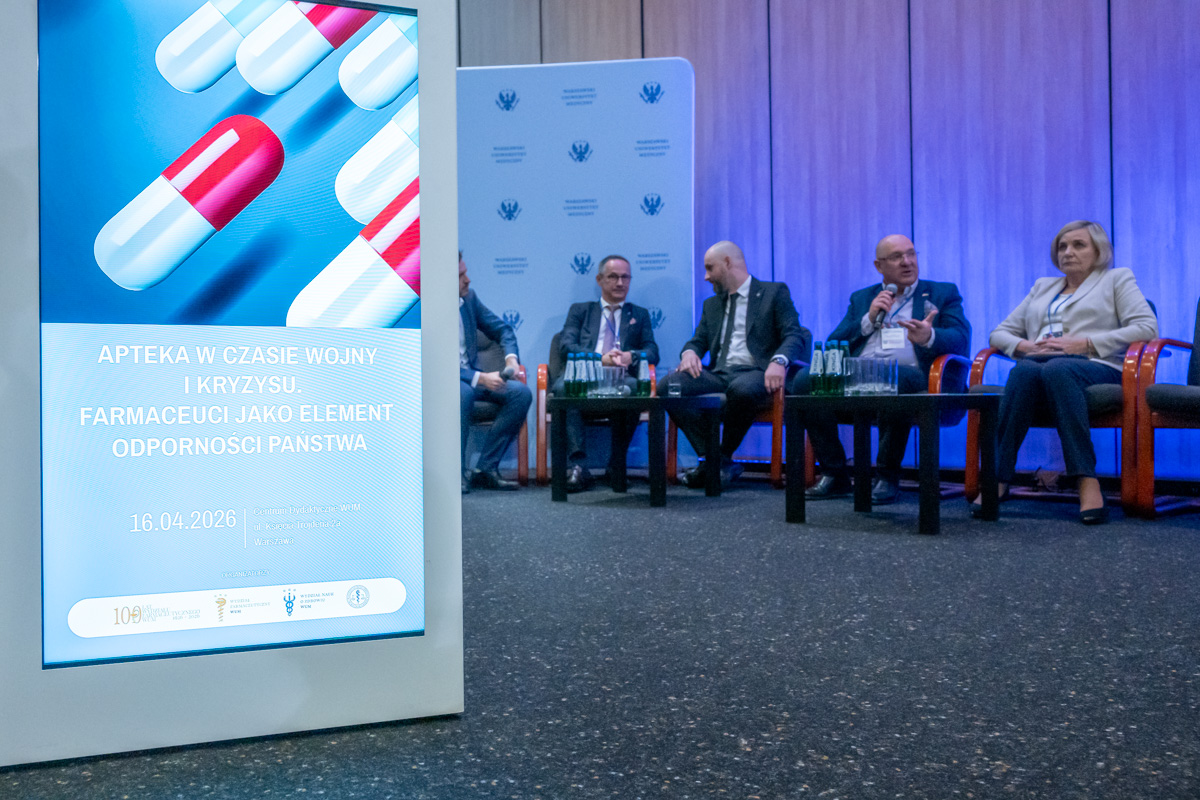
The conference was organized by the Faculty of Pharmacy, which is celebrating its 100th anniversary this year, in cooperation with the Faculty of Health Sciences of the Medical University of Warsaw and the Institute of Health Care. The event brought together over 300 participants. Special guests and speakers included representatives of the Ministry of Health, the Chief Pharmaceutical Inspectorate, the Supreme Pharmaceutical Council, and other key institutions involved in healthcare and pharmacy.
The healthcare system must be viewed holistically
“For many years, healthcare was treated as a sectoral issue, and discussions about it were largely reduced to financial matters. Few people viewed it comprehensively and strategically, as part of state and societal security,” emphasized Deputy Minister of Health Katarzyna Kacperczyk.
She added that such a perspective and the need to reorganize the system were first prompted by the COVID-19 pandemic, followed by Russia’s aggression against Ukraine.
“These kinds of challenges show that security is not only about the military and tanks, but also about an efficient healthcare system, clearly defined roles among medical professions, and effective coordination,” Katarzyna Kacperczyk concluded.
Ukrainian experience as a lesson in healthcare system resilience
The Rector of the Medical University of Warsaw, Professor Rafał Krenke, noted that alongside the heroism shown by the Ukrainian nation in resisting aggression, their ability to adapt quickly to difficult conditions should also be appreciated.
“This perspective is extremely valuable to us, and we want to learn from our Ukrainian colleagues. Although, of course, we would prefer to meet under entirely different circumstances, as neither you nor we chose the reality that our part of Europe is currently facing,” said Professor Krenke. He added, “I am pleased that the Medical University of Warsaw has become an important center for the transfer of knowledge on how healthcare systems function under wartime conditions. We see this as our responsibility and mission.”
Professor Robert Gałązkowski, Head of the Department of Emergency Medical Services and co-organizer of the event, also highlighted Ukraine’s unique experience in managing a state during a crisis.
“These are people who will tell us what surprised them, what they tried to do, what mistakes they made, and finally share the solutions they implemented. They will answer your questions, even the most difficult ones,” he said. He added, “Various institutions contribute to building state resilience, but healthcare is a critical element of the security system, as it determines how many lives can be saved.”
A new role for pharmacists in crisis response systems
“The positioning of pharmacists within civil defense structures, coordination and communication between pharmacists and crisis management systems, appropriate training in crisis response, and the functioning of pharmacies are just some of the challenges our profession may face in emergencies,” said Professor Piotr Luliński, Dean of the Faculty of Pharmacy and co-organizer of the conference.
He expressed hope that the conference organized at WUM would contribute to developing new systemic solutions that strengthen the role of pharmacists and pharmacies in building national security.
Łukasz Pietrzak, Chief Pharmaceutical Inspector, discussed how heavily modern medicine depends on access to medications and warned that shortages in crises, for example, due to disrupted supply chains, would quickly become a serious societal problem. He emphasized that the war in Ukraine shows the need to redefine the role of pharmacies, turning them into places that also provide healthcare services.
“Even today, pharmacists in our country serve 2 million patients daily. In a crisis, a pharmacist prepared not only for their profession but also for broader medical care roles is ready to provide additional services,” Łukasz Pietrzak said.
Pharmacies and pharmacists as the silent heroes of Ukraine’s resilience
Mykola Hranovskyi, First Secretary of the Embassy of Ukraine in Poland, also stressed that a country experiencing a crisis cannot function effectively without a well-operating pharmacy system. Lack of access to medicines means inadequate patient care. He also expressed gratitude to Ukrainian pharmacists.
“Those who work in pharmacies must operate under enormous pressure, uncertainty, and risk. This requires professionalism, patience, and great dedication. They are silent heroes, as they do not wear uniforms and are not armed,” he said, also thanking Poland for its support and assistance. He also expressed his gratitude for the organization of the conference and for the support Poland has provided to Ukraine.
Dr. Iryna Mykychak, advisor to the Ukrainian Minister of Health, also expressed gratitude for the support and solidarity shown to Ukraine. She noted that although the conflict, which has lasted for over 11 years, could have destroyed the Ukrainian healthcare system, the system has endured.
“Today, we are not only talking about survival but also resilience: of the system, institutions, and people making life-and-death decisions every day. In this system, pharmacists and pharmacies play a special role. They are important not only for Ukraine but for all of Europe,” she said.
Conference discussions
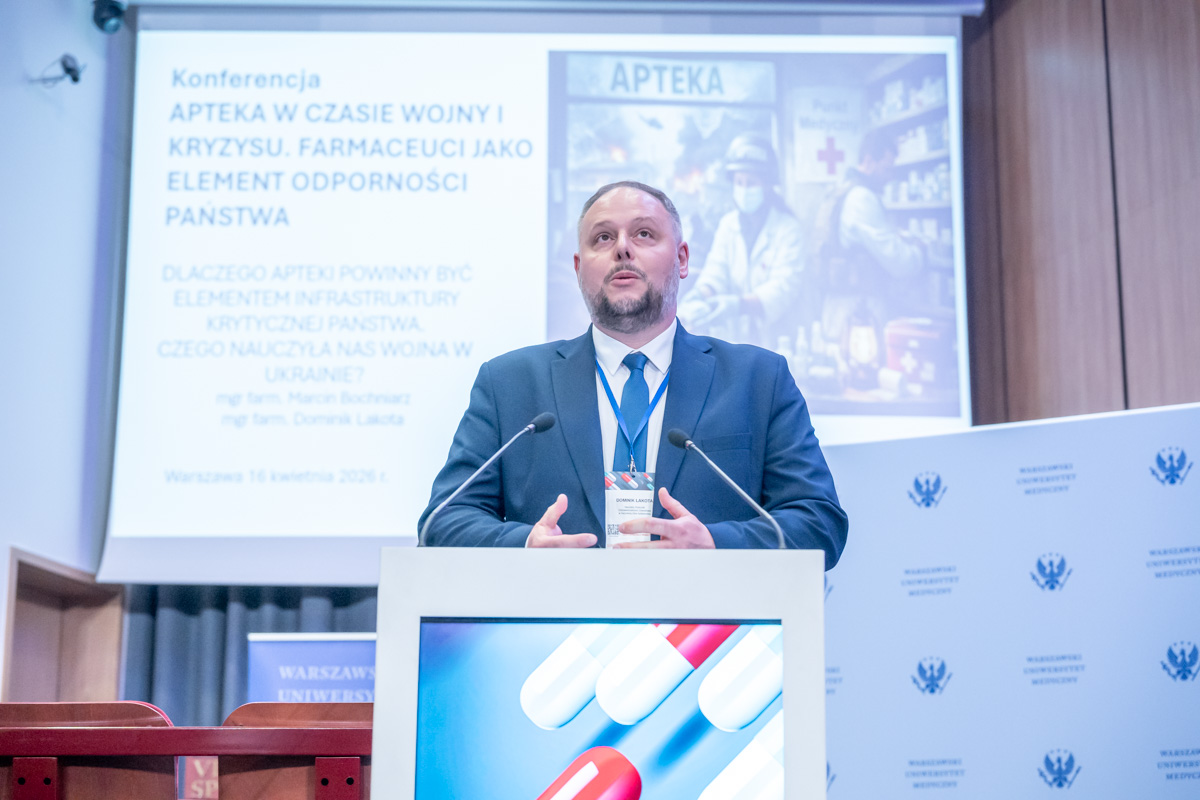
The debates were opened by Dominik Lakota, Chief Professional Liability Officer at the Supreme Pharmaceutical Council, and Marcin Bochniarz, President of the Subcarpathian Regional Pharmaceutical Council in Rzeszów. They discussed why pharmacies should be considered part of the country’s critical infrastructure and what lessons have been learned from the war in Ukraine.
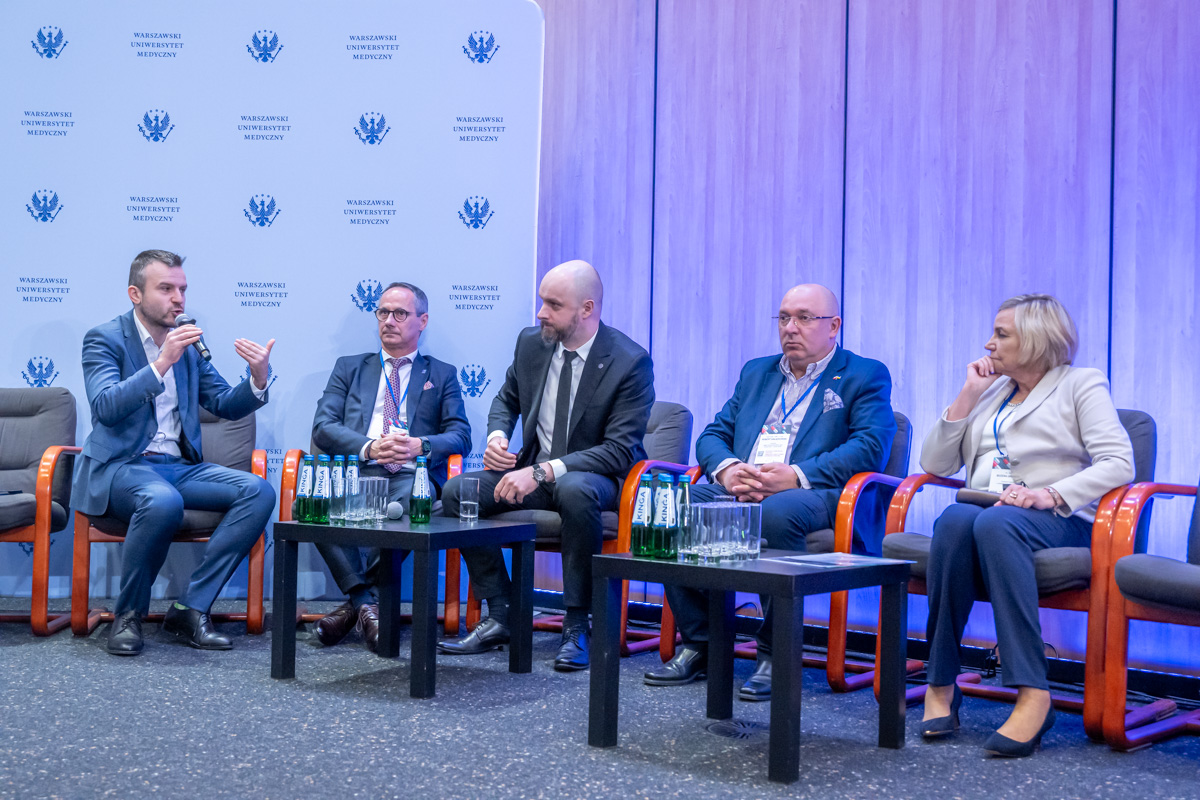
The first part focused on the role of pharmacists in the national security system. It was opened by Łukasz Pietrzak, who discussed the importance of pharmacies in the context of critical infrastructure. This was followed by a discussion and Q&A session with the participation of Prof. Robert Gałązkowski, Dr Bożena Grimling, National Consultant in Community Pharmacy, Łukasz Pietrzak, and Marian Witkowski, Vice President of the Supreme Pharmaceutical Council and President of the Warsaw Regional Pharmaceutical Council.
The next part featured the experiences of guests from Ukraine: Edem Adamanov, Director of the State Expert Center of the Ministry of Health of Ukraine; Mykhailo Pasichnyk, Deputy Director of the State Expert Center; Yulia Klymeniuk, expert in pharmaceutical policy and regulation and board member of the Association of Pharmacists of Ukraine; and Natalia Tulynova, CEO and founder of the “The Healthy” National Humanitarian Aid Agency Foundation. They discussed topics such as disruptions to supply chains, drug shortages, and therapy substitution, ensuring the safety of staff and patients, and the necessity of making decisions without clear guidelines. A debate was also held on the evolution of pharmacy management under crisis conditions.
There was also a session devoted to the future and to training programs for wartime and crises, including procedures for mass casualty incidents and crisis communication with patients. The speakers in this part included: Anna Brzezińska, Member of the Board of the Mazovian Voivodeship; Professor Robert Gałązkowski; Colonel Dr. Arkadiusz Kosowski, Director of the Department of Military Health Service at the Ministry of National Defense; and Marcin Repelewicz, President of the Lower Silesian Pharmaceutical Council in Wrocław. Dr. Grzegorz Cessak, President of the Office for Registration of Medicinal Products, Medical Devices and Biocidal Products, also delivered a speech.
The event concluded with an expert panel discussion featuring Anna Brzezińska, Professor Robert Gałązkowski, Colonel Dr. Arkadiusz Kosowski, Sylwia Lewandowska-Pachecka, regional consultant in community pharmacy for the Mazovian Voivodeship, Marcin Repelewicz, Marian Witkowski, and Dr. Jerzy Żabiński from the Department of Organic and Physical Chemistry at the Medical University of Warsaw and a member of the Supreme Pharmaceutical Council.
The event was held under the patronage of the Polish Ministry of Health, the Ministry of Health of Ukraine, the Embassy of Ukraine in the Republic of Poland, the Supreme Pharmaceutical Council, the Warsaw Regional Pharmaceutical Council, the Office for Registration of Medicinal Products, Medical Devices and Biocidal Products, and the Polish Pharmaceutical Society. Honorary patronage was provided by the Rector of the Medical University of Warsaw.
The first conference on the safety and organization of the healthcare system during wartime took place in December 2025. Webpage with the report on the conference