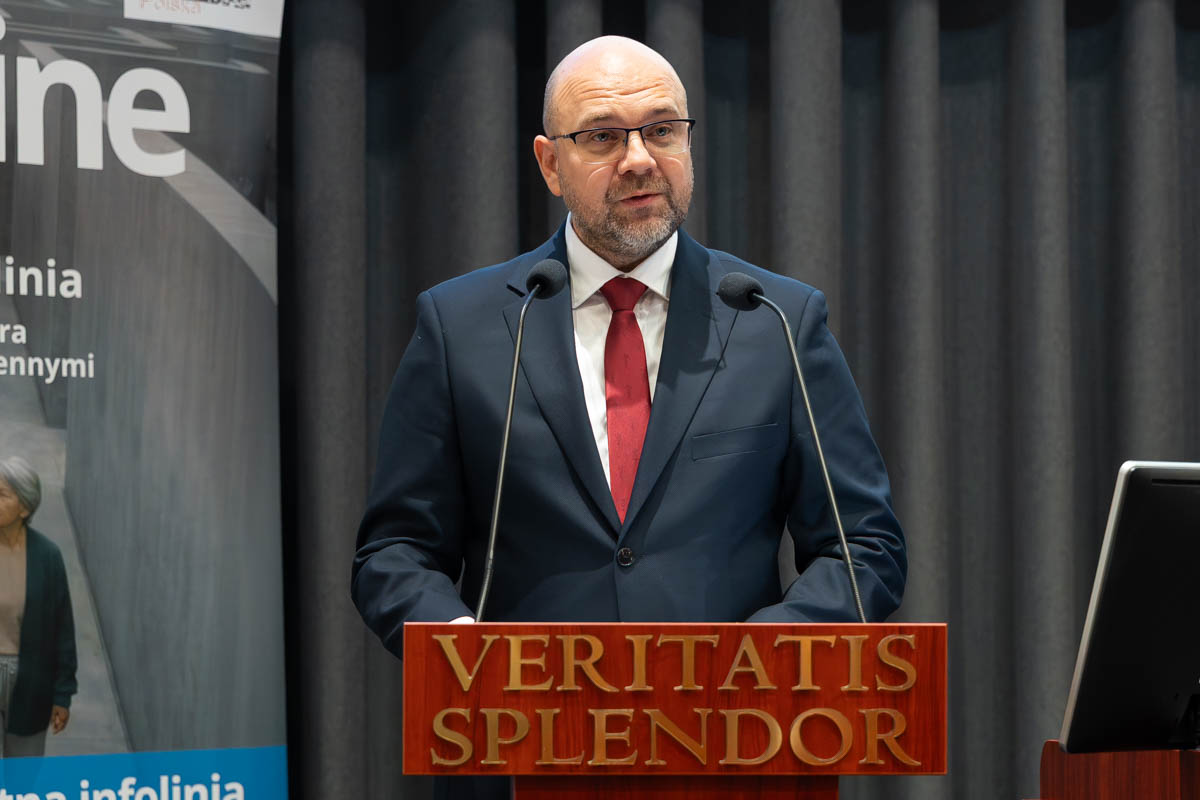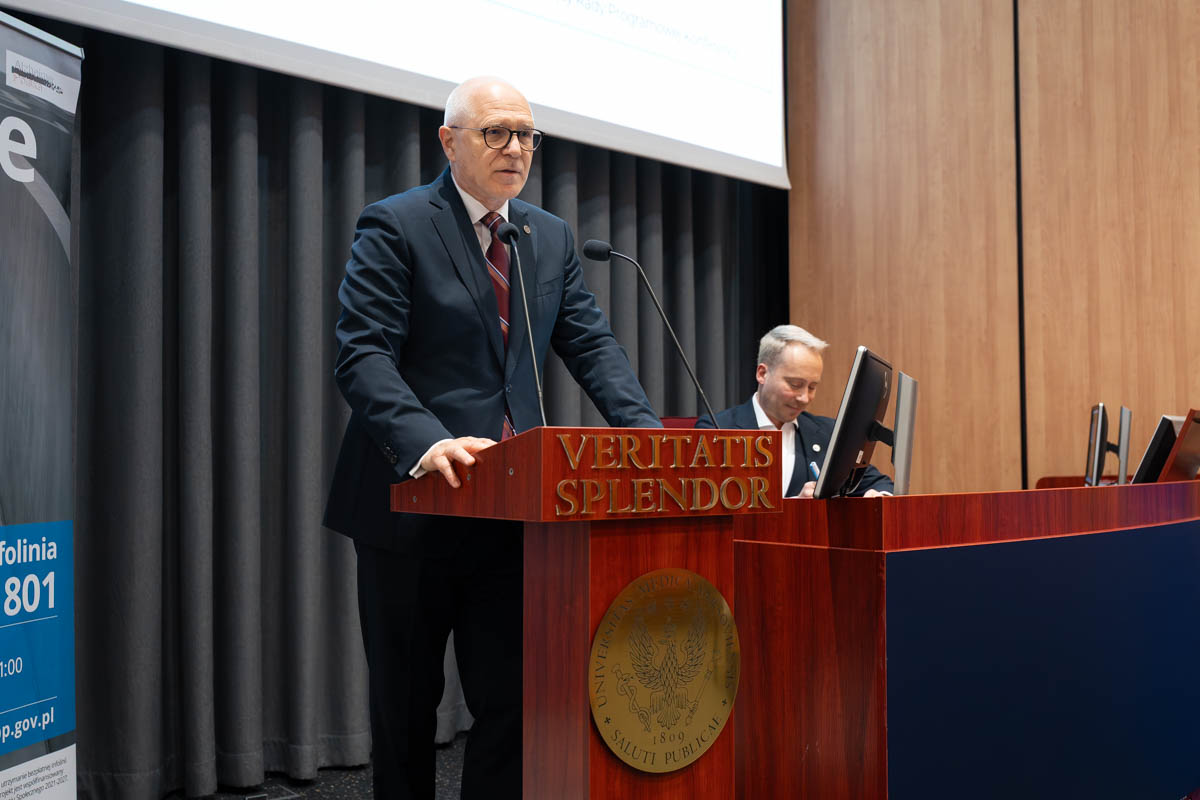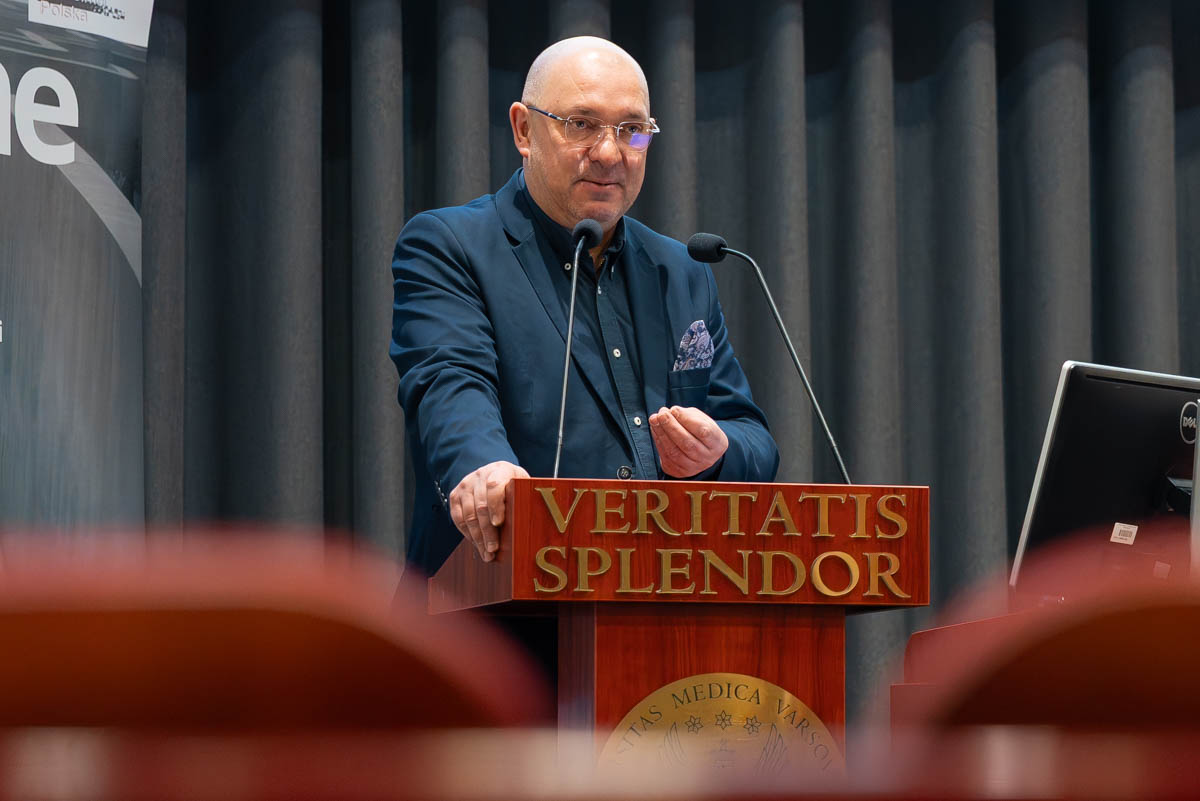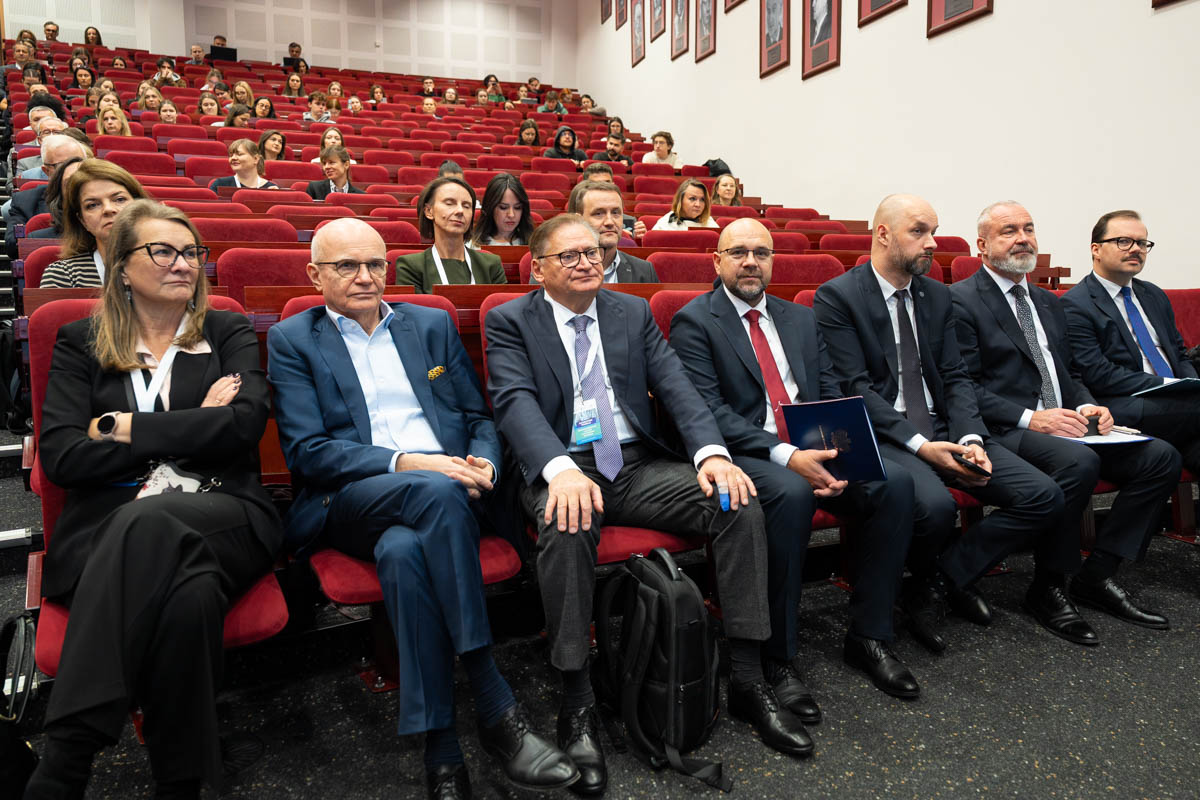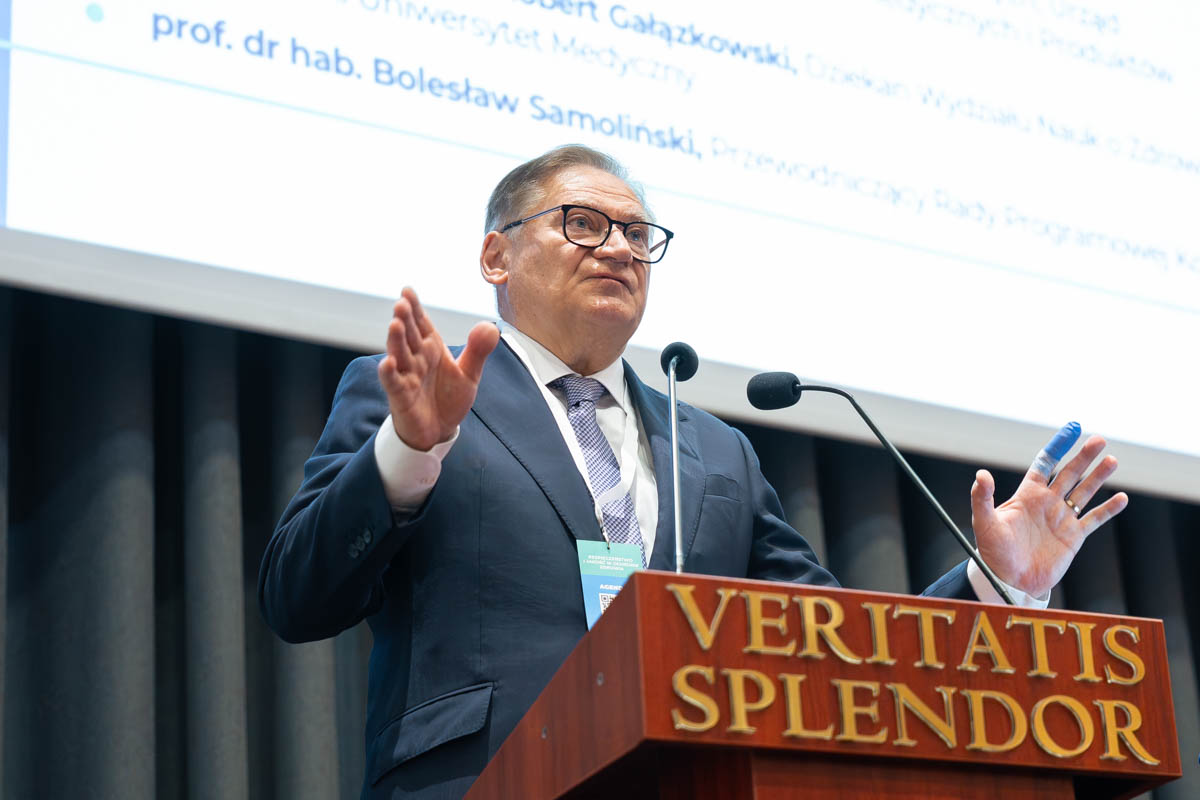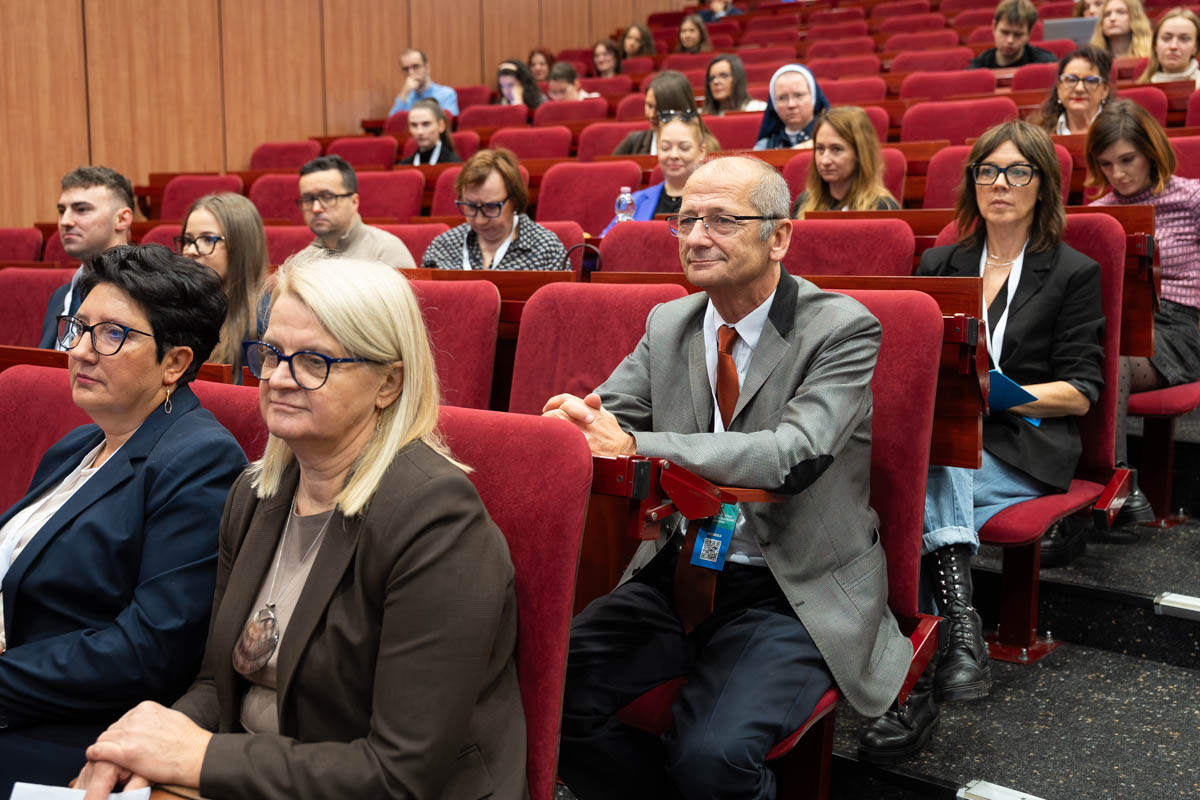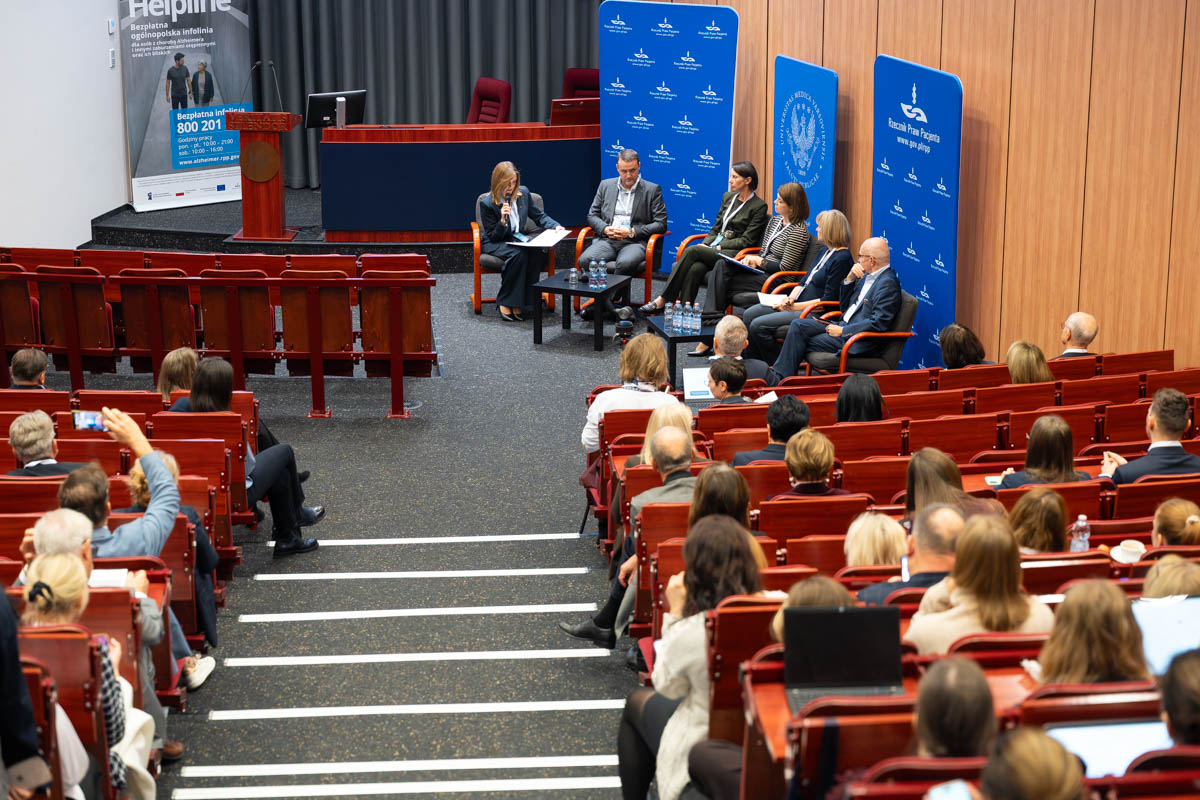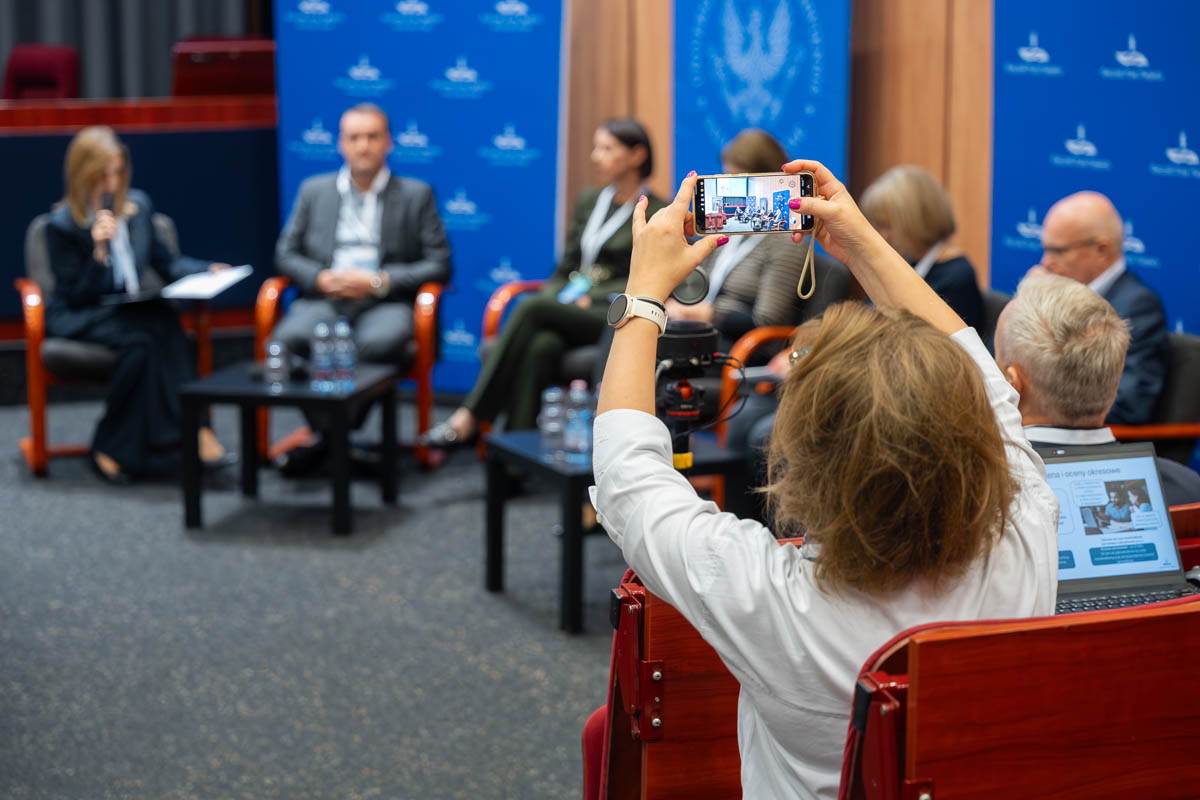
The conference was organized by the Patient Ombudsman and the Medical University of Warsaw. The program covered three main areas: patient safety, quality in health care, and geriatric care.
Bartłomiej Chmielowiec, the Patient Ombudsman, recalled that the conference was one of the initiatives contributing to the development of the Patient Safety Strategy for 2027–2037.
"We want to develop a system in which informed patients are at the center of the treatment process and quality and safety become absolute priorities," the Ombudsman said.
Responsibility and empathy
Prof. Rafał Krenke, Rector of WUM, emphasized that patient safety depends not only on procedures but, above all, on the attitudes of the people who make up the health care system.
"We need not only standards and quality monitoring systems but also a culture of responsibility across all health care professions. One that does not conceal errors or ignore warning signs, and that uses the reporting of adverse events to draw conclusions and prevent tragedies," said Prof. Rafał Krenke, Rector of WUM.
Prof. Robert Gałązkowski, Dean of the Faculty of Health Sciences at WUM, referred to this human dimension of quality, highlighting the importance of empathy and commitment in interactions with patients.
"We must focus on the quality of patient care through the lens of empathy, commitment, and the right attitude. We should see patients as people who are close to us, not as problems," said Prof. Robert Gałązkowski.
Learning from adverse events
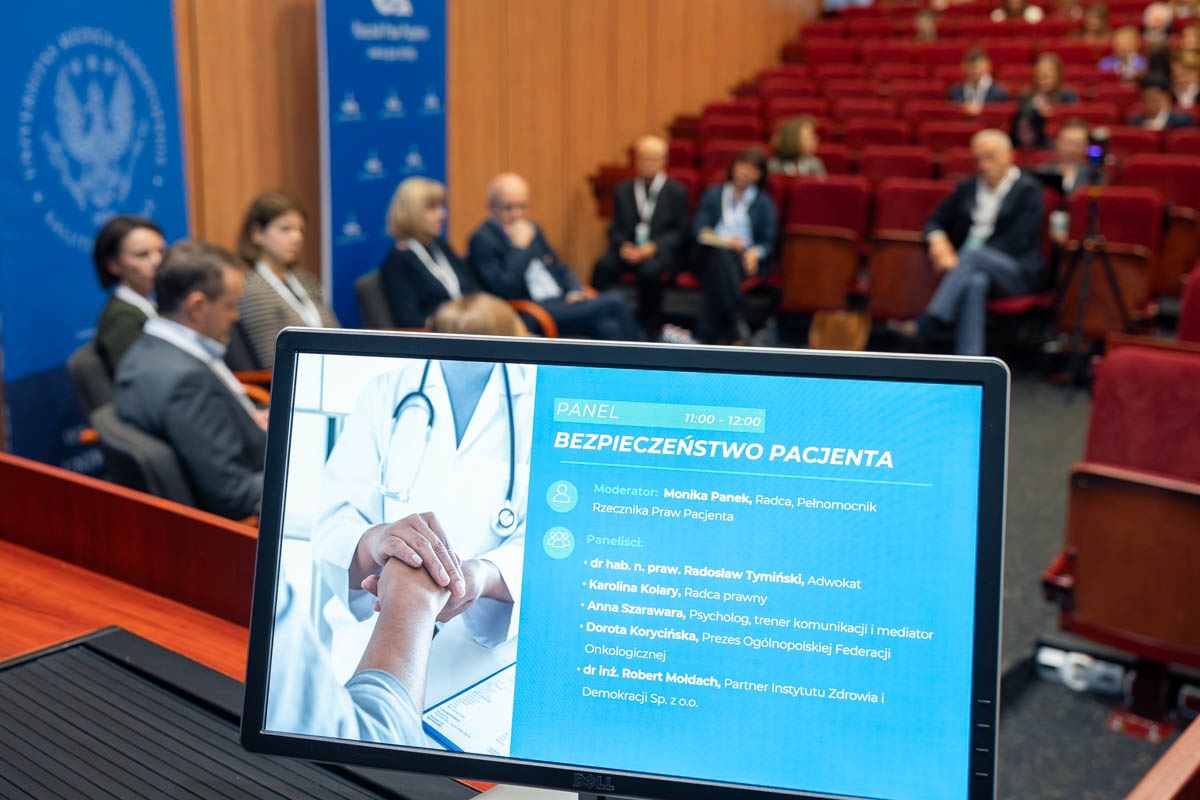
The first panel focused on patient safety. Experts emphasized that adverse events cannot be completely eliminated, making it essential to report and analyze them and use the knowledge gained to reduce future risks.
The discussion also addressed solutions that make it possible to identify risks at an early stage, the importance of reliable data collection, and procedures that should provide genuine support to staff.
It was also stressed that, following an adverse event, patients need clear information about what happened and what steps will be taken next.
Three minutes for everyone
The conference program also included a Hyde Park session, an open discussion forum. Each participant had a maximum of three minutes to speak, share their own experience, comment on earlier presentations, or raise an issue related to the conference theme.
Quality in everyday practice
The second expert panel focused on quality in health care and how formal standards can be translated into the day-to-day operations of health care facilities. It was emphasized that quality cannot be the sole responsibility of a specialized unit or simply a set of requirements to be met in order to obtain accreditation. Every staff member should share responsibility for it.
From the patient's perspective, the entire care pathway matters: its coordination, the availability of health care services, clear information, and an understanding of the subsequent stages of treatment. Patients' experiences and opinions should therefore help health care facilities improve the care they provide.
Care for older adults
The final panel was devoted to care for older adults. The topic is becoming particularly important in light of population aging and the growing health care needs of older people. The discussion brought together representatives of public administration, experts, organizations representing older adults, Alzheimer Polska, and the Office of the Patient Ombudsman.
The panel brought the conference's three main thematic areas to a close, demonstrating that patient safety and quality of care must also be considered in the context of demographic changes and the needs of a growing population of older patients.
WUM was represented at the conference by Prof. Rafał Krenke, Rector of WUM; Prof. Robert Gałązkowski, Dean of the Faculty of Health Sciences at WUM; and Prof. Bolesław Samoliński, Chair of the Conference Program Council. Marzena Kowalczyk, Director of the University Clinical Center of the Medical University of Warsaw, participated in the panel on quality in health care.