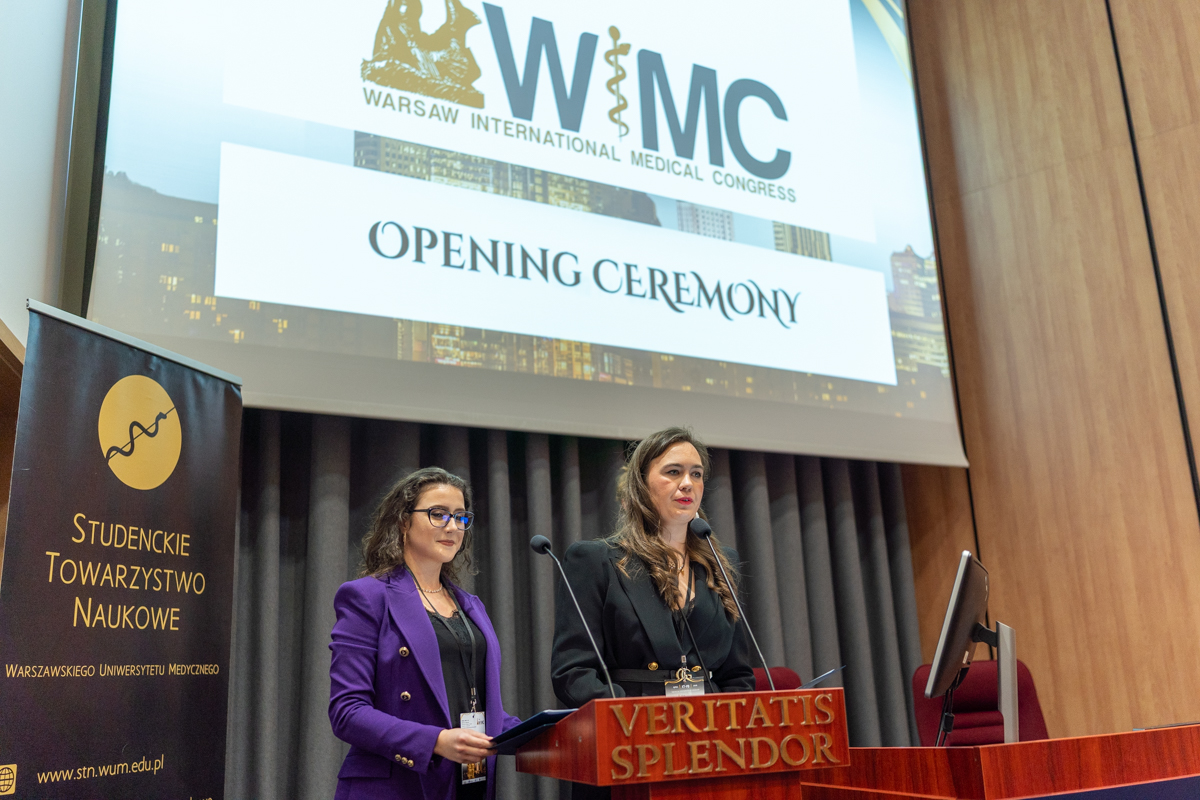
This year’s WIMC took place on April 17–19. It is one of the largest conferences for young scientists in Europe. This year, it brought together nearly 500 participants.
WIMC – in search of new scientific inspiration
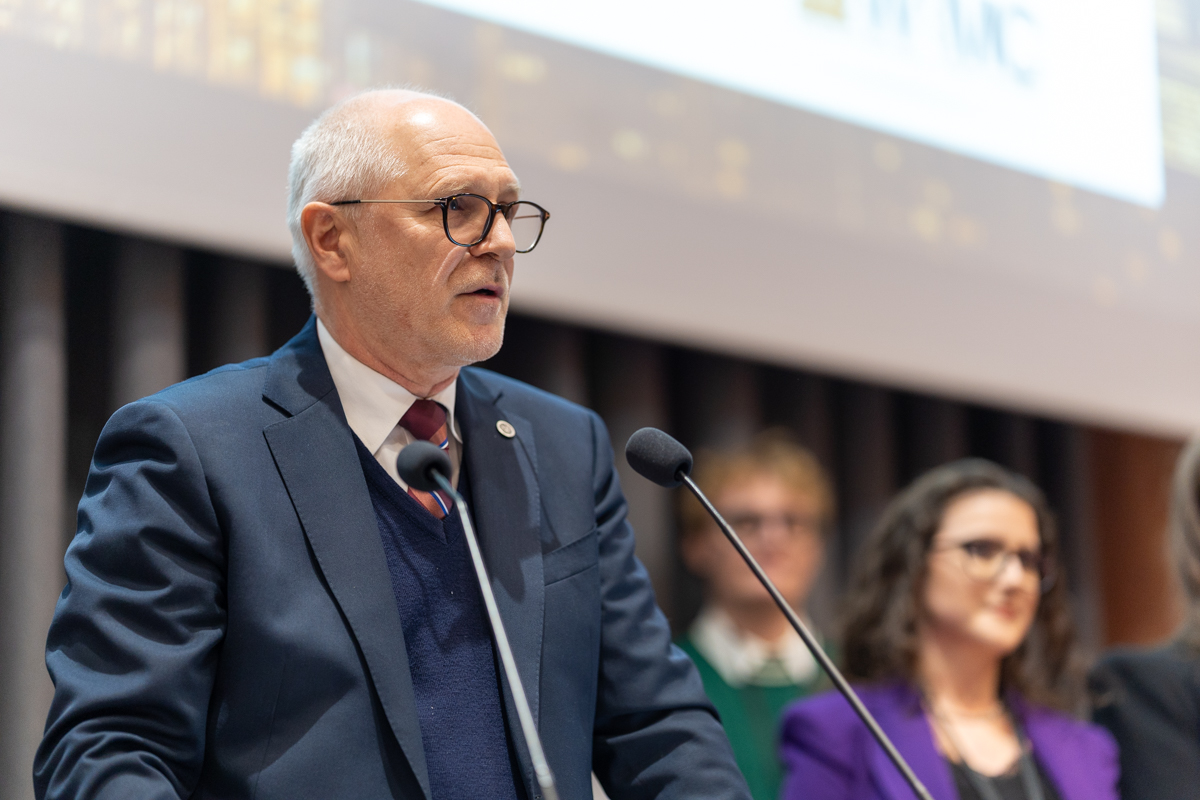
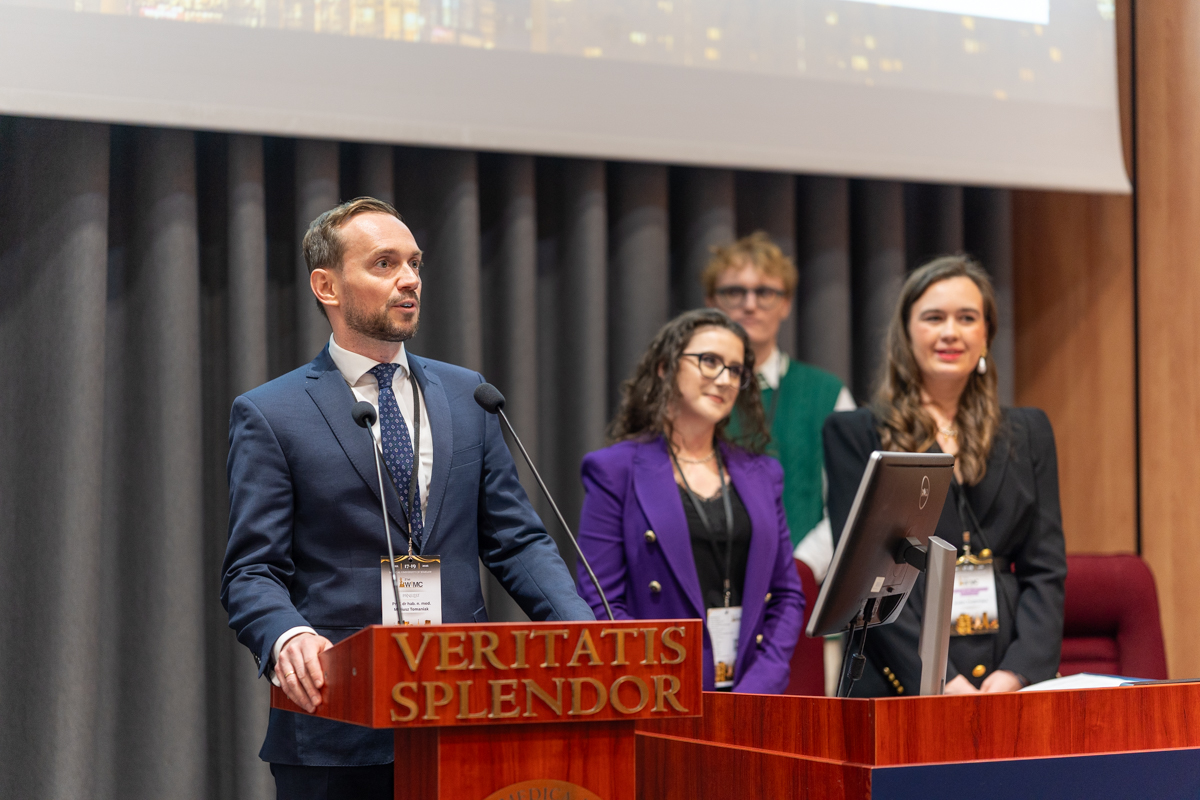
The ceremony was hosted by Maria Żmijewska, Head of the Organizing Committee, and Kamila Krupa, President of the 21st edition of WIMC. The opening ceremony was attended by the Rector of WUM, Prof. Rafał Krenke, who emphasized that the congress is one of the most important events in the university’s academic life.
“Over the past two decades, WIMC has become one of the leading platforms for presenting student achievements and scientific research, as well as a space for critical discussion and the search for new sources of inspiration,” said the Rector.
Prof. Mariusz Tomaniak, supervisor of the Student Scientific Society of WUM, pointed out that the period of medical studies is the best time to engage in scientific activity, research initiatives, and student research groups.
Lecture on the work of Doctors Without Borders
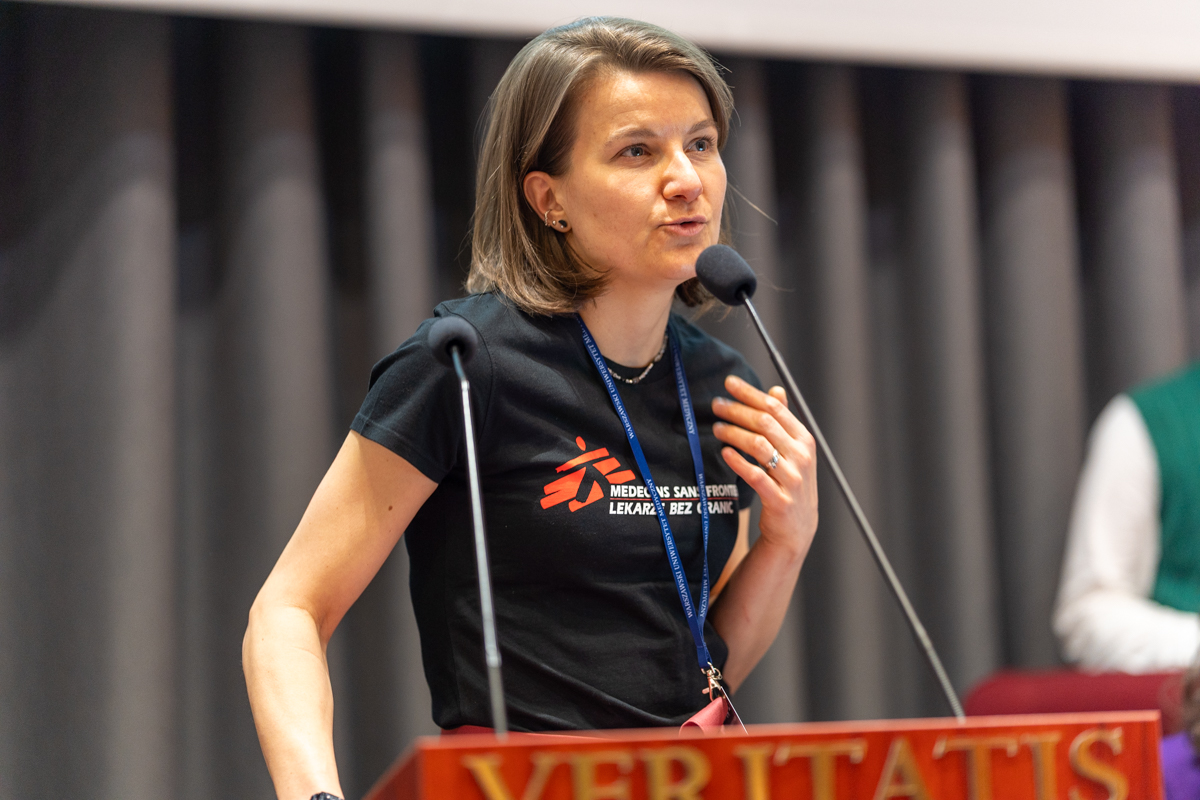
A special highlight of the ceremony was the opening lecture titled “Who are Doctors Without Borders?”, delivered by Dr. Magdalena Michalska, a specialist in gynecology and obstetrics. She spoke about her daily work in a refugee camp in Tanzania and in Mosul, Iraq. She noted that there are few foreign specialists in those regions, with most medical staff consisting of highly dedicated local personnel. She most often worked with midwives – primarily men in Tanzania and exclusively women in Iraq.
Dr. Michalska also discussed the role of a medical interpreter in Doctors Without Borders, emphasizing that such a person not only translates language but also explains cultural context. She concluded by explaining why working with the organization is extraordinary, yet should not be treated as an adventure:
“Every day puts a person to the test, bringing immense satisfaction and joy. However, we must remember that adventure is not the reason for going. We go for the patients – to provide them with medical care, safety, and access to services they would not otherwise have.”
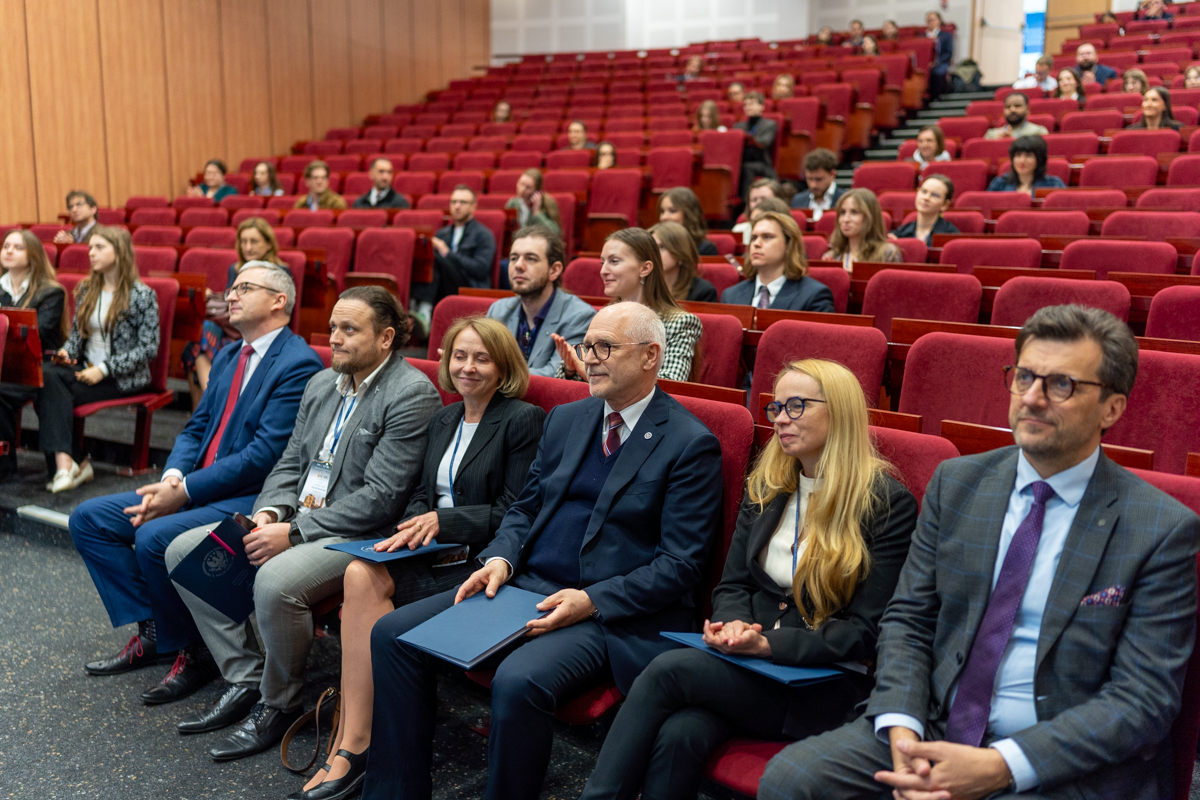
The lecture was attended not only by students but also by representatives of the rectoral and dean’s authorities: Prof. Agnieszka Cudnoch-Jędrzejewska, Vice Rector for Clinical Affairs and Investments; Prof. Paweł Włodarski, Dean of the Faculty of Medicine; Dr. hab. Patryk Rzońca, Vice Dean in charge of the Faculty of Health Sciences; and Prof. Marta Struga, Chair of the Discipline Council for Medical Sciences.
Thematic sessions, workshops, and panel discussions
As every year, the program was highly diverse, consisting of 30 thematic sessions and two panel discussions. The first focused on how young scientists drive innovation, cope with publication pressure, and redefine what it means to contribute to scientific discovery. Panelists included Prof. Mariusz Tomaniak; Dr. hab. Łukasz Szeleszczuk from the Department of Organic and Physical Chemistry at WUM; Dr. hab. Anna Imiela from the Department of Internal Medicine and Cardiology with the Center for Management of Venous Thromboembolism at WUM; Karol Sadowski, Chair of the Doctoral Students’ Council at WUM; and Maria Żmijewska, Chair of the Student Scientific Society at WUM.
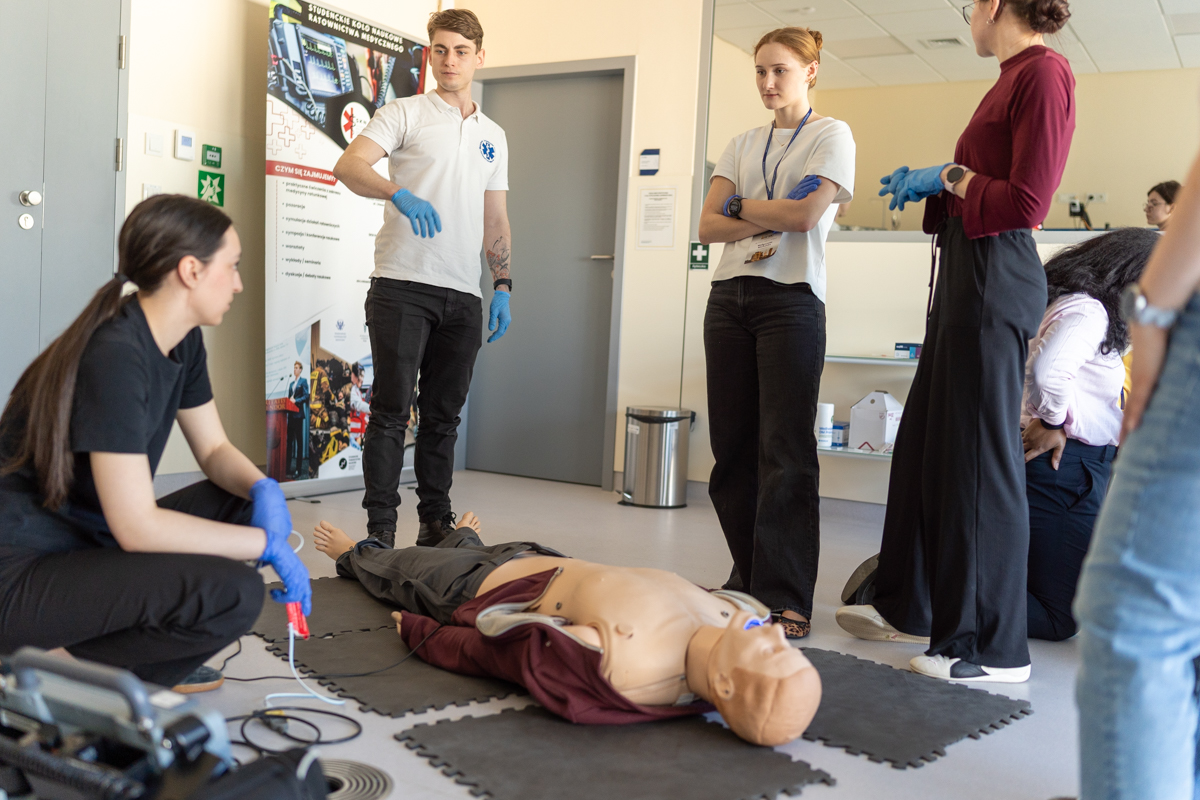
The second panel addressed how modern teaching methods, especially simulation, are shaping contemporary medical education. Participants included Dr. hab. Małgorzata Ponto-Wolska from the Department of Dental Propedeutics and Prophylaxis at WUM; Dr. hab. Artur Kanteluk from the Department of Nursing Propedeutics at WUM; and Julia Parda, Chair of the Student Research Group at the Center for Medical Simulation at WUM. The panels were moderated by Piotr Olejnik, a member of the organizing committee.
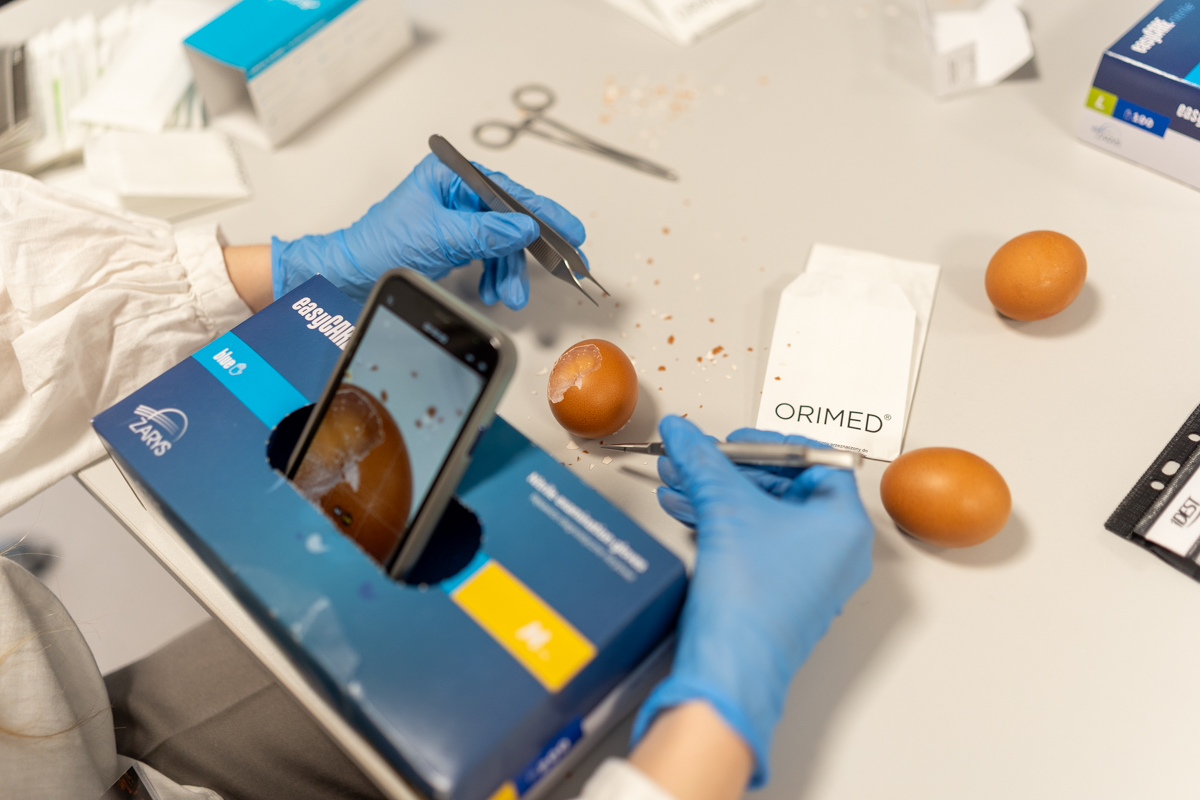
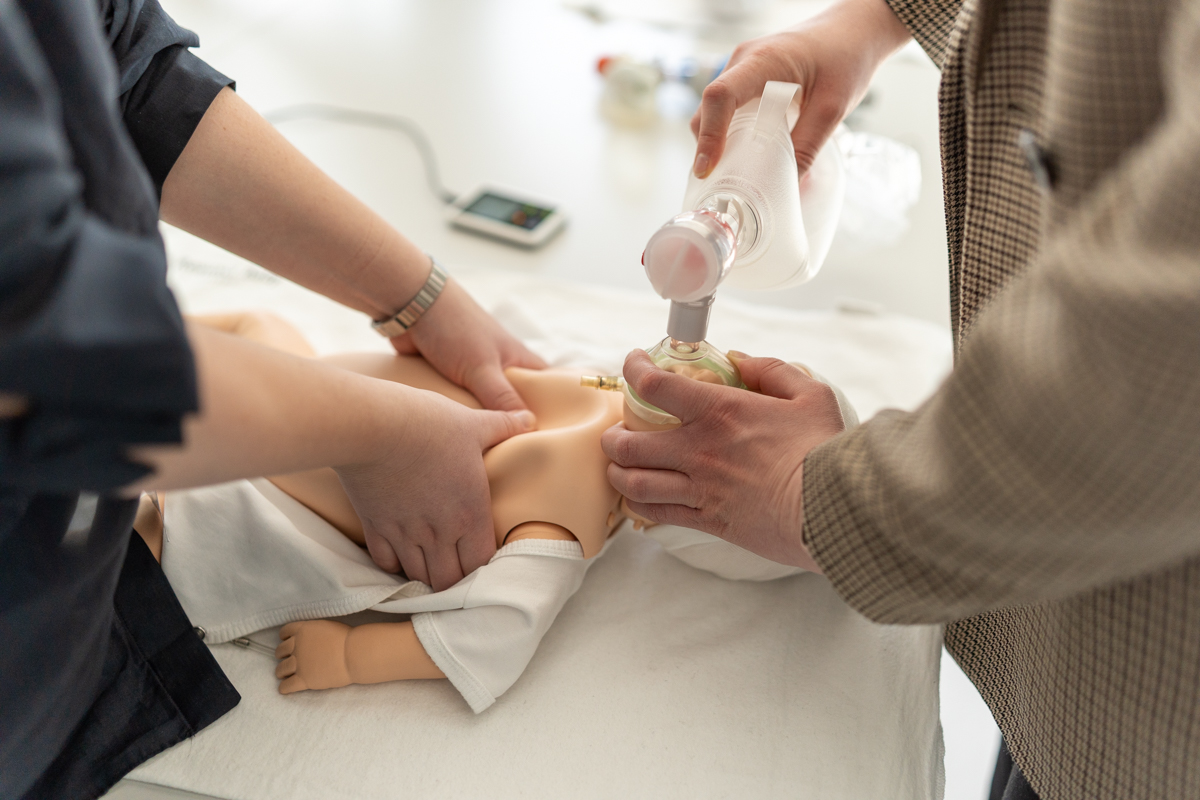
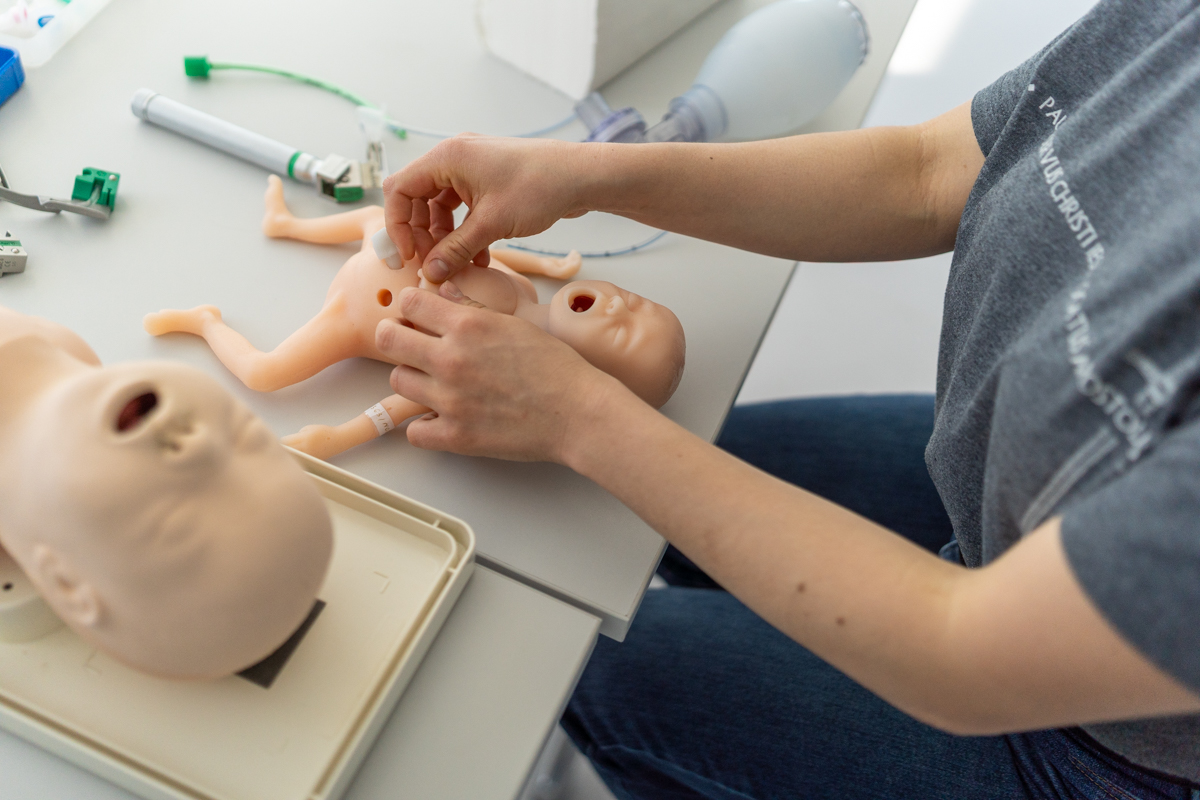
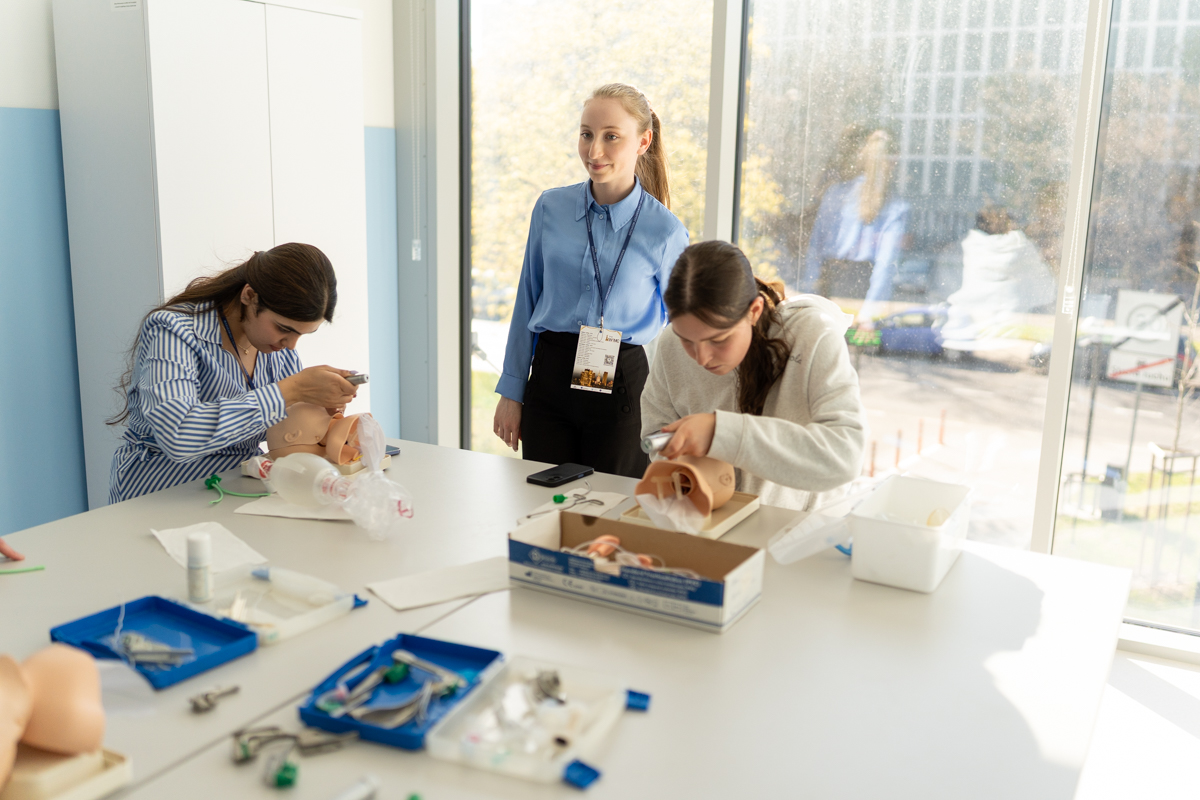
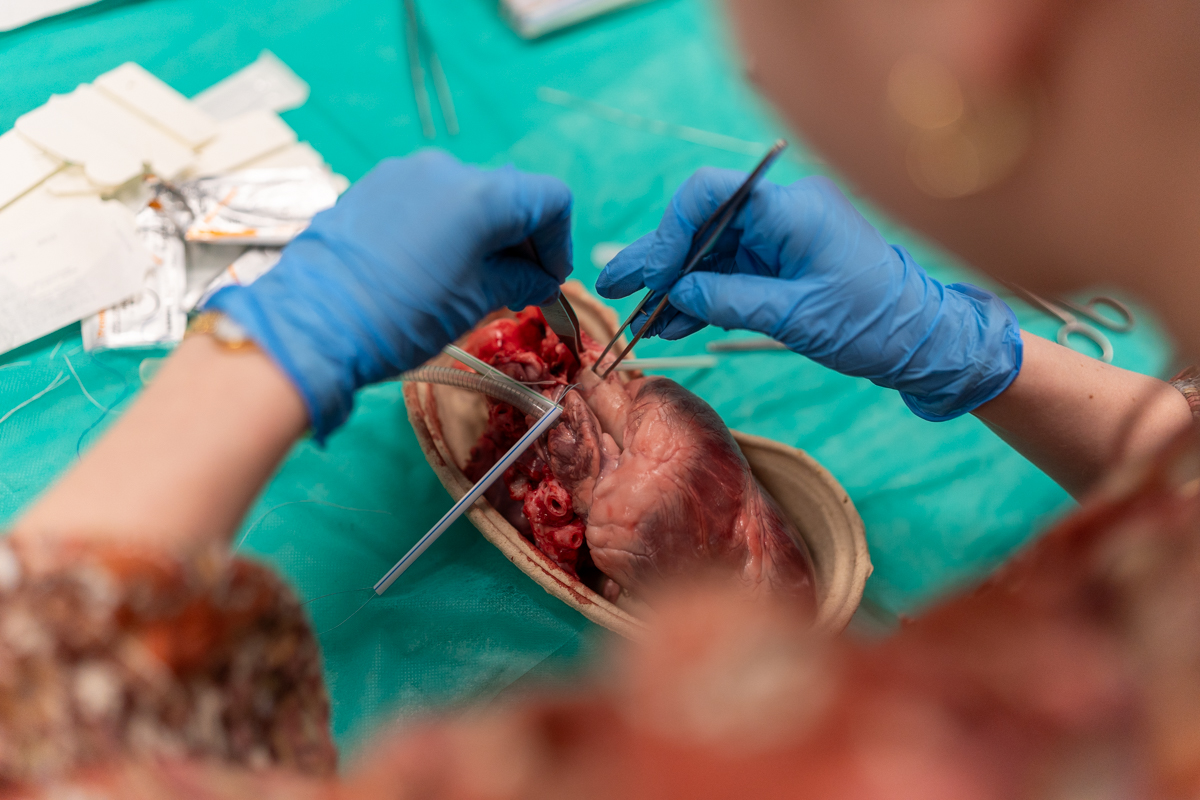
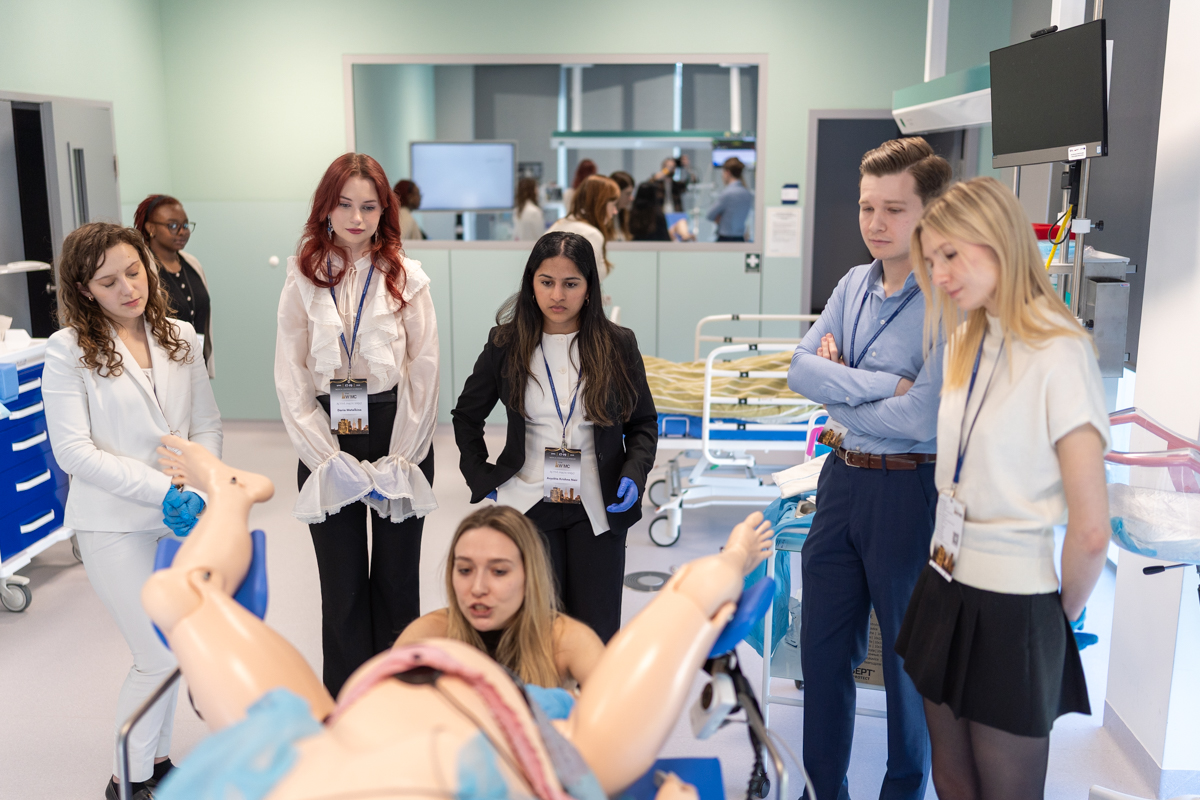
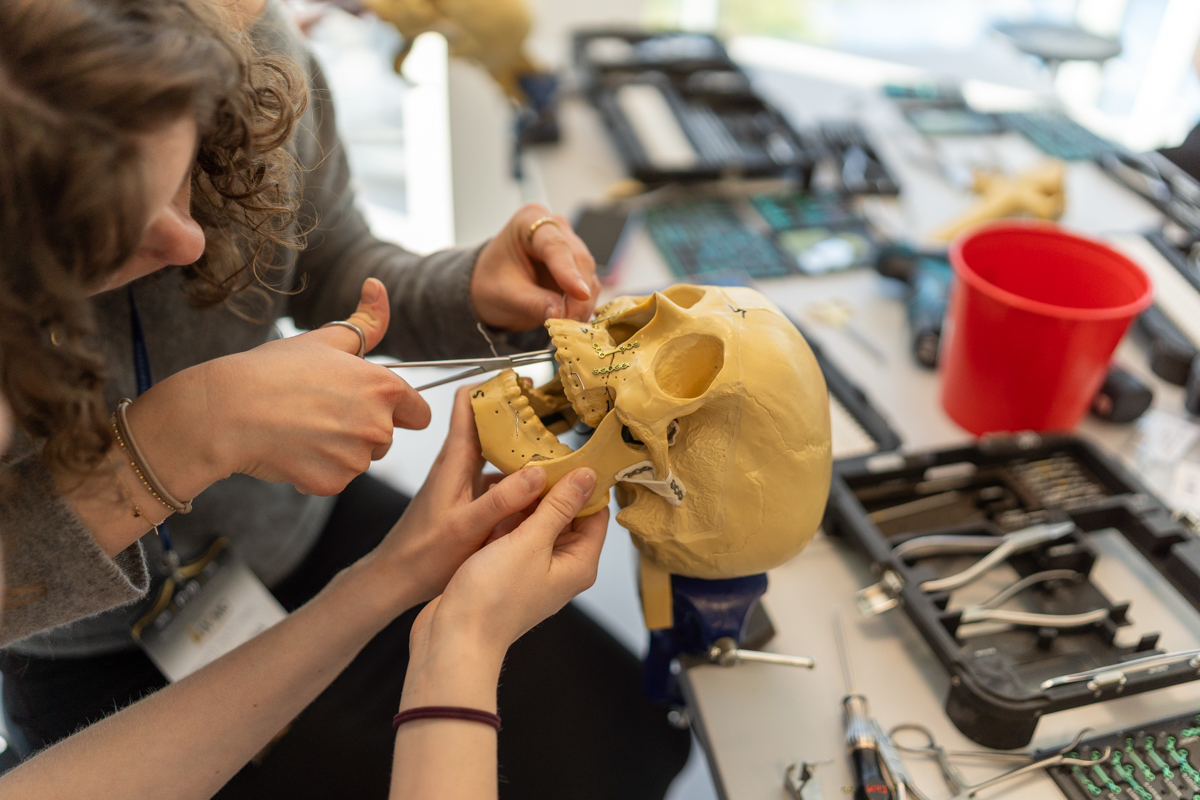
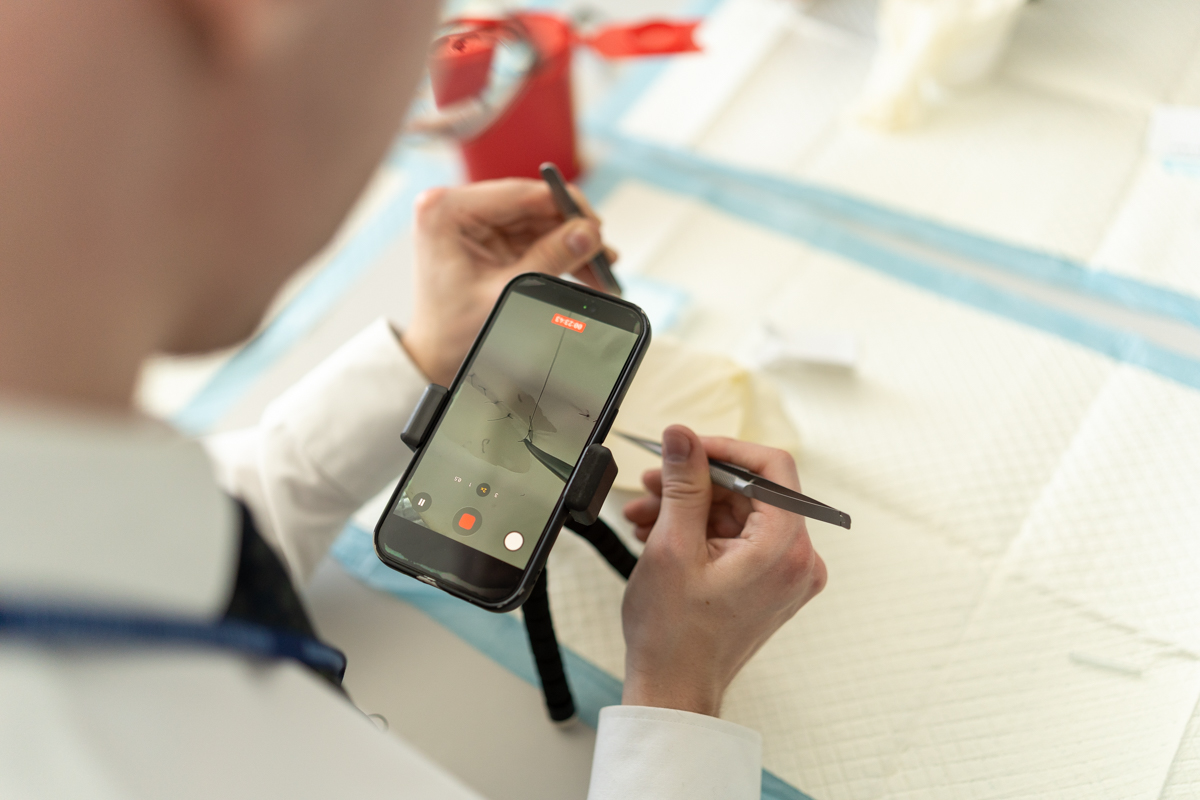
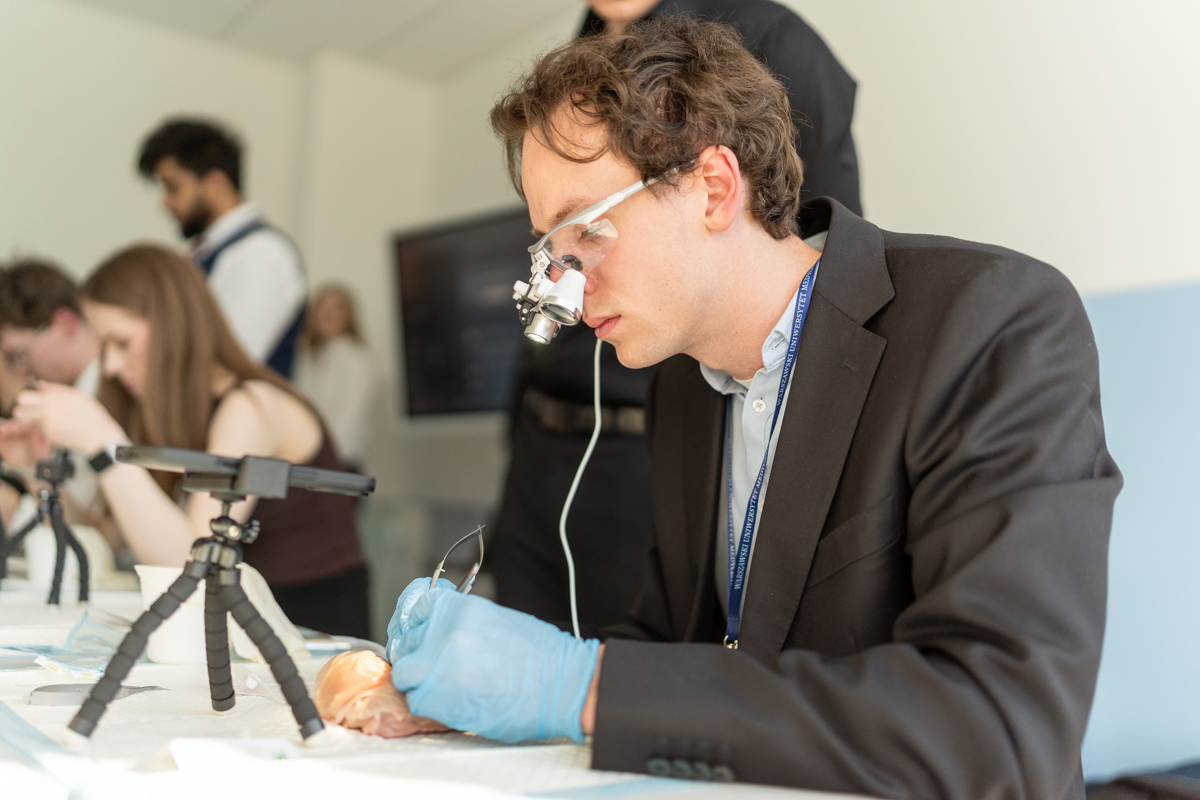
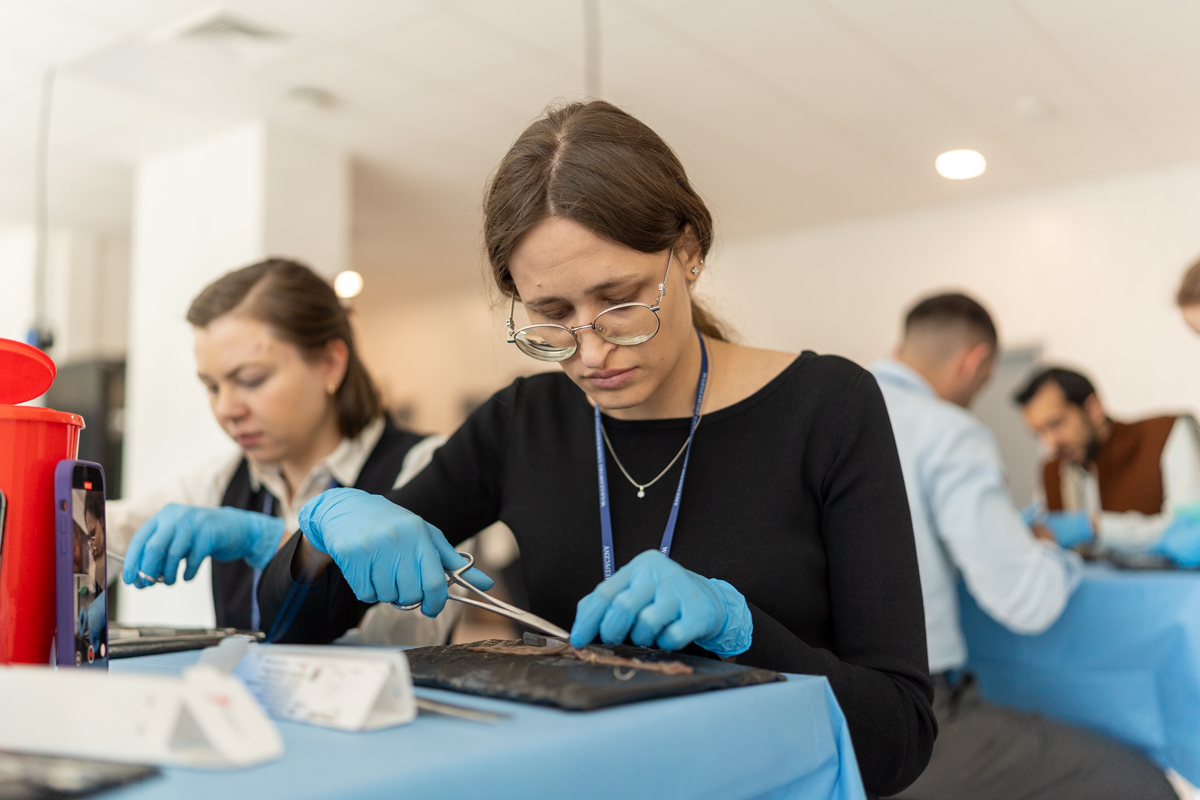
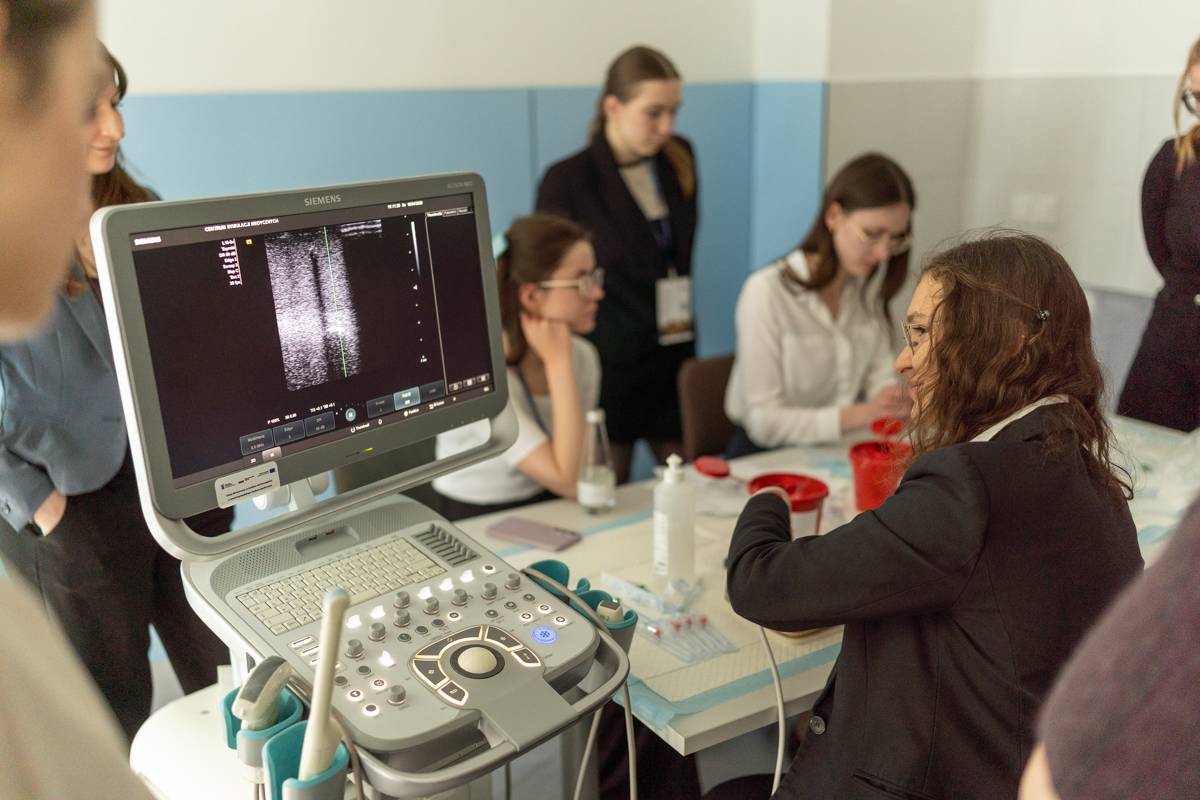
Participants of WIMC could take part in 50 workshops organized by student research groups at the university. The Robotics Student Research Group invited attendees to workshops demonstrating how robotic surgeries are performed in practice and how to operate the da Vinci robot. The Clinical Nutrition Group organized workshops on malnutrition, the Pediatric Rehabilitation Group taught practical pediatric physiotherapy techniques to help infants breathe more easily, and the Scars Group introduced participants to microsurgery and suturing with microsurgical thread.
Awards for young researchers
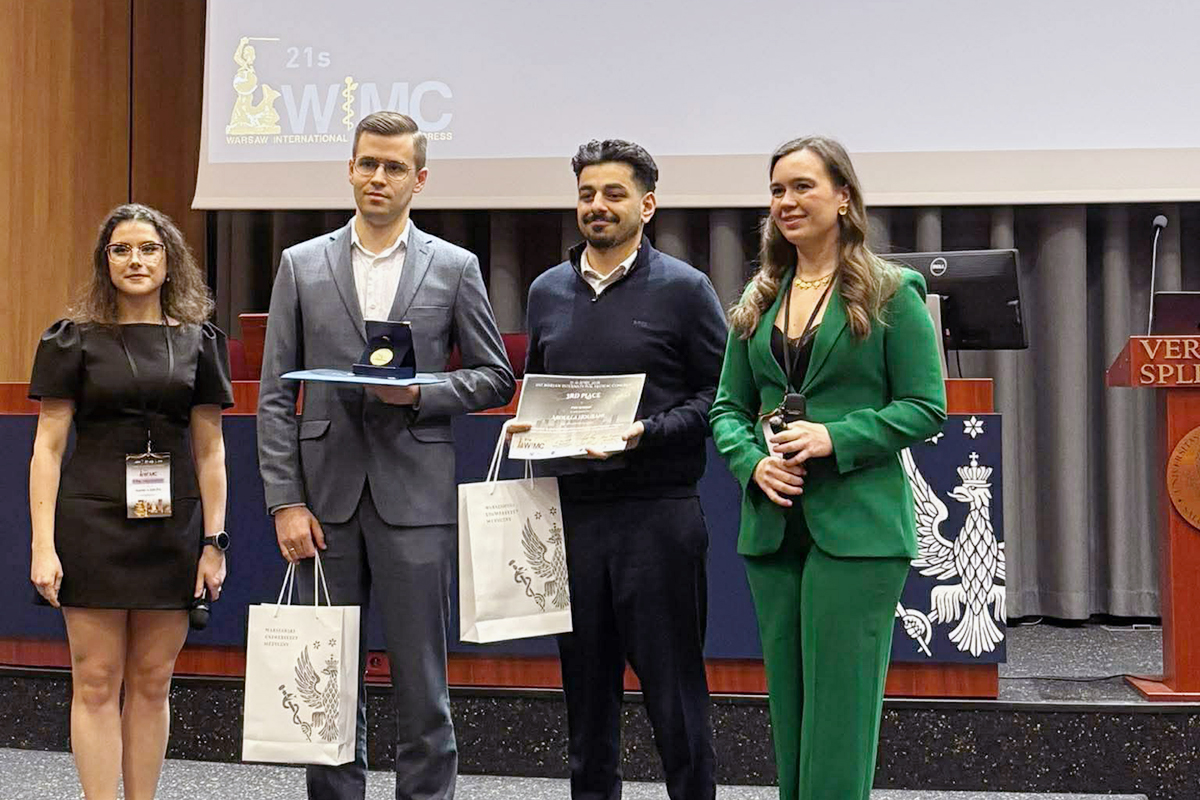
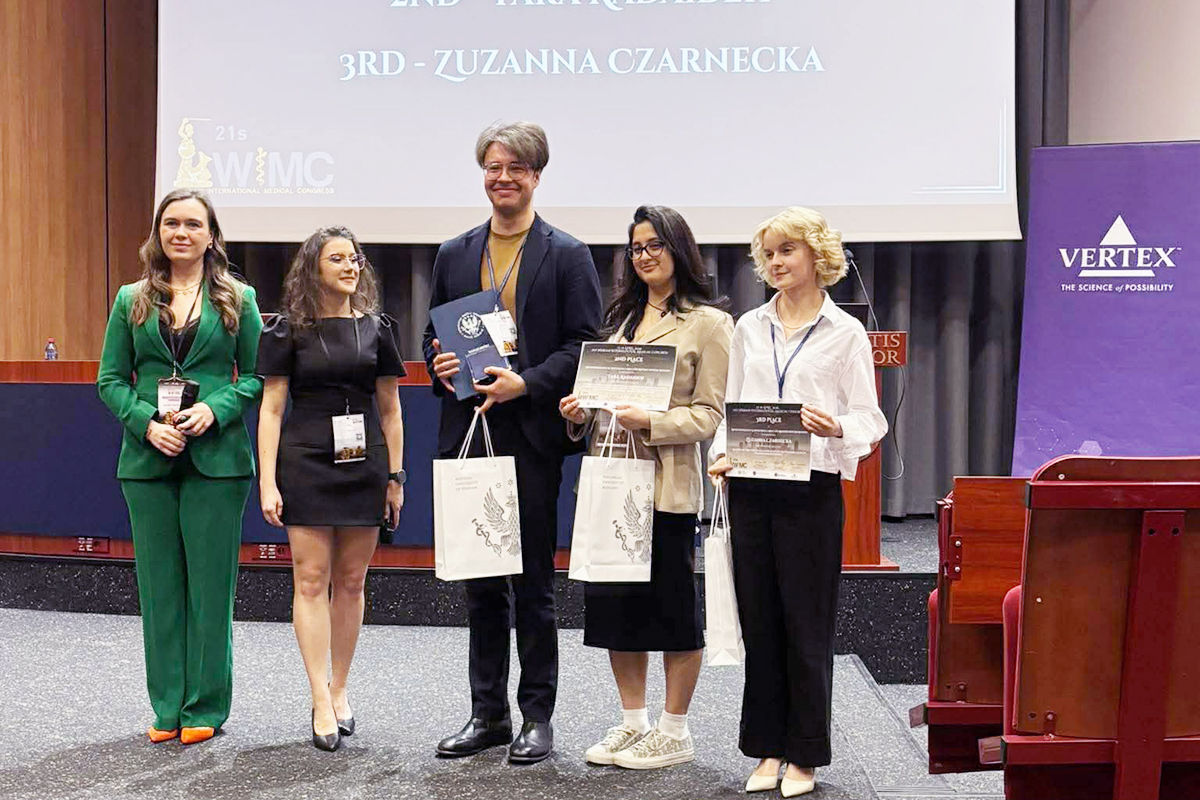
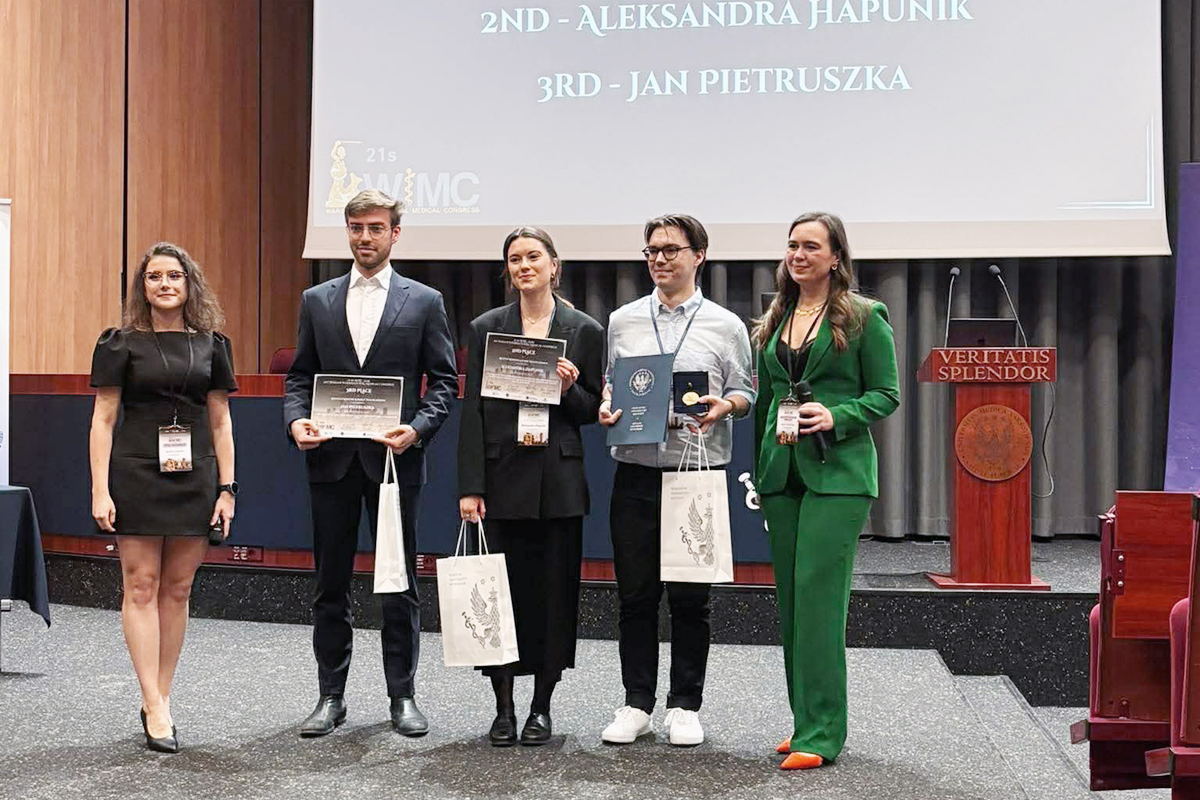
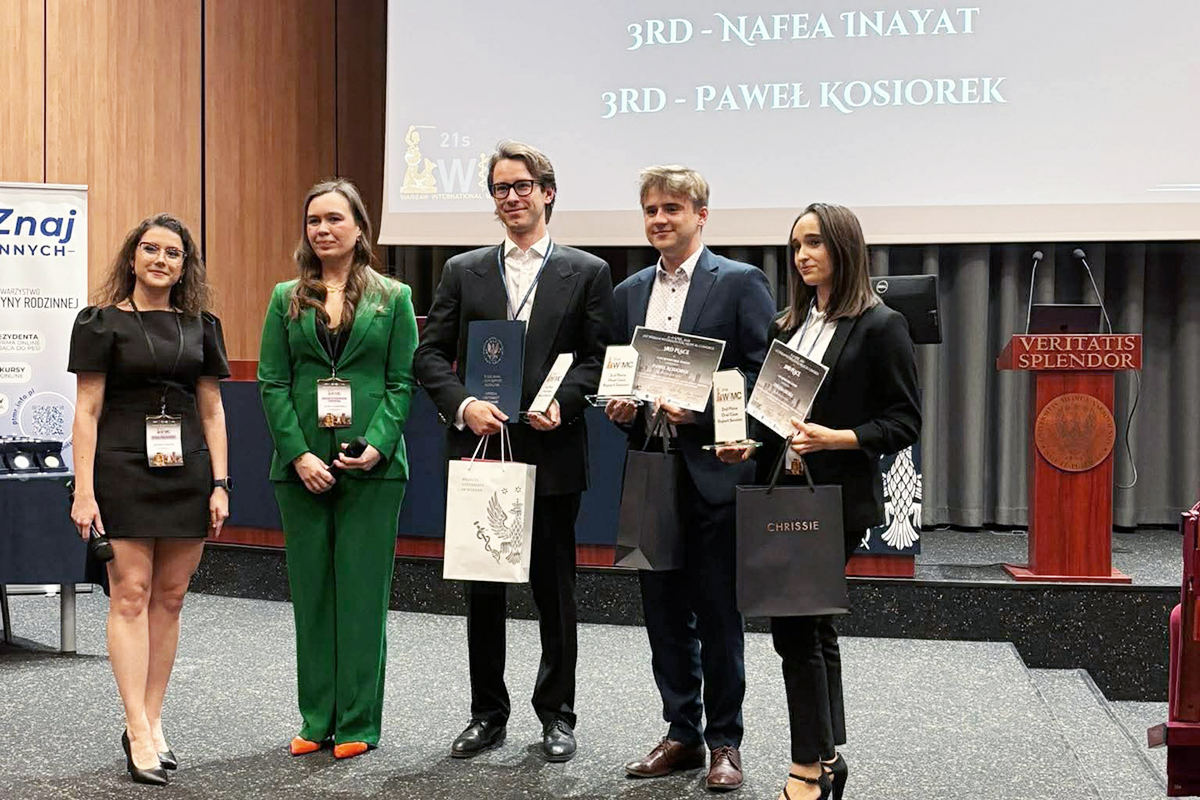
Over the three days of the congress, 300 participants presented their research. As tradition dictates, the presentations were evaluated by a jury, which awarded those distinguished by substantive value, originality of topic, independence, and presentation style.
“We are pleased that several hundred presentations are submitted to the congress every year. We are convinced that participation in this event will be another step in the professional careers of young scientists and will open up new perspectives for them – future research, projects, and inter-institutional collaboration,” emphasized Maria Żmijewska just before the awards ceremony.
Website listing the winners of all sessions part 1
Website listing the winners of all sessions part 2
Research findings on the inheritance of trauma
The congress concluded with a lecture by Dr. Ali Jawaid from the Łukasiewicz Research Network – PORT, titled “A Legacy of Trauma, A Journey of Resilience: Uncovering the Biology of Transgenerational Trauma in Humans”. As the speaker explained, for a long time it was believed that the effects of traumatic experiences – such as war, violence, famine, or separation from loved ones – were felt only by those who directly experienced them. Today, we know that such trauma can also affect children and even subsequent generations. Interestingly, long before it was scientifically described, this phenomenon had been present in literature and art for centuries.
“This shows that for centuries people have been aware that who we are and what we do may depend on our ancestors,” emphasized Dr. Jawaid.
In his presentation, Dr. Jawaid demonstrated how modern science is increasingly revealing the biological mechanisms of trauma transmission. Based on studies initially conducted on animal models, he explained that stressful experiences affect not only the brain but also cause changes in the blood, which in turn influences the reproductive system and the transmission of trauma. This observation led his team to investigate what exactly in the blood is responsible for such transmission and to search for similar mechanisms in humans. He described a large-scale study conducted on selected populations in Pakistan, Bosnia, and Wrocław. Among its many innovative findings is that pathological phenotypes in humans may be transmitted through blood, specifically via lipid mediators.
“All of this data combined show that transgenerational trauma is a biological fact, and we should be fully aware of it. If trauma can be transmitted through lipids, we need actions aimed at modifying lipid profiles to prevent its transmission,” Dr. Jawaid concluded.
This year’s WIMC was held under the honorary patronage of the Mayor of the Capital City of Warsaw, the Rector of WUM, and the Polish Society of Family Medicine.