“From History to Innovation” – A Conference
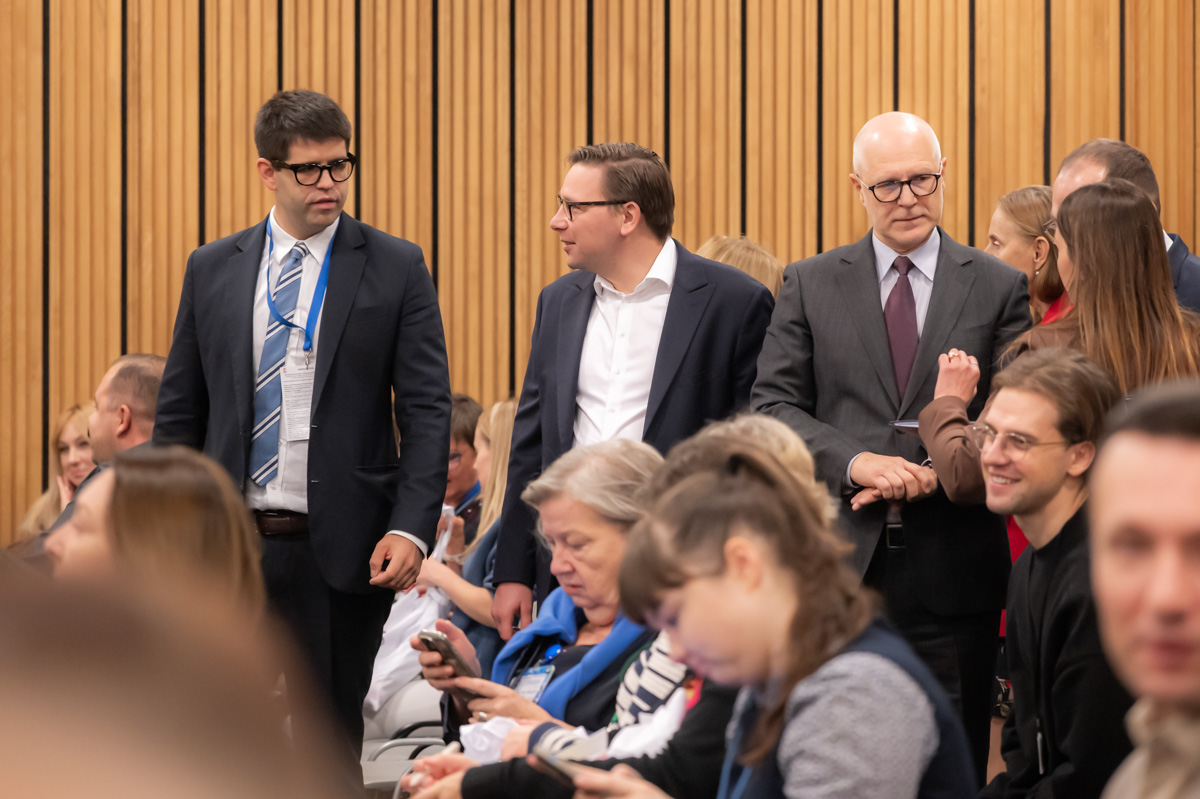
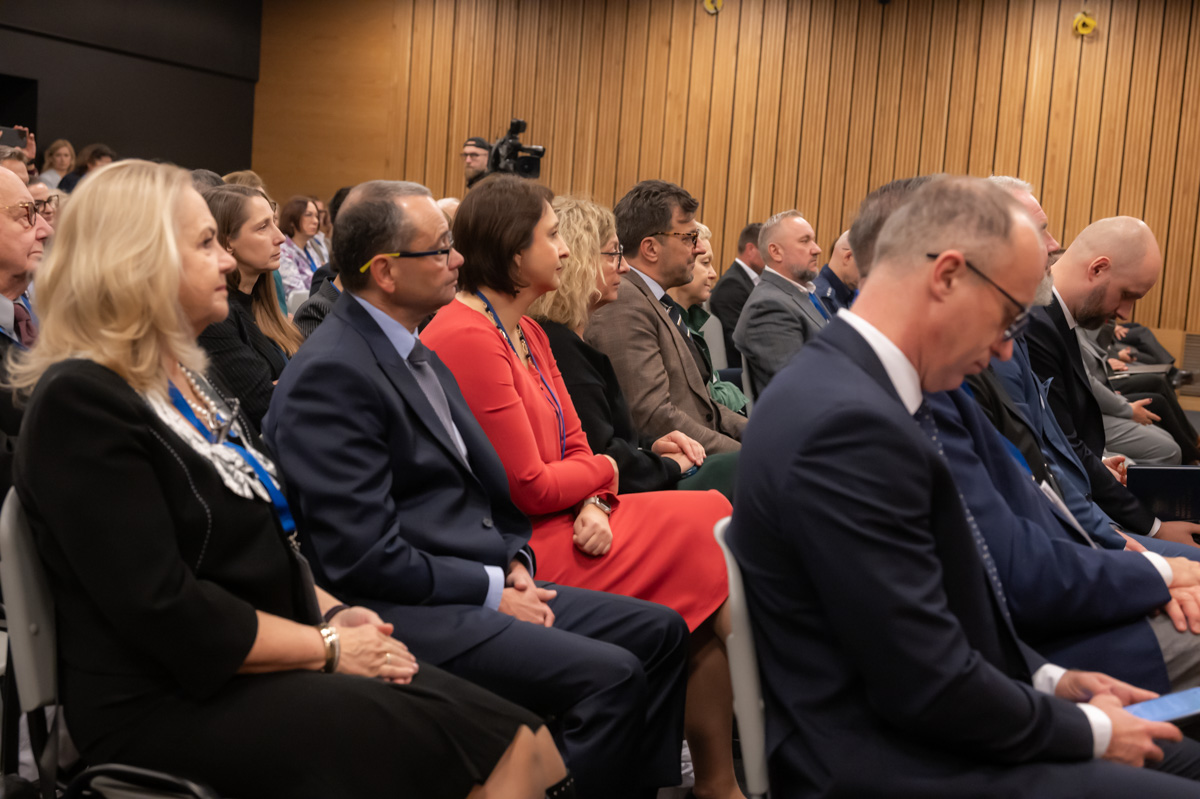
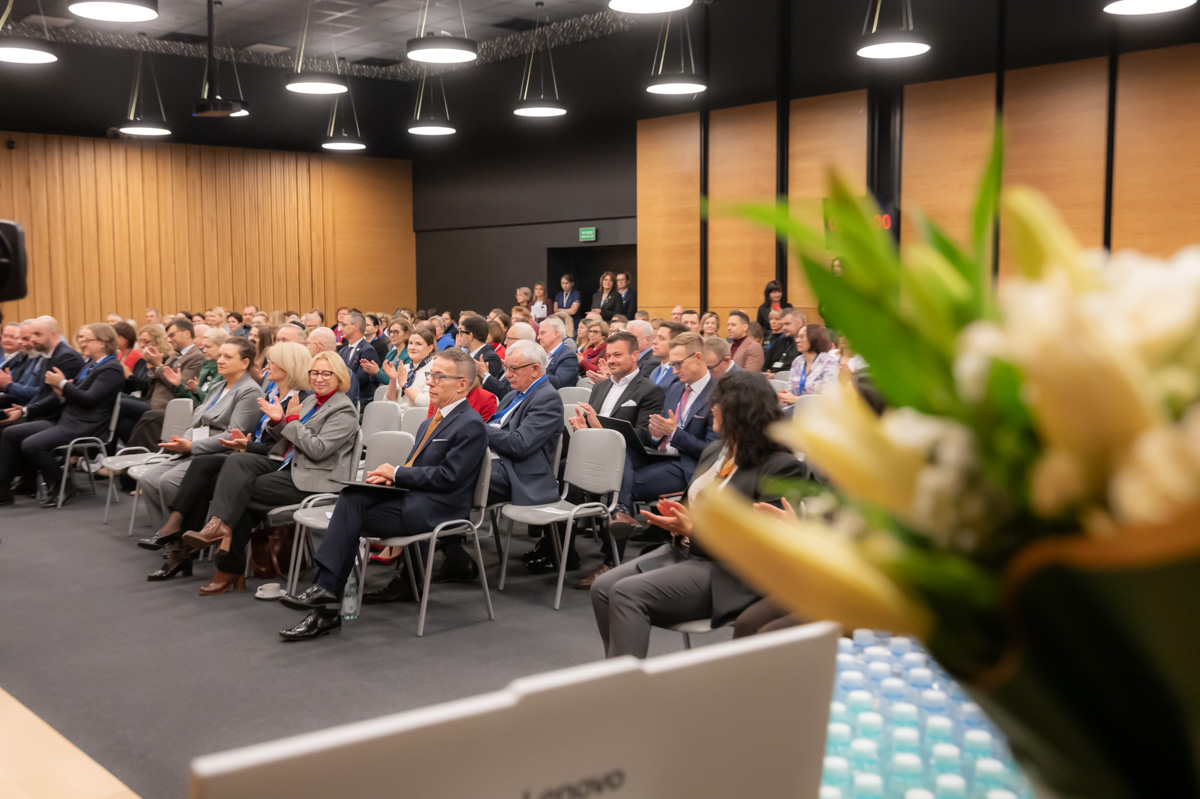
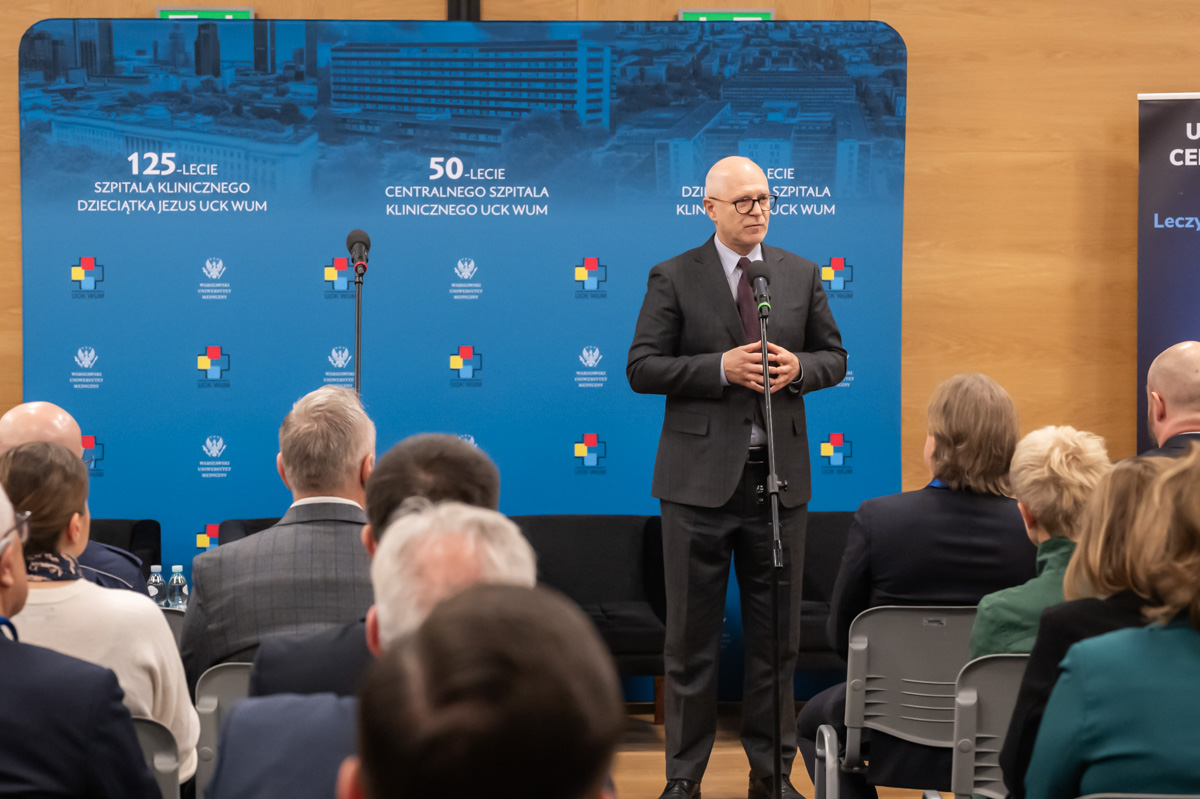
As part of the jubilee, many events were prepared for both the staff and invited guests. An important one was the full-day conference titled “From History to Innovation – Integrating Science, Education, and Modern Technologies in Patient Care”, organized at the Children’s Clinical Hospital.
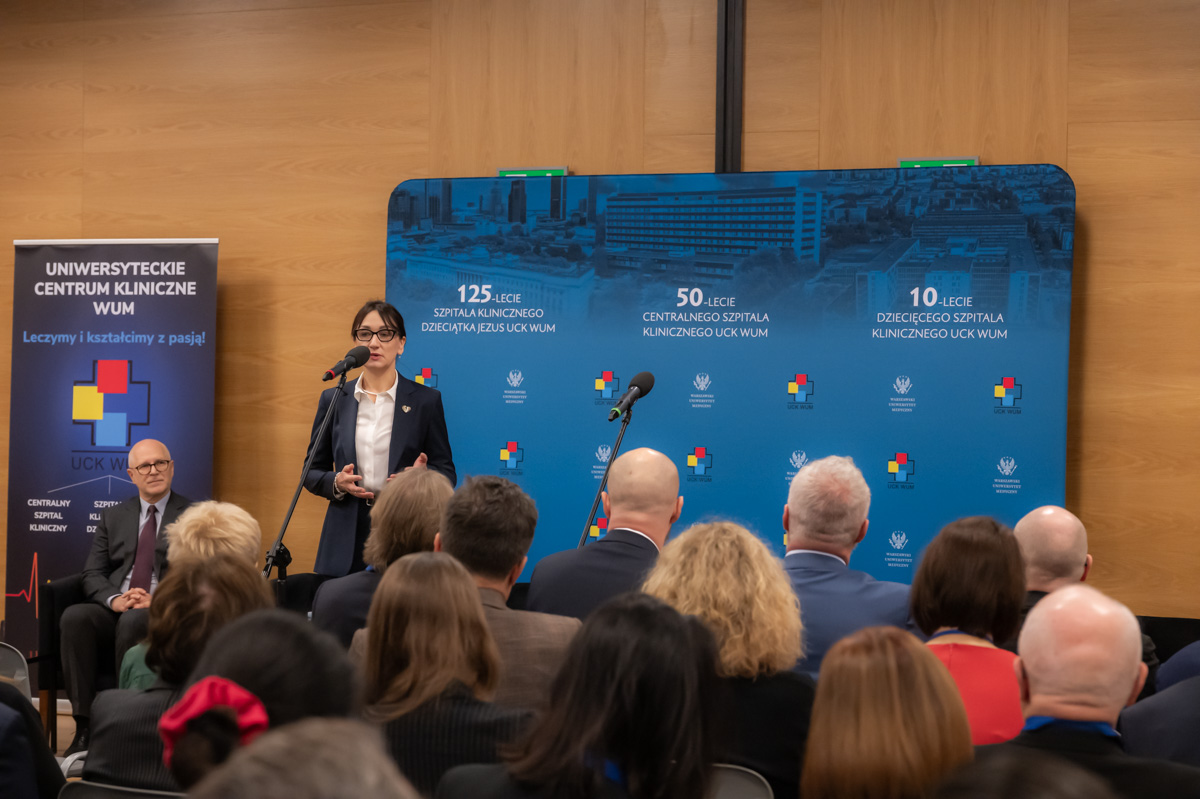
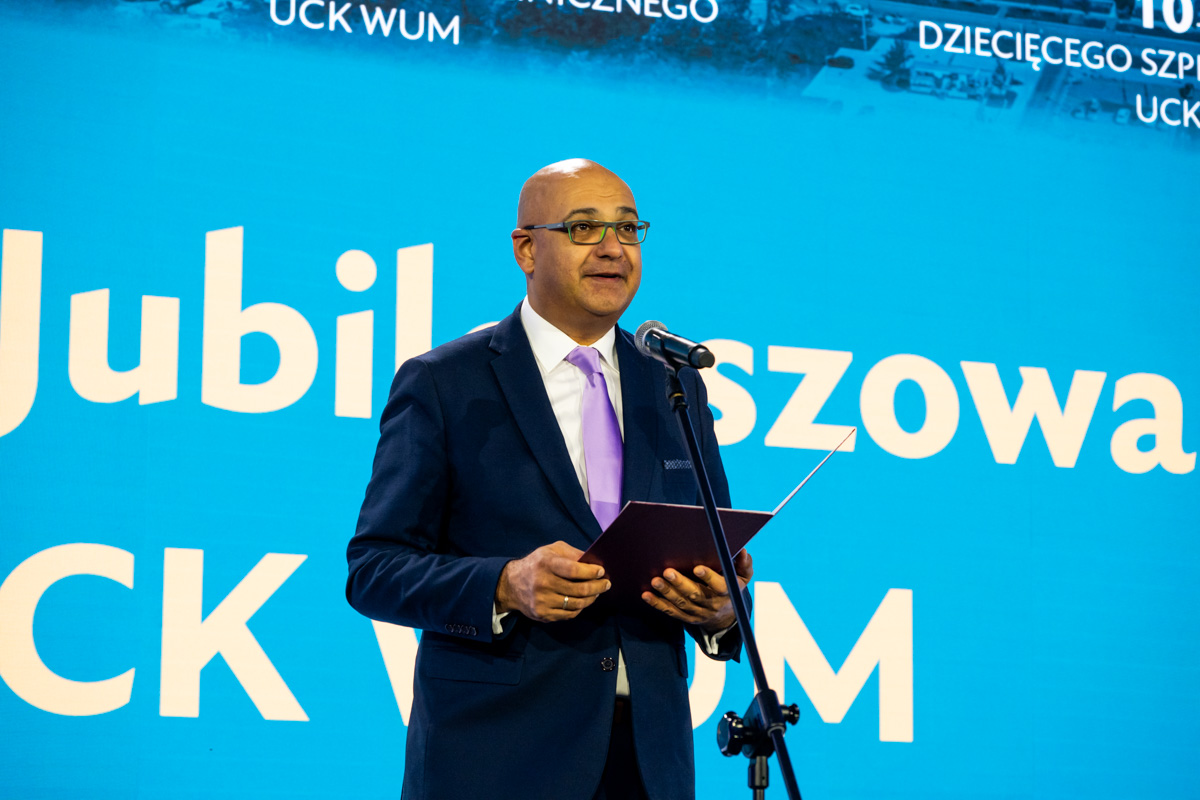
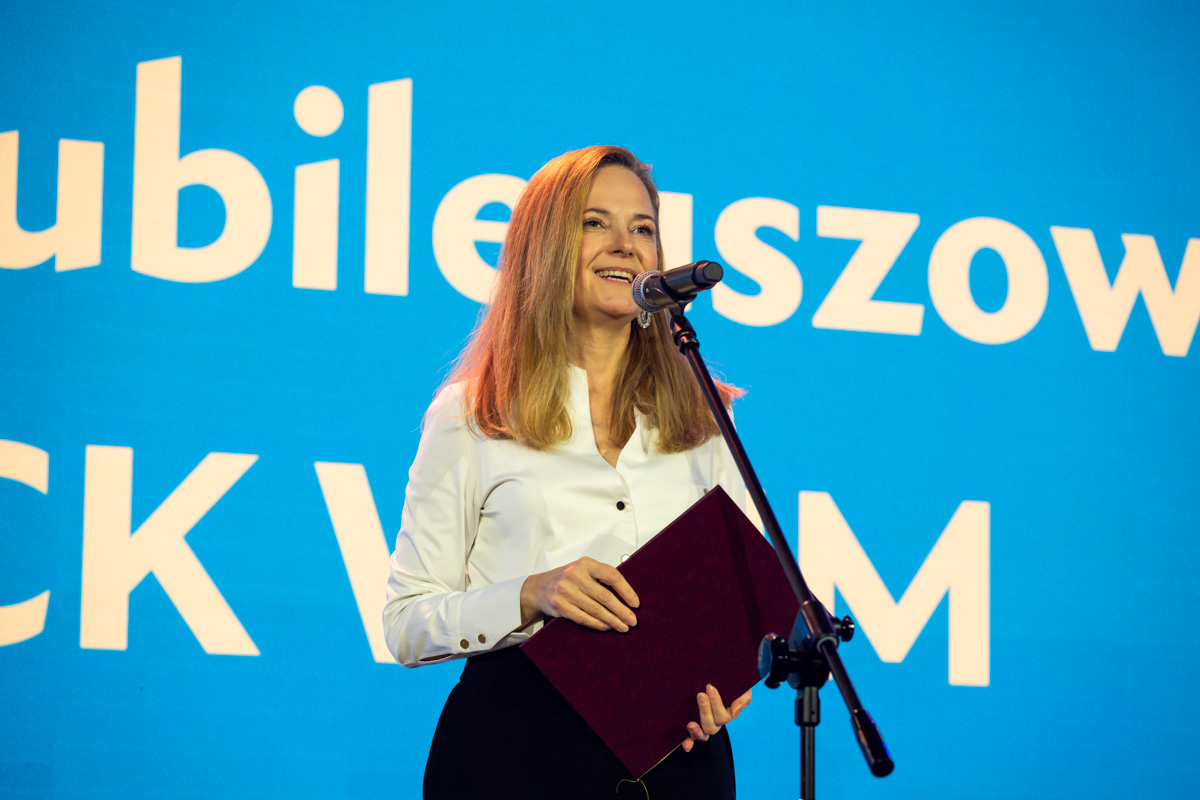
The conference started with two inaugural speeches, one by Professor Rafał Krenke, WUM Rector, and the other by Marzena Kowalczyk, Director of the WUM UCC.
“The jubilee is important in that it serves as an opportunity to recognize those who have shaped medicine in our hospitals over the years. It also makes us more aware of the importance of the community,” the Rector said. “And it is a good moment to continue building that community on the foundation of our past. The jubilee also involves looking ahead, and setting tasks we would like to pursue going forward.”
The Rector emphasized the very close relationship between the University and the clinical hospitals, and that for the University, good cooperation with them was an absolute foundation for a good teaching process as well as research.
In her speech, Marzena Kowalczyk presented the spectacular figures that highlight the importance of the institution.
“UCC has nearly 2000 beds. It employs 7300 people. Last year, we admitted 155,000 patients, and treated 455,000 during outpatient visits. We conducted over 700 organ transplant surgeries, and 2000 children were born,” listed the UCC director.
She also stressed that the Center performs highly specialized procedures, sometimes unique on the national and European scale.
“In this hospital, we perform surgeries in the womb, patients with rare diseases receive the best care, all vascularized organs may be transplanted, and novel procedures in radiology and interventional cardiology are performed,” said the director.
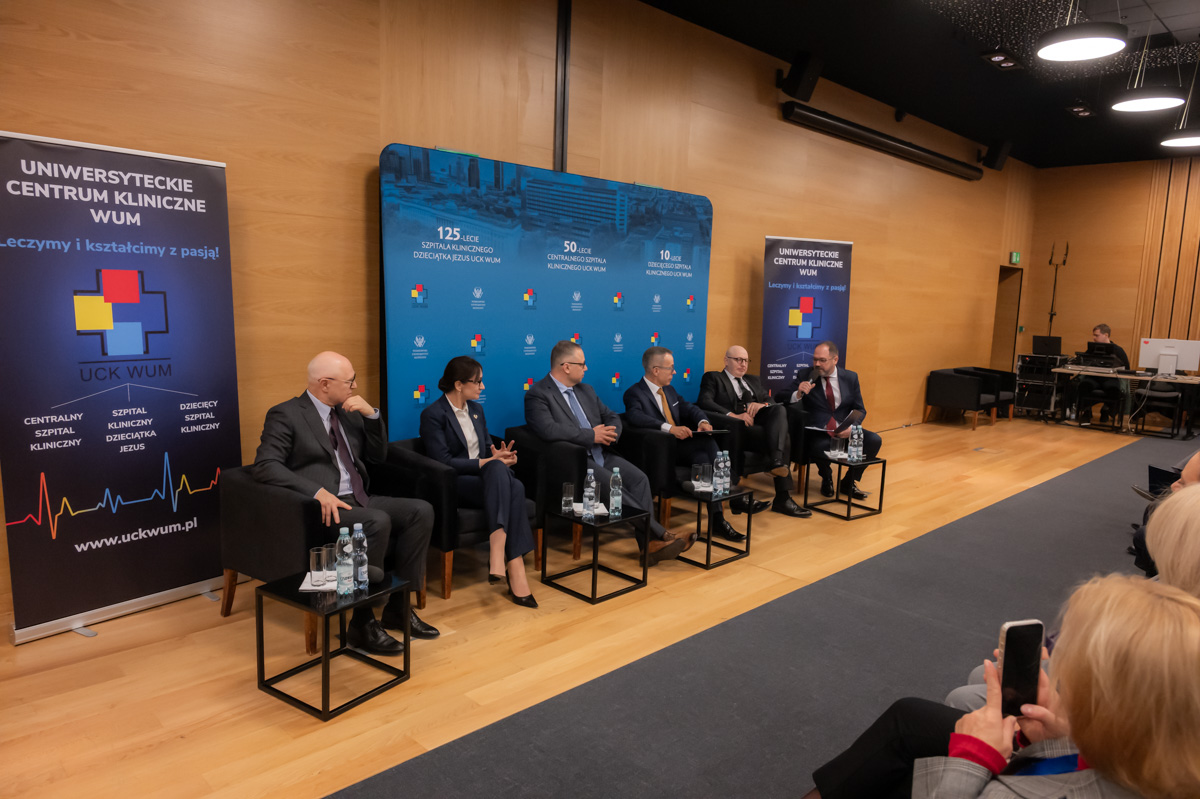
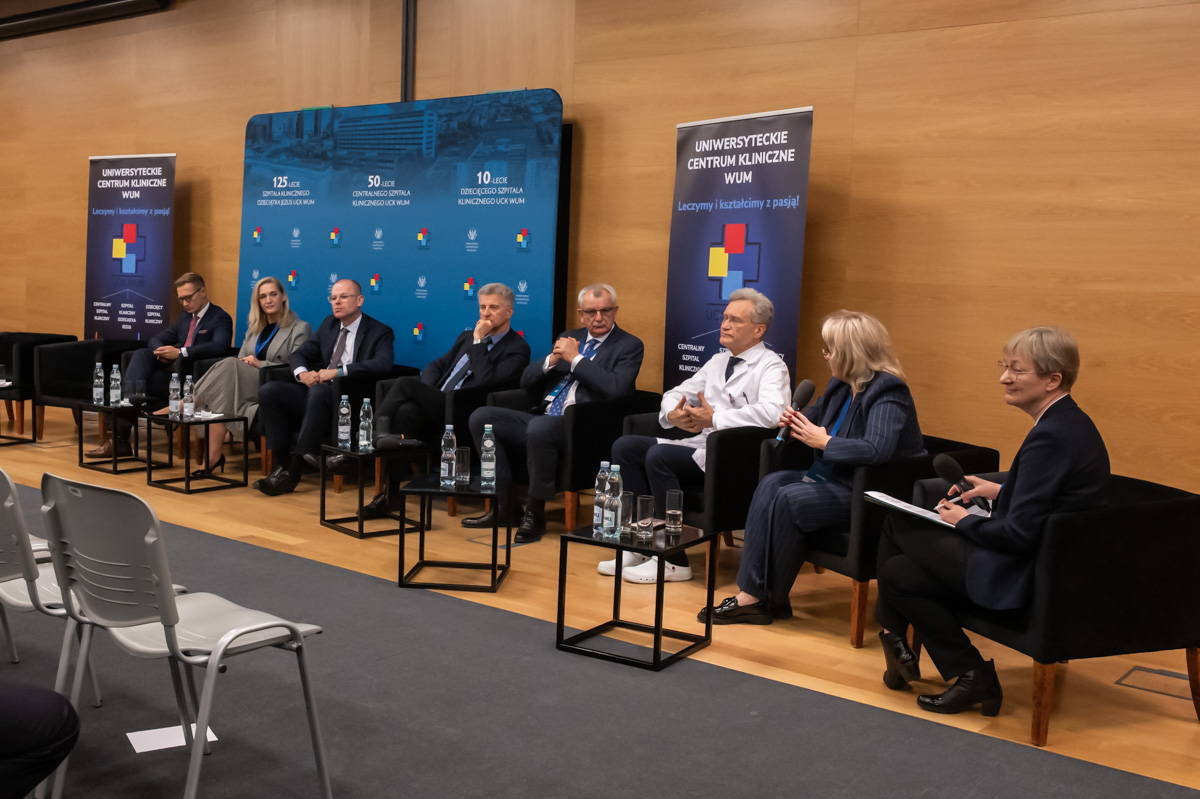
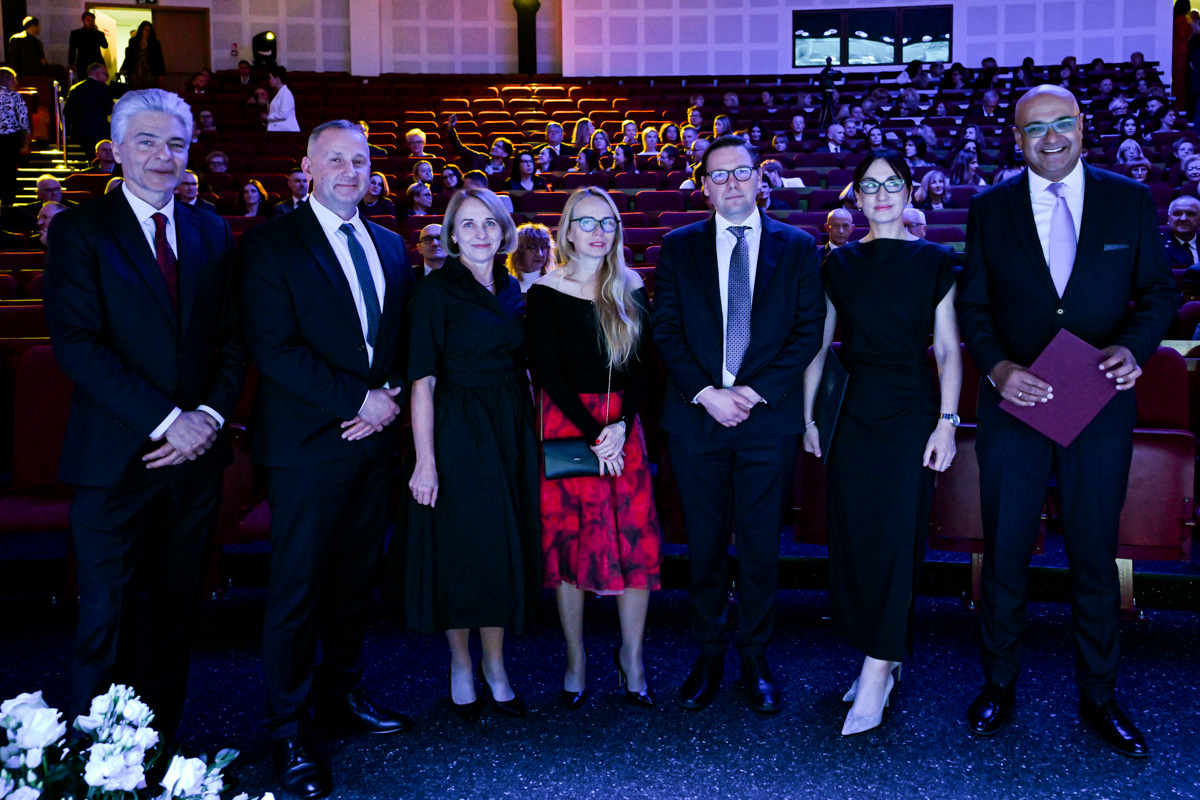
Professor Rafał Krenke and Marzena Kowalczyk also joined the introductory panel, alongside guests such as Michał Buczyński, PhD, Deputy Director for Therapeutics at the Children’s Clinical Hospital, WUM UCC; Professor Paweł Łęgosz, Deputy Director for Therapeutics at the Infant Jesus Clinical Hospital, WUM UCC; and Wojciech Figiel, PhD Hab., Deputy Director for Therapeutics at the Central Clinical Hospital, WUM UCC.
Infant Jesus Clinical Hospital
“Our hospital in itself has made a great contribution to the history of Polish medicine. Let me just mention the first successful kidney transplant surgery that took place at the Infant Jesus Clinical Hospital,” said Professor Paweł Łęgosz. “As the Head of the Department of Orthopedics and Locomotor Traumatology, let me also remind you of the founder of the clinic, Professor Adam Gruca, who made a great contribution to Polish orthopedics.”
Professor Łęgosz emphasized that similarly to previous years, also today the Hospital employed outstanding individuals, and although its walls were already old, they still offered significant support for both WUM and UCC. All the more so thanks to the state-of-the-art equipment and technologies used here.
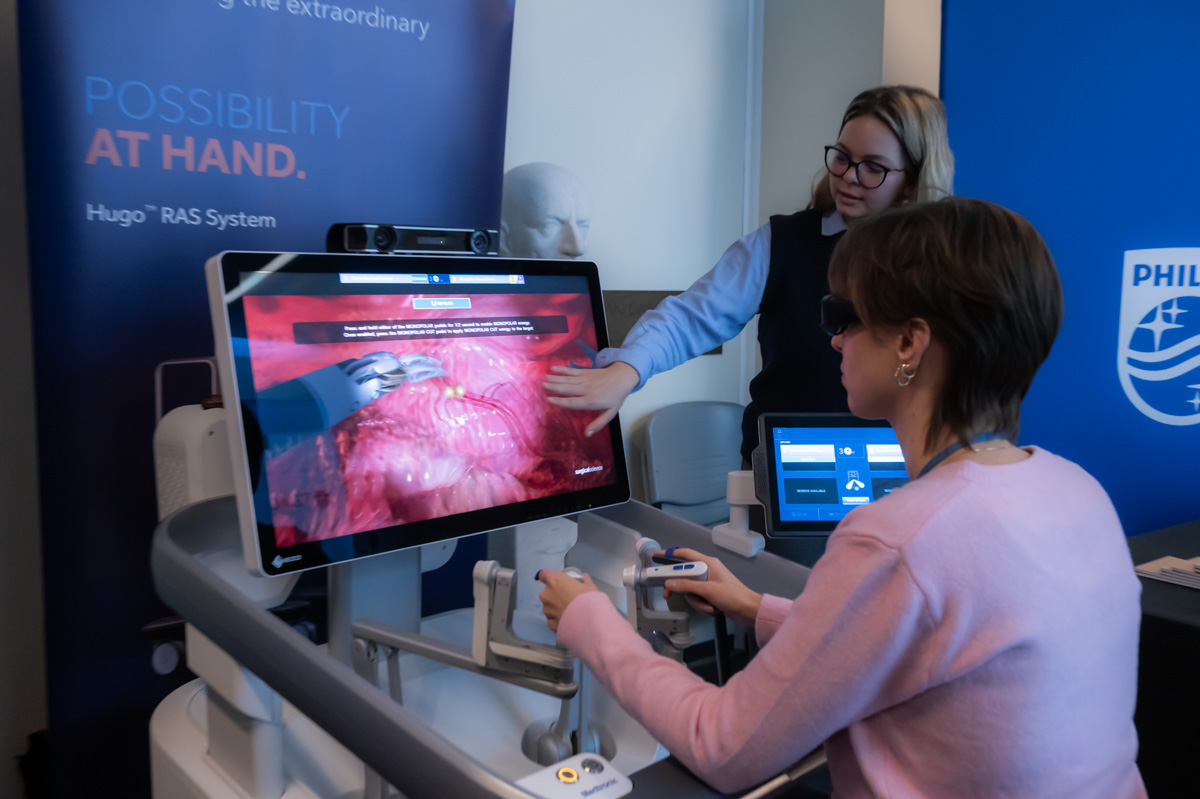
“The title of this conference, from history to innovation, describes the Lindleya Campus perfectly well, as those old walls house equipment such as the state-of-the-art Da Vinci robot at the Department of General, Oncological and Functional Urology,” he said. “We have two robots at the Department of Orthopedics and Locomotor Traumatology, and the well-equipped Department of Internal Medicine and Cardiology with the Center for Venous Thromboembolism Management. We perform highly specialized procedures, of which I’m very proud.”
Central Clinical Hospital
Wojciech Figiel, PhD Hab., talked about the assets of the Central Clinical Hospital in Banacha street:
“CCH is where many medical procedures have been performed for the first time in Poland, such as, for example, the laparoscopic surgery of the gallbladder in 1992, or the simultaneous transplantation of a kidney and the pancreas,” he listed.
He also reminded the audience that during the pandemic, the hospital offered a full range of services. At that time, a liver transplant was performed for a patient with an active COVID-19 infection.
“And what do we have today? Three rare disease centers operating under the auspices of the European Commission: at the Department of Hepatology, Transplantology and Internal Medicine, the Department of Neurology, and the Department of Diabetology and Internal Medicine. We have reasons to claim that we are the largest center in Poland and among the largest in Europe. Patients from across Poland come to us when other centers are no longer able to help them,” summarized Figiel.
Children’s Clinical Hospital
Michał Buczyński, PhD, argued that the history of the Children’s Clinical Hospital goes all the way back to the beginning of the 20th century. At that time, Warsaw had the Karol and Maria Hospital, destroyed later during the Second World War. When the war ended, the hospital was recreated in Działdowska street, thanks to the excellent work of doctors. Its pediatric part was established in Marszałkowska and Litewska streets. Ten years ago, those two units were brought together in one building.
“So in terms of infrastructure, indeed, our hospital is the youngest, but the teams that work here carry the tradition of several generations of highly dedicated pediatricians,” Buczyński said. “This is what made it possible to create a well-functioning hospital structure so quickly, within just a few years; it is now able to tackle any challenge in the area of pediatrics, surgery, and transplant surgery. The fact that within a few years, we were able to launch a heart transplantation program for children, which continues to be carried out, is the best proof for that.”
Eight Expert Panels
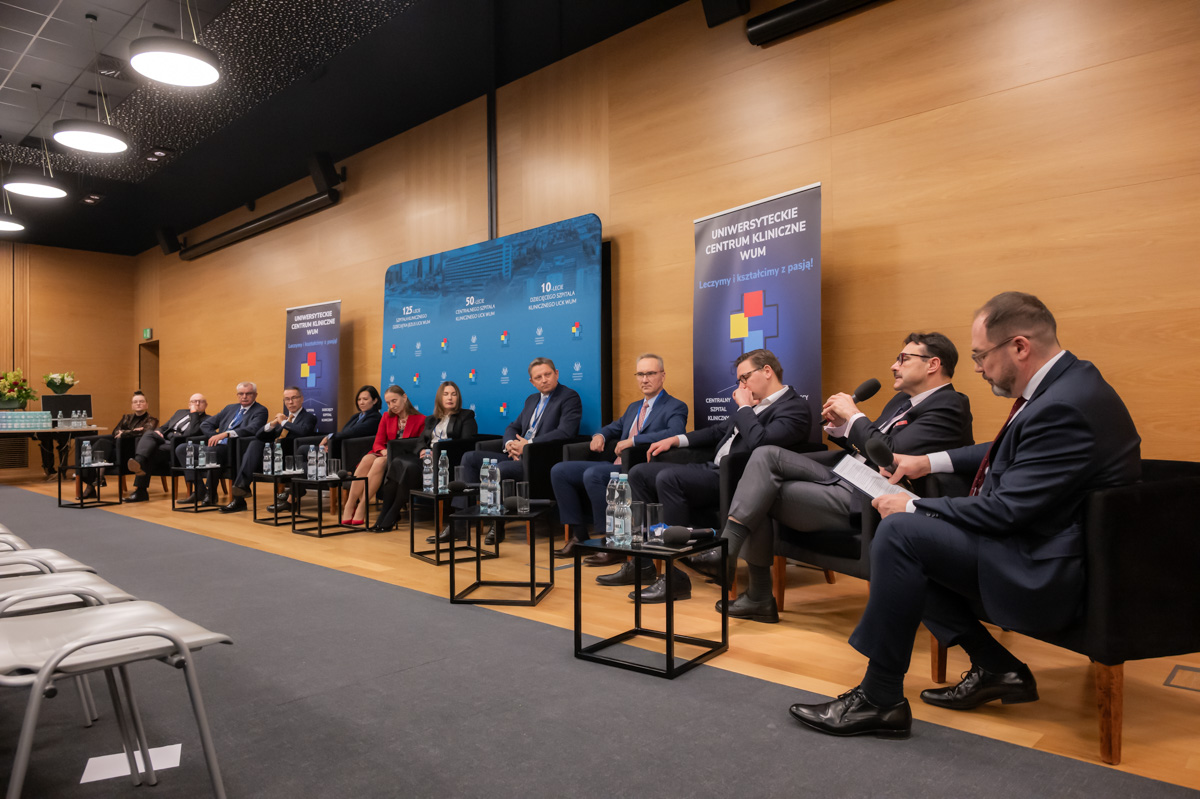
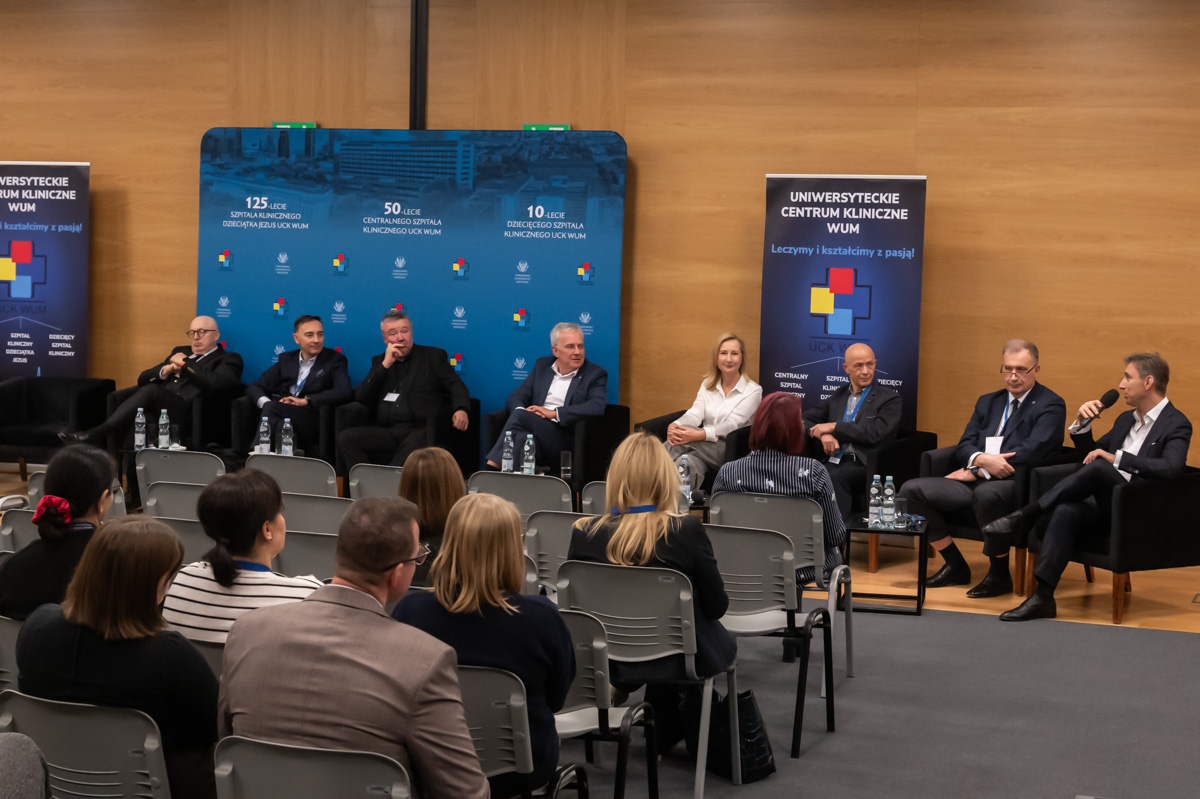
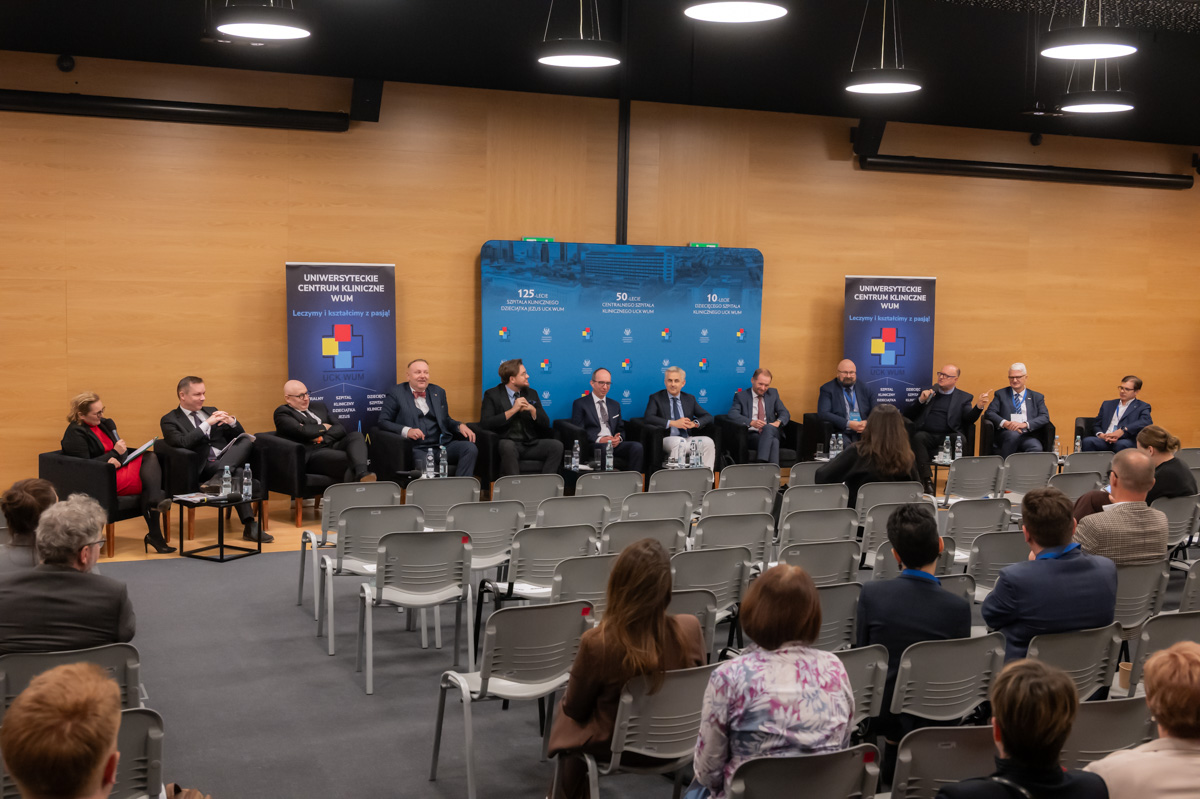
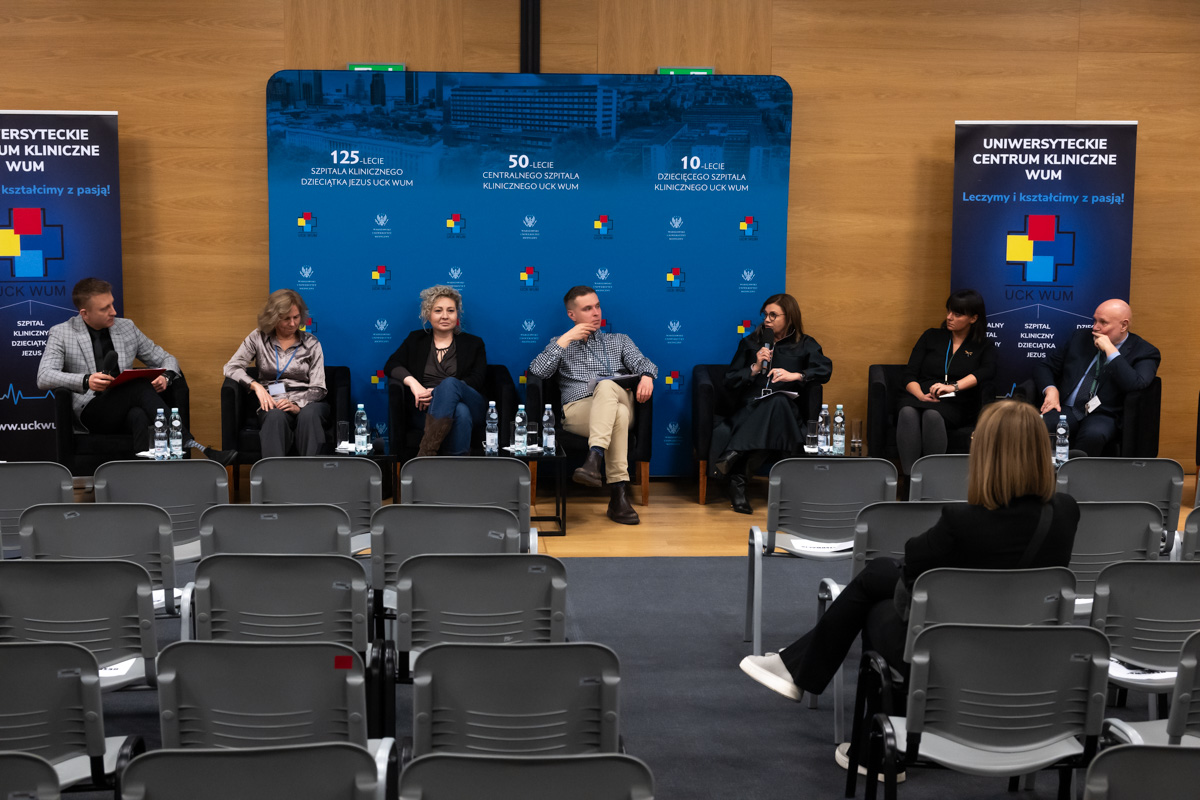
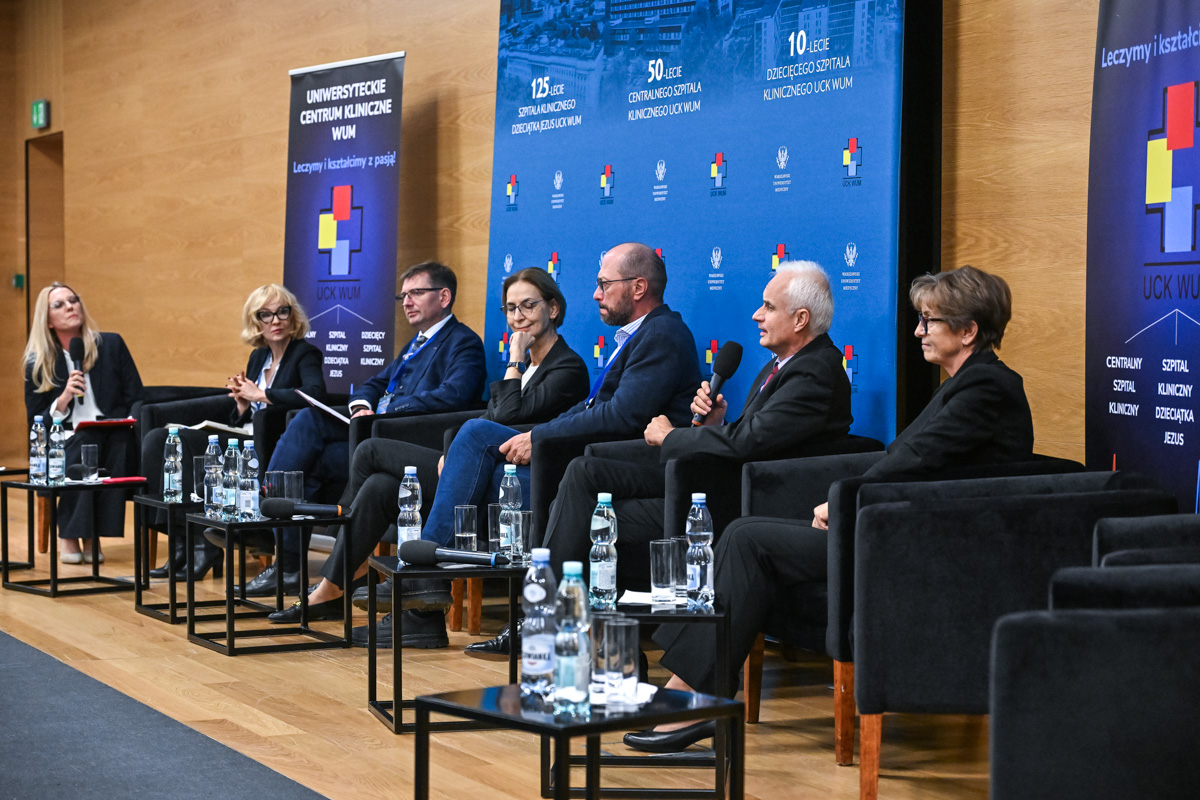
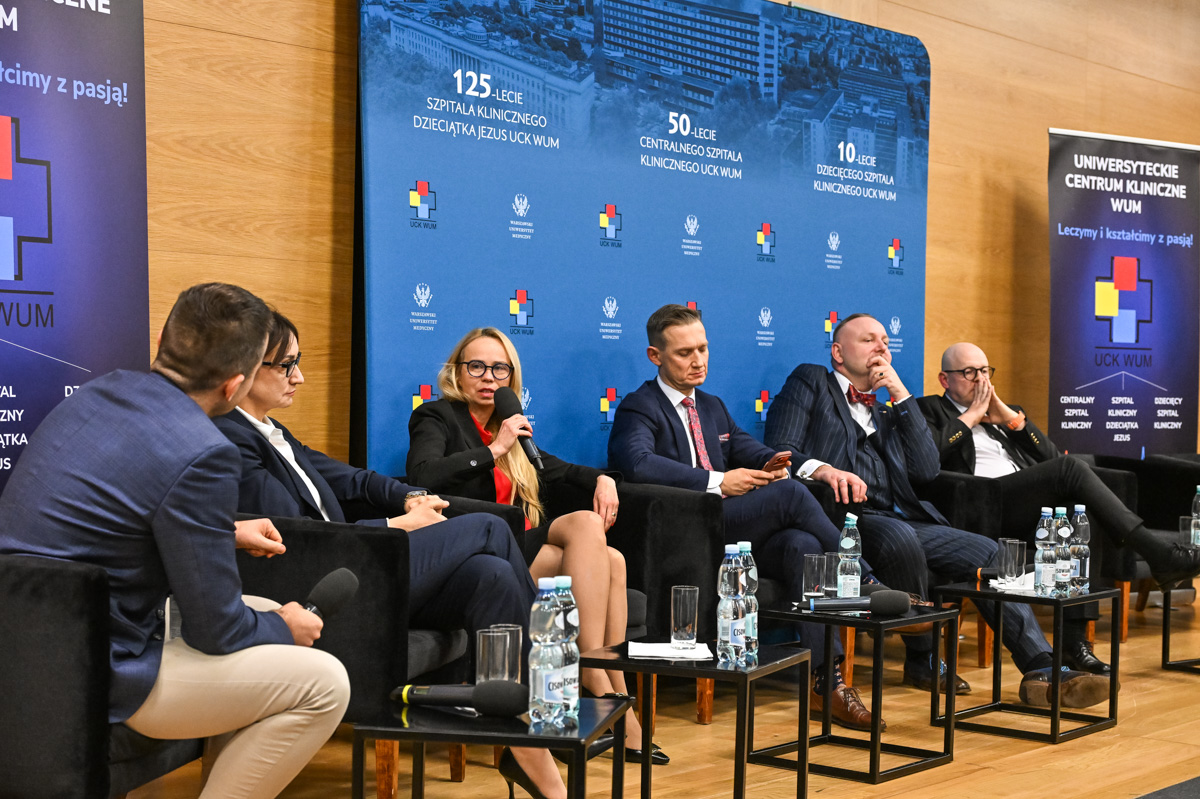
The introductory panel was followed by eight panels with experts.
Panel 1. From Prenatal to Adult Care – WUM UCC offers continuity. Participants:
- Radosław Pietrzak, PhD Hab., Head of the Department of Pediatric Cardiology and Pediatrics, WUM UCC
- Michał Buczyński, PhD, Department of Pediatric Cardiac Surgery, Deputy Director for Therapeutics at the Children’s Clinical Hospital, WUM UCC
- Andrea Horváth-Stolarczyk, PhD Hab., Department of Pediatrics, WUM UCC, Head of the Nutrition Team
- Professor Aleksandra Banaszkiewicz, Head of the Department of Pediatric Gastroenterology and Pediatrics
- Professor Bożena Kociszewska-Najman, Head of the Department of Neonatology and Rare Diseases
- Maciej Gawlak, PhD, Deputy Head of the Department of Obstetrics, Perinatology, Gynecology and Reproductive Medicine, WUM UCC
- Professor Agnieszka Szypowska, Head of the Department of Pediatric Diabetology and Pediatrics, WUM UCC
- Maciej Tarasiuk, Sales Director at TZMO SA
Panel 2. The Heart and Vessels in the Spotlight – Comprehensive Cardiology at WUM UCC. Participants:
- Professor Zbigniew Gałązka, Head of the Department of General, Vascular, Endocrine, and Transplant Surgery, WUM UCC
- Professor Marcin Grabowski, Head of the 1st Cardiology Department, WUM UCC
- Professor Piotr Pruszczyk, Head of the Department of Internal Medicine and Cardiology with the Center for Venous Thromboembolism Management, WUM UCC
- Professor Zbigniew Gaciong, Head of the Department of Internal Medicine, Hypertension and Vascular Diseases, WUM UCC
- Professor Jakub Baran, Department of Internal Medicine and Cardiology with the Center for Venous Thromboembolism Management, WUM UCC
- Agnieszka Gorgoń-Komor, PhD, Polish Senator, Deputy Chairperson of the Health Committee
- Grażyna Rubiś-Liolios, General Director at GE Healthcare
Panel 3. Transplant Surgery at WUM UCC – Leading in Poland and Europe. Participants:
- Professor Mariusz Kuśmierczyk, Head of the Department of Heart, Chest, and Transplant Surgery, WUM UCC
- Professor Michał Grąt, Head of the Department of Transplantation and Liver Surgery, WUM UCC, WUM Vice Rector for International Relations, Promotion and Development
- Professor Bartosz Kubisa, Department of Heart, Chest, and Transplant Surgery, WUM UCC
- Professor Bartosz Foroncewicz, Deputy Head of the Department of Transplantation Medicine, Immunology, Nephrology, and Internal Diseases, WUM UCC
- Professor Joanna Raszeja-Wyszomirska, Department of Hepatology, Transplantology and Internal Medicine
- Professor Jolanta Małyszko, Head of the Department of Nephrology, Dialysis, and Internal Medicine, WUM UCC
- Marta Maskey-Warzęchowska, PhD Hab., Department of Internal Medicine, Pulmonary Diseases, and Allergy, WUM UCC
- Wojciech Figiel, PhD Hab., Department of Transplant and Liver Surgery, Deputy Director for Therapeutics at the CCH, WUM UCC
- Professor Zbigniew Gałązka, Head of the Department of General, Vascular, Endocrine, and Transplant Surgery, WUM UCC
- Magdalena Kramska, Deputy Director at the Therapeutics Department, Ministry of Health
Panel 4. Modern Oncology – Comprehensive Treatment at any Age. Participants:
- Professor Grzegorz Basak, Head of the Chair and Department of Hematology, Transplantation, and Internal Medicine, WUM UCC
- Professor Rafał Stec, Head of the Department of Oncology, WUM UCC
- Professor Paweł Łęgosz, Head of the Department of Orthopedics and Locomotor Traumatology, Deputy Director for Therapeutics at the Infant Jesus Clinical Hospital, WUM UCC
- Professor Paweł Łaguna, Head of the Department of Pediatric Oncology, Hematology, and Transplantology, WUM UCC
- Professor Maciej Słodkowski, Head of the Department of General, Gastrointestinal, and Oncologic Surgery, WUM UCC
- Professor Jolanta Kunikowska, Head of the Department of Nuclear Medicine at the CCH, WUM UCC
- Professor Kazimierz Niemczyk, Head of the Department of Otorhinolaryngology, Head and Neck Surgery, WUM UCC
- Professor Tomasz Stokłosa, Head of the Genetics Laboratory at the University Center for Laboratory Medicine, WUM UCC
Panel 5 The Future of Medicine – Modern Technologies at WUM UCC. Participants:
- Professor Piotr Radziszewski, Head of the Department of General, Oncological, and Functional Urology WUM UCC
- Professor Paweł Łęgosz, Head of the Department of Orthopedics and Locomotor Traumatology, Deputy Director for Therapeutics at the Infant Jesus Clinical Hospital, WUM UCC
- Professor Leszek Czupryniak, Head of the Department of Diabetology and Internal Medicine, WUM UCC
- Professor Tomasz Jakimowicz, Department of General, Vascular, Endocrine, and Transplant Surgery, WUM UCC
- Tomasz Lorenc, PhD Hab., Head of the Department of Clinical Radiology, WUM UCC
- Grzegorz Rosiak, PhD Hab., 2nd Department of Clinical Radiology, WUM UCC
- Wojciech Feleszko, PhD Hab., Department of Pediatric Respiratory Diseases, Allergology, and Pediatrics, WUM UCC
- Jarosław Biliński, PhD, Department of Hematology, Transplantation, and Internal Medicine, WUM UCC
- Michał Byliniak, General Director at the Employers’ Union of Innovative Pharmaceutical Companies INFARMA
- Michał Kępowicz, Board Member at Philips
- Marek Witulski, Director for Diagnostic Imaging and Advanced Therapies, Siemens Healthineers
Panel 6. Mental Health in Children and Youth – Current Challenges. Participants:
• Professor Tomasz Wolańczyk, Head of the Department of Child and Adolescent Psychiatry
• Dorota Włodarczyk, PhD Hab., Head of the Department of Clinical Psychology of Health, WUM UCC
• Anna Kaźmierczak Mytkowska, PhD, Department of Child and Adolescent Psychiatry WUM UCC
• Łukasz Konowałek, PhD, Department of Child and Adolescent Psychiatry WUM UCC
• Anna Herman, PhD, Deputy Head of the Department of Child and Adolescent Psychiatry
• Marta Golbik, Member of Polish Parliament, chairperson at the Sejm Health Committee
Panel 7. Rare Diseases Not So Rare – 3 Million Patients in Poland. Participants:
- Professor Urszula Demkow, Head of the University Center for Laboratory Medicine
- Professor Anna Kostera-Pruszczyk, Head of the Department of Neurology, WUM UCC
- Professor Piotr Milkiewicz, founder of the Center for Rare Liver Diseases at the CCH WUM UCC, which belongs to the European Reference Network RARE-LIVER, and Department of Transplant and Liver Surgery, WUM UCC
- Professor Rafał Płoski, Head of the WUM Department of Medical Genetics
- Professor Agnieszka Szypowska, Head of the Department of Pediatric Diabetology and Pediatrics
- Mateusz Oczkowski, Deputy Director at the Drug Policy and Pharmacy Department, Ministry of Health
Panel 8 – summarizing the conference: The Future of Medicine – Future Vision for WUM UCC. Participants:
- Marzena Kowalczyk, Director at the WUM University Clinical Center
- Professor Agnieszka Cudnoch-Jędrzejewska, WUM Vice Rector for Clinical Affairs and Investments, Head of the Chair and Department of Experimental and Clinical Physiology
- Professor Marcin Grabowski, Head of the 1st Cardiology Department, WUM UCC
- Professor Piotr Radziszewski, Head of the Department of General, Oncological, and Functional Urology WUM UCC
- Professor Paweł Łęgosz, Deputy Director for Therapeutics at the Infant Jesus Clinical Hospital, WUM UCC
“We should not just implement new technologies, but also assume some responsibility for them, for the sake of patients’ benefit, student education, and system stability,” said Professor Agnieszka Cudnoch-Jędrzejewska when summing up the panel and the entire conference. “We should also publicize those technologies. The responsibility for implementing modern technologies is part of the mission – both for the Medical University of Warsaw, and for the public hospital,” she emphasized.
Additional Events
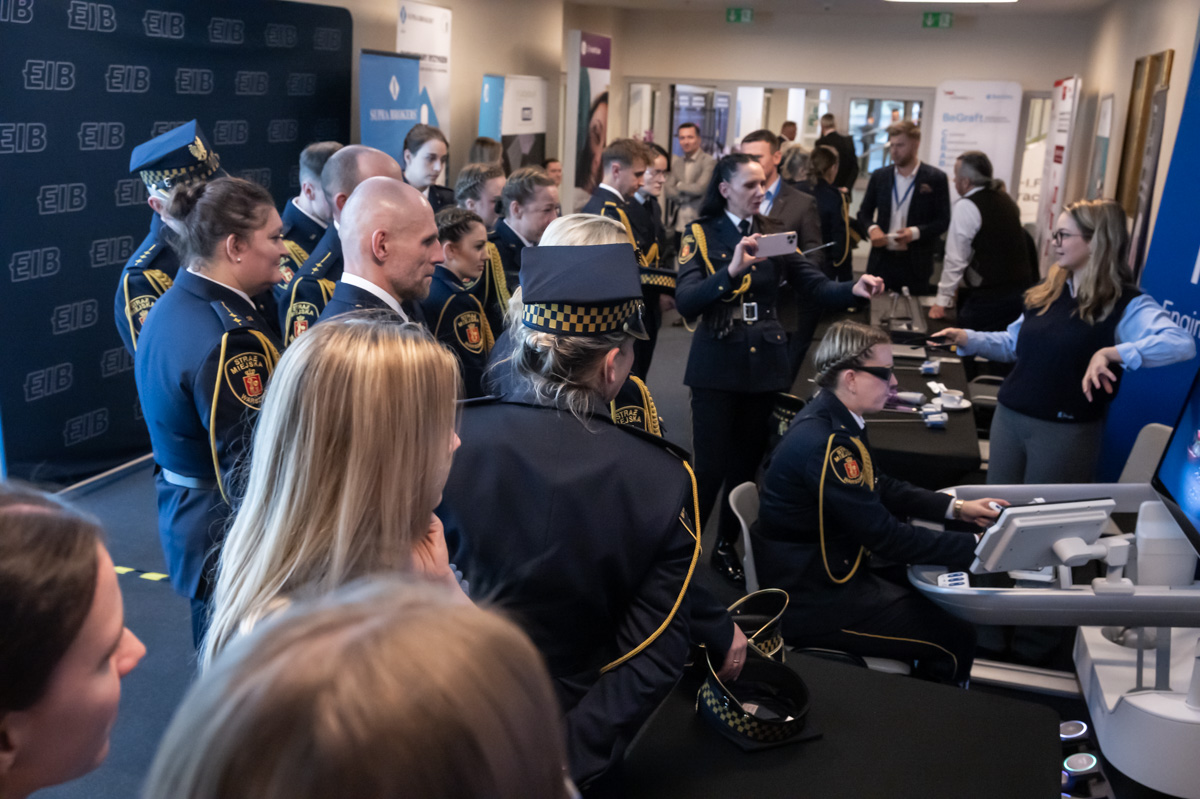
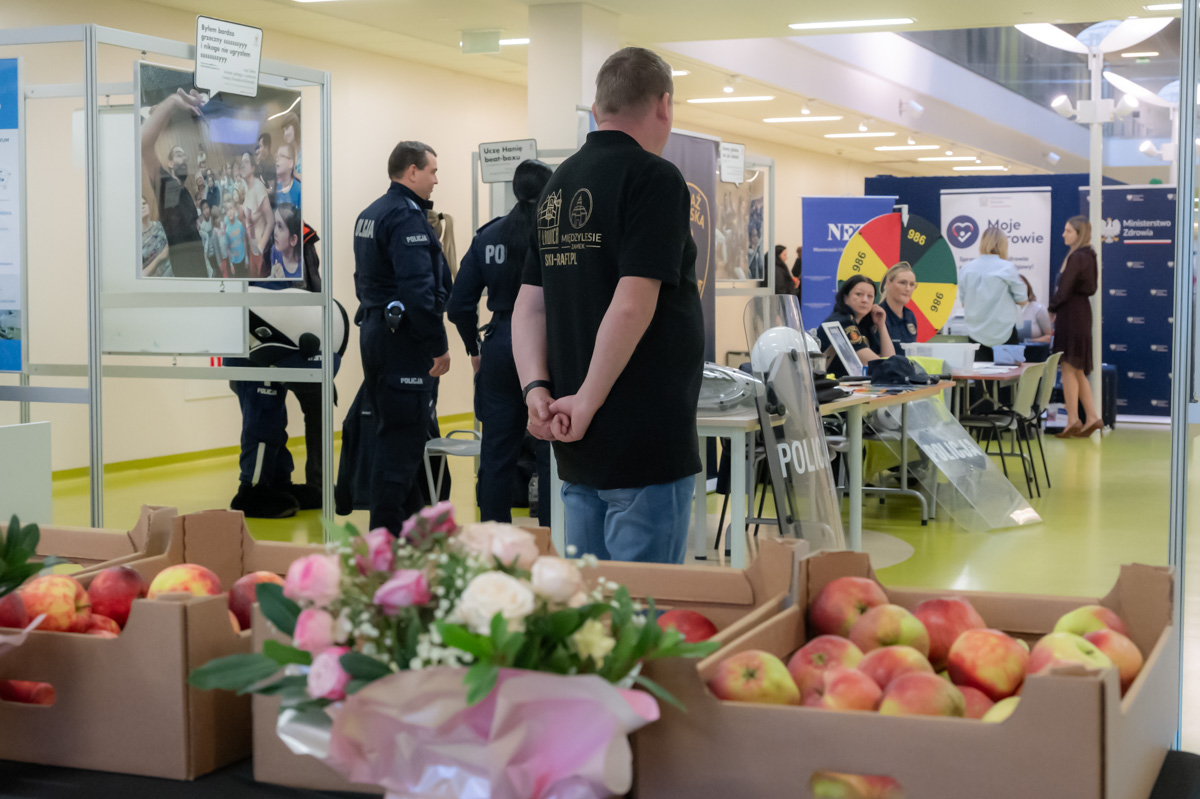
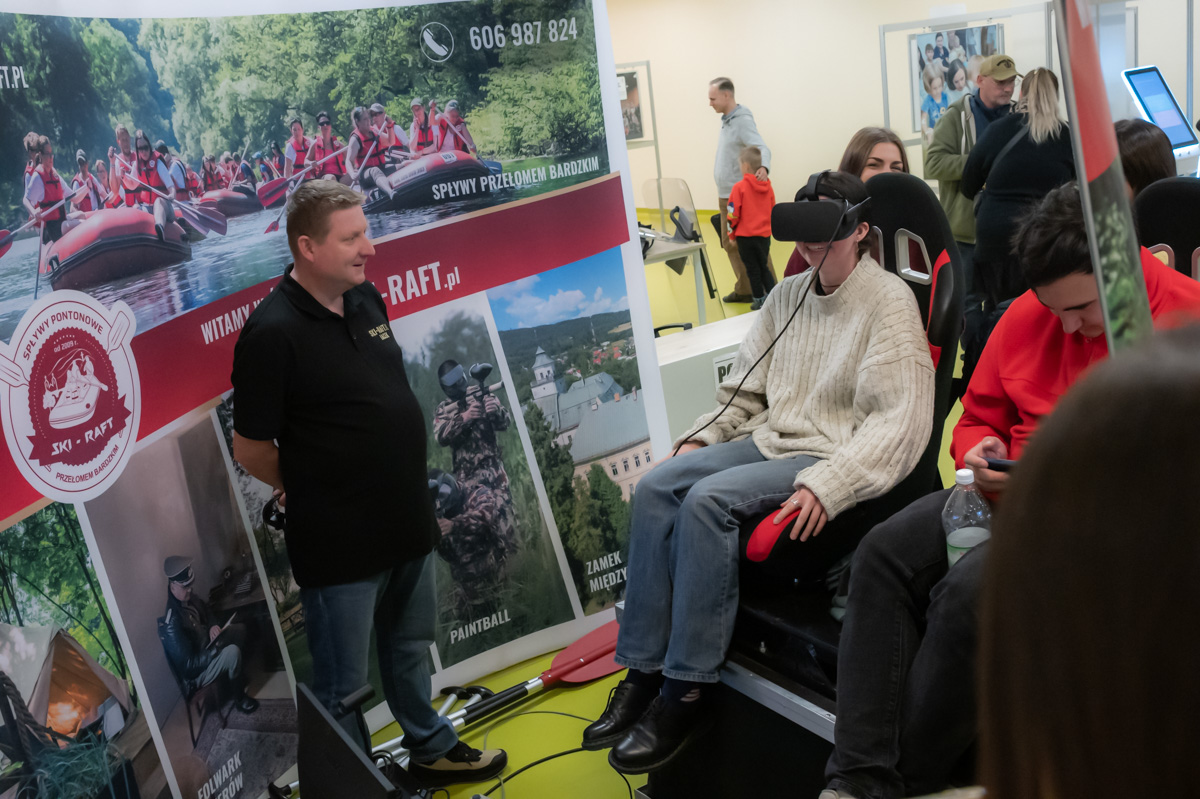
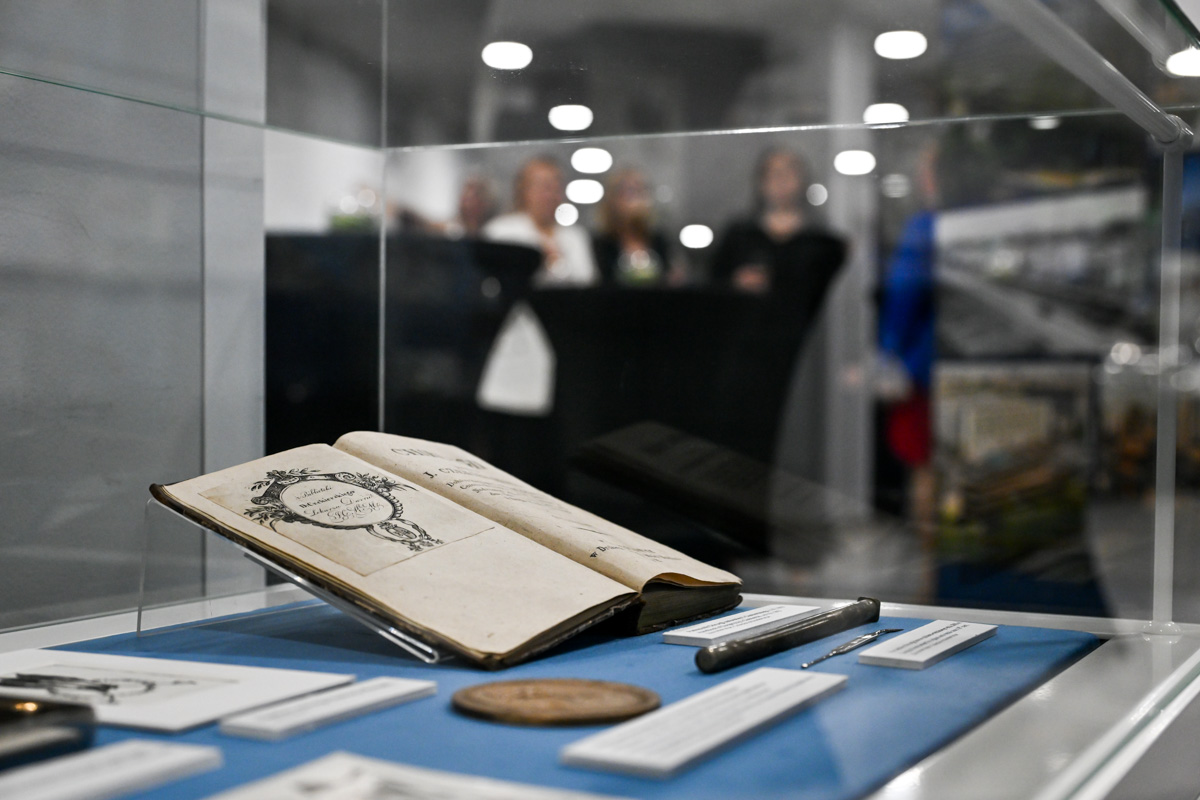
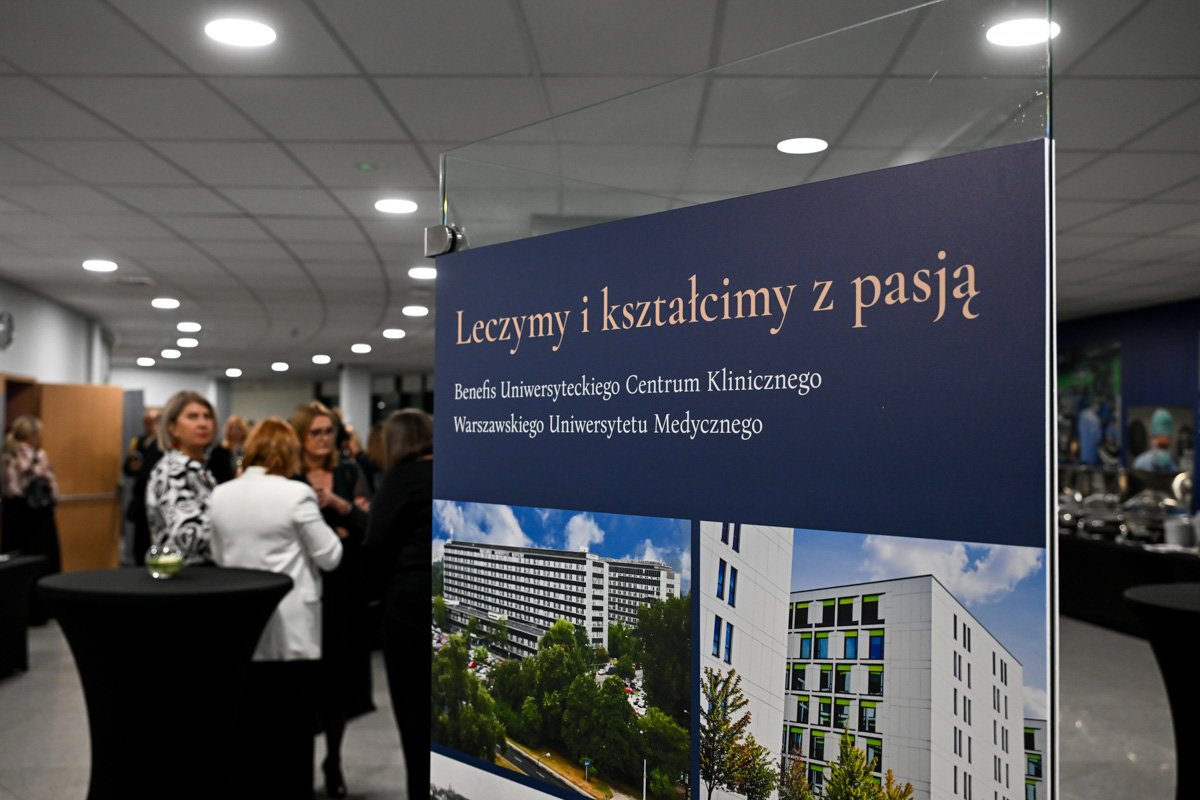
On the day of the jubilee, the three UCC hospitals put up stands in their corridors, offering free preventive checks, consultations, and workshops. In front of the Children’s Clinical Hospital, there was a show of equipment and a parade drill of the uniformed services. In addition, an exhibition titled “Passionate about Medicine and Teaching. Anniversary of the University Clinical Center of the Medical University of Warsaw”, prepared by the WUM Medical History Museum, was displayed at the Didactic Center and in the hall of the Children’s Clinical Hospital, documenting the key medical events in the history of the hospital.
Celebratory Gala
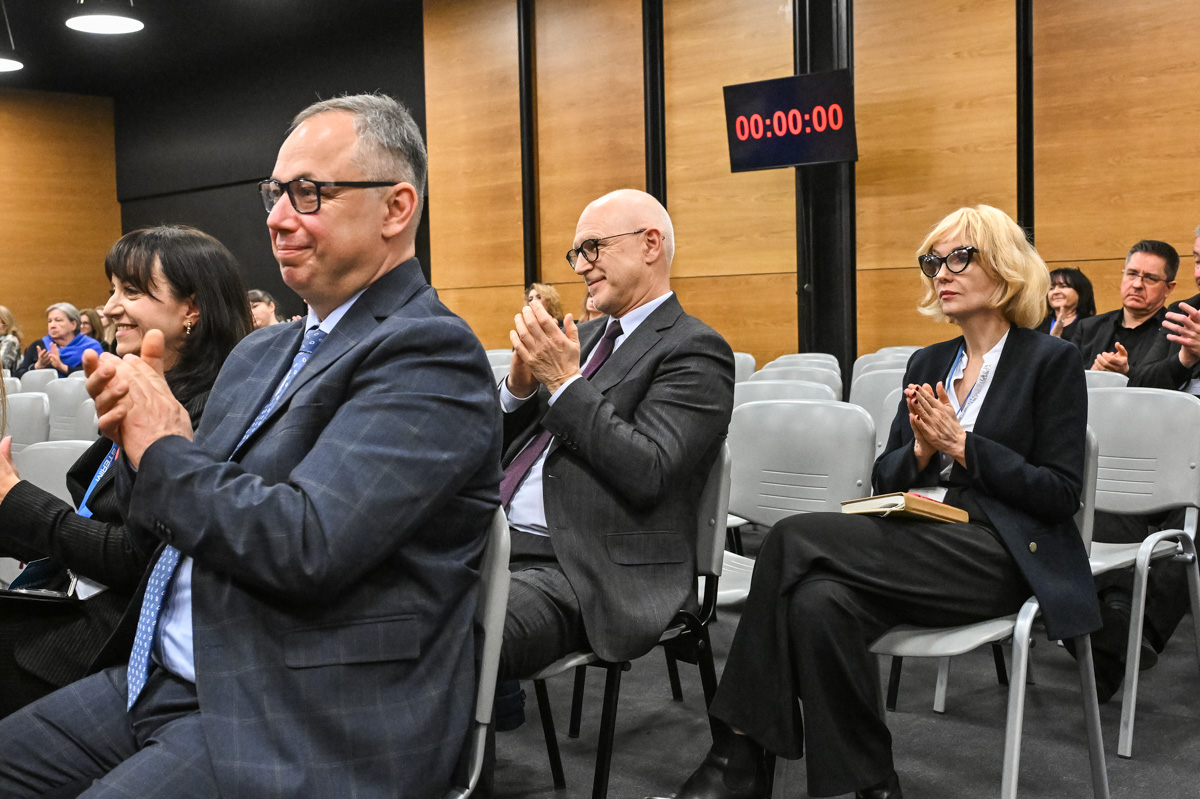
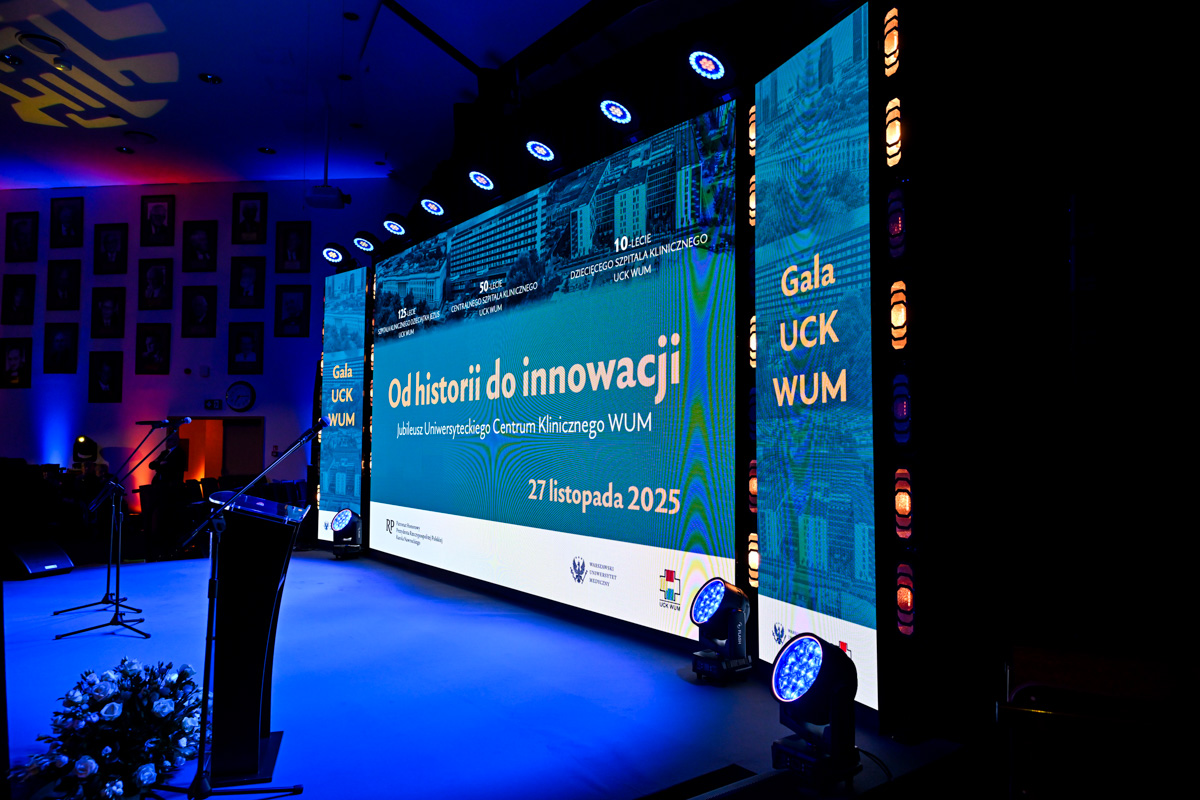
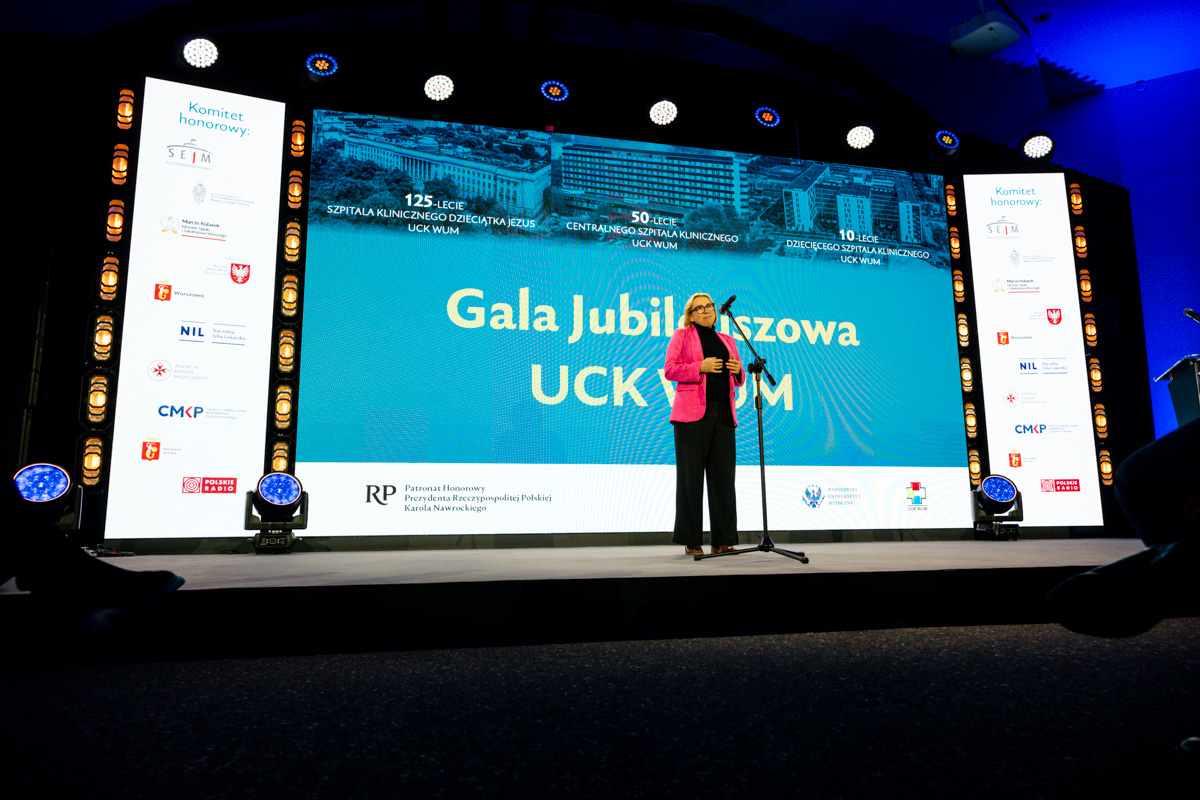
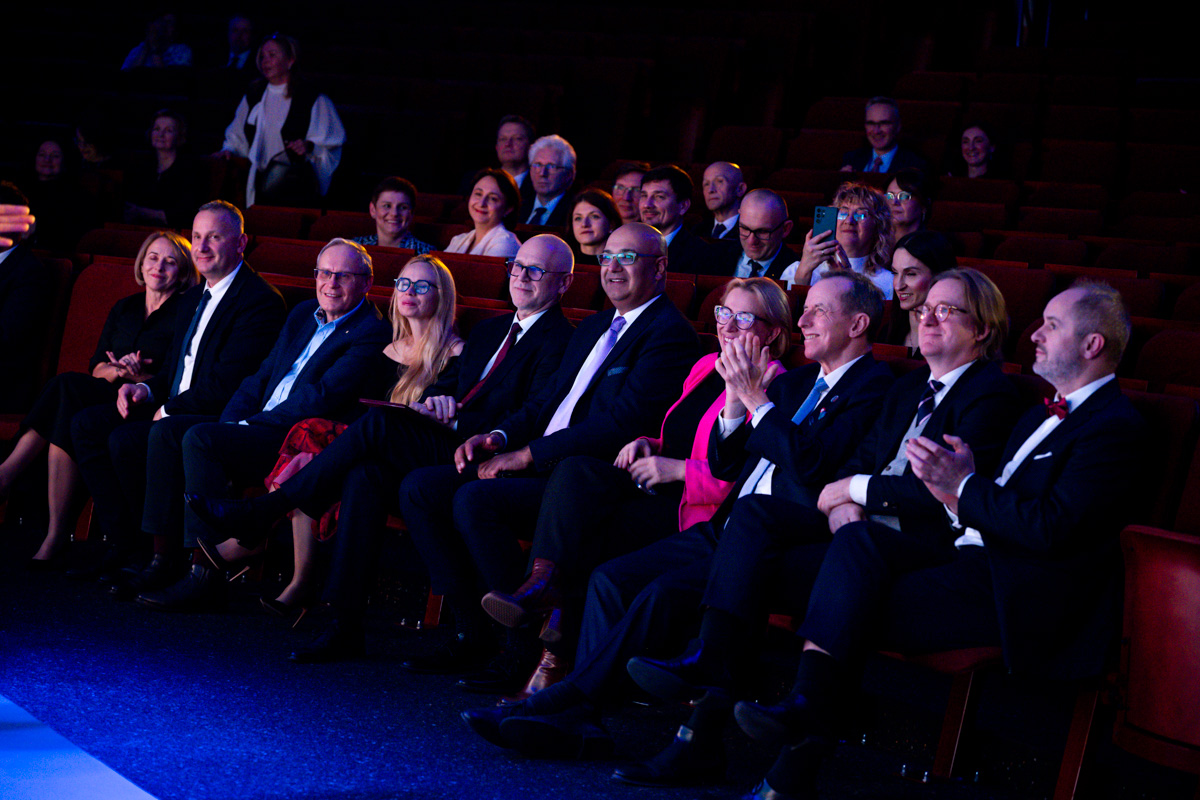
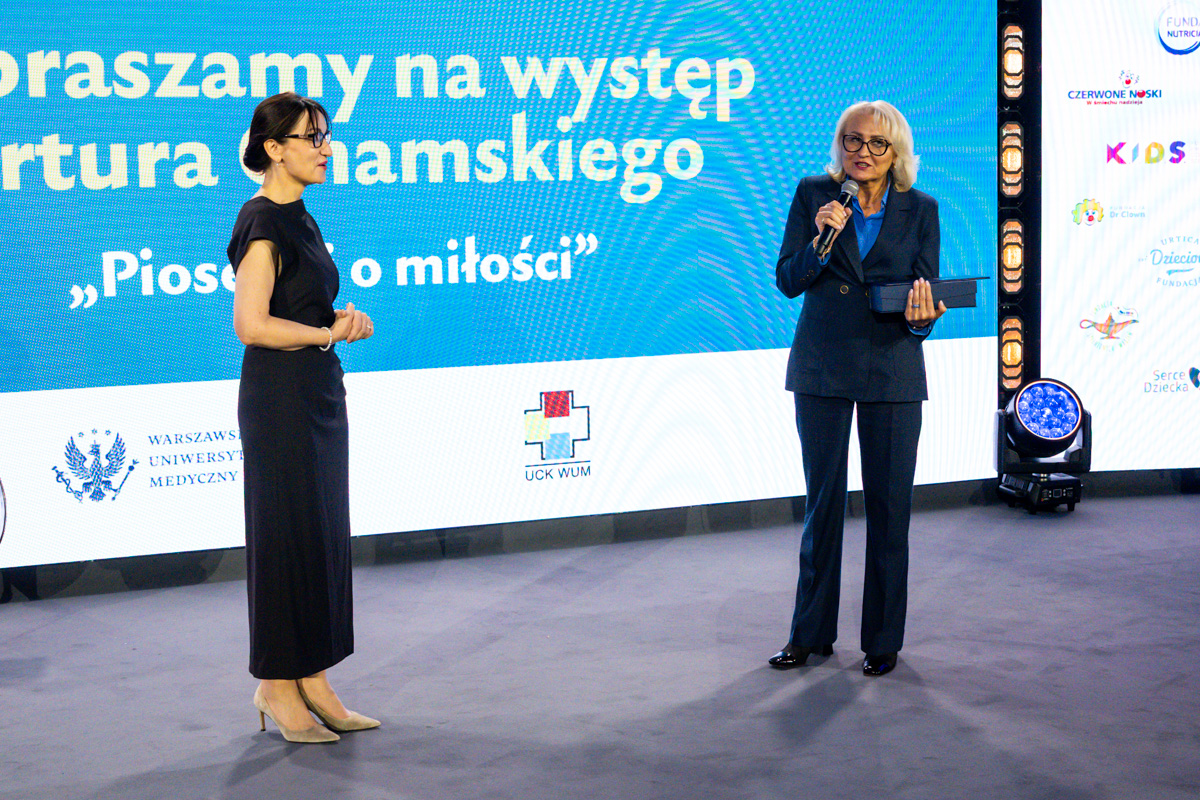
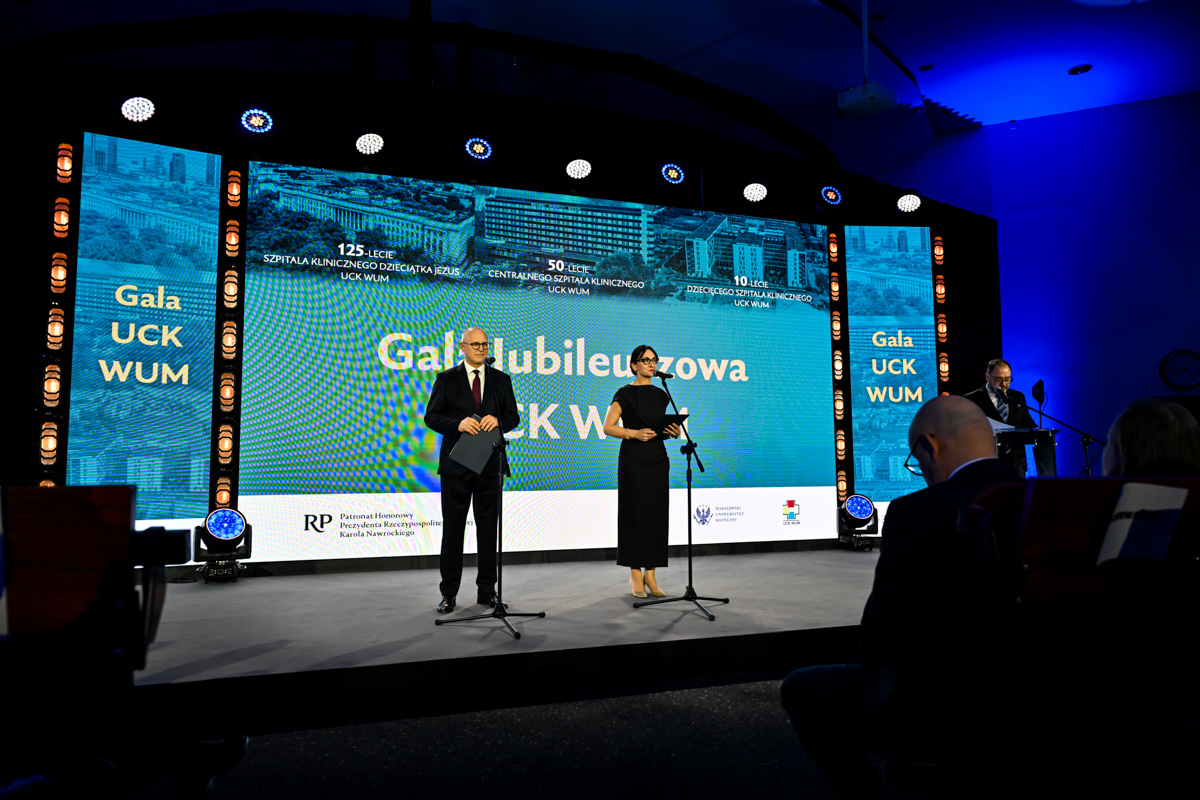
To crown the jubilee, the WUM Didactic Center hosted a celebratory gala, with distinguished guests such as Members of Parliament, a representative of the Chancellery of President Karol Nawrocki, representatives of the government and central authorities, as well as guests representing institutes, universities and research centers, medical establishments, Polish Armed Forces, and churches. Numerous WUM UCC employees were invited to receive commemorative medals and certificates of recognition.
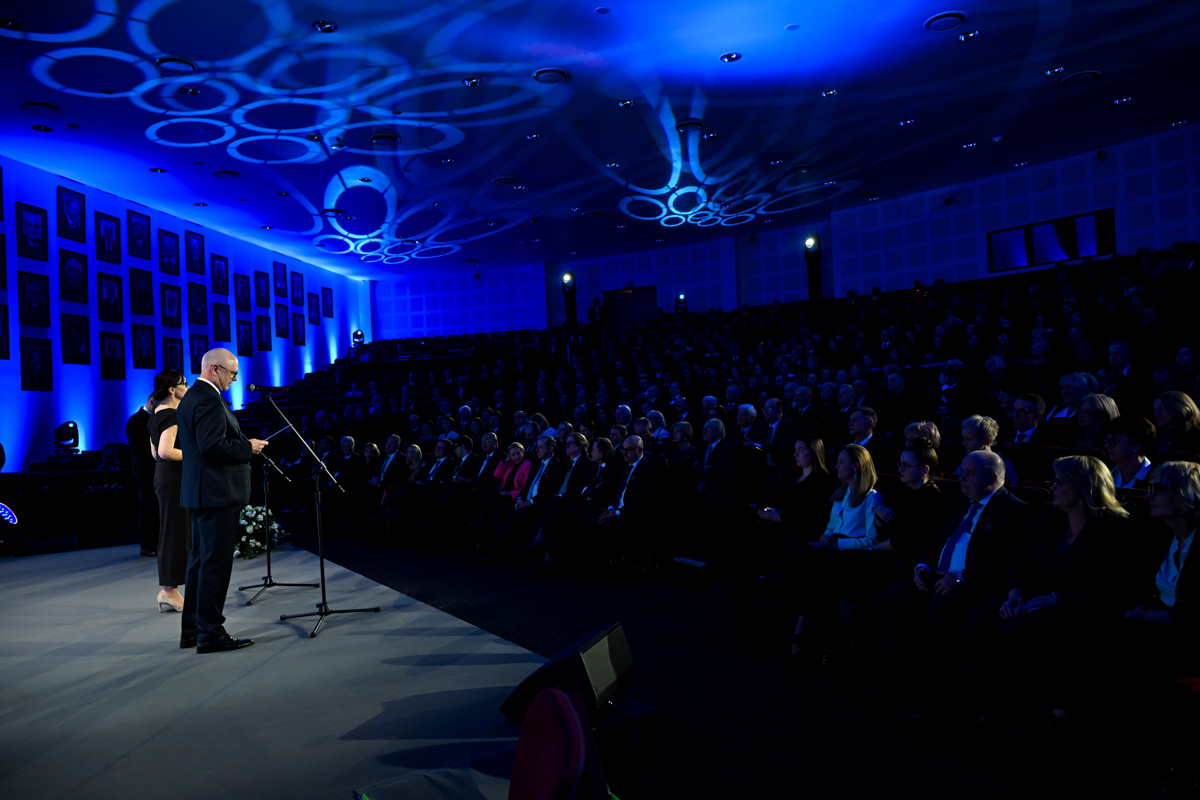
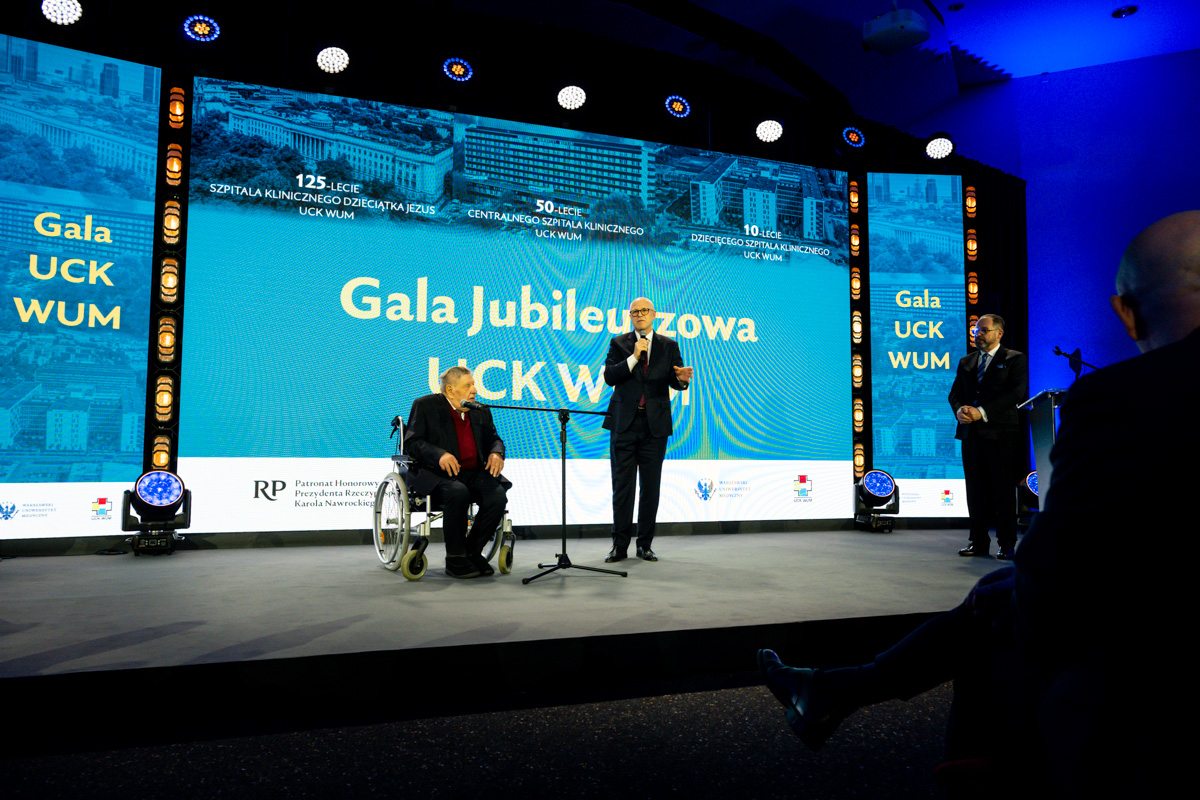
Guests were welcomed by the WUM UCC Director, Marzena Kowalczyk, and the Rector, Professor Rafał Krenke. The hosts presented the history of the UCC, showing how it went much further back than the jubilee itself would suggest, as far as to the 17th century: the “Foundling House” was first established in 1732, while 1958 marks the beginning of the Infant Jesus General Hospital. The Rector compared the functioning of WUM and UCC to the harmonious cooperation between the heart and the lungs, inseparably linked together by the bloodstream.
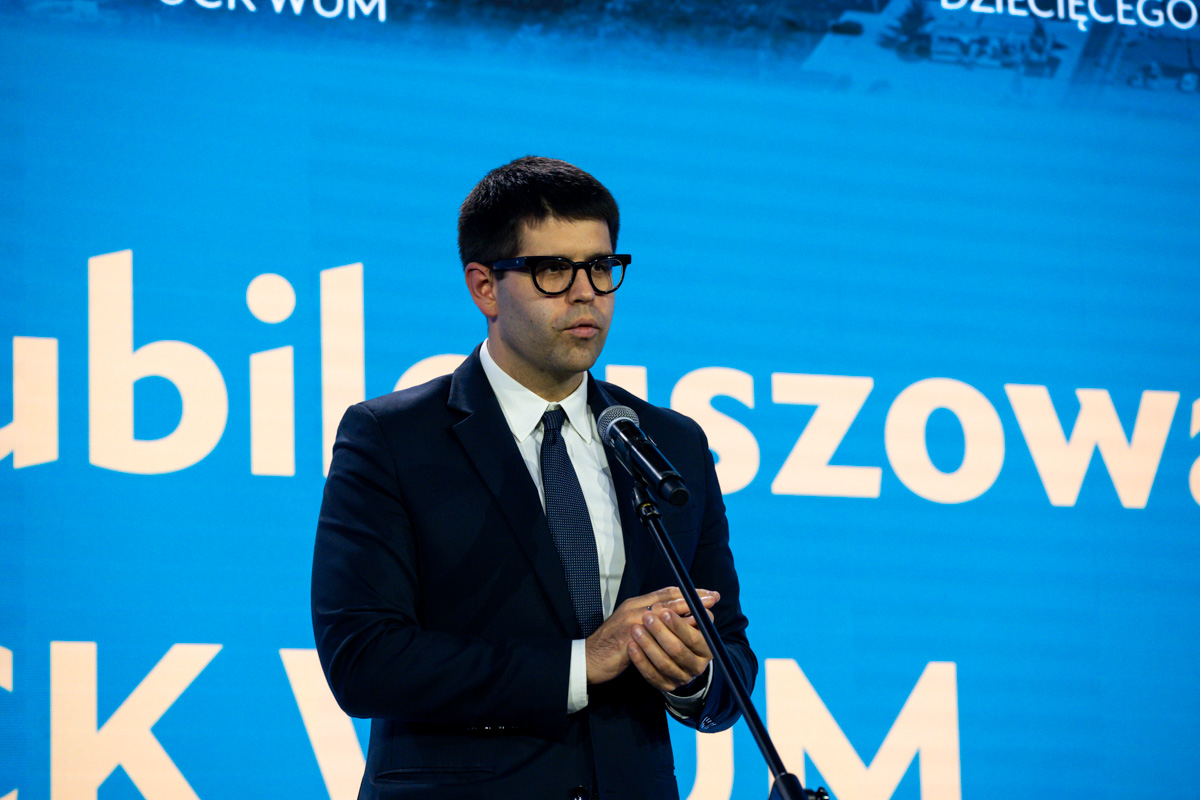
After the hosts, the guests took the floor. Katarzyna Kęcka, Undersecretary of State at the Ministry of Health, said:
“The jubilee shows the incredible journey of the WUM UCC hospitals from history to innovation. The great effort put into developing medicine, education, all the teaching processes. Thousands of students have graduated from this university, and they have become the future teaching personnel that has educated subsequent generations of students. It is here that graduates gained their first professional experience, and it is here that they can live their passions and help patients. All this thanks to the organizational support from the Rector and all the individuals who work here. I would like to extend my heartfelt «thank you» to all employees, to both medical and non-medical staff.”
Alvin Gajadhur, social adviser for the Polish President, read out the President’s letter.
“Please accept my compliments and gratitude for all the good that has happened here in these walls. Thank you for your contribution to educating thousands of qualified medics and specialists in related fields. For spectacular research results and fruitful international academic cooperation. For numerous innovations in diagnostic and surgical techniques as well as medical technologies. Above all, thank you for saving the lives and health of countless patients,” wrote Karol Nawrocki, President of Poland.
Representatives of both the oldest and younger generations of medics spoke during the gala: Łukasz Jankowski, President of the Supreme Medical Council, and Professor Jerzy Jurkiewicz, President of the Warsaw Medical Society.
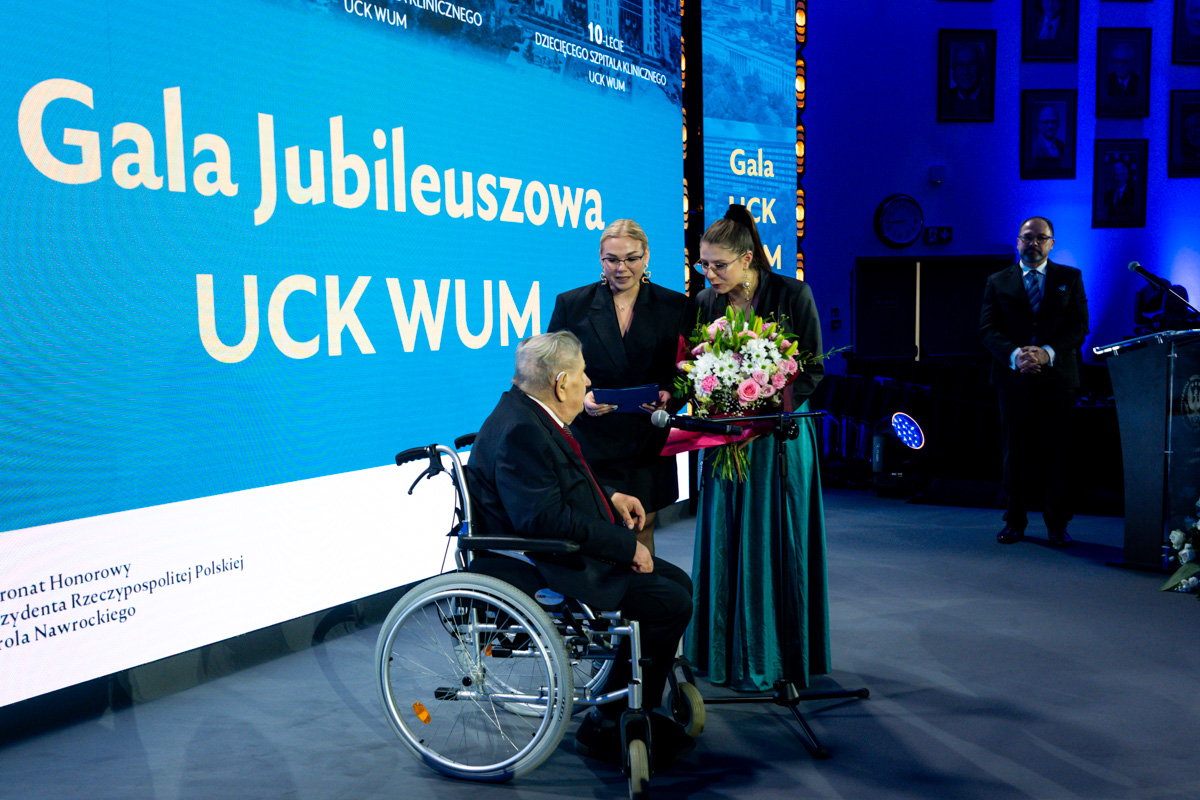
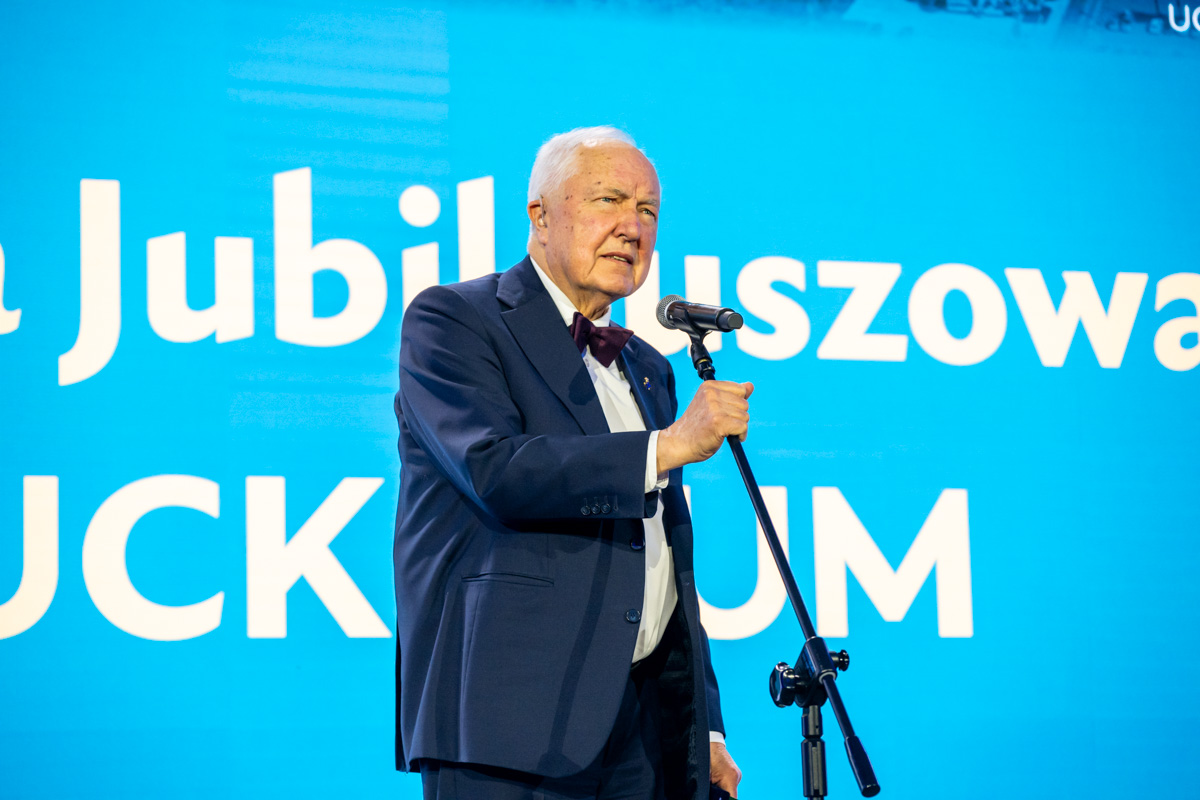
Other speakers included Professor Tadeusz Tołłoczko, an outstanding surgeon, former Rector and Vice Rector of the Medical Academy in Warsaw. He spoke as a witness of history, and presented the key milestones in the development of the Central Clinical Hospital, from its construction and extension until the present day.
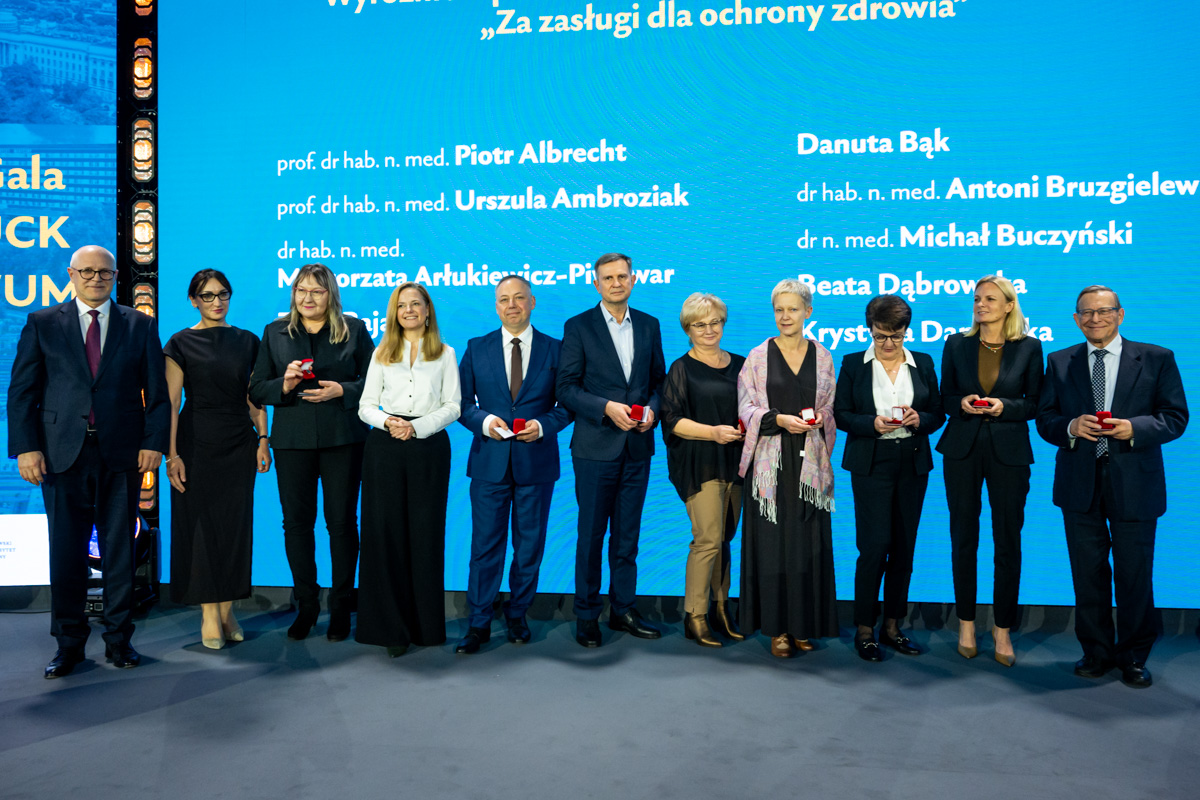
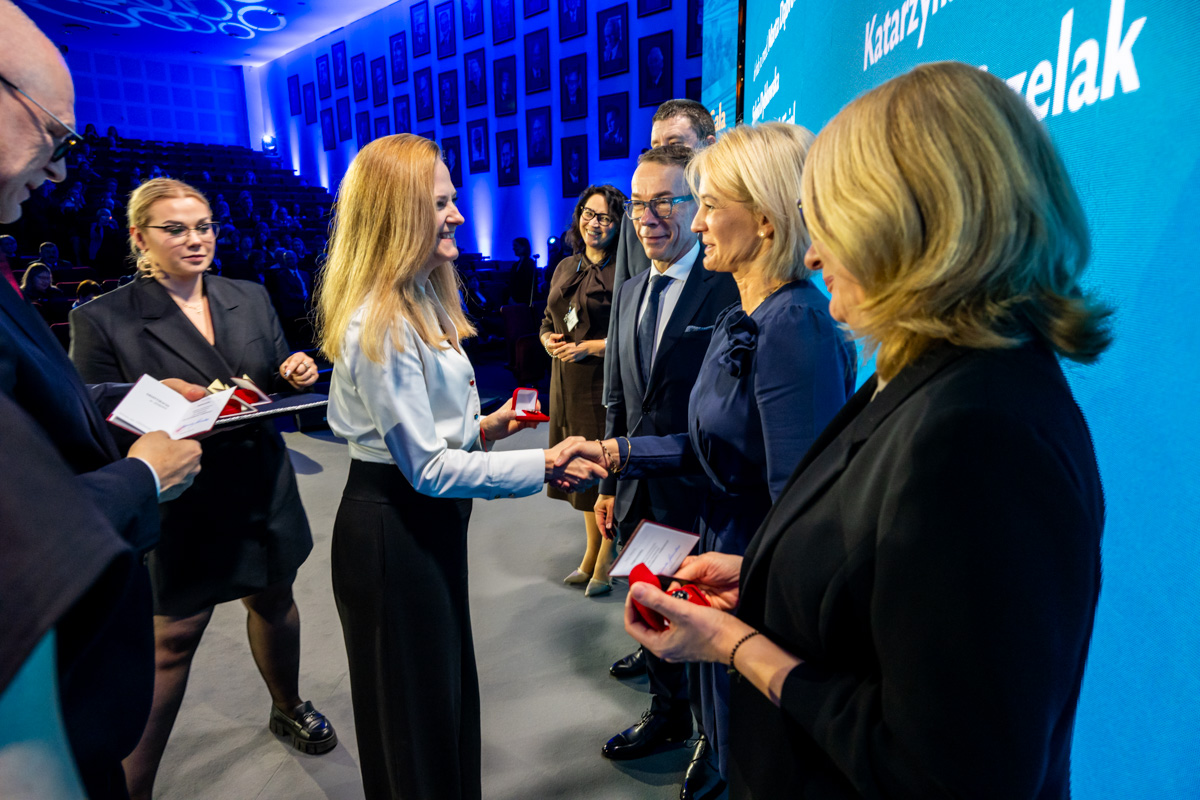
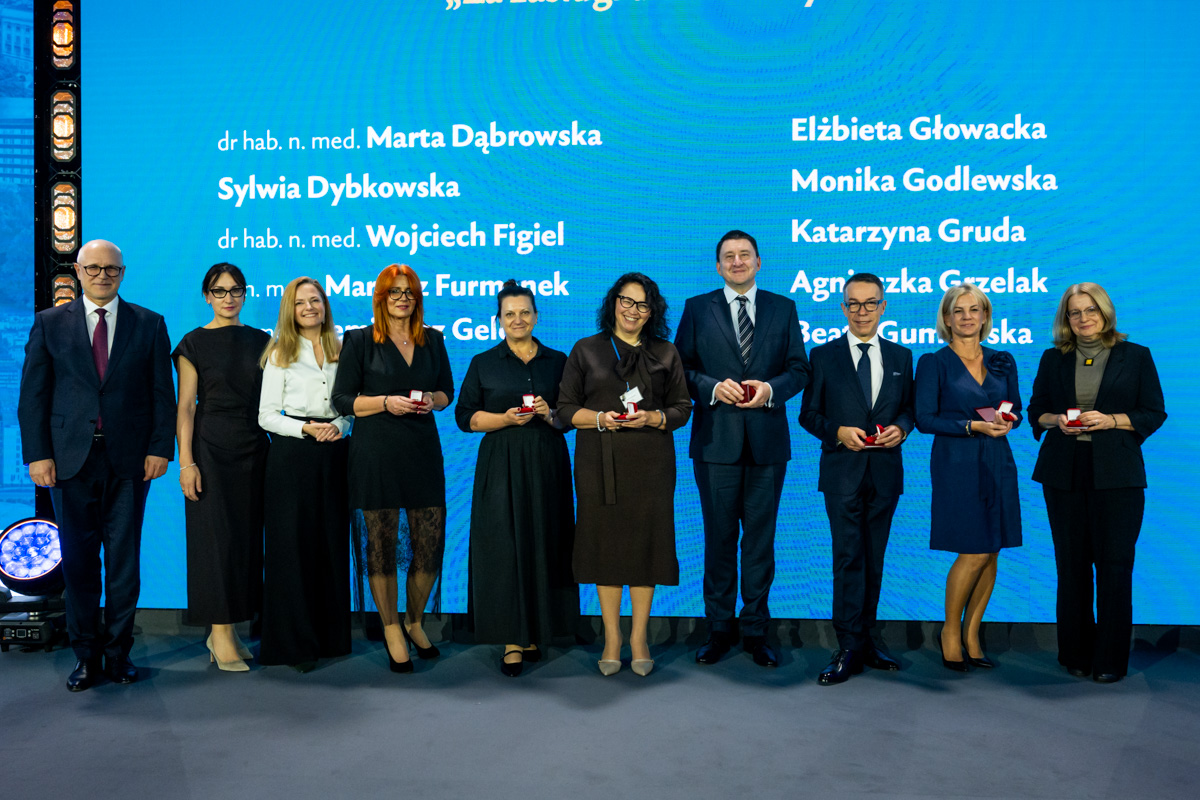
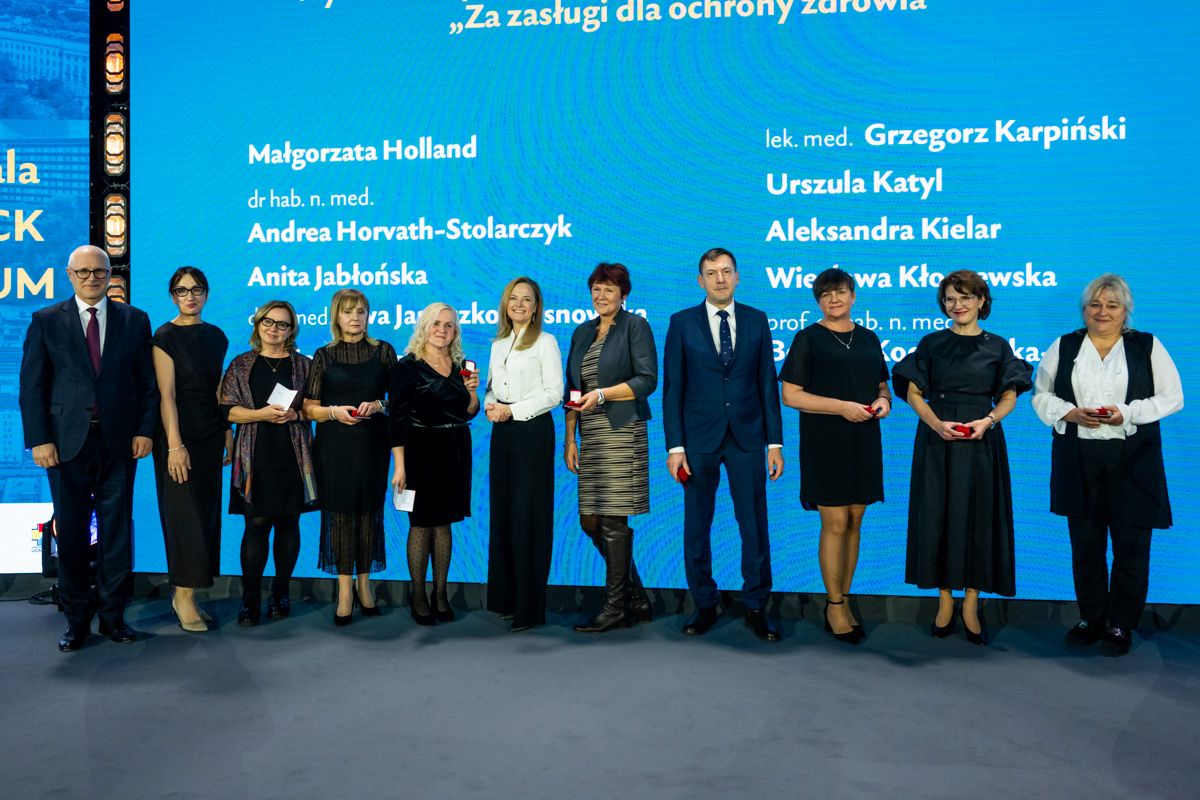
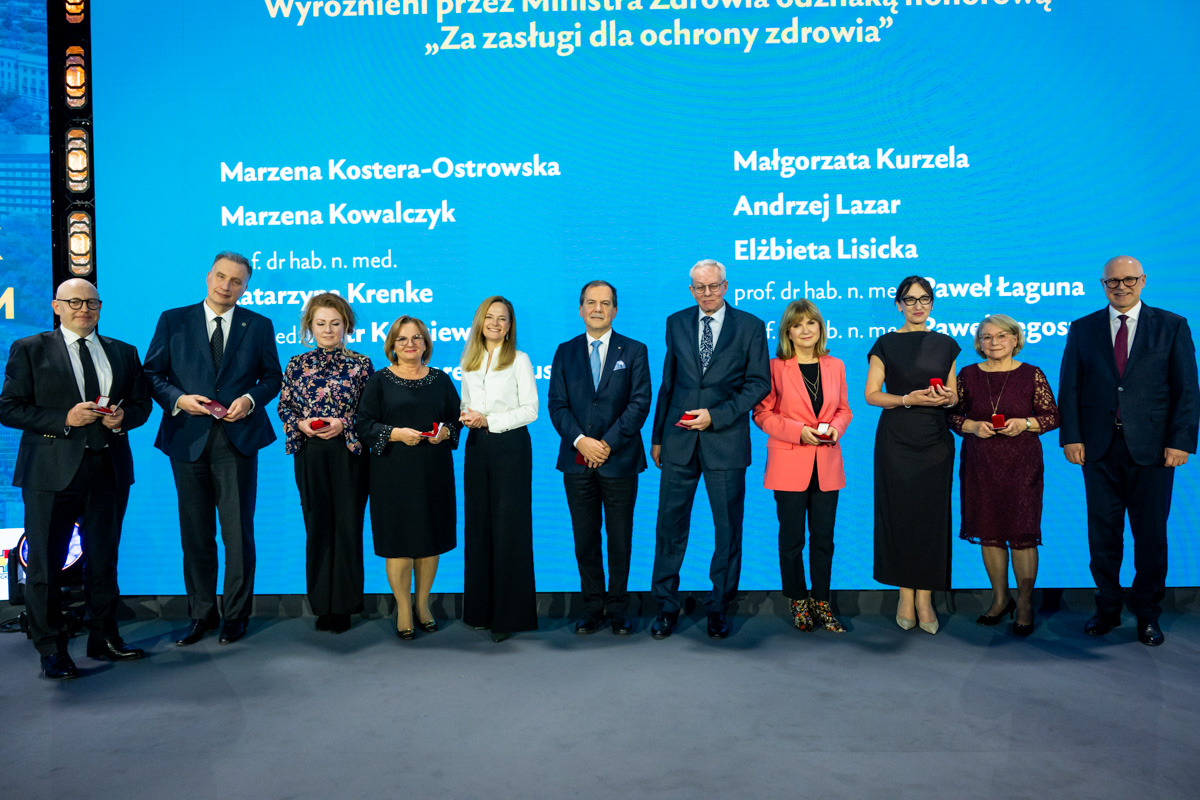
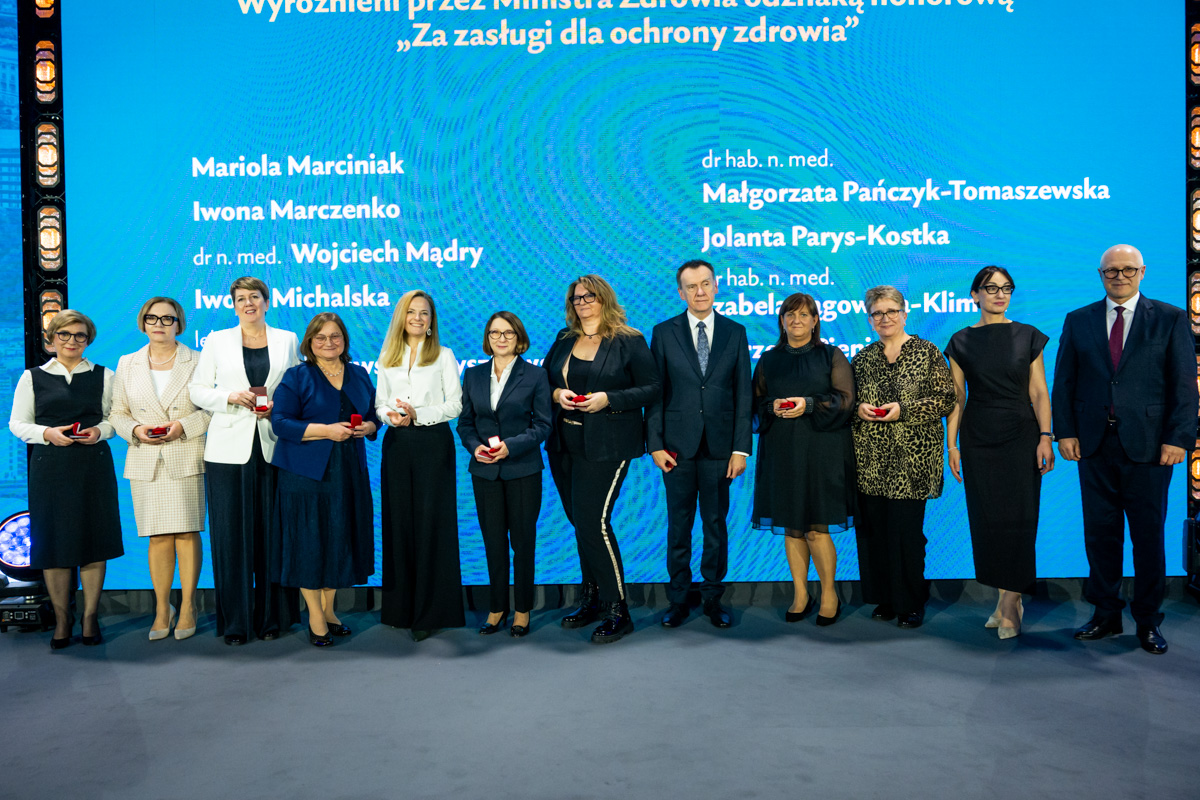
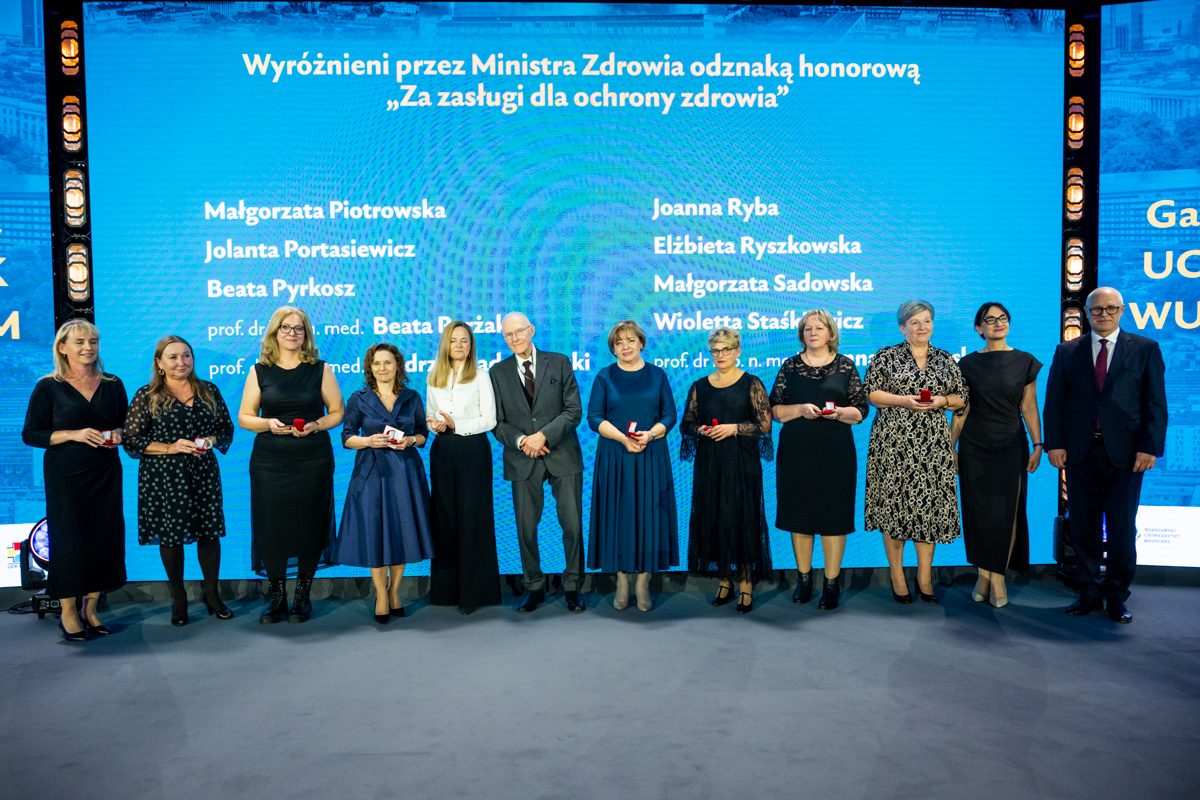
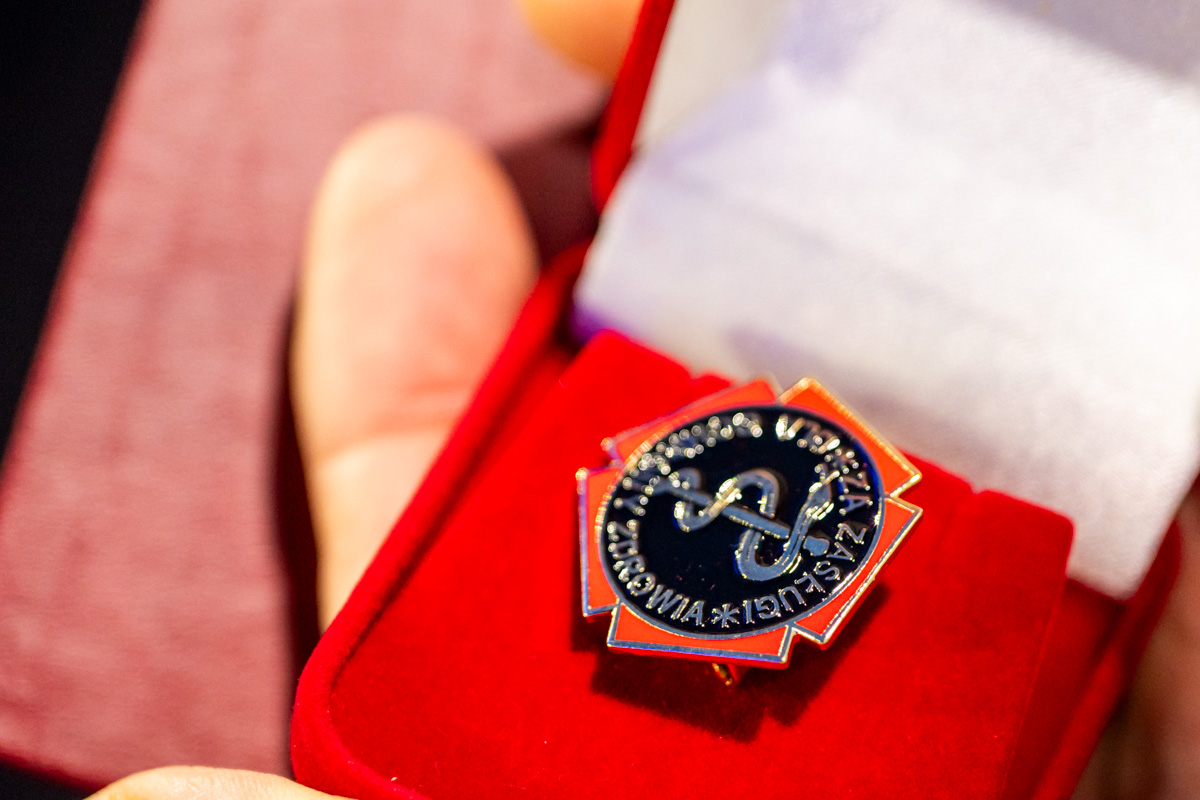
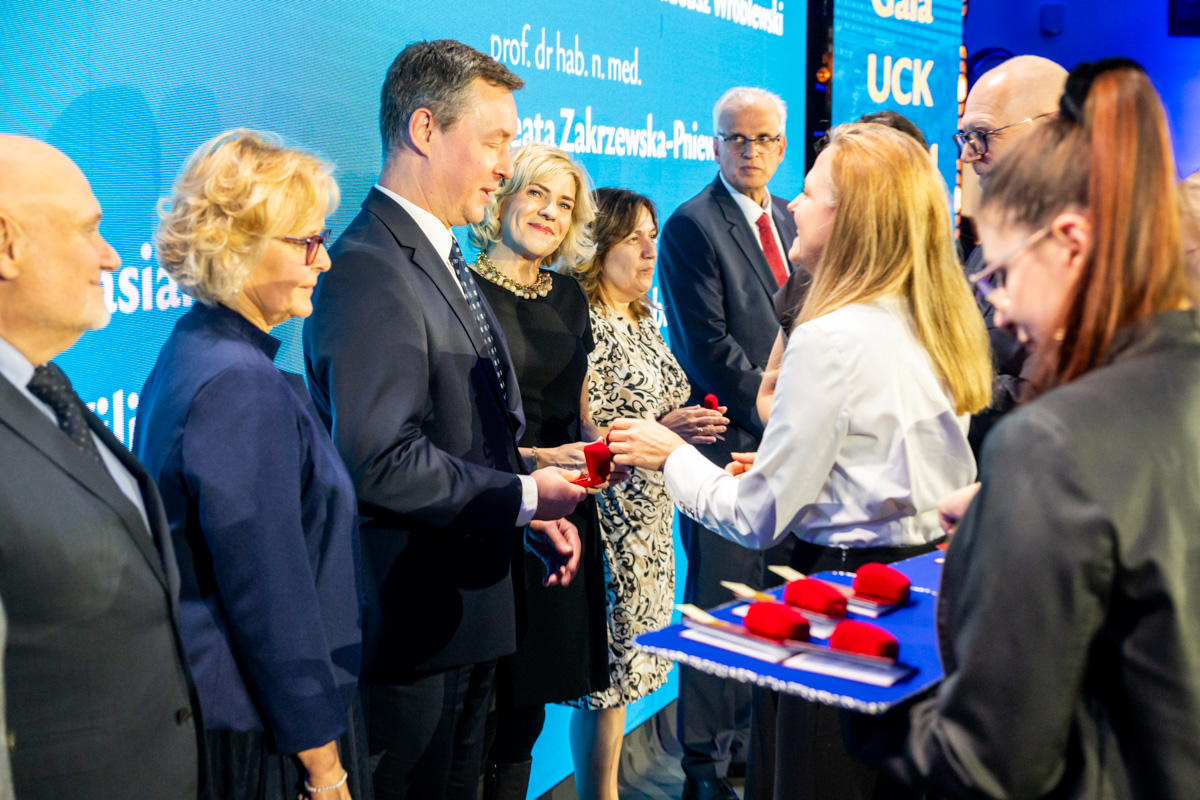
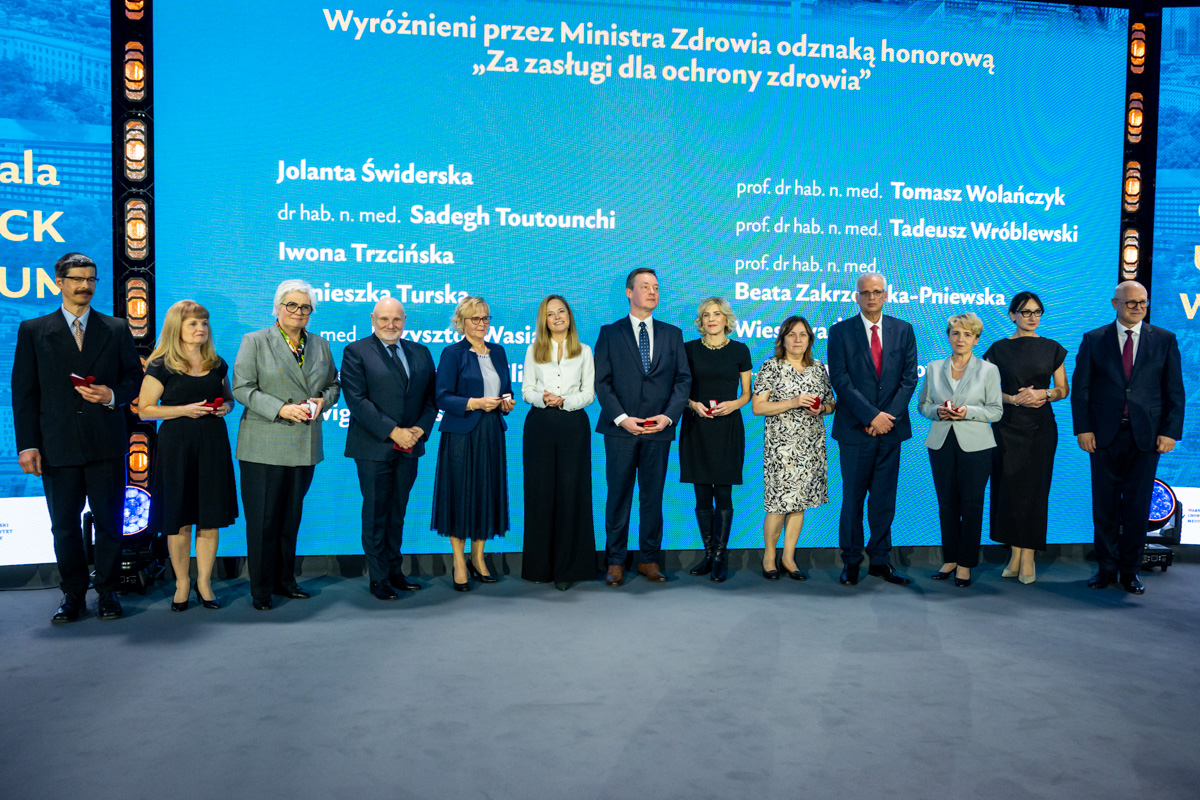
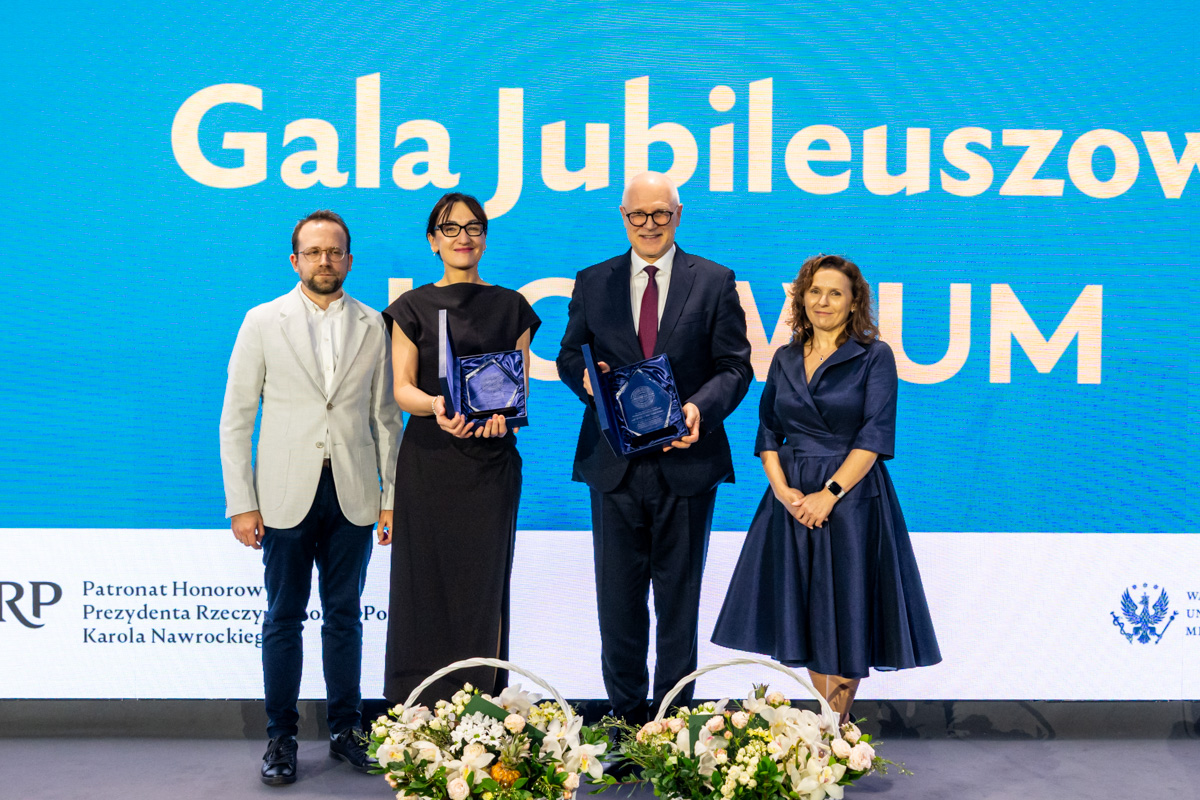
Then came the part of the celebration especially significant for the staff, when distinctions and certificates of recognition were awarded. Undersecretary of State Katarzyna Kęcka decorated 72 individuals with medals from the Minister of Health, “For contribution to the healthcare system”. The names of nearly 200 persons awarded with Commemorative Medals of the WUM UCC Director and WUM UCC Rector were also announced. They will be presented in person during a separate ceremony after the New Year. The WUM Rector and the WUM UCC Director received medals as well.
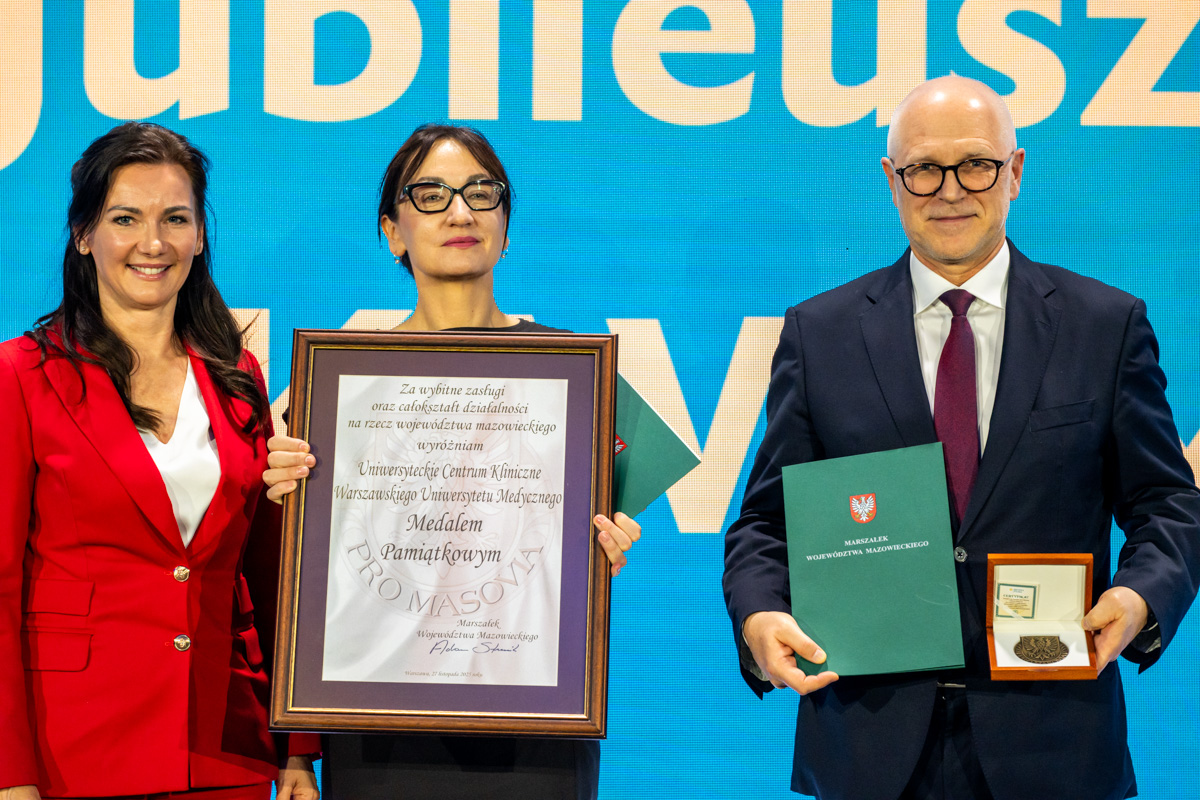
Anna Brzezińska, member of the Board of the Mazowieckie Voivodeship, presented the commemorative “Pro Masovia” medal for the WUM UCC.
Conference and Gala Guests
The events brought together not just representatives of the Rector and Deans offices, and department heads, but also many distinguished guests. Those included: Alvin Gajadhur, social adviser for the Polish President; Katarzyna Kęcka, Undersecretary of State at the Ministry of Health; Magdalena Kramska, Deputy Director at the Therapeutics Department, Ministry of Health; Joanna Wicha, Vice Chairperson of the Health Committee at the Sejm; Agnieszka Gorgoń-Komor, PhD, Polish Senator, Deputy Chairperson of the Health Committee; Anna Brzezińska, member of the Board of the Mazowieckie Voivodeship; Professor Tomasz Grodzki, Polish Senator; Mariusz Frankowski, Voivode of the Mazowieckie Voivodeship; Filip Nowak, President of the National Health Fund; Marek Augustyn, Deputy President of the National Health Fund; Miłosz Anczakowski, Vice President of the National Health Fund; Grzegorz Cessak, President of the Office for Registration of Medicinal Products, Medical Devices, and Biocidal Products; Łukasz Pietrzak, Chief Pharmaceutical Inspector; Professor Krzysztof Filipiak, Director of the Centre of Postgraduate Medical Education; Łukasz Jankowski, President of the Supreme Medical Council; Katarzyna Słodka, Director of the Mazowsze Voivodeship Branch of the National Health Fund; Professor Adam Jelonek, President of the Ronald McDonald Foundation; Professor Piotr Ładyżyński, Director of the Institute of Biocybernetics and Biomedical Engineering, Polish Academy of Sciences; Professor Waldemar Kostewicz, President of the Polish Medical Association; Professor Jerzy Jurkiewicz, President of the Warsaw Medical Society; Professor Piotr Suwalski, Director of the National Medical Institute of the Ministry of the Interior and Administration; Piotr Nowicki, Director of the Institute of Psychiatry and Neurology; Professor Piotr Burczyński, Board Member of the WOŚP Foundation.
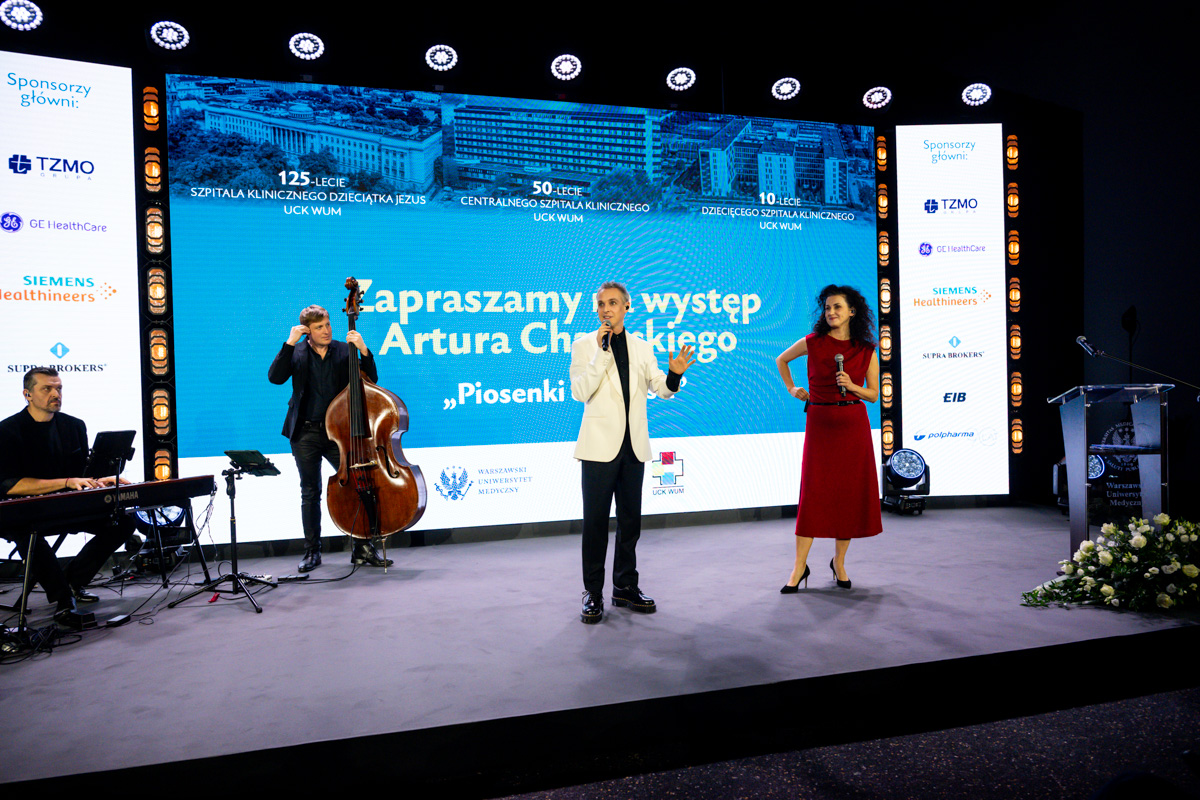
The ceremony ended with a concert by Artur Chamski, titled “Love Songs”.
On the occasion of the jubilee, the WUM UCC has received many congratulatory letters, from officials such as: Karol Nawrocki, President of Poland; Adam Struzik, Marshal of the Mazowieckie Voivodeship; Marcin Kulasek, Minister of Science and Higher Education; Małgorzata Kidawa-Błońska, Marshal of the Polish Senate; Elżbieta Anna Polak, Member of the Polish Sejm; Jolanta Zięba Gzik, Member of the Polish Sejm; Mateusz Hebda, Office Director for the Minister of Family, Labor, and Social Policy (on behalf of Minister Agnieszka Dziemianowicz-Bąk); Rafał Trzaskowski, President of the Capital City of Warsaw; Professor Henryk Skarżyński, Director of the Institute of Physiology and Pathology of Hearing; Izabela Marcewicz-Jendrysik, Director of the National Geriatrics, Rheumatology and Rehabilitation Institute; Professor Tomasz Szczepański, Rector of the Medical University of Silesia in Katowice; Professor Bartosz Molik, Rector of the University of Physical Education in Warsaw; Professor Maciej Słodki, Rector of the Mazovian University in Płock; Professor Wojciech Załuski, Rector of the Medical University of Lublin; Anna Kędzierzawska, Deputy Director for Social Communications at the National Police Headquarters