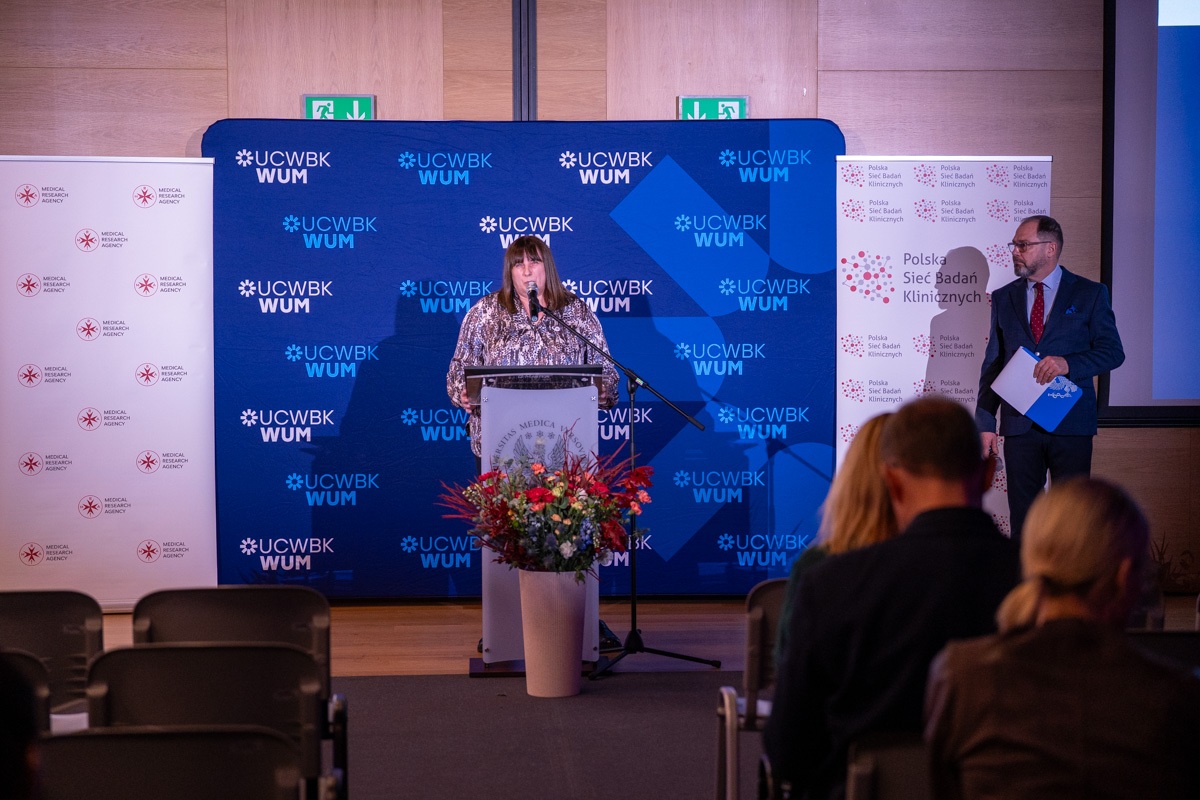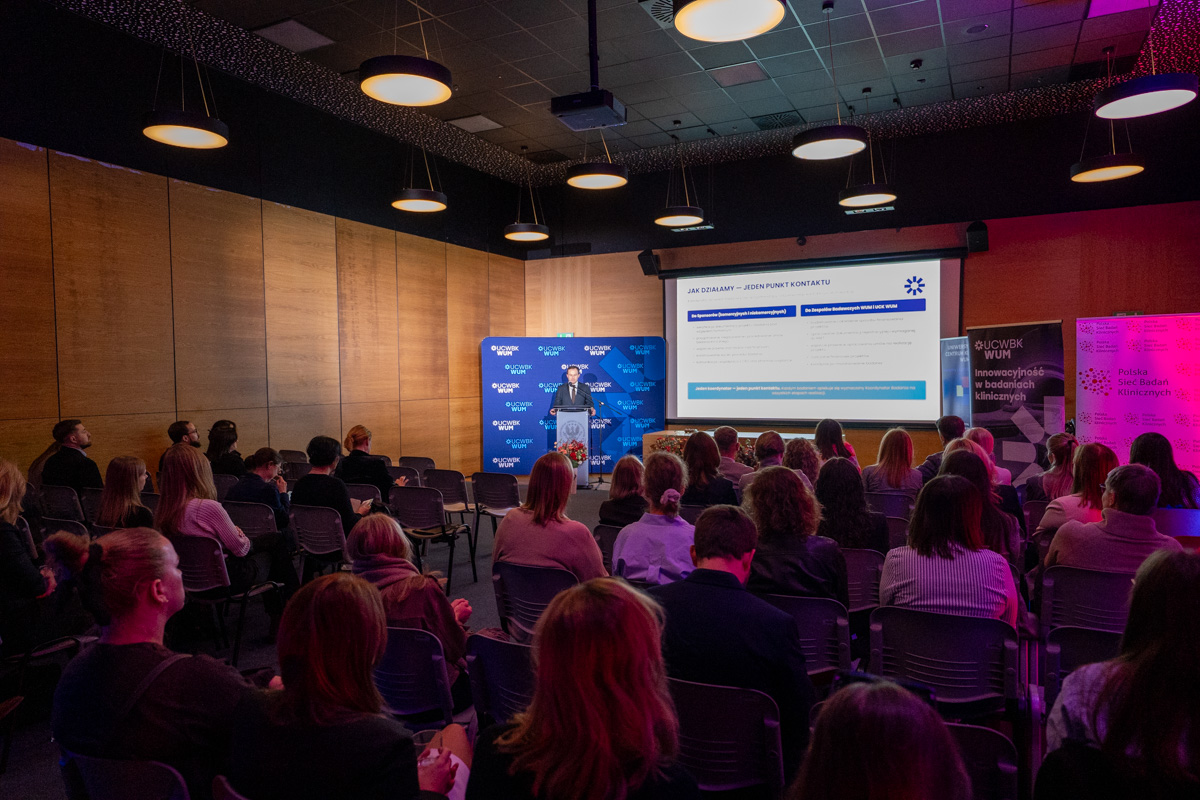
The event – the 19th General Assembly of the Polish Clinical Trials Network (PSBK – Polska Sieć Badań Klinicznych) – was organized by the Medical Research Agency (ABM – Agencja Badań Medycznych), in cooperation with the University Center for Clinical Research Support (UCWBK – Uniwersyteckie Centrum Wsparcia Badań Klinicznych) WUM.
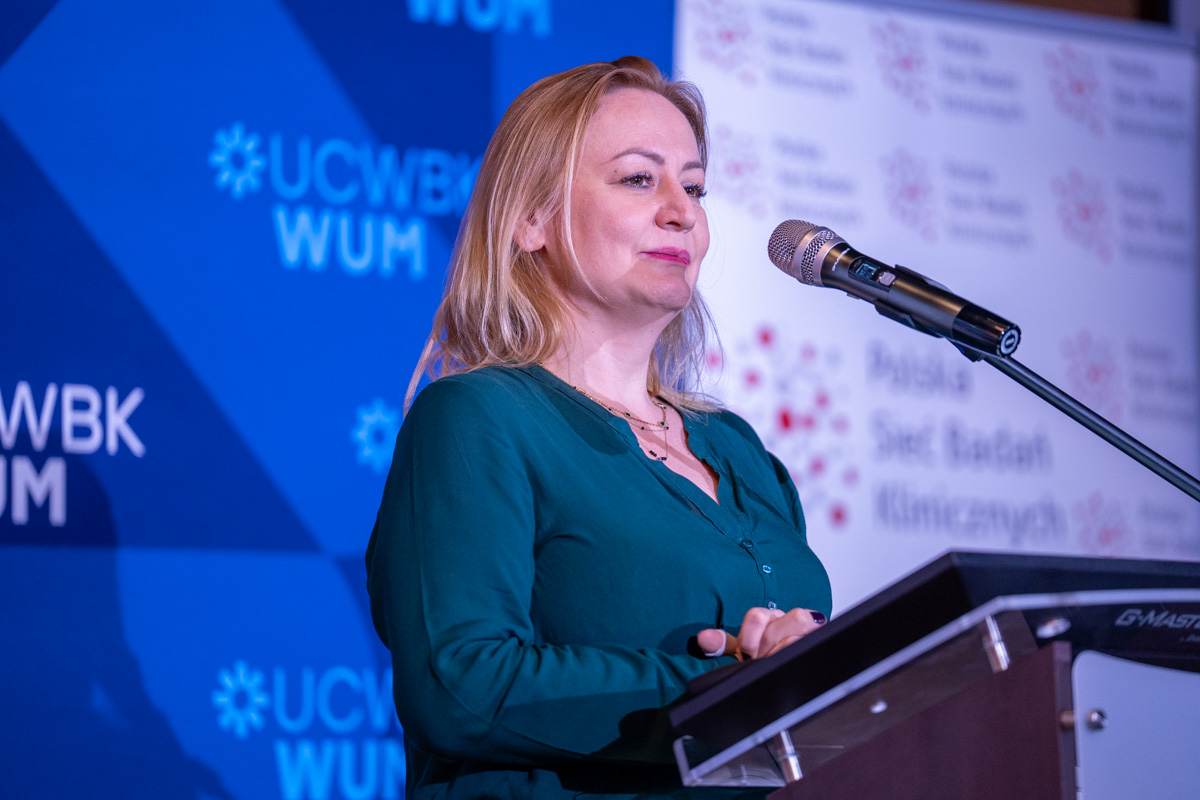
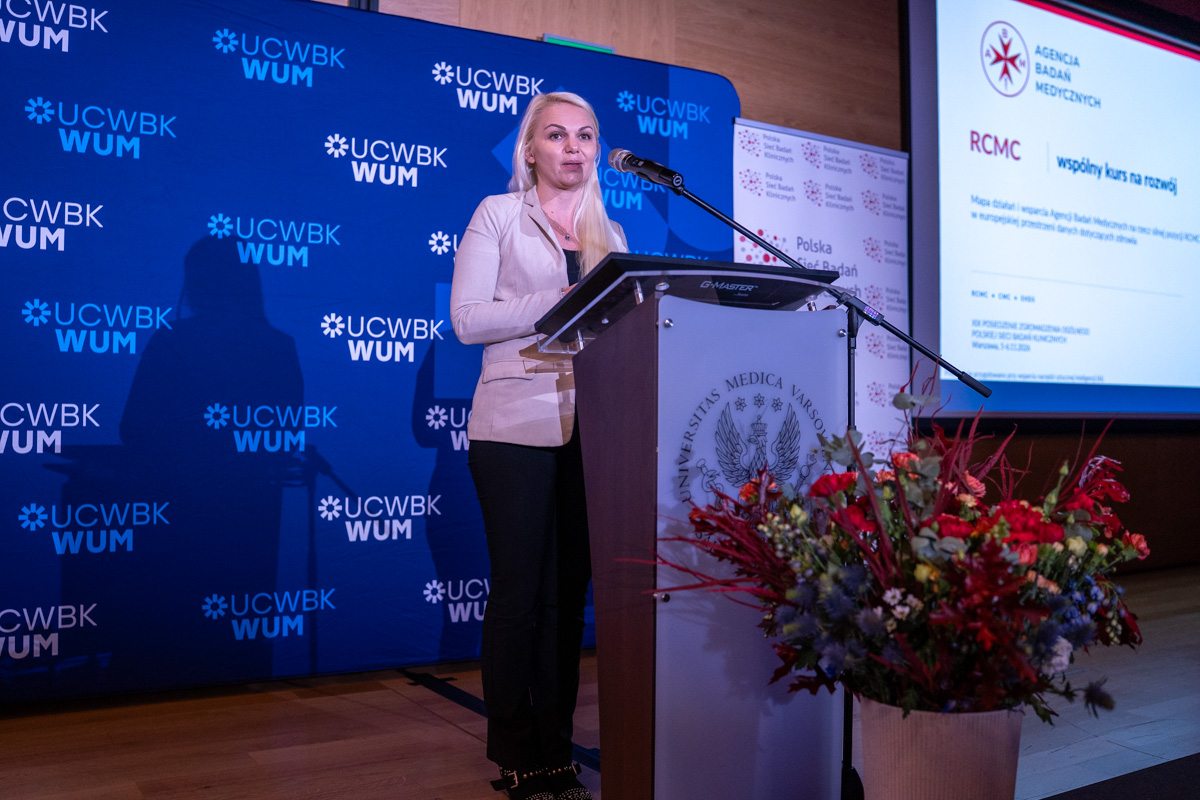
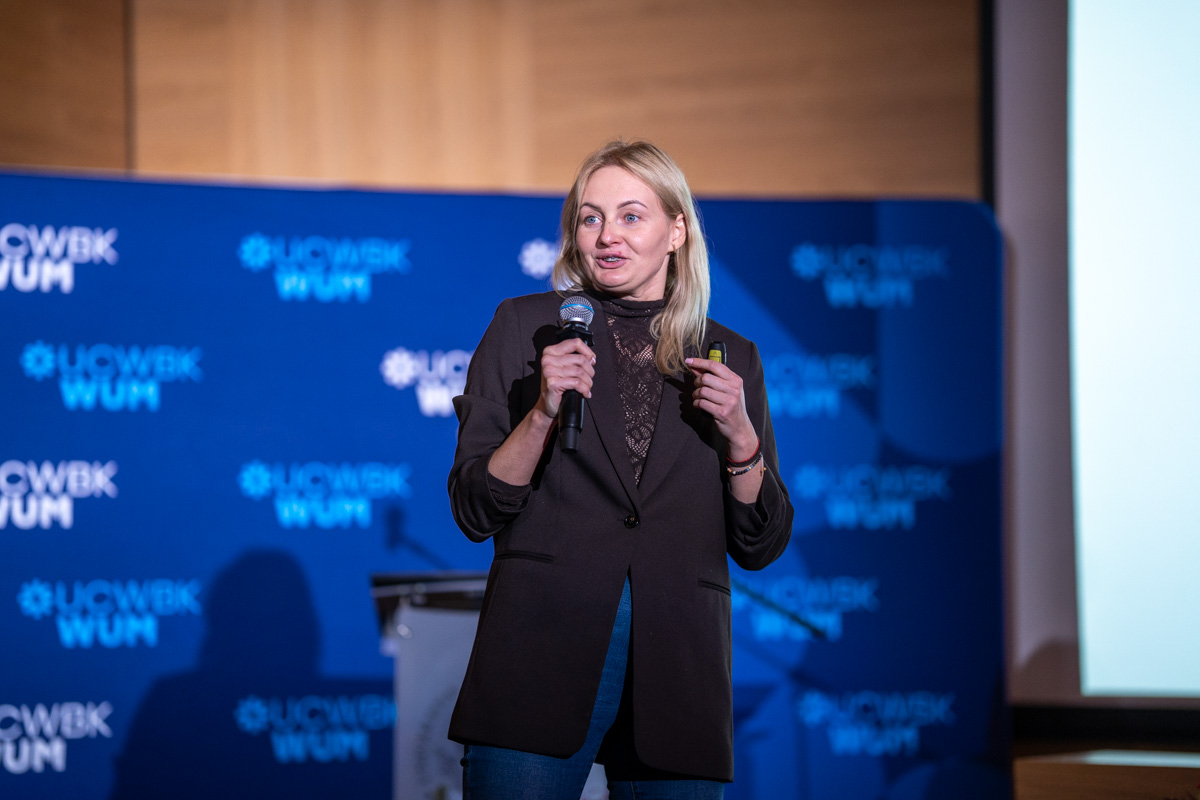
“We would like the Polish Clinical Trials Network to be more visible – both in Poland and in Europe, and to use its huge potential,” said Dr Elżbieta Bylina, the Director of the ABM Clinical Trial Development Center when greeting the participants.
Clinical trials offer new treatment options and patients gain access to new therapeutic solutions, which is why they should be discussed and conditions favorable for their development should be created.
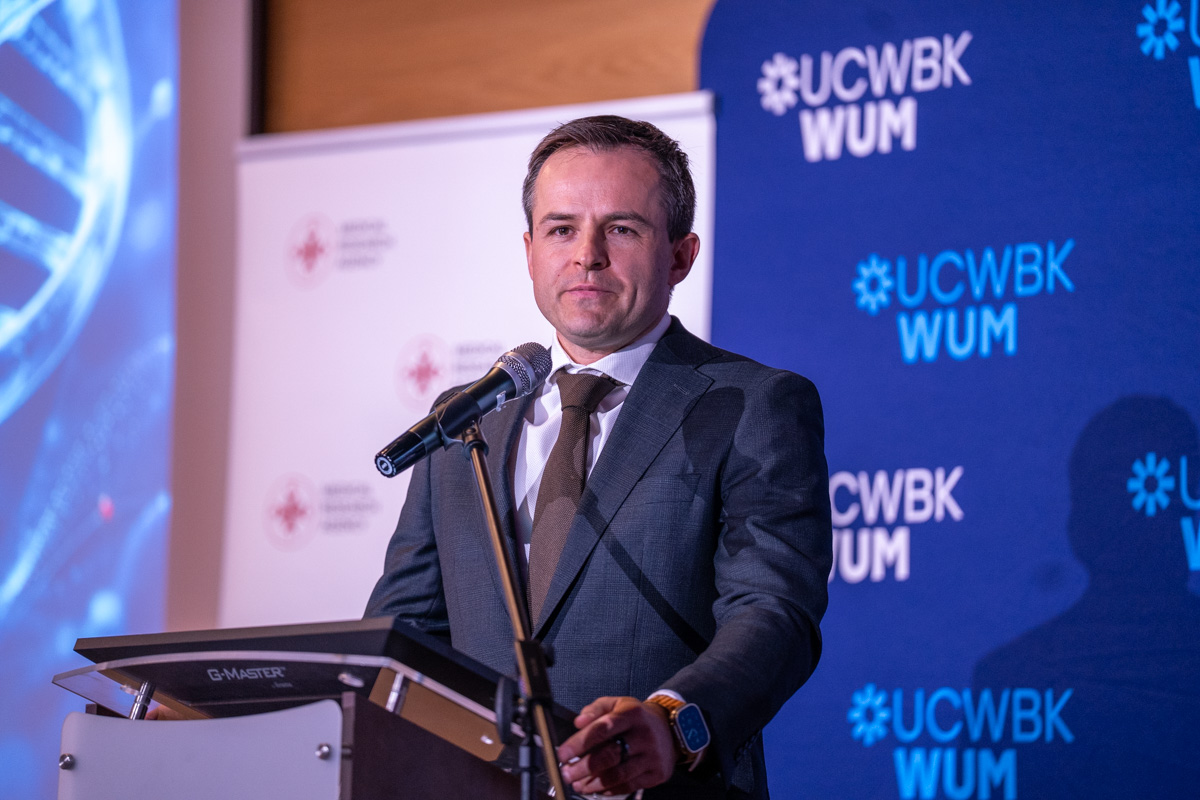
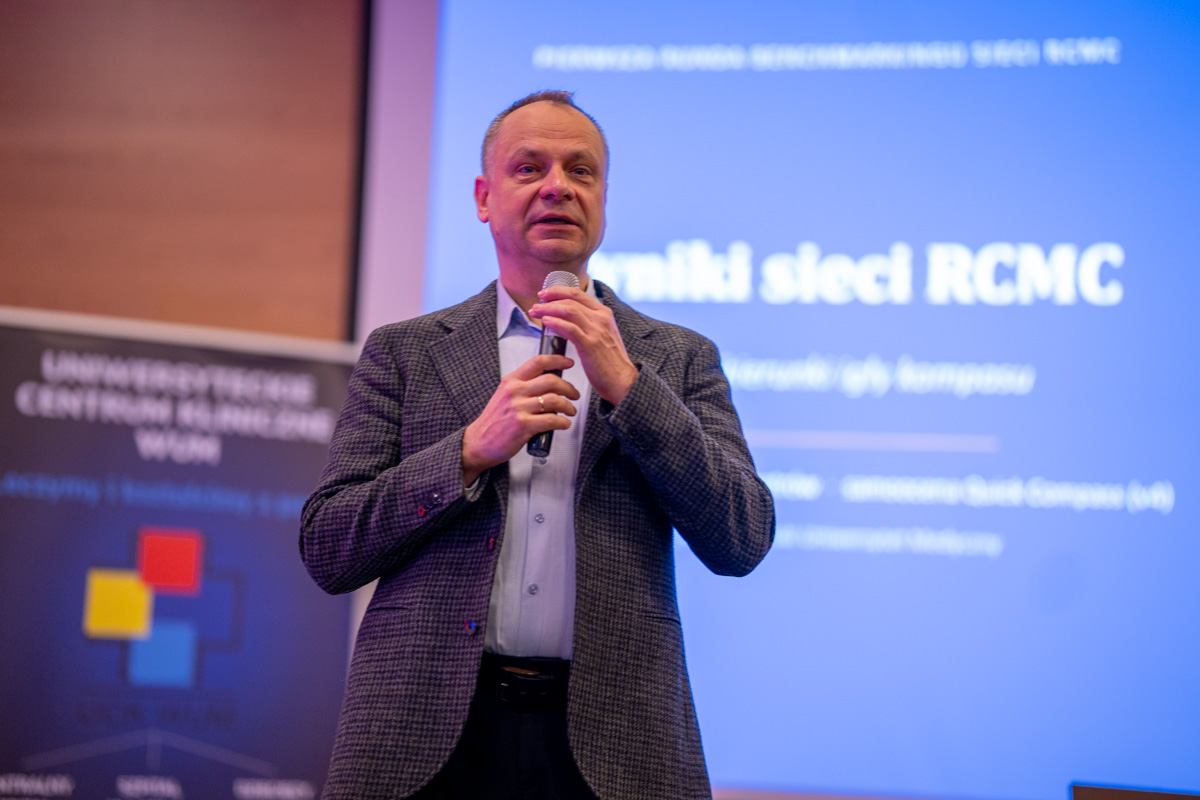
“We meet in the auditorium of the UCC WUM Pediatric Teaching Clinical Hospital – one of the largest in Poland, where clinical trials are combined with patient care on a daily basis. We, physicians, know our patients, their needs and problems. Therefore, we can talk to them about the possibilities offered by participation in clinical trials. At the same time, we are aware that the potential of our hospital in this area is not yet fully used. I hope that the next two days of the event will make it possible for us to fully exploit these opportunities,” emphasized Prof. Łukasz Kołtowski, the director of UCWBK WUM.
What was on the agenda
The program focuses on the development of PSBK, the functioning of CWBK, the digitization of medical records, cooperation with sponsors and the development of RCMC, interoperability and data exchange.
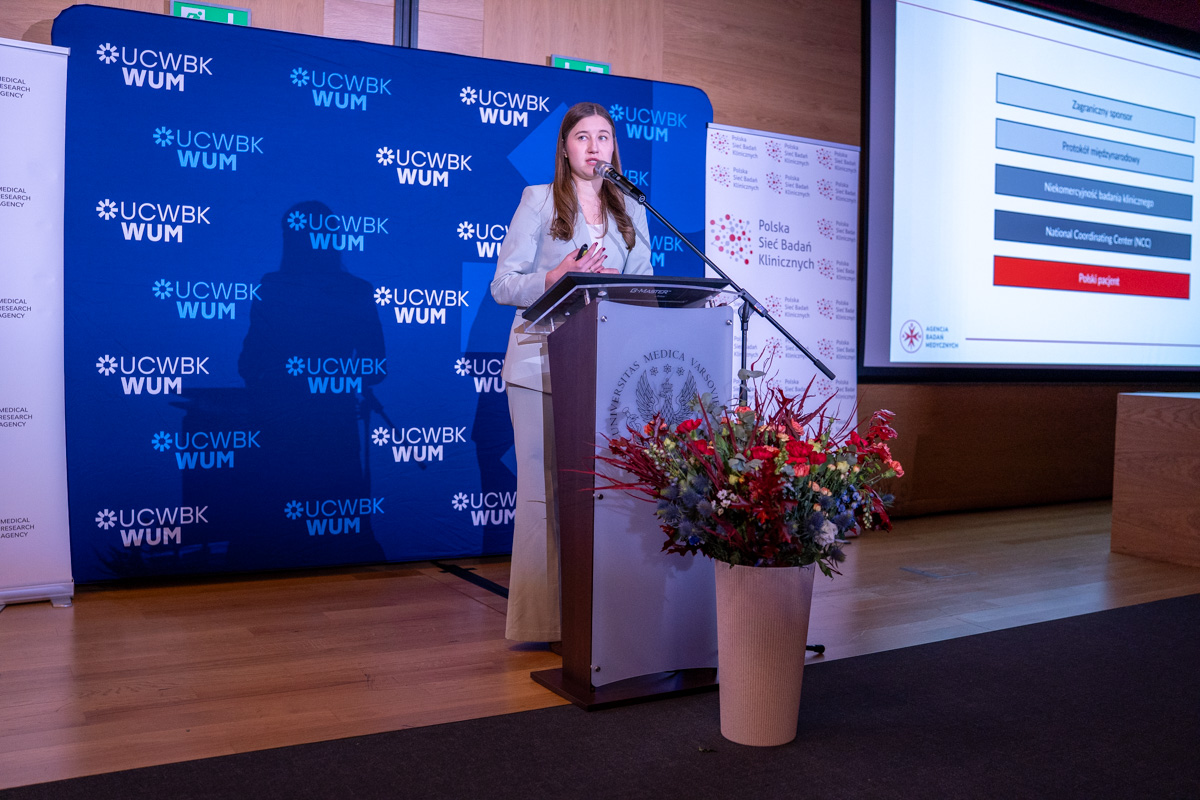
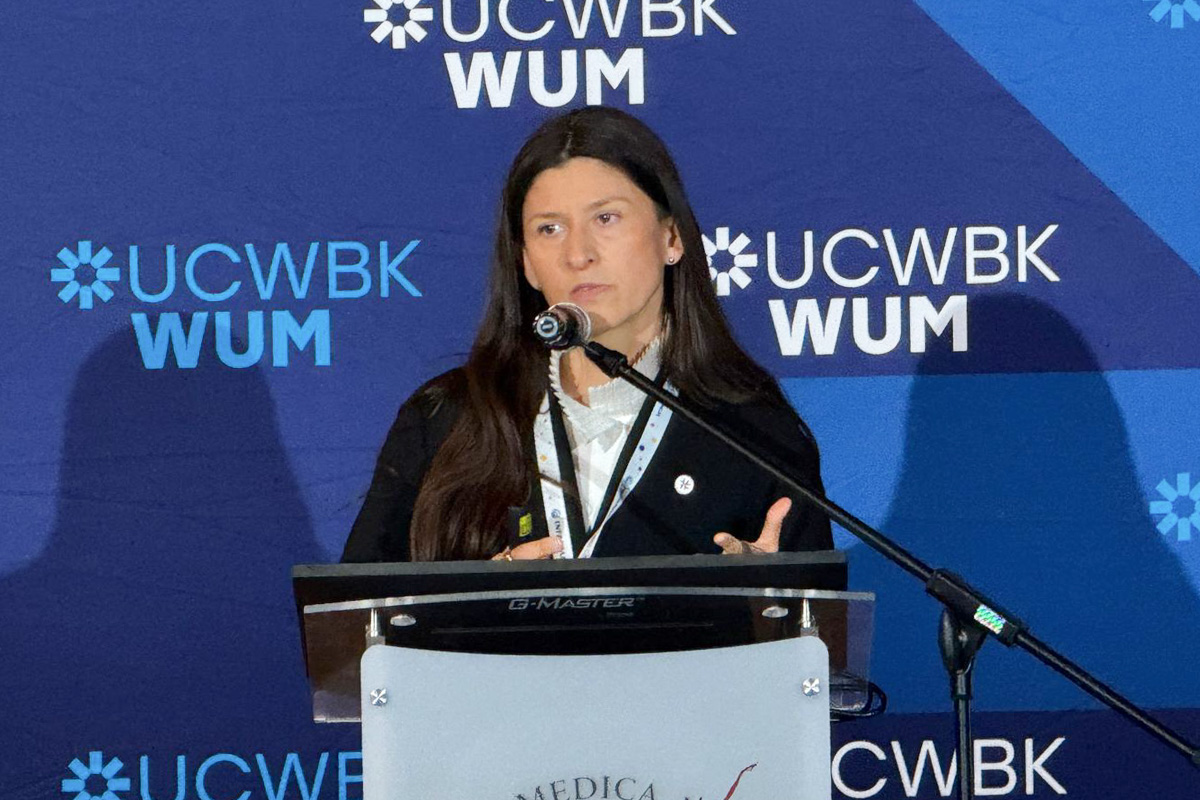
The first lecture panel featured representatives of the Medical Research Agency: Dominika Substelny talked about the new support mechanism for Polish medical centers, so that they could act as the National Coordinating Centers for international, non-commercial clinical trials based on foreign protocols. Dr Justyna Kutyba devoted her speech to the strategy of the Regional Digital Medicine Centers. She emphasized that after almost three years of the project, RCMCs built competent teams and appropriate infrastructure, becoming links between clinical trials, public health, biobanking and science.
“In biomedical research, the value usually appears only when we can increase the scale, when we can increase the population, combine competences or conduct various types of multicenter analyses. The next stage of RCMC development should not only involve the further expansion of fourteen independent centers, but turning them into one cooperating network,” the speaker highlighted.
Anna Tybińkowska, the Deputy President of ABM, discussed the development strategy of the Polish Clinical Trials Network: developing common standards for contracting and budgeting clinical trials, a uniform model for assessing the feasibility of a clinical trial, or the cooperation of the network with the innovation ecosystem and public-private partnerships.
The second day of the event was devoted to presentations of CWBK centers operating at Polish universities. Medical universities from Łódź, Białystok, Poznań, Wrocław and Warsaw, including the center operating at our university, talked about their activities.
The University Center for Clinical Research Support WUM was officially opened on 15 June 2026. It provides comprehensive support for commercial and non-commercial clinical trials conducted at WUM and UCC WUM and acts as a single point of contact for investigators, sponsors, institutions and patients, supporting the entire clinical trial process. The activities of UCWBK WUM were discussed by its Director, Prof. Łukasz Kołtowski.
At the same time, sessions of the Regional Digital Medicine Centers were held. They were devoted to such issues asthe results of benchmarking, assessment of organizational maturity and interoperability and data exchange.