WUM delegation to the 10th EUniWell Rectors’ Assembly
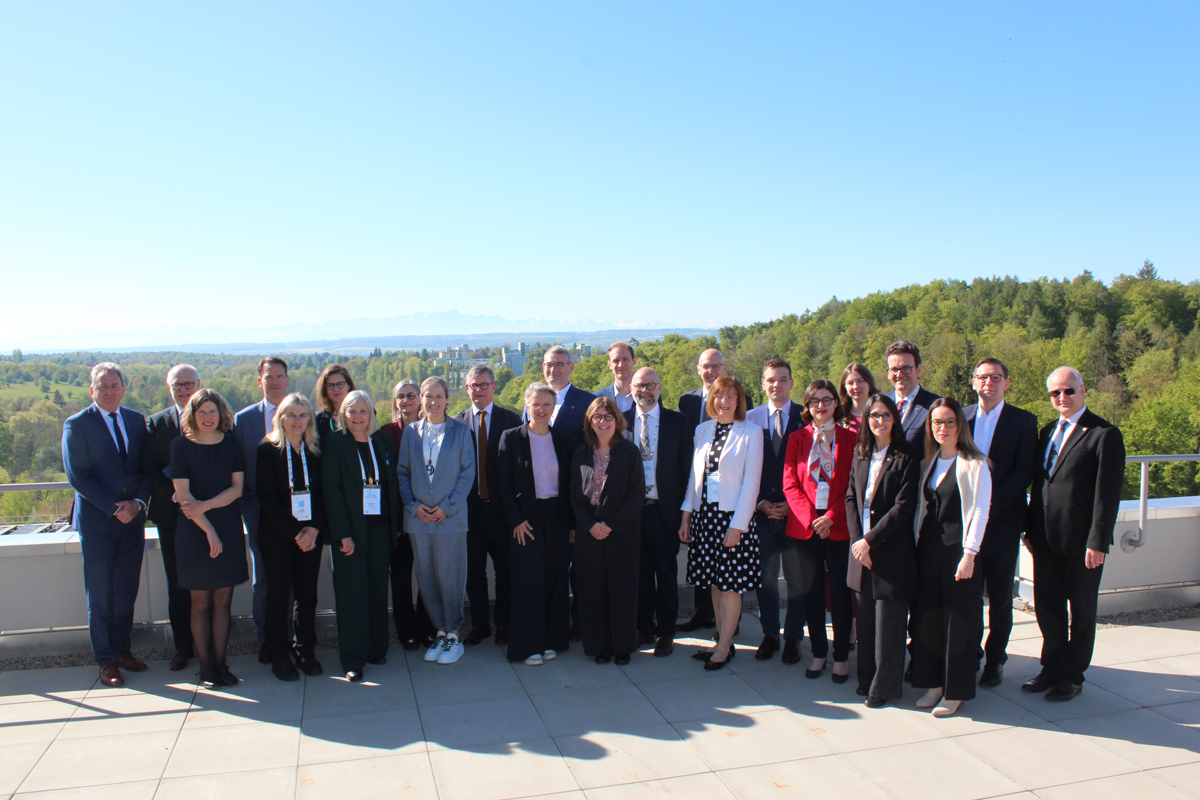
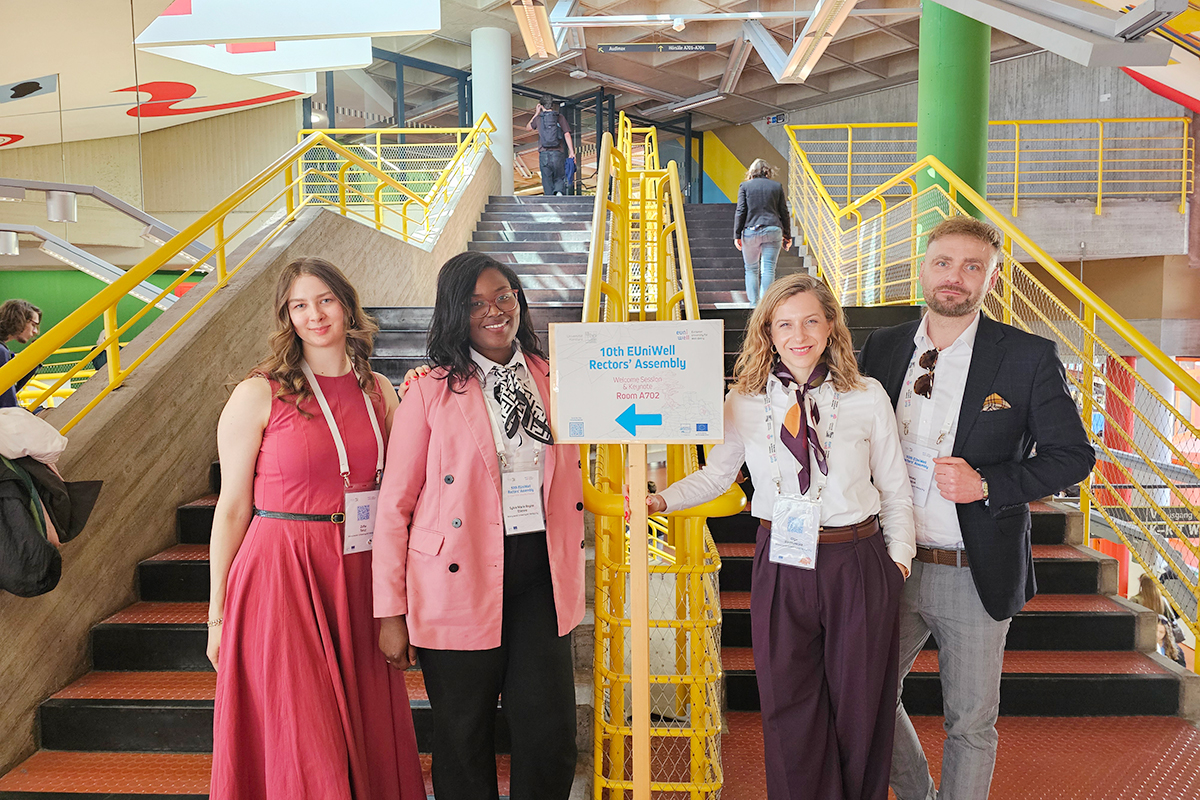
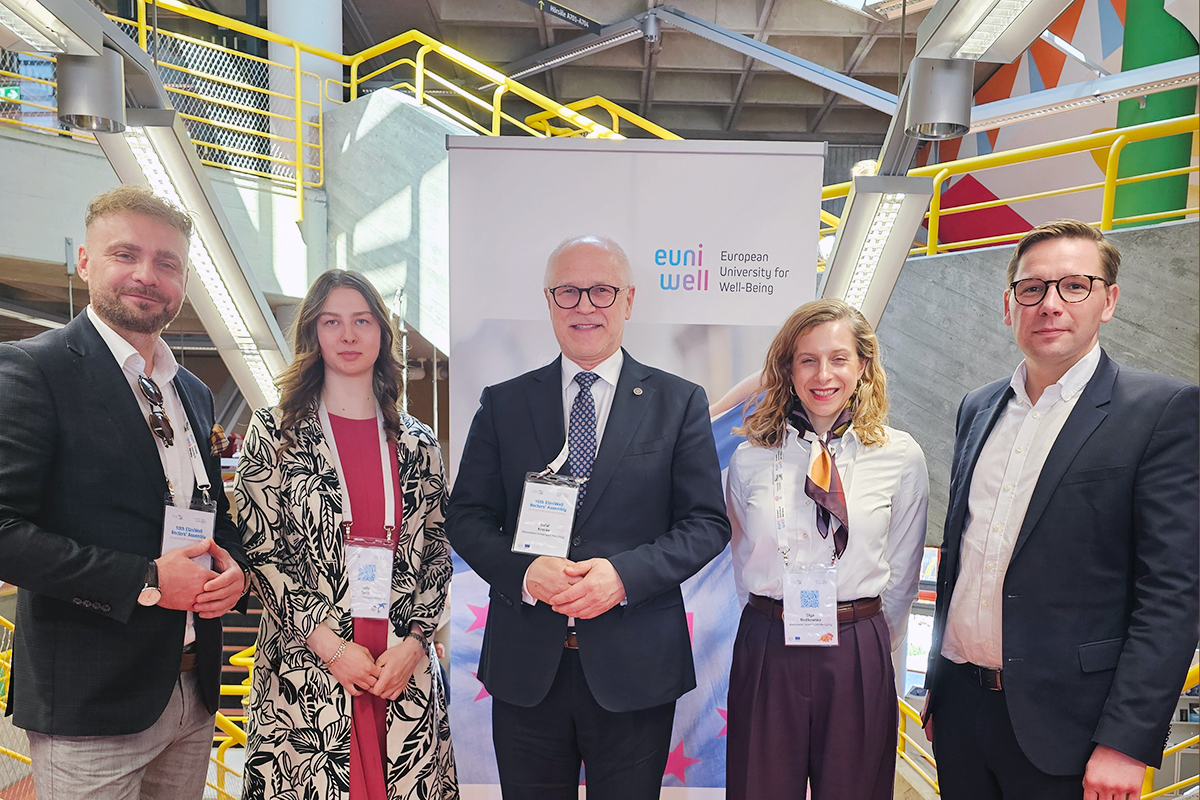
The 10th EUniWell Rectors' Assembly was attended by: Prof. Rafał Krenke, the Rector, Prof. Michał Grąt, the Vice Rector for International Relations, Development and Promotion, Dr Olga Rostkowska, EUniWell institutional coordinator at WUM, Dr Tomasz Warężak, the expert on Well-Being on Campus, and our students: Zofia Tarcz and Sylvie Marie Regine Etienne.
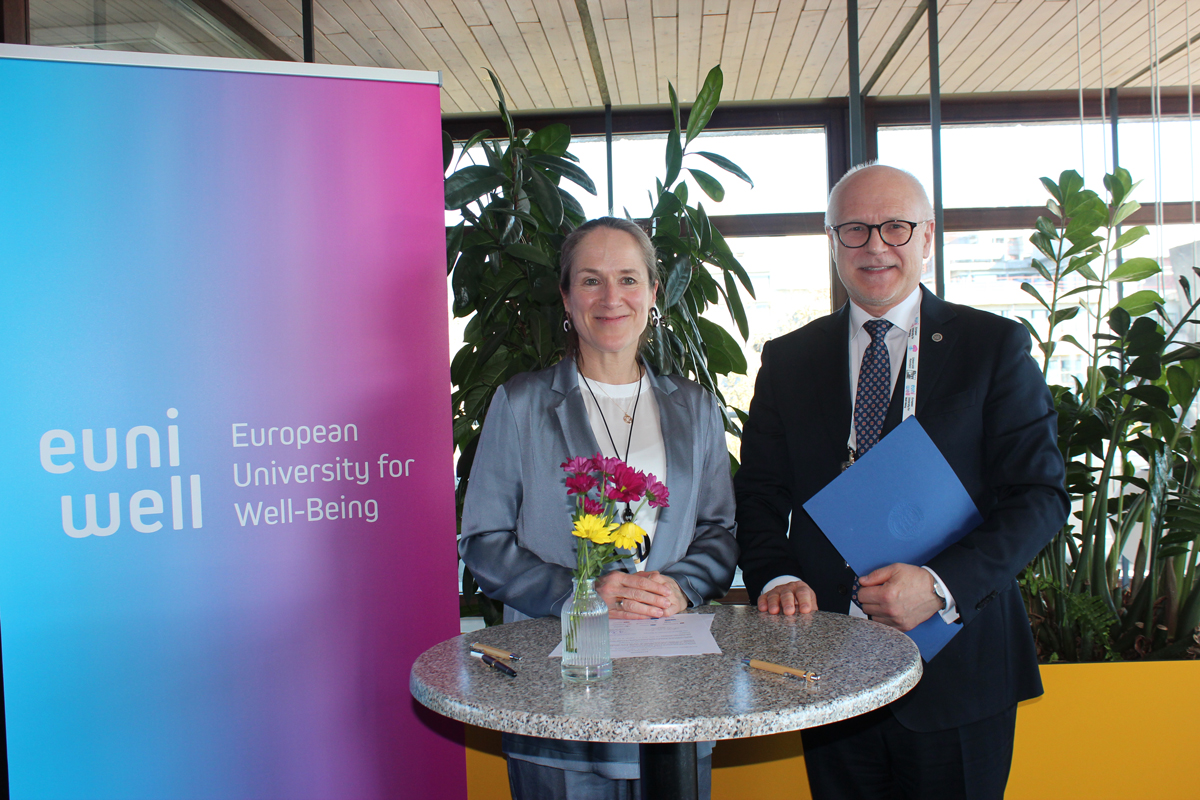
It's official – we are a member of EUniWell
The accession document, which formally confirmed the membership of WUM in the alliance, was signed by: Prof. Rafał Krenke and Prof. Beatrix Busse, EUniWell Director for Development, Deputy Rector for Teaching at the University of Cologne.
Strategic talks, presentations and workshops
The meeting participants of the meeting discussed proposals for multi-annual funding under the "European Universities" initiative for the years 2028-2034. It is the EU's flagship initiative aiming to foster strong, structural and sustainable partnerships between higher education institutions across Europe. The participants also listened to lectures on the community given by Dr Ulrike Capdepón and Prof. Dirk Leuffen. The congress program also included workshops on scientific research, teaching and diversity.
In addition to the topics of cooperation and integration, well-being on university campuses also constituted an important topic of discussion. Dr Tomasz Walężak presented a scientific project carried out in collaboration with the Universidad del Quindío in Colombia, which focuses on nature-based solutions. It aims to reduce exposure to pathogens in the context of environmental health.