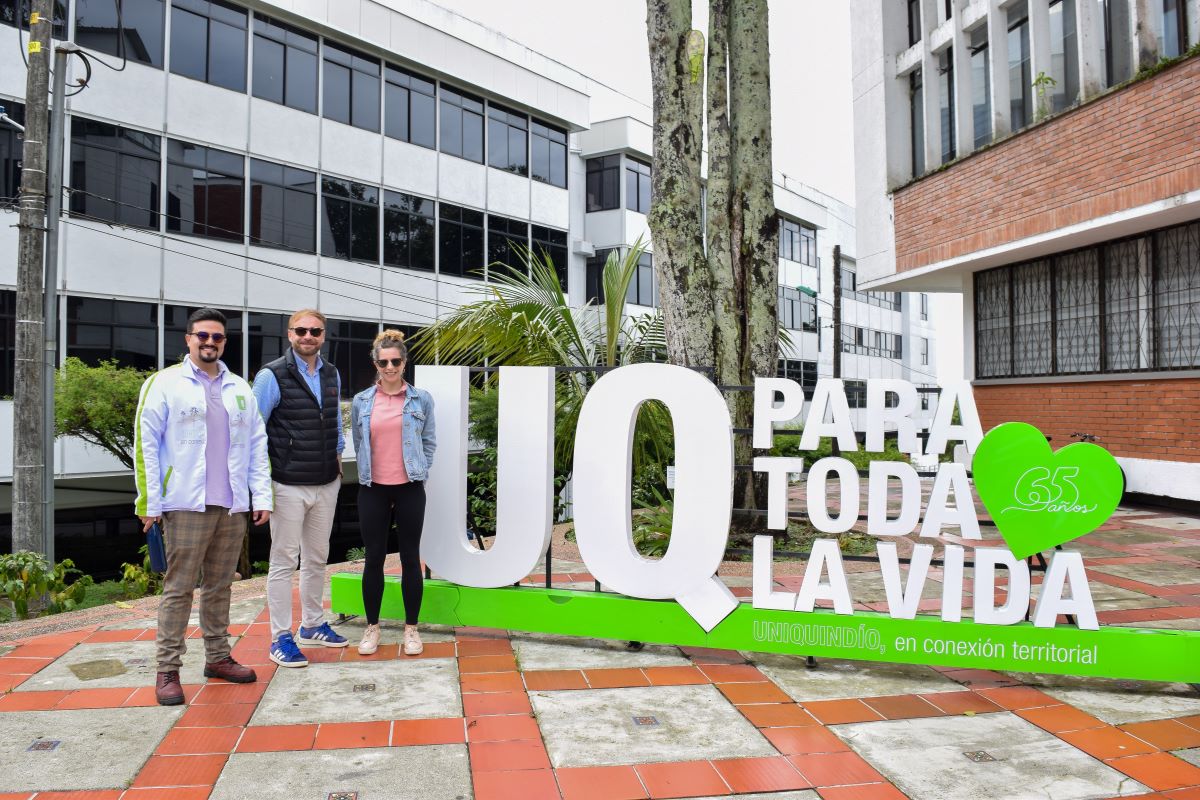
The WUM delegation included Olga Rostkowska, PhD, chairperson of the Steering Committee for EUniWell (European Universities for Well-Being), who offered two lectures: “One Health and Planetary Health: Integrating Human, Animal, and Environmental Well-Being”, and “Environmental Health – Can It Transform How We Work as Physicians?”
“Colombians have shown us that the One Health approach is more than just an academic concept, but a daily practice that applies from agriculture to education,” emphasizes Rostkowska. “Universidad del Quindío is a territorial university, strongly connected to the local community. The knowledge developed there in a way returns to the residents in the region – their schools, farms, and healthcare centers.
Academic Meetings and Joint Research
As part of the Colombia-Poland Hybrid Research Seminar, scientists from both universities discussed joint projects on parasitic and infectious diseases, environmental health, and sustainable development in medicine.
WUM researchers who joined online included Professor Justyna Kowalska, Professor Daniel Młocicki, and Andrzej Załęski, PhD, who presented the potential of Polish teams with regard to research into parasitic, tropical, and infectious diseases.
“Everyone was well prepared and open for collaboration, which sent a clear signal that joint research was a real possibility in the future,” adds Rostkowska.
On the environmental side, Poland was represented by Tomasz Warężak, PhD Eng., who has been working together with Colombian scientists on an innovative water purification technology based on Nature-Based Solutions. In the spirit of One Health, the project brings together biotechnology, environmental engineering, and public health, and serves as a starting point for a future patent application.
Environmental Health in Practice
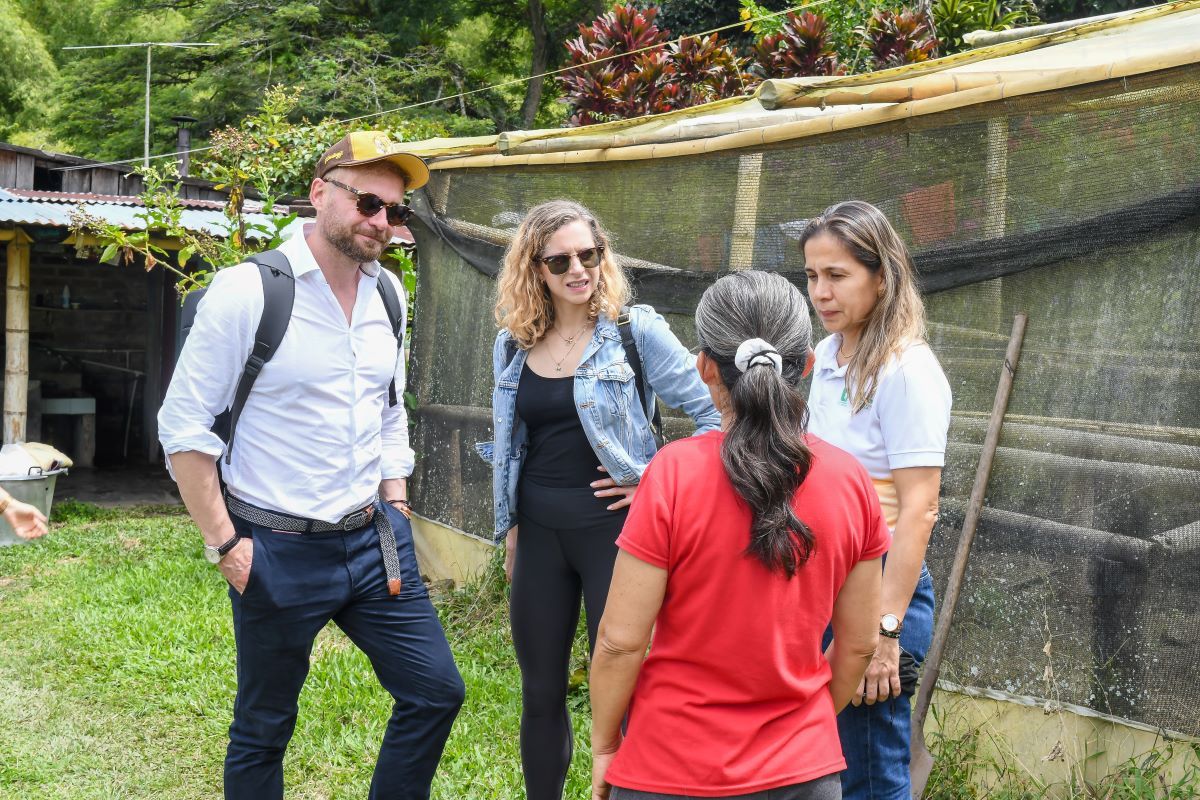
During the visit, Dr Rostkowska got to know the local health challenges in the Quindío region – from water- and vector-borne diseases (such as toxoplasmosis, giardiasis, or dengue), to organic contamination from farms and coffee plantations.
“The lack of effective waste treatment systems in rural areas makes the problem worse, which is why simple local nature-based solutions, such as hydrophytic bioreactors or rain gardens, are so important,” she explains.
Science Meets Everyday Life
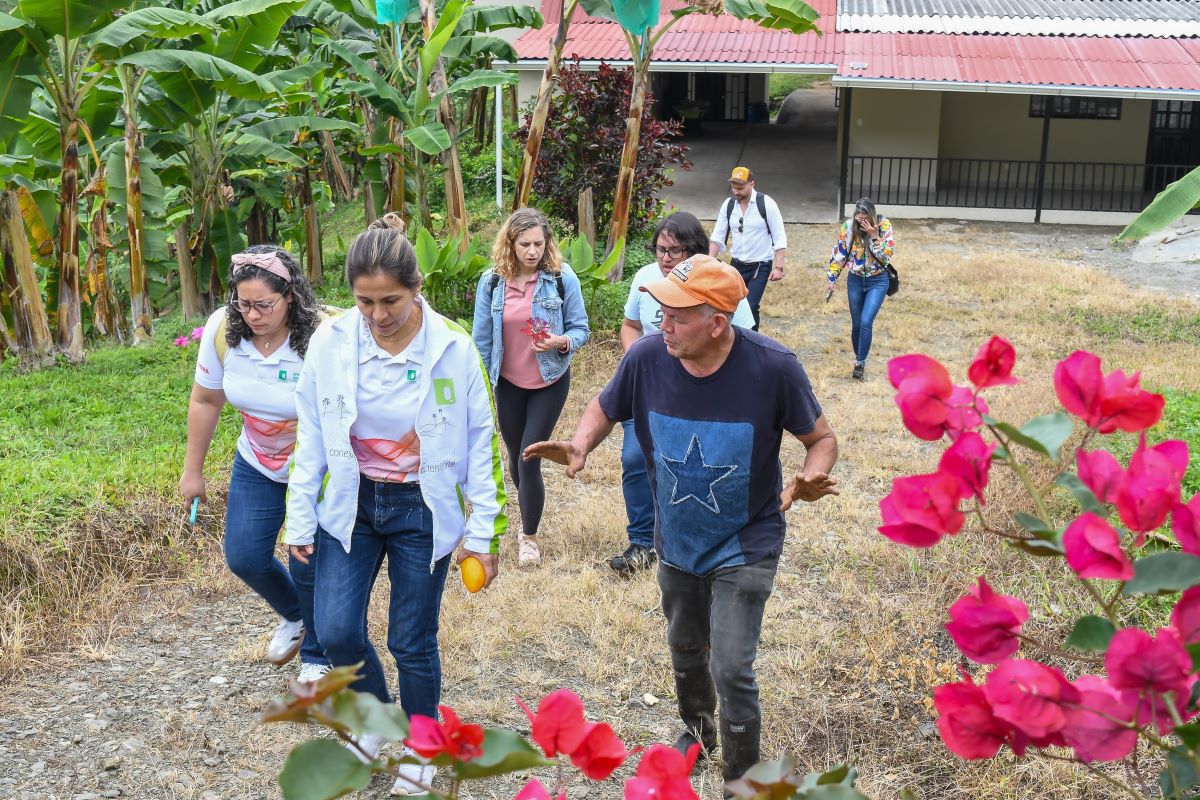
One of the most inspiring moments of the visit involved meetings with farmers and teachers in Córdoba and Buenavista, where sustainable agriculture and nutrition education programs are underway.
“I saw a deep understanding that local food is the best medicine. Taking care of soil and water translates directly into the health of entire communities,” says Dr Rostkowska.
During conversations with students and residents, questions were asked about the practical aspects of environmental health and lifestyle medicine. The discussions revolved around the impact of nutritional habits, education, and product availability on patient health.
“Together, we debated on how clinical practice could be made more sustainable and environmentally friendly, in line with UN recommendations and initiatives such as Choosing Wisely,” she adds.
Partnership Rooted in Dialog and Trust
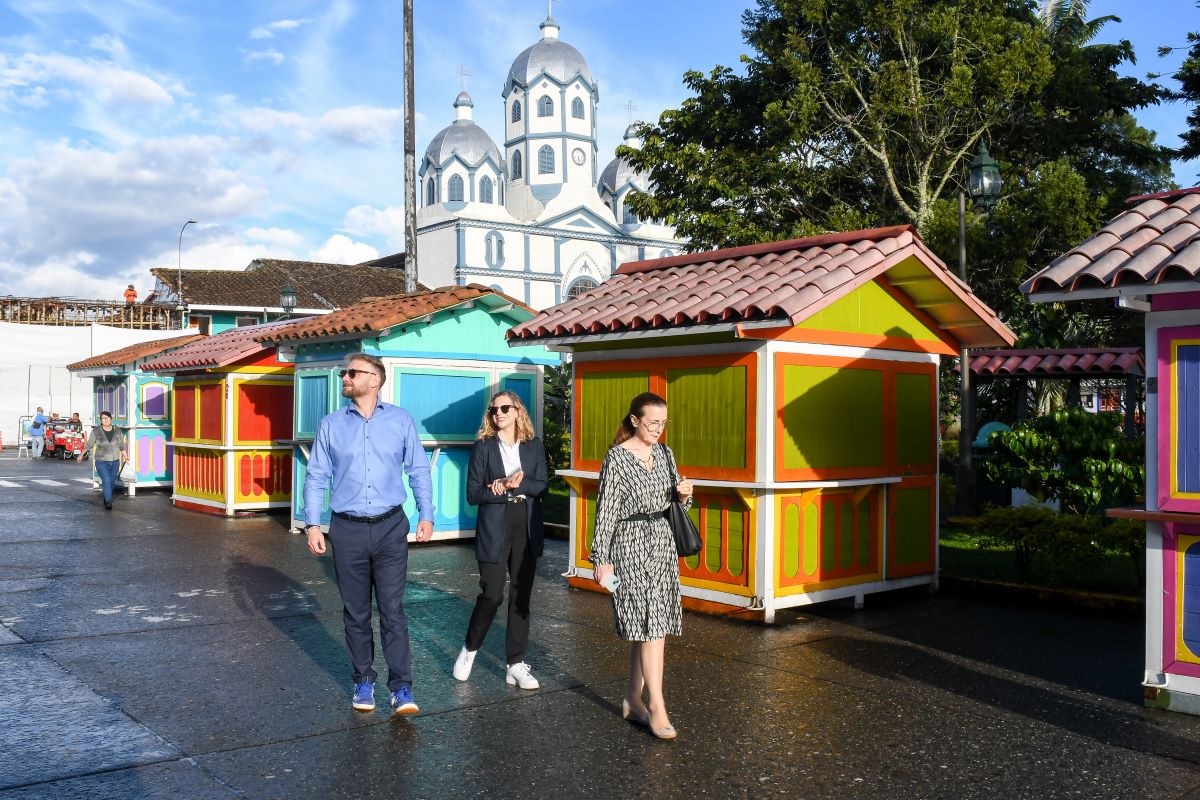
The visit in Colombia also served as an opportunity to get to know the academic atmosphere at Universidad del Quindío, which is very open and warm.
“The University pulsates with life. Lecturers and students cooperate in a way that feels almost family-like. We felt taken care of very well, and very welcome,” reminisces Dr Rostkowska, and thanks the university authorities for their hospitality and support.
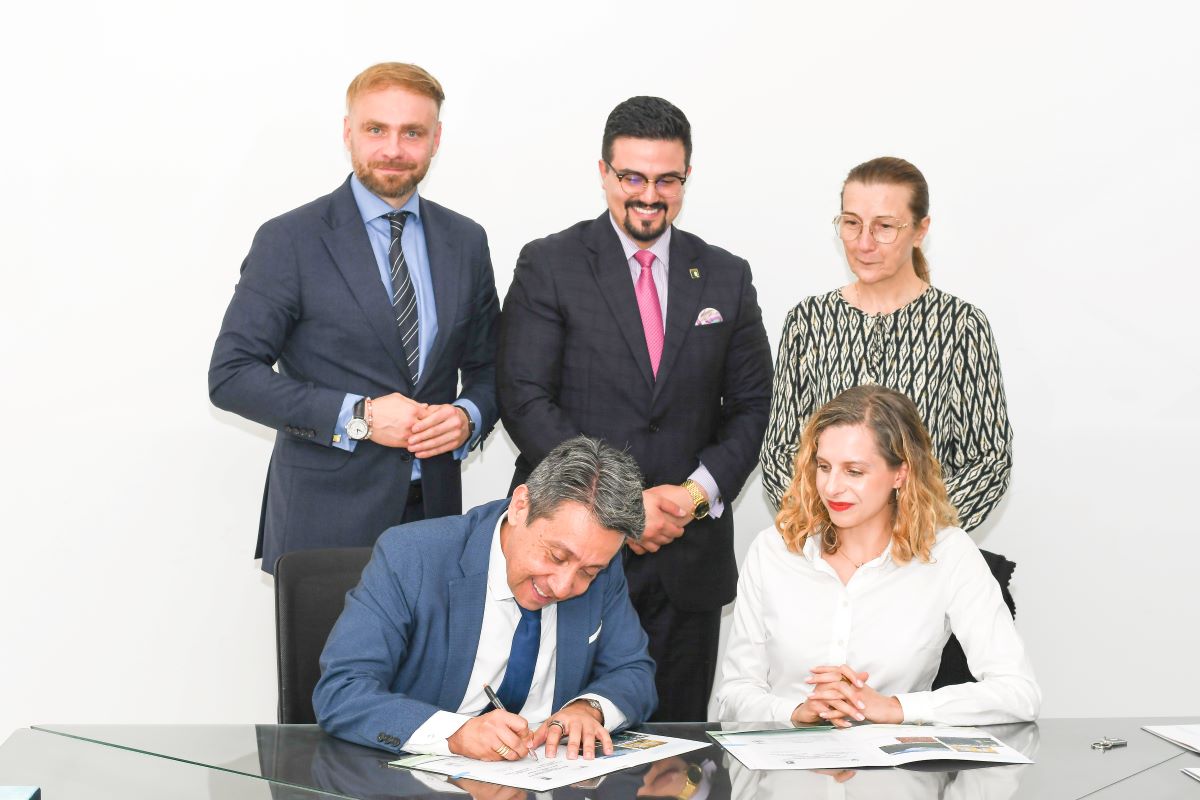
The meeting in Colombia proved that science can bridge distant continents. The Medical University of Warsaw and Universidad del Quindío share a common goal – to expand the knowledge that serves human health and the planet.