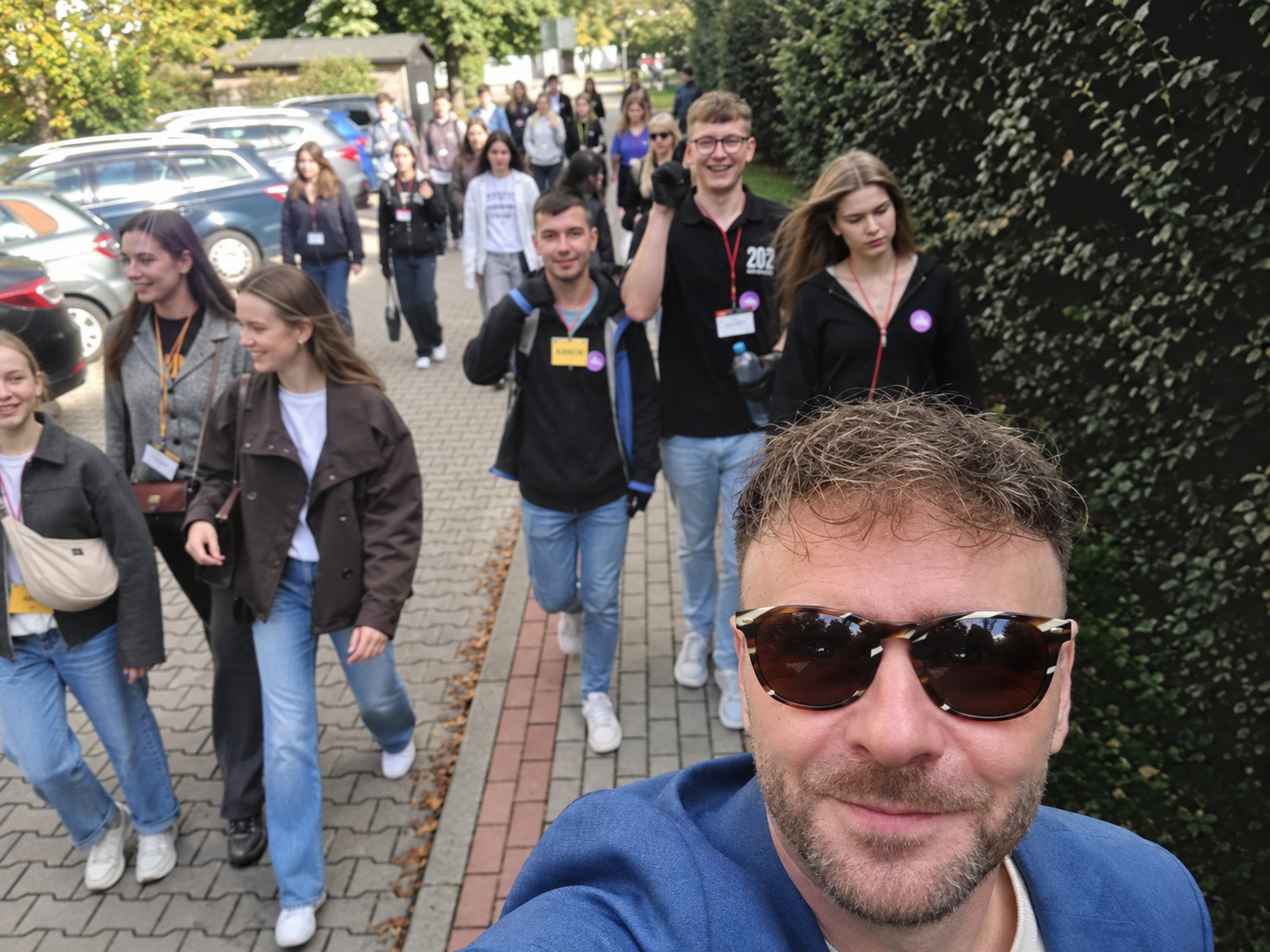
“Participation in the Festival of Science is an opportunity for the Faculty of Health Sciences to invite the residents of Warsaw and Mazovia to our university and show that health is a topic that concerns each of us, and science can be presented in an attractive and accessible way. This is an important element of social responsibility and the mission of our faculty – to popularize science, disseminate knowledge about health and build trust in research-based knowledge,” emphasized Dr Małgorzata Witkowska-Zimny from the Department of Human Anatomy, who coordinated the participation of the Faculty of Health Sciences in the festival.
From blood components to environmental health
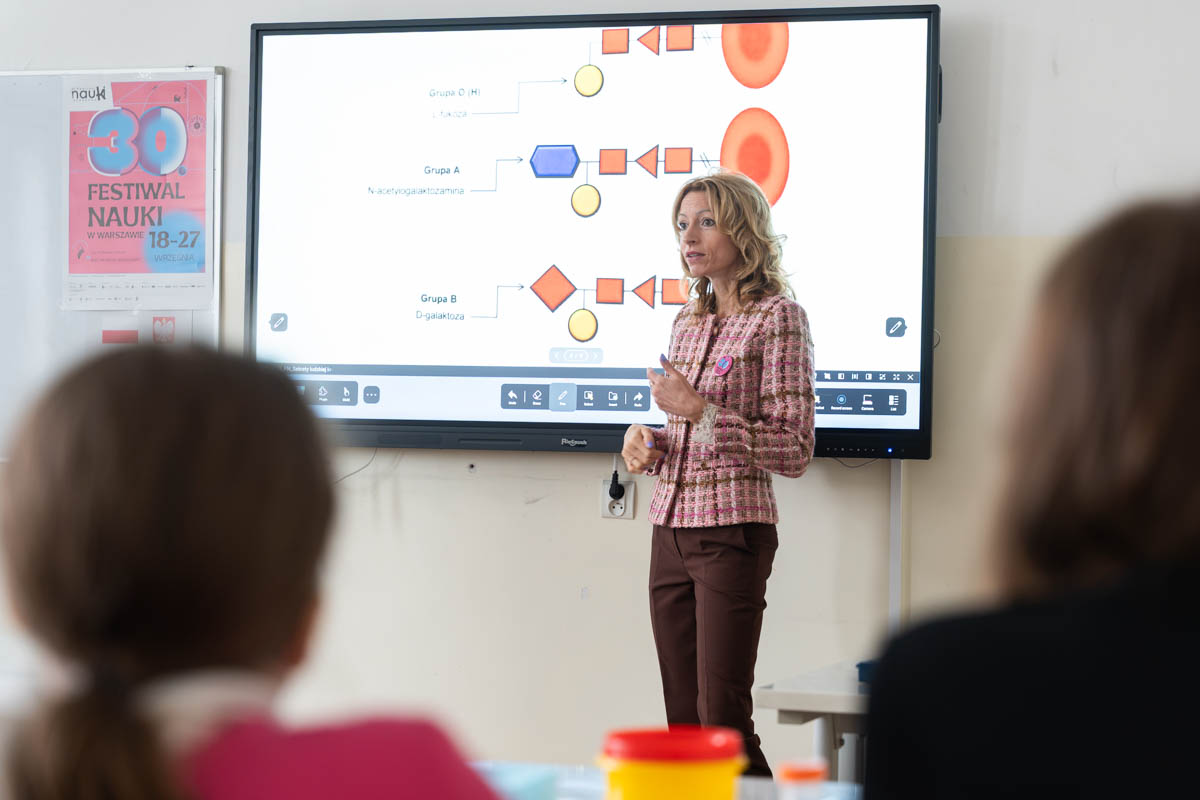
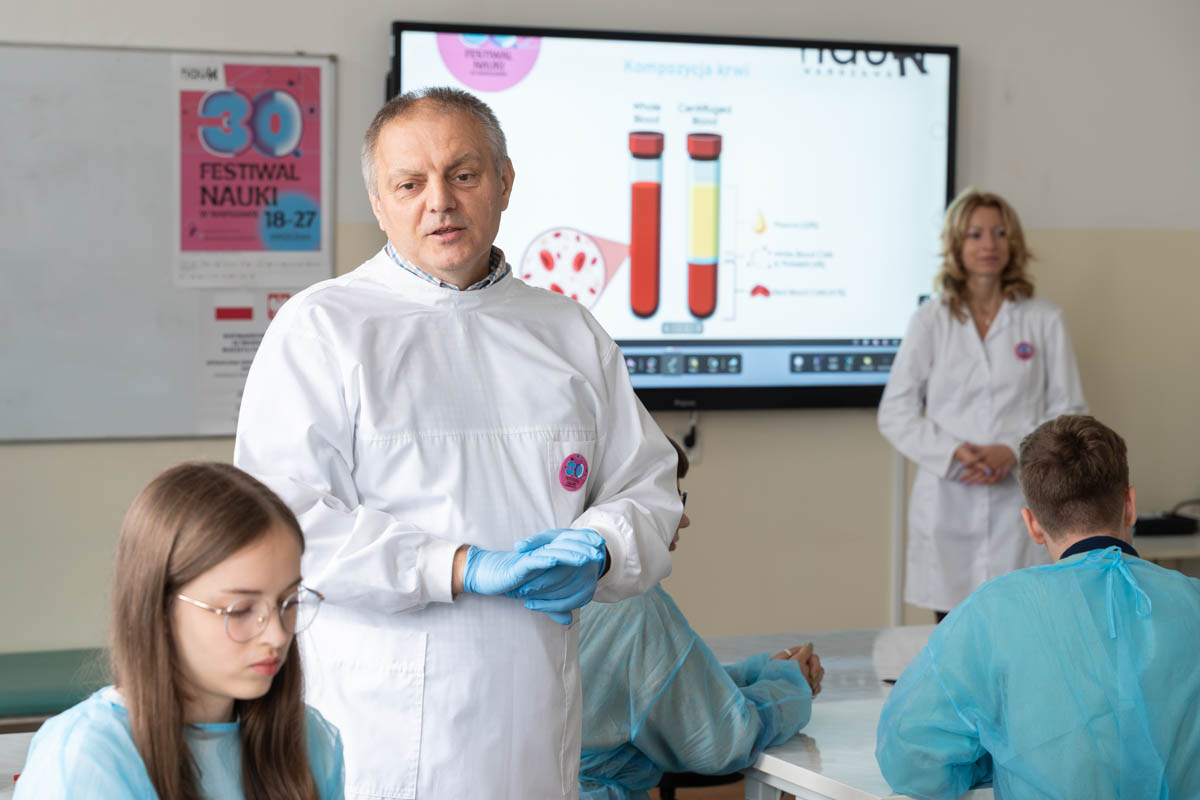
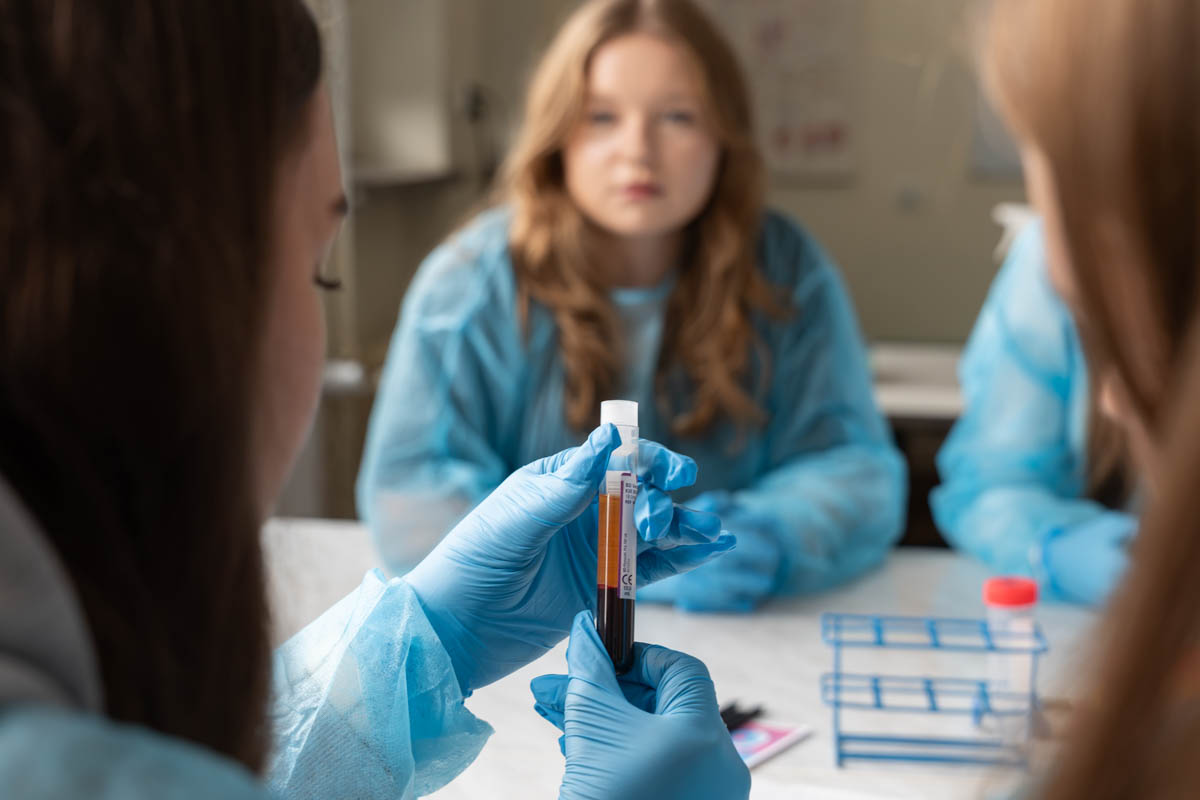
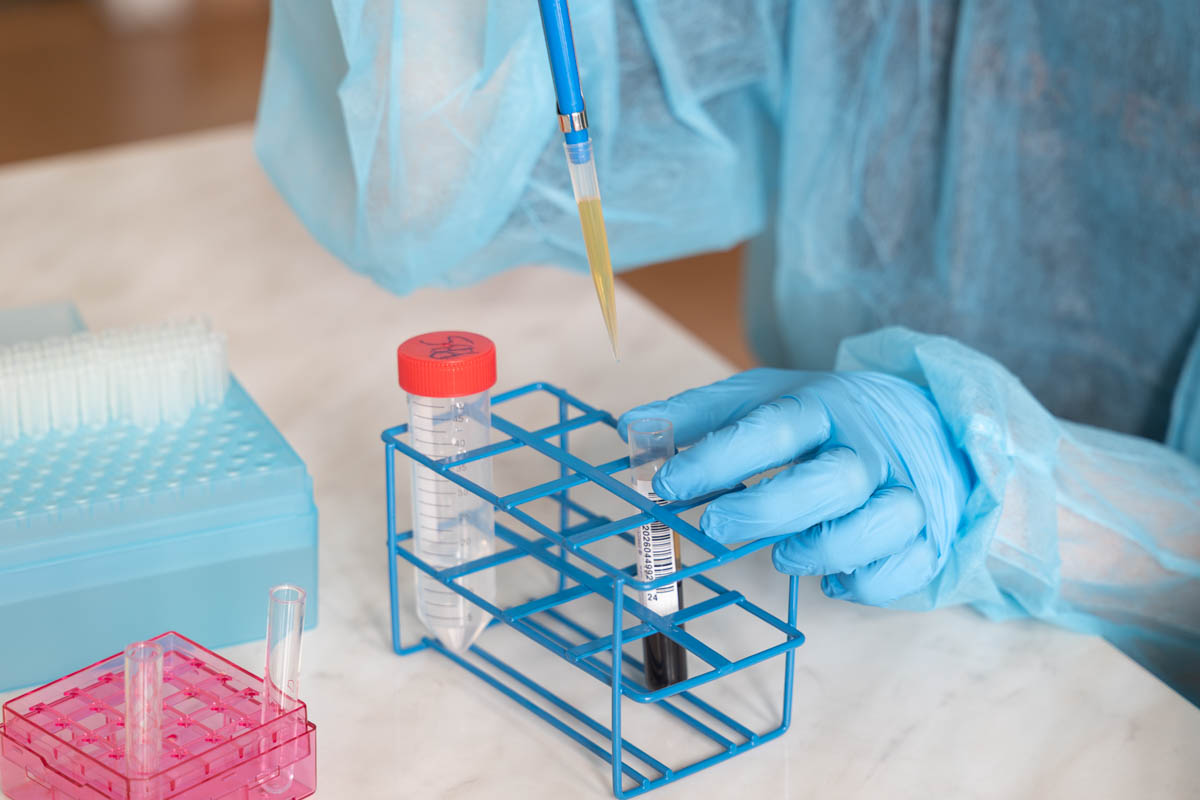
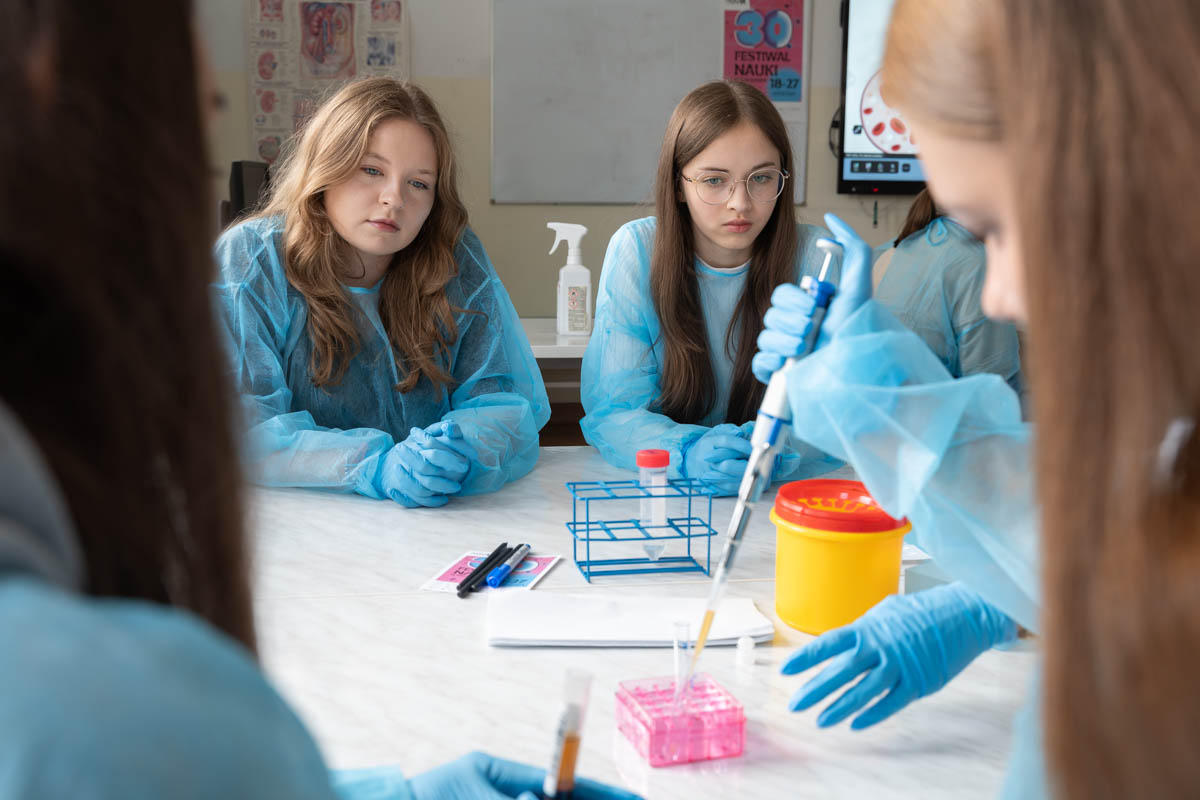
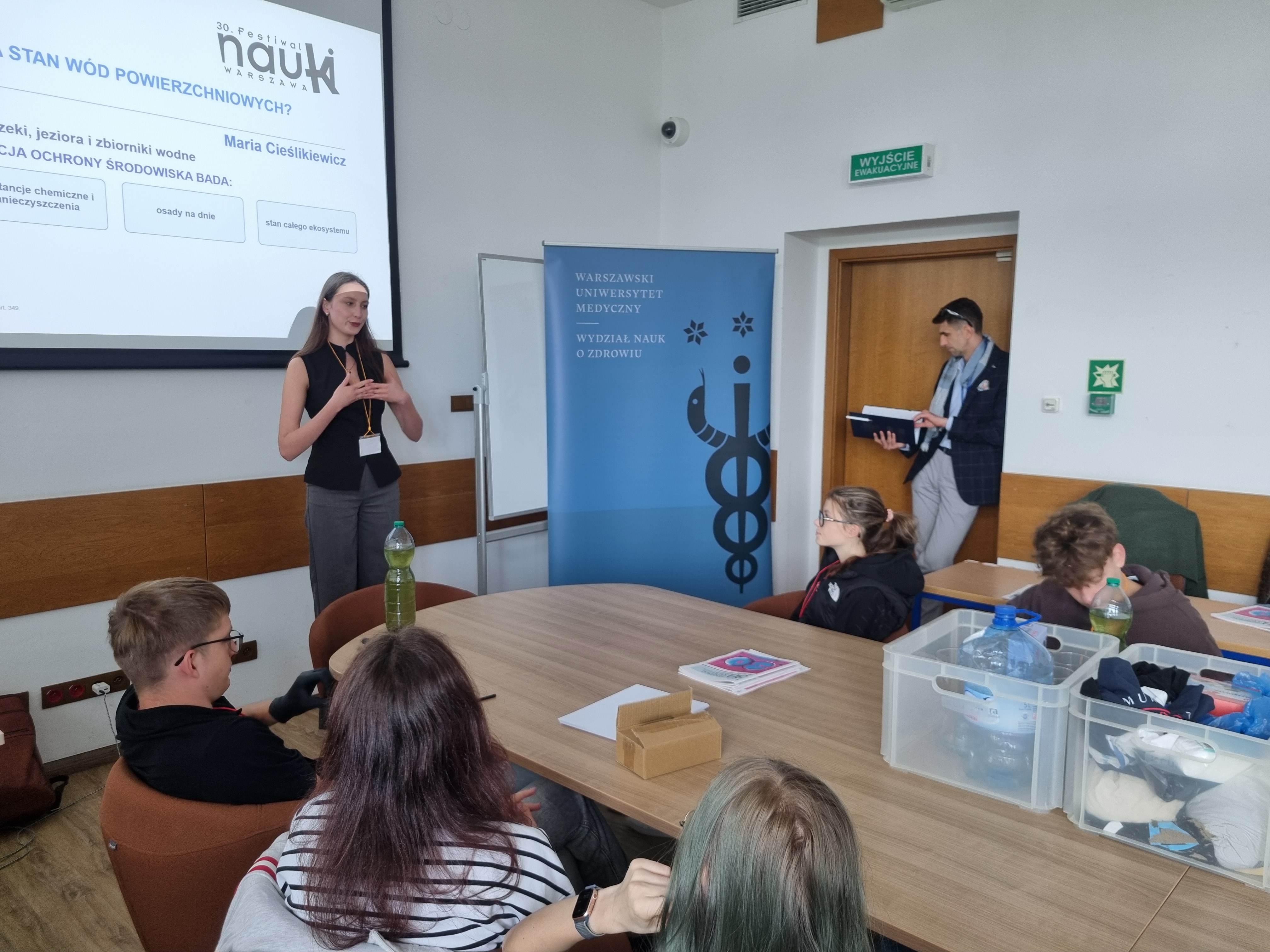
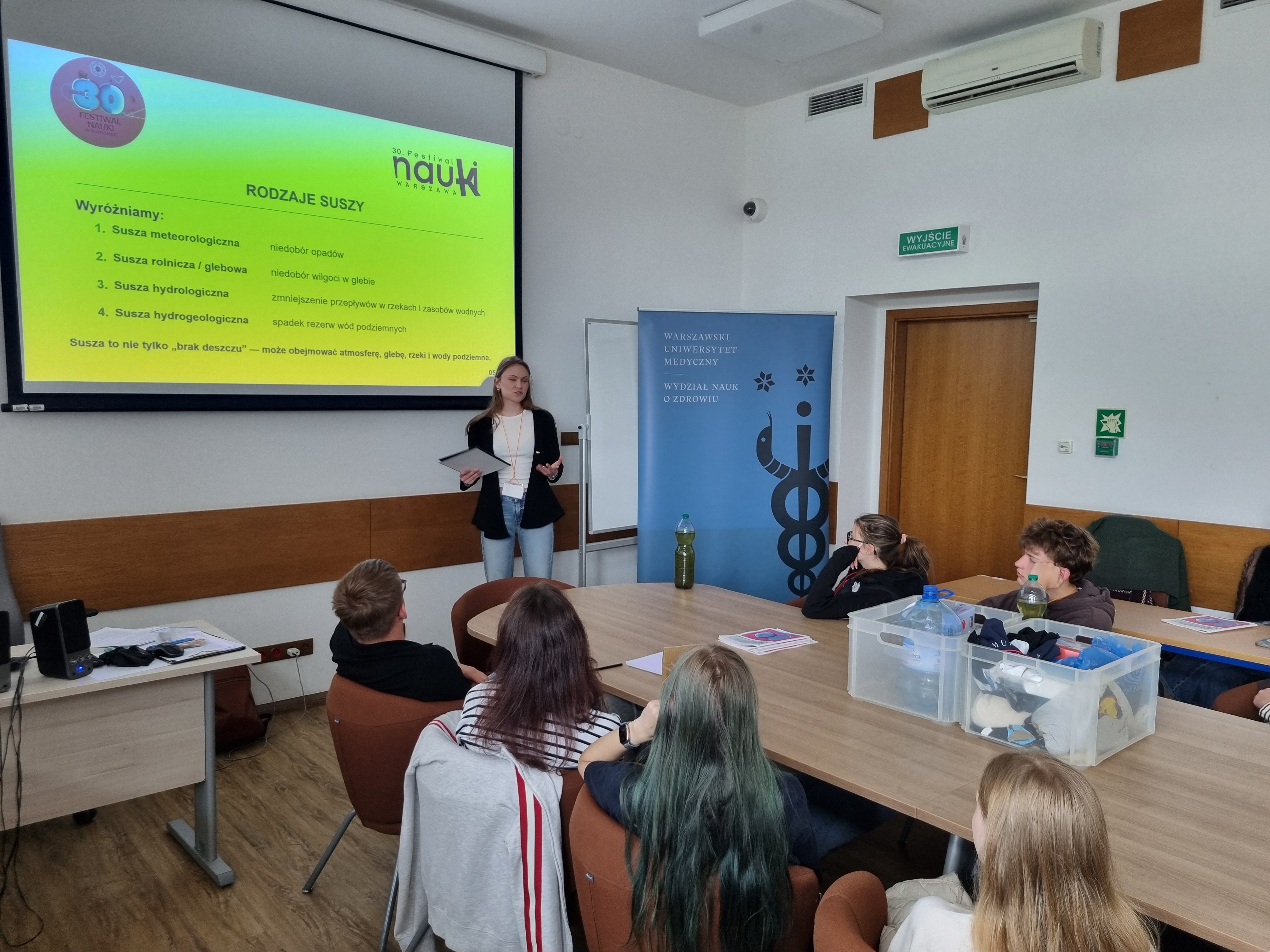
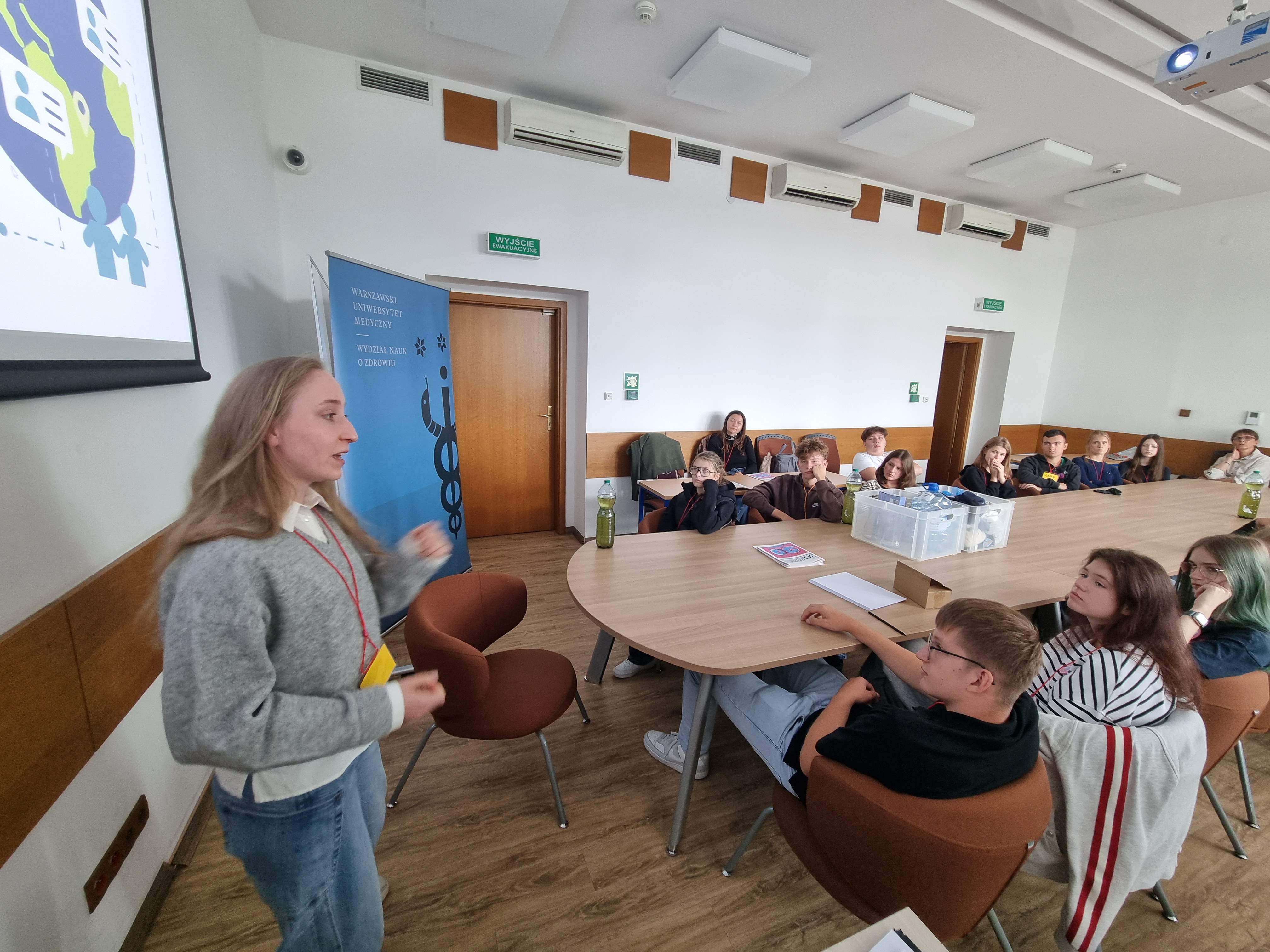
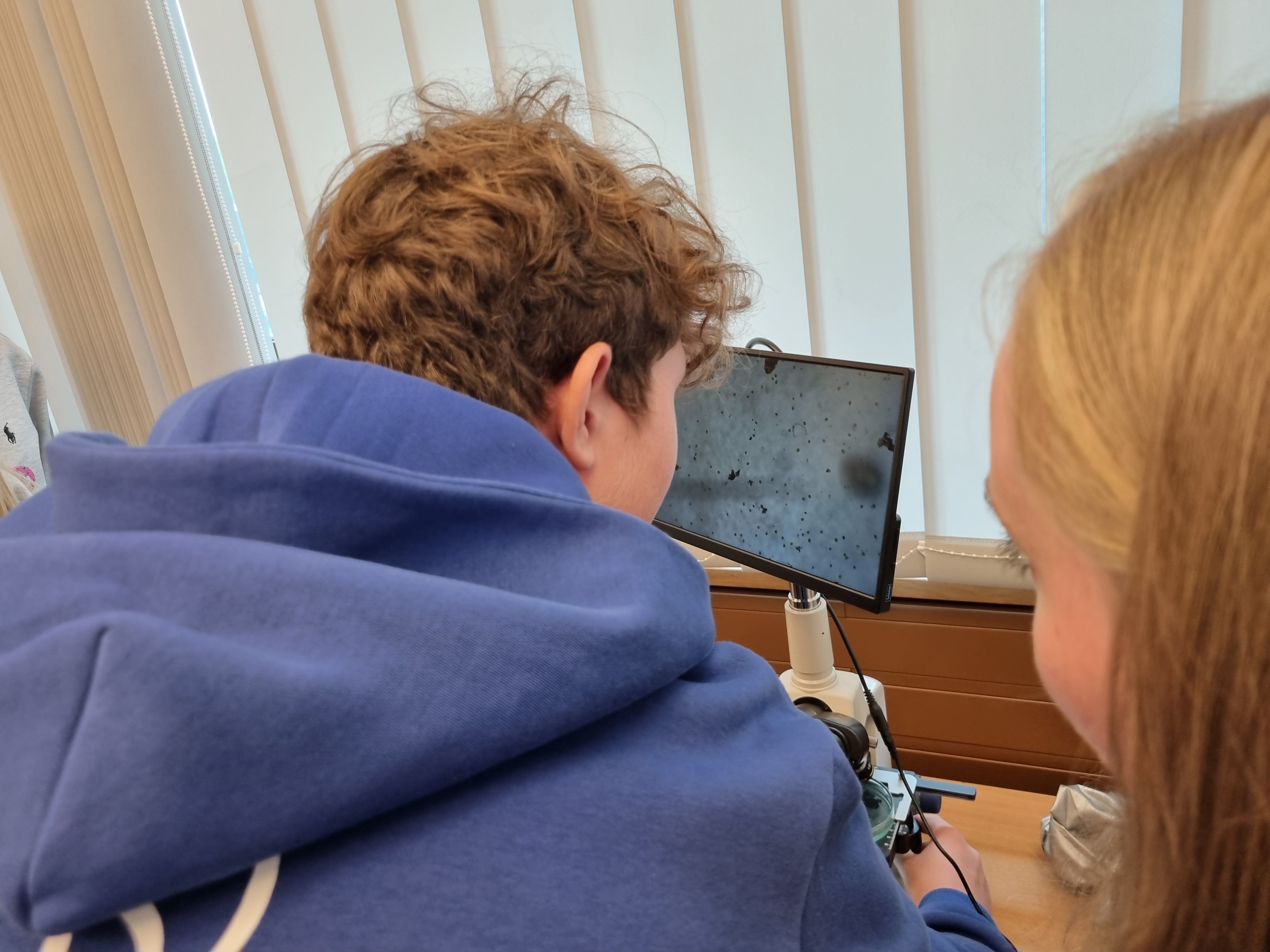
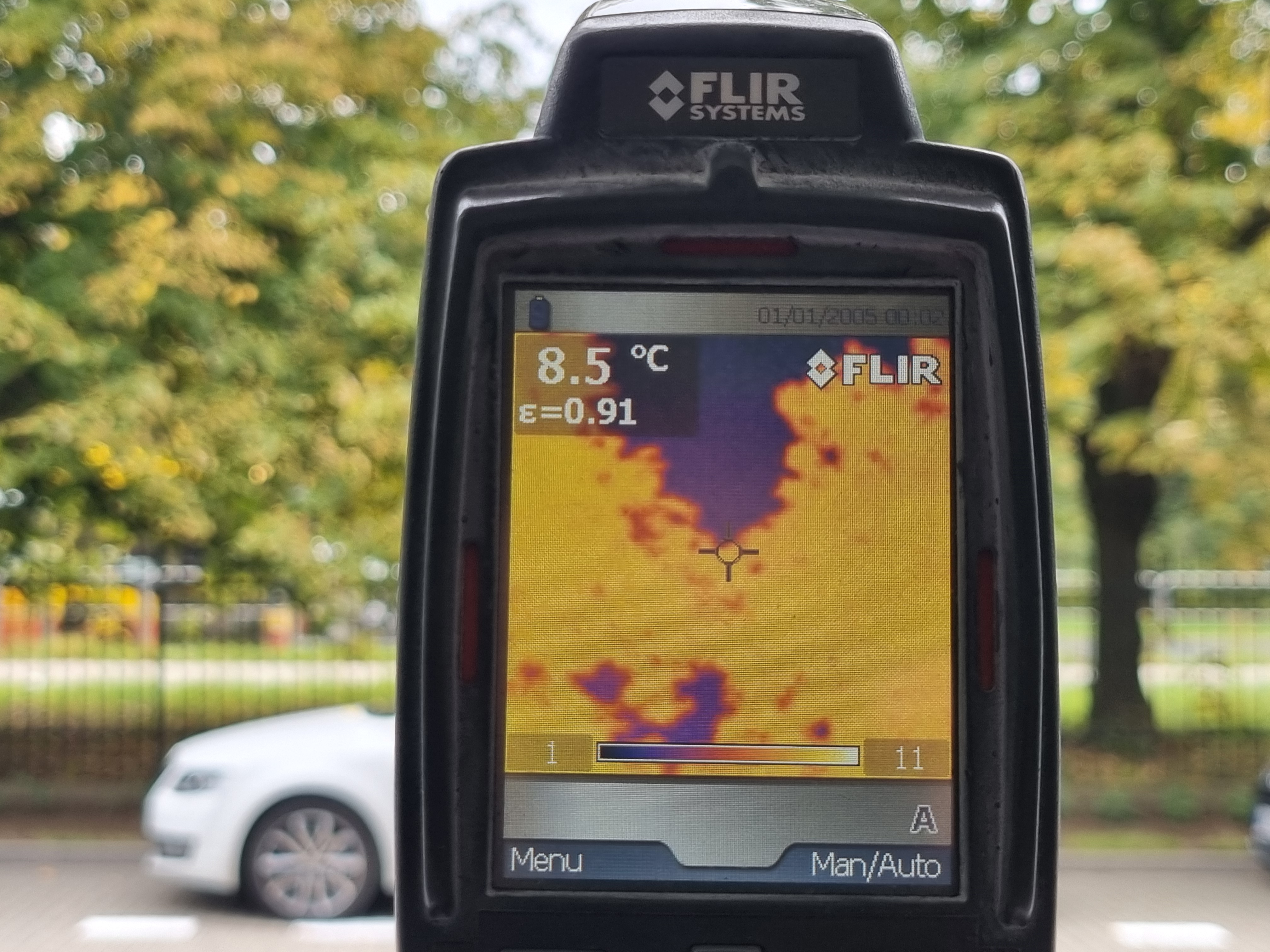
The Faculty of Health Sciences prepared classes for schools and workshops open to all interested. Young people participated in lessons on the components of our blood, human development, breast self-examination and the impact of the urban heat island on human health. The program also included classes on water quality.
One of the most interesting events was the workshop entitled “Breast milk under the magnifying glass – science and practice based on the activities of Breast Milk Banks”. The participants visited the Breast Milk Bank at the Holy Family Hospital in Warsaw. They could take a close look at a place that is normally accessible only to the employees.
“The participants had an unusual opportunity to get to know the breast milk bank from the inside. There are only 16 such facilities in Poland, so the opportunity to see how they function is a special experience,” said Dr Małgorzata Witkowska-Zimny.
The workshop entitled “From conception to birth – helping a person come into the world” was also very popular. The participants learned about the stages of pregnancy, childbirth and newborn care. They used models, phantoms and teaching materials.
Pharmacy from the perspective of the laboratory
A rich program was also put together by the Faculty of Pharmacy WUM, which marked its presence particularly strongly at the festival this year. The offer was addressed primarily to secondary school students interested in chemistry, biology and pharmacy.
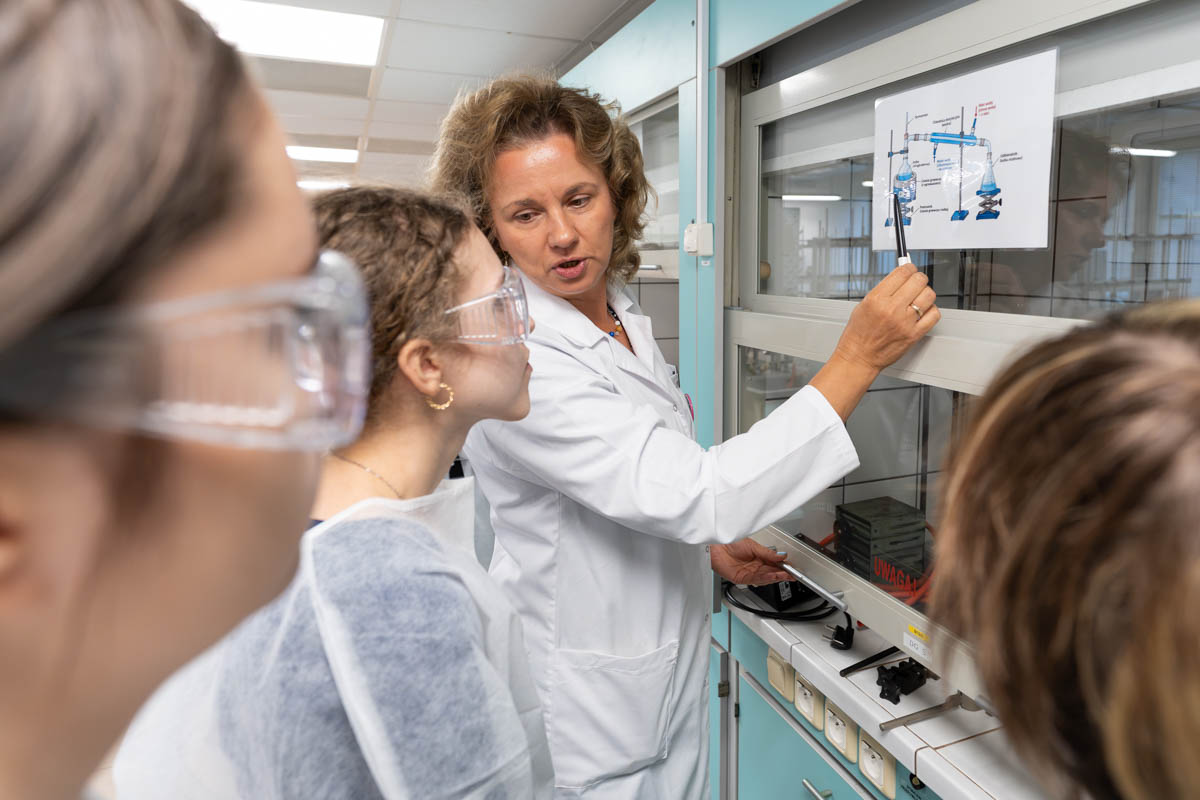
“In addition to education in two fields, the Faculty of Pharmacy is strongly involved in the popularization of science. We try to reach young, potential future university students with the latest knowledge. The Festival of Science is one of the most important initiatives promoting science and showing its significance for modern society,” said Dr Katarzyna Paradowska from the Department of Organic and Physical Chemistry, who coordinated the participation of the Faculty of Pharmacy in the Festival.
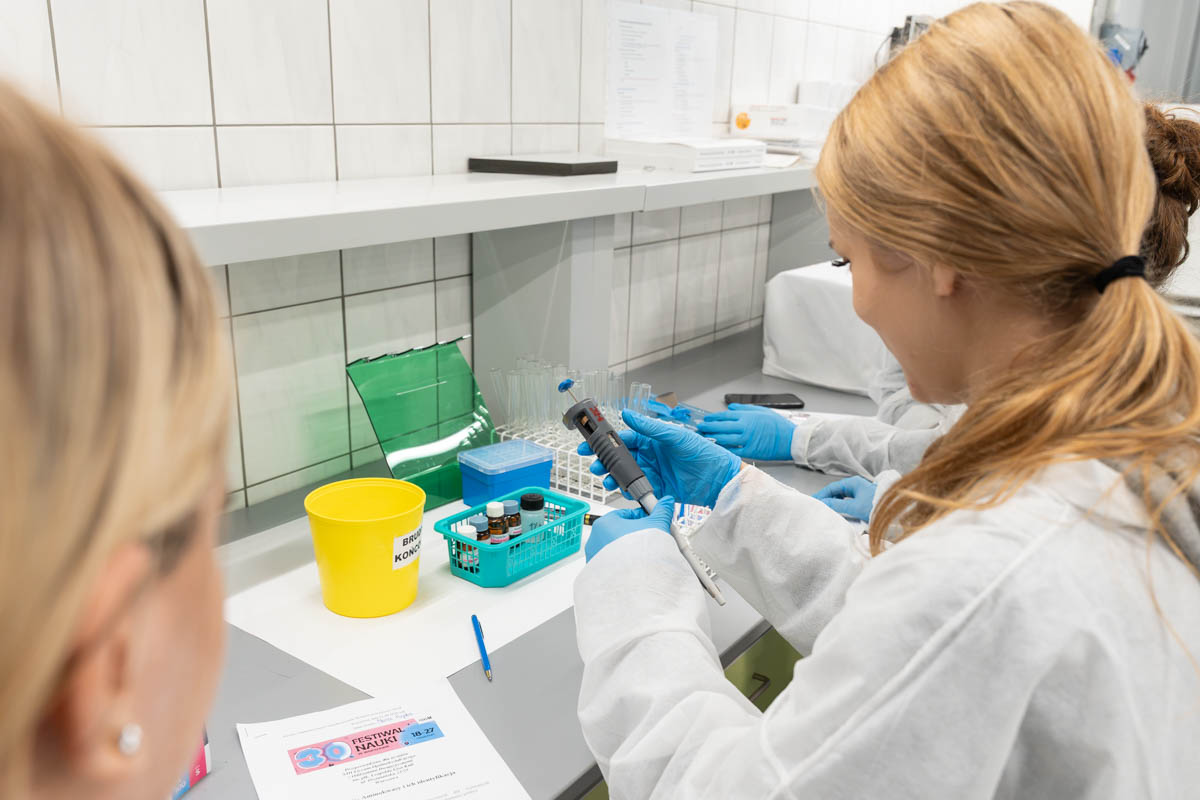
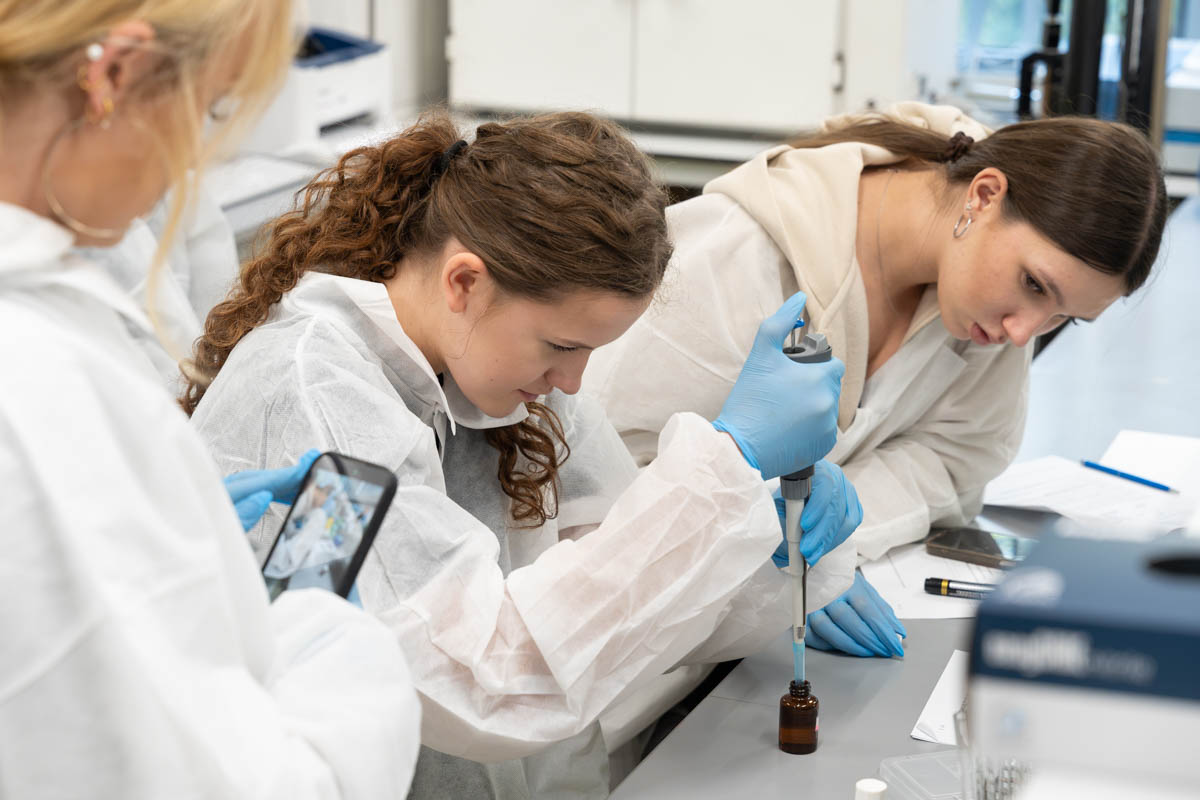
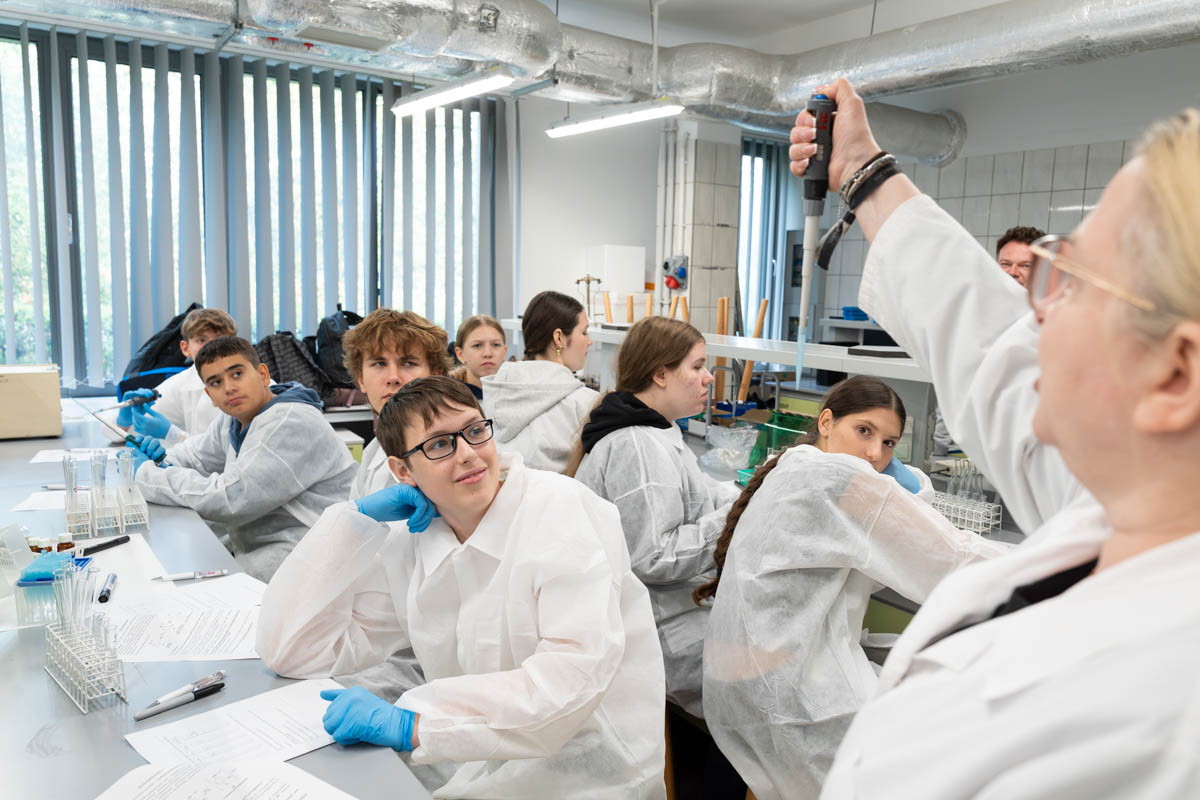
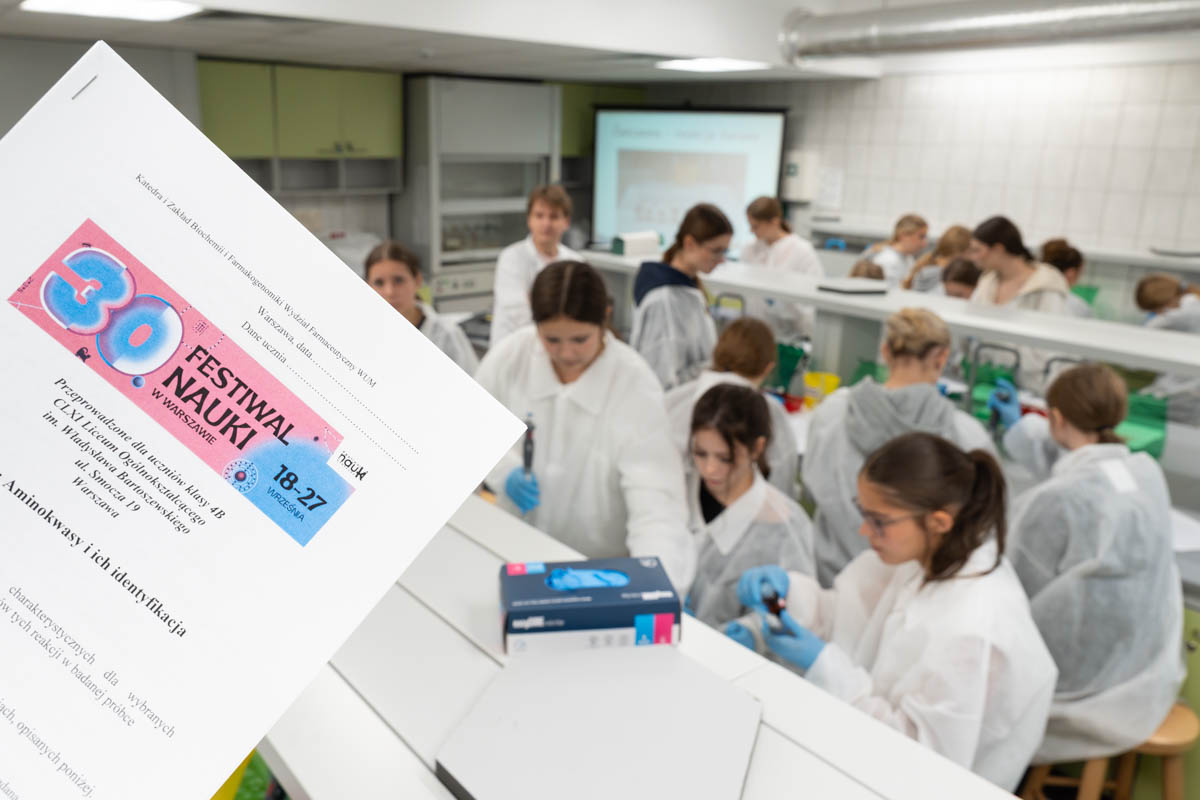
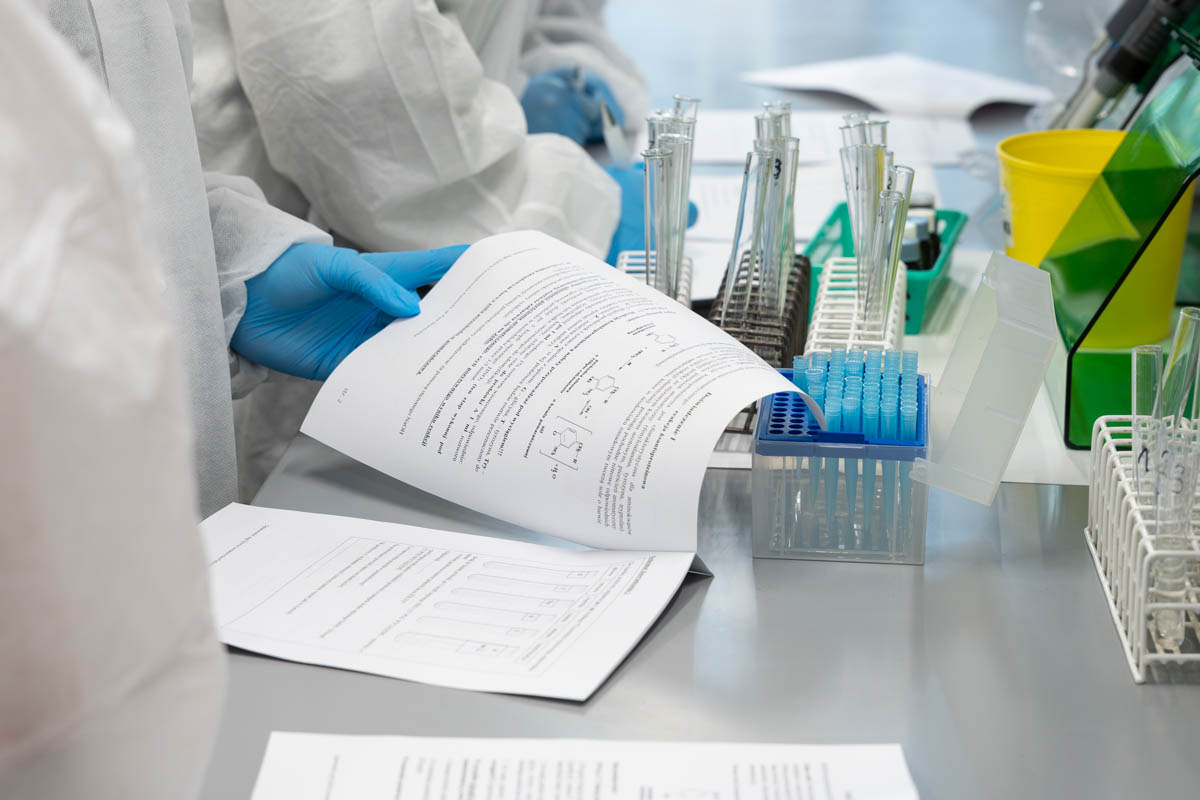
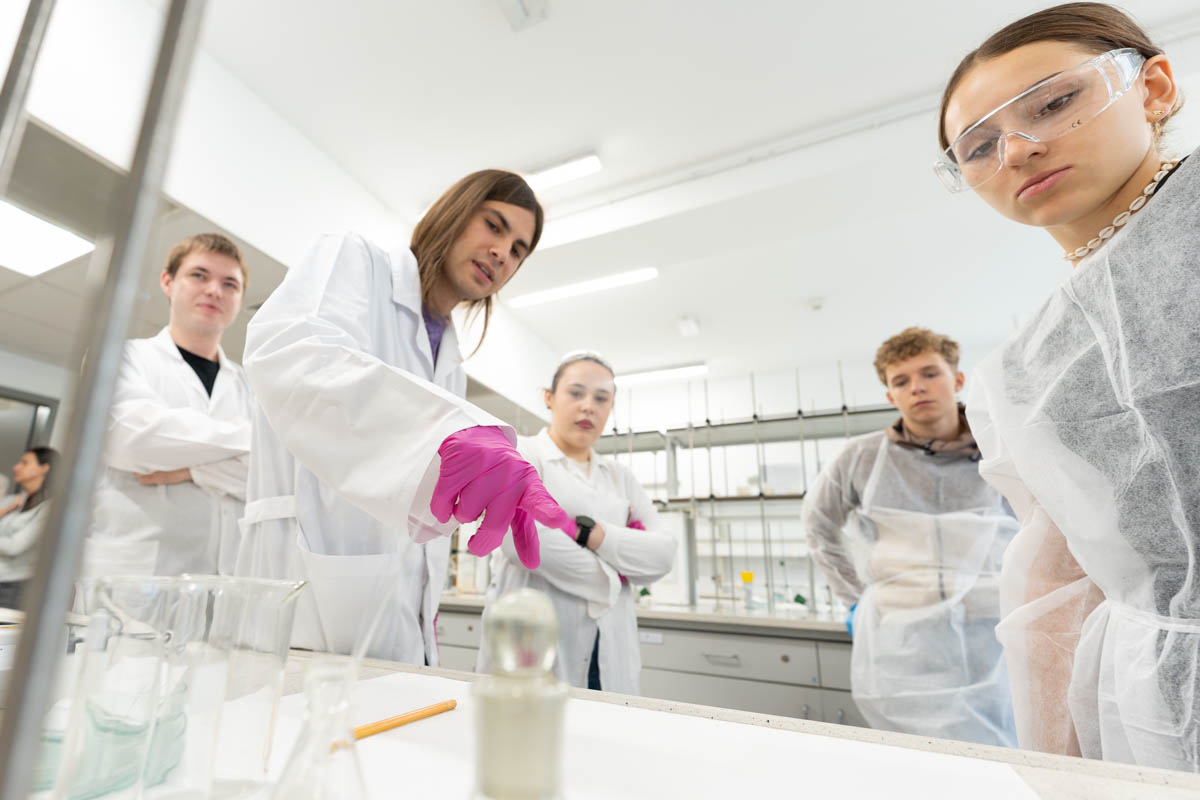
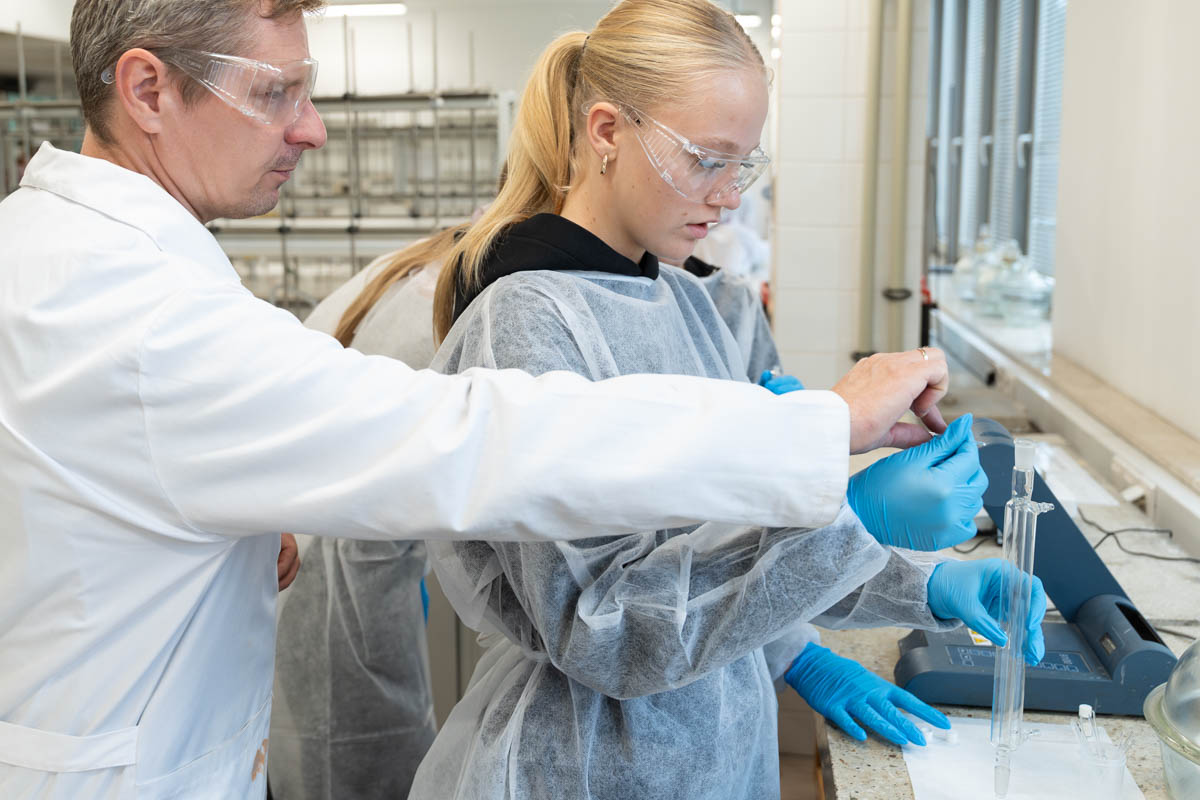
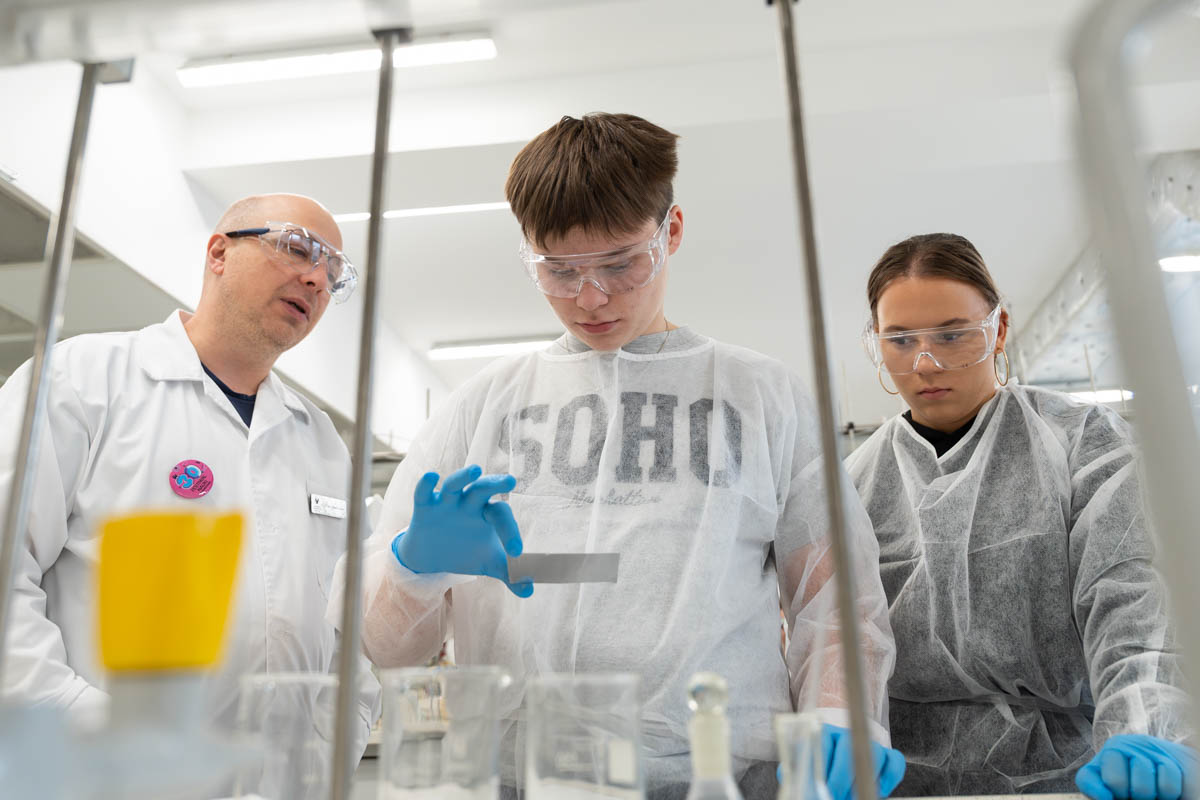
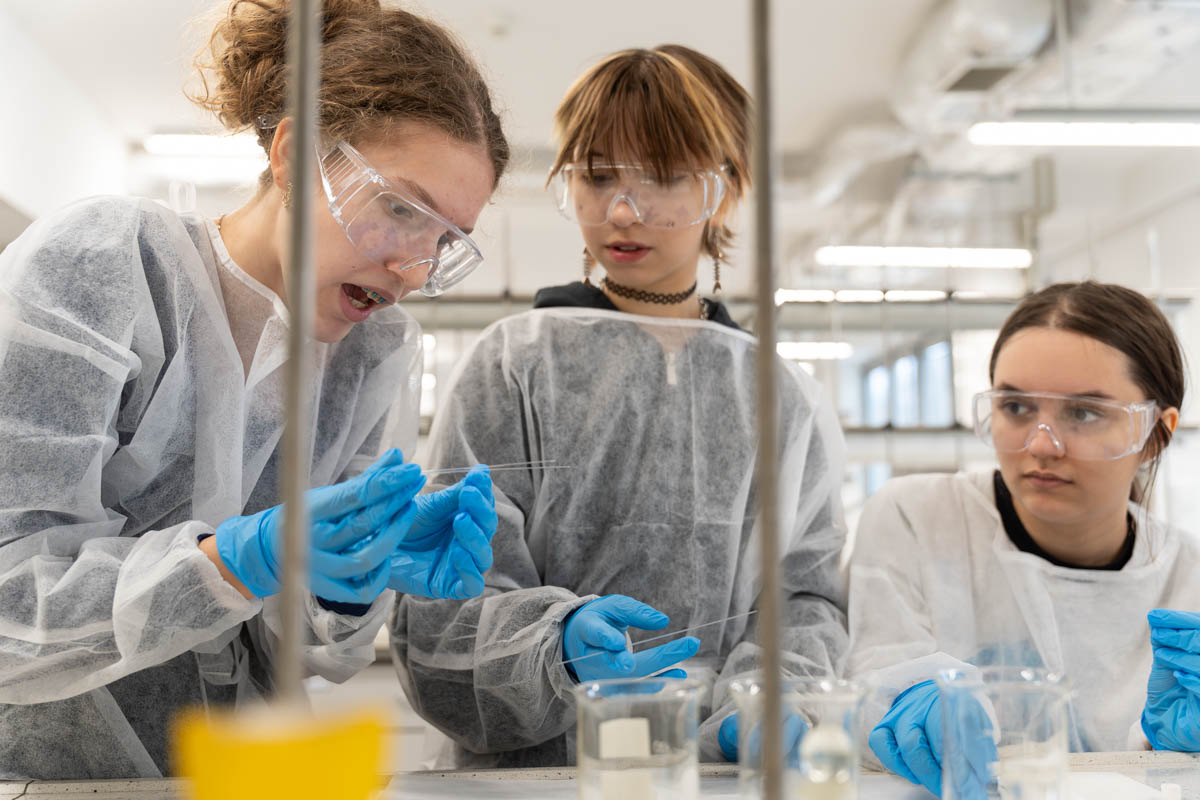
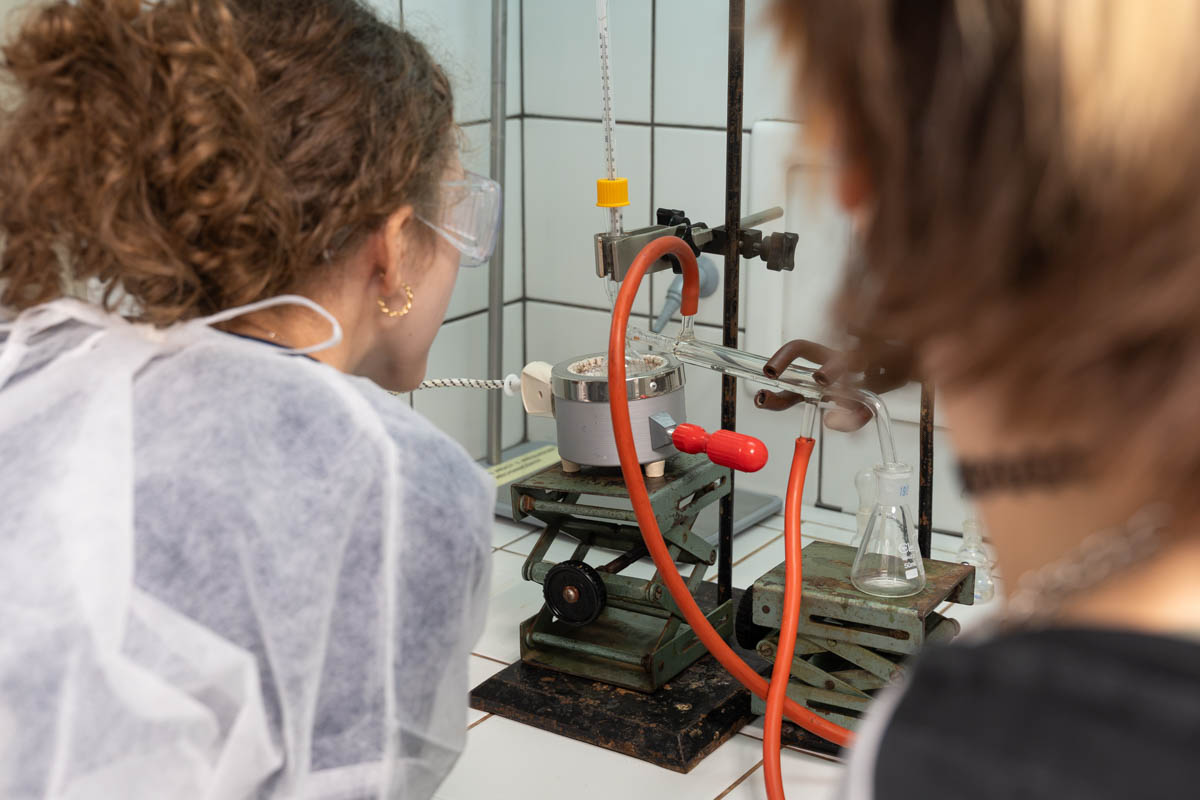
The activities offered by the Faculty included laboratory workshops entitled “Amino acids and their identification”, during which students learned about the structure and properties of the basic components of proteins and performed experiments in a laboratory setting. The classes were held at the Department of Biochemistry and Pharmacogenomics of the Medical University of Warsaw.
The “Secrets of pharmaceutical laboratories” classes, in which participants identified and analyzed biologically active substances, were of a very practical nature. There were workshops on toxicity tests (for primary school students), as well as a lecture on tablets, drops, aerosols, or how to use medicines correctly. Secondary school students took part in workshops showing the technique of capillary electrophoresis. Lessons on enzymes, gel structures, water quality tests and workshops where you could prepare your own essential oil were also intended for young people.
As emphasized by Dr Katarzyna Paradowska, the interest in the prepared events was very high. “All our proposals have been selected and reserved by the schools. I still get questions: 'Why so little? We want more.' This encourages action,” she added.
Science closer to people
This year's Festival of Science once again showed that our university not only conducts research and educates future doctors, but also shares knowledge with residents. Thanks to lectures, workshops and meetings, the participants could take a look into laboratories, learn about current research directions and see how science translated into everyday medical practice and public health.