Prof. Rubin is a world-renowned expert in, among other fields, primary ciliary dyskinesia and plastic bronchitis. He has authored publications that have helped consolidate and advance knowledge about plastic bronchitis, initiated an international patient registry, and founded the Plastic Bronchitis Foundation, of which he is also a board member. He is also involved in organizing the international INSPiRED Pediatric Pulmonology Congress, serving as a member of its scientific advisory board and as a speaker.
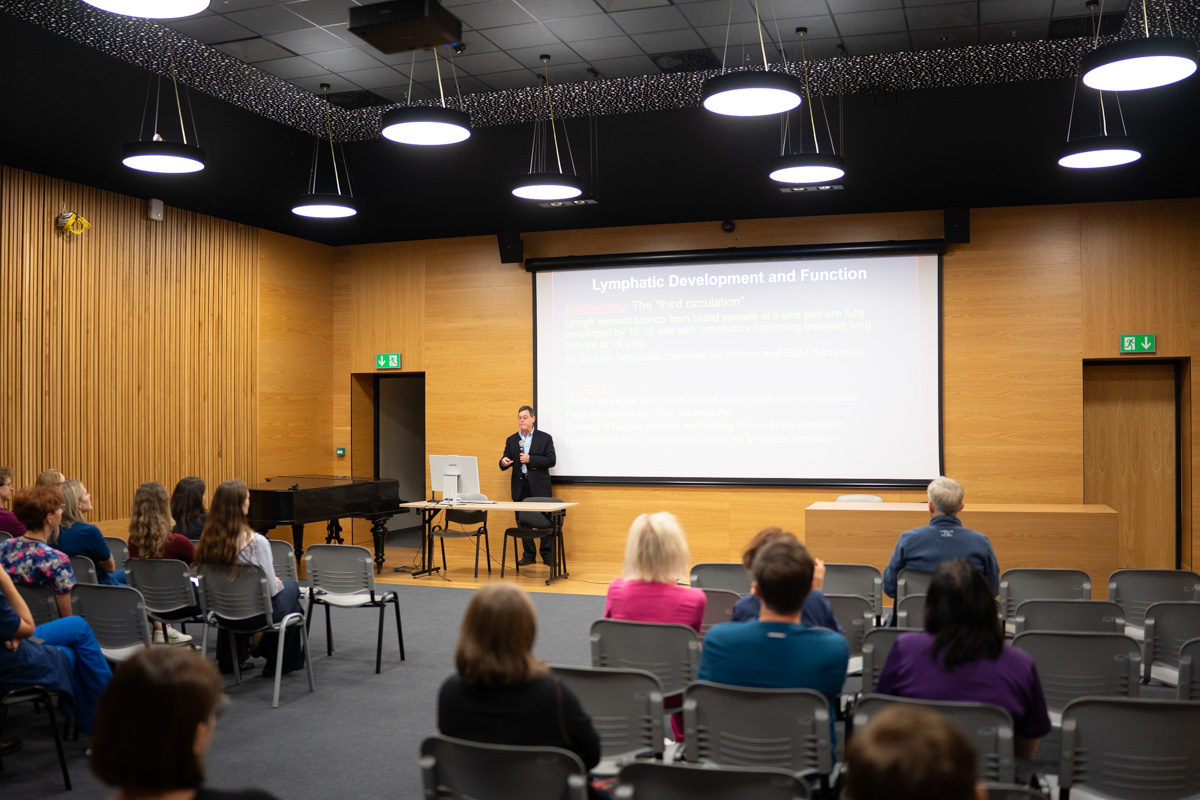
On October 26, Prof. Rubin delivered a lecture entitled “Lymphatic pulmonary disease in children with an emphasis on plastic bronchitis” at the Children's Clinical Hospital of the UCK WUM.
One of the main topics was the role of the lymphatic system in lung diseases in children. Prof. Rubin explained that the lymphatic system is responsible, among other things, for draining fluid from tissues and transporting lymph into the venous circulation. When the normal flow of lymph is disrupted, the consequences can affect various organs, including the lungs.
Prof. Rubin discussed a range of rare disorders associated with abnormalities of the lymphatic vessels. He also showed how modern imaging techniques make it possible to track the flow of lymph and identify sites where abnormalities occur. This is important not only for diagnosis. Precisely locating the problem may make it possible to provide treatment that targets its underlying cause. An important part of the lecture was devoted to specific clinical cases for which Prof. Rubin described recently developed treatment options.
Plastic bronchitis, which Prof. Rubin has been studying for many years, received particular attention. The characteristic feature of this disease is the formation of branching airway casts, which can cause severe bronchial obstruction.
One of the professor’s key points was that, in the classic form of the disease, the problem is not excessive mucus accumulation. Research has shown that the casts forming in the bronchi are associated with abnormal lymph flow.
“For a very long time, plastic bronchitis was thought to result from abnormalities in mucus. We later demonstrated that the main component of the cast is coagulated lymph,” Prof. Rubin explained, showing striking photographs of bronchial casts removed from the airways of patients with the condition.
This distinction has direct implications for treatment. If the problem is caused by an abnormal lymphatic flow pathway, treatment should target this mechanism rather than the mucus itself. Prof. Rubin showed how imaging of the lymphatic system can help locate abnormal vessels and subsequently guide appropriate interventional treatment.
“The problem will recur unless we improve cardiac function or do something about the abnormal lymphatic vessels,” he emphasized.
Although the lecture focused on rare and often highly complex disorders, Prof. Rubin repeatedly related the topics discussed to everyday clinical practice and presented the latest treatment methods for these conditions. Above all, he encouraged clinicians to consider lymphatic system disorders when diagnosing atypical pulmonary cases.
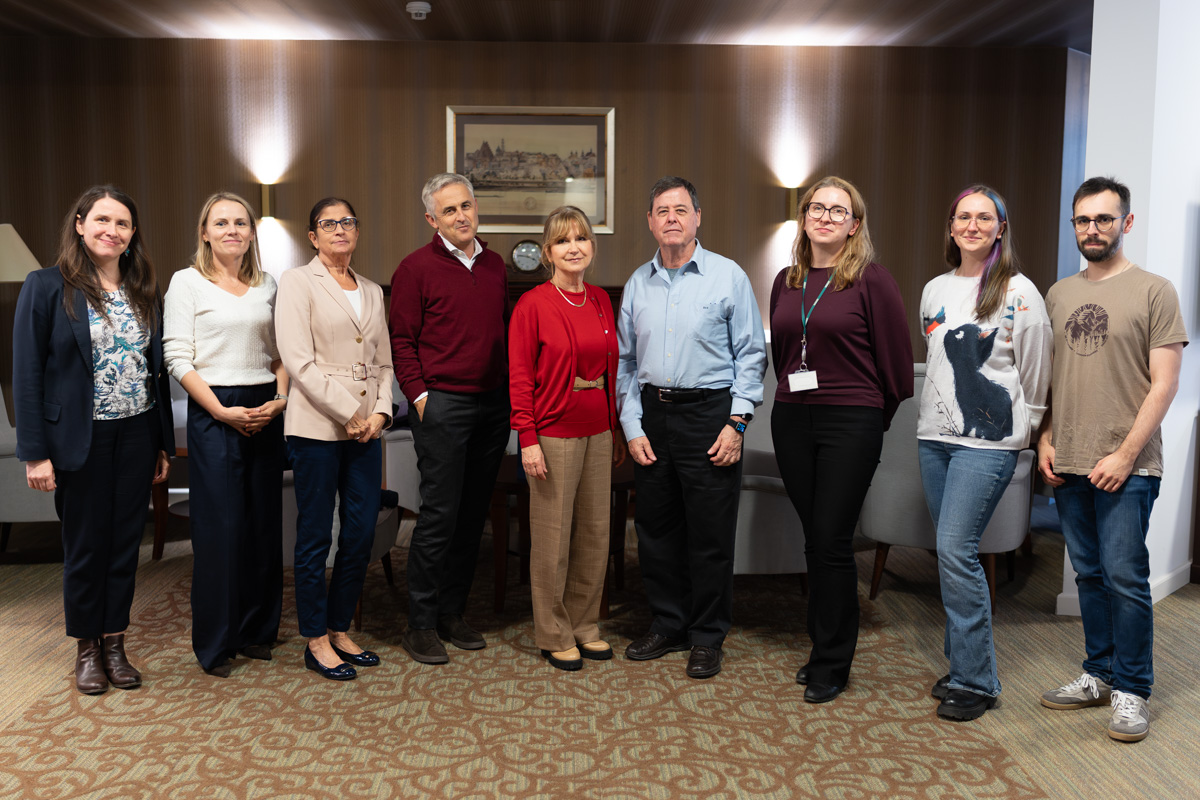
The lecture was followed by a Q&A session and then an informal meeting at the Professors’ Club, attended by, among others, Prof. Bruce Rubin, Prof. Katarzyna Krenke, and Prof. Wojciech Feleszko from the Department of Pediatric Respiratory Diseases and Allergology at the Children's Clinical Hospital of the UCK WUM.