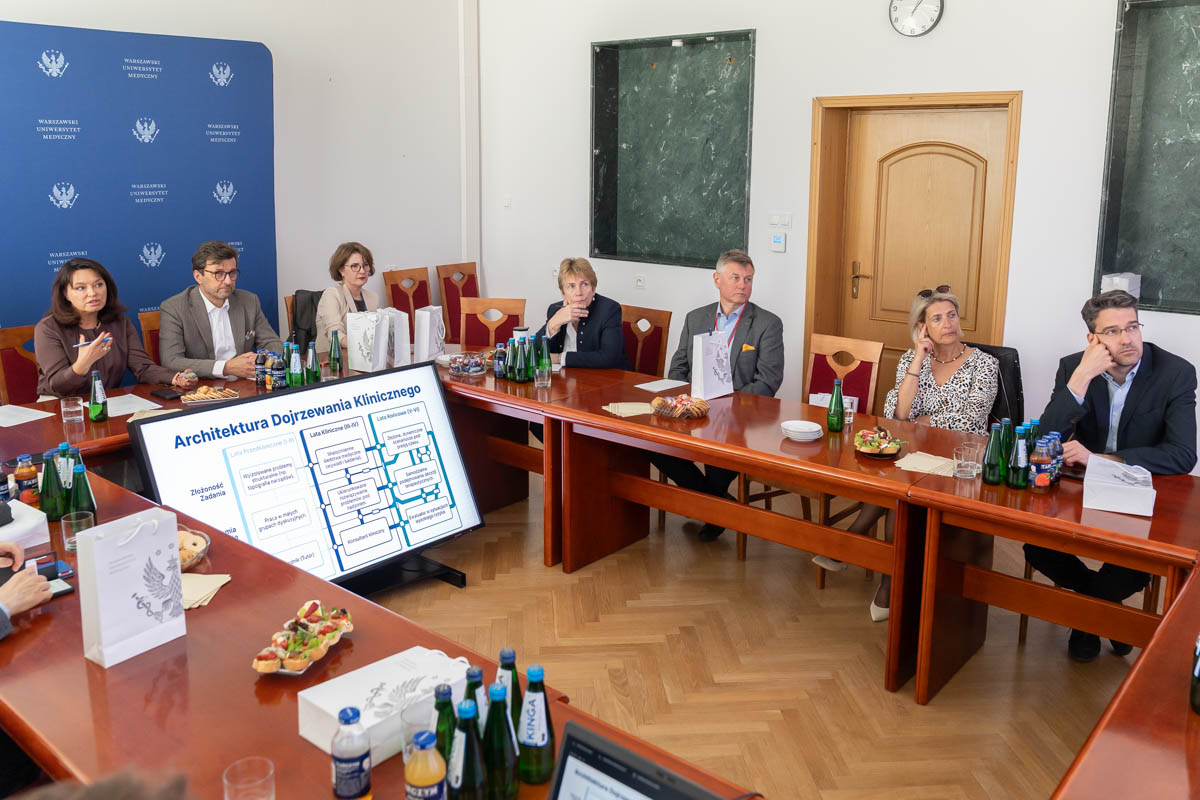
Innovative educational model
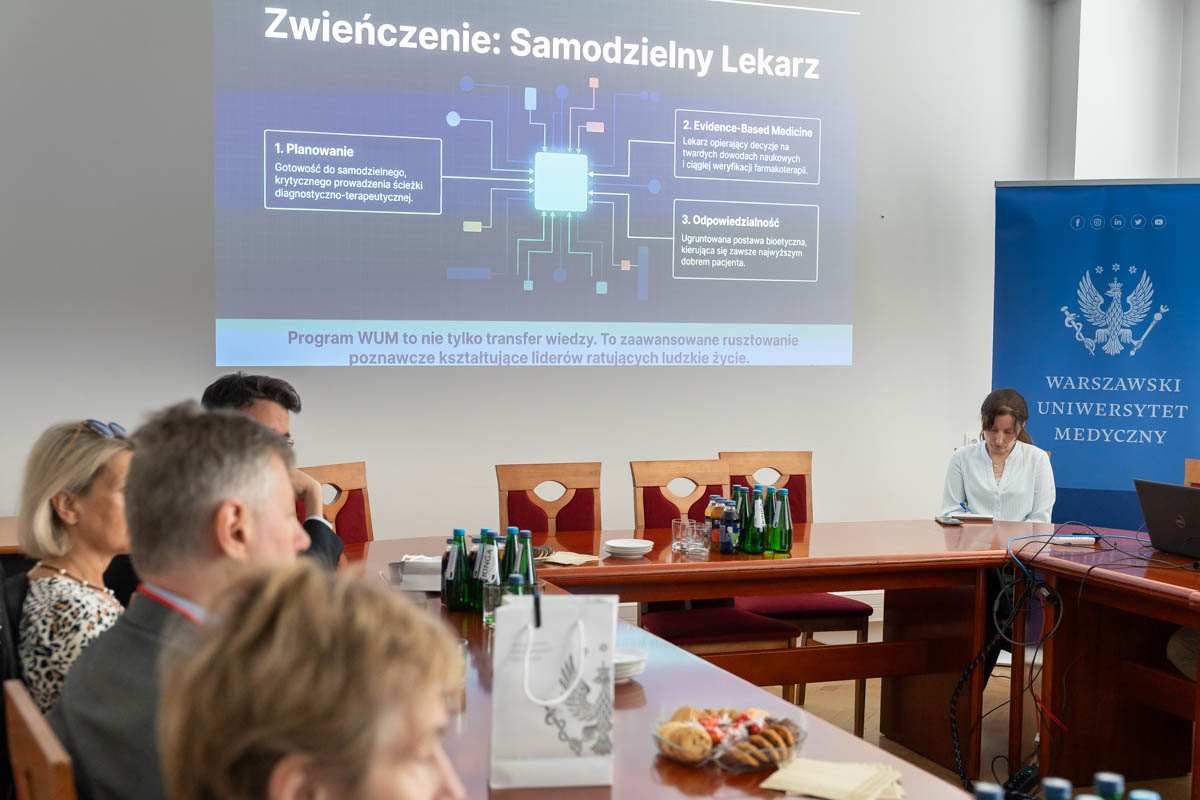
During the meeting, an innovative educational framework "Architecture of clinical reasoning" was presented. It allows us to shift away from an educational model based on rote memorization ("the encyclopedia doctor") to educating competent diagnosticians capable of planning the diagnostic and therapeutic process. Therefore, it is assumed that the role of the student will evolve. First (in the first years) students work in small groups on isolated structural problems. Then, they focus on solving clinical problems under supervision, in order to gain full independence in making decisions in high-risk situations during the final years of studies.
Problem-based teaching
Specific examples of problem-based learning (PBL/CBL) as a form of practical instruction were discussed. An interactive 3D anatomy table is used at the initial, preclinical stage of training. This helps develop spatial clinical reasoning rather than passively memorizing atlases. In the higher years, education focuses on data synthesis and deduction, which, for example, in the propedeutics of internal diseases is implemented by the "symptom-diagnosis" algorithm and the integration of physical examination findings with laboratory or imaging results. The employers also liked the model of education in general and oncological surgery. In this area, holistic planning of the patient's path – from qualification, through the dynamics of the operating room, to postoperative care – replaces the focus on learning the technique of a single procedure.
Employers' suggestions
The recommendations of employers constituted a key element of the debate. They placed particular emphasis on preparing graduates for work in real-world conditions. This requires the ability to work effectively under time pressure and with limited resources. In this context, emergency medicine was indicated as an area in which students learn to perform procedures automatically. The Center for Medical Simulation serves as the integration hub for such competencies. Thanks to advanced technology and a realistic environment, students can safely learn how to manage a team and work under stress before meeting a real patient. Employers have also asked for a stronger inclusion of the knowledge of medical law in the curriculum, which is necessary for the safety of both the physician and the patient in the healthcare system.
Teaching quality
A key topic of the meeting was the issue of competence assessment and the quality of teaching. The discussion focused on the role of the Objective Structured Clinical Examination (OSCE), which uses standardized stations to test specific skills in history-taking and physical examination in simulated settings. Employers proposed subjecting the test questions used in exams to strict quality control, to ensure that they assess reasoning rather than merely factual knowledge. The discussion on modern medicine also included the topic of artificial intelligence and its growing role in diagnostics, which should be reflected in teaching modern methods of analyzing clinical data.
Ethical attitude and soft skills
At the end, the importance of soft skills and ethical attitude was discussed. It was emphasized that empathy was not only a character trait, but could and should be a precise clinical tool that, by building trust, ensured better patient compliance with treatment recommendations. The elective course "On the other side of the stethoscope" was indicated as a model of building those competencies. During the course, the future doctors learn to look at the treatment process from the patient's perspective. The entire goal of the WUM curriculum is to develop independent physicians who base their decisions on scientific evidence (Evidence-Based Medicine), demonstrate a well-grounded bioethical attitude and always act in the patient's best interest.
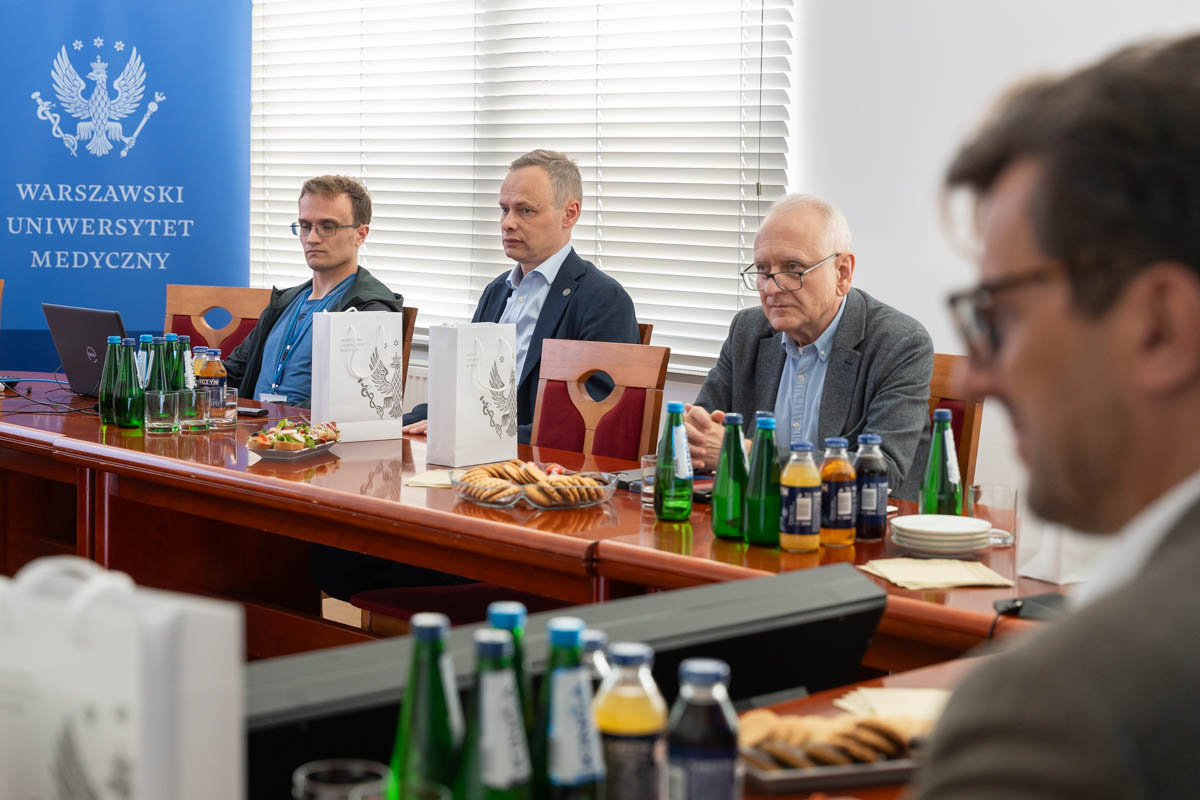
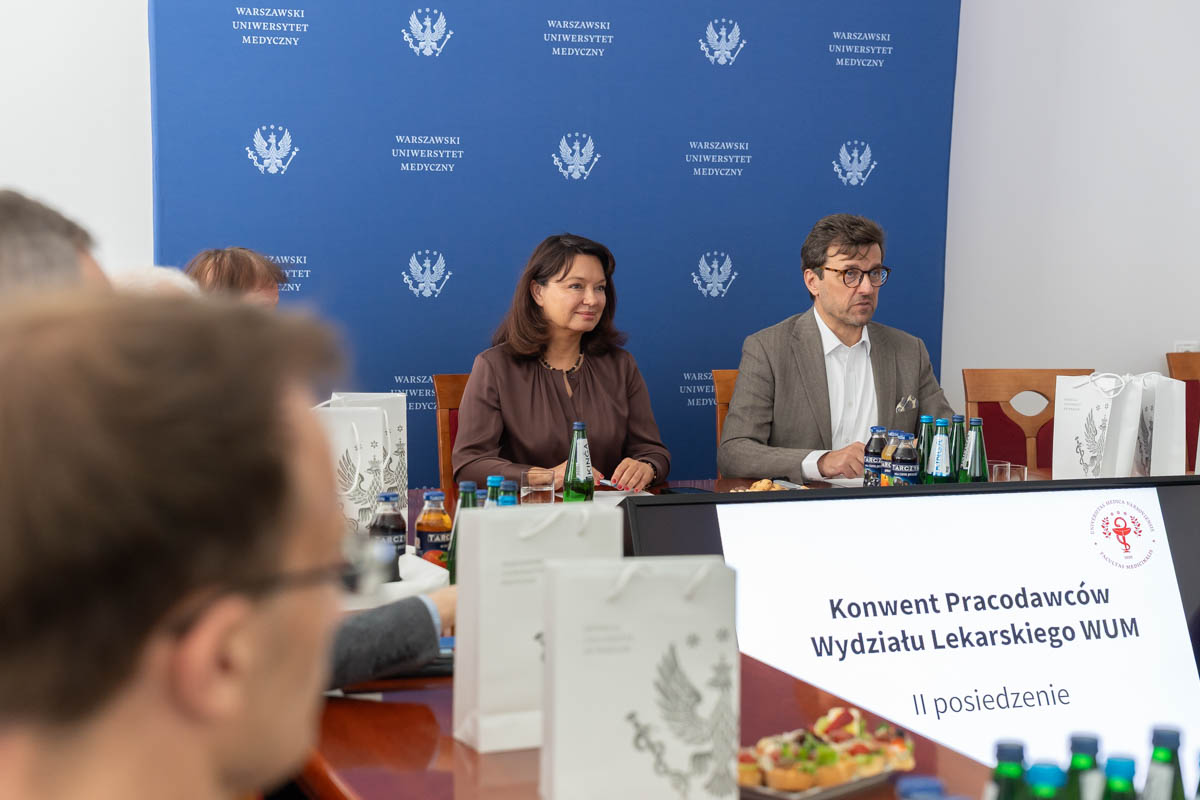
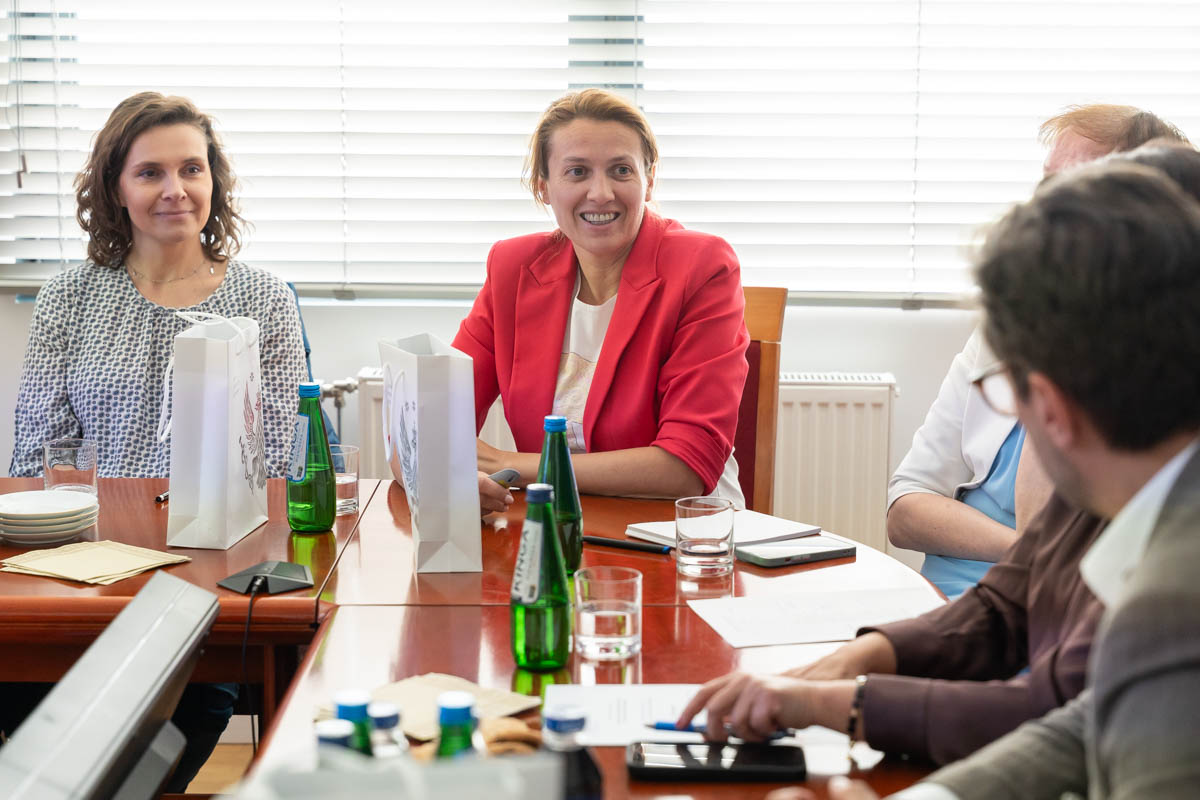
The meeting was attended by representatives of employers: Prof. Bożena Walewska-Zielecka, the Medical Advisor to the Board, Healthcare Services, Medicover; Robert Jarzębski, MD, Deputy Director for Treatment at Duchess Anna Mazowiecka Clinical Hospital; Dr Wojciech Kłosiński, a Board Member for the Organization of the Medical Care Process of the Mazovian Bródno Hospital; Dr Beata Pawlus, the Deputy Director for Medical Services of the Holy Family Specialist Hospital and the authorities of the Faculty of Medicine: Prof. Paweł Włodarski, the Dean of the Faculty of Medicine, Prof. Aneta Nitsch-Osuch, the Vice Dean for Curriculum and Quality of Education, Prof. Renata Główczyńska, the Vice Dean for Student Affairs of the first and second year, Assoc. Prof. Jacek Sieńko, the Vice Dean of the Faculty of Medicine, English Division, as well as representatives of the Program Councils of the Faculty of Medicine and the Faculty Team for Educational Quality.
.