Palliative care in the 21st century
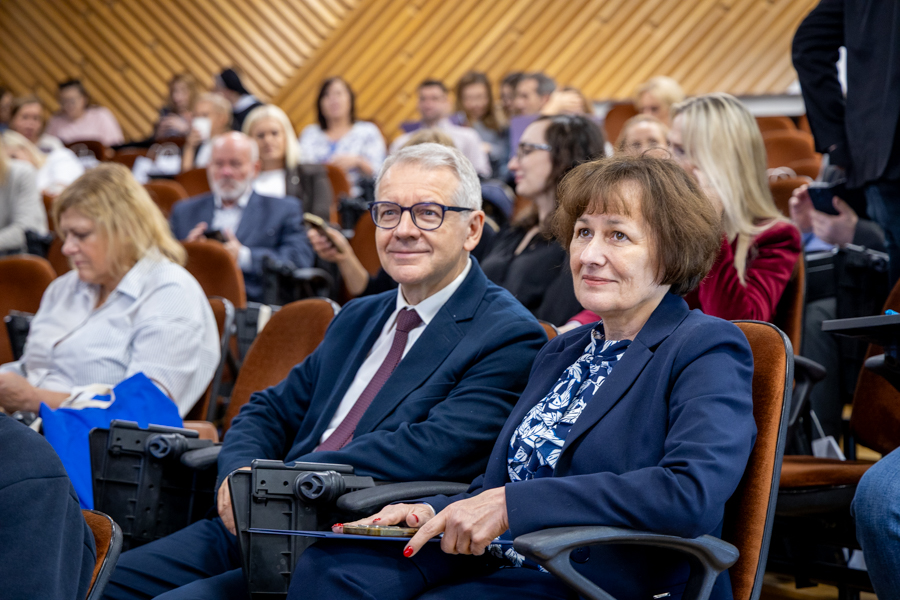
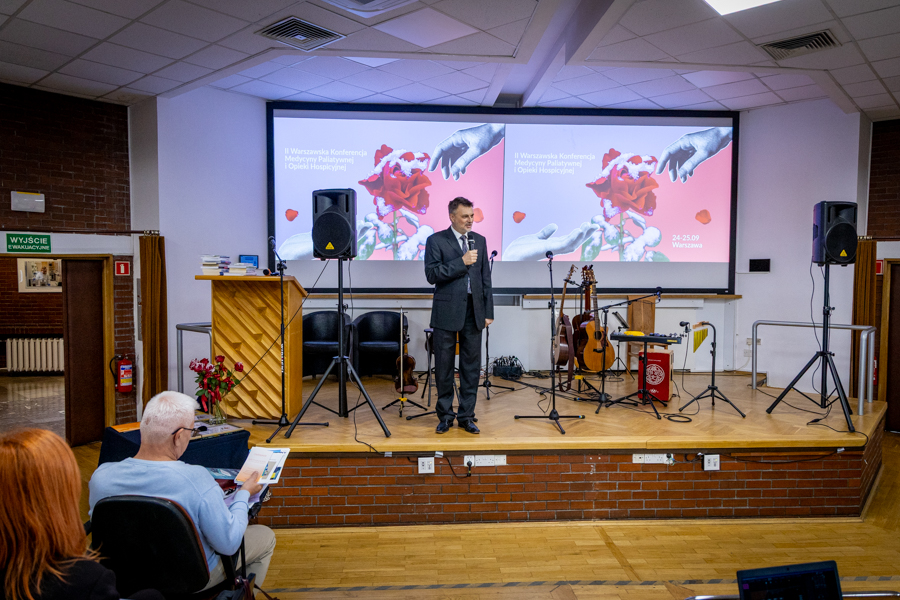
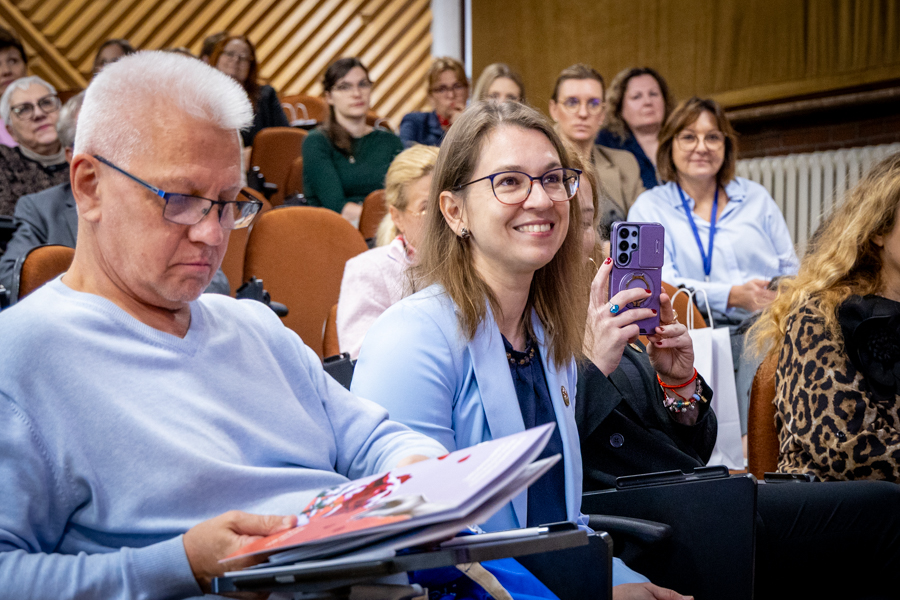
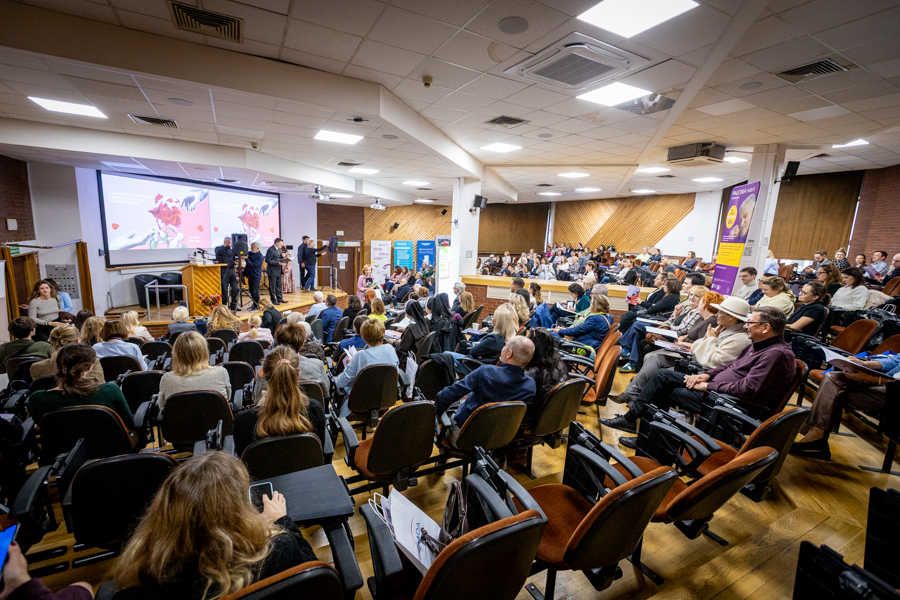
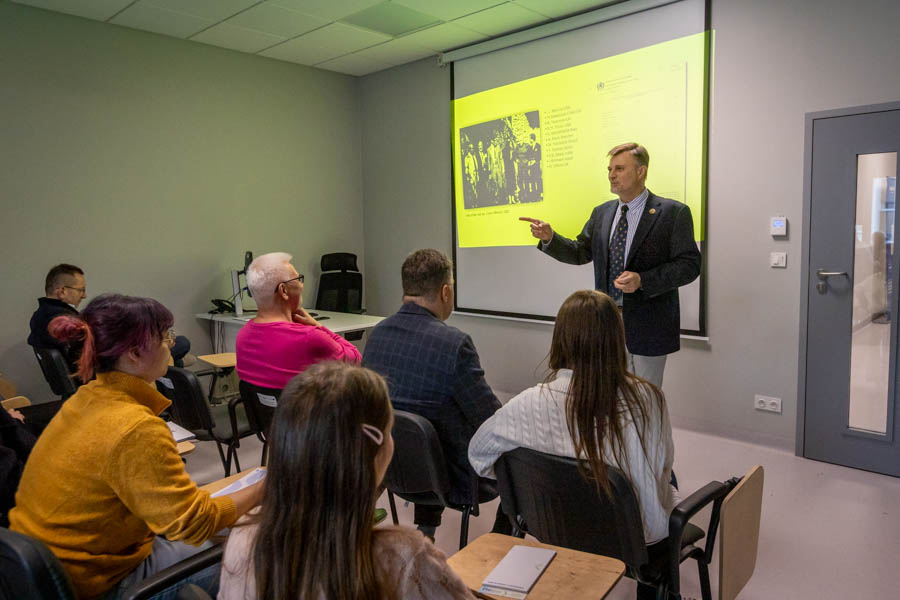
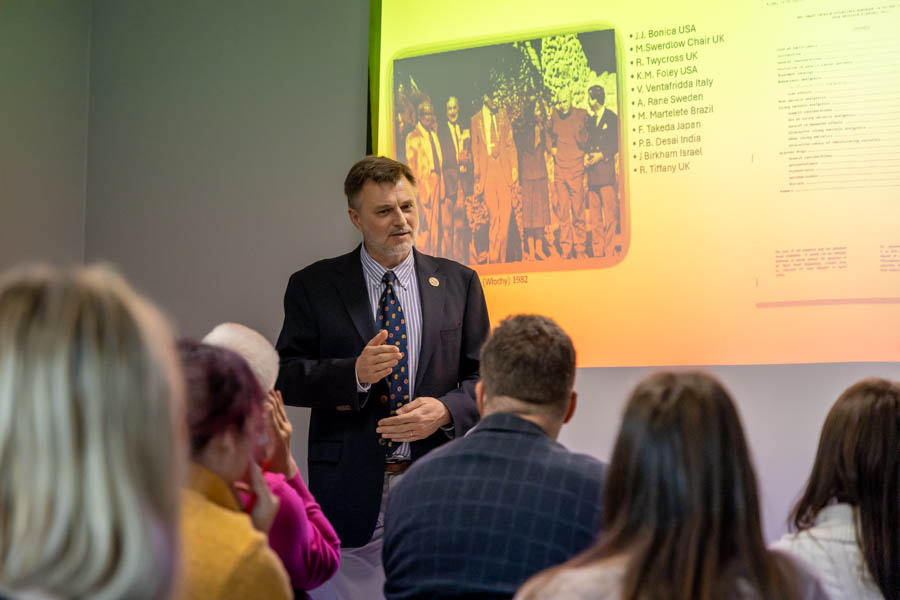
The 2nd Warsaw Conference on Palliative Medicine and Hospice Care was held on 24 and 25 September 2026. The event brought together doctors, nurses, psychologists, caregivers, volunteers, clergy, representatives of patient organizations, that is, people involved in the care of patients at the end of their lives. The group of invited guests included Prof. Dorota Olczak-Kowalczyk, the Vice Rector for Human Resources, and Prof. Tadeusz Grochowiecki, the Vice Dean for Student Affairs of the Faculty of Medicine WUM.
A modern approach to palliative medicine was one of the main topics of the meeting. The speakers emphasized that modern palliative care went far beyond the treatment of pain and other symptoms of disease. Medical technologies, psychological support, care for the patient's social relations and solutions improving his daily functioning and well-being play an increasingly important role.
Loneliness may hurt more than illness
Dr Tomasz Dzierżanowski, the conference host, said that human dignity was an inherent value, independent of age, health or suffering. He highlighted that the task of palliative care was not only to treat symptoms, but also to counteract loneliness, respect the patient's autonomy and support him in maintaining a sense of purpose. He emphasized that social isolation was one of the biggest challenges faced by chronically ill people:
“Loneliness may hurt more than illness. Therefore, our task is not only to help alleviate symptoms, but also to restore patients' relationships, closeness and the feeling that they are still part of the world.”
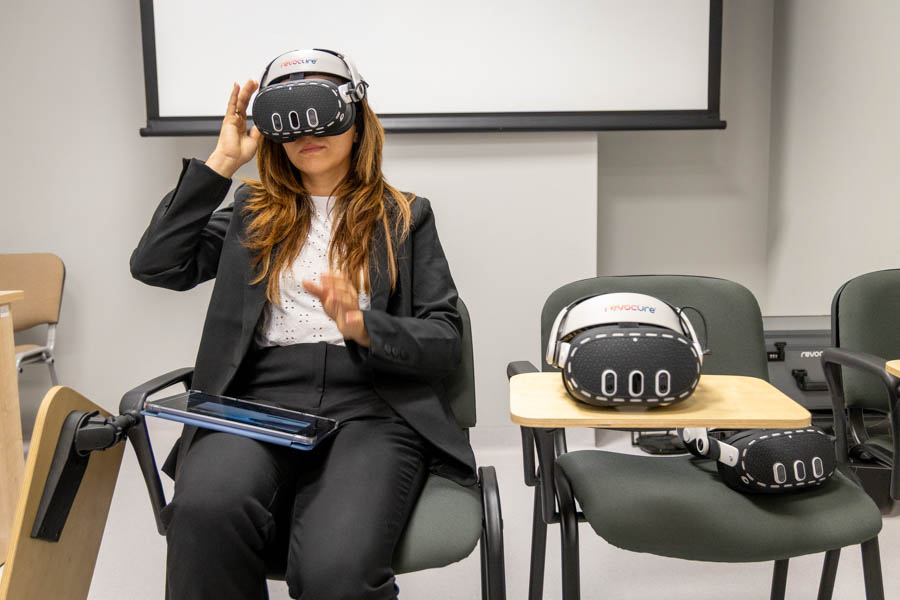
Dr Tomasz Dzierżanowski also talked about modern solutions implemented at the Department of Palliative Medicine WUM. The patients may stay in touch not only with their loved ones, but also with their beloved pets. In the rooms, family photographs or soothing images of nature are displayed on the walls. Virtual reality (VR) technology is also used, which allows patients to experience places and situations which are inaccessible because of the disease. According to Dr Dzierżanowski, such activities help to restore the sense of connection, presence and agency, and thus have a tangible impact on the patients' quality of life.
Volunteering that exceeded expectations
Volunteering is an important element of palliative care. The idea to organize it at the Department of Palliative Medicine WUM arose in response to the needs of students who wanted to learn how to accompany people at the end of their lives. The interest in the initiative significantly exceeded the expectations of the organizers. In the first year of activity, 146 students applied, followed by almost 200 in the next year. Dr Dzierżanowski emphasized that young people increasingly felt the need to engage in activities based on empathy, presence and building relationships. Volunteers support patients struggling with illness and loneliness. At the same time, they gain a sense of purpose and satisfaction from these experiences.
On old age, pain and modern methods of therapy
The conference featured presentations by prominent representatives of the medical community specializing in various areas of palliative care. Prof. Krystyna de Walden-Gałuszko, a pioneer of Polish palliative medicine, gave a lecture entitled “I will tell you about my old age”, devoted to the experience of aging, the needs of the elderly and the social perception of old age. Dr Paweł Andruszkiewicz from the 2nd Department of Anesthesiology and Intensive Care WUM presented topics concerning modern methods of pain management and improving the comfort of patients requiring comprehensive care. Dr Artur Pakosz, a national consultant in the field of palliative medicine, discussed the current challenges facing the palliative care system and the directions for its development. Dr Agnieszka Stasieńko from the Department of Palliative Medicine WUM gave a lecture entitled “Breakthrough pain – why is it treated through the nose?”.
Snow Roses for special people
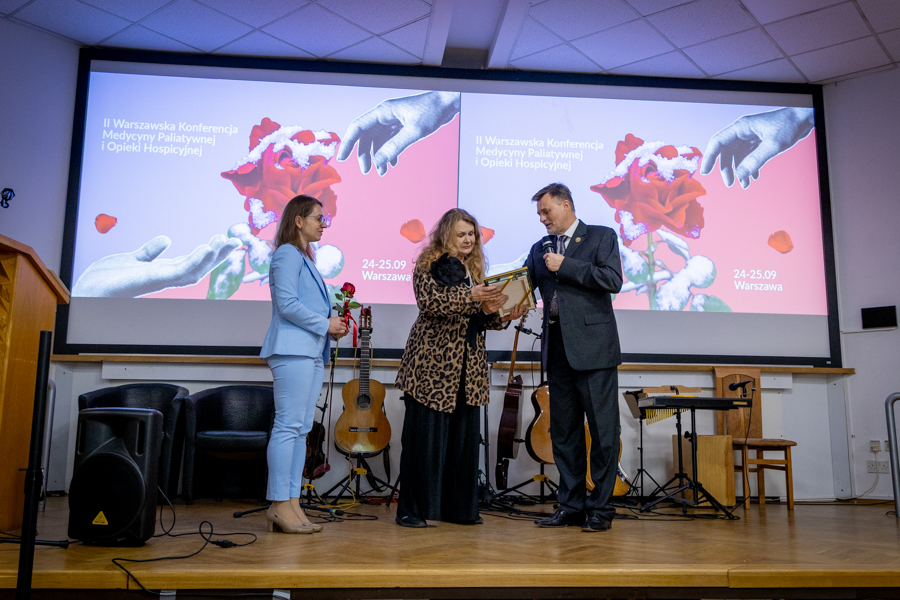
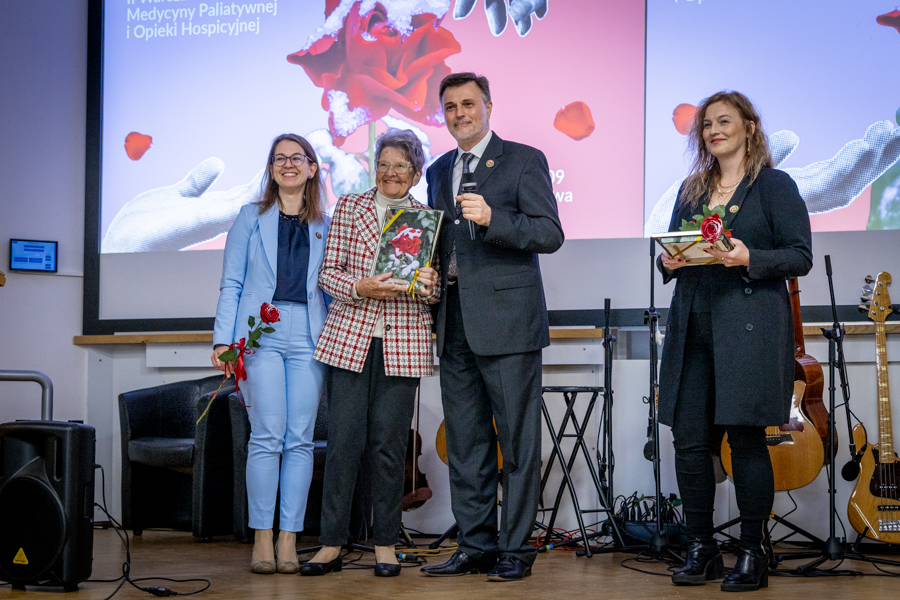
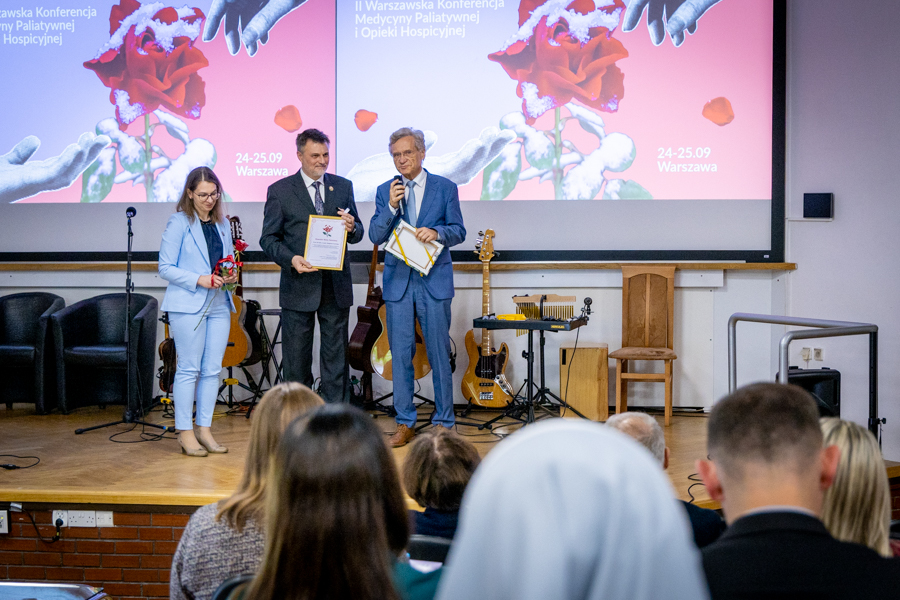
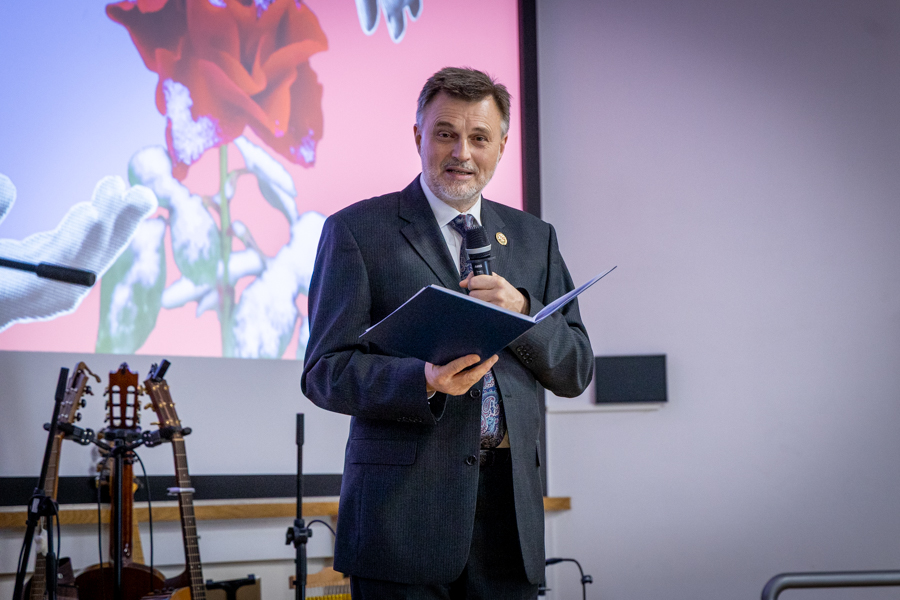
Another highlight of the event was the presentation of the “Snow Rose” awards, established by the Department of Palliative Medicine to honor individuals who made exceptional contributions to the development of palliative care and those who supported the activities of the department and promoted the idea of patient dignity.
The name of the award refers to a rose that bloomed in December and survived snowstorm, becoming a symbol of strength, hope and beauty also present at the end of life.
The awards were granted to:
- Prof. Krystyna de Walden-Gałuszko – for her special commitment to the development of palliative care and care for people at the end of their lives.
- Katarzyna Piekarska, a member of parliament – honored first with the title for her outstanding merits for the Department of Palliative Medicine and supporting the idea of patient dignity.
- Magdalena Owczarek-Tahtah – for the organization of charity projects, including the Beauty Day campaign carried out at the Department of Palliative Medicine WUM.
- Prof. Zbigniew Gaciong, the former Rector of WUM – for establishing the Department of Palliative Medicine, which provided the foundation for its development and conducting clinical, teaching and research activities.
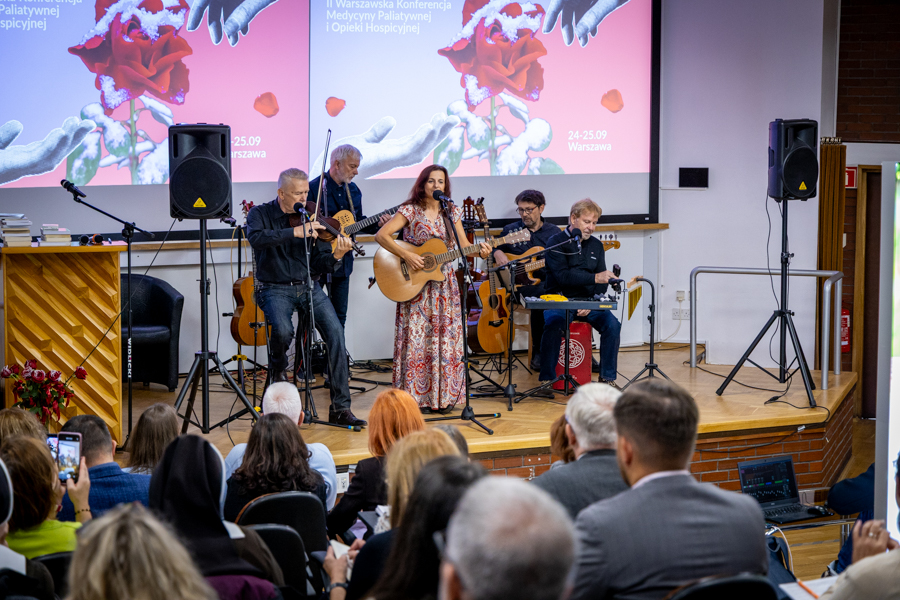
The conference part of the event ended with a poetic concert “Images of Presence” performed by Irena Salwowska and an exhibition opening of works by Gabriela Kocimowska and Paweł Stasieńko.
Practical knowledge during workshops
The second day of the conference was practical. At the Medical Simulation Center of the Medical University of Warsaw, workshops were conducted by doctors, nurses, psychologists and experts in palliative care.
Participants gained knowledge about pain management, nutritional treatment, POCUS ultrasound diagnostics, vacuum-assisted treatment of pressure ulcers, use of modern technologies in palliative care and the neurological examination of patients.
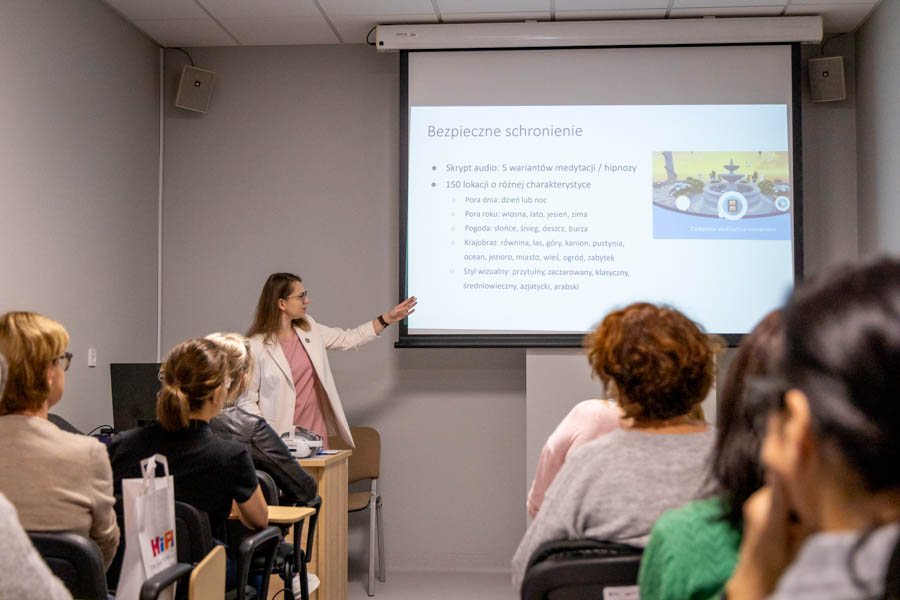
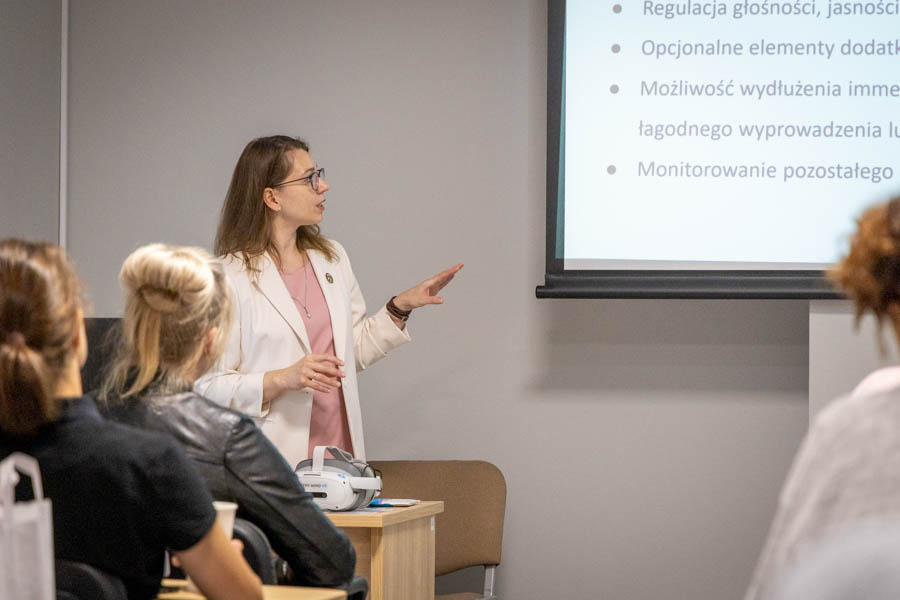
The workshops conducted by Dr Agnieszka Stasieńko on the use of virtual reality (VR) in therapy drew a lot of interest. Each participant could put on VR goggles and experience the technology for themselves. During the workshop, the participants discussed in which situations the use of virtual reality yielded the best therapeutic effects, in which patients it should not be used and what side effects might be associated with its use.
Two days of lectures and workshops showed that modern palliative care combined medical knowledge based on facts with empathy, presence and individual approach to the patient. Such a combination showed that it was possible to add life to your days.