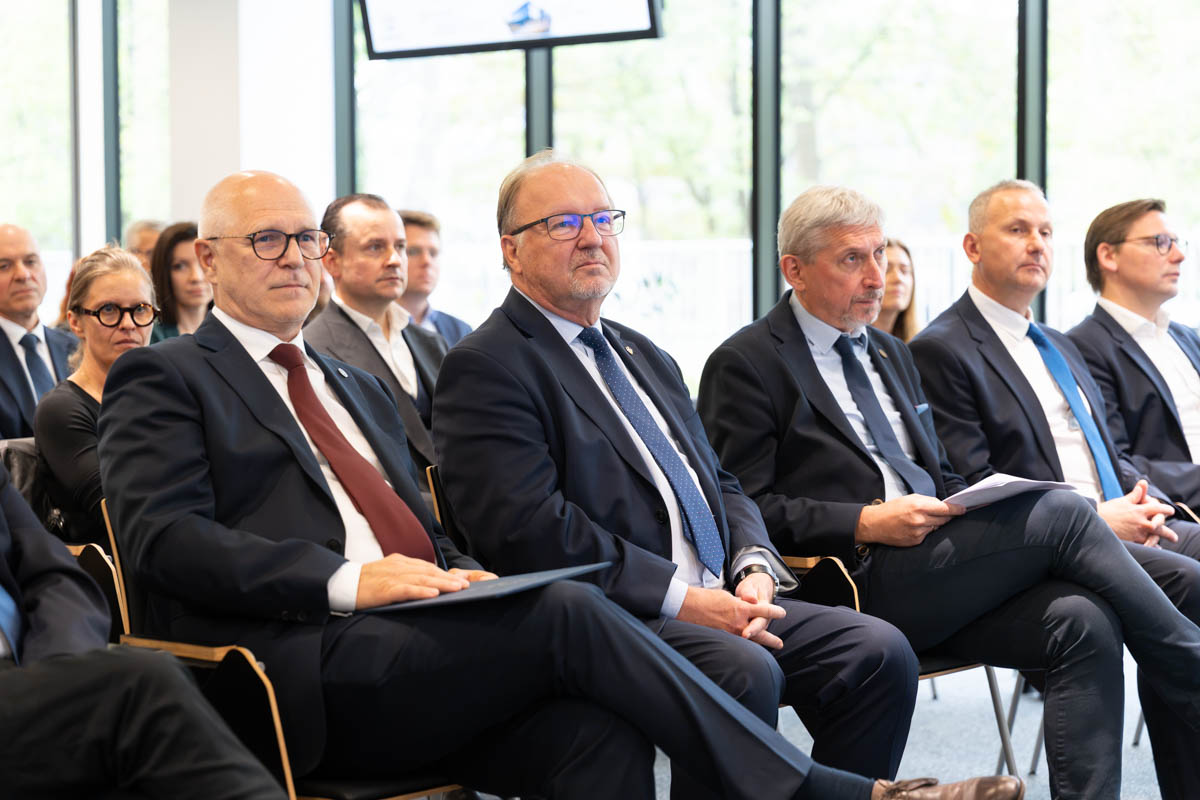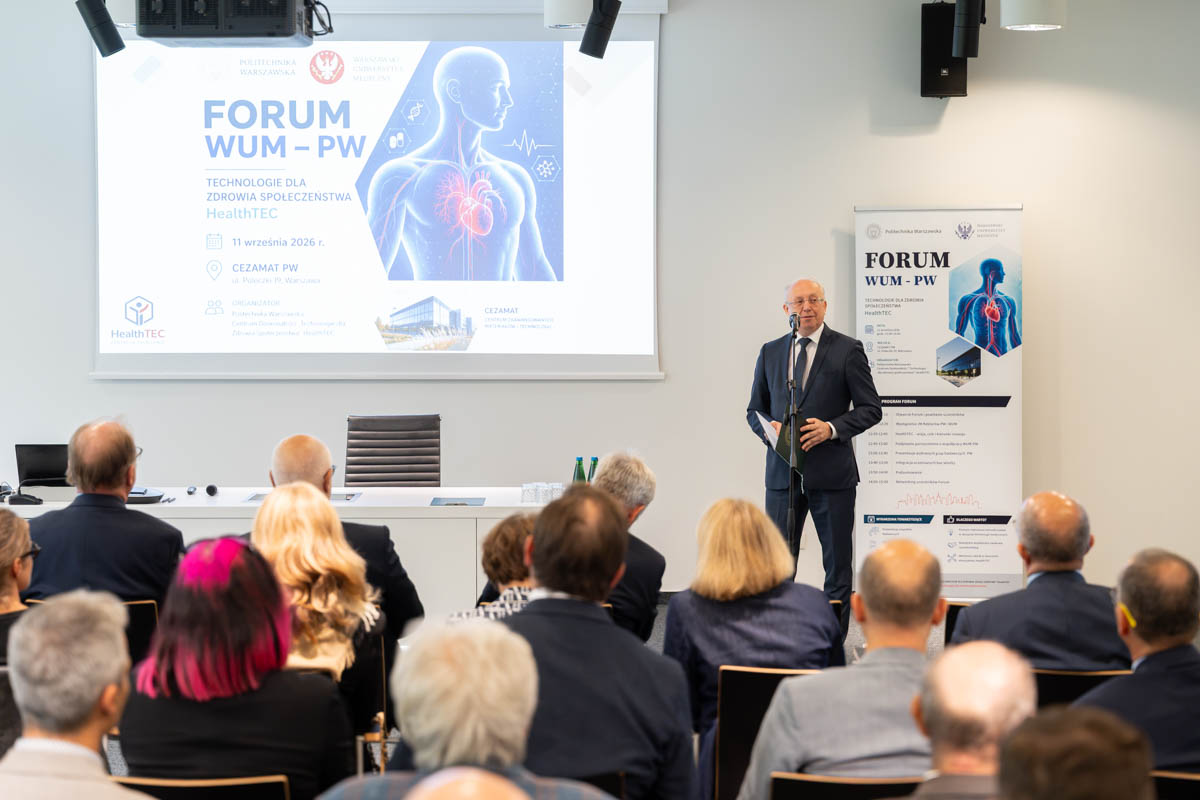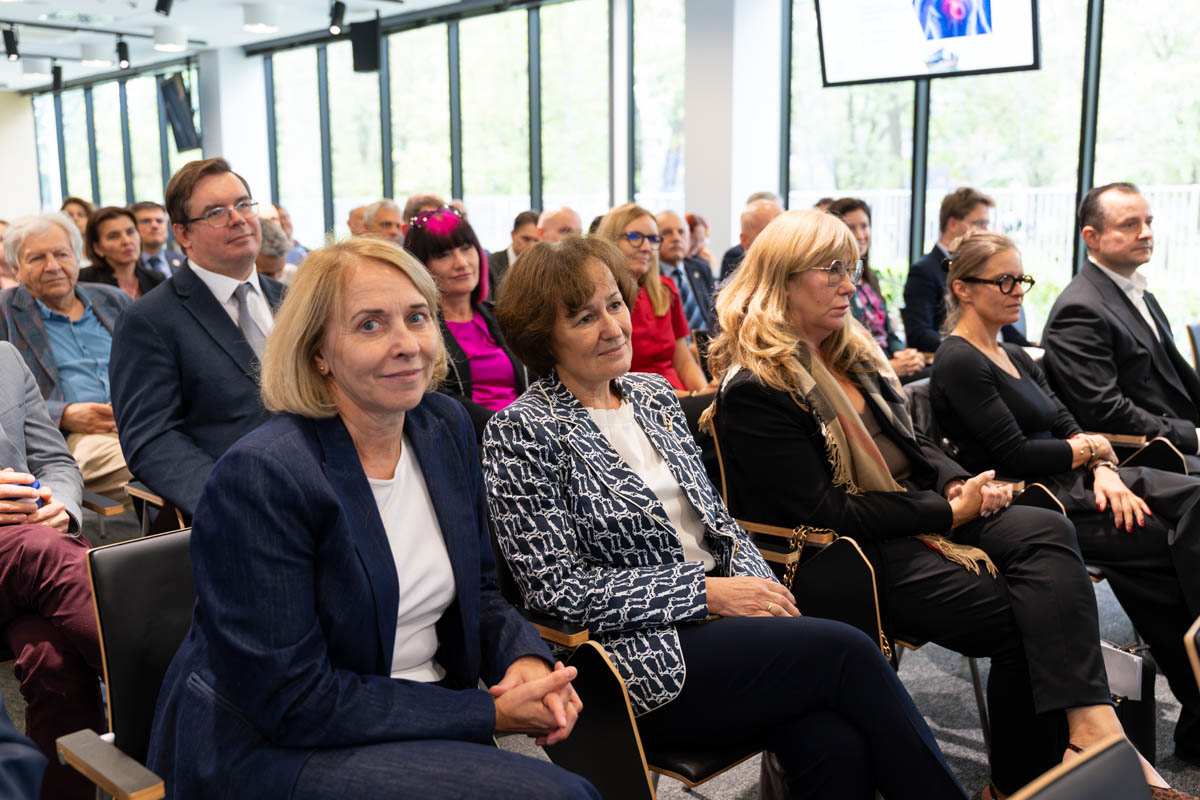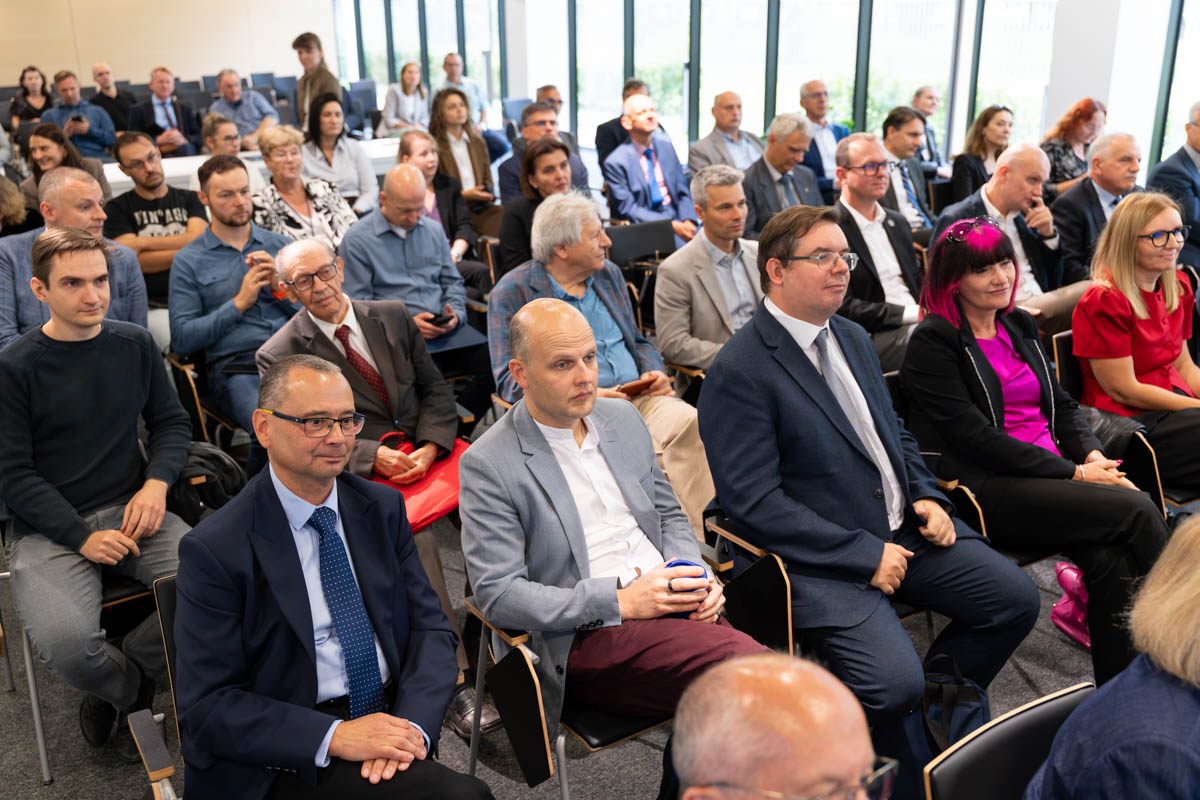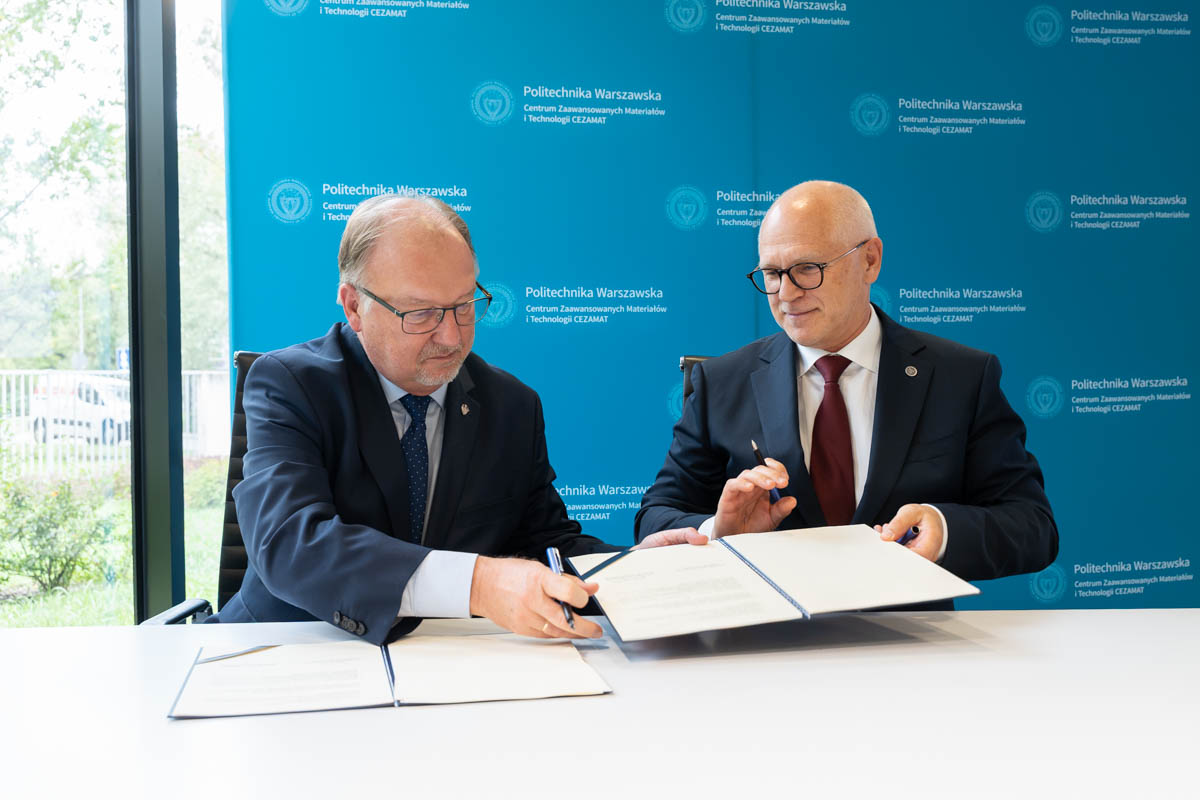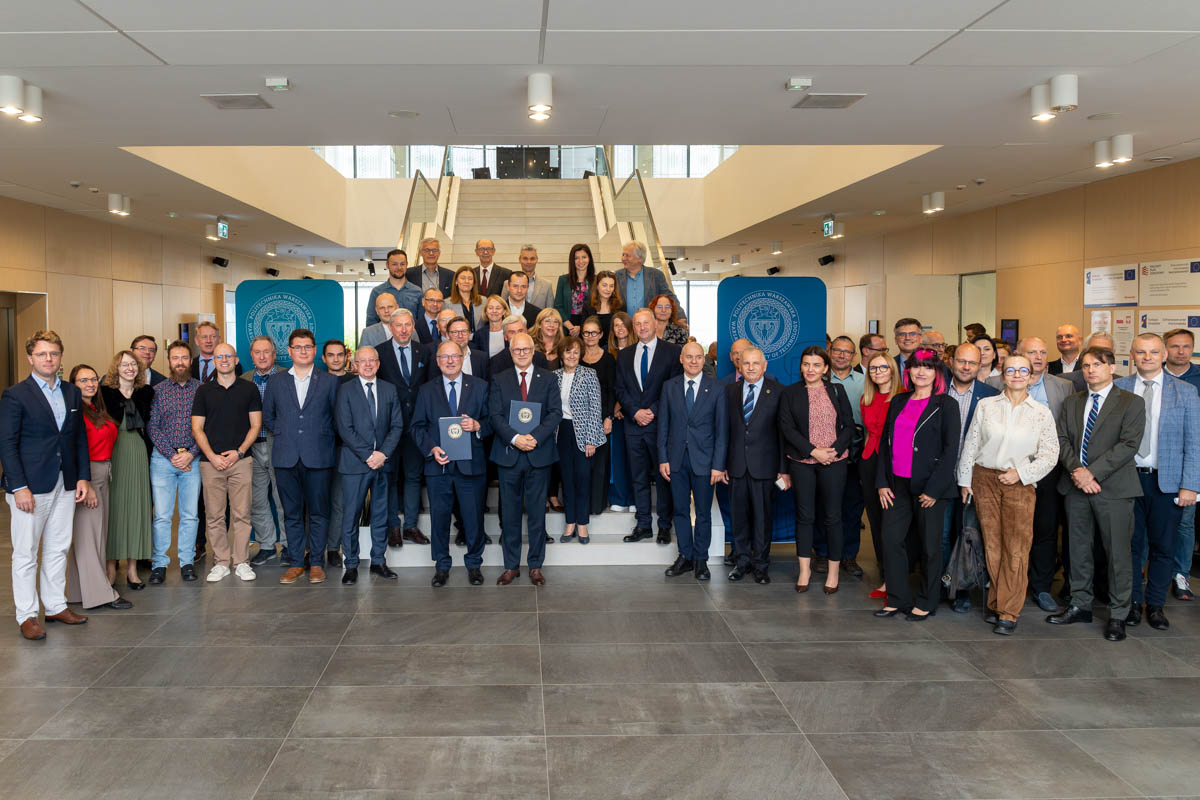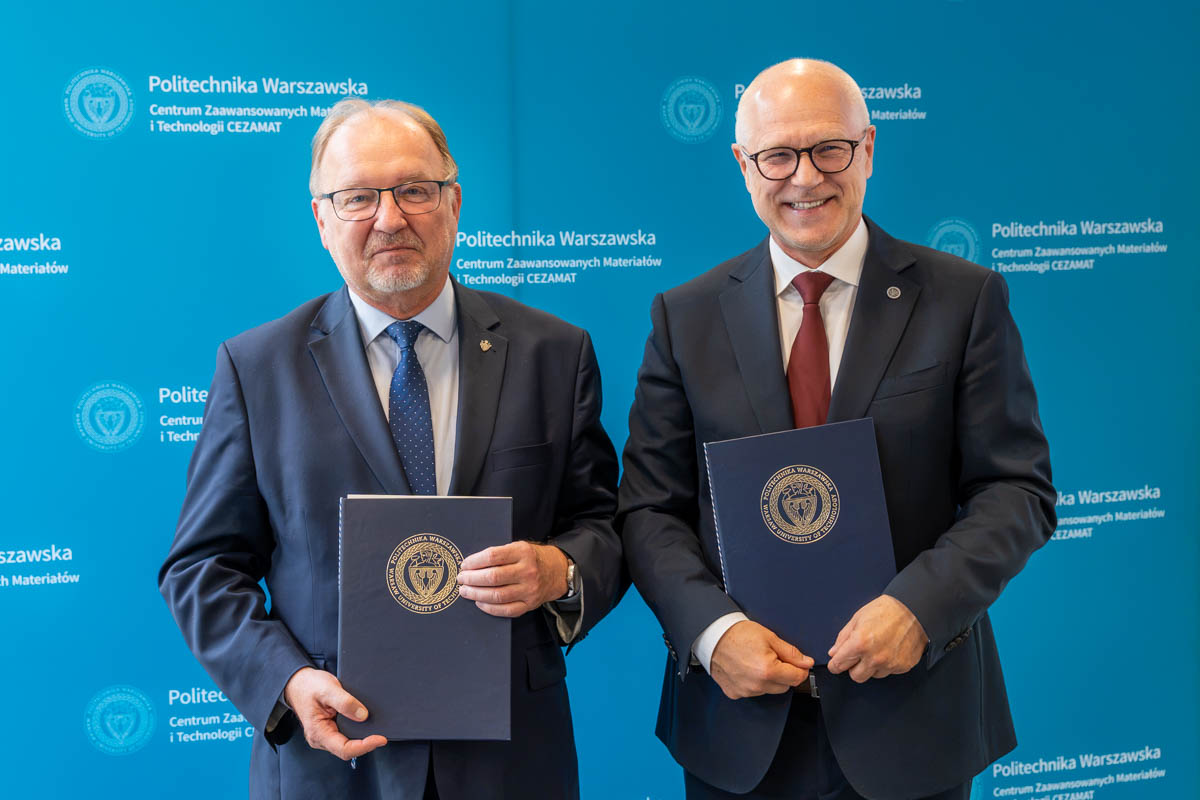
The cooperation is to include research, education, infrastructure, joint grants and internationalization. The establishment of the WUT-WUM Strategic Council and operational teams as well as the development of a map of key resources at both universities were also planned. The agreement was concluded for five years.
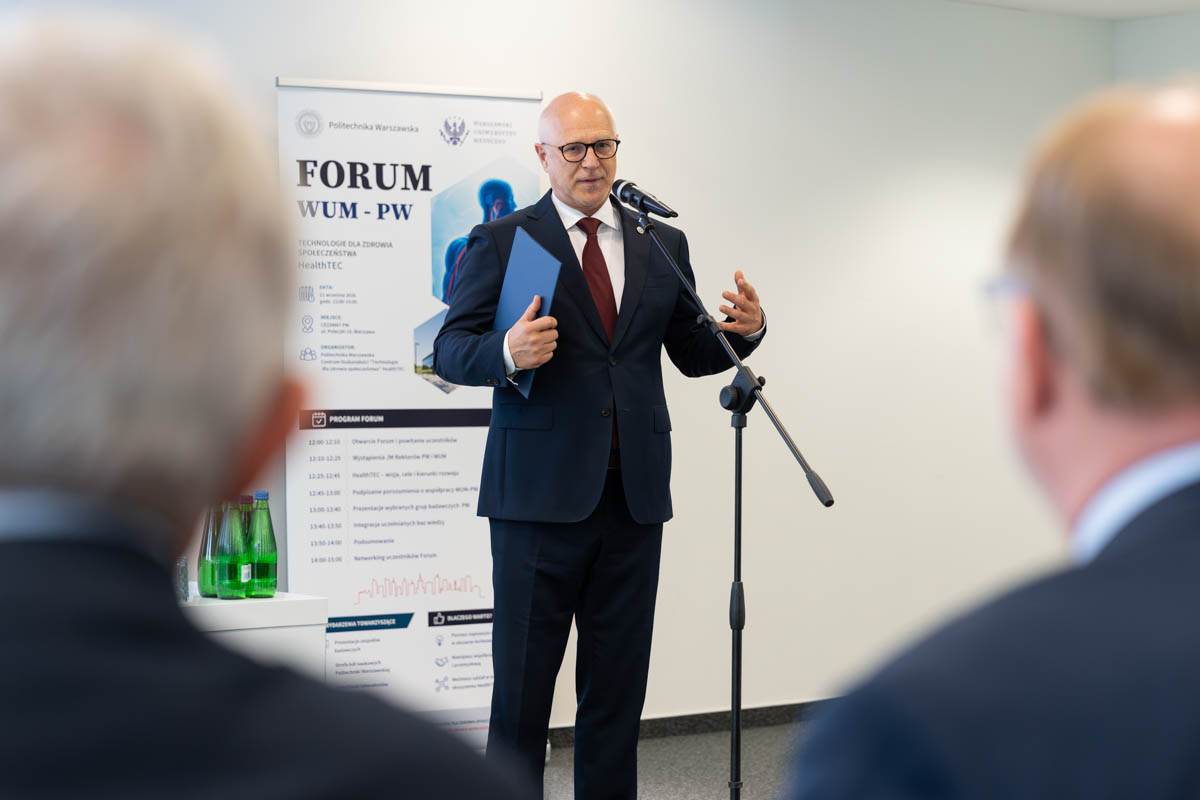
“This agreement is a commitment to further move from project cooperation to systemic cooperation, based on common priorities, teams, resources, infrastructure and responsibility for results,” said Prof. Rafał Krenke during the forum. “Together, we can develop solutions that none of our universities would be able to develop on its own. The ultimate measure of the success of this cooperation should result from its scientific, technological, clinical and social impact.”
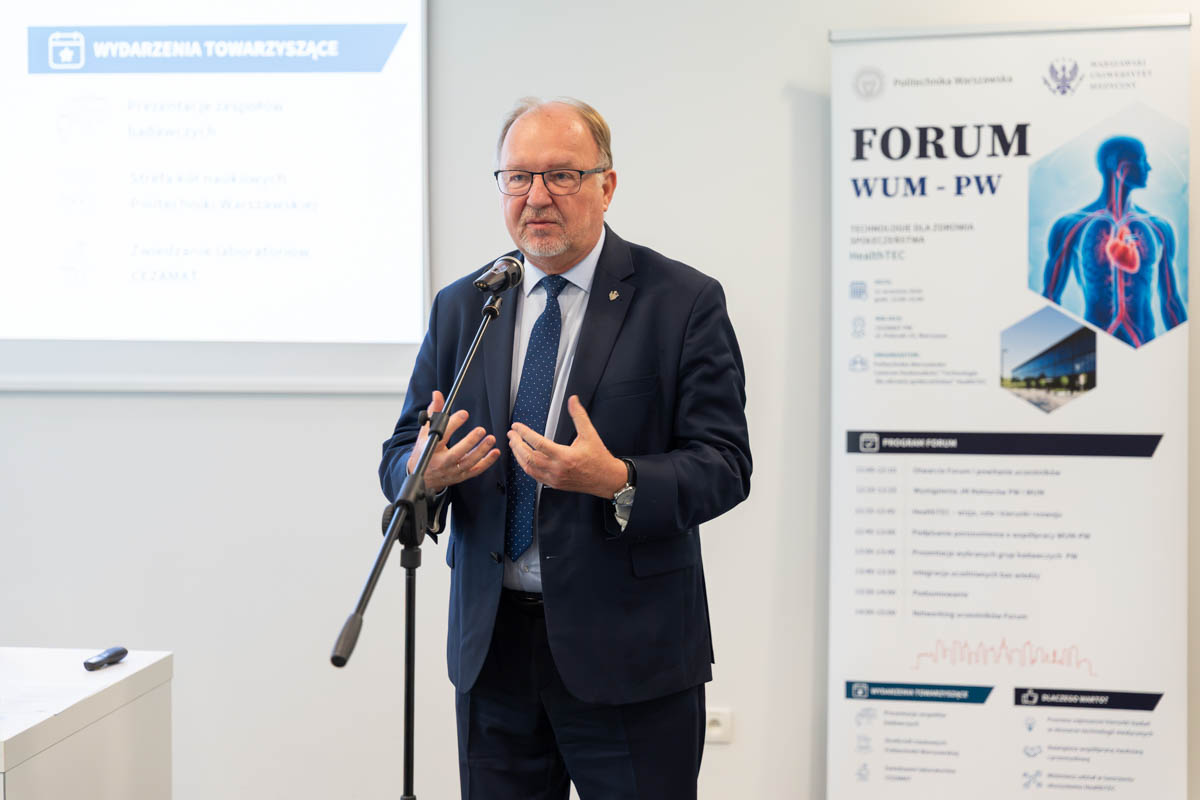
“Technology is extremely necessary in modern medicine,” emphasized Prof. Krzysztof Zaremba. “We treat the agreement signed today as a new quality that represents the beginning of a truly shared path. I dream that, at the end of this path, a new university will be established in Warsaw, combining our two academic communities.”
From joint projects to strategic partnership
The forum provided an opportunity to summarize the cooperation so far. Its formal framework was created in January 2023 when both universities signed the first cooperation agreement. Then, WUM joined the NTMed Cluster of New Medical Technologies, and over 50 teams participated in the meetings of scientists from both universities. At that time, the first four areas of joint activities were selected: medical data and their interpretation, medical diagnostics, biomaterials, and the design of drugs and their administration systems.
The WUM_PW Integra program was an important result of this cooperation. It was launched in 2023 as a dedicated mechanism for supporting joint research projects. In the first edition of the competition, 36 applications were submitted, eight of which received funding. In the second edition, whose results were announced in February 2026, 20 inter-university projects were selected for implementation, which shows the growing scale of interest in cooperation between WUM and WUT teams.
An important direction for the development of cooperation between WUM and WUT, discussed during the forum, is to create conditions for joint research planning, the use of infrastructure and resources of both universities, the development of interdisciplinary teams and more effective application for major national and international grants.
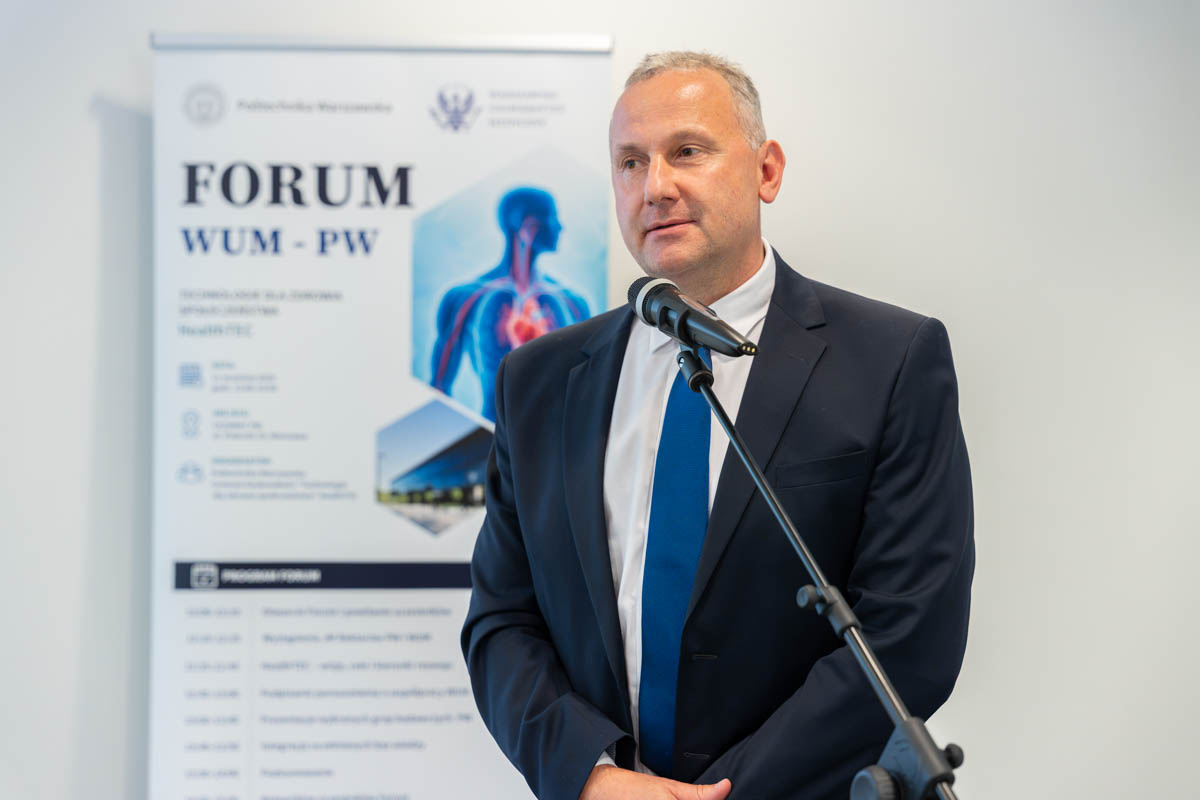
“We want to undertake even more ambitious and promising research topics. We also want the results of our work to be applied in practice and lead to commercialization. I firmly believe that by working together, we can achieve this aim,” emphasized Prof. Marcin Sobczak, the Vice Rector for Science and Technology Transfer WUM.
The strategic ambition of the partnership is to build a recognizable Engineering-Medicine-Society ecosystem in Warsaw, where clinical needs meet technology, and solutions created in laboratories may be developed and verified in the medical environment.
The new agreement also includes cooperation in the field of education and initiatives of doctoral schools, as well as building a common identity of WUM–WUT and the development of joint research projects.
The potential of interdisciplinary cooperation
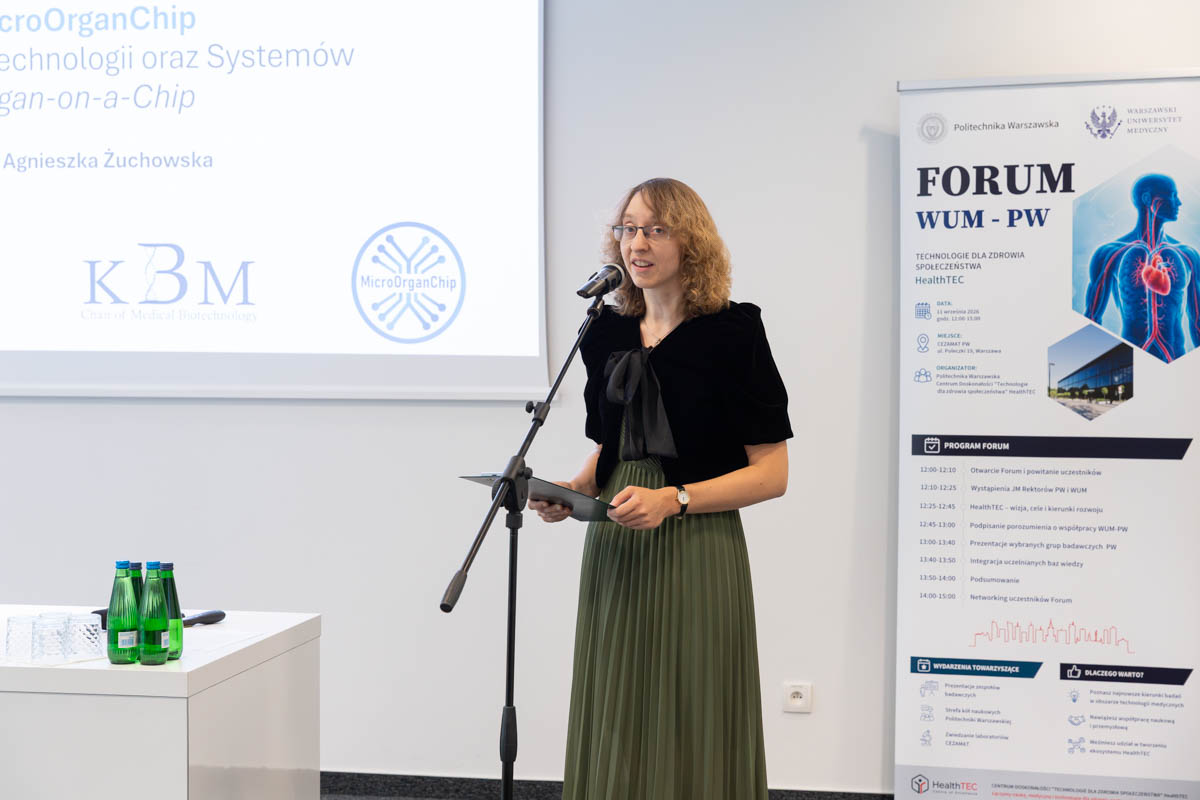
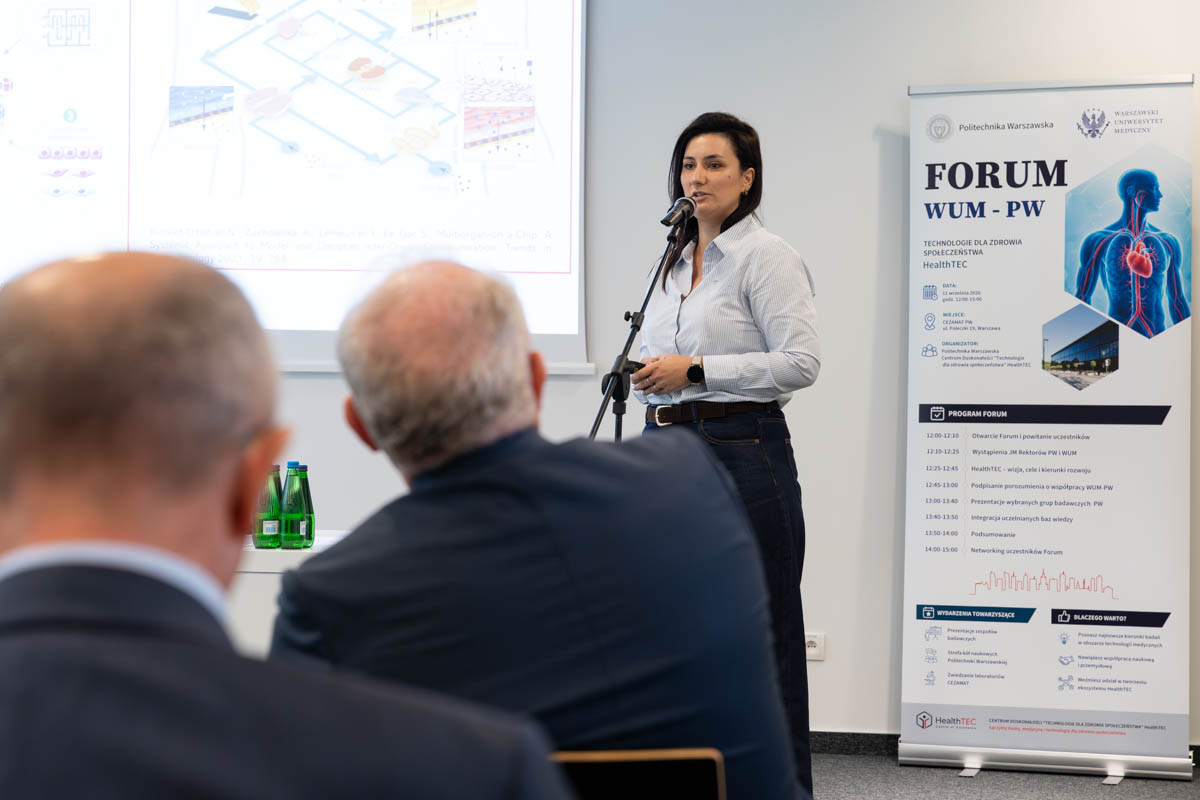
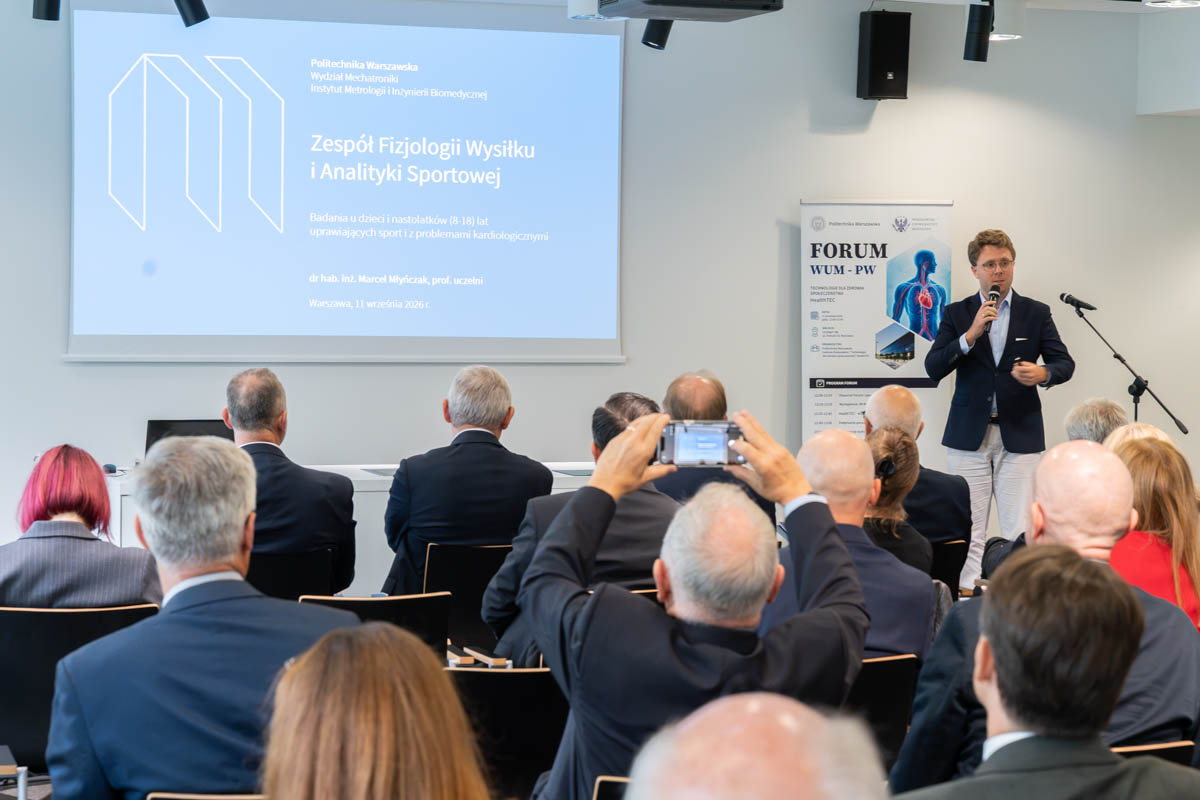
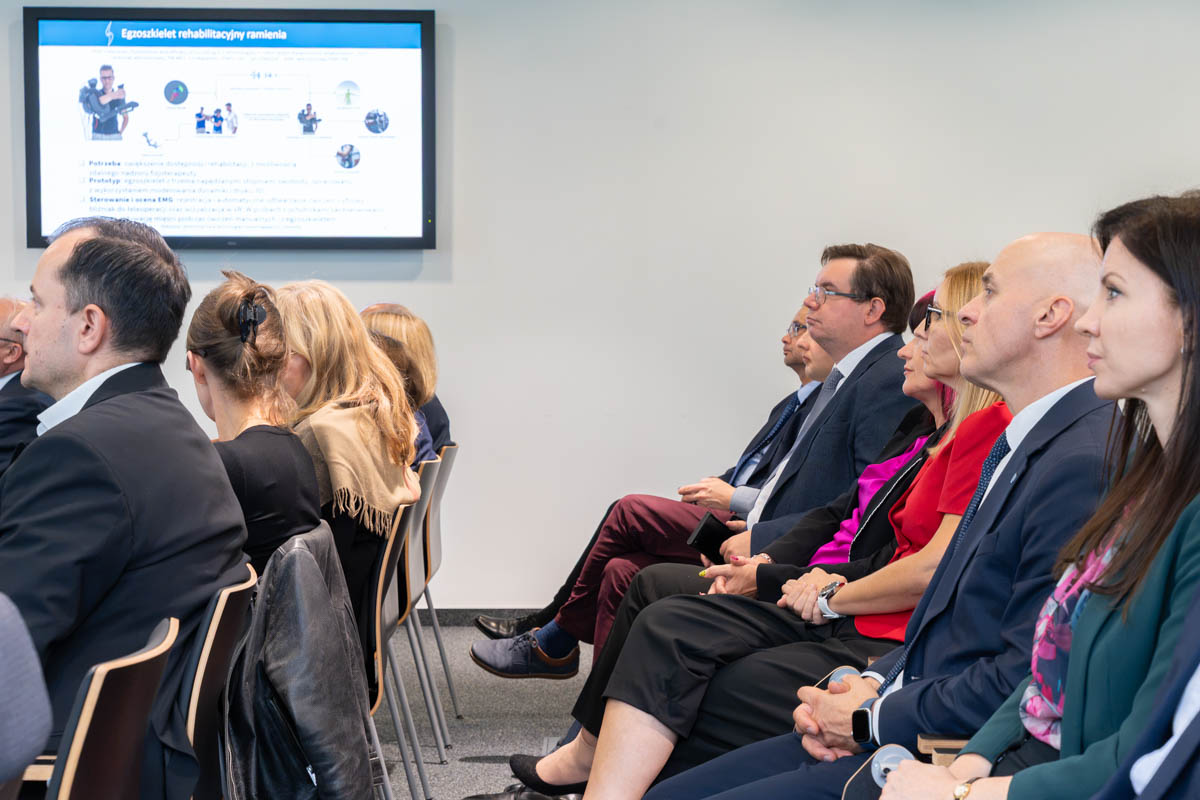
Presentations of the research teams of the Warsaw University of Technology consitituted a particularly interesting part of the forum. They showed the multitude of research problems at the intersection of engineering, technology and medicine today, as well as the potential for developing completely new areas of cooperation with WUM. A technological solution, e.g., a prototype, material, sensor, algorithm or a new production method during the engineering stage, may be confronted with real clinical needs, validated and developed towards practical application through cooperation with medical teams.
It is the combination of knowledge and experience that has developed so far in various disciplines and environments that may become one of the most important sources of innovation in medicine. The forum showed that both universities not only have the potential, but also specific teams and projects which could provide the starting point for such cooperation.
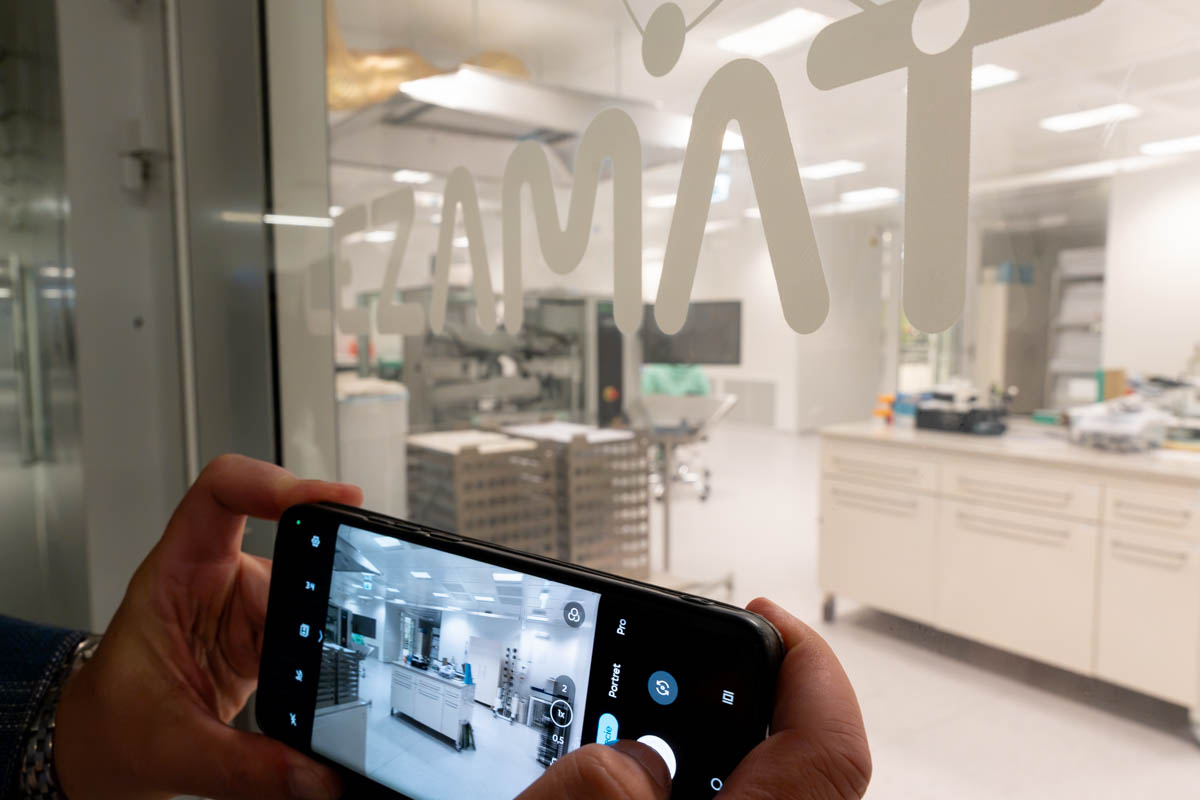
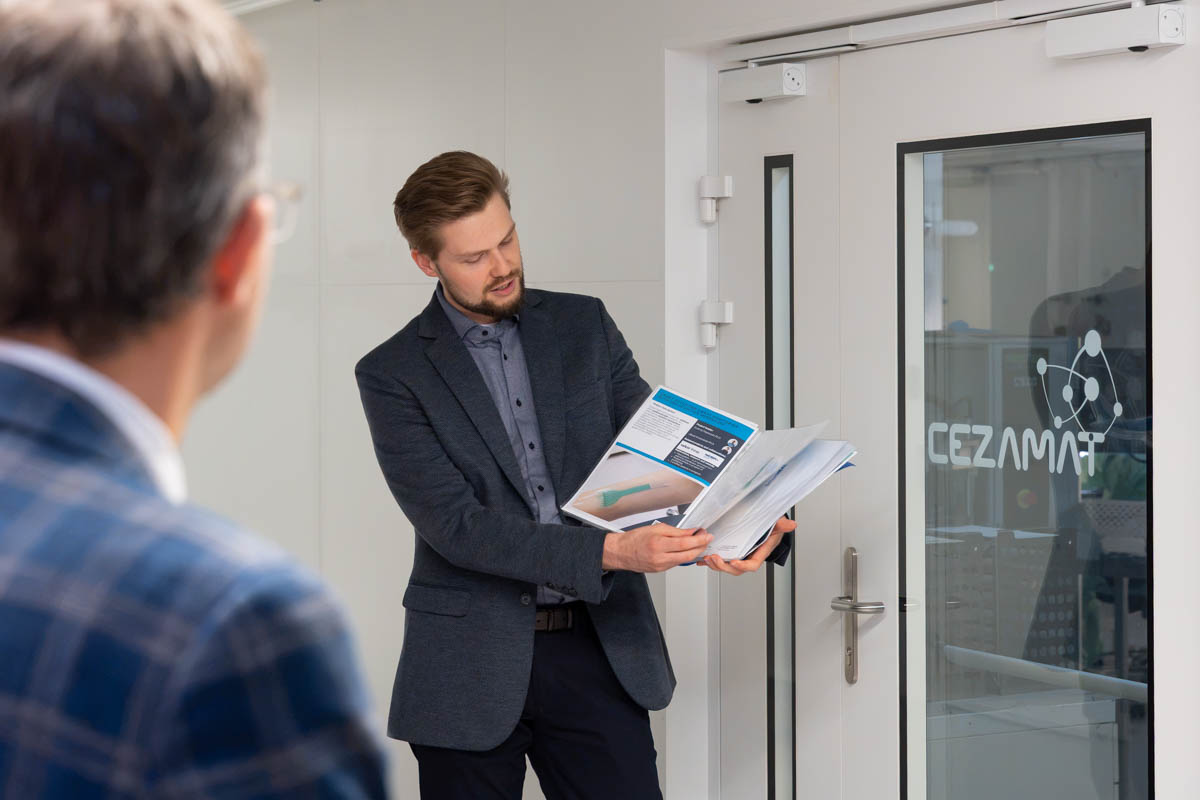
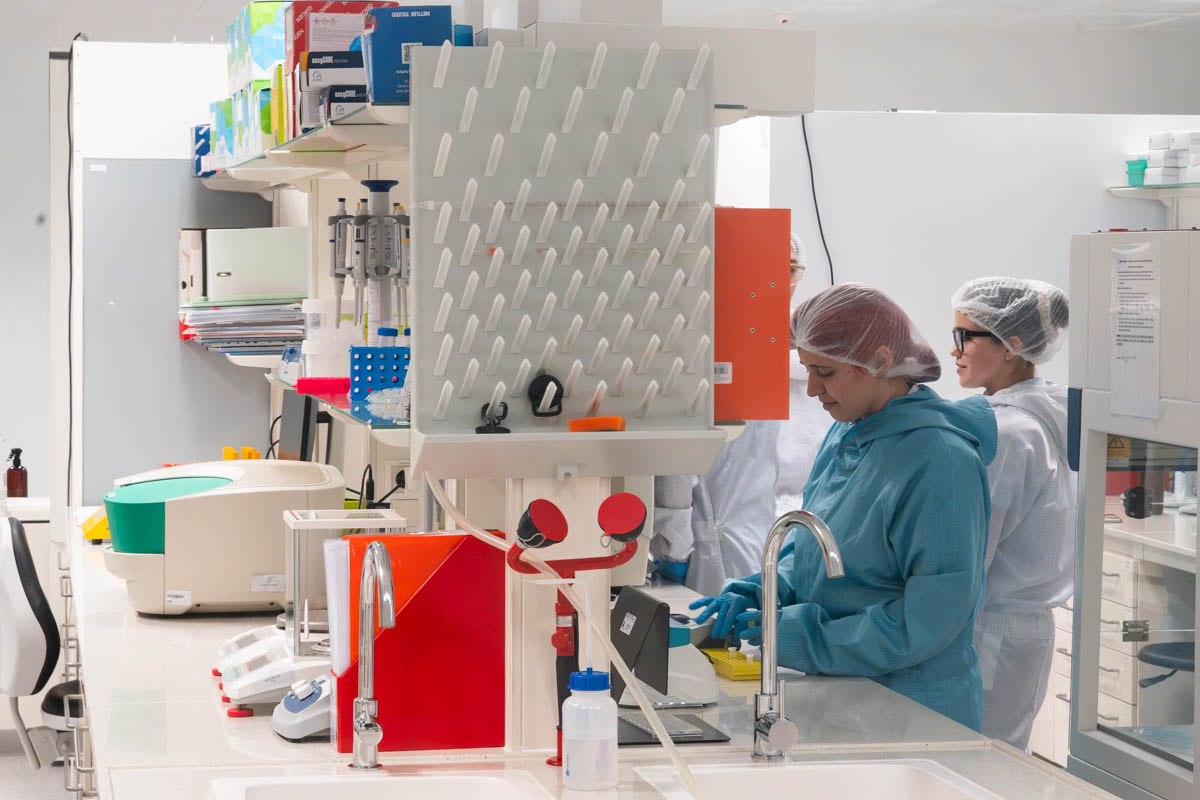
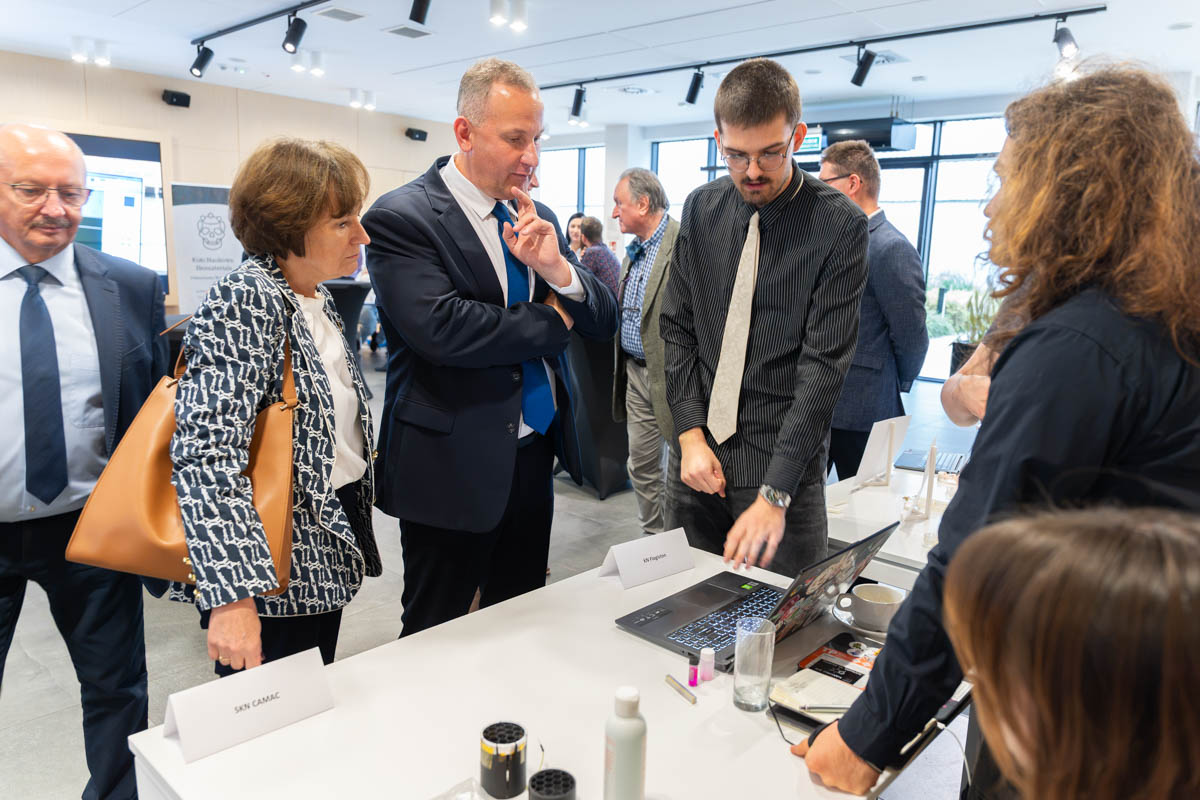
The HealthTEC Forum also had a practical dimension. The participants could get acquainted with the activities of research teams, presentations of scientific circles of the Warsaw University of Technology and the infrastructure of CEZAMAT laboratories. The meeting ended with a networking session aimed at establishing new contacts and forming interdisciplinary teams.
“Cooperation between our universities is based not only on joint projects, but also on relationships between people. These, both at the level of university authorities and scientists and researchers from both institutions, are very good and friendly,” emphasized Prof. Marcin Sobczak.
The event was attended by the following participants from WUM: Prof. Dorota Olczak-Kowalczyk, the Vice Rector for Human Resources, Prof. Michał Grąt, the Vice Rector for International Relations, Promotion and Development, Prof. Marta Struga, the Chairwoman of the Medical Sciences Discipline Council, Prof. Sebastian Granica, the Chairman of the Pharmaceutical Sciences Discipline Council, Prof. Agnieszka Mielczarek, the Dean of the Faculty of Dental Medicine, Dr Piotr Regulski, the Vice Dean for International Relations and the faculties of Dental Medicine in English and Electroradiology, Prof. Piotr Luliński, the Dean of the Faculty of Pharmacy, Dr Łukasz Czyżewski, the Vice Dean of the Faculty of Health Sciences for Nursing, Dorota Szubstarska, the Director of the Science and Technology Transfer Department and scientists and researchers representing WUM hospital and teaching departments.