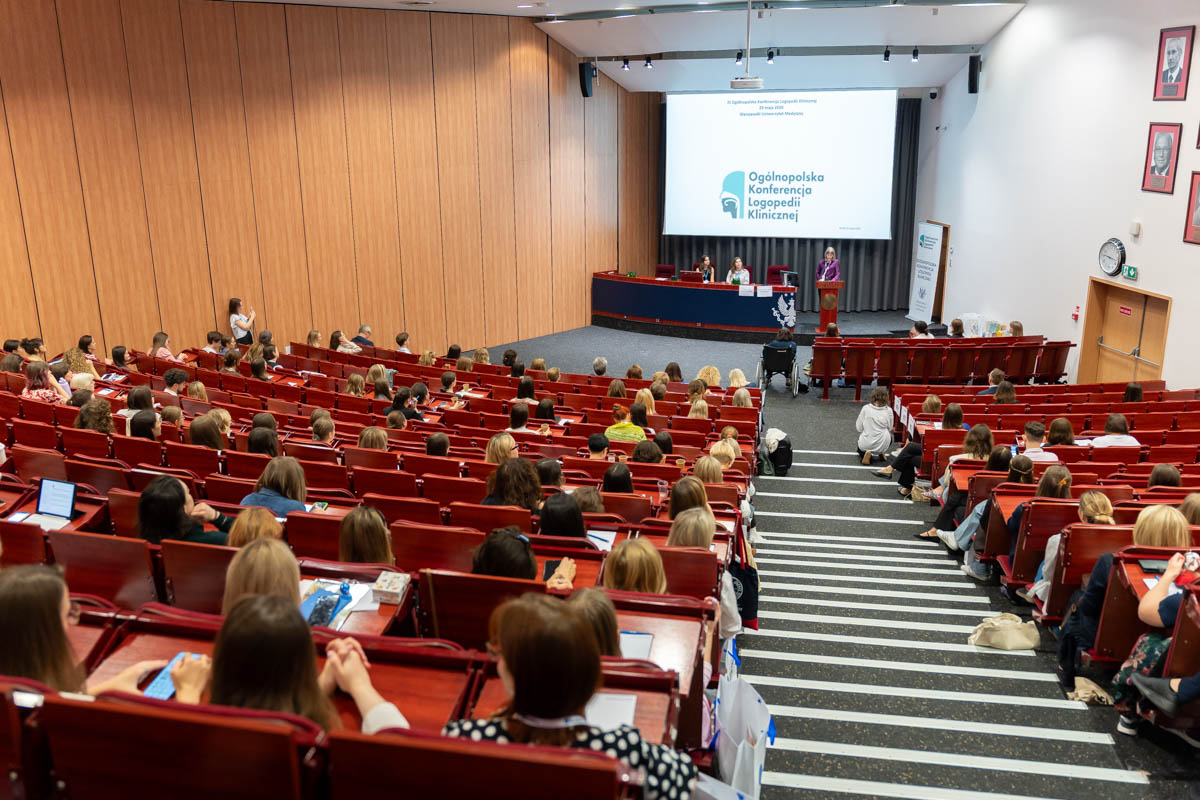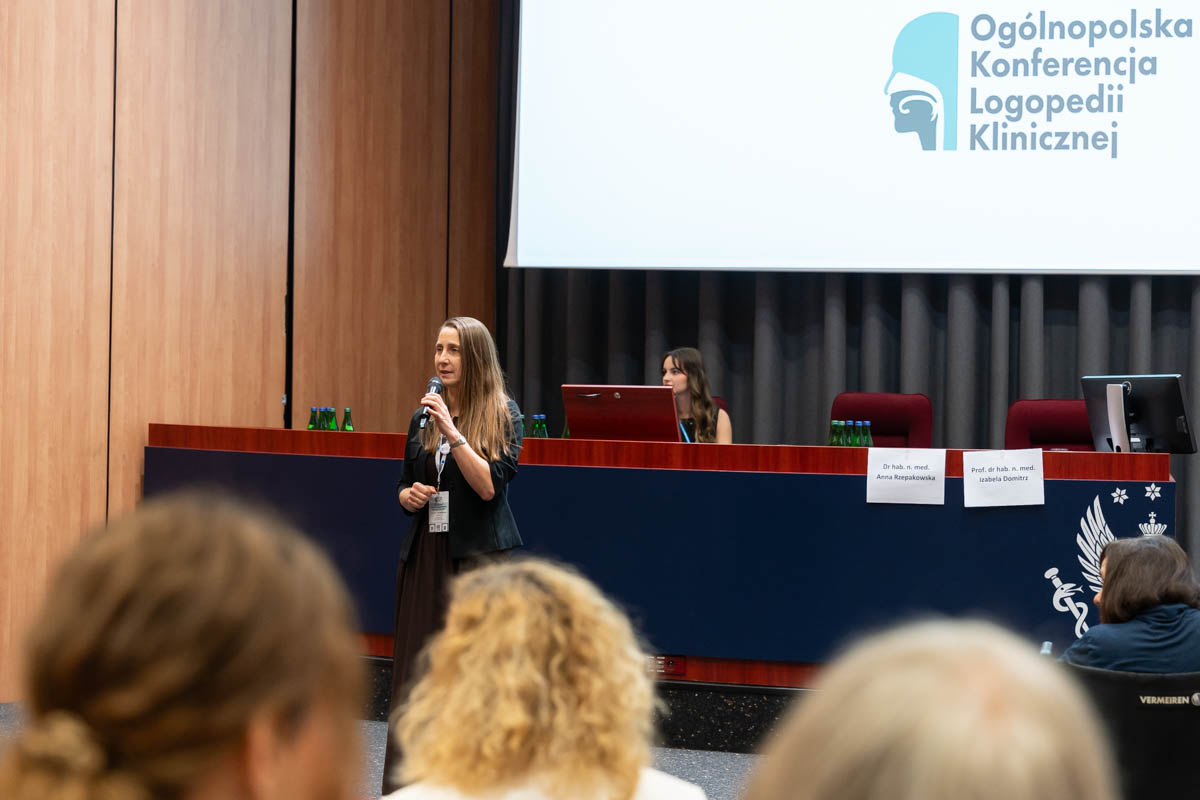
The conference had been organized by the Faculty of Dentistry (WLD) Department of Neurology, Medical Faculty’s Department of Otorhinolaryngology and Head-and-Neck Surgery and the Association for the Support of Otorhinolaryngology.
Speech and language therapy in collaboration with medicine
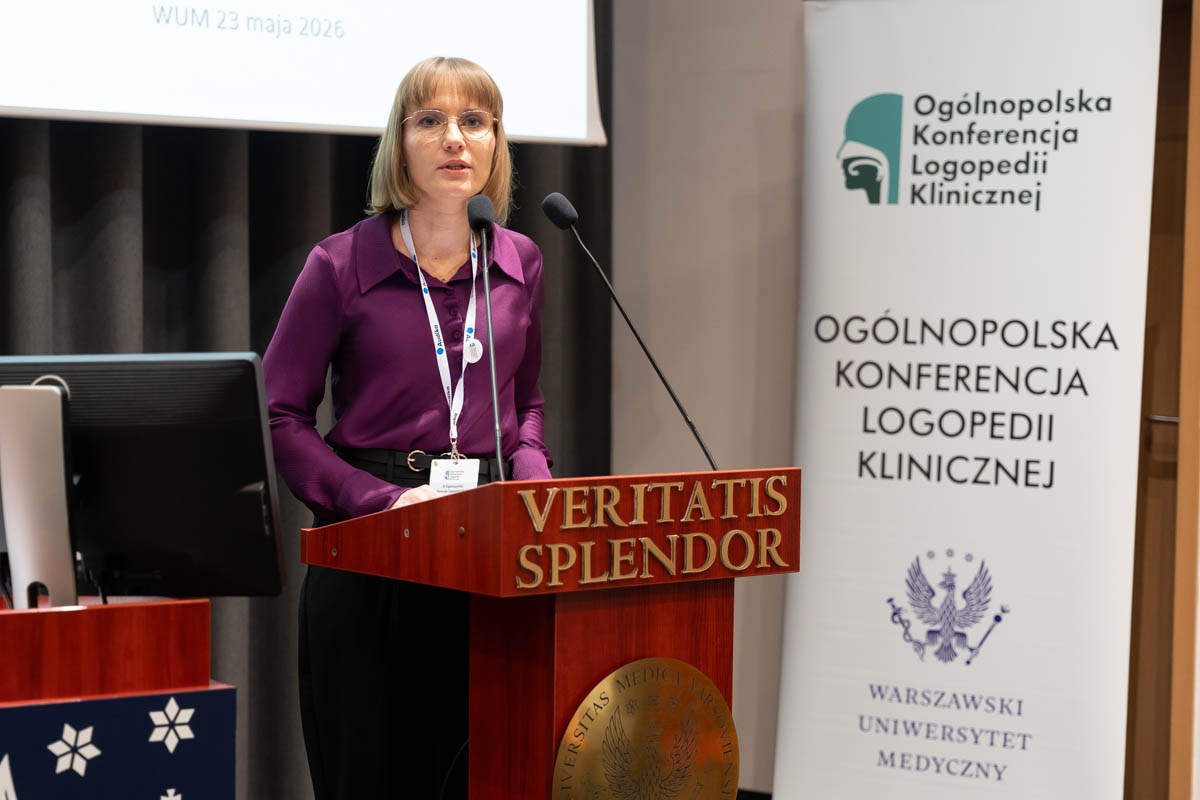
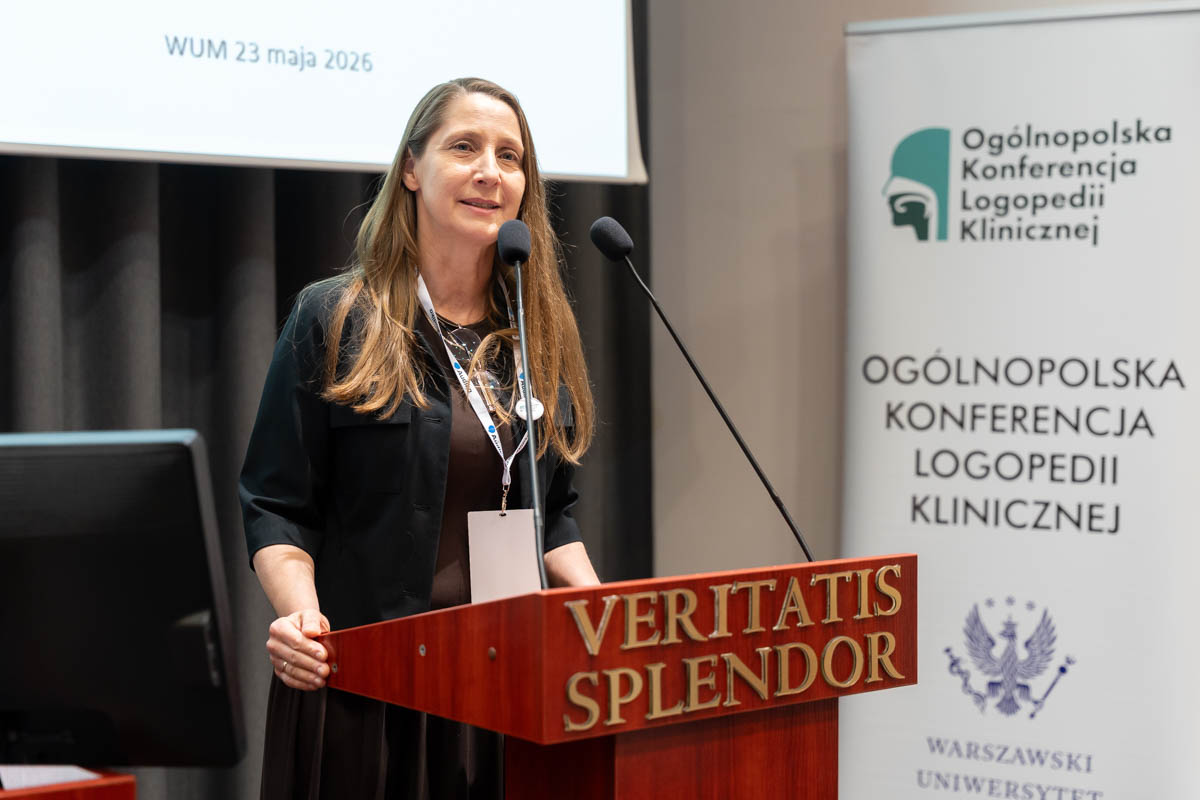
– The conference arose from our need to share accurate, evidence-based information and our love for this wonderful job – said in her opening speech Małgorzata Polit from the WLD’s Department of Neurology.
At the same time, she thanked our University for supporting the speech and language therapy community and for recognizing and appreciating their competences. The speaker also remarked that it was the clinics from our university that were the first in Poland to begin hiring speech and language therapists already in the 1930s. The conference is further proof of a strong and permanent association between speech therapy, medicine, and clinical practice.
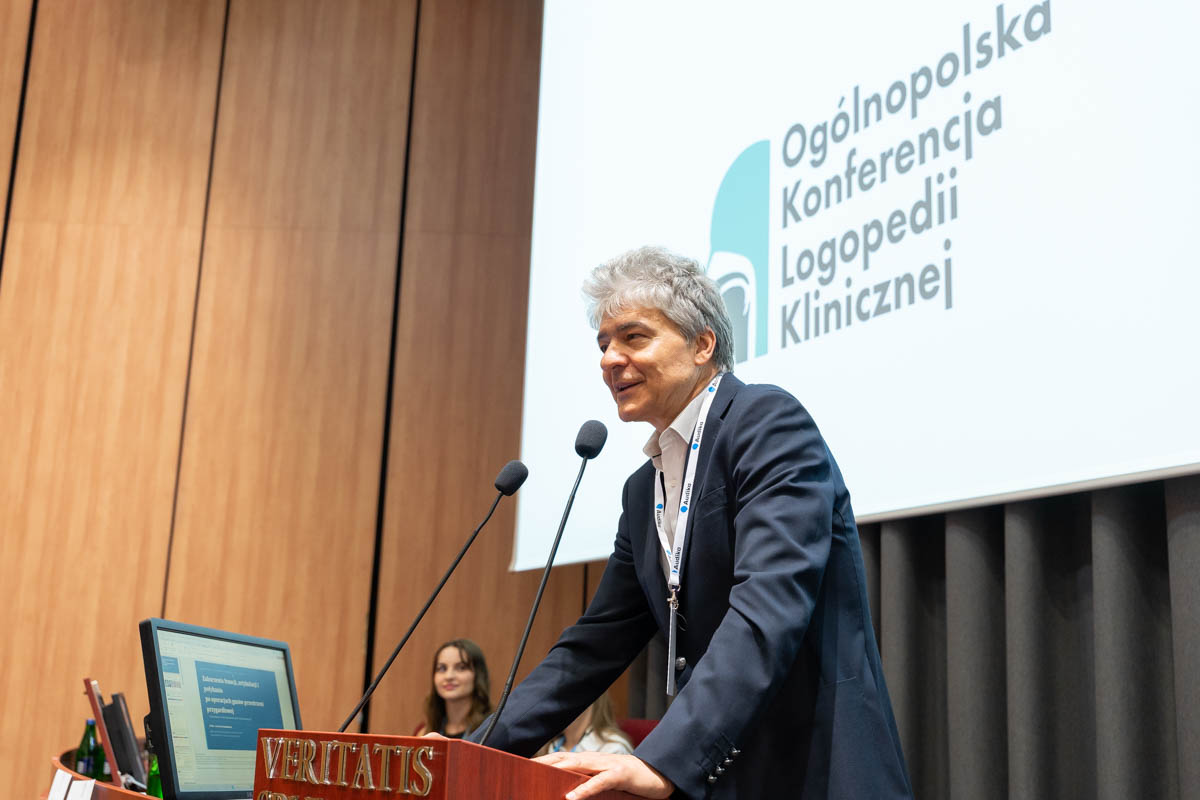
– We strive to teach young speech and language therapists to the best of our ability, we have excellent lecturers. We are glad that the study of speech and language therapy at our University continues to develop dynamically, because we believe this field to be a very important part of treatment – emphasized Prof. Marek Kuch, Vice-Rector for Student Affairs and Education.
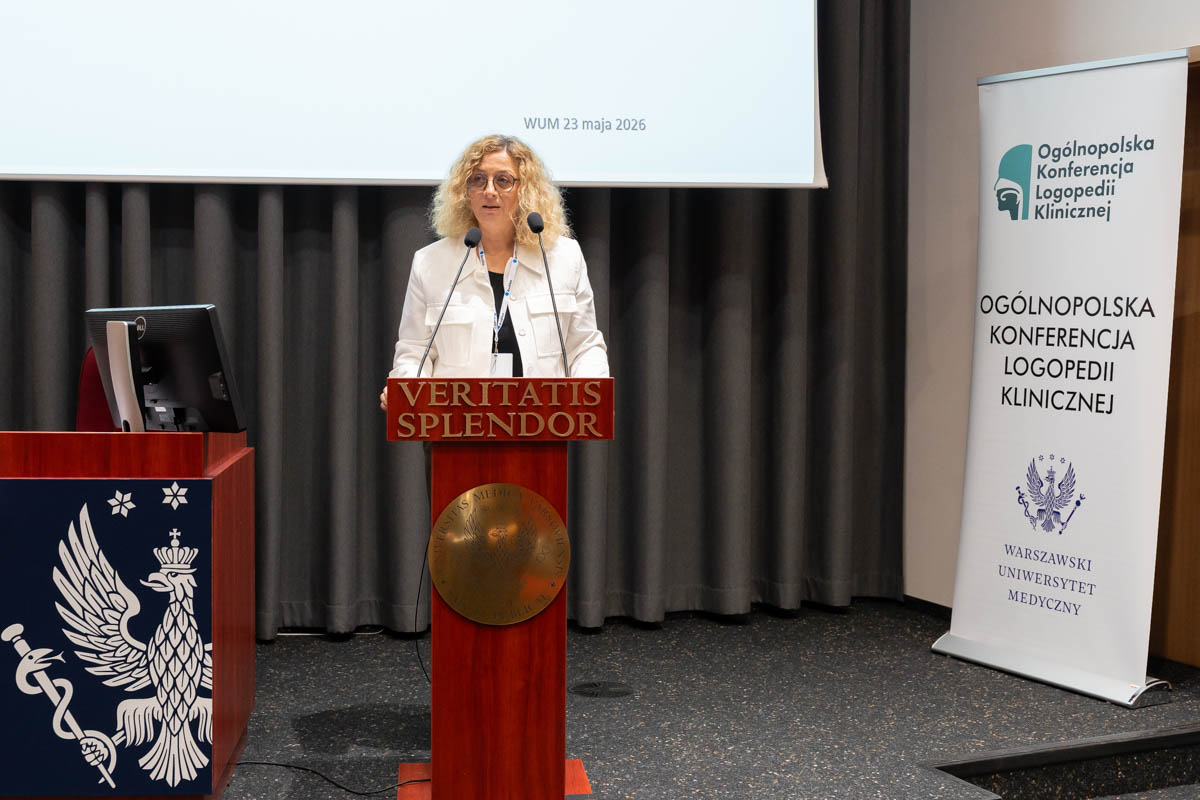
Associate Professor dr hab Joanna Peradzyńska, WLD Vice-Rector for the departments of Audiophonology and Auditory Prosthetics, Dental Hygiene, and Speech and Language Therapy, read a letter by Prof. Agnieszka Mielczarek, Faculty Dean, addressing conference organizers and participants.
"I lend my full support for this initiative and share my deep conviction of its significant role in the development of speech and language therapy in Poland" – wrote the Dean.
A celebration of knowledge, collaboration, and passion for speech and language therapy
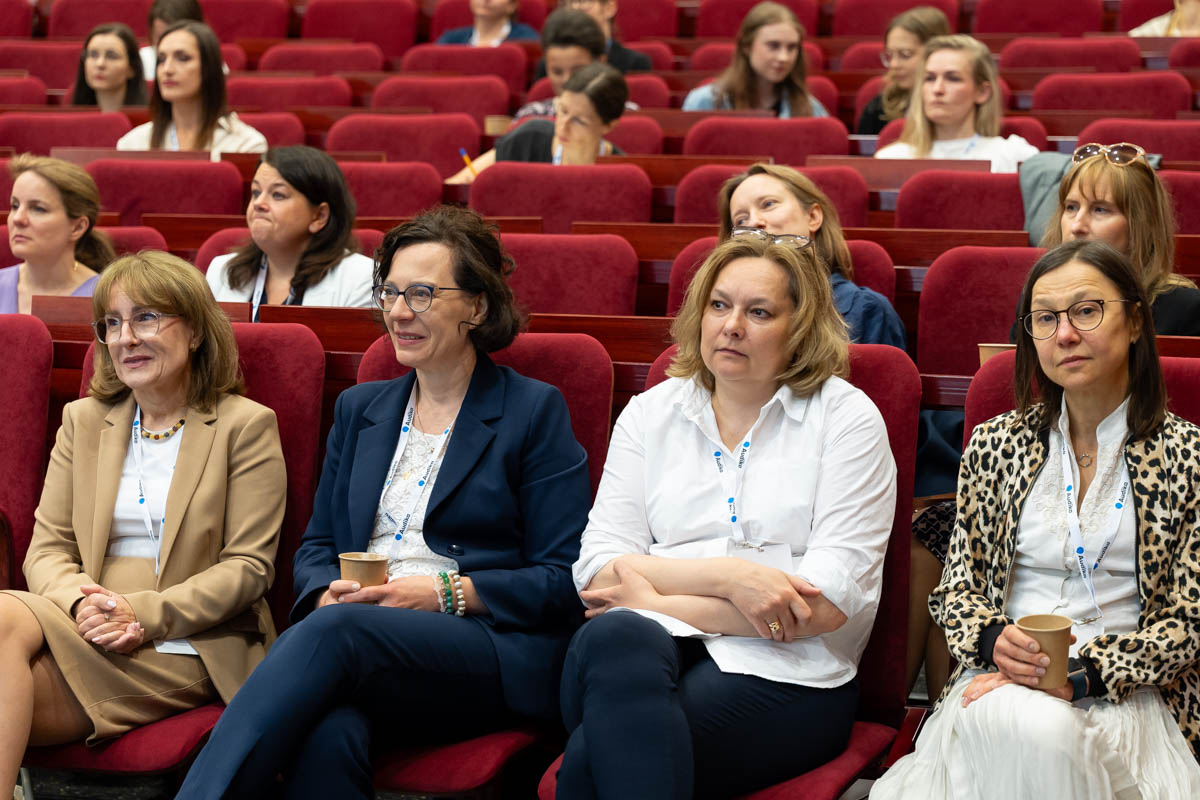
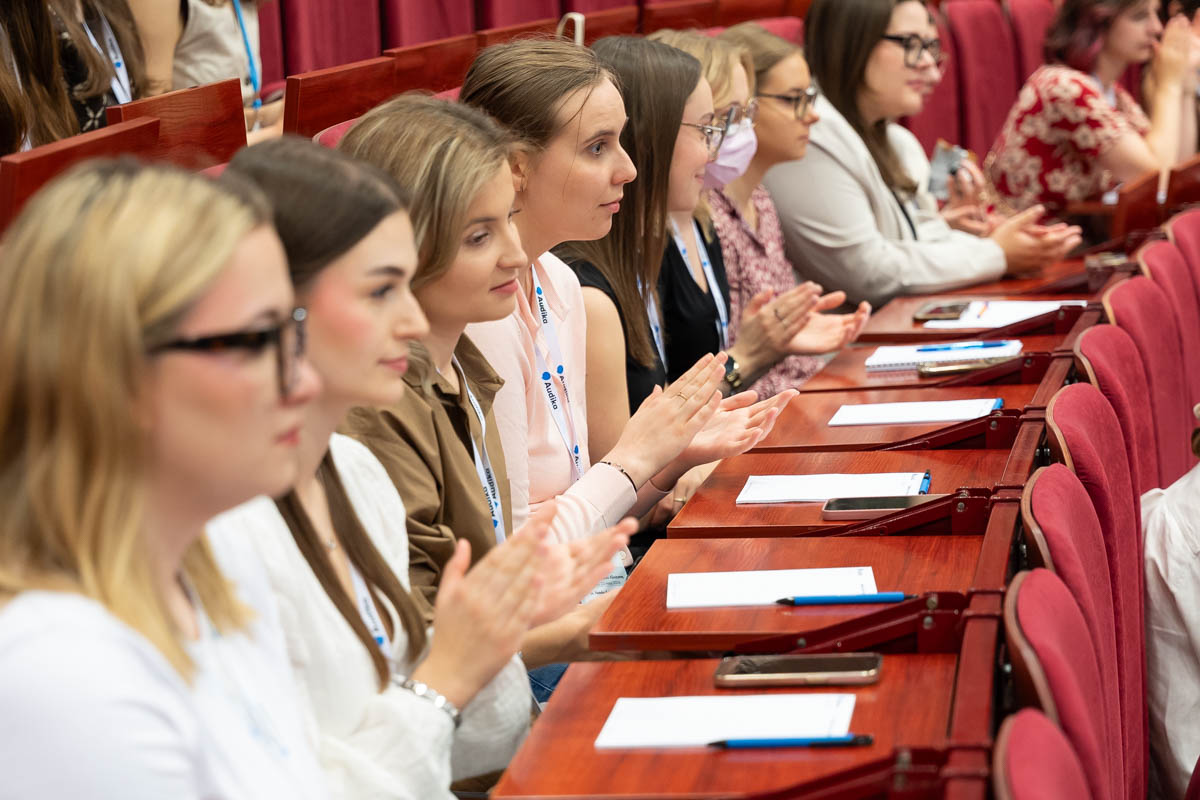
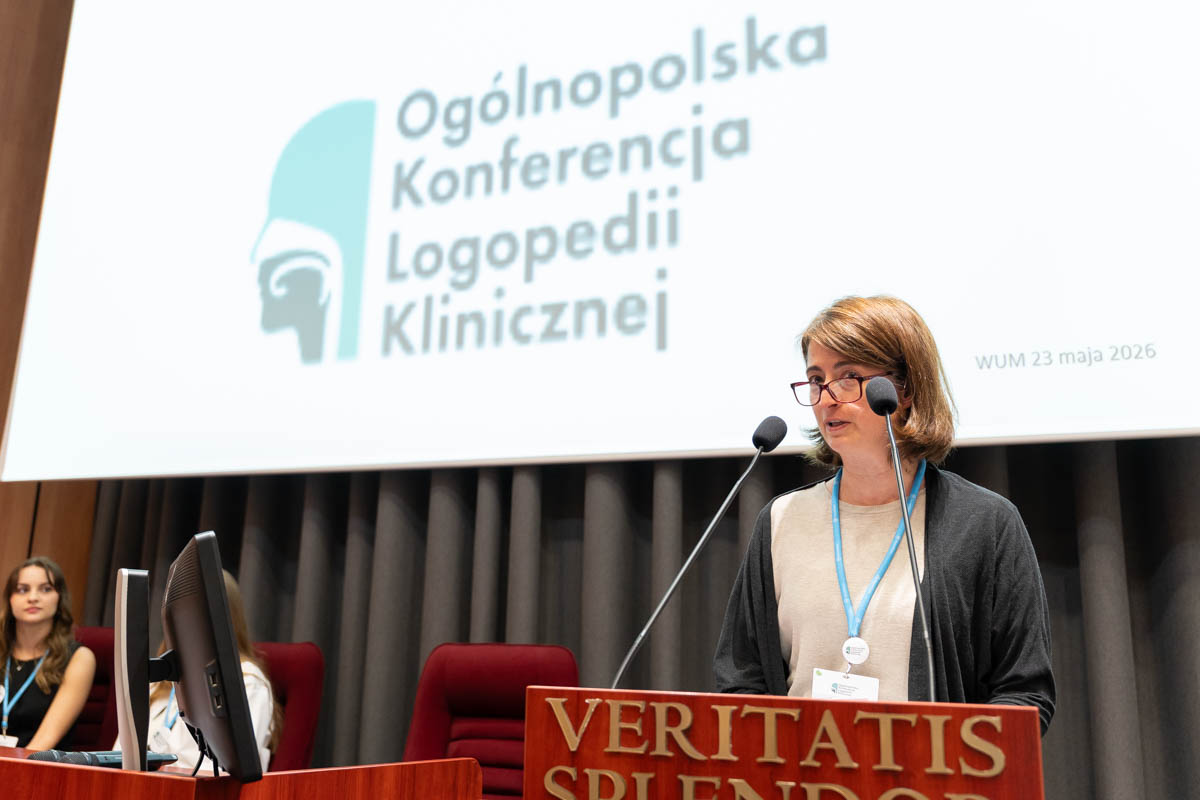
The common denominator of all speeches and discussions was the patient and the need for collaboration in the processes of diagnosis, treatment, and rehabilitation. Speakers presented both the current state of research and their experiences from everyday practice.
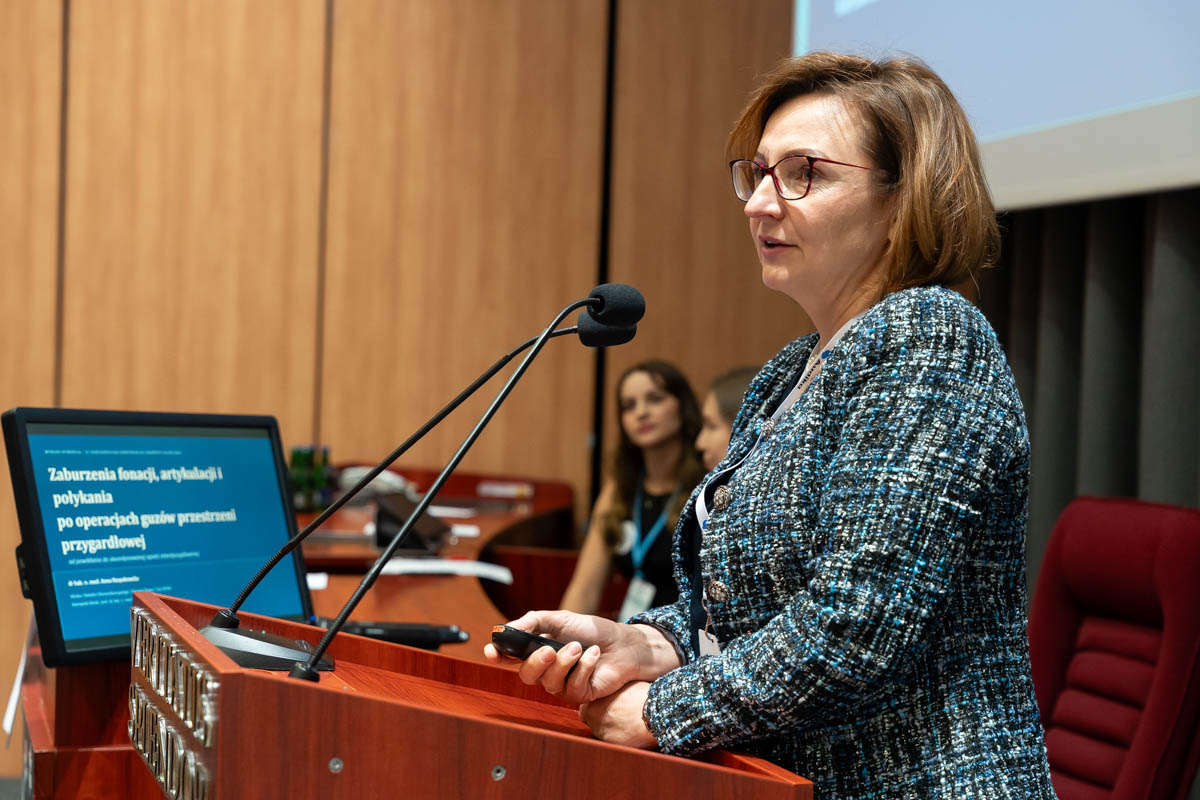
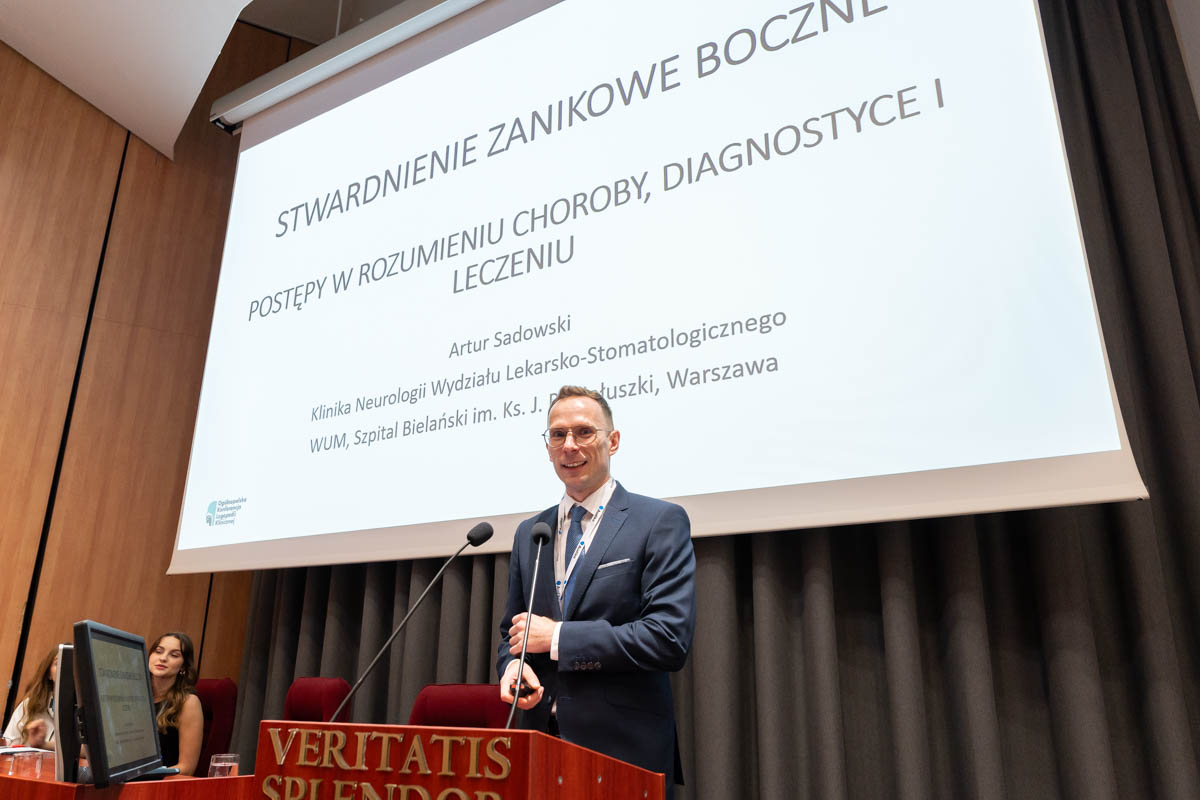
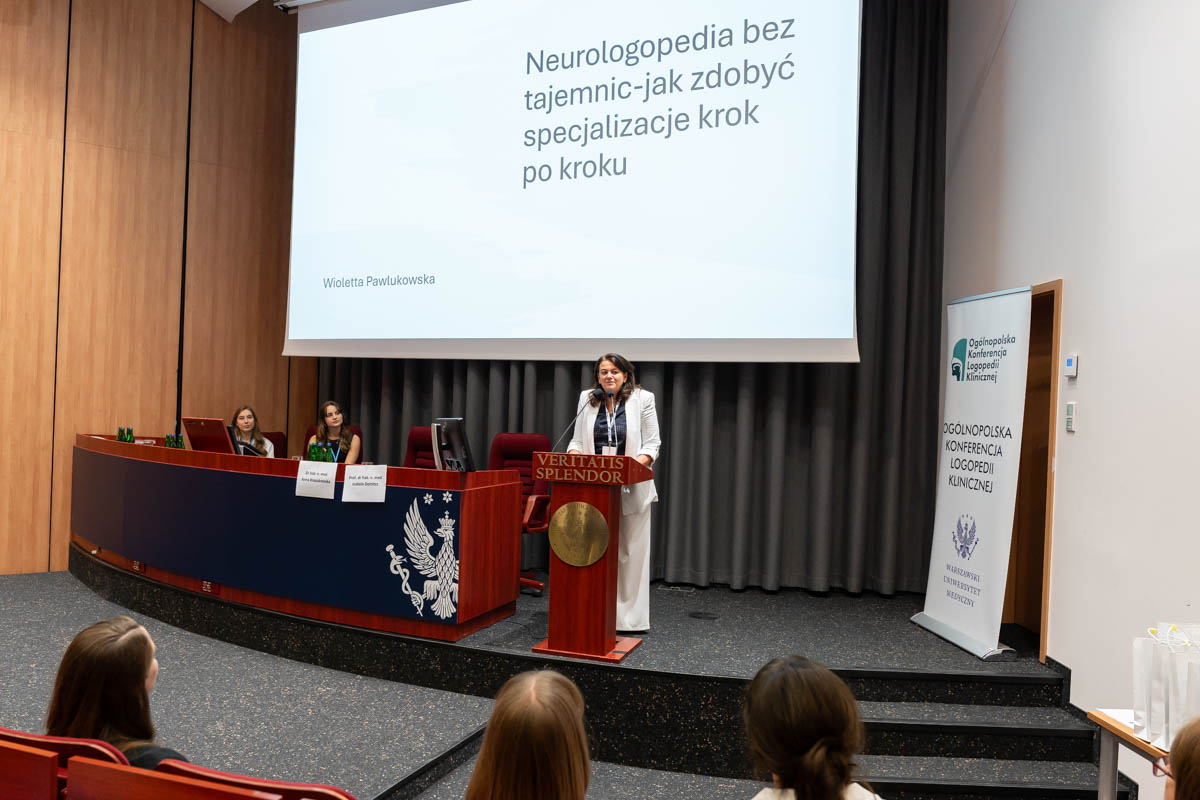
The opening session addressed the issues of dysphonia, postoperative dysarthria, and dysphagia in patients with parapharyngeal space tumors; advances in the understanding, diagnosing, and treatment of amyotrophic lateral sclerosis, and the path to specializing in neurological speech disorders. The main session focused on aspects of speech therapy for the deaf, including the current hard-of-hearing patient profiles and cochlear implants.
Subsequent sessions addressed the issues of neonatal dysphagia, pharyngeal manometry, communication in children with pervasive developmental disorders, rehabilitation following facial nerve reconstruction, electrophysiology studies, deglutition disorders in neurological conditions, and speech and language therapy in orthognathic surgery patients.
Moreover, conference participants had an opportunity to develop their skills during workshops on assessing and managing dysphonia patients, genetic defects, hearing impairment, and care for tracheostomy patients. These absorbing workshops demonstrated how to effectively combine theoretical and practical knowledge in everyday work of clinical speech and language therapists.
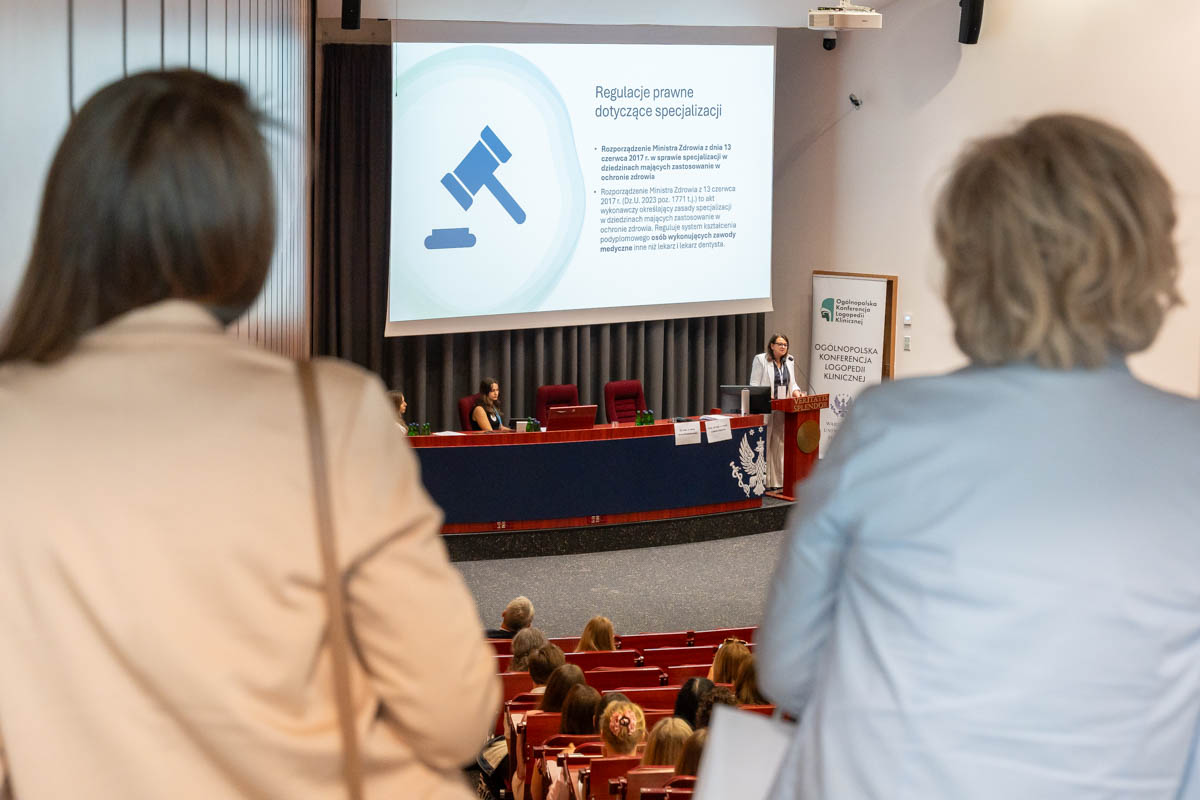
The event took place at the Centrum Dydaktyczne, WUM, on May 23.