Dare to be wise
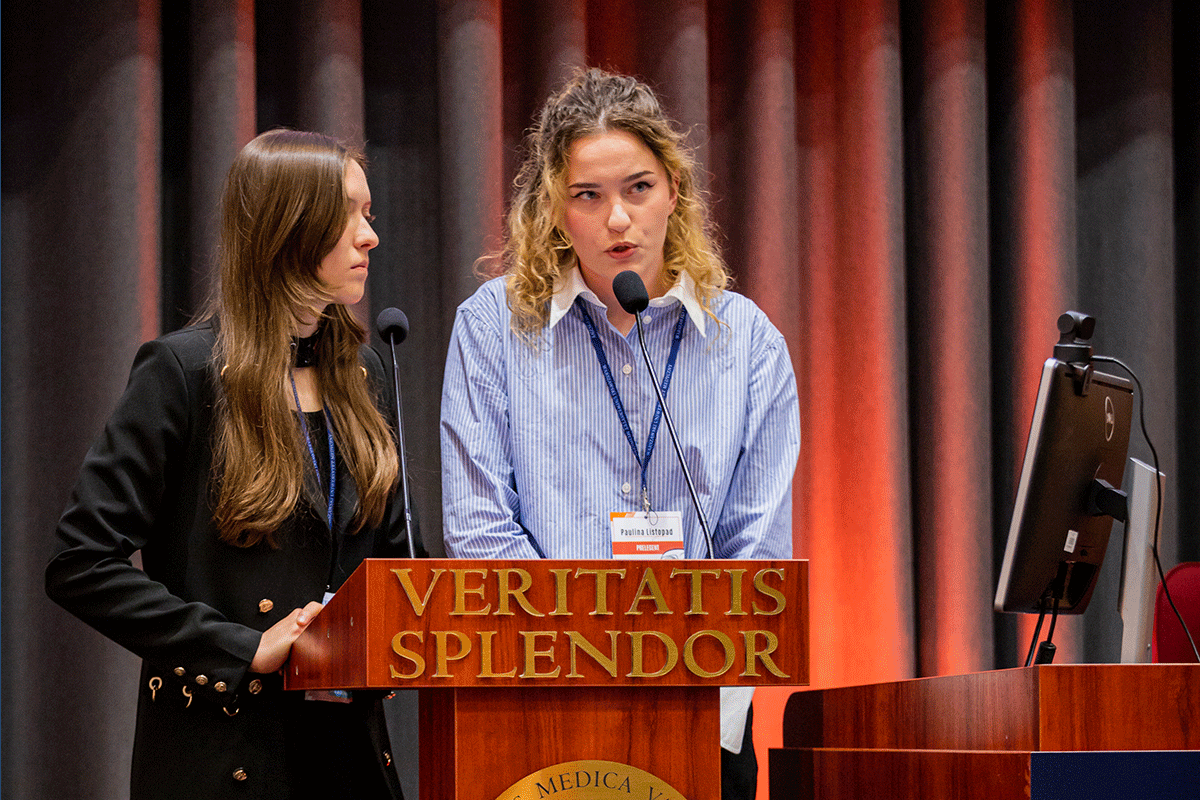
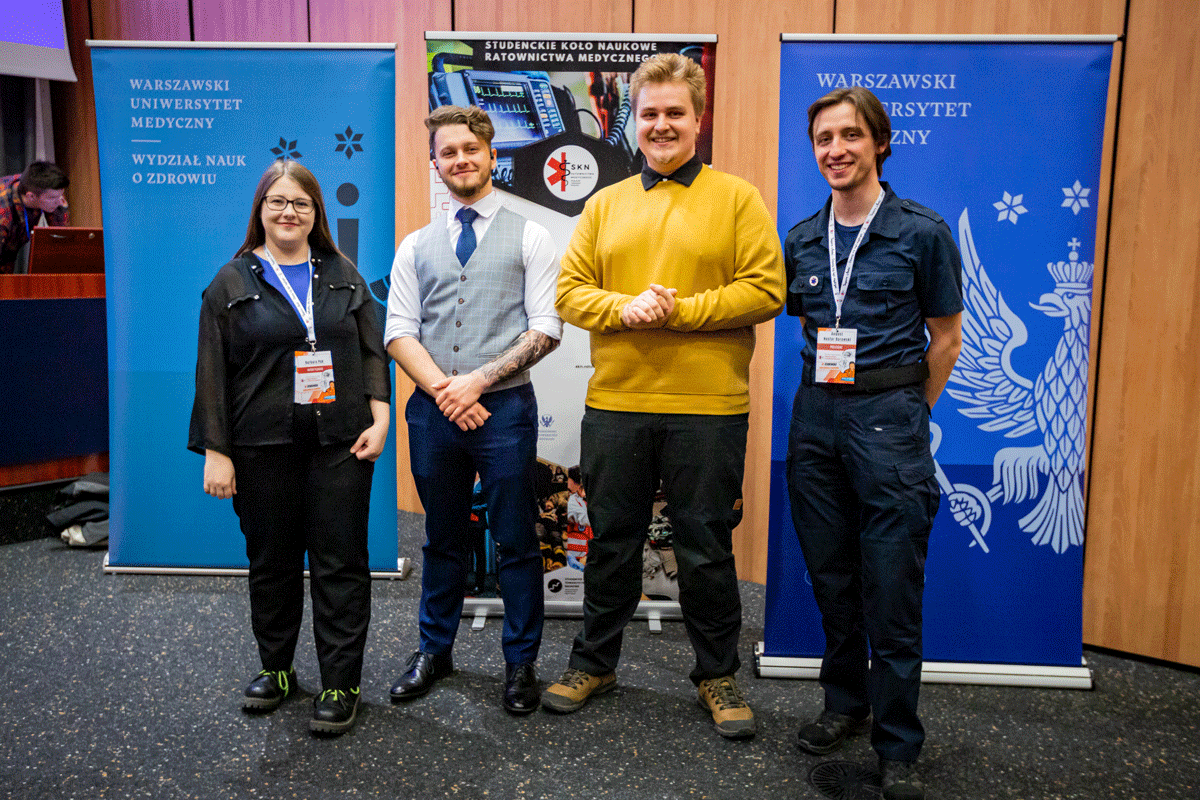
The event was organized by the Medical Emergency Student Scientific Club, which operates within the Medical Emergency Department at WUM’s Faculty of Health Sciences.
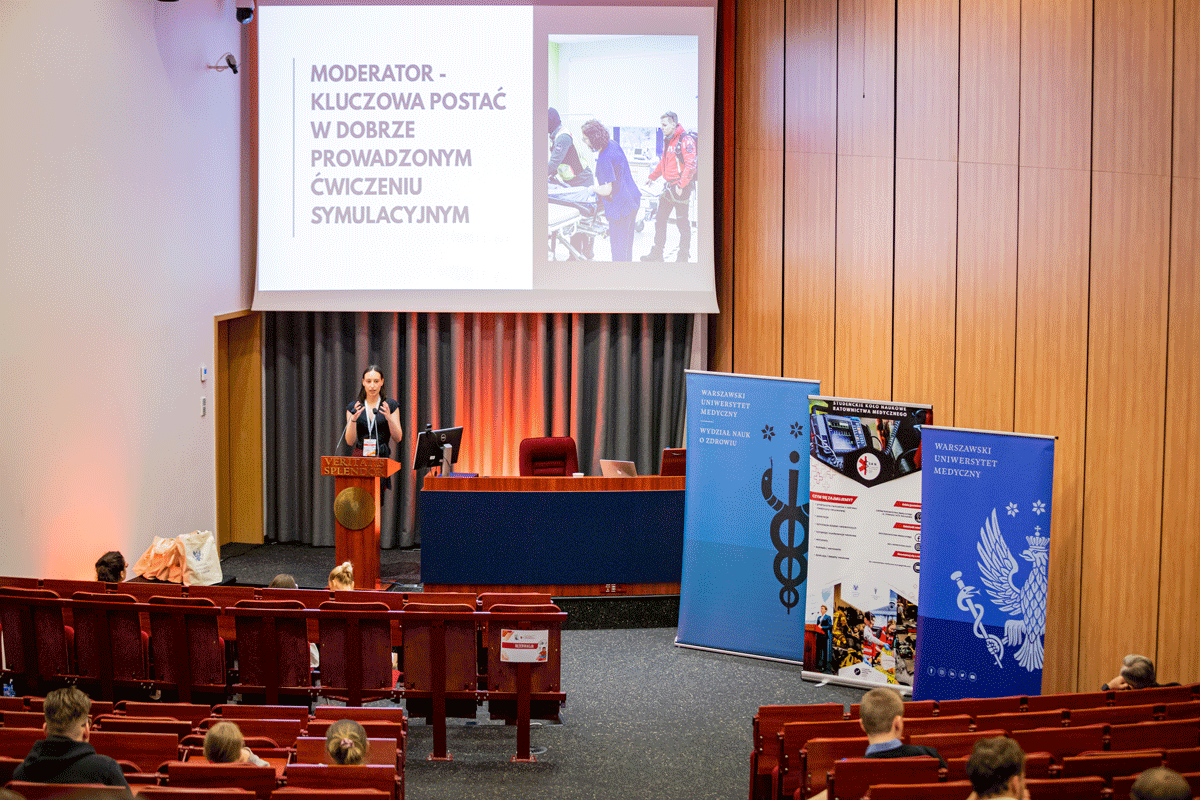
“More than 2,000 years ago, the Roman poet Horace wrote, ‘He who has begun is half done; have the courage to be wise.’ Sapere aude – ‘dare to be wise.’ We chose these words intentionally because we believe that development begins with curiosity, the courage to ask questions, and the desire to continuously expand one’s knowledge and skills. Particularly in the medical field, learning is a process that never ends, and every new experience can become the beginning of something important,” emphasized Marta Tabaka from the Scientific Student Club, one of the conference moderators.
“The conference was created out of a need for development, exchange of experience, and joint search for new perspectives in medical emergency,” added Izabella Nasiłowska, the second moderator.
Medical emergency sciences need to be treated seriously
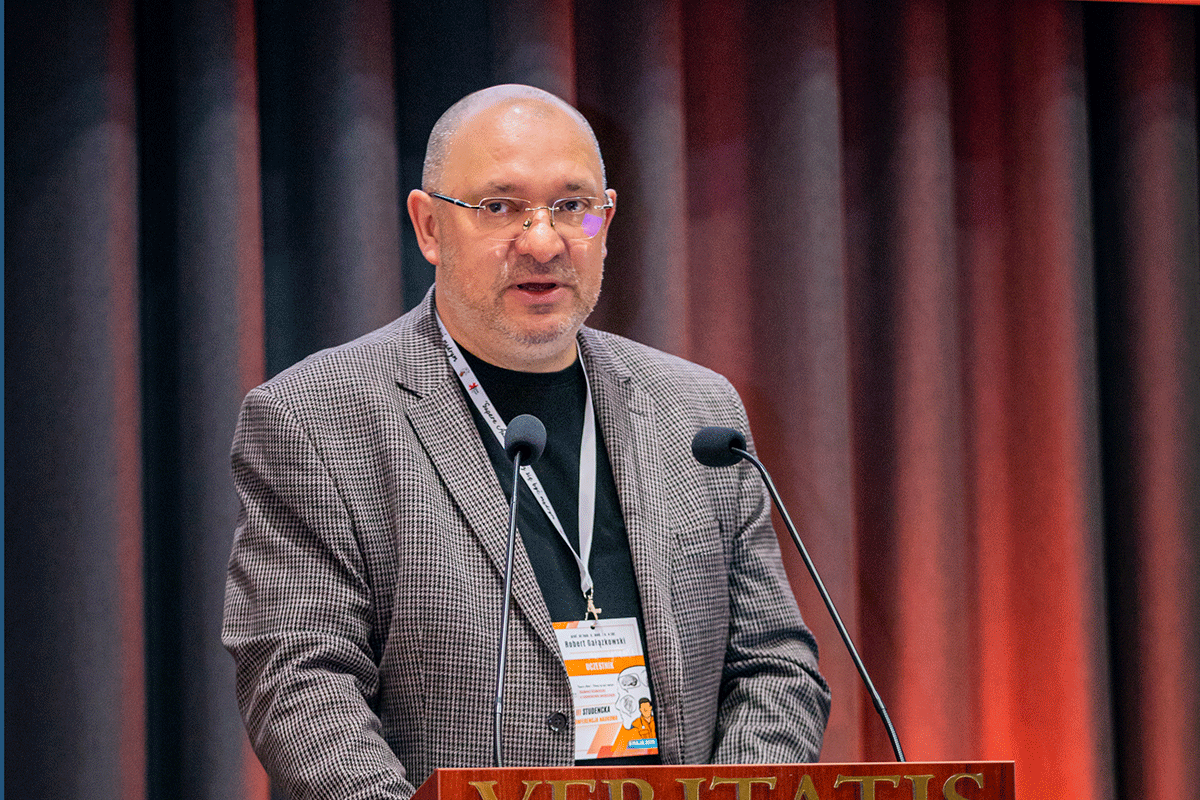
Participants were also welcomed by the Vice Dean for Nursing at the Faculty of Health Sciences, Dr. hab. Łukasz Czyżewski, and the head of the Medical Emergency Department, Prof. Robert Gałązkowski, who emphasized:
“Treat the study of medical emergency sciences seriously. A paramedic is not a profession where mistakes can be made. A paramedic must be excellently prepared in order to provide help to a person whose life is in danger.”
He also appreciated the students’ presence at the conference, viewing it as a sign of their commitment to the development of medical emergency sciences in Poland and their responsibility for patient safety.
Inaugural lecture
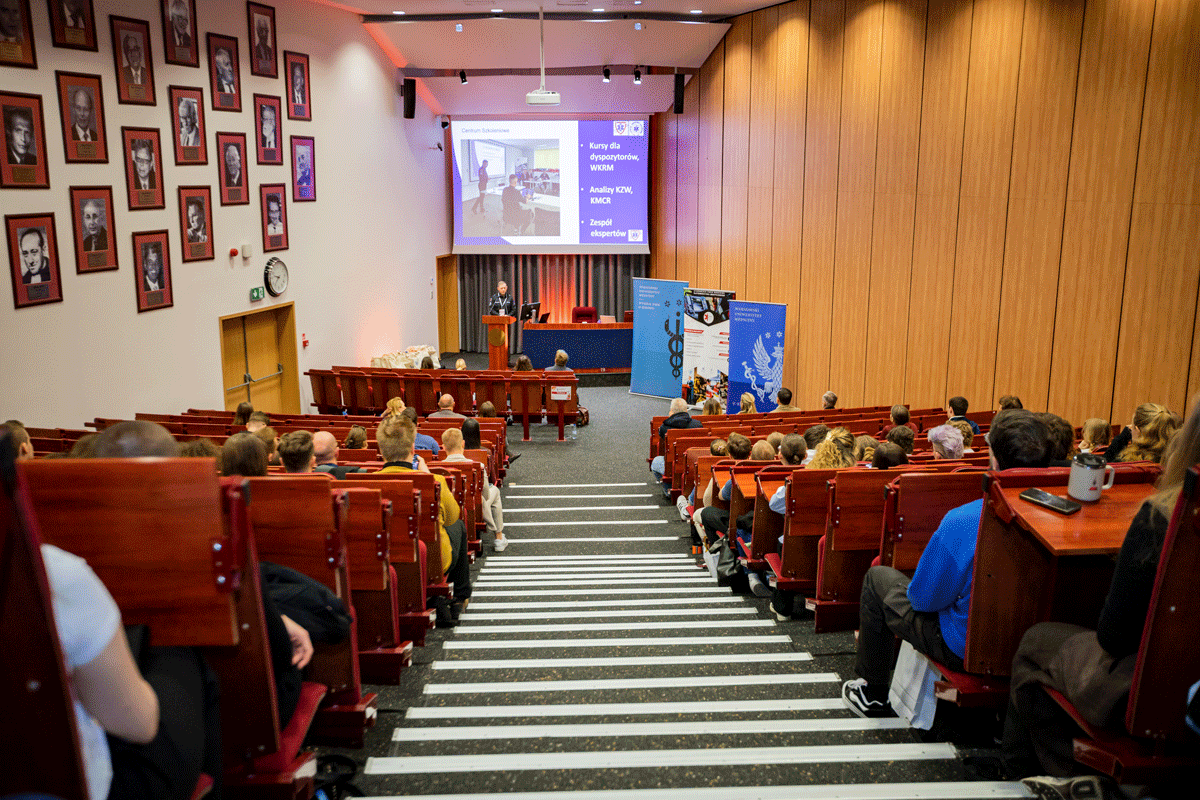
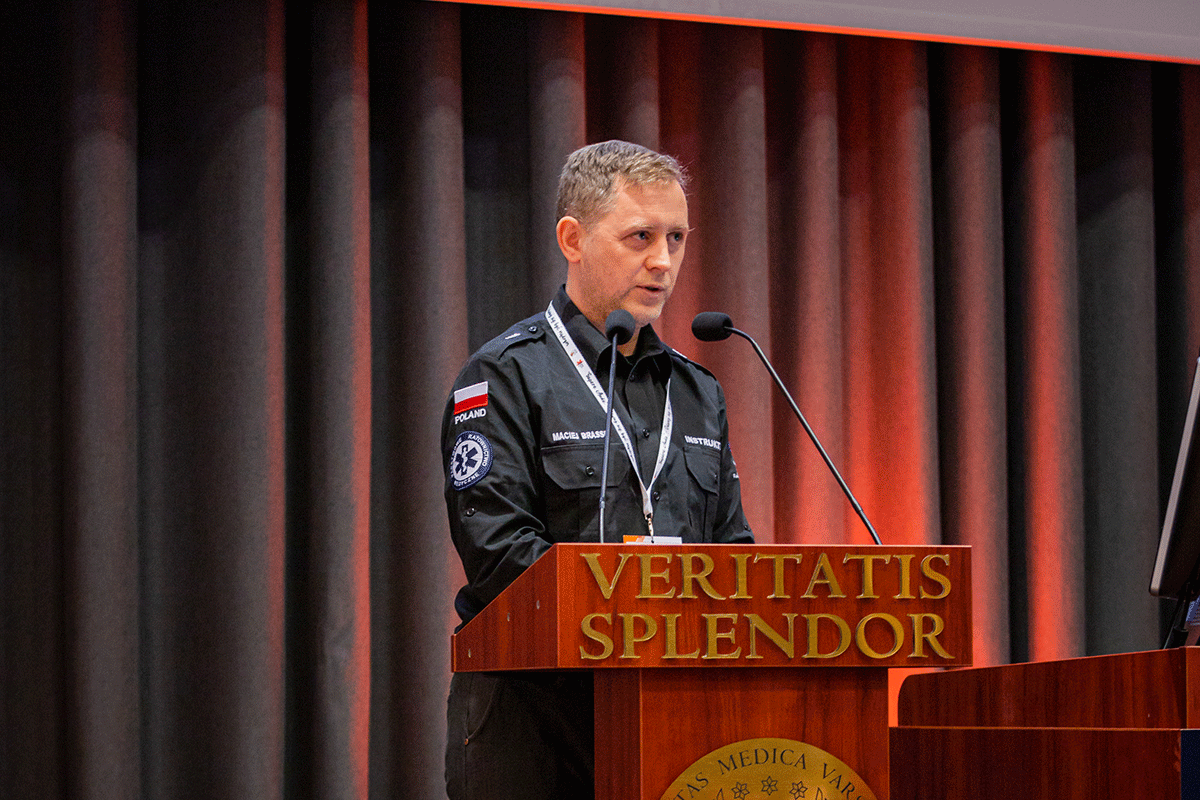
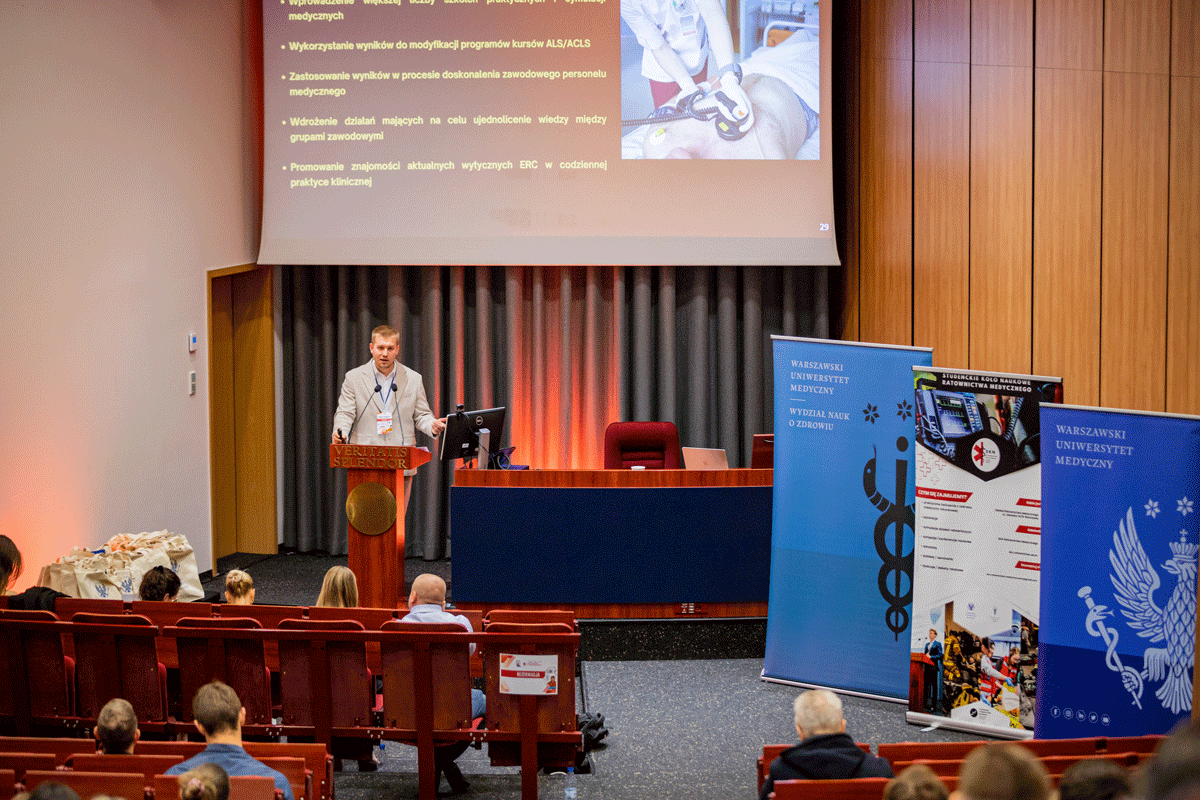
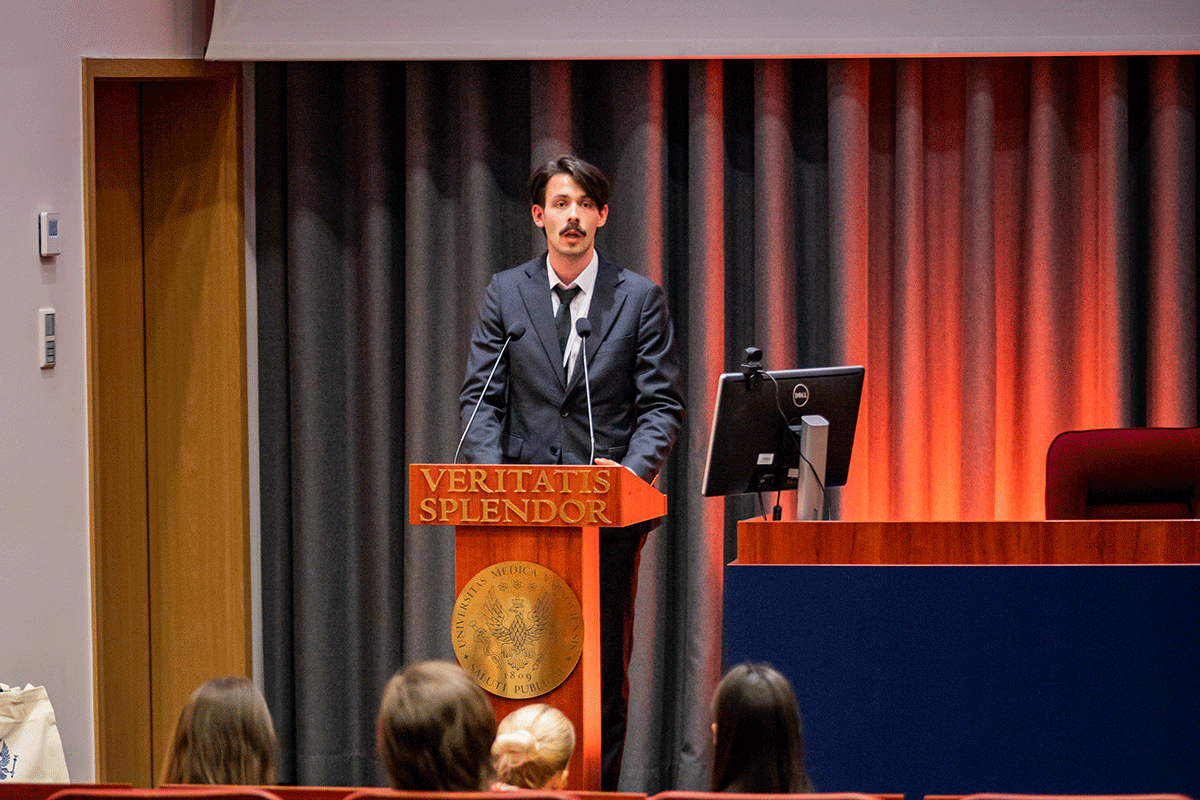
The inaugural lecture, titled “The EMS system through the eyes of the National Emergency Medical Services Monitoring Center,” was delivered by Maciej Brasse from the National Emergency Medical Services Monitoring Center (KCMRM).
From everyday work with lights and sirens, through advanced diagnostics and interventions, to medical simulations
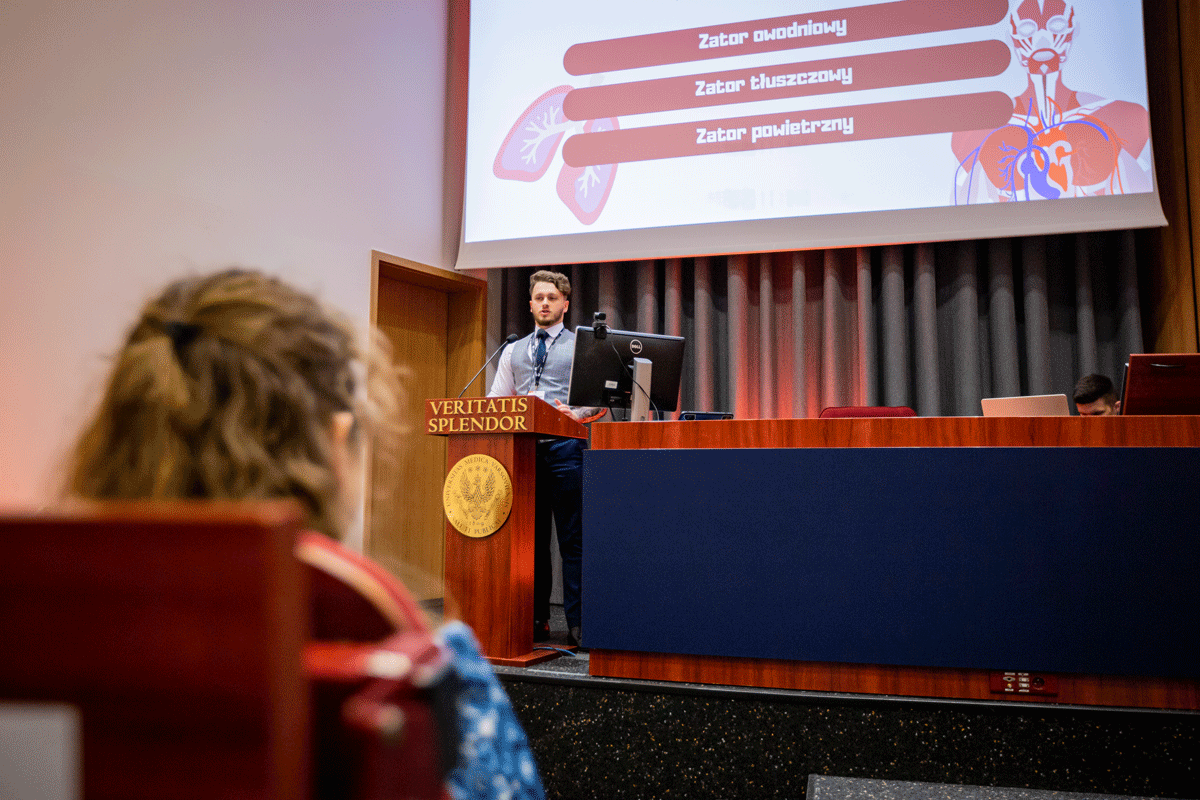
The program included four lecture sessions in which students delivered 16 presentations. In the first session, topics included magnesium sulfate pharmacotherapy in paramedic practice, the issue of unjustified ambulance calls, readiness for patient evacuation from vehicles in light of new recommendations, and the realities of entering the paramedic profession.
The second session addressed the alignment of medical staff knowledge with ERC guidelines on electrical cardioversion, ECG analysis according to the Polish Cardiac Society’s “decalogue,” correlations between maxillofacial injuries and cervical spine trauma, and monitoring vital signs in low ambient temperatures.
The third session focused on key emergency decision-making topics, including patient transport decisions in stroke, pulmonary embolism in pre-hospital conditions, comparison of START and TST triage systems among firefighters, and reflections on the boundaries between life and death in medical emergencies.
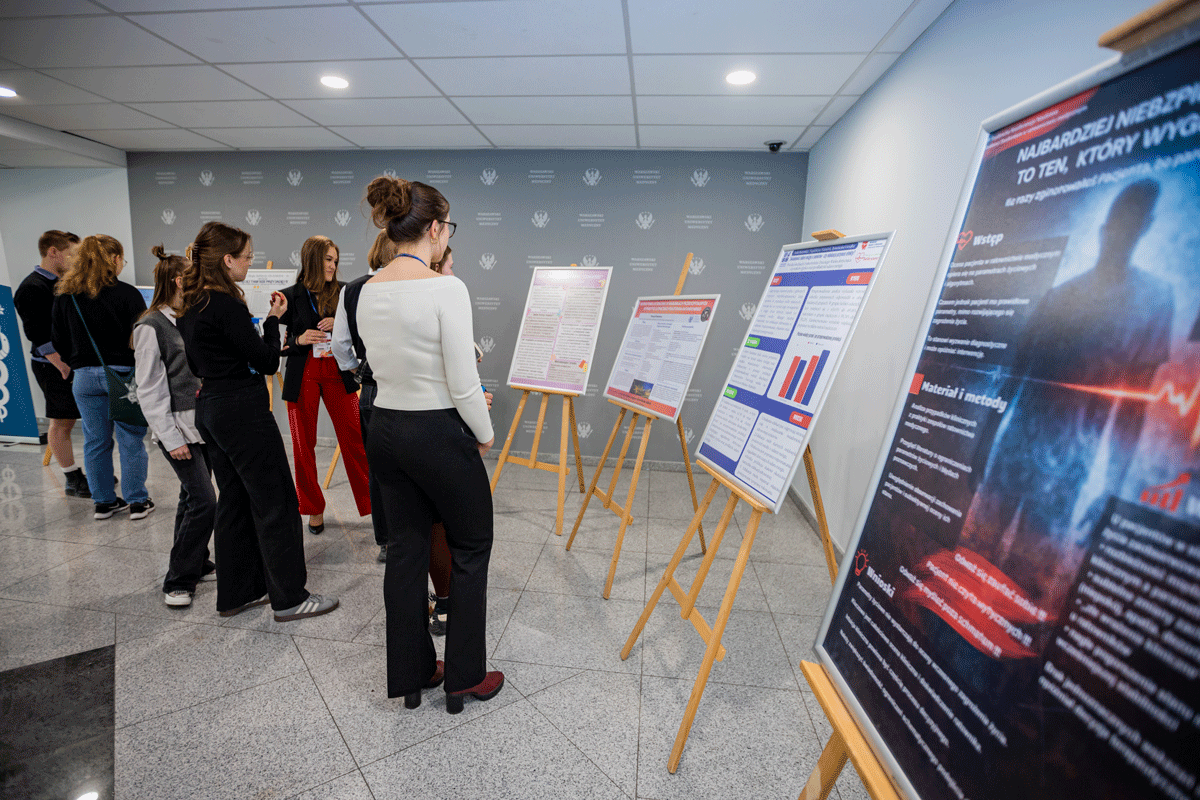
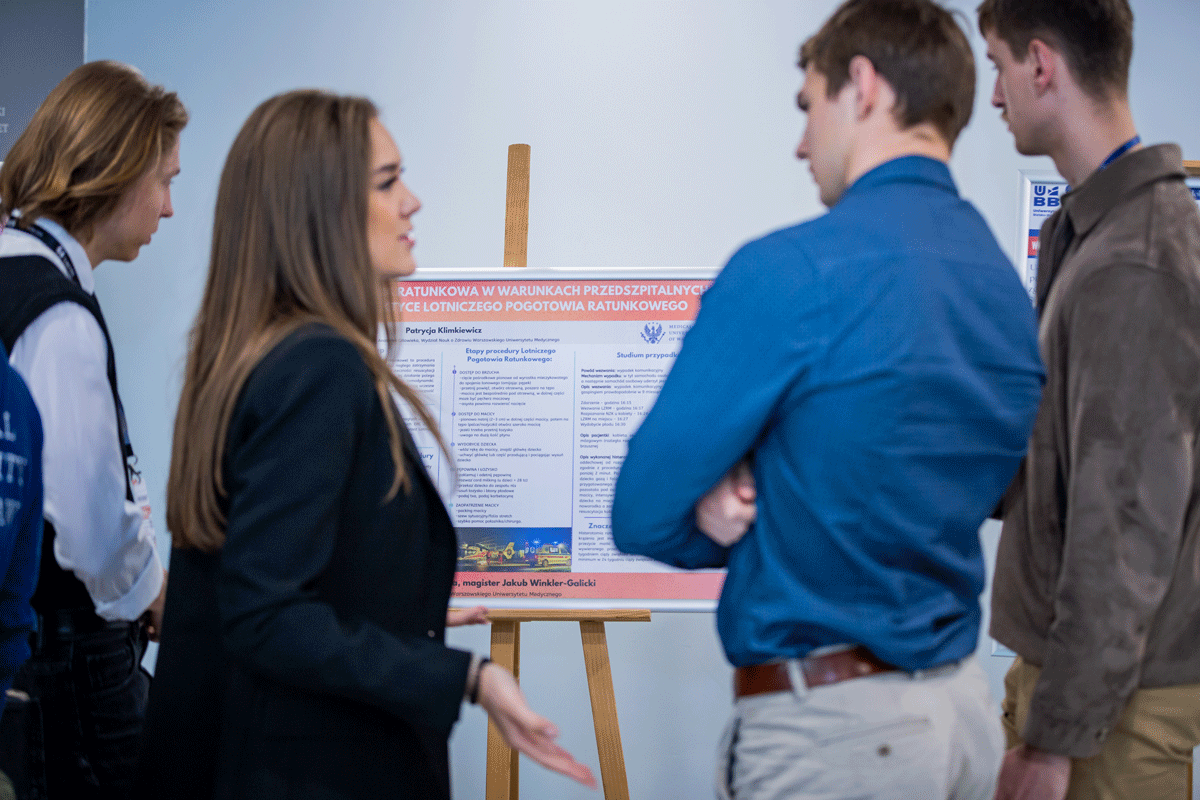
Finally, discussions covered the potential of telemedicine and the concept of Prolonged Field Care in pre-hospital conditions, treatment of hypovolemic shock based on the example of the war in Ukraine, and the experience of being a medical simulation role-player as a method of reflection and learning in simulation training. Students also presented their scientific work in poster form.
Developing skills in realistic conditions
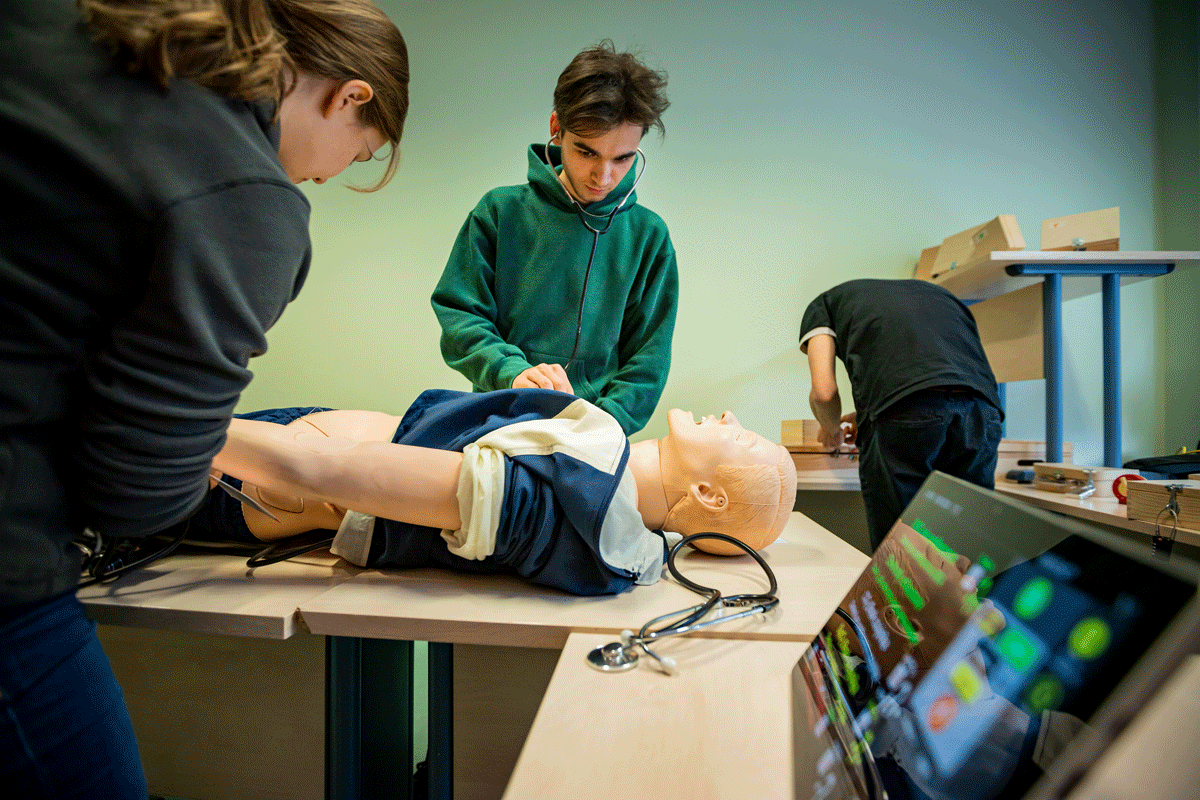
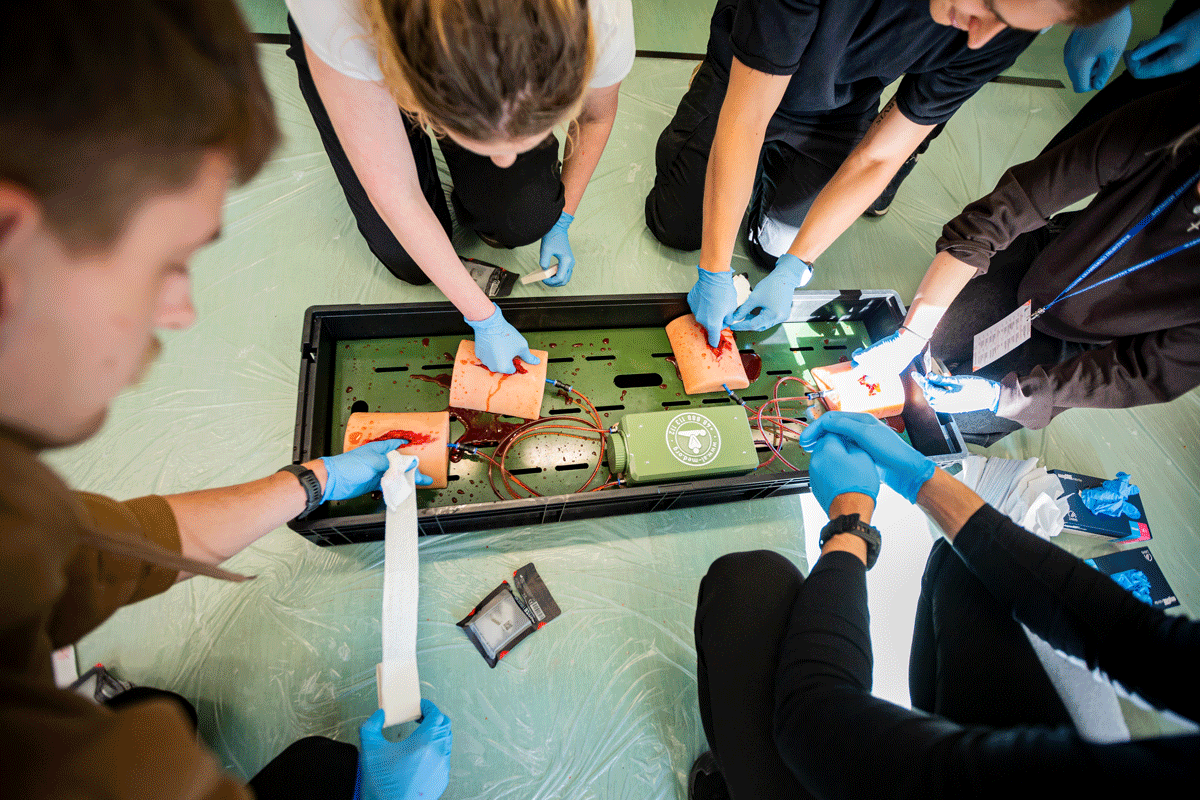
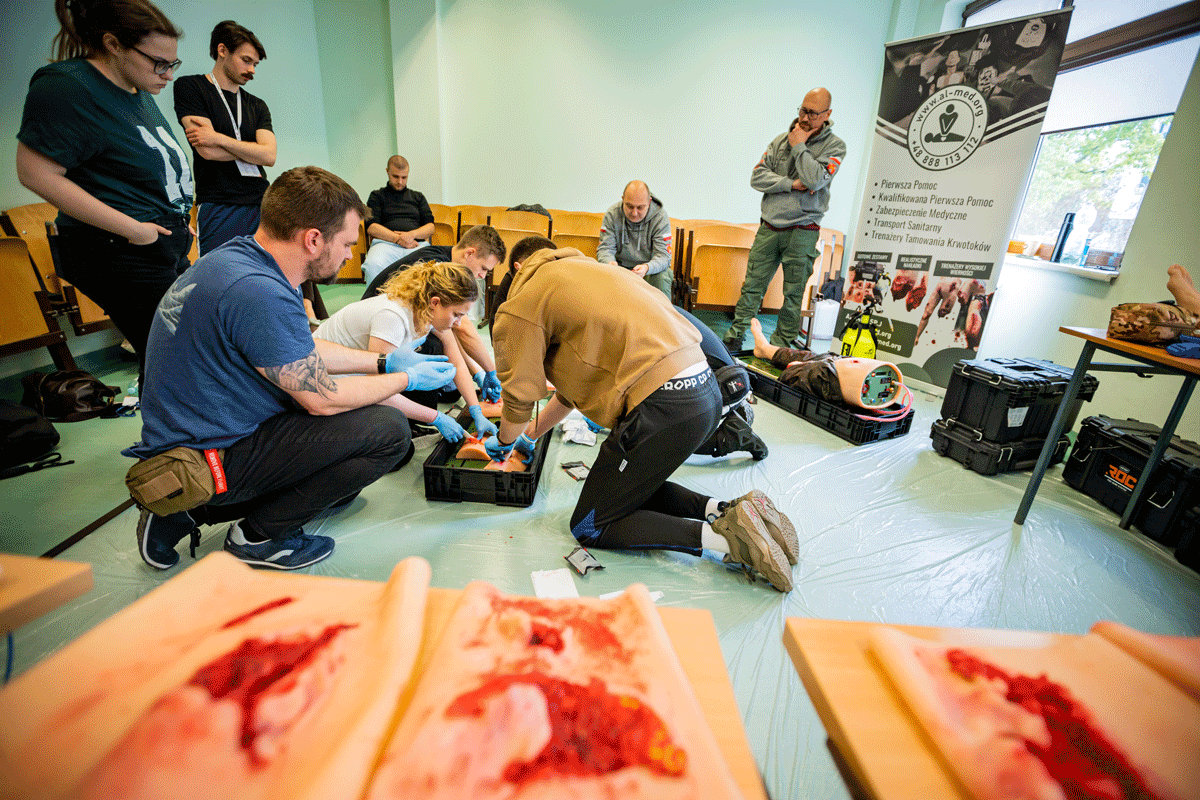
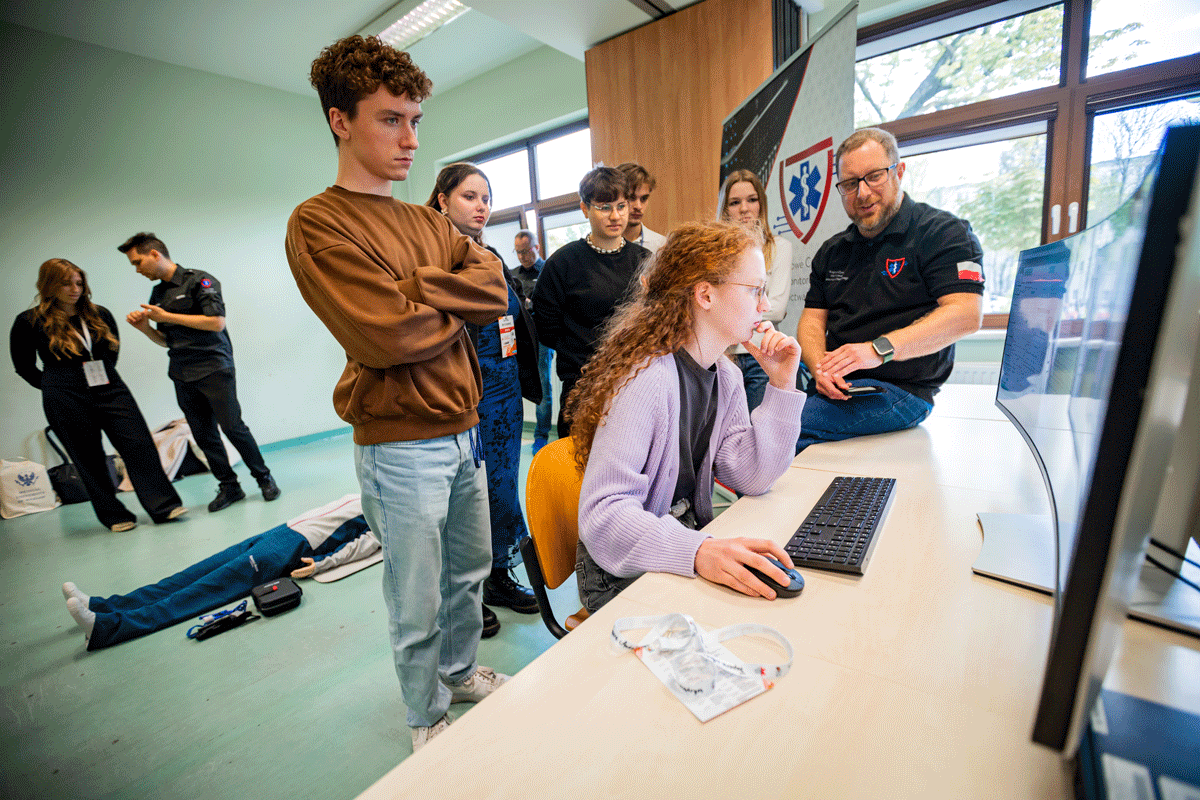
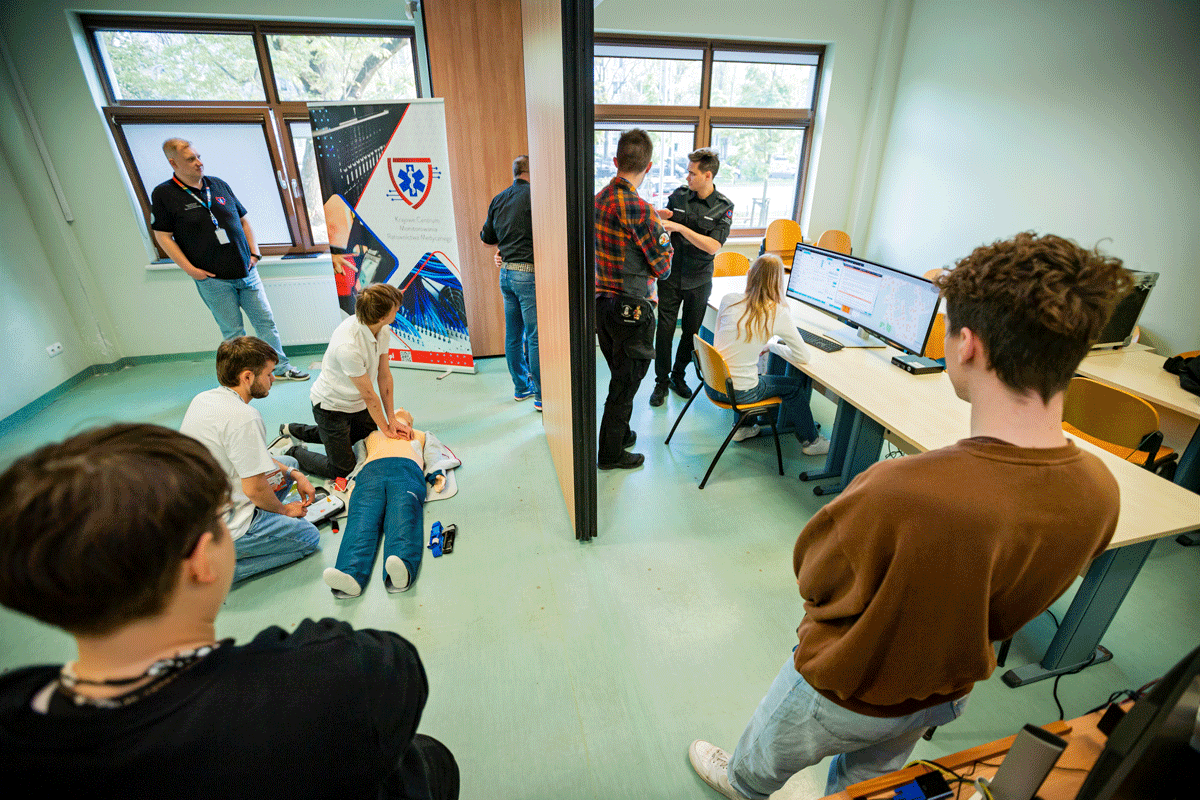
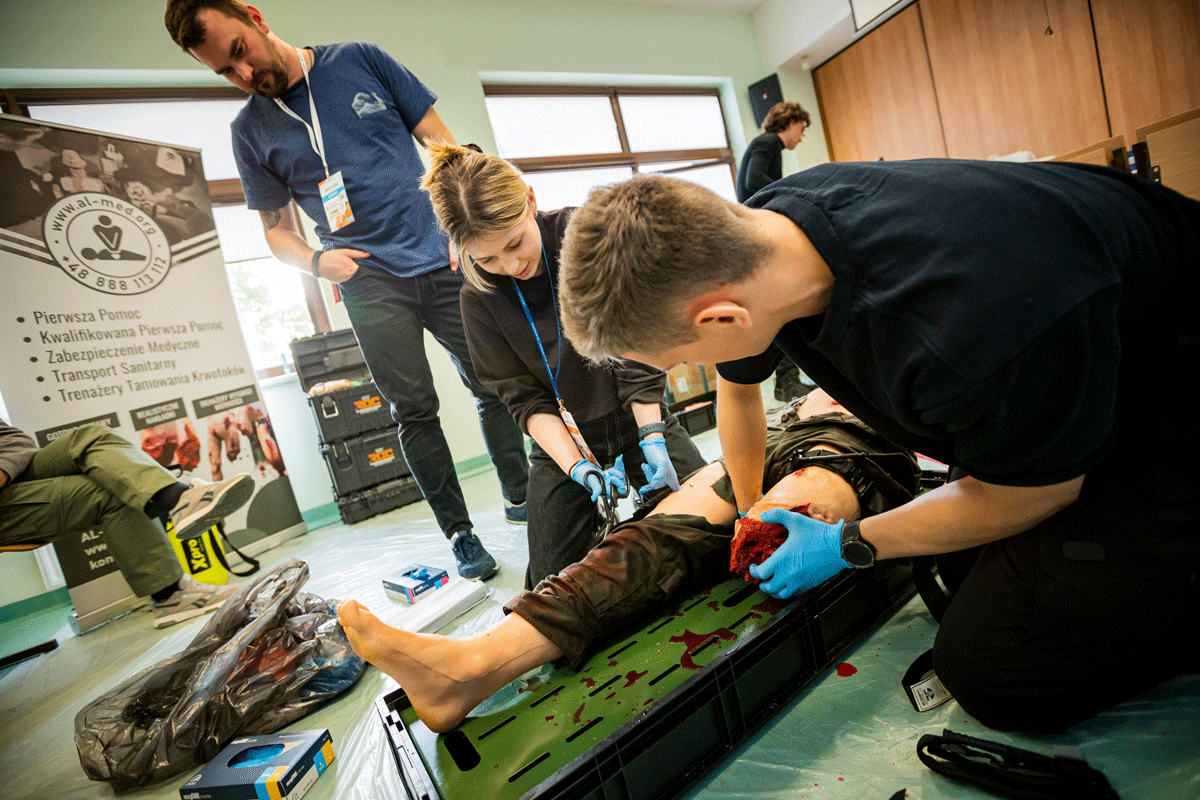
Participants could attend five workshops. What could they learn? During the workshop “Please stay on the line. Your call will be answered shortly…”, organized in cooperation with the National Emergency Medical Services Monitoring Center, they stepped into the role of medical dispatchers and experienced what it is like to work on the other end of the line. There was also a workshop on improving the quality of medical documentation, as well as one on hemorrhage control techniques. The Student Scientific Club of Ethics at WUM’s Department of Obstetrics and Gynecology Education focused on something that is not uncommon in paramedic practice – learning how to assist with out-of-hospital childbirth. Participants also took part in an unusual activity: a medical Escape Room, combining quick thinking, medical knowledge, and teamwork in solving clinical puzzles.
The workshops were very well received and earned excellent feedback from participants.
“We are very pleased that the conference has become a permanent part of the university’s scientific calendar and is gaining increasing interest year by year,” summarized Karolina Kosiacka, academic supervisor of the Medical Emergency Student Scientific Club.
The third edition of the conference was held under the honorary patronage of the Medical University of Warsaw, WUM’s Faculty of Health Sciences, WUM’s Student Scientific Association, the National Emergency Medical Services Monitoring Center, the National Chamber of Paramedics, and Emergency Medical Service – Medical Emergency.
The event was also supported by the Student Government of the Faculty of Health Sciences, WUM’s Student Government, Świadomy Medyk Foundation, Laerdal Medical Poland, and Al med. Media patronage was provided by Na Ratunek / Ratownicy24, PZWL Medical Publishing, and Medycyna Praktyczna.