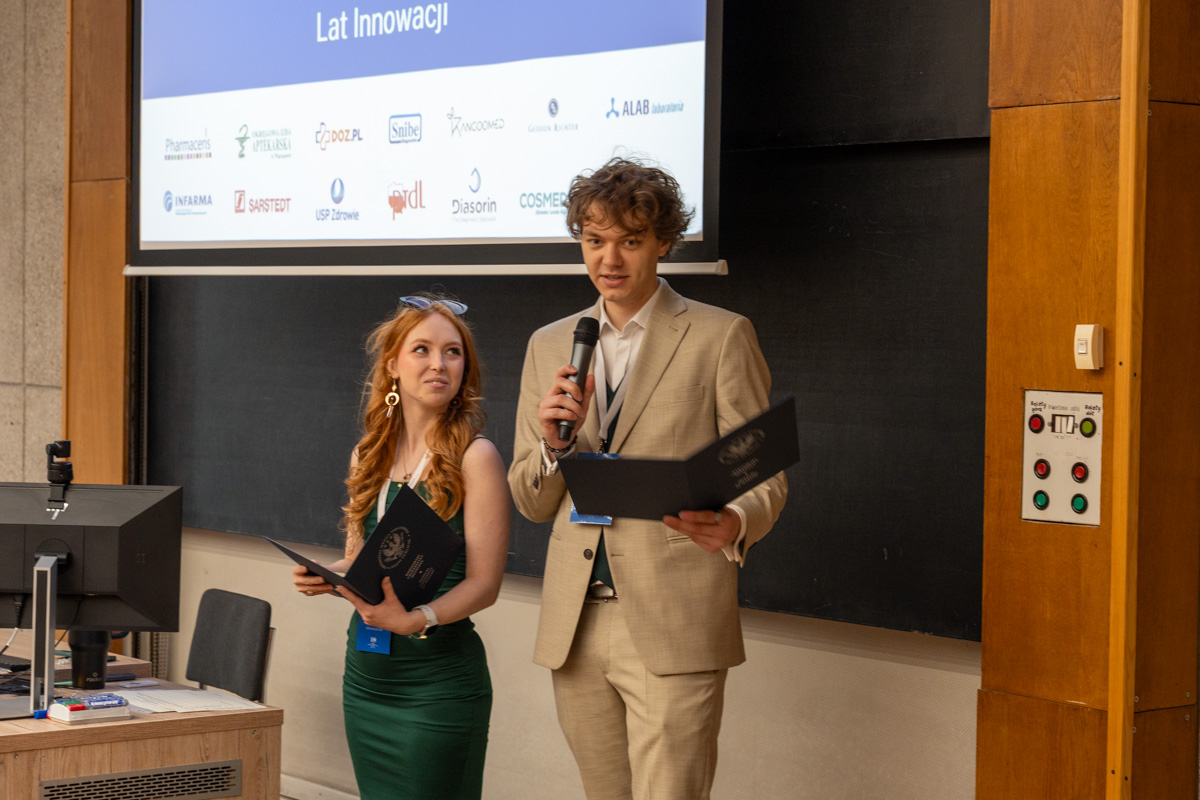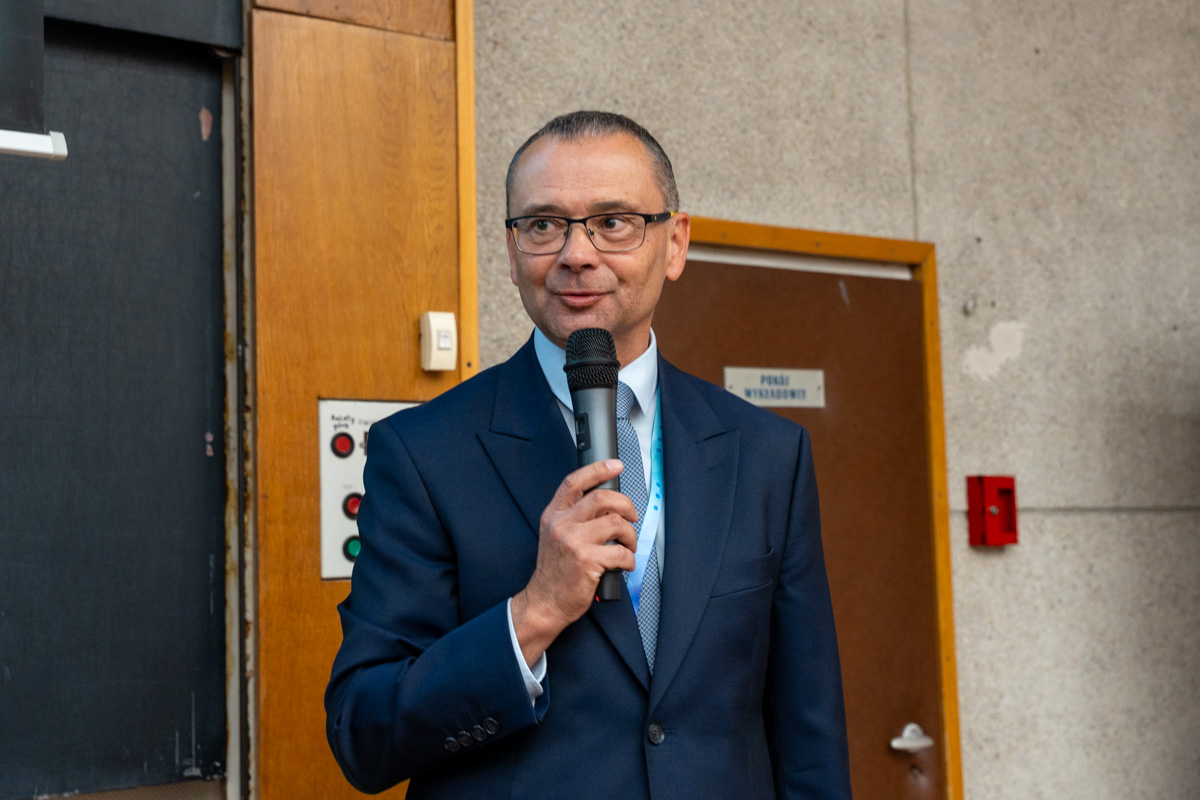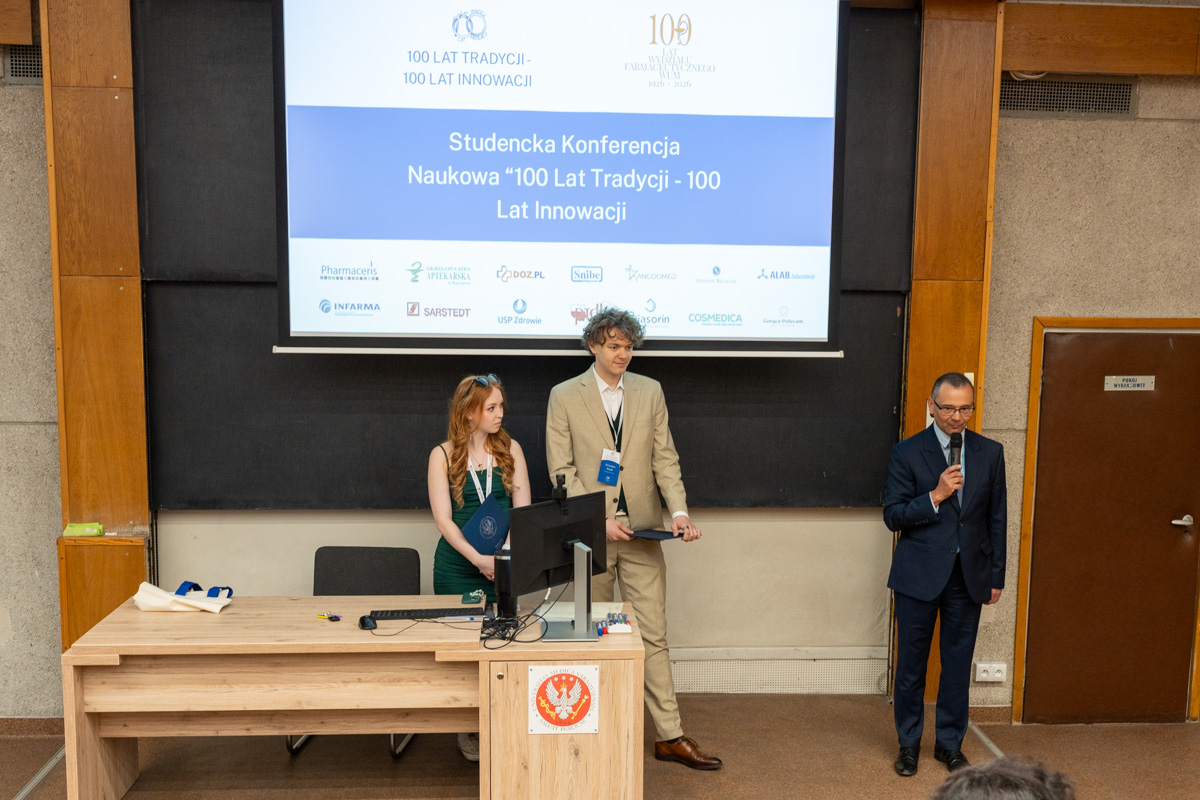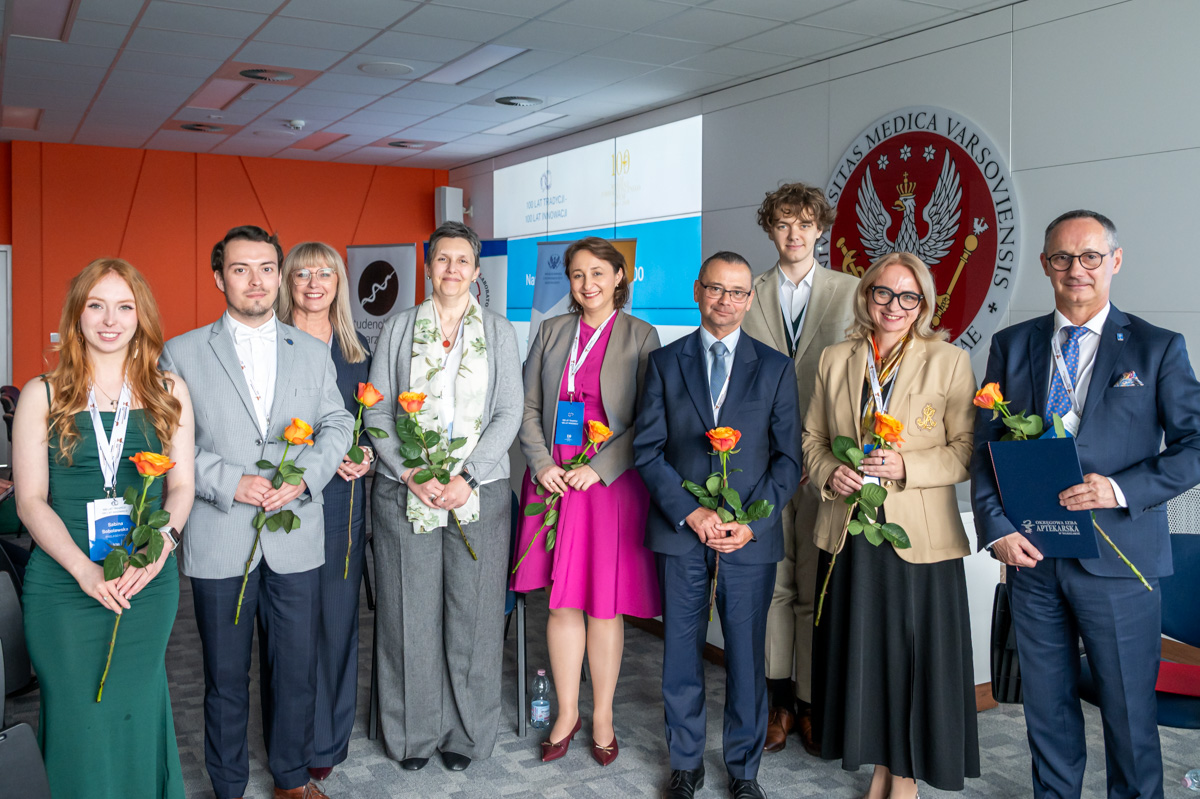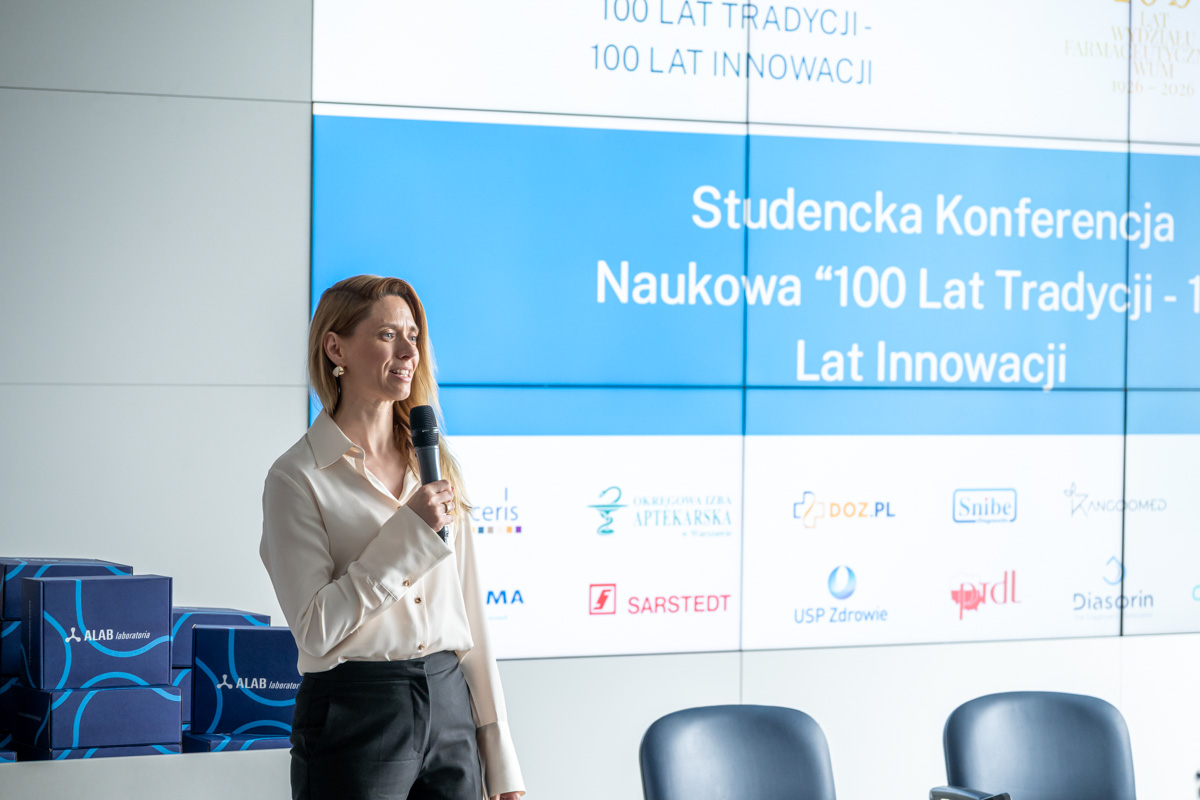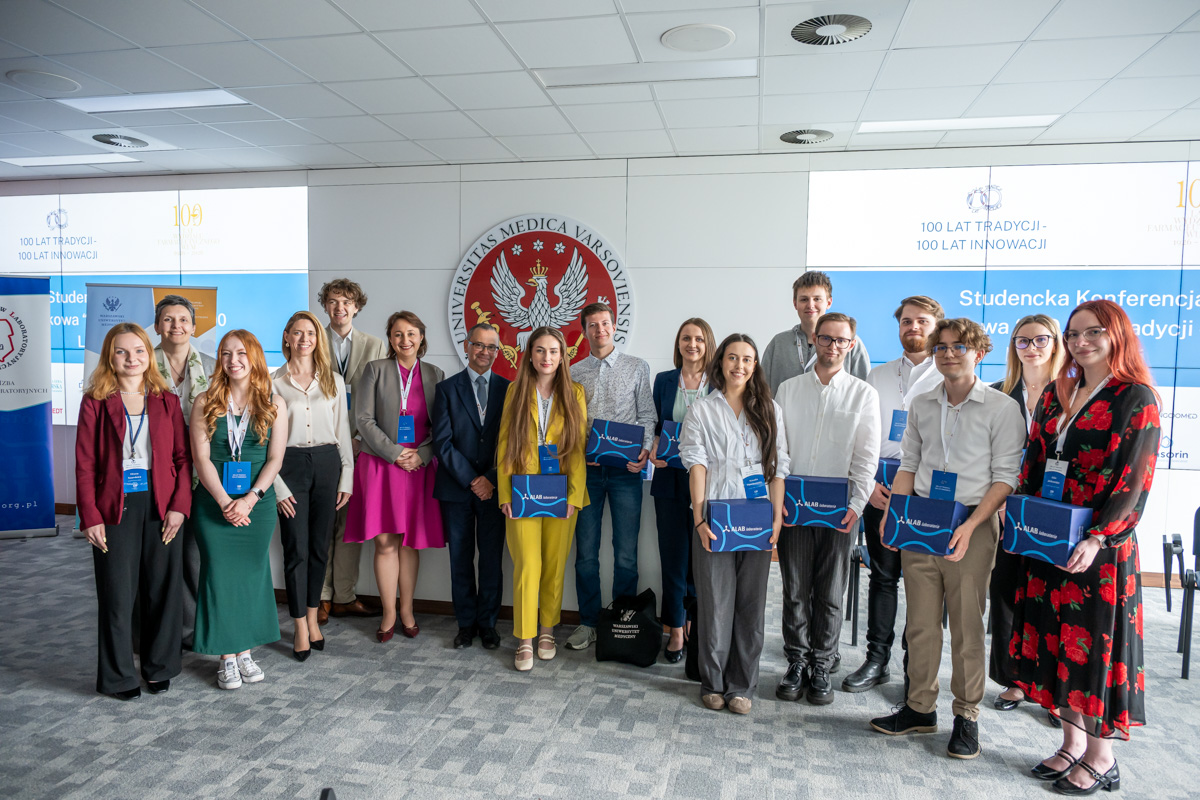
The event was organized by the Student Council of the Faculty of Pharmacy.
Presentations by young scientists
Students and doctoral candidates in medical analytics, pharmacy, and biotechnology had the opportunity to present their knowledge and skills during a poster session. The session took the form of a competition, with submissions including both original research papers and case reports in two categories: medical sciences and pharmaceutical sciences. Presentations were evaluated by a jury.
The high academic quality and diversity of the presentations confirmed the scientific potential and maturity of students and doctoral candidates in these disciplines. The first prize in the medical sciences category was awarded jointly to Ewelina Piórkowska for her work “The independence of lipoprotein(a) concentration from the lipid profile – a key to personalized cardiovascular risk stratification” and Klaudia Pawlikowska for her work “Detection of Lewis antigens directly in human milk as an innovative tool in laboratory medicine.”
In the pharmaceutical sciences category, the winner was Ewa Napiórkowska for her work “The conformational space of beta-cyclodextrin: crystal structure analysis and stability simulations,” while second place went to Antoine Dejaeger for “Quality verification of dietary supplements containing creatine using spectroscopic methods.”
Cooperation between physicians, laboratory diagnosticians, and pharmacists
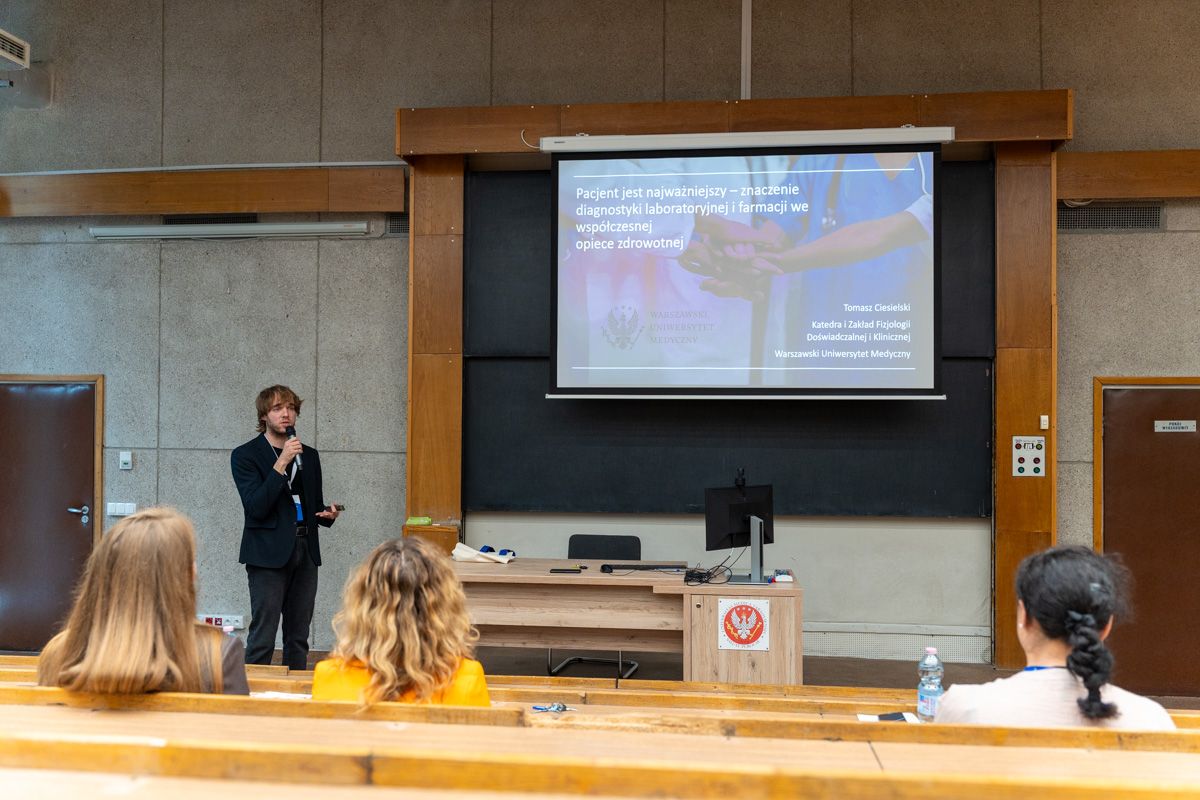
Before the student and doctoral presentations, participants attended a lecture by Tomasz Ciesielski, physician and laboratory diagnostician from the Chair and Department of Experimental and Clinical Physiology. He emphasized the significant benefits that would result from ongoing and structured cooperation between physicians, laboratory diagnosticians, and pharmacists. As he noted, patients often feel confused and overwhelmed and require comprehensive support. They frequently do not remember which medications they are taking or in what doses, are unaware of possible adverse effects, and do not understand their laboratory test results. In many cases, the challenges they face go beyond pharmacology and diagnostics.
“Keeping the patient at the center of coordinated diagnostics is not just a slogan. The patient should always be the highest priority for all of us,” Tomasz Ciesielski emphasized, arguing for systemic reforms.
Recognizing the expertise and competencies of both laboratory diagnosticians and pharmacists, he outlined directions for the future development of the healthcare system. Proposed solutions included teleconsultations between diagnosticians and patients to discuss laboratory results, as well as expanding pharmacists’ authority to issue prescriptions for chronic medications, coordinate pharmacotherapy, and manage adverse drug reactions.
“Above all, the goal is to provide patients with a sense of safety, so they feel cared for and reassured because someone has taken the time to explain things to them,” said Tomasz Ciesielski.
Discussion on key issues for laboratory diagnosticians and pharmacists
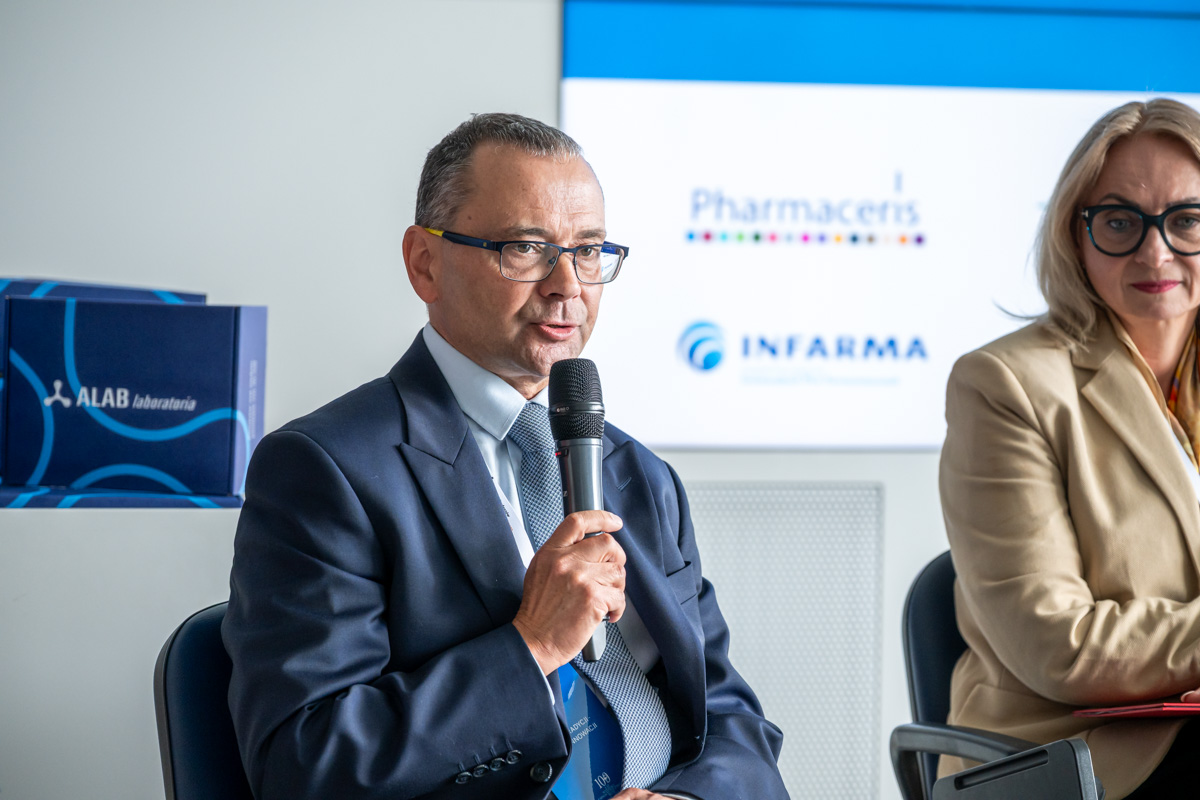
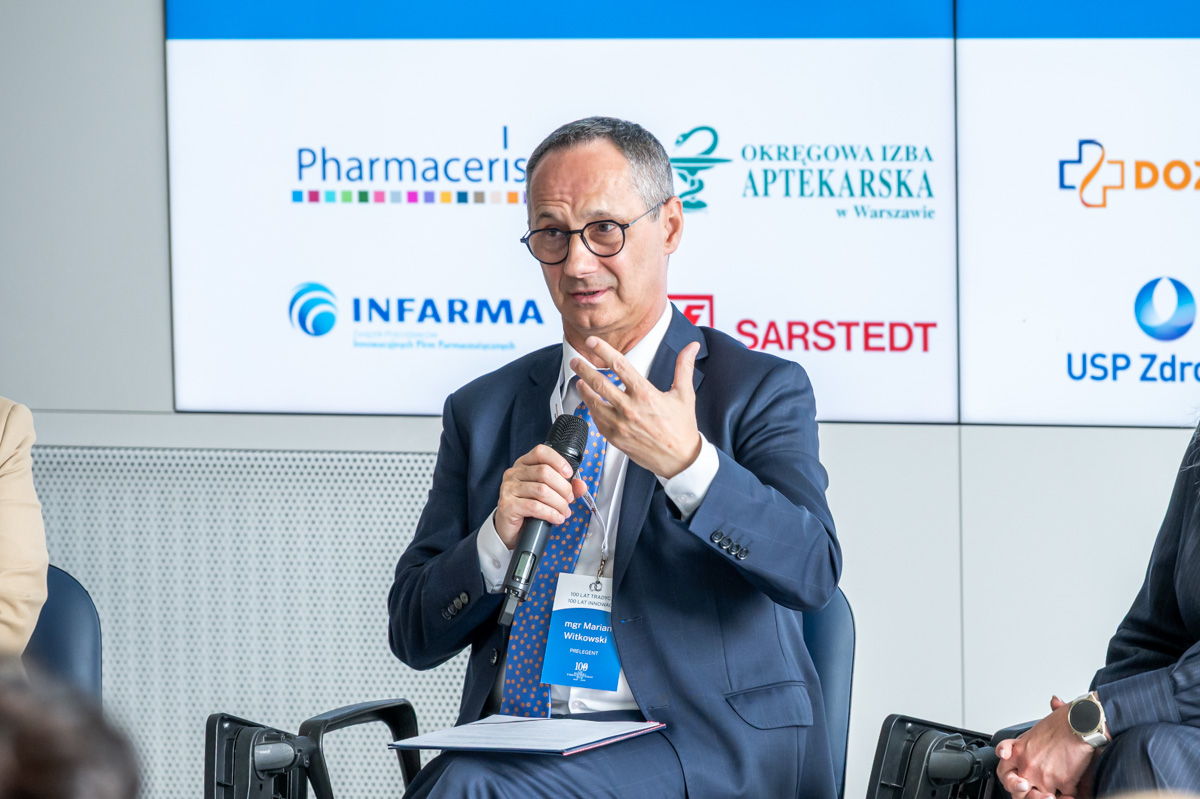
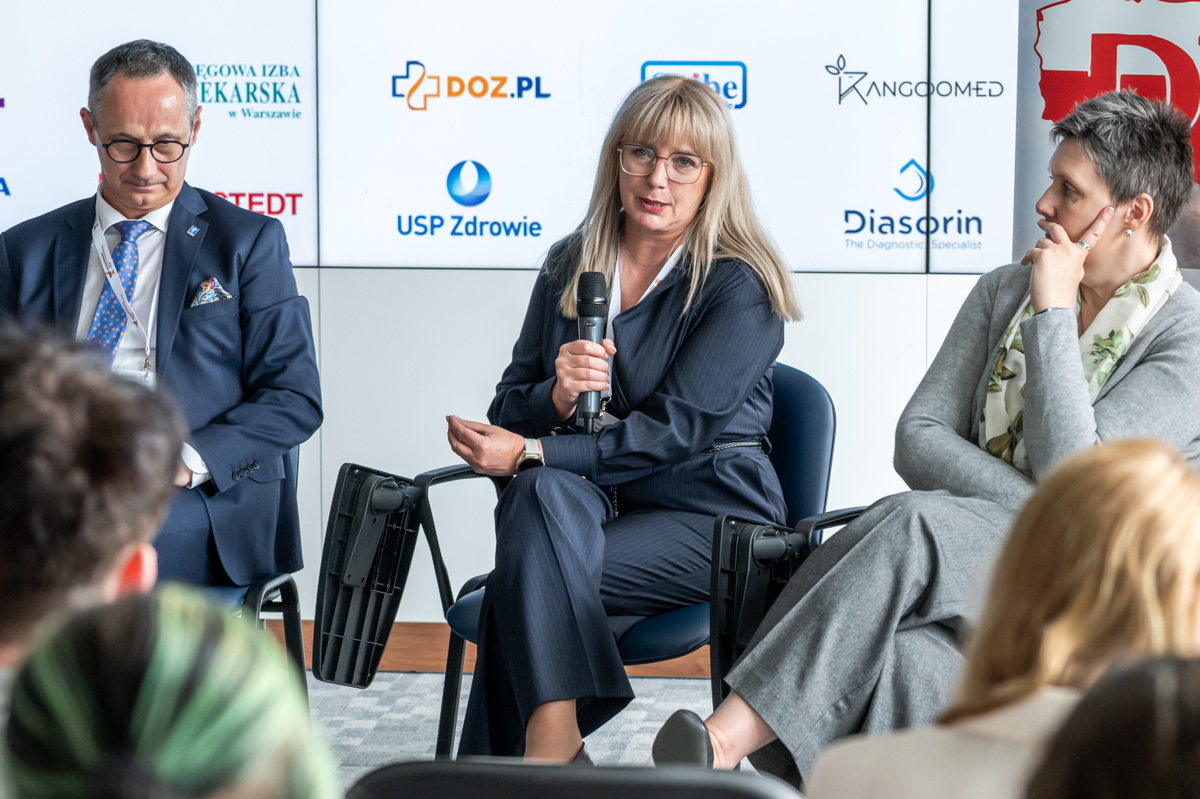
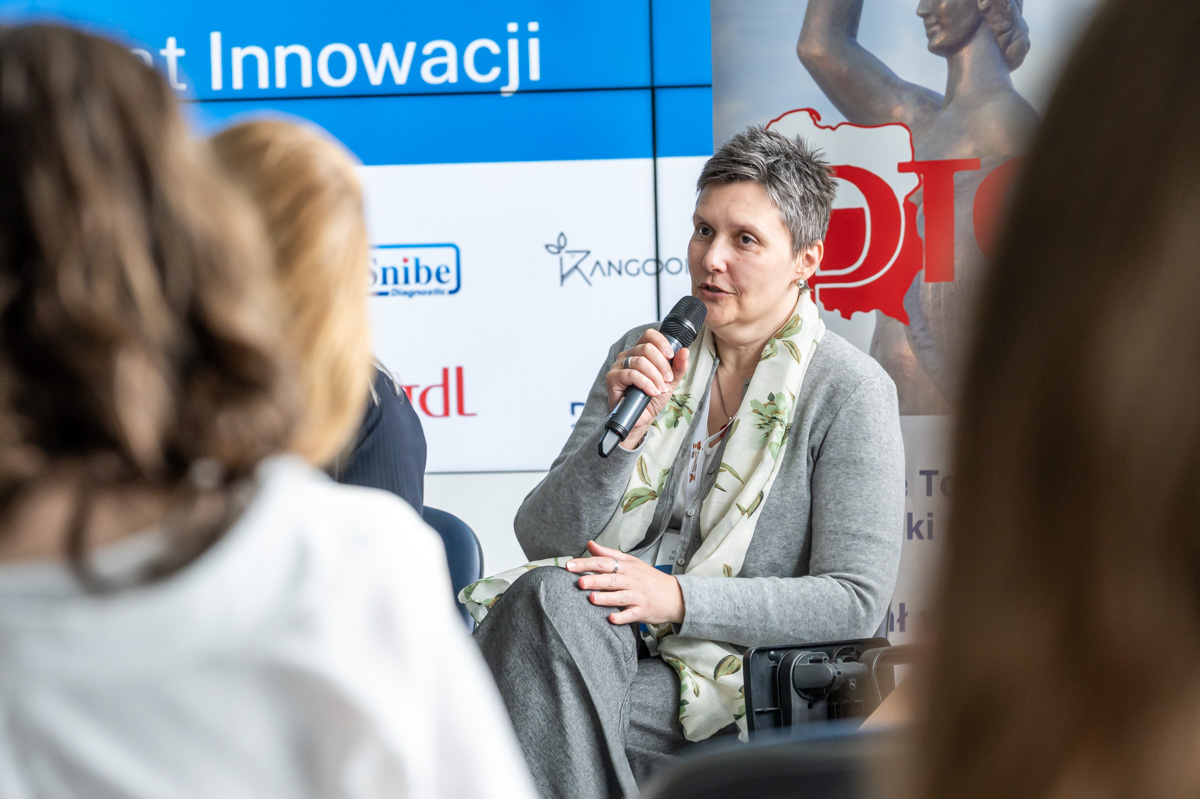
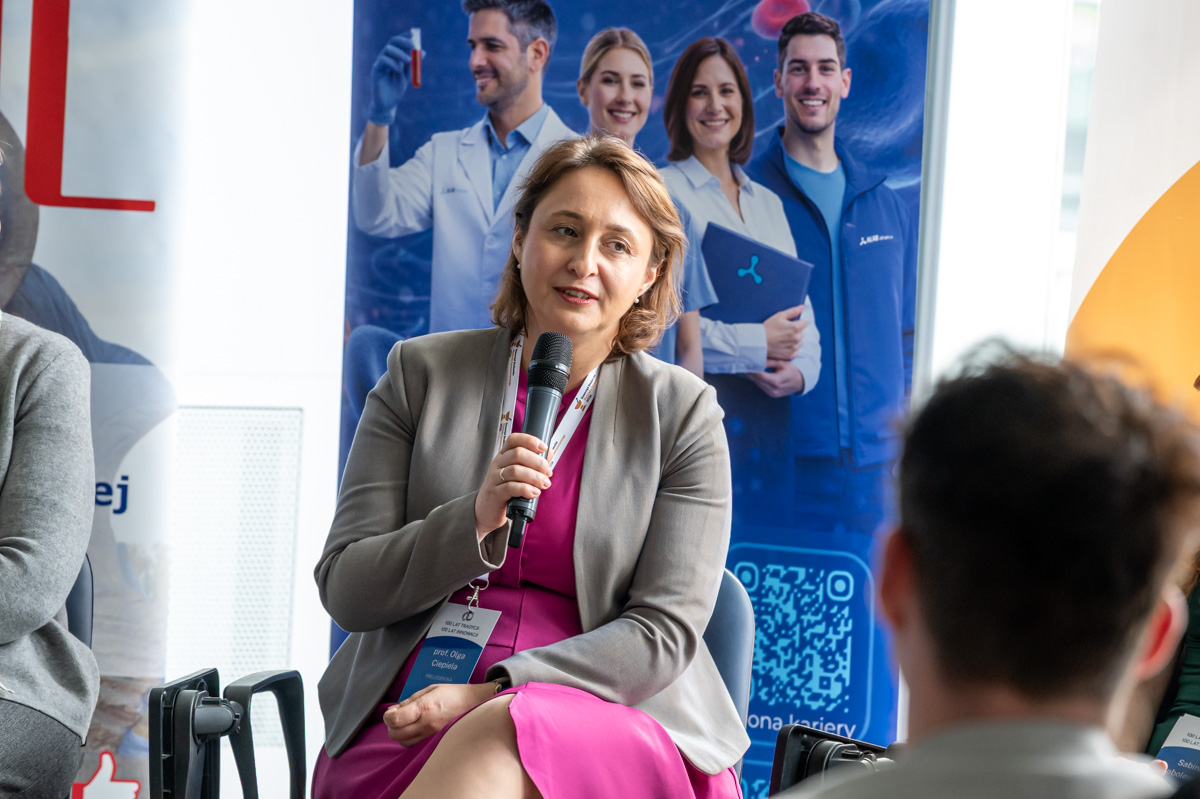
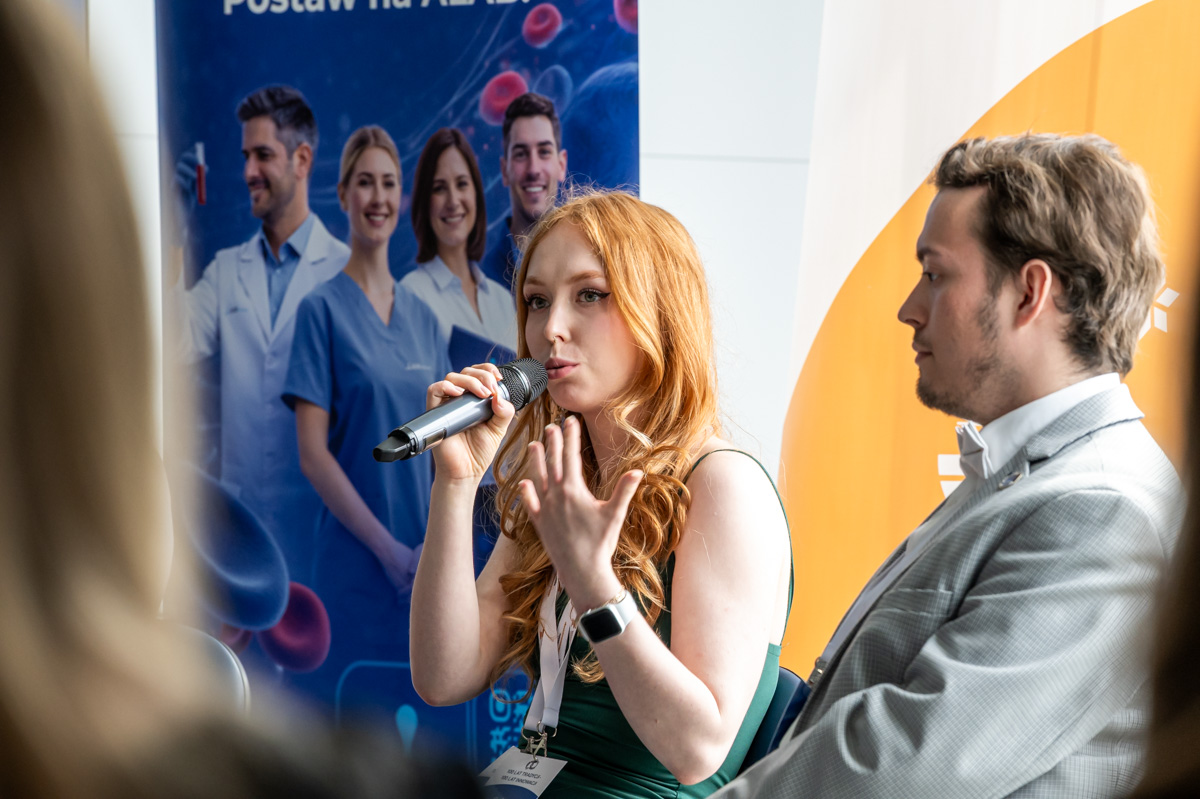
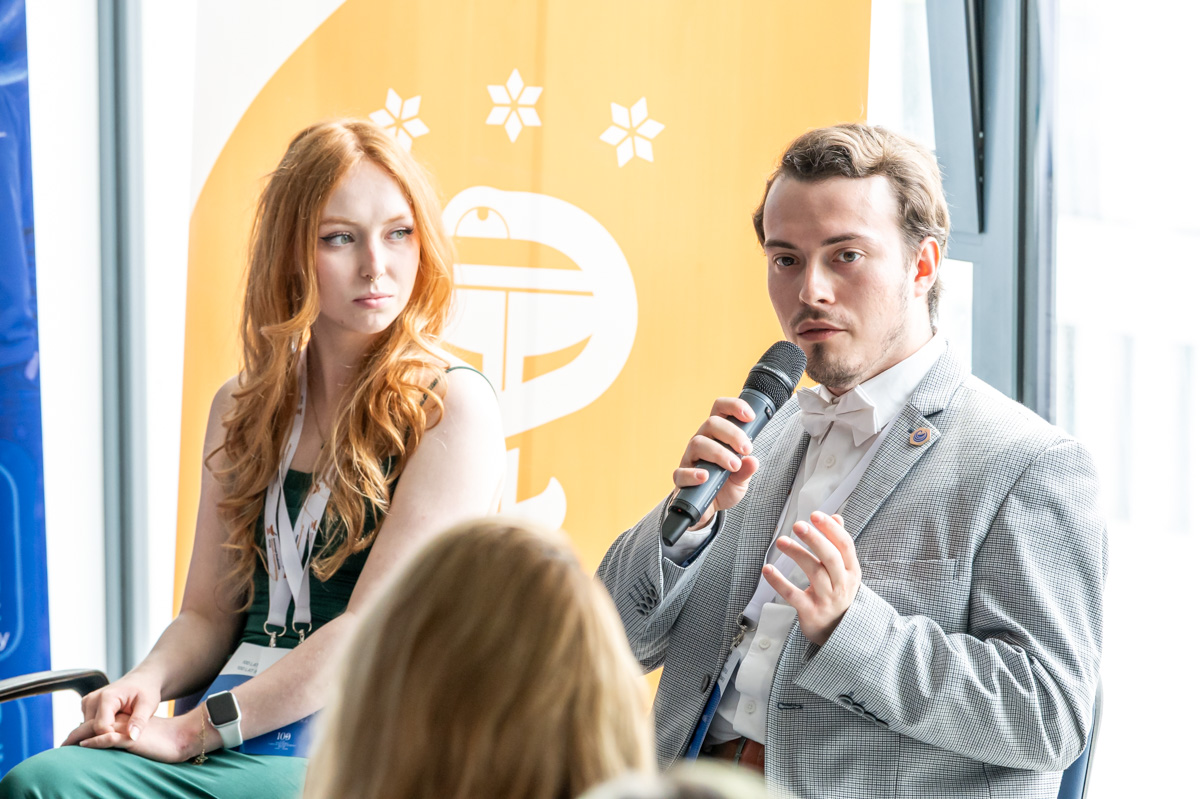
The panel discussion featured Dr. Monika Pintal-Ślimak, President of the National Council of Laboratory Diagnosticians; Dr. Marian Witkowski, President of the Regional Pharmaceutical Chamber in Warsaw and Vice President of the Supreme Pharmaceutical Council; Dr. hab. Katarzyna Winsz-Szczotka, President of the Polish Society of Laboratory Diagnosticians; Dr. Marek Tomków, President of the Supreme Pharmaceutical Council; and representatives of the Faculty authorities: Prof. Piotr Luliński, Prof. Olga Ciepiela, and Dr. hab. Agnieszka Bazylko. Also participating were representatives of the Faculty of Pharmacy Student Council at WUM: Sabina Sobolewska, a medical analytics student, and Jan Wójkowski, a pharmacy student.
The discussion began on a strong note, as each guest identified what they considered the most pressing issue in pharmacy and medical analytics education in Poland.
“In my opinion, there are two problems, and I can’t really decide which one is more important. First, we are facing systemic legislative changes that affect the quality of education. Second, insufficient funding is allocated to teaching,” said Dean Prof. Piotr Luliński.
Dr. Monika Pintal-Ślimak noted that the competencies and knowledge acquired by laboratory diagnosticians during their studies are still underutilized.
“Graduates complete demanding and rigorous degree programs and are exceptionally well prepared for professional practice, yet the healthcare system is not fully making use of this potential,” she said.
Dr. Marian Witkowski pointed to a similar issue, adding that it makes the profession less attractive.
“The 2021 legislation changed the nature of the profession, but pharmacists’ expanded role in providing healthcare services has not yet gained full acceptance. The guaranteed services pharmacists can currently provide are limited to vaccinations and emergency contraception,” he explained, while adding that progress is being made, albeit slowly.
Dr. Katarzyna Winsz-Szczotka encouraged students from both fields to pursue academic careers after graduation, emphasizing that this would ensure continuity and high educational standards.
Stereotypical perceptions of the professions
Students also highlighted the stereotypical perceptions that continue to affect their fields of study, even though both medical analytics and pharmacy offer promising and diverse career opportunities.
“Laboratory diagnostics is still often perceived as something loosely connected with medicine, associated with working in hospital basements,” said Sabina Sobolewska.
“People outside medicine are often unaware of the opportunities and professional rights associated with pharmacy and medical analytics. The challenge is convincing prospective students what these programs involve and what career paths they can lead to,” said Jan Wójkowski.
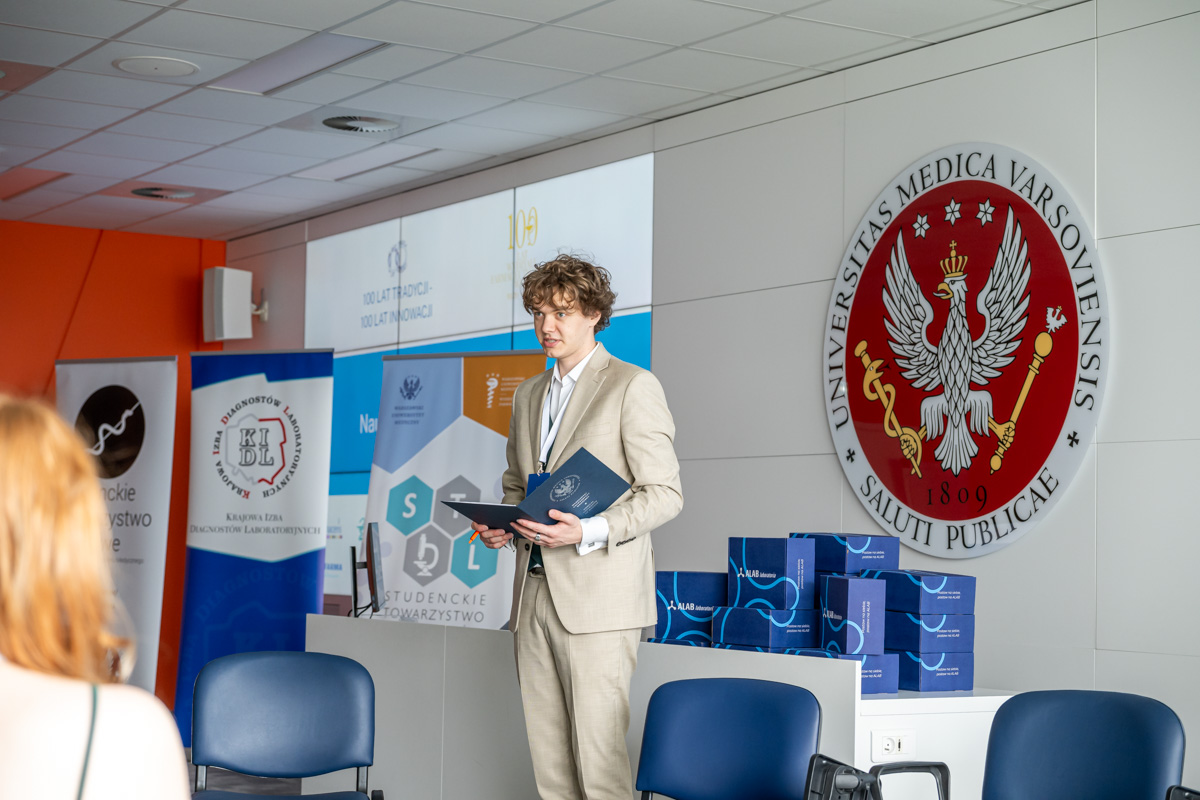
The discussion was moderated by Szczepan Wąsik, a medical analytics student and member of the WUM Student Society of Laboratory Diagnosticians.
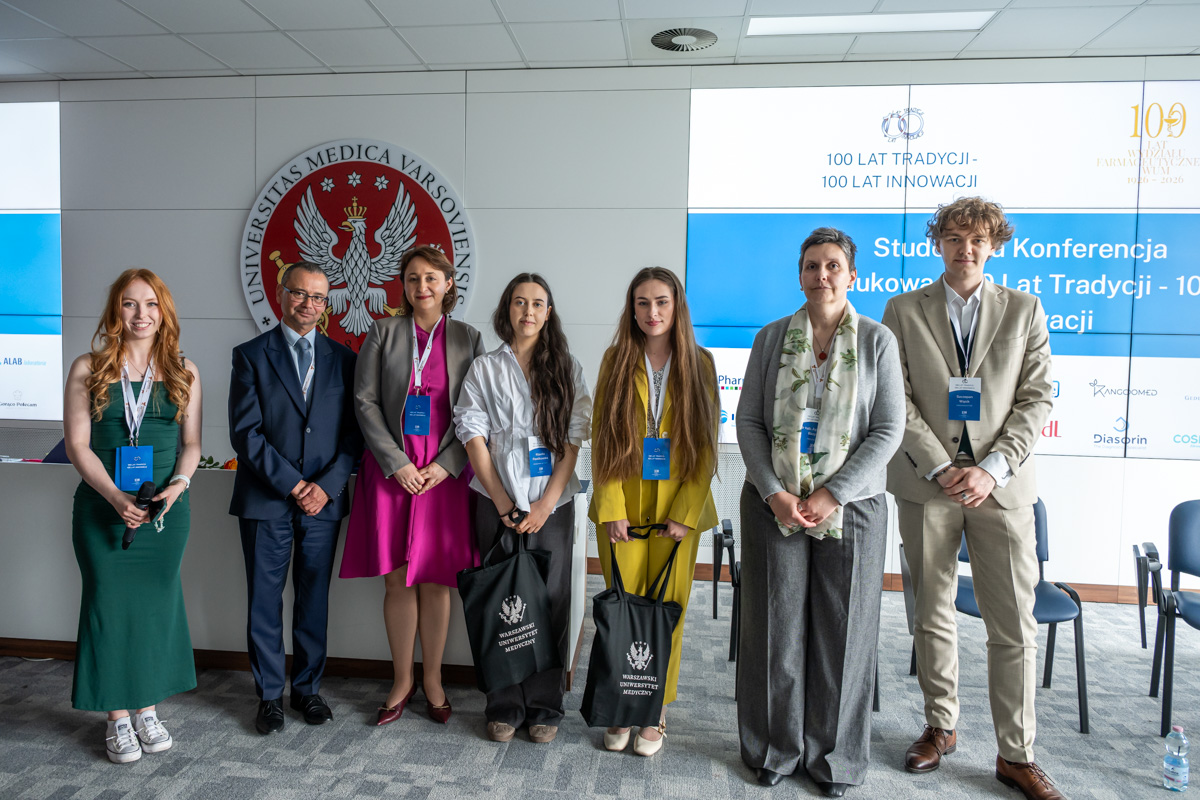
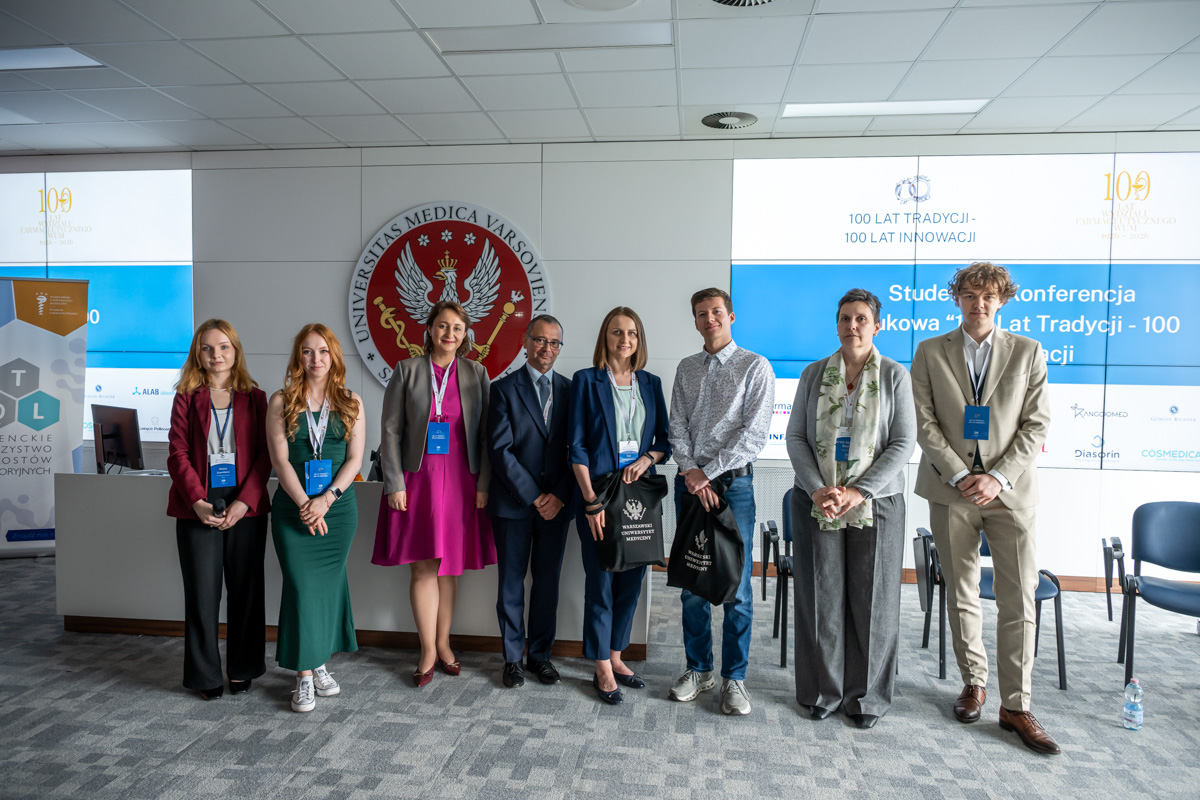
The conference concluded with an award ceremony for the poster session winners and a group photo.