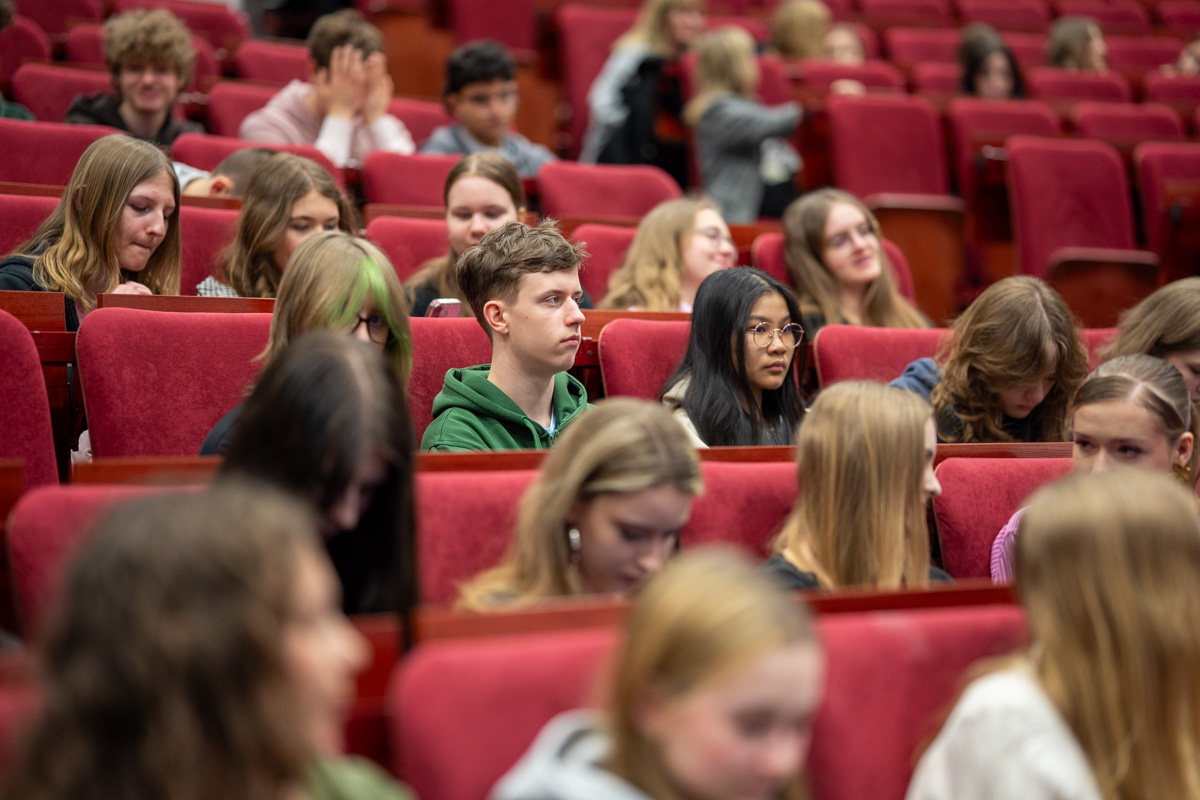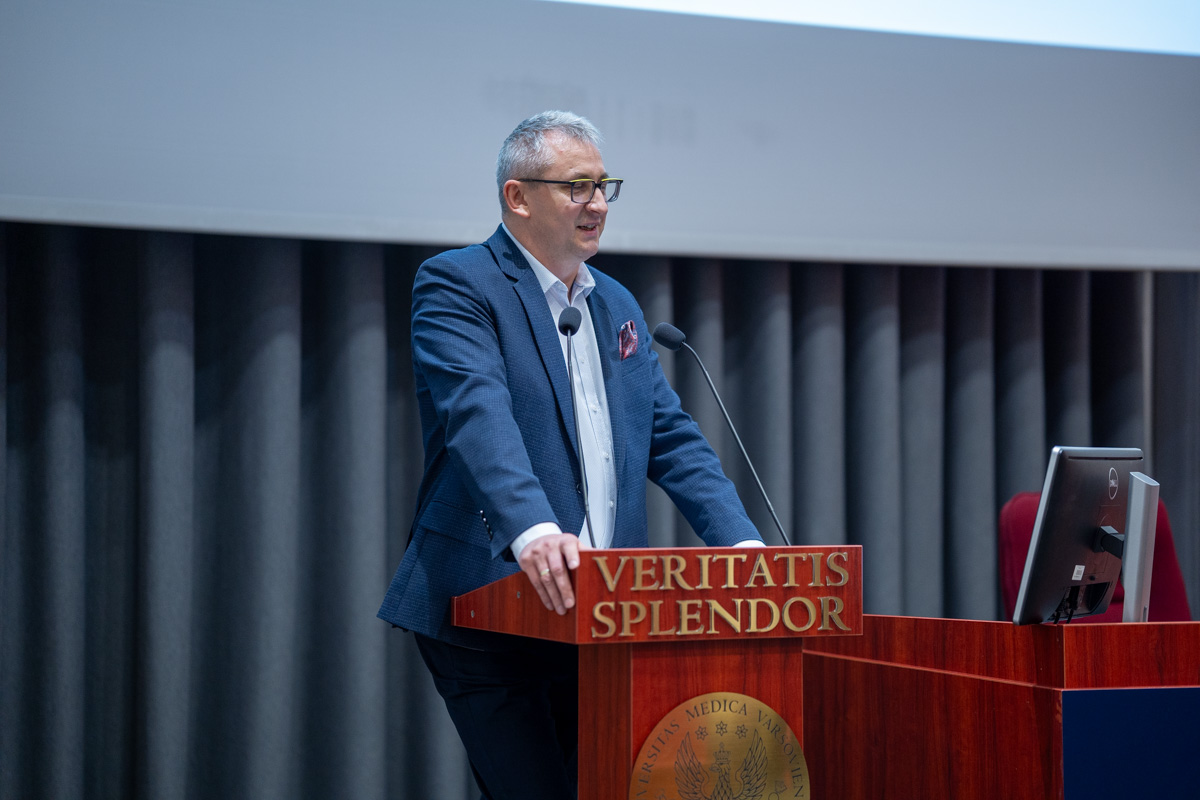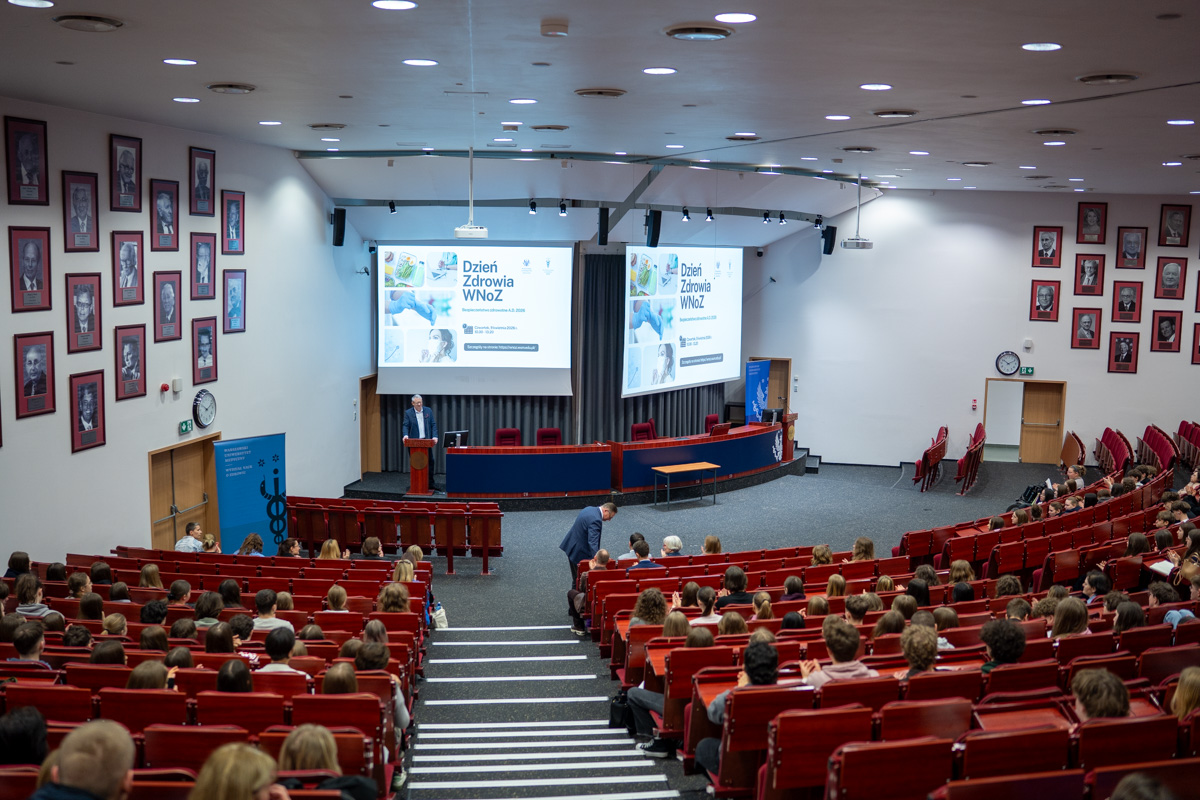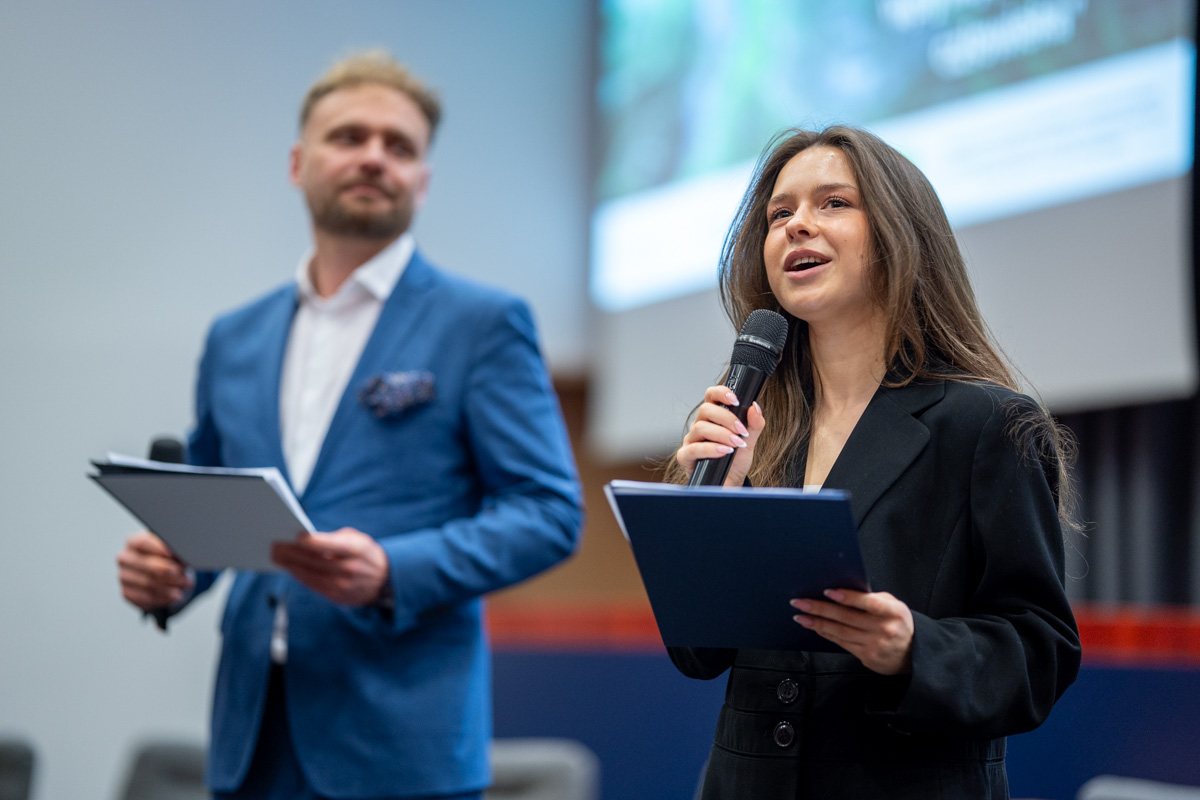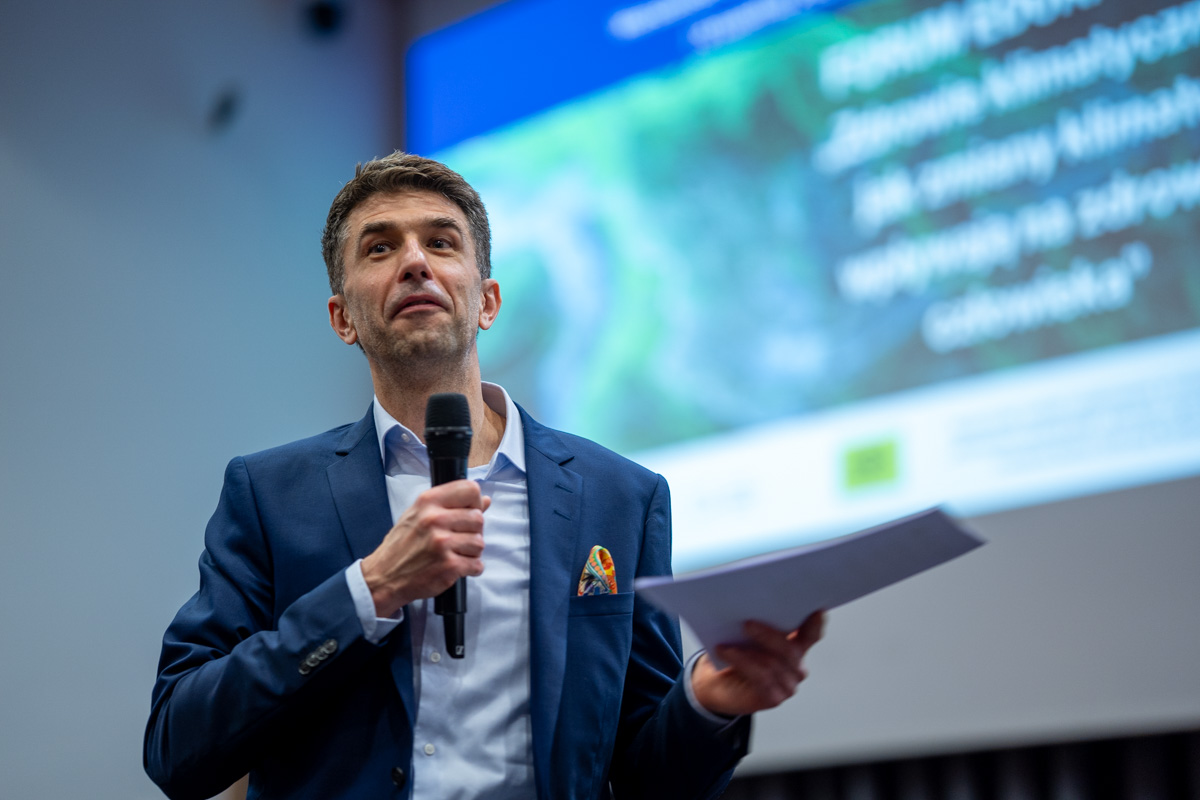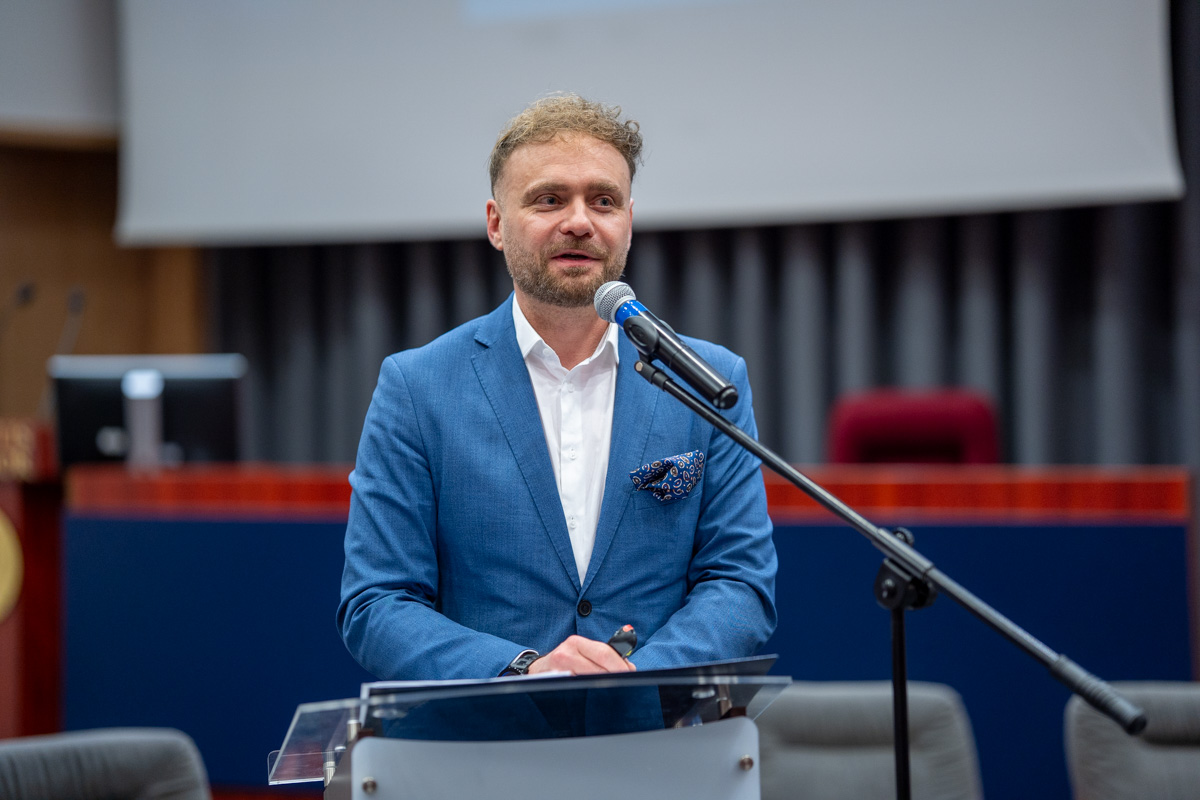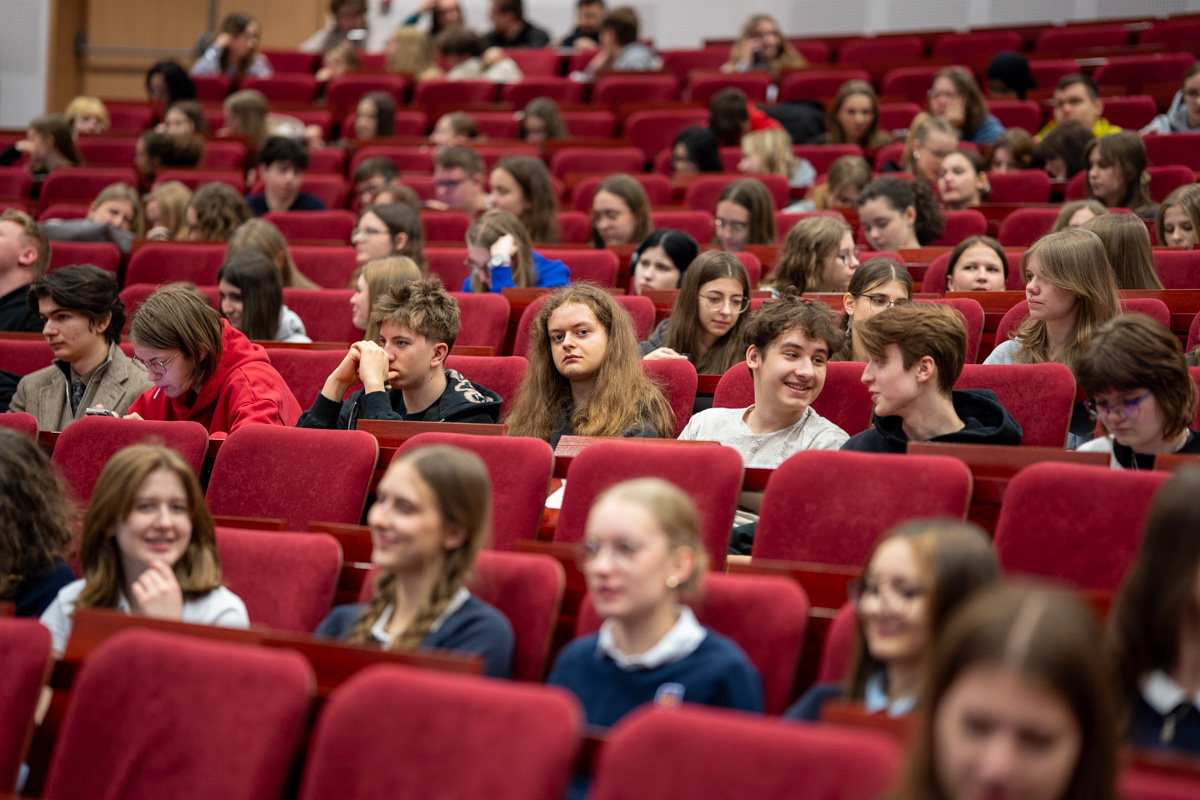
-“What is health safety? It is not only medical knowledge, but also the ability to respond and make decisions in everyday life; decisions that ensure that we, people around us, and our environment are safe,” explained Dr. hab. Patryk Rzońca, Vice Dean of the Faculty of Health Sciences.
He also emphasized that Health Day is an extremely important initiative for the faculty, as it allows valuable and necessary knowledge to be shared with young people who may become students of WUM in a few months.
ChatGPT is not just about cheesecake recipes
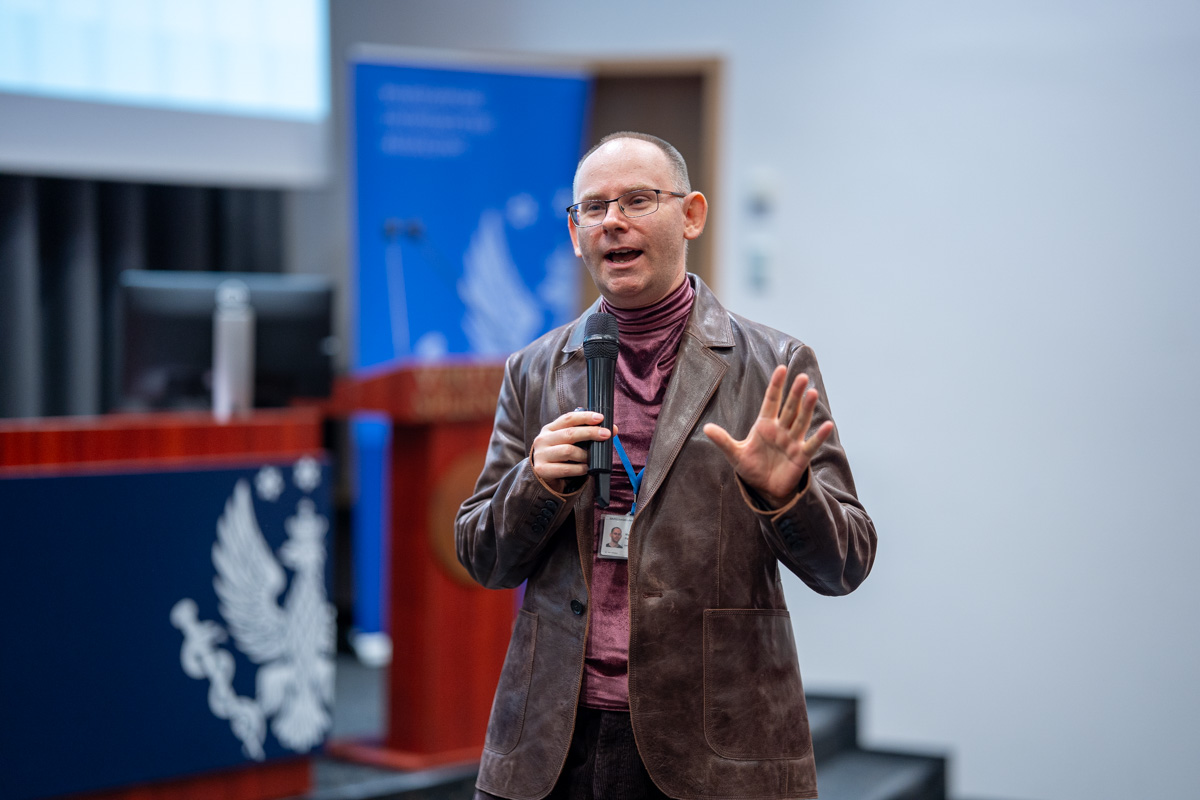
Prof. Mariusz Panczyk told the guests about a project in which researchers examined whether ChatGPT can support nursing staff in preparing high-quality recommendations for patients after gallbladder removal.
“ChatGPT is not just a tool for generating funny images or answering simple queries such as cheesecake recipes, but also a very useful tool that can be analyzed scientifically,” said the speaker.
In the project, researchers tested two types of prompts. One was a traditional prompt consisting of a list of expectations regarding recommendations. The second prompt was enriched with emotional stimulation, emphasizing that the generated response was important both for the researchers and for patients. Independent experts evaluated the results of both queries. They found no meaningful differences between the responses. The difference was visible in language and style. Responses generated using emotionally enriched prompts were more empathetic, supportive, and motivating for patients. Simply put, they were more human and better aligned with patient needs.
“This does not mean that such a model will replace education or professionals, even in routine work. However, it can significantly facilitate work. The final decision always rests with a human,” Prof. Panczyk emphasized.
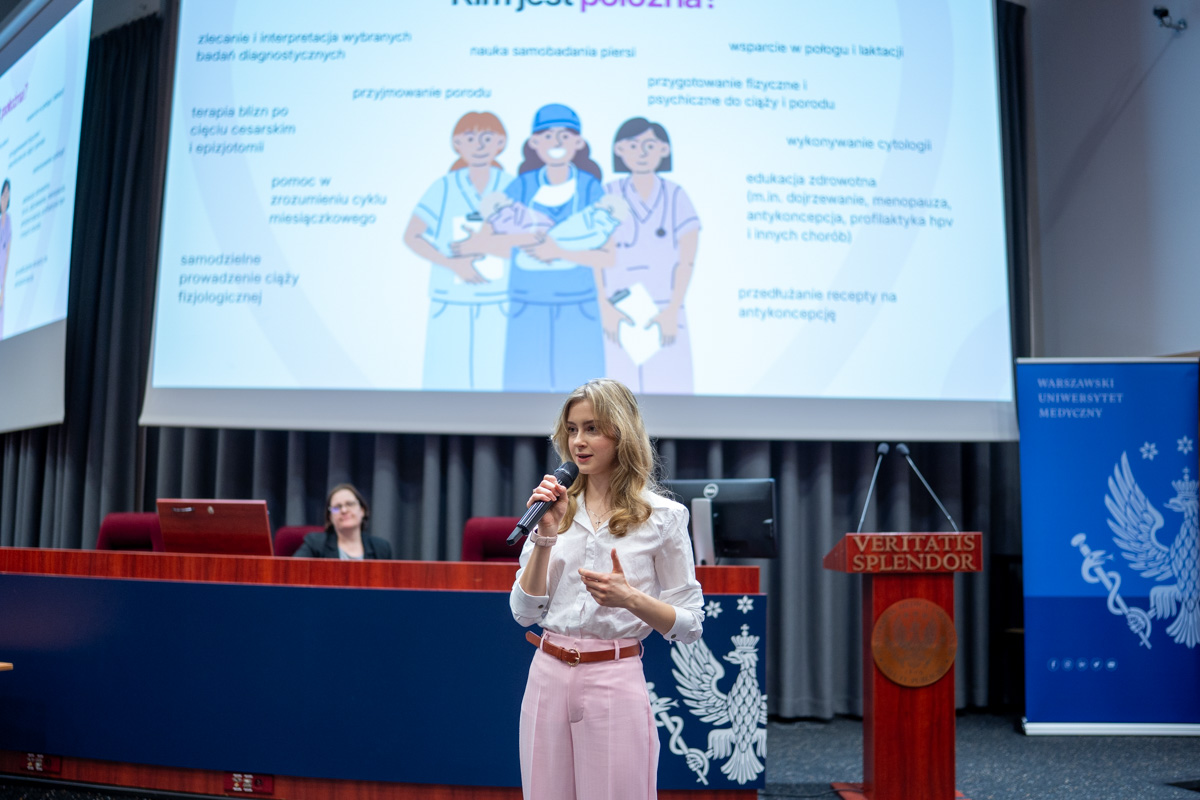
Modern solutions for pregnant women
This topic was presented to students by Dr. Agnieszka Iwan. She discussed various functionalities of widely available pregnancy apps, which allow users to track measurements, maintain calendars, provide dietary guidance, and monitor the frequency and intensity of contractions. Some apps even send messages from the unborn child or generate visualizations of the fetus at different stages of pregnancy.
“We must realize that such applications are not entirely safe. More than 63 percent of women consider them reliable, but they are not always based on trustworthy data. As a result, women may receive incorrect information that delays contact with a specialist,” the speaker warned.
She also noted that all health-related data entered into such apps is sensitive data, so users should ensure that the application guarantees data security. A midwifery student also spoke, presenting an application she designed for pregnant women that can support communication between the patient and the midwife.
“Better communication improves the patient’s sense of safety, and in the case of the midwife, it increases her level of job satisfaction,” explained the author of the application.
Safety begins in the mind
Dr. hab. Patryk Rzońca discussed how to safely assist an injured person without becoming another victim. As a paramedic, he often observed situations in which both victims and bystanders behaved irresponsibly, leading to further dangerous and sometimes tragic events. He explained the importance of situational awareness, defined as understanding what is happening around us in real time and effectively integrating this information.
Appealing, trendy, but are they safe?
Dr. hab. Agnieszka Bzikowska-Jura and Dr. hab. Beata Sińska told the high school students how to choose food products wisely and whether following dietary trends is beneficial for health.
The first products analyzed by the experts were “light” products, that is, those which, in theory, contain fewer calories. The speakers explained that in most cases, fat is removed from such products, but this results in the absence of, for example, fat-soluble vitamins such as A, D, and E, which are very important for health. The next trend analyzed was “organic” products, that is, those in which at least one ingredient comes from organic farming. These are also not necessarily healthy, as they often contain more colorings, preservatives, and other additives. A similar situation applies to “high protein” products and “0%” products. The experts argued that one should not follow trends blindly but rather be guided by an appropriate nutritional strategy tailored to individual needs.
“There are few health-related fields in which trends change as rapidly as in dietetics. The problem is that trends and fads change much faster than our physiological needs,” said Dr. hab. Agnieszka Bzikowska-Jura.
“And let us not be misled. The fact that something is labeled as healthy does not mean that it actually is. Therefore, let us read labels. What matters most is the composition and that the product is unprocessed,” appealed Dr. hab. Beata Sińska.
How to make healthier choices
The final lecture was delivered by Dr. hab. Grzegorz Juszczyk, who addressed the question of why a healthy lifestyle may fail and what can be done to succeed.
“We live in an environment that encourages us to make poor choices. Our bodies have not changed evolutionarily. We are adapted to obtaining food, while currently we have unlimited dietary possibilities. We eat too much, and we eat too many products that contain excessive amounts of fats and sugars. This makes us at greater risk of developing health problems, and this process is spread over time,” explained Dr. hab. Grzegorz Juszczyk.
The key to changing one’s lifestyle is motivation and answering two questions: why do I want to change my behavior, and what should I do to achieve it? These two elements strongly influence whether we succeed or fail. If we convince ourselves that we will succeed, then to a large extent this is what will happen. The expert also explained that what particularly hinders us in making wise choices is the limited ability to restrain natural reactions, for example, when we suddenly feel the urge to eat something sweet. Therefore, it is extremely important, among other things, to train self-control and the ability to consider future benefits, to apply the HALT method (hungry, angry, lonely, tired), and to combat feelings of shame.
Why climate is a health issue
The lecture section concluded with an educational forum in which experts explained how to protect health in a changing climate. This is an important topic because climate change is not an issue of the distant future or distant destinations. It is happening everywhere, and it is happening now, affecting not only the planet but also the human body and our health.
“We have just come out of a winter that seemed very severe to us, but according to analyses, those three winter months were half a degree warmer than climate averages indicate. Therefore, the difference between weather and climate is significant. This is a key distinction we must remember,” said Dr. hab. Filip Raciborski, Vice Dean of the Faculty of Health Sciences and the author of the lecture titled “Climate misinformation: how to distinguish science from manipulation?”
The forum featured the following lectures: “Climate and its variability and the sources of climate change: what do we know for certain?” by Dr. Eng. Tomasz Warężak; “Climate change and human health: the respiratory system and allergies” by Prof. Bolesław Samoliński; “Climate change and human health: cardiovascular diseases and mental health” by Dr. hab. Barbara Piekarska; “The impact of climate change on cities and their inhabitants” by Dr. hab. Grzegorz Juszczyk; and “Lifestyle medicine as an element of climate adaptation” by Dr. Alicja Baska.
A discussion was also held on why climate is a health issue and how to protect health in a changing climate. The participants included Dominika Flisek, Laura Dębska, and Zofia Tracz, medical students at WUM; Maria Lipowska and Karolina Kozłowska, public health students at WUM; and Stefania Szmulczyńska from University College London. The discussion was moderated by Dr. Eng. Tomasz Warężak.
Meeting between high school students and university students
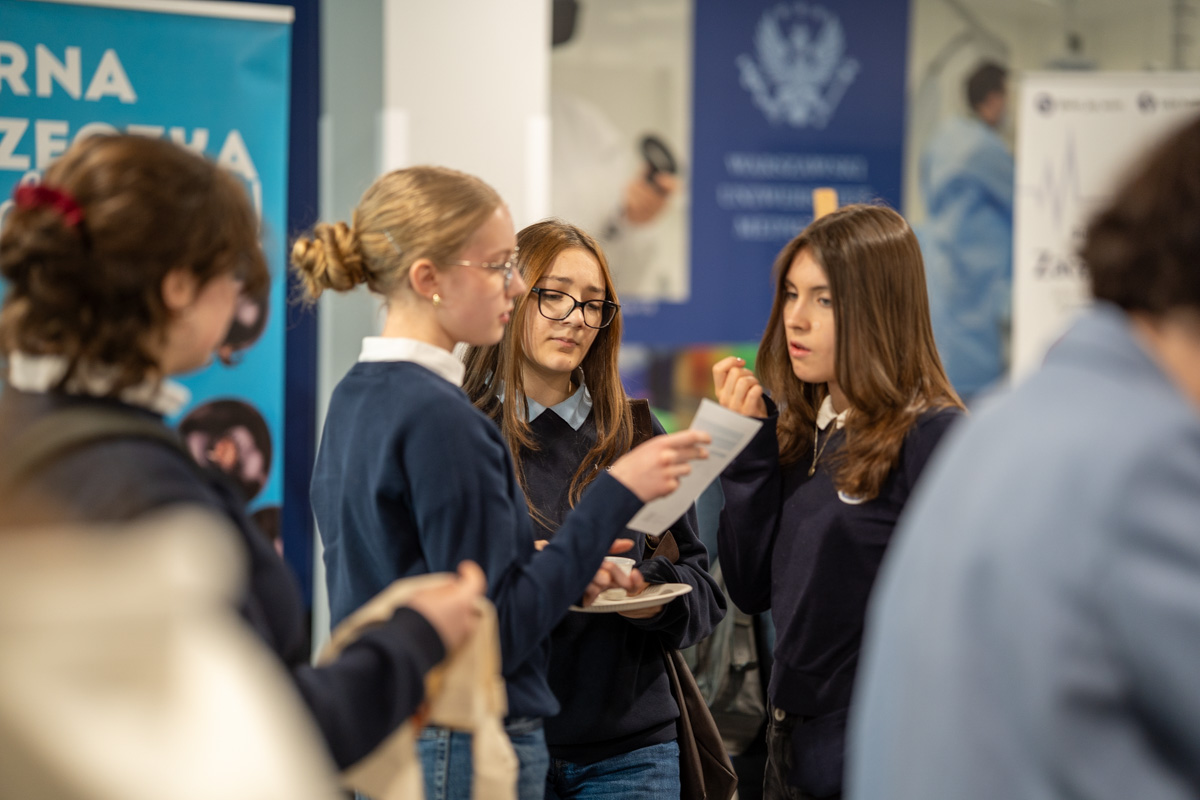
In the corridors of the Didactic Center, high school students could meet and talk to university students involved in scientific societies at the Faculty of Health Sciences. As usual, the societies rose to the occasion and prepared very interesting and interactive presentations on what every high school student should know about their own health and that of their loved ones.
Members of the AI&ML Student Scientific Society spoke about how engineering is transforming healthcare. Members of the Cancer Cell Biology Society discussed how lifestyle and screening can reduce the risk of breast cancer and colorectal cancer. Members of the Clinical Nursing Society explained how to prevent HIV infection. Students from the Health Managers Society provided a wealth of practical information about preventive examinations and vaccinations, while those from the Public Health Society, Health Promotion Section, prepared quizzes testing students’ knowledge of prevention and health.
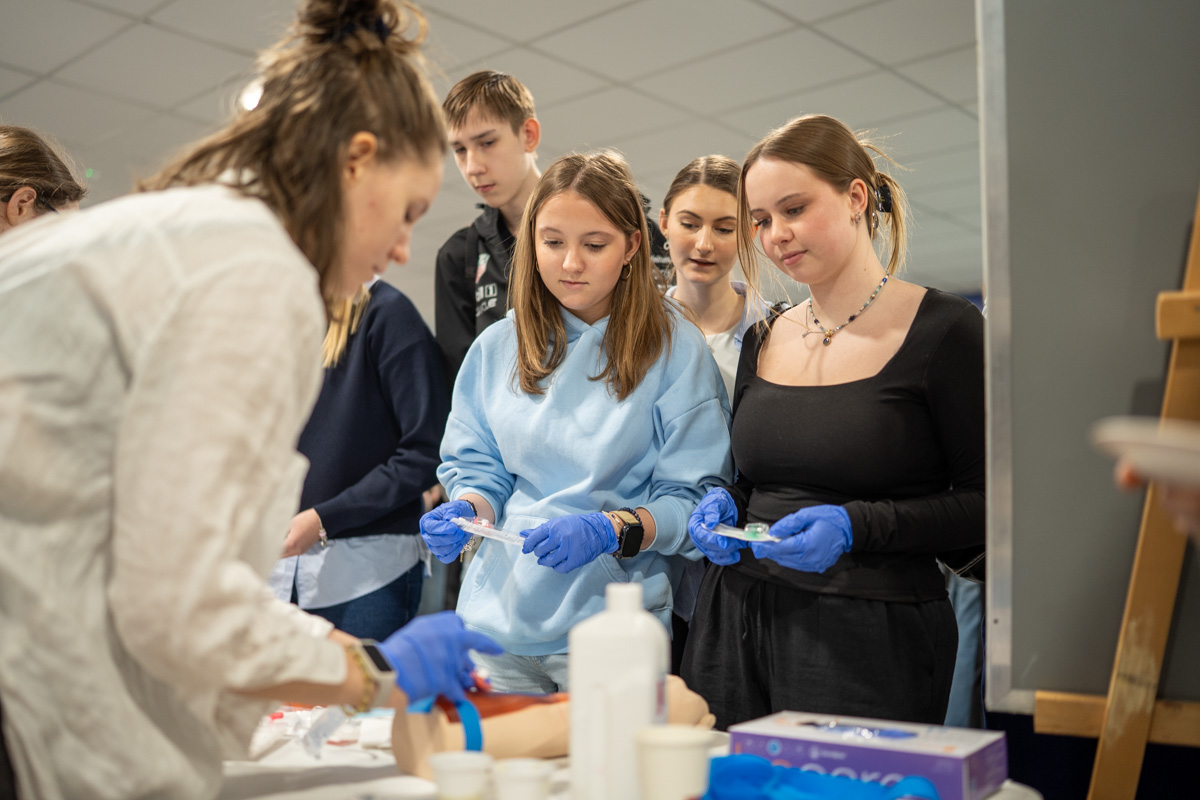
The Anesthesiology and Intensive Care Nursing Society TIVA encouraged regular blood tests and taught the basics of interpreting laboratory results. The Midwifery Society used specialized models to demonstrate how to correctly perform breast self-examination, while the Emergency Medical Services Society showed how to properly provide first aid.
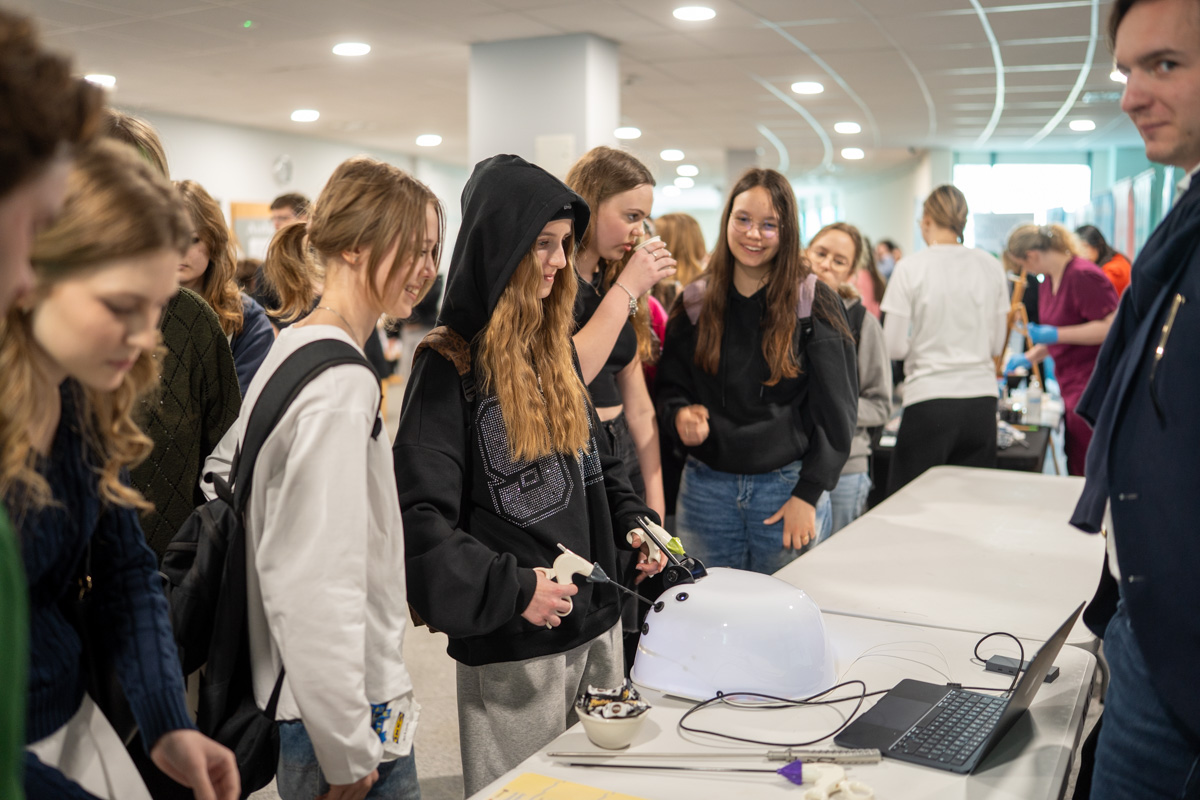
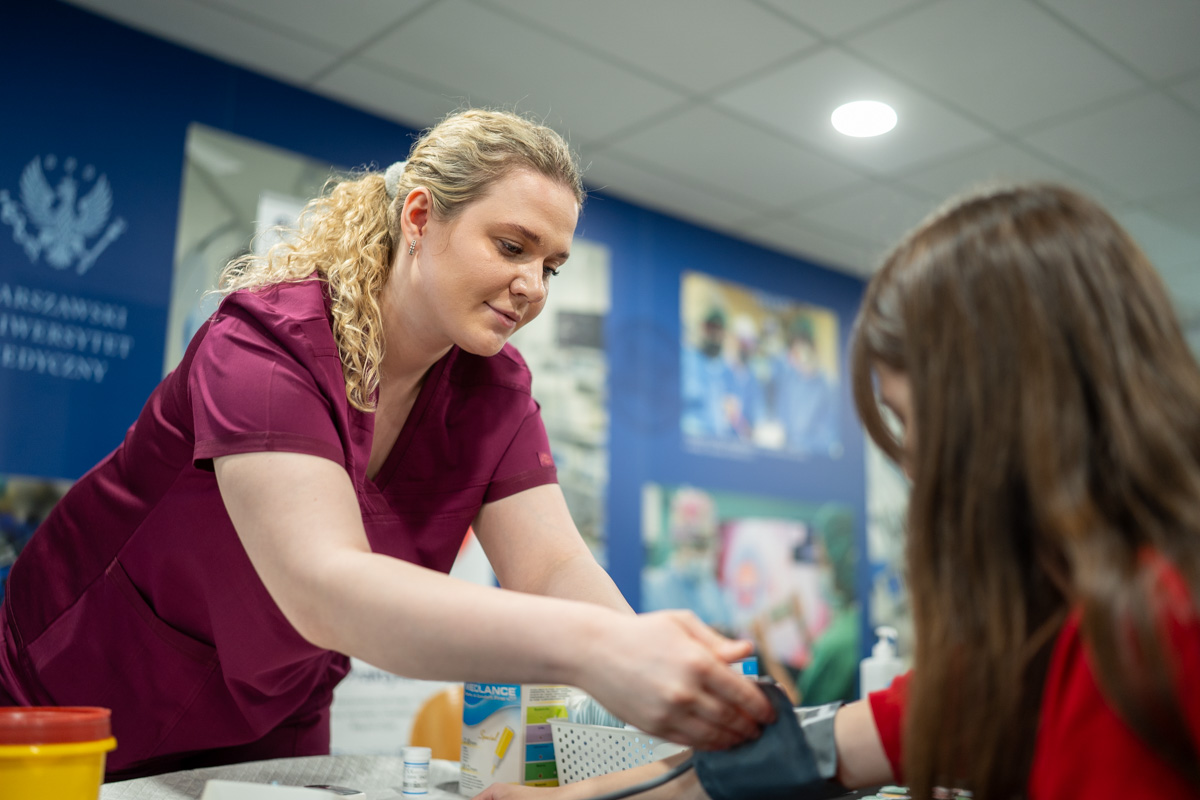
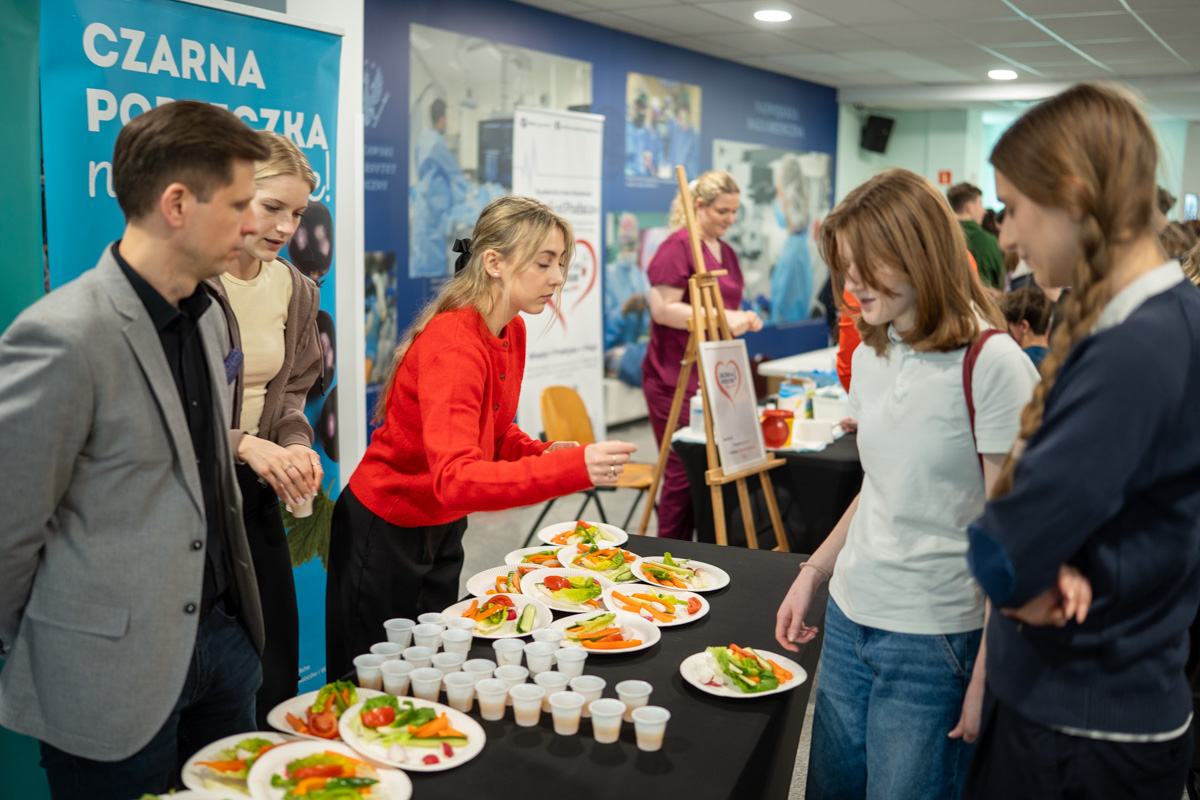
At the Dietetics Society stand, students performed BIA measurements and measured muscle strength using a dynamometer. At the “Start from the Basics” Society stand, they could measure blood pressure, blood glucose, and heart rate. At the Fetal Therapy and Perinatology Society stand, students could try performing procedures using a laparoscopic trainer. At the Clinical Nutrition Society stand, they were offered healthy snacks, including local fruits and vegetables.
Attendees at Health Day
Students from Warsaw schools came to WUM, including: Lajos Kossuth High School No. 62 in Warsaw, Maria Skłodowska-Curie High School No. 157, Władysław IV High School No. 8, Klementyna Hoffmanowa High School No. 9, Cyprian K. Norwid High School No. 24, High School No. 69 with Integration Units named after the Heroes of the Warsaw Uprising of 1944, Montessori Private High School, General Józef Bem High School No. 65 with Integration Units, Szczepan Bońkowski School Complex No. 7, the Gray Ranks High School No. 162, Cavalry Captain Witold Pilecki STO Public Primary School, as well as Tomasz Zan High School in Pruszków and Strumienie High School in Józefów.