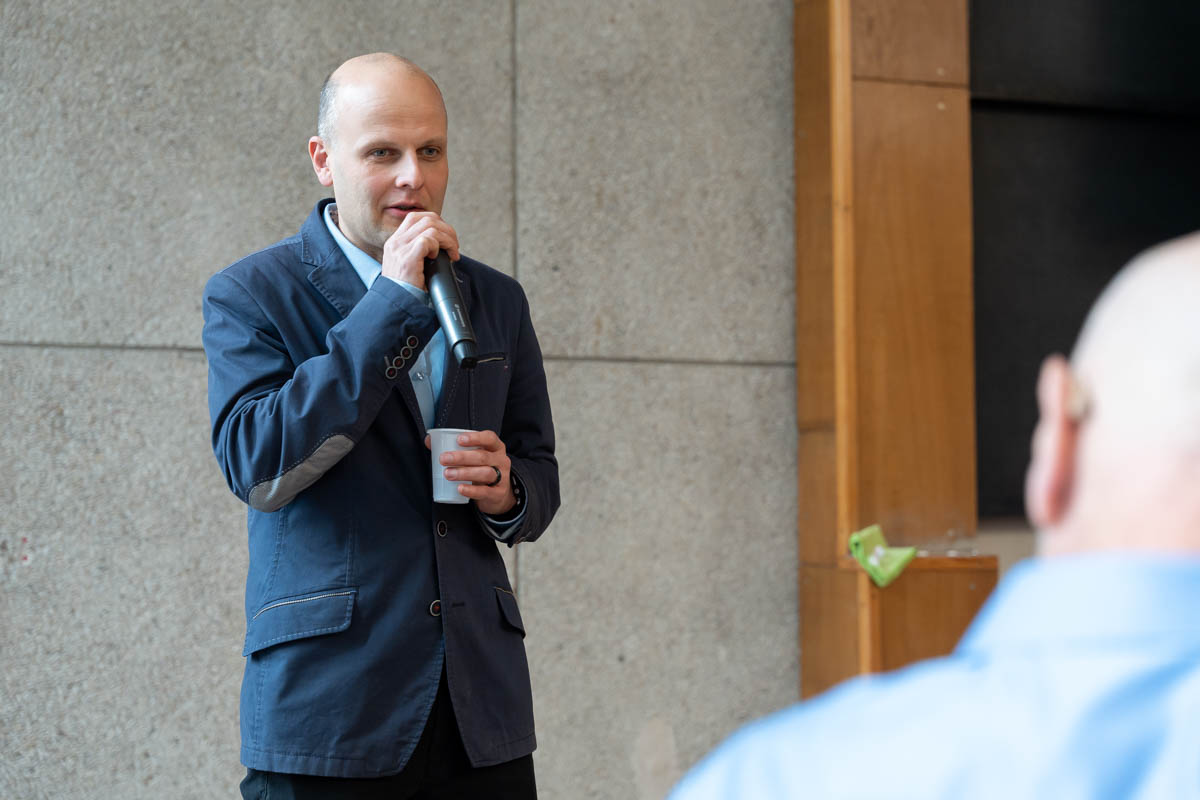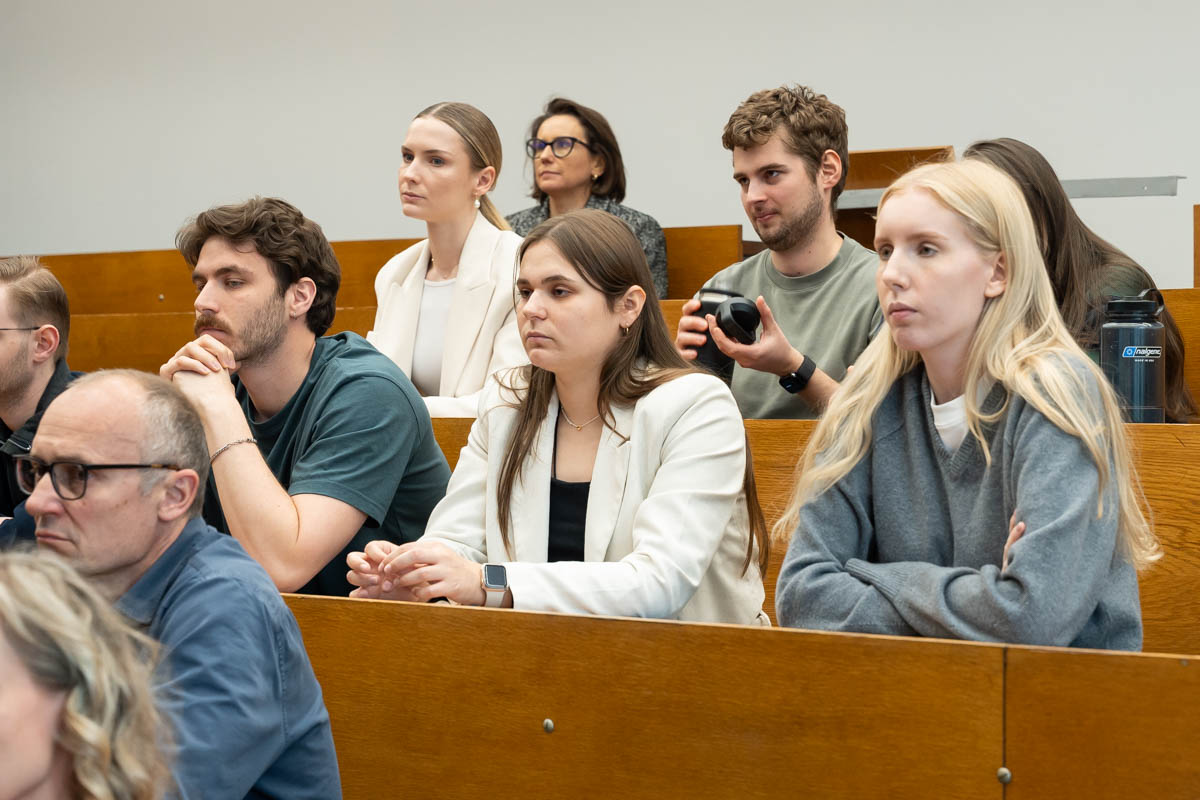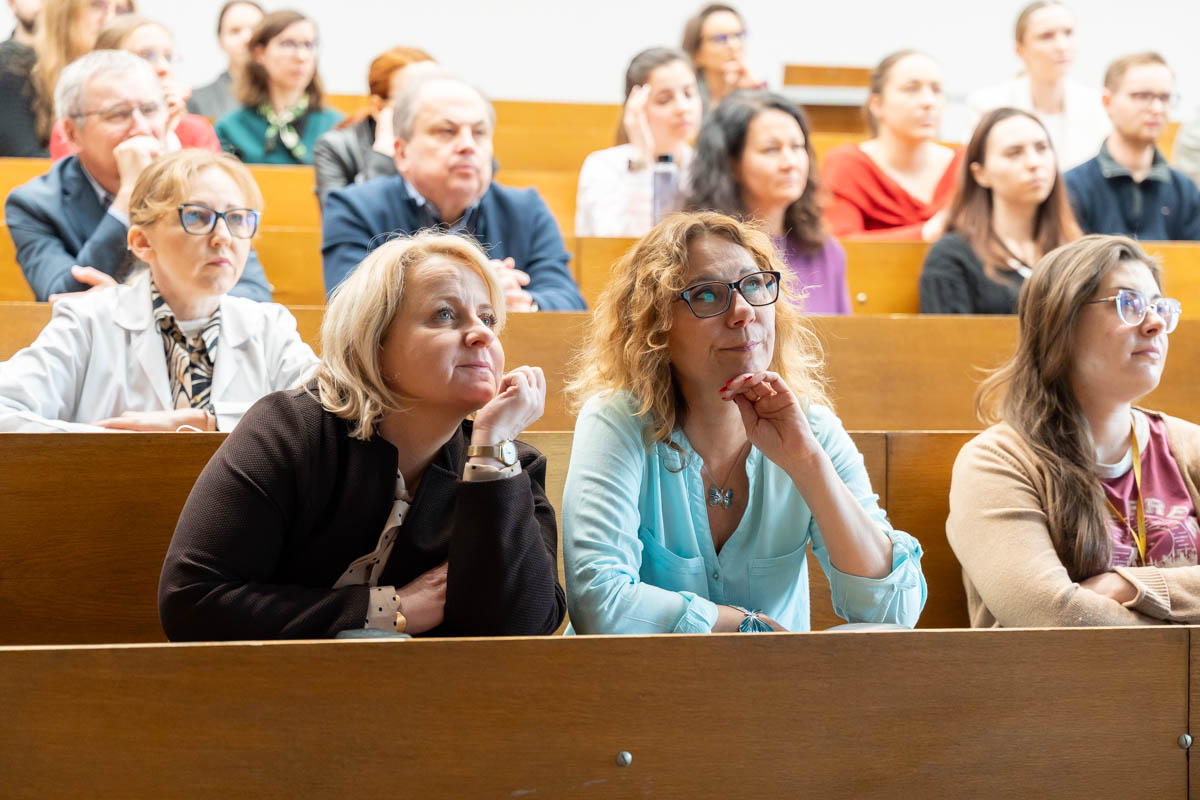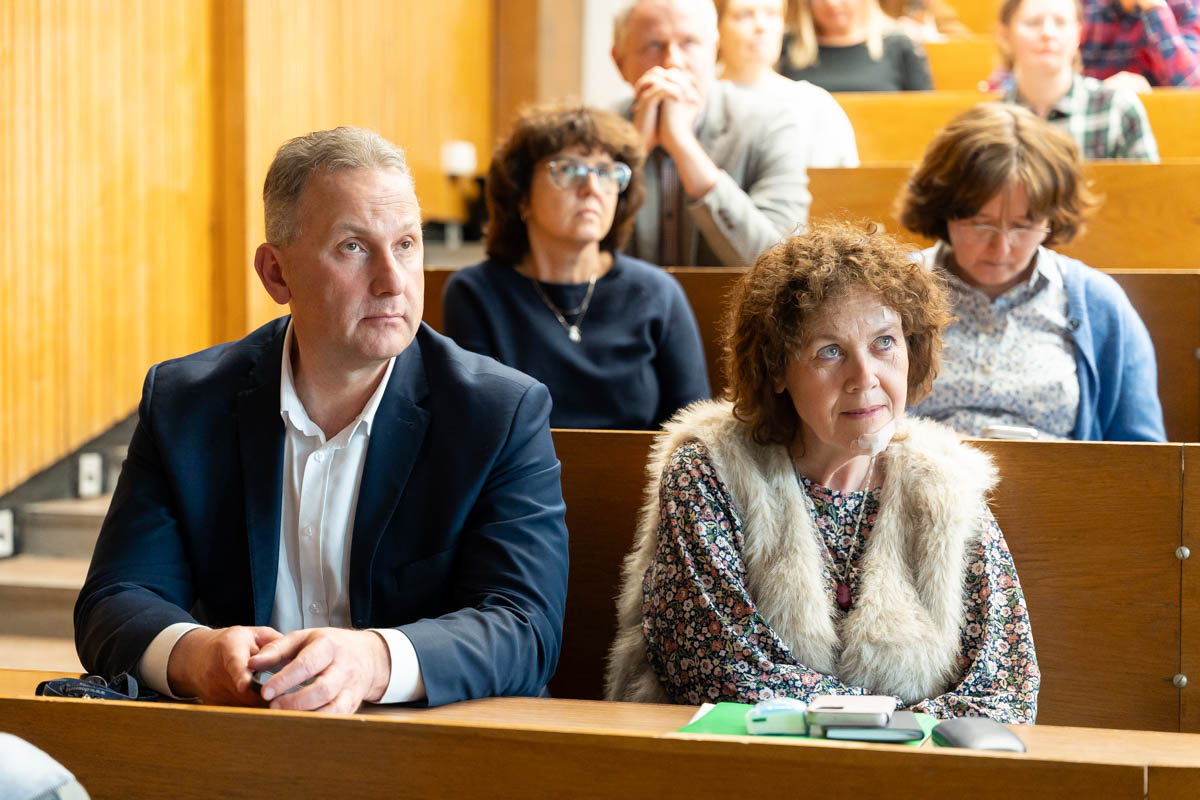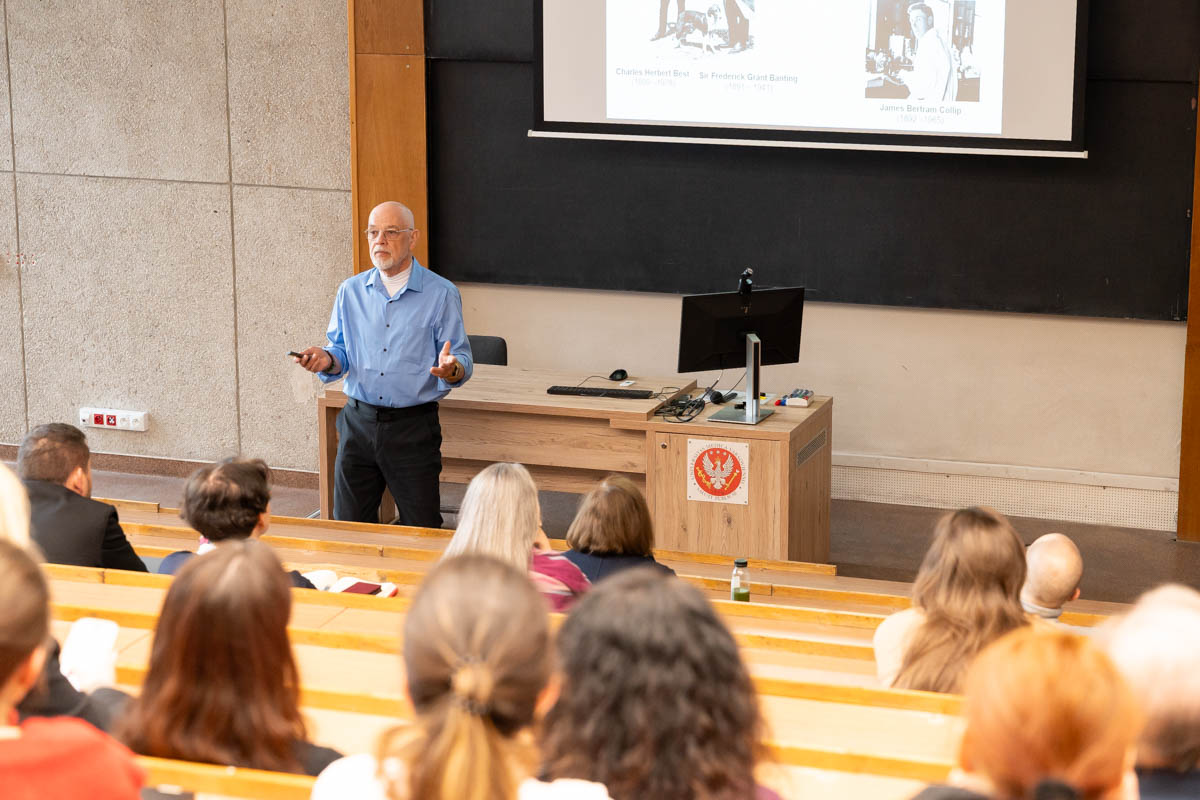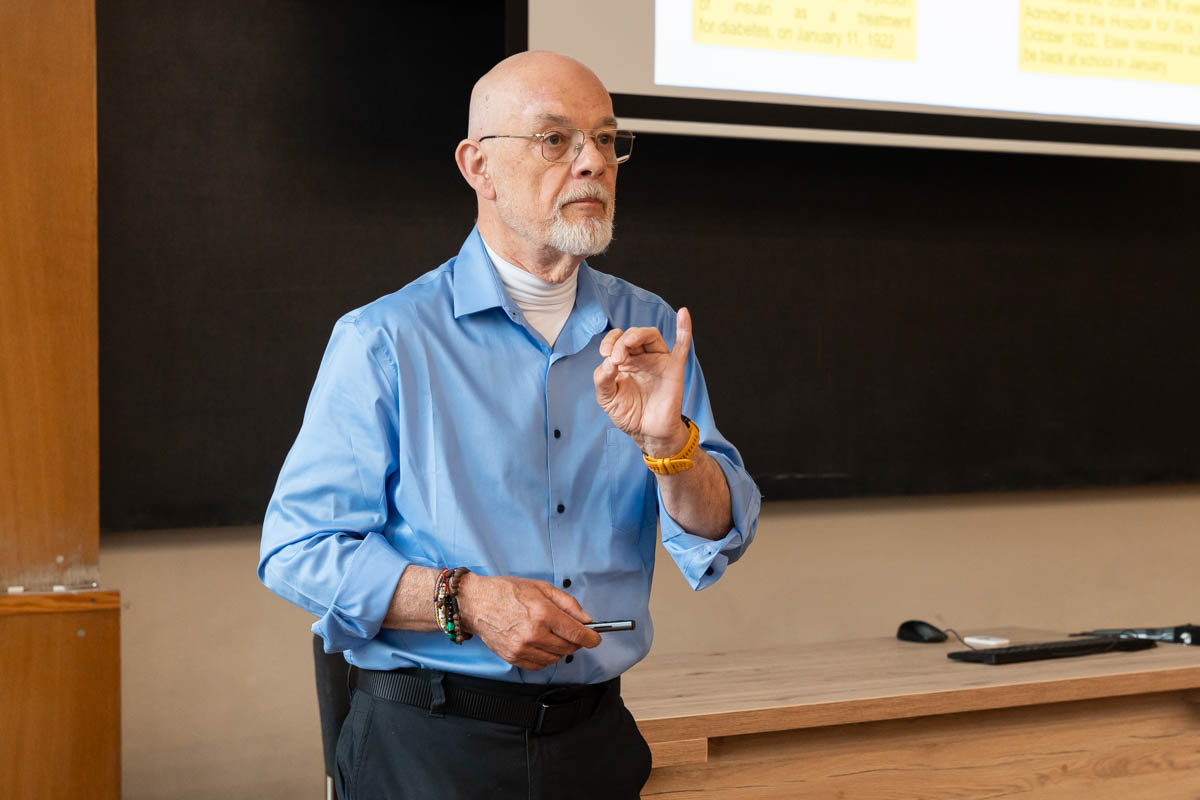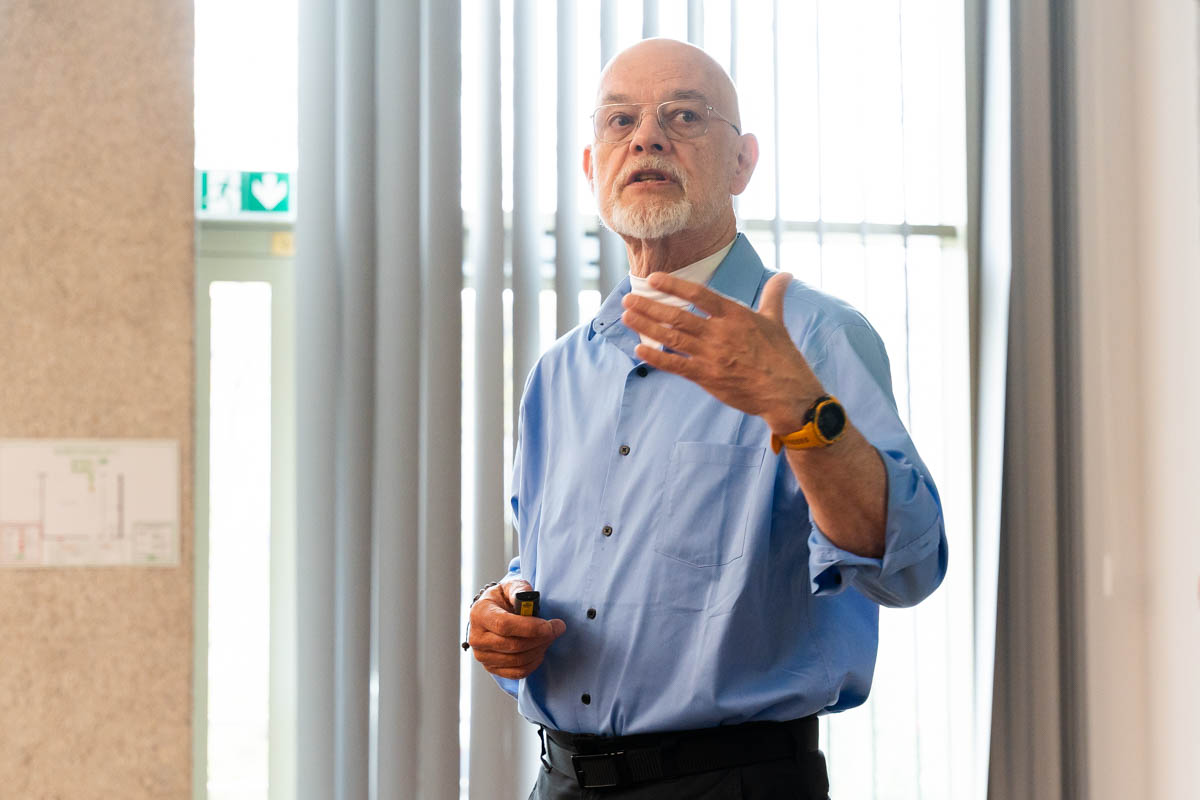
The lecture was held on April 15, 2026, in the main lecture hall of the Faculty of Pharmacy. The guest was introduced by Prof. Sebastian Granica, the Head of the Department of Pharmaceutical Biology WUM.
From rescuing patients to understanding how cells communicate with each other
"Insulin is the basic hormone, and decisions made around research on it and its production have shaped modern medicine," explained Professor Derewenda.
The very first use of insulin – especially in pediatric patients – marked a breakthrough, and diabetes ceased to be a fatal disease. Basic research on insulin, including crystallization experiments, progressed in parallel with the development of therapeutic treatments. Thanks to the reseach scientists have come to understand what proteins are and how they work in the body.
"It took decades of failed attempts, the refinement of purification methods and development of analytical tools to understand this," said the researcher from Virginia, "but insulin played a central role in this story. It became a model protein: small enough to be studied, stable enough to be crystallized and, at the same time, crucial from the medical point of view."
The findings opened the way to understanding the insulin receptor and the mechanisms of signal transmission within the cell. Insulin research shifted towards molecular biology and cell biology. Currently, it is focused on insulin analogs, receptor structure and signaling pathways. Further improvement of therapy and side effect reduction are the main goal.
"Modern insulin therapy is the result of collaboration across many fields: chemistry, biology, physics, medicine and computational science. No single discovery would be sufficient on its own," the speaker emphasized.
After the lecture, Professor Derewenda answered questions from the audience.