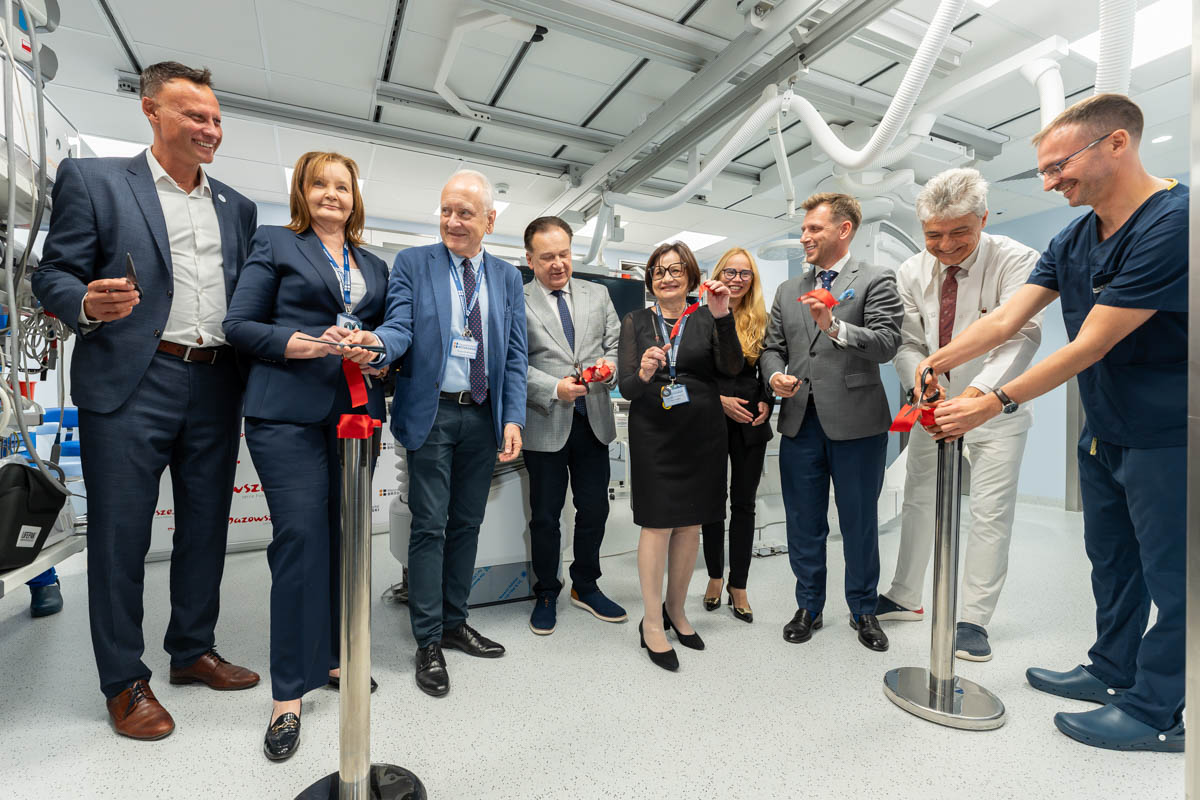
– Medical University of Warsaw has a large number of external clinical facilities, but the Mazowiecki Hospital Bródnowski remains one of our most important and long-standing partners,” said Prof. Agnieszka Cudnoch-Jędrzejewska, Vice-Rector for Clinical Affairs and Investment, during the official opening of the laboratory.
– Thanks to the commitment of the authorities of the Mazowieckie Voivodeship and the hospital management, the hospital has access to modern technologies and high-quality medical infrastructure. The main beneficiaries are, of course, the patients, but our students, interns and young doctors gaining professional experience here, the Deputy Rector emphasised.
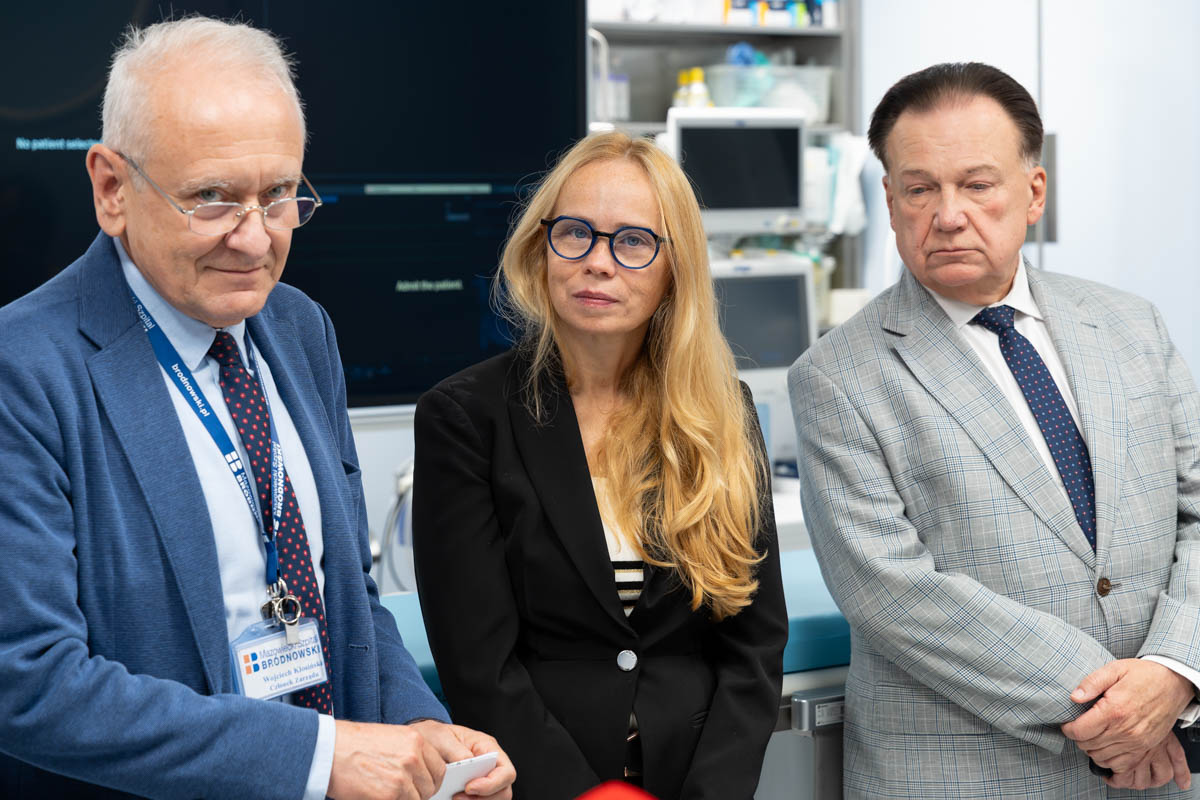
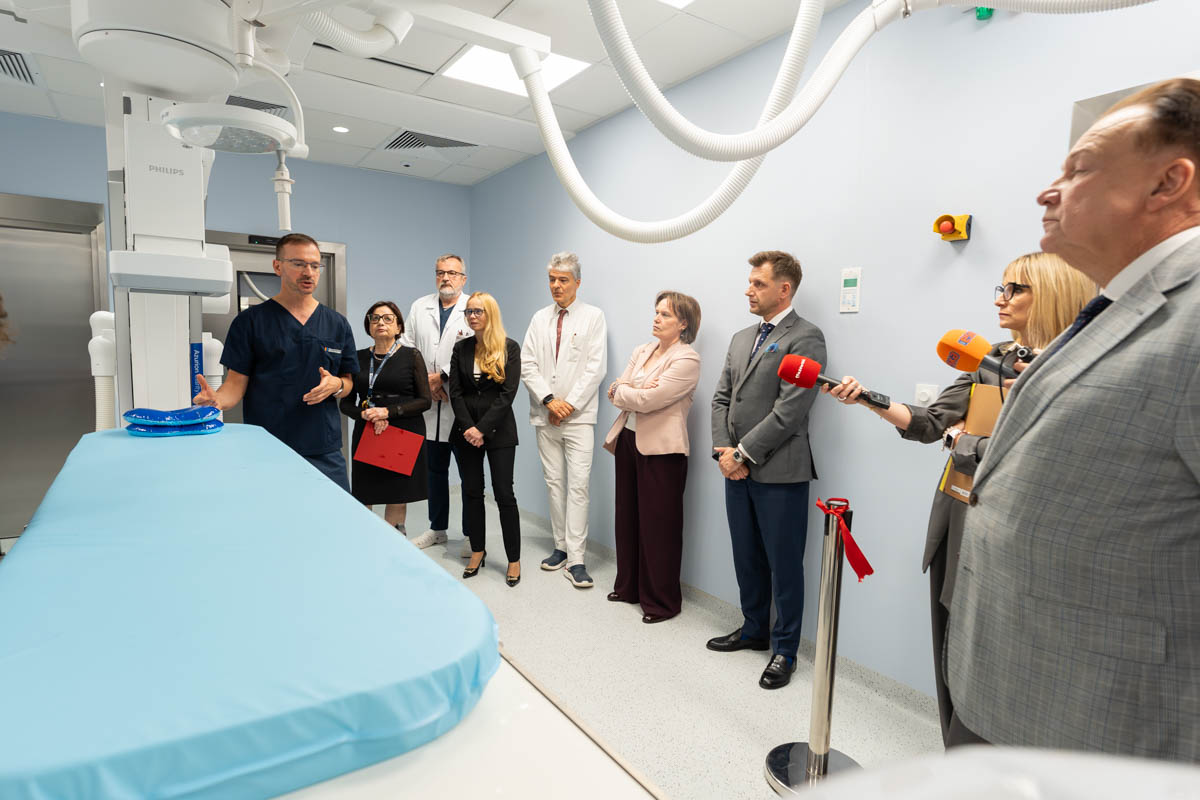
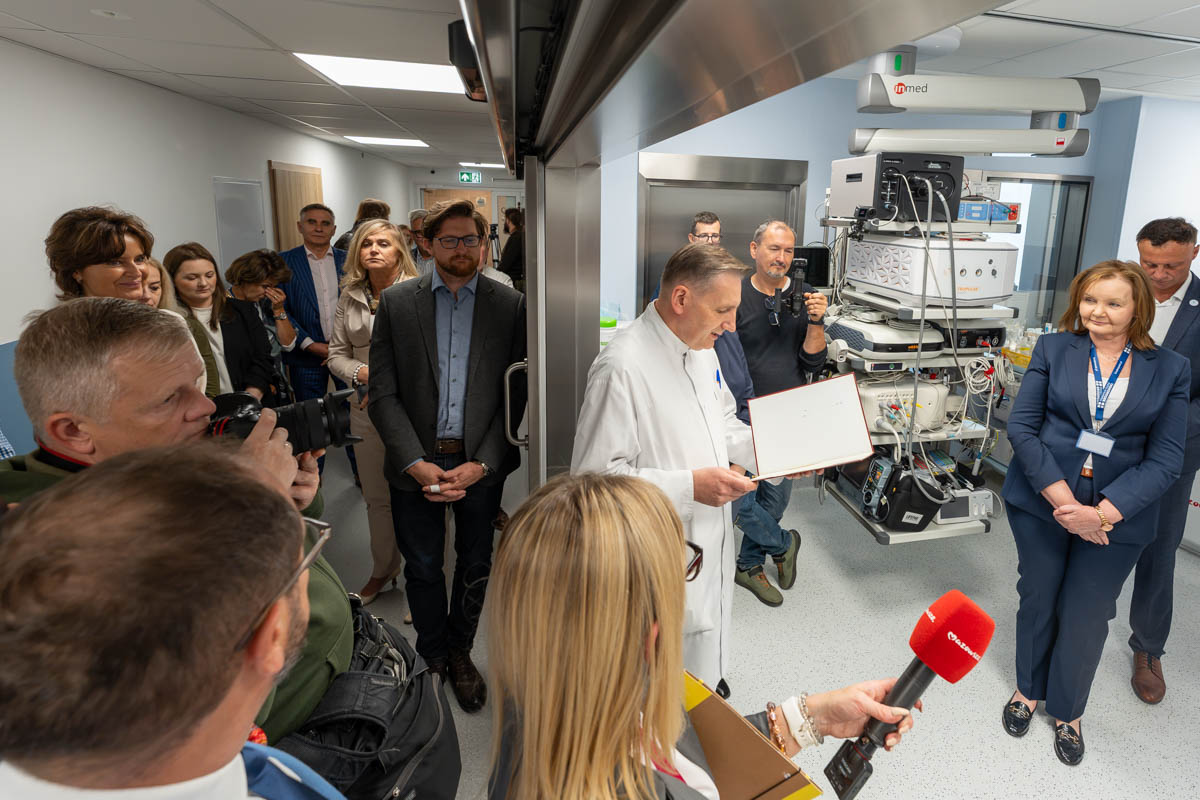
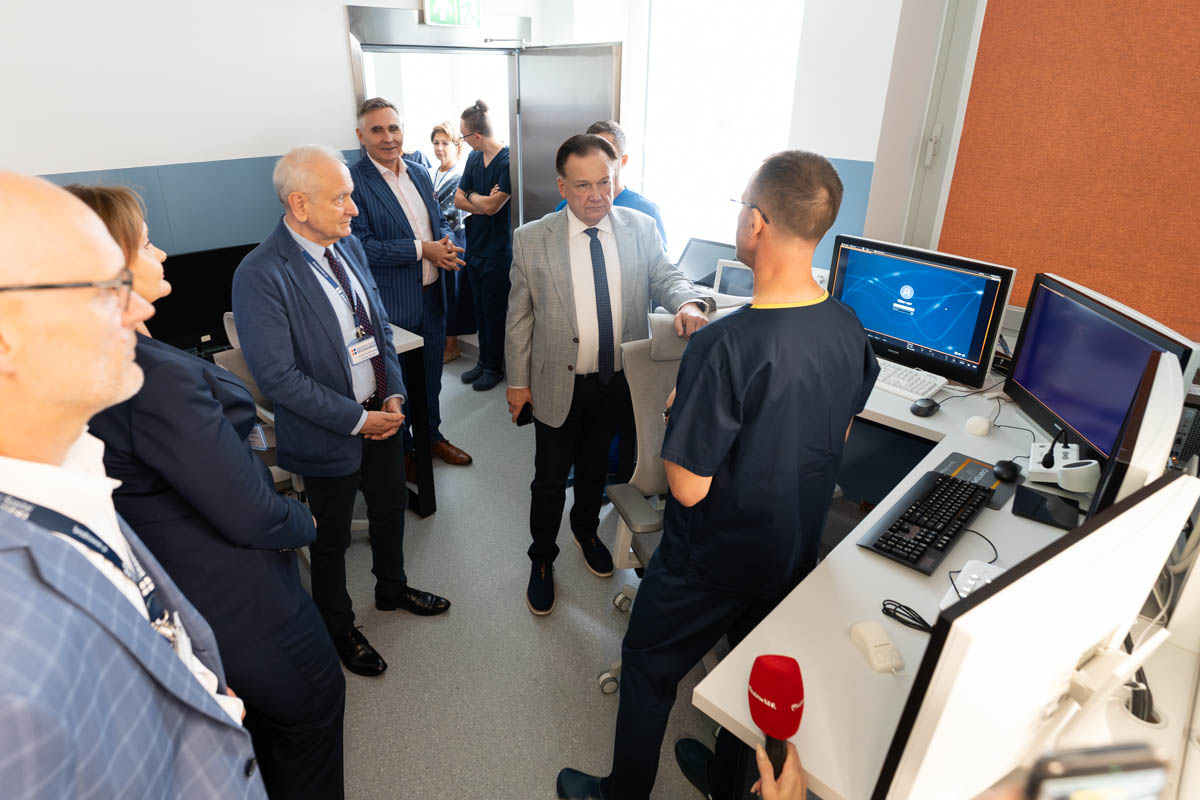
The ceremony took place on 24 September, and the gathered hospital staff and guests were able to view the laboratory’s new interiors and equipment. Among the guests were Adam Struzik, Marshal of the Mazowieckie Voivodeship, and Prof. Piotr Dobrowolski, the Mazowieckie Voivodeship Consultant in Cardiology.
The hospital management was represented by Teresa Bogiel, President of the Management Board; Ewa Janczar and Wojciech Kłosiński, Members of the Management Board; and Dr hab. Paweł Skowronek, Medical Director.
The total value of the investment was PLN 9.46 million. More than PLN 8.47 million was obtained by the hospital from the National Recovery and Resilience Plan, and nearly PLN 1 million came from the local government of the Mazowieckie Voivodeship.
– This investment increases access for the people of Mazovia to modern treatment for heart disease. Thanks to it, patients will be able to receive help more quickly, while doctors will gain even better tools to save health and lives, said Marshal Adam Struzik.
What was achieved as part of the project?
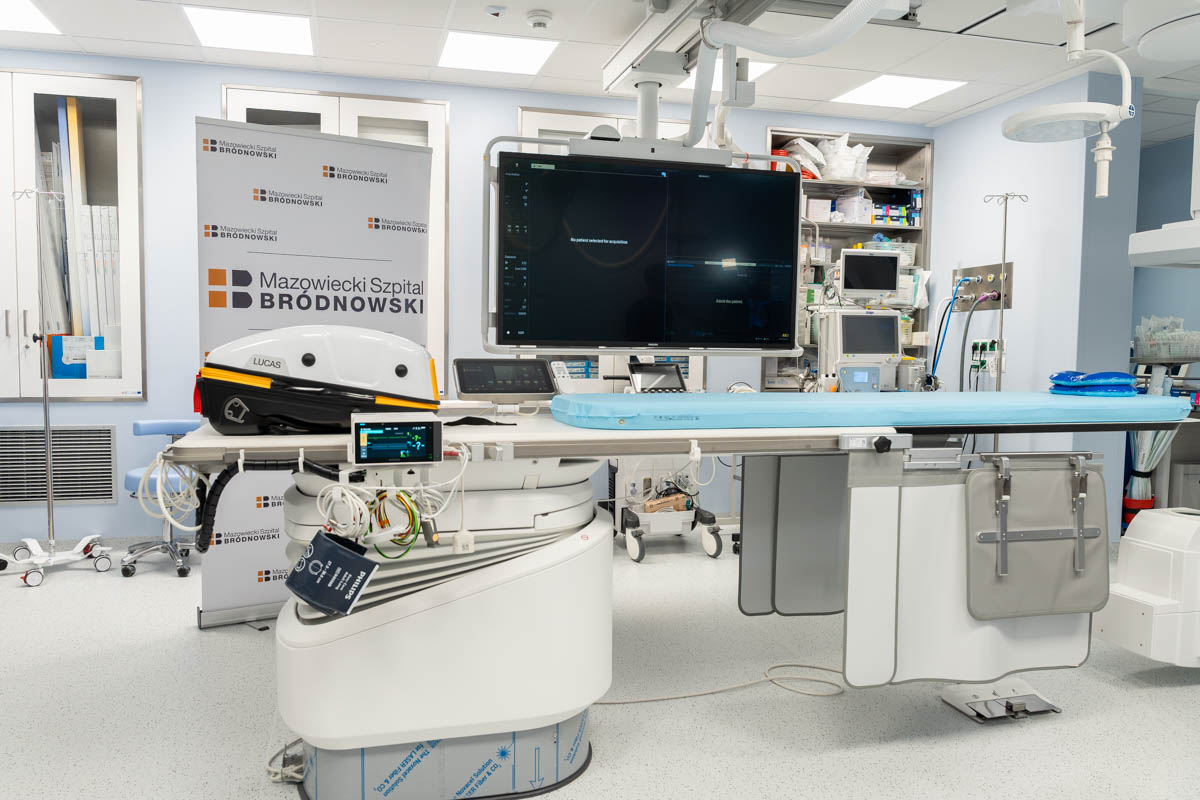
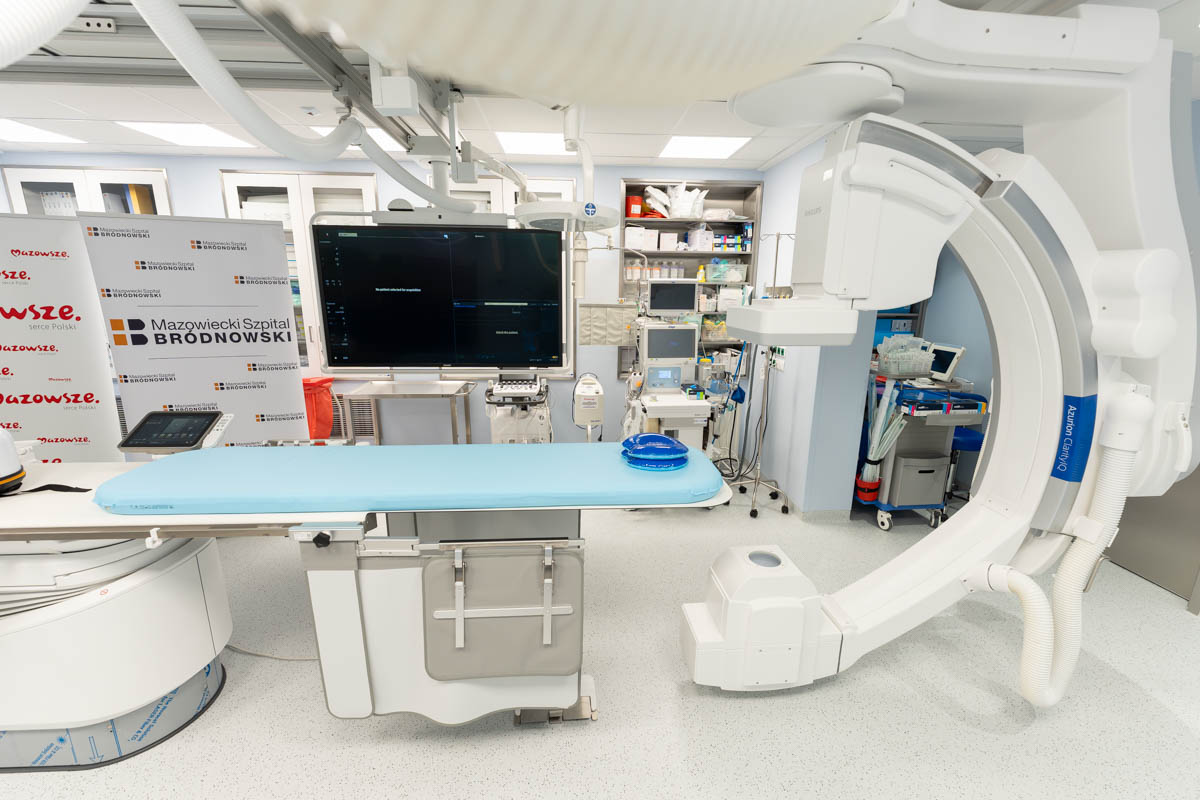
An angiography apparatus was purchased, the laboratory’s premises have been adapted and the infrastructure necessary for carrying out advanced electrophysiological procedures has been prepared. The laboratory has been equipped with specialised medical equipment, including an electrophysiology recording system, anaesthesia and vital-sign monitoring equipment, a cardioverter-defibrillator, temporary pacemakers and equipment necessary to provide emergency support to patients.
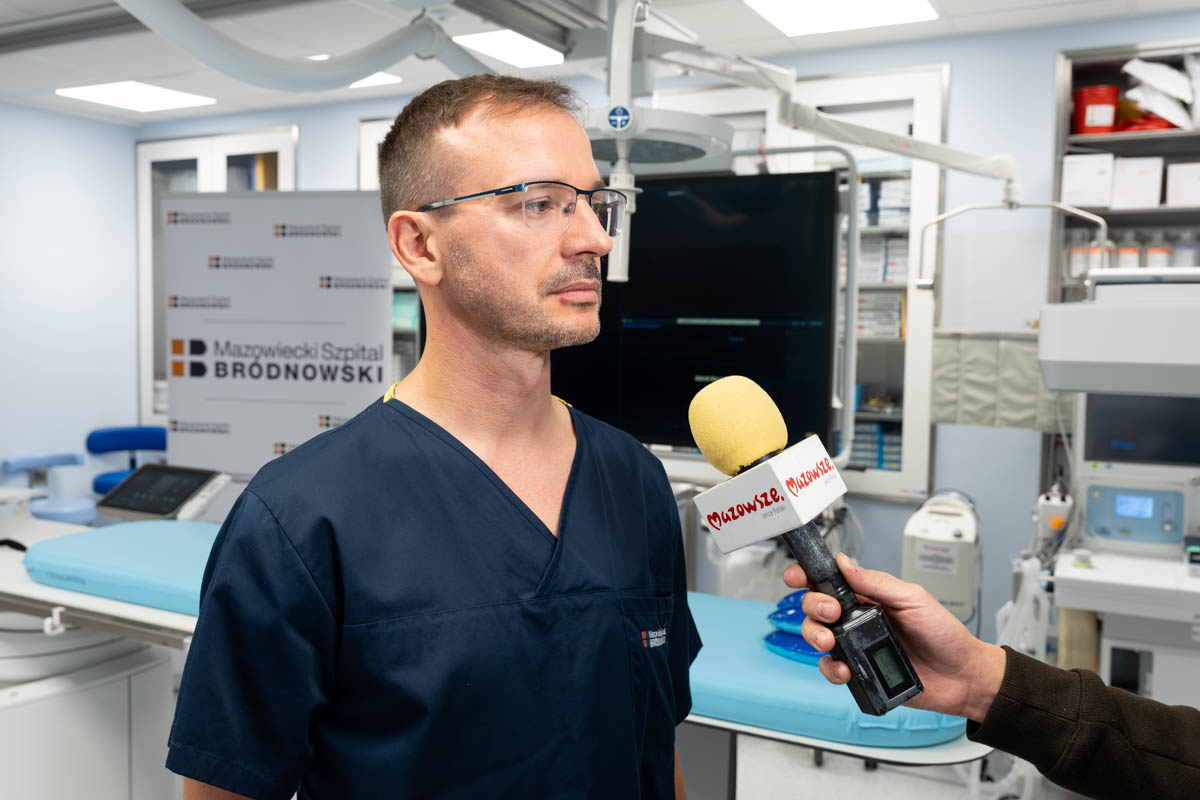
– Thanks to this investment, we have taken electrotherapy to a higher level. Our laboratory has been equipped with a modern angiography apparatus integrated with the other equipment used during procedures. This solution allows us to perform procedures even more safely, including by reducing patients’ dose to X-ray radiation,” said Dr Karol Król, Head of the Laboratory. He also emphasised the importance of workplace ergonomics. All the most important signals and images are presented to the operator in a clear and well-organised way, allowing them to concentrate exclusively on the procedure. They do not have to take their attention away from the patient or monitor multiple screens simultaneously. Cardiac imaging and other data are available in one place, improving working conditions and helping the team perform even the most complex procedures more efficiently.
Benefits for patients and the clinic
The new laboratory will perform, among other procedures, ablations for cardiac arrhythmias and the implantation of pacemakers and cardioverter-defibrillators. The hospital plans to carry out between 600 and 700 such procedures each year. The laboratory will primarily serve patients with cardiac arrhythmias, both those whose conditions significantly lower their quality of life and those for whom they pose a direct threat to their health and life. It will treat both patients requiring urgent intervention and those referred for scheduled procedures. The modern equipment will also enable the clinic to perform more advanced diagnostic and therapeutic procedures.
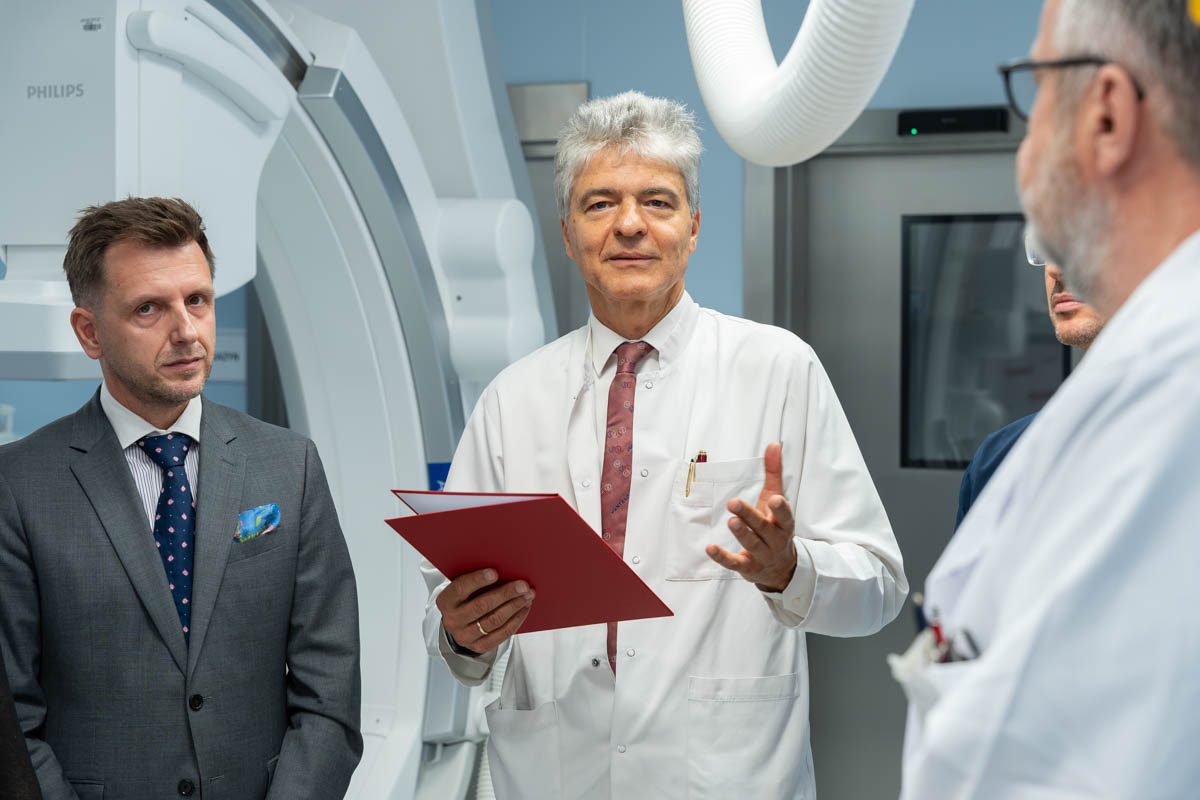
Cardiac arrhythmias are among the most common causes of sudden life-threatening situations. They can be divided into two main types: situations in which the heart beats too slowly and those in which it beats too quickly. In both cases, modern devices that utilise electrical therapy play a huge role, explained Prof. Marek Kuch, Head of the Chair and Department of Cardiology, Hypertension and Internal Medicine at the Medical University of Warsaw and Deputy Rector for Student Affairs and Education. – Medicine has been using such solutions for a long time, for example during resuscitation. Today, however, our goal is not only to save patients in critical situations, but above all to prevent such situations from occurring. We try to detect risks earlier and implement treatment before cardiac arrest or other dramatic complications occur. This is why the development of electrotherapy and electrophysiology is so important. Thanks to modern technologies, we can diagnose and treat cardiac arrhythmias more effectively, improving patient safety and giving them the chance to live longer and healthier lives
The project was carried out within the task “Improving the quality of diagnosis and treatment through the provision of equipment for electrophysiology and haemodynamics laboratory at the premises of Mazowiecki Hospital Bródnowski Sp. z o.o.” and financed by the National Recovery and Resilience Plan (KPO), nh87under investment project D1.1.1 concerning the development and modernisation of the infrastructure of highly specialised care centres and other healthcare entities.