Official opening
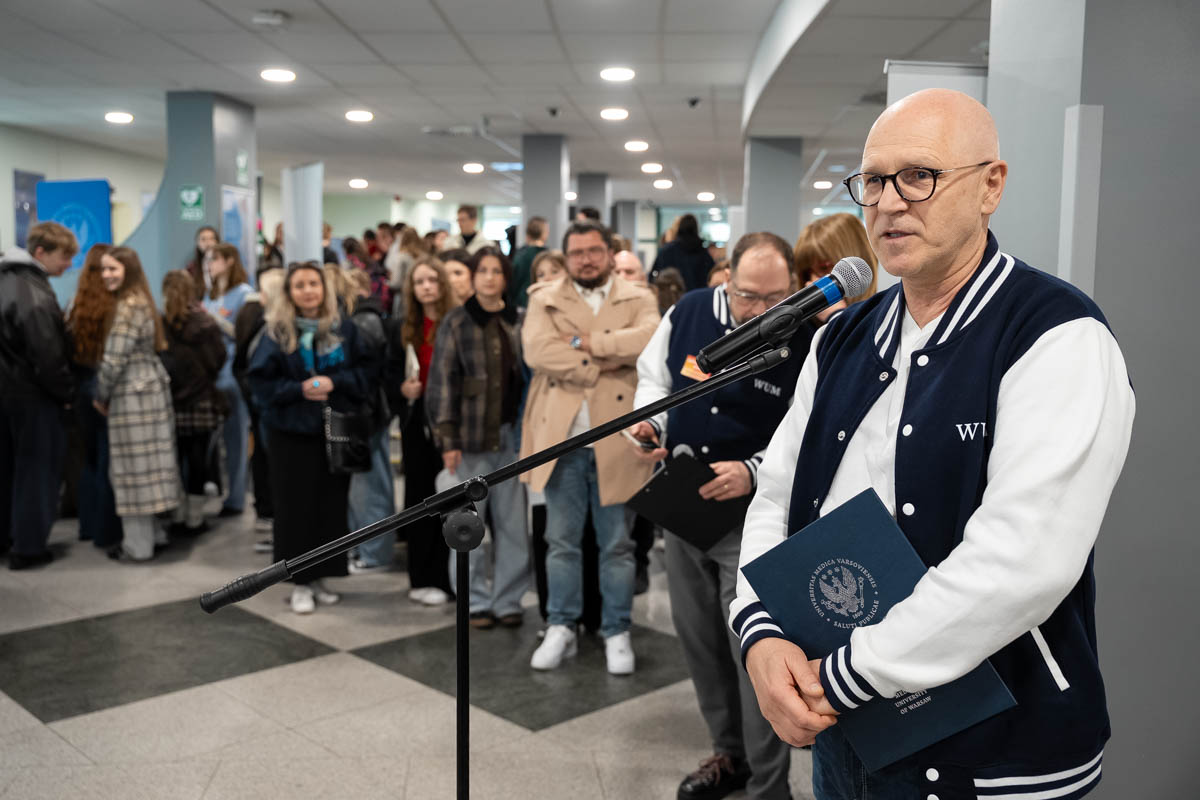
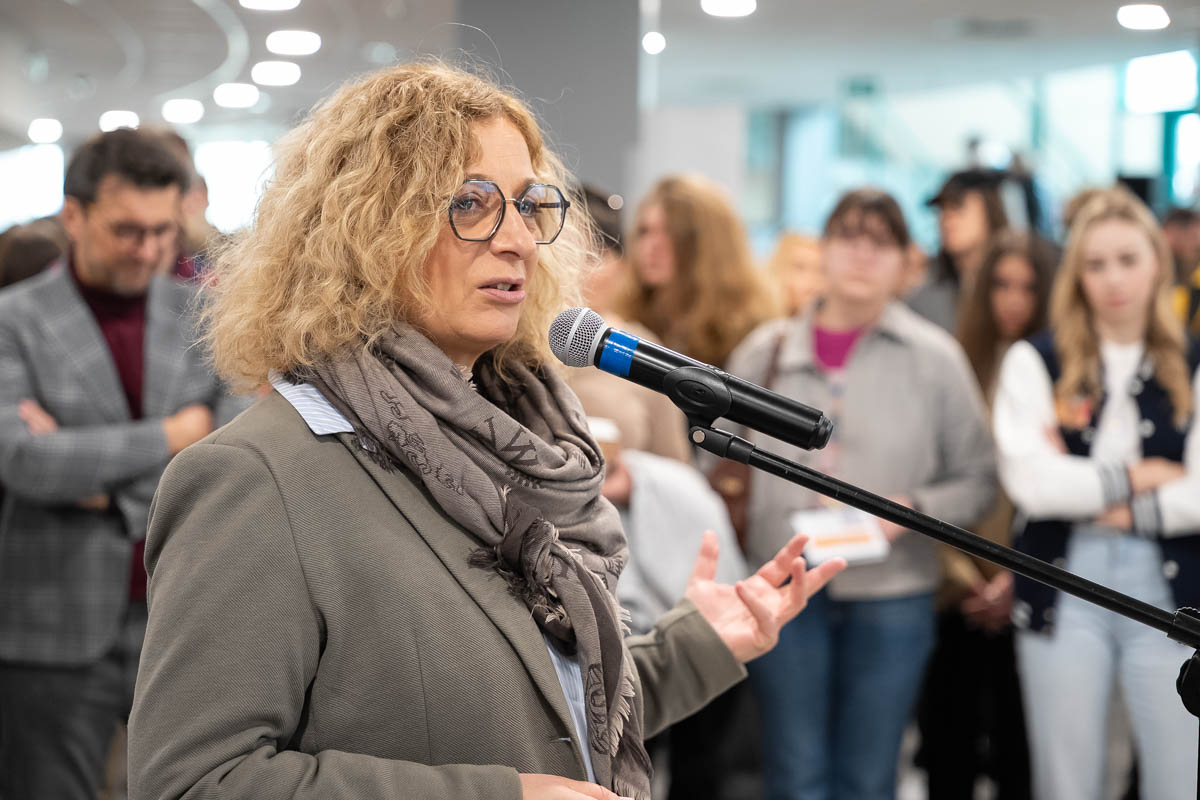
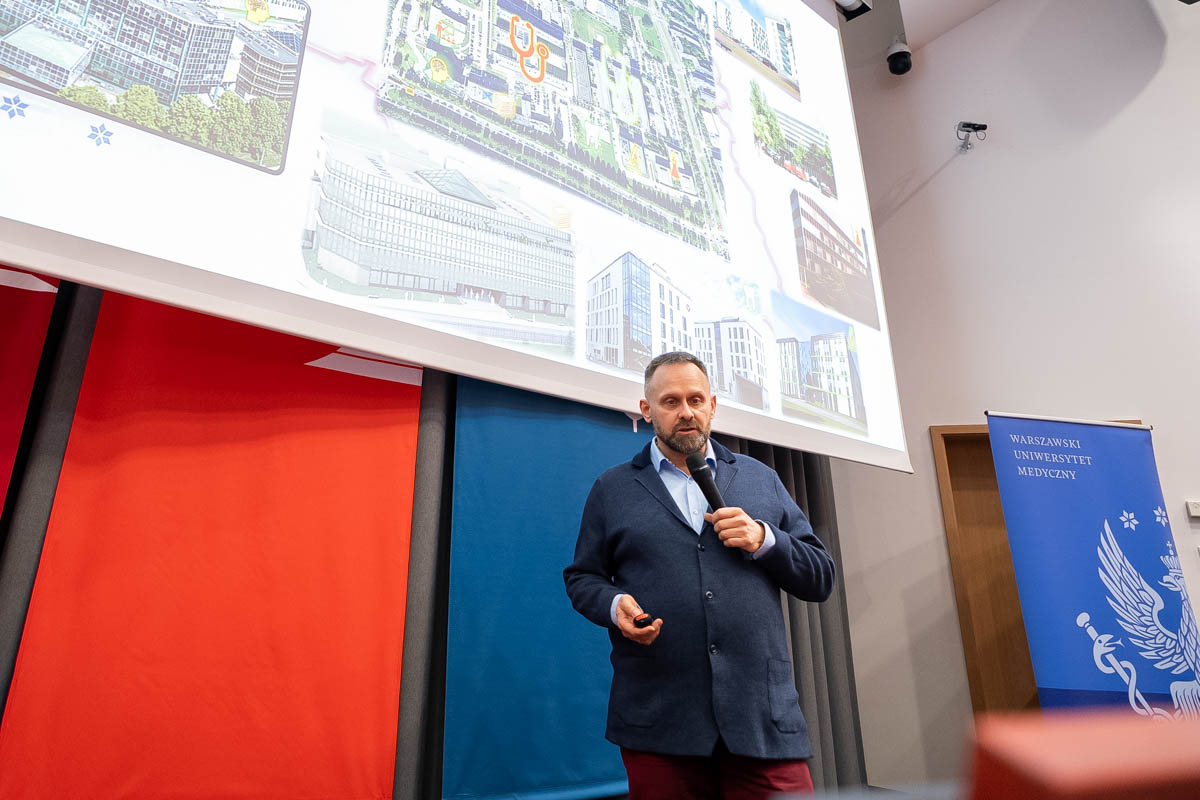
All visitors were welcomed by Prof. Rafał Krenke, Rector of the Medical University of Warsaw (WUM).
“Ahead of you is the choice of your life path,” Prof. Rafał Krenke told the visitors. “We want you to know the opportunities offered by the Medical University of Warsaw. We educate students in 15 medical fields, and this educational offer is of the highest quality. All professions taught at our university have something in common, which is high social demand. Beyond this, we all serve people whose health is entrusted to us, which brings enormous satisfaction and motivation.”
The Rector also spoke about what distinguishes the university from other medical universities, namely its own clinical and educational facilities and over 200 years of teaching history.
Professor Krenke concluded by saying, “We are here for you. Ask questions, clear doubts, so that you can make an informed choice.”
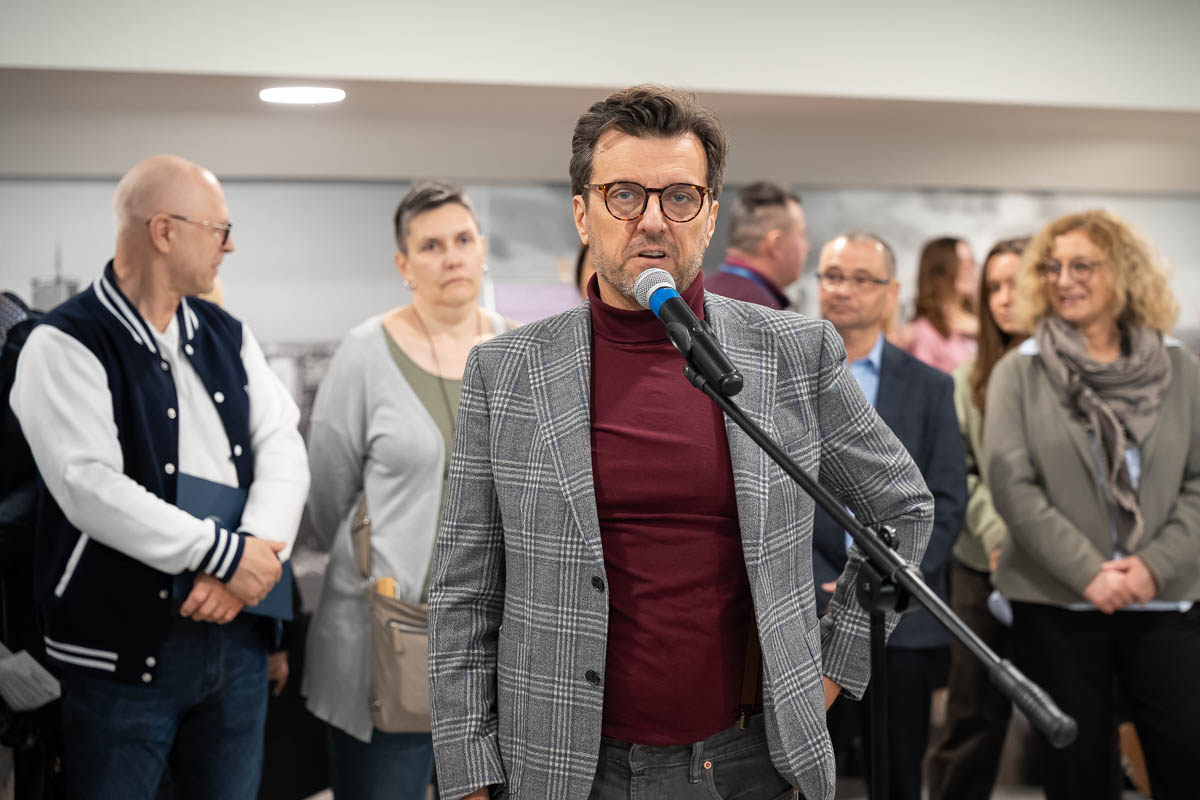
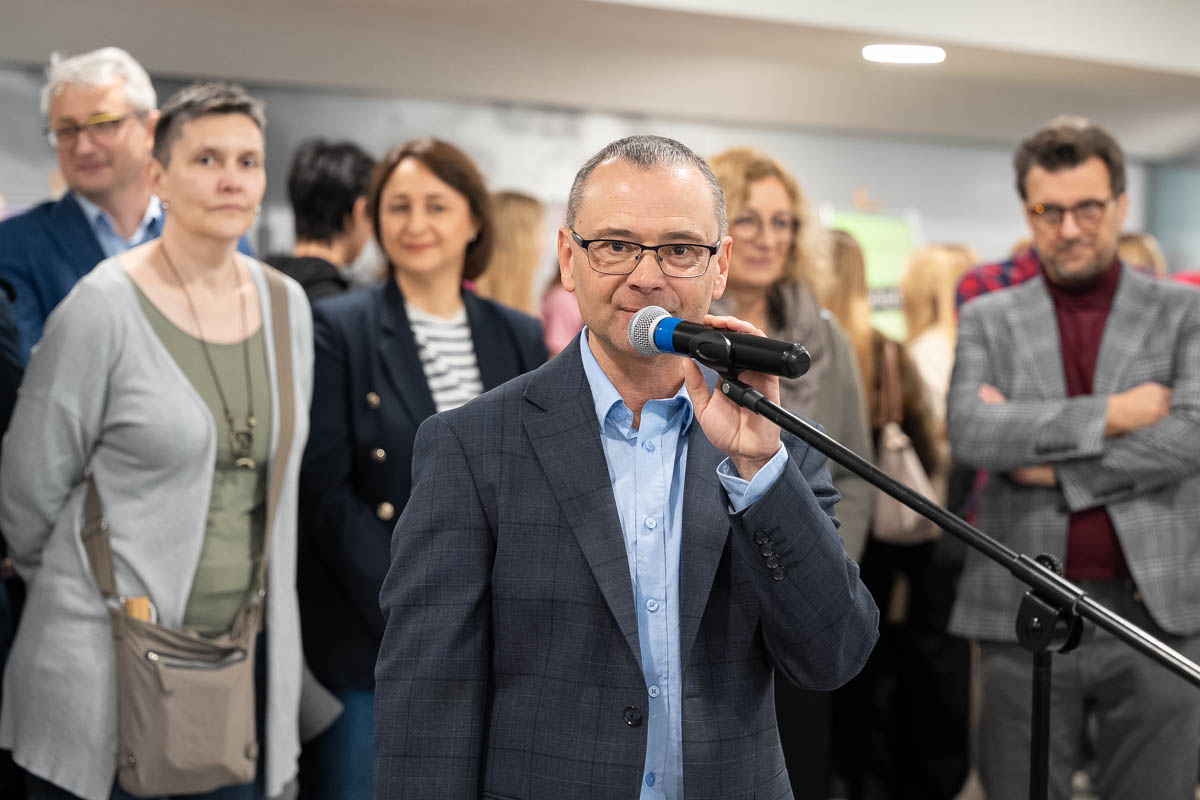
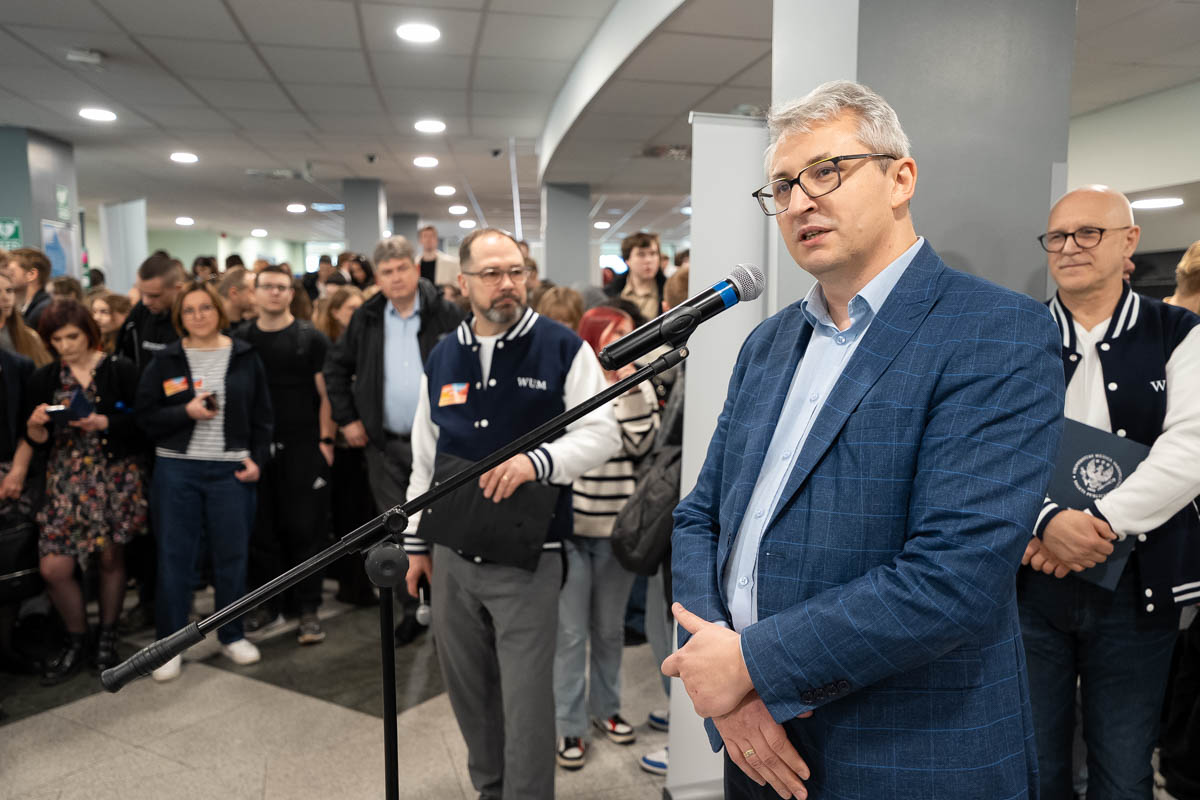
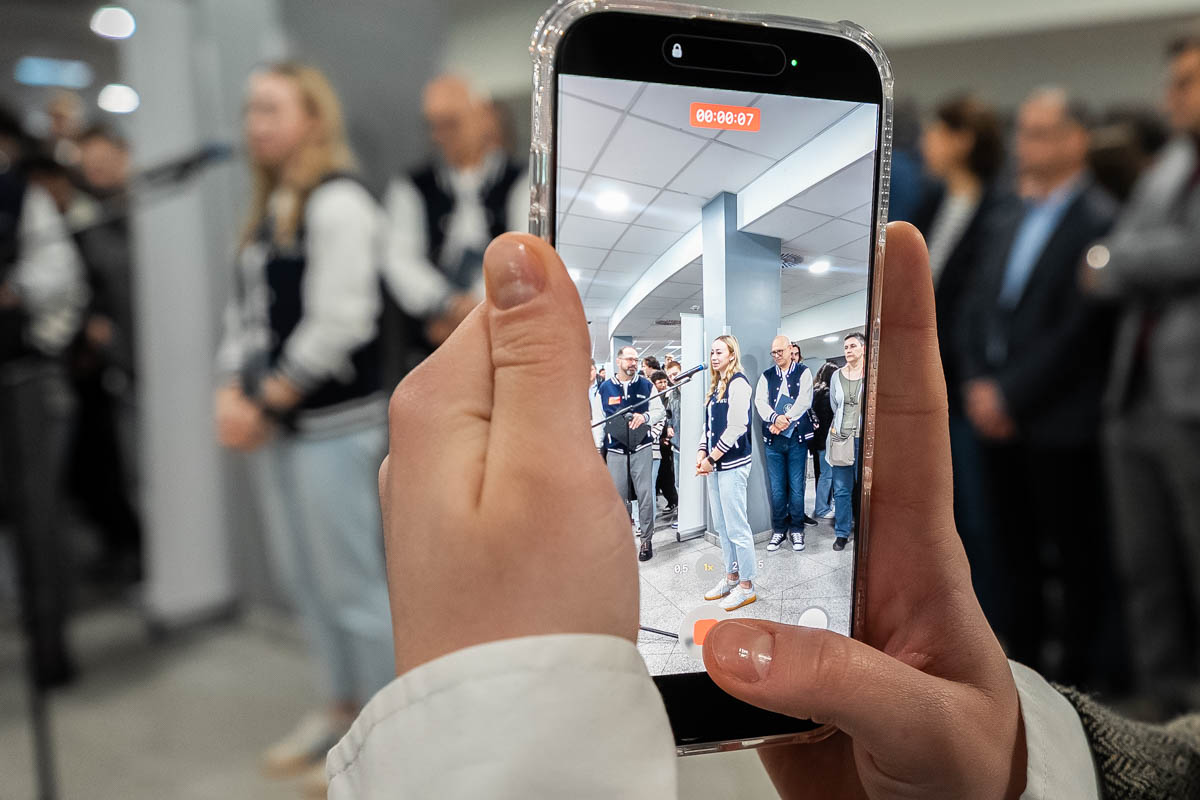
Anna Kupczak, Chair of the Student Government, also addressed the visitors, speaking about the university’s educational facilities and scientific clubs that provide great opportunities for development.
The faculties were briefly introduced by their deans: Prof. Paweł Włodarski, Dean of the Faculty of Medicine; Dr. hab. Joanna Peradzyńska, Vice Dean of the Faculty of Medicine and Dentistry; Prof. Piotr Luliński, Dean of the Faculty of Pharmacy; and Dr. hab. Patryk Rzońca, Vice Dean of the Faculty of Health Sciences.
Lecture panels in the auditorium
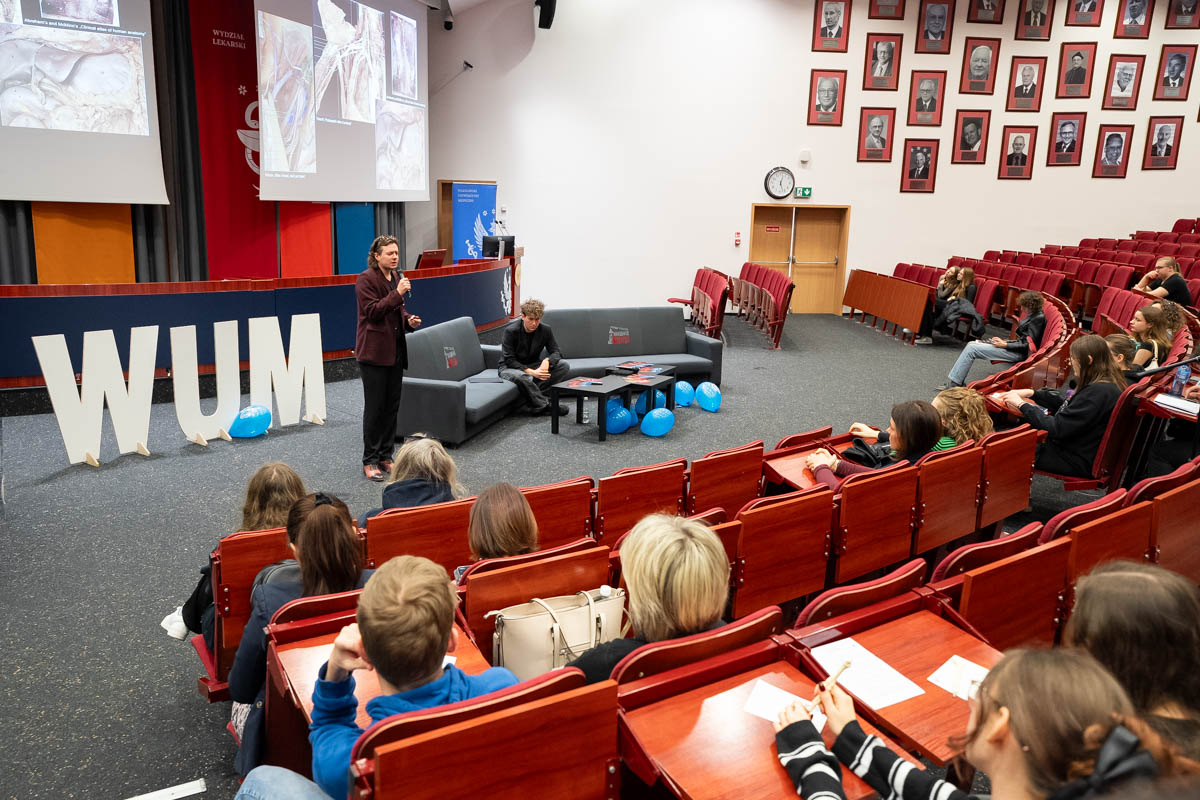
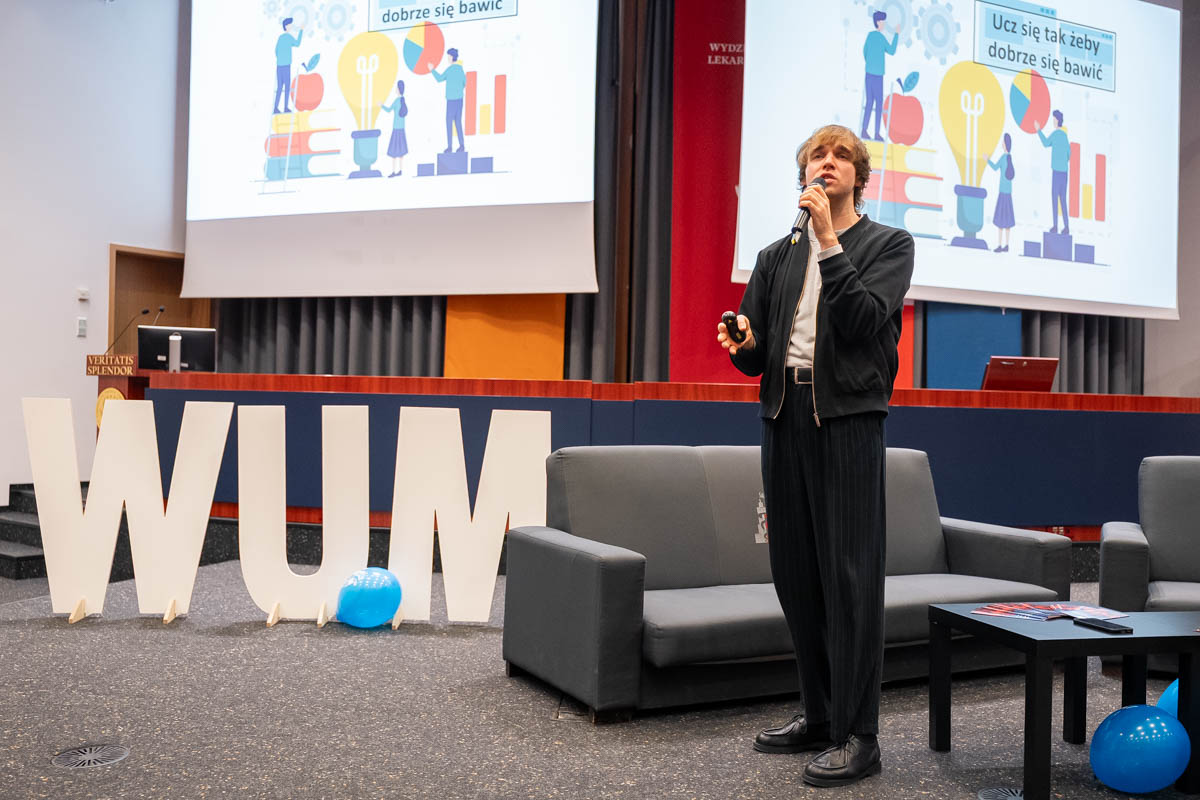
The official speeches were followed by workshops and lectures. The lectures were held in the auditorium and were very diverse. Dr. hab. Longin Niemczyk answered questions related to admissions, while Antoni Ludew, a medical student, and Artur Koprucha, a dietetics student, encouraged students not to be afraid of anatomy and biochemistry. Dr. Tomasz Ciesielski from the Chair and Department of Experimental and Clinical Physiology, a winner of the Crystal Lancets, delivered a very interesting presentation. The lecturer shared tips on how to study effectively while making learning enjoyable, providing attendees with many valuable tips on how to memorize and understand material quickly. Tomasz Ciesielski also emphasized the importance of empathy in medical professions, noting that he learned a lot about it from his dog Tilda.
What happened in the workshops
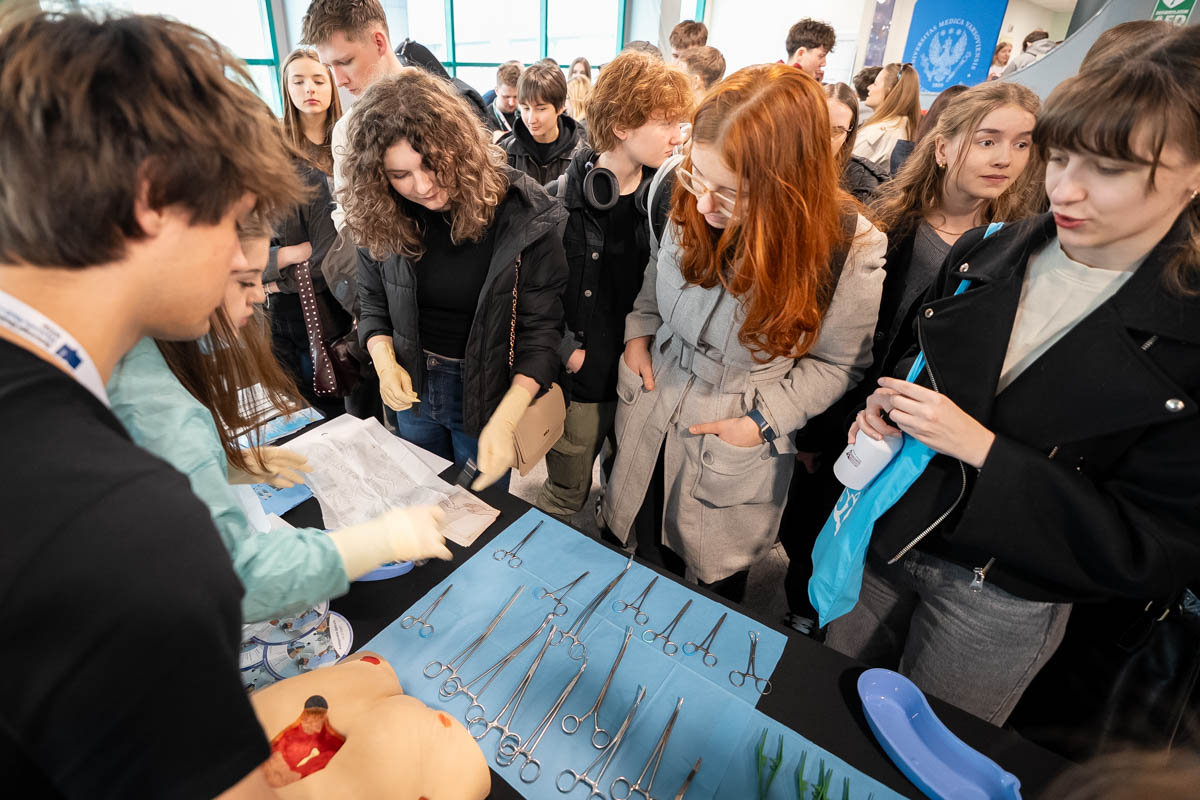
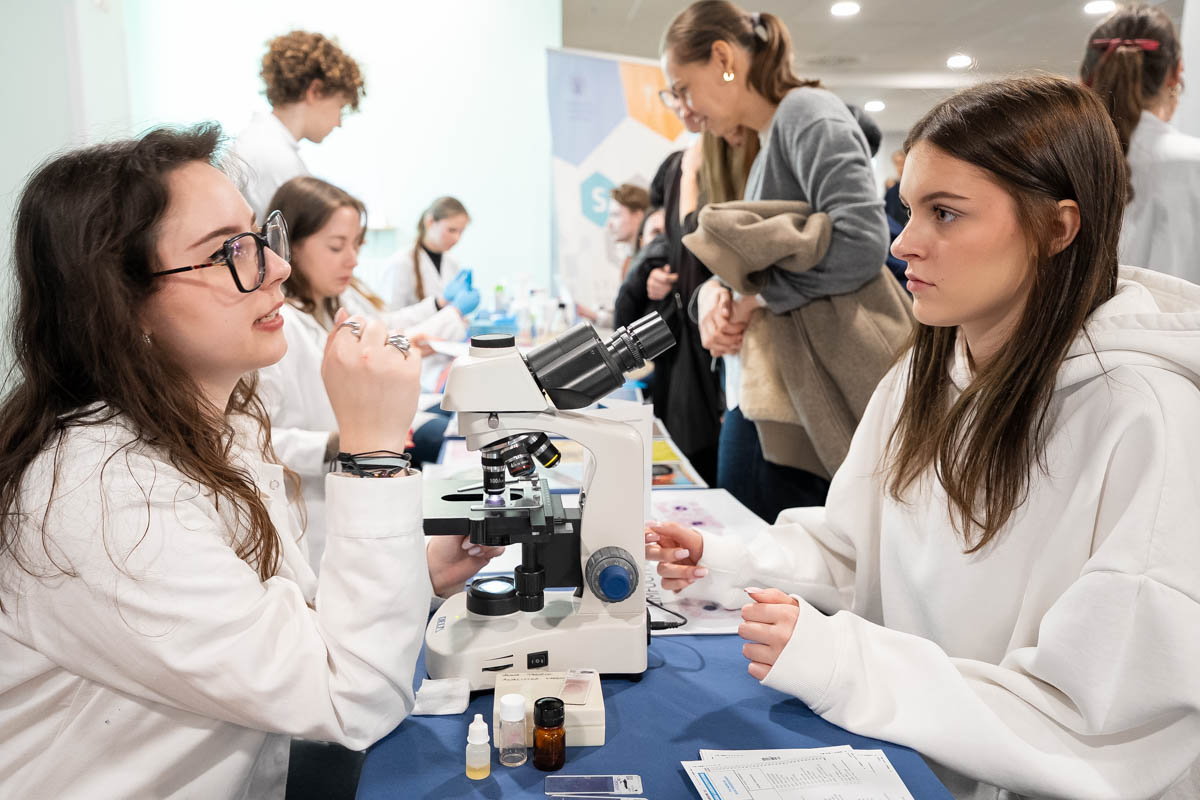
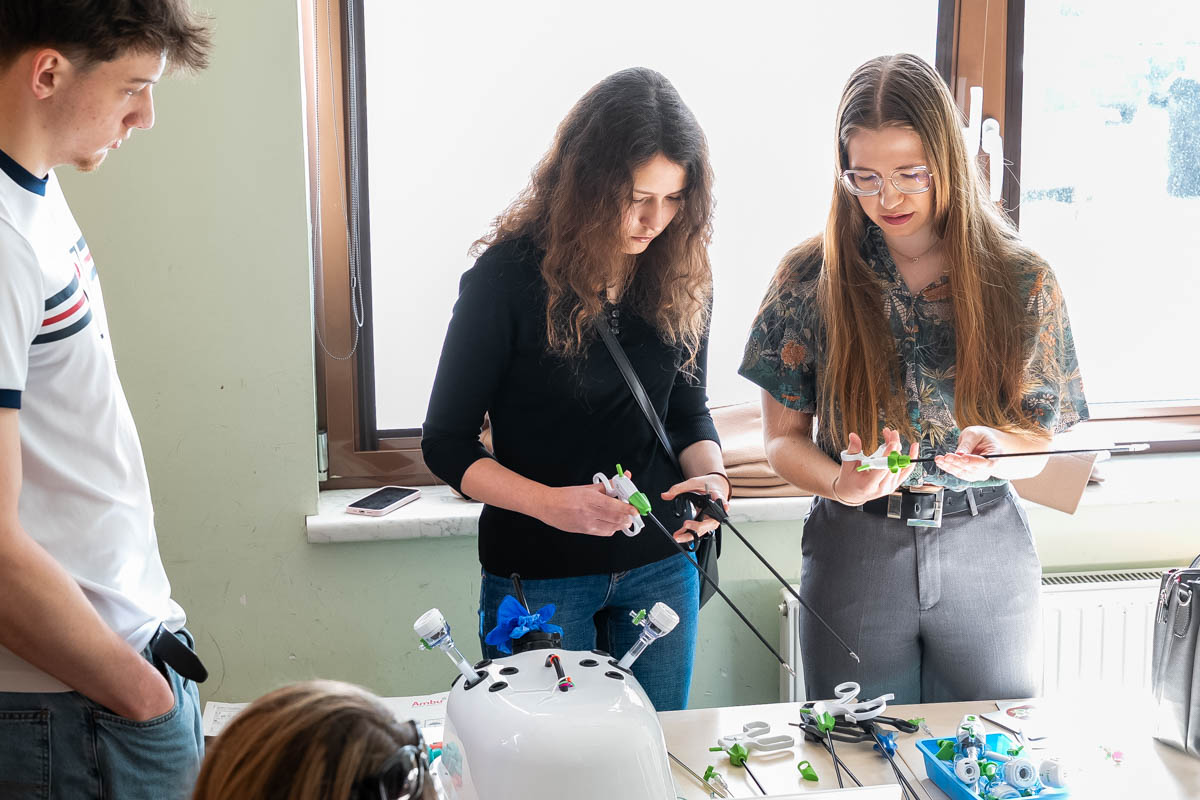
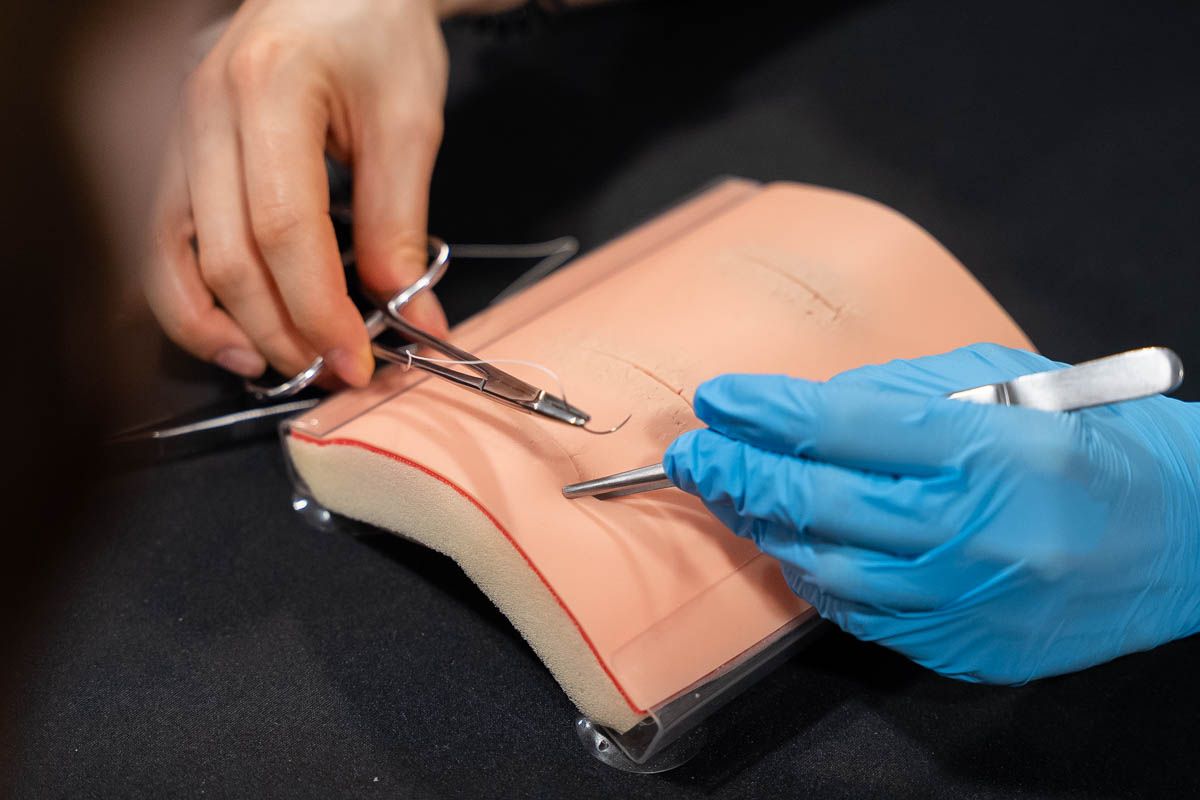
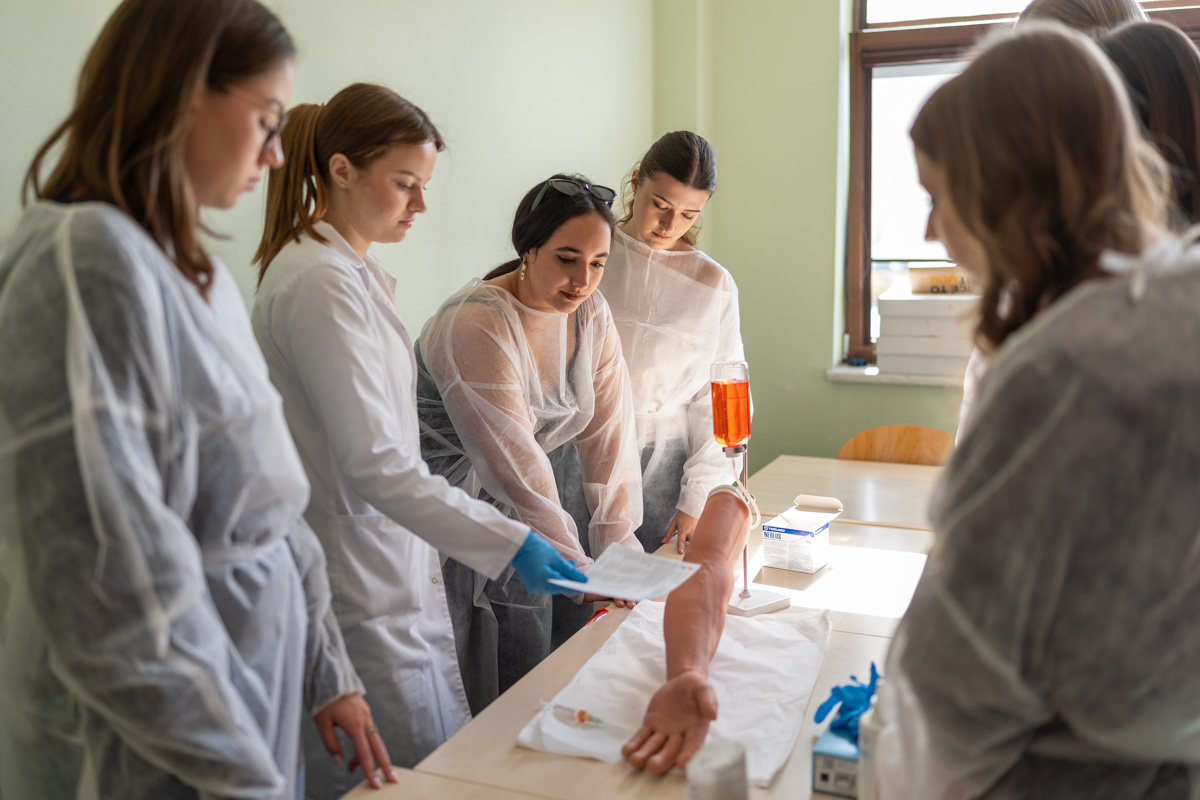
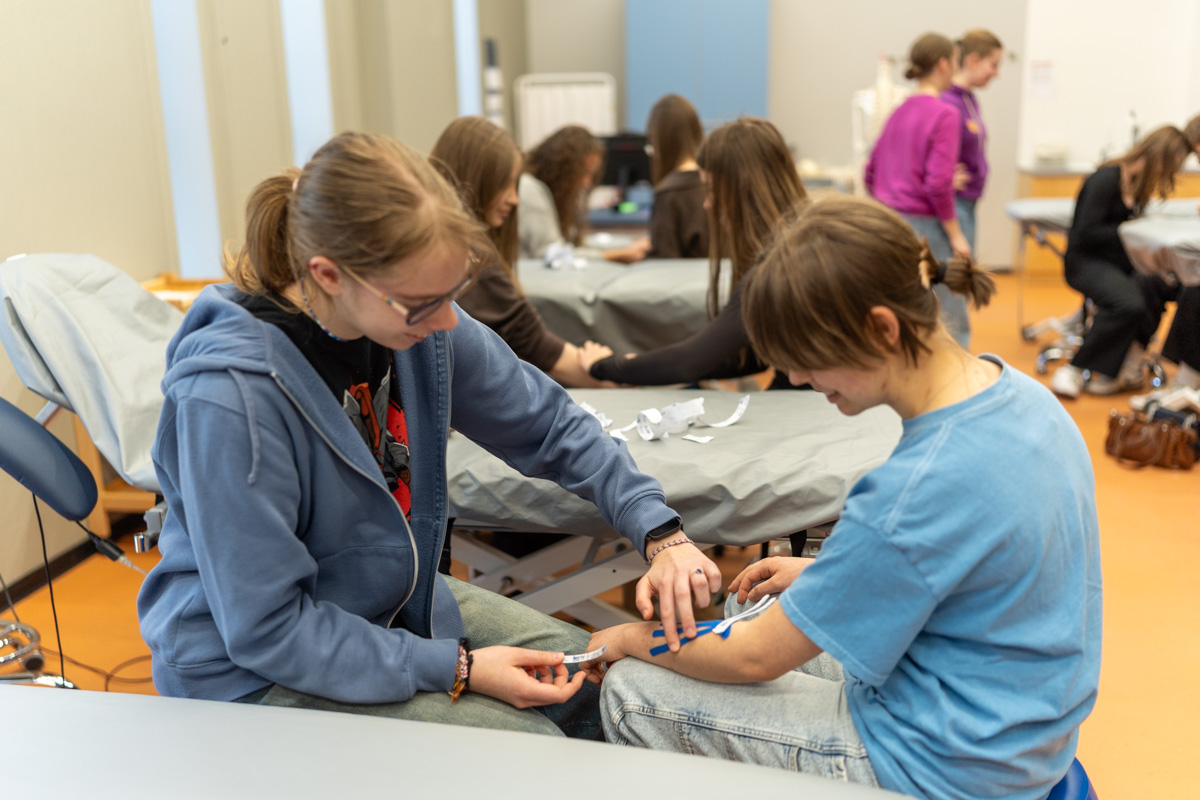
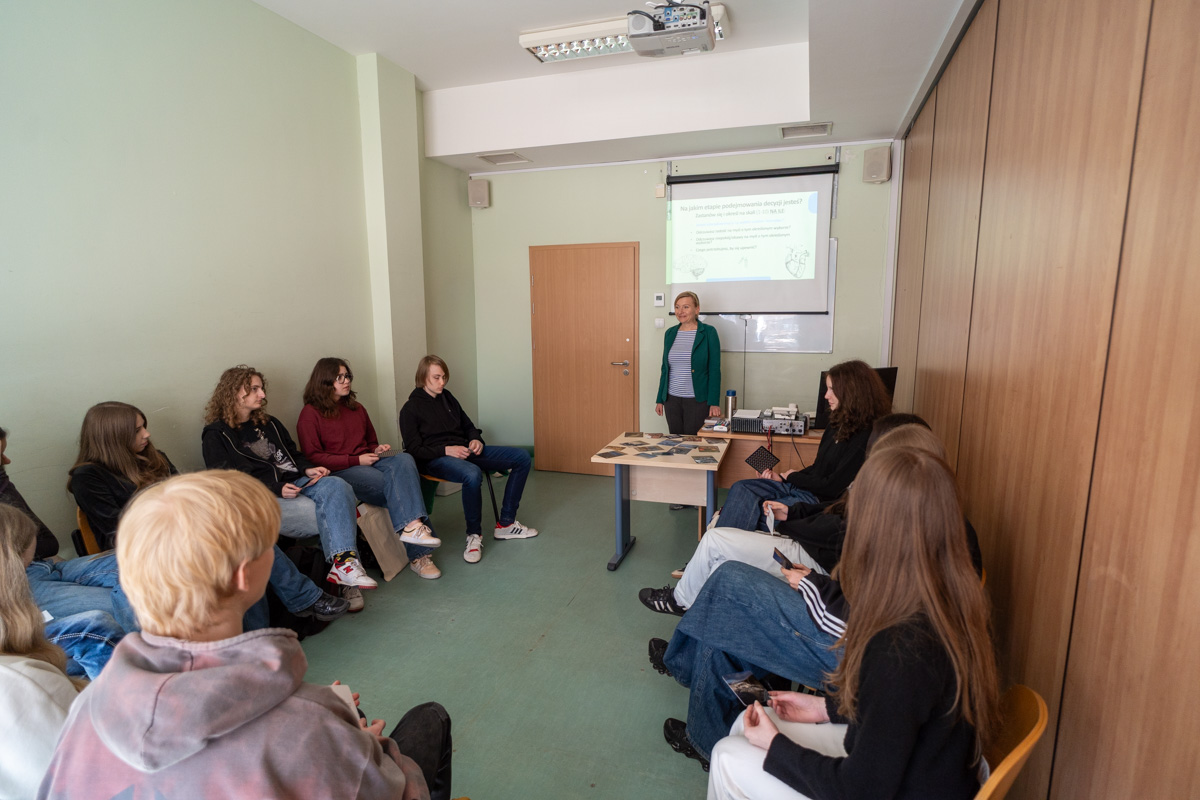
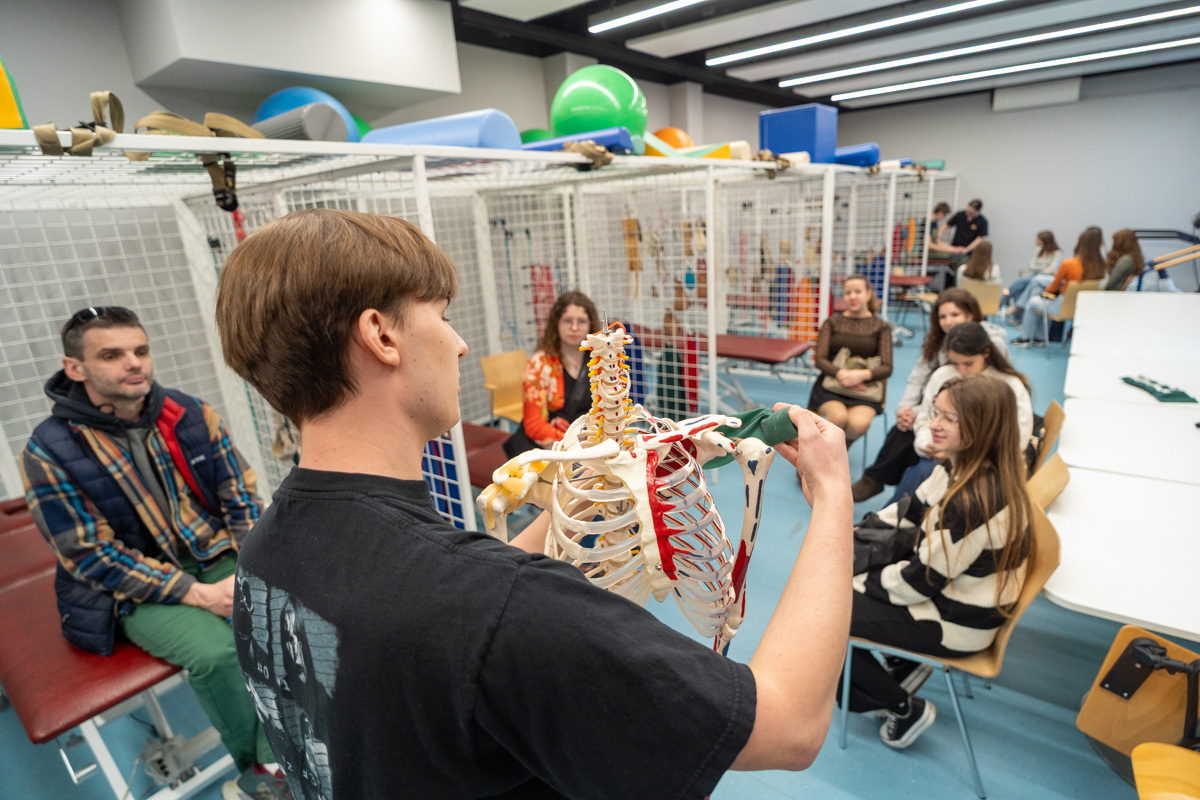
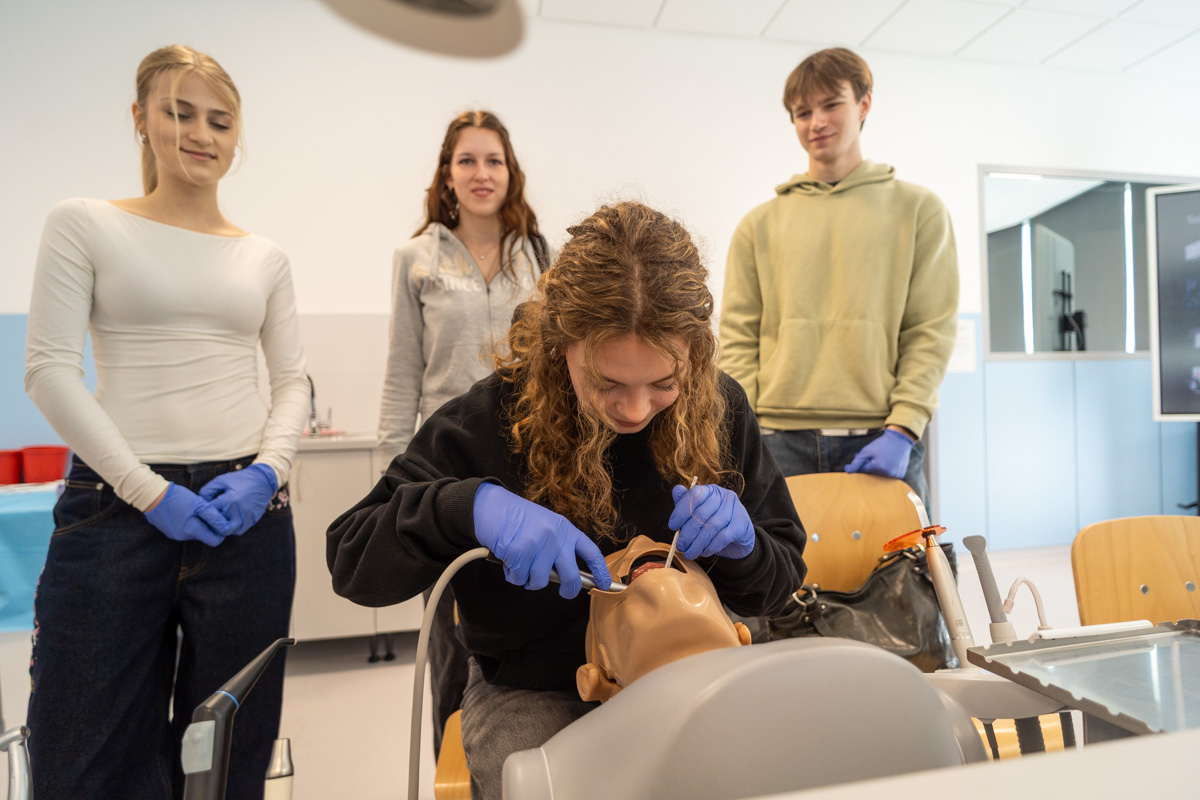
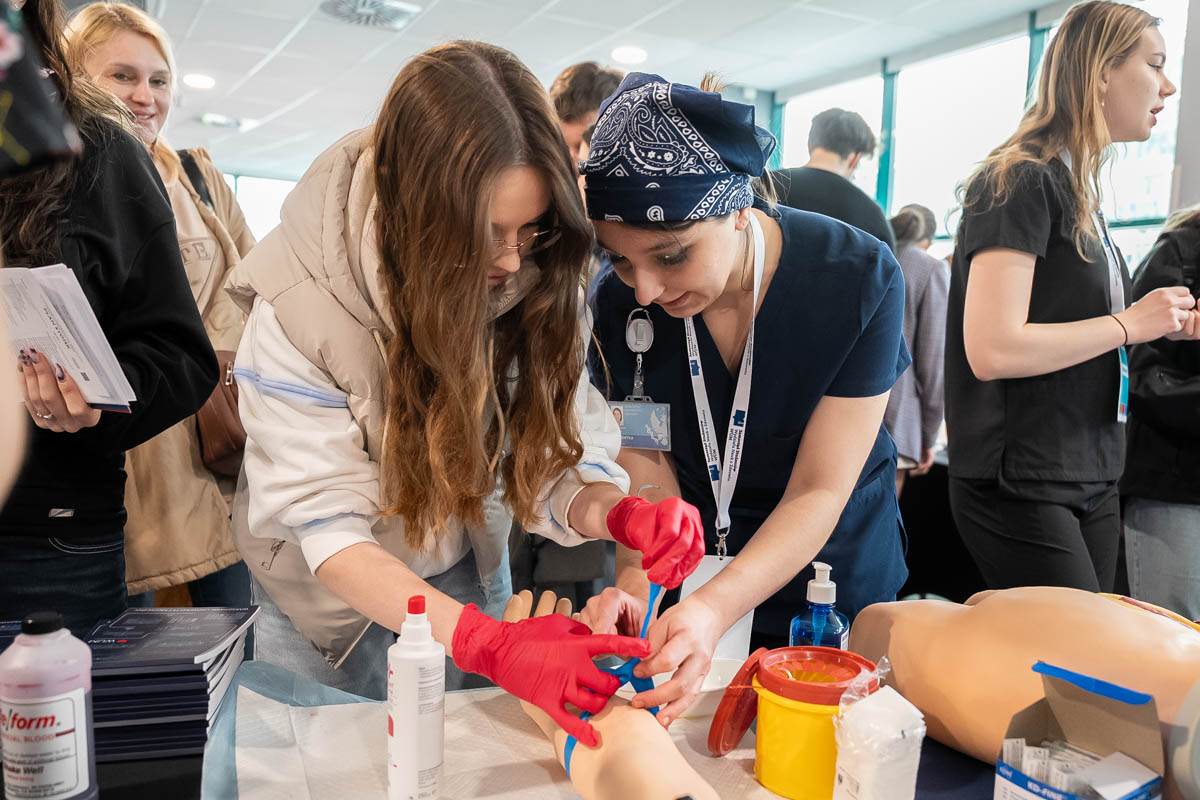
Most workshops were fully booked on the day registration opened. The topics were broad, so everyone could find something interesting. As in previous years, the surgical suturing workshops were particularly popular. Participants practiced single sutures on professional skin pads and learned about minimally invasive procedures. These workshops were hosted by students from the Scientific Club of Pediatric and Minimally Invasive Surgery. Medical analytics students led blood collection workshops, while Katarzyna Nowak from WUM’s Career Office conducted a workshop titled “How to choose studies that are really for me?” There were also kinesiotaping workshops combined with visits to physiotherapy labs. Students prepared a short anatomy lesson, a physiotherapy knowledge test, and a demonstration of biomechanical lab equipment for visitors.
Other workshops included:
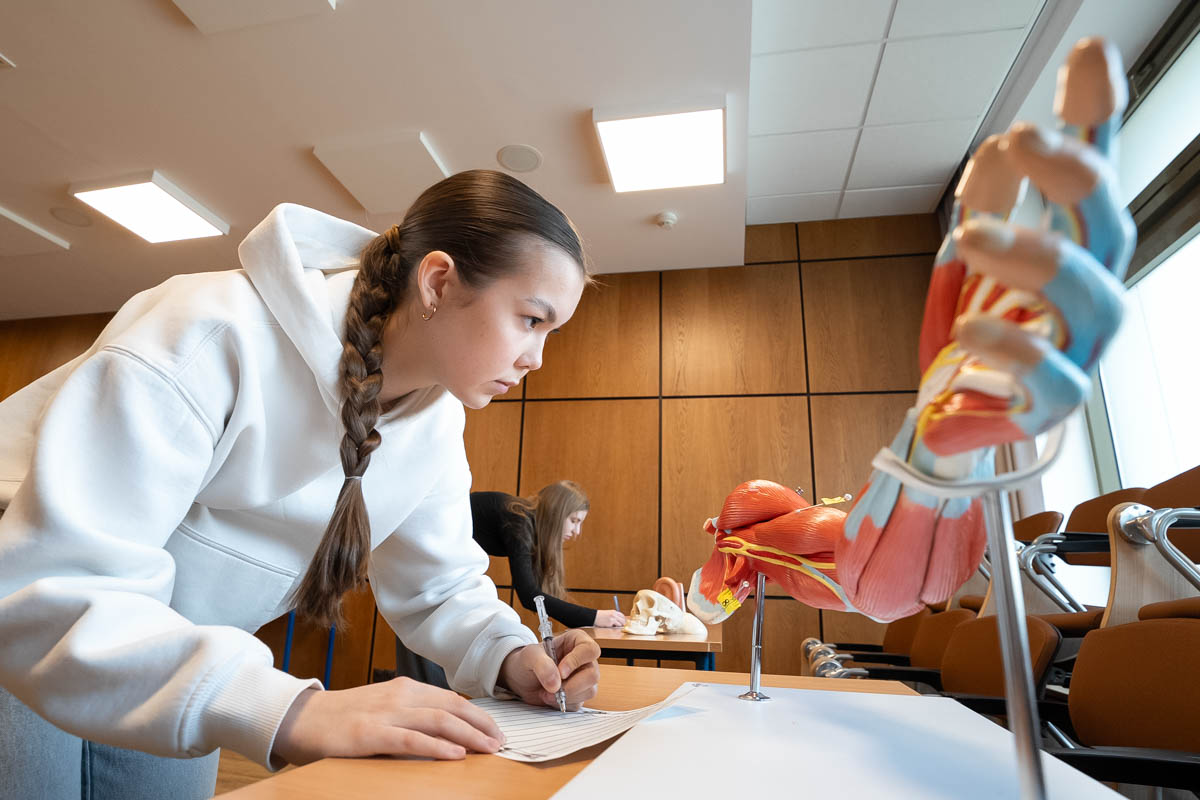
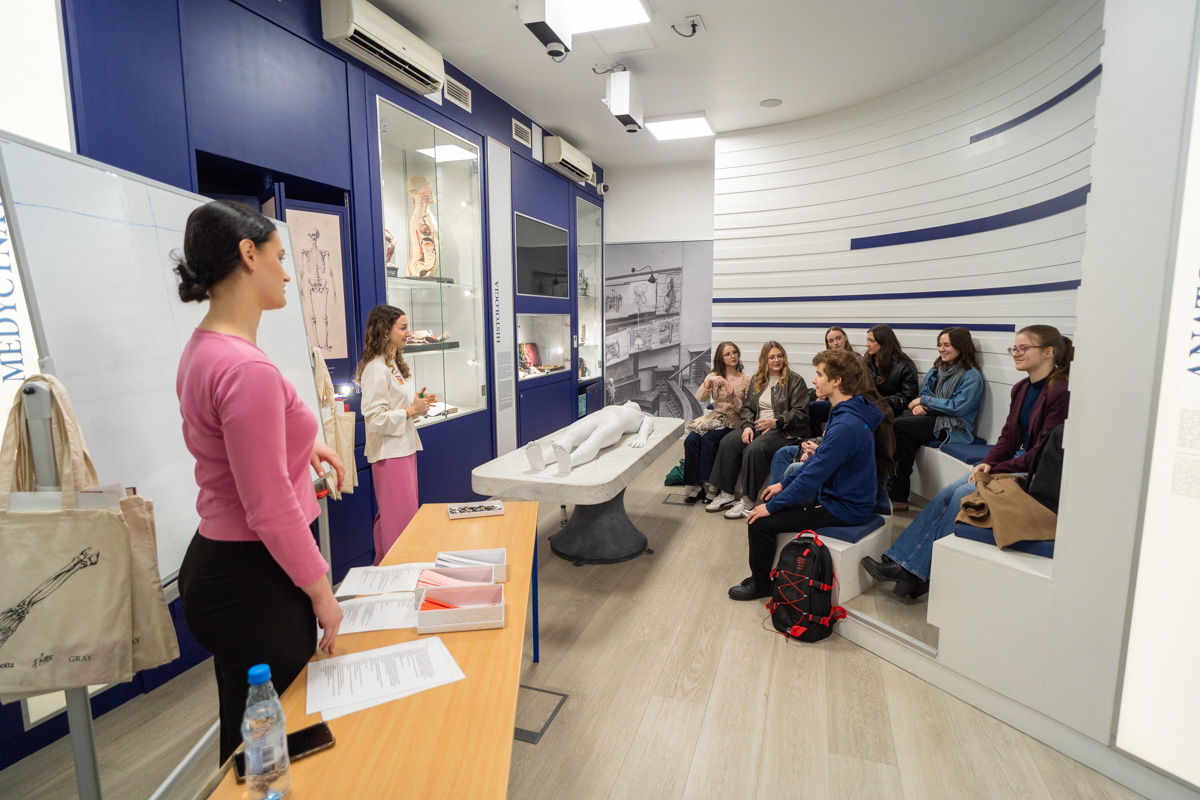
- Anatomical “pins” (an anatomy exam) combined with a visit to the Anatomical Theatre
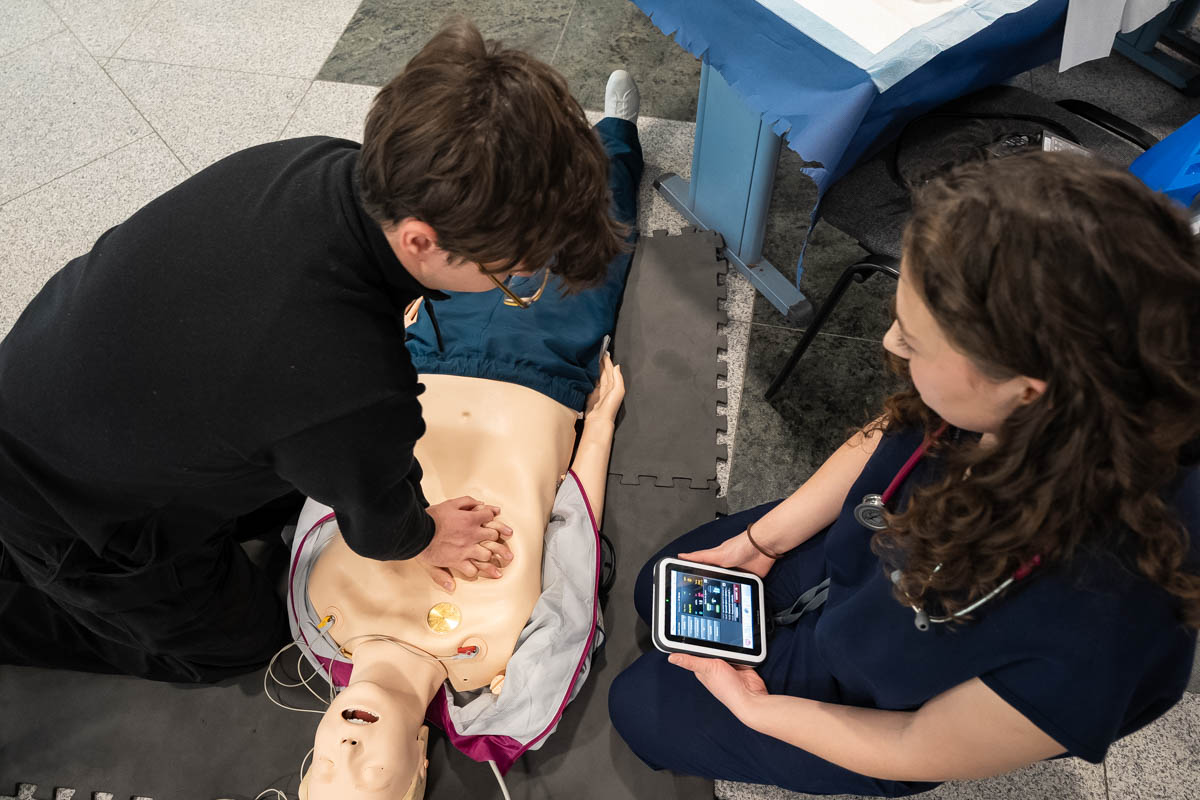
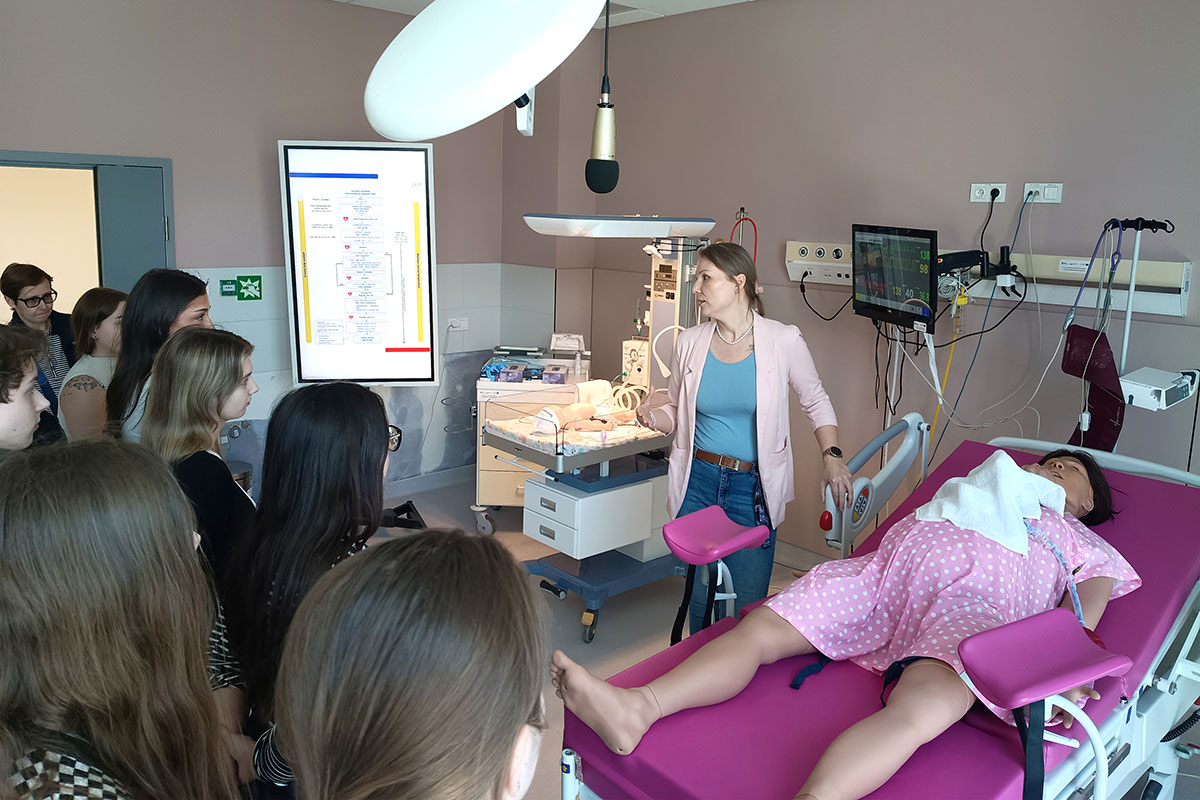
- Workshop “Patient in a life-threatening condition in the emergency department” – held at the Medical Simulation Center
- Tour of Banacha Campus
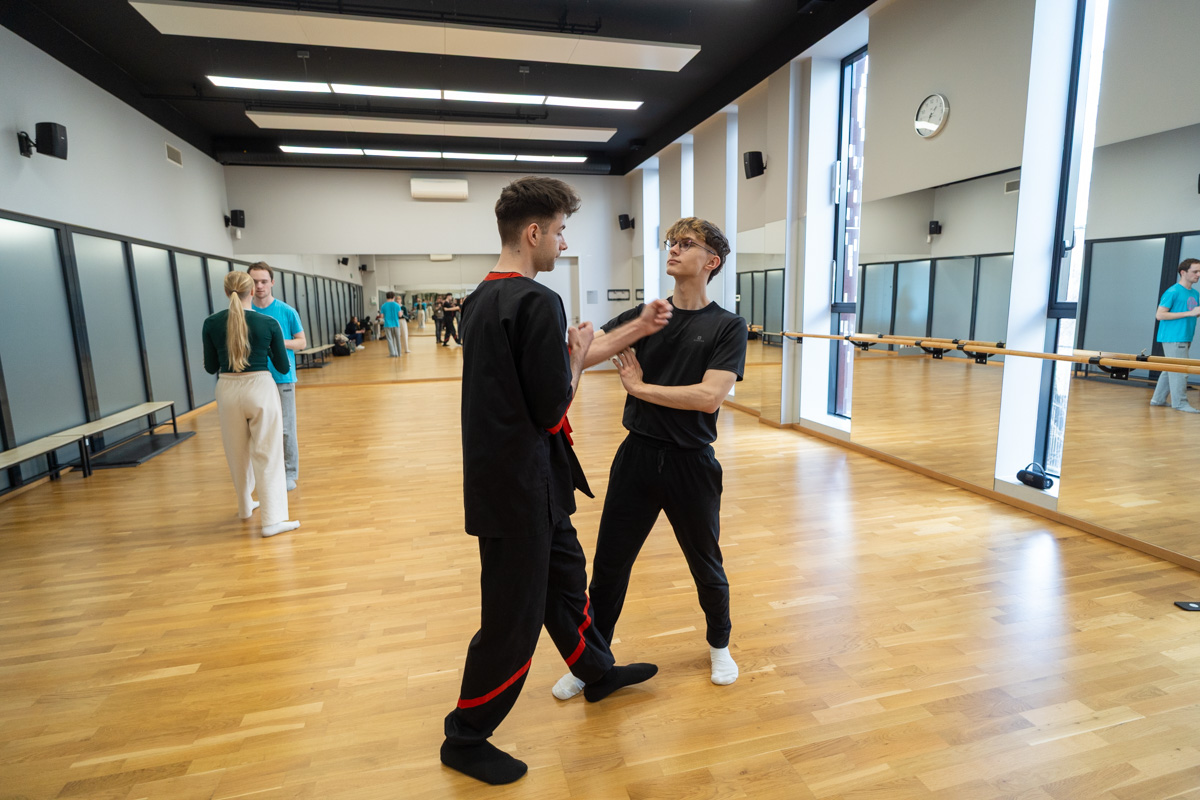
- Self-defense workshops, including basic Wing Tsun Kung Fu
Crowds at the stands
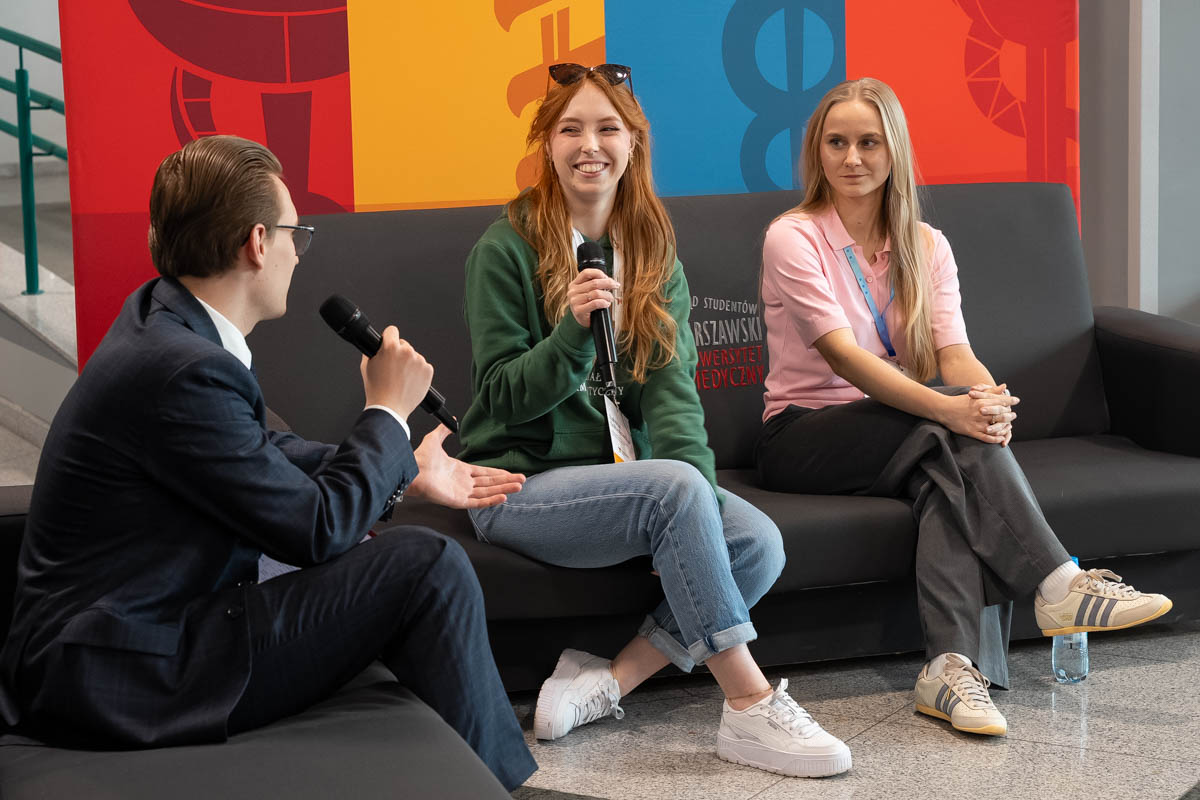
Those who were not participating in workshops or lectures could attend “Przepytki” – informal interviews with students from various fields conducted by Jan Herc, a medical student.
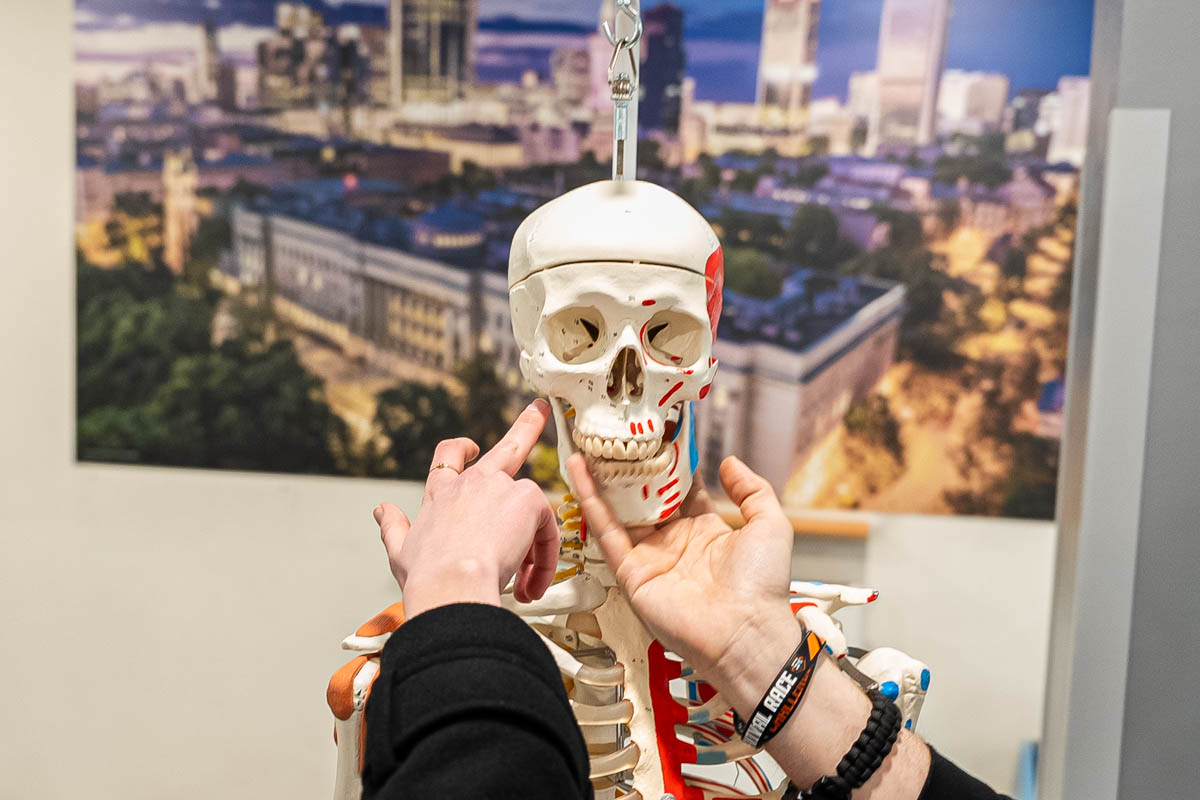
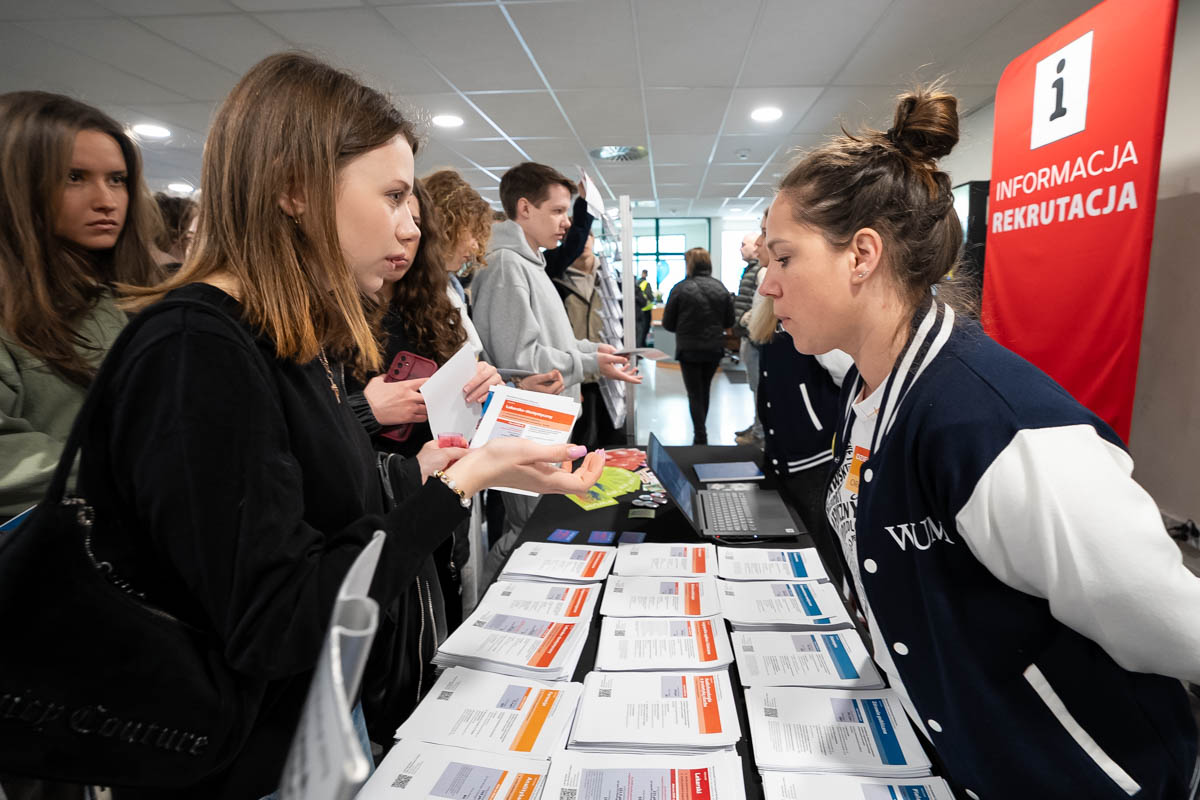
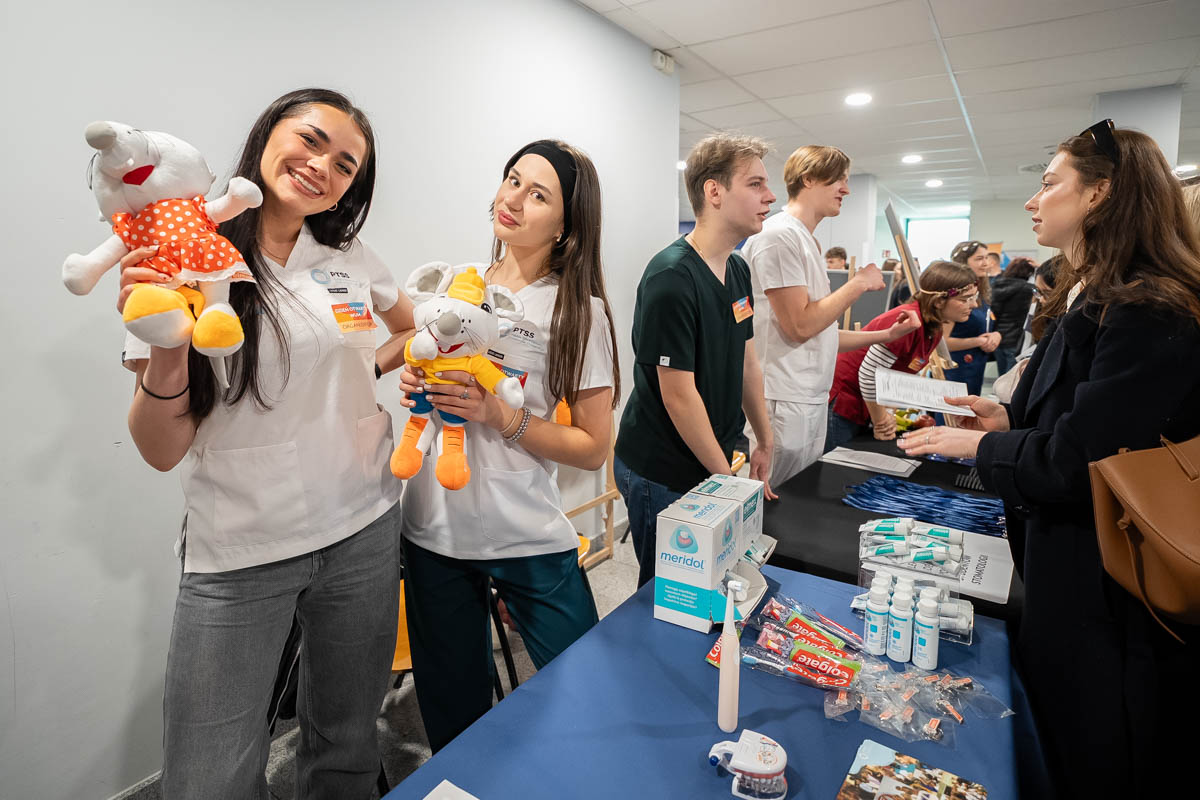
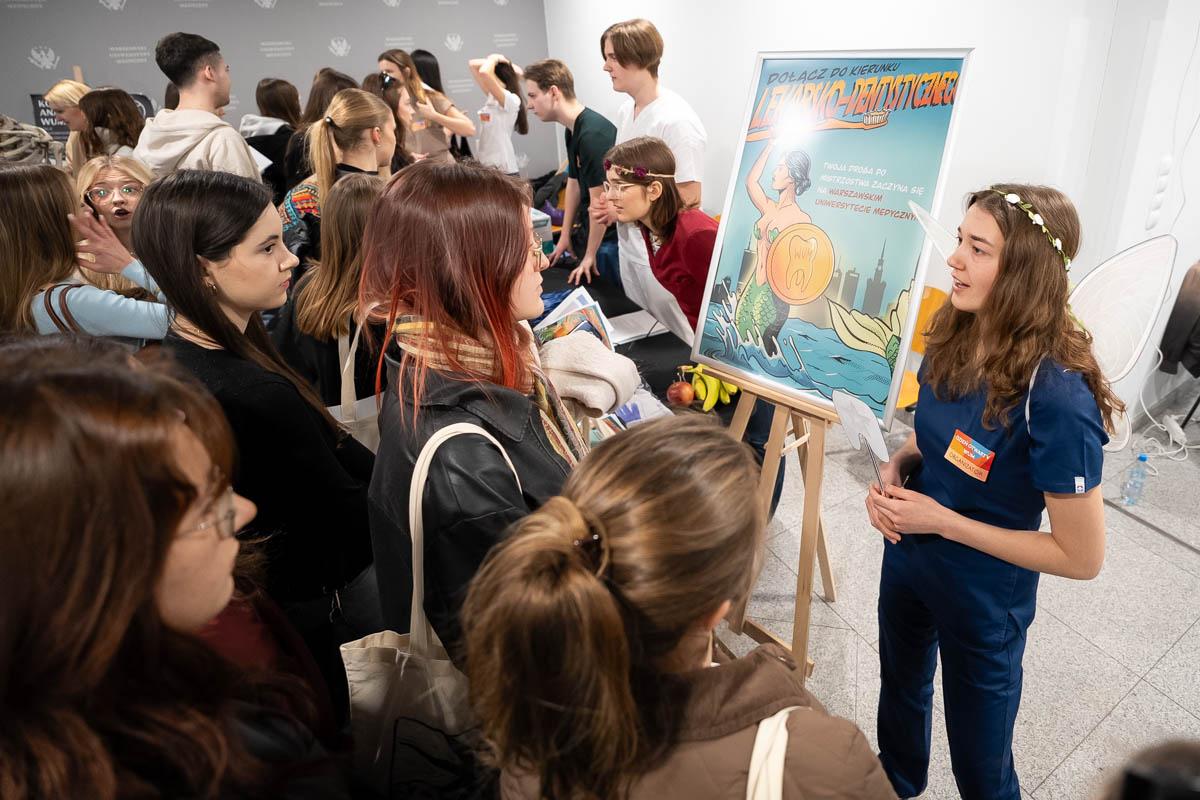
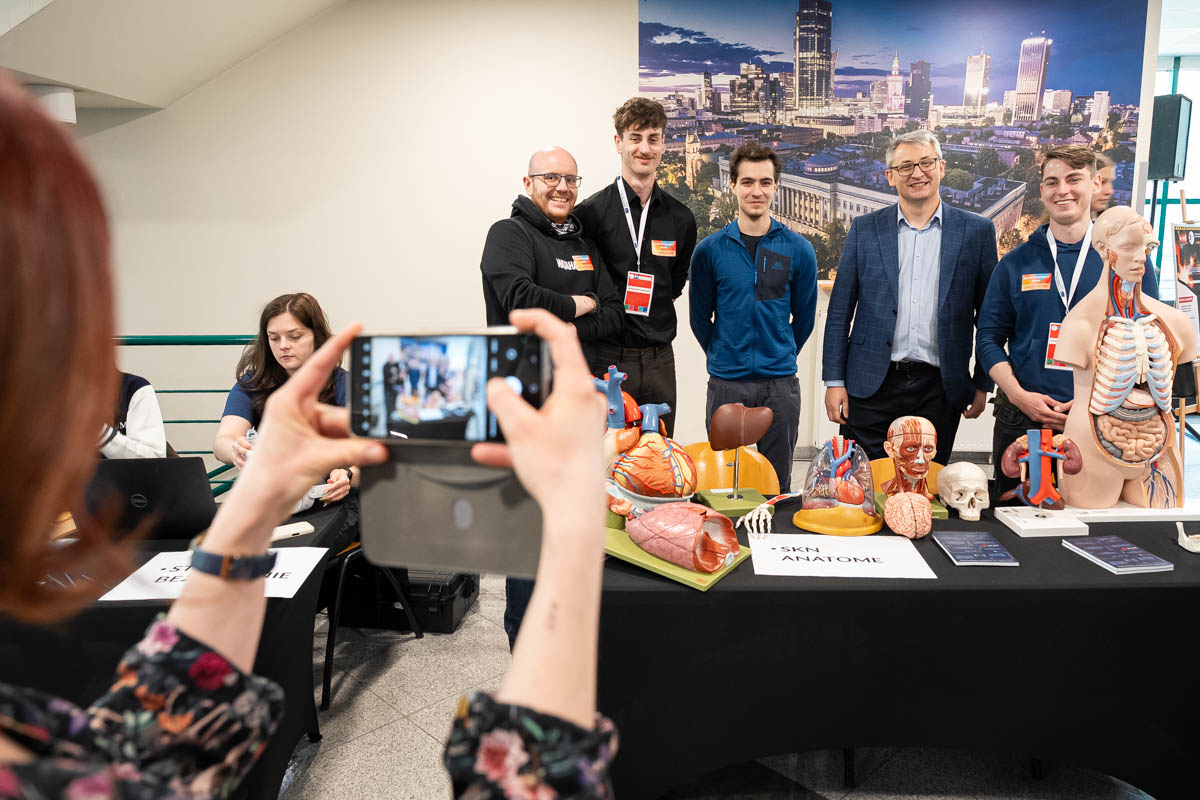
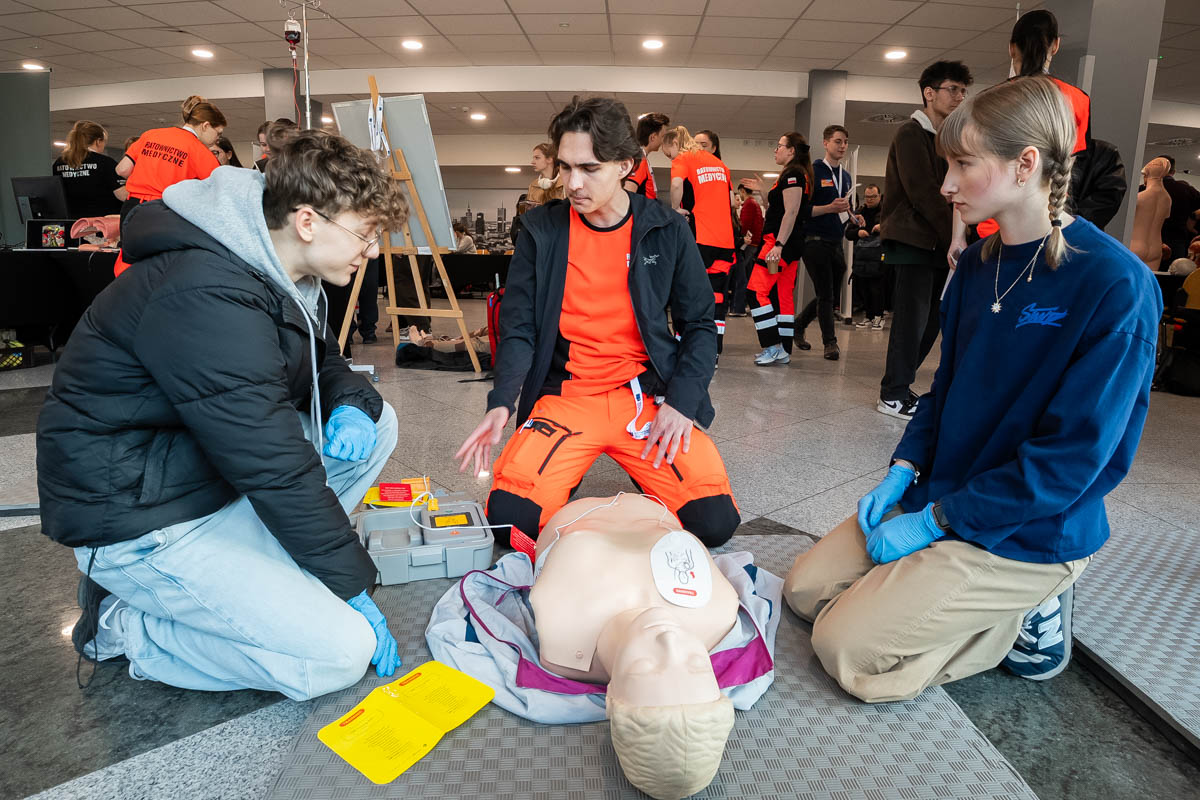
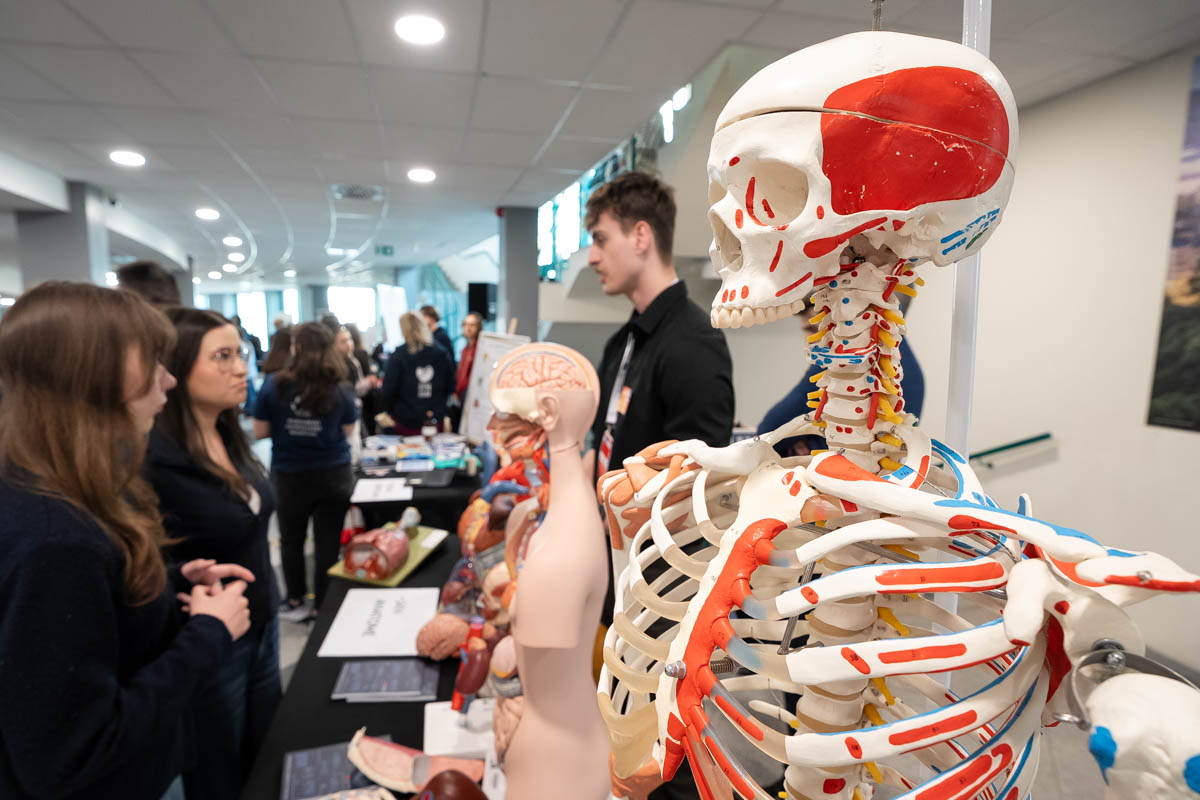
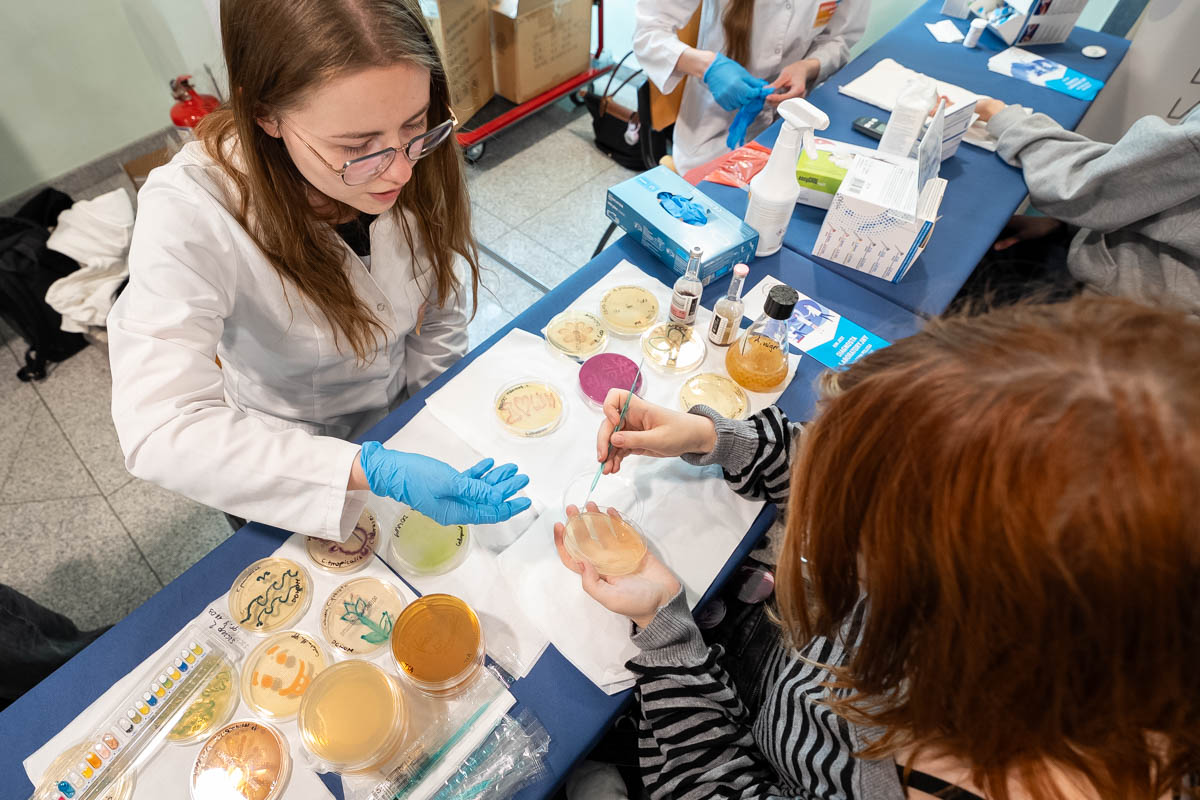
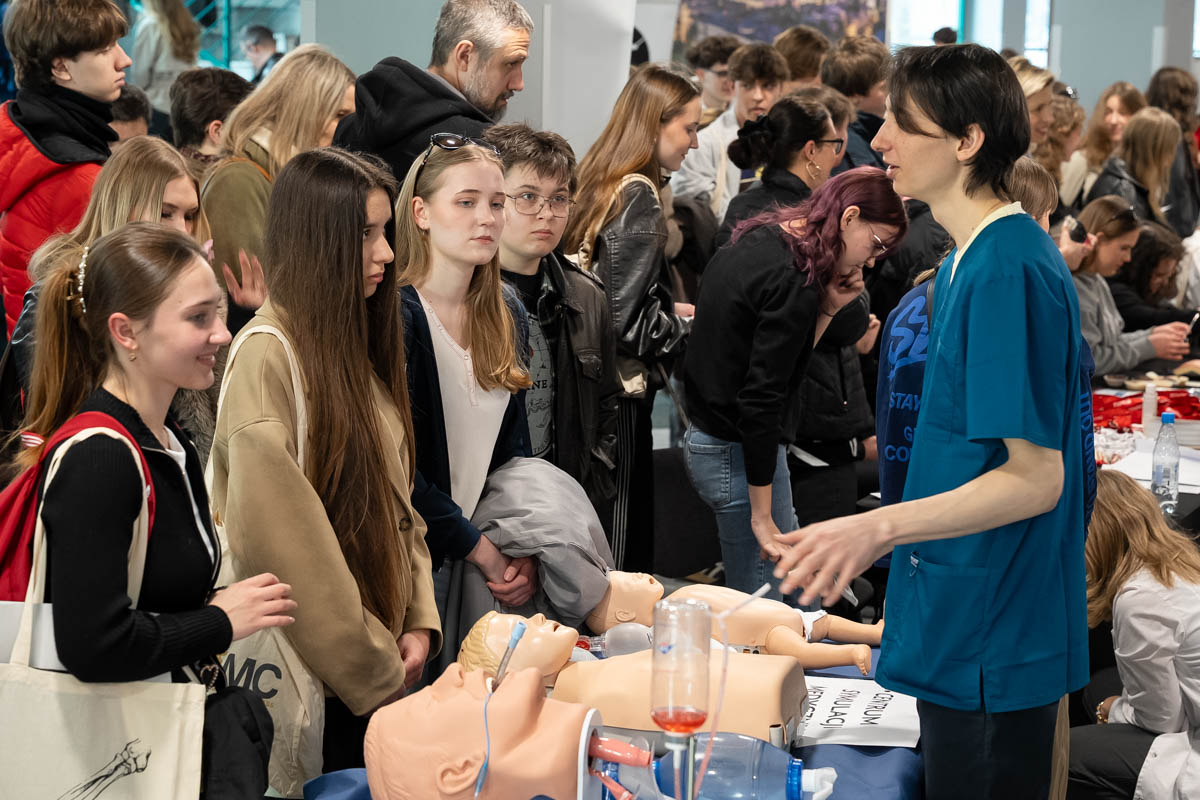
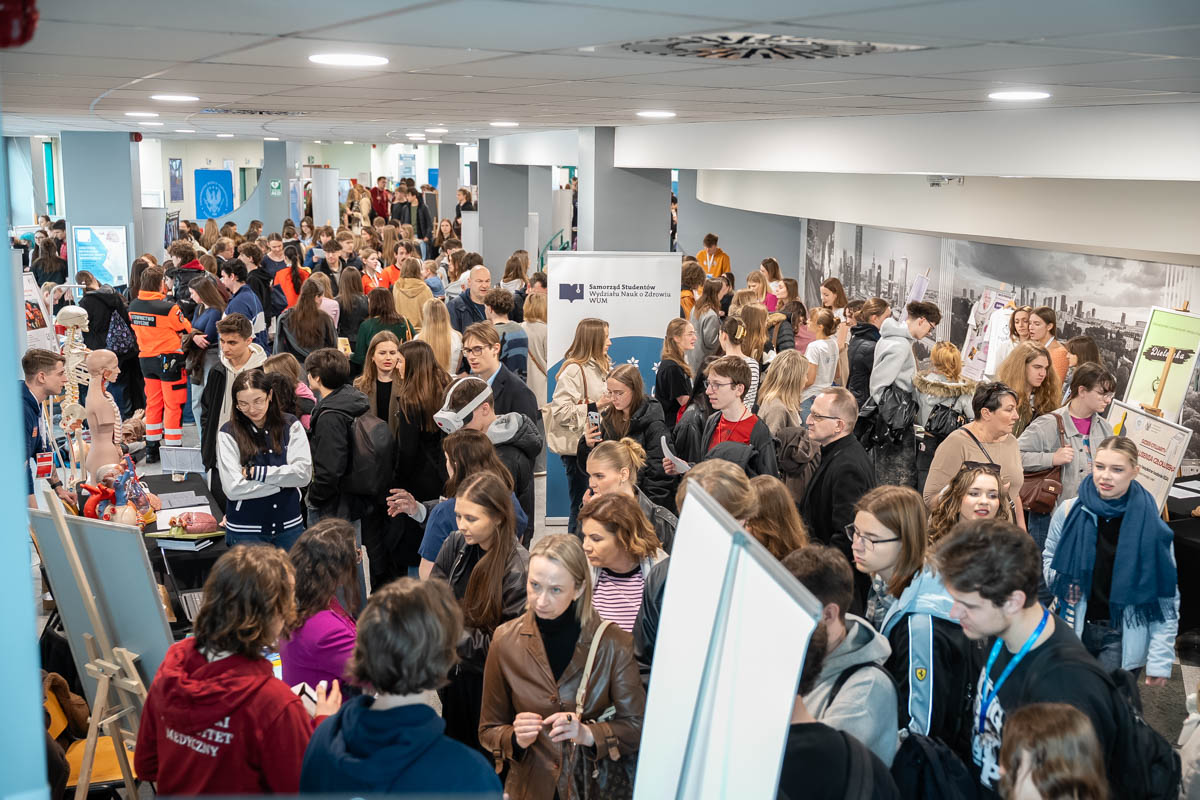
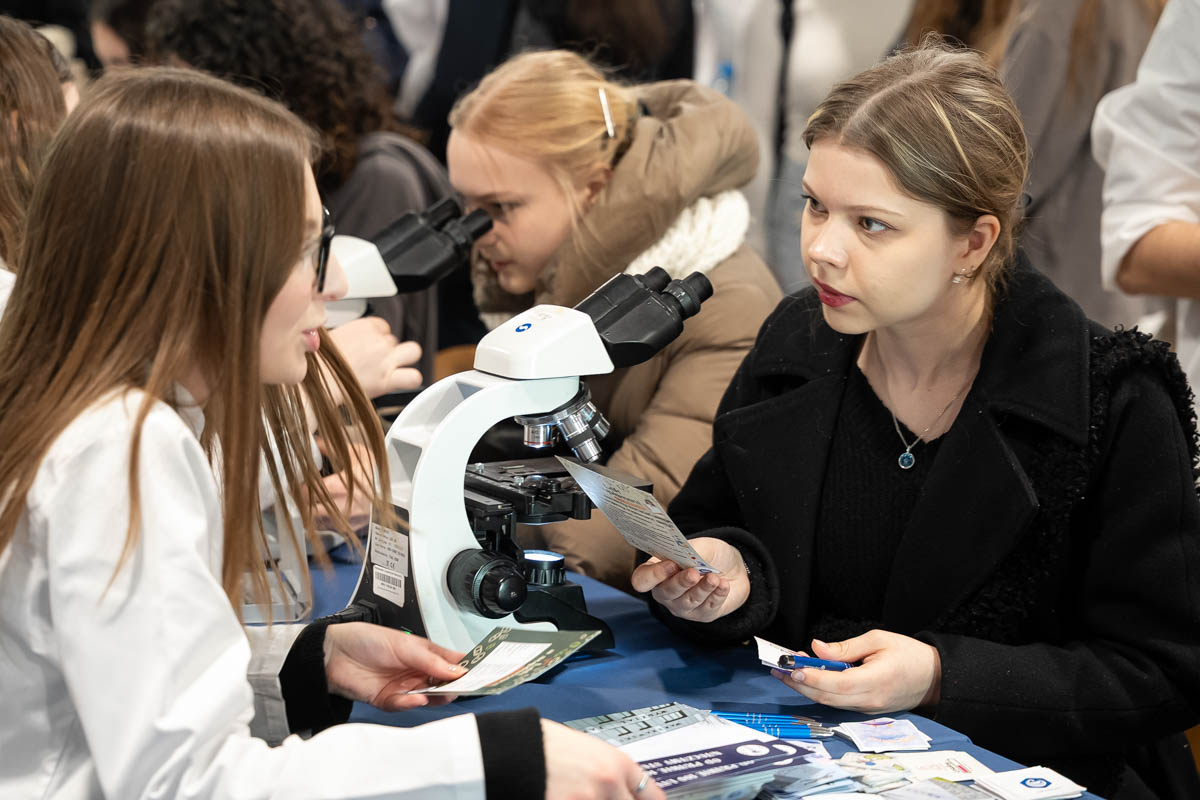
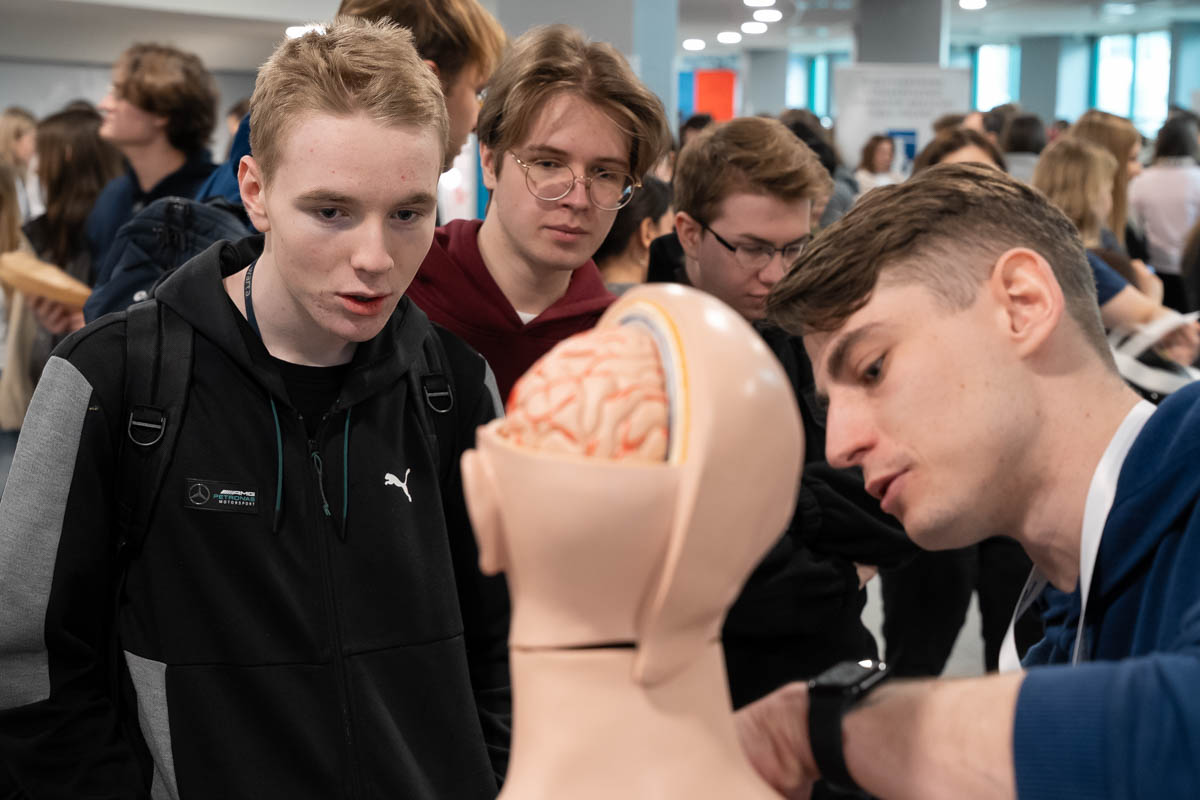
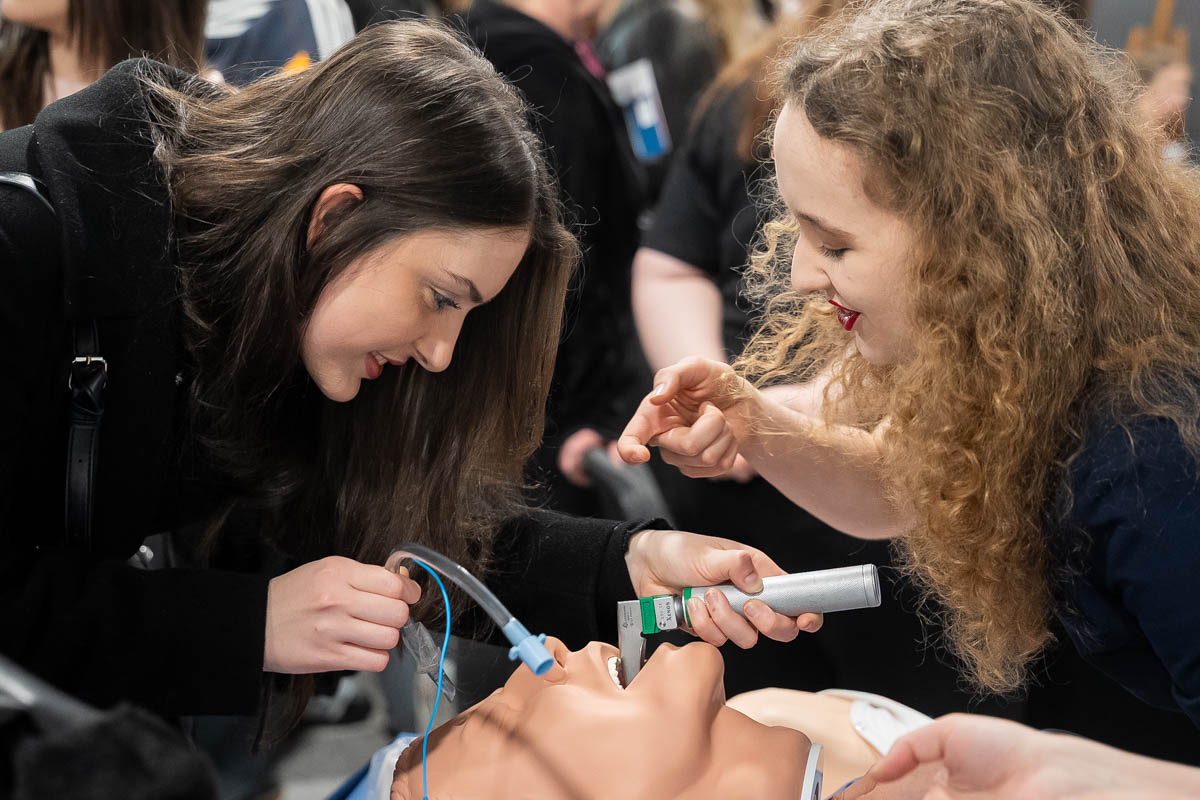
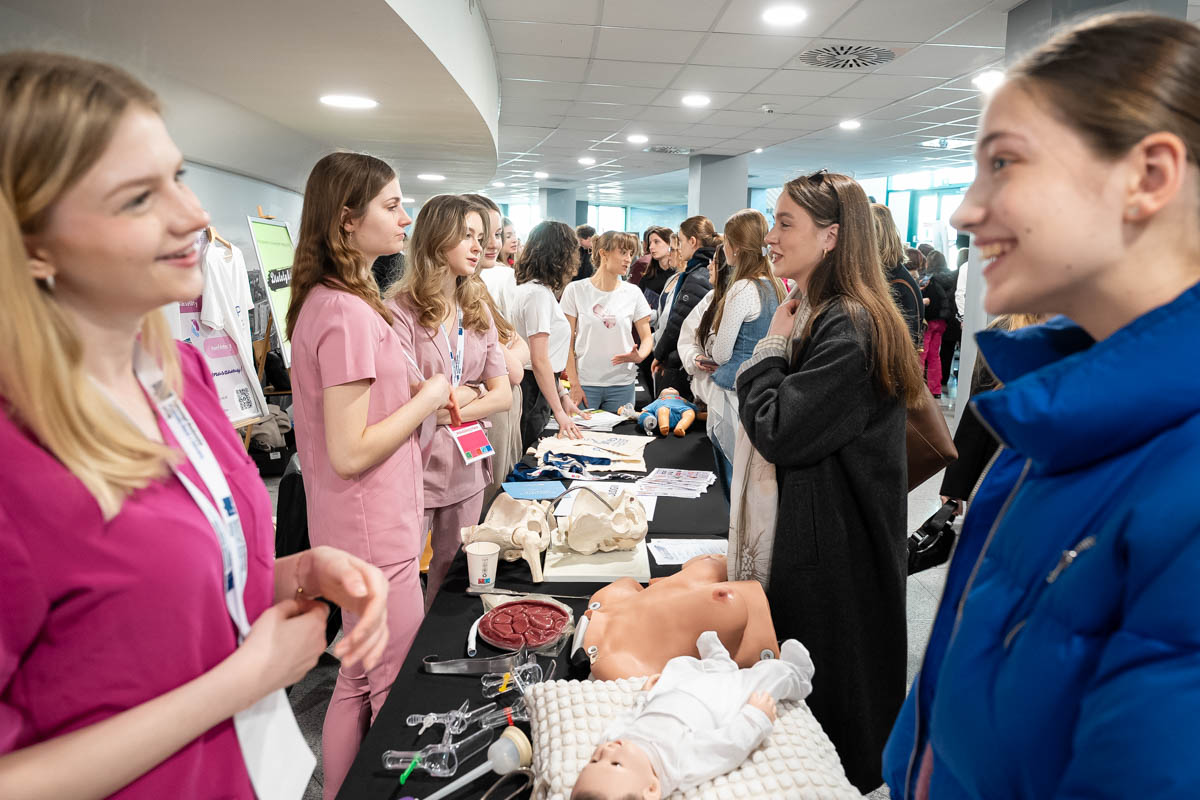
Many visitors also gathered at the stands, where queues frequently formed. For example, the Admissions stand was constantly visited by people curious about the requirements to be admitted to WUM. Stands representing individual fields, including those taught in English (ED and EDD), were also very popular. Students involved in scientific clubs prepared numerous attractions at their interactive stations, demonstrating medical curiosities. Visitors could practice emergency skills on manikins and simulators, examine anatomical models, measure glucose levels, or check their own metabolic age. An AI photo booth was another popular attraction.
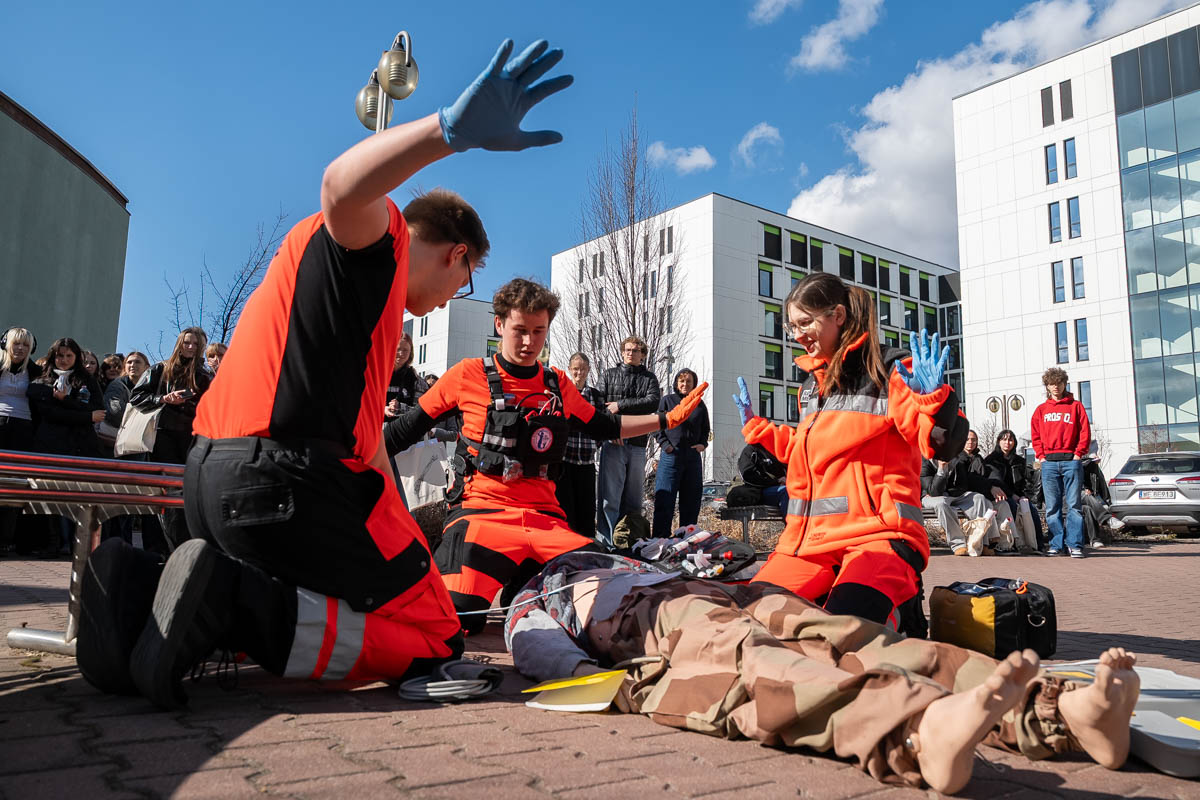
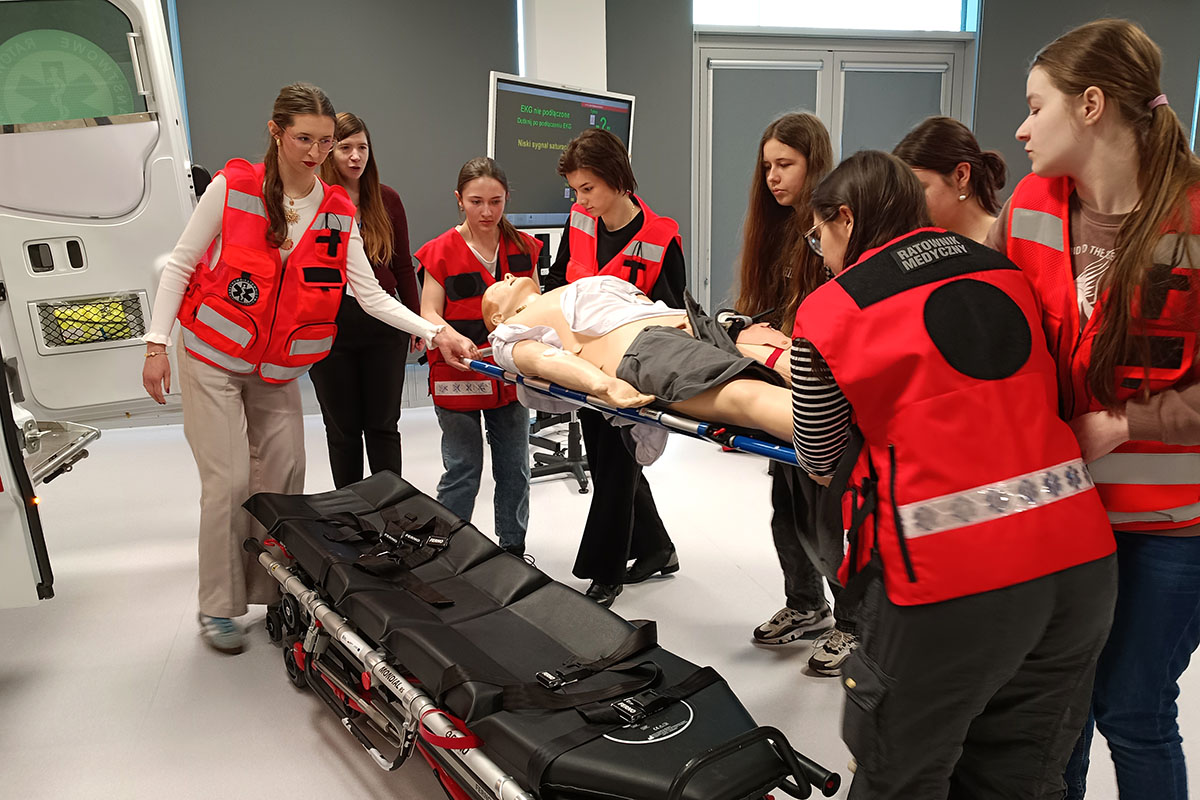
As every year, rescuers invited visitors to a spectacular demonstration of their skills, showing their response in the situation when an unconscious person was found lying on a campus sidewalk.
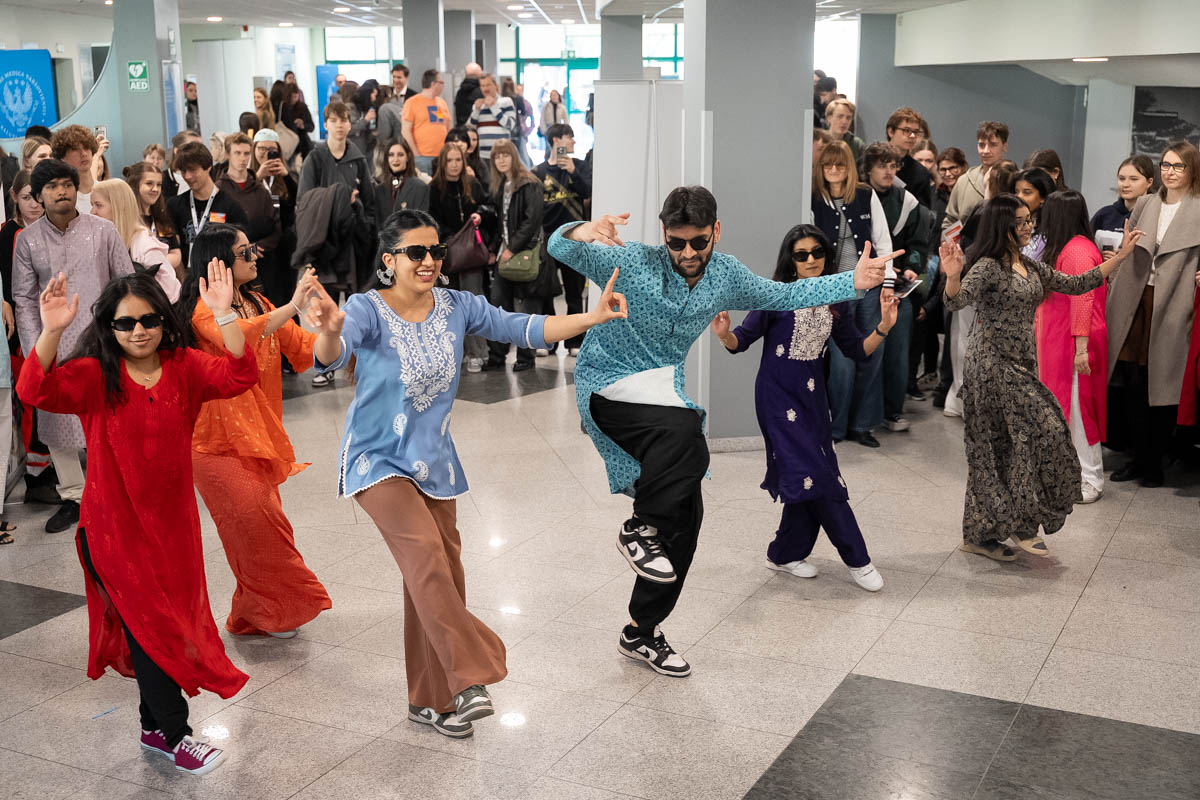
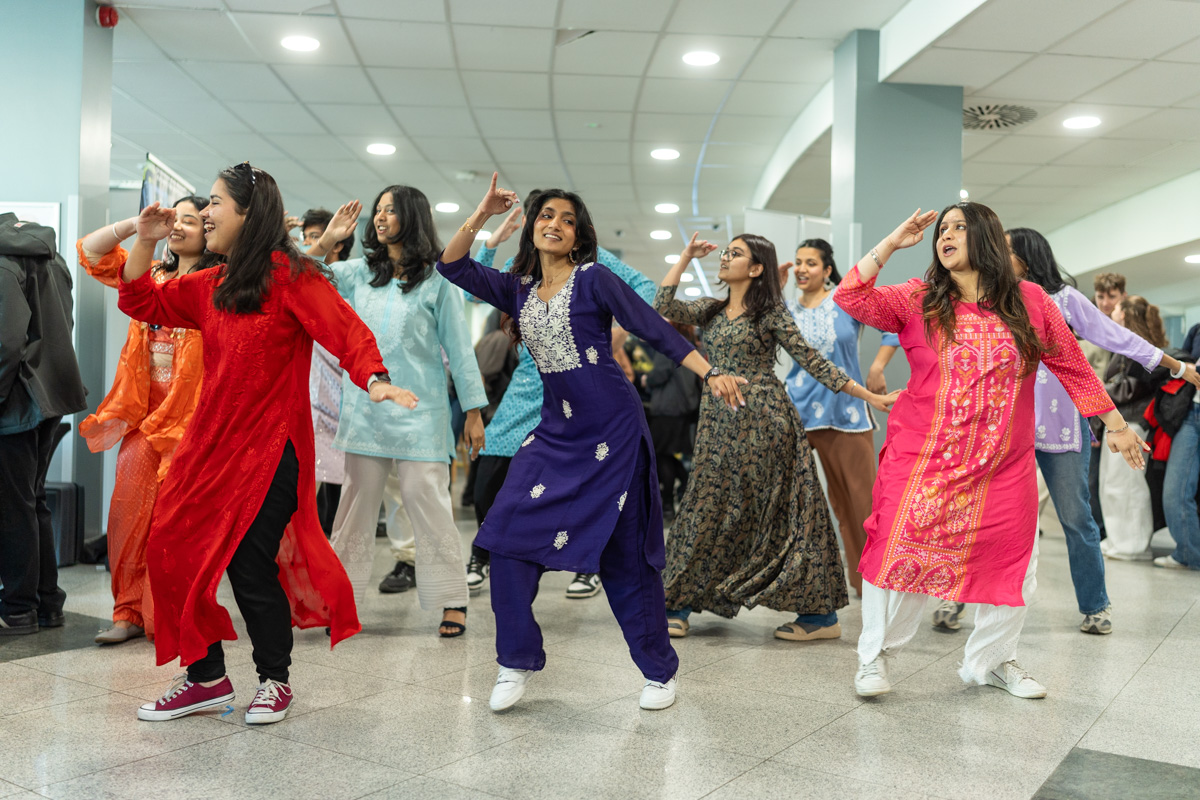
Meanwhile, international students showcased their dance talents, giving a colorful and highly energetic performance in the Bollywood style.
The Open Day was organized by the Office of Communication and Promotion in cooperation with representatives of student organizations, scientific clubs, and fields of study.
The event was hosted by Jarosław Kulczycki, WUM’s spokesperson.