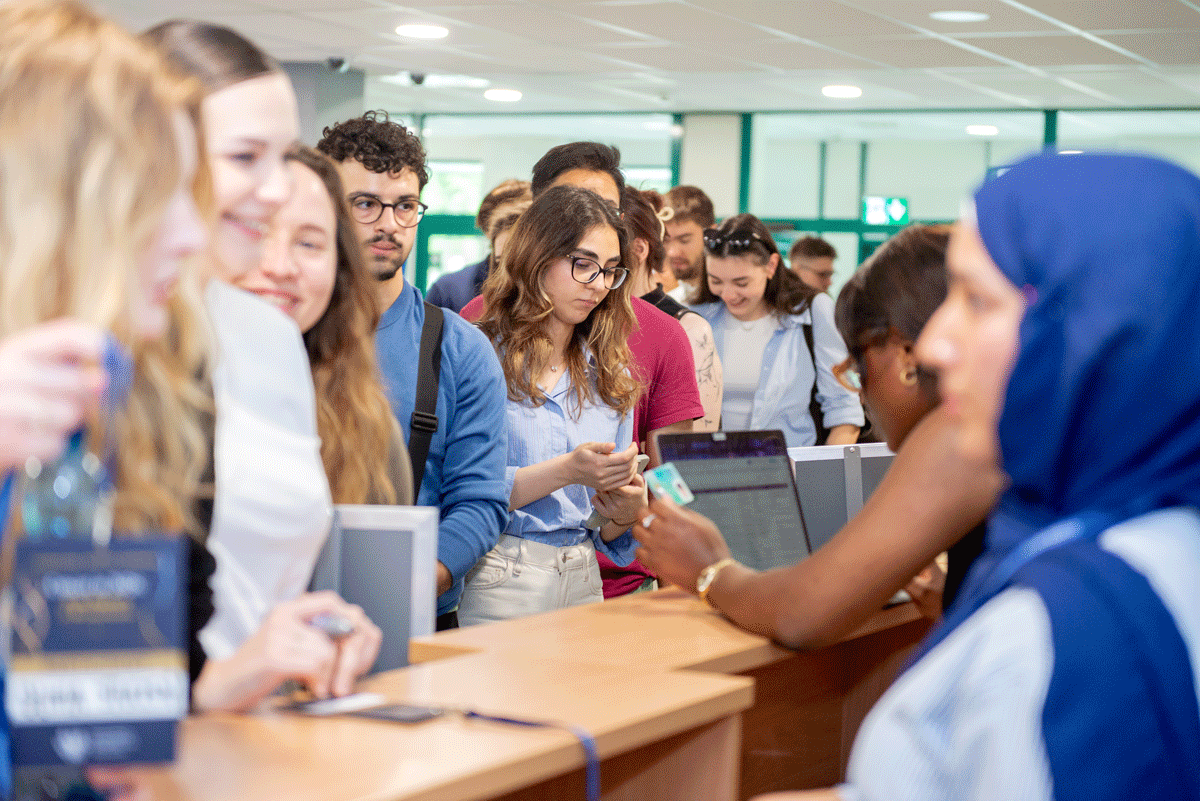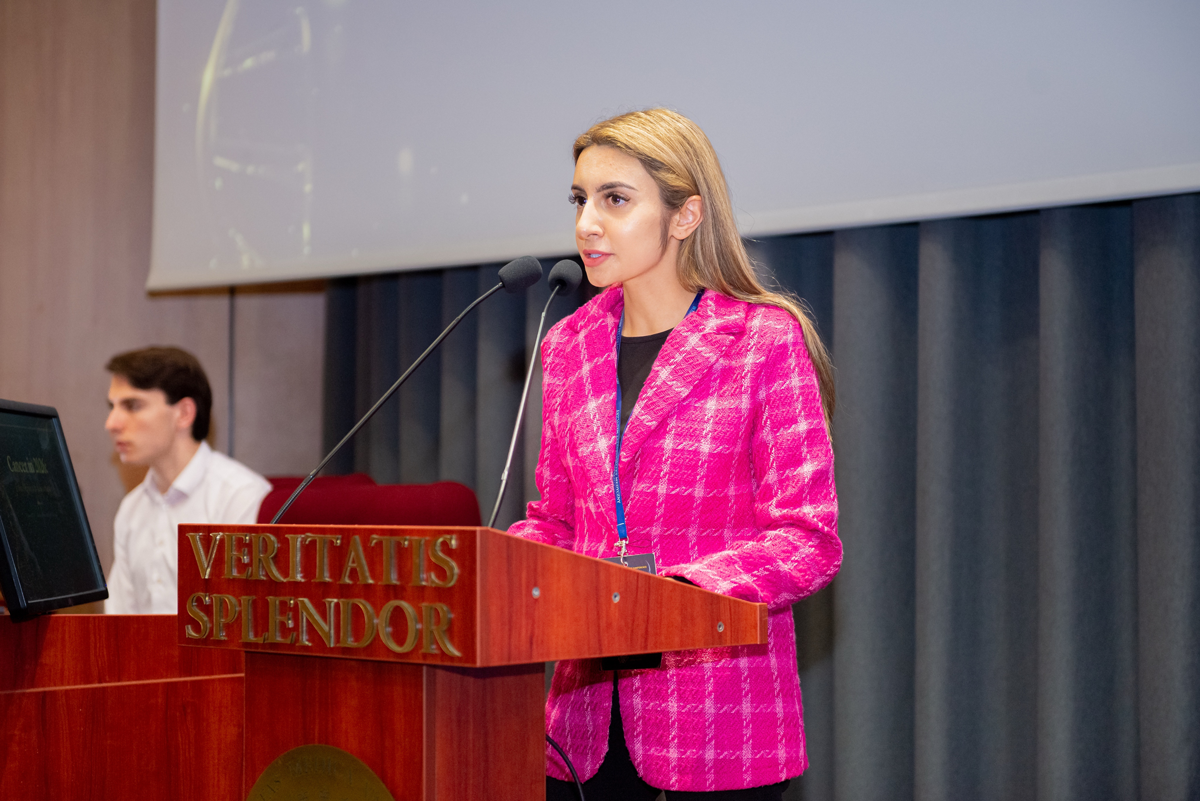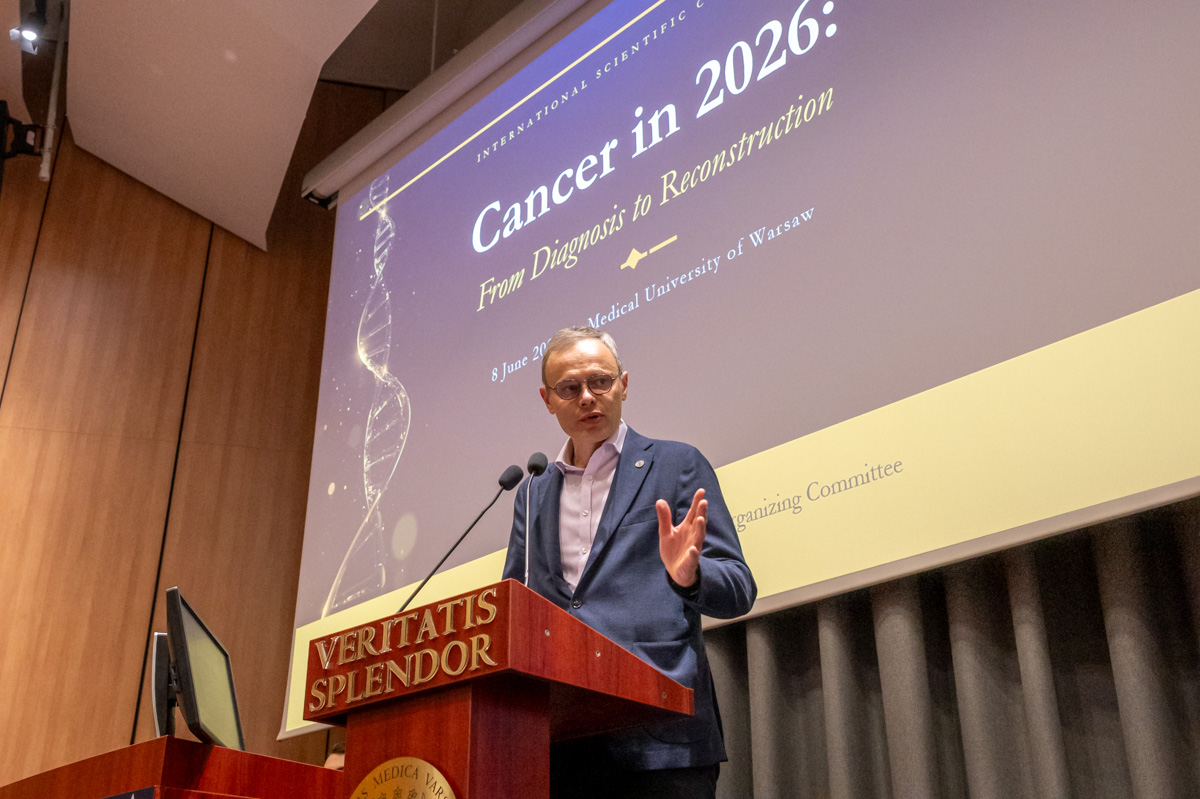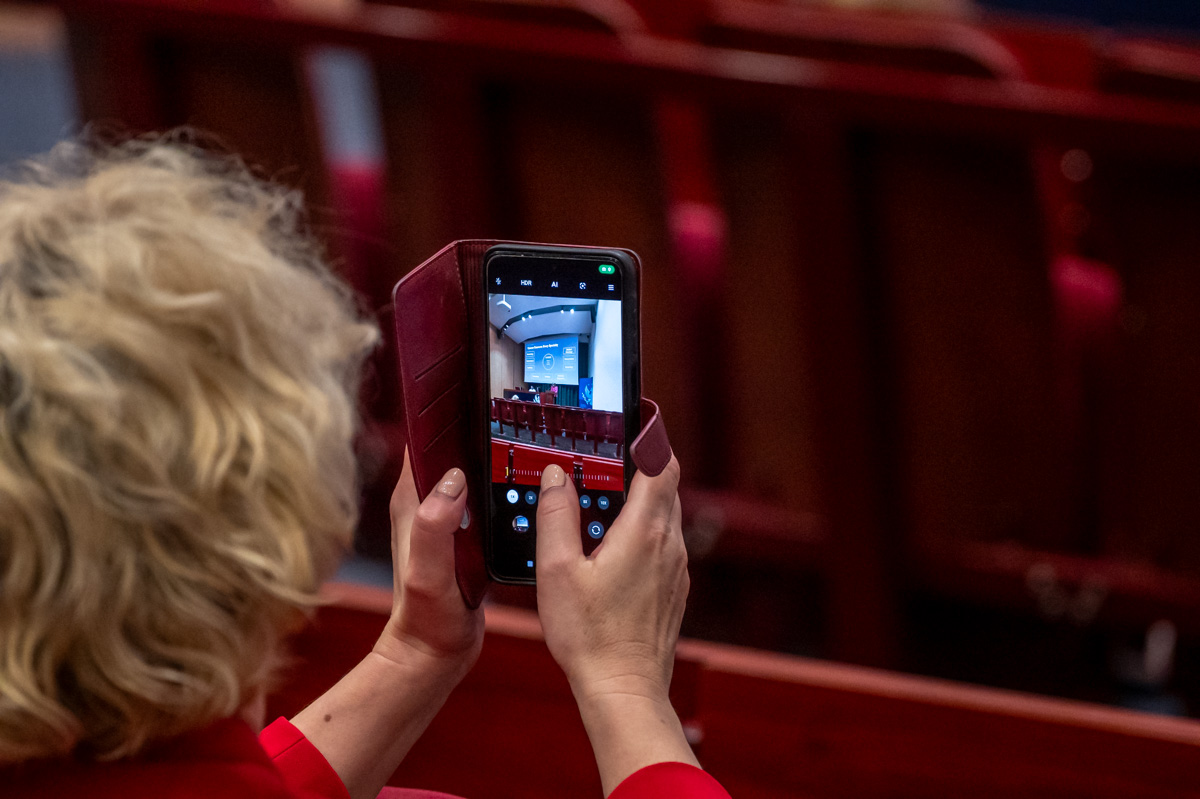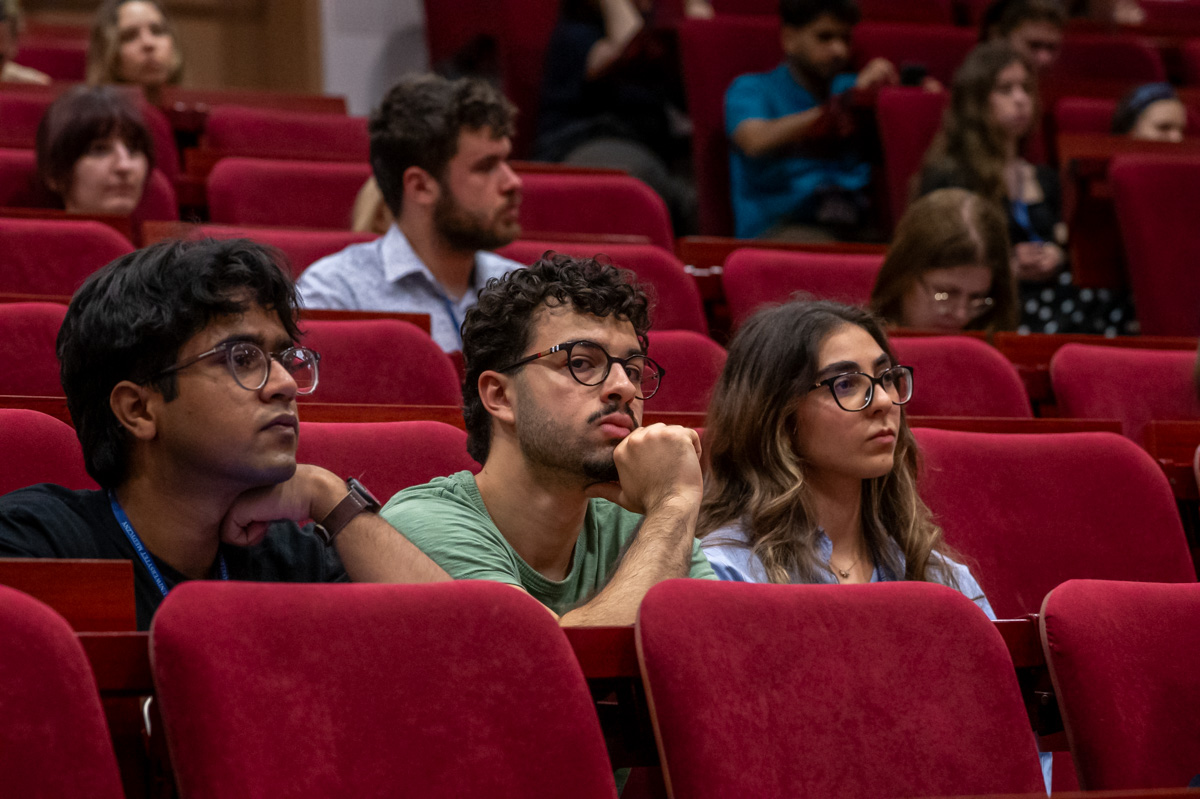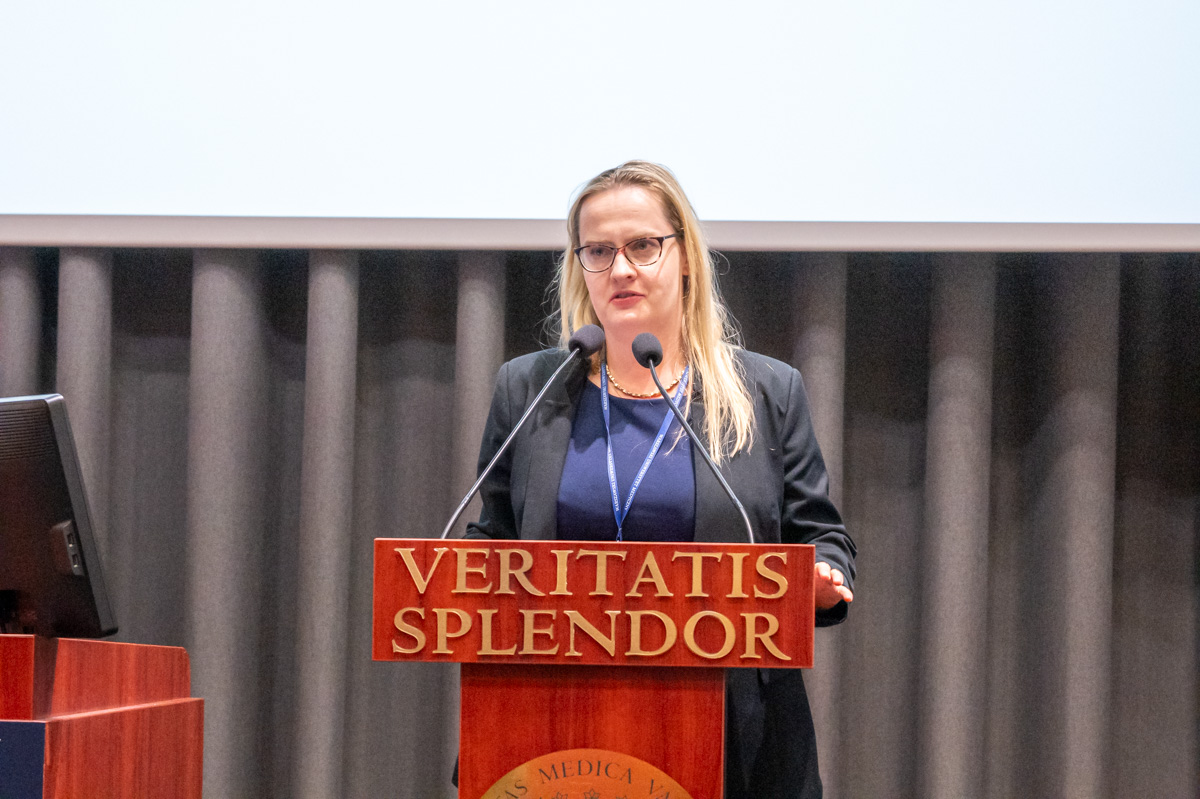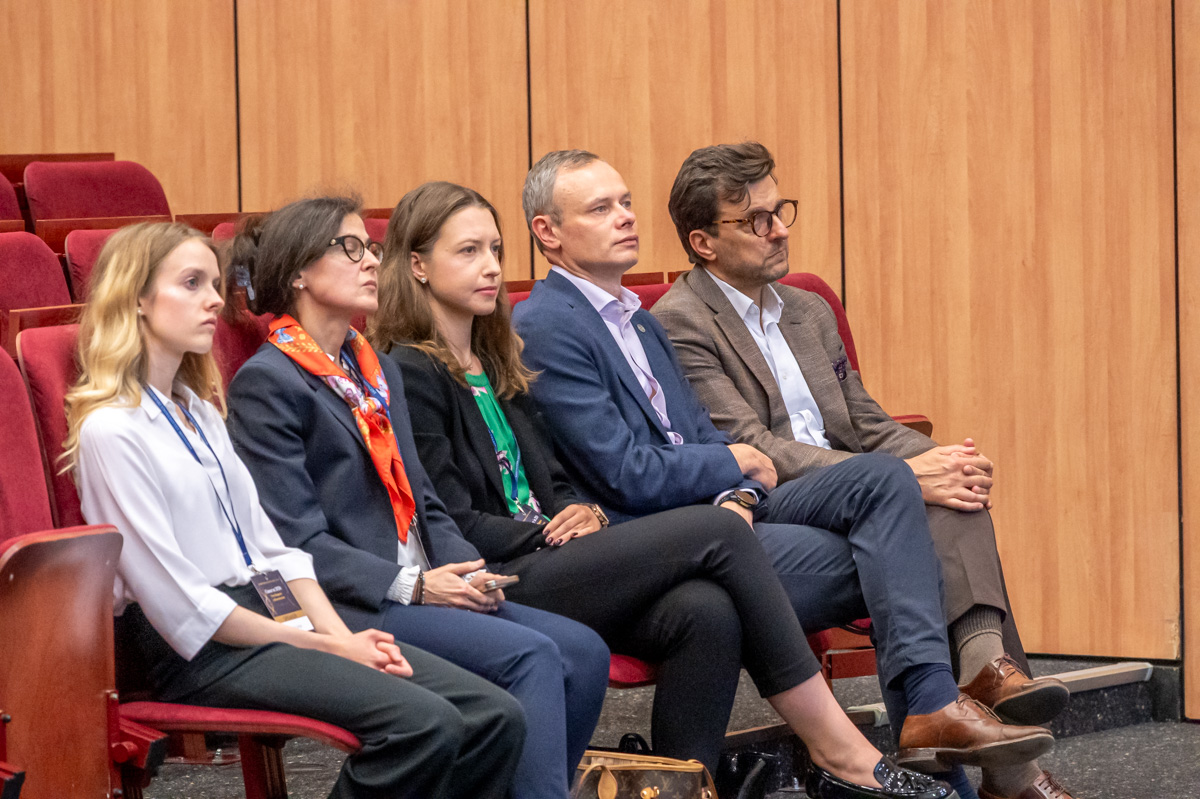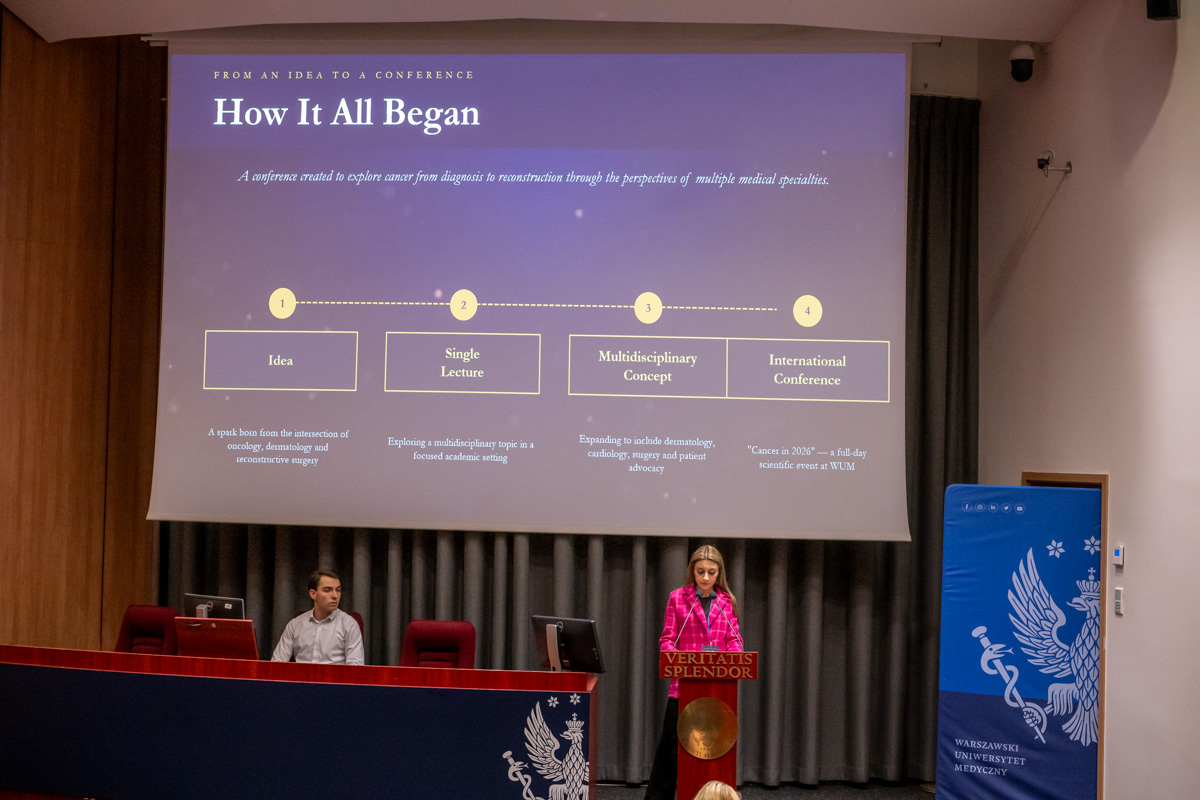
The conference took place on June 8 at the Didactic Center. Participants were welcomed by the conference originator and organizer, Sara Kareem Almustafa, a medical student in the English Division at WUM, and Dr. hab. Jacek Sieńko, Vice-Dean for English Division Student Affairs of the Faculty of Medicine.
Why Cancer?
Not only because cancer statistics are alarming: in Poland, nearly 1.2 million people are currently living with cancer, the number of annual deaths reach 100,000, and the number of new cases continues to increase. Equally important is the fact that cancer is one of the few diseases that intersects with virtually every area of modern medicine.
“Dermatologists diagnose melanoma, gynecologists treat ovarian cancer, neurosurgeons operate on brain tumors, hematologists treat leukemia, and cardiologists manage complications resulting from cancer therapies. Pathologists and molecular diagnosticians help determine disease biology and advise on choosing therapeutic methods. Plastic surgeons, meanwhile, strive to restore functions, dignity of patients after illness, and quality of life for patients after treatment,” emphasized Sara Kareem Almustafa.
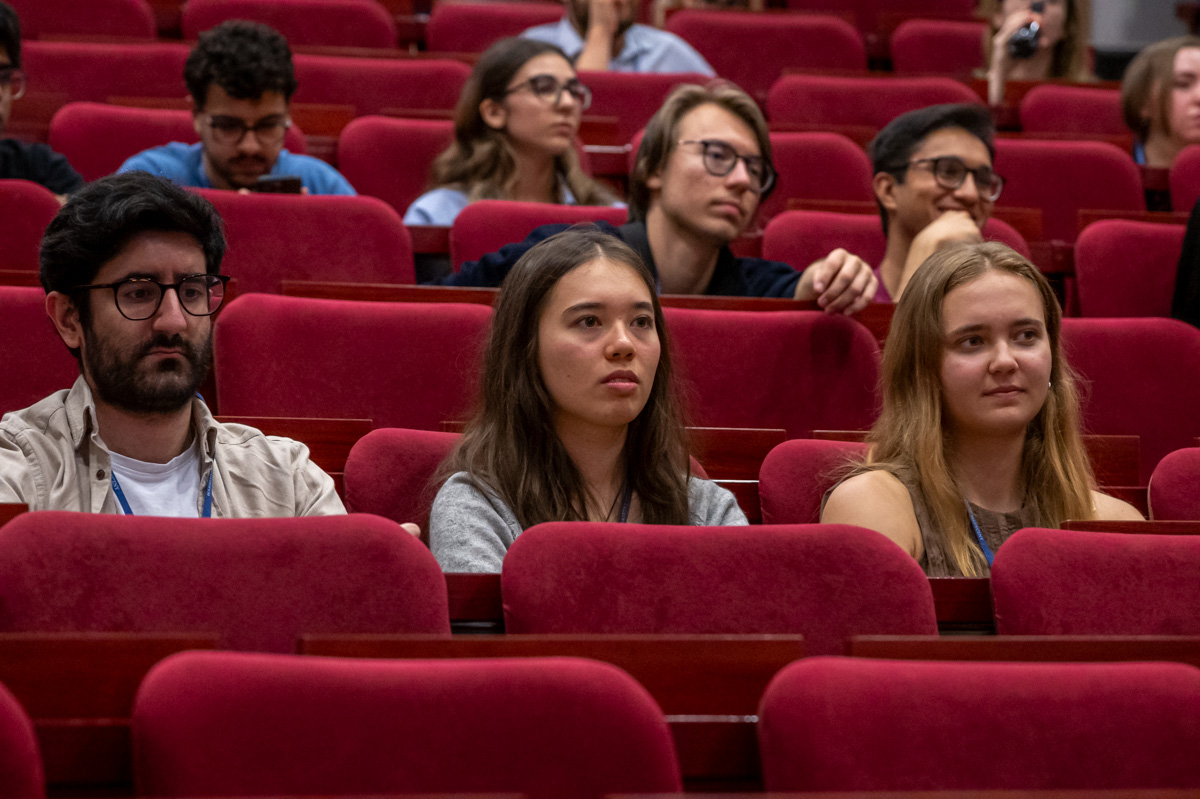
Cancer shows how different medical specialties joining forces -knowledge and experience to help patients. This interdisciplinary collaboration inspired our student to organize a scientific conference for students and young physicians. Nearly 300 participants from various clinical, scientific, and didactic institutions registered for the event.
From Molecular Diagnostics and CAR-T Therapy to Patient Advocacy
The conference program was designed to allow participants to trace the complete clinical journey of the oncology patient — from diagnosis and treatment to post-therapy care.
The expert presentations began with Prof. Anna M. Czarnecka from the Maria Skłodowska-Curie National Research Institute of Oncology, who spoke about next-generation sequencing (NGS)-based diagnostics. As she highlighted, this technology has revolutionized the understanding of cancer by enabling targeted therapies and steering oncology toward a precision medicine model. She also emphasized that identifying a specific genetic mutation does not necessarily guarantee 100% effectiveness of targeted therapy.
“Patients are strongly convinced that targeted therapy is a kind of miracle cure, but it is important to remember that treatment benefits are not achieved as frequently as one might expect.”
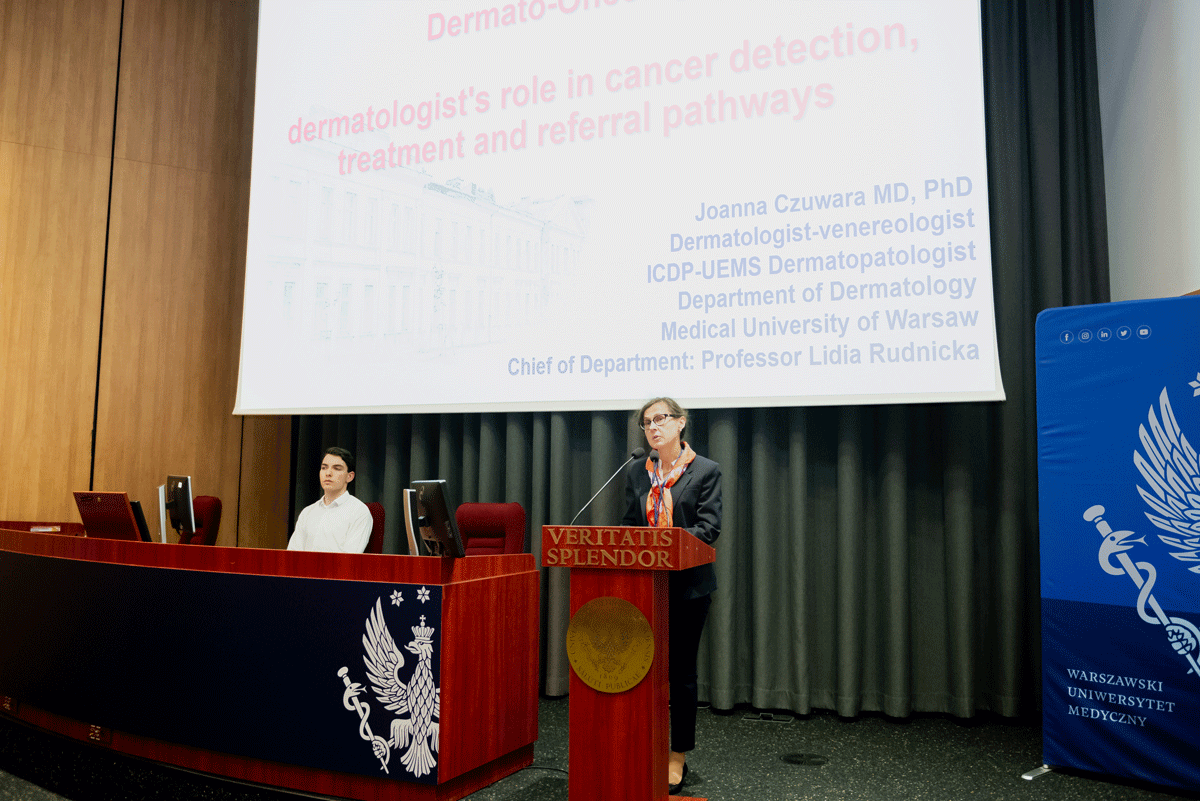
Dr. hab. Joanna Czuwara from the Department and Clinic of Dermatology at UCK WUM provided insight into the role of a dermatologist in cancer treatment. She reviewed the criteria to differentiate melanoma from benign skin lesions, developed by our new Doctor Honoris Causa, Prof. Giuseppe Argenziano, (color and structural asymmetry, atypical pigmentation, and blue-white structures), while emphasizing that proper interpretation remains challenging. She also discussed methods of diagnosing and treating skin cancers. “Dermatologists should not only detect disease but also seek alternative treatment options,” she added in closing her speech.
Dr. Carolyn Szwed from the Department and Clinic of Dermatology spoke about skin manifestations associated with systemic cancer treatment, EGFR inhibitors, and related dermatological adverse events, while student Anna Jurga presented skin reactions linked to immune checkpoint inhibitors.
Dr. hab. Joanna Drozd-Sokołowska focused on CAR-T therapy, its mechanism of action, applications, management of adverse effects, and clinical outcomes. Meanwhile, dr. Aleksandra Semeniuk-Wojtaś from the Oncology Clinic at UCK WUM spoke about various methods of treating breast cancer in women under the age of 40.
“Breast cancer in women under 40 is relatively uncommon, but it is usually more aggressive than in older women, making treatment more difficult. The long-term toxic effects of therapy also impact fertility, bone health, and they lead to psychological issues,” the speaker emphasized.
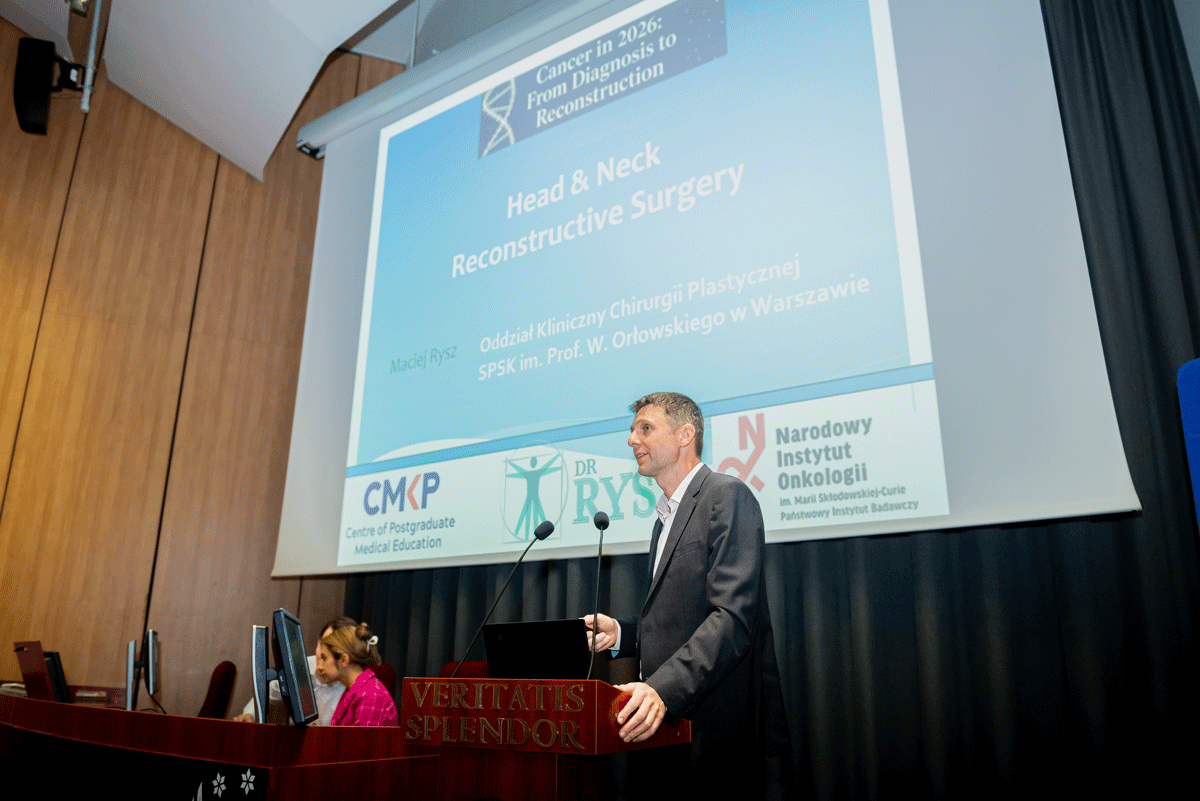
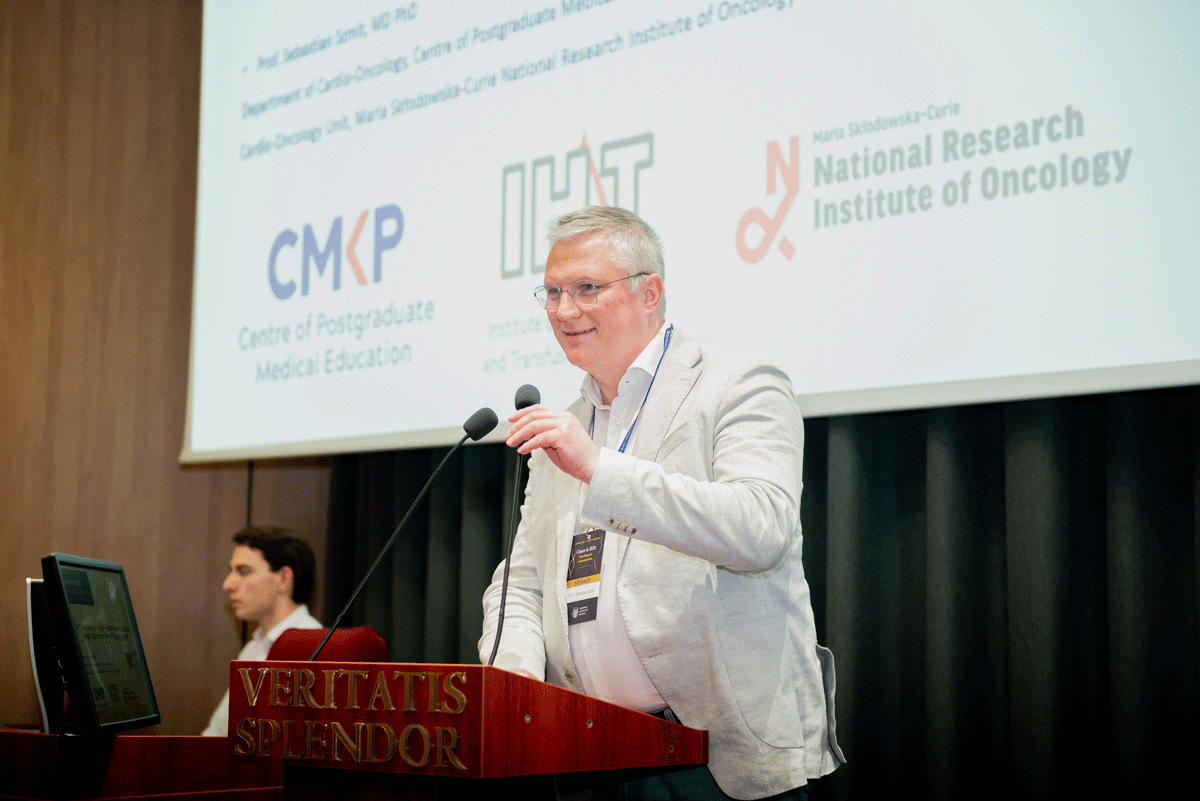
Prof. Sebastian Szmit, Head of the Department of Cardio-Oncology at the Medical Centre of Postgraduate Education (CMKP), shared his experience regarding the cardiovascular effects of cancer therapies. Maxillofacial surgeon Dr. Maciej Rysz discussed surgery for head and neck tumors, while plastic surgeon Dr. Maciej Kulicki spoke about issues related to reconstructive and plastic surgery in cancer patients.
Sara Kareem Almustafa presented preliminary findings from a systematic review registered in PROSPERO regarding the impact of immune checkpoint inhibitor therapy on wound healing and flap survival in head, neck, and skin cancer reconstruction.
Patients’ Voices Are Finally Being Heard
Anna Kupiecka, President of the OnkoCafe – Together Better Foundation, spoke about the growing role of patient organizations in oncology and changes in Poland’s healthcare system.
“For many years, patients’ voices were not truly heard. Today, organizations supporting cancer patients represent a powerful force,” she emphasized.
According to the speaker, oncology patients today can count on improved organizational solutions, better access to therapies, and more structured treatment pathways. As a result, patient organizations less frequently need to intervene in the most difficult cases and can focus more on emotional support.
Cancer patients primarily need empathy, effective communication, and partnership — areas where significant gaps still remain.
“We all need to learn how to communicate with patients, not only oncology patients. I would like to make future physicians attending this conference aware that in the consultation room there are not just a patient and a doctor, but two people with a shared goal — to cure disease,” Anna Kupiecka stressed.
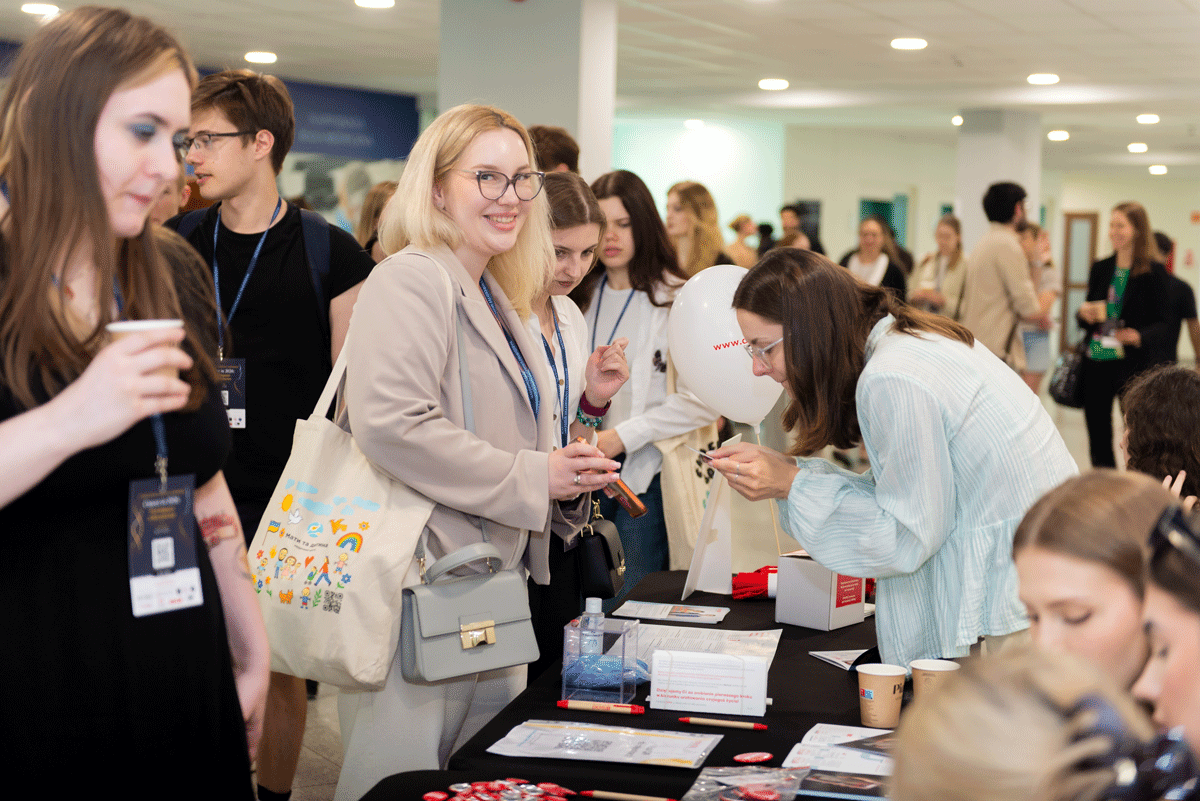
In addition to the scientific sessions, participants had the opportunity to connect with partner organizations present throughout the event. Information and networking booths organized by DKMS, the OnkoCafe – Together Better Foundation, and the Coalition for Women’s Health provided opportunities for discussion, education, and exchange of experiences related to cancer awareness, prevention, patient support, and public health initiatives.
The event was held under the patronage of the WUM Rector, the WUM Student Scientific Association, the Polish Society of Clinical Oncology, the Polish Dermatological Society, the Cardio-Oncology Section of the Polish Cardiac Society, the Maria Skłodowska-Curie National Institute of Oncology, and the Center of Postgraduate Medical Education.