Modern treatment of type 2 diabetes: a medical success or new challenges?
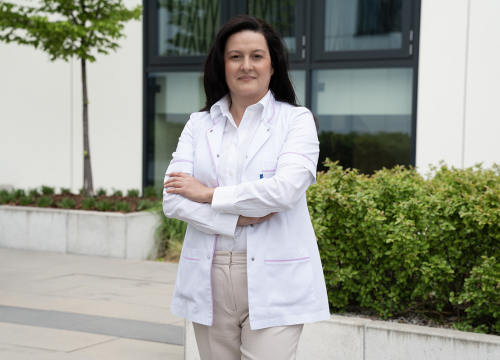
To begin with, let's explain what type 2 diabetes is and what happens in our body that makes the disease develop?
Type 2 diabetes is a chronic disease characterized by abnormal glucose metabolism. As a result, the body does not use glucose and its level in the blood is abnormally high. This is associated with numerous consequences, because glucose acts as a toxin in the blood and damages vascular and organ cells. This generates problems that affect the entire body, especially the cardiovascular system and kidneys.
Glucose needs insulin to be metabolized. I have come across a comparison that insulin acts as a key that opens the cell door allowing glucose to enter. Is that an accurate analogy?
Yes. Glucose and insulin are two molecules that are inextricably linked. If there is a lack of insulin, its amount is insufficient, or there is an abnormality in the molecule, glucose cannot be delivered to the cell and metabolized properly. As a result, all cells are deprived of adequate nutrition which leads to the development of diabetes complications.
Who is most likely to develop type 2 diabetes?
This disease most often develops in individuals over 40 who are overweight or obese and have additional problems such as lipid disorders or hypertension. The risk of developing the disease also increases if diabetes has been diagnosed in parents and/or grandparents. It also increases with age, which is why after the age of 40 we should all control glycemia, i.e., measure our sugar levels. Obviously, this does not mean that we are not at risk of diabetes before the age of 40. Currently, we observe a lot of new diagnoses in 20-30-year-olds. This is related to a sedentary lifestyle and the consumption of ultra-processed energy-dense food.
Until recently, metformin was mainly used in the treatment of type 2 diabetes. Is metformin treatment being phased out now?
Metformin is an old drug that has been used for many years. Its mechanism of action is complex. It consists in breaking insulin resistance in the peripheral tissues, reducing glucose production by the liver by inhibiting gluconeogenesis and reducing glucose absorption in the intestines. It is taken orally, so it is a simple form of therapy in which it is easy to select doses depending on the results of glycemia. In contrast, when it comes to normalizing glycemia, the strength of this drug is described as moderate or weak. Therefore, researchers began to look for treatments that would produce significantly better results, while helping to protect against cardiovascular and renal complications. And we already have such therapies today. However, it is worth remembering that metformin is still widely used and needed. We are not running away from this medication.
You mentioned new therapies. Did you refer to semaglutide, which has become very popular lately?
Yes, semaglutide belongs to the incretin group. It is a modern molecule present in diabetes treatment for almost 10 years. This drug can be used either in the form of an injection or orally. The injection is administered once weekly, while the tablets are taken daily. Semaglutide is actually very popular now because of its spectacular effects.
What made semaglutide-containing medications a breakthrough?
This was determined by extensive clinical trials based on contemporary guidelines. The research demonstrated that the medications not only normalized glycemia and reduced body weight, but were also safe in terms of cardiovascular risk. In addition, they showed a beneficial effect on the cardiovascular system. RWD (Real World Data) research conducted in very large groups revealed that the use of drugs such as semaglutide helped protect patients with diabetes from complications. And we are talking about serious, life-threatening complications like a heart attack or stroke. We want patients with type 2 diabetes to live as long as possible in good health, and remain professionally and socially active. We want them to be able to live normal lives and reach a ripe old age – just like people without diabetes. According to research, incretin-based drugs, such as semaglutide, definitely help with this.
How do semaglutide and other drugs belonging to this group work?
Semaglutide is a hormonal drug. It mimics the GLP-1 hormone that occurs naturally in the small intestine. As a consequence, it stimulates insulin secretion, improves insulin sensitivity, i.e., helps glucose to be effectively incorporated into tissues, and also slows gastric emptying and suppresses appetite. This drug also affects the central nervous system, primarily suppressing the appetite. However, that's not all – it also helps to focus attention and even plays a role in managing addictions, including alcohol addiction. Therefore, it can be seen that there are numerous action sites and they are synergistic, that is, the combined effect is greater than the sum of individual actions.
Why does the body not secrete sufficient amounts of the GLP-1 hormone you mentioned?
Our current lifestyle plays an important role. The progress of civilization has made us spend most of our time sitting down. We are not active enough. On the other hand, we have unlimited access to food. Perhaps these civilizational changes increased the demand for GLP-1. And today, leading a sedentary lifestyle, we need more GLP-1 than the body is able to produce.
Some people claim that semaglutide causes anorexia and makes a person not want to eat at all. Is it good or bad?
There is no simple answer to this question. If we have a patient with diabetes and obesity who has problems with overeating, reluctance to eat will help limit calorie intake. This is good for the patient, as the benefits outweigh the possible risks. Currently, we are inclined to personalize therapy in diabetes treatment (and in medicine in general). In the case of incretin-based drugs, many dosages of the drug are available. This allows the individualization of the initiation, target, maintenance and reduction doses. This is very important because, as I have already mentioned, diabetes is a chronic disease associated with a very long treatment process. When a patient with type 2 diabetes comes to me, I always say that from now on their life will involve regular visits to a diabetes specialist. Metabolic diseases, especially diabetes, are often characterized by periods of exacerbation and remission. Over the years, they show different faces. Therefore, sometimes it is necessary to escalate, intensify the therapy. At other times (e.g., in geriatric patients), de-escalation, i.e., reducing the dose of drugs may be necessary.
Incretin-based drugs causes severe side effects in some patients. What should be done then?
As for side effects, they usually appear on the day of taking the drug. It means once a week in the case of semaglutide injections. Patients most often report symptoms of gastroenteritis, i.e., abdominal cramps, a feeling of fullness in the stomach, diarrhea, constipation, sometimes vomiting. It is important that the physician informs the patient at the beginning of the therapy that such problems may occur and what should be done to reduce them. One way to do this is to eliminate fatty and hard-to-digest foods from the diet. The patient should also remember about proper hydration, i.e., drink at least 2 liters of water daily. In my experience, most patients are able to tolerate these side effects. When benefits such as normal glycemia, weight control, and reduced risk of cardiovascular complications are taken into account, the benefits outweigh the potential drawbacks.
You mentioned that diabetes is a chronic disease which requires lifelong management. Does this mean that once we start taking semaglutide, we will have to keep taking it for the rest of our lives in increasing doses?
The response of the body to the drugs used determines what treatment regimen we implement in the patient and for how long. Modern treatment with semaglutide combined with lifestyle modification may lead to the remission (withdrawal) of the disease. We achieve good glycemic control and weight reduction, but this does not mean that the patient has recovered. The diagnosis remains. However, we can modify the treatment in a personalized way, which means we can discontinue incretin-based drugs for a while. At the same time, the patient remains under the control of a diabetes specialist. It is necessary to monitor the level of glycemia and to perform other necessary tests such as lipid profile, uric acid, creatinine, control body weight and blood pressure. All of this is to ensure that pharmacotherapy can be resumed if necessary.
Modern diabetes medications are taken not only by diabetics, but also by those who want to lose weight. Does such an application make sense?
Semaglutide is intended for patients with metabolic disorders, one of which is obesity. If a patient reports obesity as a health problem, comes to the doctor with it, it means that they need help, because they cannot cope on their own. The use of semaglutide makes perfect sense in such a case. There are also data showing that the use of incretin-based drugs in patients with prediabetes protects against the development of diabetes. This is our purpose. The more people avoid the disease, the better.
The change in the appearance of people using semaglutide is truly remarkable. And it's not just about body shape changing. We can read online about the changes in the appearance. "Incretin face" means sunken cheeks and temples, flaccid skin, deep wrinkles... What do they result from?
Incretin-based drugs exert a very good effect on the skin. It is more hydrated and glows. My patients often report improvement in skin appearance and function during semaglutide therapy. And what can cause negative changes in the appearance of the face? Excessive weight loss. Losing weight is stressful for our bodies. Therefore, the therapy should be conducted in such a way that the body adapts to the changing biological conditions of our body on an ongoing basis. The goals of the therapy must be realistic and feasible. We do not want a patient who weighs 120 kilograms to suddenly lose 60 kg. Such dramatic reductions are associated with a very high risk of the yo-yo effect if we only reduce the dose of the drug. Therefore, weight loss should be gradual and slow. Then the dermis has a chance to adapt to the new conditions. Moreover, it is necessary to change the diet, engage in physical activity, preferably outdoors, and take vitamin supplements if there are deficiencies. Vitamin D supplementation is particularly important. Then the body will certainly cope with new biological conditions.
Can the results of weight loss be maintained without the drug, or do we have to take it forever to avoid gaining weight?
It all depends on determination. If, during therapy, the patient learns a new lifestyle, introduces physical activity, significantly reduces the calorie content of the diet – after reaching the target body weight, we can discontinue the drug. Admittedly, however, after semaglutide discontinuation, not many patients are able to follow all recommendations related to diet and lifestyle. They are often adhered to for half a year, a year, and then the patients return to their initial body weight and return to our office. This shows that the treatment of obesity must be long-term and there are patients who should constantly take a maintenance dose.
Incretin-based drugs have only recently come into use. How can we know what the long-term effects will be?
We have several years of experience observing and using these drugs in very large populations. The results of large international studies indicating the safety of these drugs are regularly published. That's how we know that even long-term therapy is safe. It reduces cardiovascular risk, e.g., exacerbation of ischemic heart disease, myocardial infarction, stroke, atherosclerosis of the lower extremities, and slows the progression of chronic kidney disease. These are hard data obtained from multicenter studies conducted in large populations in many countries worldwide.
Recently, it has been reported that semaglutide may cause damage to the optic nerve and the loss of vision? Is it true?
Diabetes as a chronic disease can lead to long-term complications. One such problem is diabetic eye disease, which develops as a result of long-standing diabetes that is often poorly or very poorly managed. Advanced retinopathy, advanced glaucoma, or macular edema may be followed by blindness. However, when it comes to the correlation between the use of semaglutide and the occurrence of ischemic optic neuropathy, such a relationship was determined in a single-centre observational study. This observation was further supported by a much larger dataset and its analysis, which confirmed its occurrence. However, the risk is insignificant and requires further observational studies.
Incretin-based drugs are not the only new development in the treatment of diabetes. The so-called flozins are also used. What are their advantages?
It is another group of very well-rated drugs for patients with type 2 diabetes. They have a completely different mechanism of action than incretin drugs. They influence the functioning of the urinary system and cause glycosuria. This means that sugar found in the plasma is removed along with the urine from the body. Thus, it does not circulate in the blood and does not damage the vascular endothelium. Flozins have gained significance because they have been shown to be effective in as many as three fields: diabetes treatment, cardiology and nephrology. It started with diabetes. The Empa-Reg Outcome Study was the first one to demonstrate efficacy and safety in a population of seven thousand patients. The study included people with type 2 diabetes and numerous other conditions. They could have a history of stroke, a heart attack, or atherosclerosis of the lower extremities. This group of very ill patients benefited greatly from flozin treatment. Subsequent research analyzed the use of the drug in heart failure. It was confirmed that patients with heart failure using flozin were at a lower risk of death from cardiovascular causes. We obtained extensive cardiac research results for patients with heart failure. Another study covered the area of nephrology, where drugs were found to effectively inhibit the progression of chronic kidney disease. Currently, we have a triad, i.e., diabetes specialists, cardiologists and nephrologists all choose the same drug to treat several health problems. However, it should be remembered that these diseases often coexist and can be collectively referred to as cardiovascular-kidney-metabolic syndrome. Such a modern, protective, multi-targeted therapy with a single tablet is also beneficial in terms of adherence (following therapeutic recommendations).
How about side effects? Which of them occur most often?
It is worth noting that there are not many. The use of flozins (due to glycosuria) may be associated with a higher risk of developing urinary tract infections. However, if the patients are warned and reminded to pay special attention to hygiene in the urinary tract area, the side effects are unlikely to appear at all.
Have the modern drugs we are talking about replaced insulin entirely?
No. Everything is about insulin in diabetes treatment. Modern drugs are supposed to work in such a way that insulin is effectively used in patients with type 2 diabetes. The idea is that they normalize blood sugar levels and reduce cardiovascular risk in combination with insulin produced in the body. If incretin drugs break insulin resistance, and there is enough insulin for the metabolic pathways to function properly, you will not need its additional administration. However, it is quite common that the patient's body does not secrete enough insulin, for example due to the long duration of the disease. Then, insulin treatment has to be introduced at a certain stage of the disease (now, at an increasingly later stage). The simplest form of insulin treatment today is its subcutaneous administration with a pen, in the so-called once-daily basal insulin regimen. However, insulin that can be administered once every seven days will be available very soon. I am looking forward to the introduction of this type of insulin therapy in Poland. Insulin is needed, especially if there is an exacerbation of the disease or in accompanying acute conditions.
As we can see, pharmacotherapy is very important in the treatment of type 2 diabetes. Do physical activity and diet play a role in this situation?
They are essential. Exercise is the best treatment for a diabetic patient. Obviously, pharmacotherapy is very important. We, diabetes specialists, will adjust it, personalize it and try to tailor the list of medications in such a way that it best meets the needs of the patient. On the other hand, physical activity and an adequate diet are also essential components of therapy. The sensitivity of all cells to insulin, whether endogenous or exogenous, depends on microcirculation, tissue oxygenation, in other words, the overall condition of the body. Therefore, movement plays a key role here. We encourage our patients to be active. And it's not about competitive sports. It can be a walk, simple exercises, cycling, swimming. It is important that the activity is regular, performed daily.
What do you think the treatment of diabetes will look like in ten, twenty, or fifty years?
A lot of new molecules are currently studied in diabetes research. They mimic hormones that influence carbohydrate metabolism. These drugs will act similarly to semaglutide – they will suppress appetite and create a feeling of satiety. Modern drugs will provide additional benefits such as cardiovascular protection and will inhibit the development of hepatic steatosis. The personalization of diabetes treatment is another direction followed by the development of genetic research and the search for genetic causes underlying the disease. And when it comes to insulin, I dream of intelligent insulin – active when needed, and inactive when we do not need it during normoglycemia. I think there's a chance.
Interviewed by Iwona Kołakowska
Photo by Tomasz Świętoniowski
Communication and Promotion Office