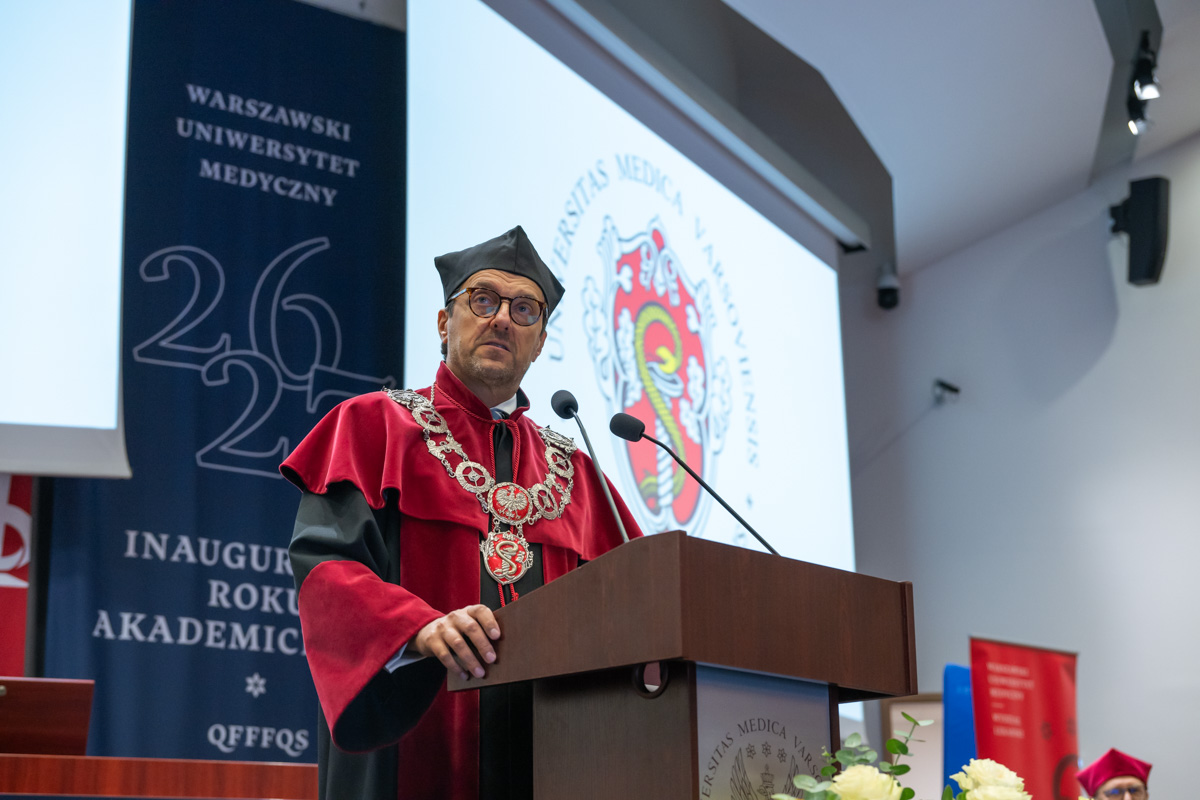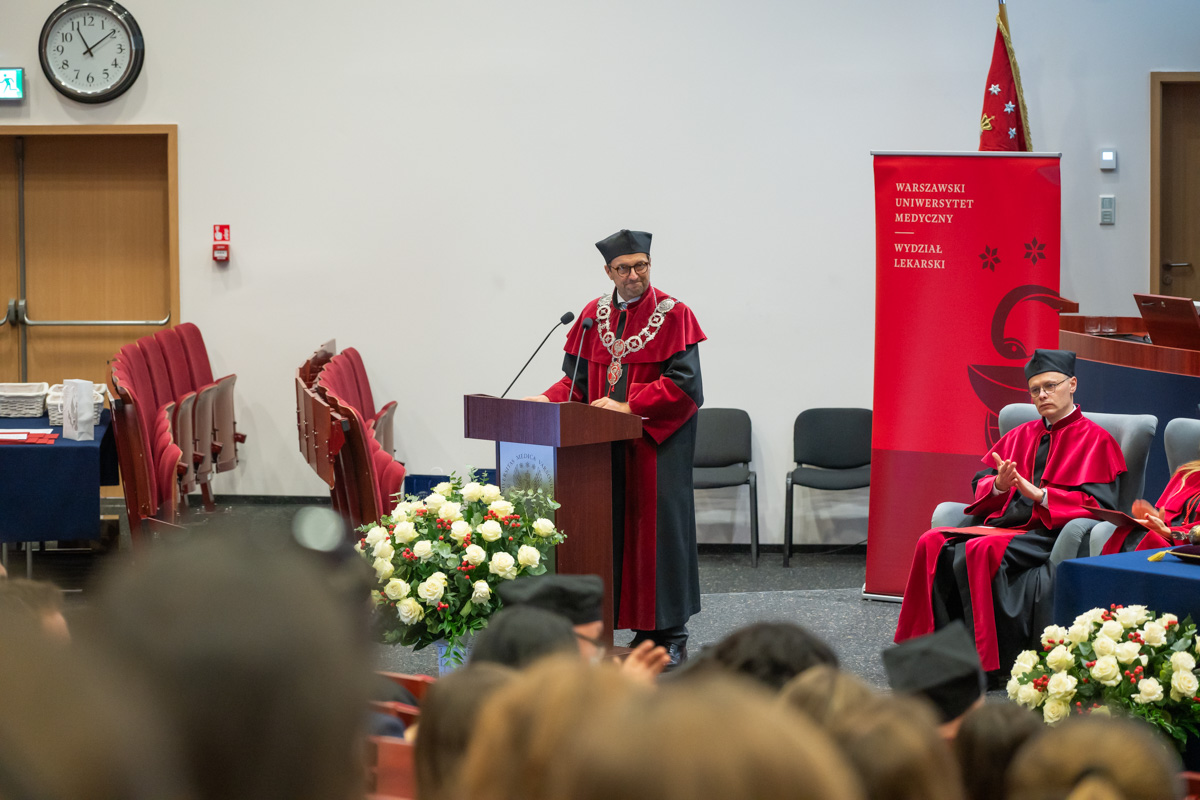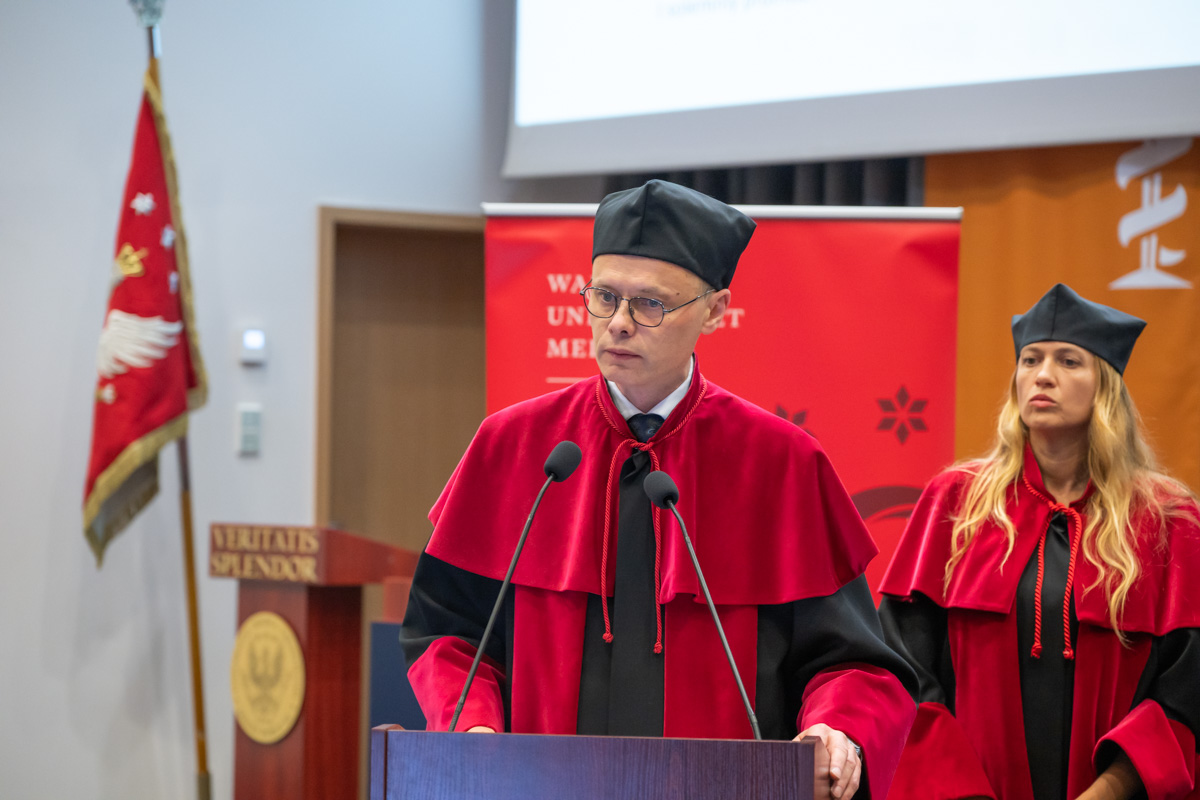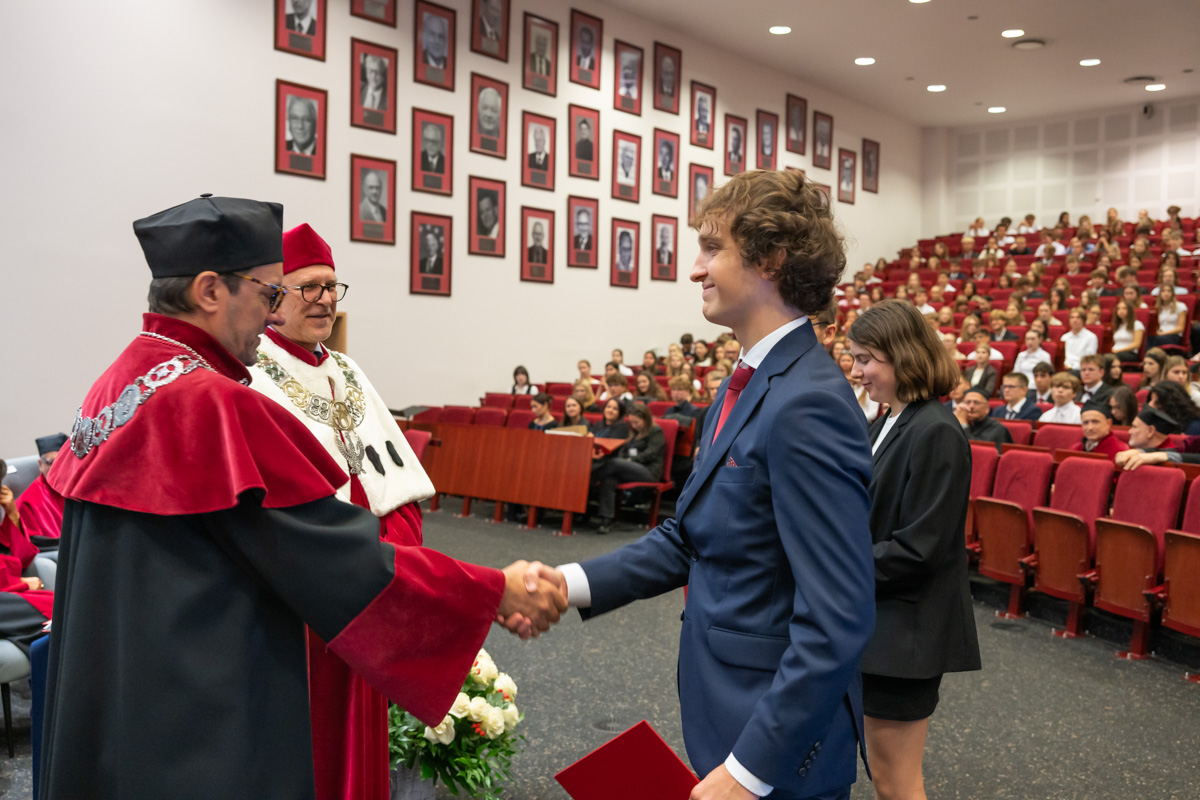
“The words of gratitude you will hear from your patients, their families, and loved ones will bring you satisfaction and a genuine sense that your work has deep meaning. Few professions offer such a strong sense of the role you play in people’s lives,” emphasized Prof. Paweł Włodarski, dean of the Faculty of Medicine.
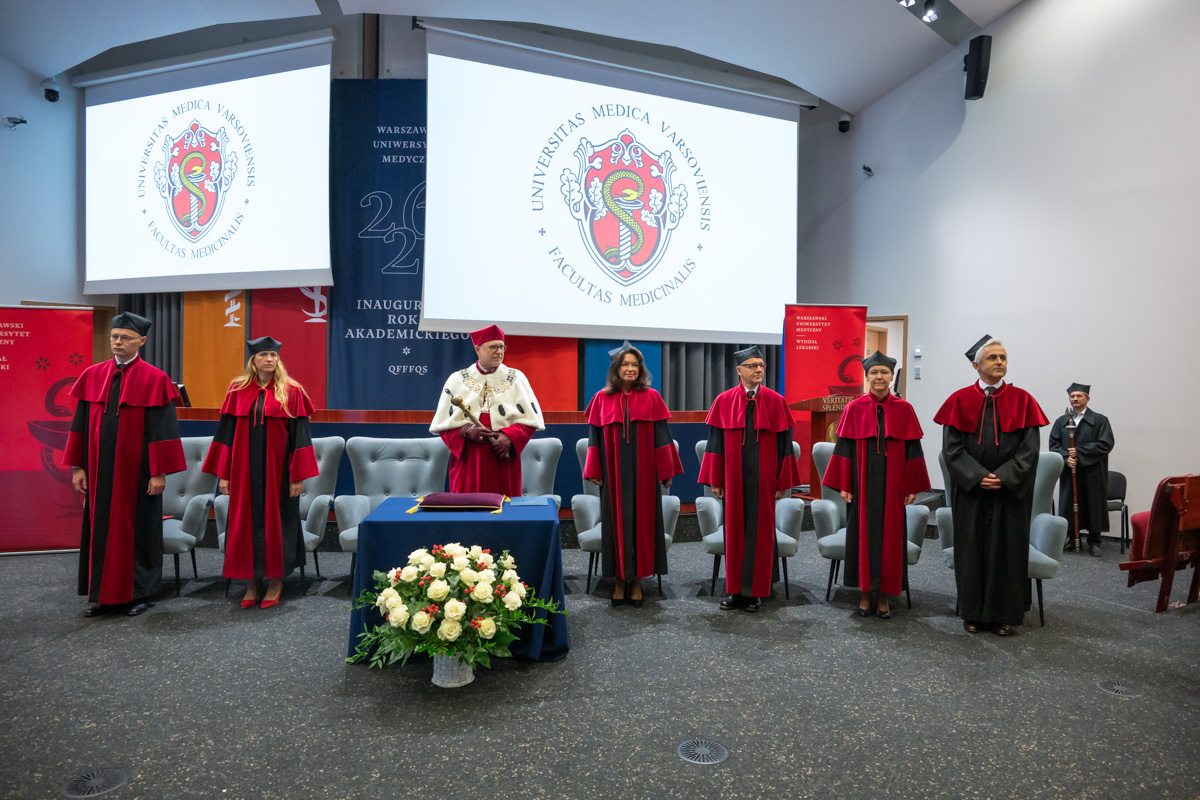
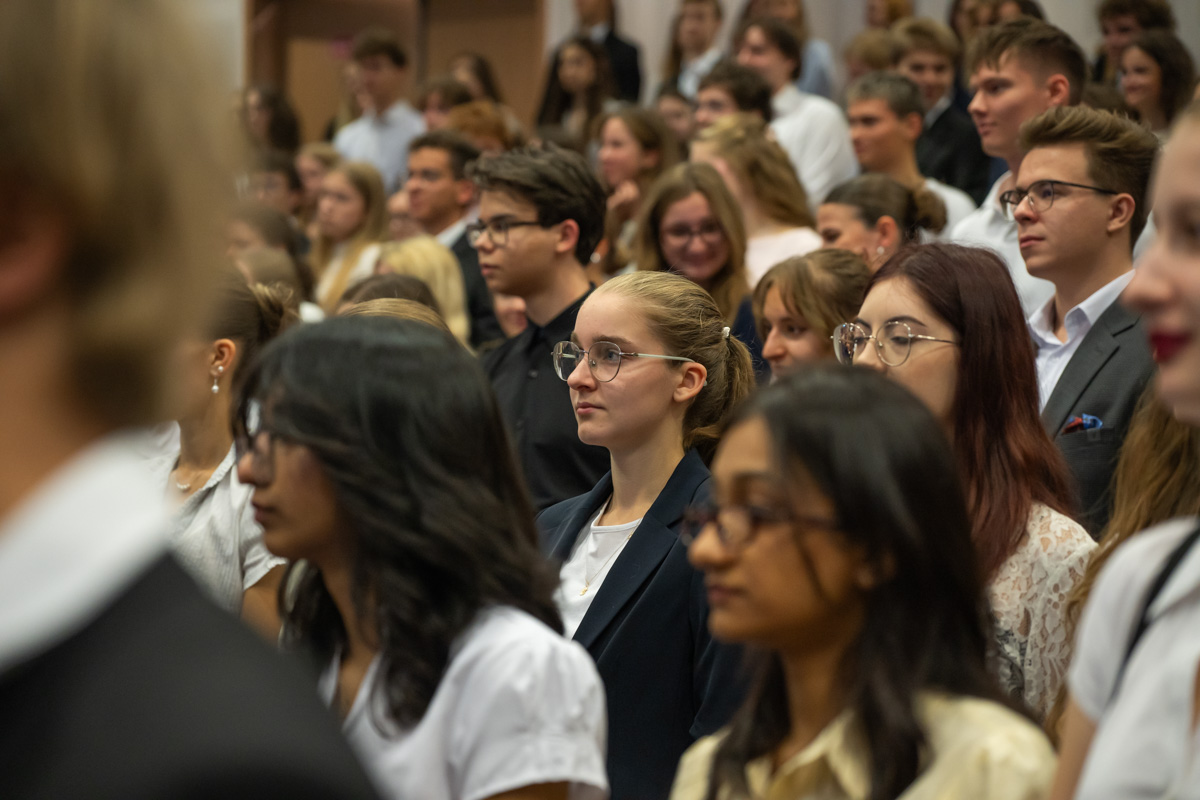
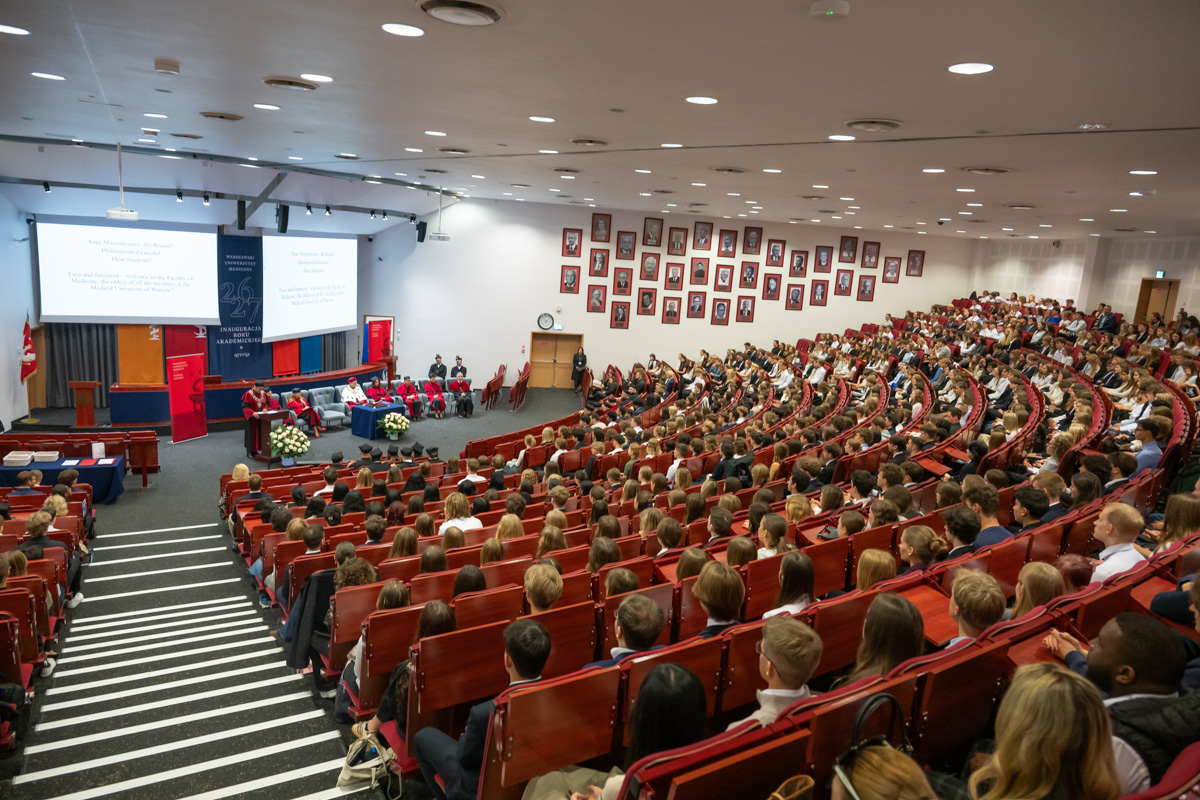
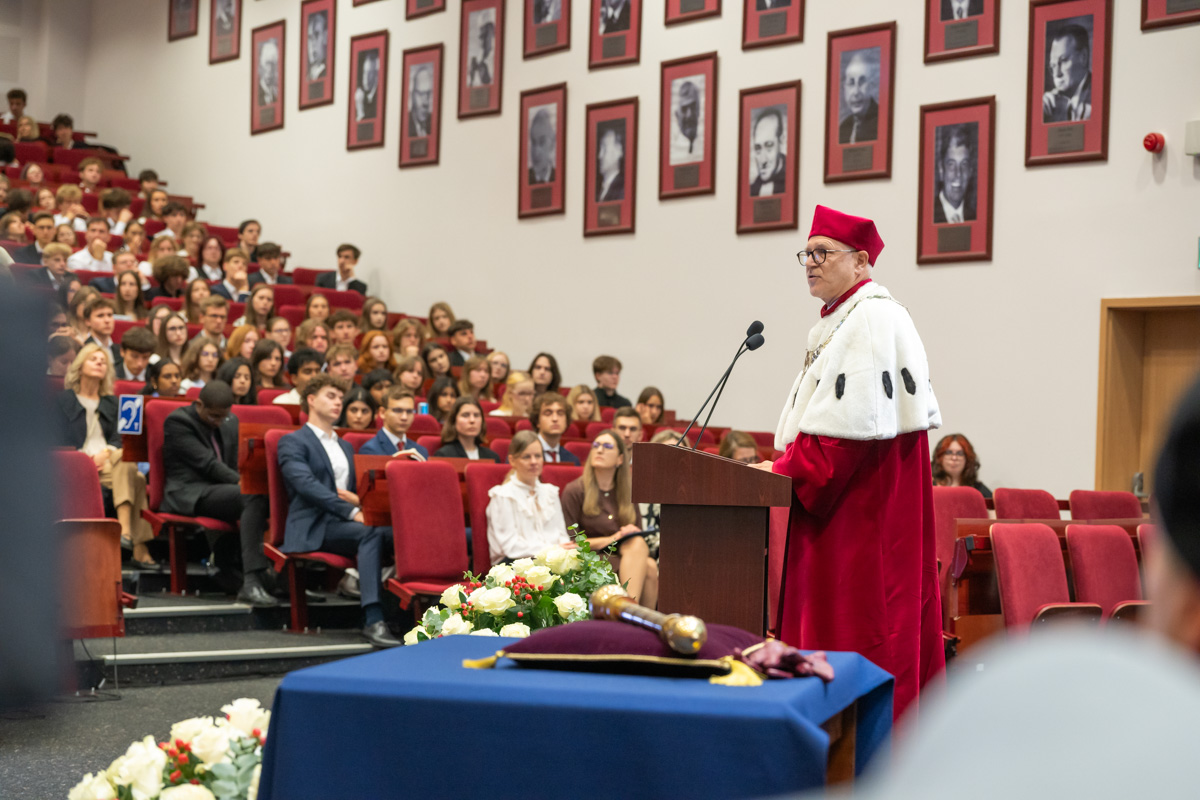
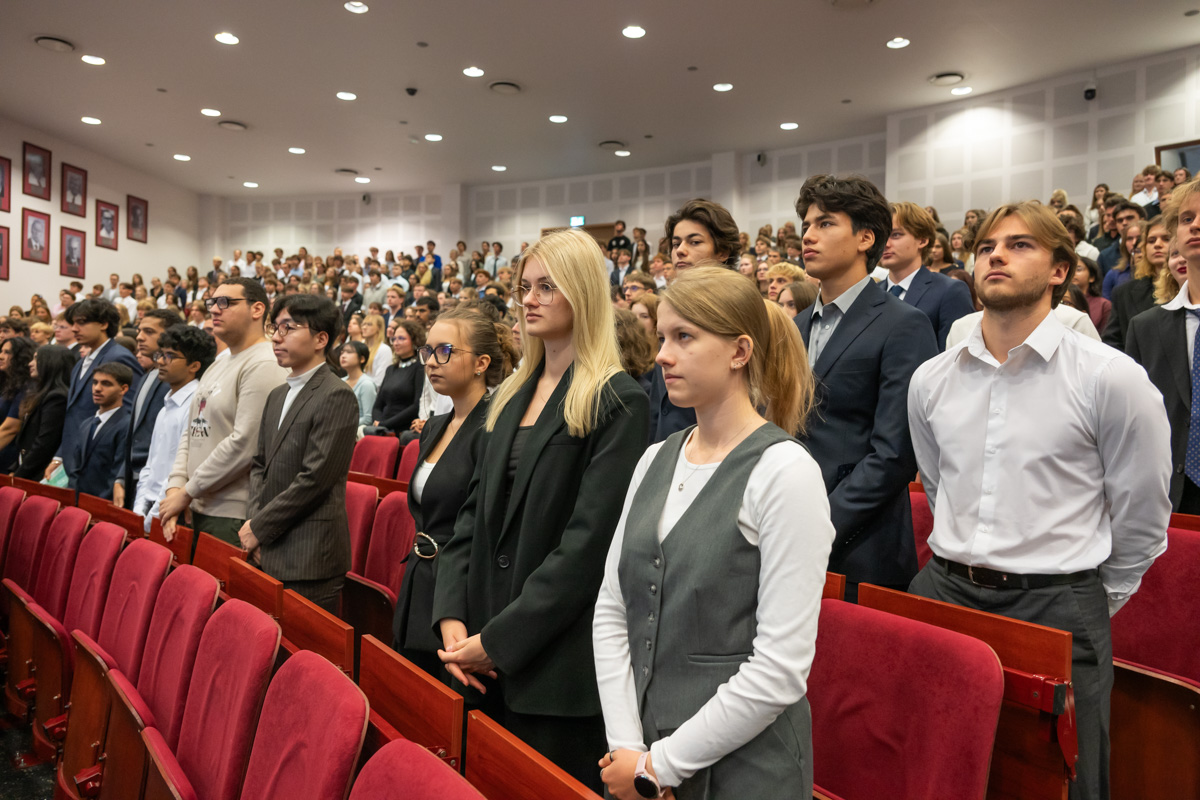
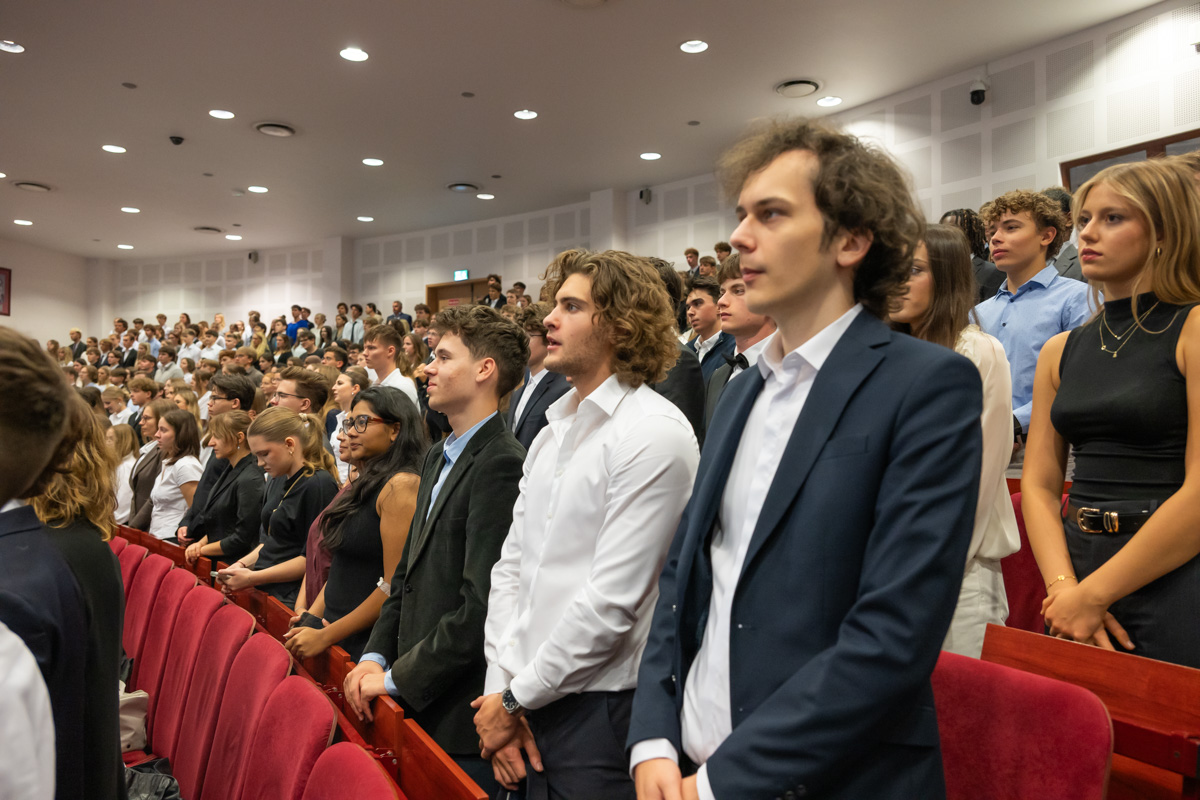
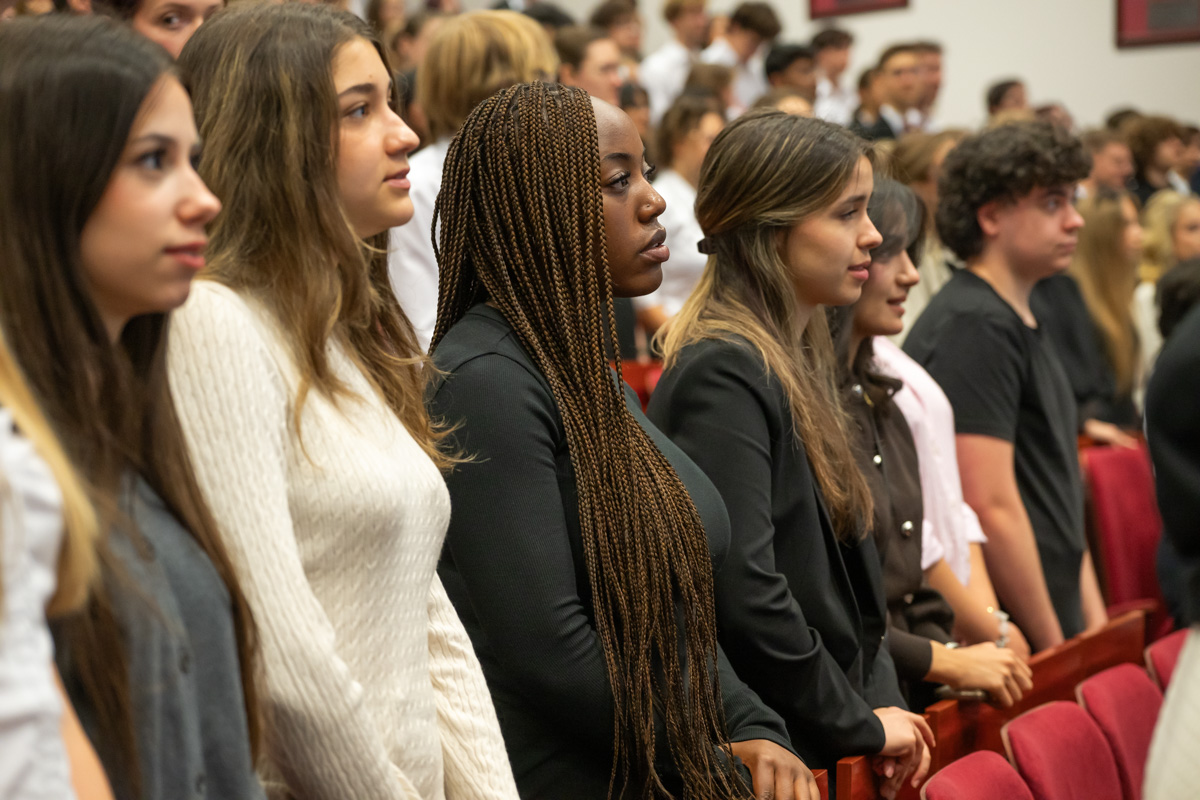
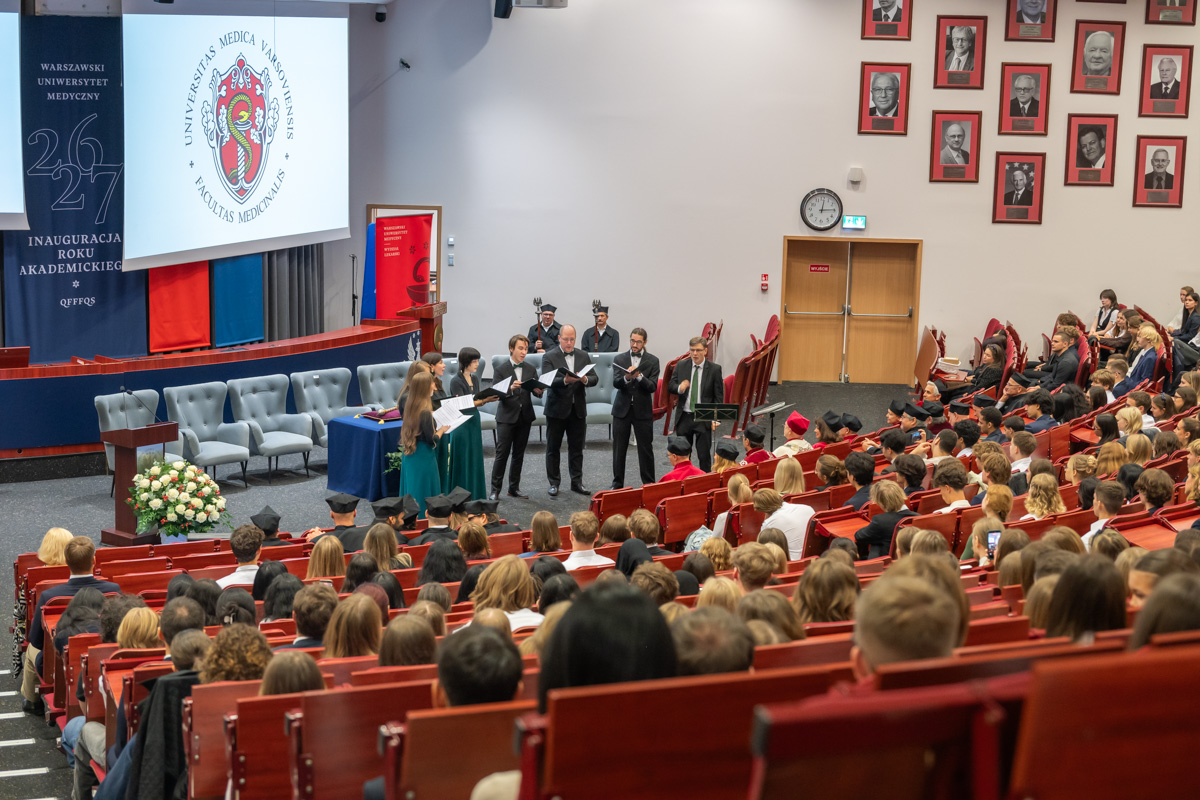
The matriculation ceremony took place on October 6 in the Prof. Janusz Piekarczyk Auditorium. A total of 860 medical students began their studies at the Faculty of Medicine and joined the university community, including 160 international students who will study in English.
The humanistic dimension of medicine
In his speech, the dean also pointed out that medical education is not based solely on acquiring knowledge and qualifications, but also on developing attitudes rooted in empathy, understanding, and a willingness to make sacrifices for others.
“Therefore, start cultivating these qualities from the very beginning of your professional training,” Prof. Włodarski advised.
Why? Because success as a doctor depends not only on professional knowledge and skills but also on the quality of the relationship with the patient.
“Especially when medicine has exhausted its options,” the dean explained. “At that point, the attention devoted to the patient can achieve more than modern technology.”
Community and the responsibility of future doctors
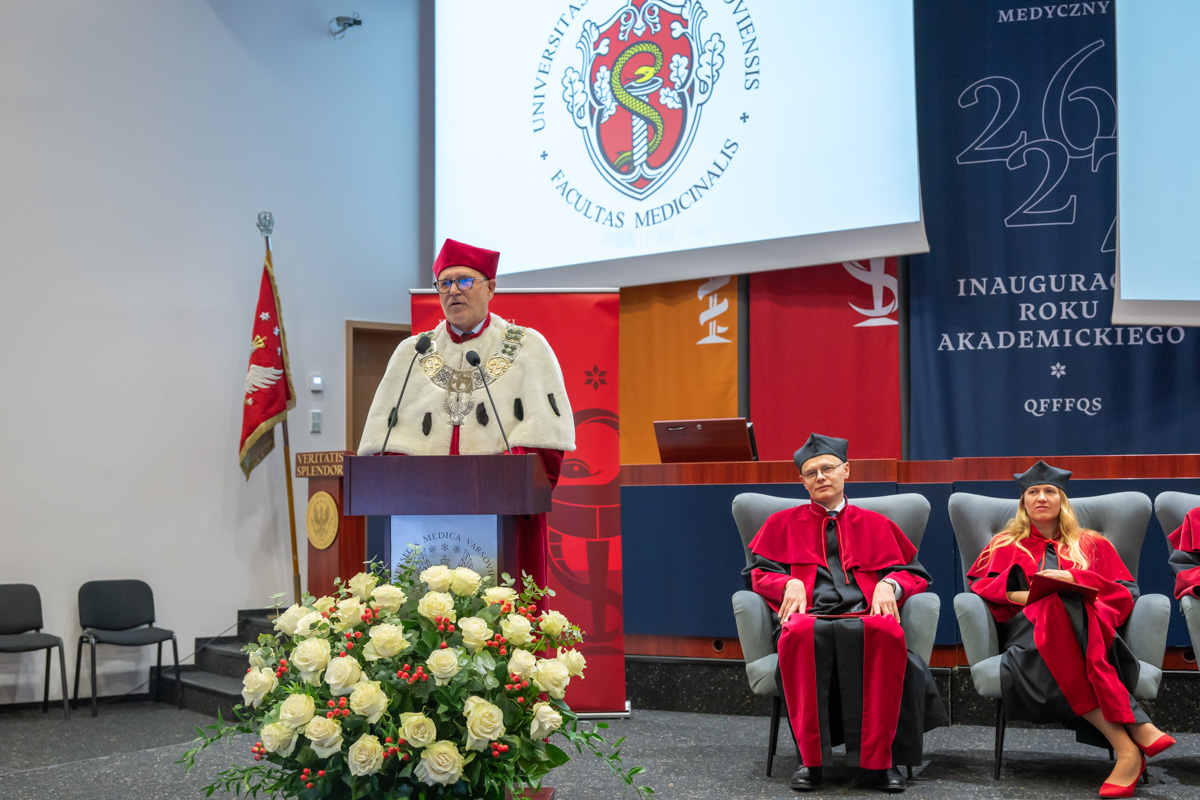
In his address, Rector Prof. Rafał Krenke emphasized the unique character of the Faculty of Medicine community, whose members share a field of study, similar goals, and common aspirations. He encouraged students to build relationships and take pride in belonging to the faculty.
“The importance of our community becomes particularly evident in times of crisis. We saw this during the COVID-19 pandemic, when our collective efforts enabled us to face challenges together. It was an extremely rewarding experience,” the rector recalled.
Prof. Krenke encouraged students to reflect on the meaning of the oath and treat it as a guide throughout their studies and subsequent professional careers. He also stressed that a high level of knowledge and competence is essential for providing effective care to patients and earning their trust.
“As future doctors, you will have a special role to play by providing selfless assistance to the sick and suffering. A weak or incompetent doctor does not inspire respect. On the contrary, such a doctor alienates others and may even pose a danger,” Prof. Krenke explained.
The rector also addressed the international students, assuring them that they would soon feel at home at the faculty. He emphasized that values such as respect for human dignity, compassion, empathy, integrity, and responsibility would become an integral part of their identities as future doctors.
Admission to the Faculty
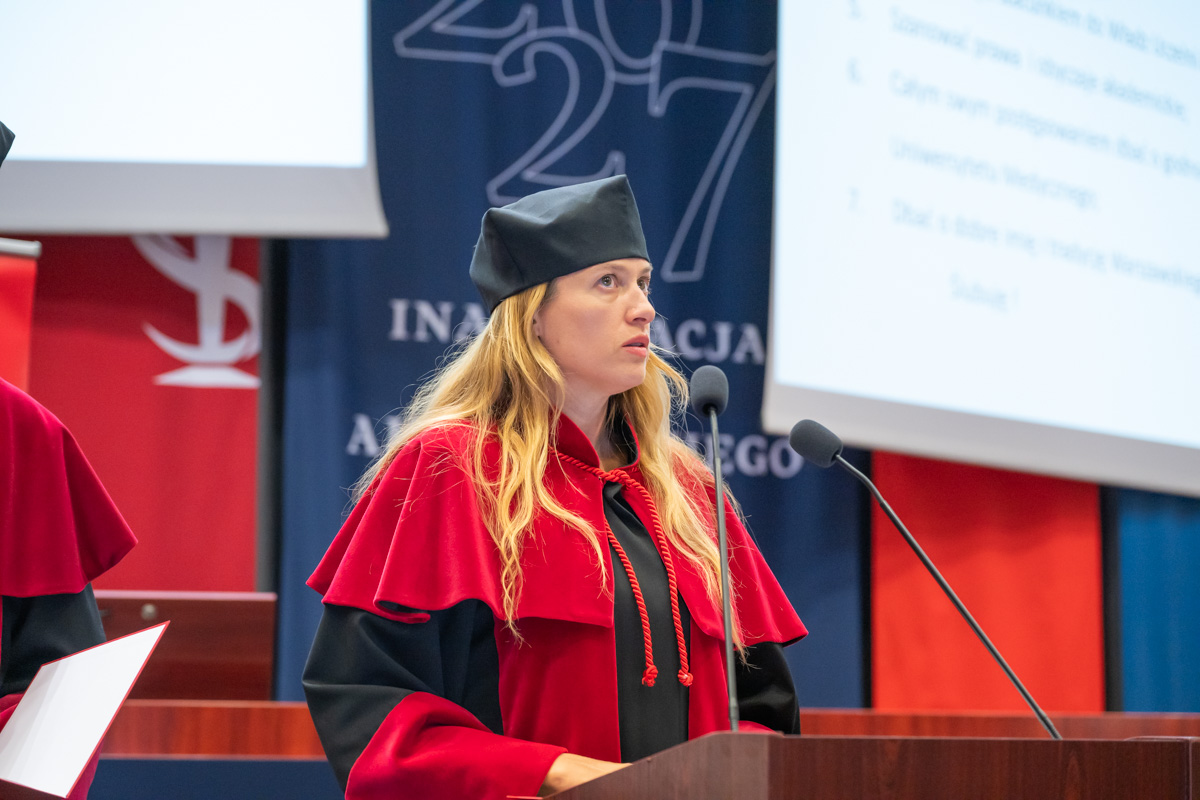
Following the speeches by the dean and rector, the most important part of the ceremony began: the taking of the oath. Prof. Renata Główczyńska, Vice Dean of the Faculty of Medicine for Student Affairs for the first- and second-year students, administered the oath to students enrolled in the Polish-language medical program. Dr. hab. Jacek Sieńko, Vice Dean of the Faculty of Medicine for English Division Student Affairs, administered it to students enrolled in the English-language medical program.
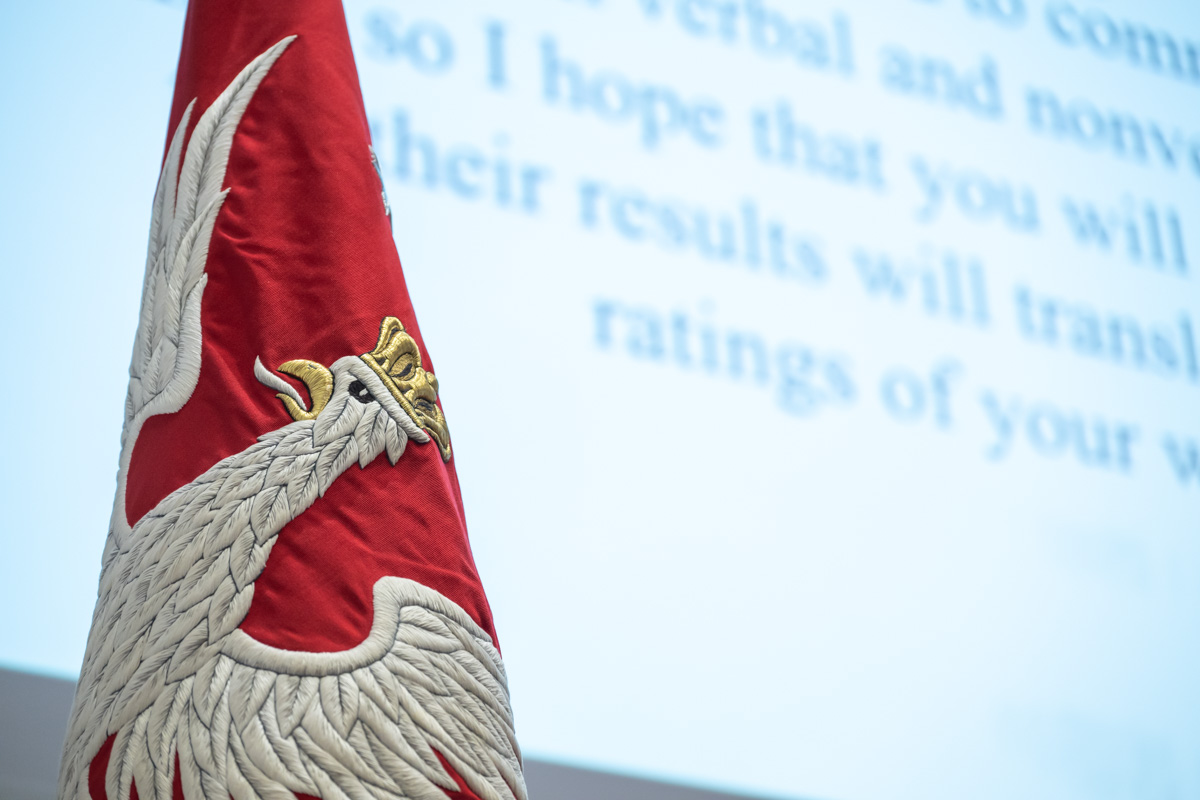
The students gathered in the auditorium pledged to pursue knowledge, professional and personal development, and to uphold the dignity and honor of being students of the Medical University of Warsaw.
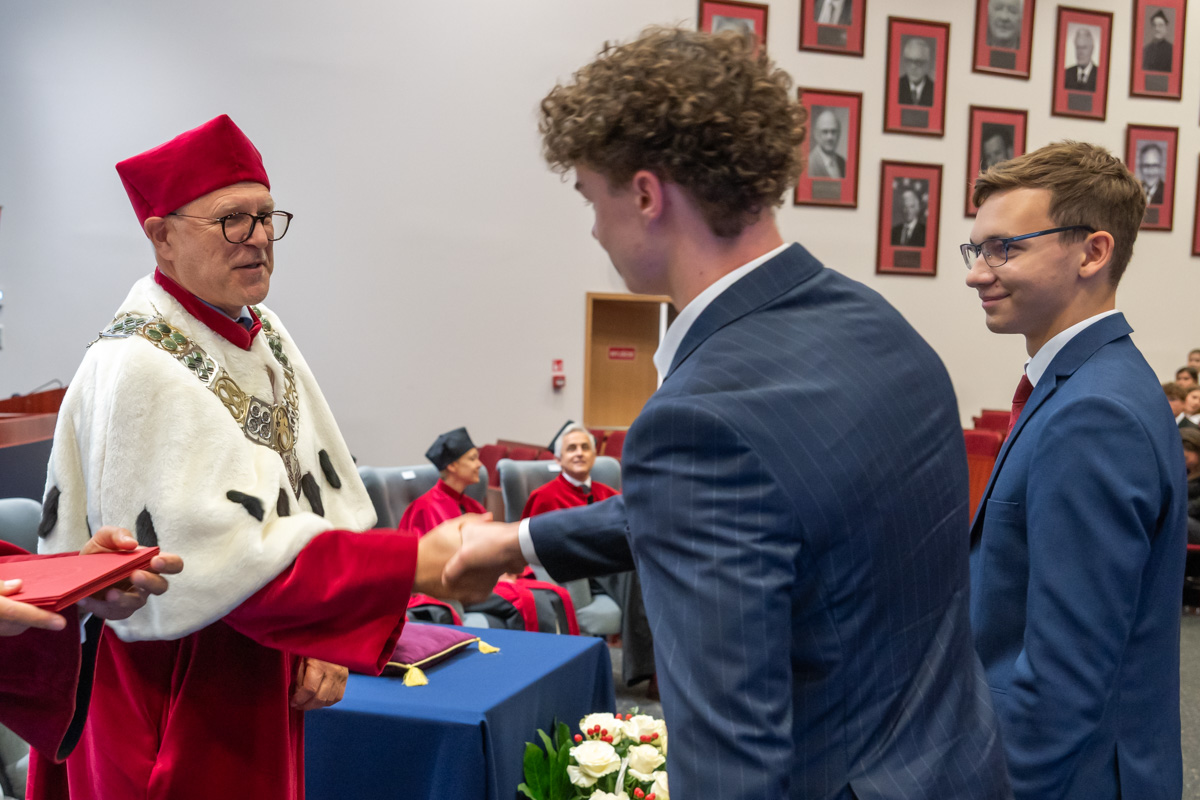
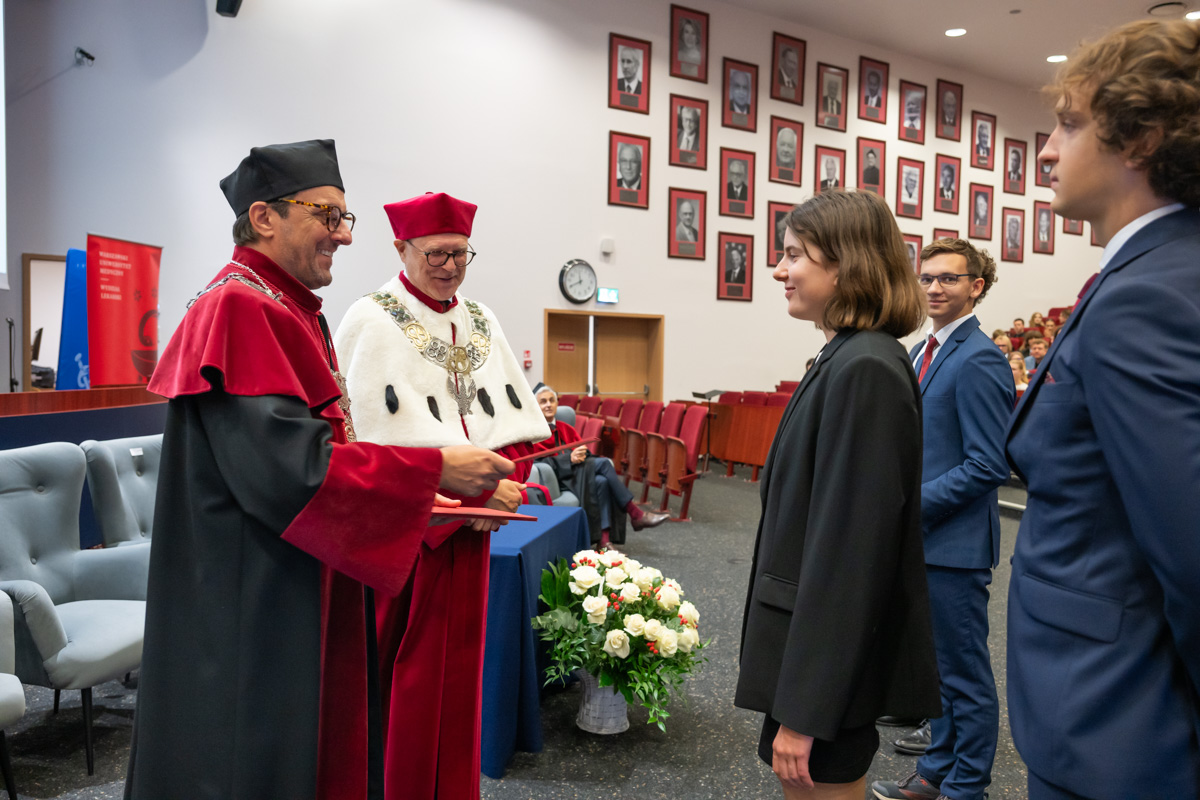
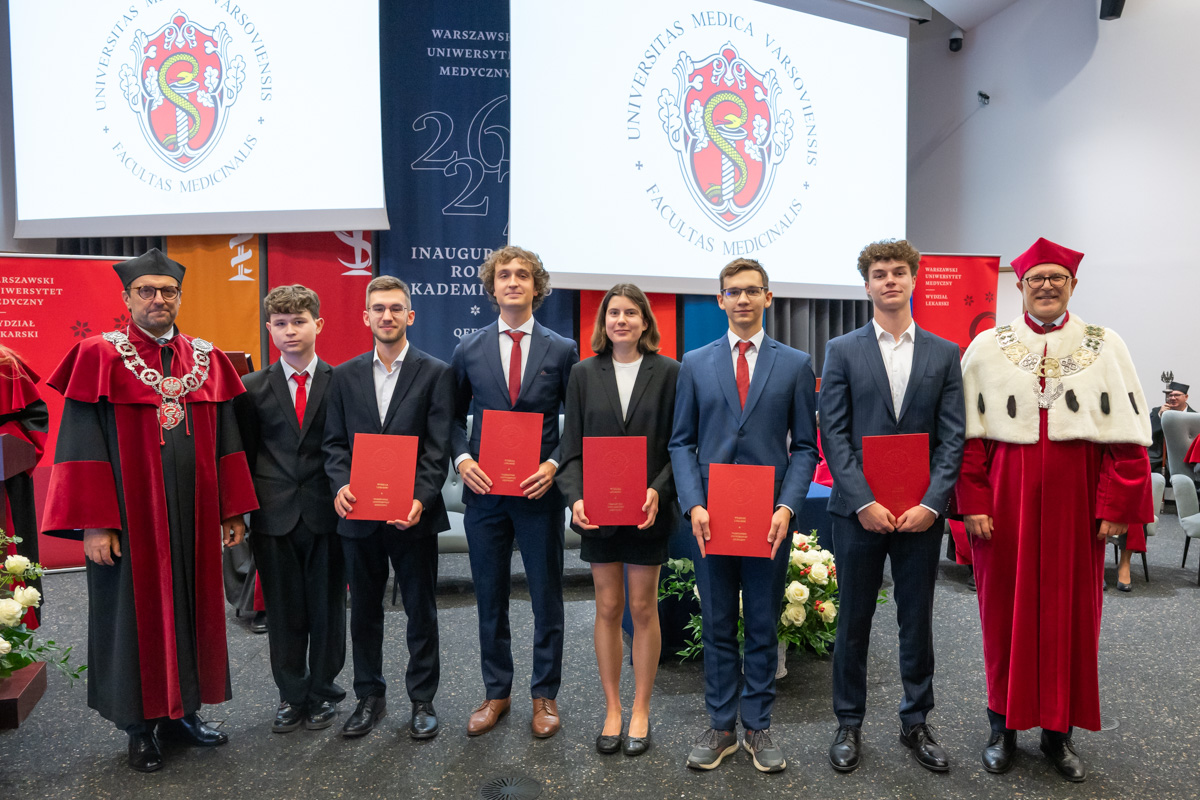
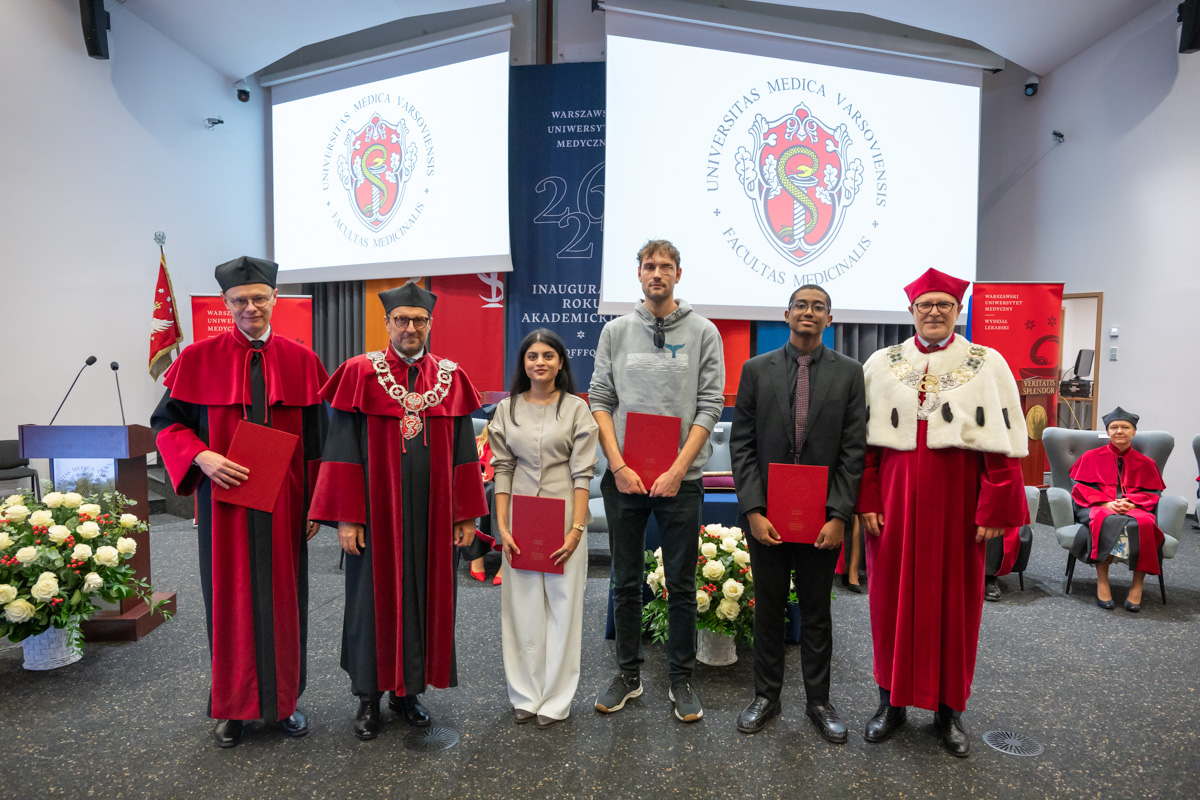
After the oath had been formally recited, congratulations were extended to the students who had achieved the highest admission scores. They were Maksymilian Gajda, Tymon Gotowicz, Izabela Naumiuk, Grzegorz Paleczny, Aleksander Prejzner, Awab Haytham Mahgoub Awouda, Oliver Bruck, and Hishma Badur Ferry.
“Half of this will turn out to be wrong”
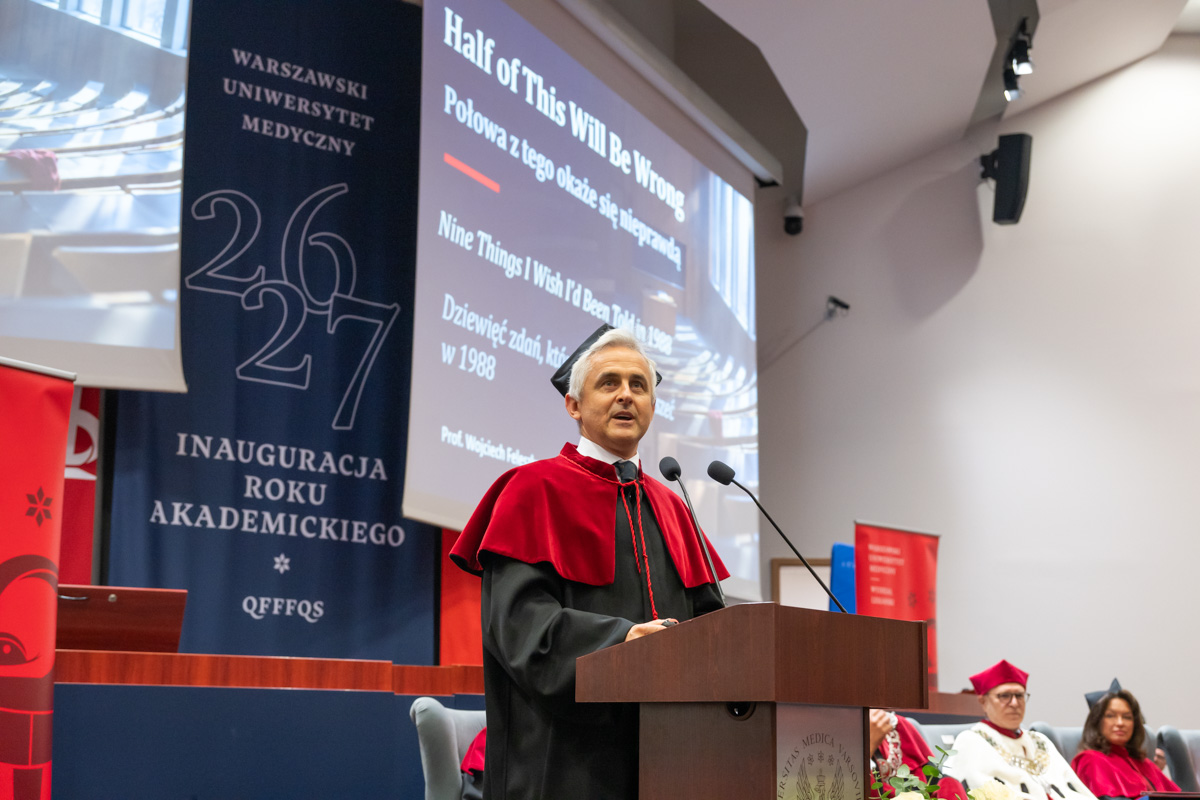
One of the highlights of the ceremony was a lecture by Prof. Wojciech Feleszko from the Department of Pediatric Pneumology and Allergy at UCK WUM, entitled “Half of this will turn out to be wrong.” During his talk, Prof. Feleszko shared nine pieces of advice with the newly admitted students, emphasizing that these were the things he himself would have wanted to hear in 1988, when he began his medical studies.
“Sitting in the auditorium, just as you are today, I was convinced of three things: that anatomy was the most important but impossible-to-master field of medicine, that I would never become a clinician, and that all diseases had already been described in textbooks. I got all three wrong, and that was consistent with what continued to happen whenever I tried to predict the future,” the speaker joked.
The first was to get enough sleep. The second was to remember that anatomy in medicine is like the framework of a building under construction: it mustn’t be skipped. The third was to remain curious, because curiosity drives us to acquire ever more knowledge.
“We need your curiosity because it will help you discover what remains unknown today,” Prof. Feleszko said.
The fourth piece of advice drew on a statement attributed to Sidney Burwell, Dean of Harvard Medical School: “Half of what we teach you will turn out to be wrong. The problem is that we don’t know which half.” This does not mean that students are being taught false information. Rather, it expresses humility in the face of science and the rapid development of medicine. Medical students, and later doctors, must therefore think critically, be prepared to continue learning throughout their lives, and remain open to new scientific evidence.
The fifth piece of advice concerned the tools doctors need in their work. According to Prof. Feleszko, the three most important are a stethoscope, AI, and… empathy.
“Empathy is a skill we will never stop learning,” the speaker said.
The sixth piece of advice concerned the ability to “connect the dots,” or to analyze different possible causes of symptoms and draw sound conclusions from multiple, often non-obvious, pieces of information. The seventh was to prevent professional burnout. The eighth was to learn perseverance. As Prof. Feleszko emphasized, perseverance is not an innate personality trait but a daily choice and a conscious attitude. The final piece of advice concerned relationships and community. The speaker reminded students that they were not alone on their academic and professional journeys. The people sitting beside them in the auditorium that day might one day become important colleagues, friends, and sources of support.
The art of medicine is more than theory
At the end of the ceremony, the student government presidents were invited to speak.
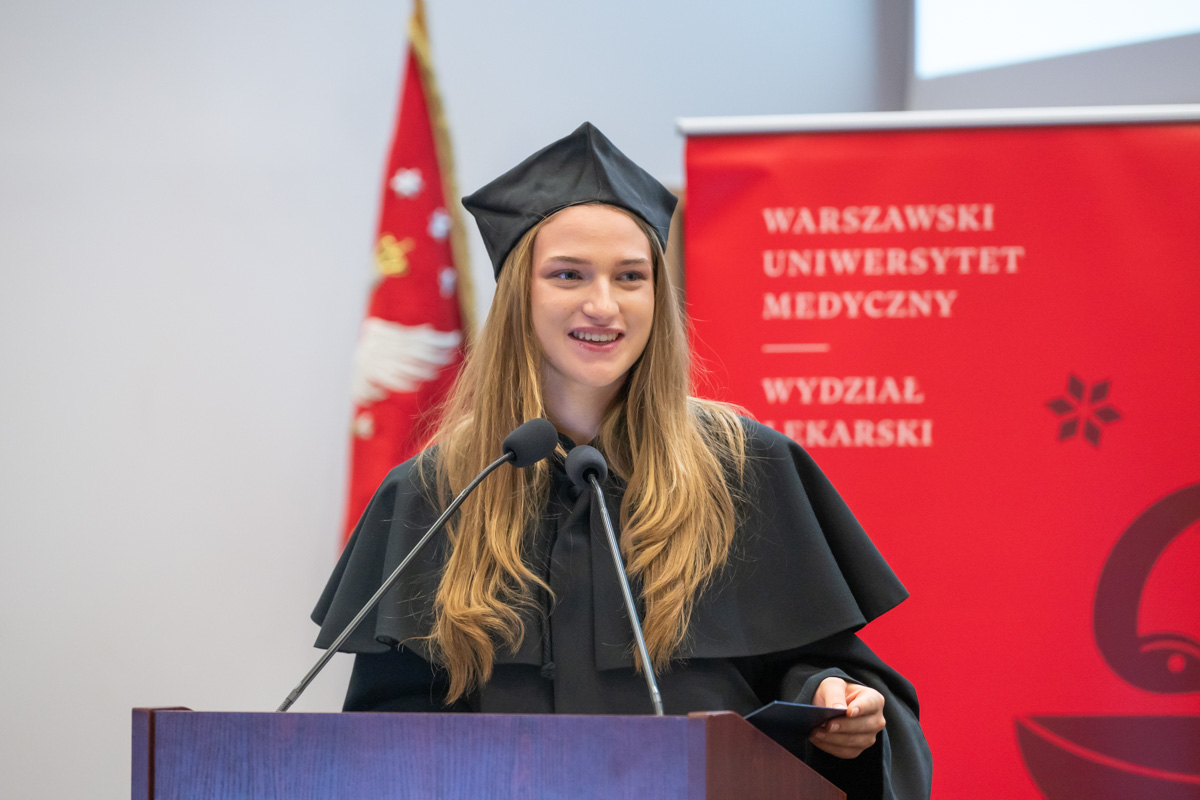
“From the bottom of my heart, congratulations on the tremendous achievement of being admitted to the medical program at our faculty. You have demonstrated perseverance, determination, and ambition. This marks the culmination of your achievements, but it is also a door opening onto an entirely new path and much broader horizons,” Maria Dutsch-Wicherek, President of the Faculty of Medicine Student Government, told the new students.
She encouraged her younger colleagues to remain curious, have the courage to ask questions, and take advantage of opportunities to learn from outstanding lecturers.
“You are learning not only theory, definitions, and a profession, but also the art of medicine. It is not just about knowledge; it is about compassion, sensitivity, empathy, the intangible care we provide to patients, conversation, and something greater than communication alone.”
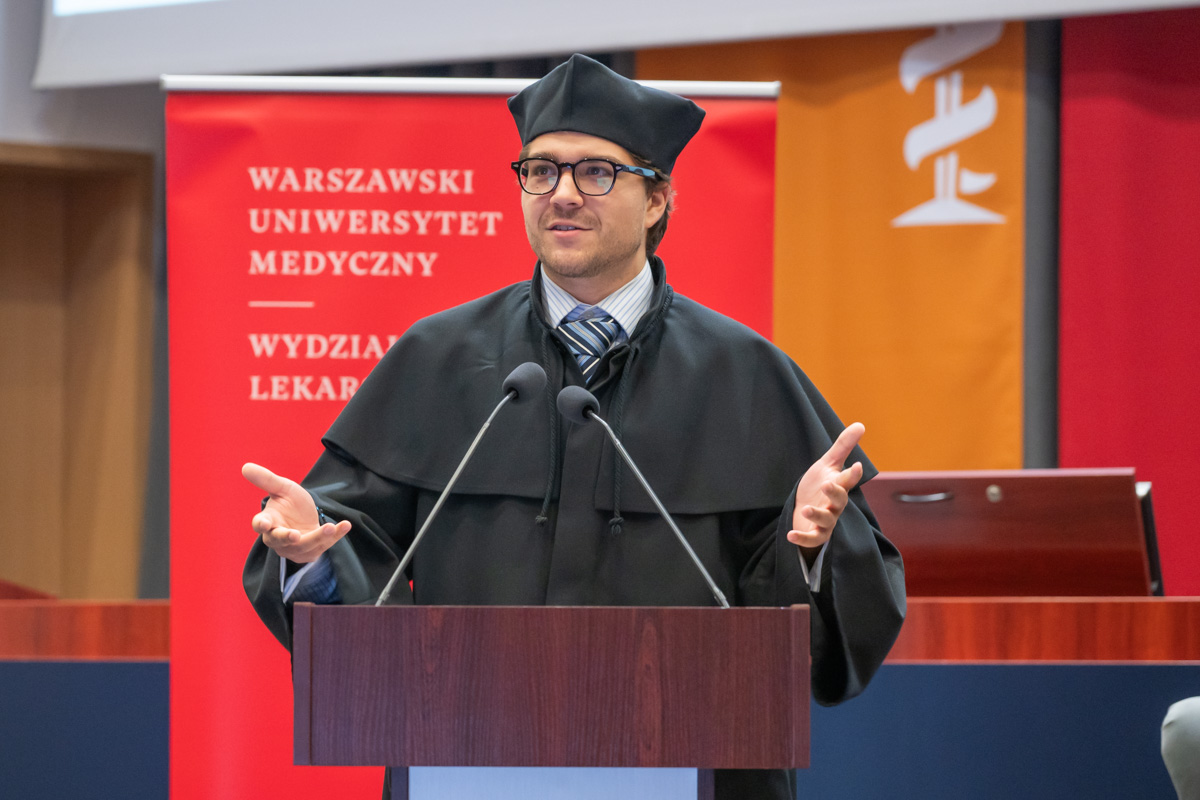
Alexis Vourtsis, President of the English Division Student Government, emphasized that medicine is an expansive and constantly evolving field, and that those who practice it never stop learning.
“You need to get used to that now,” he advised the newly admitted students.
He also asked them never to lose sight of what matters most in medicine.
“The most important thing is the people we work with and the people we treat. That must be at the heart of everything.”
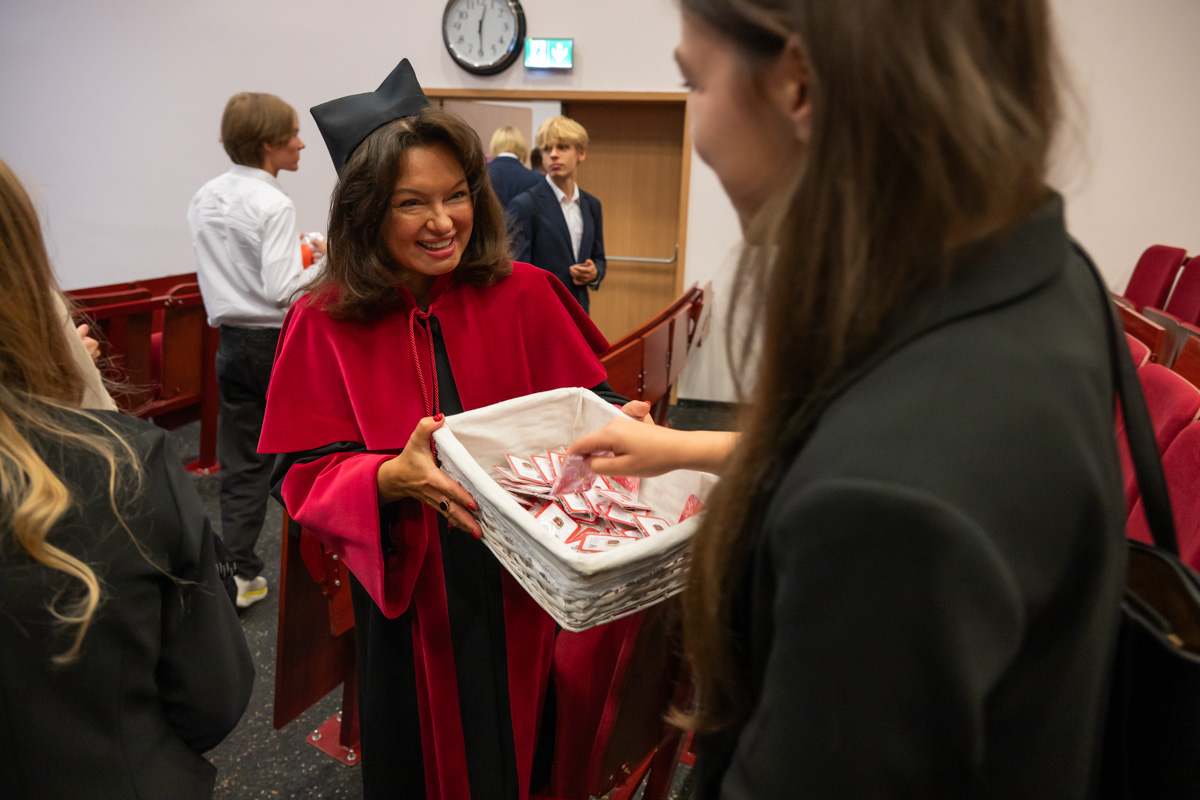
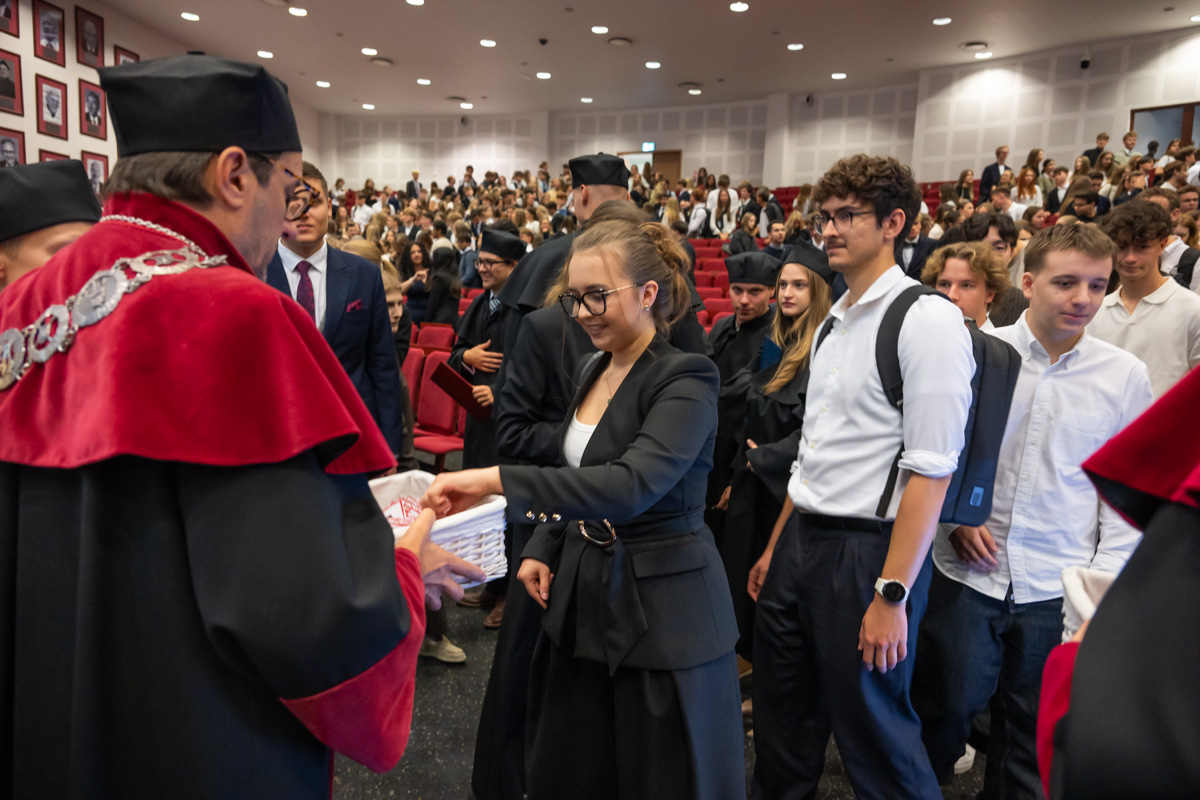
At the end of the ceremony, the students received commemorative pins and posed for a group photo.
The ceremony was hosted by the dean and vice deans of the Faculty of Medicine: Dean Prof. Paweł Włodarski and Vice Deans Prof. Renata Główczyńska, Prof. Aleksandra Banaszkiewicz, Prof. Tadeusz Grochowiecki, Dr. hab. Jacek Sieńko, and Prof. Aneta Nitsch-Osuch. The event was organized by the Dean’s Office of the Faculty of Medicine.
The ceremony was also attended by members of the Faculty of Medicine Council, the Faculty of Medicine Student Government, the English Division Student Government, and faculty members.
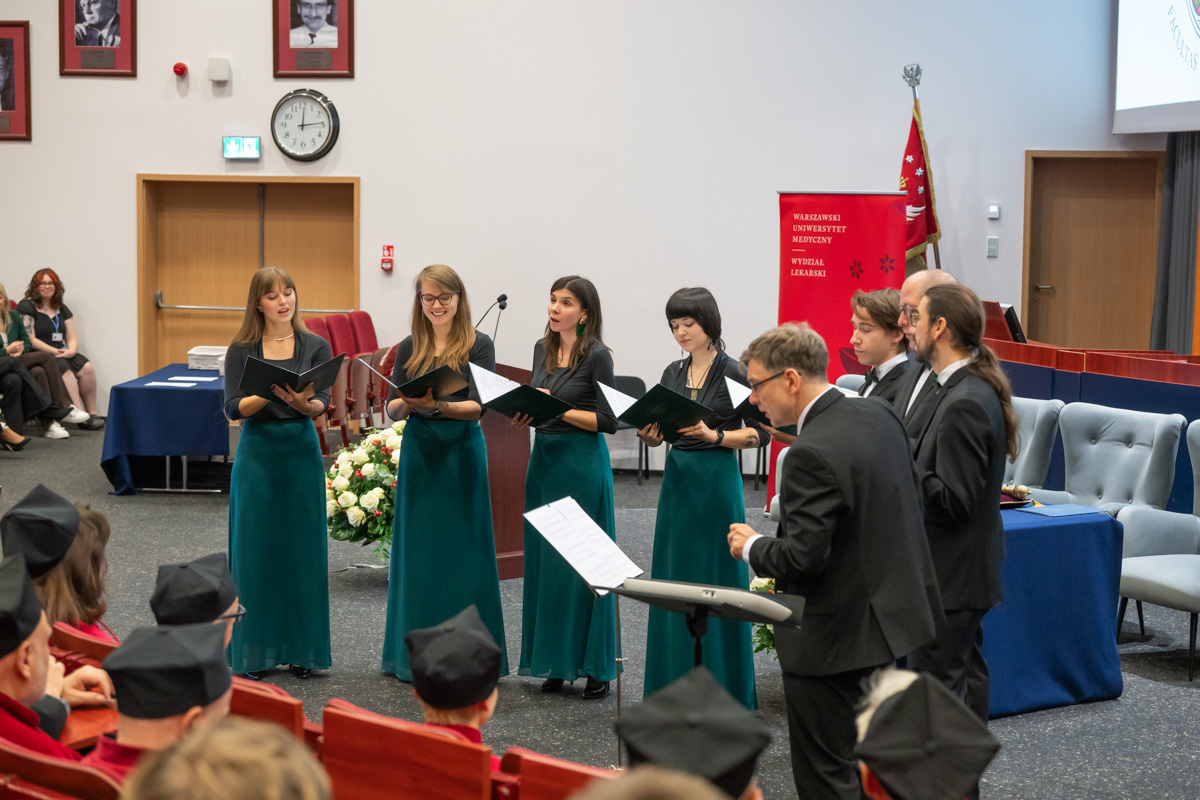
The Medical University of Warsaw Choir provided the musical accompaniment for the ceremony.