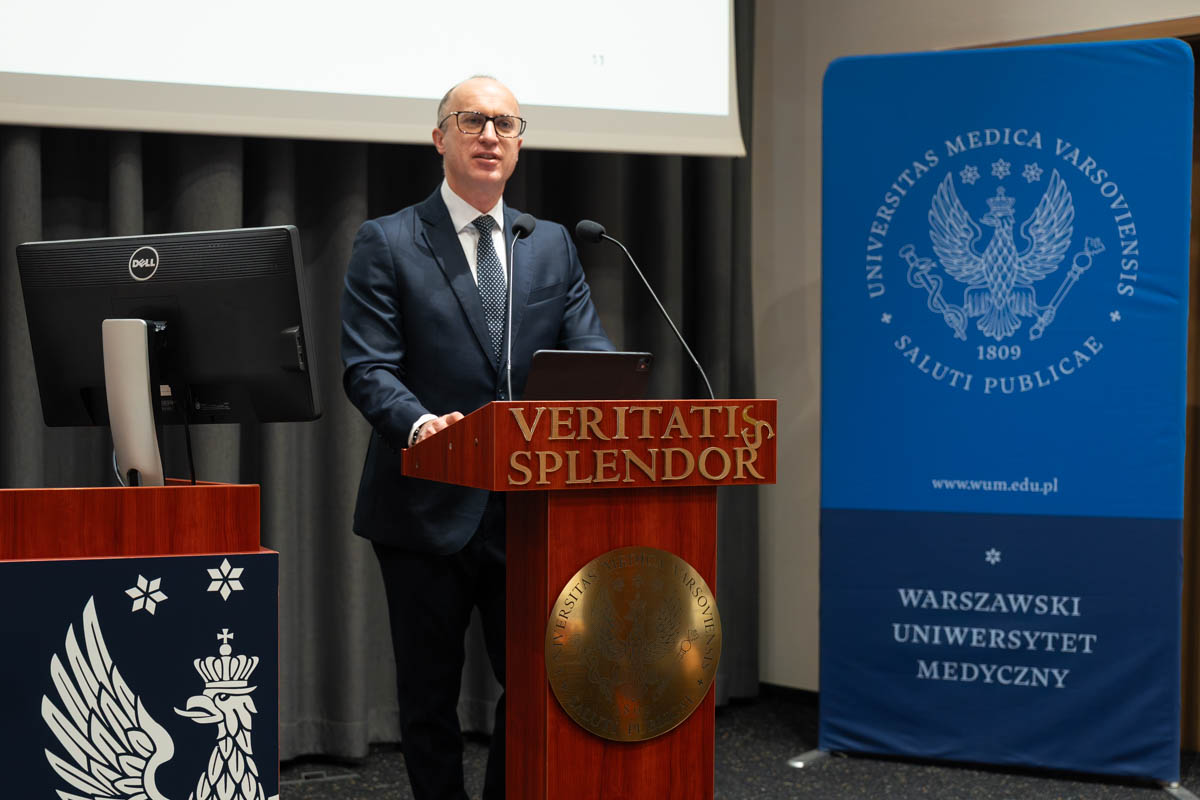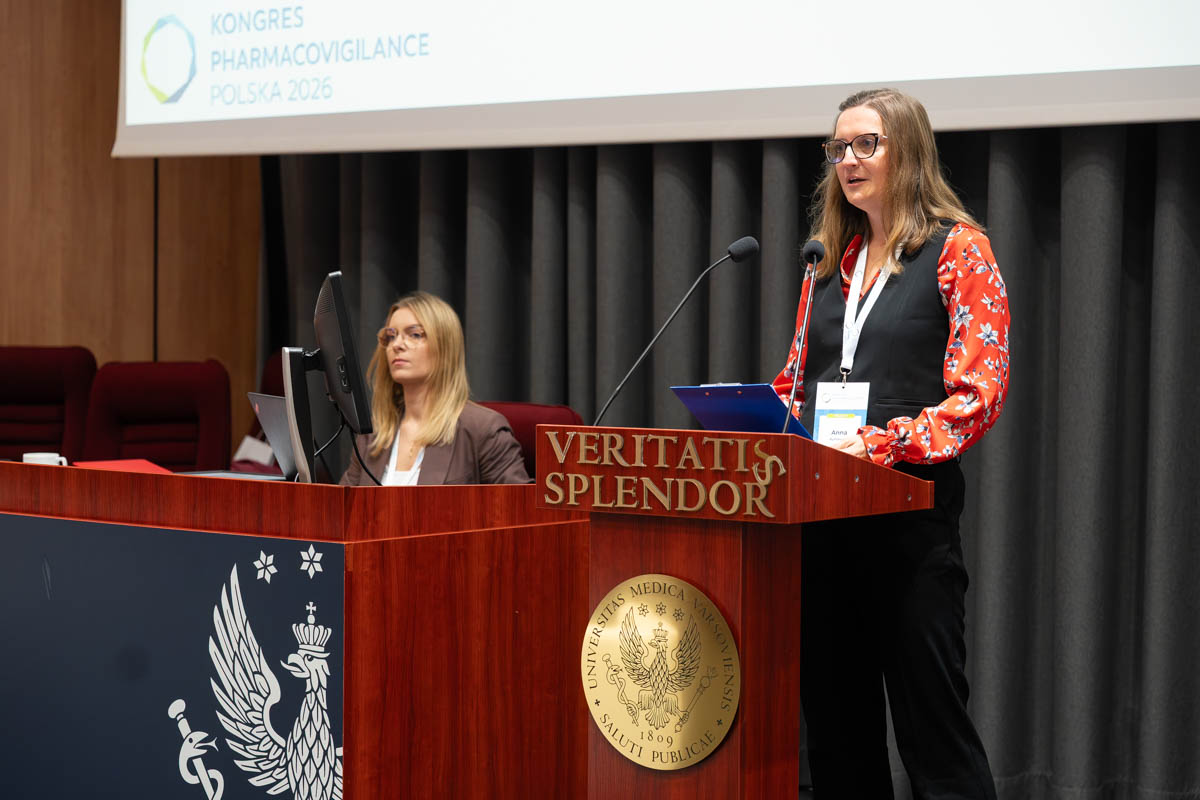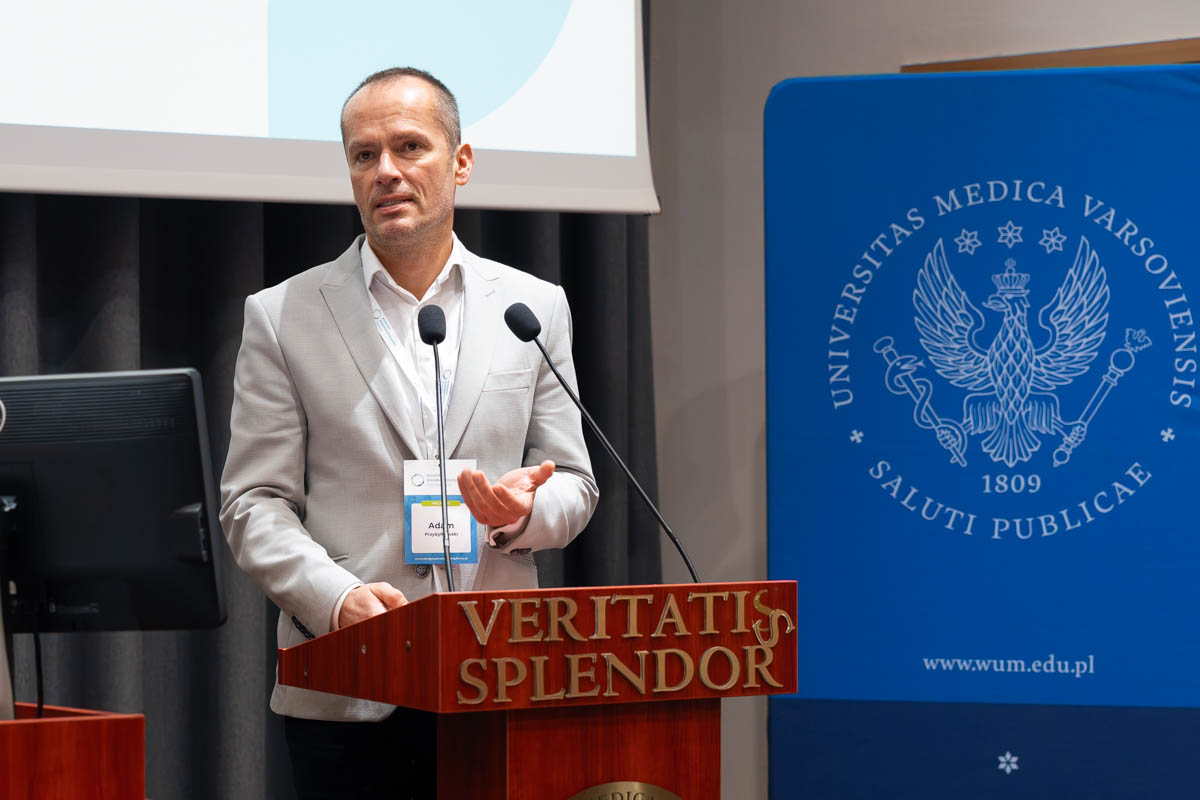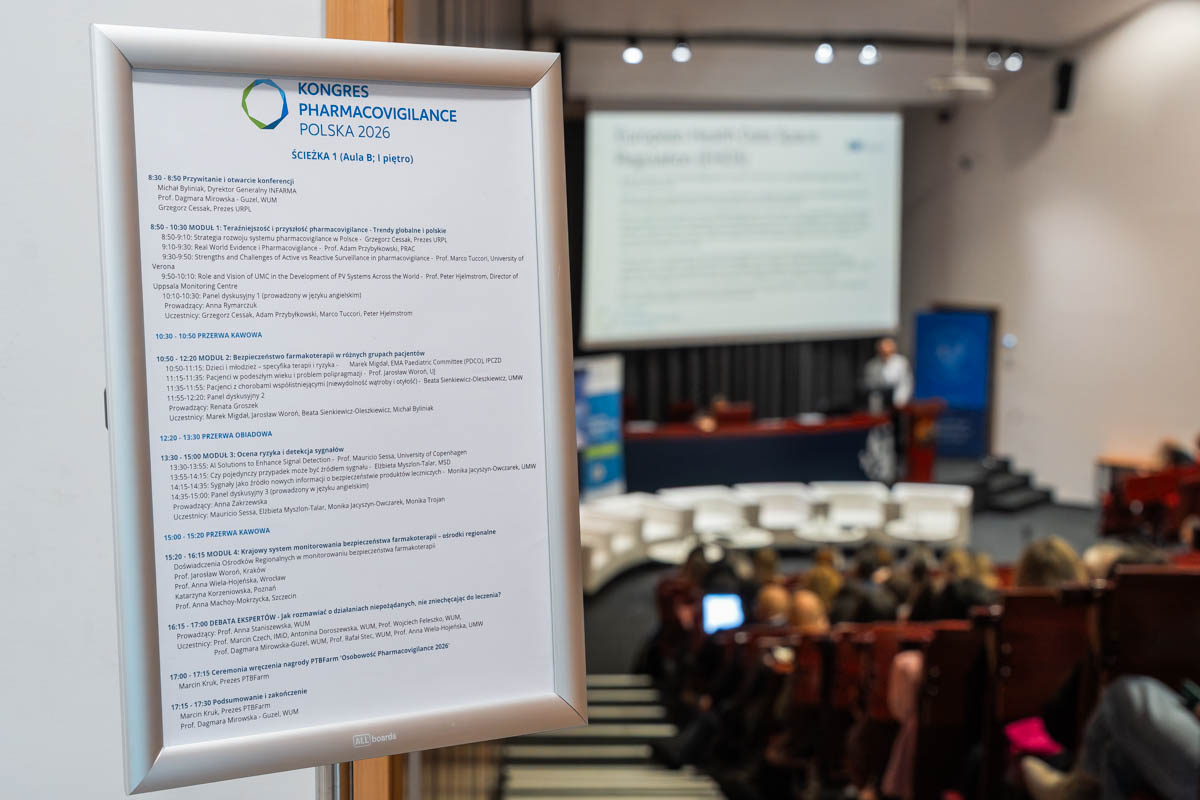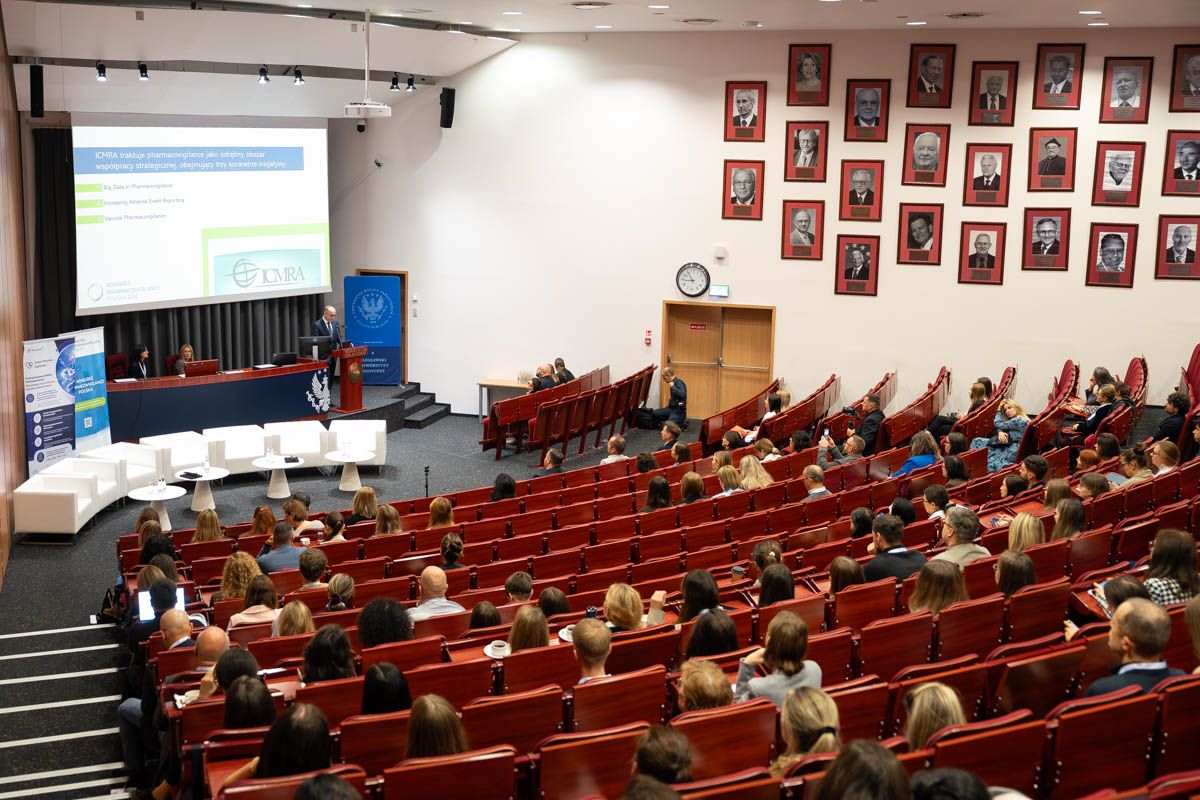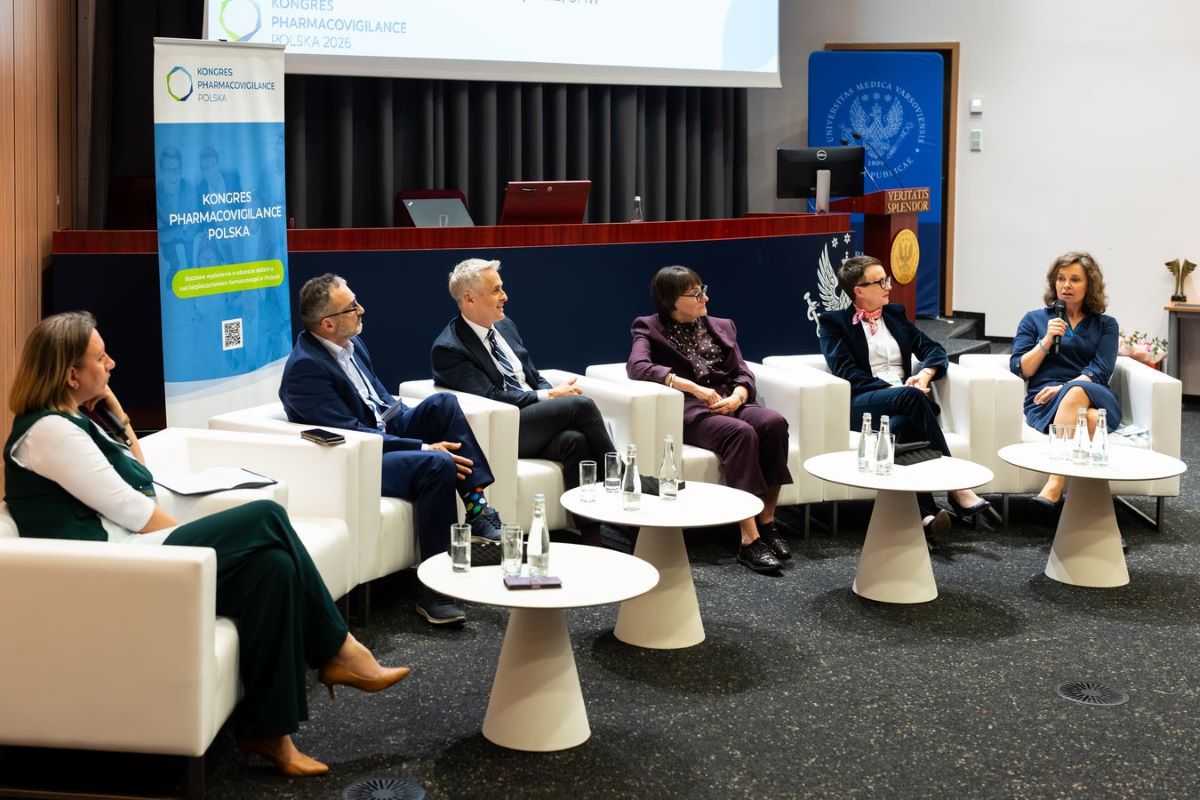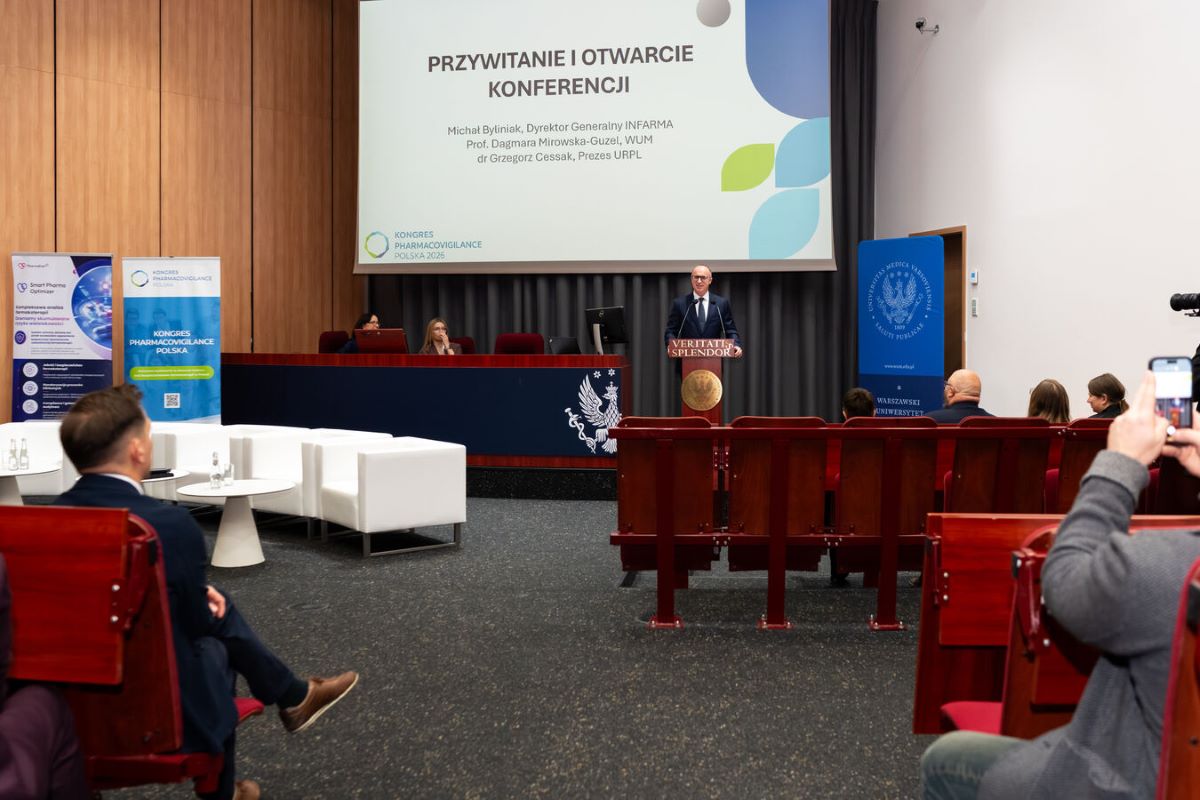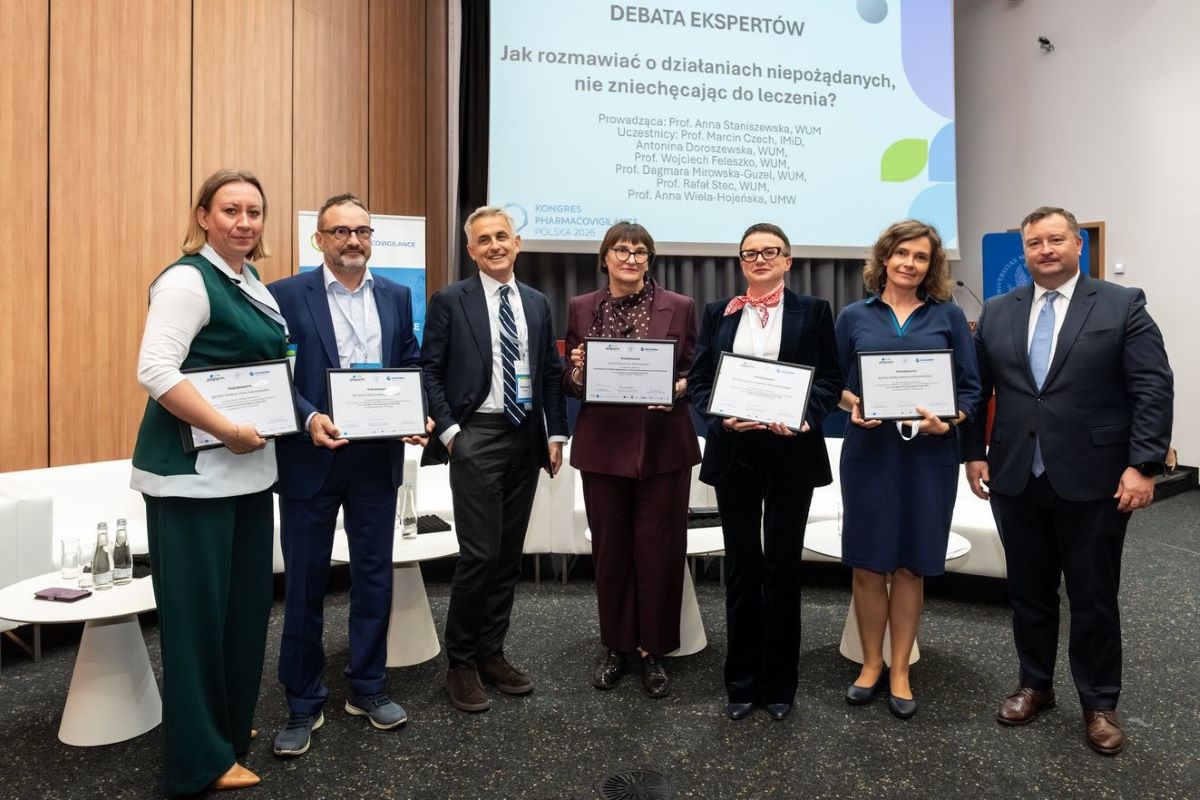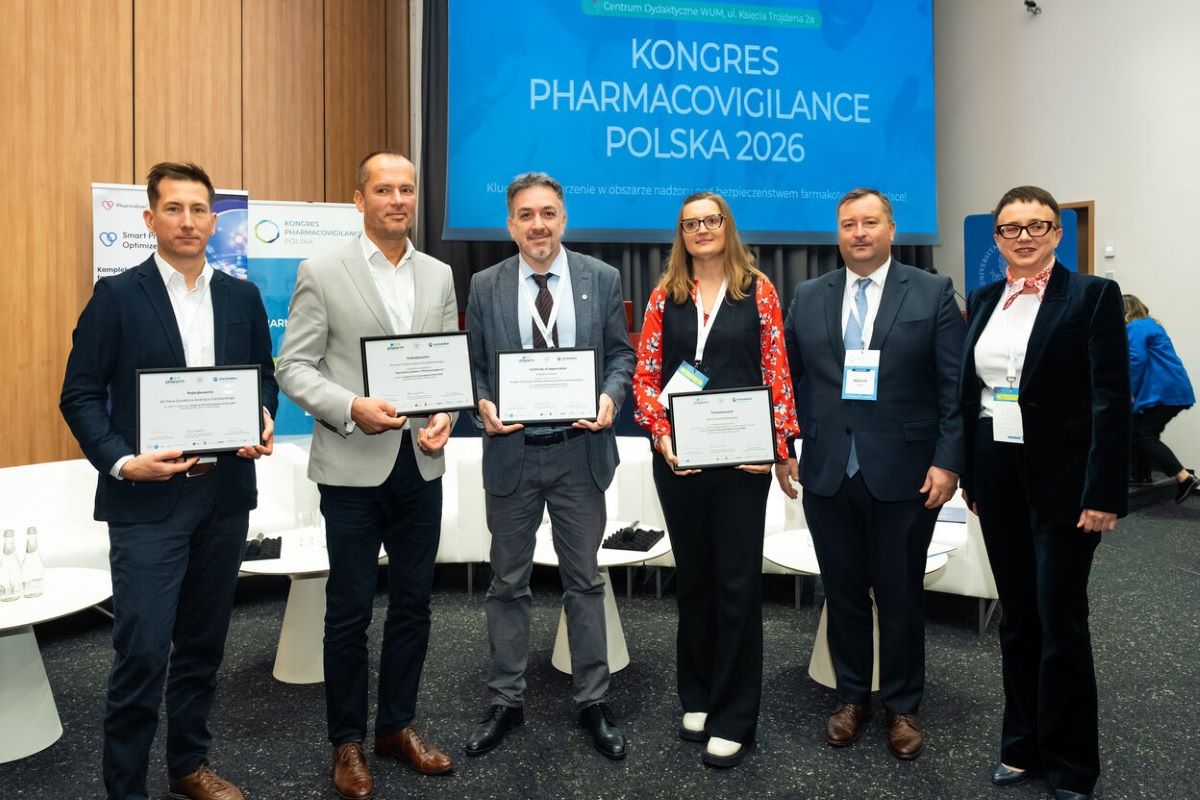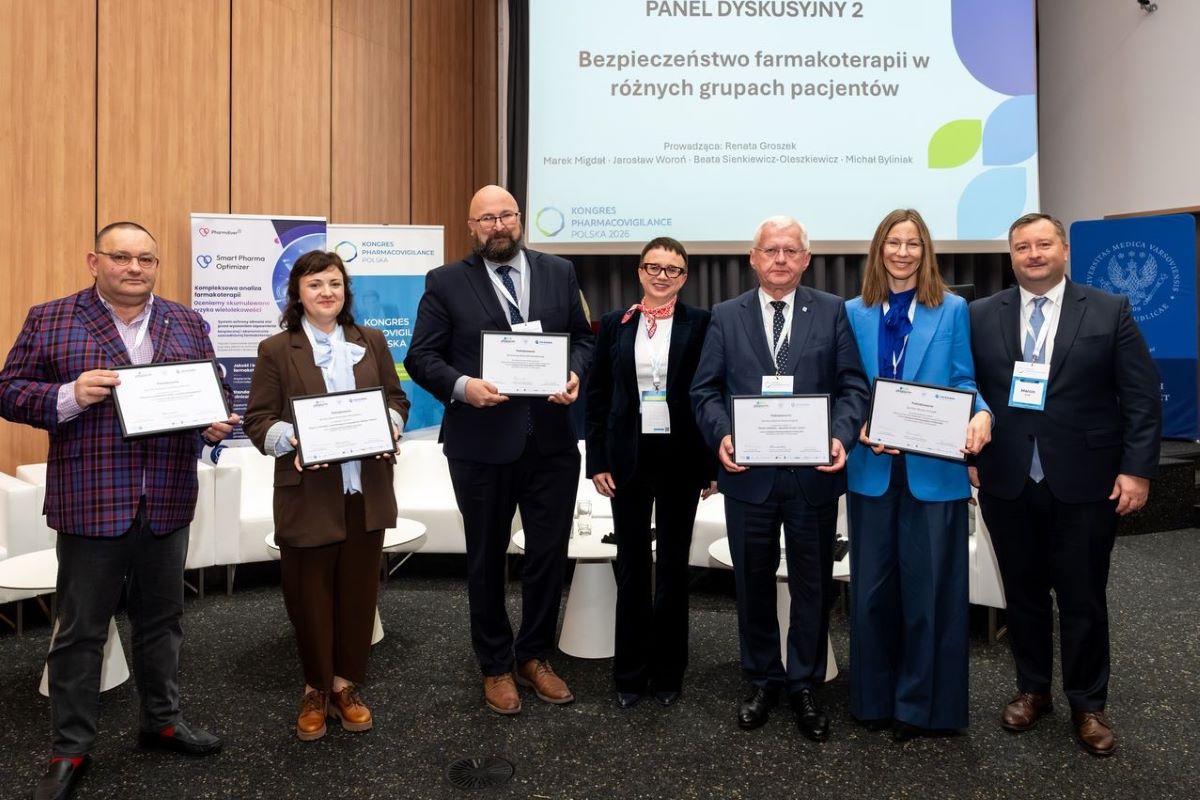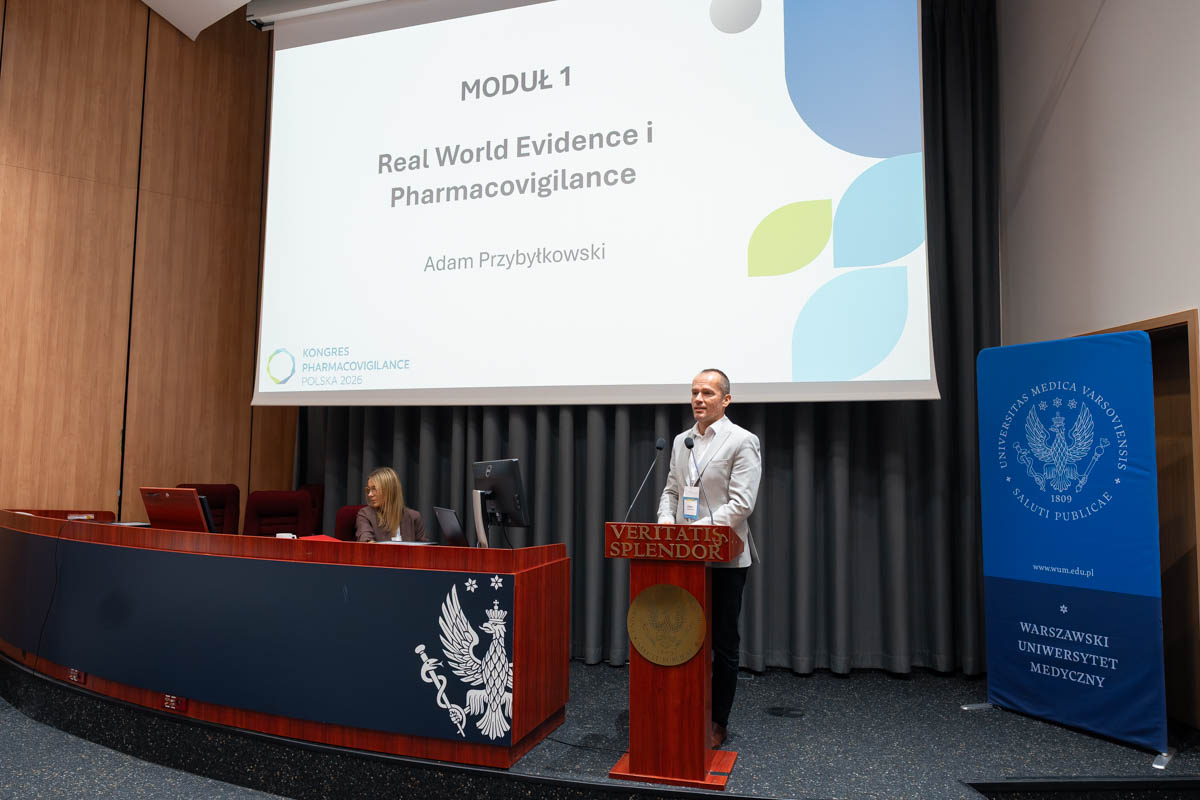
The event took place on October 20 in the auditorium of the Didactic Center at WUM. The congress was organized by WUM, the Polish Society of Pharmacovigilance (PTBFarm), and Infarma, the Association of Innovative Pharmaceutica Companies.
Pharmacovigilance, or safe pharmacotherapy, is more than a regulatory obligation
“From an administrative and legislative perspective, the term ‘pharmacovigilance’ refers to the monitoring of the safety of pharmacotherapy. For us, as healthcare professionals, it also means a commitment to exercising due diligence and maintaining what is known as pharmacological vigilance,” said Prof. Dagmara Mirowska-Guzel, Vice-Chair of the congress’s Scientific Committee and Head of the Department of Experimental and Clinical Pharmacology at WUM, as she opened the event and welcomed the guests on behalf of both herself and Dr. Marcin Kruk, President of PTBFarm.
She expressed her pleasure at the presence of representatives from so many different groups working in pharmacovigilance, emphasizing that the congress was intended to provide a platform for mutual understanding of each group’s roles, responsibilities, and expectations.
“Pharmacovigilance is at least as important to everyone in the pharmaceutical industry as treatment efficacy, if not more so,” said Michał Byliniak, MPharm, Vice-Chair of the Scientific Committee and Director General of Infarma.
Grzegorz Cessak, President of the Office for Registration of Medicinal Products, Medical Devices and Biocidal Products, emphasized that the more advanced medicine becomes, the more important it is to monitor treatment safety even after therapies have been introduced into clinical practice.
“That is why pharmacovigilance cannot be viewed merely as a set of procedures, regulatory obligations, or reporting systems. Today, it is one of the fundamental pillars of responsible healthcare.”
Seven thematic modules and experts from Poland and abroad
The program featured seven thematic modules developed under the supervision of a Scientific Committee. In addition to Prof. Dagmara Mirowska-Guzel, WUM was represented on the committee by Prof. Anna Staniszewska and Prof. Adam Przybyłkowski.
The first module addressed the present and future of pharmacovigilance; the second focused on pharmacotherapy safety in different patient populations; the third covered risk assessment and signal detection; the fourth examined Poland’s national pharmacovigilance system; the fifth explored new technologies in pharmacovigilance; the sixth focused on quality in pharmacovigilance; and the seventh addressed pharmacovigilance for over-the-counter (OTC) medicines.
In addition to lectures, the program included three panel discussions and an expert debate. A total of 41 speakers and panelists took the stage, representing universities, the pharmaceutical industry, and associations and organizations working in the field of pharmacotherapy. International guests included Peter Hjelmström, Director of the Uppsala Monitoring Centre; Maria Polydorou of the Greek Pharma Industry Association; David Sullivan of the Medicines and Healthcare products Regulatory Agency; Marco Tuccori of the Department of Diagnostic and Public Health at the University of Verona; and Maurizio Sessa of the Department of Drug Design and Pharmacology at the University of Copenhagen.The event’s speaker list
Our experts contribute to the debate on medication safety
Prof. Adam Przybyłkowski, Head of the Department of Gastroenterology and Internal Medicine at UCK WUM, took part in a panel on the present and future of pharmacovigilance. He also serves as Poland’s delegate to the Pharmacovigilance Risk Assessment Committee (PRAC) at the European Medicines Agency, which is responsible for assessing and monitoring the safety of medicines for human use.
Professor Przybyłkowski spoke about real-world evidence (RWE) in pharmacovigilance. What is RWE? It refers to evidence generated by studies showing how treatments, medical devices, and healthcare models perform in everyday practice. This makes it possible to assess the effectiveness and safety of treatments under real-world conditions. In Professor Przybyłkowski’s view, this will be one of the directions in which pharmacovigilance will develop.
“In the coming years, legislation will come into force in the European Union requiring all member states to establish a shared system that collects information about patients’ treatment histories, prescriptions, and dispensed medicines. The system will therefore collect data from millions of patients every year, almost in real time.”
The European Medicines Agency operates the Data Analysis and Real-World Interrogation Network, a coordinated network that links data from different EU countries and enables real-world evidence studies, among other functions. As Prof. Adam Przybyłkowski emphasized, the number of studies based on real-world medical data is steadily increasing. Although these studies currently focus mainly on the types of medicines used and how they are used, advances in analytical methods will enable them to provide increasingly complex information to support healthcare decision-making.
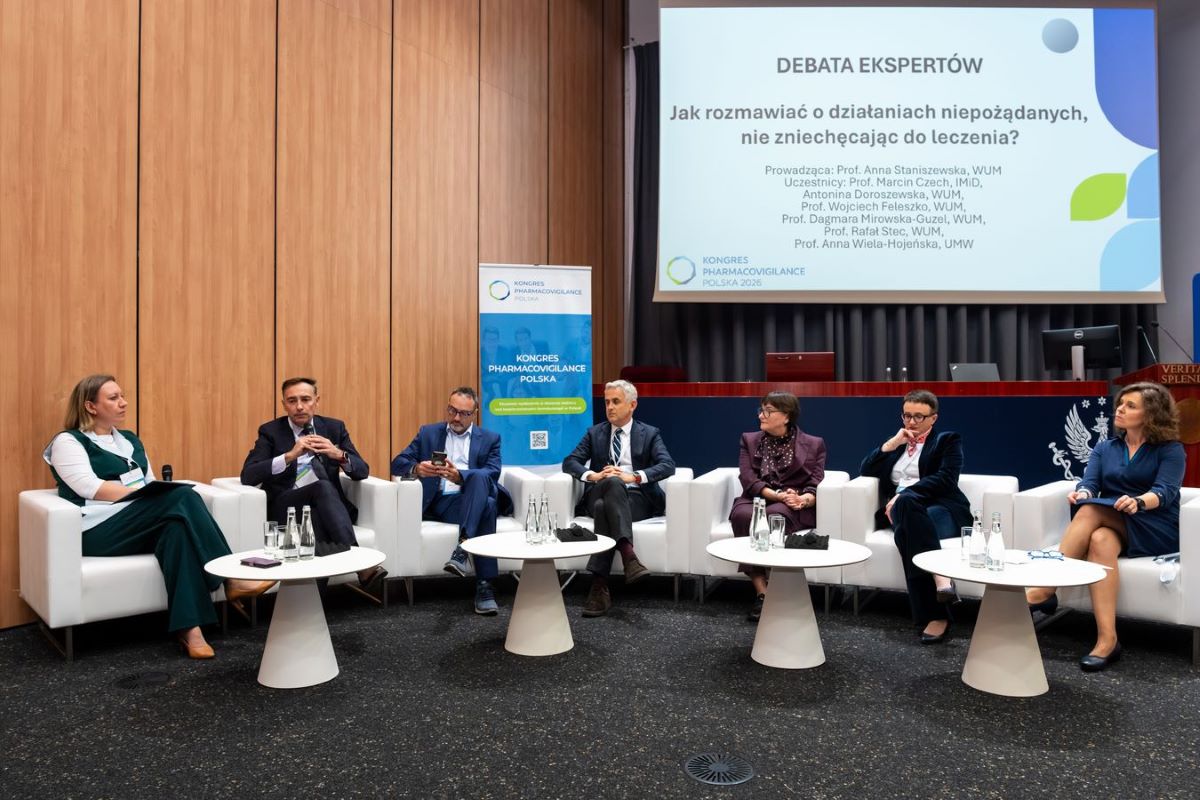
How can we discuss adverse drug reactions without discouraging treatment?
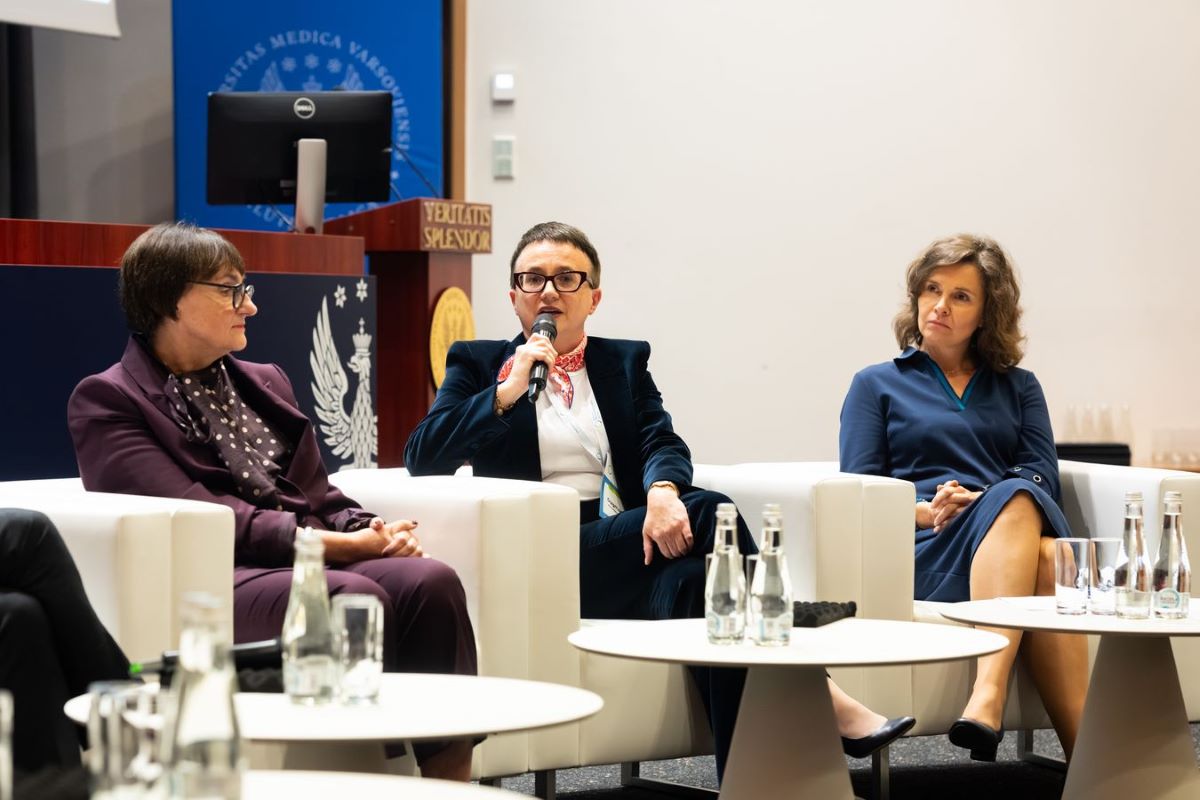
A particularly interesting discussion focused on communicating with patients about adverse drug reactions. The session was moderated by Prof. Anna Staniszewska. The panelists were Prof. Marcin Czech, Head of the Division of Pharmacoeconomics at the Institute of Mother and Child; Dr. hab. Antonina Doroszewska, Head of WUM’s Department of Medical Communication; Prof. Wojciech Feleszko from the Department of Pediatric Pulmonary Diseases and Allergy at UCK WUM; Prof. Dagmara Mirowska-Guzel; Prof. Rafał Stec, Head of the Department of Oncology at UCK WUM; and Prof. Anna Wiela-Hojeńska from Wrocław Medical University.
As Professor Stec emphasized, modern oncology increasingly prioritizes informed patient choice, particularly because many treatments offer similar efficacy but have different adverse-effect profiles. Despite time constraints caused by a shortage of oncologists, it is essential to give patients reliable information about the benefits and risks of treatment and its impact on quality of life, which is just as important to many patients as survival.
“My patients often say, ‘I want to live for less time, but live better.’ In other words, if a cancer cannot be cured, we should not continue treating patients at all costs until the very end. Treatment must not be worse than the disease,” Prof. Rafał Stec emphasized.
Pediatrician Prof. Wojciech Feleszko was asked whether parents should be informed about every possible adverse drug reaction. He stressed the importance of using common sense.
“A clinician cannot simply read the package leaflet aloud. Based on clinical experience, they should be able to prioritize information and explain what happens frequently and what happens rarely. The only situation in which it is worth informing patients about every possible adverse reaction is when medicines are used outside standard practice.”
Can communicating information about possible adverse reactions in a balanced way improve or undermine adherence, meaning the extent to which patients follow medical recommendations? Prof. Dagmara Mirowska-Guzel emphasized that in her own practice, she takes the initiative in discussing adverse reactions with patients, although their responses vary. Many patients expect such conversations and feel more reassured afterward, while others feel that the topic goes beyond what they wanted to discuss.
“Our role is to identify the patient’s needs and determine what will genuinely help us communicate with them and, in turn, support their adherence to the prescribed treatment.”
Professor Mirowska-Guzel also highlighted an important aspect of patient communication: if patients are not informed about possible adverse reactions, they may question their physician’s knowledge and competence when such reactions occur. This can undermine their trust not only in the physician but also in the prescribed treatment.
The debate concluded with Dr. hab. Antonina Doroszewska discussing how medical students can be taught to talk about difficult aspects of treatment, including adverse reactions. In her view, it is important to combine knowledge with experience in this process.
“Knowing how to communicate is the foundation for ensuring that, in everyday practice, these conversations are based not on intuition but on an understanding of guidelines and what works. However, it is also important for this training to have a practical dimension. It is one thing to read about the principles, but another to be able to apply them when interacting with another person in a specific context.”
At the end of the conference, the Pharmacovigilance Personality Award was presented to Dr. Olga Fedorowicz from the Department of Clinical Pharmacology at Wrocław Medical University.
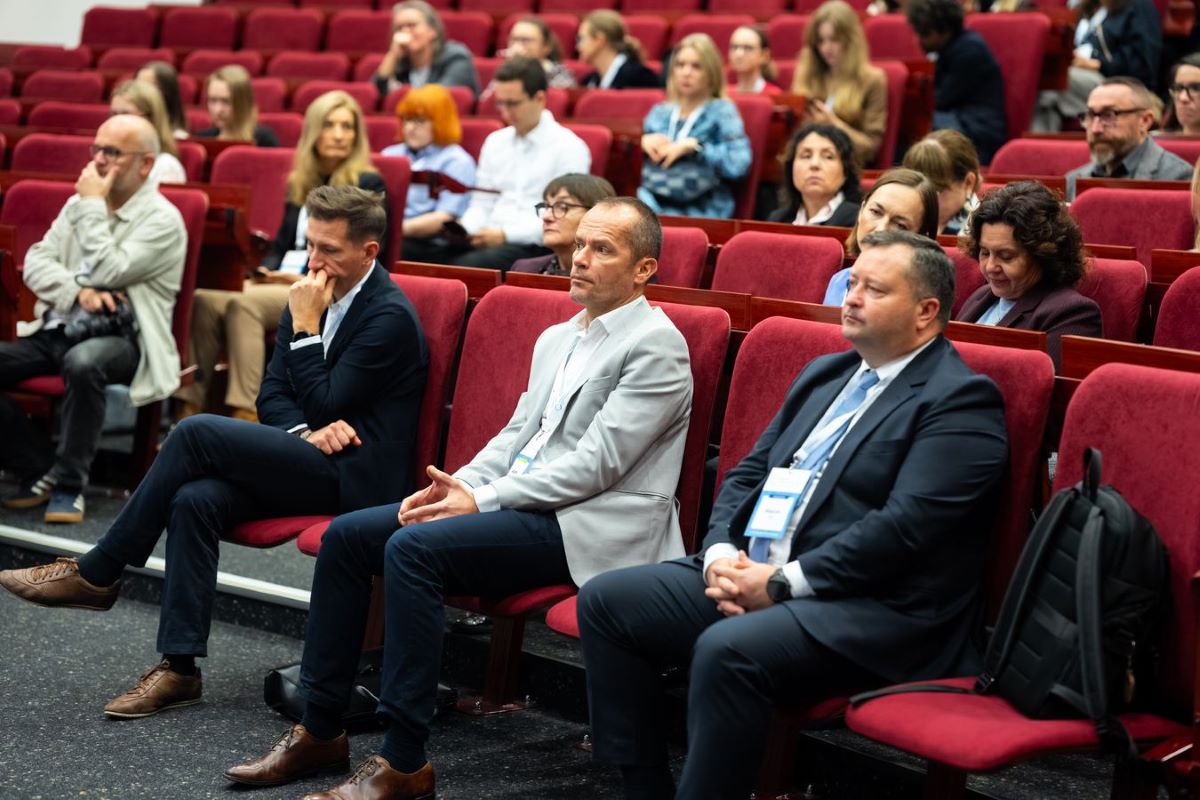
Approximately 400 participants from across Poland attended the event.
The significance of the congress is reflected in the honorary patronage it received from the Minister of Health, the Patient Ombudsman, the Office for Registration of Medicinal Products, Medical Devices and Biocidal Products, and the Rector of WUM.