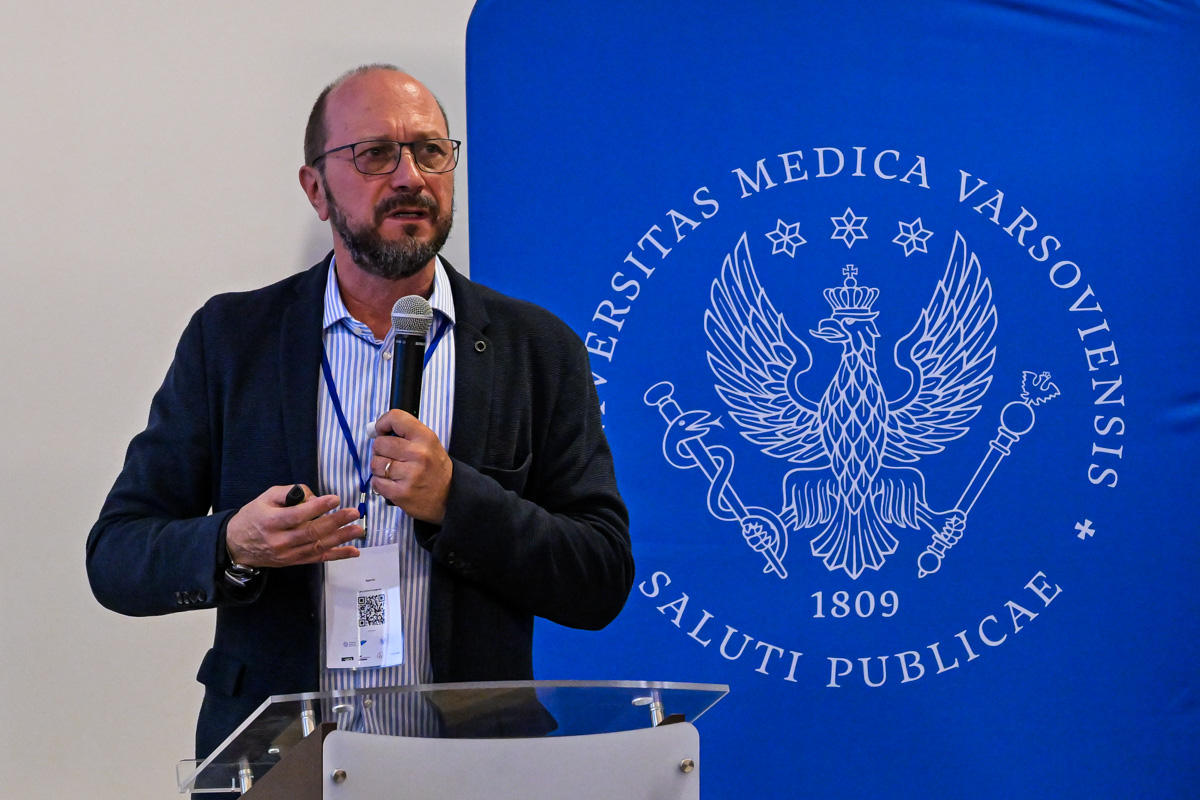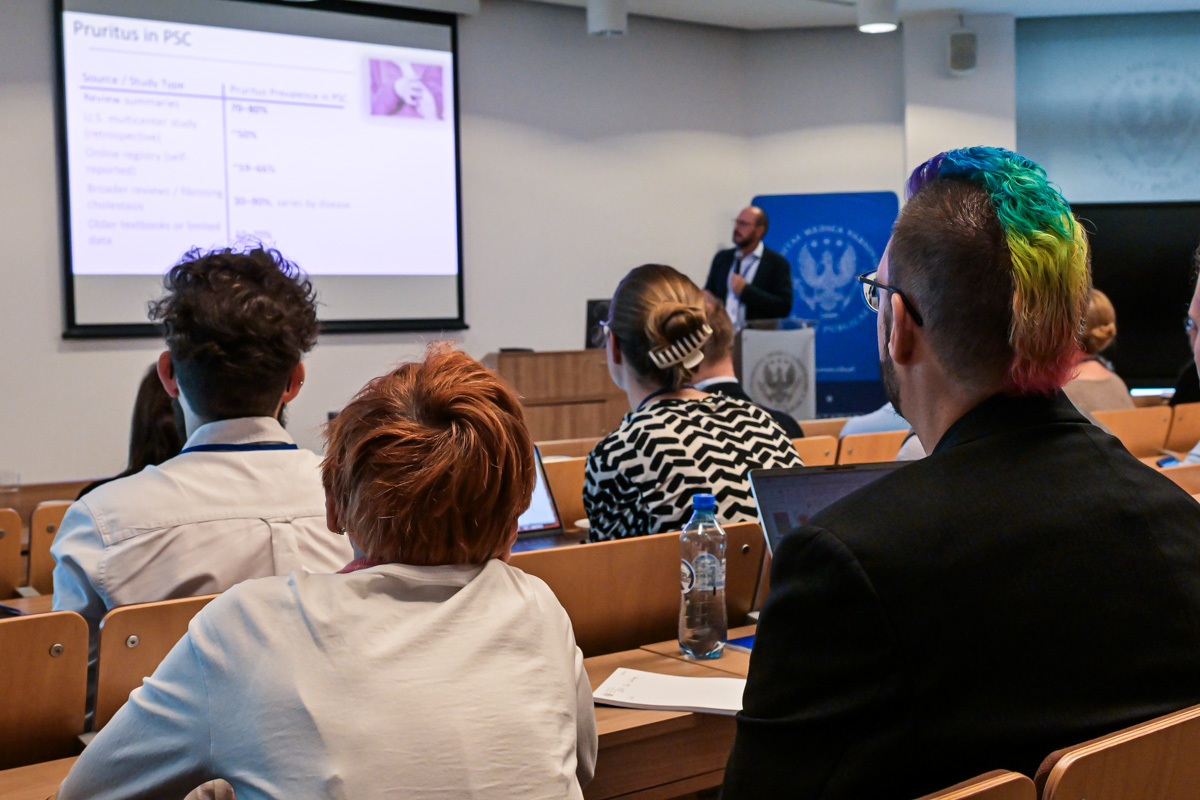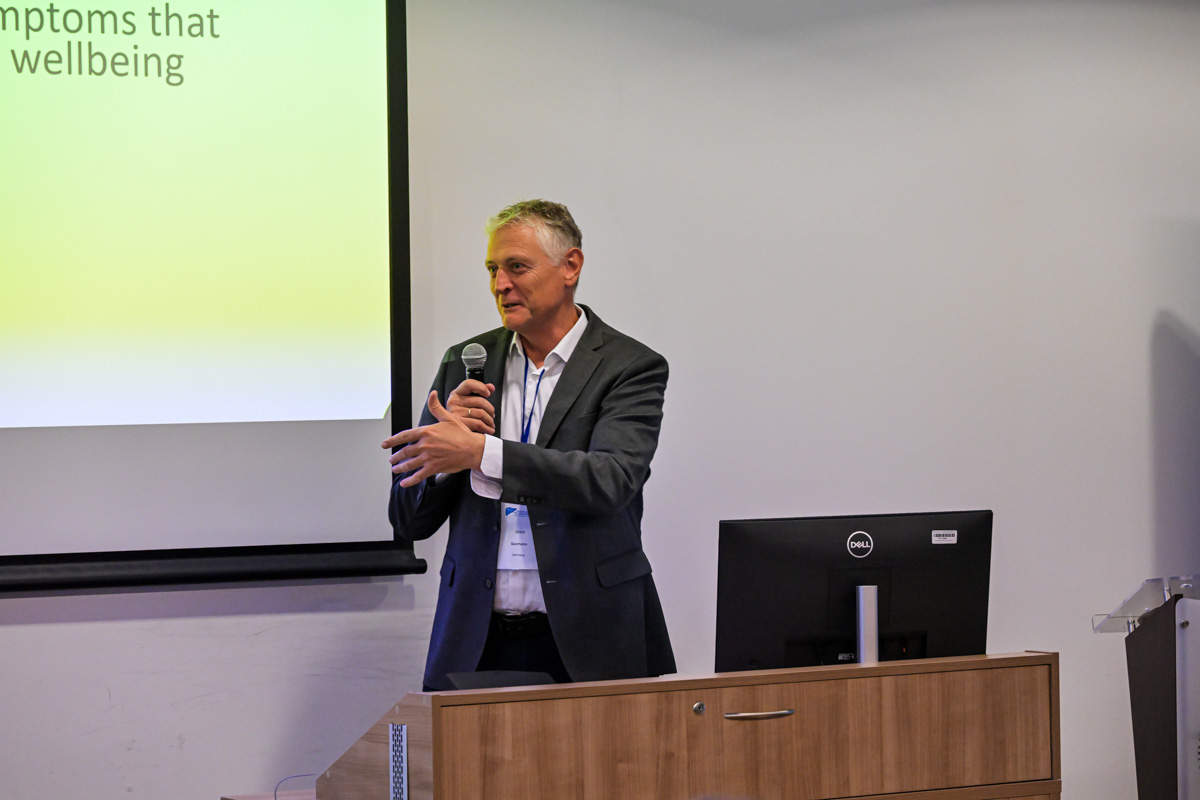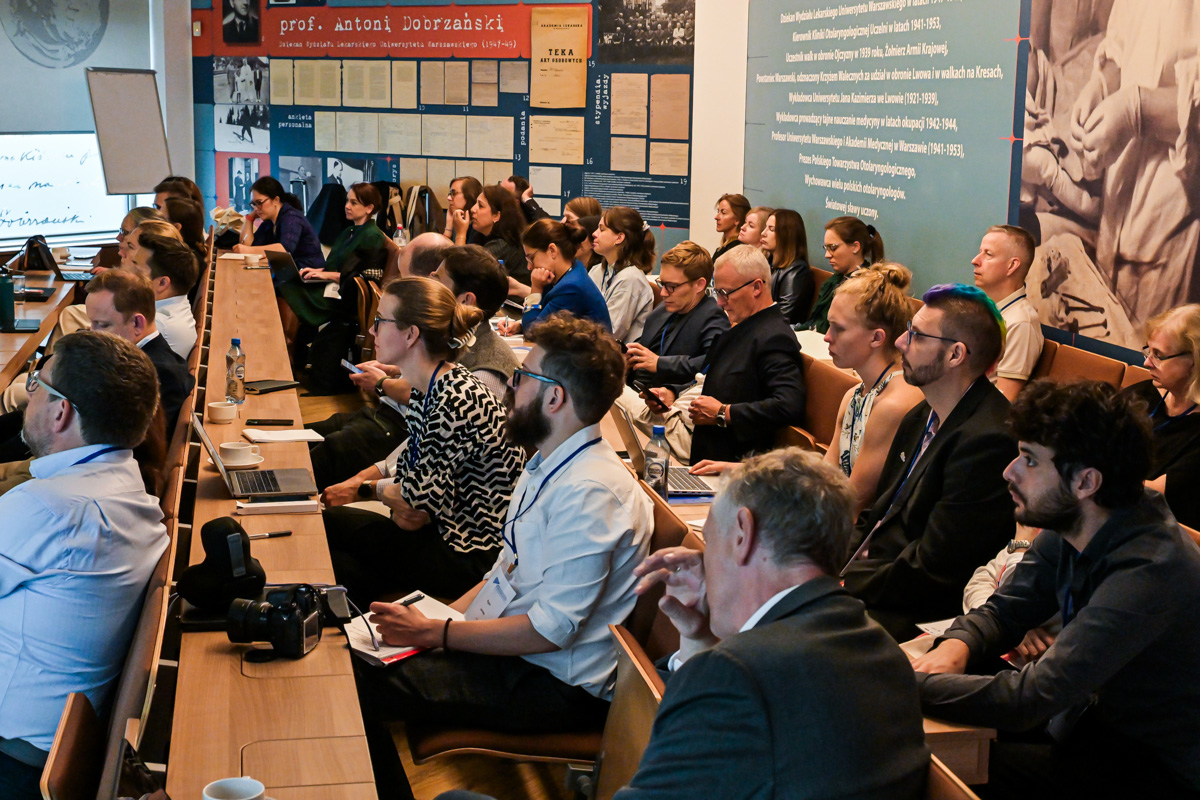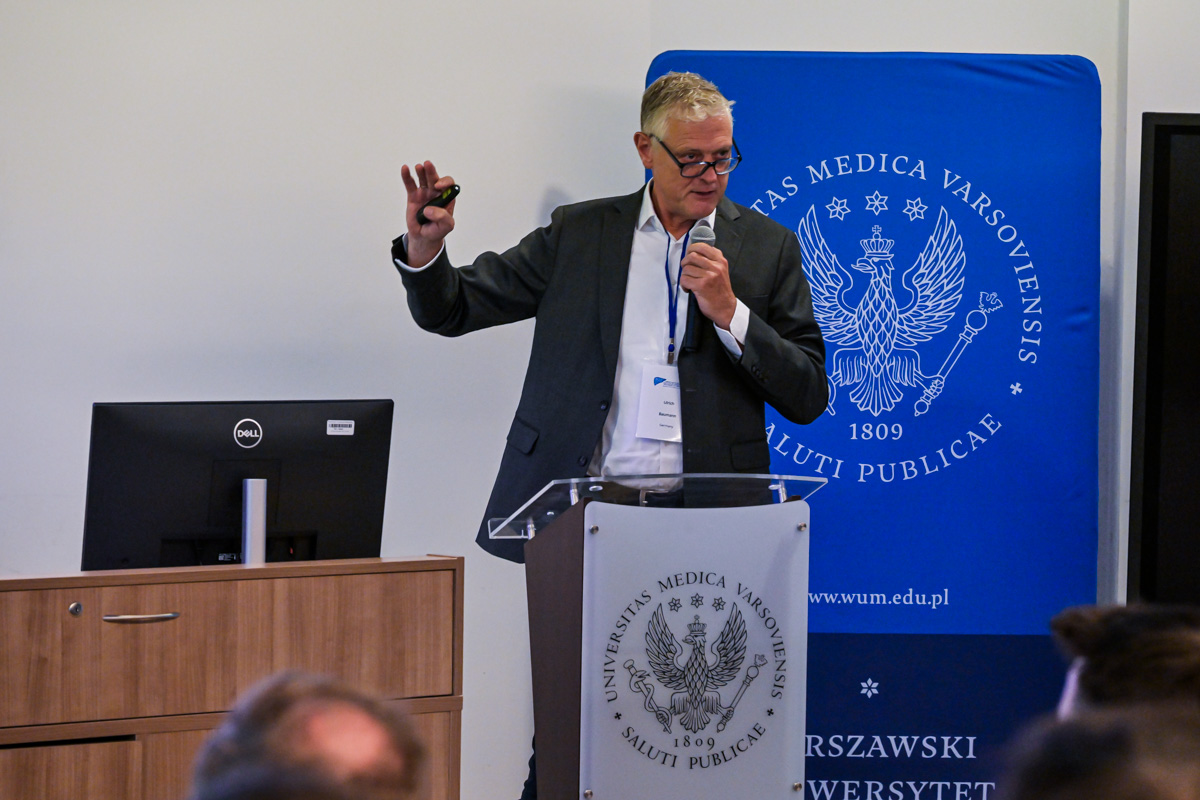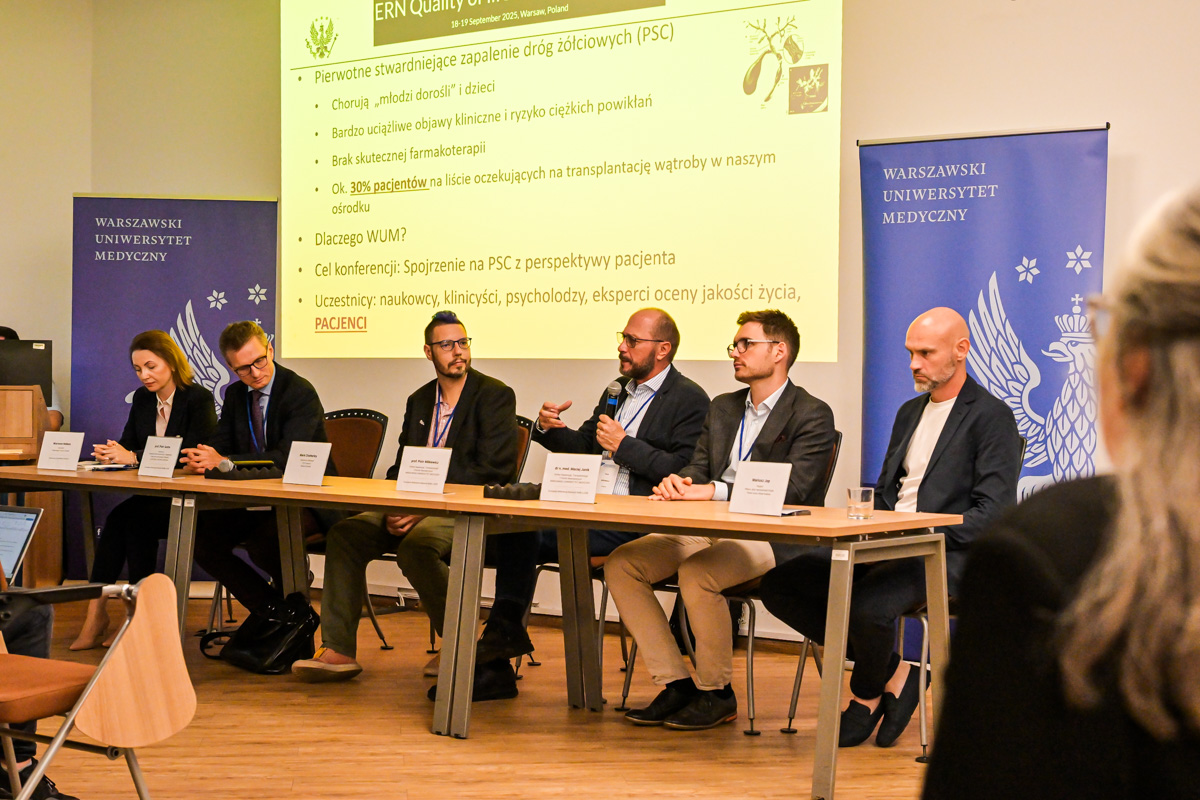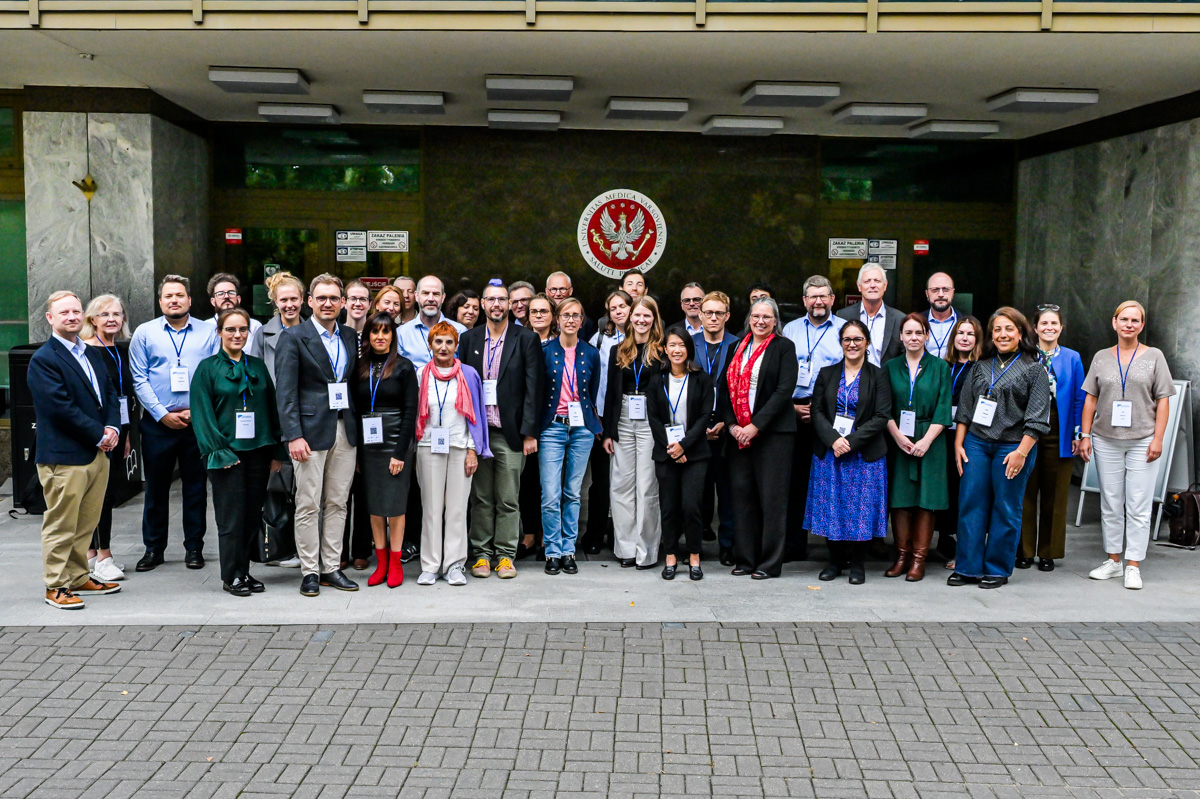
The event was organized by the Department of Hepatology, Transplantology and Internal Medicine of UCK WUM and the European Reference Network on Rare Liver Diseases (ERN RARE-LIVER), of which UCK WUM’s clinic is a member.
The Rare Liver Disease Treatment Center, operating within the department, currently cares for more than 1,000 patients with PSC. This is the largest group of PSC patients treated at a single center in the entire European Union.
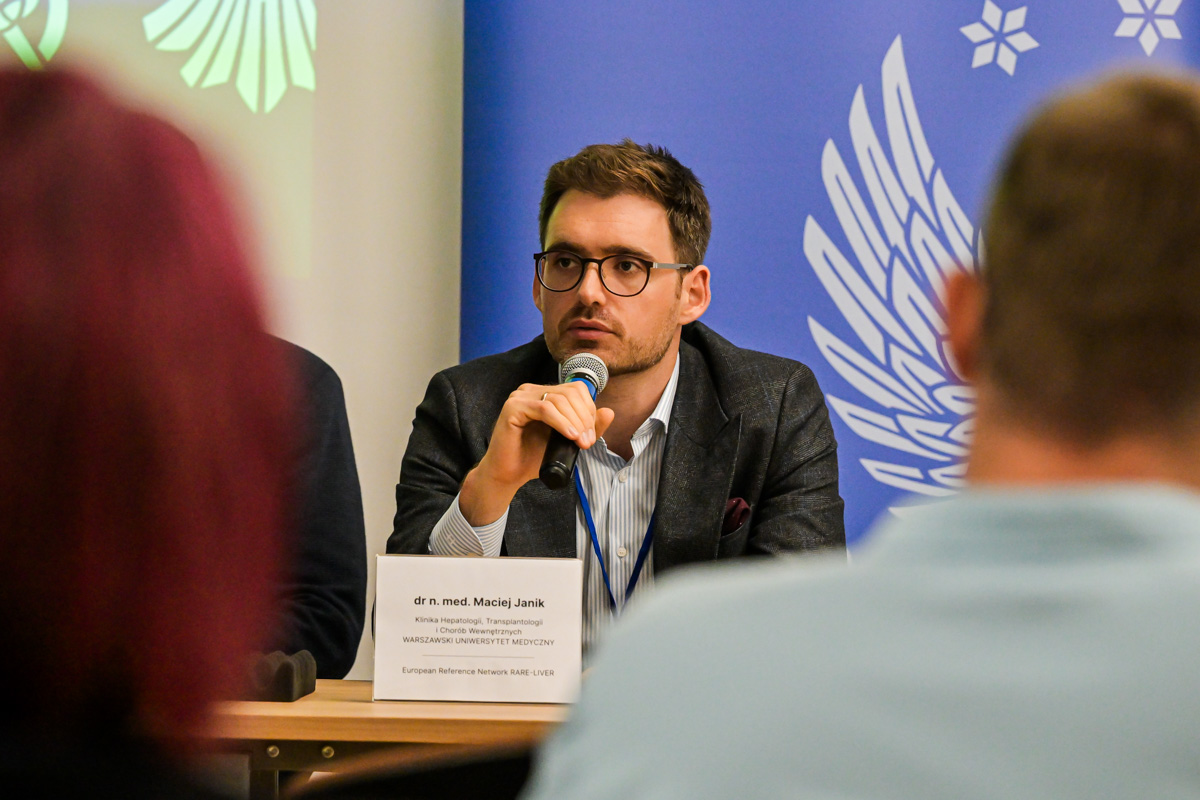
“During the workshops, we want to develop a common path for creating patient-centered methods to be used in drug clinical trials. This is extremely important because many patients have good test results but a very poor quality of life, and we do not learn about their problems,” explained Dr. Maciej Janik from the Department of Hepatology, Transplantology and Internal Medicine of UCK WUM, member of the workshop’s scientific committee and chair of the ERN RARE-LIVER quality of life working group.
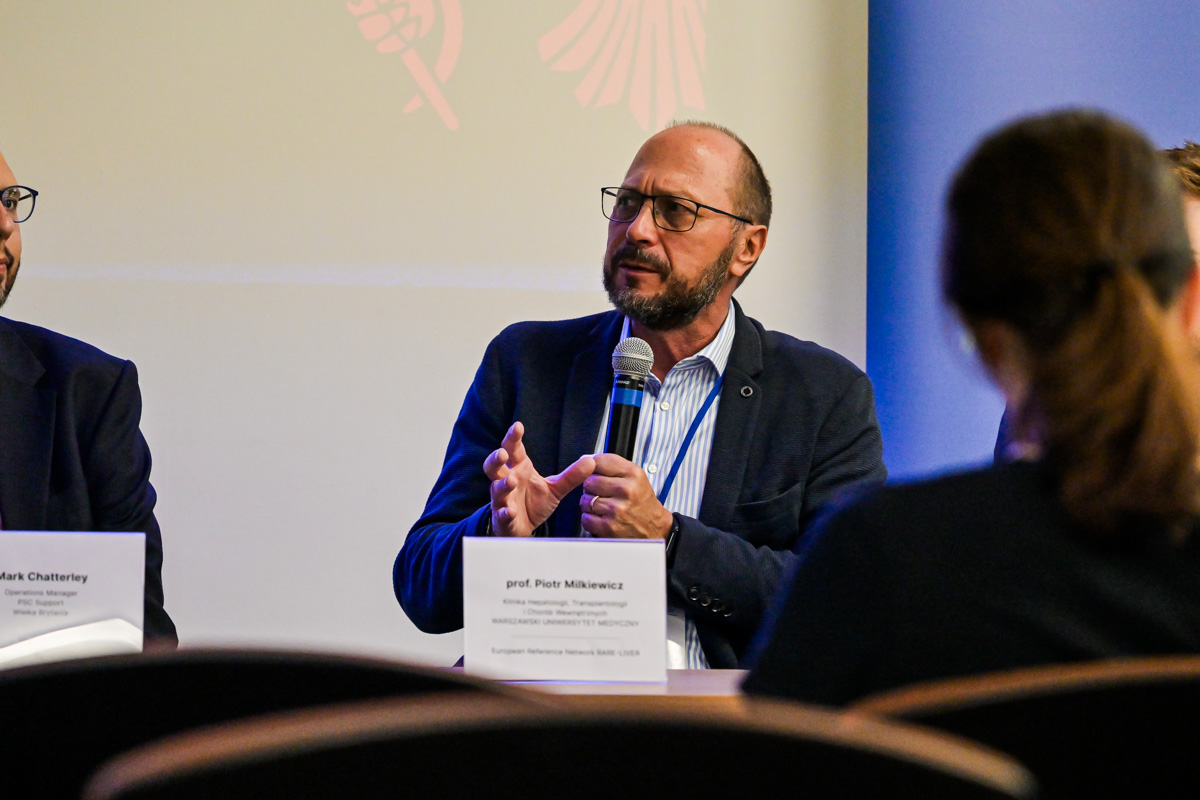
“The aim of the event is to look at PSC more from the patient’s perspective, because in this condition clinical symptoms can be very burdensome, and as clinicians we are not able to objectively assess them,” emphasized Prof. Piotr Milkiewicz from the Department of Hepatology, Transplantology and Internal Medicine of UCK WUM, founder of the Rare Liver Disease Treatment Center and member of the workshop’s scientific committee.
A rare disease increasingly diagnosed among young adults
Primary sclerosing cholangitis (PSC) is a rare, chronic bile duct disease that usually affects young adults around the age of 30, although children can also develop it. It is twice as common in men. While considered a rare disease, its incidence has been increasing in recent years.
PSC symptoms are nonspecific. The most common include fatigue, skin itchiness, abdominal pain, and low-grade fevers. Its variable clinical course and misleading symptoms make diagnosis difficult and time-consuming, and some patients search for help for months.
Dangerous and incurable, often ending in liver transplantation
The disease leads to progressive cholestasis and liver cirrhosis. It is strongly associated with inflammatory bowel diseases, especially ulcerative colitis, which can result in sepsis. It is also a significant risk factor for colorectal cancer and cholangiocarcinoma, a very aggressive cancer that may occur in 10–12% of patients.
There is still no definitively effective pharmacotherapy to halt disease progression. Treatment focuses on alleviating symptoms and slowing its course. New therapies are under investigation, but none have yet become a standard that would change prognosis.
Due to the lack of effective treatment, a significant percentage of patients require liver transplantation.
“In our liver transplant center, the largest in Poland and Europe, 30% of patients on the transplant waiting list are PSC patients. This means we are not coping with pharmacological treatment for these patients,” explained Prof. Piotr Milkiewicz during the press conference.
The patient perspective is a key element of health assessment
PSC patients report a significantly reduced quality of life, particularly due to the anxiety, fear, depression, and fatigue associated with the disease. As the disease progresses, symptoms such as itching further worsen quality of life, cause sleep deprivation, and increase chronic fatigue. These symptoms can also lead to social exclusion and withdrawal from professional activity.
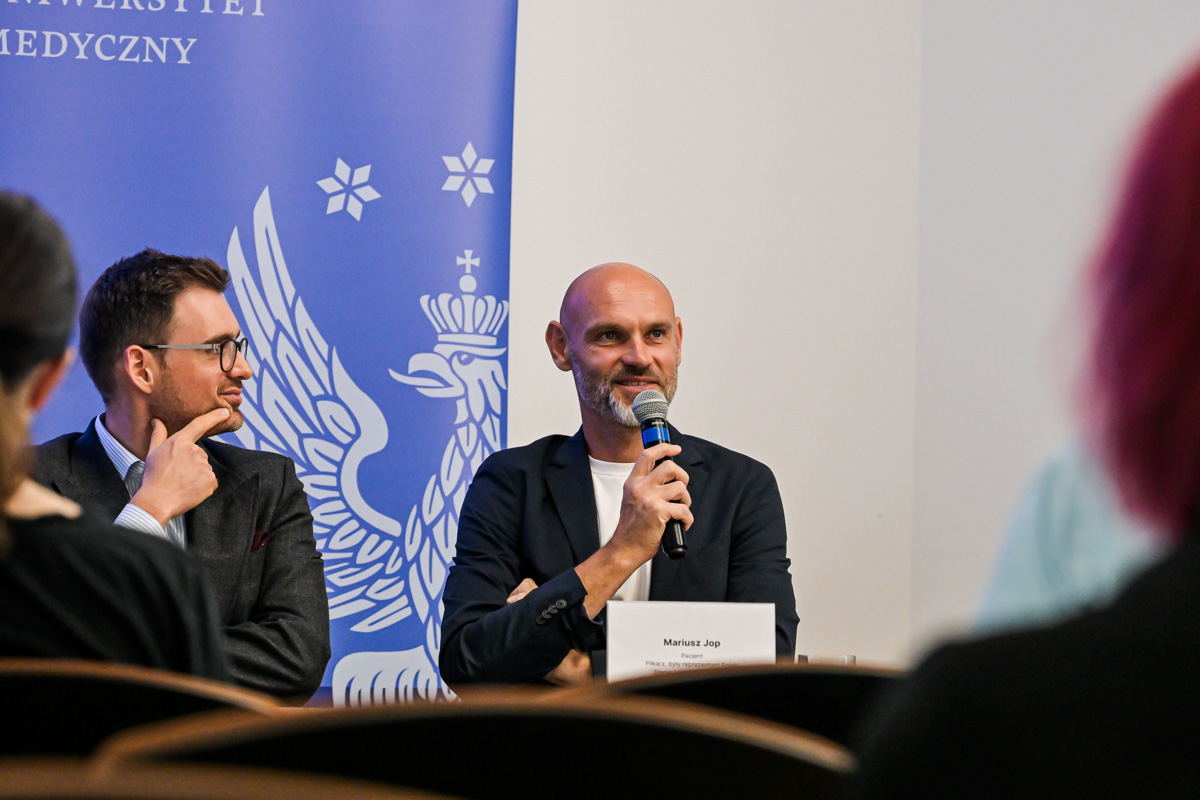
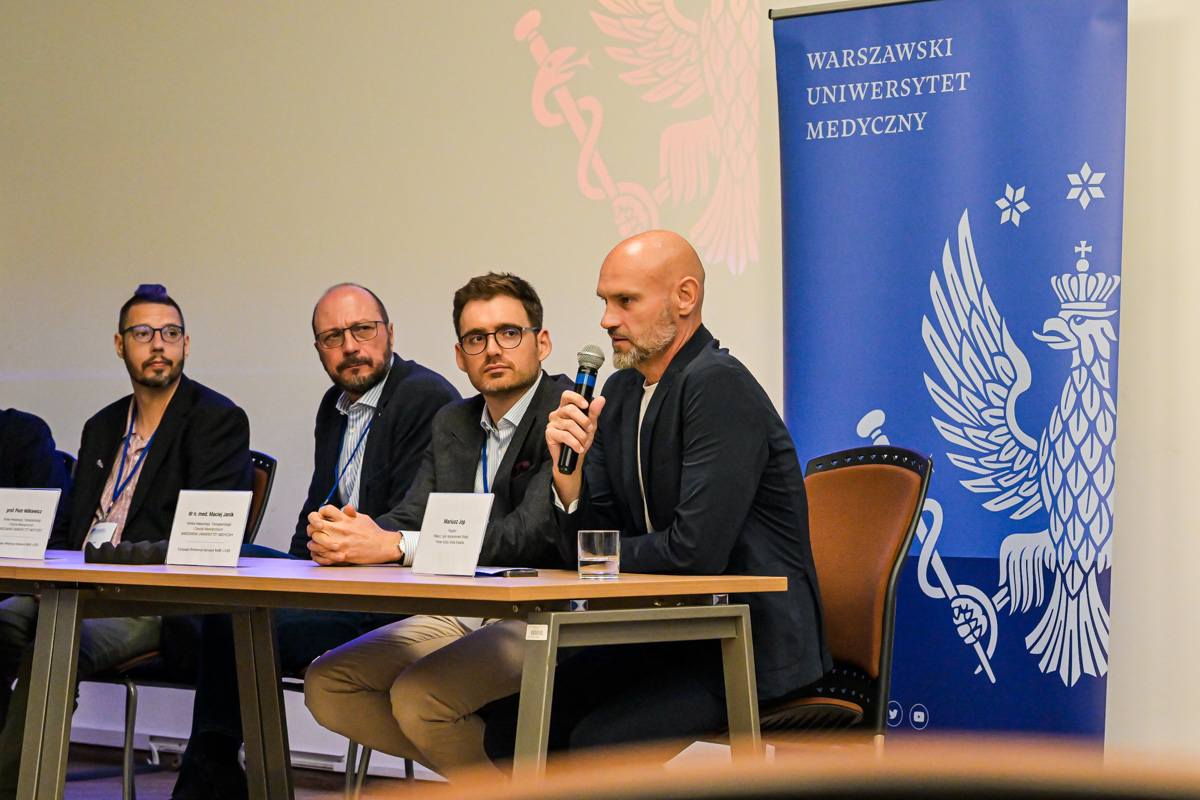
Mariusz Jop, a football player, former Polish national team member, and coach of Wisła Kraków, spoke at the press conference about his experience with PSC. He learned of his diagnosis in 2008, when he was still an active athlete. He decided to continue training despite the diagnosis. By 2013, the disease had progressed to the point that he needed a liver transplant.
“The closer it got to the transplantation, the harder it was. My quality of life during the last six months before the surgery was very low – I had frequent infections and fevers, and I required antibiotic therapy. But the transplantation was like receiving a new life. You could say I have been functioning, working, and living relatively normally for 12 years. Of the unpleasant effects of the disease, fatigue and itching are the most burdensome, as they interfere with normal life and prevent rest and proper sleep,” said Mariusz Jop.
For this reason, assessing patient-reported outcomes (PRO) is a critical part of evaluating the PSC patients’ health status, and these tools should be included in clinical trials. Several PRO tools are currently used in PSC-related studies, but they are not specifically tailored to these patients.
“The forms we have may suggest that PSC patients’ quality of life is quite good. Meanwhile, in direct conversations, more than half of them report problems with itching, fatigue, and reduced quality of life that often affects their ability to work,” explained Dr. Maciej Janik from the Department of Hepatology, Transplantology and Internal Medicine. He added: “That is why, as a rare disease expert center, we want to put strong emphasis on developing methods to assess patient perspectives not only in clinical trials. We believe this element should be legally required so that other centers also consider the patient’s perspective, feelings, and psychological support.”
Who worked on the consensus during the workshops
“During the workshops, we met with 38 members of the European Reference Network RARE-LIVER from many European countries, as well as experts from the USA, Canada, and Australia, including physicians, patients, psychologists, representatives of pharmaceutical companies, and regulators from the European Medicines Agency,” listed Dr. Maciej Janik.
The members of the workshop’s scientific committee were: Prof. Piotr Milkiewicz, Dr Maciej Janik, Prof. Douglas Thorburn, world-renowned expert on autoimmune liver diseases (Sheila Sherlock Liver Centre & UCL Institute for Liver and Digestive Health, Royal Free Hospital, London), and Shivani Sharma, psychology and PRO tools expert (Aston University, Birmingham).
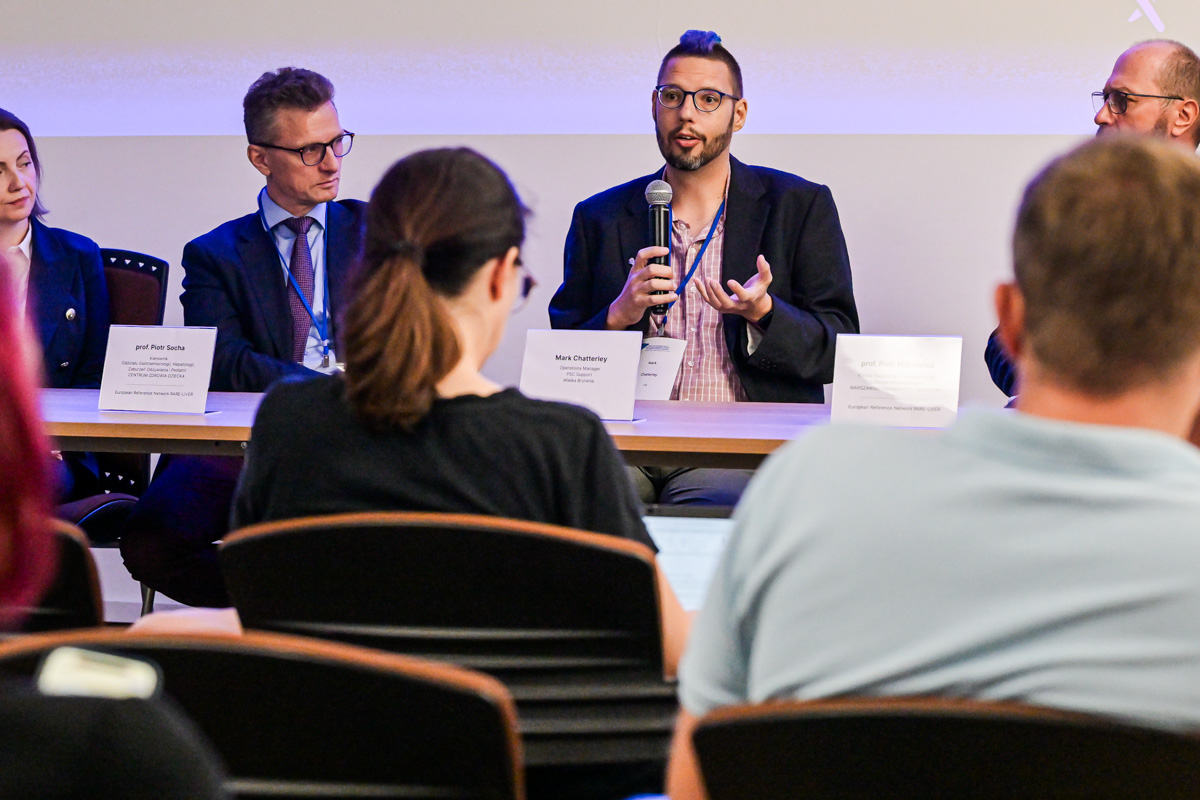
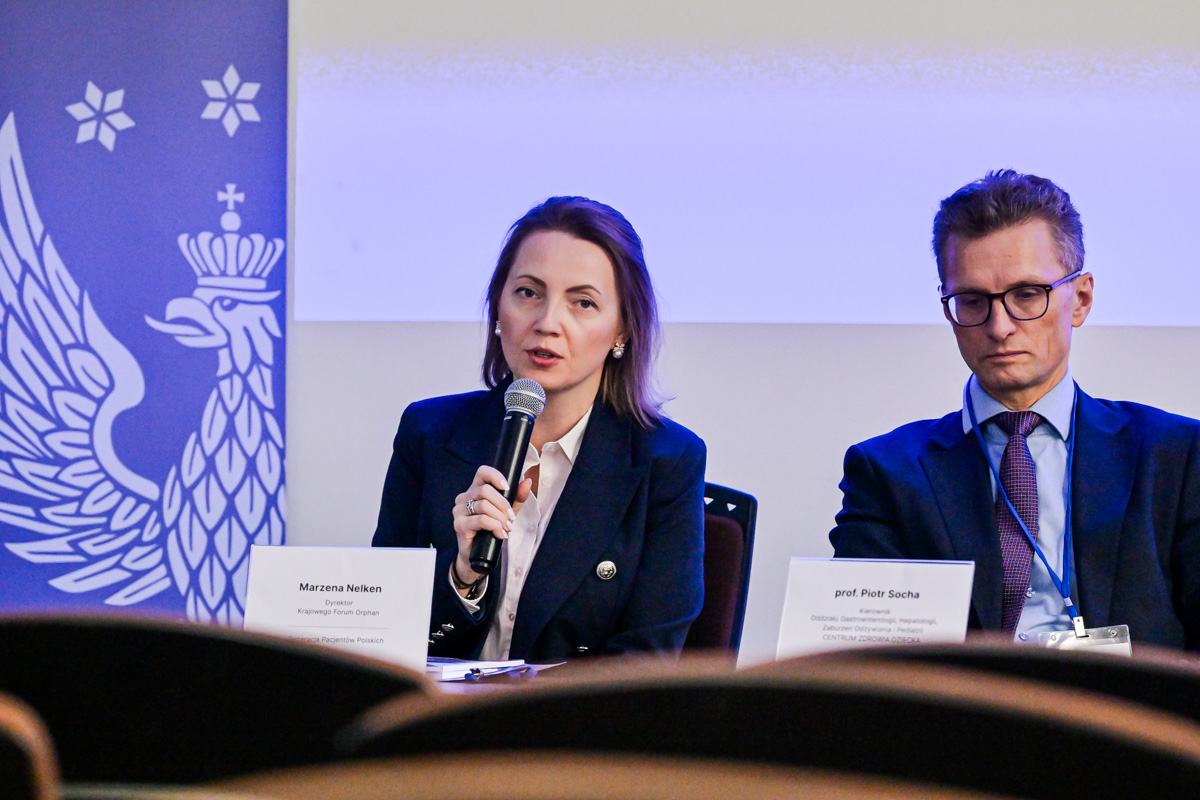
In addition to Prof. Piotr Milkiewicz, Dr. Maciej Janik, and Mariusz Jop, the following participants took part in the press conference:
- Martine Walmsley, Head of Research Strategy, PSC Support, United Kingdom
- Prof. Piotr Socha, ERN RARE-LIVER, Head of the Department of Gastroenterology, Hepatology, Eating Disorders, and Pediatrics, CZD
- Mark Chatterley, Operations Manager, PSC Support, UK
- Marzena Nelken, Director of the National Orphan Forum, Federation of Polish Patients