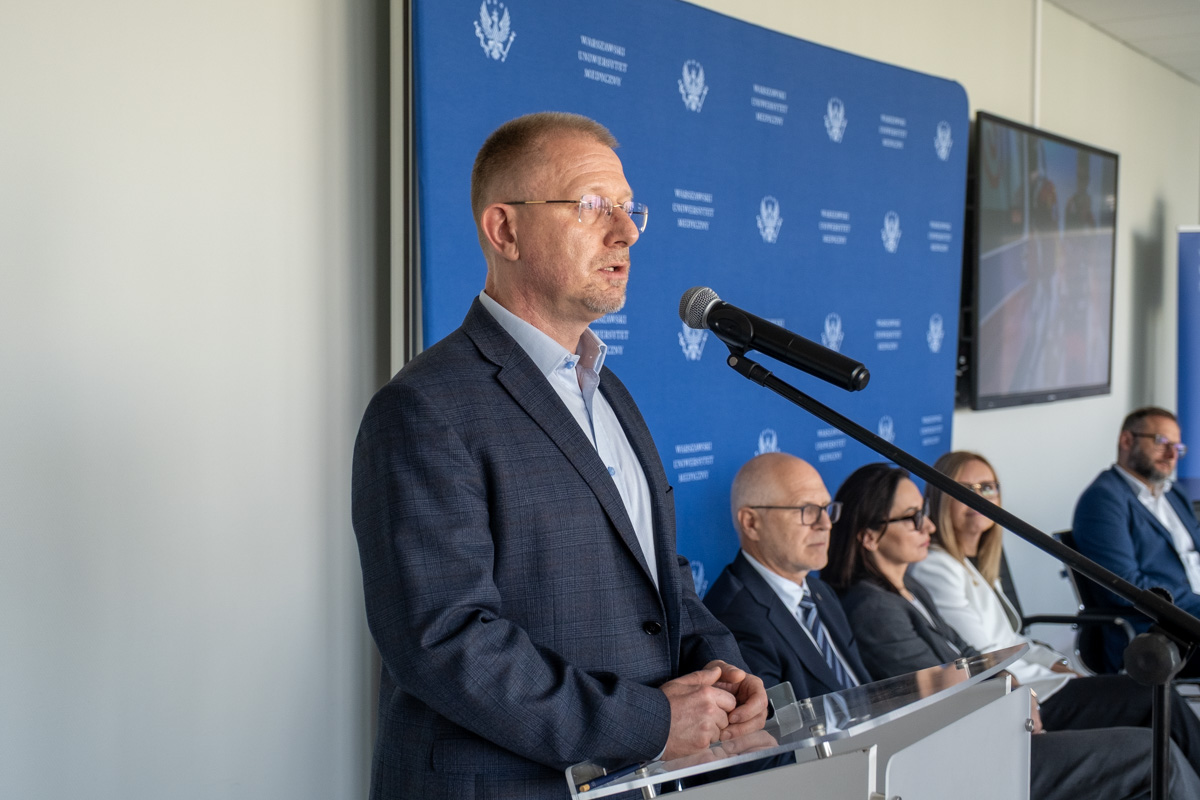
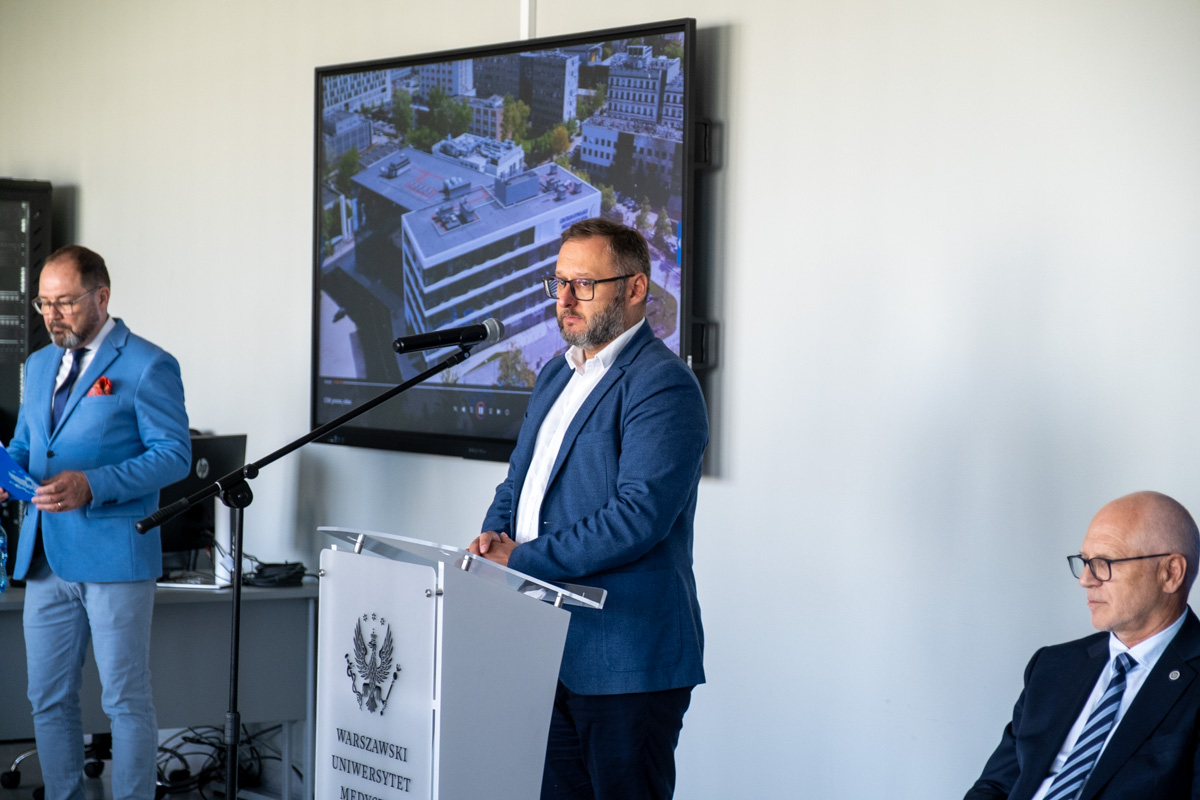
What has been achieved thanks to KPO funding was discussed by Prof. Rafał Krenke, Rector of the Medical University of Warsaw; Marzena Kowalczyk, Director of the UCK WUM; Dorota Szubstarska, Director for Research and Didactic Projects at WUM; Dr. Marcin Kaczor, Head of the WUM Medical Simulation Centre; and Wojciech Bogusz, Chancellor for Investments at WUM.
“We received a substantial amount of funding from the KPO – over PLN 370 million in total. These resources allowed us to significantly modernize our didactic, research, and clinical infrastructure,” said Prof. Krenke. “Of this amount, PLN 190 million was allocated to modernizing the didactic process. The university, as an institution responsible for organizing education in various faculties, used these funds. They were distributed in a very transparent manner so that the most urgent needs could be addressed.”
Support for didactics
Within the PLN 190 million allocation, the construction and equipping of CSM was primarily refinanced. This means that WUM “recovered” funds amounting to PLN 116 million that it had previously invested.
“Refinancing will allow us to invest in further areas of the university’s activity and contribute to its development,” emphasized Wojciech Bogusz.
As part of the modernization of the didactic process, the university also invested in educational equipment that will facilitate the delivery of innovative teaching.
“The National Recovery and Resilience Plan primarily supports those fields that are important from the perspective of the development of the healthcare system, namely all regulated fields (medicine, dentistry, pharmacy, medical analytics, emergency medicine, nursing, and midwifery),” said Dorota Szubstarska. “These fields will receive equipment that will be used for the development of modern didactic methods. It will also be used to support the implementation of the OSCE examination at our university.”
As part of the KPO, WUM also received PLN 25 million for scholarships for students in fields that are key to the healthcare system.
“This support is intended to increase the attractiveness of medical education and strengthen the potential of future healthcare personnel,” emphasized the Director for Research and Didactic Projects at WUM.
Development of science
The university’s research activities also received support from the National Recovery and Resilience Plan. Over PLN 50 million was allocated to activities related to the development of innovative projects - primarily preclinical research in the areas of hemato-oncology and cell therapies, oncology and advanced drug technologies, pediatric dentistry and predictive diagnostics, biotechnology, and translational medicine. A further PLN 30 million enabled the establishment of the Clinical Research Support Centre at our university.
Clinical activity
A very important area supported by funding from the National Recovery and Resilience Plan is clinical activity. More than PLN 75 million was allocated to this purpose. Details were presented by Marzena Kowalczyk, Director of the UCK WUM:
“At UCK WUM, in 2025–2026, very significant investments were implemented using KPO funds. They concerned two key areas. The first is digitalization (PLN 23 million). The server infrastructure was modernized in the context of cybersecurity protection. We also implemented IT tools enabling system integration and the transition from paper-based documentation to digital records. The second area is cardiology (over PLN 52 million). We financed modern equipment for rapid diagnostics and upgraded interventional infrastructure.”
What’s new at the Medical Simulation Centre (CSM)
Speaking about new investments in CSM, also funded by the National Recovery and Resilience Plan, Dr. Marcin Kaczor said:
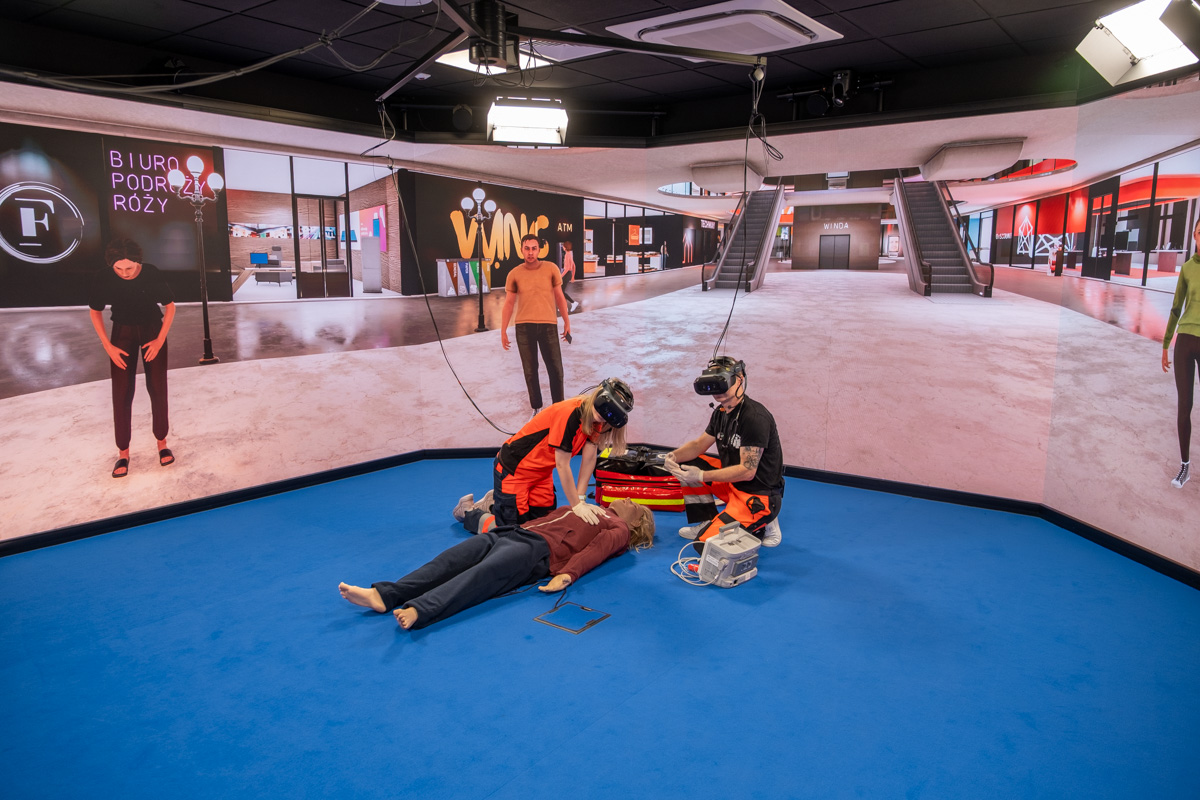
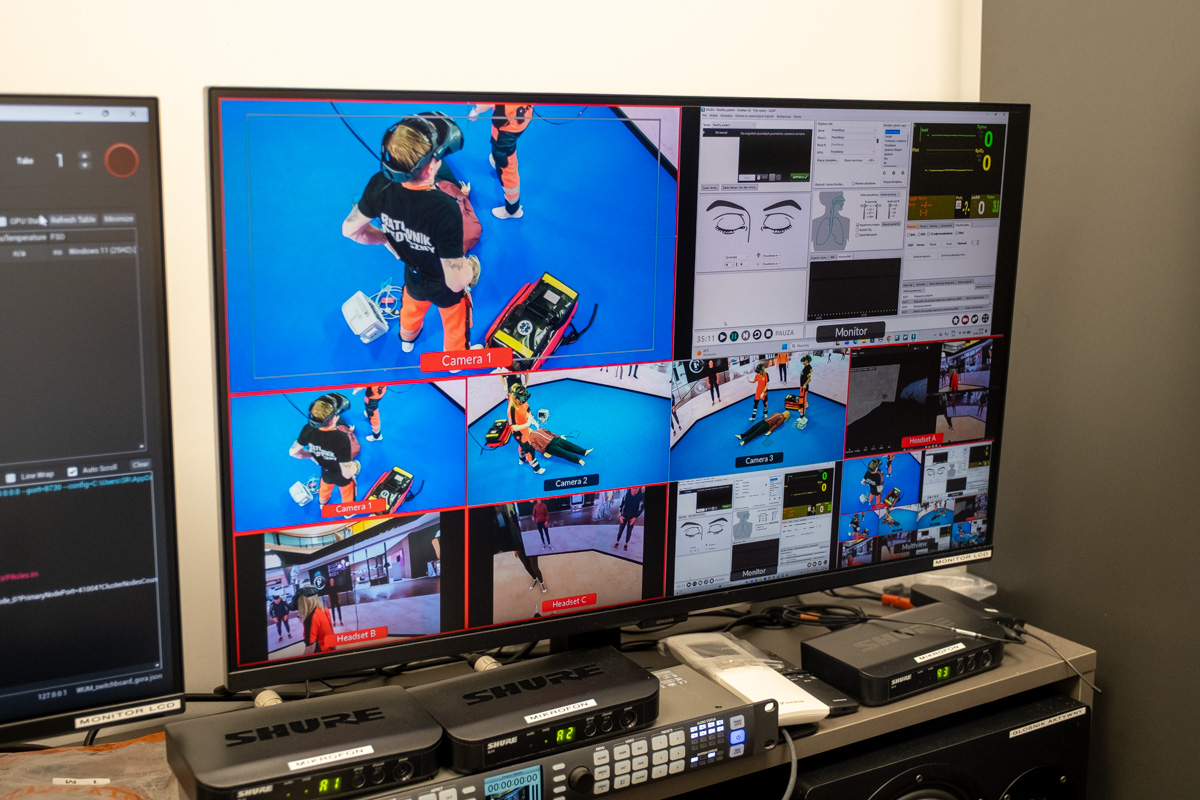
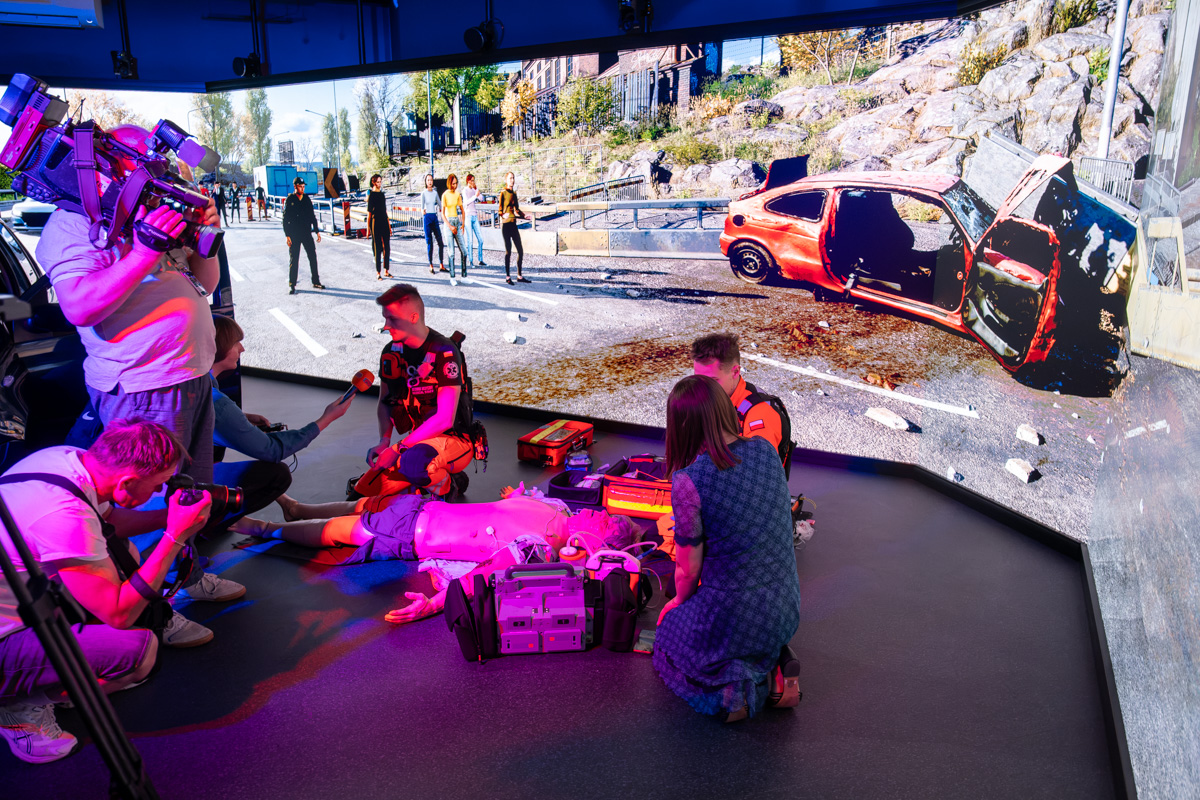
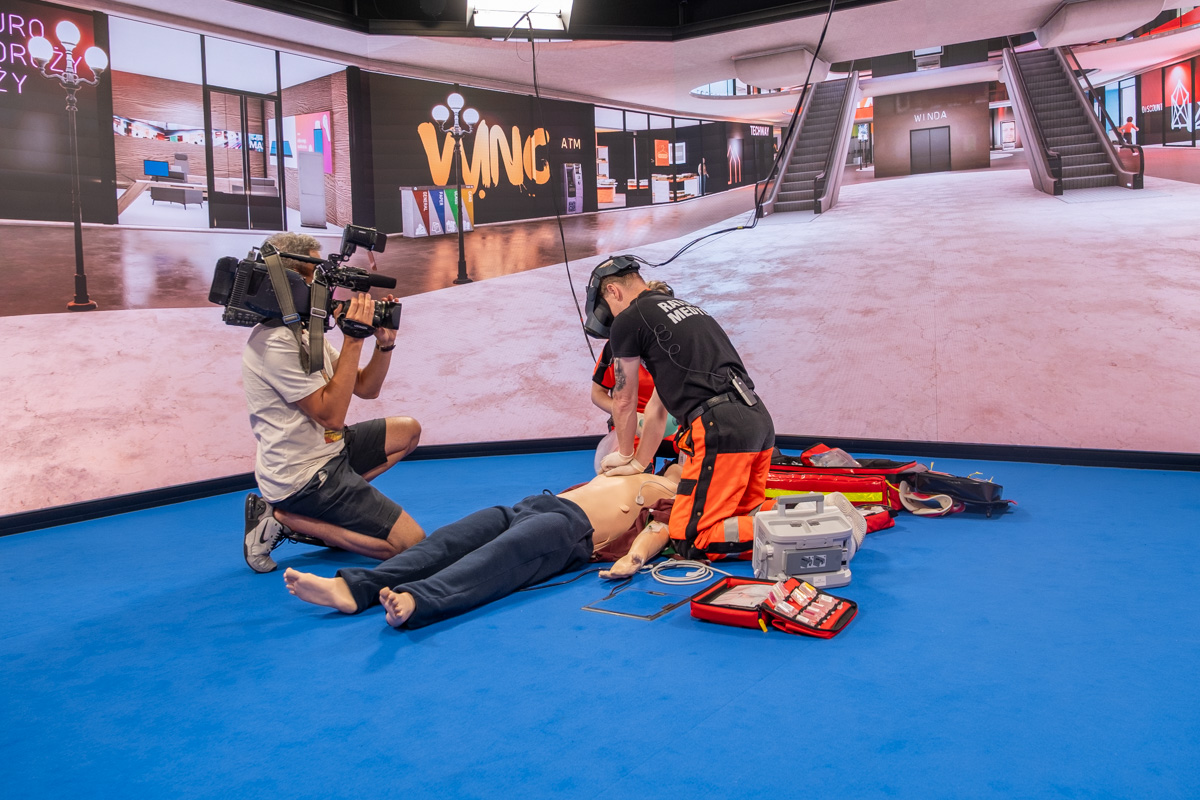
“We have created an innovative space. It is an immersive simulation room called CAVE. It contains three main components: high-fidelity physical simulators, equipment such as defibrillators or airway clearance tools, and large-format LED screens. The screens provide a digital representation of the environment and a mixed-reality system that enables the creation of three-dimensional images seen by participants in the simulation.”
As the Head of CSM emphasized, this solution allows for the rapid creation of various environments and situations that students would not normally encounter during their studies. As an example, he mentioned a car accident scenario, where decisions must be made under time pressure and emotional stress from others.
“Our goal is to teach students practical skills in different conditions and environments,” said Marcin Kaczor.
After the briefing, participants were able to view these modern rooms and experience firsthand what it feels like to be immersed in virtual reality.
Distribution of KPO funding – summary
- PLN 190 million for modernizing the didactic process within the framework of the project “Innovative Teaching = Medicine of the Future – Expansion and modernization of the didactic infrastructure of WUM” (including refinancing of the Medical Simulation Centre) – Ministry of Health
- PLN 75 million for UCK WUM to support clinical areas (cardiology, cardiac surgery, transplantology) and to modernize IT systems: servers and the creation of a system for processing and archiving patient data – Ministry of Health
- PLN 30 million for the University Clinical Research Support Centre – Medical Research Agency
- PLN 50 million for biomedical research – Medical Research Agency
- PLN 25 million for student scholarships – Ministry of Health