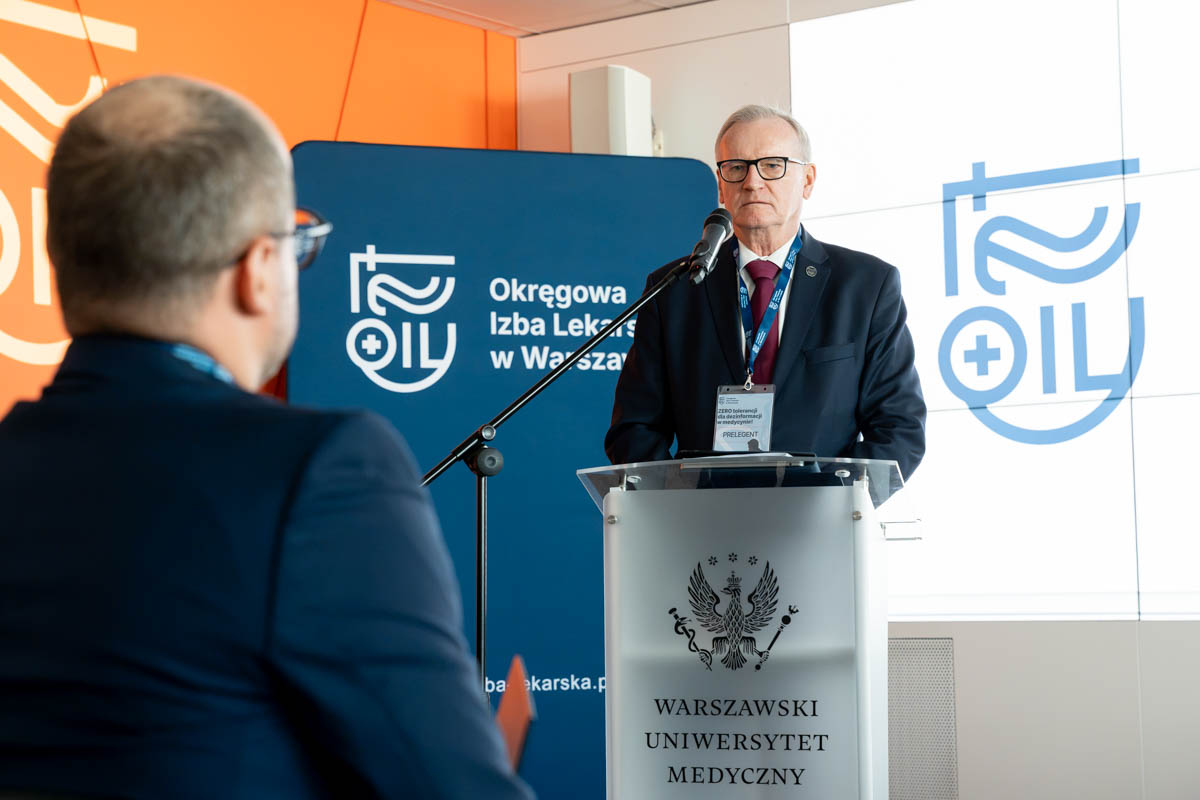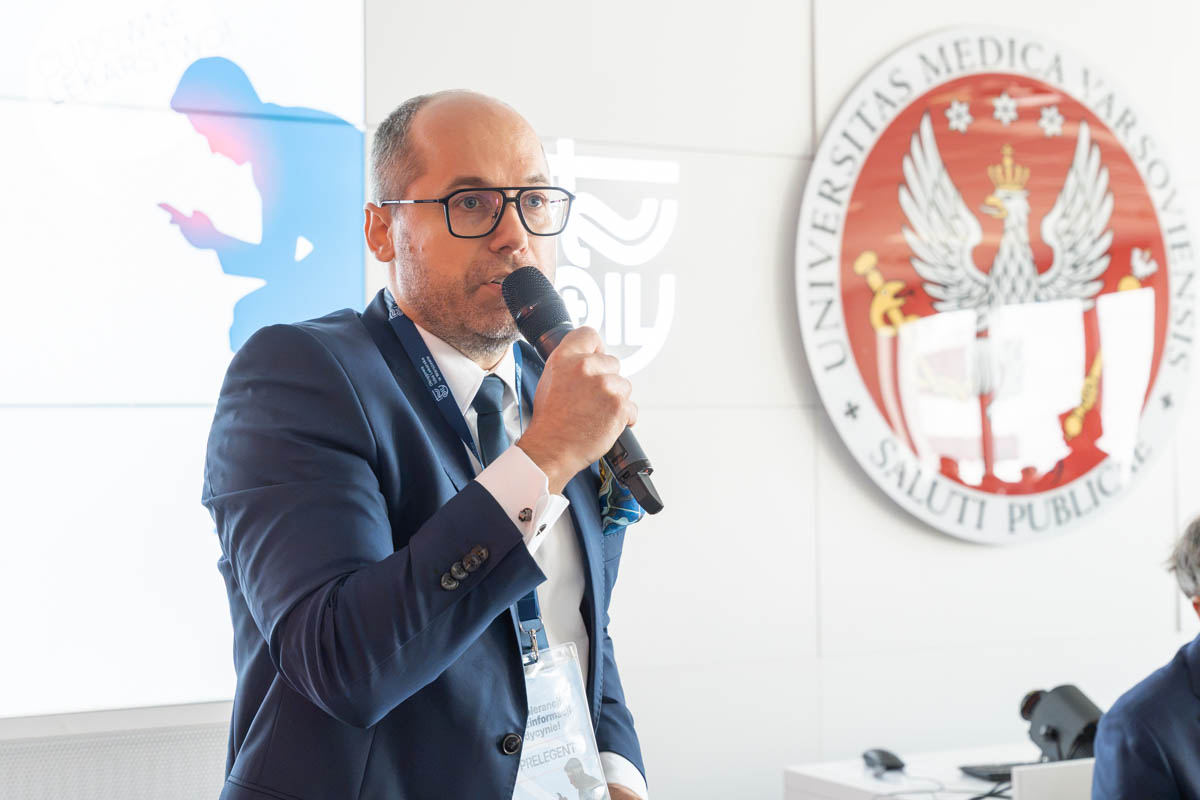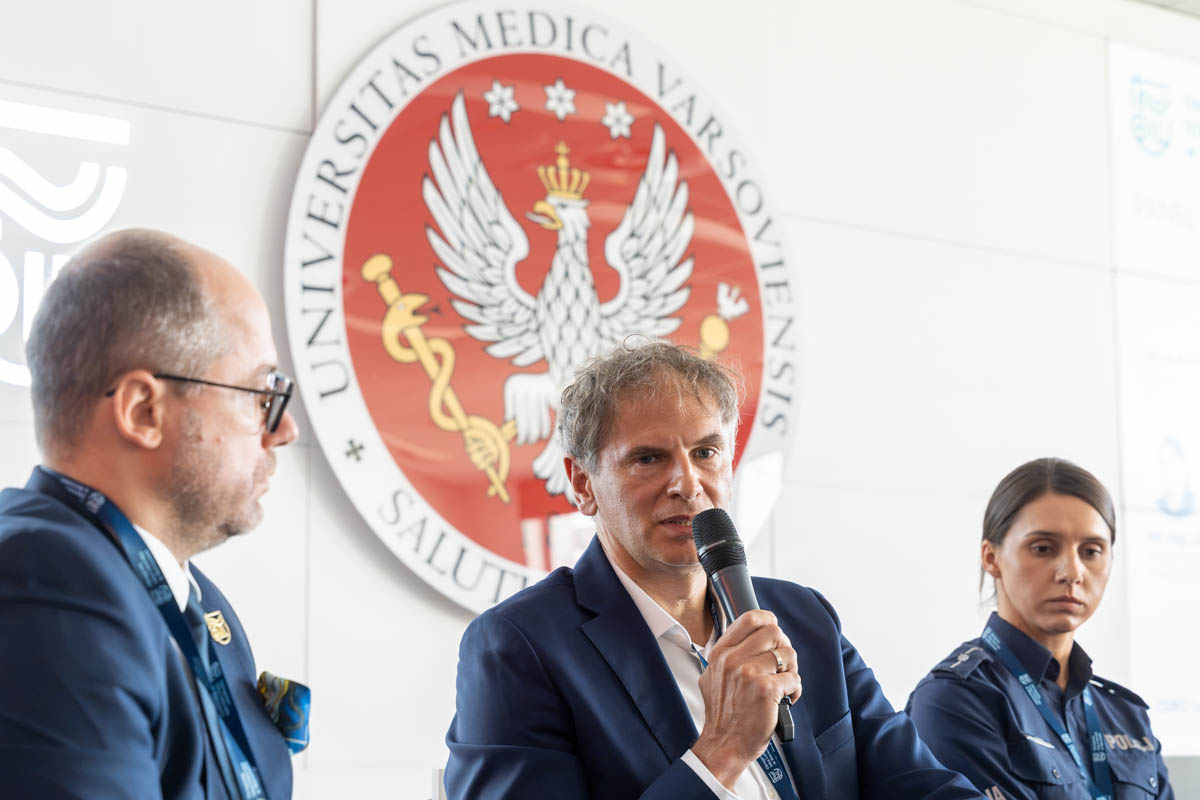
“I hope this conference will draw attention to what is happening behind the scenes: the tragedies experienced by individuals. We cannot simply overlook these tragedies,” emphasized Grzegorz Wrona, Supreme Ombudsman for Medical Liability at the Supreme Medical Chamber, during the opening session.
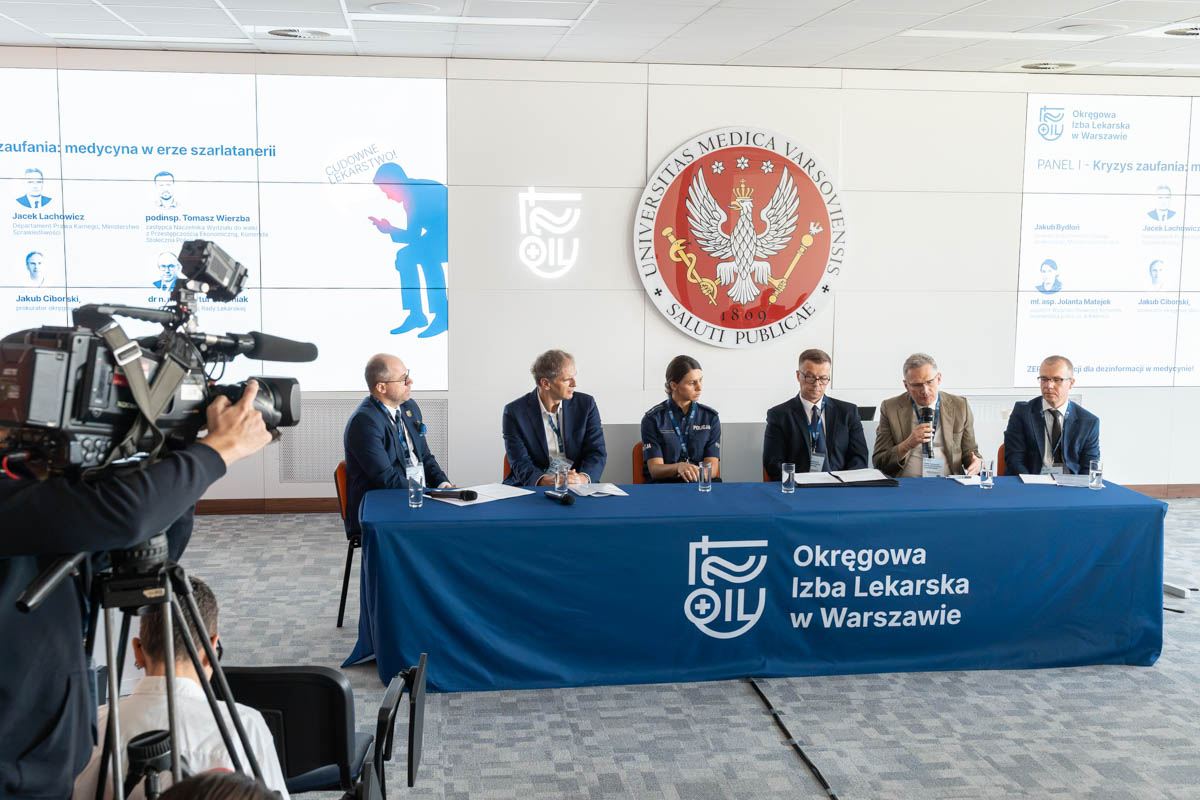
Panel I: Medicine in the Age of Quackery
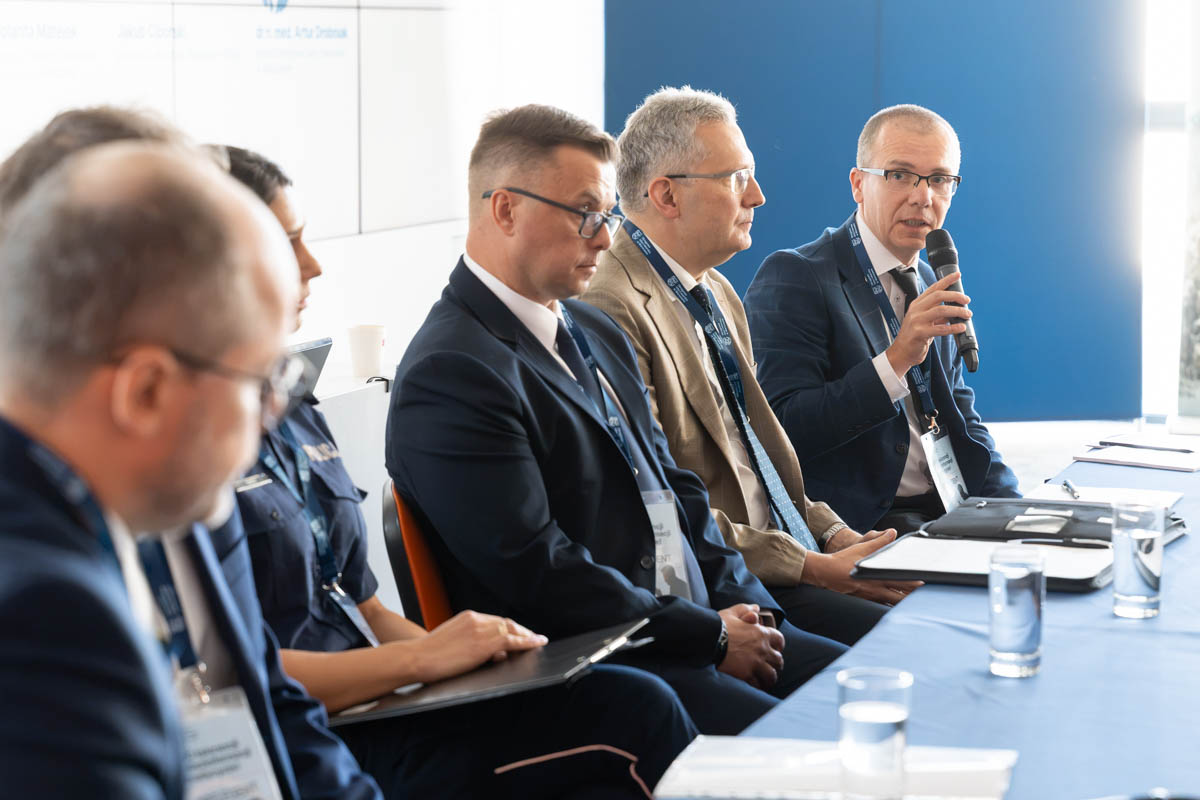
The first panel, moderated by Artur Drobniak, President of the Warsaw Regional Medical Chamber (ORL), featured: Jakub Bydłoń, Director of the Department of Social Dialogue, Ministry of Health; Jacek Lachowicz, Department of Criminal Law, Ministry of Justice; Deputy Inspector Tomasz Wierzba, Deputy Head of the Economic Crime Division, Warsaw Metropolitan Police Headquarters; Sub-Inspector Jolanta Matejek, Prevention Division, Provincial Police Headquarters in Radom; Jakub Ciborski, District Prosecutor for Warsaw-Praga.
The discussion focused on examples of the dissemination of pseudoscientific theories, existing systemic solutions, and opportunities for cooperation between public institutions in combating misinformation. Particular attention was paid to the challenges posed by the digital environment, where false information spreads rapidly and reaches vast audiences. The participants highlighted the need to strengthen patient protection by ensuring access to reliable information, including particularly regarding practices and entities that may pose health risks, as well as comprehensive health education.
“For people to navigate the virtual world effectively, they must be able to exercise critical judgment and make sound choices,” said Jakub Ciborski. “They need to distinguish reliable information from false claims and understand whether a given method is evidence-based or fraudulent. Only then can they make informed decisions.”
Panel II: The Consequences of Declining Trust in Science
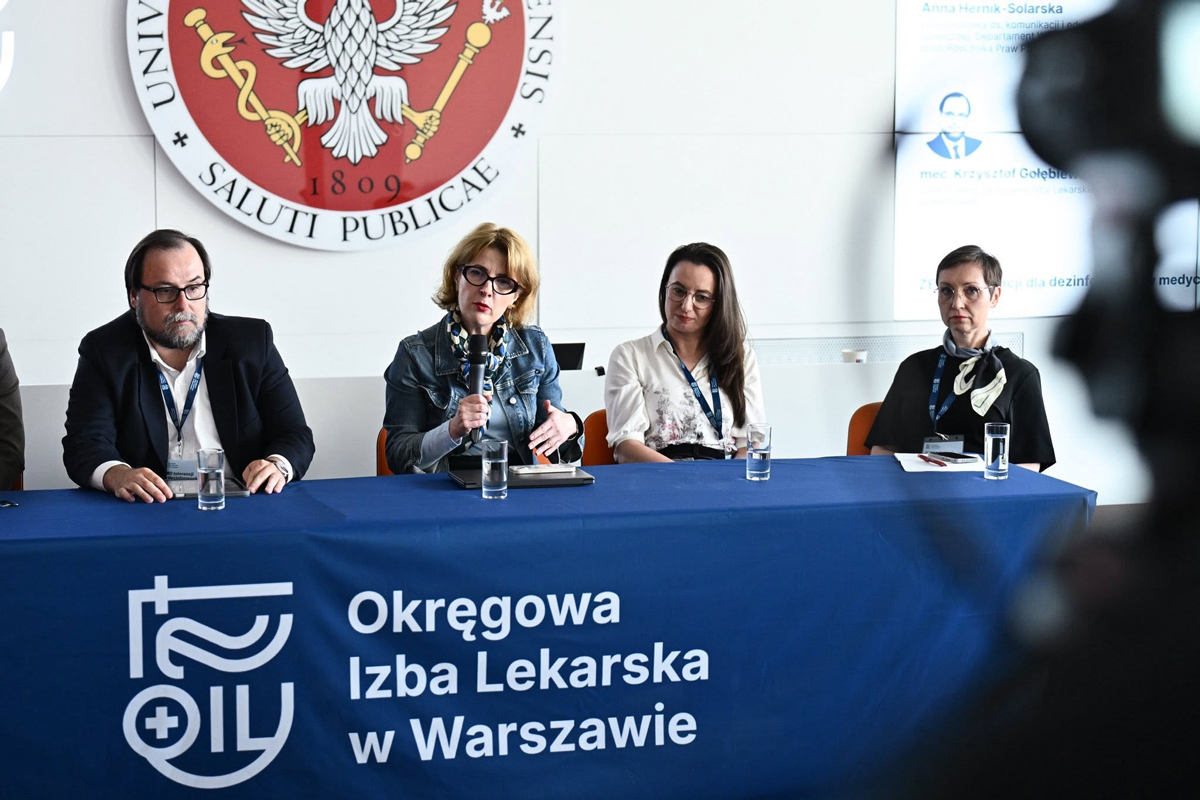
The second panel, moderated by Krzysztof Herman, Vice President of the Warsaw Regional Medical Chamber, brought together: Anna Hernik-Solarska, Coordinator for Communication and Public Education, Office of the Patient Ombudsman; Katarzyna Lipka, Senior Information Space Analyst, Narrative Trends and Fact-Checking Analysis Team, NASK Disinformation Analysis Centre; Krzysztof Gołębiewski, Legal Department, Warsaw Regional Medical Chamber;
• Witold Tabaka, journalist and host of TVP Info’s Lie Detector program; Prof. Andrea Horvath-Stolarczyk, Department of Pediatrics at the Children’s Clinical Center of the Medical University of Warsaw.
The discussion addressed, among other topics, the misuse of physicians’ images in advertisements promoting pseudomedical products, the social impact of misinformation, and the consequences for medical professionals.
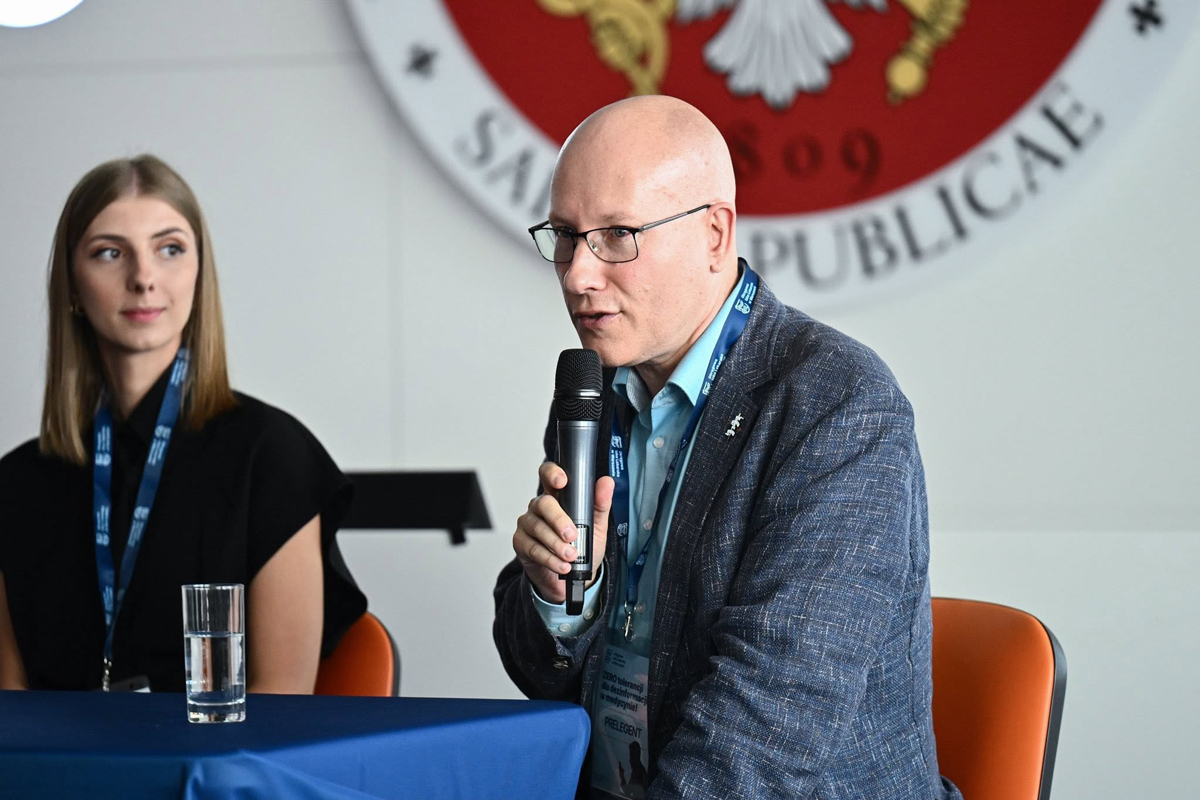
Asked whether she encounters patients who share scientifically unsupported information in her clinical practice, Prof. Horvath-Stolarczyk confirmed that she did, and quite frequently.
“Patients today are extremely well-informed, unfortunately often thanks to Google and artificial intelligence,” she noted.
According to the professor, the most effective way to combat misinformation is through prevention, namely public education starting at an early age. However, she expressed concern, however, that medical professionals have a much smaller online reach than influencers, making it difficult to communicate evidence-based recommendations effectively.
Misinformation affects not only patients but also students.
“One of the challenges we face today is the uncritical use of artificial intelligence,” she explained, adding that at the Medical University of Warsaw, students are encouraged to avoid shortcuts and instead carefully evaluate and analyze information sources.
Panel III: When Real Data Leads to False Conclusions
The final panel, moderated by Dr. Michał Ordak from the Center for Regenerative Medicine at the Medical University of Białystok, focused on the project “Errors in Statistical Reasoning as a Mechanism of Scientific Misinformation: An Analysis of the Interpretation of Medical Publications Used in Anti-Vaccine Narratives.”
The panel participants included: Emilia Niedźwiecka, coordinator of the University of Białystok research team; Natalia Łukasiak and Agnieszka Huk, members of the research team; Dr. Tomasz Dzieciątkowski from the Department of Medical Microbiology at the Medical University of Warsaw.
The discussion was based on research examining errors in statistical reasoning as a mechanism of scientific misinformation, with a particular focus on the misuse of medical publications in anti-vaccination narratives. Key topics included building public trust in vaccination and evidence-based medicine, as well as the selective interpretation of scientific studies by anti-vaccine movements.
Dr. Tomasz Dzieciątkowski emphasized the importance of communicating medical data in a clear and concise manner that is tailored to the recipient’s level of understanding. He also highlighted the challenge of time constraints, explaining that presenting statistical data accurately requires at least 30 minutes, while physicians often have significantly less of it during standard patient consultations.
The researcher also addressed the growing use of artificial intelligence.
“AI is an excellent and highly useful tool, but it is still just a tool. As with any tool, we must learn how to use it properly,” he stressed. He recommended formulating prompts in Polish, noting that the language’s descriptive nature often allows for more precise responses from artificial intelligence systems.
At the conclusion of the conference, Jacek Sowiński, Secretary of the Warsaw Regional Medical Chamber and Chair of the Team for the Protection of Doctors’ Reputation and Safety, presented the activities of the newly established initiative aimed at countering threats against physicians and safeguarding the reputation of the medical profession.
Alongside the Medical University of Warsaw, honorary patronage over the event was extended by the Ministry of Digital Affairs, the Mayor of Warsaw, and the Patient Ombudsman.