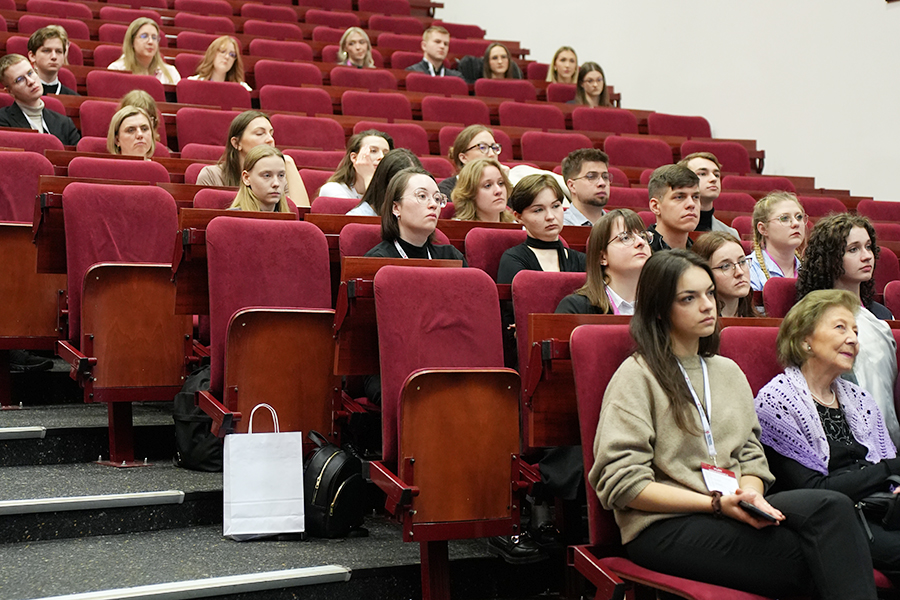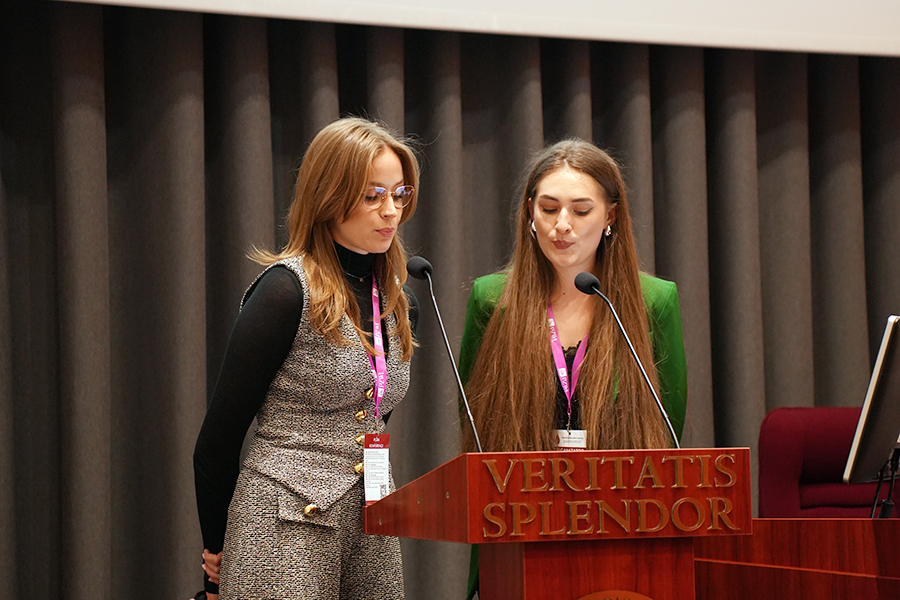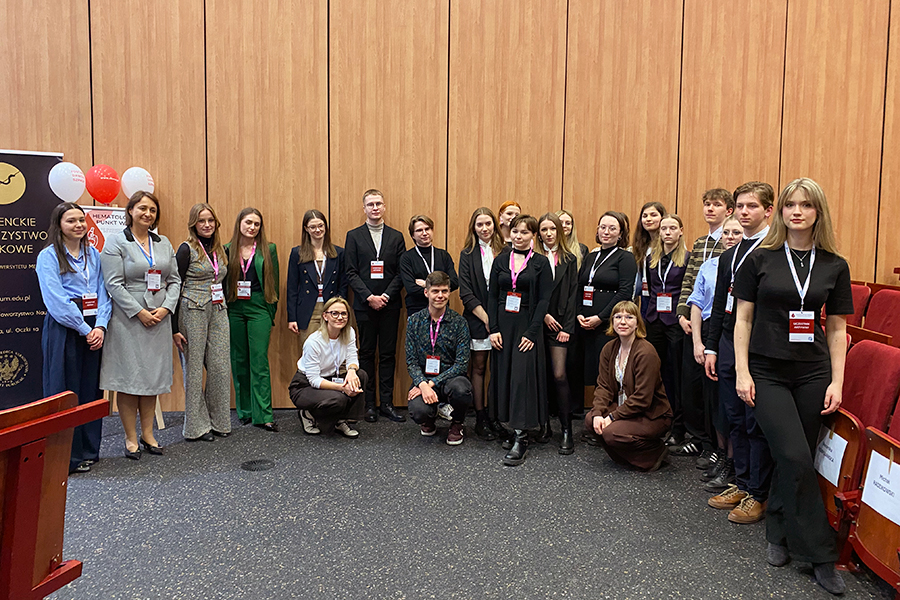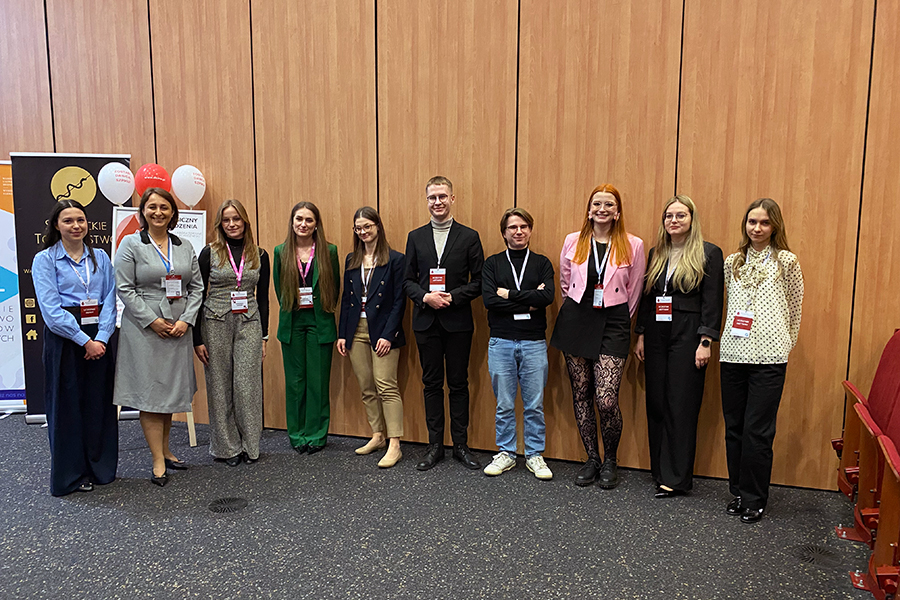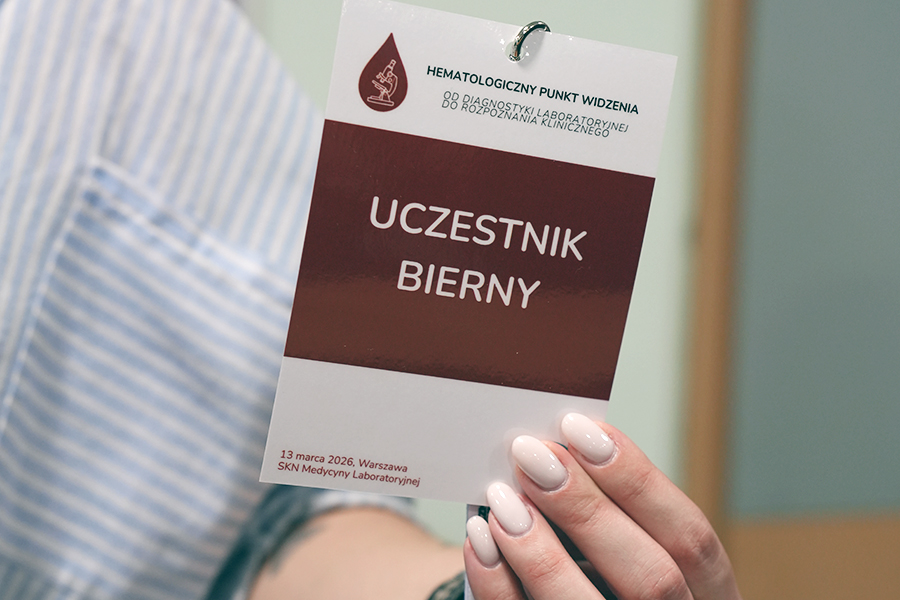
"The conference was a space for the exchange of knowledge and experience as well as the integration of the academic and professional community. Its interdisciplinary nature also highlighted the importance of cooperation between laboratory diagnosticians and physicians in the diagnostic and therapeutic process," said Weronika Dwojak, a representative of the Laboratory Medicine Student Club WUM, the organizer of the event.
The conference drew a substantial audience – it was attended by about 150 people from all over Poland.
Expert sessions
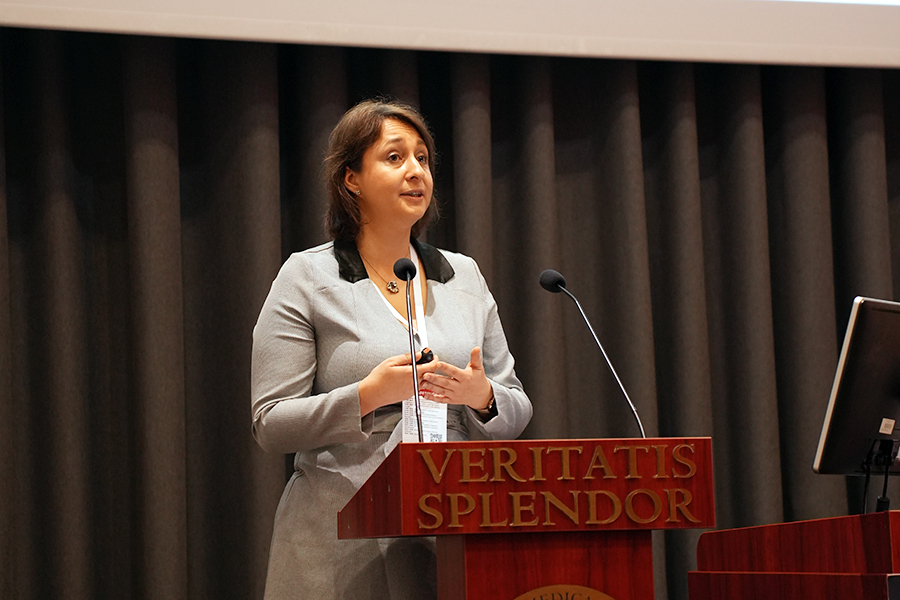
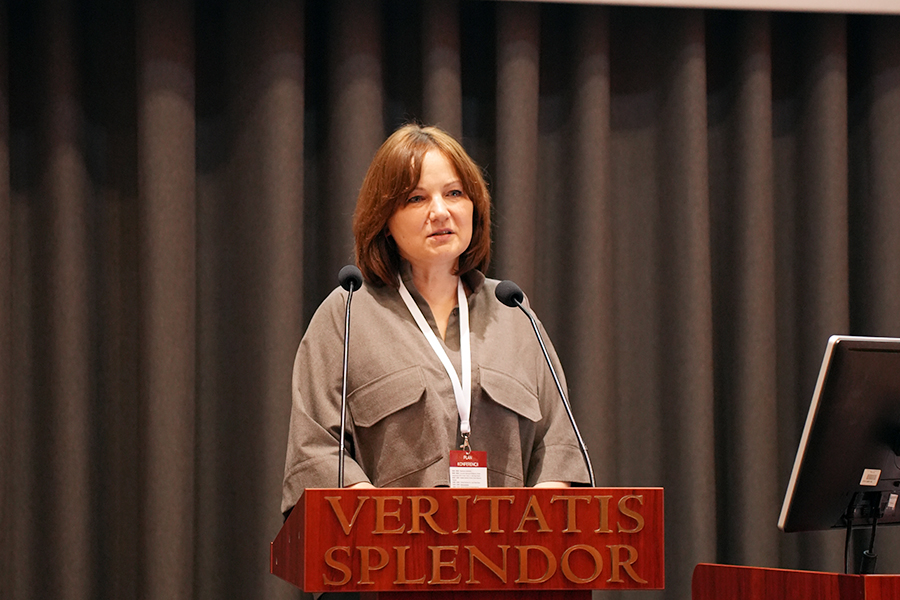
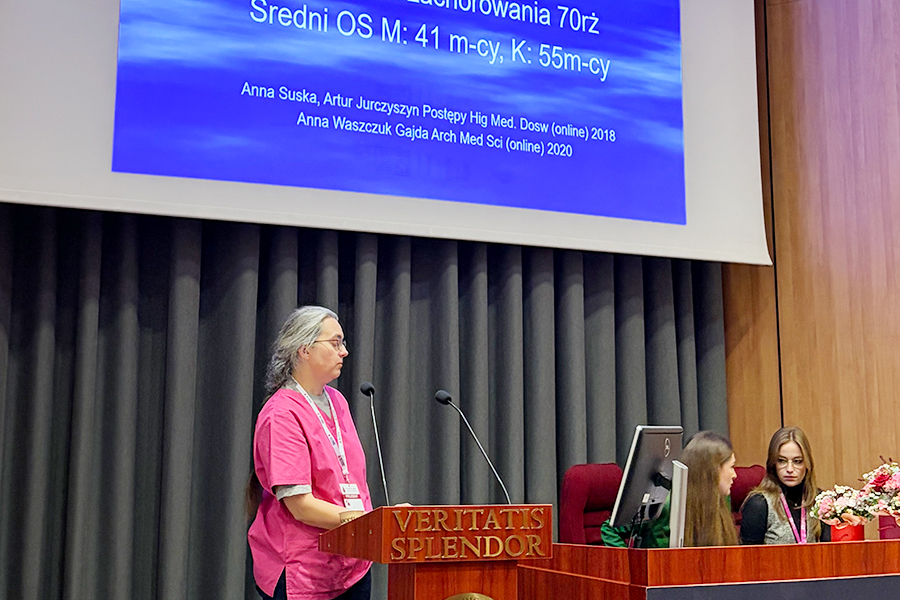
The invited speakers focused their presentations to modern diagnostic methods, the significance of hematological parameters in clinical practice and the analysis of clinical cases. The group of speakers included: Prof. Olga Ciepiela from the Department of Laboratory Medicine WUM, Dr Katarzyna Pawelec from the Department of Pediatric Oncology, Hematology and Transplantology, Dr Bartłomiej Sankowski from the Laboratory for Genetics WUM, Dorota Zduńczk, MD, from the Department of Hematology and Dr Beata Baran from the Institute of Hematology and Transfusion Medicine.
Students and PhD students in action
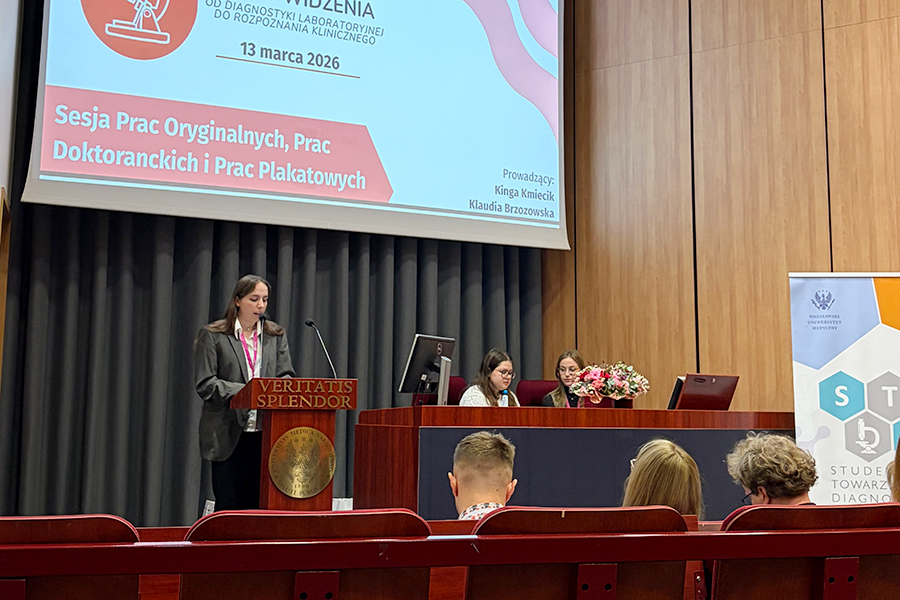
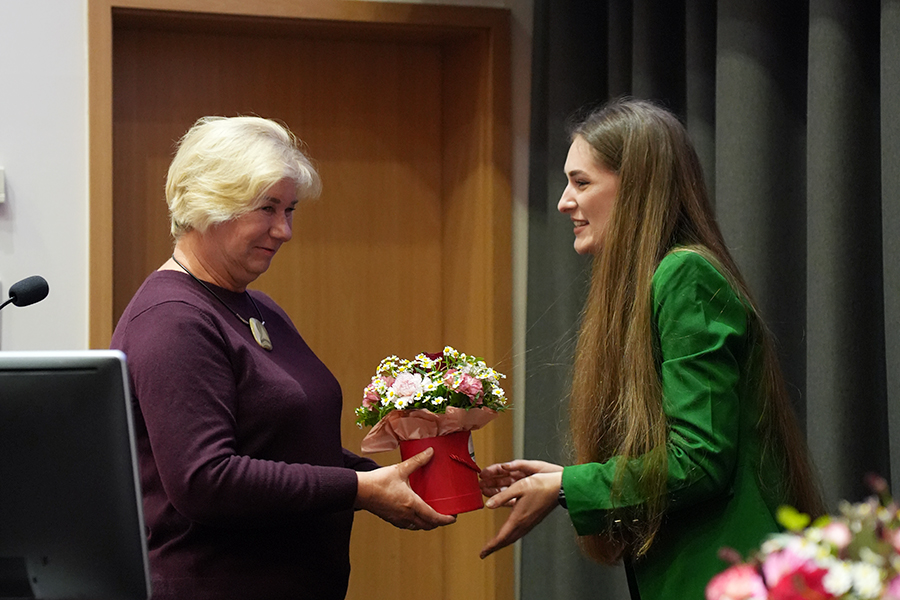
Clinical case reports and the results of own research were presented by students and doctoral students. The best works were awarded prizes.
In the original and doctoral paper session, the winners were:
- 1st place: Aleksandra Ozygała for "A new perspective in hematooncology – optical genome mapping for markers of T-cell acute lymphoblastic leukemia"
- 2nd place: Maciej Dubaj for "Thalassemia in pediatric patients – 15-year demographic and clinical follow-up"
- 3rd place: Michał Sekuła for "How advanced genetic research changes the behavior of patients with acute myeloid leukemia – the results of the analysis of patients treated at UCC WUM"
- Karol Bigosiński received an honorable mention for "Calculated hematological indices as markers of malnutrition in the course of cancer – a systematic review"
As regards the poster session, the first place was awarded to Natalia Buczek for the poster "The impact of therapeutic monoclonal antibodies as a result of immunofixation in the course of plasma cell myeloma".
In the case report session, the first place was awarded to Aleksandra Litkowska for "Hidden genomic disaster: The advantage of OGM over cytogenetic diagnostics in the analysis of chromotripsy in T-ALL". The second place was awarded to Anna Owczarek for "Efficacy of ruxolitinib in the treatment of polycythaemia vera in a patient with hydroxyurea intolerance – a case report". The third place was awarded to Julia Topiłko for "Sequential occurrence of Hodgkin lymphoma and high-grade B-cell lymphoma – a case report". Michał Radzikowski received an honorable mention in the case report session for "Oh, Janus! Can it be more difficult? A case report of a patient with chronic myeloid leukemia and the JAK2 V617F mutation".
Workshops
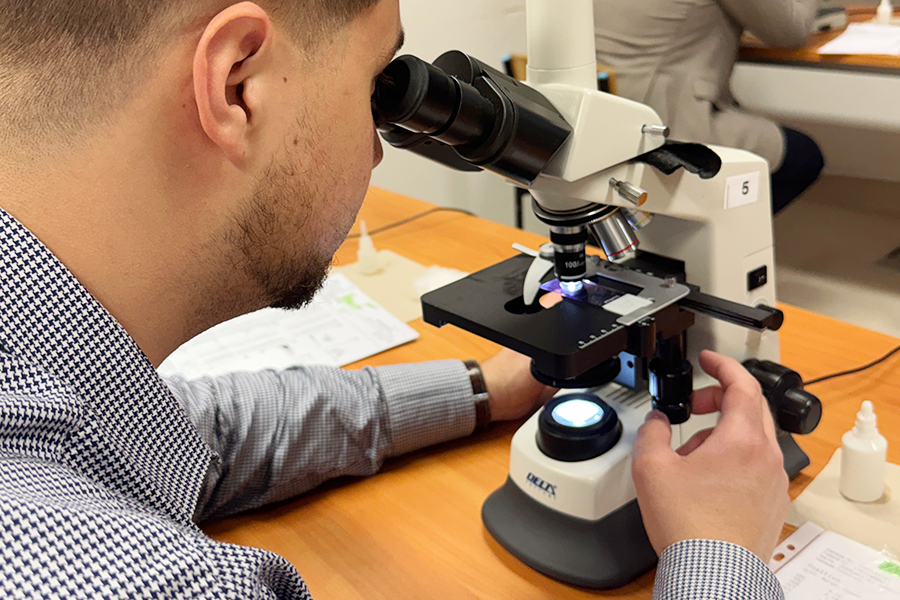
The Laboratory Medicine Student Club organized a workshop entitled: "Pathology under the microscope – blood and bone marrow smears in the practice of a laboratory diagnostician". The participants analyzed preparations under the microscope – smears of peripheral blood and bone marrow and recognized normal and pathological formed elements of the blood, identified disorders in the white blood cells, red blood cells and platelets. They also interpreted abnormalities characteristic of selected hematological diseases.
The Hematological Student Club organized a workshop "Cytopenias and cytoses – practical interpretation of blood count" devoted to the interpretation of blood count, analysis of clinical cases and the basics of treatment in selected hematological diseases.
The LYMPHOMA Student Club proposed the workshop "Introduction to the diagnosis of lymphatic system tumors using histological, immunohistochemical and genetic profile analysis methods". The participants learned the basic diagnostic criteria and ways to determine and then further differentiate lymphatic system tumors.