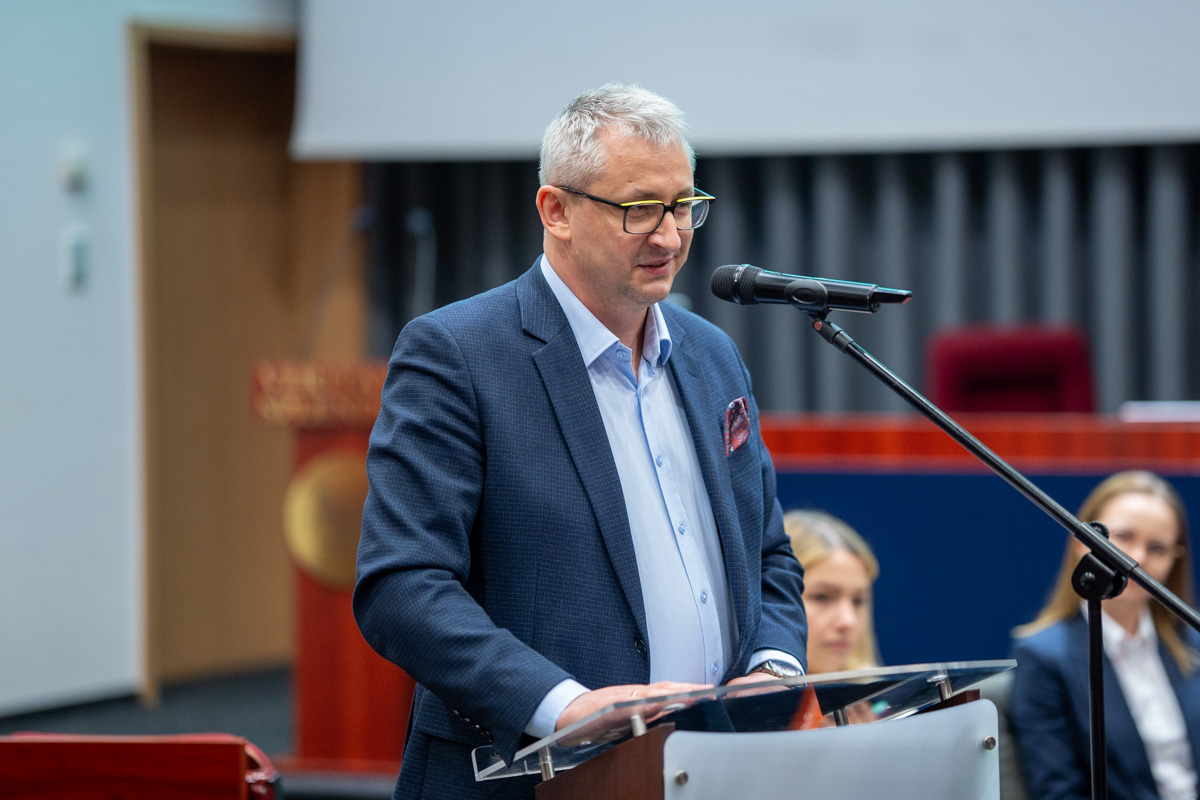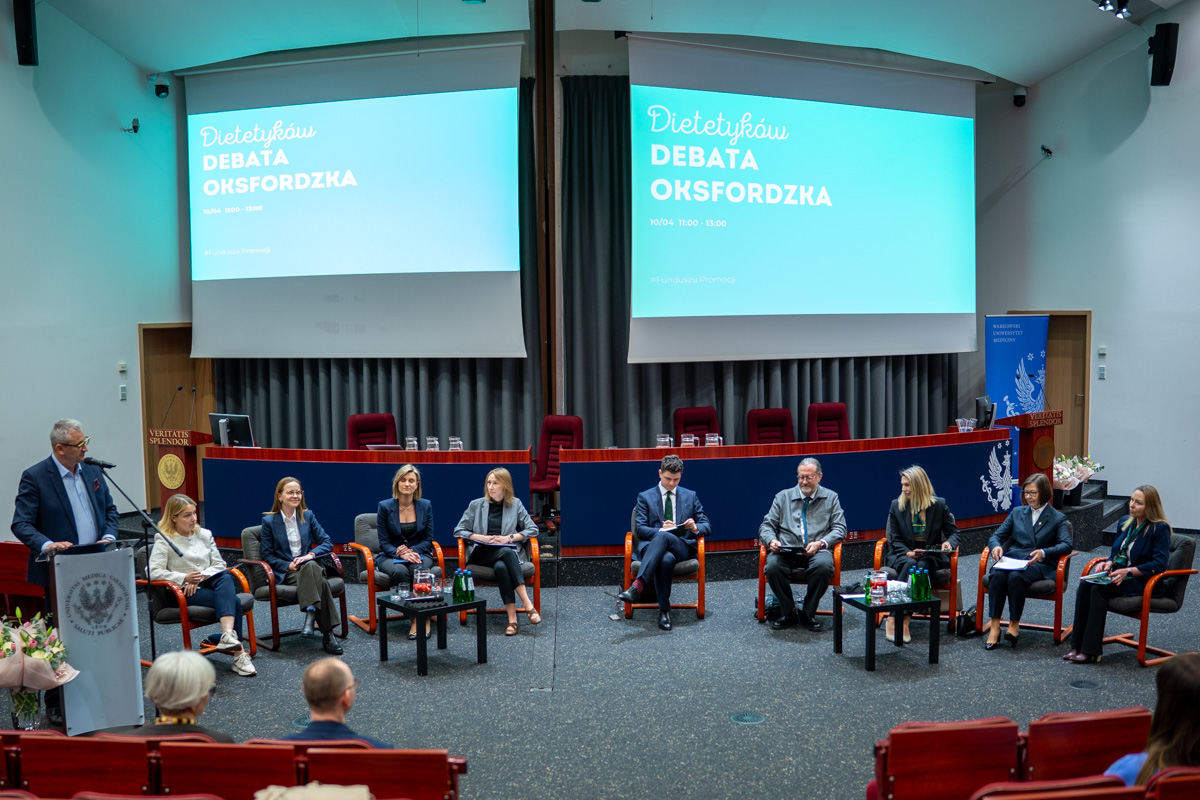
The event was opened by Dr Patryk Rzońca, the Vice Dean for the Faculty of Health Sciences, who strongly emphasized that the profession of a dietitian should be regulated.
"I am a strong advocate for standardizing the field of dietetics," said the Vice Dean. "We need a clearly defined curriculum with specific learning outcomes."
Proposition vs Opposition
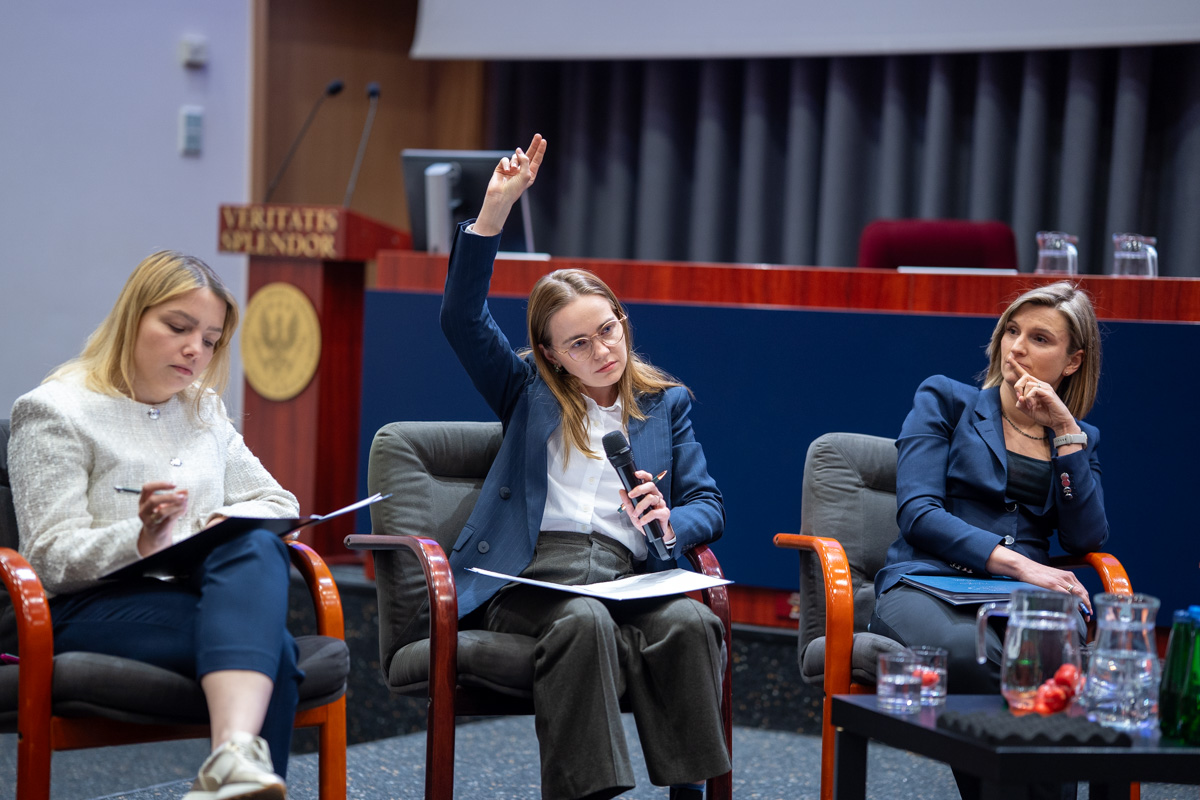
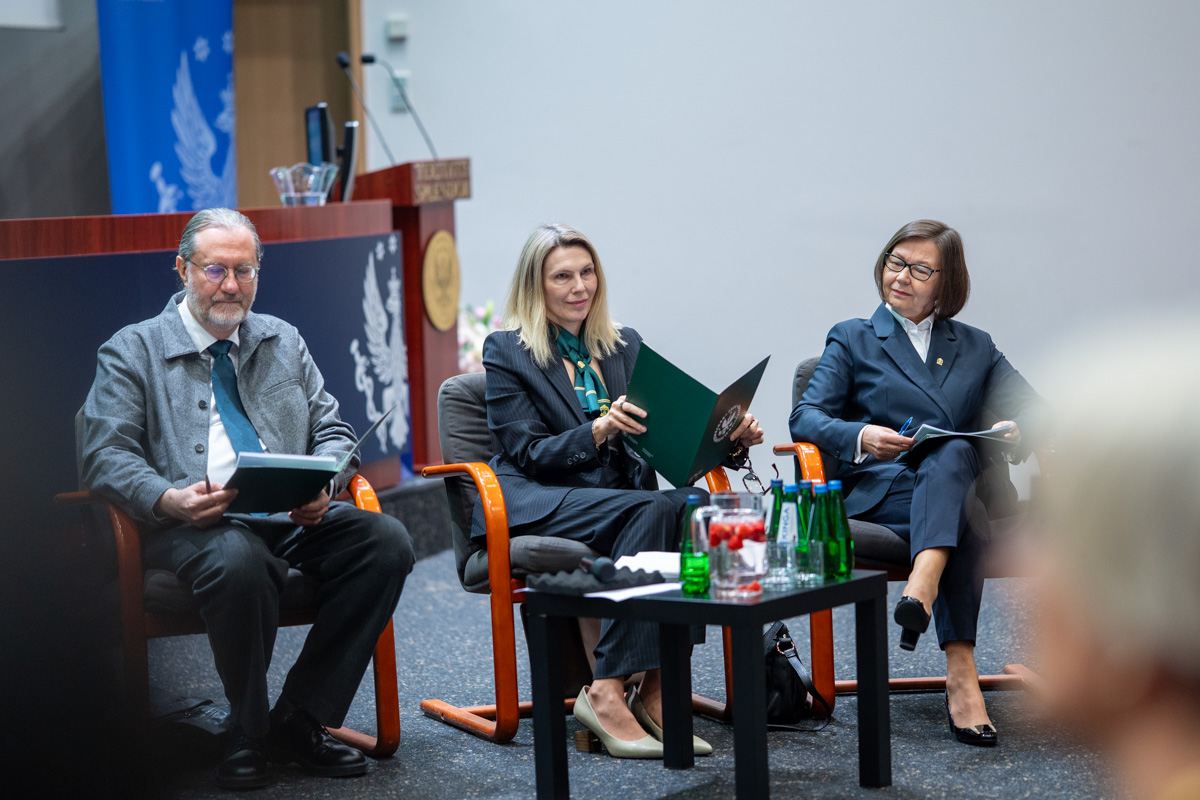
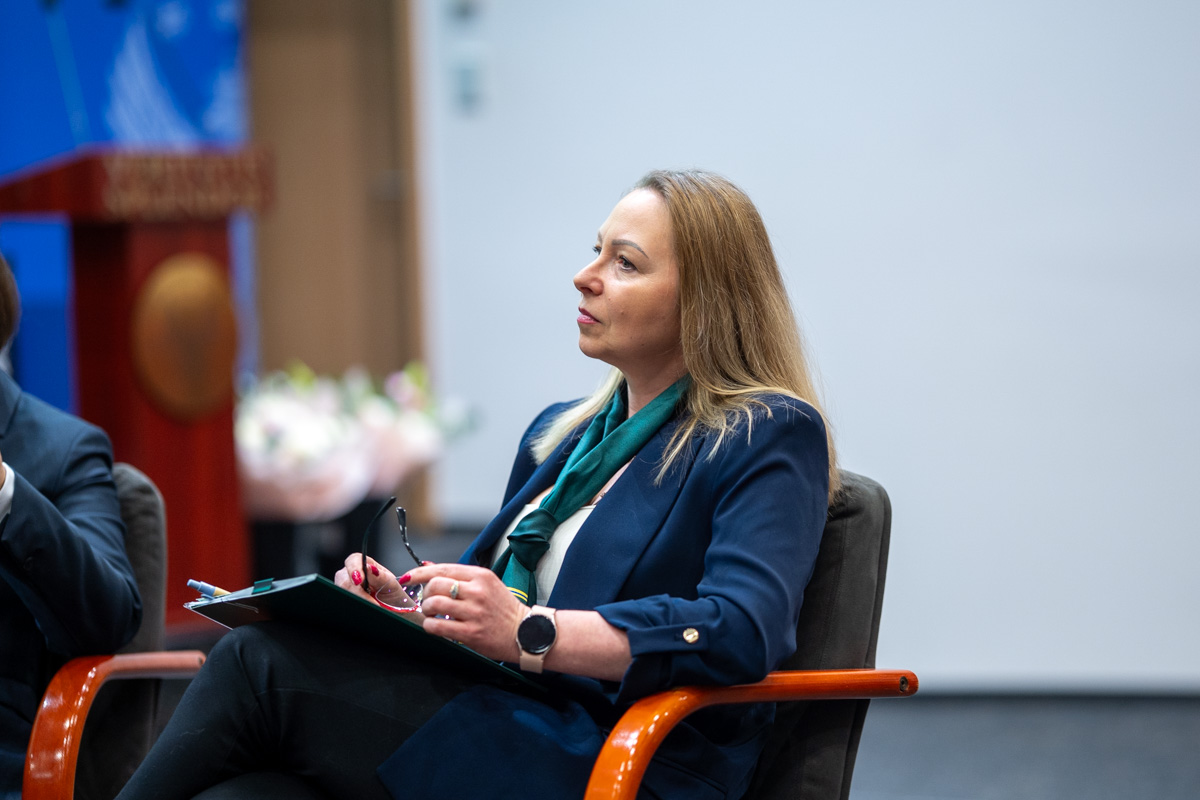
Two teams of four took part in the debate. The task of the first one (proposition) was to find arguments for the motion, and the second team (opposition) presented arguments against the motion. The motion was: "The future of the profession of a dietitian in Poland requires the development of a single, common standard of education." According to the rules of the Oxford-style debate, the teams drew lots to determine which side of the issue they would take. The WUM team drew the "for" side, so they became the team of proposition. The team included: Dr Agnieszka Bzikowska-Jura from the Department of Clinical Dietetics, Dr Joanna Ostrowska from the Department of Clinical Dietetics, Dr Zuzanna Zaczek from the Department of Human Nutrition and Dr Zuzanna Przekop from the Department of Clinical Dietetics.
The opposition consisted of experts from the Warsaw University of Life Sciences (SGGW): Dr Anna Harton, SGGW Professor; Dr Joanna Myszkowska-Ryciak, SGGW Professor; Dr Danuta Gajewska, SGGW Professor, and Prof. Dariusz Włodarek. All four of them are graduates and faculty members of the Warsaw University of Life Sciences and are deeply committed to the development of the faculty of dietetics.
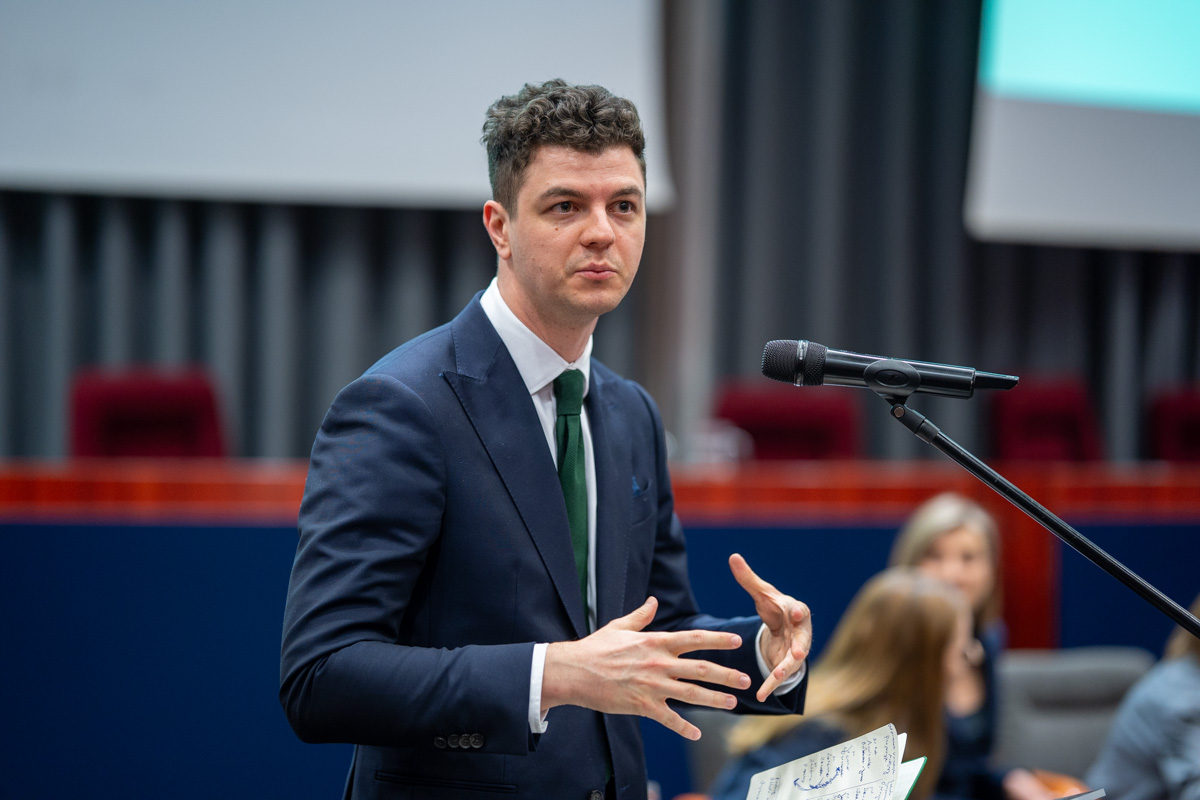
The debate followed a conventionalized pattern. The speakers performed in a specific order (alternating from one team to another). Each of them had 5 minutes to speak. During the speech, members of the opposing team could ask questions. Jakub Kozłowski, Master of Polish Oxford Debates, supervised the correct course of the debate.
Key arguments
At the beginning, the proposition team clearly stated that the standard meant the introduction of a common minimum competence, one that defined who a dietitian was and what basic preparation a person practicing this profession needed to have.
Why is this necessary? First of all, for the very identity of the profession. Employers and patients need to know the core competencies of the practitioner. Patient safety and trust was the second issue. Regardless of the university of graduation, a common scope of knowledge for all dietitians should be specified. And finally, the quality of the profession – without a standard, it is difficult to determine what basic minimum quality should be considered binding.
The proposition team's arguments were confronted by the opposition. They argued that the standard of education was not synonymous with quality and looked good only on paper. Moreover, such standards do not directly translate into patient safety, because it is not the standard, but the quality of education and practice that influence safety. Moreover, standardization often means minimization. It may also lead to centralization and, thus, limit diversity.
Both teams gave excellent presentations and the standard of the discussion was very high. Unlike the classic Oxford debate, there was no winner. After the conventional part was closed, a free discussion began, during which all the presenting experts admitted that they really thought that the standard was necessary. They also emphasized that participating in this event was an intellectual challenge for them and a very interesting experience.
Status as of today
Dietitian is currently recognized as a medical profession in functional and educational terms (it belongs to the area of medical and health sciences), but in Poland it is still not regulated by a separate act. Work on the regulation of the profession and self-government of dietitians has been underway for several years, but the Ministry of Health makes legislative decisions dependent on whether a broad consensus of the entire environment can be reached.
The WUM debate allowed a broader look at the issues related to the need to develop a standard of education and to see those elements that may raise some concerns in the environment.
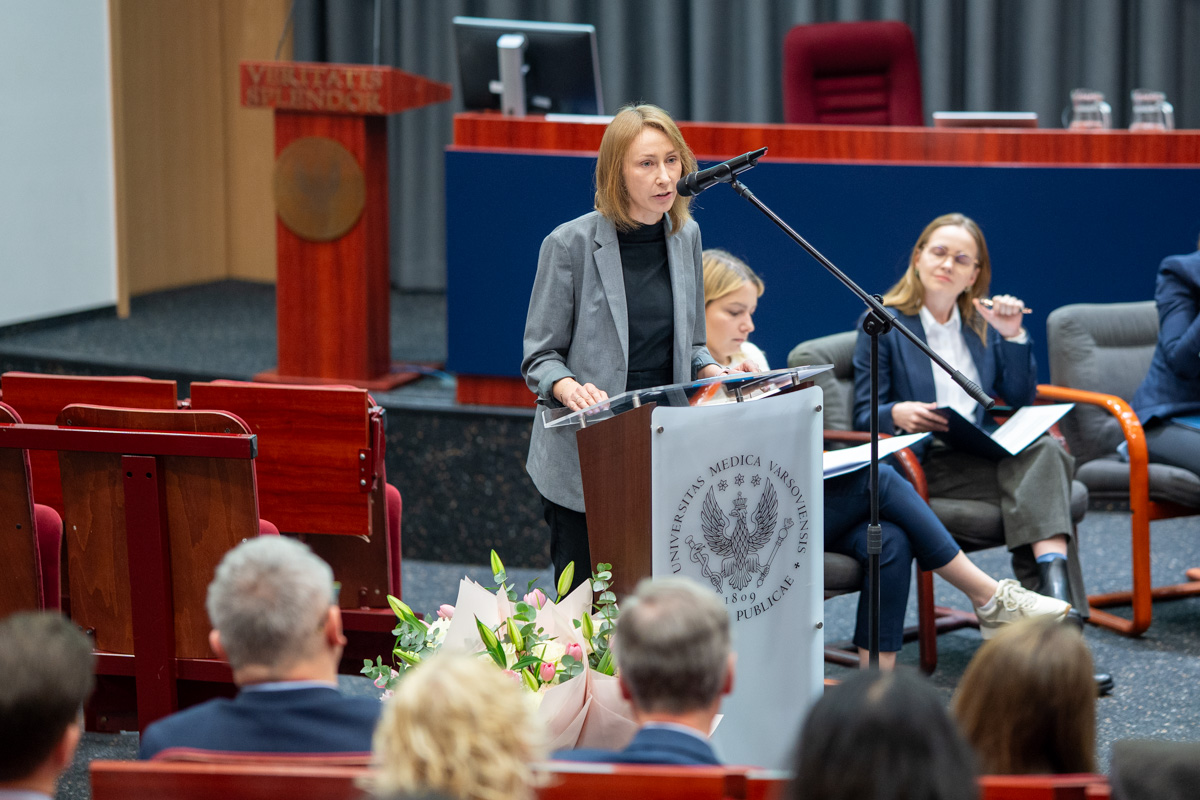
The last presentation of the event was delivered by Dr Beata Sińska, the Head of the Department of Human Nutrition at the Medical University of Warsaw, the initiator and organizer of the event.
"It is worth debating not in order to win a dispute or choose a "better" university, but to jointly answer key questions about the future of the profession of a dietitian and develop solutions for the whole society," concluded the expert.
The meeting was organized by the Department of Human Nutrition of the Faculty of Health Sciences WUM, inspired and supported by the National Association of Fruit and Vegetable Producers.