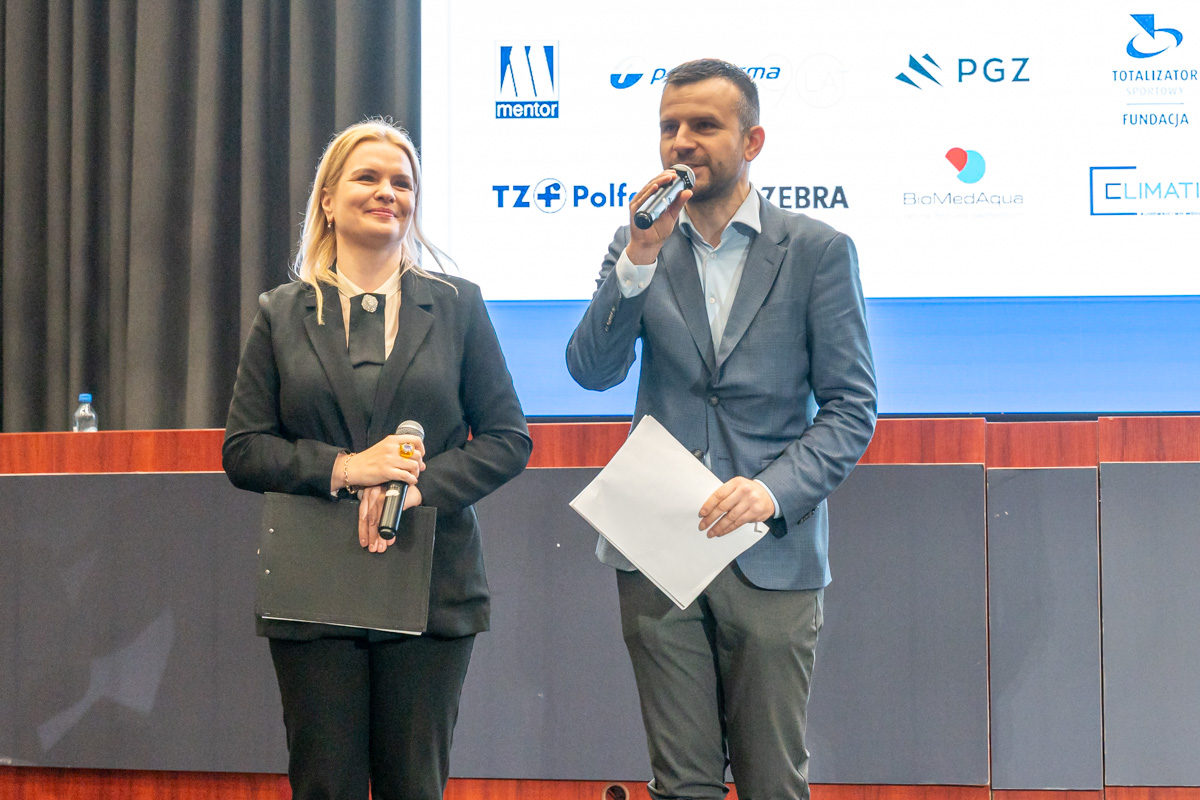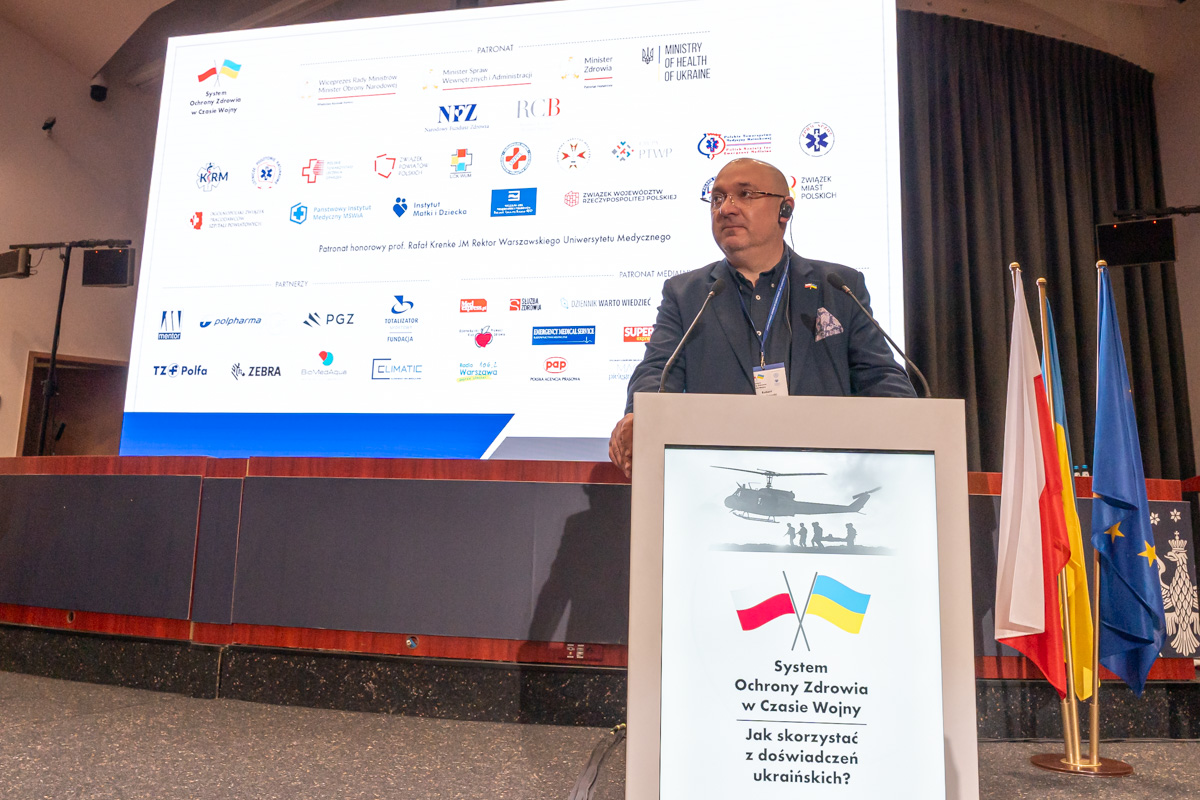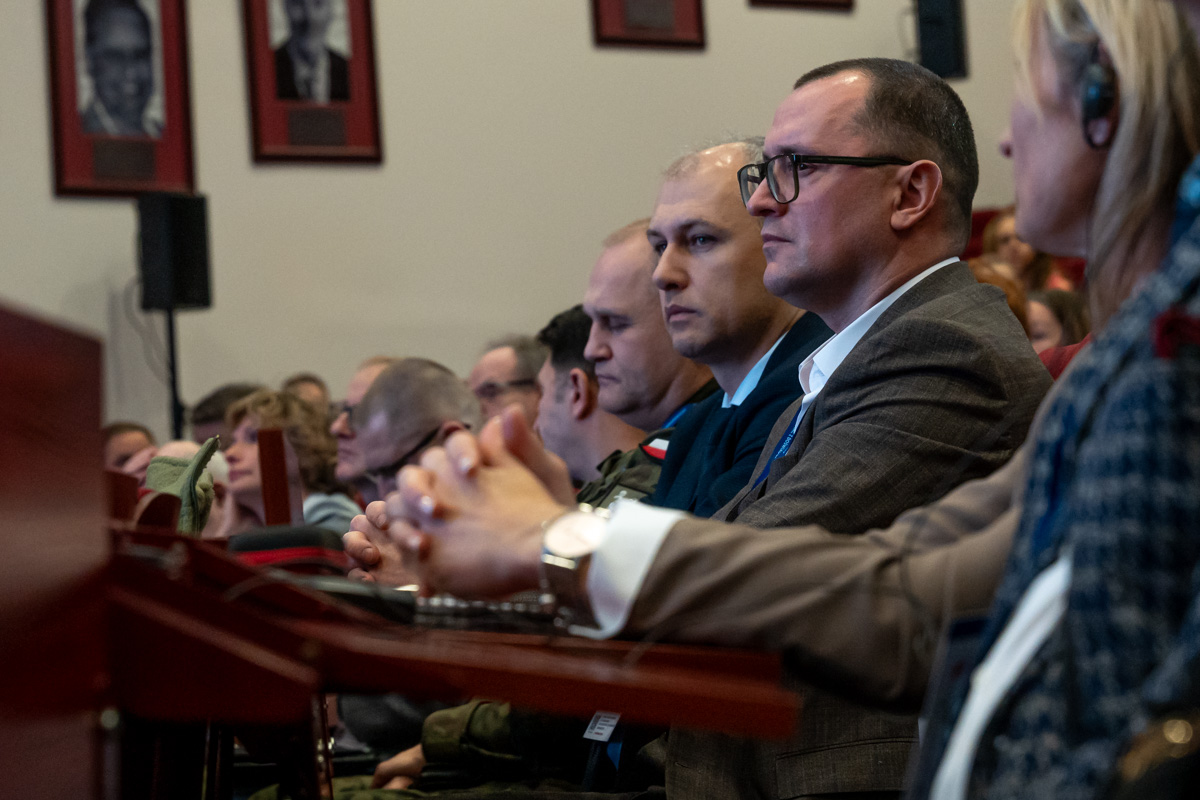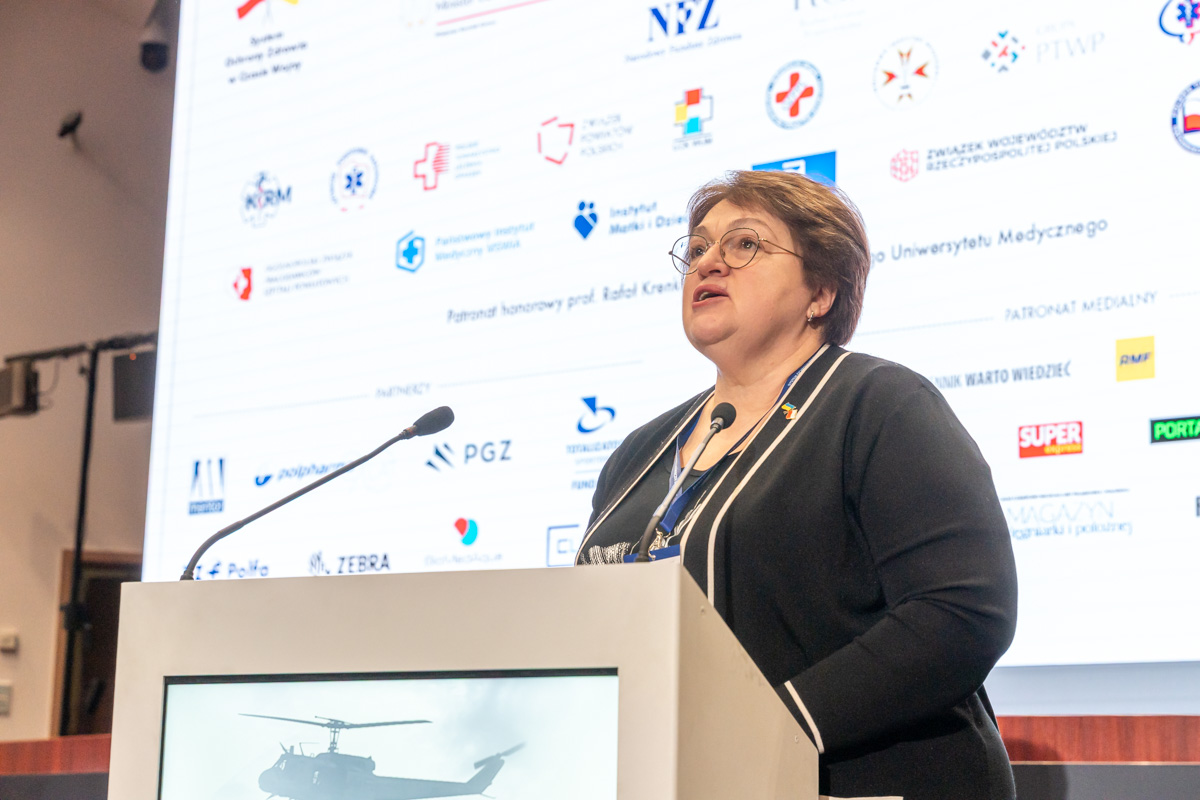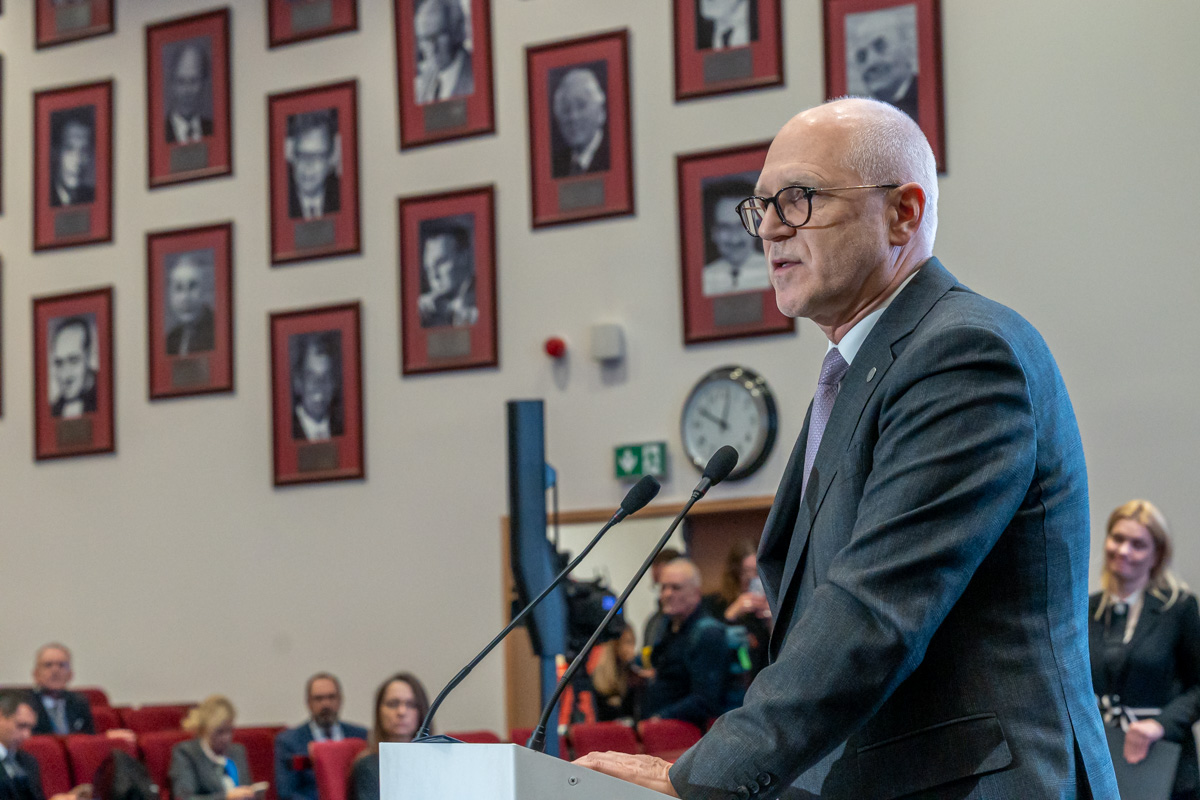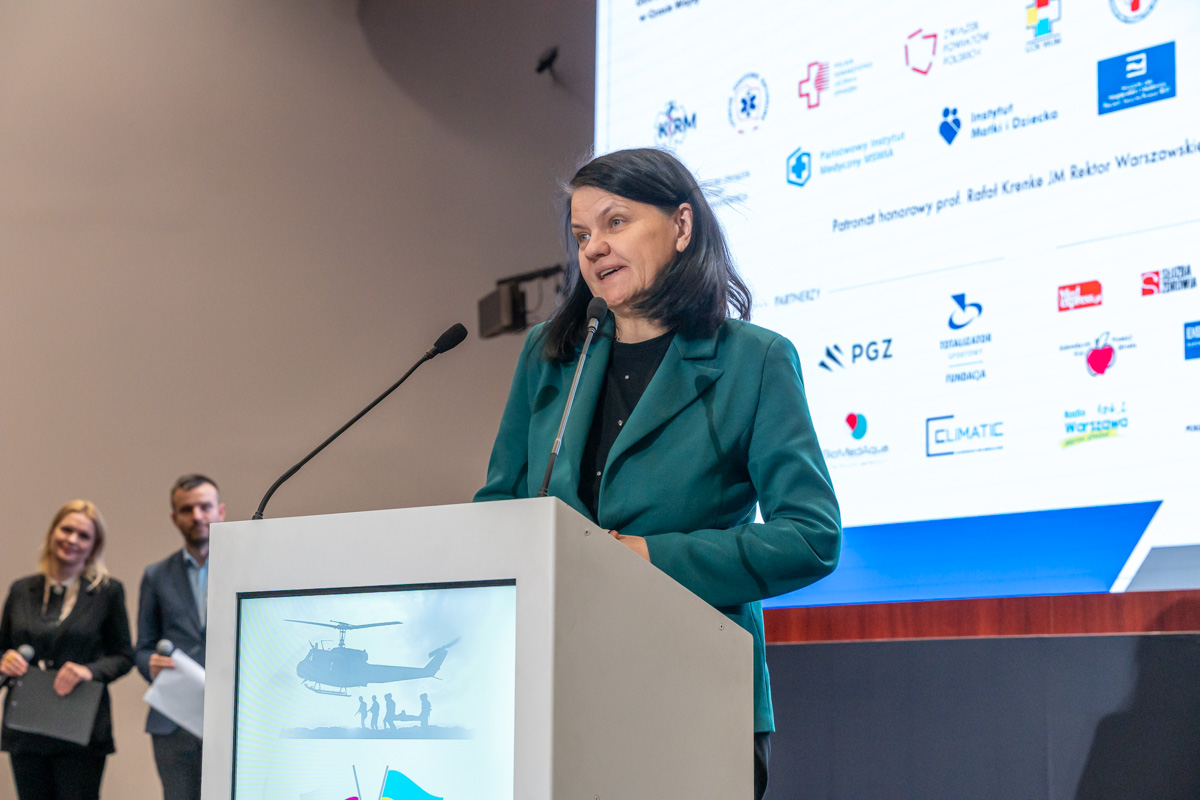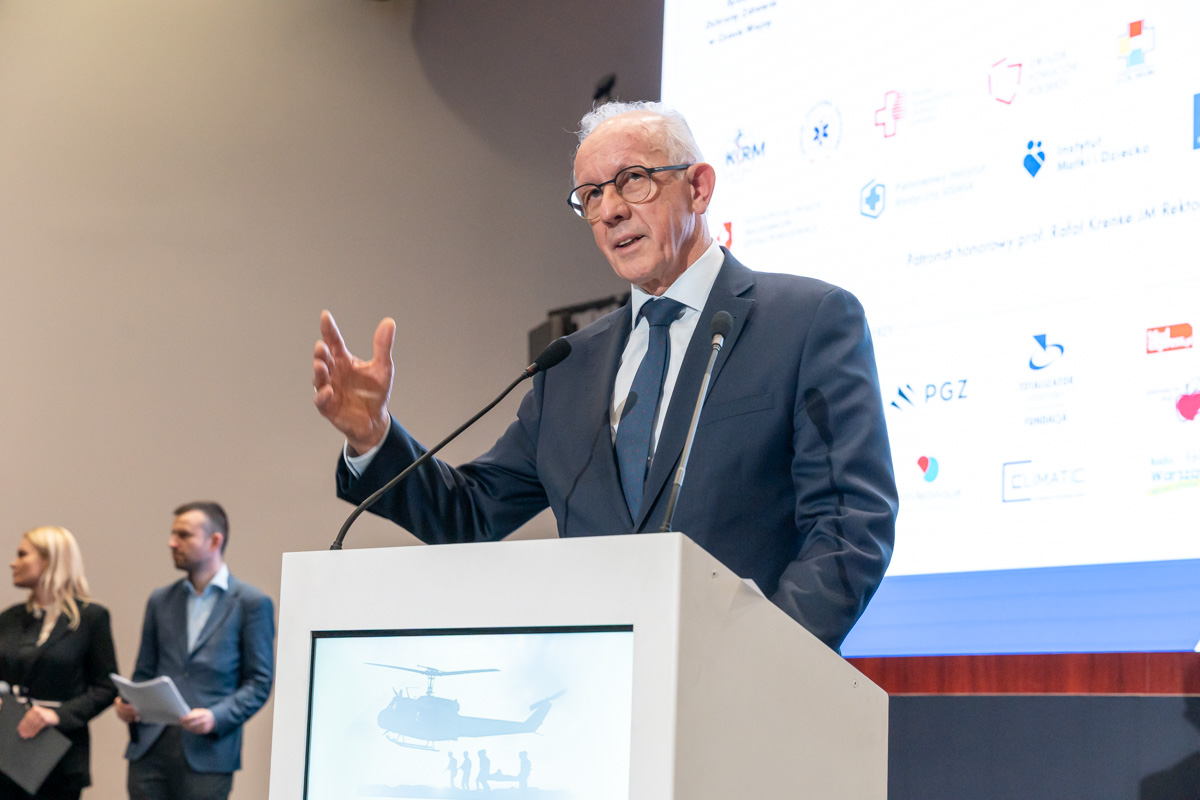
“For several years, a discussion has been going on in Poland and Europe about how to prepare the healthcare system for an extraordinary emergency, for a war,” said Professor Robert Gałązkowski, head of the WUM Department of Emergency Medical Sciences at the Faculty of Health Sciences, in his opening remarks. “Our concepts and perspectives on the situation may differ, but now is the time for our Ukrainian friends to help us realize what the war involves. This is a unique opportunity to face the knowledge we have not really had in Poland so far. We will get to know the experiences of people, from the level of the minister of health, through directors at ministries, hospitals, emergency medical services, to the heads of various organizations active during the war, and the medics themselves – and we will hear about the challenges they face.”
WUM Rector, Professor Rafał Krenke, expressed his hope that this unique conference would help Poland prepare for good cooperation between the military and civilian sectors of healthcare in our country.
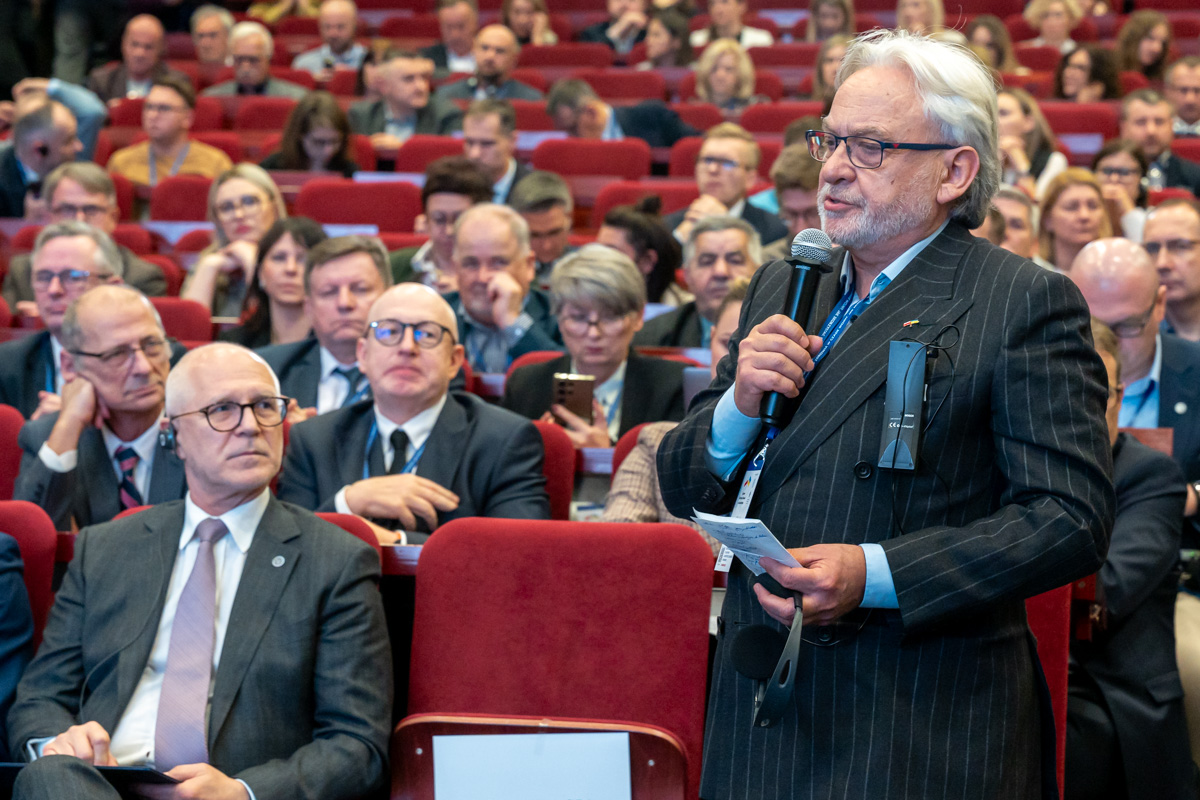
“On the one hand, I am happy that such an important meeting is taking place at our university, and that the initiator behind this idea is Professor Gałązkowski, to whom I am deeply grateful. On the other hand, I am deeply concerned about the topic and the issues that have brought us here today. ... I would very much like for this conference to be a true working meeting, with full openness, and for it to help Poland take advantage of Ukrainian experiences so that if the situation arises – which is not that unlikely – we are prepared and can provide the best care and safety for our patients.”
Healthcare as the Foundation of Security
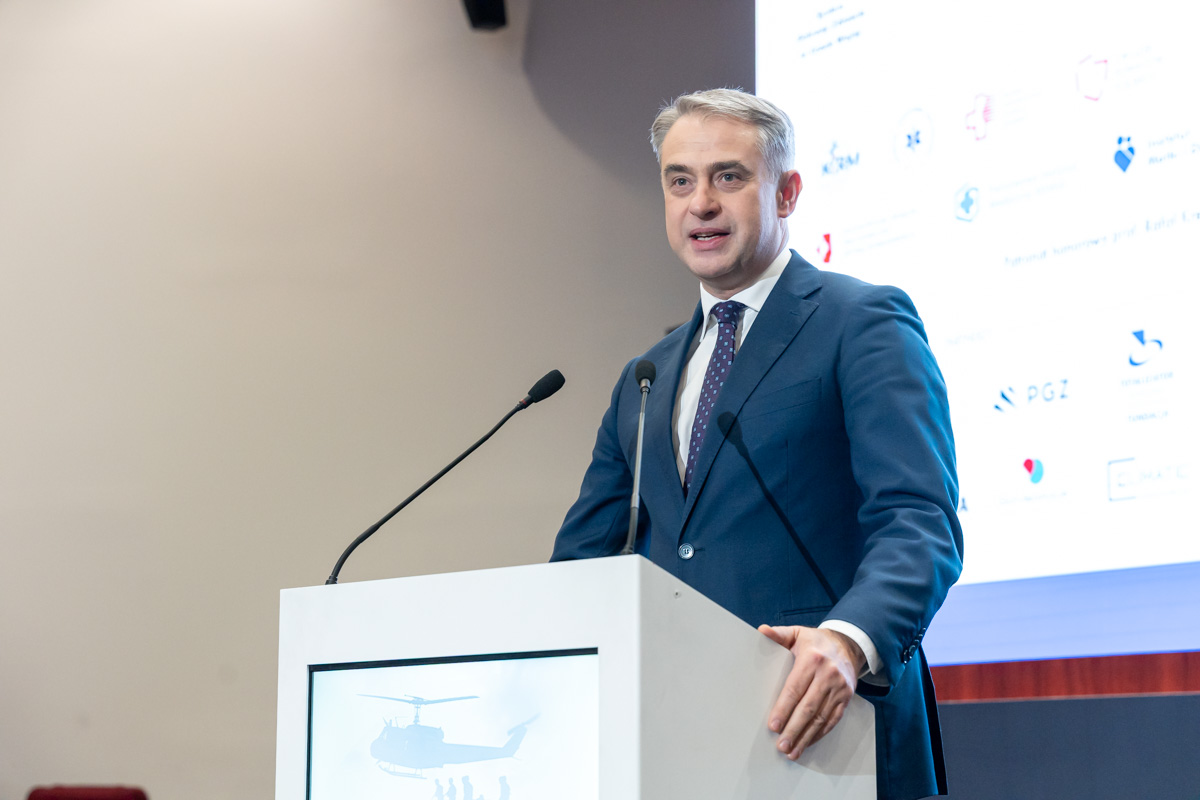
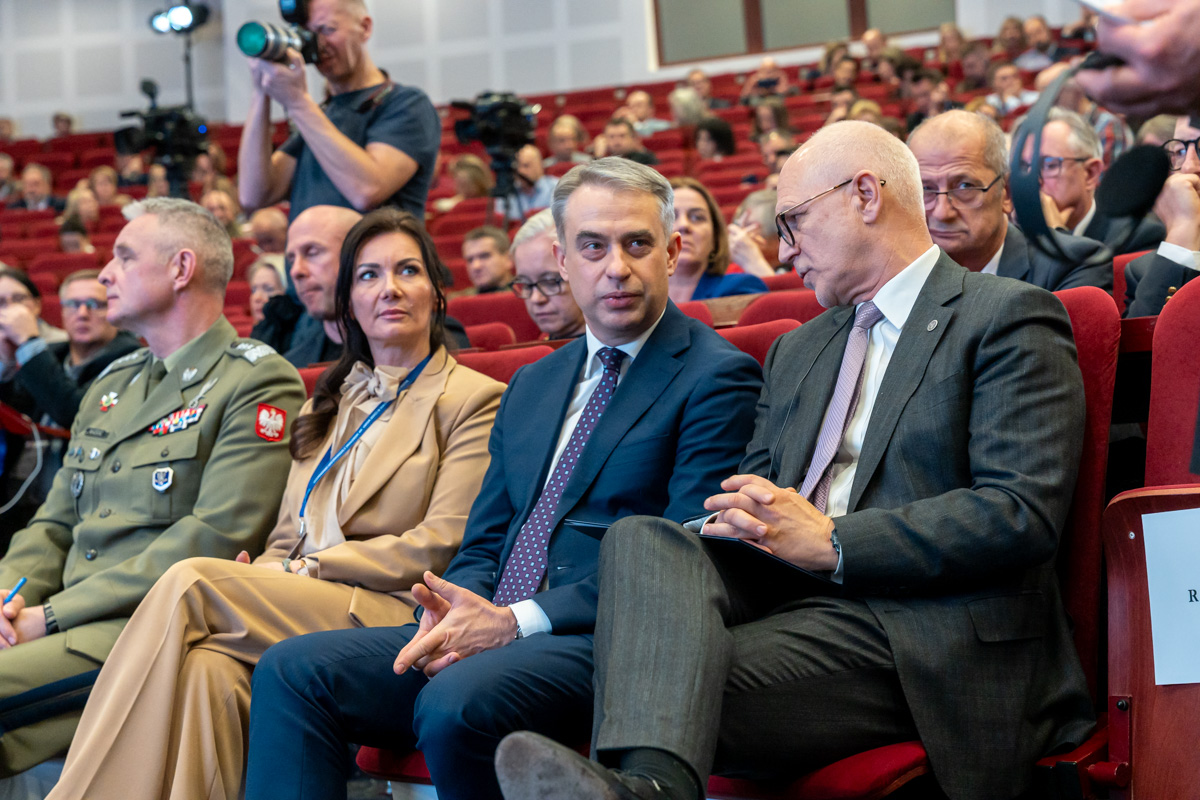
The conference was joined by Krzysztof Gawkowski, Deputy Prime Minister and Minister of Digital Affairs, and Katarzyna Anna Kacperczyk, Undersecretary of State at the Ministry of Health, who expressed reassurances that Poland strove to respond to the challenges involved in building a system of resilience to a potential crisis.
“The war in Ukraine is a dramatic, unimaginable development in international relations after the Second World War. It affects the entire country, including healthcare, an area that always serves as the foundation for security,” said the Undersecretary of State.
“We must realize that it is indeed possible that the war will happen. The uncertainty is growing, and the stability of our peace depends on our defense capabilities. We have a few years to get ready,” acknowledged the Deputy Prime Minister.
Challenges Faced by Ukrainian Medics
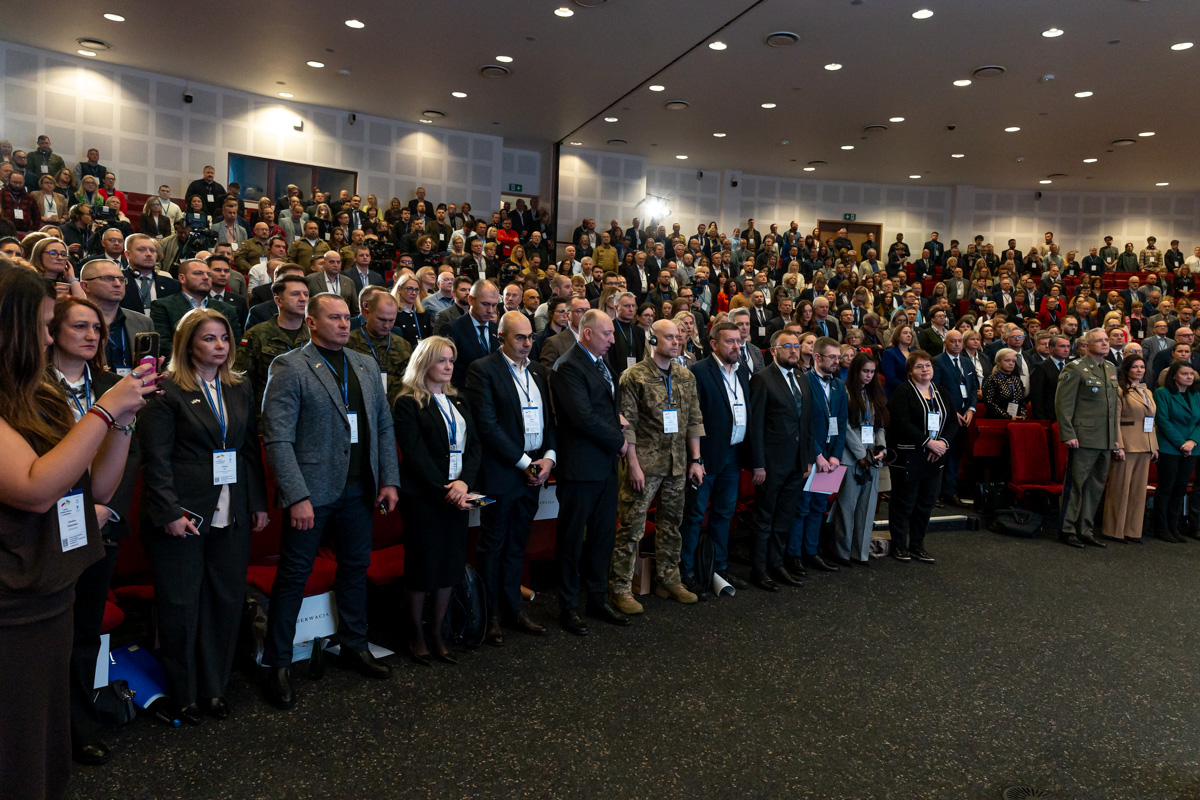
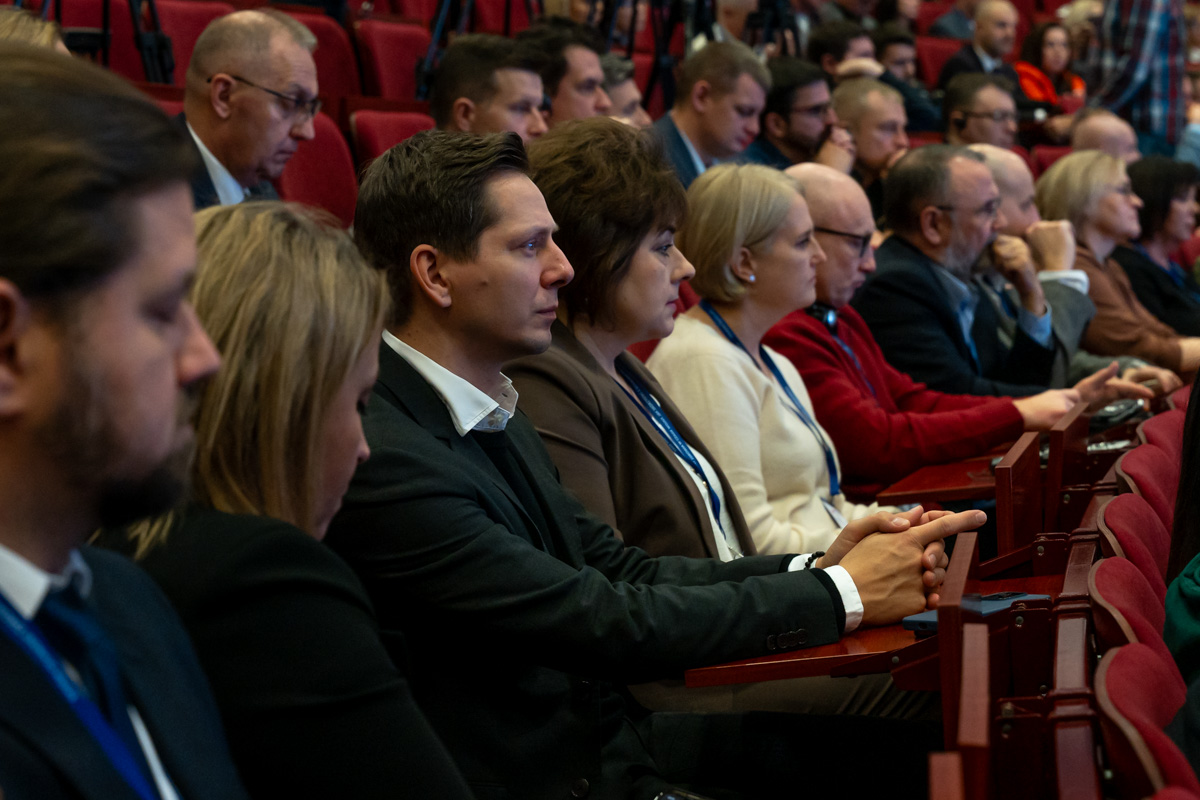
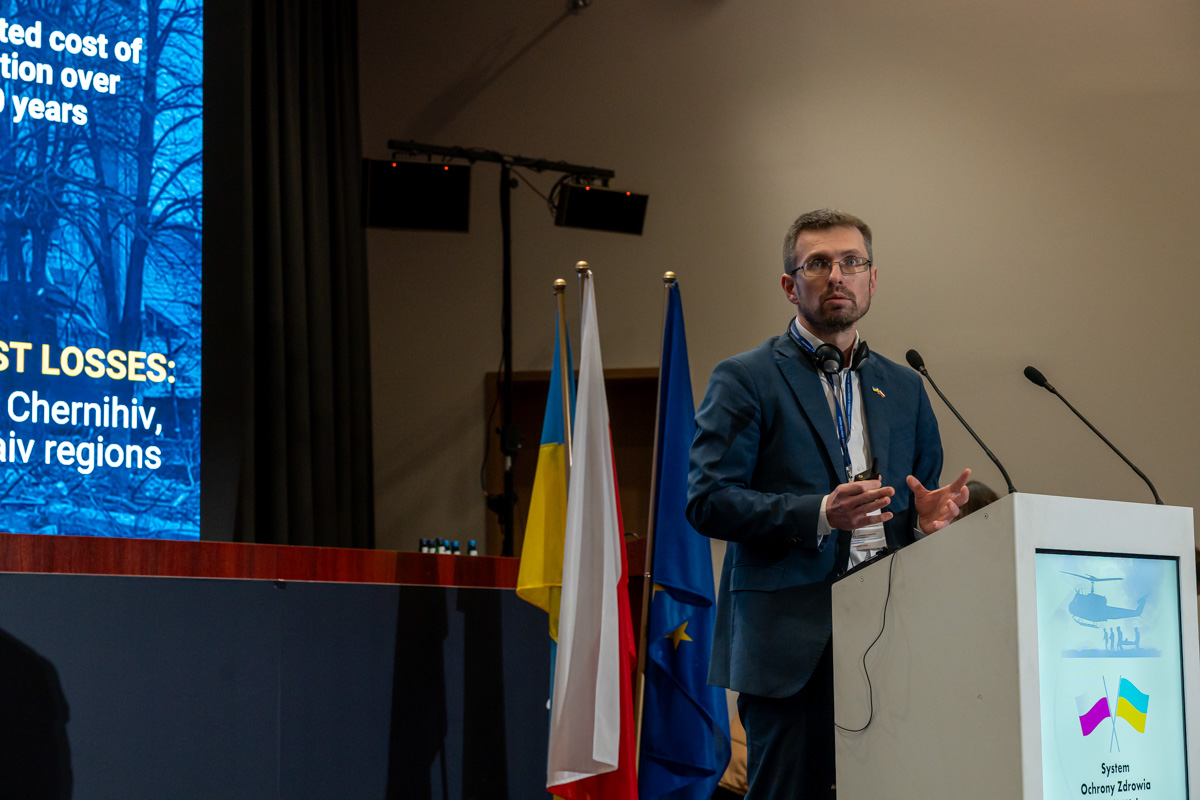
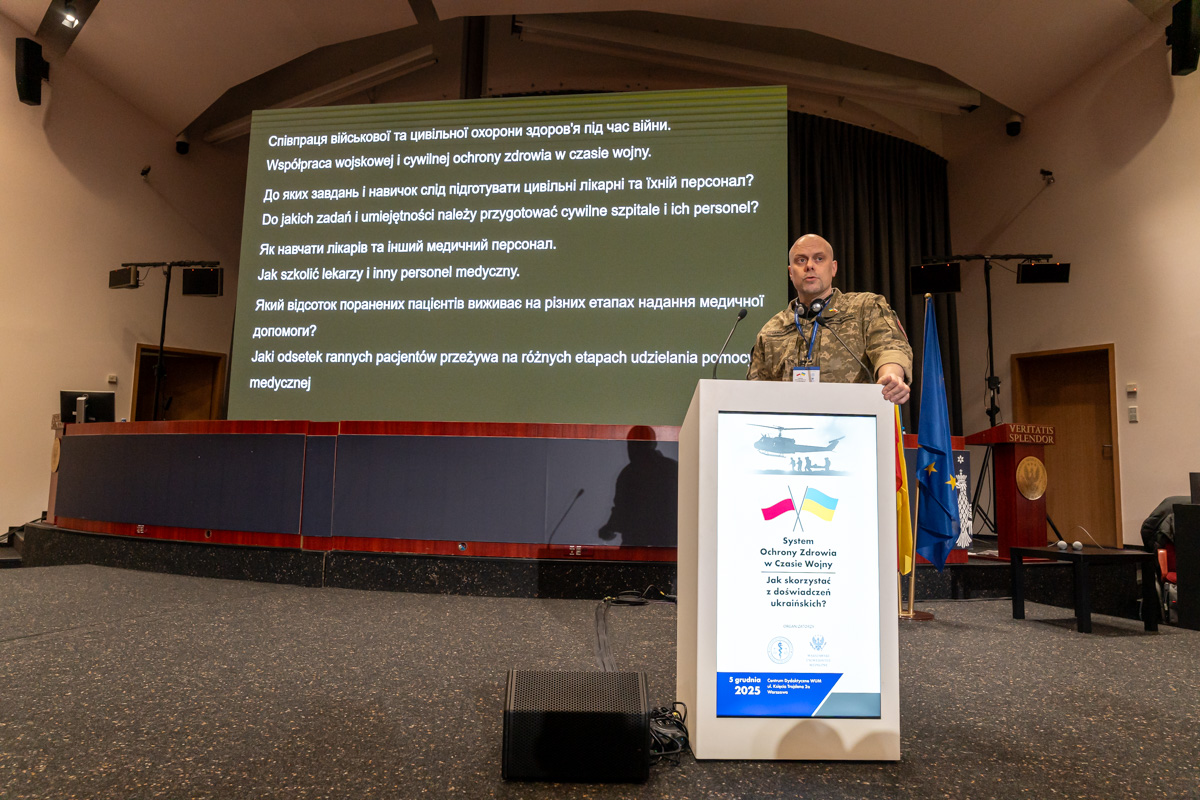
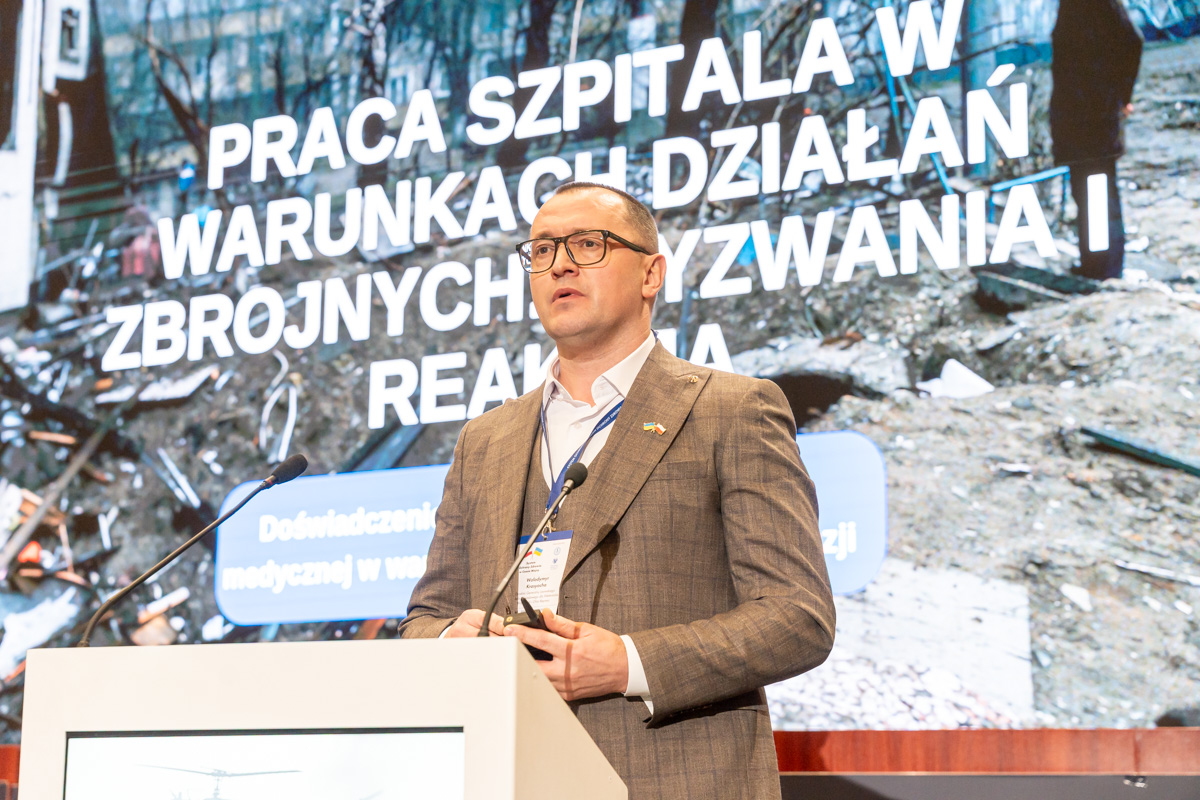
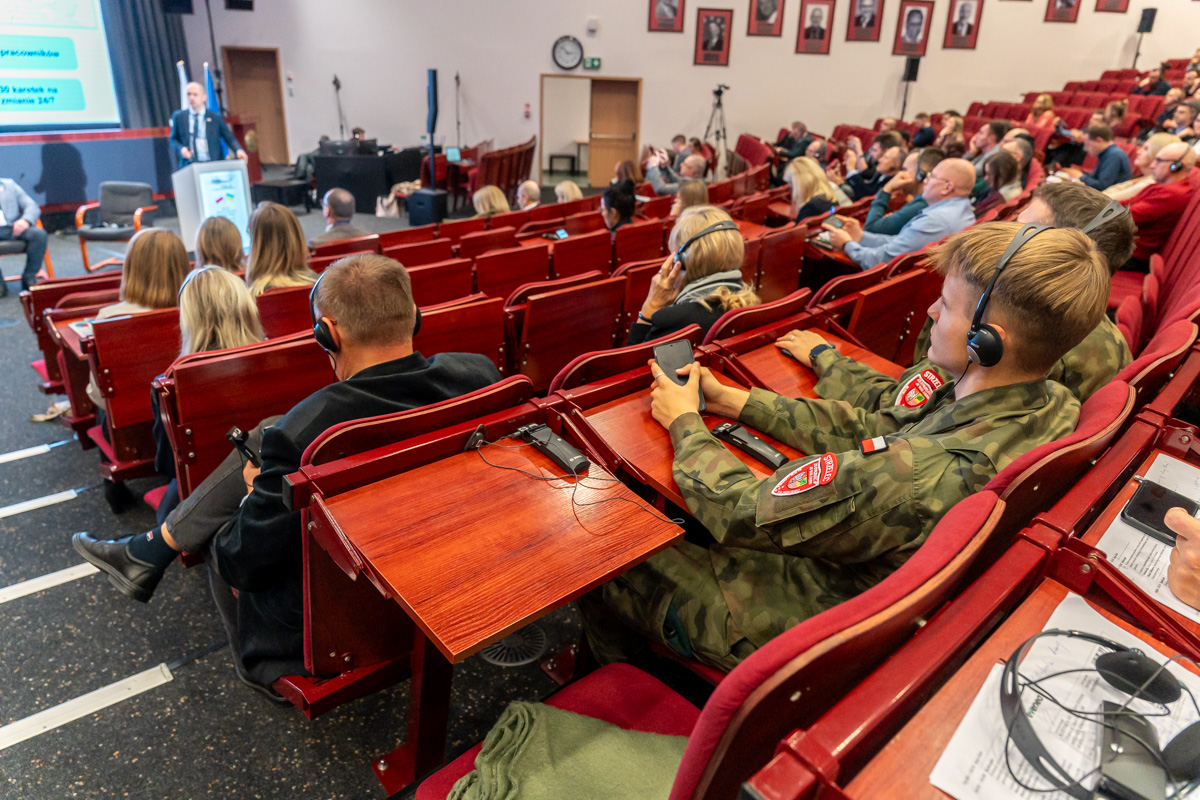
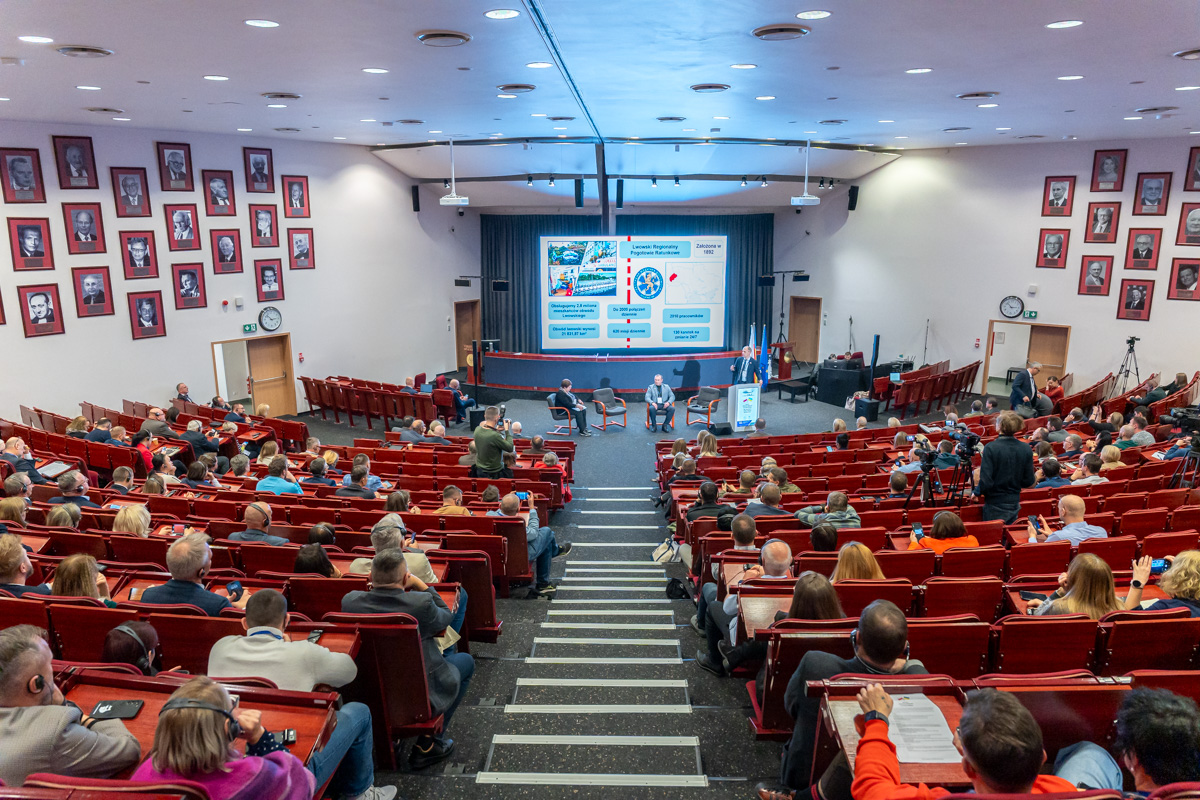
The nearly one thousand people gathered in the WUM Didactic Center had the opportunity to listen to guests from Ukraine, who shared accounts of how their hospitals managed the mass influx of the wounded while still caring for other patients, or how to organize triage and ensure the necessary personnel in this situation. They also discussed organizing drug supplies as well as using foreign aid in rational ways and distributing it among hospitals. How to tackle equipment shortages, and how the services and critical infrastructure at hospitals cooperate during the war.
Individuals who manage two large hospitals located about 100 km away from the Dnipro frontline, as well as the director of a hospital that treats the largest number of children with serious injuries, all shared their professional experiences. The latter also shared how that work impacted the mental health of the entire medical team.
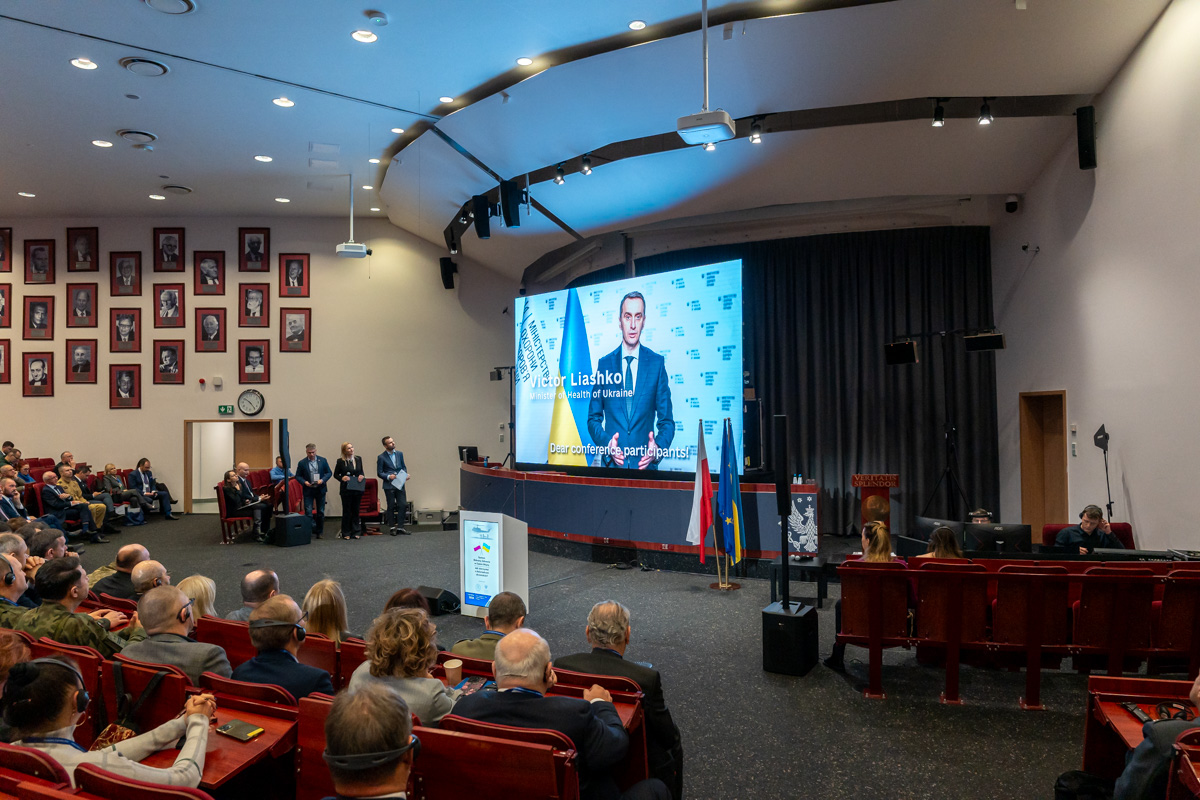
Wiktor Laszko, the Minister of Health of Ukraine, could not participate in the conference in person, but sent a recording in which he emphasized the importance of international support for Ukrainian medics. He stressed how important it was to invest in repairing and rebuilding the destroyed or damaged healthcare facilities, an effort estimated to cost USD 20 billion. He especially thanked Poland for systemic support – in the first phase, when it was necessary to take in refugees, and now, when international medical partnership, personnel training, and humanitarian aid were so important.
“Frontline fighting means that most of the injured need highly specialized help, multi-stage surgeries, often lasting 10 or even 20 hours. And we want to provide them with that,” said Wiktor Laszko, who has been managing wartime healthcare with a team of experts from the very beginning of the Russian invasion.
During the war, Ukrainian hospitals have a rising number of patients in need of rehabilitation, but also people with anxiety and depression. One of the major challenges is the rehabilitation of soldiers, supporting their mental health, but also the mental health of civilians, especially children. That is why Ukraine has been strongly working to develop an entire support system in that area.
Ukrainian guests shared their knowledge and experience of organizing evacuations from the battlefield, and from field hospitals further into the country and abroad; they also explained how to provide medical care for civilians during temporary occupation and afterwards. They also highlighted the problem posed by the fact that chronic diseases such as cardiovascular conditions tend to get revealed or exacerbated during the war.
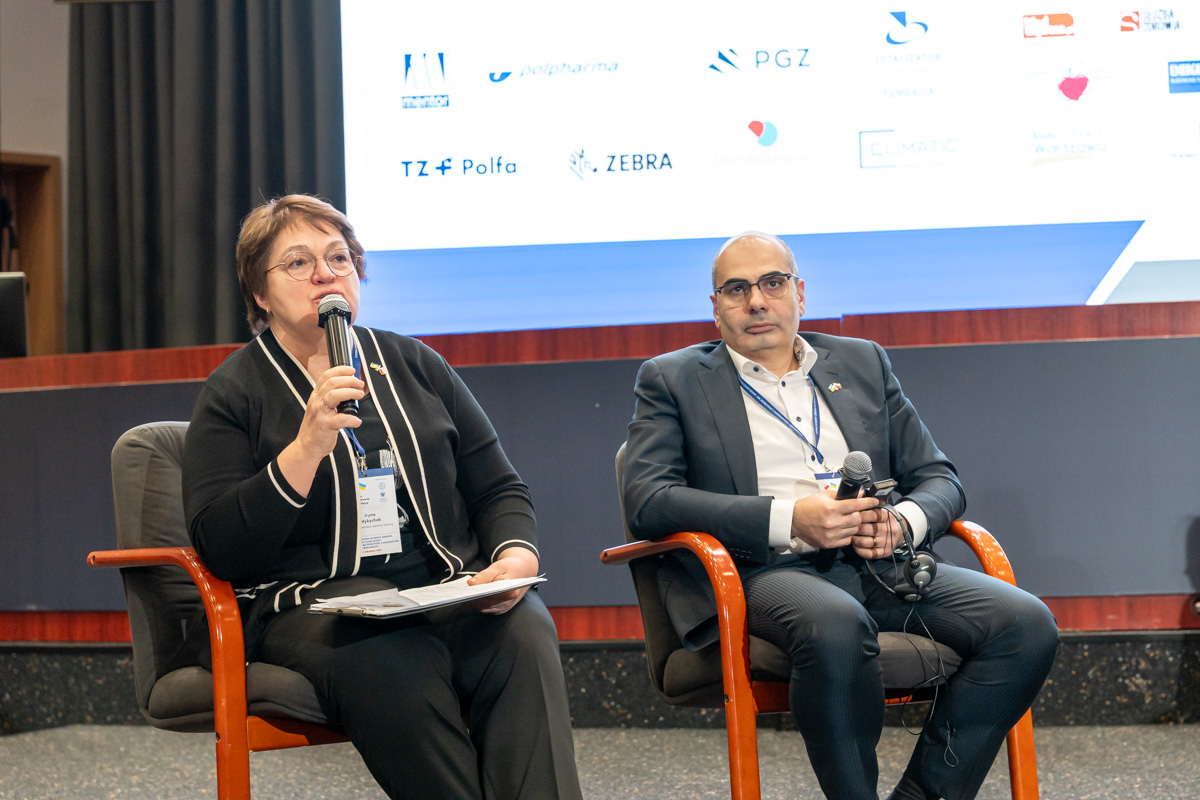
Iryna Mykychak, Advisor to the Minister of Health of Ukraine, emphasized that during the war, hospitals become the frontline too, and medicine relies on people – their skills and commitment. That is why providing them with mental health support is so important, too.
Support since the Beginning of War
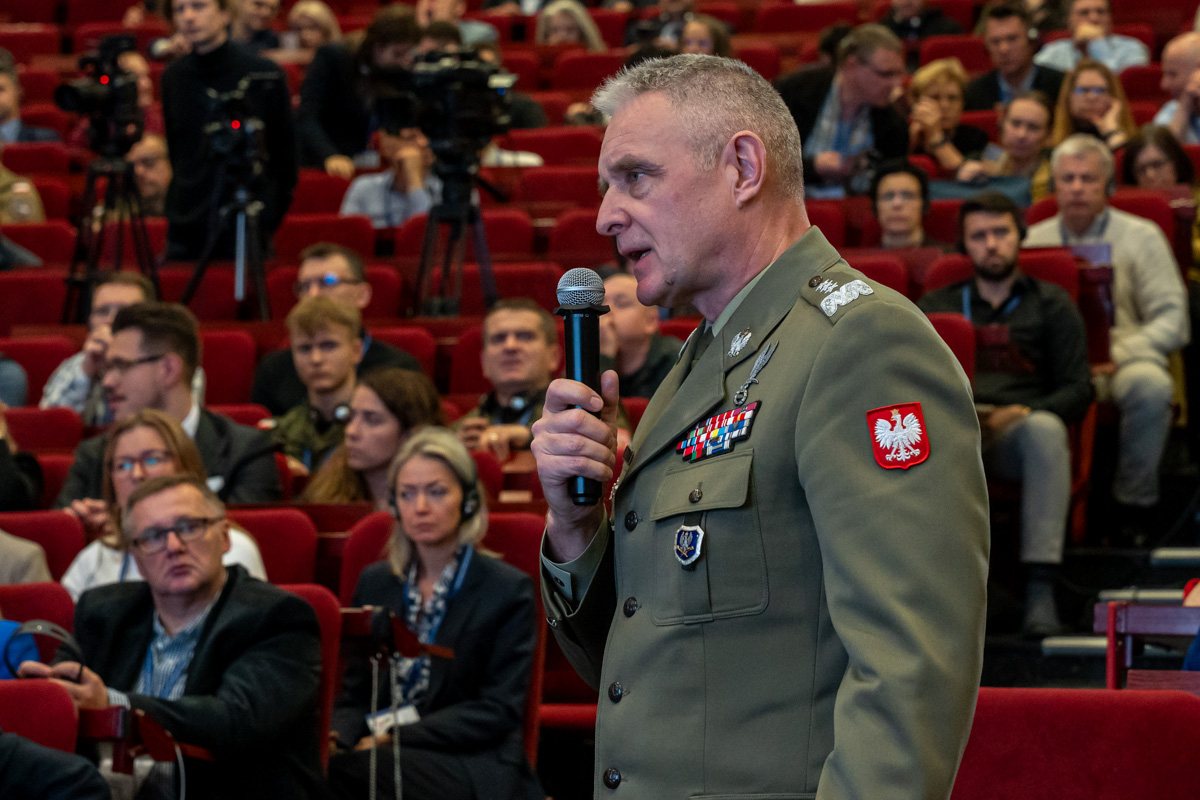
The cooperation between medics from Poland and Ukraine has been developing since the beginning of the war with Russia, and has been supported by the Polish government and the Ministry of Health of Ukraine. Our hospitals receive Ukrainian soldiers in need of treatment that is unavailable there; training on tactical and battlefield medicine is organized for our medics in Poland and Ukraine. The Medical University of Warsaw has also participated in organizing them.
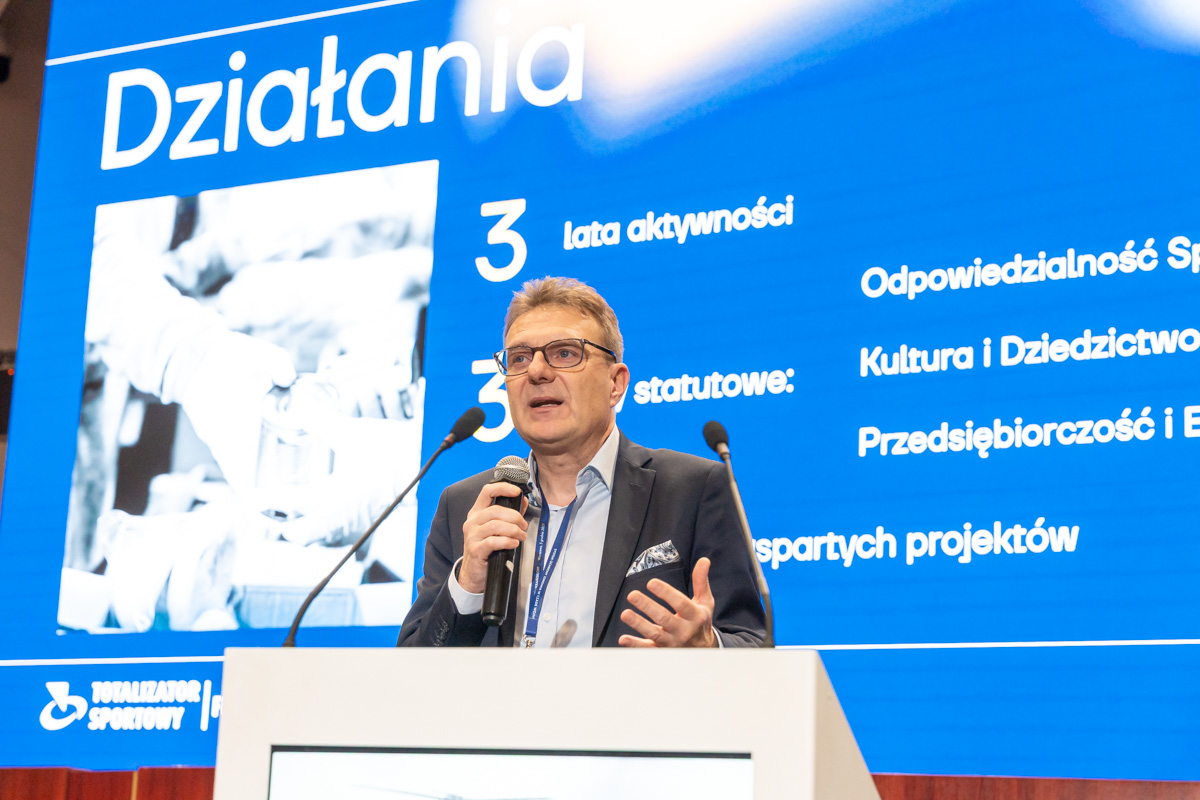
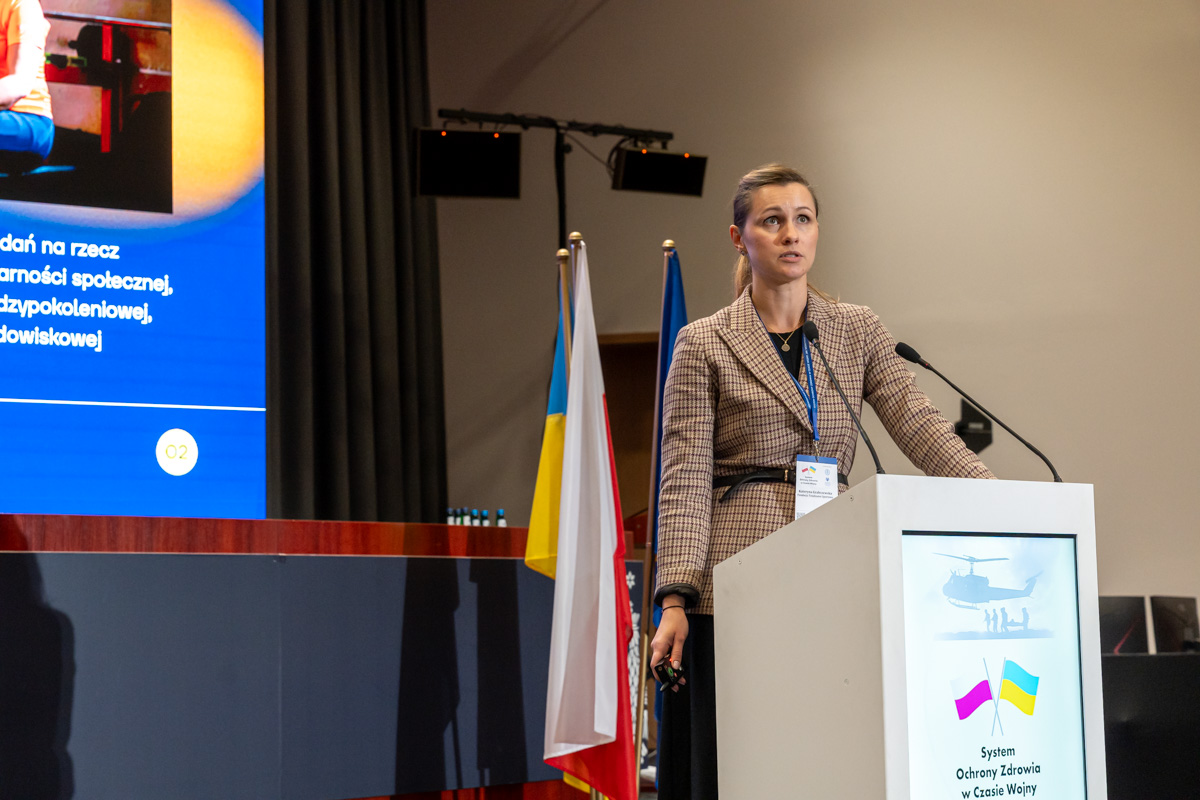
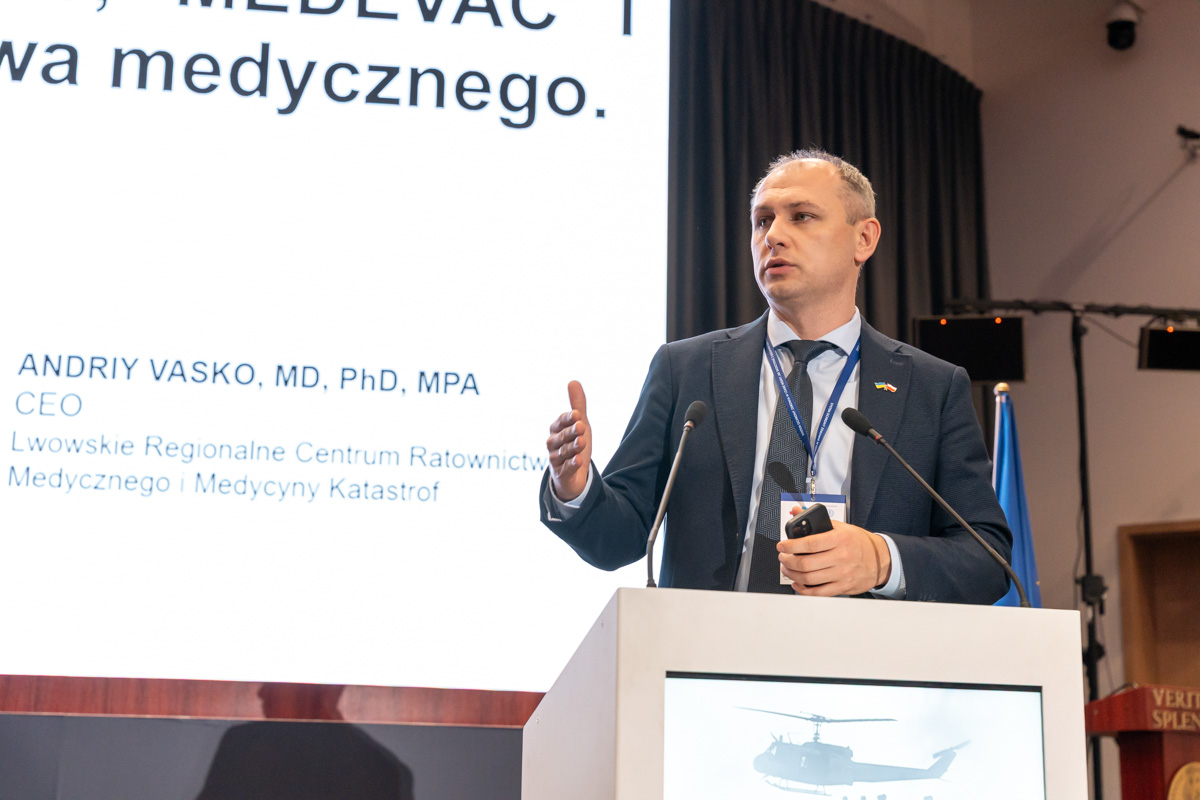
Apart from the professionals already mentioned, other conference speakers included: Wiesław Leśniakiewicz, Undersecretary of State at the Ministry of the Interior and Administration; Dmytro Samofalov, Director of the Healthcare Department of the Ministry of Defense of Ukraine; Ihor Kuzin, Deputy Minister of Health of Ukraine, Chief State Sanitary Doctor of Ukraine; Kateryna Grabczewska, PhD, Totalizator Sportowy Foundation; Marek Orzechowski, President of the Totalizator Sportowy Foundation; Barbara Misiewicz-Jagielak, Director for International Relations, POLPHARMA SA, Vice President of the Board, Polish Association of Pharmaceutical Industry Employers – National Medicines Manufacturers; Jacek Żurowski, Regional Manager for Central Europe, Zebra Technologies; Natalia But, Director of the Municipal Hospital No. 4 in Dnipro; Oleksii Vlasov, General Director of the Regional Medical Center of Family Health of the Dniepropetrovsk Regional Council; Andriy Vasko, Chief Executive Officer of the Lviv Regional Center for Emergency Medical Care and Disaster Medicine; Radiy Shevchenko, Director General of the Dnipropetrovsk Regional Center for Emergency Medical Care; Natalia Tulinova, Founder and Director of the “ZDOROVI” National Agency for Humanitarian Aid Foundation; Oksana Dzham, Director of the Bucha Primary Health Care Center (Kyiv), Volodymyr Krasyocha, General Director of the Lviv Regional Hospital for War Veterans and Victims of Repression.