Executive MBA in international practice
The Executive SGH–WUM MBA program is aimed at experienced managers, physicians, public administration officials and experts functioning within the healthcare sector. An integral part of the program are study visits, including visits to institutions of international significance.
“We are keen to enable the participants to confront their academic knowledge with the decision-making processes of the institutions that co-create norms, policies and standards, influencing both global and national healthcare systems,” emphasizes Artur Białoszewski, head of the SGH–WUM Executive MBA Program.
Last year, participants in the program visited Brussels.
Recruitment for the 9th edition of the Executive SGH–WUM MBA program in healthcare is still open. The website with detailed information: https://sghwummba.wum.edu.pl/rekrutacja/
Behind the scenes at the WHO
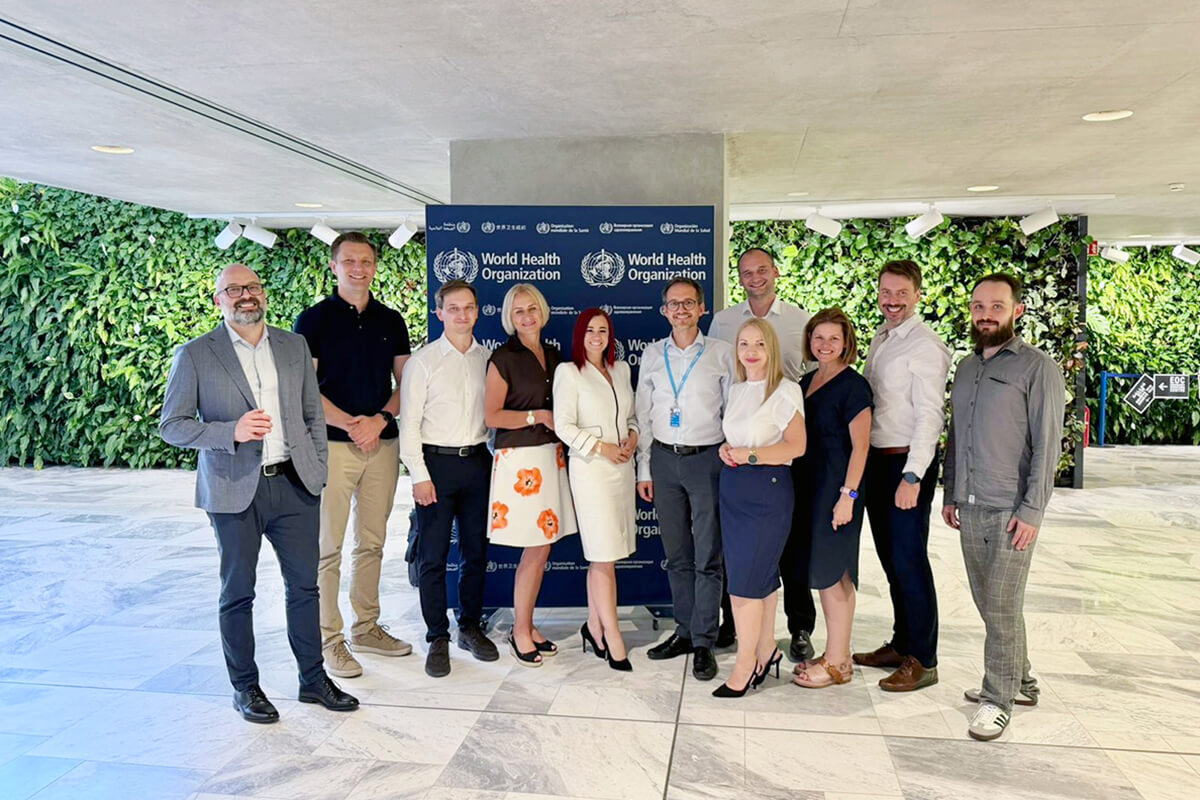
The visit to Geneva began with a meeting with Dorine van der Wal, representative of the Health and Multilateral Partnerships area and the WHO Youth Council Secretariat. The visit focused on how the World Health Organization (WHO) sets its priorities, collaborates with Member States, and translates decisions made by its governing bodies into technical programs and country-level support.
Then the delegation participated in a session dedicated to the WHO’s approach to hospitals, led by Prof. Lee Wallis, Senior Technical Officer for Emergency, Critical and Operative Care at WHO headquarters. The participants learned about WHO tools that support healthcare service planning and resource allocation, while also discussing the organization of specialist care. The visit was complemented by a tour of the WHO Executive Board Room and the Emergency Operations Centre, which provided the participants with insights into both decision-making processes and its coordination of responses during health crises.
"Building resilient systems and local capacity through digital foundations, learning, and partnerships" was the central theme of the 3rd Global Convening of the Global Initiative on Digital Health, in which the Polish delegation also had the opportunity to participate.
The Convening’s sessions focused on topics including healthcare digitalization, data interoperability, and the responsible use of artificial intelligence, while the experts emphasized the importance of implementing long-term and systemic solutions in these areas.
The visit to WHO headquarters culminated in a meeting with the Director-General of the WHO, Dr. Tedros Adhanom Ghebreyesus.
Health as a matter of diplomacy and governance
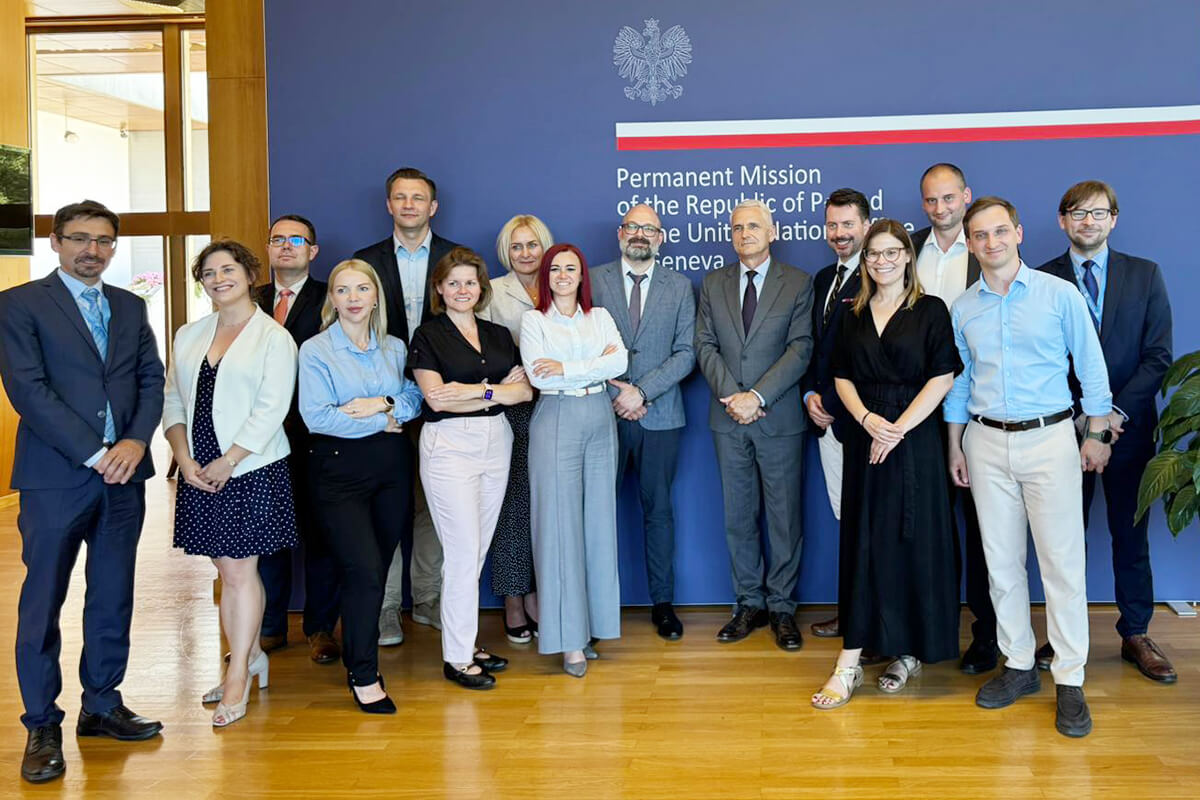
The delegation also visited the Permanent Mission of the Republic of Poland to the United Nations Office in Geneva, where participants met with members of the Mission and Ambassador Mirosław Broiło.
The discussions covered the practical aspects of multilateral diplomacy, coalition-building, representing national interests and the importance of the presence of Polish experts within international organizations. The Executive SGH–WUM MBA delegation was accompanied by Łukasz Kruk from the Ministry of Foreign Affairs of the Republic of Poland.
“The most important outcome of this visit is not the catalogue of institutions we visited, but the shift in perspective. Digital transformation, hospitals, health security, financing, and diplomacy are not separate silos. They form the architecture of the shared system in which the quality of decisions depends on data, competence, trust, appropriate incentives, and the ability to collaborate,” summarizes Artur Białoszewski.