Specialists from the renowned Mayo Clinic came at the invitation of the Rector of our university, Prof. Rafał Krenke. Their presence at the Medical University of Warsaw (WUM) is the result of the project “International Future of the WUM Doctoral School” (funded by the STER NAWA program), authored by Prof. Michał Grąt, Vice Rector for International Relations, Promotion and Development. The program marked the beginning of cooperation between our university and the Mayo Clinic. For the first time, specialists from this center visited us in May last year. Page with information about the 2025 visit
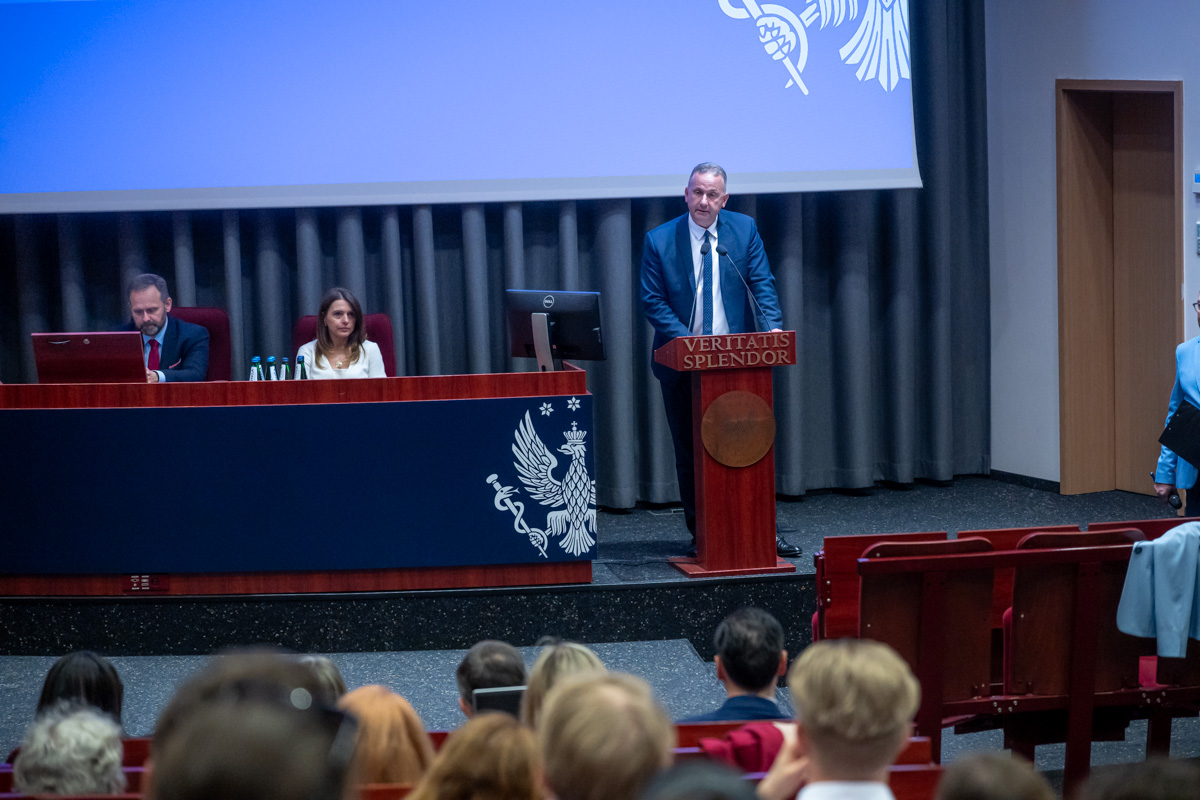
Opening of the meeting
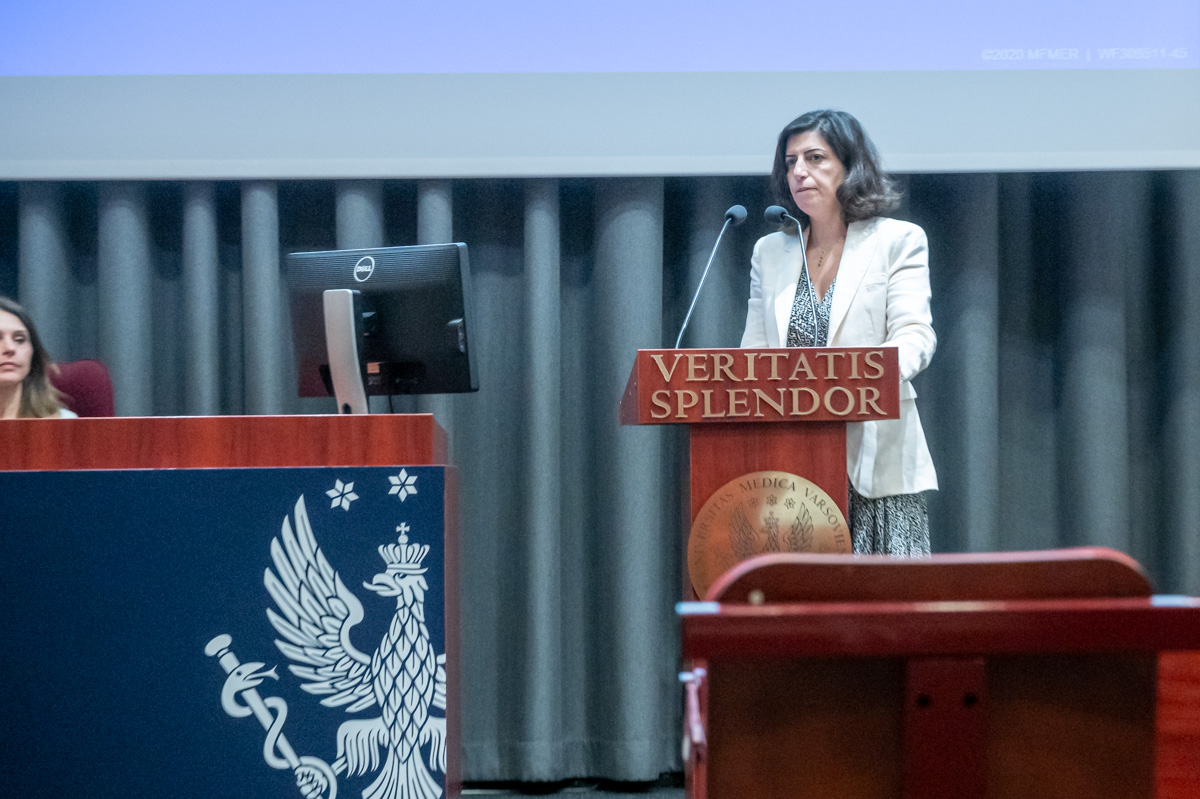
This year’s meeting took place on May 6 in the Auditorium of the Didactic Center. Participants were welcomed by Prof. Marcin Sobczak, Vice Rector for Science and Technology Transfer.
“We share the same values: we provide medical care to everyone who needs it. In university clinics, we perform the most advanced procedures using modern medical and biomedical technologies as well as state-of-the-art equipment,” emphasized Prof. Sobczak. He added: “Thank you for agreeing to share your knowledge and experience with us. I am convinced this will be a very fruitful and inspiring meeting for both sides.”
A new generation open to change
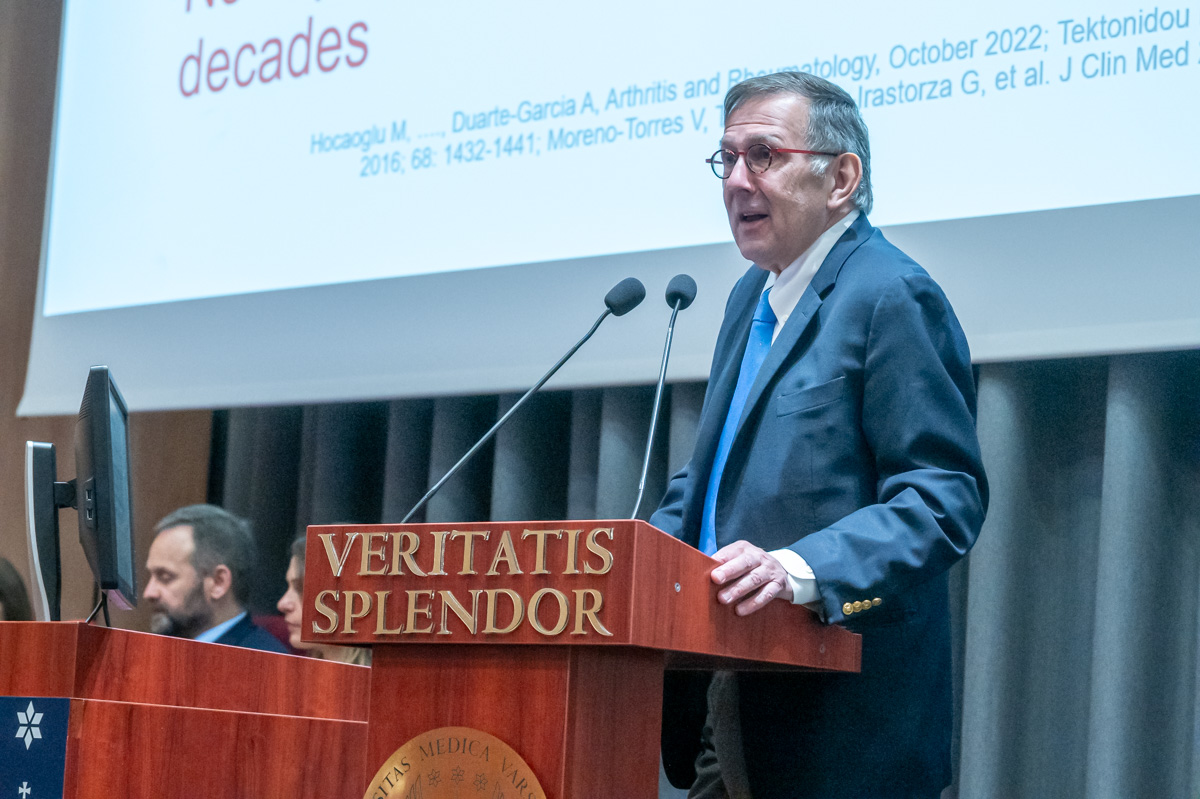
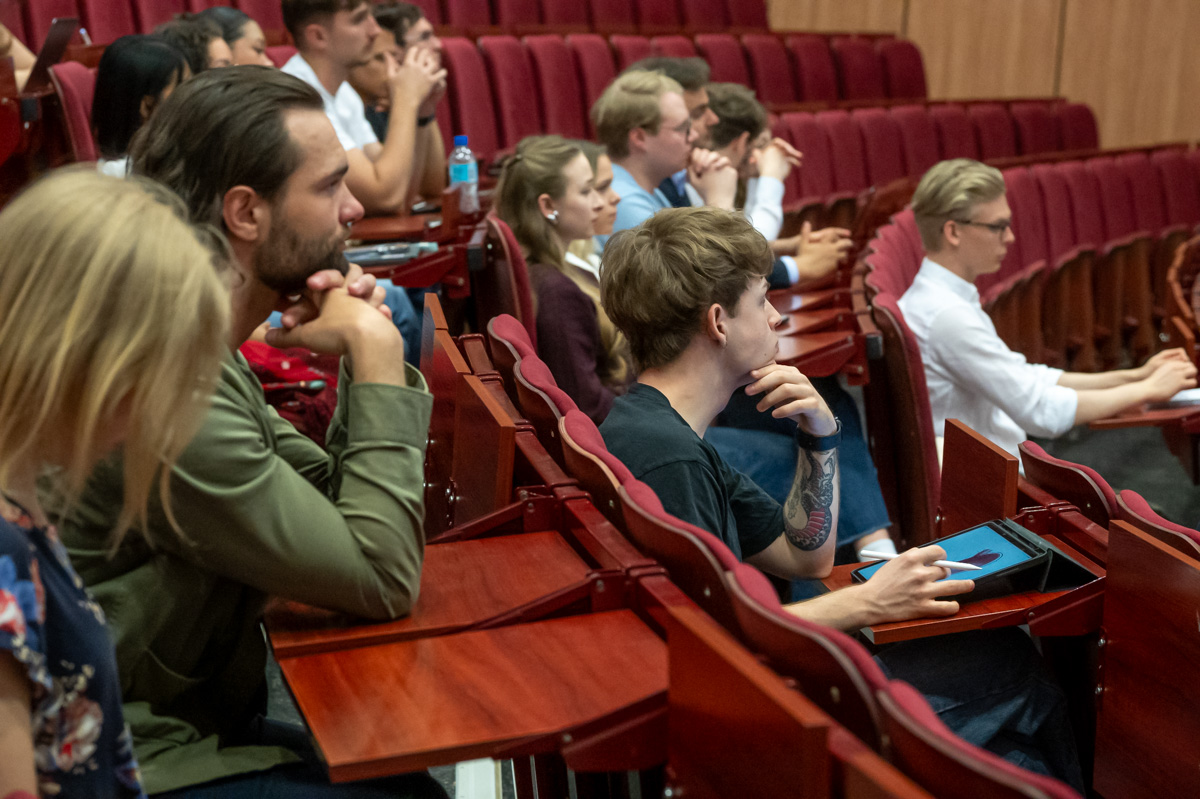
In addition to specialists from various fields, students also took part in the event, which was especially appreciated by the first lecturer, Prof. Fernando Fervenza.
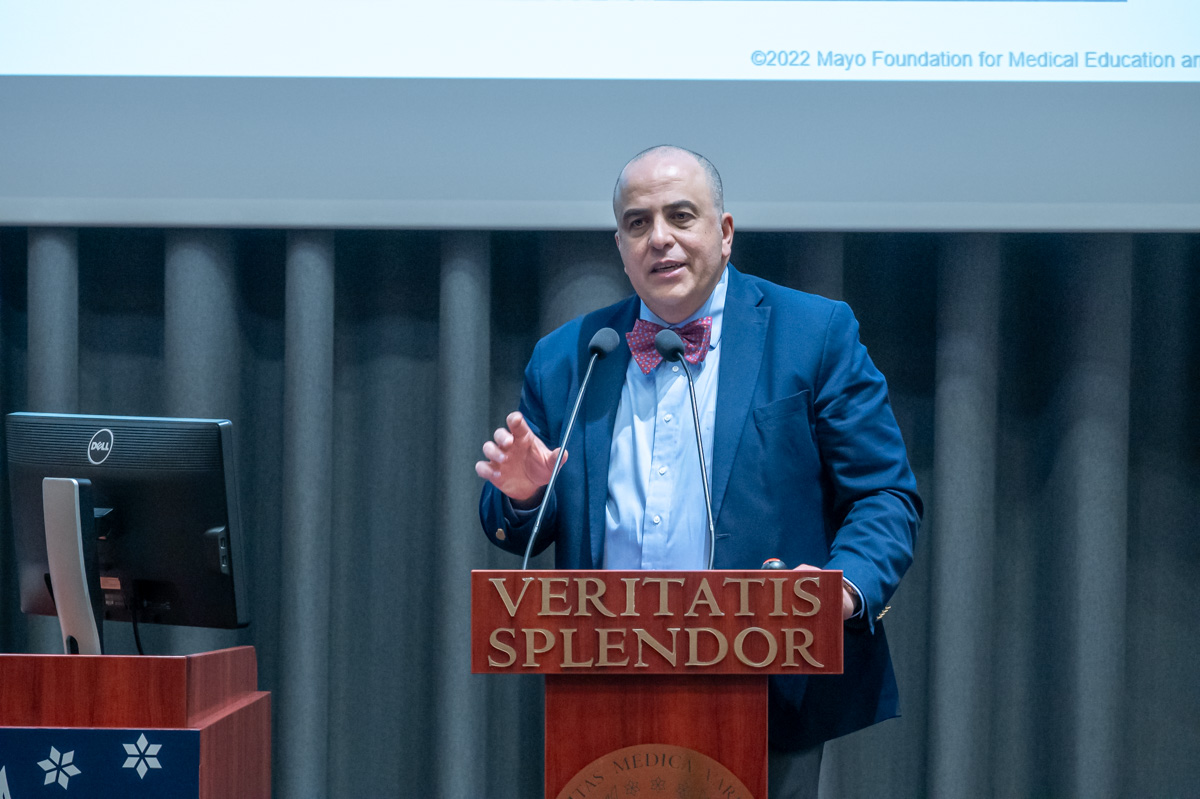
“In the world there are two very dogmatic institutions. One is the church, the other is medicine. And although we are scientists, once we establish a dogma, it is very difficult to change it. It is similar to the shift from the Ptolemaic to the Copernican way of thinking, where the Earth orbits the Sun, not the other way around. But you, the younger generation, can forget about dogmas and open yourselves to other ways of thinking,” said Prof. Fervenza, and then began his lecture on a new approach to treating lupus nephropathy.
As he noted during his presentation, lupus nephropathy is an autoimmune disease that begins with a weakening of the innate immune system. Therefore, the main goal of therapy should be to induce immunological remission.
New strategies in clinical practice
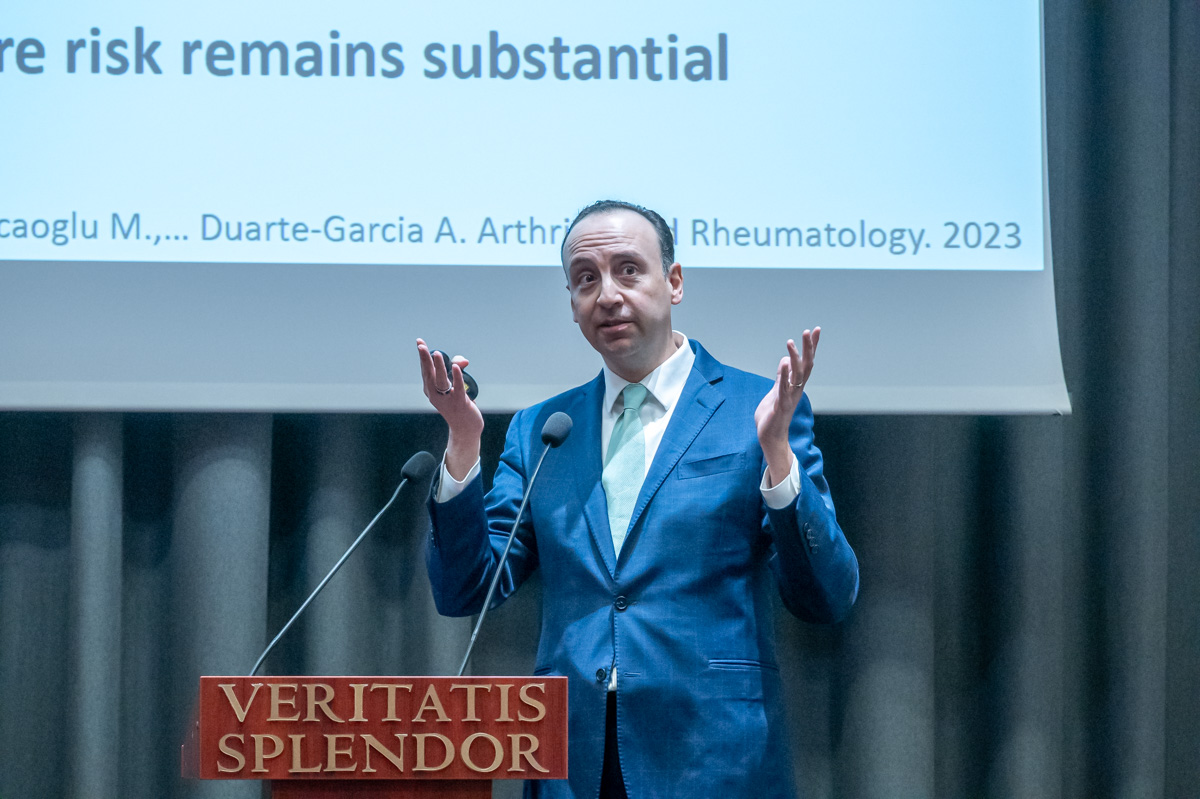
The topics discussed by Mayo Clinic experts showed how many clinical, research, and technological areas contribute to nephrological care today. In addition to Prof. Fernando Fervenza, the speakers included Prof. Ali A. Duarte Garcia with a lecture titled “New treatment in lupus nephritis,” and Prof. Mireille El Ters, who discussed when genetic testing should be considered in kidney diseases or kidney transplantation.
“In recent years, there has been significant progress in understanding genetic kidney diseases. Determining the cause of kidney disease, especially assessing recurrence risk and donor selection, is an important part of pre-transplant evaluation,” emphasized Prof. El Ters.
Prof. Hatem Amer spoke about hemorrhagic complications and cases of thrombosis in kidney diseases and in patients after kidney transplantation. Prof. Sandra Herrmann presented “Immune Checkpoint Nephrotoxicity: What is New?”, Prof. Andrea G. Kattah gave a lecture titled “Blood pressure goals and treatment in pregnancy,” and Prof. Vesna D. Garovic presented “Footprint of preeclampsia in heart and kidney.”
Prof. Ziad Zoghby discussed the limitations and challenges of using artificial intelligence in medicine. At the Mayo Clinic, AI was first used to assess total kidney volume, an important prognostic biomarker in kidney diseases. As he explained, specialists at the center widely use AI, including for the analysis of kidney stones.
“This is a very useful tool, although it is not perfect. I remember a patient in whom AI identified 100 stones in each kidney. It was very unusual, but when I reviewed the radiological images, it turned out that the patient had acute nephrocalcinosis in both kidneys, which AI was unable to recognize. However, these tools are still being developed and will continue to improve,” said Prof. Zoghby.
Next, Prof. Aleksandra Kukla gave a lecture titled “Hyperglycemia and kidney disease.” The meeting concluded with Prof. Maria Jose Soler and her lecture “New drugs in kidney disease.”
Significance of the Mayo specialists’ visit
The coordination of the lecture topics of the Mayo Clinic specialists was handled by Prof. Jolanta Małyszko, Head of the Chair and Department of Nephrology, Dialysis Therapy and Internal Medicine at UCK WUM.
“Lectures by experts from the USA are not only an opportunity for discussion, comparison of experiences, and familiarization with the latest trends, but also a chance to reflect on diagnostic and therapeutic strategies and apply this knowledge in clinical practice,” emphasized Prof. Jolanta Małyszko. “The meeting also created space for asking questions, clarifying doubts, and planning one’s career, specialization, and scientific work. It also opened up opportunities for clinical and scientific cooperation.”