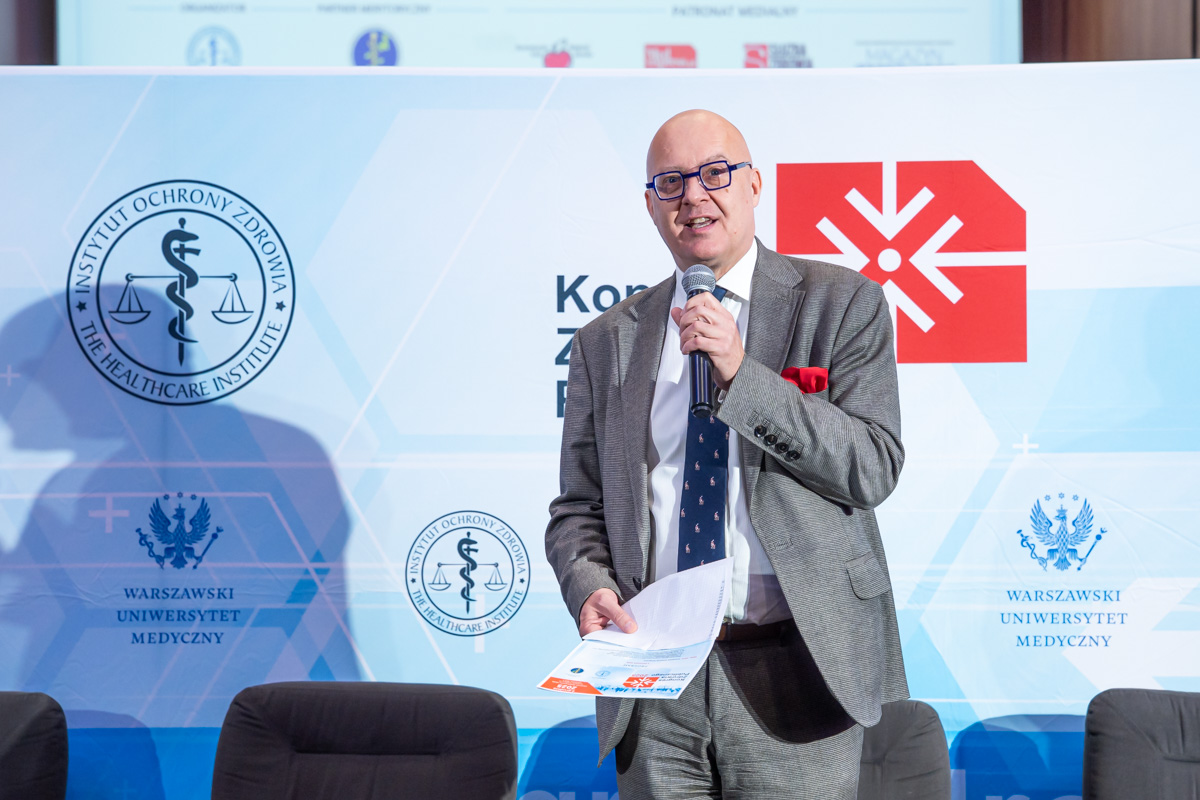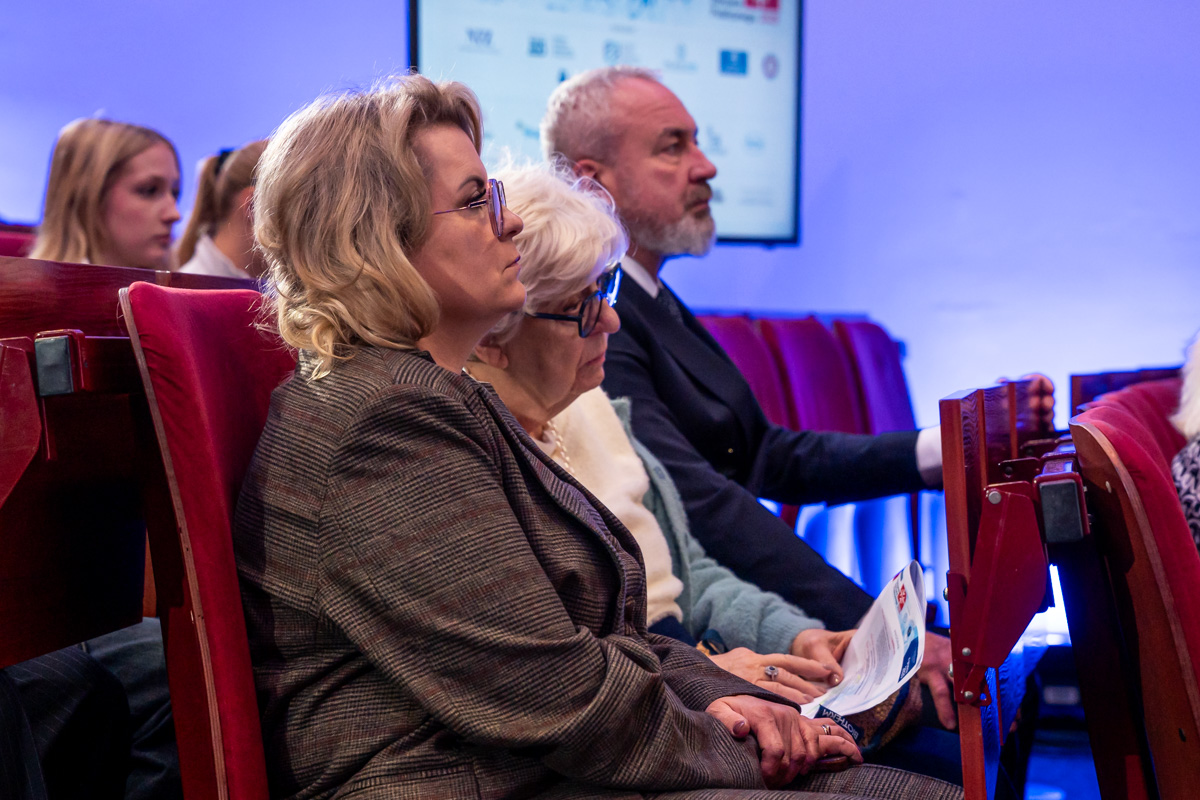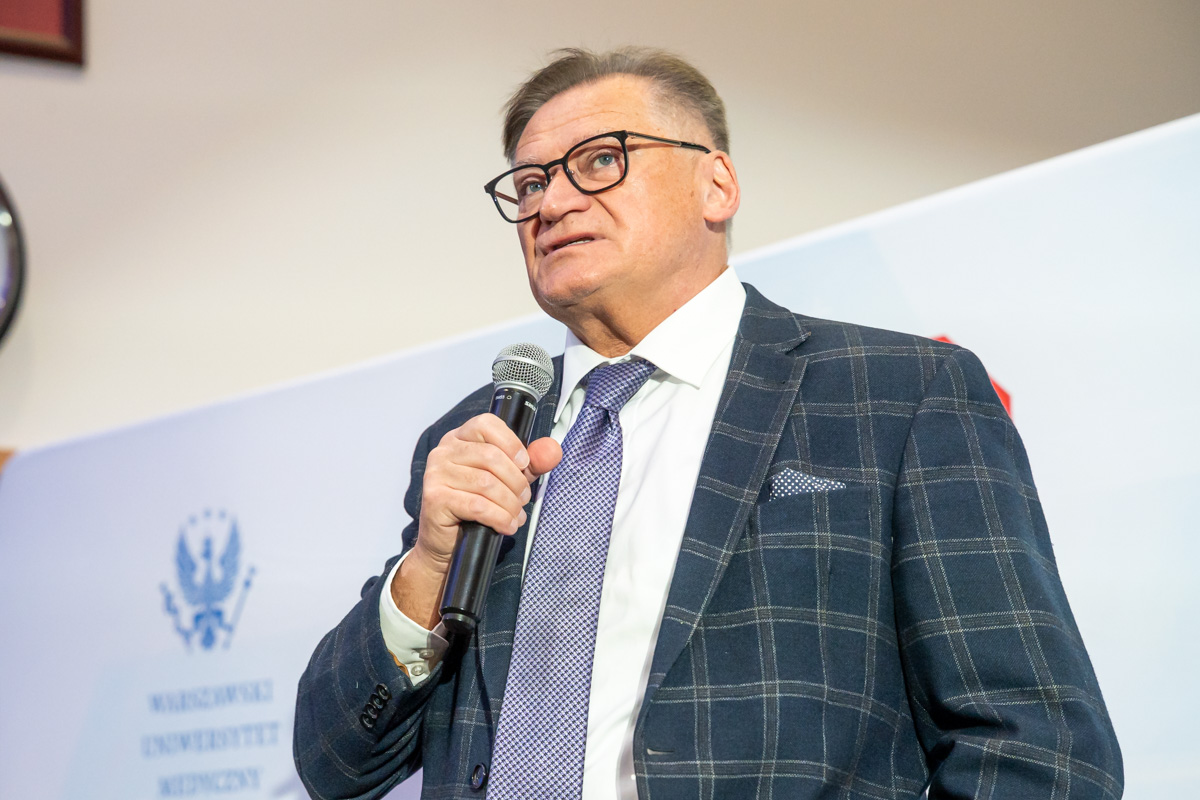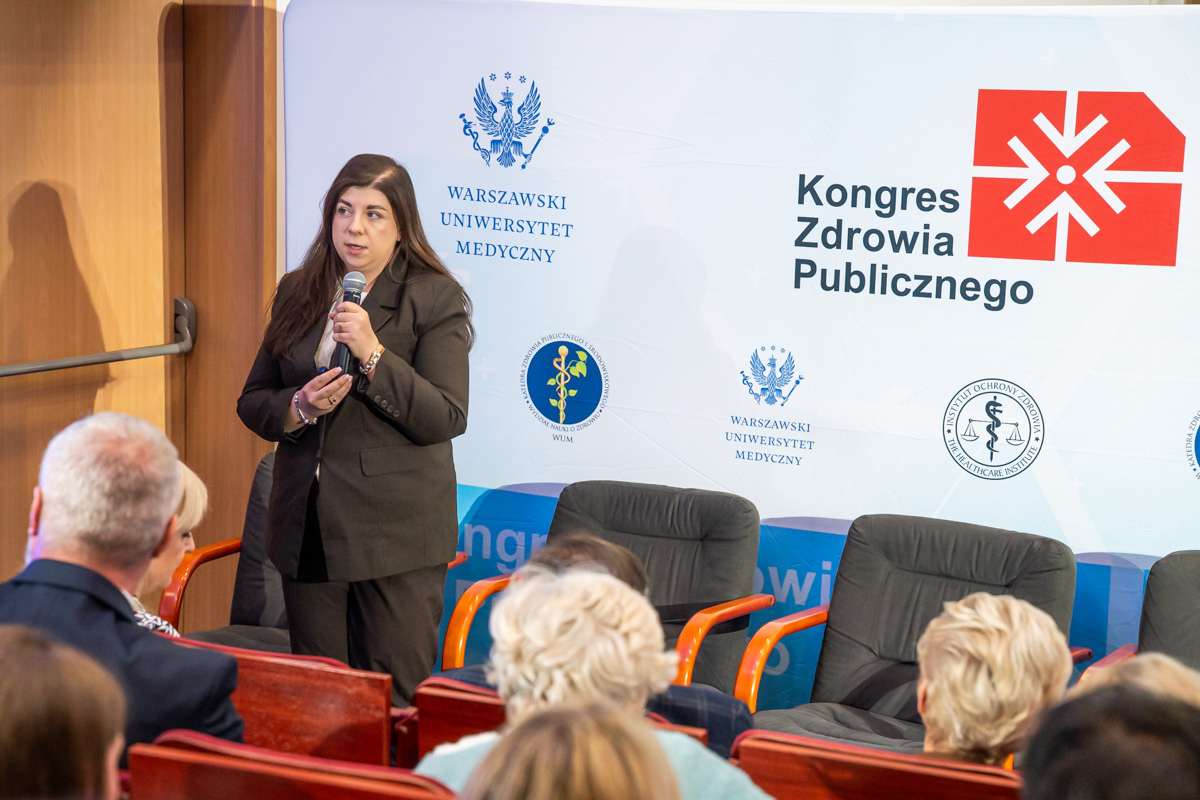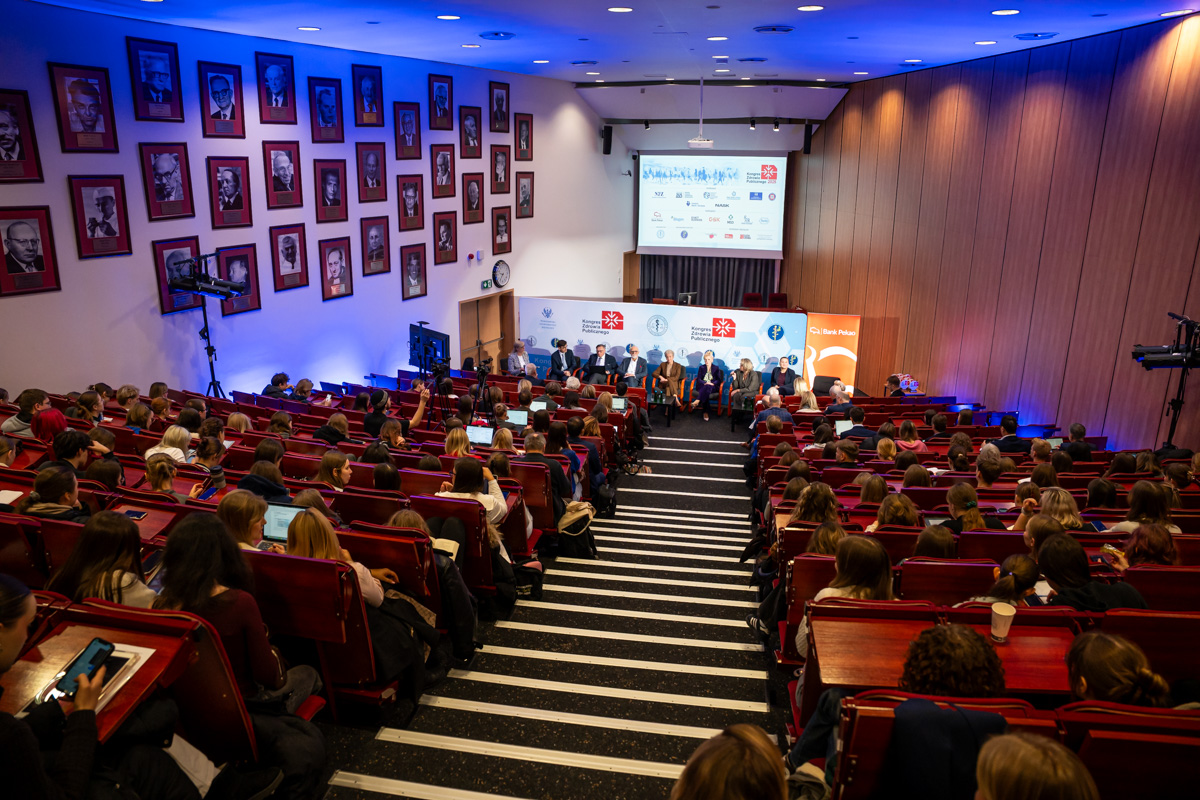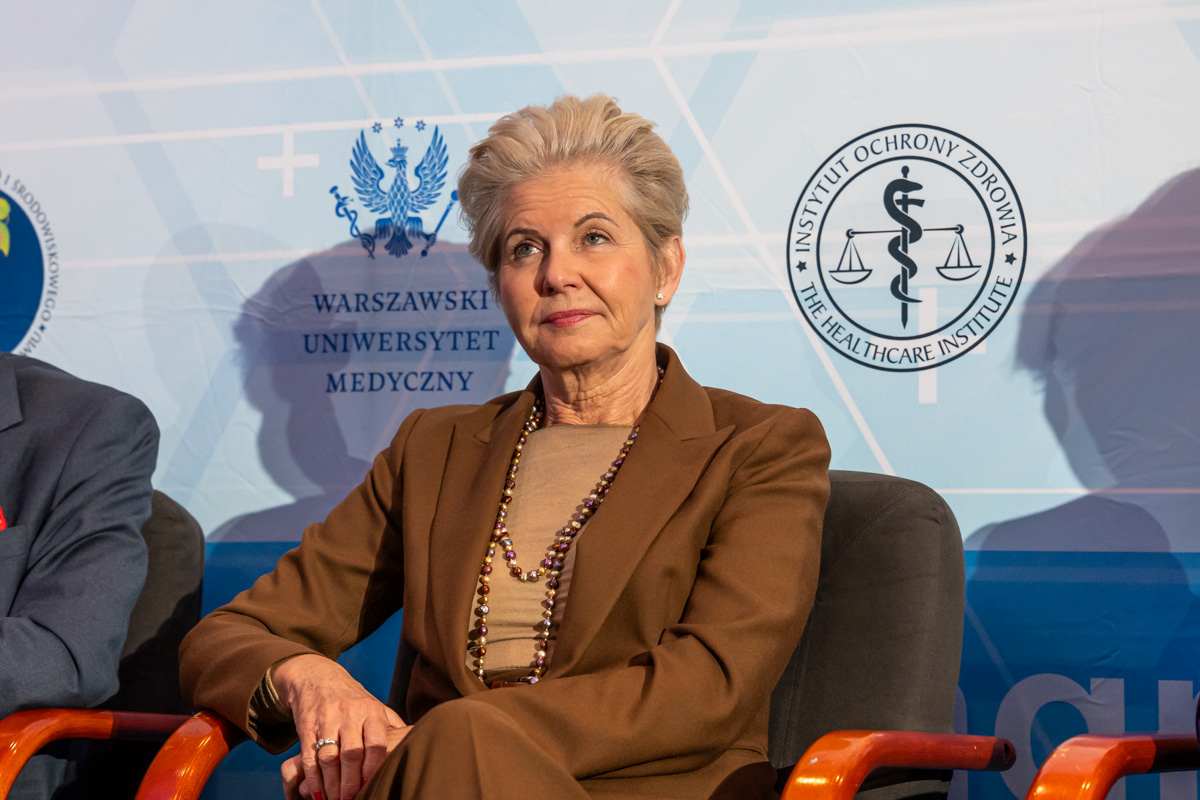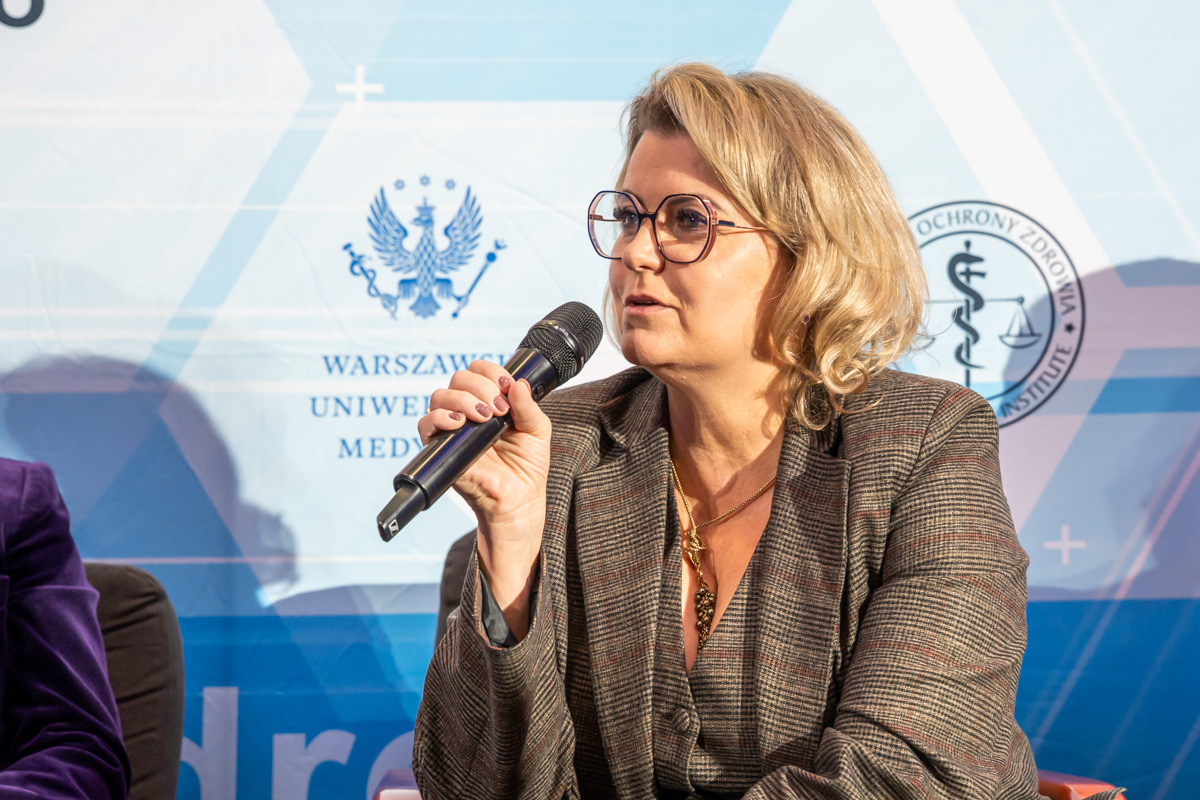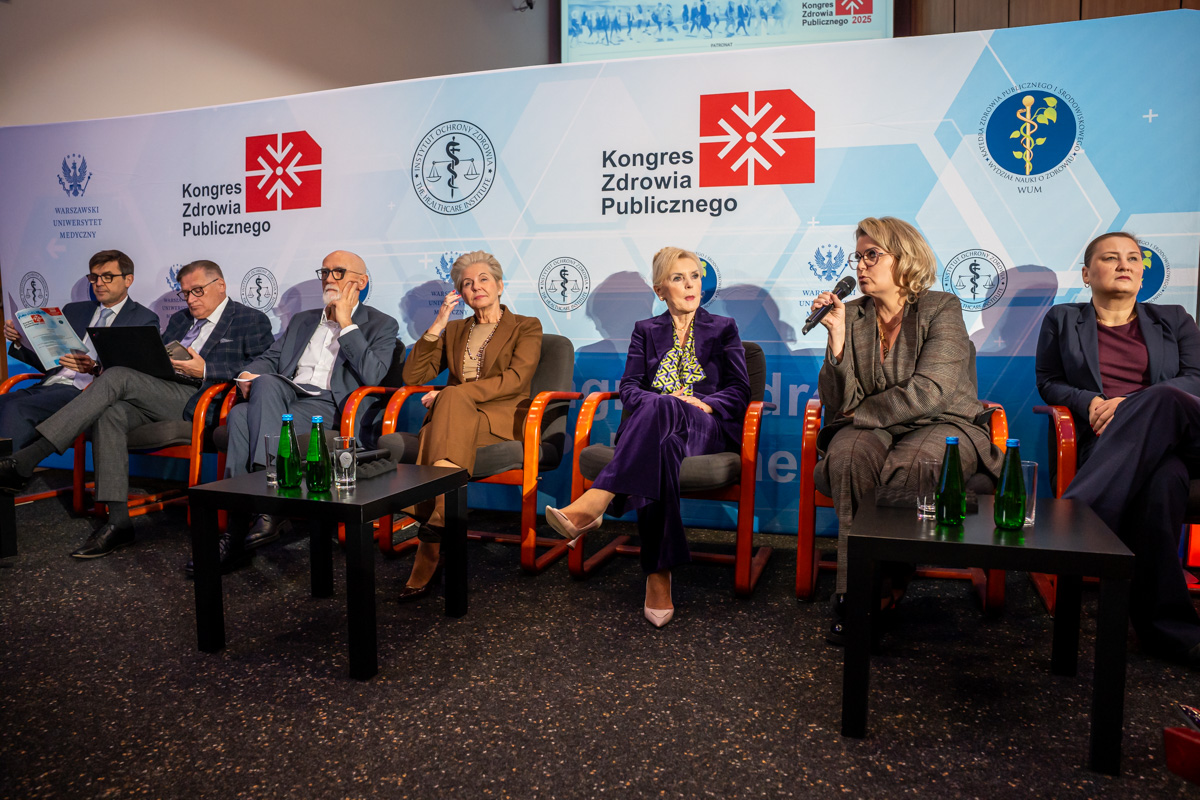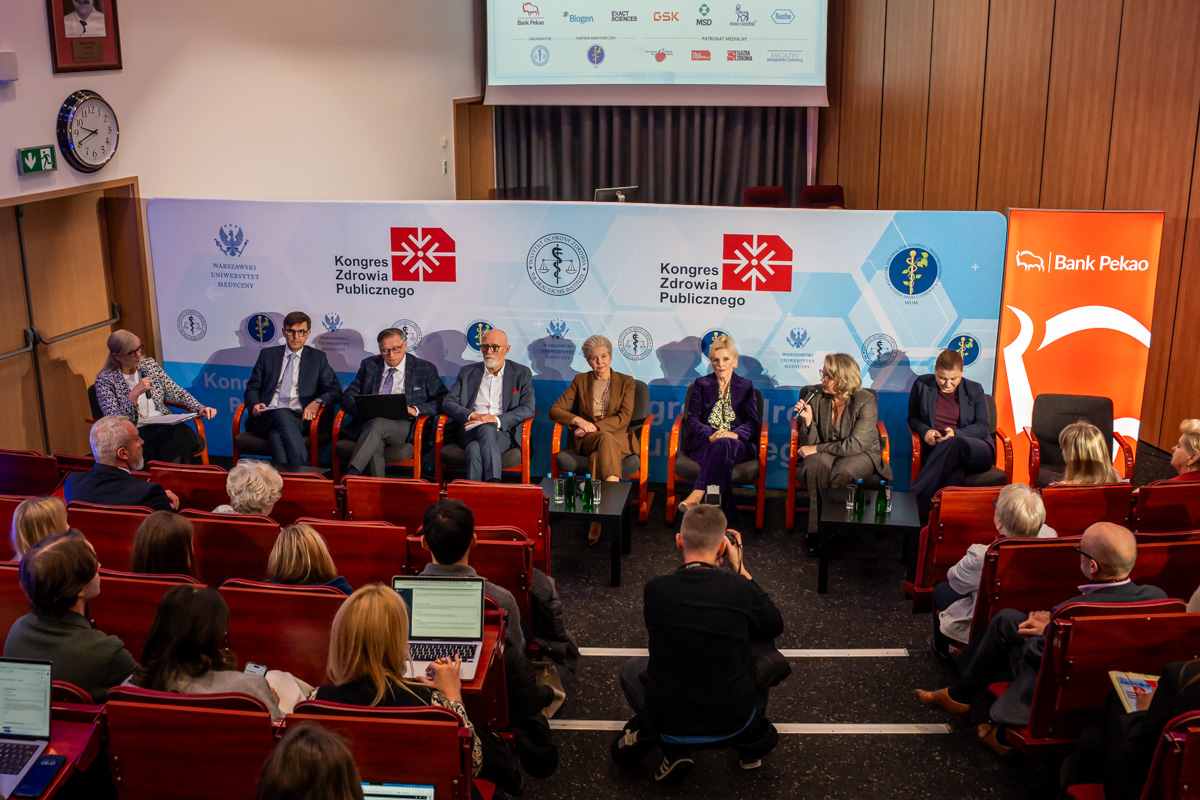
The congress took place on December 4, attracting healthcare decision-makers, clinical experts including WUM specialists, and members of the medical community. The audience also included students – future professionals who will work in the Polish healthcare system.
A Platform for Dialog on the Most Important Public Health Issues
“When we first started out with the congress, the State healthcare budget was PLN 70 billion. Now it stands at 220 billion,” emphasized Professor Mariusz Gujski, Dean of the Faculty of Health Sciences. “The areas that have benefitted the least from that increase are prevention, education, and health promotion, so we have a lot of work to do. We would like for the State to treat public health as a good and wise investment.”
Tomasz Maciejewski, PhD, Undersecretary of State at the Ministry of Health, pointed out that at present, with so many different factors impacting health, health policy was an issue to be tackled by more than one ministry, and that the congress was an excellent platform that showed directions for future action in this area.
“The fact that this is the 12th edition demonstrates that various communities, not just the medical one, have realized that without prevention and health promotion we will not manage to ensure the nation’s health security,” said Professor Bolesław Samoliński, Head of the WUM Department of Public and Environmental Health.
Civilization and Demography – Challenges for Public Health
By way of introduction before all the debates, Monika Kowalczyk from the e-Health Department at the Ministry of Health delivered a presentation on the “Central e-Registration”.
The following experts and officials took part in the discussion on civilization-driven and demographic challenges: Agnieszka Gorgoń-Komor, PhD, Polish Senator; Paweł Grzesiowski, PhD, Chief Sanitary Inspector; Tomasz Maciejewski, PhD Undersecretary of State at the Ministry of Health; Beata Małecka-Libera, PhD, Polish Senator, chairperson of the Health Committee in the Senate; Paulina Piechna-Więckiewicz, Undersecretary of State at the Ministry of National Education; Professor Lucyna Ostrowska, President of the Polish Society for Obesity Treatment; and from our University: Professor Ernest Kuchar, Head of the WUM Department of Pediatrics with Clinical Assessment Unit, and Professor Bolesław Samoliński.
Professor Ernest Kuchar listed the current obstacles faced by senior citizens in accessing vaccinations, and urged the decision-makers to introduce solutions that would actually improve the vaccination rate in that group of Polish residents. That is because vaccinations play a very important role and are virtually indispensable for prevention to be effective.
“None of us doubts that our health largely depends on what we do: what we eat, the lifestyle we choose, how much sleep and exercise we get. Those are the fundamental elements of a healthy lifestyle. They also include vaccinations, which cannot be replaced by sleep, exercise, or supplements,” he stressed.
Lifestyle Diseases
The following officials took part in this debate: Marek Augustyn, Vice-President of the National Health Fund; Professor Piotr Dąbrowiecki, President of the Polish Federation of Asthma, Allergy and COPD Patients’ Associations; Professor Anna Fijałkowska, Head of the Cardiology Department at the Institute of Mother and Child in Warsaw; Professor Mateusz Jankowski, Public Health School, Centre of Postgraduate Medical Education, Polish Society of Personalized Medicine; Joanna Wicha, Member of Parliament; and from WUM: Professor Leszek Czupryniak, Head of the Department of Diabetology and Internal Medicine, and Professor Artur Mamcarz, Head of the 3rd Department of Internal Medicine and Cardiology.
When asked whether prevention was fundamental for preventing cardiac diseases, Professor Artur Mamcarz replied:
“The foundation in the form of the right health-promoting behaviors is important not just for cardiovascular diseases, but also in general. It is also relevant for the entire issue of metabolic diseases, with all their complications. In my opinion, the major challenge for public health right now is obesity, a disease that affects more than 50% of adult Poles, but is also highly prevalent in children, youth, and young adults.”
Our expert also emphasized that health education, currently a non-mandatory subject at school, remains an untapped opportunity with regard to changing that negative tendency. Professor Leszek Czupryniak agreed with him and emphasized that change could only happen if we instilled the right habits in children from their earliest years at school.
Rare Diseases – From Diagnosis to Treatment Without Barriers
The participants of this panel included: Professor Anna Latos-Bieleńska, national consultant for clinical genetics; Att. Katarzyna Czyżewska; Professor Monika Gos, Deputy Head of the Department of Medical Genetics for Molecular Genetics at the Institute of Mother and Child in Warsaw; and Professor Zbigniew Żuber, President of the Polish Society for Rheumatology, Head of the Ward for Older Children with Neurology and Rheumatology Subdivision at the St. Louis Children’s Hospital in Kraków. WUM was represented in the panel by Professor Anna Potulska-Chromik from the Department of Neurology, who spoke about the role of genetic diagnostics in patients with rare diseases.
“Genetics is one of those areas of medicine where significant progress has happened,” she emphasized. “Genetics allows us to identify patients with extremely rare diseases, and if we can make a diagnosis, we can change people’s lives, either straightaway or in the future".
Digital Hygiene as a New Type of Health-Promoting Behavior
The participants in this discussion included: Magdalena Bigaj, President of the “Instytut Cyfrowego Obywatelstwa” Foundation; Aleksandra Lewandowska, PhD, national consultant for child and youth psychiatry; Hanna Nałęcz, PhD, from the University of Physical Education in Warsaw; Julia Piechna from the Cyber Threat Prevention Department, head of the Social Projects and International Cooperation Team at NASK; and from WUM: Professor Mariusz Panczyk from the Department of Education and Research in Health Sciences; Magdalena Woynarowska, PhD Hab., from the Department of Public Health, and Wojciech Feleszko, PhD Hab., from the Department of Pediatric Respiratory Diseases and Allergology.
Magdalena Woynarowska, PhD Hab., emphasized: “Modern technologies have certainly changed our lives, influenced our lifestyles, and bring us many benefits, yet they also come with numerous risks. This is an absolutely real challenge for education and public health. That is why we need to learn how to function safely in the digital world and how to create the right conditions that will help us.”
Digital hygiene is a set of useful habits that may be effective in helping everyone – both children and adults – function in the online world.
Professor Mariusz Panczyk presented the Digital Hygiene Test and how it was developed; prepared together with the “Instytut Cyfrowego Obywatelstwa” Foundation, the test includes 33 questions in 4 areas and measures our online behaviors.
“For us as scientists, this is an important tool, not only because we can use it to collect data. We also believe that it can be used as an educational tool to make people reflect on their own behaviors, which is where change can begin,” he said.
Then Wojciech Feleszko, PhD Hab., listed other risks arising from poor digital hygiene, or more precisely from the unreasonable use of the Internet.
“The way I see it, the most harmful thing is the anti-health content available online, accessible to both children and their parents. The question is how to counteract it in an attractive way, what to do so that the campaign catches on,” he said.
A Watershed Moment for Oncology
The last panel brought together the following experts: Anna Kupiecka, President of the “OnkoCafe – Razem Lepiej” Foundation; Katarzyna Pogoda, chairperson of the Breast Cancer Division at the Polish Society of Clinical Oncology, Department of Breast Cancer and Reconstructive Surgery at the Maria Skłodowska-Curie National Research Institute of Oncology in Warsaw; and Professor Piotr Rutkowski, President of the Polish Society of Oncology, Head of the Department of Soft Tissue/Bone Sarcoma and Melanoma at the Maria Skłodowska-Curie National Research Institute of Oncology.
Public Health Activists Awarded
The awards were presented to experts who shape healthcare on a daily basis, including Professor Artur Mamcarz, Head of the 3rd Department of Internal Medicine and Cardiology, and Professor Leszek Czupryniak, Head of the Department of Diabetology and Internal Medicine.