Combining neurology and dentistry
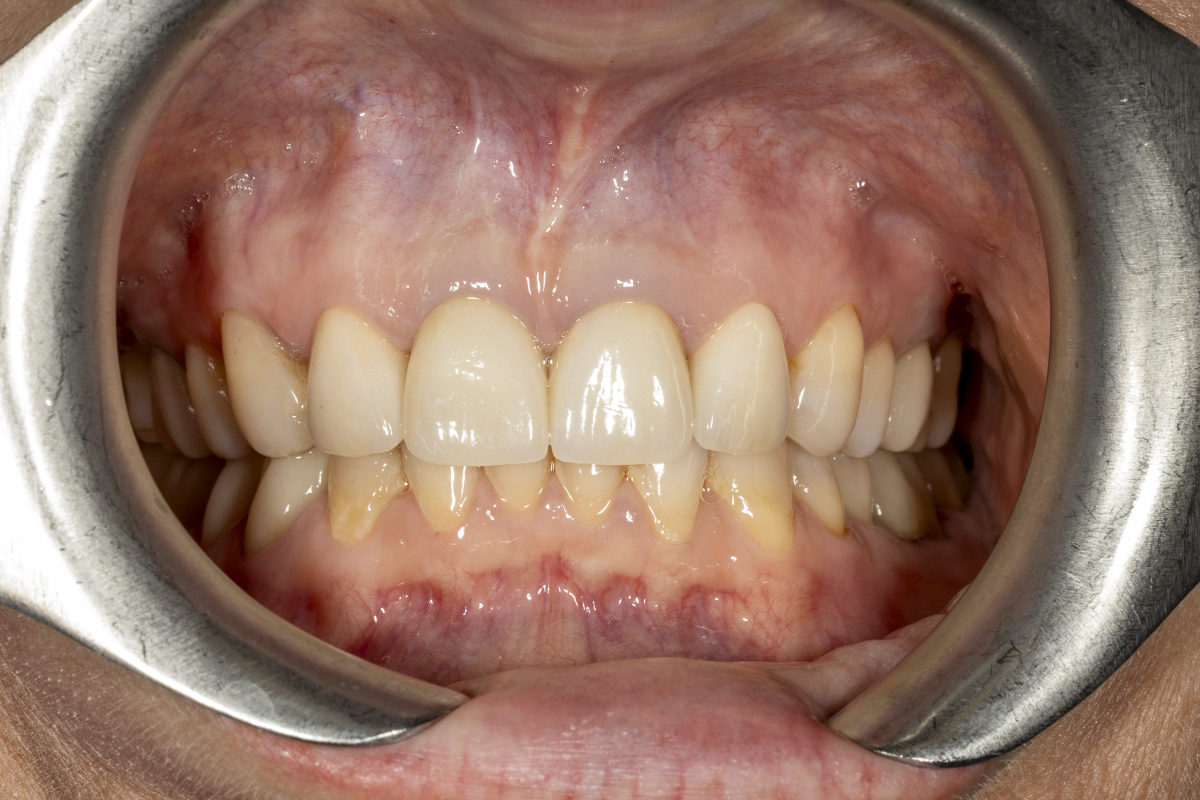
The project “An innovative method of using a relaxation occlusal splint for headaches” brought together the knowledge and experience of specialists in neurology, orthodontics, and prosthodontics. Their collaboration made it possible to take a broader approach to treating patients with primary headaches.
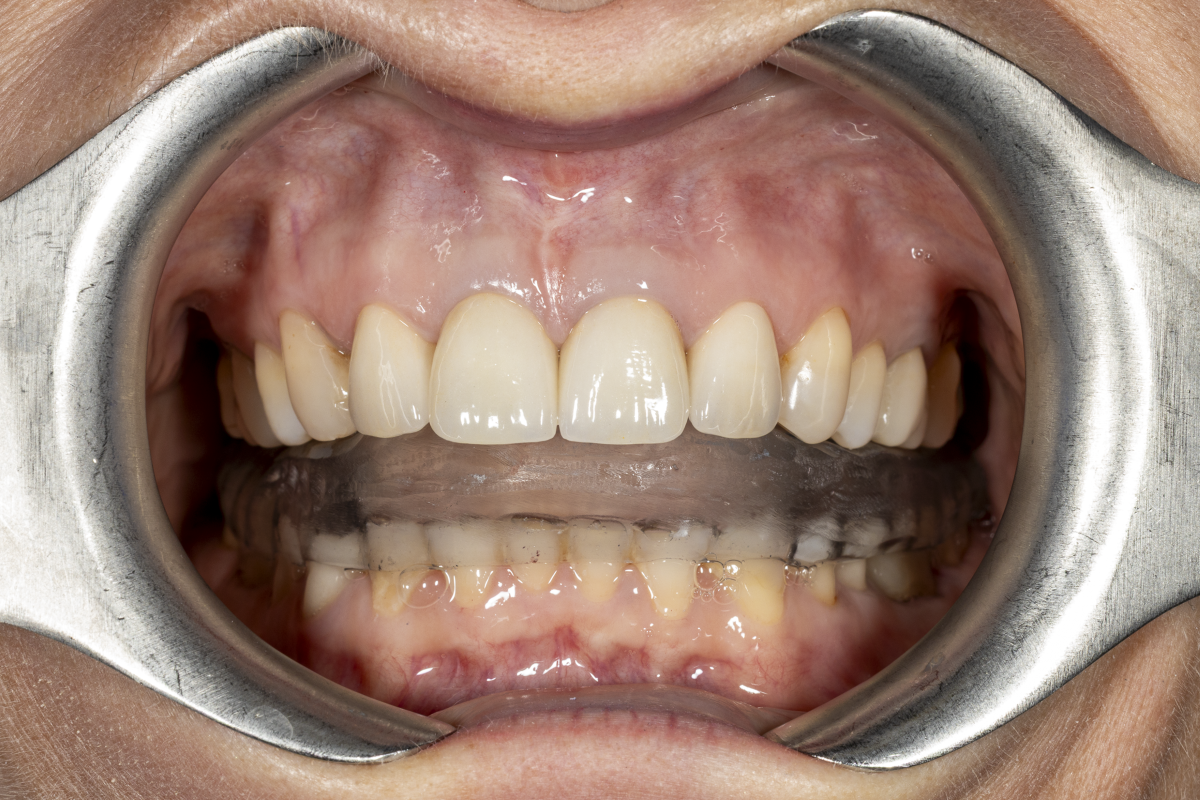
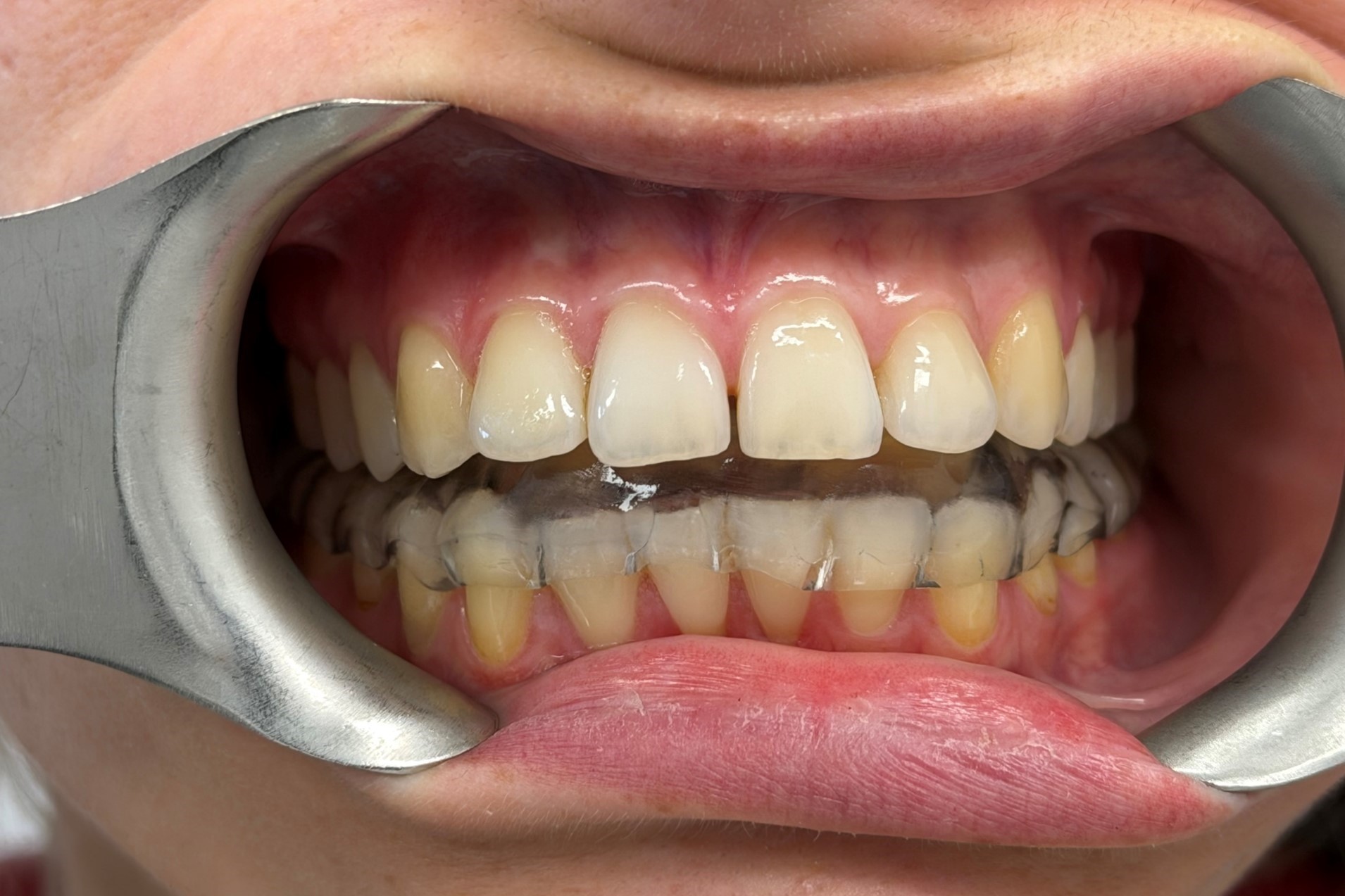
The project involved patients who had been diagnosed with primary headaches at the Neurology Clinic using international diagnostic criteria and were treated in accordance with established guidelines. Some of these patients, selected at random, additionally received an individualized relaxation occlusal splint.
A splint tailored to the individual patient
An important element of the project was the individualized design of the splint. At the Department of Orthodontics, the patients’ craniofacial structures were analyzed using radiological examinations. The resulting data were then passed on to specialists in prosthodontics at WUM.
Based on these data, a method was developed to determine the appropriate height of an individualized relaxation splint, establish the planned occlusal relationship, and then fabricate a splint for the specific patient.
In addition to standard neurological treatment, patients in the study group wore the splint while sleeping and, whenever possible, during the day. The control group received standard neurological treatment only.
Less severe and less frequent headaches
After three months of follow-up, the two groups were compared. During follow-up visits, specialists assessed patients’ well-being, the severity and frequency of their headaches, and the impact of the headaches on their daily functioning, including their professional and social lives.
The results to date indicate that, in a substantial proportion of patients who additionally used an individualized occlusal splint, headache severity and frequency were significantly lower than in patients treated exclusively by neurologists.
At the same time, the additional treatment did not produce the same effect in all participants. The findings therefore highlight the need to determine which patients are most likely to benefit from an occlusal splint. In the future, this could help clinicians better identify patients who should also be referred to a dentist in addition to receiving neurological treatment.
What could the project mean for patients?
The main potential benefit is the possibility of supplementing standard neurological treatment with an additional, individually tailored approach. In appropriately selected patients, using a splint may be associated with a reduction in the frequency and severity of migraines and tension-type headaches.
In practice, the project may also help establish a model for collaboration between neurologists and dentists, as well as criteria for identifying patients for whom a dental consultation and a custom-made splint could be a valuable addition to treatment.
The project team included Prof. Jolanta Kostrzewa-Janicka, Karolina Ambroziak, and Dr. Monika Wojda from the Department of Prosthodontics at WUM; Dr. hab. Katarzyna Mańka-Malara from the Department of Orthodontics at WUM; and Prof. Izabela Domitrz and Dr. Katarzyna Kępczyńska from the Department of Neurology.
The project was funded by the state budget under a program of the Minister of Education and Science.