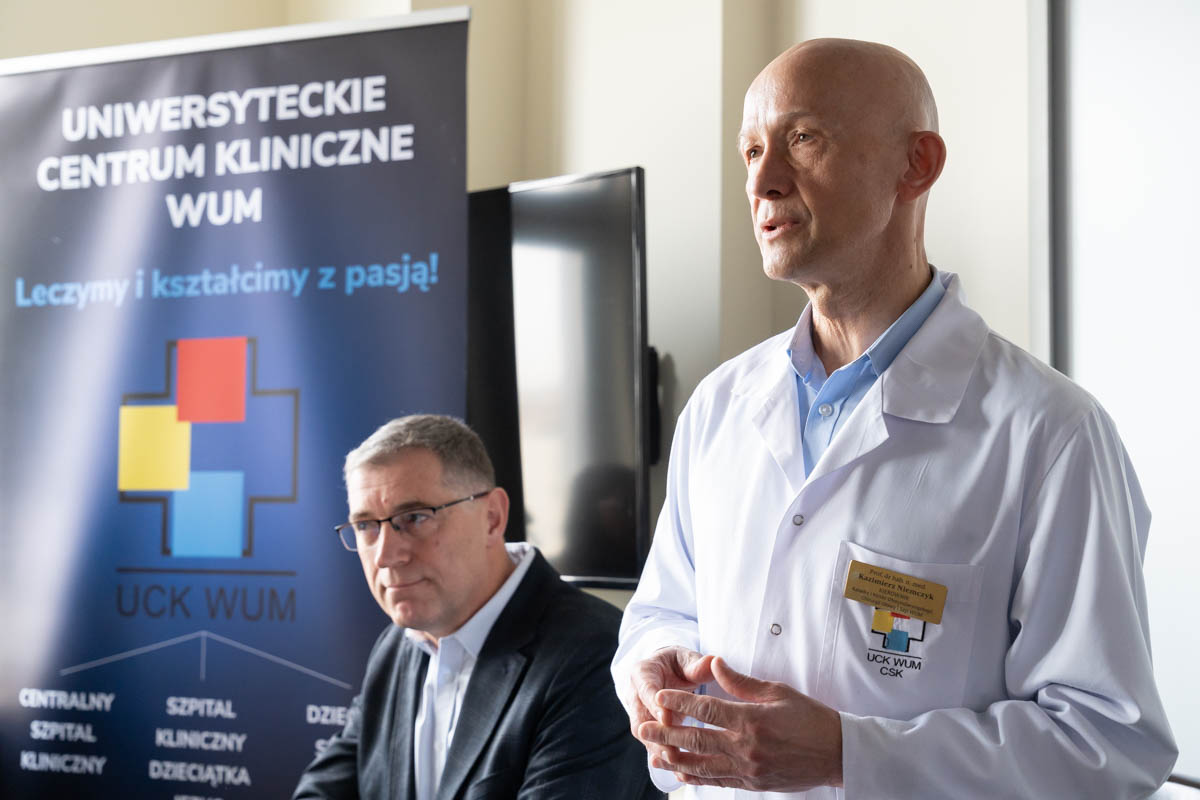
“A cochlear implant is a system that allows hearing to be restored in people who have completely lost it. However, over several decades of development of this program, it has become clear that implants can also be successfully used in patients with hearing loss,” said the host of the event, Prof. Kazimierz Niemczyk.
Expansion of indications for cochlear implantation
With the development of medicine, increasing clinical experience, and growing knowledge about implantation, as well as the rising number of centers (currently over 20 in Poland), a need emerged to standardize clinical practice. The Polish Society of Otorhinolaryngologists recently developed guidelines that unify the principles of patient qualification, treatment, operation of centers, and outcome reporting. As Prof. Niemczyk emphasized, the goal is for all centers to “speak the same language”.
The guidelines also changed the approach to patient qualification. Cochlear implants in both adults and children are now used not only in cases of total deafness but also in unilateral hearing loss or complex clinical situations, such as oncological cases. Even children with psychophysical difficulties may qualify for the procedure if they meet audiological criteria, because early implantation improves speech development and reduces future care needs.
“In children whose speech development is uncertain, cochlear implantation is worth considering because it may allow them to achieve the maximum level of development they could reach with normal hearing,” emphasized Prof. Niemczyk. He added: “Worldwide, cochlear implantation is the second most cost-effective procedure after coronary angiography, which makes it extremely important from a social perspective.”
How cochlear implants have changed patients’ lives
In Poland, implant programs are fully accessible. However, the key factor in restoring hearing is the timing of implantation. In Poland, cochlear implants can be implanted in children as early as eight months of age. Adults who receive a diagnosis should not delay their decision for more than four to five years.
Cochlear implantation significantly improves the quality of life in both children and adults. It not only enhances speech understanding but also enables participation in school activities, improves social relationships, supports continued professional activity, and increases comfort at work. In short, it makes a normal life possible.
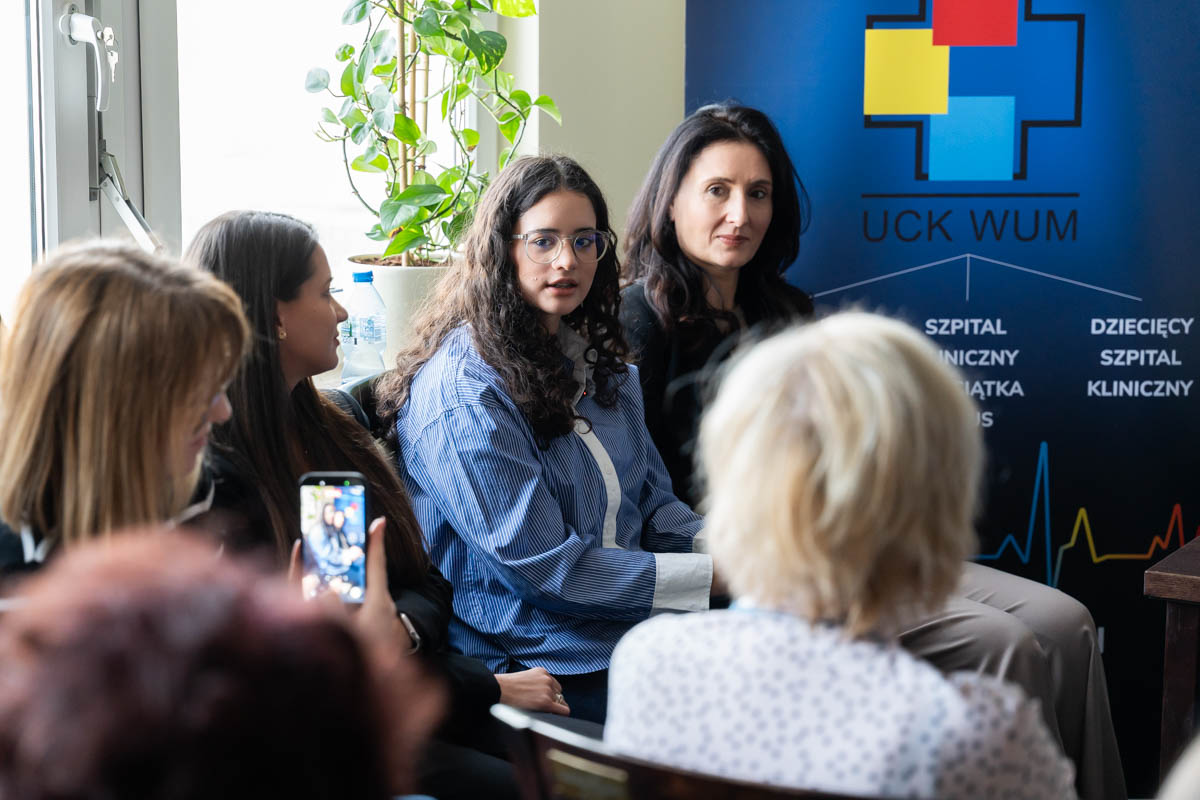
A teenage girl named Alina initially suffered from unilateral deafness due to congenital cytomegalovirus infection and later lost hearing in her second ear. She now has two cochlear implants. Her mother emphasized that the decisions to implant first one and then the second implant were absolutely right.
Alina herself said, “Thanks to the implants, I go to school, sing hip hop, dance, and live like everyone else.”
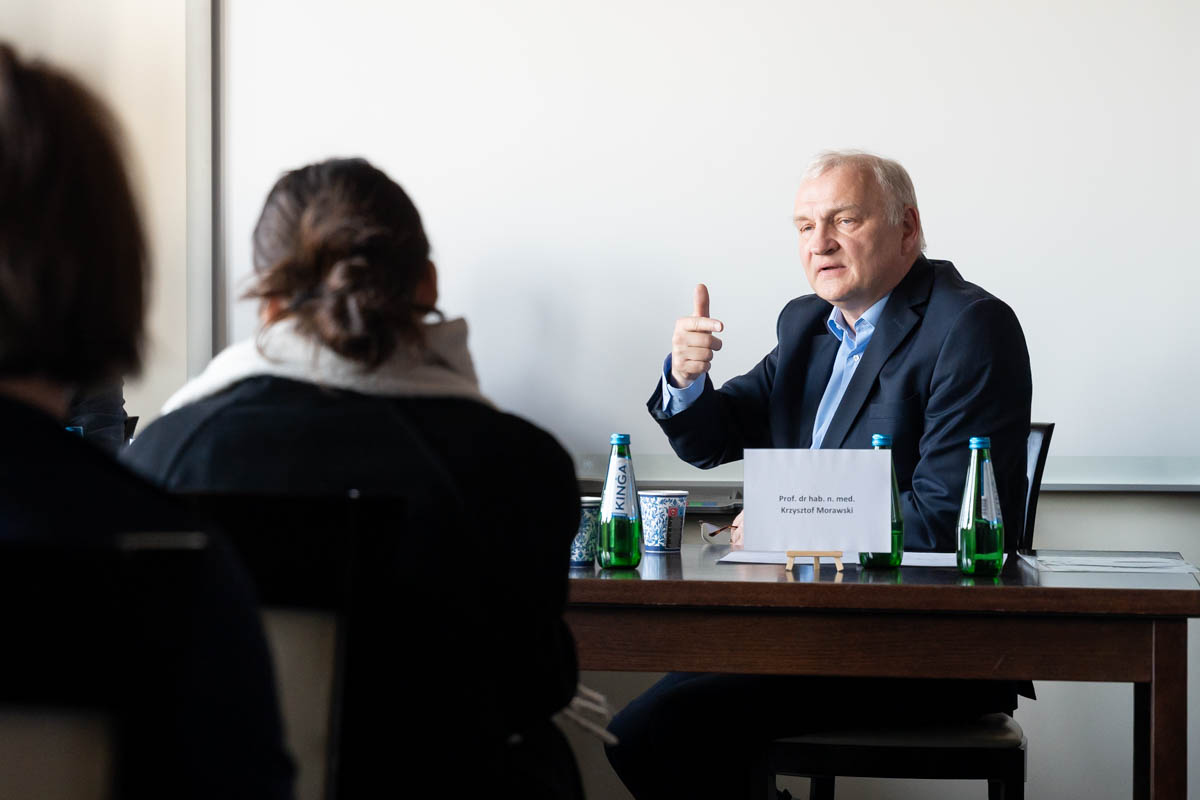
“Alina is an example that when full bilateral physiological stimulation is achieved, there are no limitations for such a child,” said Prof. Morawski.
Natalia, in turn, lost hearing in her right ear at the age of 22.
“When it became clear that the ear would not work with a hearing aid and that the CROS system also did not work for me, I started meeting people with implants who told me they were great and that they function normally with them. Even then, I knew I wanted this, and I was very positive about it. I have had the implant for four years now, I have learned how to function with it, and I do not regret it,” Natalia emphasized.
As specialists noted, people with unilateral hearing loss face many difficulties. Above all, in challenging acoustic environments, for example, at school or in places with high background noise, speech understanding is impaired. In addition, they have limited sound localization, meaning they cannot determine where a sound is coming from. As a result, they must concentrate much more on communication and often respond more slowly to sounds.
“For a long time, patients with unilateral hearing loss preferred the option of CROS hearing aids, and later, in certain situations, bone-conduction devices were used. Today, we believe that a cochlear implant is indicated for both adults and children. If the auditory nerve is preserved, which is the case in most patients, we restore physiological hearing by activating both auditory pathways, and the hearing process becomes normal,” explained Prof. Morawski.
Contemporary challenges: demography, lifestyle, and disease
According to WHO projections, by 2050, one in four people will experience some degree of hearing loss. Hearing problems remain one of the most frequently underestimated health issues. Many people postpone diagnostic testing for years, attributing symptoms to fatigue, stress, or simply “age.” Meanwhile, treatment and rehabilitation options have changed significantly in recent years, and in certain cases, reimbursed solutions are available even when hearing aids are ineffective.
“Adults often do not seek help or decide on implantation for various reasons, for example, fear of stigmatization or fear of surgery, yet they are the largest group suffering from this problem,” explained Prof. Marcin Szymański. “It should be remembered that untreated hearing loss accelerates the development of dementia fivefold. Therefore, our role is to emphasize both the availability of treatment methods and the importance of hearing in preventing dementia.”
Hearing loss is increasing partly due to frequent exposure to noise, for example, from headphones or urban traffic, as well as stress and infections. But these are not the only factors.
“Diseases related to improper diet and metabolic disorders, as well as inadequately treated hypertension, are also extremely important. In the future, such individuals may develop problems affecting the central nervous system, and one of the consequences will be accelerated hearing impairment, not only at the level of the cochlea,” added Prof. Krzysztof Morawski.
Development of the cochlear implantation program
The cochlear implantation program in Poland began in 1992. The first procedure was performed in what is now the Department of Otorhinolaryngology, Head and Neck Surgery at UCK WUM in a patient who developed deafness after meningitis. Over time, additional centers performing these procedures were established. Since 2000, when the program in this department was relaunched, more than 1,000 cochlear implants and over 30 auditory brainstem implants have been implanted. Auditory brainstem implants are used when the auditory nerve is damaged. In adults, this is usually caused by tumors, while in children, it may result from rare congenital defects such as the absence of the auditory nerve. The procedure is more complex, but it is often the only possible option. Prof. Niemczyk noted that within the next few months, the department plans to perform such a procedure in a three-year-old patient.