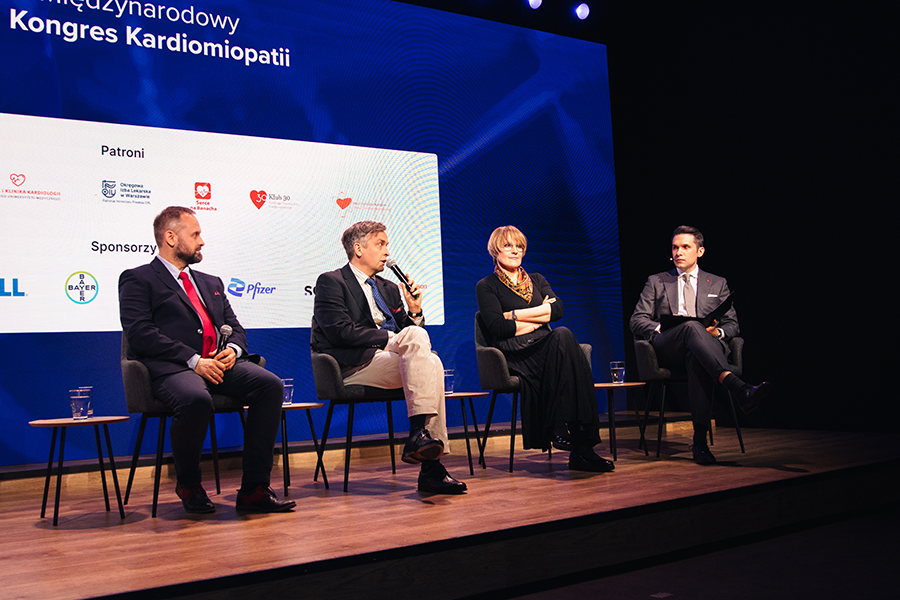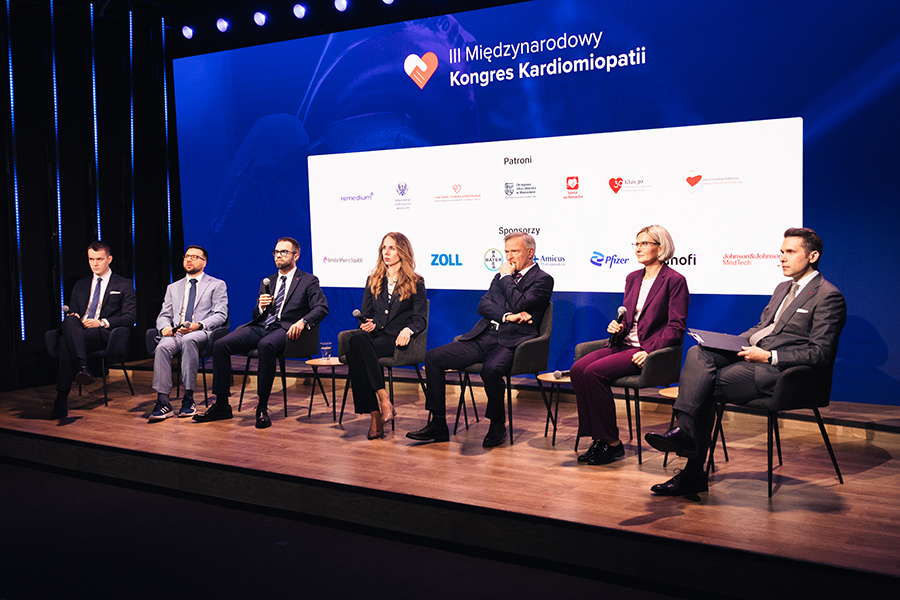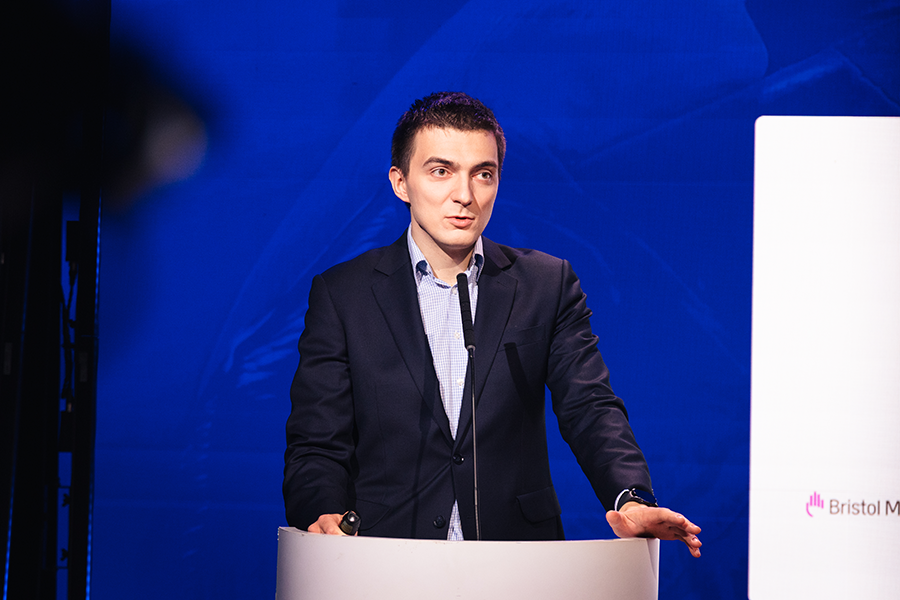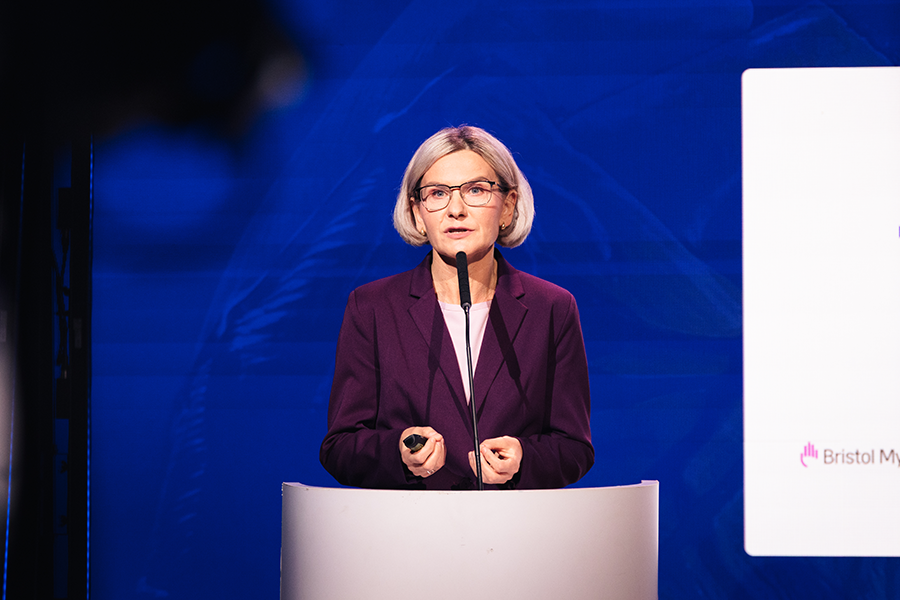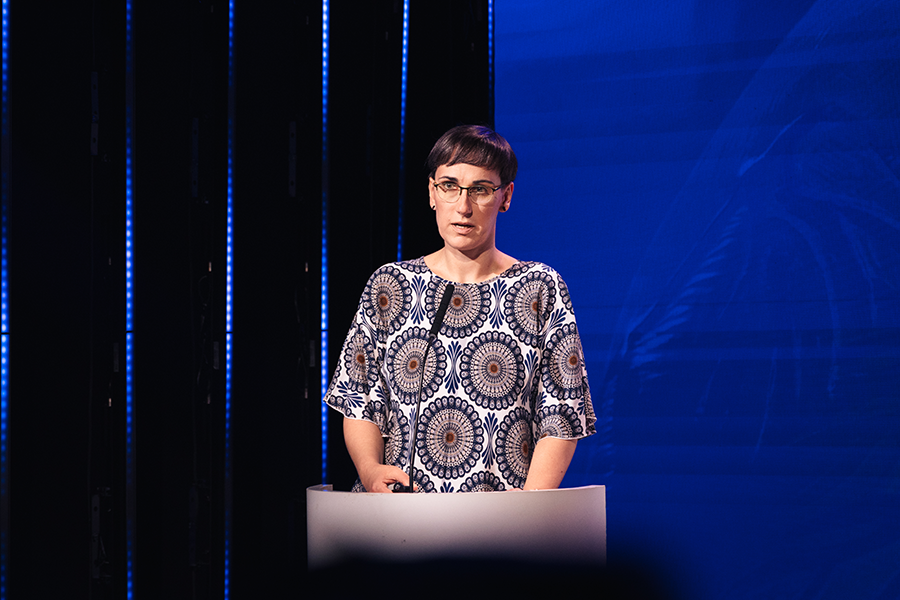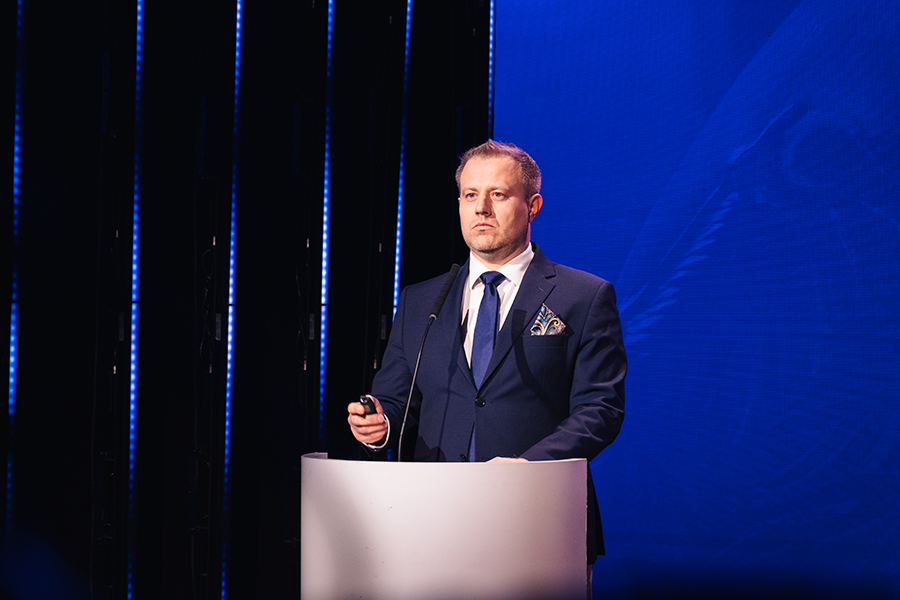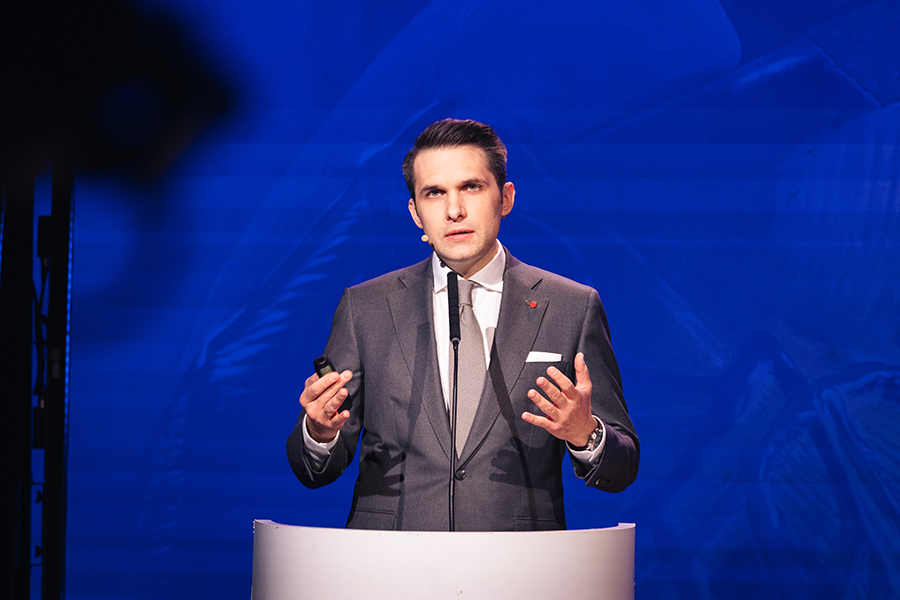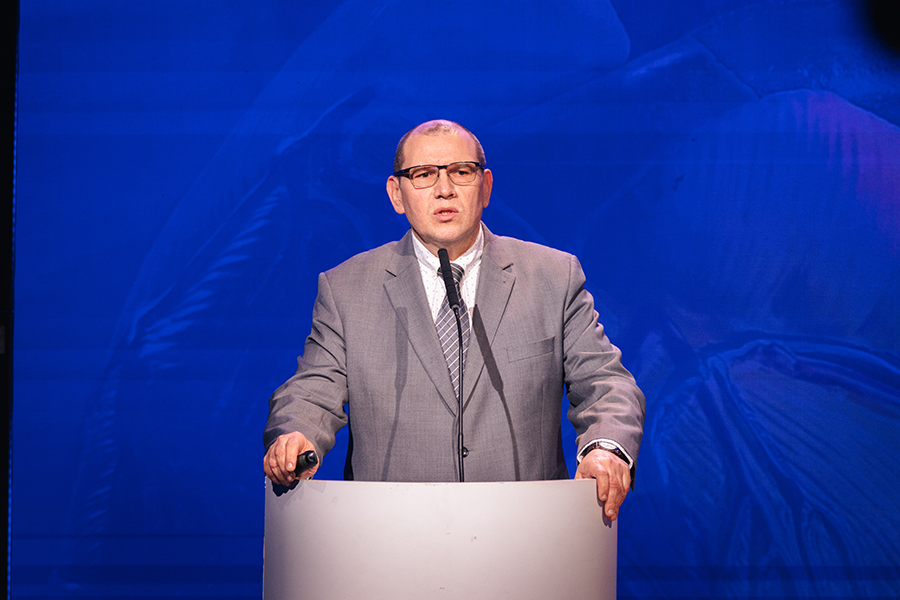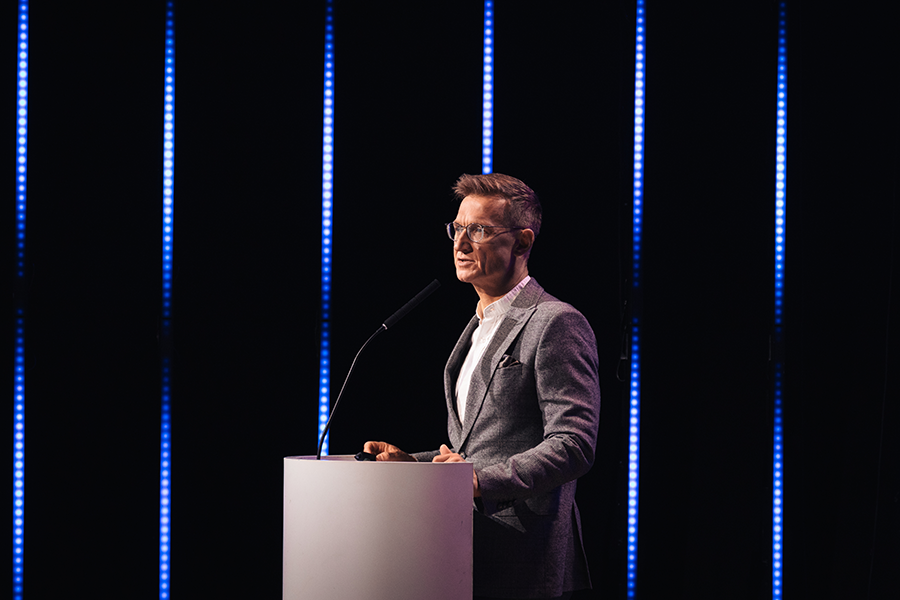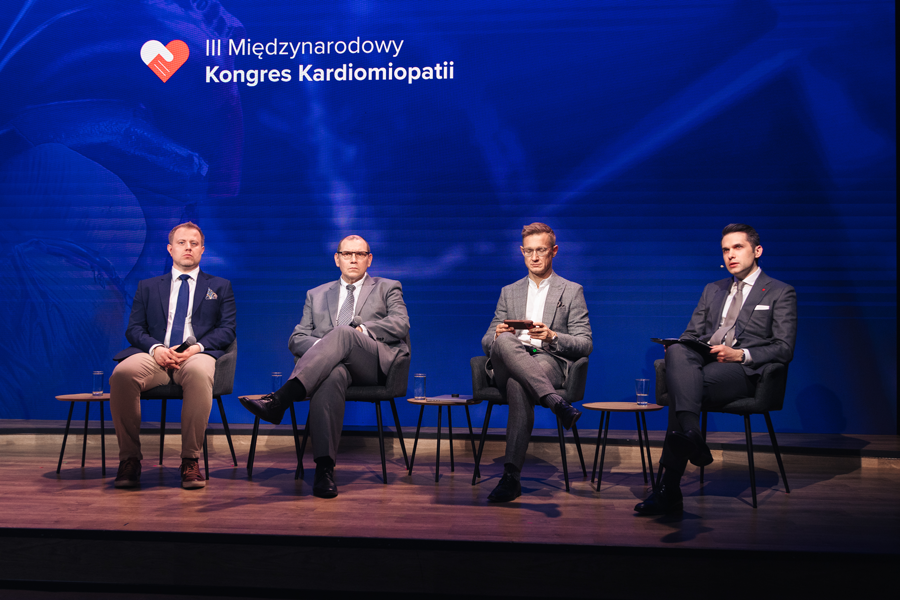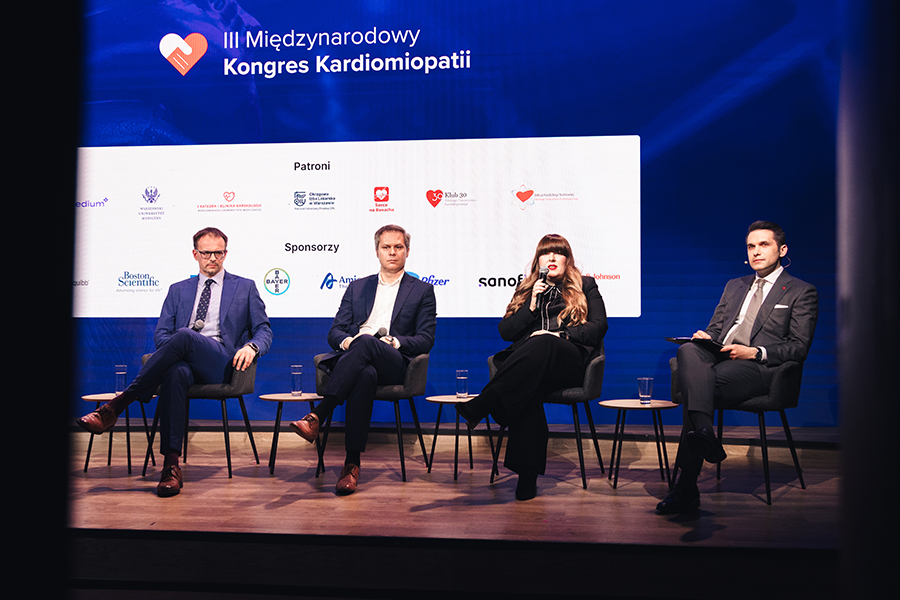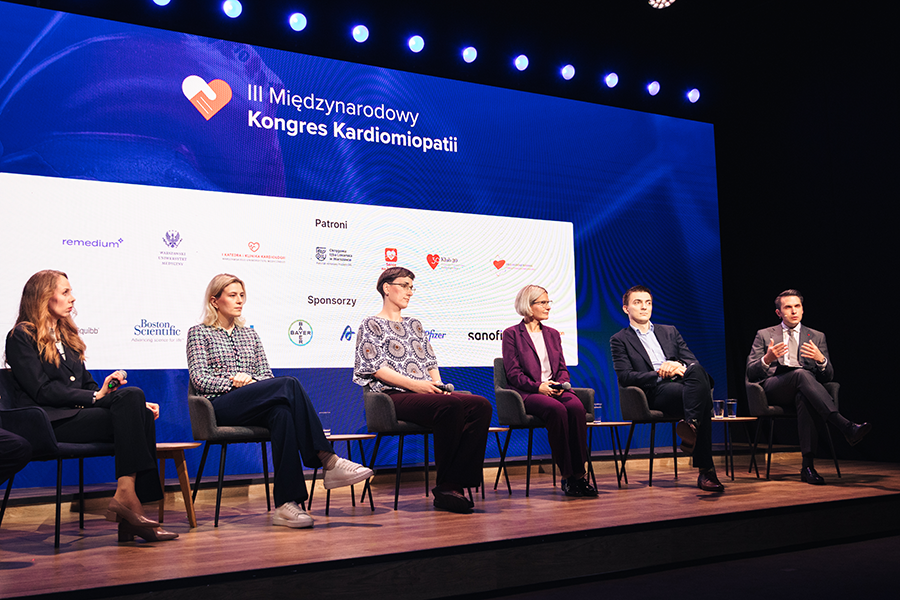
The conference was opened by the members of the scientific and organizational committee of the event: Prof. Marcin Grabowski, Prof. Krzysztof Ozierański and Agata Tymińska, MD, PhD, from the First Chair and Department of Cardiology UCC WUM.
"Cardiomyopathies are silent stories, written between the lines, non-specific symptoms, long diagnostic procedures, often incorrect diagnosis of the disease," emphasized Prof. Krzysztof Ozierański. "Today, however, thanks to medical progress, as well as greater awareness, we can "read" these stories faster. Above all, we can look the patient in the eye and say that we know what is wrong and what to do about it next," added Professor Ozierański.
As untreated cardiomyopathy may lead to progressive heart failure and it also increases the risk of premature death, it is especially important for a patient with this disease to leave the doctor's office with the correct diagnosis and treatment tailored to the needs.
What is most important in cardiomyopathies
Cardiomyopathies are a complex problem: their causes, courses, and prognoses are all different. The congress program was prepared so as to organize knowledge, answer difficult questions and help make better therapeutic decisions in everyday clinical practice. All speakers – outstanding experts – referred to real clinical cases and their own experiences.
Session I concentrated on Fabry disease and the outlook from the perspective of the drug program. The speakers were Dr Mariusz Kłopotowski, Dr Beata Błażejewska-Hyżorek and Dr Longin Niemczyk, MD, PhD.
The following speakers took the floor during the second session which was devoted to myocarditis: Dr Mateusz Sokolski, MD, PhD, who spoke about the severe course of myocarditis, Dr Agata Tymińska, MD, PhD, who explained how to distinguish dilated cardiomyopathy from myocarditis, Emil Brociek, a doctoral student at the First Chair and Department of Cardiology, who discussed diagnostic and therapeutic challenges in myocarditis in the course of autoimmune disease, and Dr Michał Tkaczyszyn, MD, PhD, who devoted his speech to cardiac sarcoidosis.
Session III focused on the pericardium. Dr Anna Imiela talked about acute pericarditis, Marek Wawrzacz, MD, discussed the border between chronic pericarditis and exudate, and Dr Małgorzata Dybowska, PANS Professor, described what rheumatological diagnostics should look like in myocarditis and pericarditis.
"Myocarditis and pericarditis are interdisciplinary problems, and a rheumatologist should always be present in the diagnostic team," emphasized Małgorzata Dybowska. She also reminded that patients with rheumatic diseases usually have more than one health problem and often have inflammatory heart diseases.
This session was also attended by Dr Dorota Wicher, who explained how to interpret genetic test results and how genetic mutations affect risk assessment in cardiomyopathies. The speaker noted right at the outset that the proper interpretation of genetic test results required the understanding of how complicated the human genome is and remembering that there are still several thousand genes that we have not yet been able to link to specific diseases.
The fourth session included speeches by Dr Piotr Sobieraj, who explained how to distinguish the athlete's heart, pressure overload and hypertensive heart from hypertrophic cardiomyopathy. While discussing various parameters, he indicated that the diagnosis of cardiomyopathy could be supported by interatrial asymmetry or a small left atrium.
Then, Prof. Paweł Rubiś talked about the current experience and effects of the treatment of obstructive HCM with mavacamten. Whether to use beta-adrenolytics in obstructive HCM was discussed by Prof. Krzysztof Ozierański, and Dr Artur Oręziak explained how to deal with non-obstructive hypertrophic cardiomyopathy. Prof. Marcin Grabowski analyzed when and what type of cardioverter-defibrillator to choose for a patient with cardiomyopathy.
Session V was devoted to the clinical management of amyloidosis. The speakers were Prof. Krzysztof Ozierański, Dr Łukasz Mazurkiewicz, MD, PhD, and Prof. Krzysztof Jamroziak, who focused on hematology diagnostics in this disease.
In session VI, the experts talked about imaging diagnostic work-up in cardiomyopathies. Dr Anna Budaj-Fidecka discussed the most common errors in the echocardiographic assessment of the left part of the heart. Dr Katarzyna Holcman spoke about cardiac amyloidosis in scintigraphy and Dr Małgorzata Kobylecka, MD, PhD, focused on positron tomography. A lecture entitled: “How can we use cardiac MRI to diagnose myopericarditis syndrome, and when is that not enough?” was delivered by Anna Baritussio, MD, PhD, from the University of Padova.
The congress was held under the patronage of: the Rector of WUM, the President of the Regional Medical Chamber in Warsaw, Heart in Banacha Patient Association, Just Health Foundation and Club 30 of the Polish Cardiac Society (PCS), Nuclear Cardiology Section of PCS.