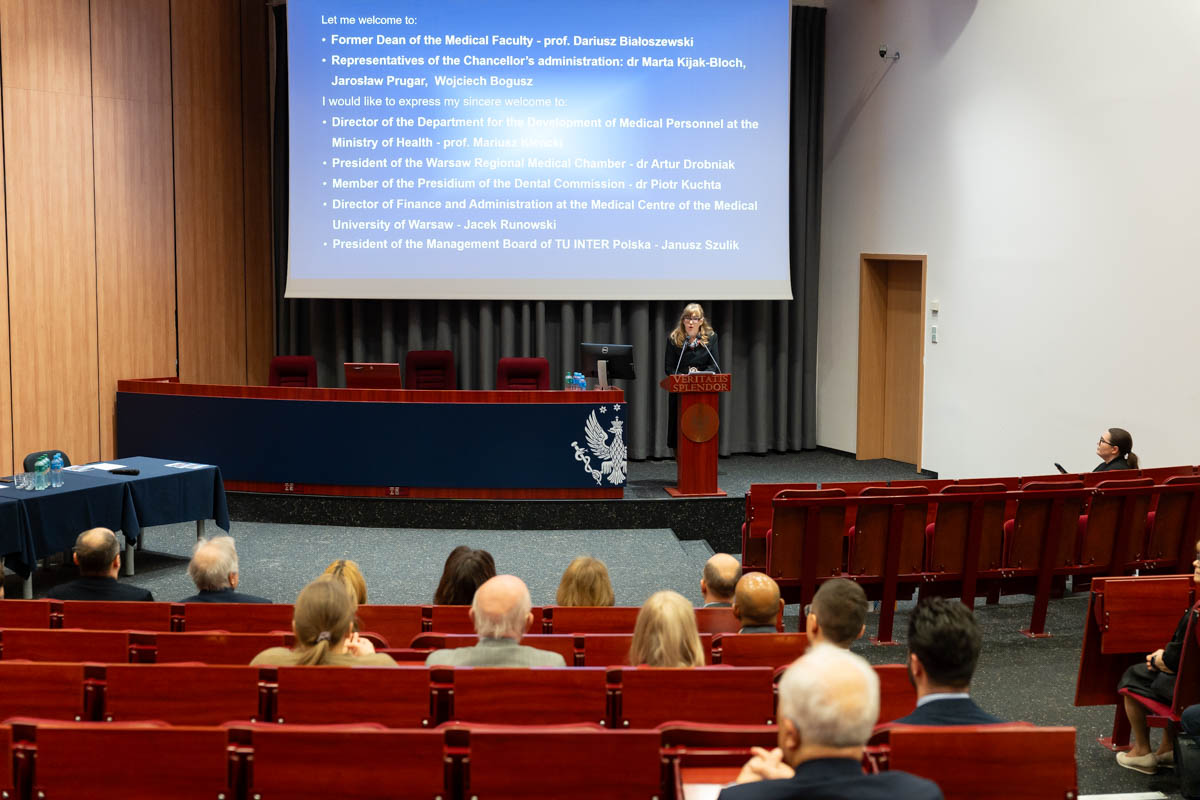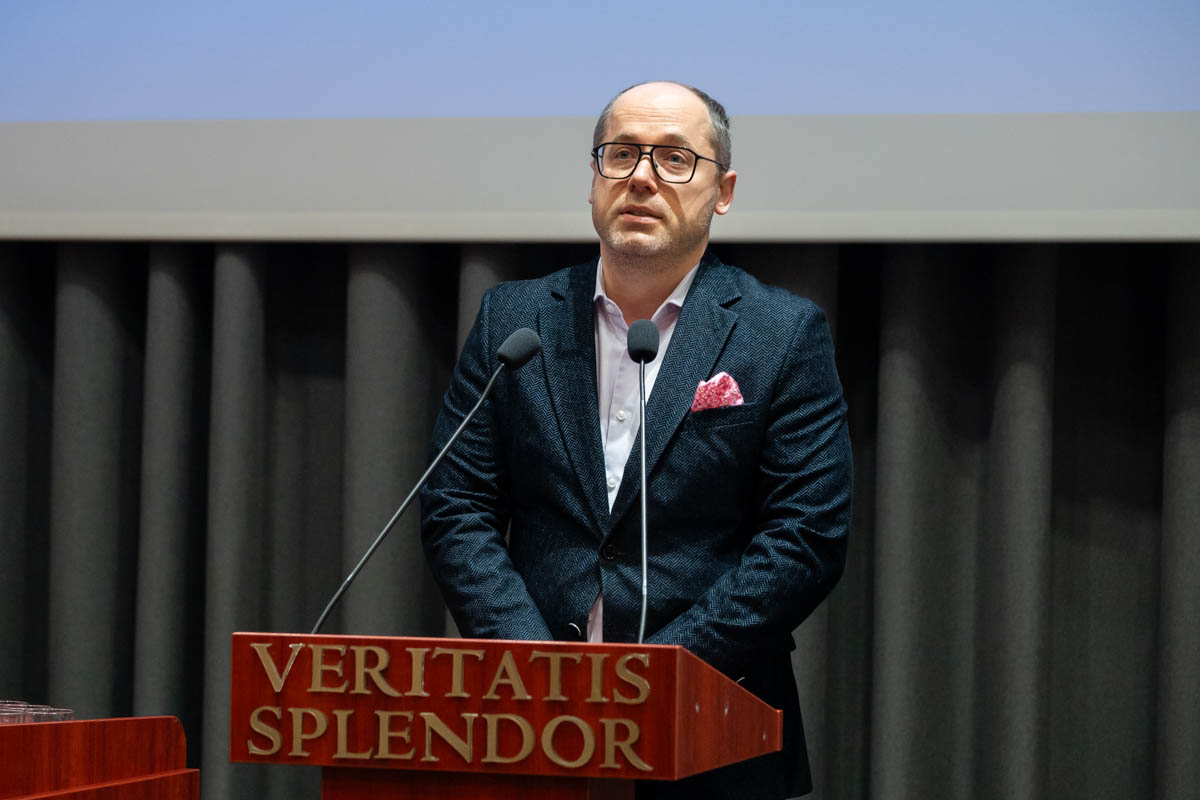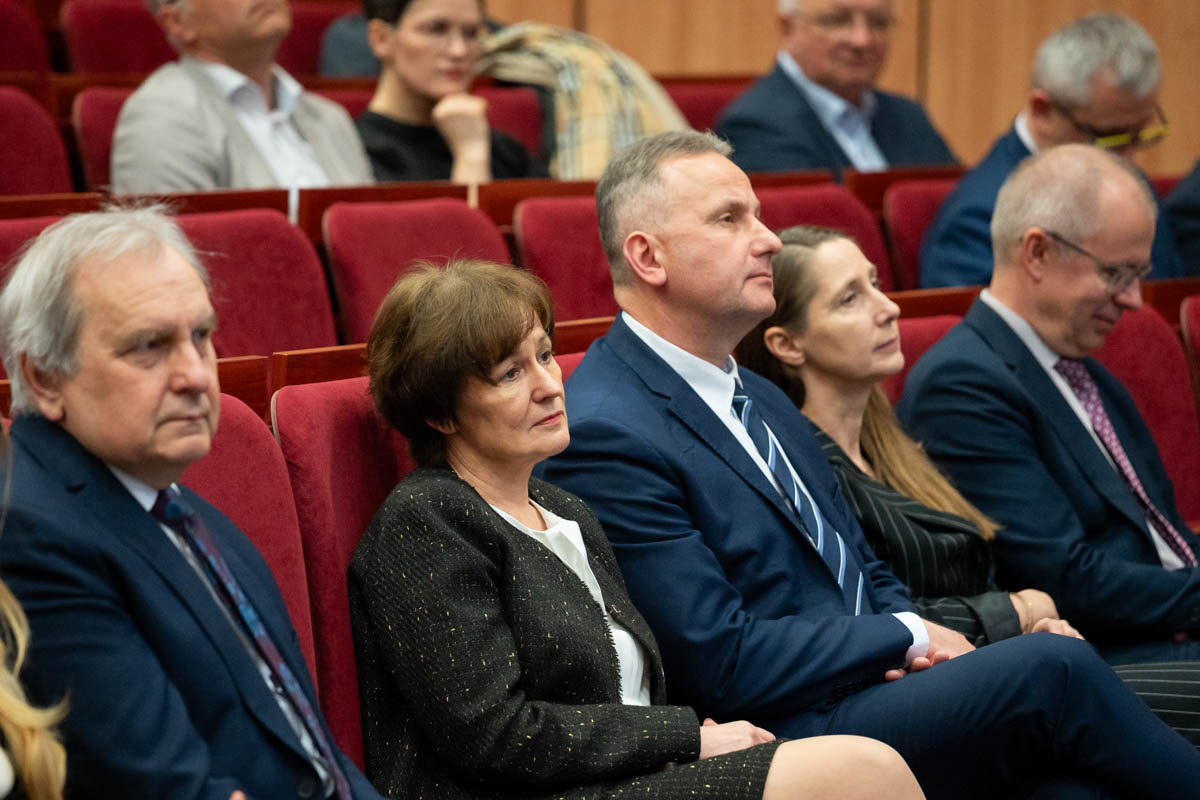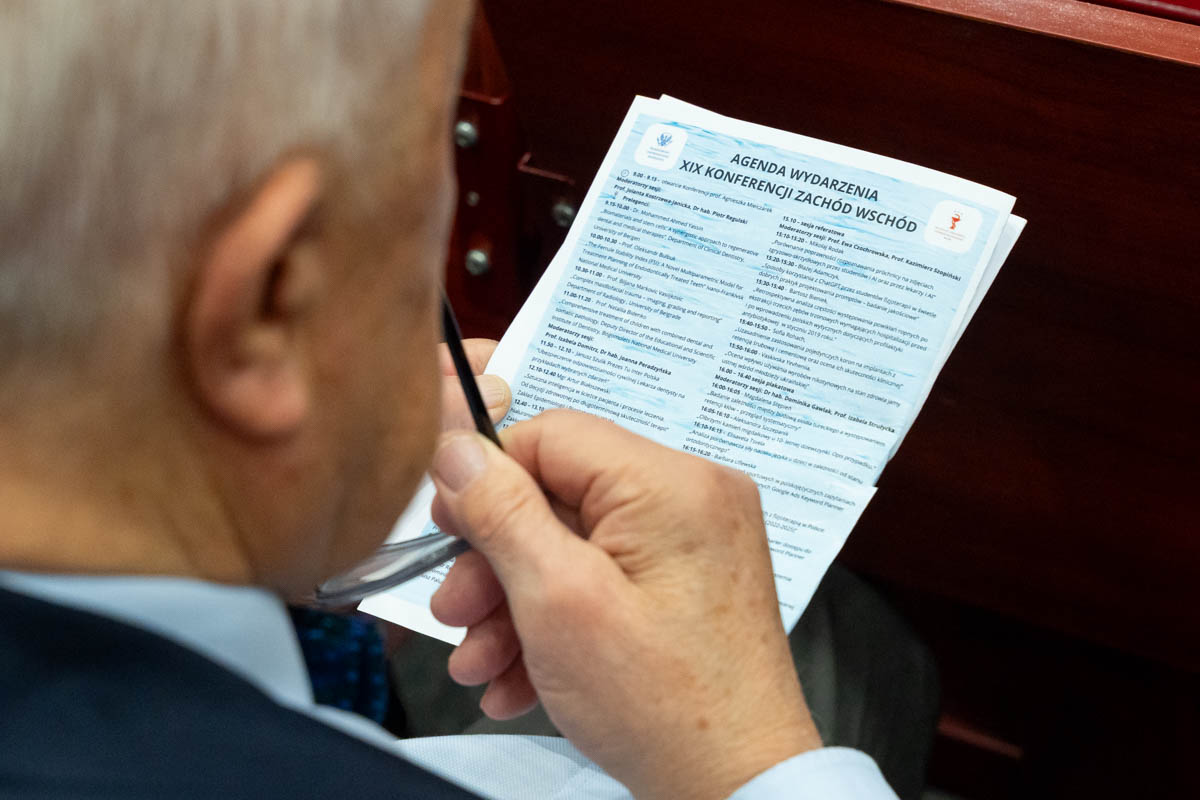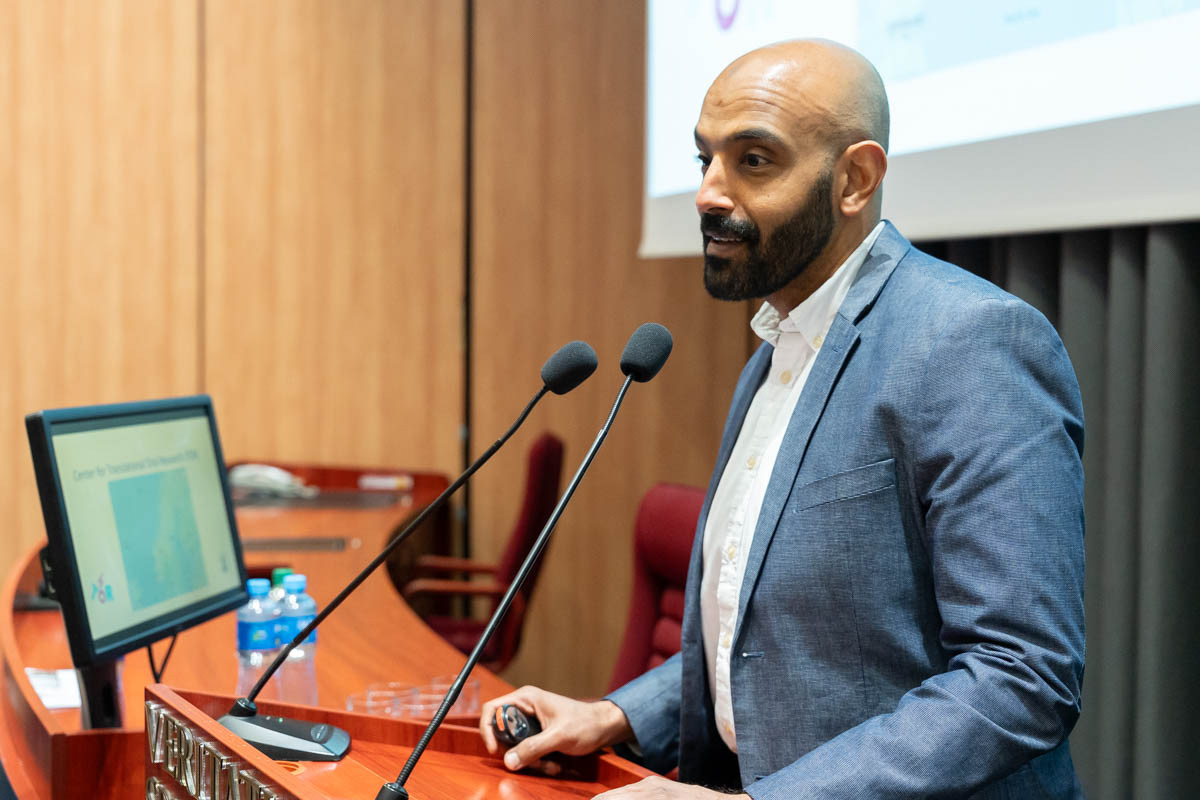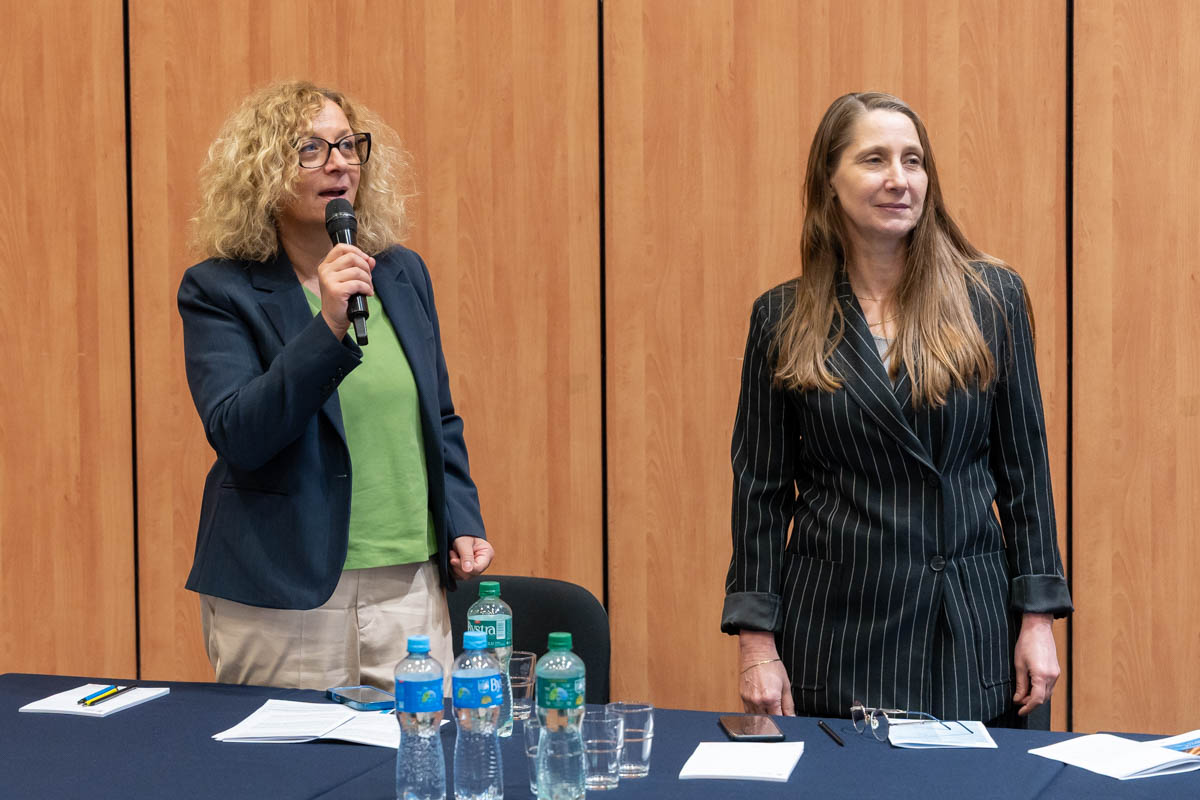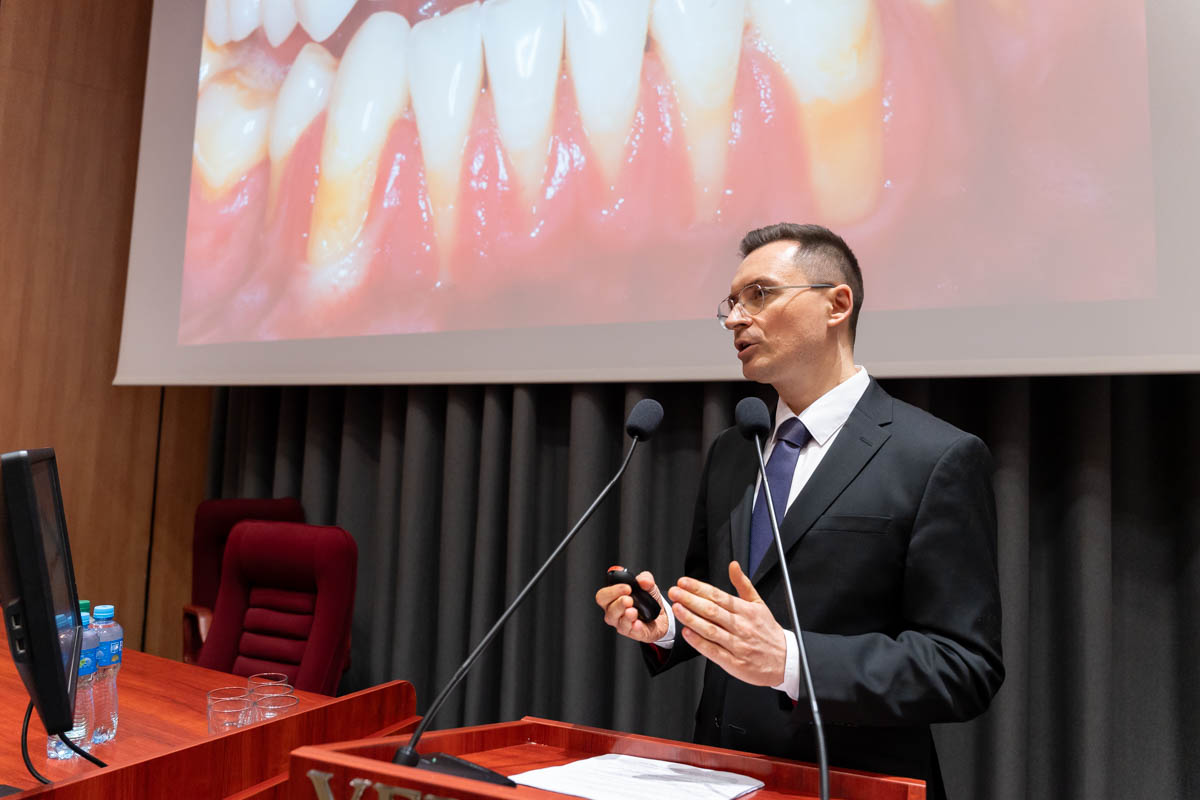
The West–East Conference has become a permanent fixture among the most important events at our university. It is also one of the key dental events in the country, and its unique character stems from a program that combines current scientific research findings with clinical practice.
Interdisciplinarity as the core of progress
Biomedical sciences are developing very rapidly, but as emphasized by Prof. Marcin Sobczak, it is difficult to talk about progress without interdisciplinarity.
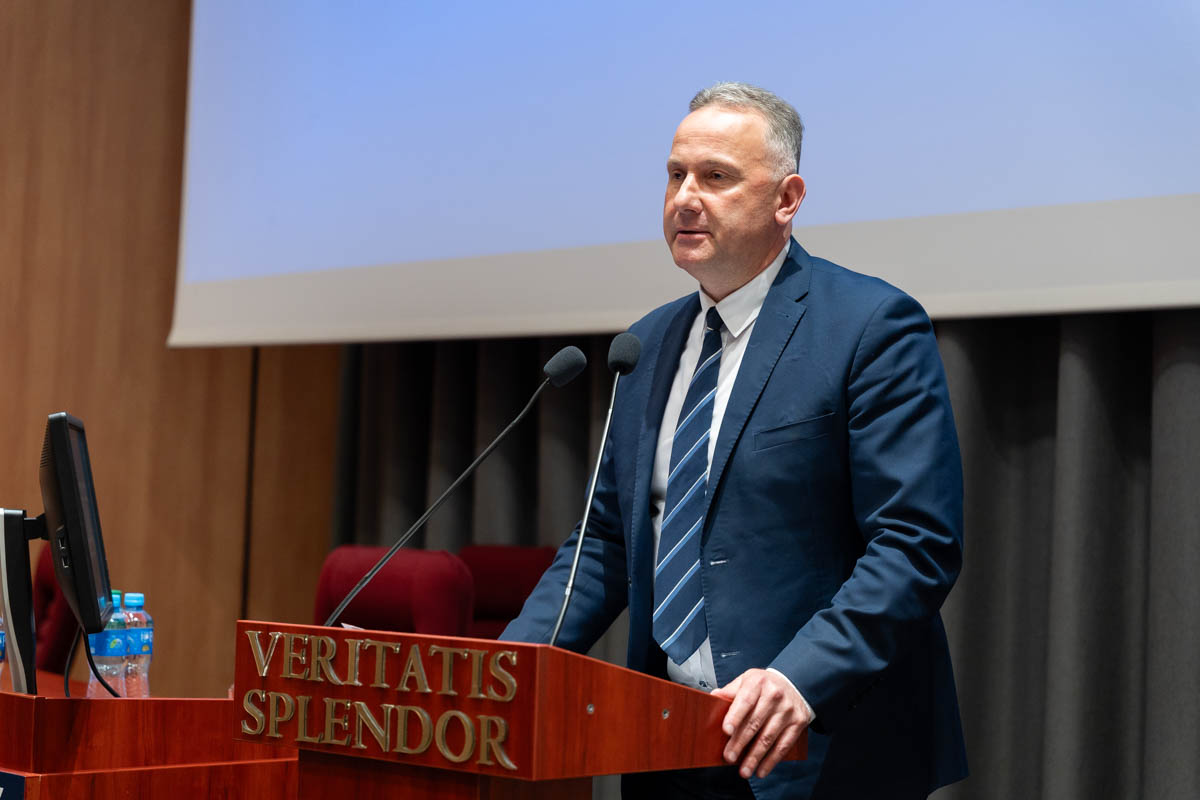
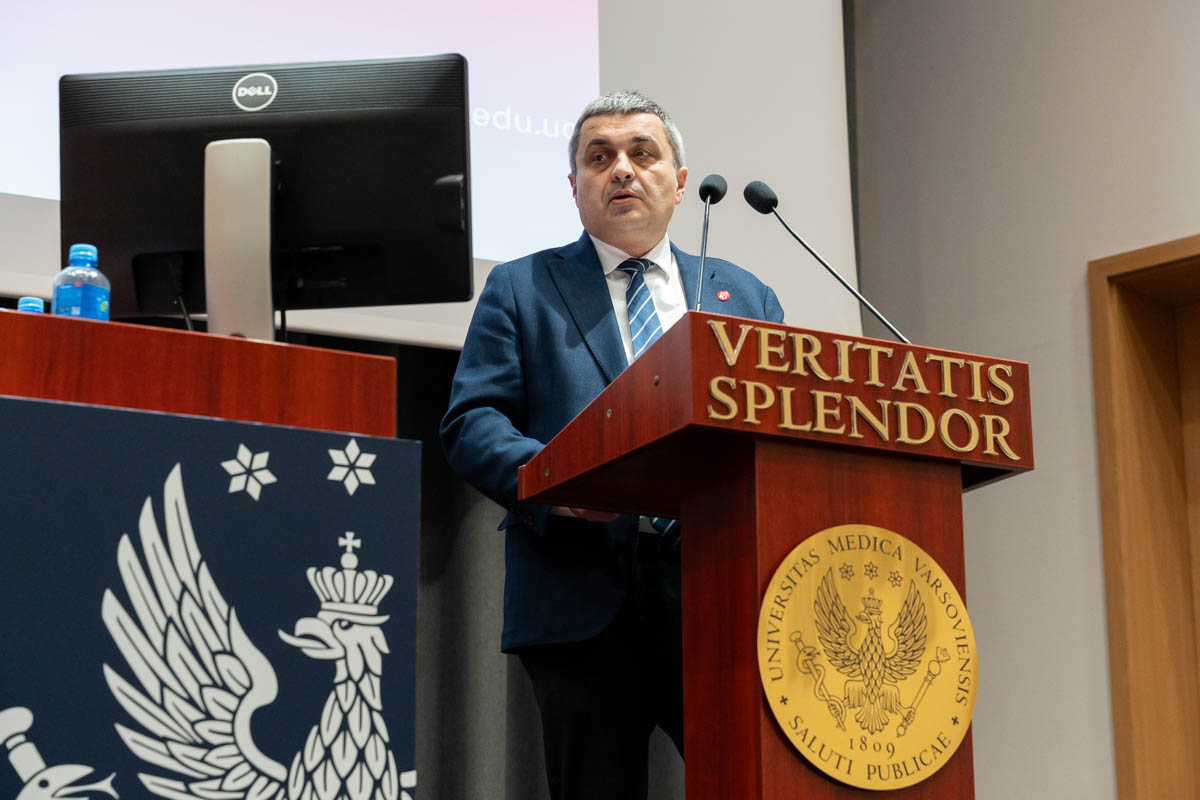
“Today, there are no longer boundaries between fields, disciplines, or research areas. Instead, there are problems that we solve in interdisciplinary teams. This allows us to develop new materials, practices, and techniques that improve everyday patient care,” said Prof. Marcin Sobczak, Vice Rector for Science and Technology Transfer at WUM.
Medical progress and ethics
“The boundaries of medicine are shifting very rapidly, but I hope that ethical boundaries in medicine will not shift in an uncontrolled way, and that our profession will always remain an essential part of every society,” said Dr. Artur Drobniak, President of the Regional Medical Chamber in Warsaw.
Education and inspiration
The program included two scientific sessions, an oral presentation session, and a poster session, offering a broad perspective on the topics, including the use of biomaterials and stem cells in dentistry and patient safety in dental care.
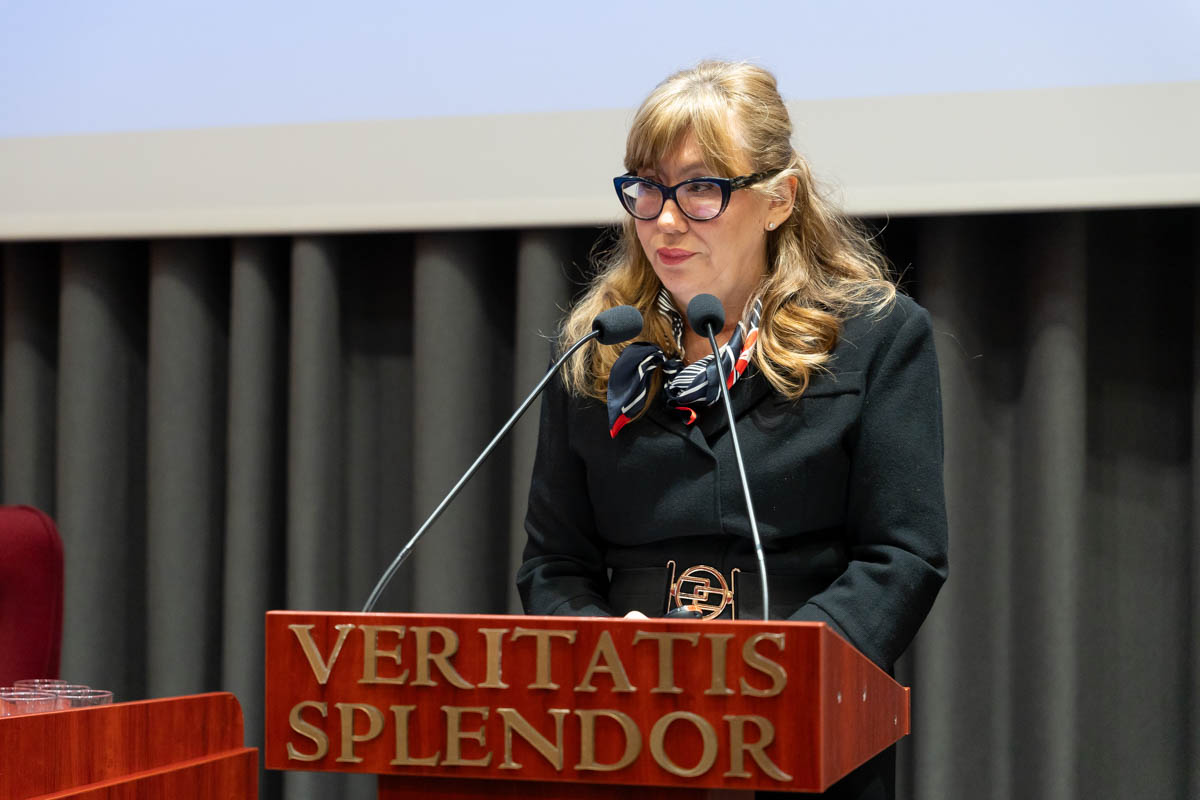
“I wish you a fruitful exchange of experiences and ideas that will foster the development of scientific and professional collaboration,” said Prof. Agnieszka Mielczarek, Dean of the Faculty of Medicine and Dentistry at WUM, officially opening the conference.
Speakers at the 19th West–East Conference
Dr. Mohammed Ahmed Yassin from the University of Bergen delivered a lecture titled “Biomaterials and stem cells: A synergistic approach to regenerative dental and medical therapies”; Prof. Oleksandr Bulbuk from the University of Ivano-Frankivsk presented “The Ferrule Stability Index (FSI): A Novel Multiparametric Model for Treatment Planning of Endodontically Treated Teeth”; Prof. Biljana Markovic Vasiljkovic from the University of Belgrade (Department of Radiology) gave a lecture titled “Complex maxillofacial trauma – imaging, grading and reporting”; and Prof. Nataliia Bidenko from the Medical University in Kyiv presented “Comprehensive treatment of children with combined dental and somatic pathology.”
“Chronic diseases in children may not present specific symptoms in the oral cavity or the maxillofacial region,” noted Prof. Nataliia Bidenko. “Parents usually focus on the general disease, which leads to neglect of oral health. Treatment of the disease requires appropriate pharmacotherapy, nutrition, and lifestyle, all of which may affect dental management.”
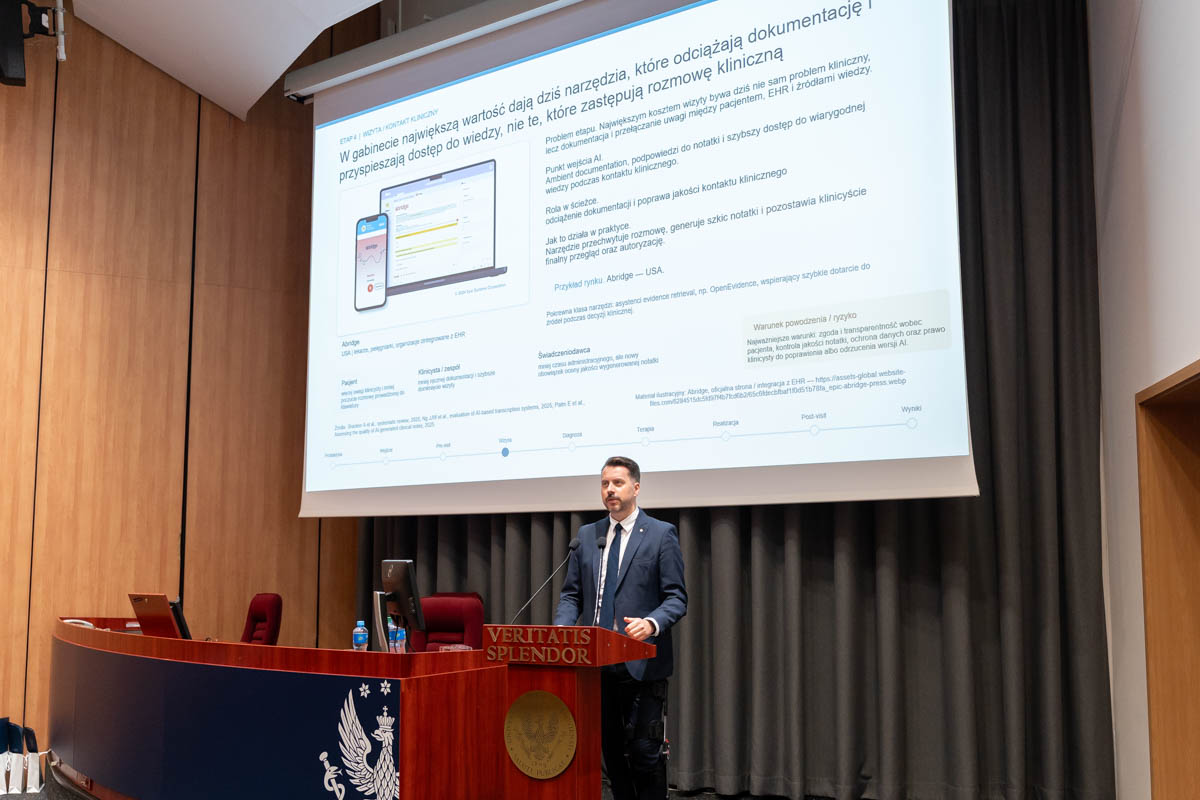
In the second part, Janusz Szulik, President of TU Inter Polska, discussed professional liability insurance for dentists using selected case studies. This was followed by a lecture by Artur Białoszewski from the Department of Epidemiology and Biostatistics at WUM titled “Artificial intelligence in the patient pathway and treatment process: From health decisions to long-term therapeutic effectiveness.”
“Can artificial intelligence replace a professional? No, because it is based on correlations rather than causality. If AI is to be integrated into the therapeutic process, it must be implemented appropriately,” emphasized Artur Białoszewski. “In healthcare, the most important question is: what problem does artificial intelligence solve in a given therapy?”
Dr. hab. Bartłomiej Górski from the Department of Periodontology and Oral Medicine discussed the use of hyaluronic acid in treating gingival recession, while Prof. Michał Ciurzyński from the Department of Internal Medicine and Cardiology with the Center for Management of Venous Thromboembolism explained anticoagulant and antiplatelet treatment in the context of dental procedures.
“If we perform a procedure with minimal risk of bleeding complications, anticoagulant therapy should not be discontinued,” emphasized Prof. Ciurzyński. “In practice, we either skip one dose or delay its administration. In patients undergoing high-risk procedures, the medication is discontinued for at least 48 hours. Bridging therapy is not used in most patients and should only be considered in those at very high risk.”
Dr. Weronika Woźniak-Czekierda and Dr. Dorota Saganowska from the Department of Basic Physiotherapy focused their presentation on the masticatory system as part of the kinematic chain.
Speakers included: Mikołaj Rodak, who presented “Comparison of the accuracy of caries detection on bitewing radiographs by students and AI versus dentists and AI”; Błażej Adamczyk, who presented “How physiotherapy students use ChatGPT in light of good prompt design practices: a qualitative study”; Bartosz Bieniek, who presented “Retrospective analysis of the incidence of suppurative complications following third molar extractions requiring hospitalization before and after the introduction of Polish antibiotic prophylaxis guidelines in January 2019”; Sofia Rohach, who presented “Justification for the use of single implant-supported crowns with screw and cement retention and evaluation of their clinical effectiveness”; Yevheniia Vaskivska, who presented “Assessment of the impact of nicotine product use on oral health among Ukrainian adolescents.”
Speakers in the poster session included: Magdalena Stępień presenting “Relationship between the structure of the sella turcica and canine impaction: a systematic review”; Aleksandra Szczepanik presenting “Giant tonsillolith in a 10-year-old girl: a case report”; Elisaveta Tsvela presenting “Comparative analysis of tongue pressure in children in relation to orthodontic status”; Barbara Uflewska presenting “Digital signals of sports overload in Polish-language physiotherapy-related queries: analysis of Google Ads Keyword Planner data (2022–2025)” and “Analysis of internet trends in physiotherapy in Poland based on Google Ads Keyword Planner data (2022–2025)”; Dr. Karolina Zakrzewska presenting “Internet search patterns related to barriers to accessing physiotherapy in Poland: analysis of Google Ads Keyword Planner data (2022–2025)”; Tereschuk Kateryna presenting “Organization of early childhood caries prevention in the public health system in Ukraine”; Rama Elnadzhar presenting “Relationship between oral health status and the type of toothbrush used by dental students at a medical university”.
The event was organized by the Faculty of Medicine and Dentistry at WUM in cooperation with the Dentists’ Committee of the Regional Medical Chamber in Warsaw and the Regional Medical Chamber in Warsaw. The conference was held under the patronage of the Rector of WUM.
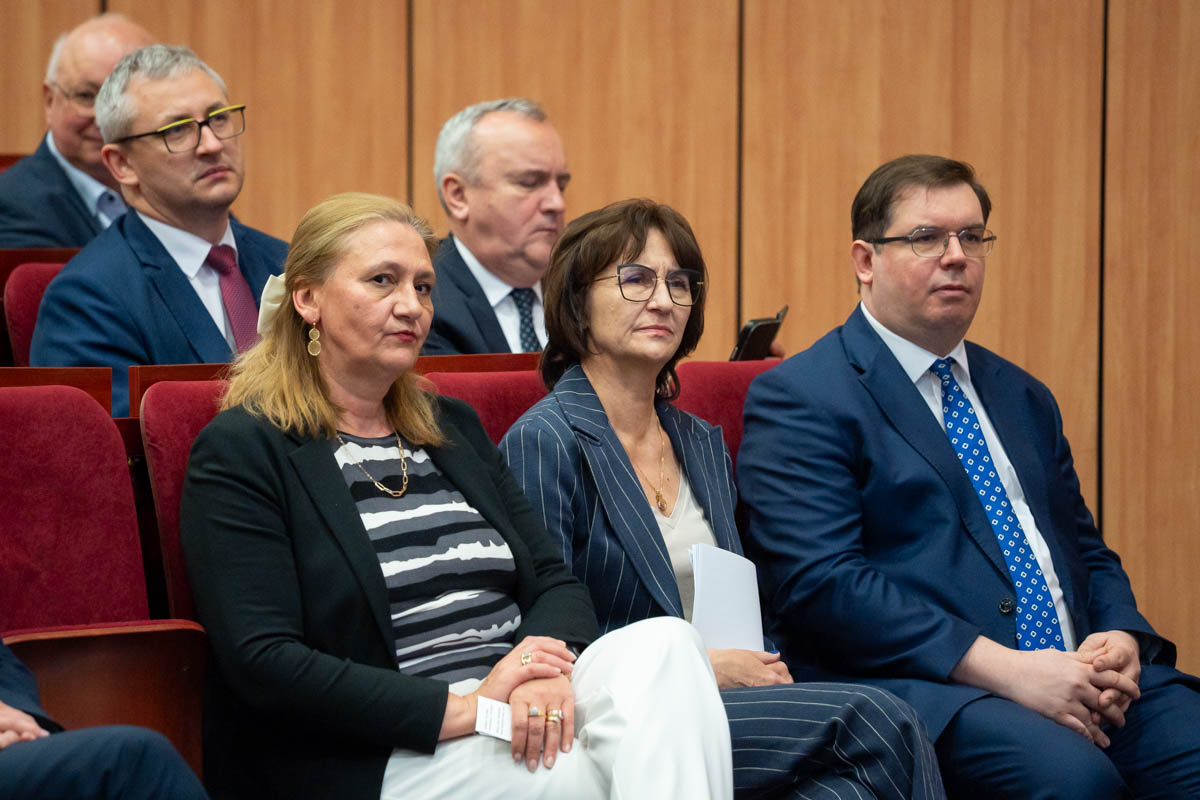
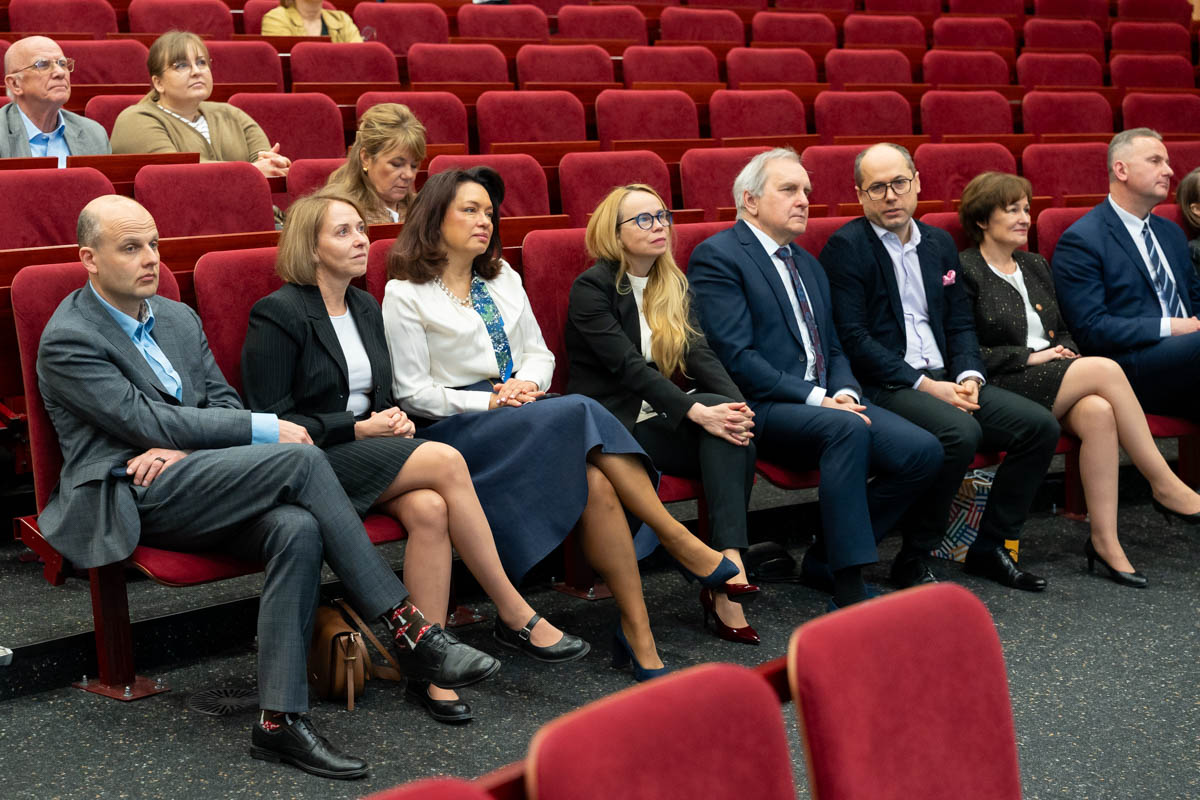
Among those present at the conference (in addition to the speakers) were: Prof. Dorota Olczak-Kowalczyk, Vice Rector for Personnel and Organization; Prof. Agnieszka Cudnoch-Jędrzejewska, Vice Rector for Clinical Affairs and Investments; Prof. Aneta Nitsch-Osuch, Vice Dean of the Faculty of Medicine; Prof. Marta Struga, Chair of the Medical Sciences Discipline Council; Prof. Sebastian Granica, Chair of the Pharmaceutical Sciences Discipline Council; and the leadership of the Faculty of Medicine and Dentistry: Prof. Izabela Domitrz, Prof. Jolanta Kostrzewa-Janicka, Dr. hab. Joanna Peradzyńska, and Dr. hab. Piotr Regulski.