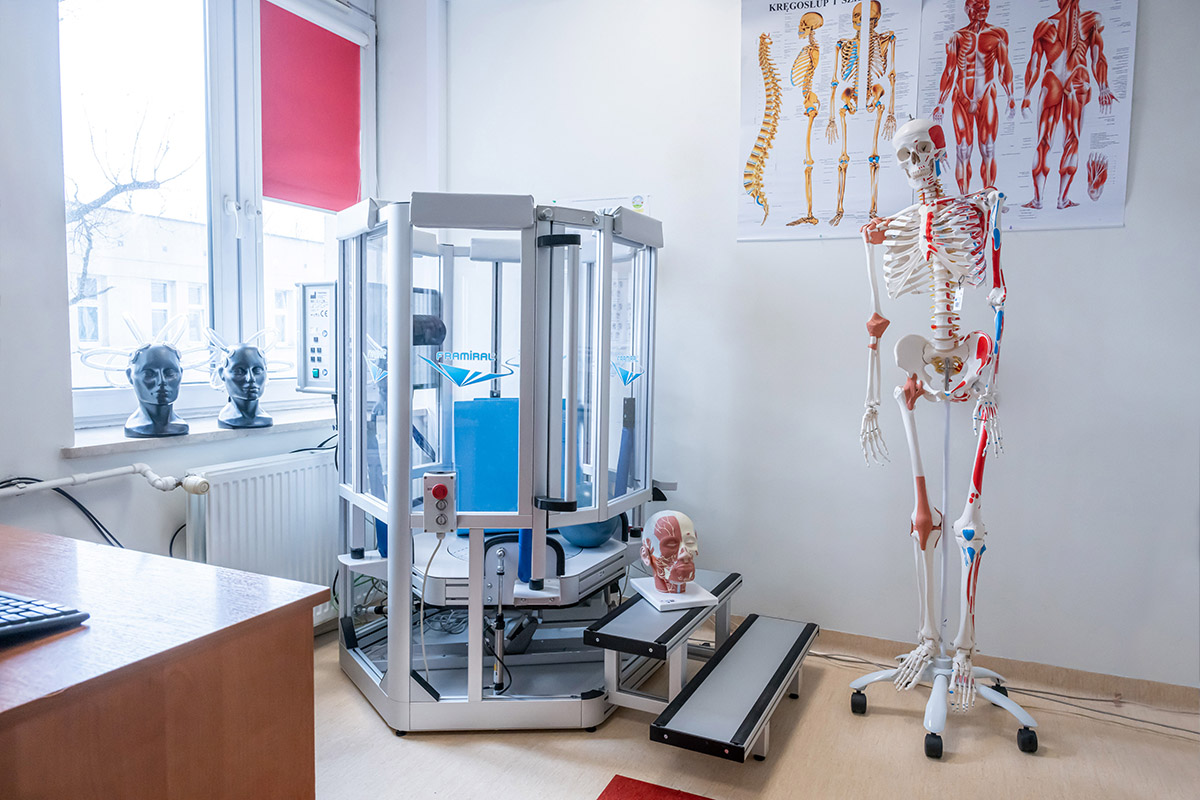
The project aims to improve the quality of education by modernizing teaching infrastructure and equipping university units with the most advanced educational tools. The funding allocated for this purpose comes from Component D of the National Recovery and Resilience Plan titled “Efficiency, accessibility, and quality of the healthcare system”.
Purchasing specialized equipment
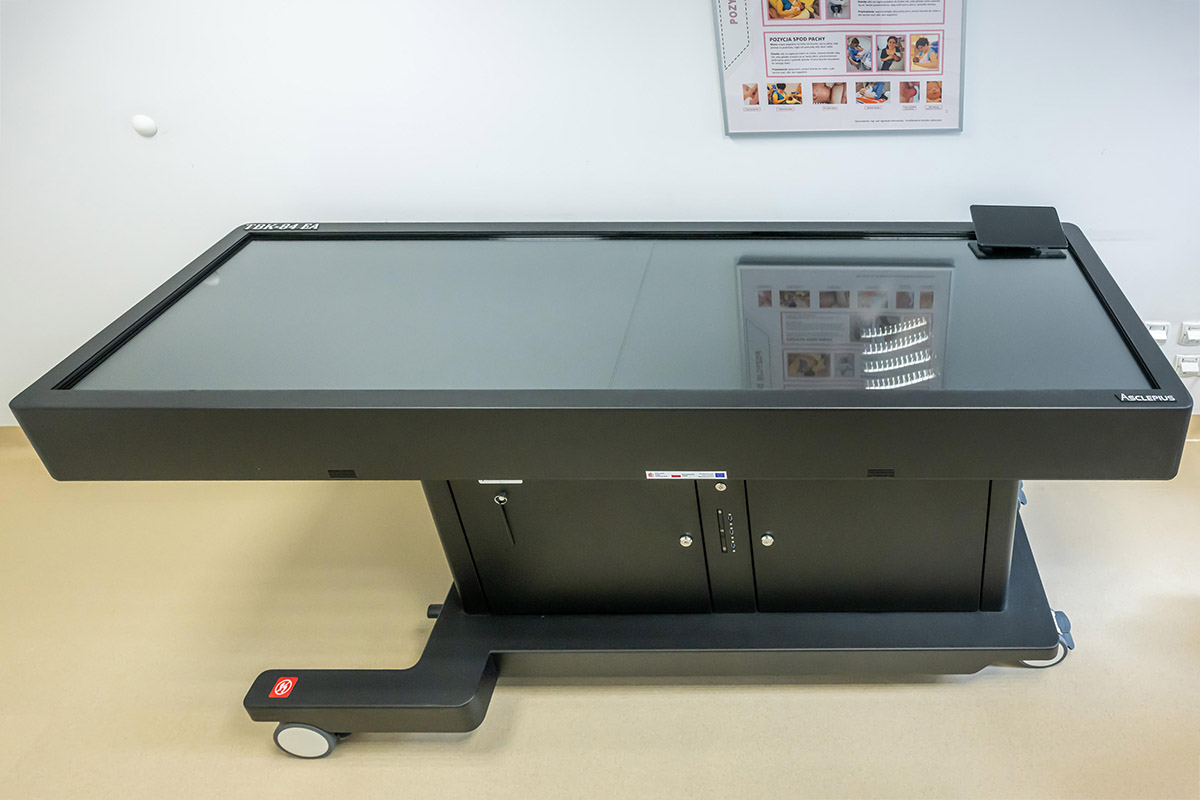
As part of the equipment upgrade, intensive procurement and delivery of modern medical and teaching equipment are underway to support the education of medical students and related fields. The items delivered to WUM include:
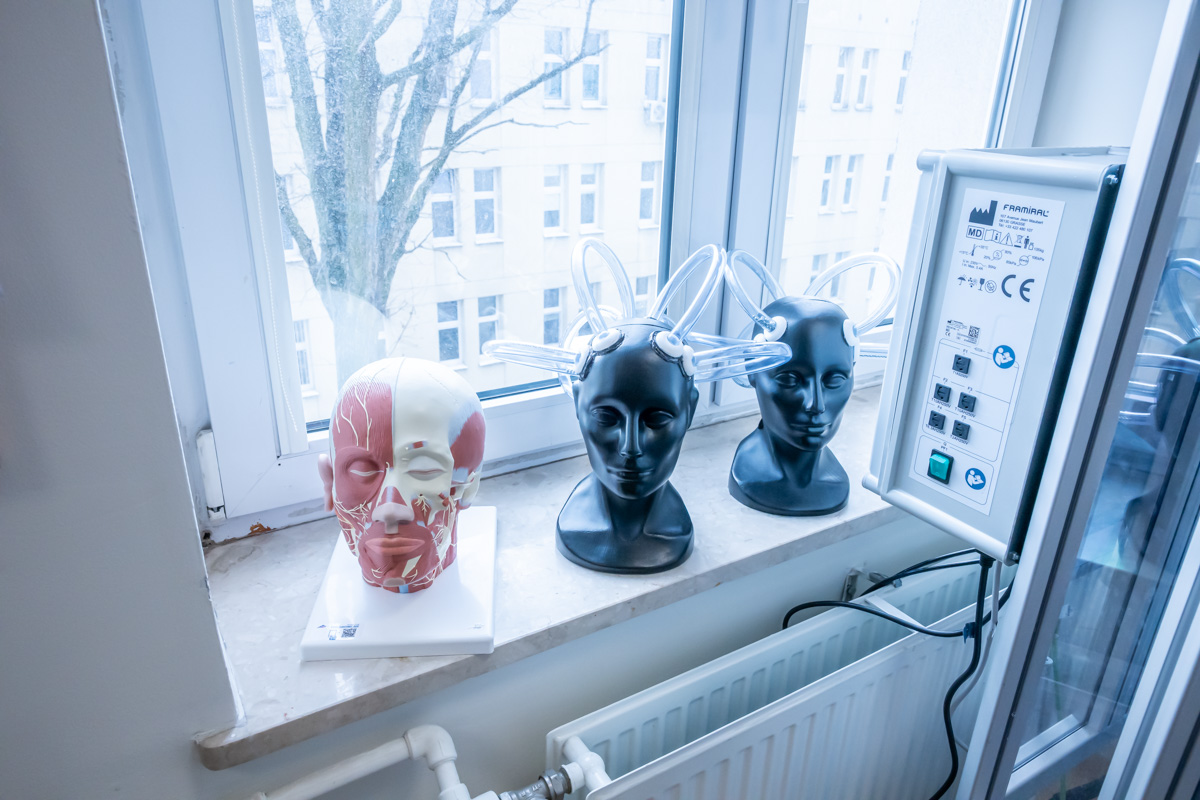
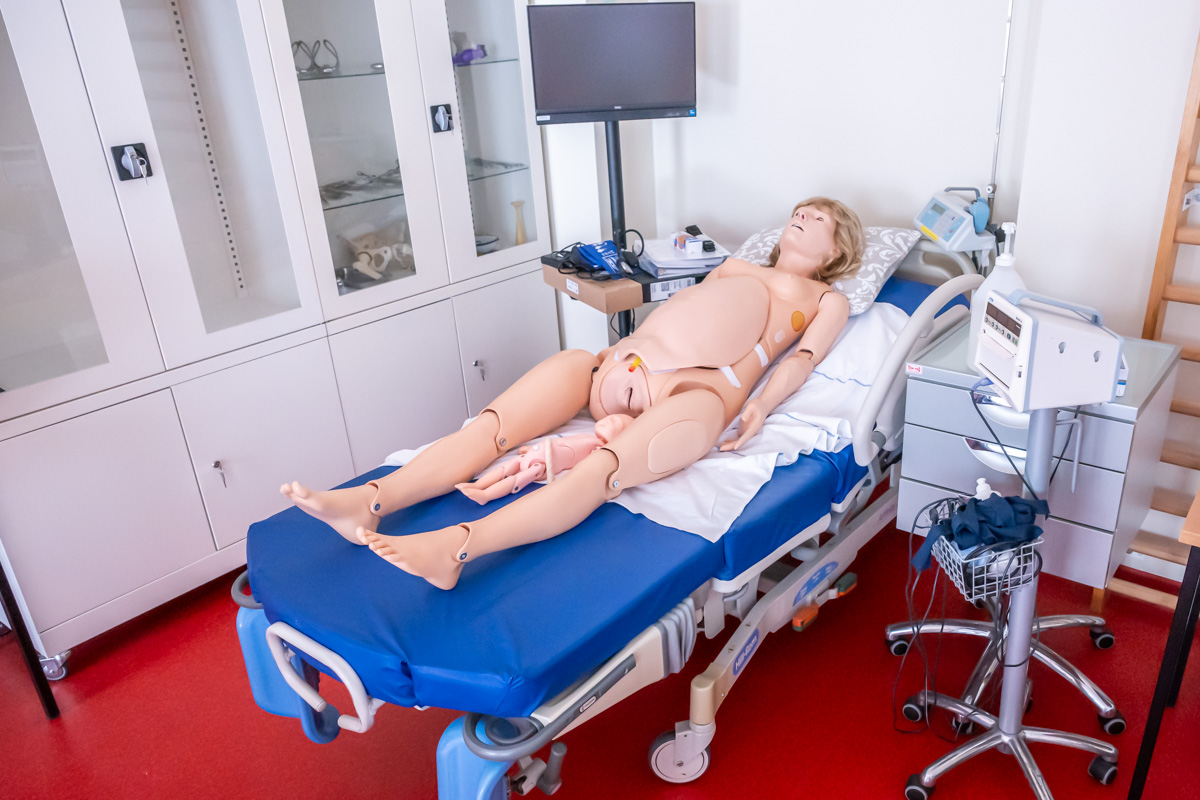
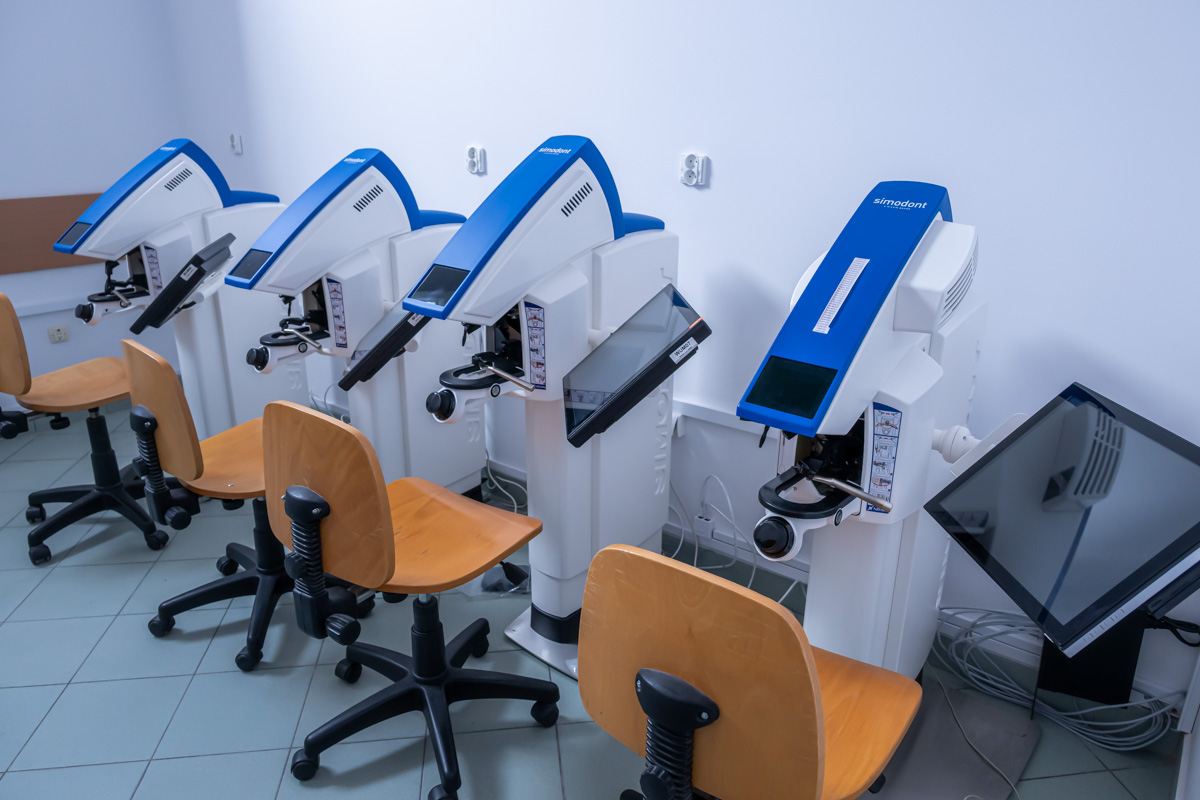
- advanced medical simulators, including a laparoscopic simulator, an adult patient simulator, an infant simulator, dental simulators, and many others
- sets of phantoms, mannequins, and training models for practical exercises
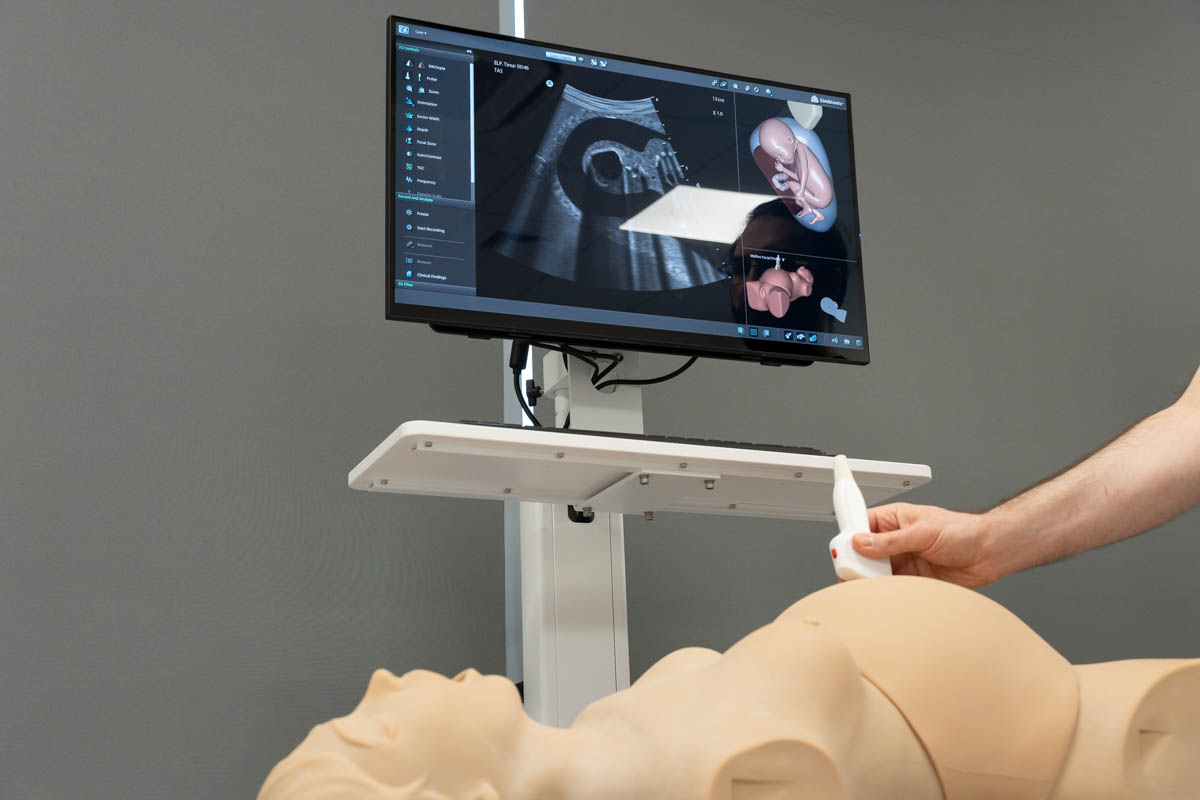
- modern ultrasound machines with educational modules, expanding the possibilities for teaching ultrasound examinations
- rodent behavior research systems, forming part of the equipment of a teaching laboratory
This equipment already supports teaching activities, including those carried out at the Medical Simulation Center at WUM, improving the quality of practical training for future healthcare professionals.
Modernizing teaching facilities
The project also includes renovation and adaptation works in the university’s teaching spaces. These efforts will create modern and functional teaching conditions. The works are currently underway and at an advanced stage, including:
- replacement of the automation controlling the ventilation system and the BMS system in the Didactic Center (an integrated, intelligent system for monitoring and managing technical installations). This will improve environmental conditions as well as the safety and efficiency of building use;
- adaptation of rooms for new teaching classrooms and preparation of spaces for the Department of Human Anatomy – “Collegium Anatomicum,” together with the necessary supporting infrastructure;
- installation of a central air-conditioning system at the WUM University Center of Dentistry.
These activities are crucial for modernizing our university infrastructure and ensuring better learning and teaching conditions for both students and academic staff.
Developing IT infrastructure
We have also begun work on the purchase and implementation of: - a platform supporting the teaching process for study programs covered by KPO funding;
- virtualization of the university’s IT infrastructure, including the purchase of virtual desktop terminals;
- a comprehensive platform for IT resource management, including tools for managing fixed assets and facilities;
- a comprehensive architecture and solutions for detecting, presenting, and protecting against cybersecurity threats and their potential consequences at the university level.
Benefits for the academic community
The implementation of the project enables:
- increased efficiency of clinical and preclinical education;
- the development of modern teaching methods based on practical and simulation-based educational tools;
- better preparation of students for professional challenges in the healthcare system.
This represents an important step toward creating a modern teaching infrastructure at WUM that will serve future generations of students and support the development of future medicine in Poland.
A strategic investment in the future of medicine
The implementation of this project marks a very important stage in the development of our university as a modern academic center preparing future medical professionals. The funding helps strengthen our teaching base and respond to the growing needs of the healthcare system, both in Poland and across Europe. Investing in modern teaching infrastructure has a direct impact on the quality of education, thereby creating better prospects for students, supporting the development of the university, and benefiting the broader socioeconomic environment.
The project confirms the university’s consistently implemented development strategy, which aims to raise educational standards, implement modern teaching methods, and effectively use available national and European support instruments.