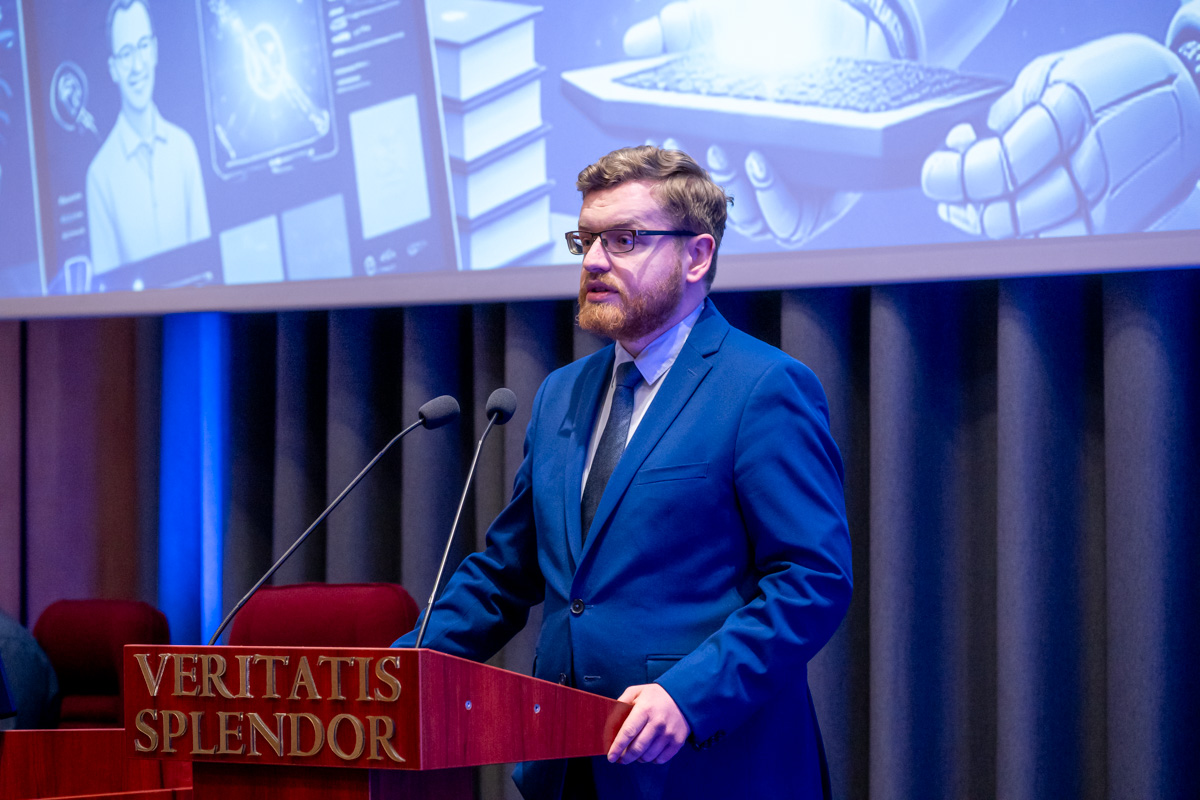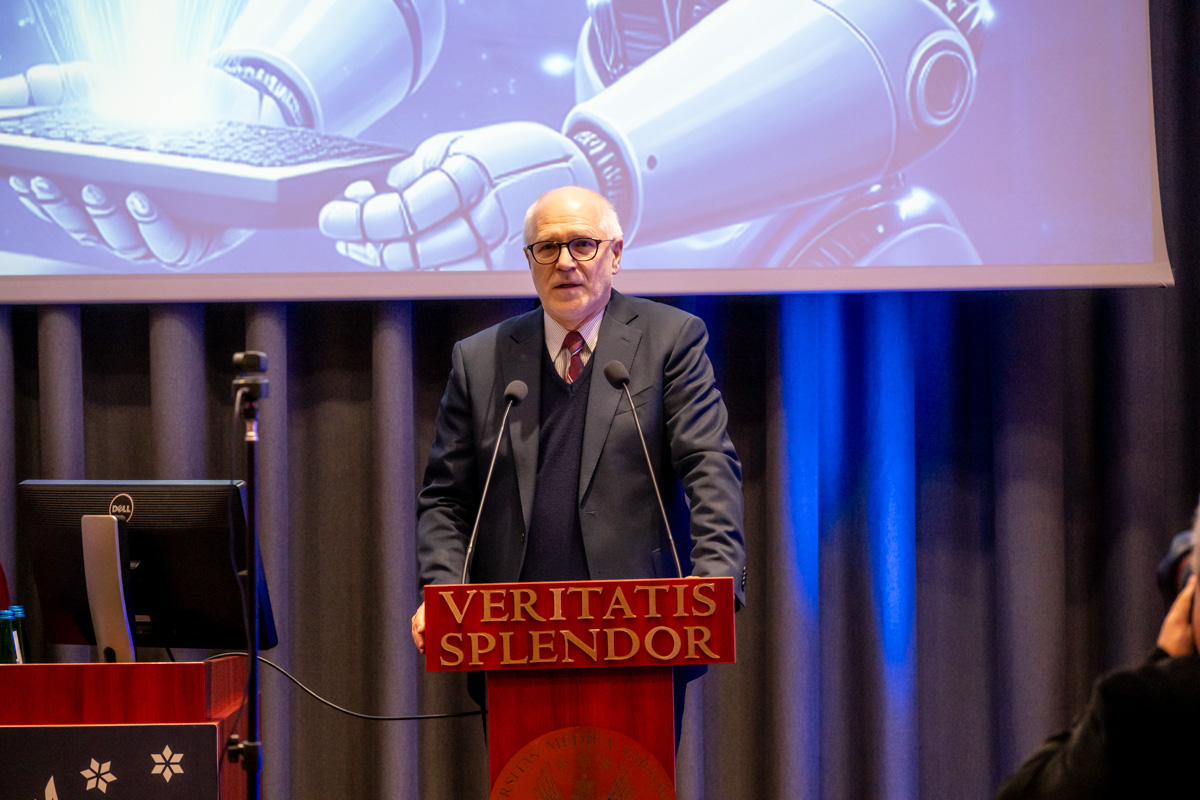
"Artificial intelligence is a technology that transforms our approach to life. It may be compared to such groundbreaking inventions as the steam engine, electricity, and when it comes to medicine – antibiotics or vaccines," said Prof. Rafał Krenke, WUM Rector. "The development of artificial intelligence and its areas of implementation is obviously very dynamic. The pace of change is increasing rapidly. We know for sure that AI will be used in various areas of academic life. However, we do not know exactly how this will influence our functioning in three, five or ten years. Artificial intelligence raises certain concerns, resistance, and even fear. But the same was true in case of the majority of groundbreaking inventions," concluded the Rector.
Dr. Dariusz Standerski, the Undersecretary of State at the Ministry of Digitization, also spoke about AI in the context of a significant change:
"We must not only be observers, but also active participants in this change. History shows the benefits gained by those countries and those economies, sectors of science and administration that participated in the subsequent stages of the technological revolution.
The Undersecretary of State also said that in Poland (in Poznań and Krakow) two artificial intelligence factories, i.e., high-performance computing centers, are being established. "We are also developing Polish language models, e.g., PLLuM, which is owned by the Ministry of Digitization." Dr. Dariusz Standerski also drew attention to the challenges that our country faces.
“The AI revolution is much faster than our procedures. This is a civilizational challenge to which we must respond. In the world of 21st century technology, we have, for example, nineteenth-century procedures in the field of civil law that were still implemented during the Napoleonic era!”
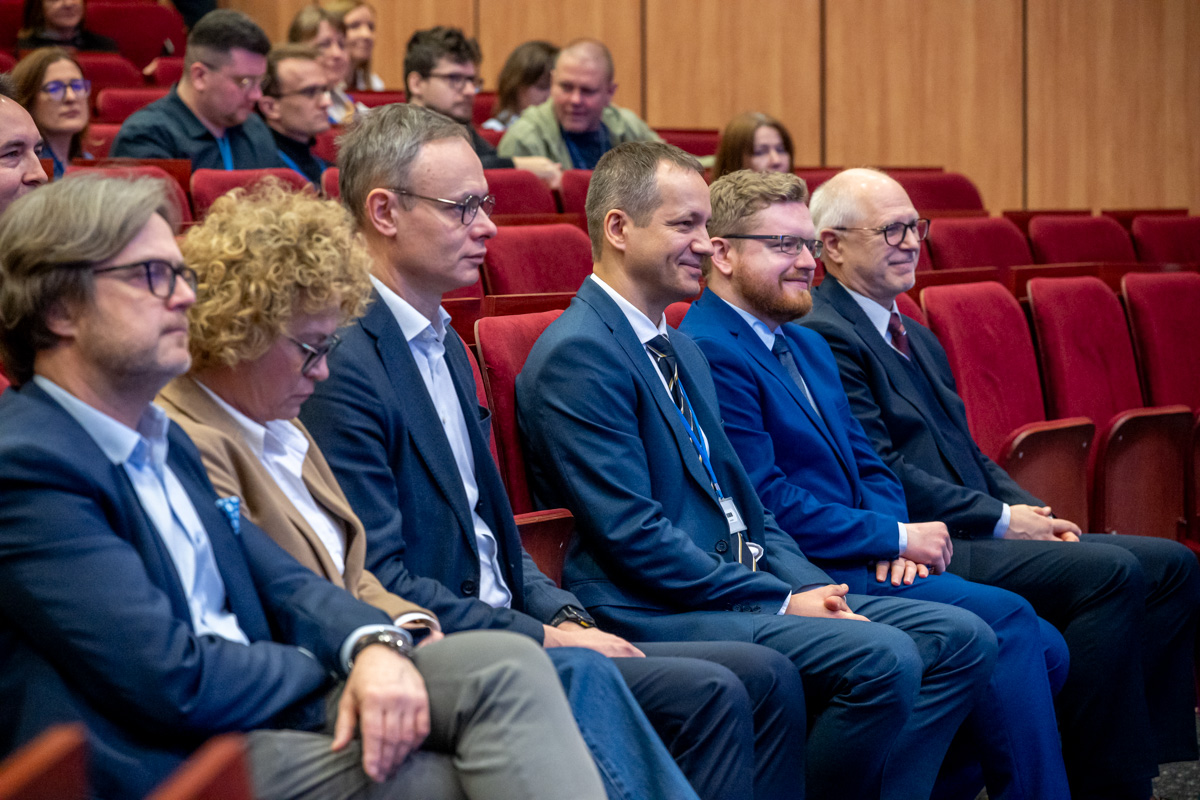
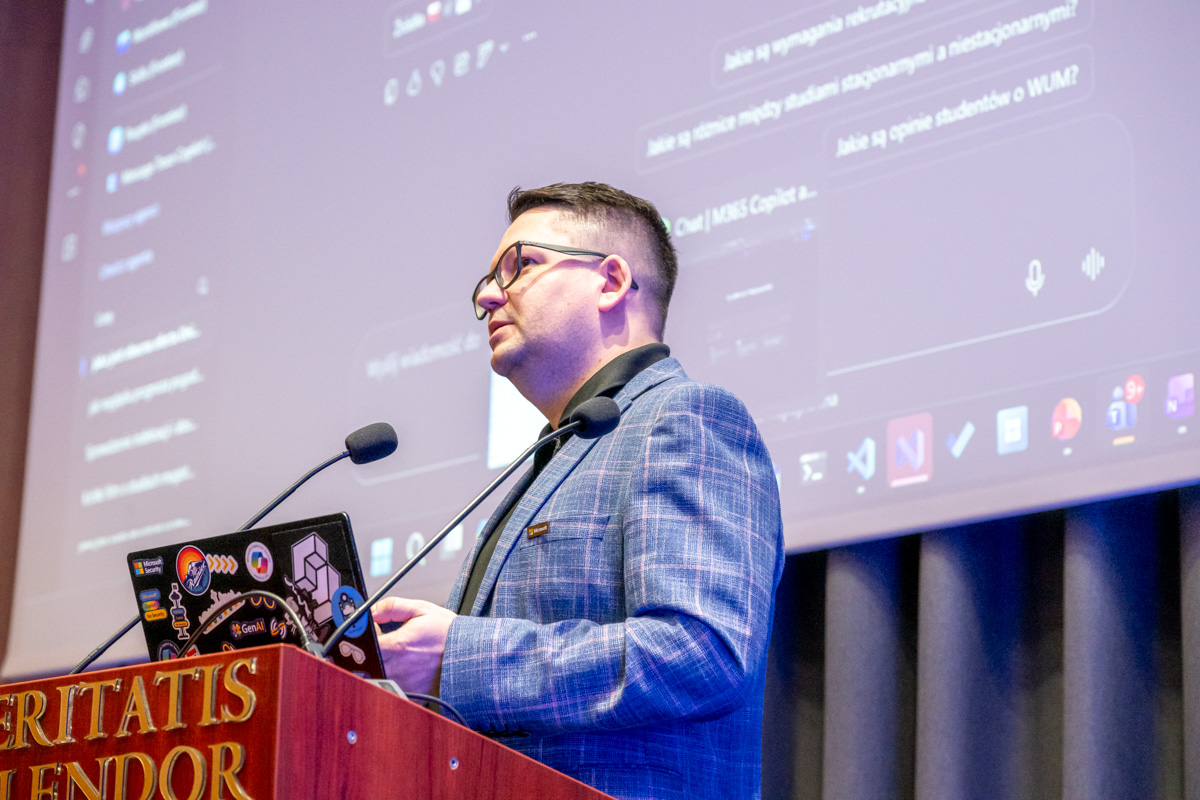
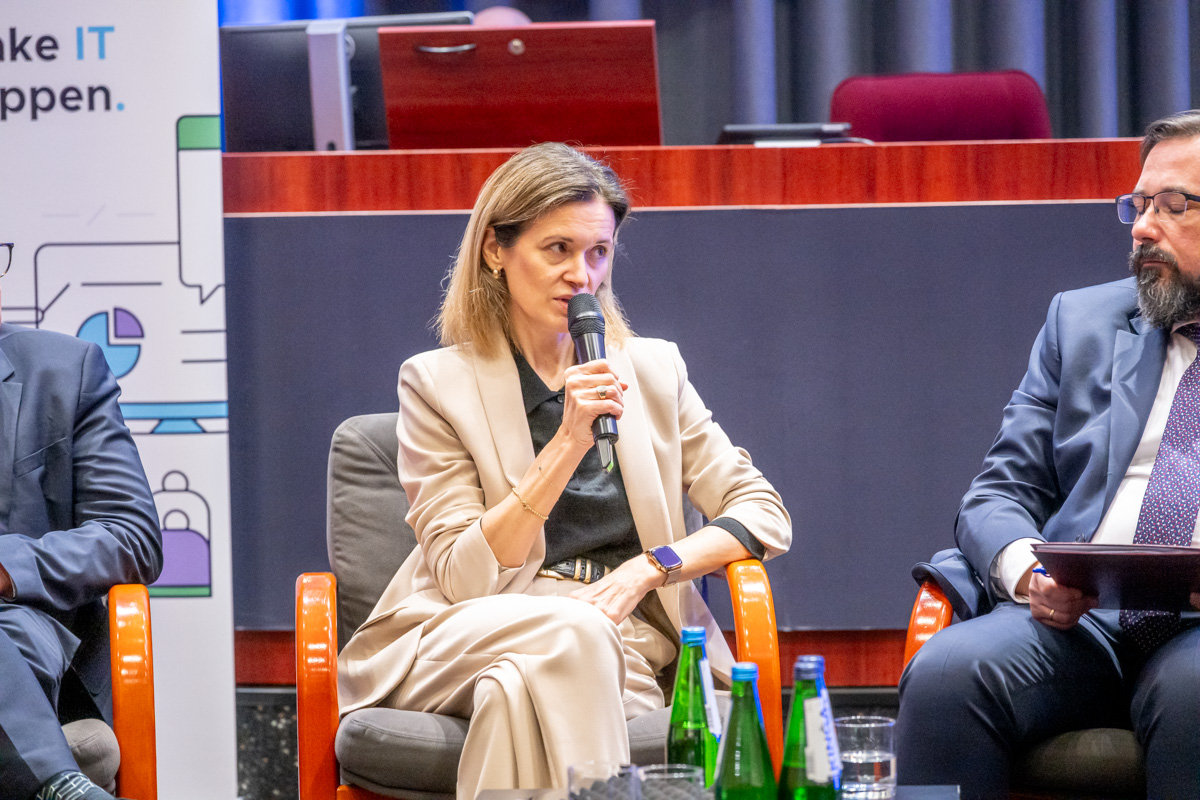
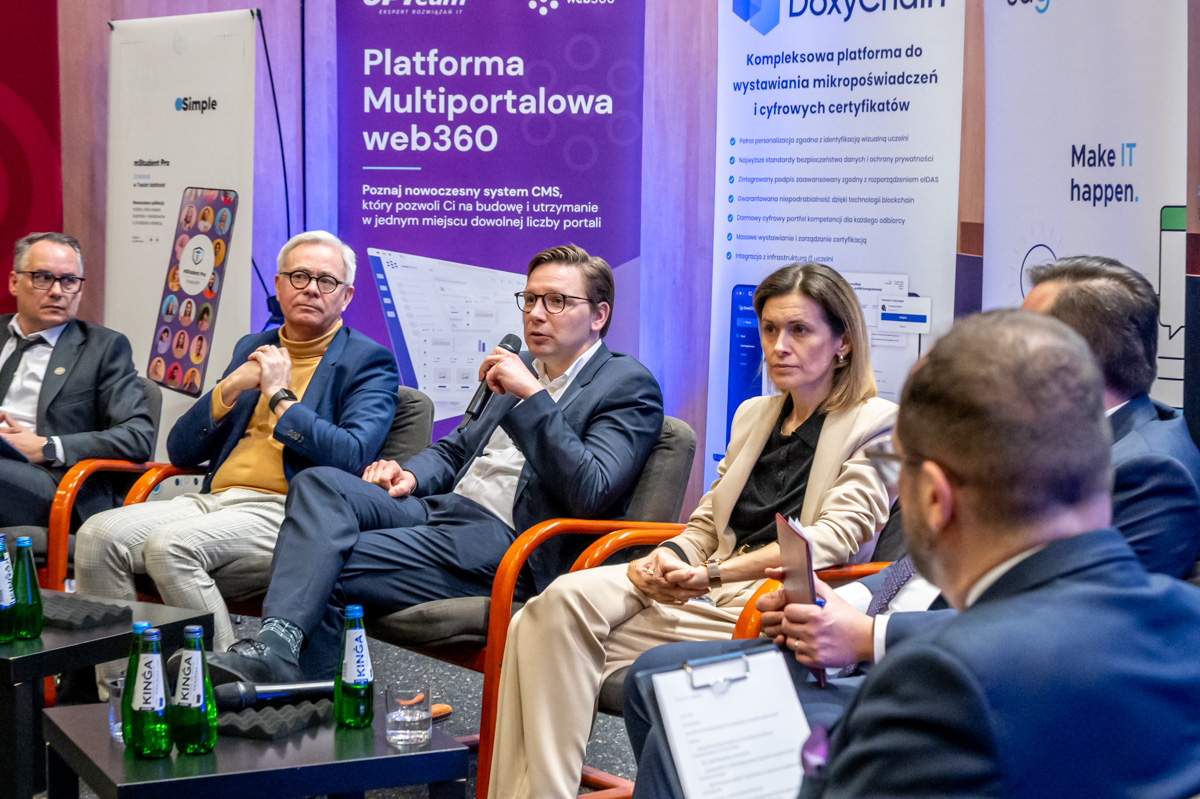
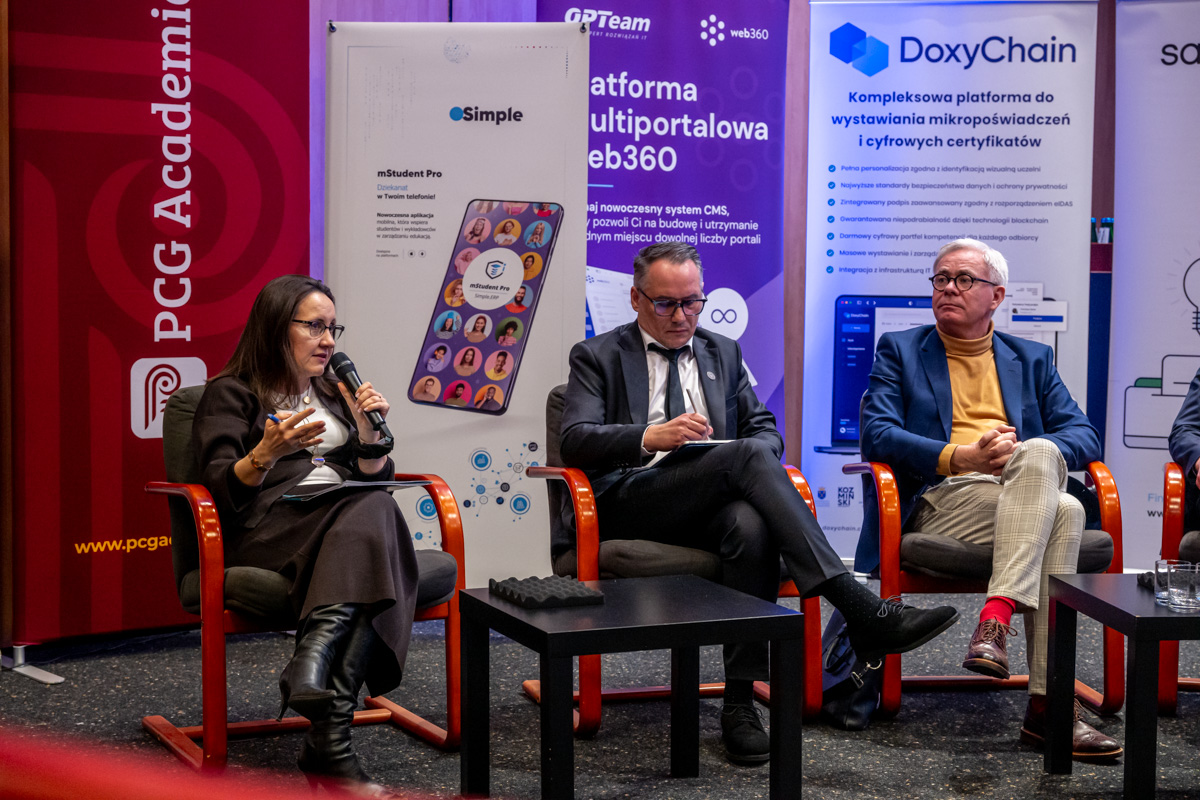
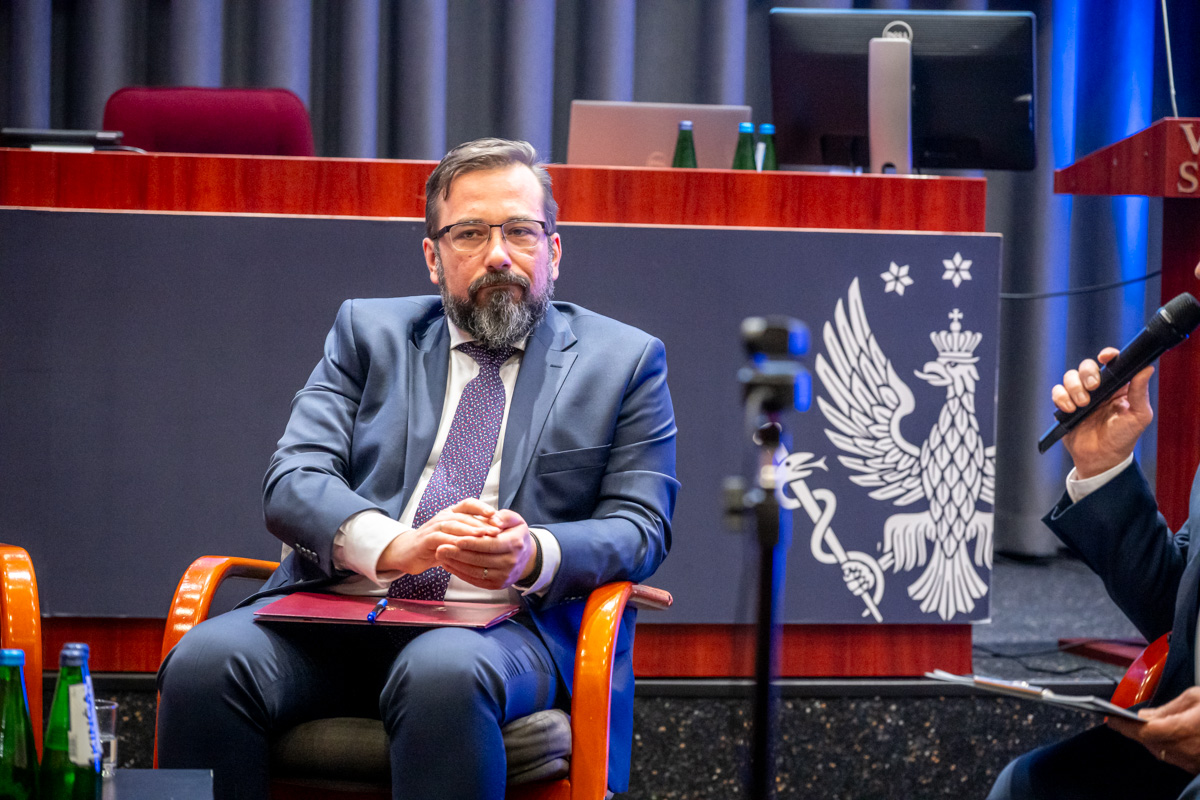
AI experts spoke during the conference, and the following participants spoke during the discussion panel: Beata Mierzejewska, Deputy Chancellor, Warsaw School of Economics, Marcin Gędziorowski, Deputy Director General and Financial Director, SWPS University, Marcin Chabior, Deputy Chancellor, the Medical University of Silesia – who, together with Prof. Michał Grąt, Vice Rector for International Relations, Promotion and Development of the WUM, discussed the way they implement AI solutions in their universities, what benefits and what threats they see in working with artificial intelligence.
A representative of the technology sector in the discussion, Kamila Cichocka, Microsoft COO, pointed out that, from the perspective of the development of AI at universities, it is of great importance how early they began to implement digital environments, introduce IT improvements in the field of didactics, administration and science. In such cases AI is just another element to be introduced, so you can use its capabilities more easily and effectively. Scandinavian universities are the best example. Today, they are European leaders when it comes to digital and AI solutions. The expert emphasized that it is always worth following the example of solutions that have worked for others. Michał Doligalski, Director of the Department of Innovation and Development, Ministry of Science and Higher Education, also took part in the discussion panel.
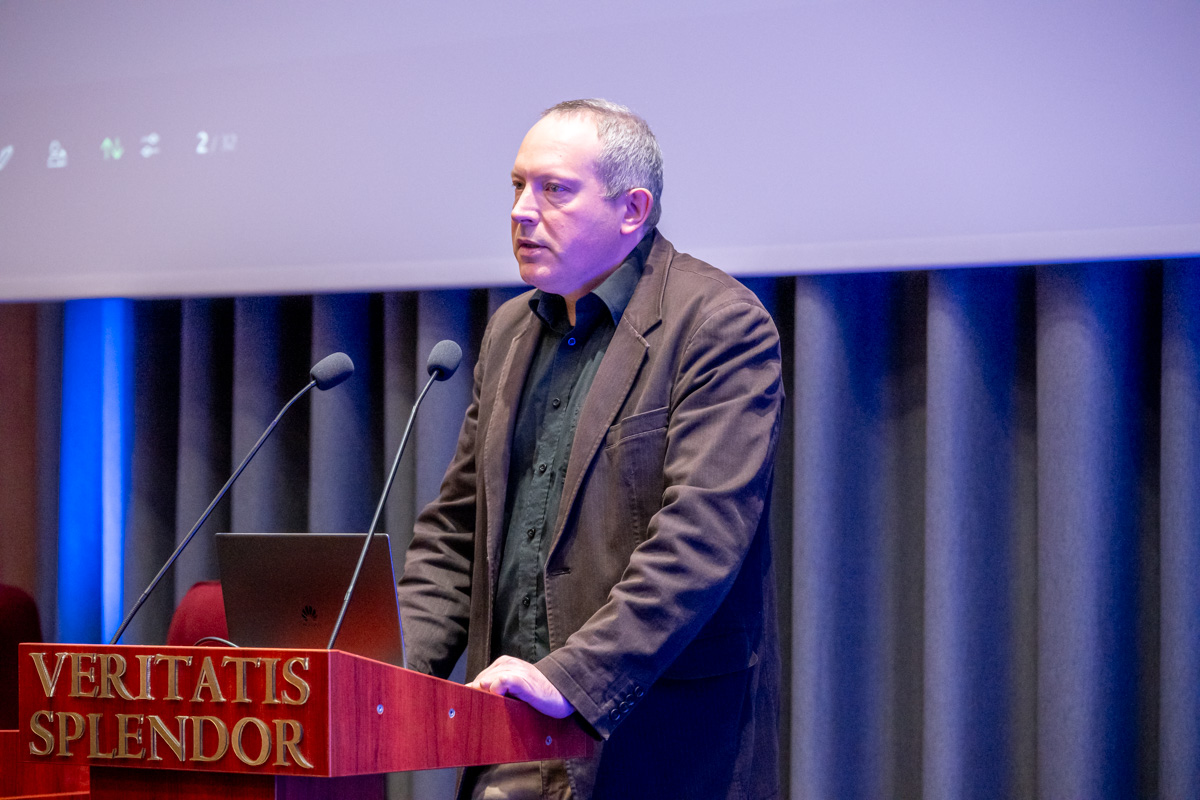
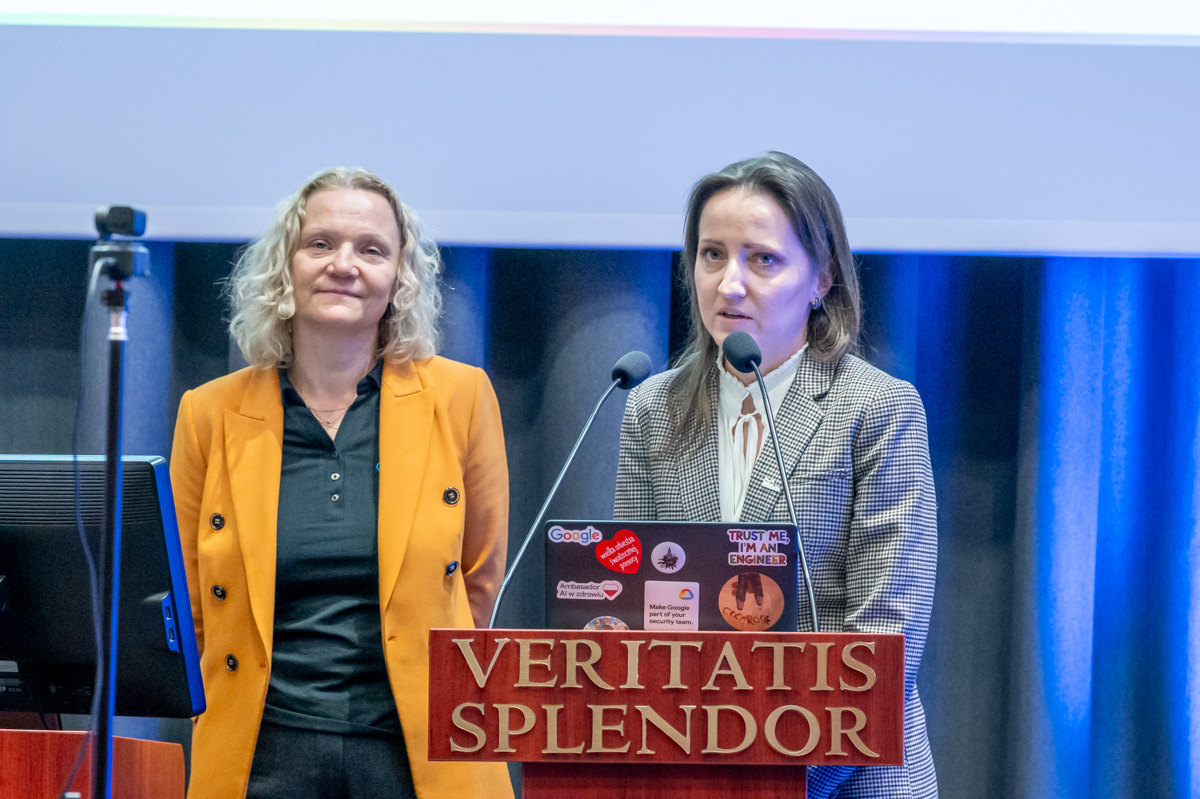
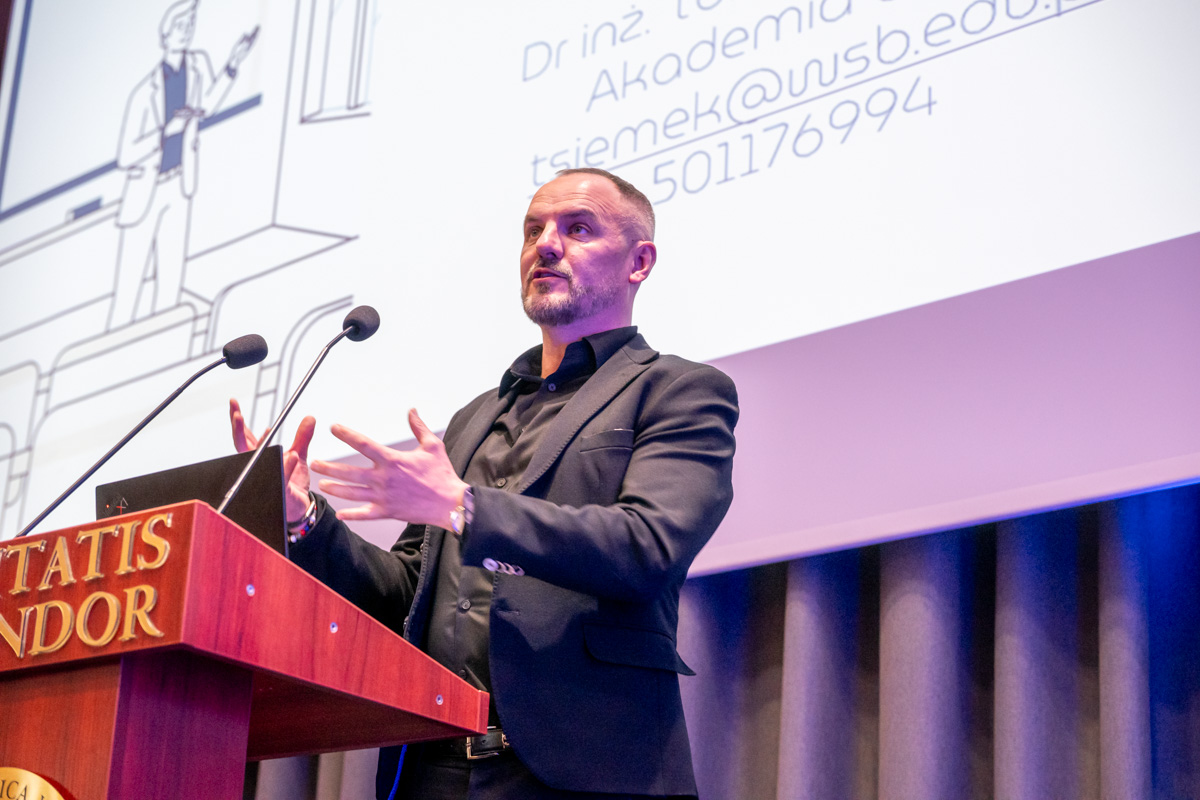
The conference was also attended by: Łukasz Kobyliński, PhD Eng., Institute of Computer Science of the Polish Academy of Sciences (the opening lecture), Dr. Tomasz Siemek, WSB Academy, Piotr Pawlik, SR Technical Program Manager Microsoft, Dr. Dominika Wiśniewska, Customer Success Manager, Google for Education, Magdalena Hyczko, Customer Engineer, Public Sector Google Cloud Poland.
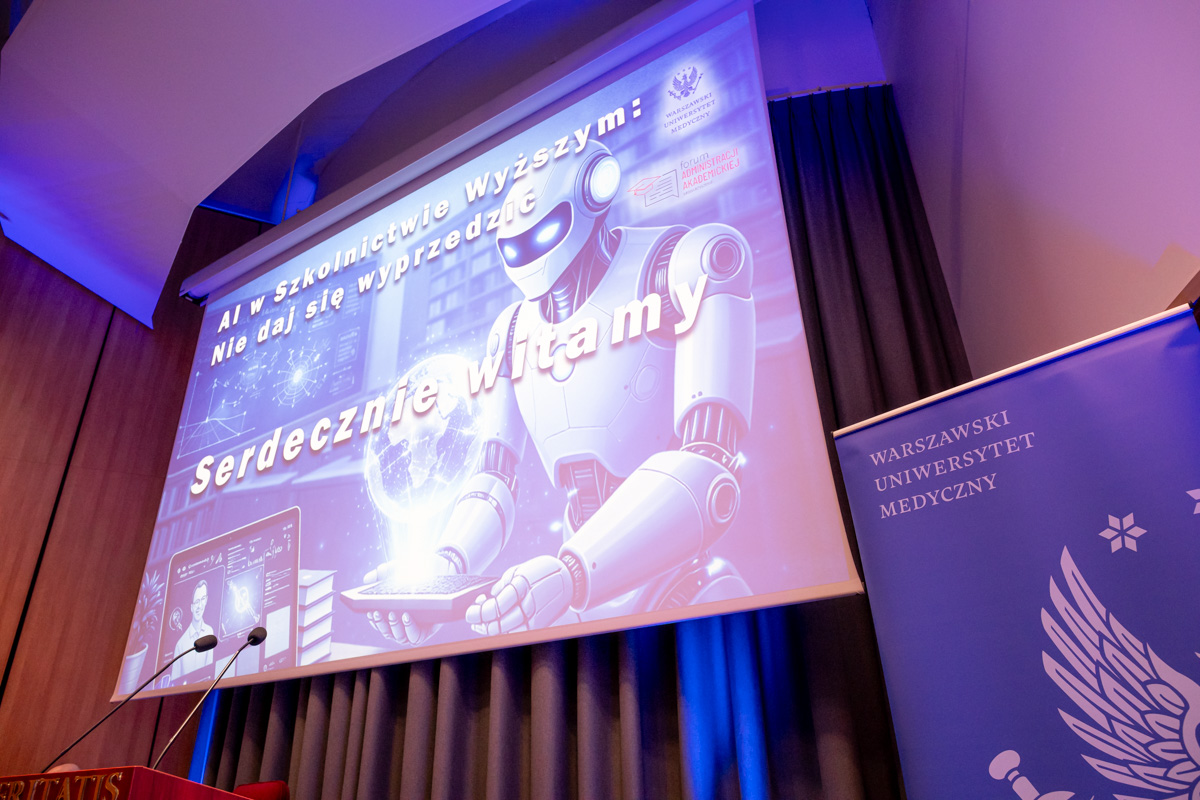
The event was organized in a hybrid format. The participants could listen to lectures on the practical application of AI in higher education. As many as 580 people from 200 universities registered for the event. The conference was organized by the Forum of Academic Administration and the WUM.
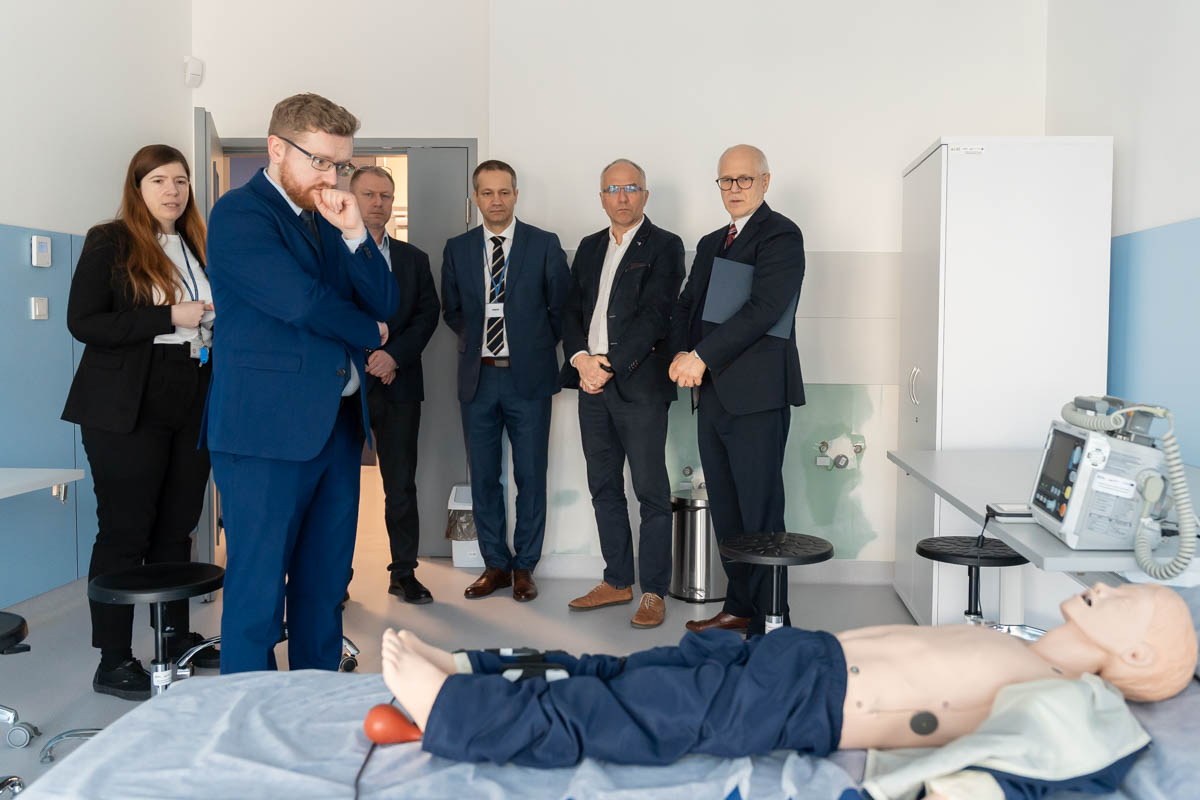
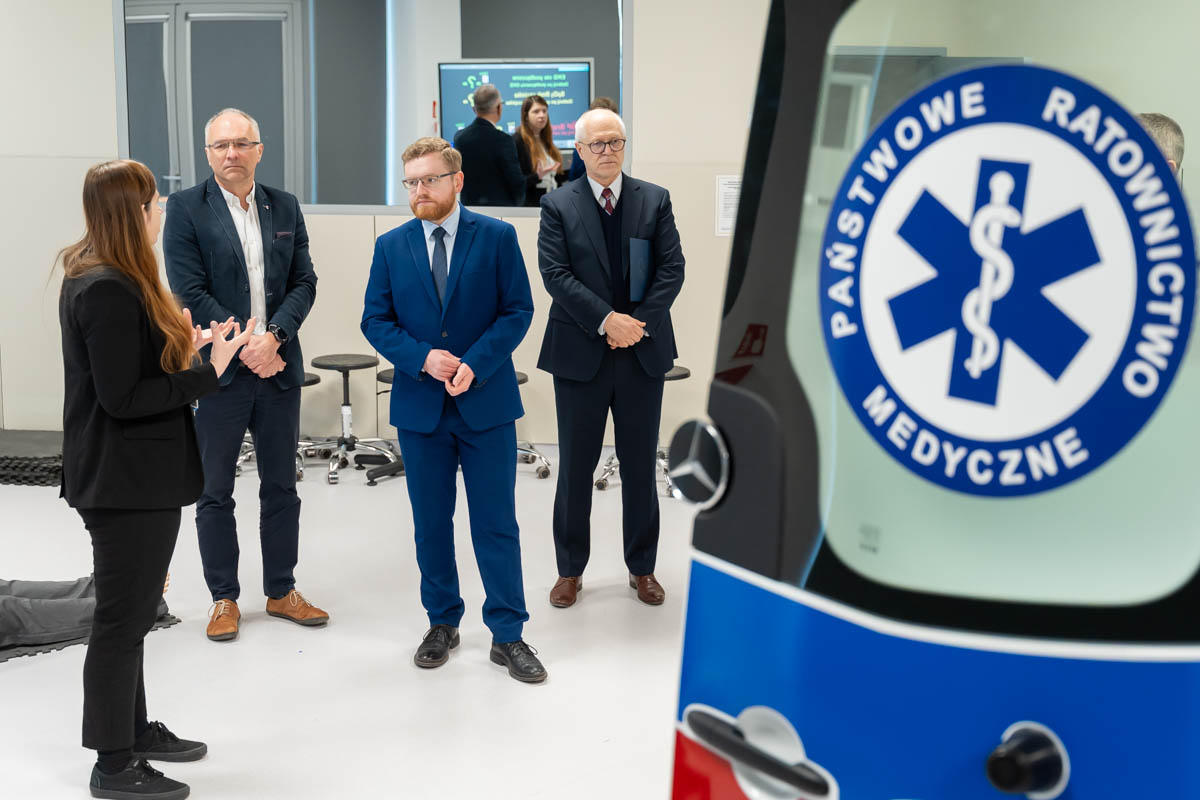
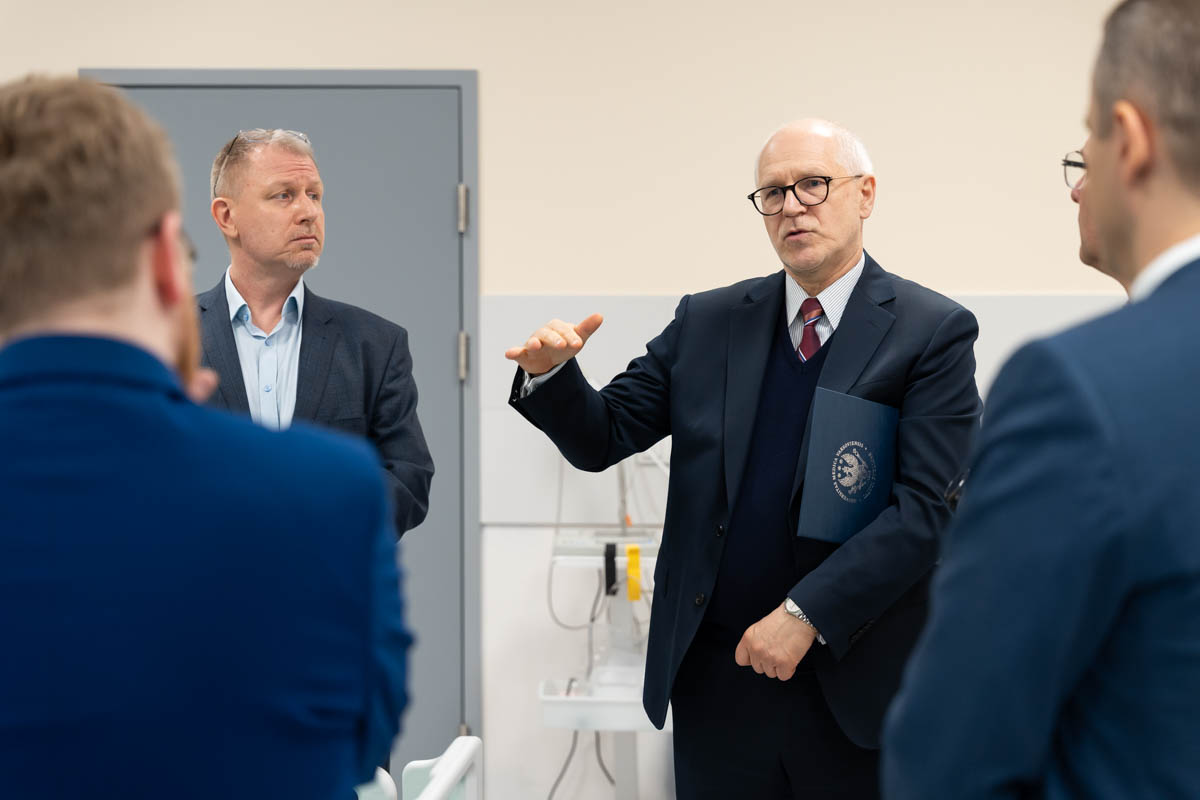
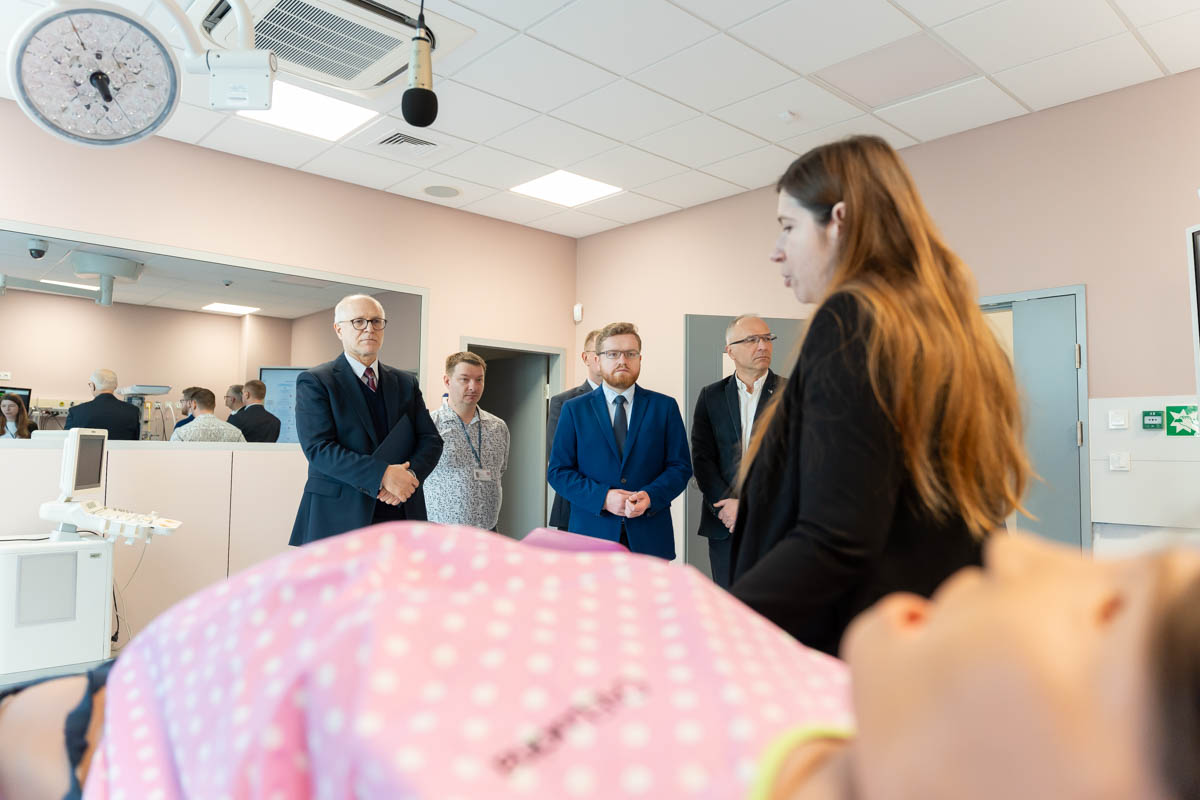
On the occasion of the event, Dr. Dariusz Standerski from the Ministry of Digitization visited the Center for Medical Simulation WUM, which is undergoing rapid expansion and upgrading, also thanks to the funds from the National Recovery Plan.