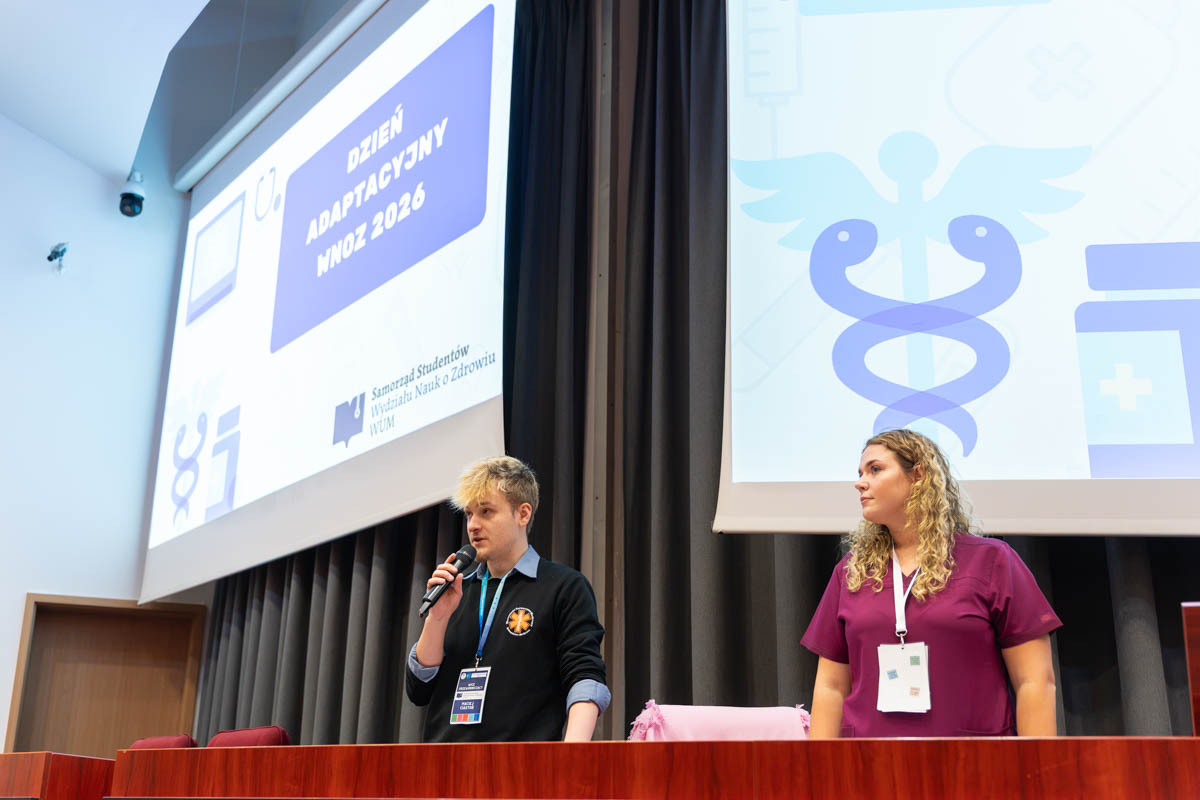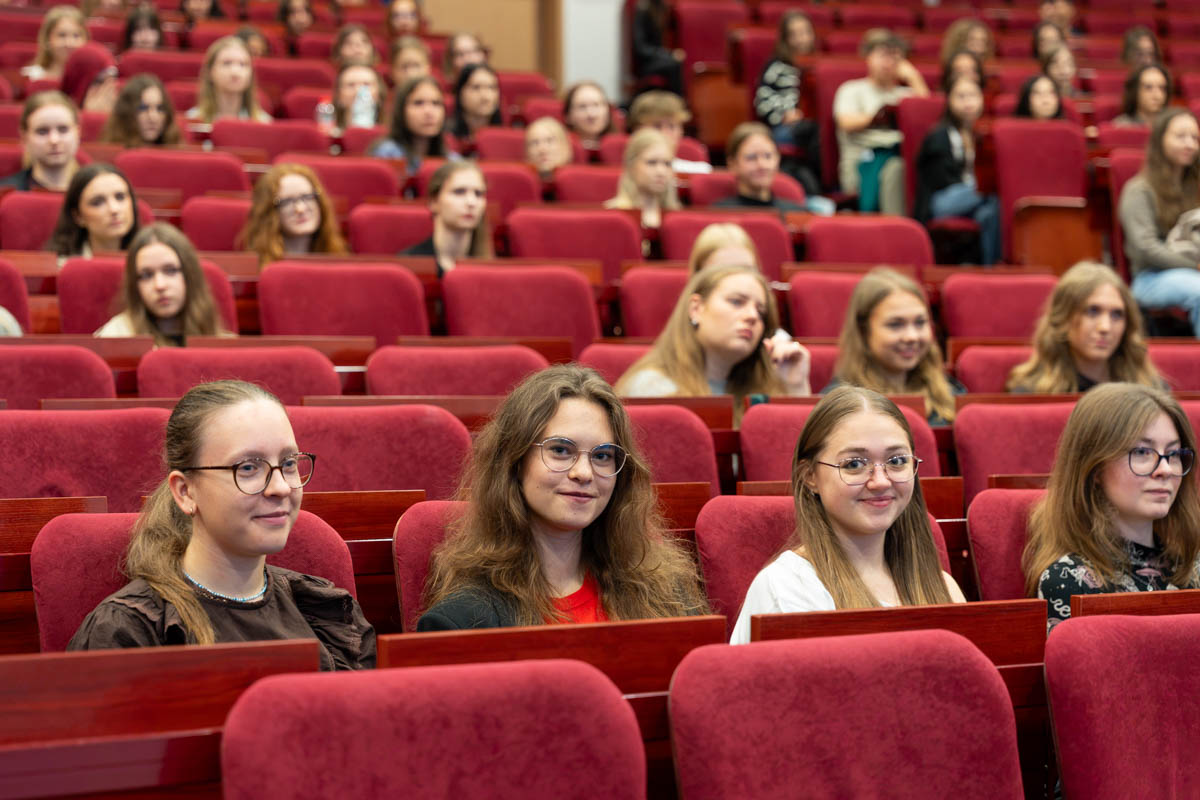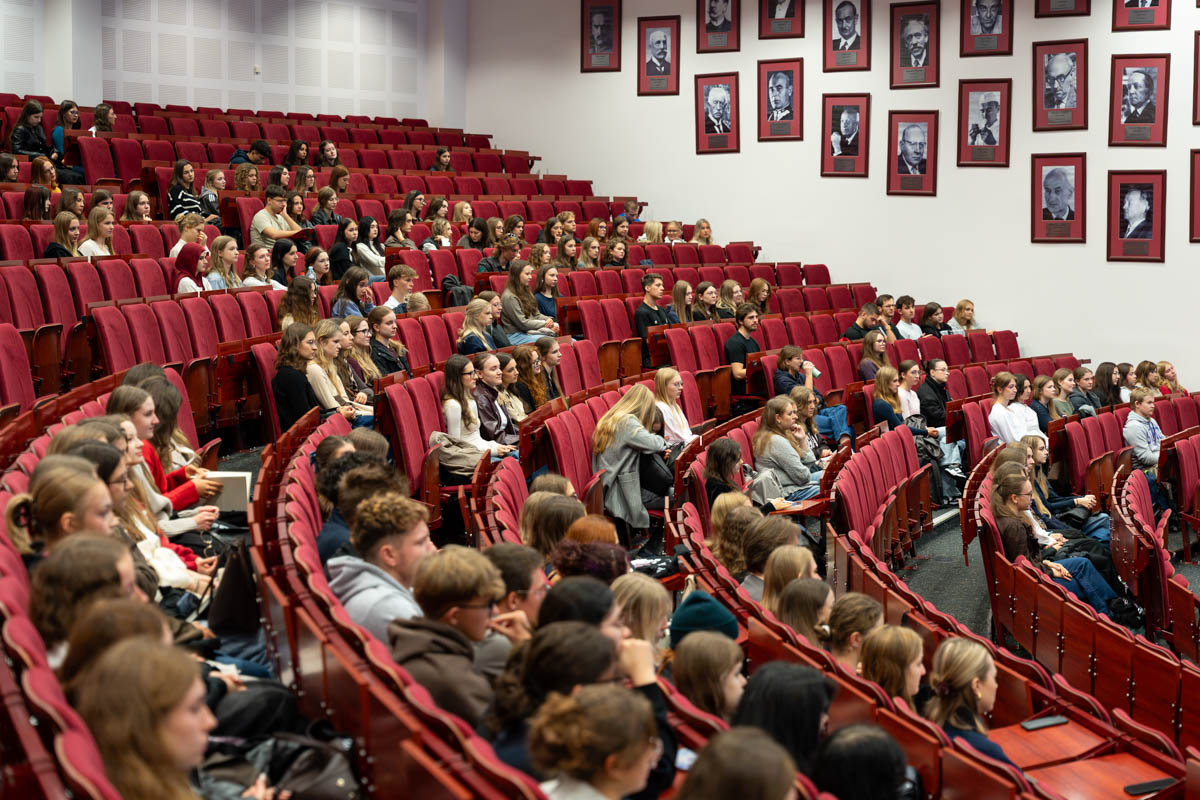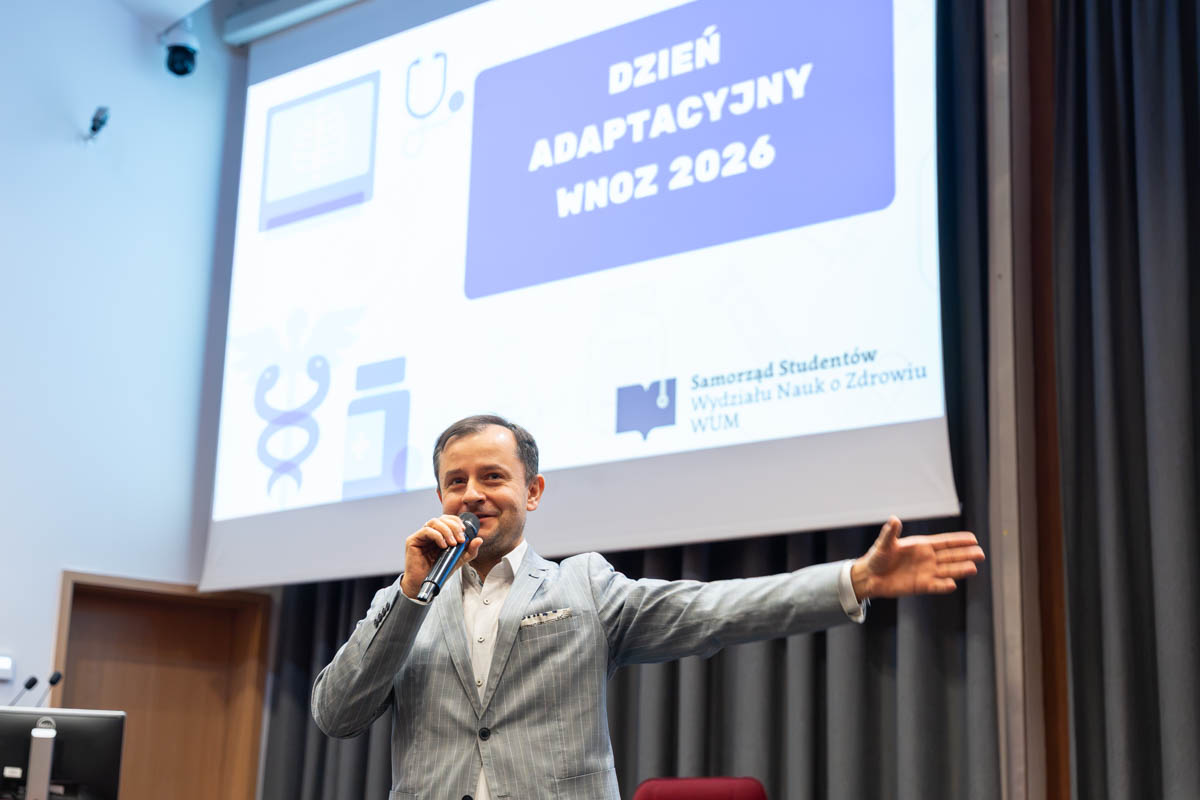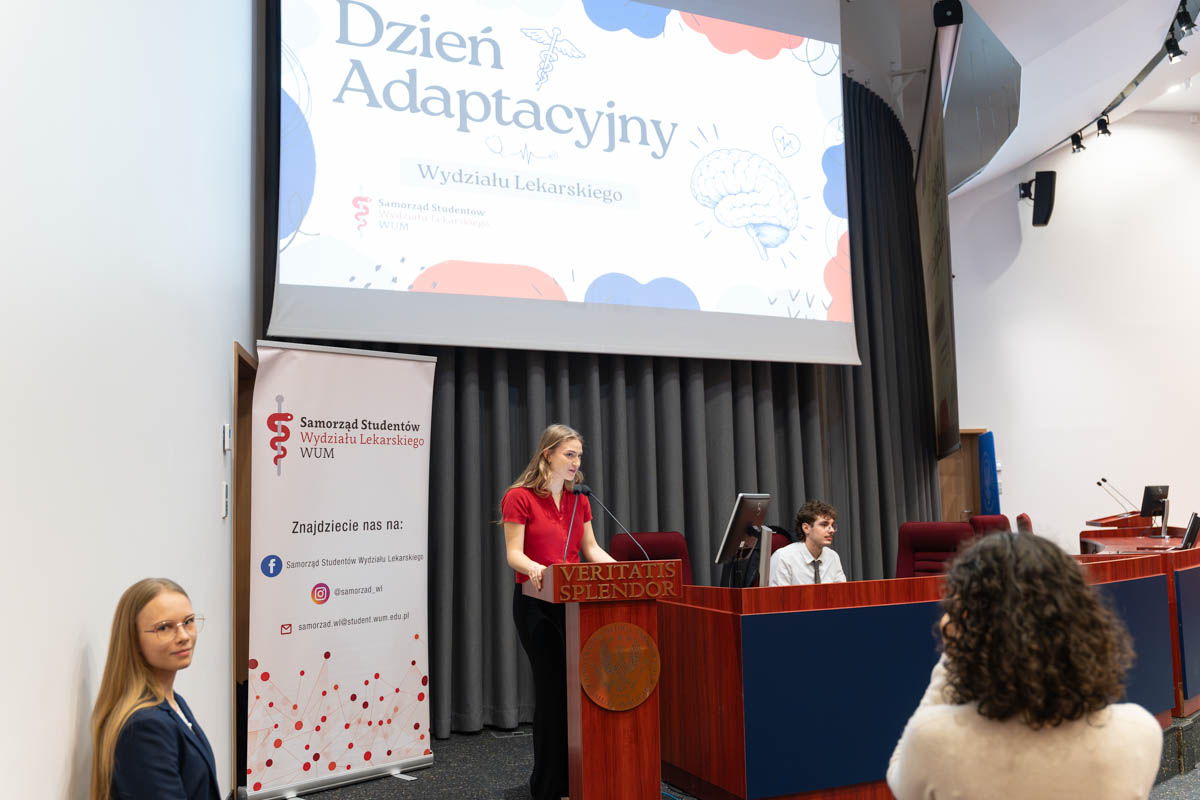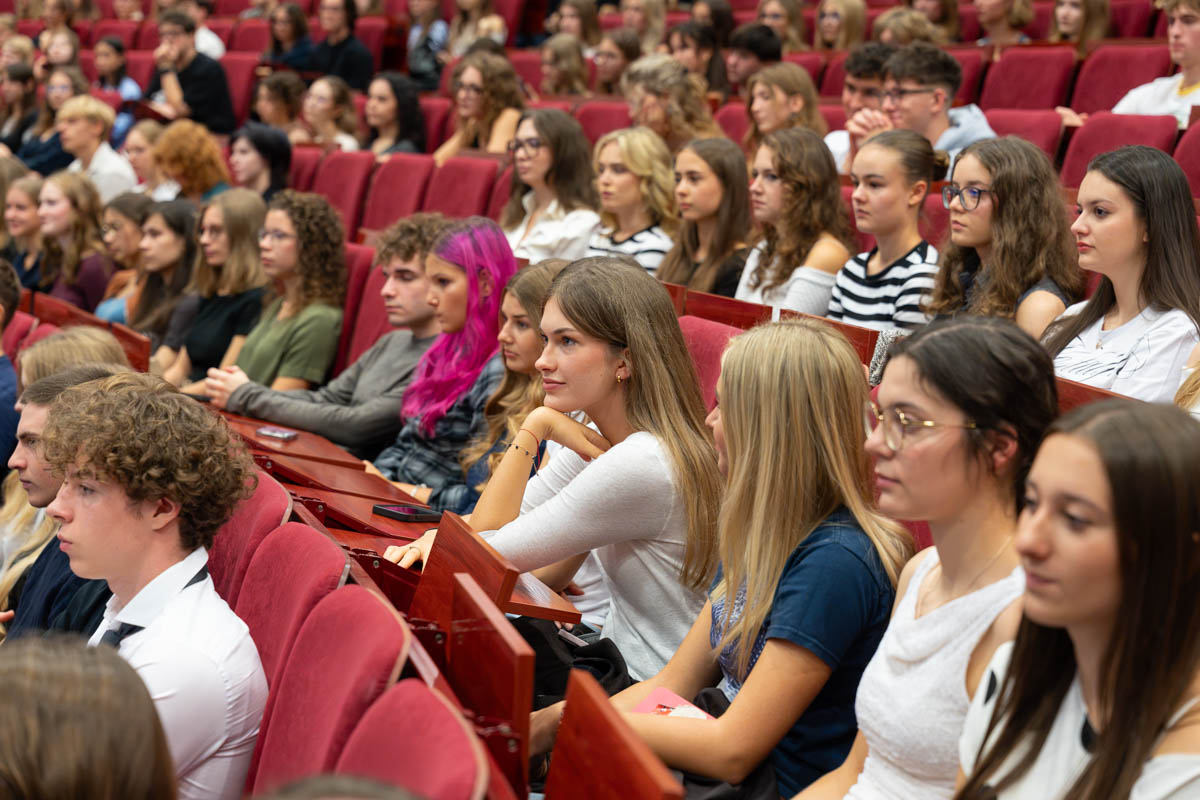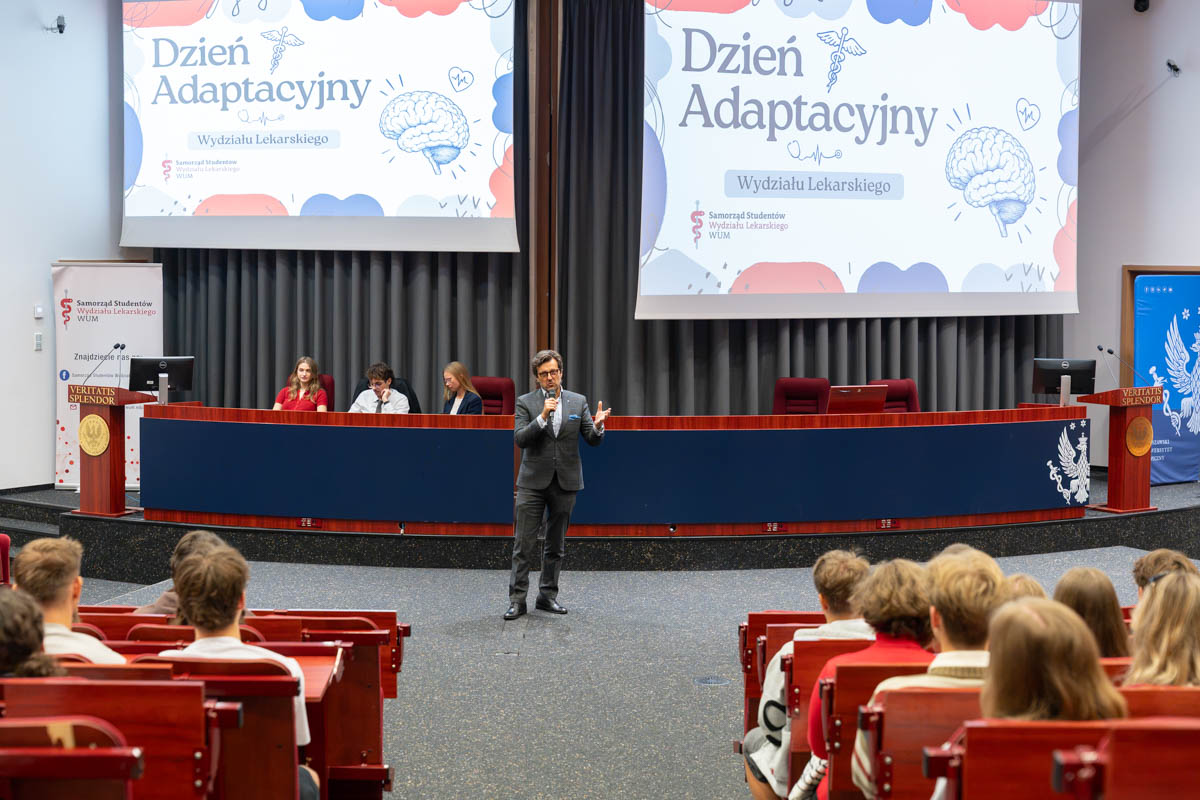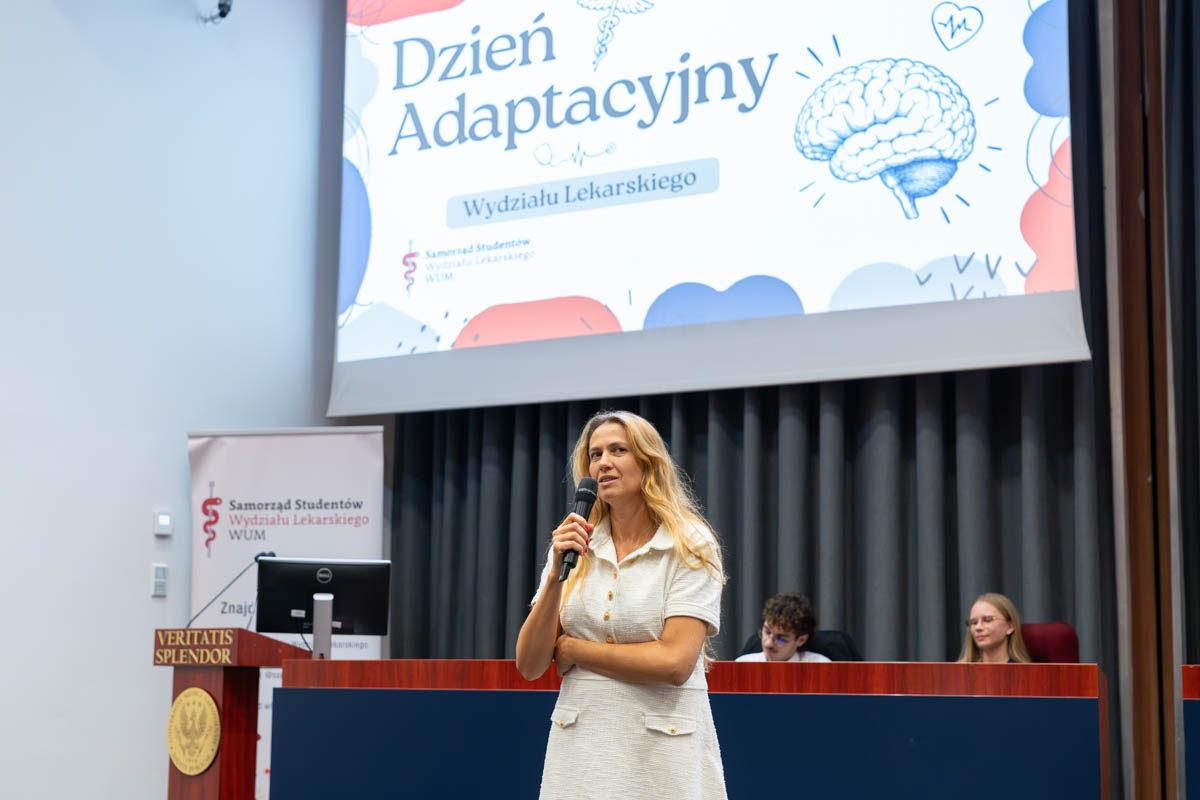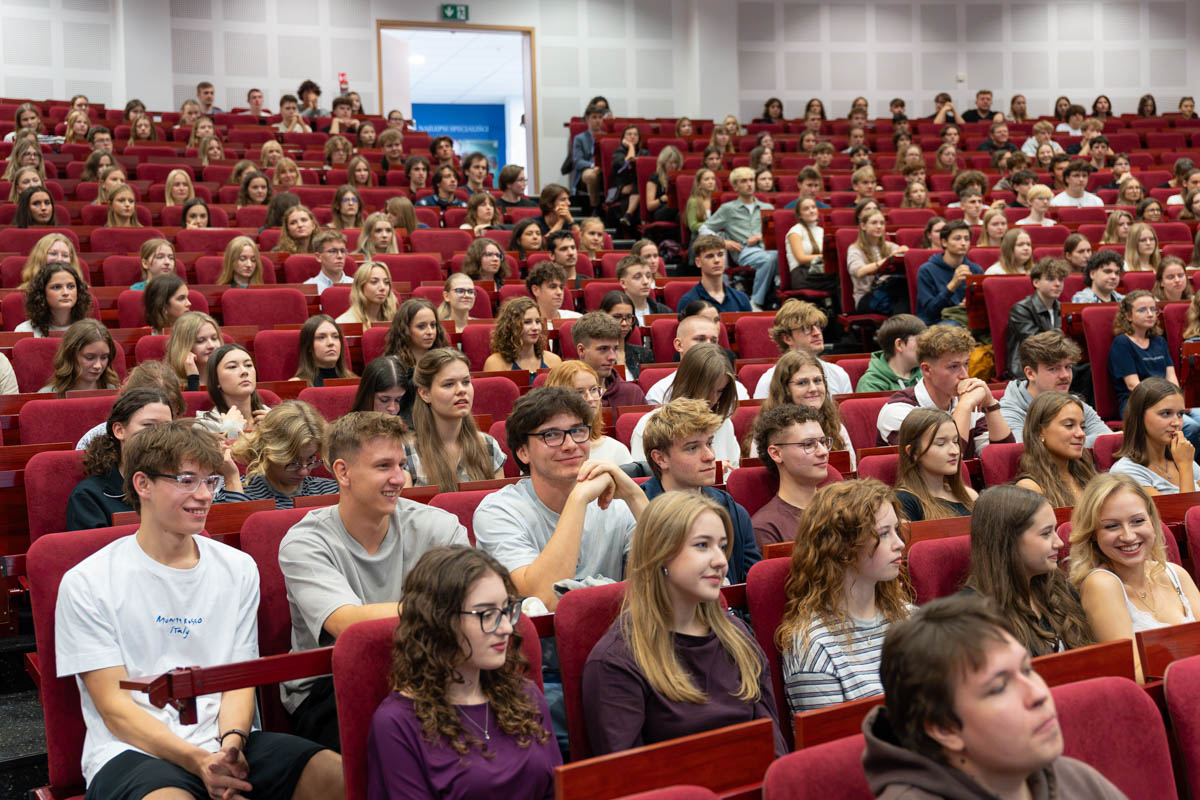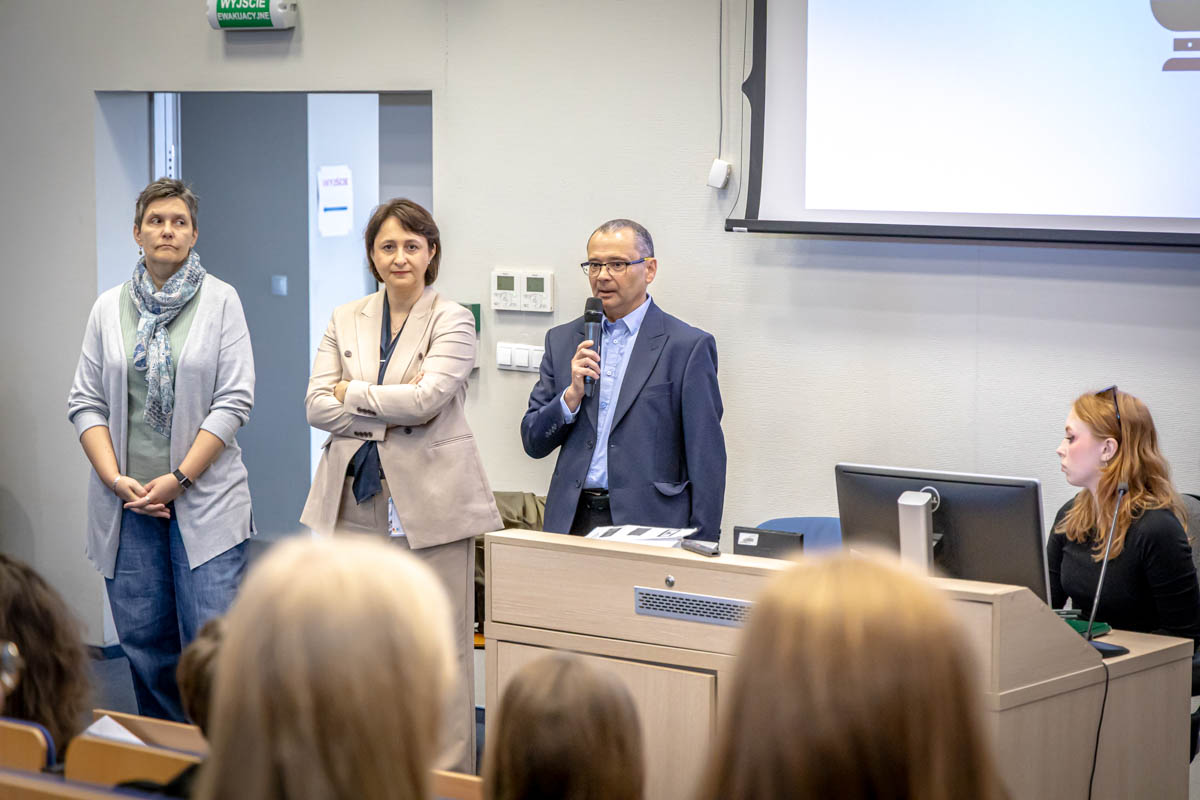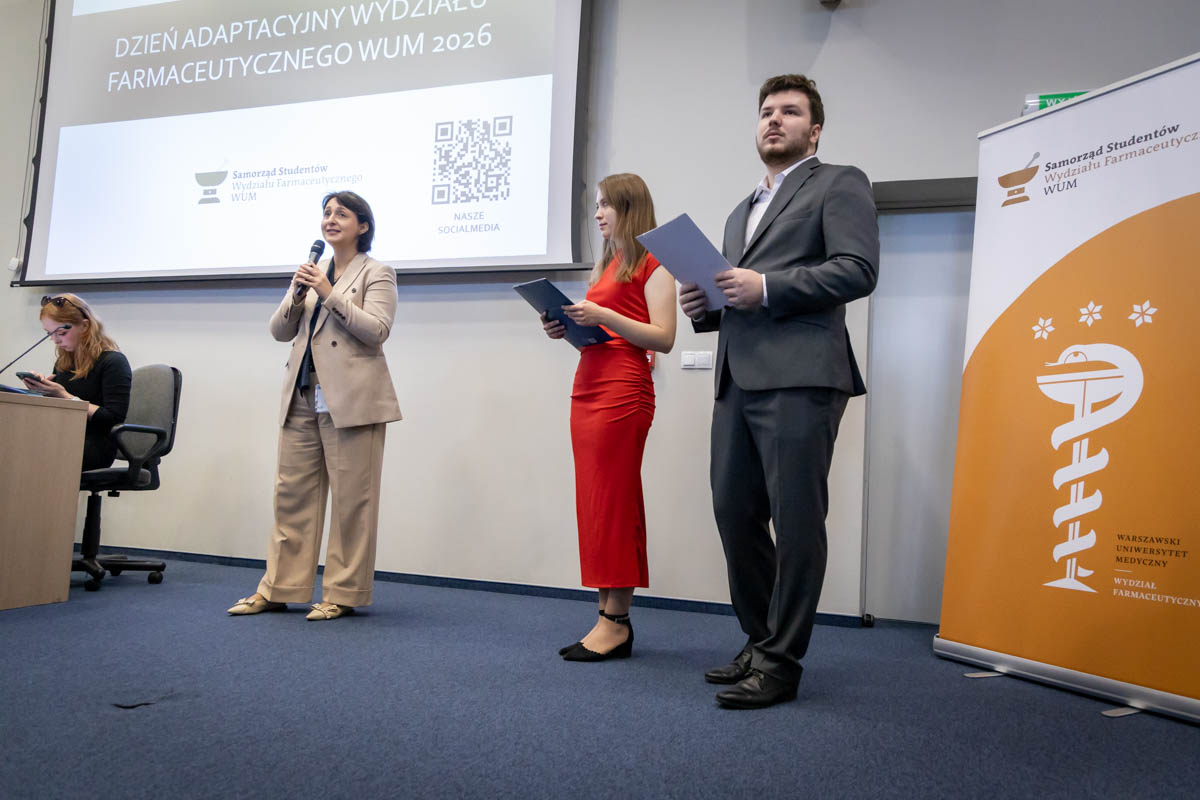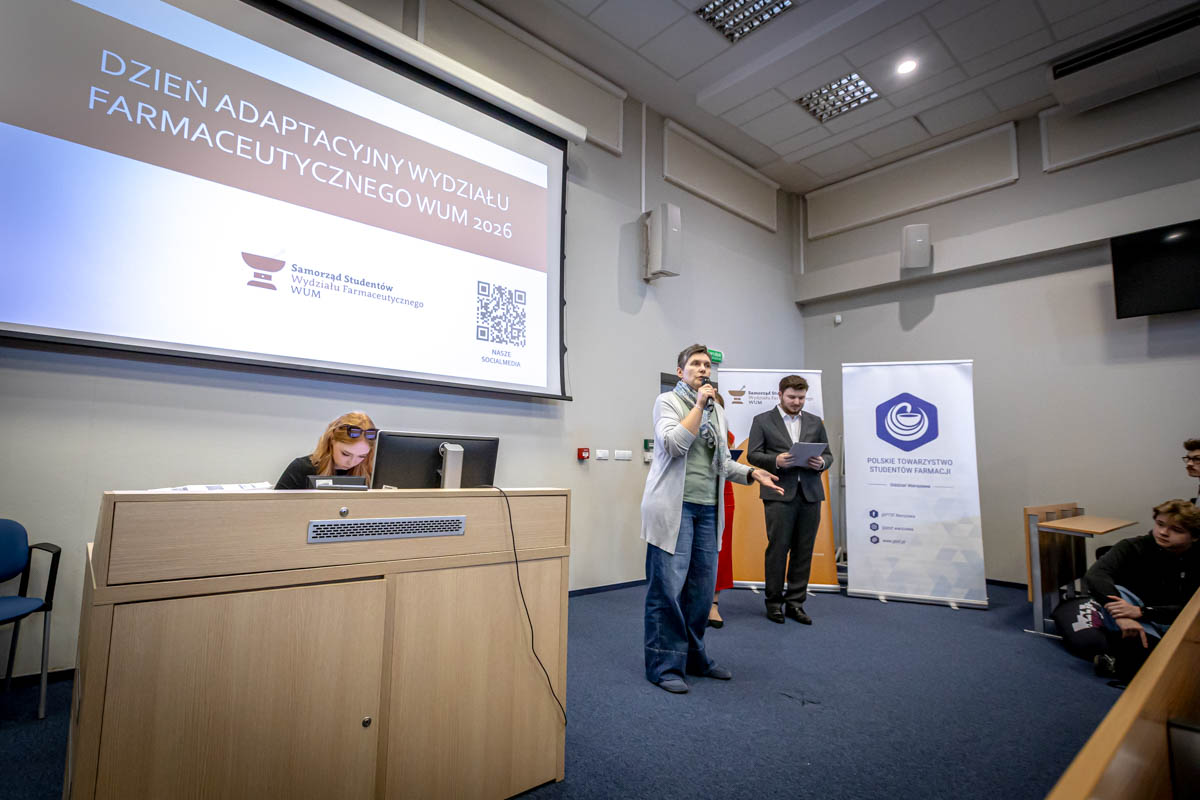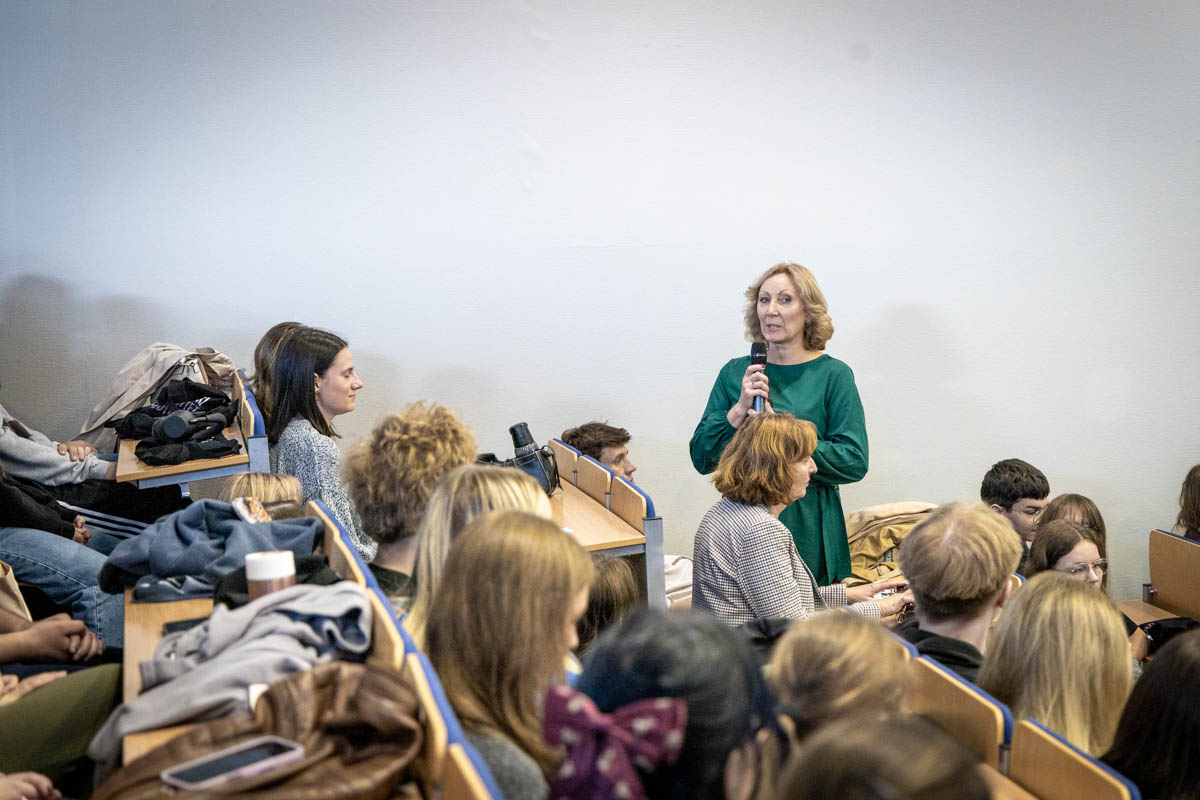
“We want you to feel comfortable and at ease here from your very first days,” said Maria Jędrzejczyk, chairwoman of the Faculty Student Government, during the orientation day at the Faculty of Health Sciences. “We remember all too well how stressful the beginning of university was for us, because just a few years ago, we were sitting exactly where you are now. That’s why we care so much about helping you get to know the university, the people around you, and one another—and, above all, that you feel at home here. Over the next few years, you’ll be studying, learning, and spending a great deal of time together, so this is a good opportunity to start building this community.”
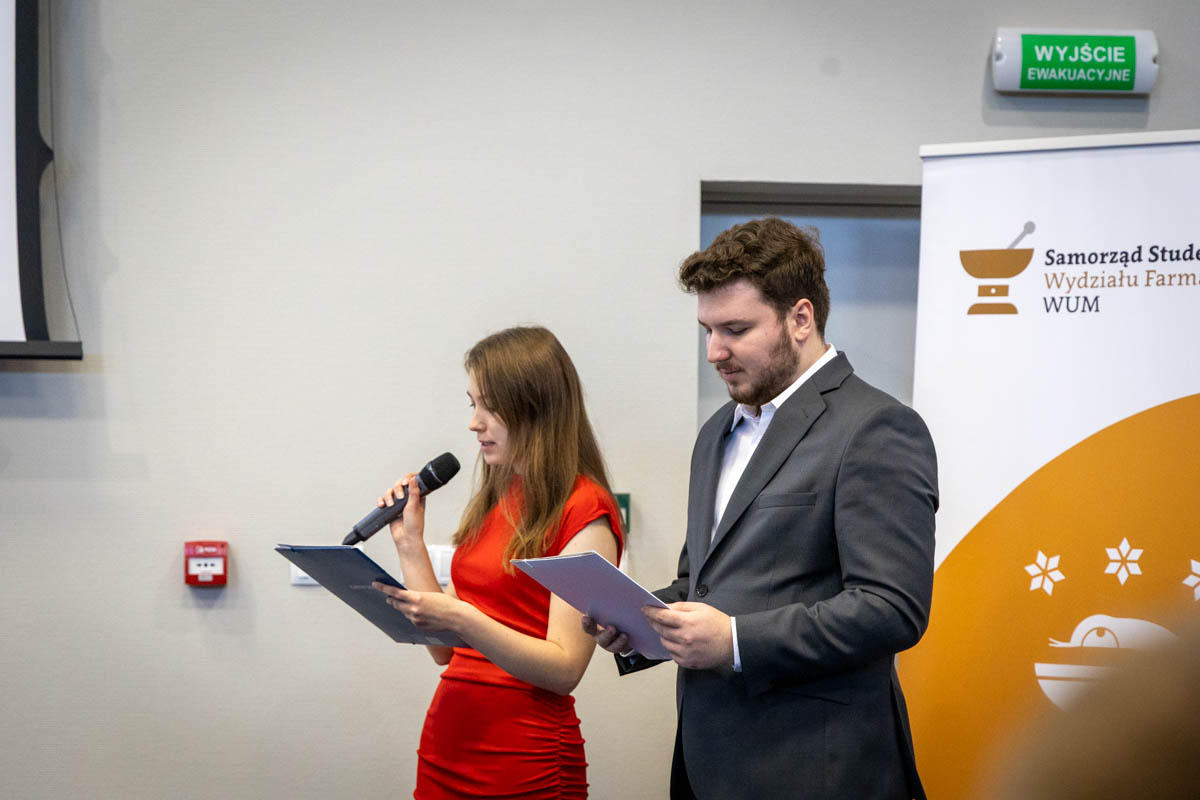
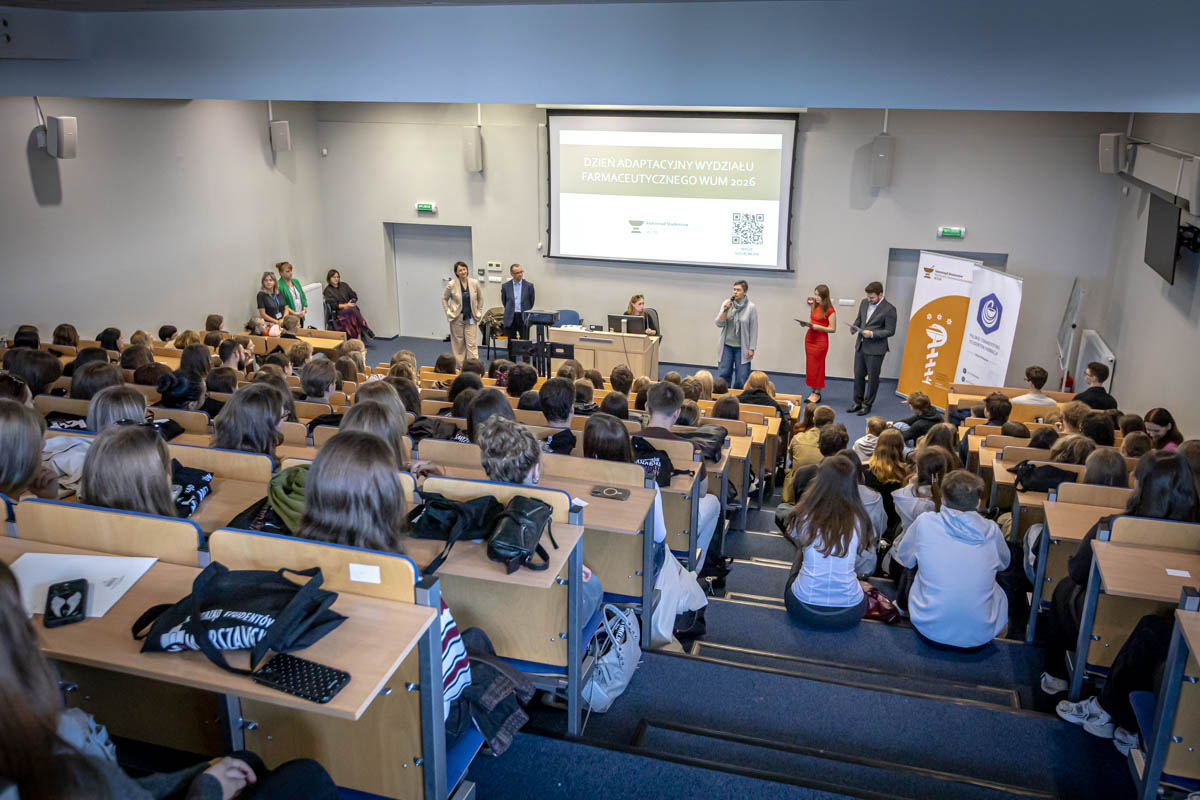
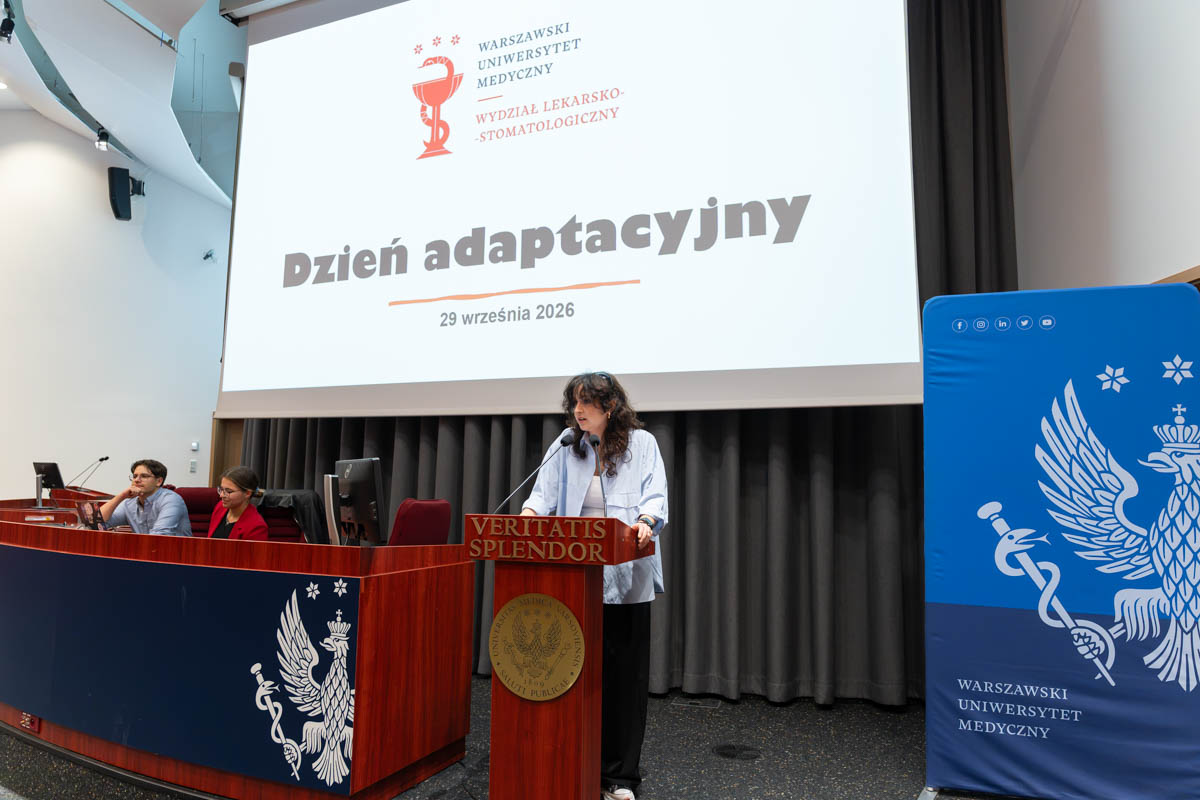
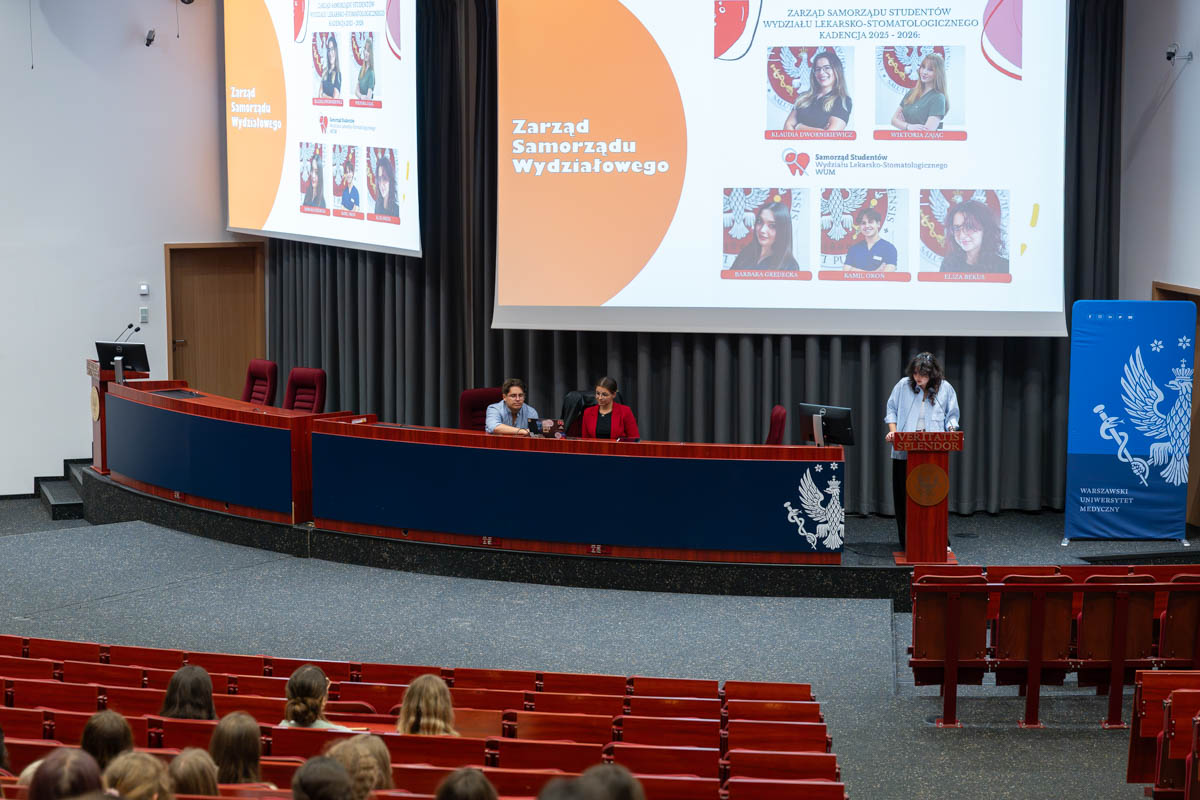
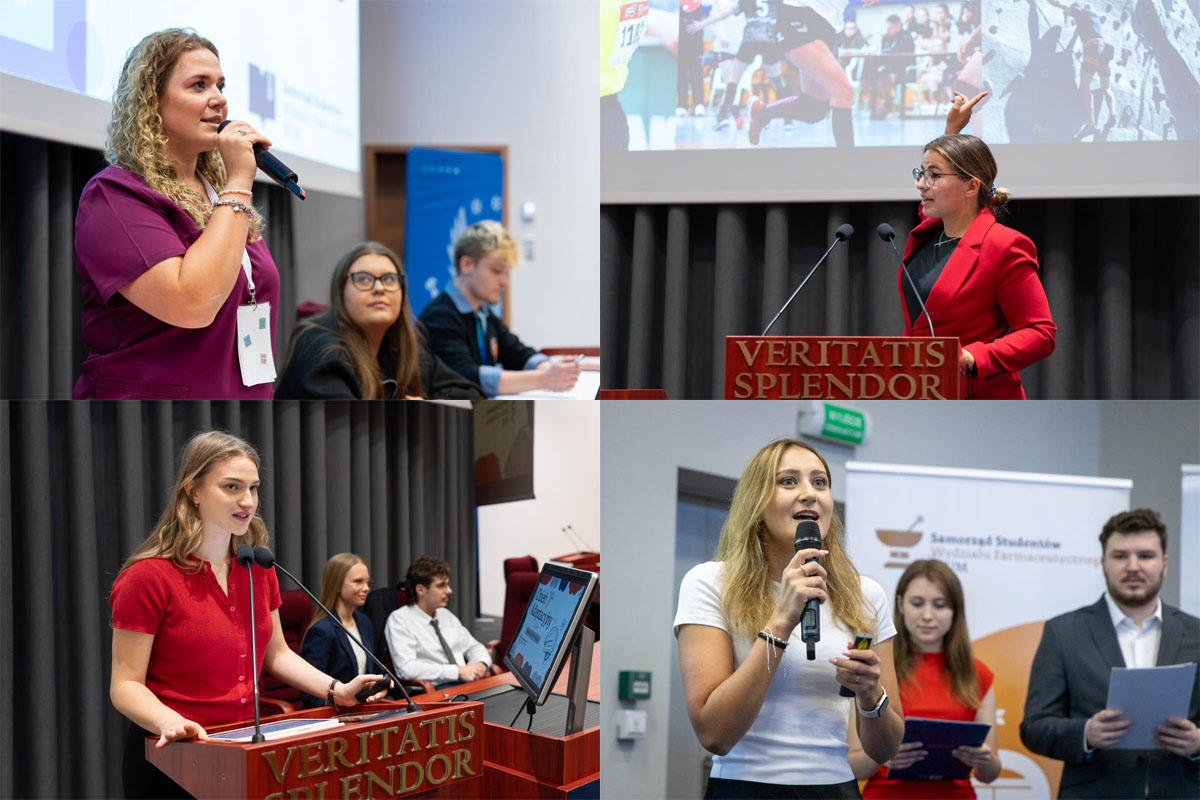
The orientation days were organized by the Student Governments of the individual faculties. The sessions were led by students serving on the boards of these Student Governments: Maria Jędrzejczyk and Maciej Ciastoń (Faculty of Health Sciences); Emilia Figura, Maria Dutsch-Wicherek and Oktawian Trentowski (Faculty of Medicine); Klaudia Dwornikiewicz, Eliza Bekus and Kamil Okoń (Faculty of Medicine and Dentistry); and Sabina Sobolewska, Zuzanna Beredzińska and Hubert Wylazłowski (Faculty of Pharmacy).
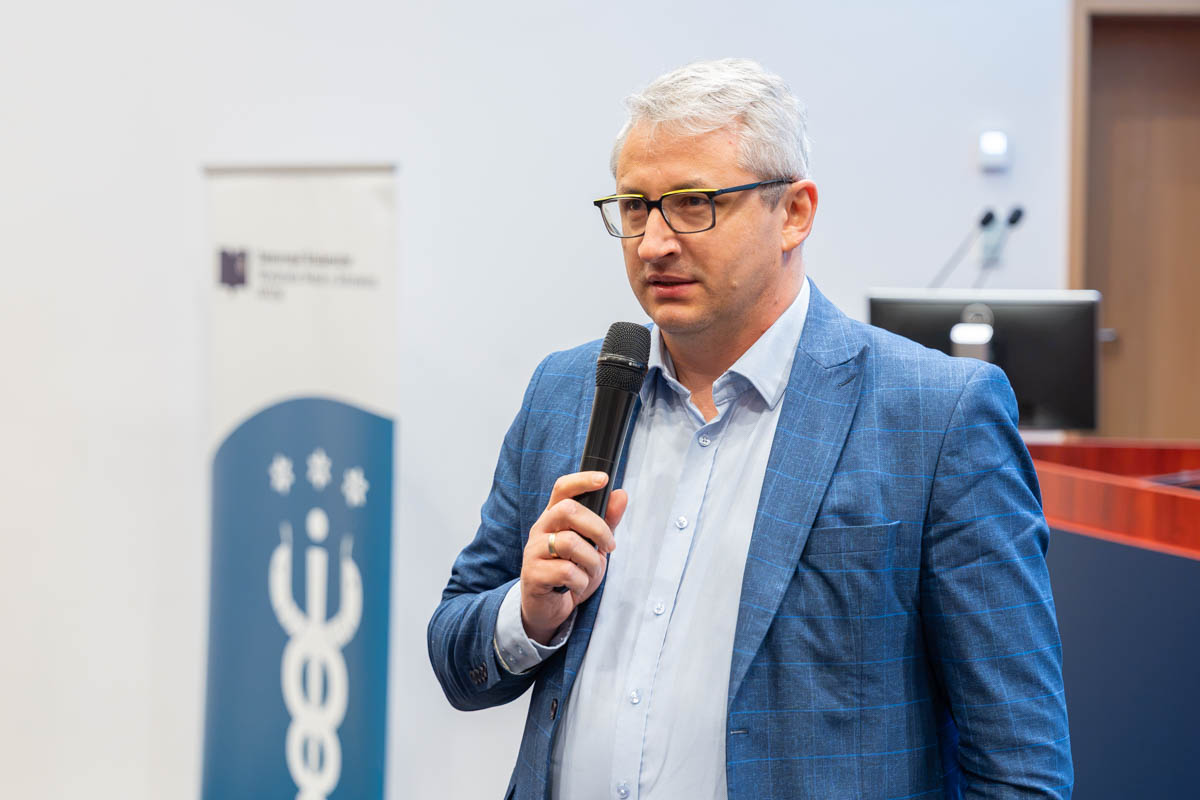
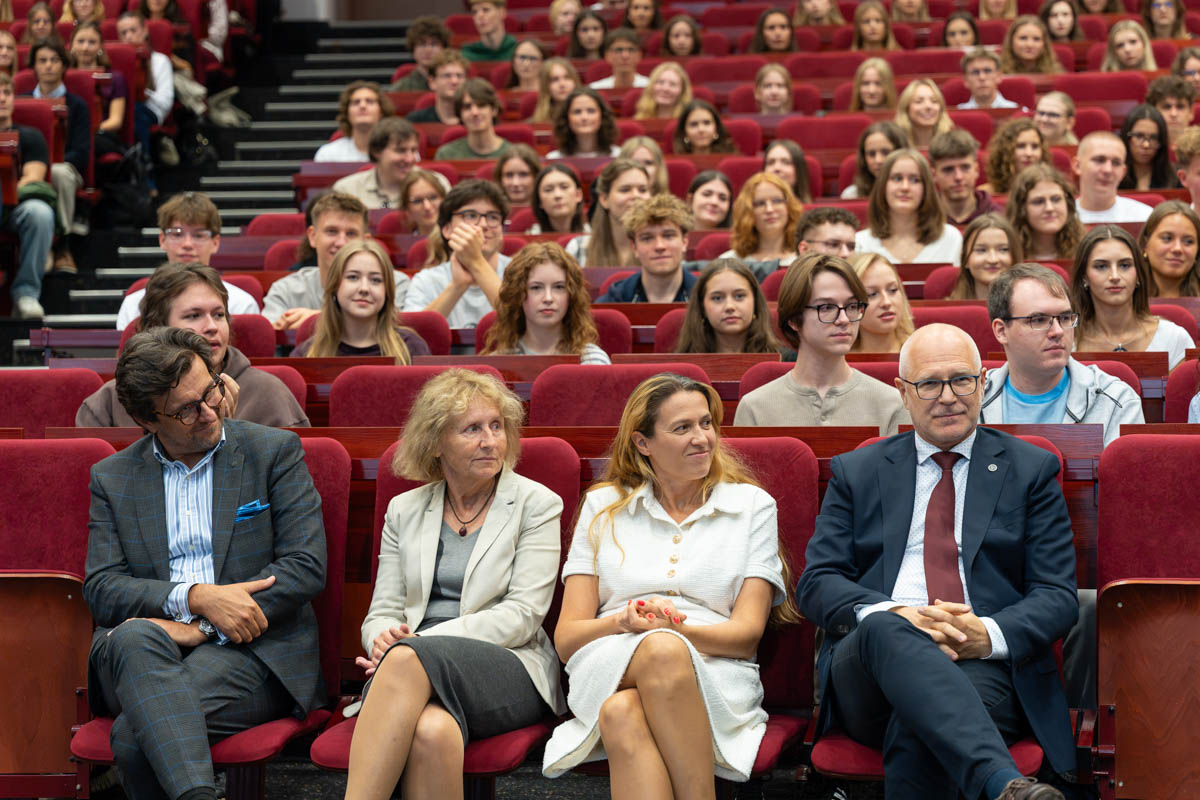
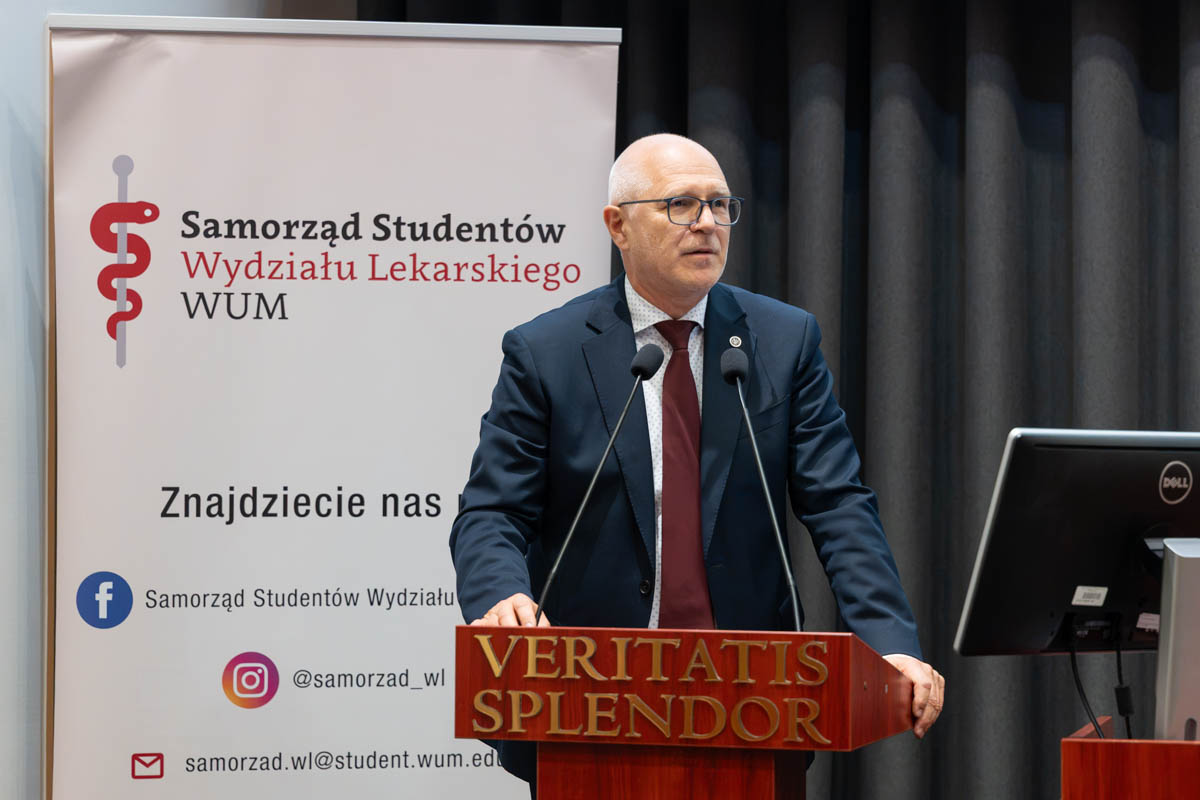
While the guests included representatives of the university authorities and the faculty deans’ authorities. Prof. Rafał Krenke, Rector of WUM, welcomed the first-year students of the Faculty of Medicine, emphasizing their role in the university’s development:
“You are very important to our academic community. You bring with you fresh viewpoints, new ideas, and a different outlook. It is thanks to successive generations of students that the university changes and develops, and we strive to listen to your needs and work together to create a place where you can enjoy your studies.”
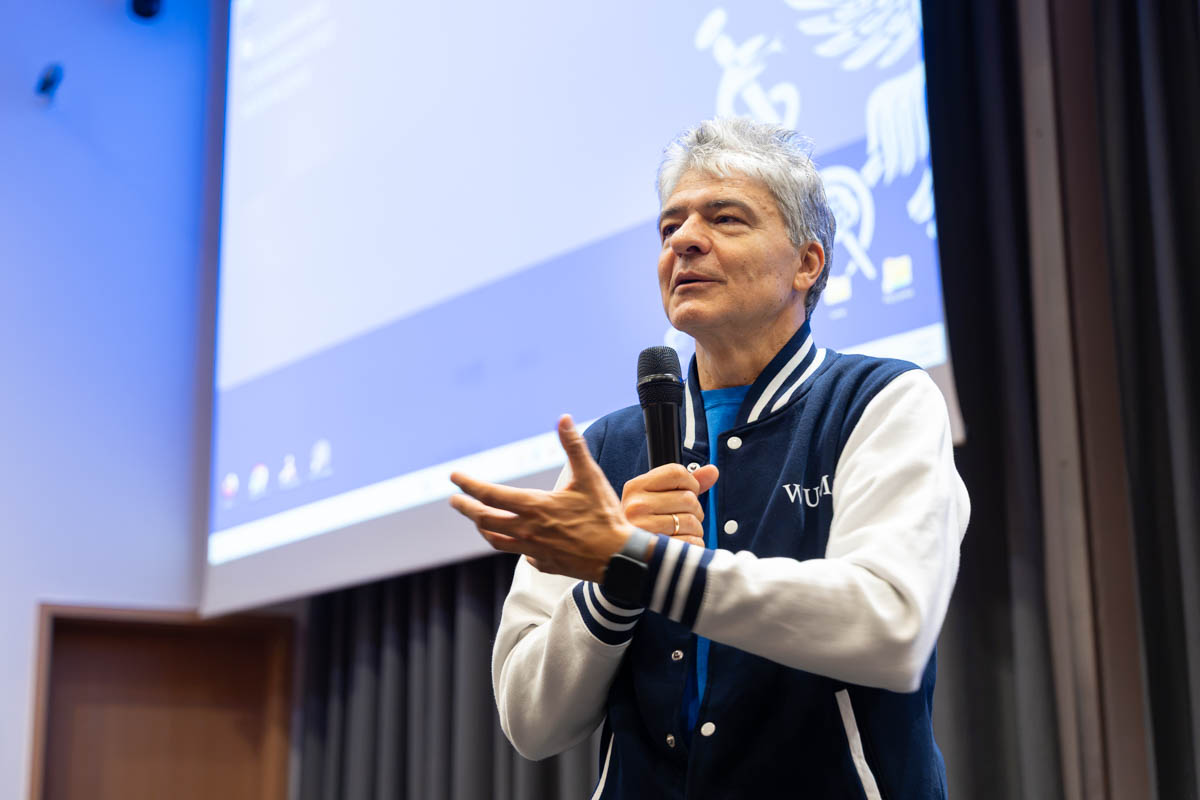
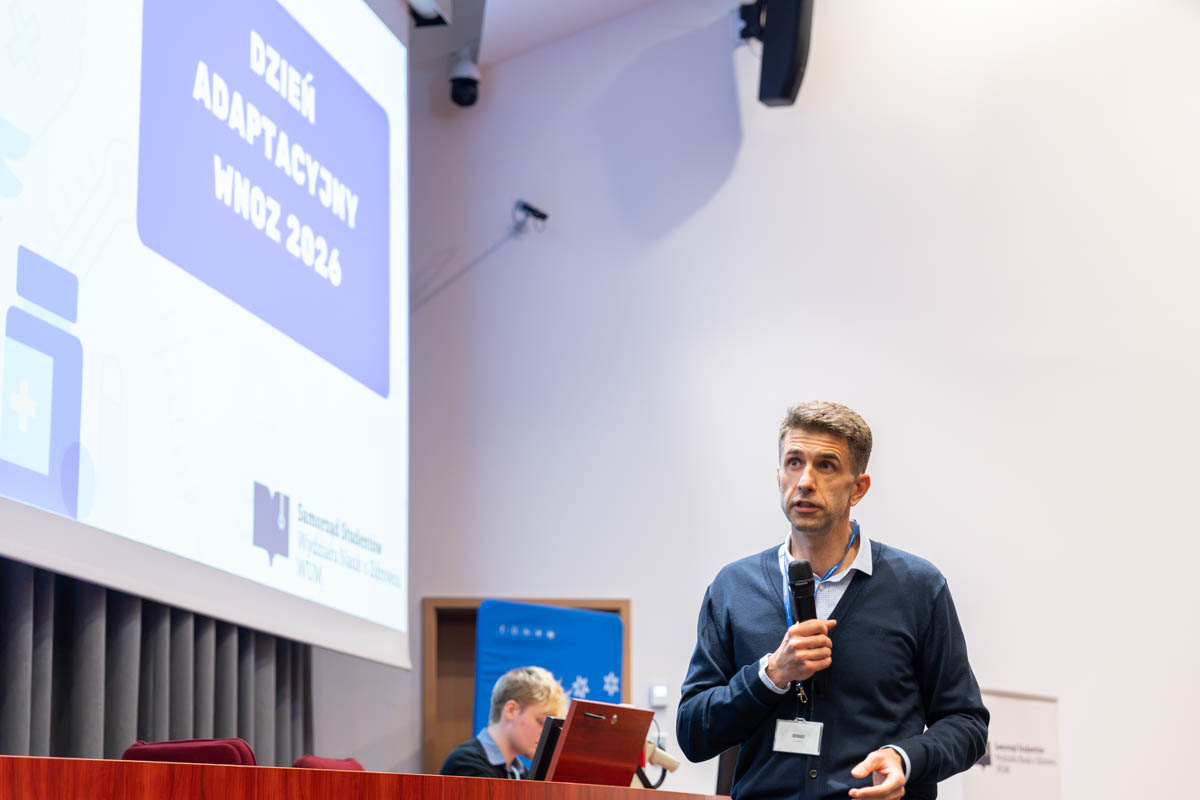
At the Faculty of Health Sciences’ orientation day, Prof. Marek Kuch, Vice-Rector for Student Affairs and Education, spoke about the difficult art of finding a balance:
“The beginning of studying is always hard. Everything seems new and a little more serious, but you’ll see that it’s simply the next stage. You’ll get used to it. There is time for studying, but there is also time for student life. You just need to find the right balance between the two.”
How, where, when — signposts for your time while studying
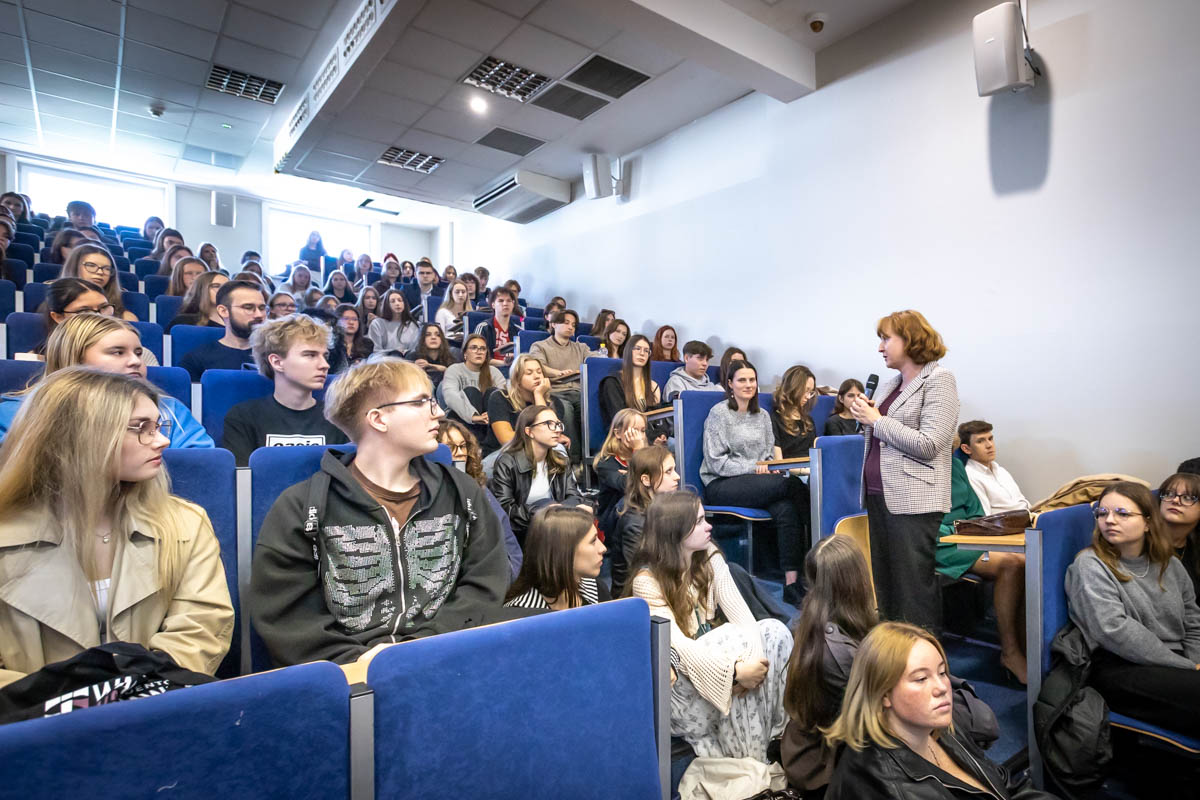
During the orientation sessions, a great deal of time was dedicated to practical guidance for first-year students. They could find out where to find class schedule, what administrative procedures needed to be completed in October, how the academic year is organised, which documents every student needs to be familiar with, and whom to contact regarding matters relating to their course of study. The session leaders also explained basic terms related to university life, such as elective courses and ECTS credits.
First-year students also received many valuable tips from representatives of the faculty authorities.
“Being part of a student group surrounded by people who are just as talented and ambitious as you is a tremendous privilege. I would like you to make the most of this time, because a university course is not only about acquiring knowledge, but also about the opportunity to meet exceptional people with whom you will grow, collaborate, and build relationships that will last for years,” said Prof. Paweł Włodarski, Dean of the Faculty of Medicine.
The deans and vice-deans of all the faculties encouraged students to work regularly.
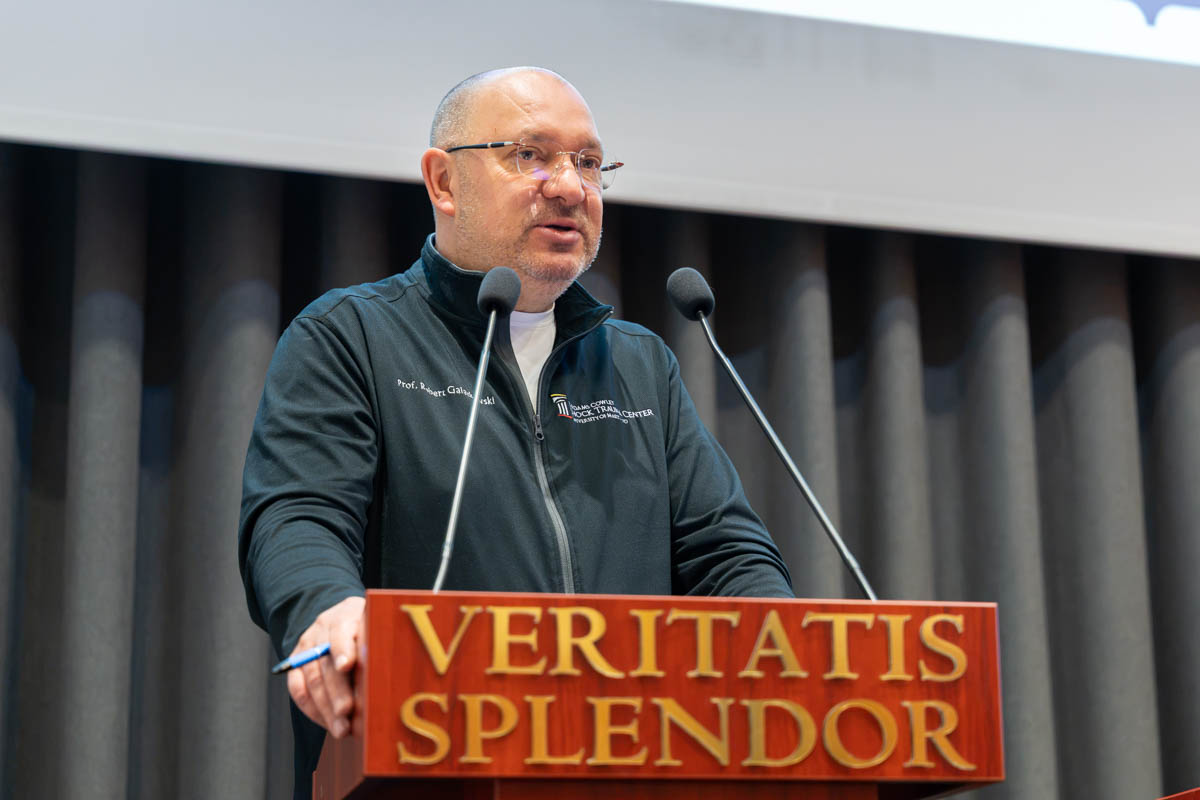
“You’ve got to get down to work from the very beginning,” urged Prof. Robert Gałązkowski, Dean of the Faculty of Health Sciences. “You have to study systematically and regularly. Regularity, regularity, and once again regularity is the best way to make your studies a more manageable and stress-free experience. Remember that the knowledge you acquire here is not an end in itself. After graduating, you will be caring for patients and making decisions that may affect their health and even their lives. That is why it is so important to approach your studies responsibly from the very first day and to consistently build your professional competencies.”
And what should you do if a problem arises? Prof. Piotr Luliński, Dean of the Faculty of Pharmacy, advised students to act as quickly as possible.
“If you encounter any problems, I strongly encourage you to let us know about them as soon as possible. This allows us to suggest various solutions and provide real, practical help. When we only learn about certain situations at the end of the academic year or after the exam session, our ability to take action is already significantly limited.”
Prof. Olga Ciepiela, Vice-Dean for Education in the Medical Analytics Education programme at the Faculty of Pharmacy, reminded students that one of the most important documents they should familiarize themselves with at the very beginning of their studies is the study regulations of the university. The regulations set out students’ rights and responsibilities and provide the basis for resolving many of the issues that may arise during their studies.
What do faculty student governments do, and what is the role of the main board?
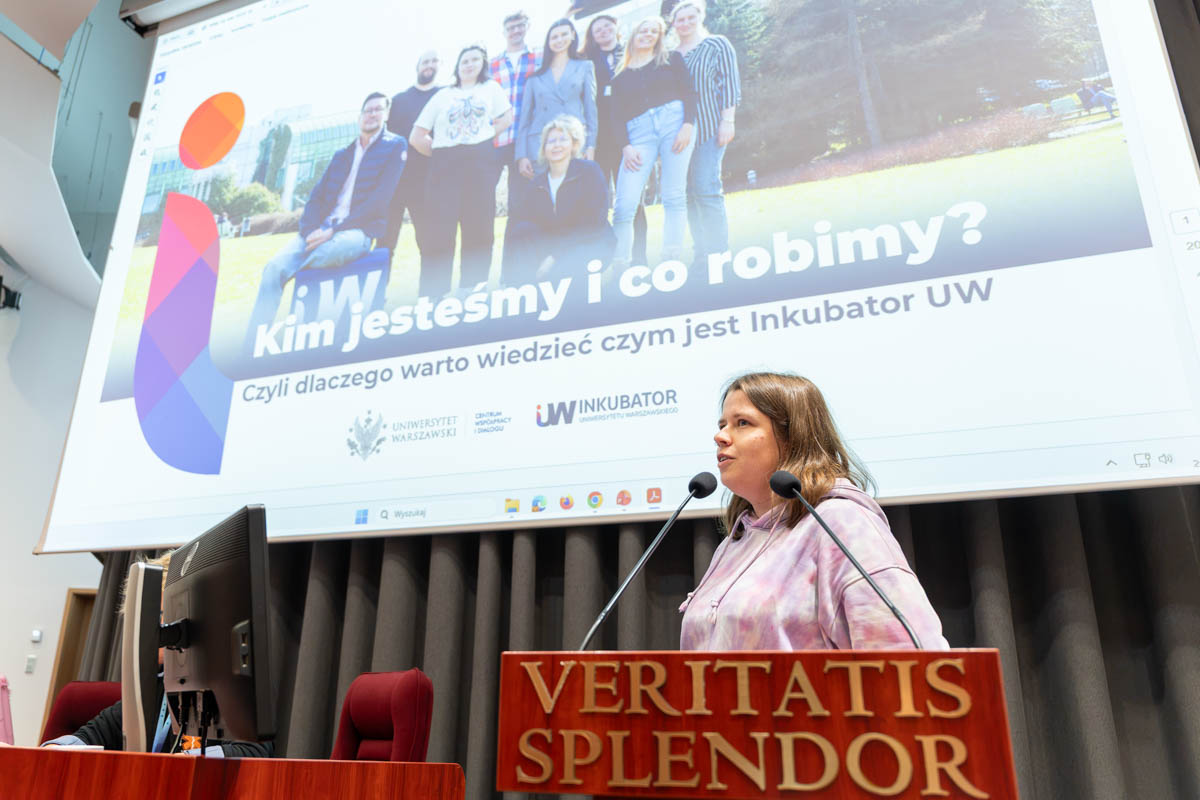
The orientation days were a great opportunity to meet senior students involved in faculty student councils. They explained to their younger peers what student councils actually do. They presented specific activities, such as representing students, participating in examination boards, organizing various events, including orientation days, and promoting the faculty (for example, through student social media). A faculty student government is also the first place where a new student can turn for information, help, and support. These orientation sessions also included a presentation by the Main Board of the Student Union of WUM. Its activities were presented by its chairwoman, Aleksandra Ochnik.
Academic passions and extracurricular activities
University life is not just about classes and exams; it is also a place to pursue academic and extracurricular passions. That is why the orientation days also had to include some topics related to sporting activities and international travel.
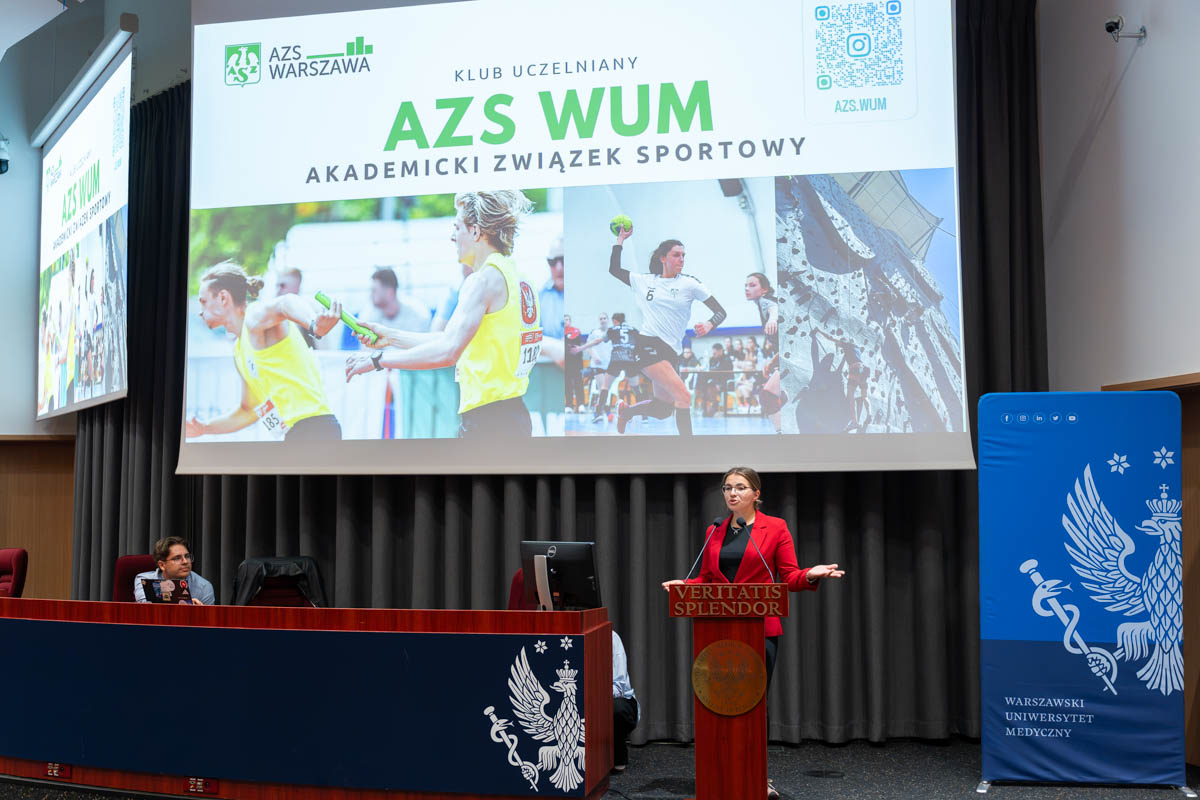
During the session for first-year students at the Faculty of Health Sciences, Ignacy Sakiewicz, coordinator of the AZS sports sections, spoke about these opportunities. He encouraged the “first-years” to sign up for the sports sections. There are many of them at the Medical University of Warsaw. Some have only a few members, while the largest have as many as 50. Students can train recreationally or pursue their sport more competitively.
Ignacy Sakiewicz also shared his experiences of participating in the Erasmus+ programme. He spent five months in Portugal, and then another three months in Turkey. During that time, he not only could see how health care is organized in these countries. The most valuable thing was getting to know new, very friendly and open-minded people. He keeps still in touch with some of them to this day.
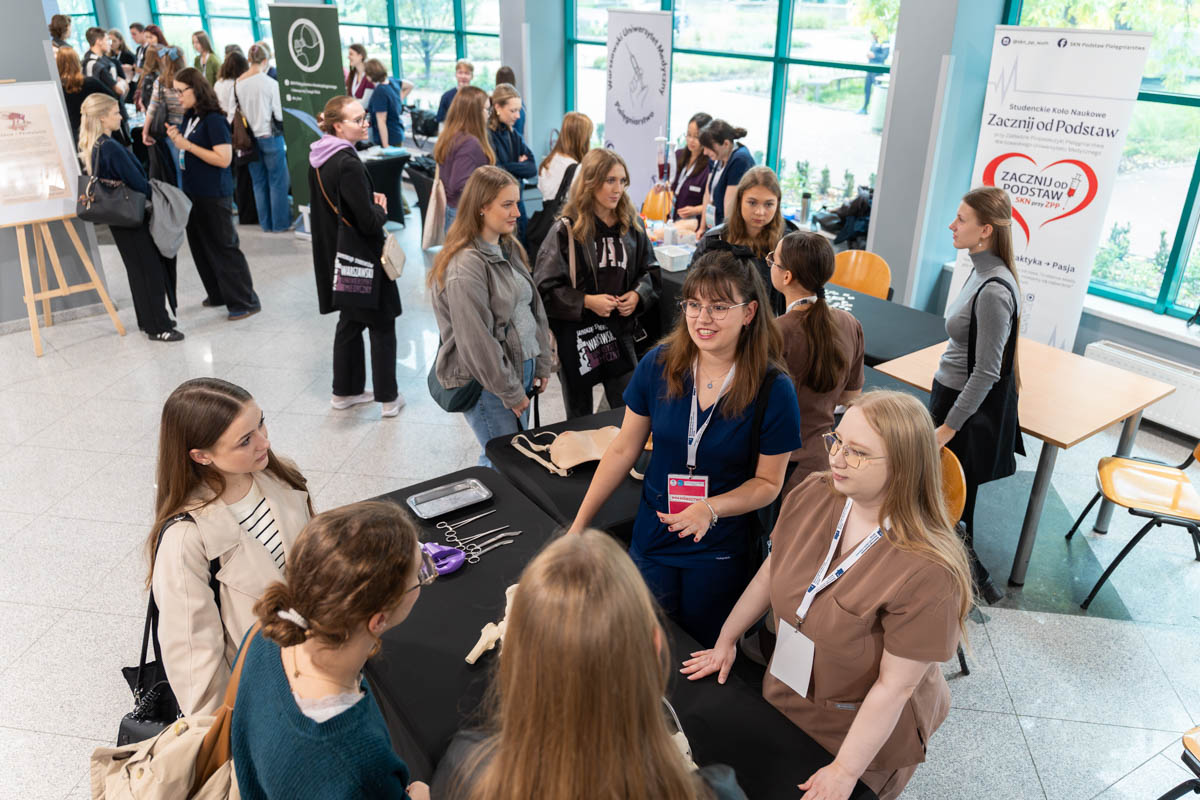
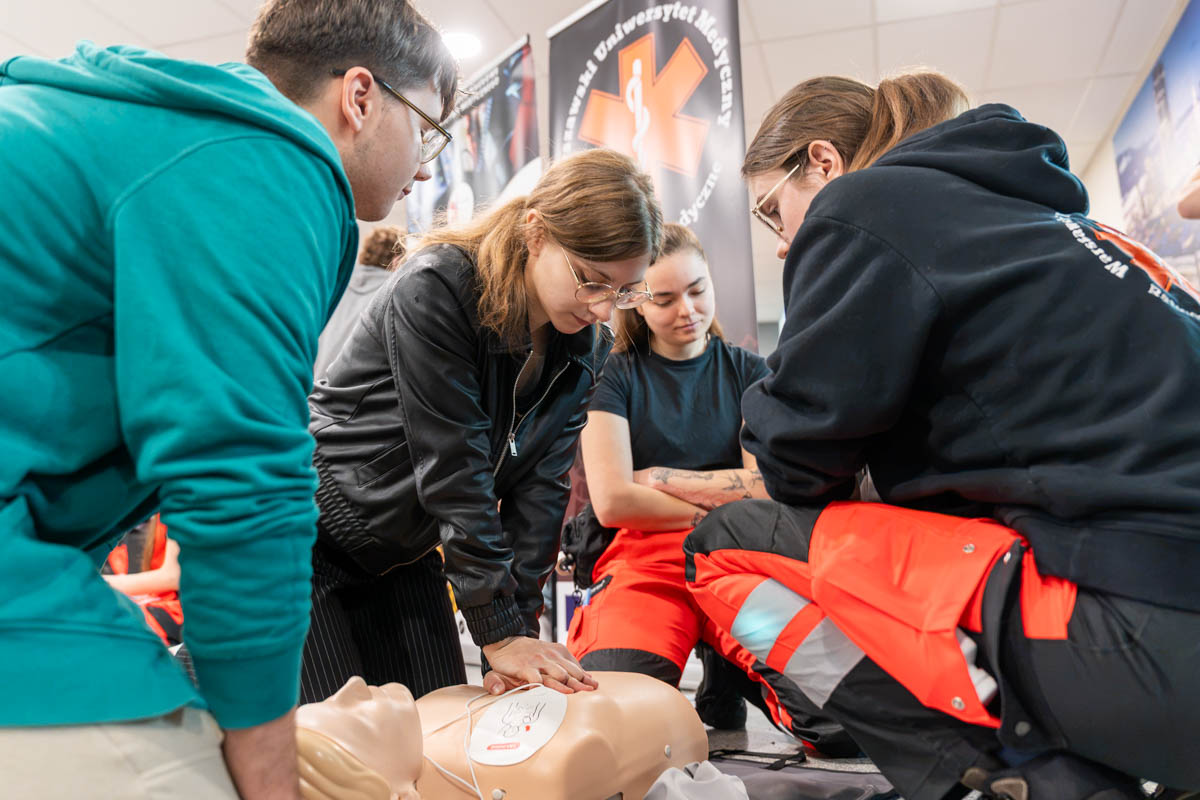
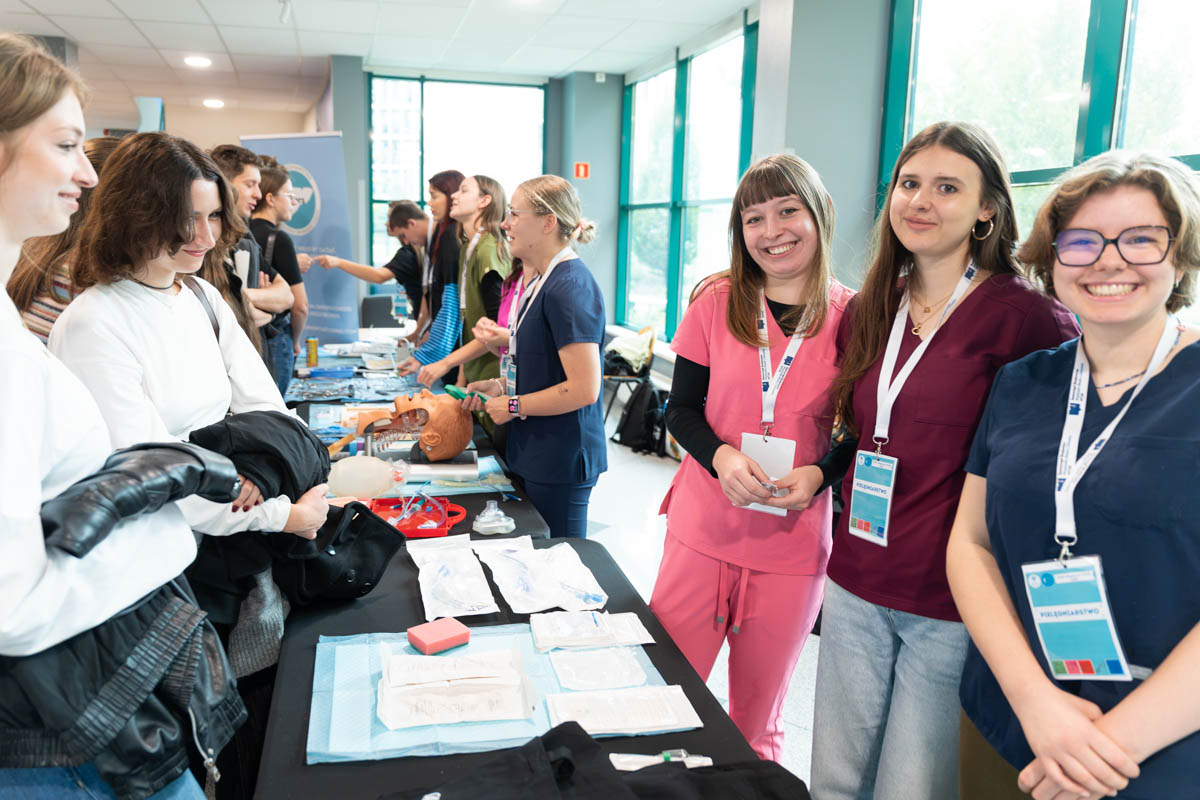
It is also worth mentioning that the orientation days at the Faculty of Health Sciences were accompanied by presentations at stands in the lobby of the Didactic Center, prepared by student scientific societies.