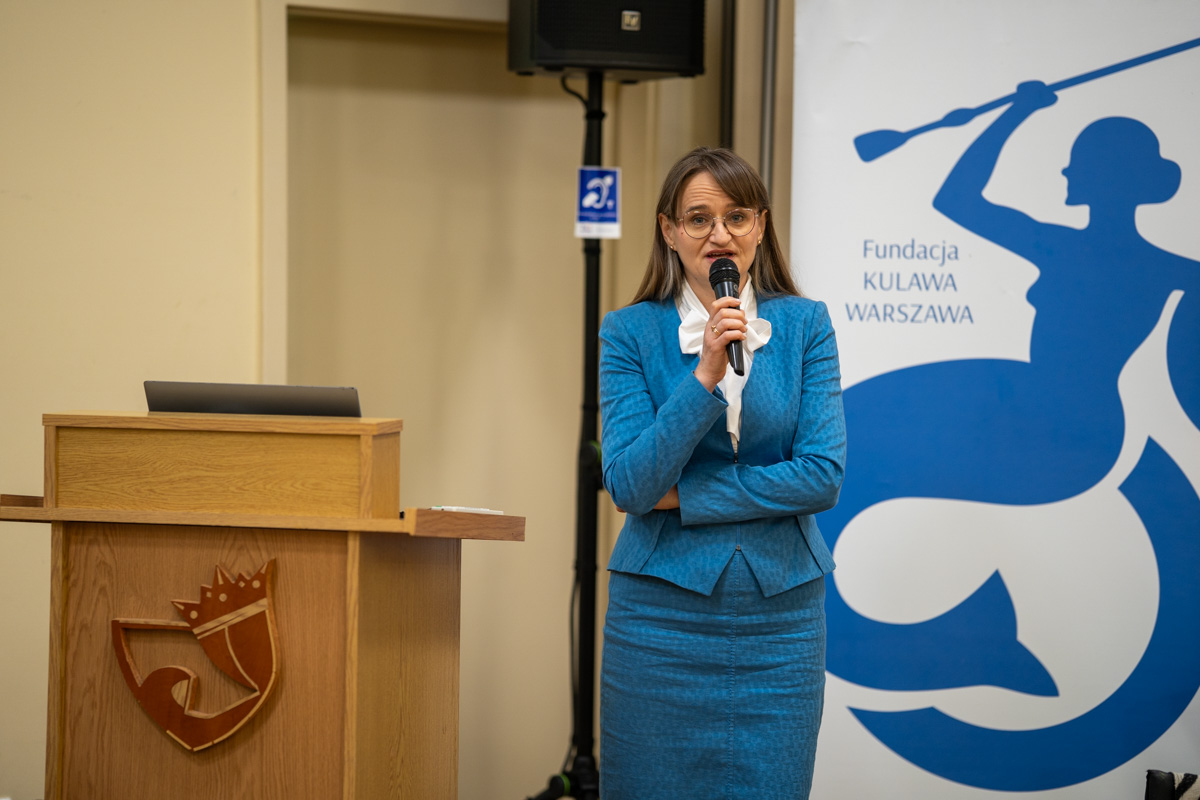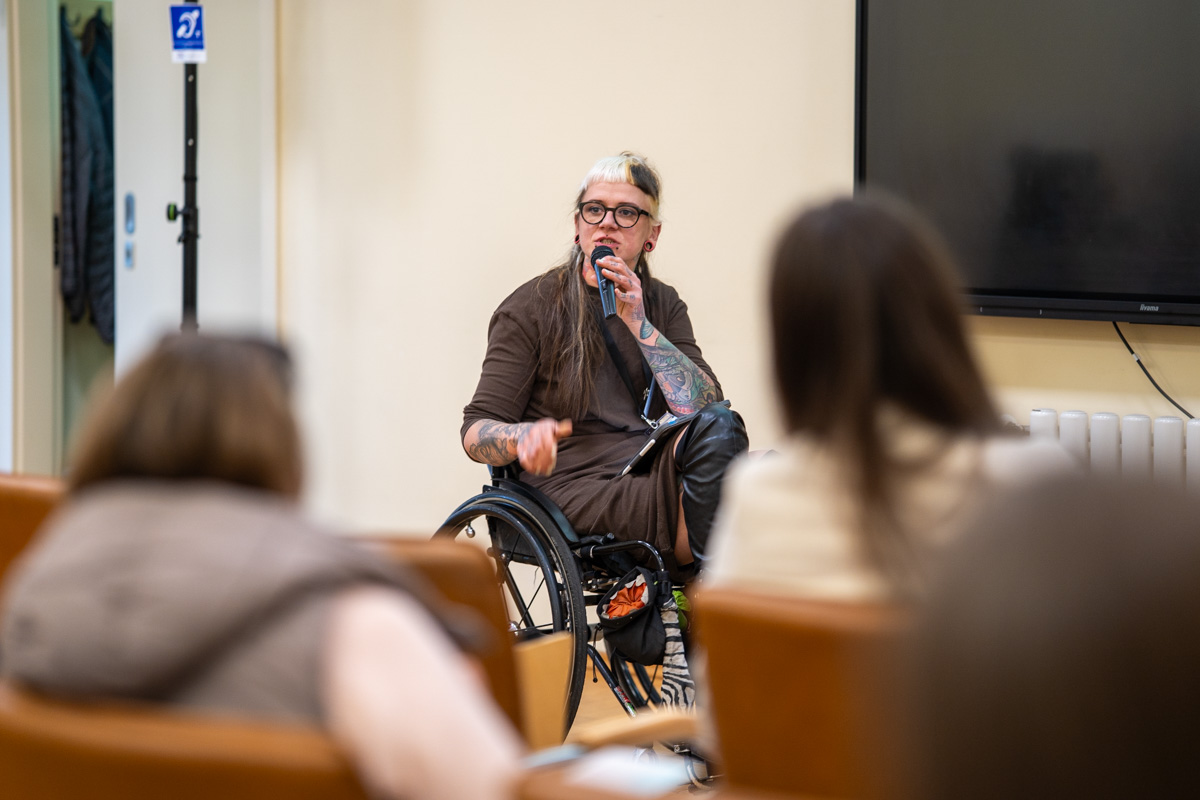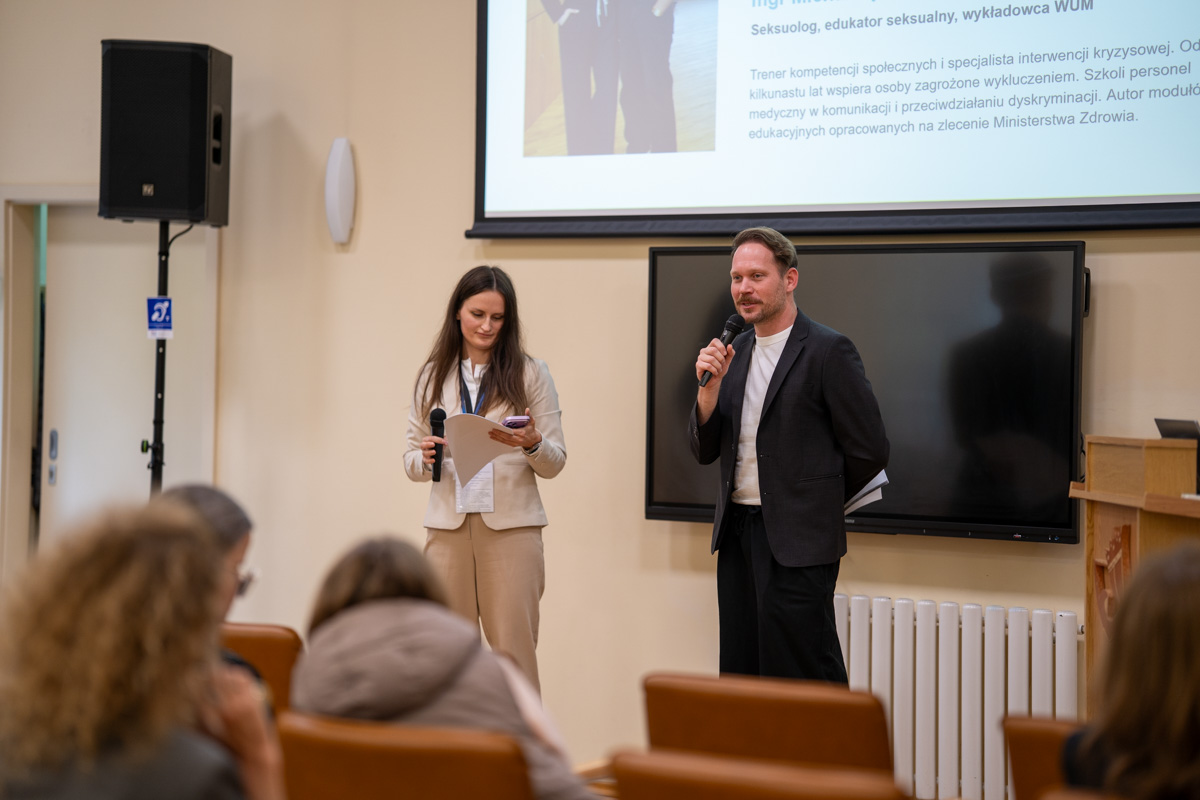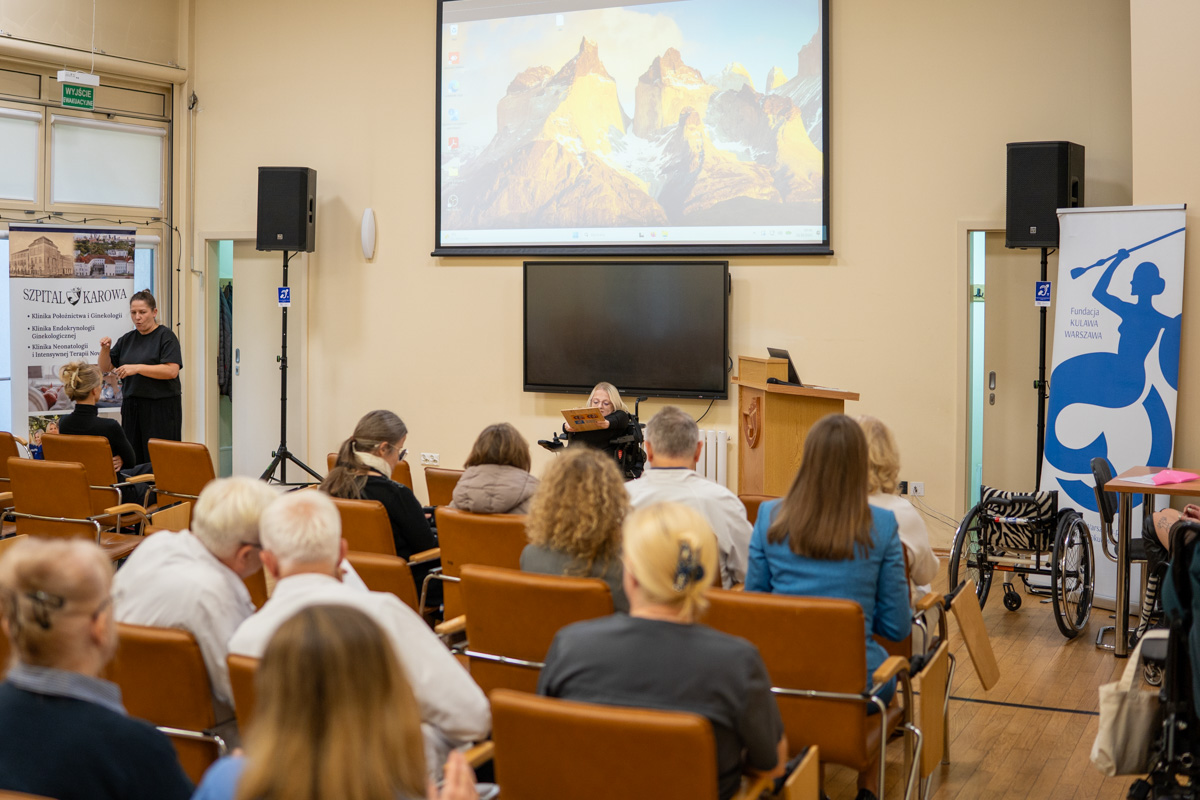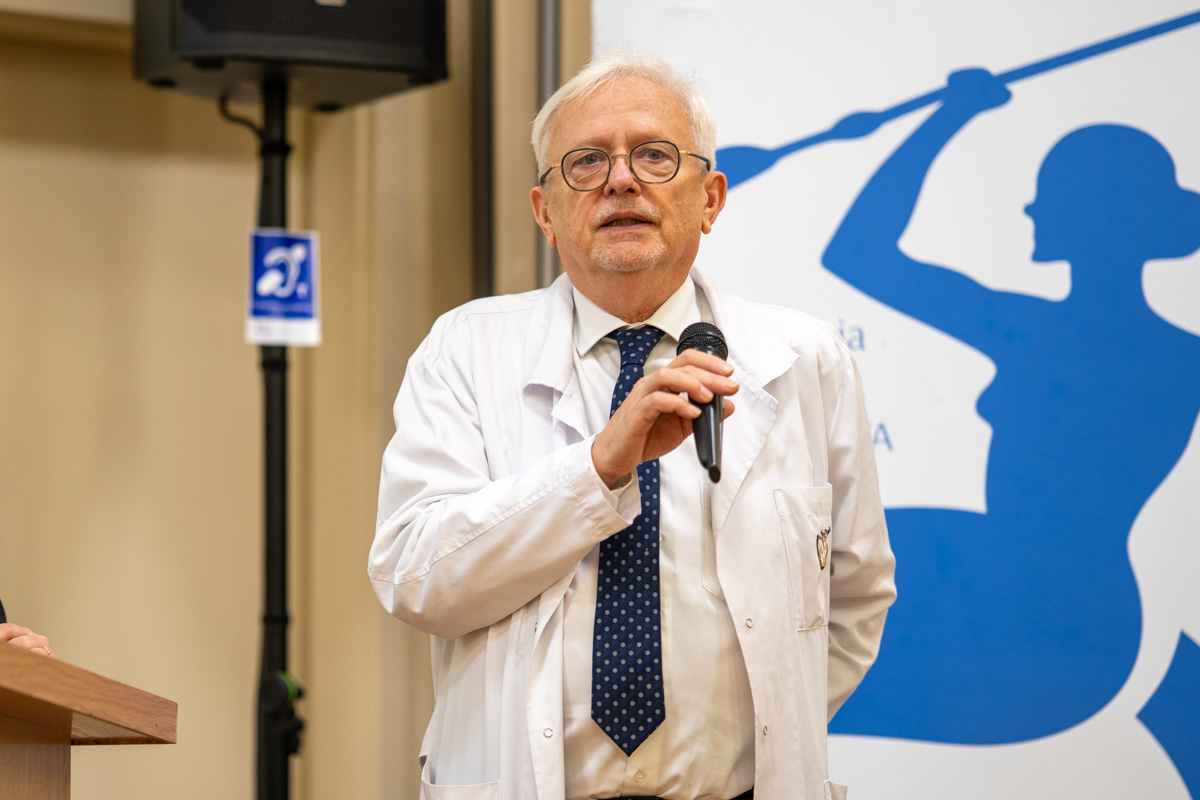
Opening the conference, Anastazja Więckiewicz, Director of the Princess Anna Mazowiecka Clinical Hospital, emphasized that the starting point for thinking about accessibility should be the patient and her individual needs. Barriers are not always architectural in nature. Communication, access to information, and ensuring a sense of safety, dignity, and respect are equally important. As she noted, accessibility is not a one-time action but a process that begins with changing the way we think about other people.
This theme was also taken up in the opening lecture by Prof. Krzysztof Czajkowski from the 2nd Department of Obstetrics, Gynecology and Gynecological Oncology, entitled “Accessible obstetric and gynecological care: The clinical and patient perspectives.” The professor showed how healthcare professionals’ approaches and healthcare facilities’ readiness to care for women with specific needs had changed over the past dozen years or so.
“The most important question we need to ask is: What do you need to make your visit and stay in the hospital accessible and as stress-free as possible?” Prof. Czajkowski said.
Language and communication matter
Communication with patients with disabilities was an important topic at the conference. Izabela Sopalska-Rybak, President of the Kulawa Warszawa Foundation, discussed the consequences of stigmatizing terminology and infantilizing adult patients in her presentation, “Language matters: Terminology and self-determination in communicating with people with disabilities.”
She emphasized that healthcare professionals should address patients directly, including when a support person or interpreter accompanies them during a visit. Accessibility means not only being able to enter an examination room and use appropriate equipment, but also having the right to make decisions about one’s own care, receive understandable information, and participate as an equal partner in decisions about one’s health.
From preventive care to the care of patients with chronic conditions
One of the medical topics covered was the care of women with autoimmune diseases, including multiple sclerosis. In her lecture, Dr. hab. Justyna Teliga-Czajkowska, Vice-Dean for Midwifery at the Faculty of Health Sciences at WUM and Head of the Operating Suite at Karowa Hospital, discussed fertility, pregnancy planning and management, treatment options, and preventive care for these patients.
She emphasized the importance of planning pregnancy during remission or when the disease activity is stably low, as well as the importance of cooperation between the gynecologist and the specialist managing the underlying condition. She also highlighted preventive care, sexual health, and the needs of women during menopause.
Dr. hab. Jacek Sieńko, Head of WUM’s 2nd Department of Obstetrics, Gynecology and Gynecological Oncology, discussed issues related to gynecological oncology in outpatient practice. He outlined three different approaches: preventive care for asymptomatic women, diagnostic evaluation of women with symptoms, and risk assessment for women at high risk of hereditary cancers. Particular attention was given to the needs of patients with disabilities and ensuring their access to appropriate diagnostic care.
The event took place on October 21 and 22, 2026. The program also covered topics including communicating medical information to patients with disabilities, breast cancer prevention and diagnosis, sexuality and intimacy, ostomies, urinary incontinence, and digital accessibility of health information.
The second day of the event focused more on practical aspects. It included a session on standards for accessible gynecological examinations, an interactive lecture on patients’ rights and healthcare professionals’ responsibilities, instruction in breast self-examination, and sessions on patient transfers and designing an accessible gynecological examination room.
The conference was organized by the Kulawa Warszawa Foundation and the Princess Anna Mazowiecka Clinical Hospital.