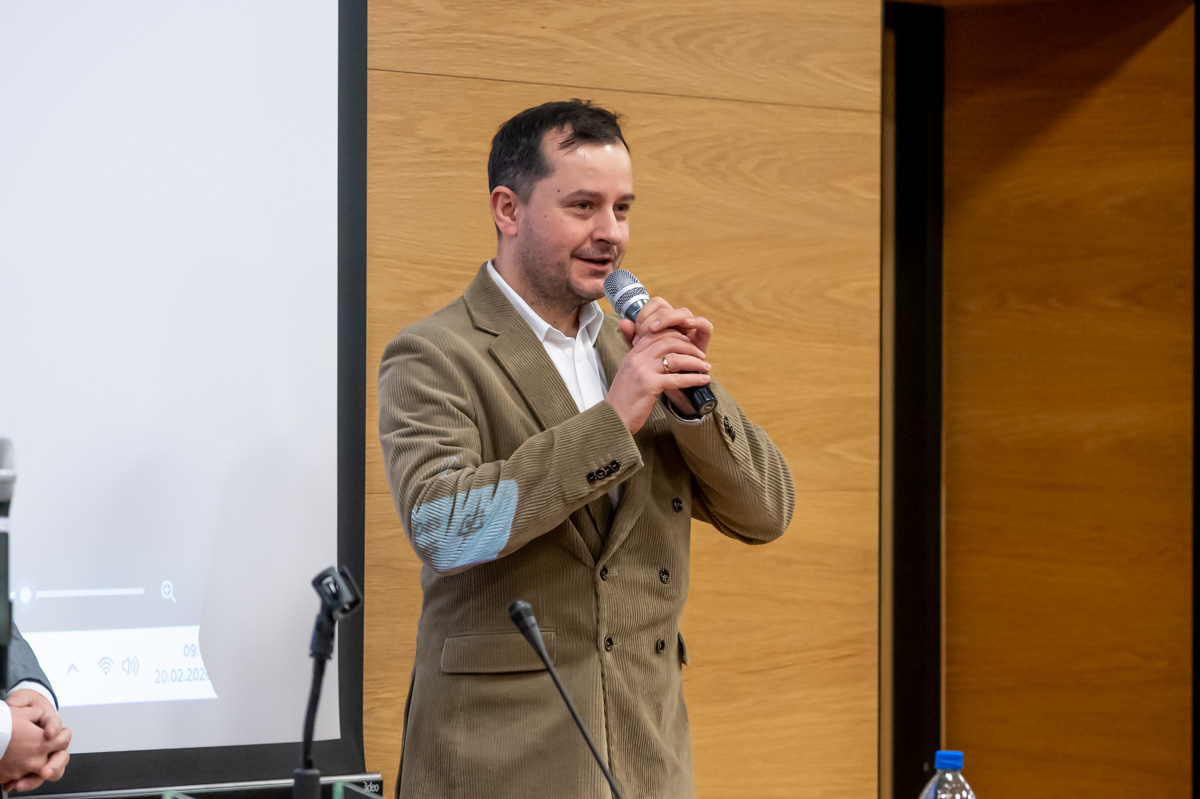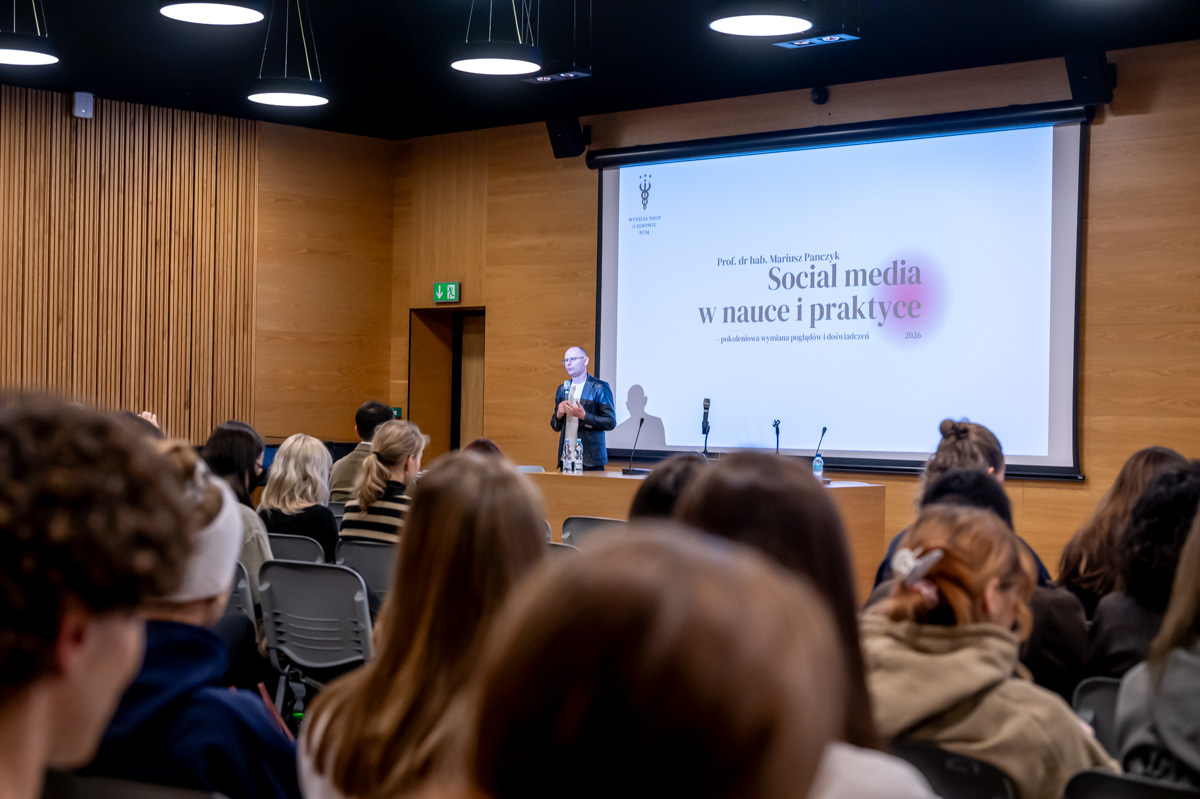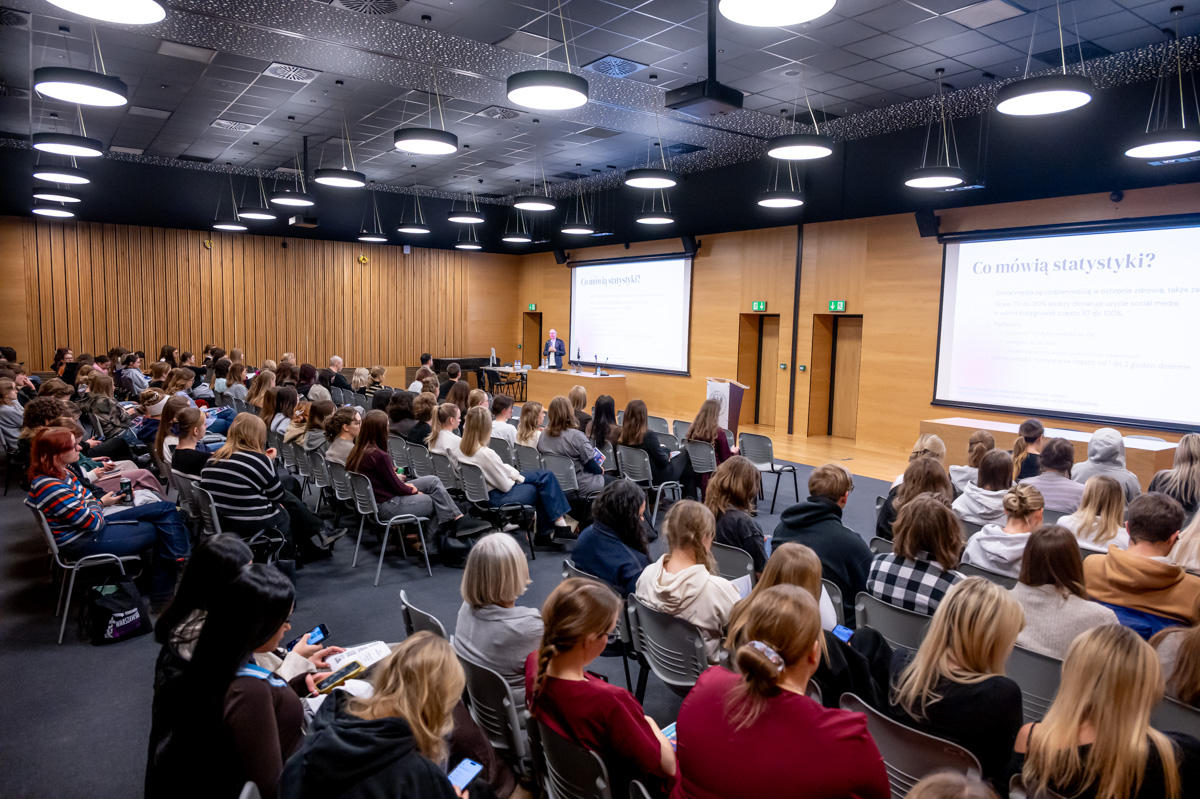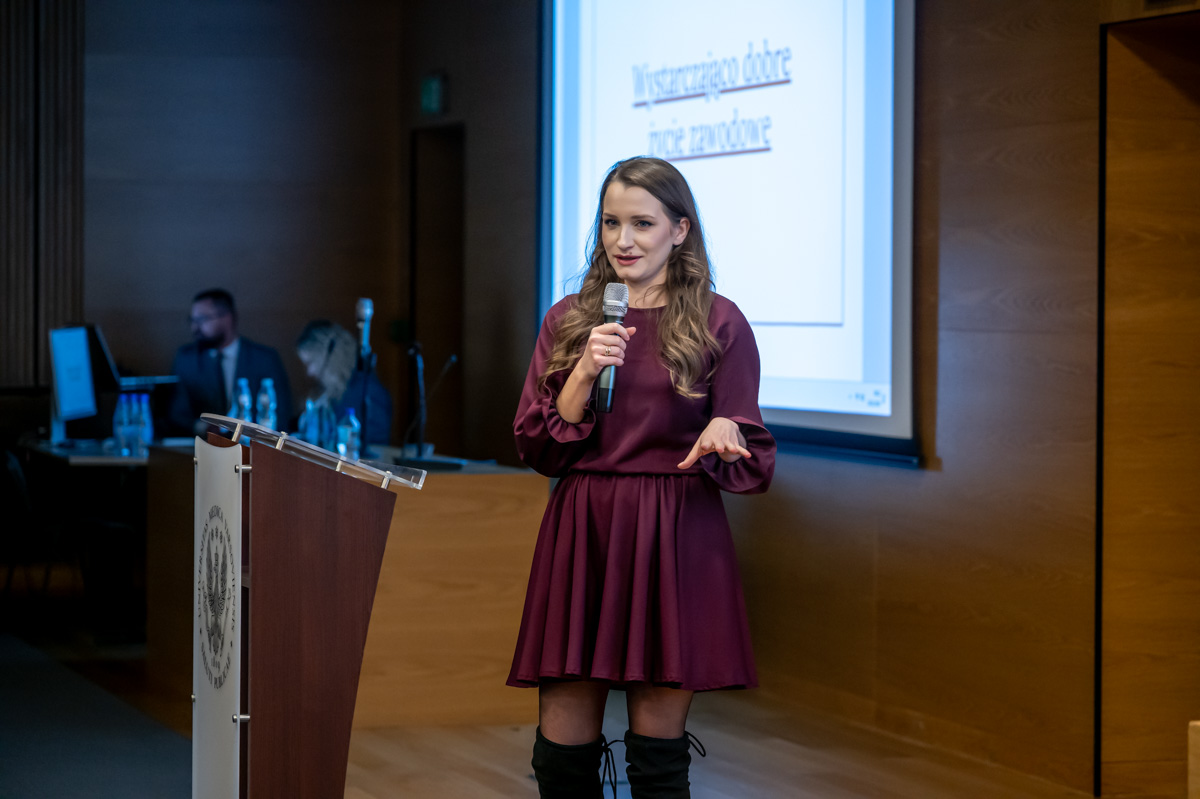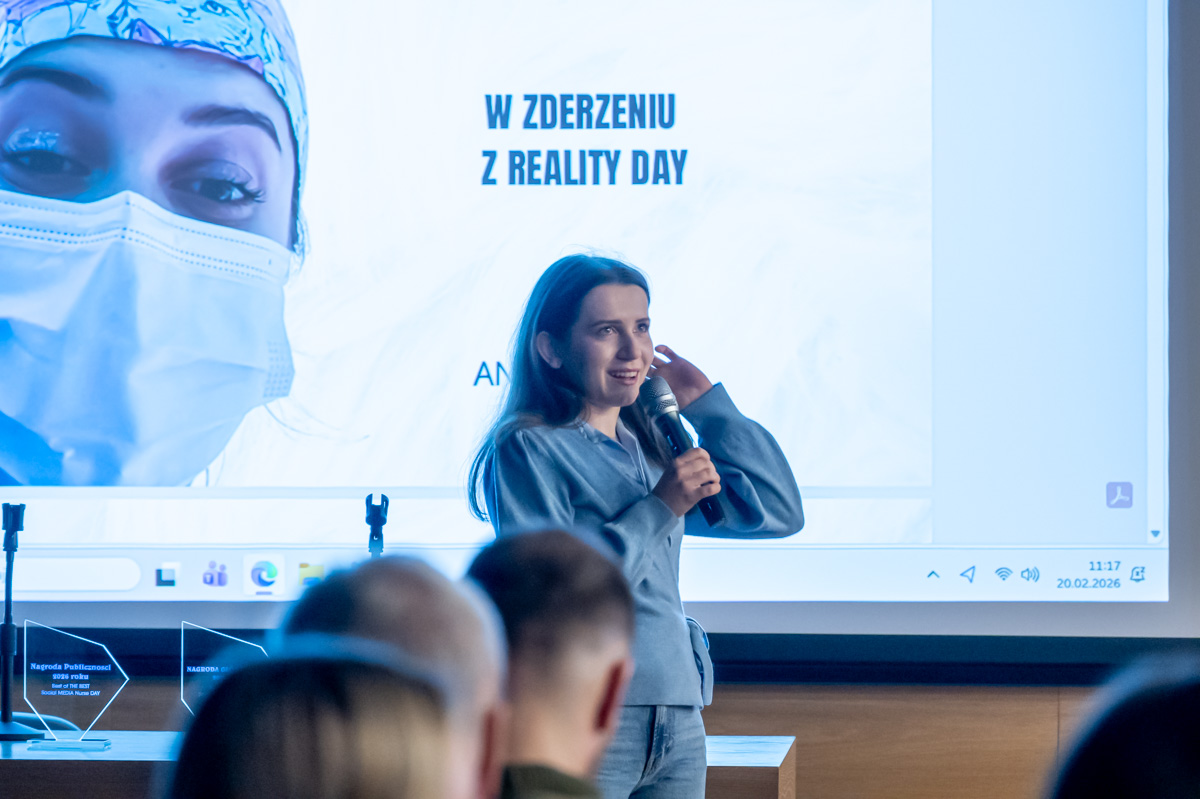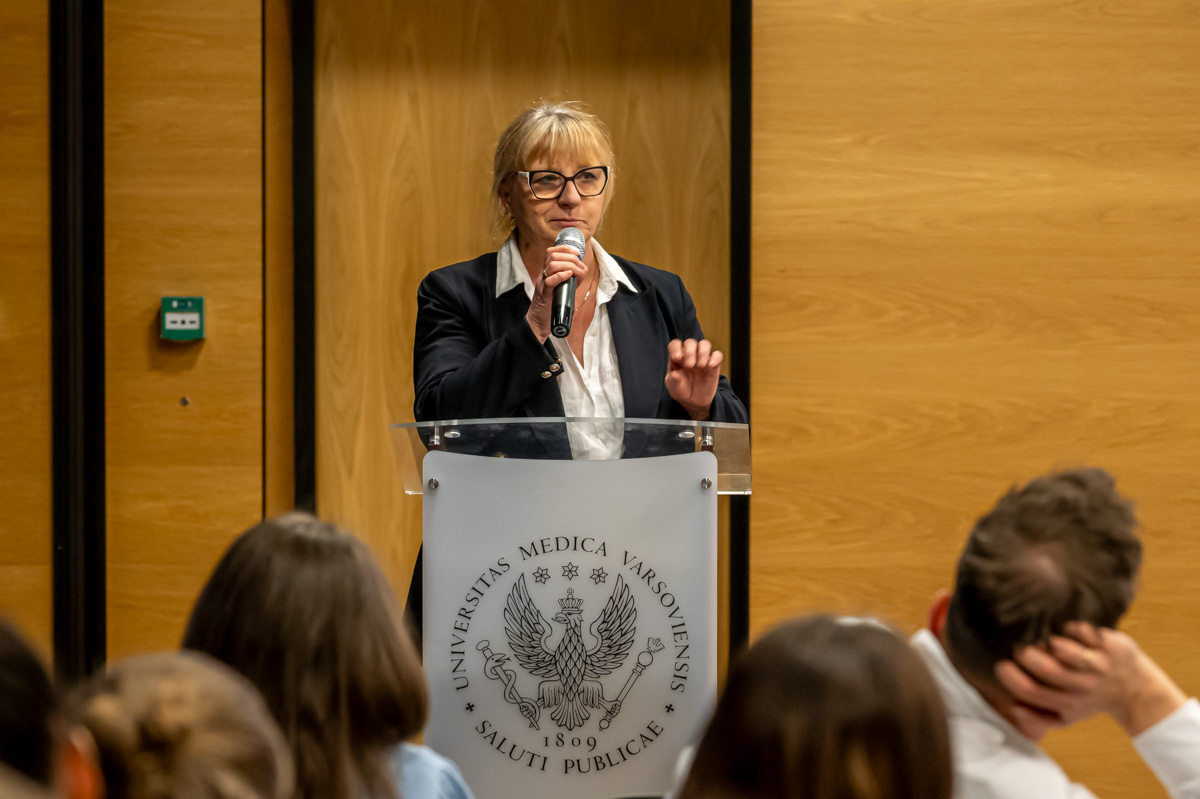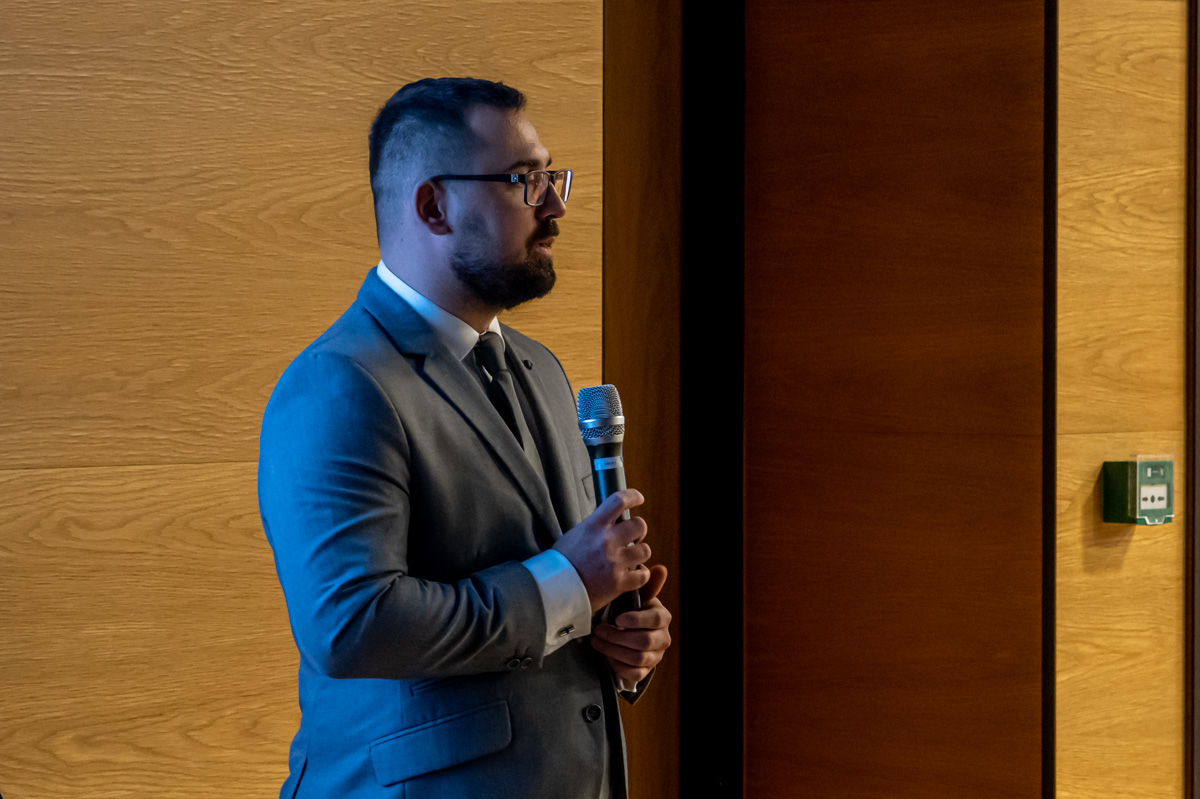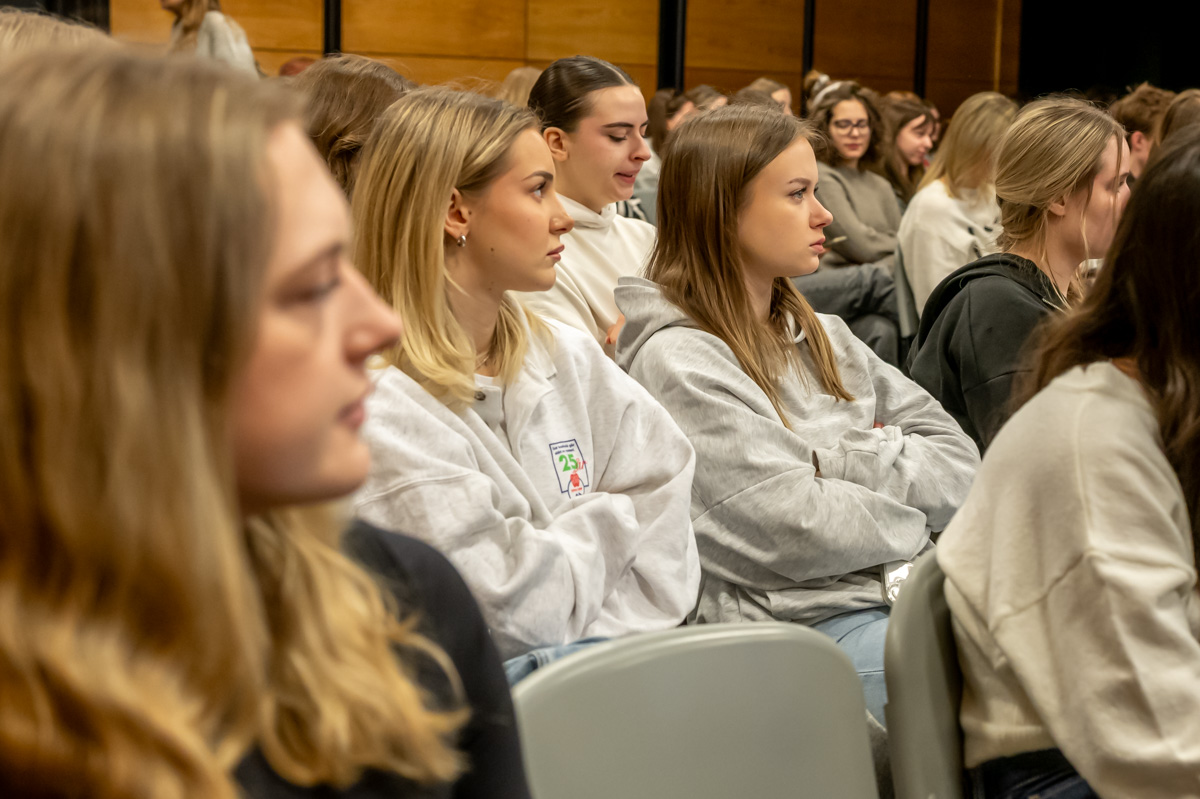
The symposium took place on February 20 and was opened by Dr. hab. Łukasz Czyżewski, Vice Dean for Nursing at the Faculty of Health Sciences. It was primarily addressed to nursing students and was hosted by Maria Jędrzejczyk, Chair of the Student Government of the Faculty of Health Sciences, and Dr. Artur Kanteluk from the Department of Nursing Propaedeutics at WUM.
Scientific perspective and practical guidance
Prof. Mariusz Panczyk discussed social media from both a scientific and practical perspective. He explained what outcomes can be expected from social media activity and clarified such concepts as reach, dissemination, impact, and engagement. He also referred to a large 2024 meta-analysis of data, a review of more than 50 studies. It aimed to determine whether scientists who engage in social media gain greater influence over their audiences. The conclusion was yes, but not unconditionally. Social media are effective provided that a scientist develops content thoughtful and consistent manner.
“Such activity is not a sprint but a marathon, meaning months of intensive work,” said Prof. Panczyk, offering guidance on how to create high-quality content. “First and foremost, one must define the purpose and target audience. It is also essential to structure information appropriately. In professional communication, for example, when promoting nursing, it is crucial to rely on facts and provide their sources. Credibility is key.”
The Professor also emphasized the importance of ethical principles associated with practicing a medical profession, particularly the obligation to maintain professional confidentiality.
“We do not disclose any patient data or image without their consent,” he said. “Interestingly, in the United States, nurses also have a professional responsibility to report ethical violations committed by members of their profession on social media. American guidelines developed and implemented, for example, at Mayo Clinic, also state that professionals should not establish relationships with patients on platforms such as Facebook or Instagram. Another important principle worth remembering is not to combine private and professional accounts.”
From the influencer’s perspective
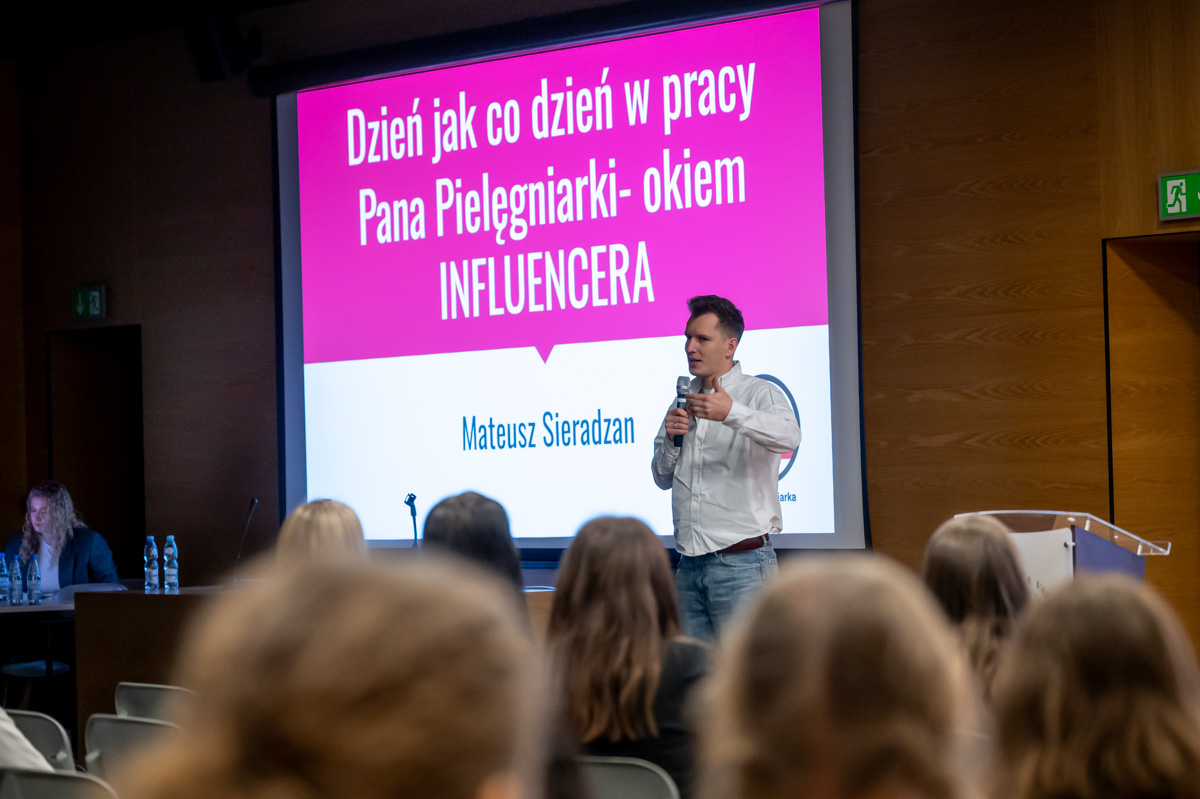
The influencer is a “profession” that ranks at the top of lists of the most negatively perceived occupations. Meanwhile, the nurse ranks fourth among the most trusted professions. Can these roles be reconciled? The profiles of the symposium guests clearly show that they can. The guests included Weronika Czapska, creator of “W czepku urodzona,” Mateusz Sieradzan, known as “Pan Pielęgniarka,” and Anna Gąsior of nursegram.pl, authors of well-known professional nursing profiles on social media. They spoke not only about how they perceive their role online but also about what they consider most important in practicing the nursing profession. They shared their experiences and offered advice on what to pay attention to when starting work in the profession.
Competition results
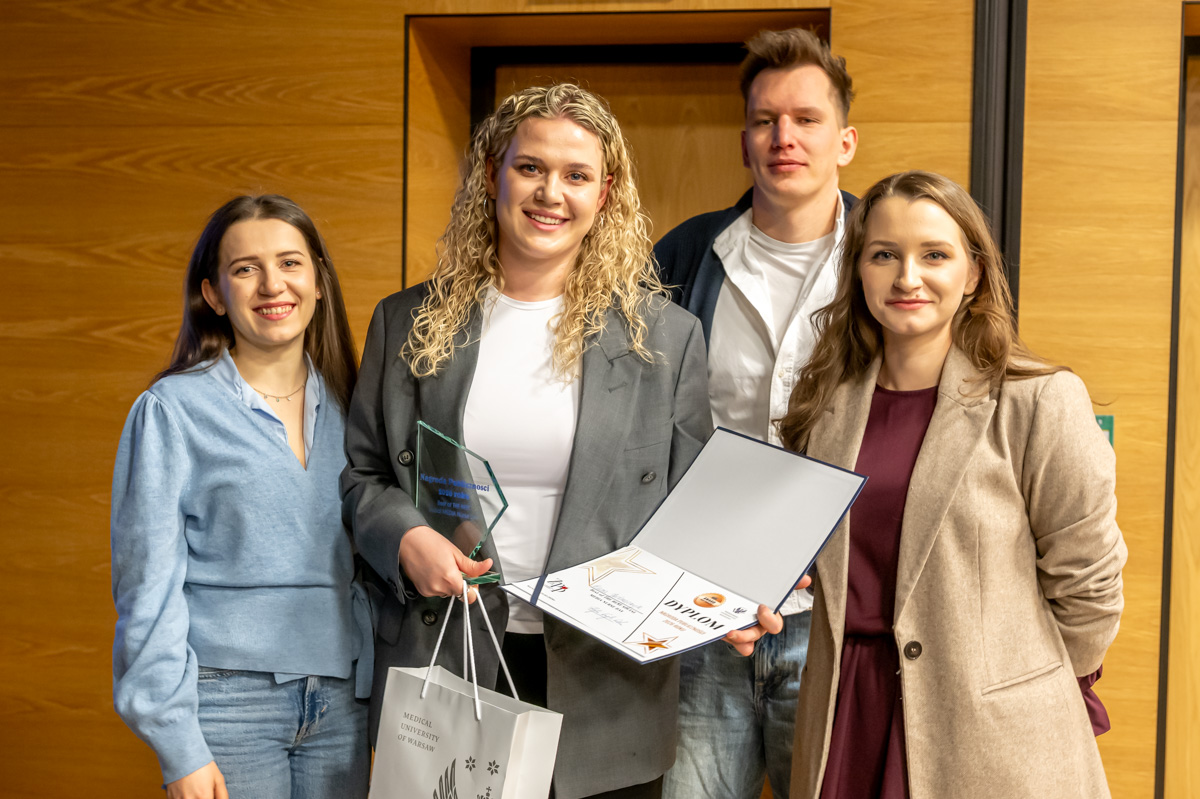
The symposium concluded with the announcement of the results of the Social MEDIA Nurse DAY competition for the best short film promoting the role of nurses.
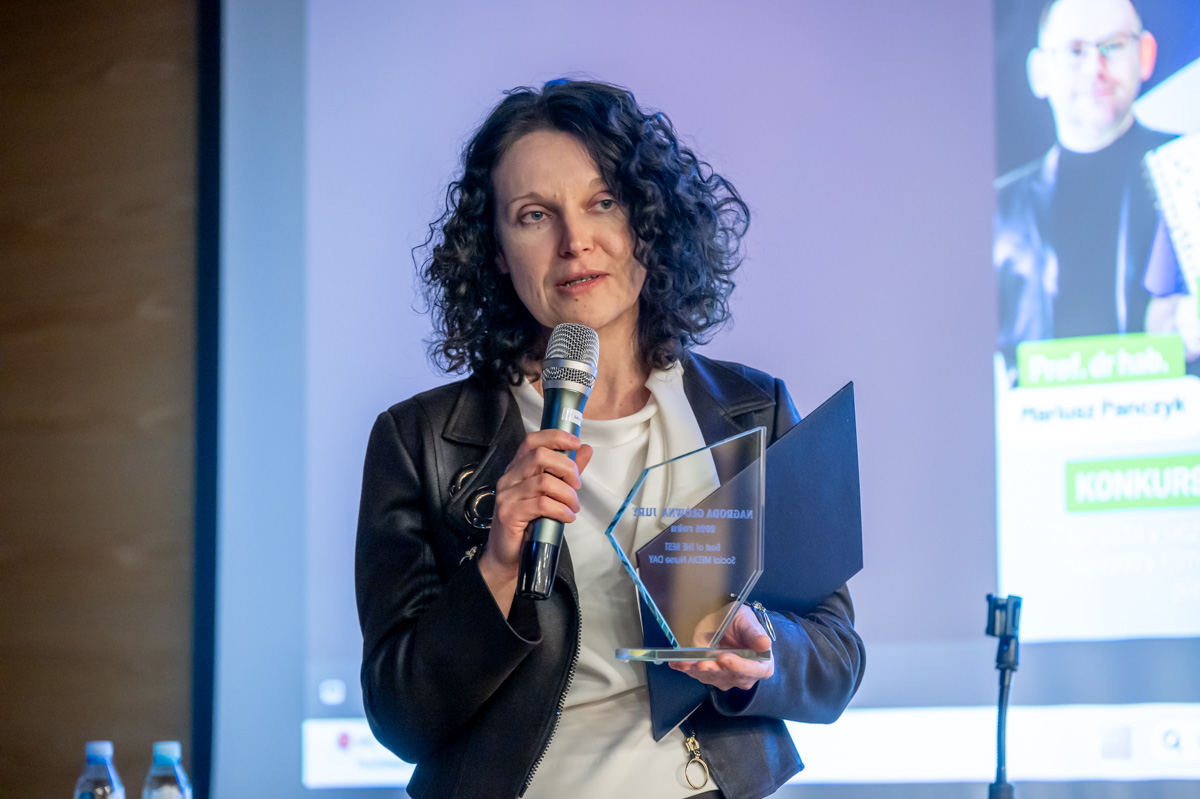
The Audience Award was presented to Maria Jędrzejczyk for the film “Nursing from the Ground Up.” Meanwhile, the Grand Jury Prize was awarded to Anna Wojciechowska-Urbanek for the film “Nursing: A Profession for Her and for Him.”
The awards were presented by Dr. hab. Edyta Krzych-Fałta, Head of the Department of Nursing Propedeutics at WUM.
The event was organized by the Department of Nursing Propedeutics at WUM in cooperation with the Student Scientific Club of Fundamentals of Nursing at WUM.